
Everything you need to know about textiles, from cotton and silk to bamboo and recycled polyester, so you can choose the right fabric every single time.
📅 Last Updated: March 02, 2026Walk into any fabric store and the options can feel completely overwhelming. There are hundreds of choices on the shelves, and most labels just tell you what something is made of without explaining what you are actually supposed to do with it.
This guide changes that. Whether you are shopping for a new outfit, planning a sewing project, buying bedding, or trying to figure out why your skin reacts to certain clothes, you will find clear and practical answers here.
You will learn about natural and synthetic fabrics, how to identify what you are holding, which fabrics work best for different seasons and occasions, and how to care for everything you own. There is also a dedicated section on fabrics for sensitive skin, a guide for parents choosing safe materials for their babies, and a full glossary of textile terms.
Understanding Natural Fibers
Natural fibers come directly from plants or animals. They have been used to make clothing for thousands of years, and for good reason. They tend to breathe well, feel comfortable against skin, and are a better choice for anyone with sensitivities.
There are four main natural fibers you will see in everyday clothing and home textiles. Each one has its own personality, and knowing a little about each will help you make smarter choices when you shop.
Cotton
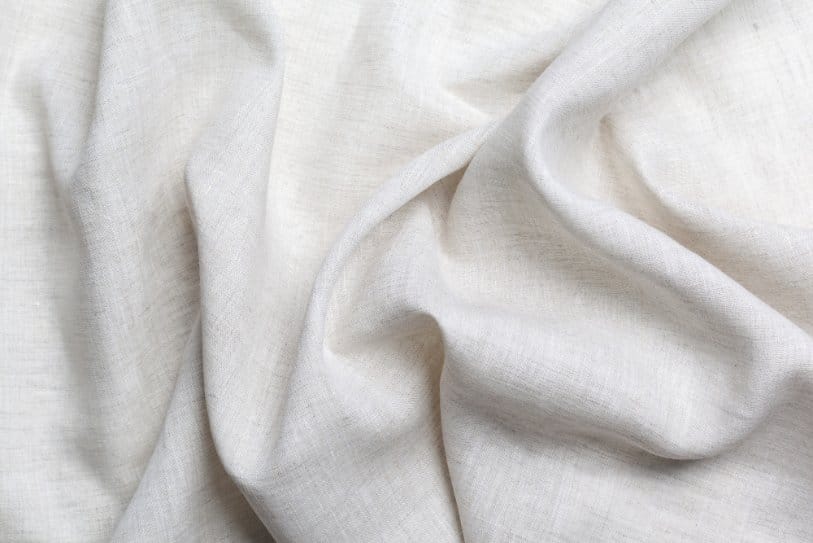
Cotton is the world’s most popular fabric for a reason. It is soft, breathable, easy to wash, and affordable. It absorbs moisture well, making it the natural choice for T-shirts, underwear, bed sheets, and towels.
According to the National Cotton Council of America, cotton can absorb up to 27 times its own weight in water. That is why it remains the default fabric for anything that needs to stay comfortable all day.
The downsides? Cotton wrinkles easily and can shrink in the wash if you are not careful. It also takes longer to dry than most synthetic fabrics.
There are many types of cotton worth knowing about. Egyptian cotton is known for its long fibers and exceptional softness. Pima cotton is similar and grown mainly in the US and Peru. Organic cotton skips the pesticides, making it a safer choice for sensitive skin and a better option for the environment.
If you want to go deeper, check out our full guide to cotton fabric for everything from thread counts to the best washing temperatures.
Wool
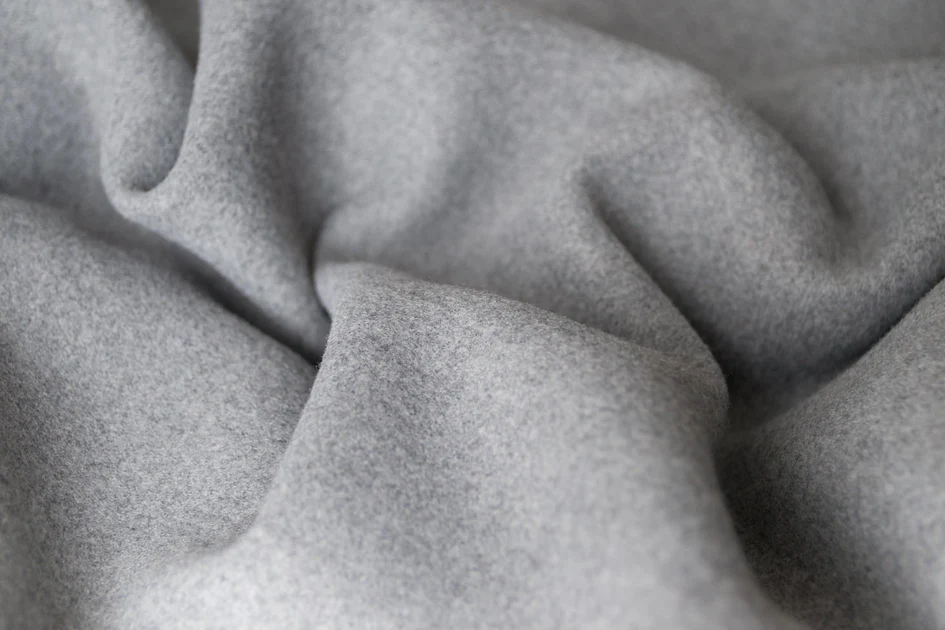
Wool is nature’s ultimate insulation. It traps warm air close to your body while still letting moisture escape, which means you stay warm without getting clammy. Unlike many fabrics, wool can absorb up to 30% of its weight in moisture without feeling wet, making it a go-to for cold and wet climates.
Not all wool feels the same, though. Standard wool can feel scratchy, particularly against sensitive skin. Merino wool is much finer and softer, making it popular for base layers and activewear. Cashmere is even softer and lighter, though it comes at a higher price.
Wool also resists wrinkles naturally and can repel light rain. It does require more care in washing, as it can shrink or felt if exposed to hot water or heavy agitation. Browse our full wool fabric guide and our complete wool care guide for more detail.
Silk
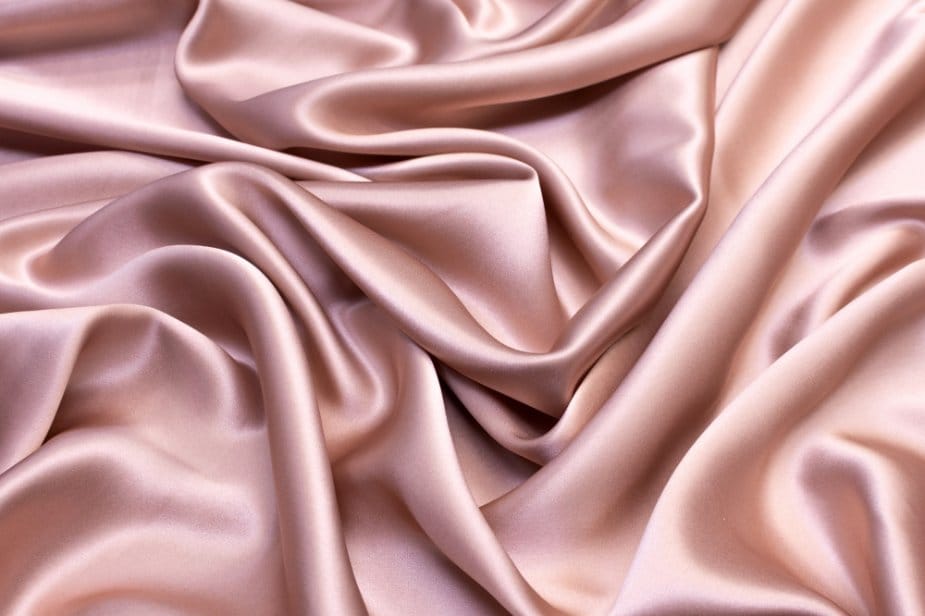
Silk is the original luxury fabric. Produced by silkworms, it has a natural sheen and a smooth, cool-to-the-touch feel that no synthetic has fully replicated. It is also a natural temperature regulator, keeping you cool in summer and warm in winter.
The main drawbacks of silk are its price and the care it requires. Silk is delicate, weakens when wet, and can be damaged by sunlight over time. Most silk garments carry a dry clean or hand wash label, and it benefits from careful storage away from direct light.
There are different types of silk worth knowing about, including mulberry silk (the most refined), raw silk, and dupioni silk. Read our complete silk fabric guide and silk care guide for the full picture.
Linen
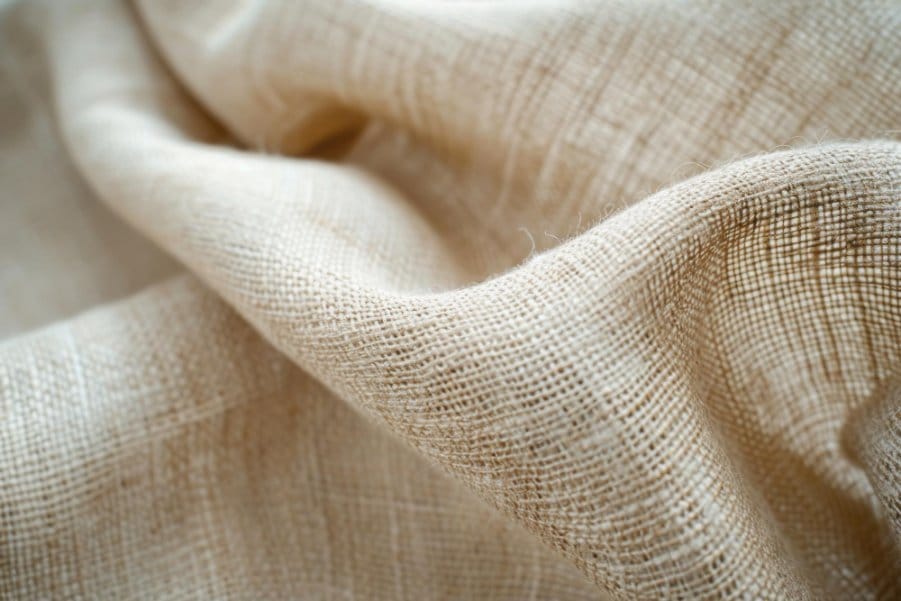
Linen is made from the flax plant and is one of the strongest natural fibers on the planet. It gets softer with every wash without losing its strength, so a well-cared-for linen shirt or tablecloth can last for decades.
Linen is also naturally antibacterial and resists mold, making it a practical choice for both clothing and home textiles.
Linen is famous for wrinkling easily, which is simply a sign that it is 100% natural, not a quality issue. It is also the most breathable fabric of the four main natural fibers, making it the top choice for hot weather. It absorbs and releases moisture quickly, so it feels dry even when the temperature climbs.
Explore our full linen fabric guide and linen care guide. For specific types, we also cover Belgian linen and Irish linen in detail.
| Fiber | Best For | Breathability | Durability | Care Level | Price Range (per yard) |
|---|---|---|---|---|---|
| Cotton | Everyday wear, bedding, towels | High | High | Easy | $3 – $15 |
| Wool | Cold-weather clothing, suits | Medium | Very High | Moderate | $8 – $50 |
| Silk | Formalwear, lingerie, scarves | High | Medium | Delicate | $12 – $100 |
| Linen | Summer clothing, tablecloths | Very High | Very High | Easy | $8 – $25 |
What is the Most Commonly Used Fabric?
Cotton takes the top spot by a wide margin. According to the Textile Exchange Preferred Fiber Report, cotton accounts for approximately 25% of all global fiber production and is found in around 40% of all clothing sold worldwide. No other natural fiber comes close in terms of volume.
| Cotton Fast Fact | Figure |
|---|---|
| Share of global fiber production | ~25% |
| Share found in clothing | ~40% of all garments |
| Countries producing cotton commercially | 80+ countries |
| Types of cotton fabric varieties available | 200+ |
| Moisture absorption capacity | Up to 27x its own weight |
The combination of comfort, easy care, affordability, and versatility keeps cotton at the top. It is used in everything from surgical dressings and coffee filters to denim jeans and baby sleepwear.
Synthetic fabrics are made from man-made fibers, usually derived from petroleum-based chemicals. They do not exist in nature. Scientists developed them to solve specific problems that natural fibers could not. They are generally more durable, wrinkle-resistant, and moisture-wicking than natural fibers, but they do not breathe as well and can cause issues for sensitive skin.
Polyester
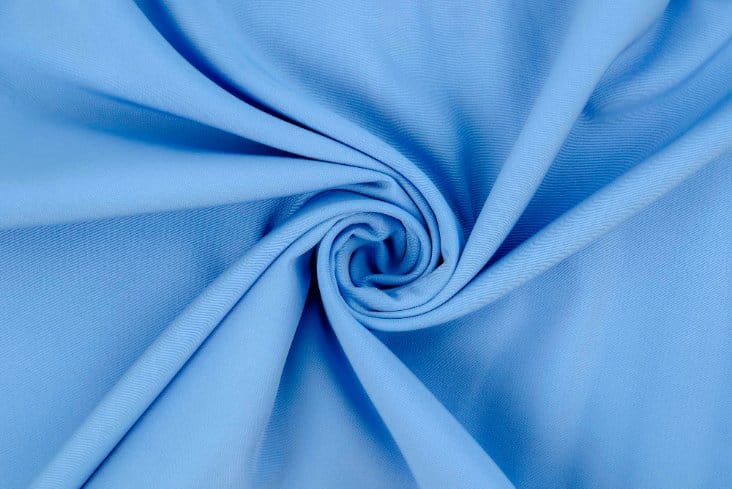
The most widely produced synthetic fiber in the world. Polyester is strong, wrinkle-resistant, and holds its shape even after repeated washing. It dries very quickly and is affordable. The main downside is that it traps heat and moisture, making it less comfortable in hot conditions.
Best For: Athletic wear, outerwear, everyday blendsNylon
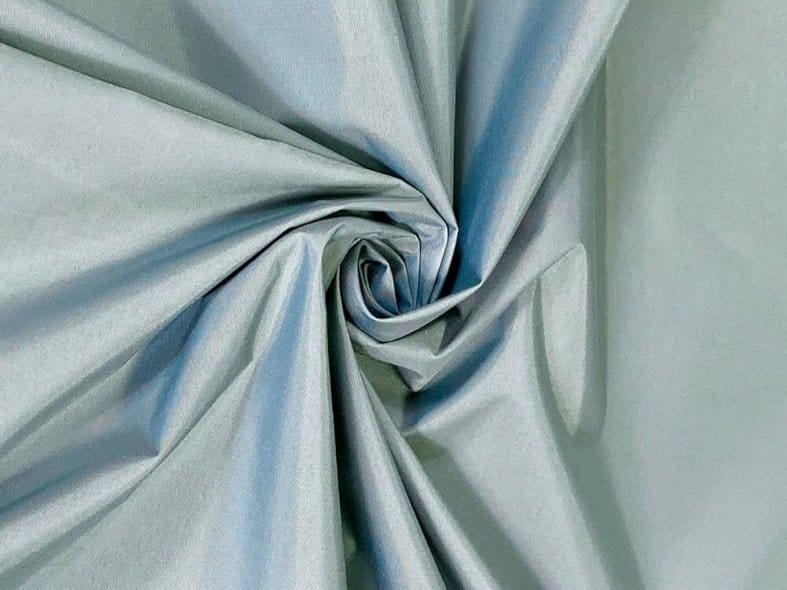
Nylon is one of the toughest fabrics available. It resists abrasion, stretches, and snaps back to shape reliably. It was originally developed as a synthetic alternative to silk and is now the go-to material for hosiery, swimwear, activewear, and outdoor gear like backpacks and tents.
Best For: Activewear, swimwear, hosiery, outdoor gearSpandex (Lycra / Elastane)
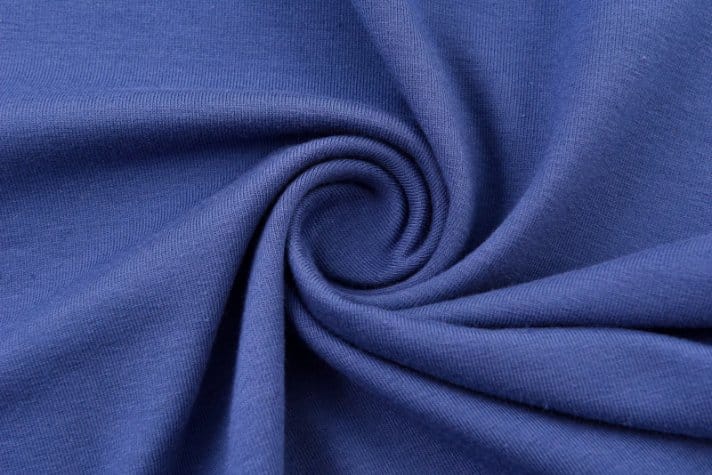
Spandex can stretch up to 500% of its original length and still spring back to shape. You will rarely find a garment made from 100% spandex. Instead, small percentages are blended with other fabrics to add stretch and improve fit. Even 2–5% spandex in a fabric makes a big difference in comfort.
Best For: Activewear, swimwear, fitted clothing, compression garmentsAcrylic
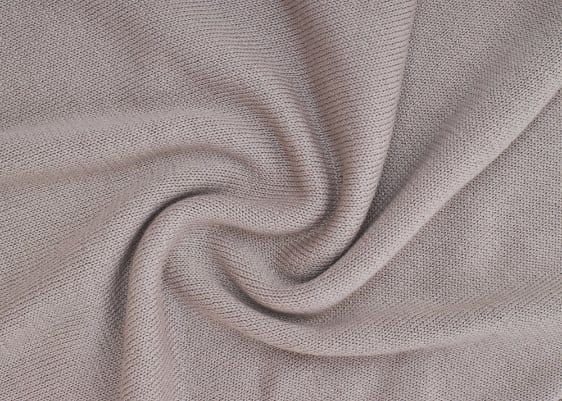
Acrylic is the affordable alternative to wool. It mimics wool’s warmth and soft texture while being machine washable, moth-resistant, and much cheaper. It is lighter and retains color well. The downside is that it does not breathe as well as wool and can pill over time with friction.
Best For: Sweaters, blankets, knitwear, affordable winter clothingFleece
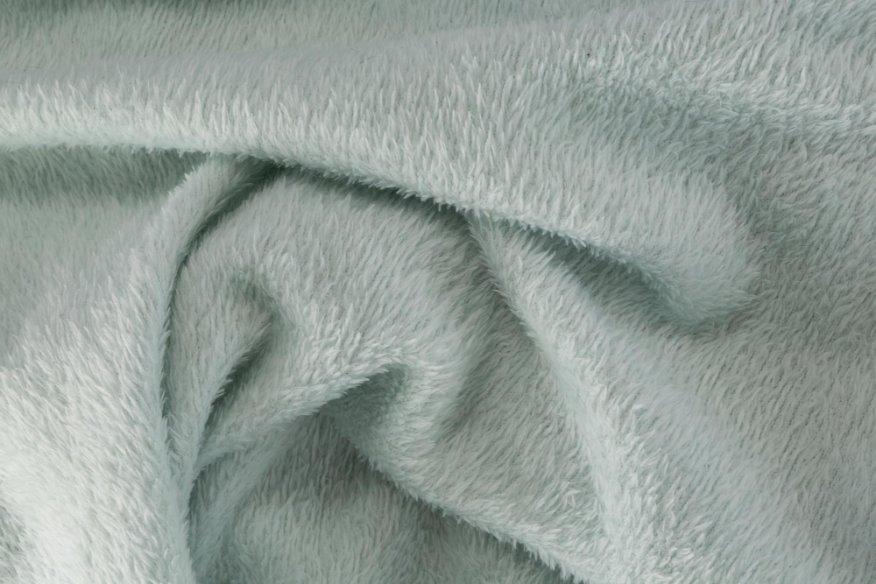
Fleece is a soft, brushed fabric usually made from polyester. It is lightweight, warm, and dries quickly after getting wet. Most fleece is made from recycled plastic bottles, making it one of the more eco-friendly synthetic options. It is a staple in casual and outdoor clothing. See our guide to fleece fabric.
Best For: Casual outerwear, midlayers, outdoor activitiesMicrofiber
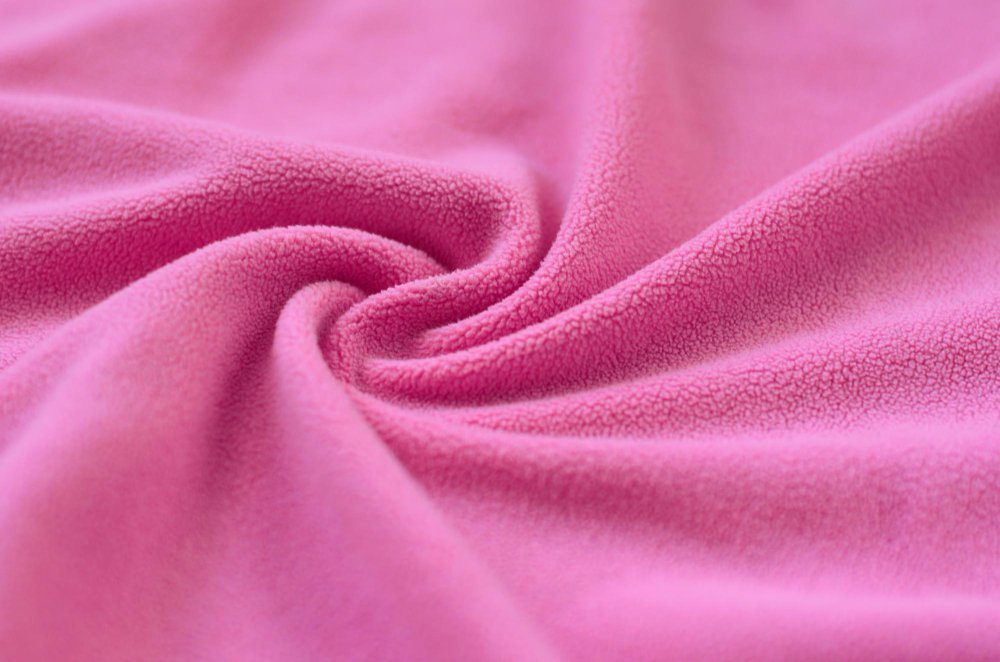
Microfiber is made from incredibly fine synthetic threads, usually polyester or nylon, that are finer than a human hair. The result is a fabric that is ultra-soft, lightweight, and very effective at trapping dirt and moisture. It is popular in cleaning cloths, sportswear, and bedding. Read our microfiber fabric guide.
Best For: Sports clothing, cleaning cloths, lightweight bedding| Synthetic Fiber | Key Strength | Main Weakness | Price Range (per yard) | Eco Rating |
|---|---|---|---|---|
| Polyester | Wrinkle-resistant, quick-dry | Traps heat, not breathable | $2 – $12 | Low (recyclable as rPET) |
| Nylon | Extremely strong and stretchy | Heat-sensitive, traps odor | $3 – $18 | Low |
| Spandex | Excellent stretch recovery | Holds odor, not breathable alone | $4 – $20 | Low |
| Acrylic | Warm, moth-resistant, low cost | Pills easily, less durable | $3 – $12 | Low |
| Fleece | Lightweight warmth, fast-dry | Sheds microplastics | $5 – $15 | Medium (if recycled) |
Want a head-to-head breakdown? Check out our detailed cotton vs polyester guide and the full polyester fabric guide.
Regenerated Fibers: The Middle Ground
There is a third category that sits between natural and synthetic: regenerated fibers. These are made from natural raw materials, usually plant pulp, but they go through significant chemical processing before becoming fabric. The most important ones to know are bamboo, TENCEL, Modal, and Rayon (viscose).
Bamboo
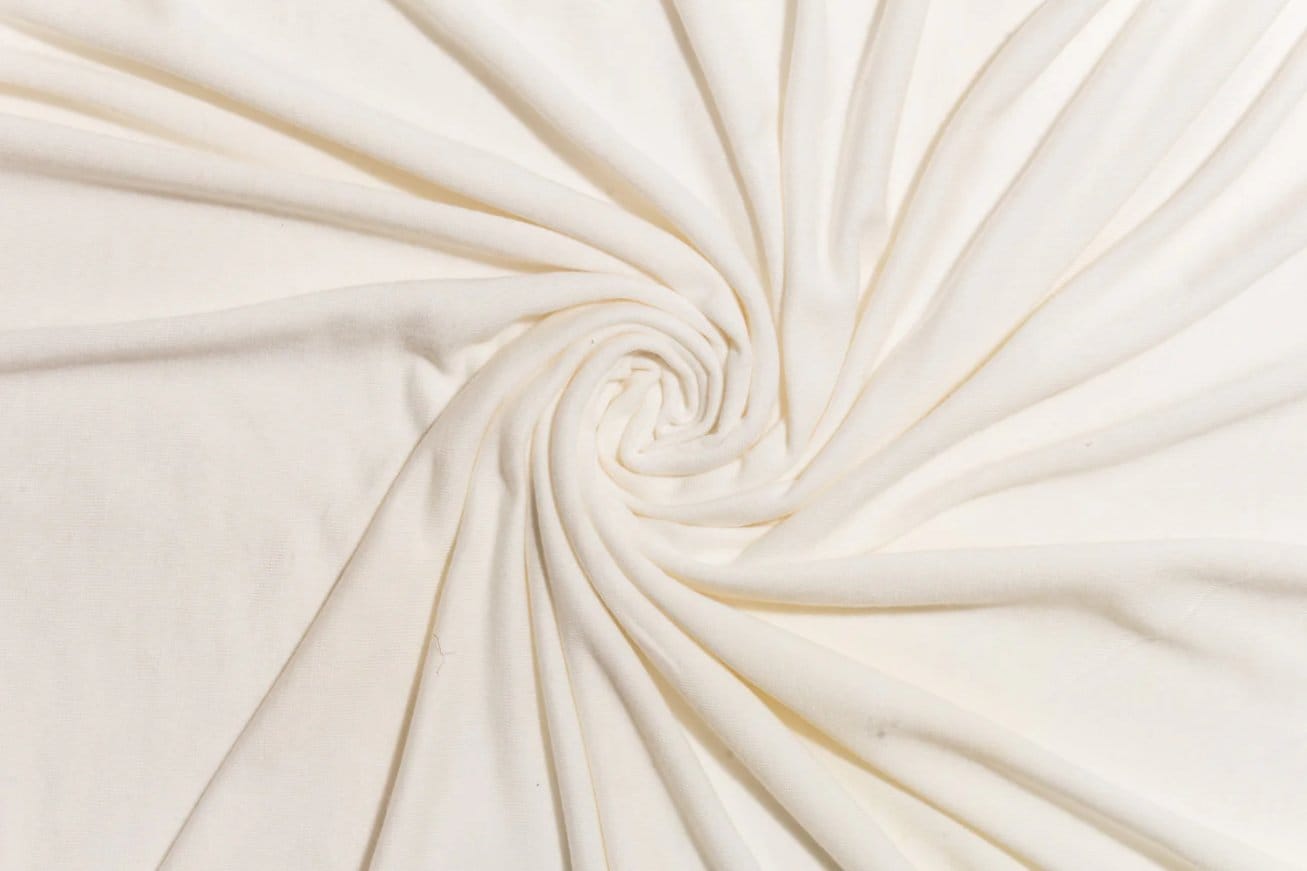
Bamboo fabric is made by breaking down bamboo grass into a pulp and then spinning it into fibers. The resulting fabric is soft, breathable, moisture-wicking, and naturally antimicrobial, making it a popular choice for activewear, underwear, and baby clothing.
However, the process of converting bamboo into fabric involves significant chemicals, so it is not as naturally sustainable as the raw plant itself suggests.
TENCEL (Lyocell)
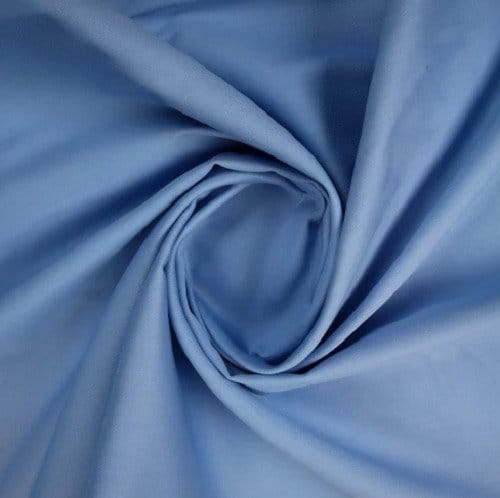
TENCEL is a brand name for Lyocell, a fabric made from sustainably sourced wood pulp, usually eucalyptus. According to Lenzing, the company behind TENCEL, its production uses a closed-loop system that recycles up to 99% of the water and solvents used.
The fabric itself is extremely soft, smooth, and breathable. It drapes beautifully and is gentle on sensitive skin, making it one of the most genuinely eco-friendly options available. Look for the OEKO-TEX Standard 100 certification when purchasing TENCEL products.
Modal
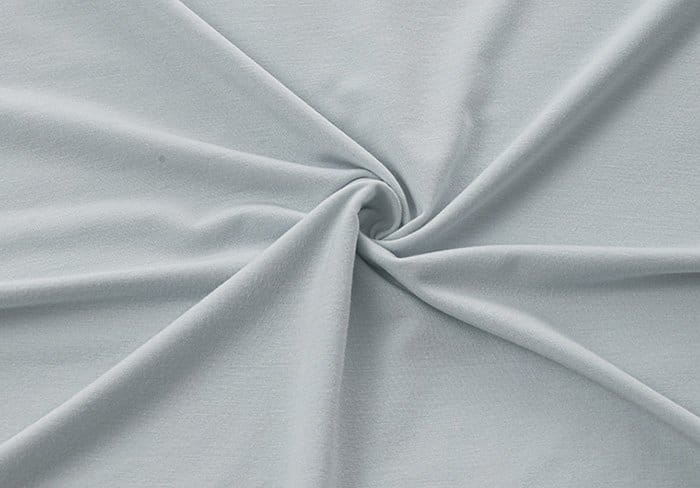
Modal is made from beech tree pulp. It is softer than cotton, holds color well, and does not shrink or pill easily. You will often find it blended with cotton in underwear and T-shirts to add extra softness.
Rayon (Viscose)
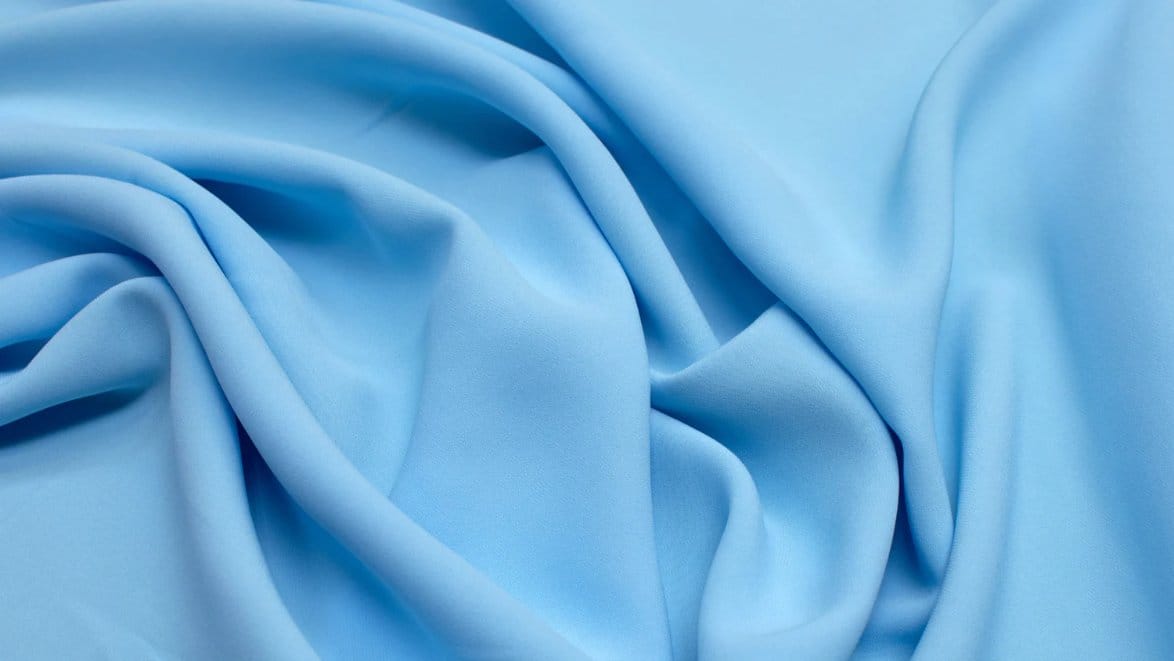
Rayon is one of the oldest regenerated fibers. It mimics the feel of silk at a much lower price point, drapes smoothly, and breathes reasonably well.
The downside is that standard rayon production uses significant amounts of chemicals and water. It is also a weaker fabric, especially when wet, and can shrink or distort easily. Always handle it with care when washing.
How to Identify a Fabric Type
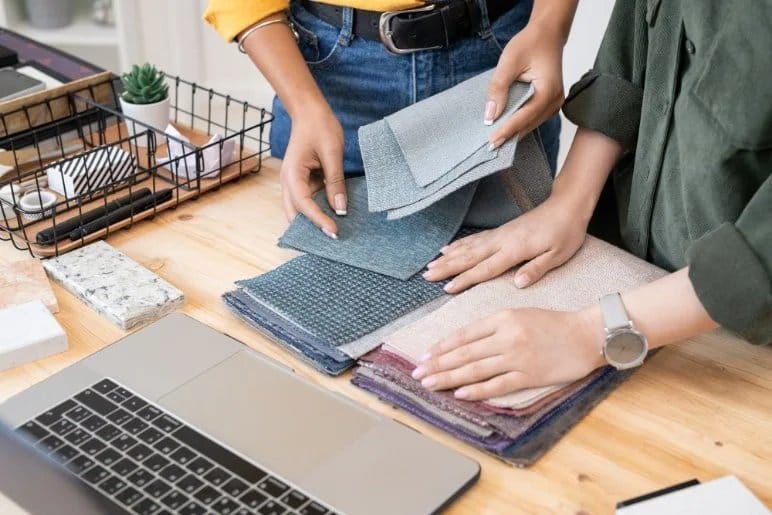
Knowing how to identify fabrics helps you take better care of your clothes and make smarter purchases. Here are four reliable methods you can use at home.
Method 1: Check the Care Label
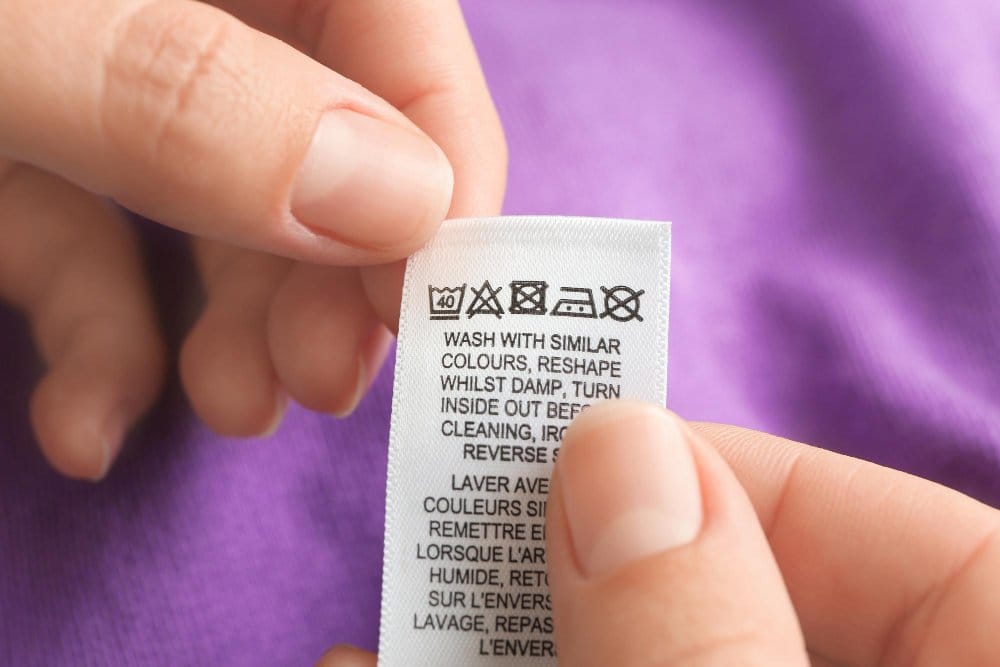
This is the most reliable method. The care label sewn into any garment or textile will list the fiber content by percentage. A label that reads “70% cotton, 30% polyester” tells you exactly what you are working with. If the label has worn off, you can request fiber content information from the retailer.
Method 2: The Touch Test
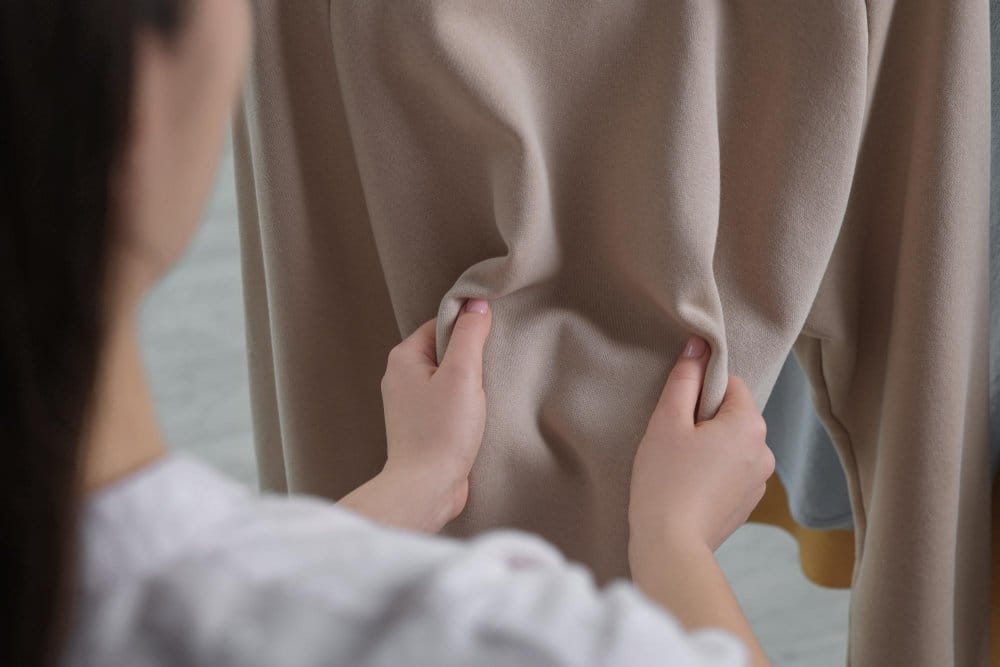
| Fabric | How It Feels | What Happens When Wet |
|---|---|---|
| Cotton | Soft, matte, not slippery | Gets softer, feels cooler |
| Wool | Slightly springy, may feel rough | Stays warm, can felt if rubbed |
| Silk | Cool, smooth, slippery | Weakens slightly, feels soft |
| Linen | Crisp, slightly textured | Gets softer over time |
| Polyester | Smooth, plasticky, cool | Barely absorbs water |
| Nylon | Slippery and lightweight | Dries almost immediately |
| Bamboo/TENCEL | Very soft, drapes smoothly | Moisture-wicking, dries well |
Method 3: Visual Clues
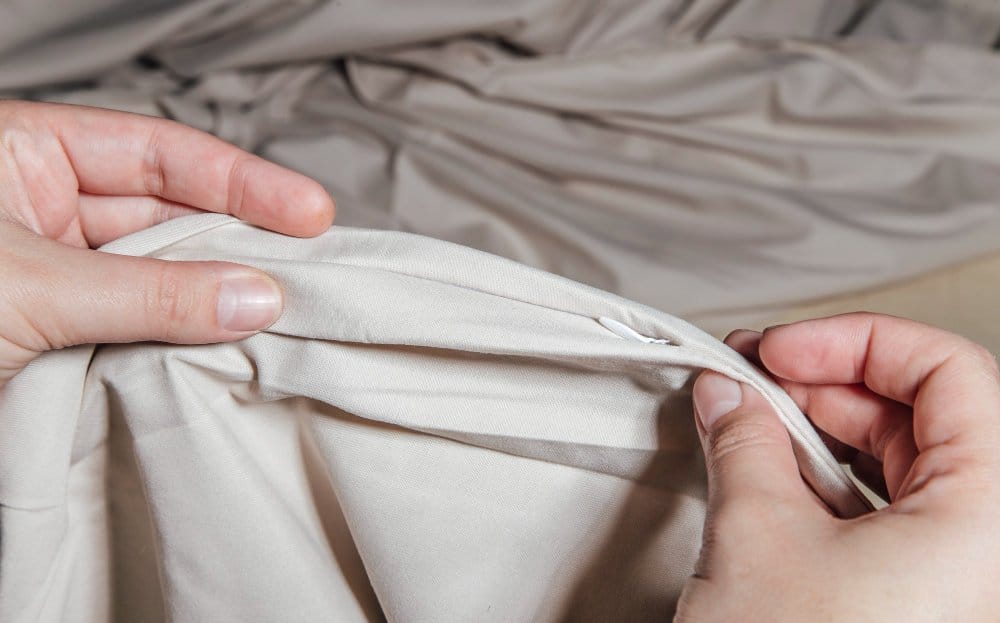
Look at the surface of the fabric and how it moves when you hold it up. Satin has a glossy, mirror-like surface and flows smoothly. Denim shows a diagonal weave and has a stiff, structured feel. Corduroy has distinctive raised ridges running lengthwise. Velvet has a short, dense pile that catches light differently depending on which way you brush it.
Method 4: The Burn Test (Scraps Only)
Only use this method on small fabric scraps, never on a full garment, and always in a safe outdoor or well-ventilated space.
| Fabric | How It Burns | Smell | Residue |
|---|---|---|---|
| Cotton | Burns fast, glows after flame | Burning paper | Soft grey ash |
| Wool | Burns slowly, self-extinguishes | Burning hair | Brittle, crushable ash |
| Silk | Burns slowly, curls from flame | Burning hair | Small crispy bead |
| Linen | Burns fast, like cotton | Burning grass | Soft ash, less than cotton |
| Polyester | Melts and drips | Chemical, sweet | Hard plastic bead |
| Nylon | Melts, drips, shrinks | Celery-like chemical | Hard brownish bead |
| Acrylic | Melts, drips, burns hot | Harsh chemical | Hard, irregular bead |
Weaves, Knits, and Non-Wovens
The fiber type is only part of what makes a fabric feel and perform the way it does. The way the fibers are put together, the fabric construction, matters just as much.
Woven Fabrics
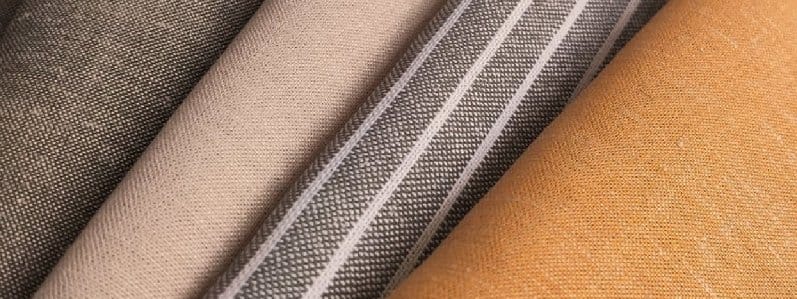
Woven fabrics are made by interlacing threads at right angles on a loom. They are generally more structured, less stretchy, and more durable than knits. The three most common weave types are plain, twill, and satin.
A plain weave is the simplest and most common. Threads cross over and under alternately. Cotton shirts, quilting fabric, and muslin are all plain weaves. They are strong and easy to sew.
A twill weave creates a diagonal line on the surface. This pattern makes the fabric more flexible while being very tough. Denim is a twill weave. So is chino and most cotton twill fabric. The diagonal construction also hides stains well, which is part of why denim became workwear.
A satin weave floats threads on the surface to create a smooth, shiny appearance. This is the construction used to make satin fabric. It looks beautiful but is more delicate than plain or twill weaves because those floating threads snag more easily.
More complex weaves like brocade and jacquard use computer-controlled looms to create intricate patterns woven directly into the fabric structure rather than printed on top.
Knit Fabrics
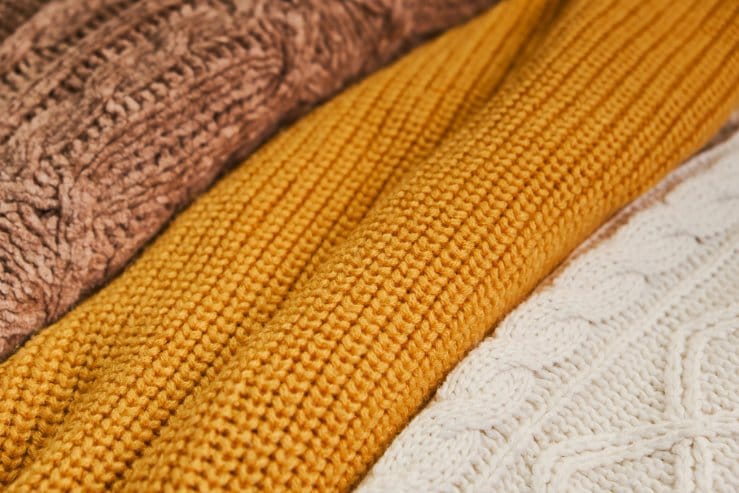
Knit fabrics use interlocking loops instead of crossing threads. The looped construction gives knits their characteristic stretch and recovery. Your T-shirt is a knit fabric. So are most sweaters, leggings, and athletic wear.
Jersey knit is the most common knit fabric. It stretches in all directions, is soft, and drapes beautifully. It is what most T-shirts and casual dresses are made from.
For more structured stretch options, ponte knit is a double-knit fabric that stretches about half a size, holds its shape well, and is popular for work pants and fitted dresses. Rib knit has visible vertical ridges and extra elasticity, making it ideal for cuffs and collars. Learn more about stretchy fabrics in our dedicated guide.
Non-Woven Fabrics
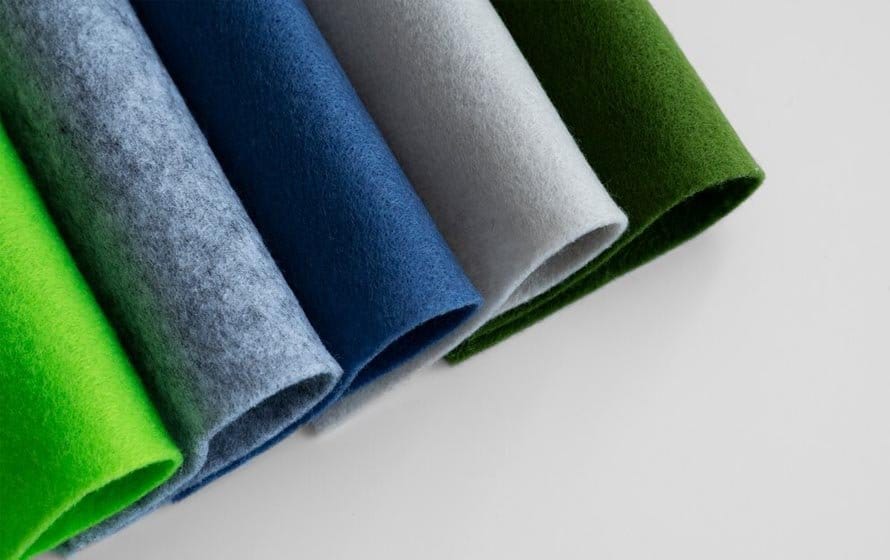
Non-woven fabrics are made by bonding fibers together using heat, pressure, or chemicals, with no weaving or knitting involved. Felt is the most familiar example. Non-wovens are used in craft projects, interfacing for sewing, disposable medical supplies, insulation, and filter materials. They are generally less expensive to produce than woven or knit fabrics.
Fabric Weight: Understanding GSM
GSM stands for grams per square meter. It is how the textile industry measures fabric weight and density. A higher GSM means a heavier, denser fabric. A lower GSM means lightweight and airy.
Understanding GSM helps you choose the right fabric for any project or purchase. A summer dress needs a low GSM fabric. A winter coat needs a high GSM fabric. Knowing this one number can save you a lot of guesswork.
| Category | GSM Range | Best Uses | Examples |
|---|---|---|---|
| Ultra-Lightweight | 30 – 90 GSM | Sheer garments, linings, scarves | Chiffon, voile, silk organza |
| Lightweight | 90 – 150 GSM | Summer tops, blouses, dresses | Lawn cotton, crepe de chine, rayon |
| Medium Weight | 150 – 250 GSM | Everyday clothing, shirts, light pants | Cotton poplin, chambray, jersey |
| Medium-Heavy | 250 – 350 GSM | Structured garments, work pants, skirts | Wool crepe, ponte, denim (light) |
| Heavy Weight | 350+ GSM | Coats, outerwear, upholstery, bags | Heavy denim, canvas, heavy wool |
For a deeper look at this topic, check out our full guide on lightweight vs heavyweight fabrics.
Choosing Fabric for Clothing
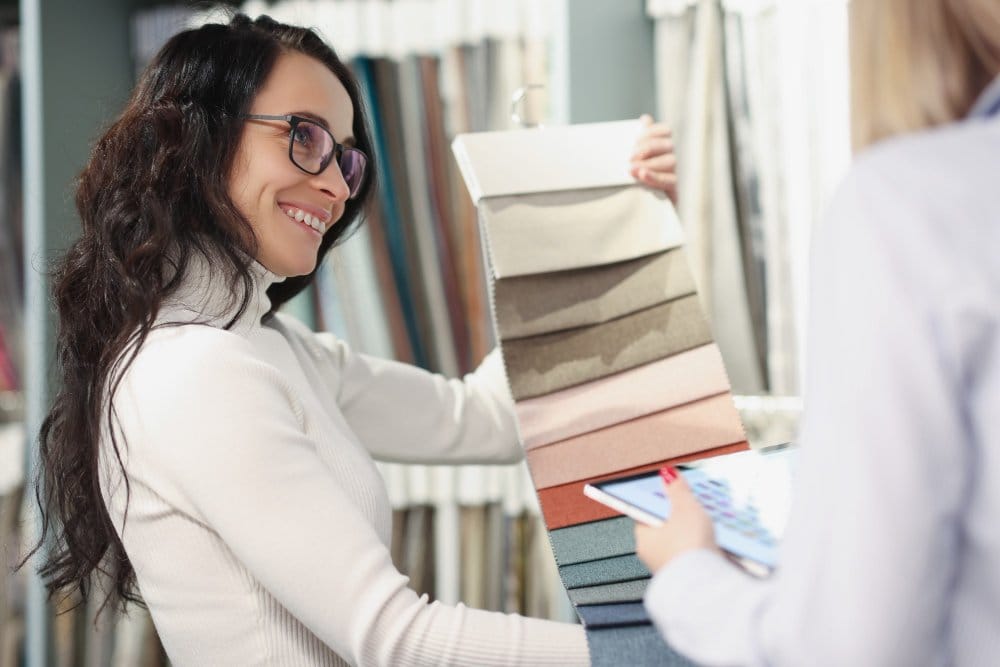
The right fabric does more than look good. It affects how a garment drapes on your body, how long it holds its shape, how easy it is to care for, and how comfortable it feels through a full day of wear. Here are the key factors to think about when choosing fabric for clothing.
Drape
Drape refers to how a fabric falls and flows. Fabrics like rayon, silk, and charmeuse drape beautifully, creating soft, fluid silhouettes. Stiffer fabrics like cotton canvas, denim, and structured wool hold their shape and suit tailored or structured garments.
If you are sewing, choosing a fabric with the right drape for your pattern is one of the most important decisions you will make.
Stretch
If a garment needs to move with your body, you need a fabric with some stretch. Spandex blends, jersey knits, and ponte are excellent for fitted or active clothing. For tailored garments like blazers and trousers, a non-stretch woven fabric gives a sharper, more structured result.
Durability
For everyday clothing that will be washed frequently, durability matters. Denim, canvas, and cotton-polyester blends are among the most durable options. Pure silk and fine linen require more careful handling. If you are buying for kids or for heavy use, prioritize fabrics that can handle frequent washing without losing their shape or color.
See our full guide to the most durable fabrics for everyday wear.
What is the Best Fabric for Regular Everyday Use?
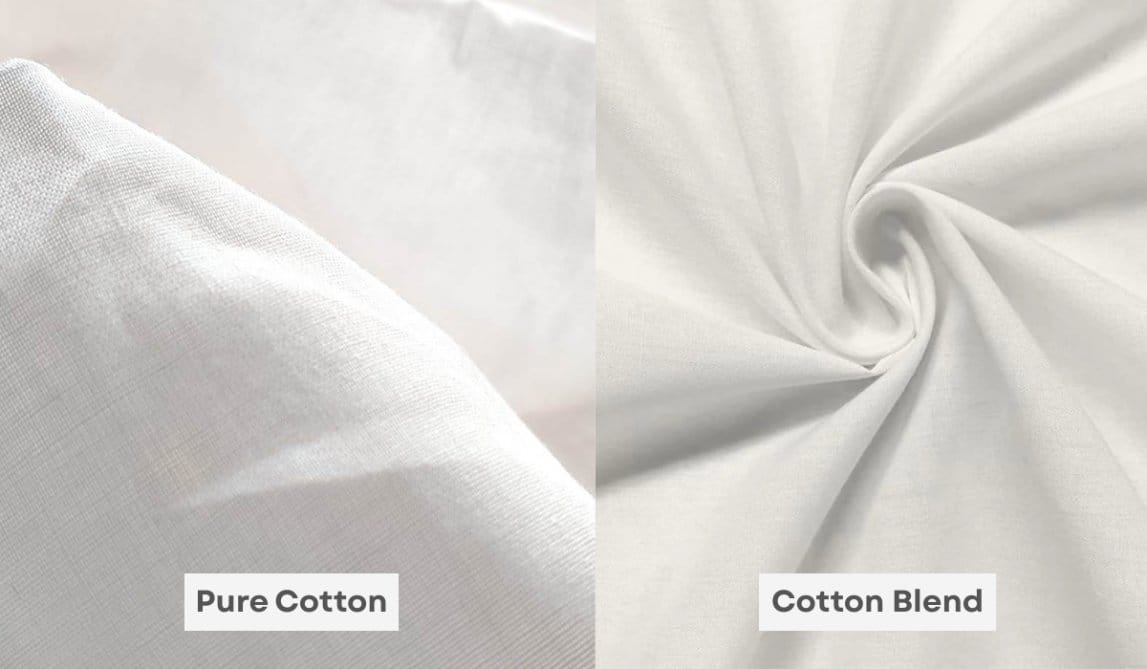
For daily wear that gets washed frequently, a cotton-polyester blend (typically 60% cotton, 40% polyester) offers the best balance for most people. You get the breathability and softness of cotton combined with the wrinkle resistance and shape retention of polyester. The result is a fabric that looks presentable all day without needing to be ironed every time.
Pure Cotton Wins For
- Breathability in warm weather
- Sensitive or reactive skin
- Completely natural feel
- Better for the environment
- Softer with each wash
Cotton Blend Wins For
- Resists wrinkles after washing
- Dries faster
- Holds color better over time
- More durable with heavy use
- Lower price point
The bottom line: cotton blends work better for busy lifestyles where easy care matters. Pure cotton is better for comfort, sensitive skin, and sustainability. Neither is objectively superior; it depends on your priorities. For a full side-by-side breakdown, see our cotton vs polyester fabric guide linked earlier in this article.
If you are just learning to sew, cotton is your best starting point. It does not slip or stretch while you cut it, holds pins and stitches without distorting, and forgives small mistakes better than most fabrics.
Quilting cotton, cotton poplin, and cotton canvas are all beginner-friendly options. Avoid slippery fabrics like silk, satin, and charmeuse until you are more comfortable with your machine.
For sewing resources, check out our beginners guide to sewing, easy sewing projects for beginners, and our guide to beginner-friendly sewing patterns.
Seasonal Fabric Guide
The climate you live in should shape the fabrics you reach for. Here is a straightforward breakdown of the best fabrics by season, along with guidance for different climate types.
Summer Fabrics
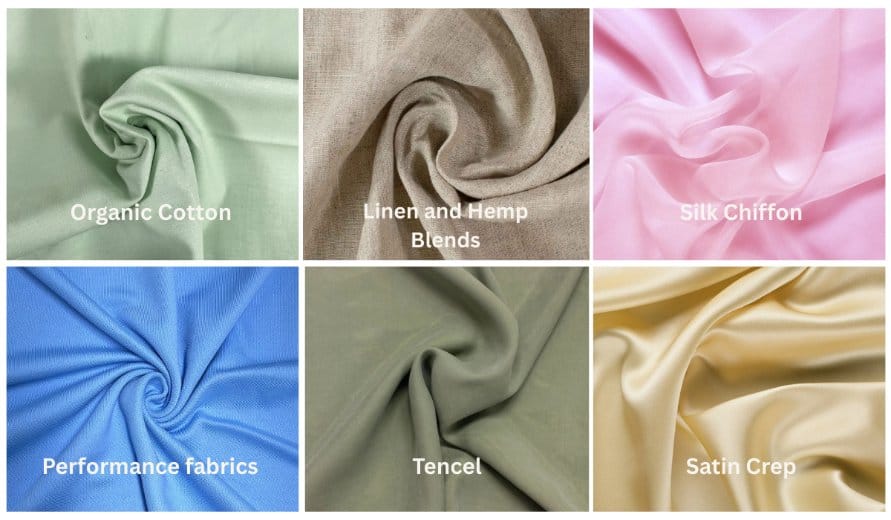
When it is hot, you want fabrics that let air circulate and pull moisture away from your skin. The best choices are linen, lightweight cotton, bamboo, and rayon.
Linen is the undisputed champion for hot, humid weather. Its open weave creates constant airflow and it releases moisture quickly so it does not cling. Lightweight cotton and bamboo are close runners-up.
Avoid synthetic fabrics in hot weather if possible. Polyester, nylon, and acrylic trap heat and moisture, leaving you feeling sticky and uncomfortable. Our dedicated summer fabrics guide covers all your warm-weather options in detail.
Winter Fabrics
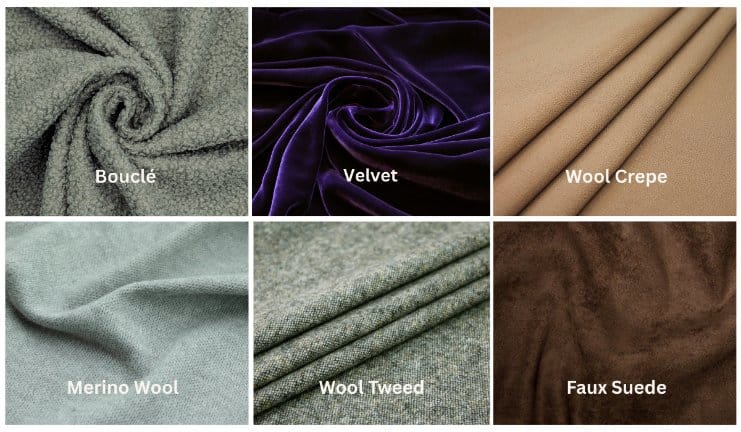
In cold weather, you want fabrics that trap warm air close to your body. Wool is the gold standard for insulation. Fleece is a lightweight, affordable alternative. Cashmere is the most luxurious warmth-to-weight option. Thermal knit fabrics and layering systems (a moisture-wicking base layer under a warm midlayer) are the most effective approach in very cold conditions.
Check out our full winter fabrics guide for detailed recommendations.
| Climate Type | Best Fabrics | Fabrics to Avoid |
|---|---|---|
| Hot and Humid | Linen, bamboo, moisture-wicking cotton, TENCEL | Polyester, nylon, acrylic, heavy cotton |
| Hot and Dry | Linen, lightweight cotton, rayon, silk | Synthetic fabrics that trap heat |
| Cold and Dry | Wool, cashmere, fleece, thermal knits | Linen, lightweight chiffon, rayon |
| Cold and Wet | Wool (water-resistant), treated nylon, waterproof synthetics | Cotton in rain (stays wet and cold) |
| Mild and Changeable | Cotton blends, jersey, light wool, ponte | Very heavy or very sheer fabrics |
Fabrics by Occasion
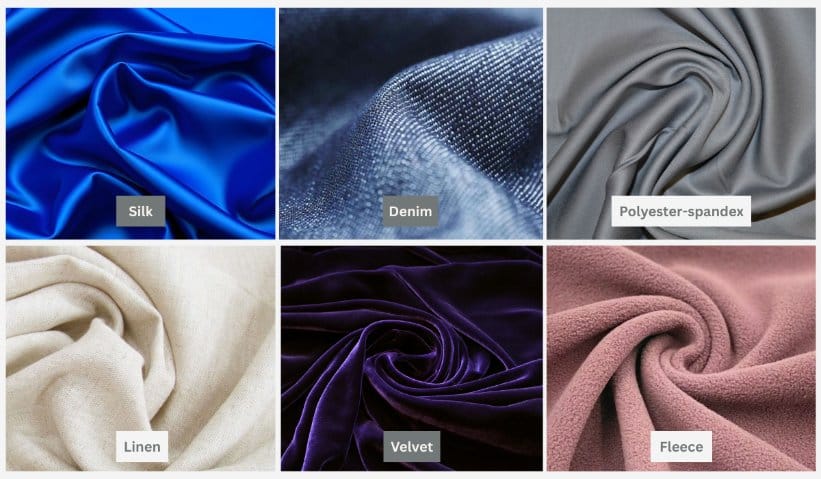
Different situations call for different fabrics. A fabric that works beautifully at a beach wedding would be completely wrong for a hiking trail, and vice versa. Here is a practical guide to matching fabric to the occasion.
Job Interview / Office
- Wool crepe or wool blend
- Cotton poplin or broadcloth
- Ponte knit for pants
- Silk or silk-blend blouses
Casual Weekend / Everyday
- Cotton jersey
- Denim
- Chambray
- Cotton-polyester blends
Gym / Active Use
- Polyester-spandex blends
- Nylon-spandex blends
- Moisture-wicking jersey
- Bamboo for yoga
Summer Outdoor / Beach
- Linen
- Lightweight cotton
- Rayon or TENCEL
- Bamboo
Formal Evening / Gala
- Silk satin or charmeuse
- Velvet for winter
- Organza or tulle for volume
- Lace as overlay
Outdoor Adventure
- Treated nylon (water-resistant)
- Merino wool for base layers
- Fleece for midlayers
- Ripstop for outer layers
Which Fabric Stretches Half a Size?
Ponte knit is famous for stretching exactly half a size, which makes it one of the most flattering fabrics for fitted dresses and trousers. It contains around 5 to 10% spandex, giving it just enough give to be comfortable without losing its structure.
If you have ever wondered why some office-ready pants feel as comfortable as pajamas, ponte is the reason.
Choosing Fabric for Your Lifestyle and Body Type
The best fabric for you is not just about season or occasion. It is also about how you live and how you want clothing to feel and move throughout your day.
| Lifestyle / Need | Best Fabric Choices | Why It Works |
|---|---|---|
| Active / On the go | Cotton-polyester blend, jersey knit | Easy care, holds shape, moves freely |
| Office / Professional | Wool crepe, cotton poplin, ponte | Structured, wrinkle-resistant, polished look |
| Sweats easily / runs hot | Linen, moisture-wicking cotton, bamboo | Maximum breathability and fast moisture release |
| Sensitive or reactive skin | Organic cotton, TENCEL, fine Merino | Soft, low-chemical, certified safe |
| Fluid, relaxed silhouettes | Rayon, TENCEL, charmeuse, jersey | Drapes naturally and moves with the body |
| Structured, tailored looks | Wool, cotton canvas, denim, ponte | Holds shape without constant pressing |
| Minimal wardrobe / slow fashion | Linen, wool, organic cotton | Durable, classic, improves with age and wear |
Specialty Fabrics: Bridal, Evening Wear, and Chiffon
Some fabrics exist specifically for those moments that need to feel a little special. Bridal and eveningwear fabrics are chosen for their visual impact, the way they catch light, and the way they drape on a moving body.
Bridal and Formal Fabrics
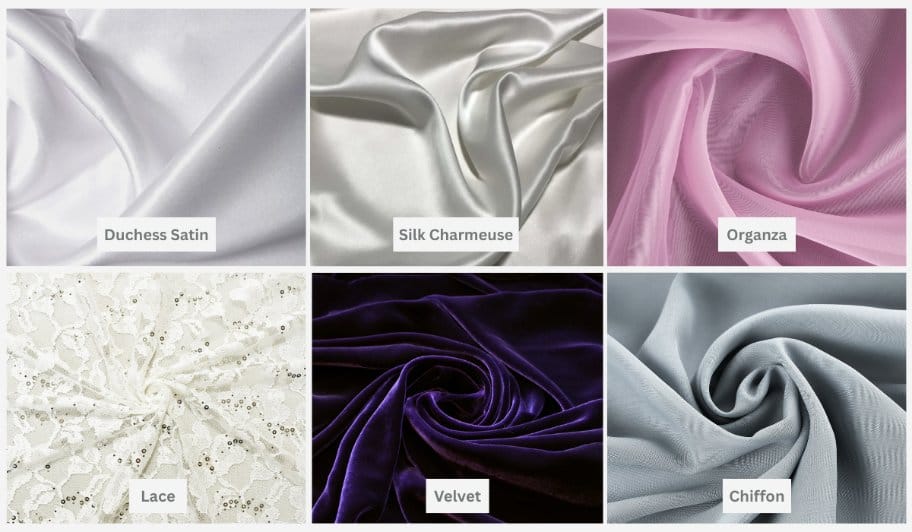
Duchess satin is one of the most popular choices for structured wedding gowns. It has a heavier, matte-finish satin that holds its shape and creates crisp silhouettes. Duchess satin supports ball gown skirts without requiring much additional structure.
Silk charmeuse and crepe-back satin are the go-to fabrics for fluid, bias-cut gowns that move with the body. They are lightweight, with a smooth front and a matte crepe back, giving you versatility in how the garment is cut.
Organza is a crisp, sheer fabric used to add volume and structure in layers. It is common in veils, overlay skirts, and decorative elements. Read more in our dedicated organza fabric guide.
Lace adds romance and texture to any bridal look. Chantilly lace is the most classic choice for bridal work, with its fine floral motifs on a sheer ground. Alençon lace features a more defined outline and a heavier hand, ideal for structured gown overlays. Browse our full lace fabric guide for the complete range.
Velvet is exceptional for winter formal wear. Its deep pile surface catches light in a way that photographs beautifully and creates an impression of richness that few fabrics can match. Linen velvet and silk velvet are the finest options.
Chiffon: The Fabric That Never Goes Out of Style
Chiffon is a lightweight, plain-woven fabric with a soft, slightly textured surface. It is sheer, floaty, and elegant, and has been used in fashion for over a century. The name comes from the French word for “cloth” or “rag,” but there is nothing rag-like about how it performs in a beautifully draped dress or blouse.
Chiffon comes in many fiber types. Silk chiffon is the most luxurious, with a subtle sheen and exceptional drape. Polyester chiffon is more affordable and easier to care for. Georgette chiffon has more texture and body. Rayon chiffon drapes beautifully and has a more matte finish.
For a full overview of all the chiffon varieties available, visit our comprehensive chiffon fabric guide.
What is Burnout Chiffon Fabric?
Burnout chiffon starts with a fabric made from two different fiber types, most commonly polyester and silk, or polyester and rayon. A chemical solution, usually sodium hydroxide or sulfuric acid, is then printed onto the fabric in a pattern.
This solution dissolves one of the fibers, typically the natural one like the rayon or silk, while leaving the other, usually the polyester, completely intact.
The effect is striking. Where the chemical was applied, the fabric becomes transparent and gauzy. Where it was not applied, the fabric retains its original texture and body. When the base fabric contains a pile or velvet-like construction, the result is a raised, three-dimensional pattern on a sheer background.
What Does Burnout Chiffon Look Like?
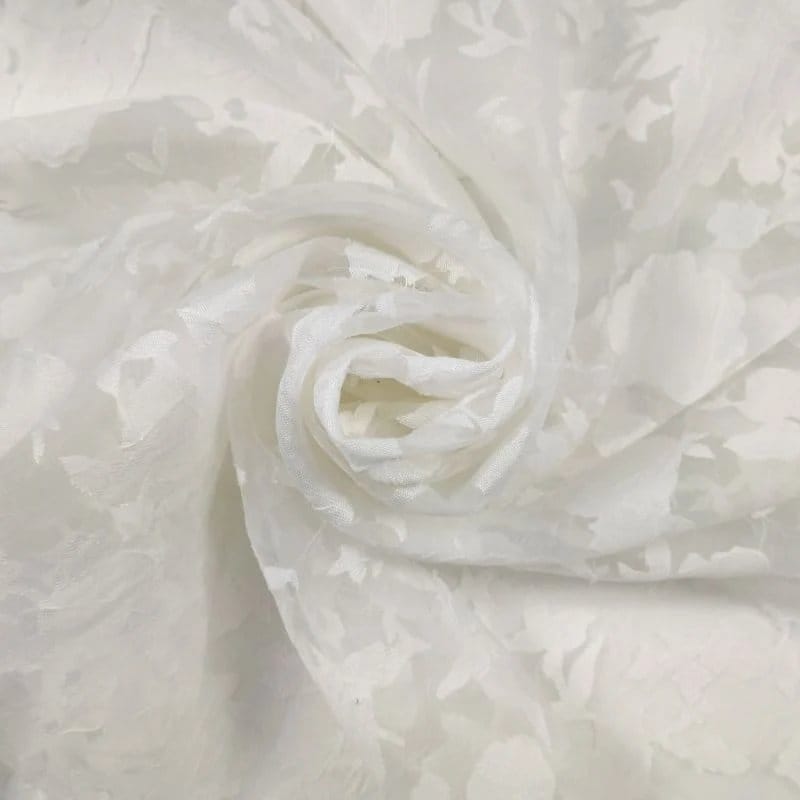
Burnout chiffon typically features floral, leaf, or geometric patterns with a soft, velvety appearance against a sheer, lightweight background. The contrast between the opaque pattern and the transparent ground gives it a layered, almost luminous quality. It looks rich and detailed without being heavy.
How Is Burnout Chiffon Used?
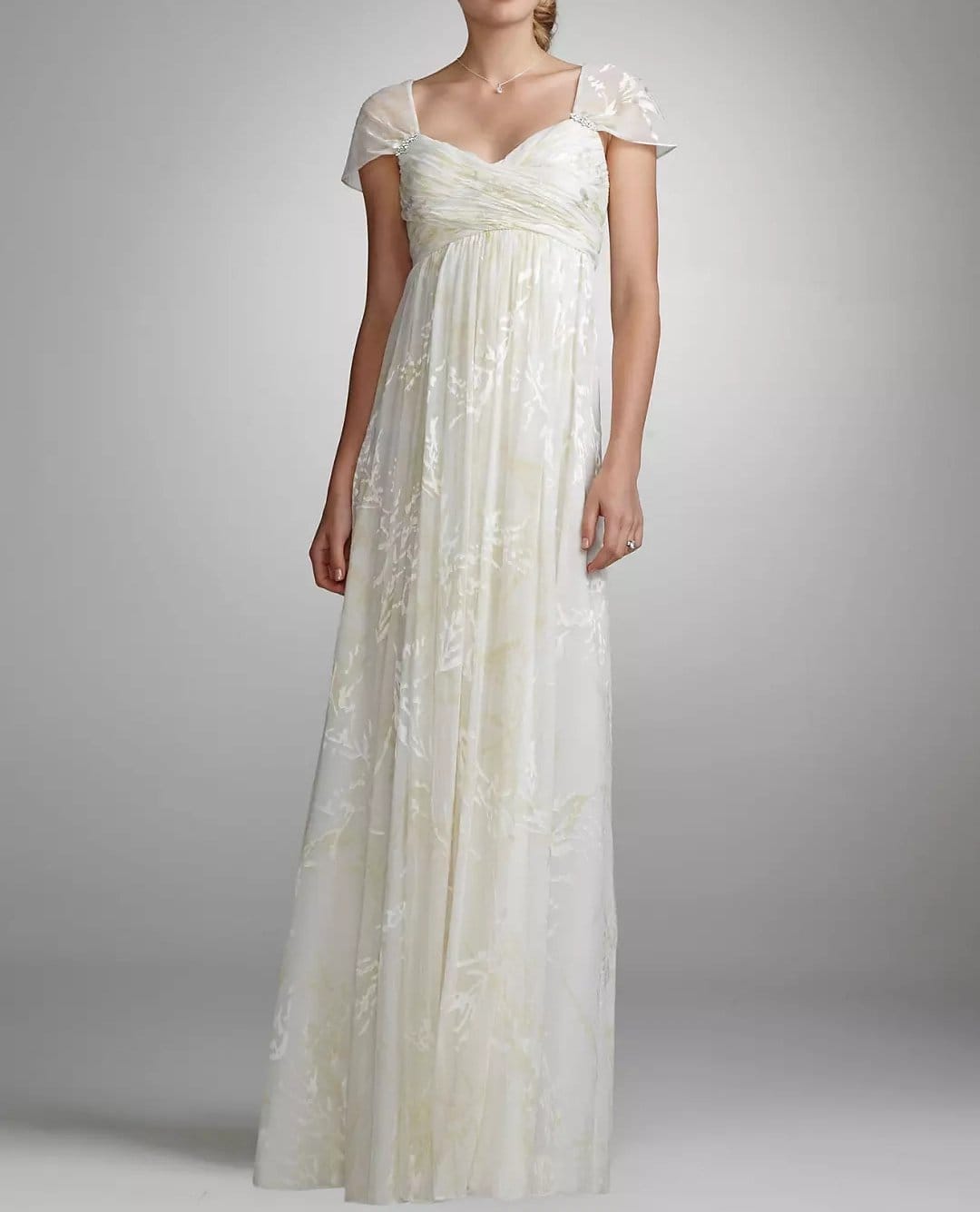
This fabric is popular in eveningwear, blouses, dresses, and scarves. It has a delicate, romantic look that works well for special occasions. Because the fabric includes sheer sections, it is often layered over a lining, slip, or other fabric. The raised texture areas catch light beautifully, especially under evening lighting.
Caring for Burnout Chiffon
Burnout chiffon is delicate and requires gentle handling. Hand washing in cool water with a mild detergent is the safest approach. Never wring or twist the fabric, as this can distort the pattern or cause fibers to break.
Lay flat to dry away from direct sunlight. If ironing is needed, use a very low heat setting on the reverse side of the fabric only.
We also cover many other varieties including stretch chiffon, crepe chiffon, and jacquard chiffon in our full guide collection.
Best Fabrics for Sensitive Skin and Allergies
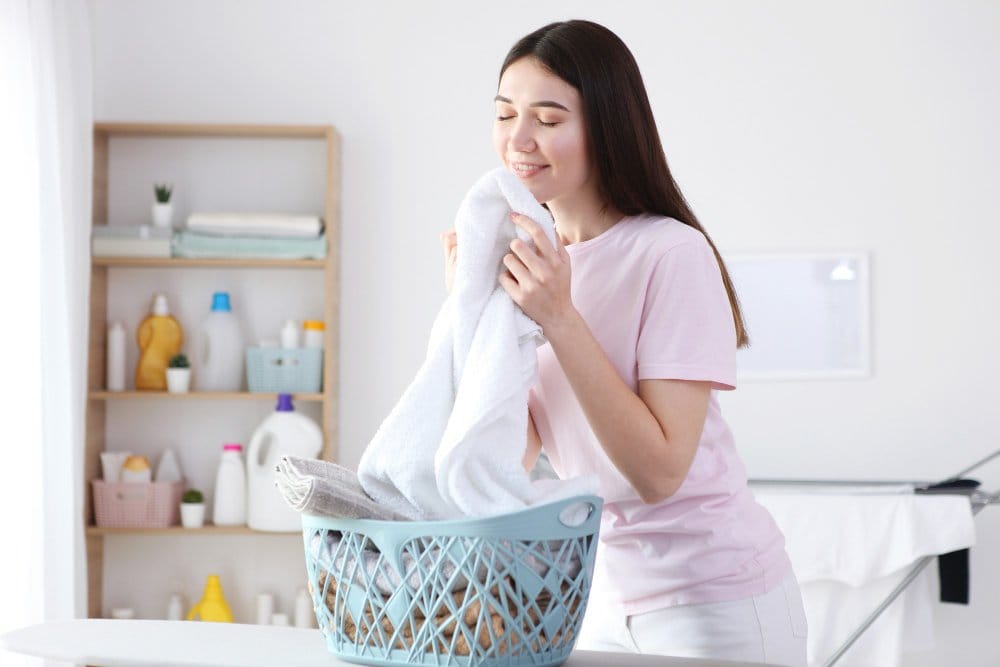
If your skin reacts to certain fabrics with itching, redness, or rashes, you are not alone. Research published in medical literature suggests that up to 28% of clothing industry workers develop contact dermatitis from fabric exposure, and millions more experience mild to moderate skin reactions from everyday garments.
The causes range from the fiber itself to the dyes, chemical finishes, and formaldehyde-based wrinkle treatments used during production.
According to the American Academy of Dermatology, polyester and other synthetic fabrics are among the most common triggers for contact dermatitis and should be avoided by people with eczema-prone skin.
The Best Hypoallergenic Fabric Options
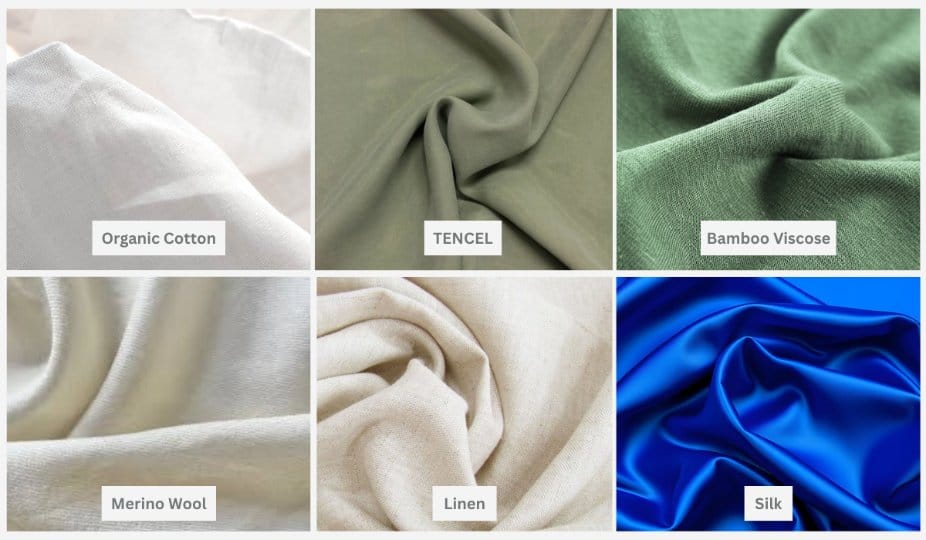
- Organic Cotton: Free from pesticide residues and chemical finishes that irritate skin. Look for GOTS certification. Soft, breathable, and machine washable.
- TENCEL (Lyocell): Produced in a closed-loop process that minimizes chemical residues. Silky smooth against skin, moisture-wicking, and naturally resistant to bacterial growth.
- Bamboo Viscose: Naturally antibacterial and moisture-wicking. Very soft and gentle. Best for people who overheat easily or have reactive skin that worsens in heat.
- Fine Merino Wool: Merino fibers are under 19 microns in diameter, which means they are too fine to cause the physical irritation that coarser wool does. Naturally temperature-regulating and odor-resistant.
- Linen: Naturally antibacterial and hypoallergenic. Does not harbor dust mites easily. Best for warm weather and for people whose skin sensitivity worsens in heat.
- Silk: Protein-based and naturally hypoallergenic when undyed or dyed with low-impact dyes. Smooth surface reduces friction. Look for certified mulberry silk.
What to Watch Out For
It is not always the fiber that causes the problem. Many fabric reactions are triggered by the chemicals added during manufacturing, not the base material itself. Common culprits include formaldehyde-based wrinkle-resistant finishes (found in many “easy care” shirts), disperse dyes used in synthetic fabrics, bleaching agents, and antimicrobial chemical treatments.
To reduce exposure to these irritants, look for fabrics with OEKO-TEX Standard 100 or GOTS certification. Both standards test for harmful substances and confirm the fabric is safe against skin.
Best for Sensitive Skin
- Organic cotton (GOTS certified)
- TENCEL / Lyocell
- Bamboo viscose
- Fine Merino wool
- Undyed or naturally dyed linen
- Mulberry silk
Fabrics to Avoid
- Polyester (traps heat, may contain dye residues)
- Acrylic (can cause physical and chemical irritation)
- Nylon (traps moisture, often dyed with harsh dyes)
- “Wrinkle-free” or “stain-resistant” treated fabrics
- Coarse wool (physical irritation from thick fibers)
- Heavily bleached cotton
For more detail, check out our guide to the softest fabrics for sensitive skin.
Best Fabrics for Babies and Children
A baby’s skin is significantly more sensitive than adult skin. It is thinner, absorbs chemicals more easily, and has less resistance to friction and irritation. Choosing the right fabric for baby clothing is not just about comfort. It genuinely affects skin health and sleep quality.
Top Fabric Choices for Babies
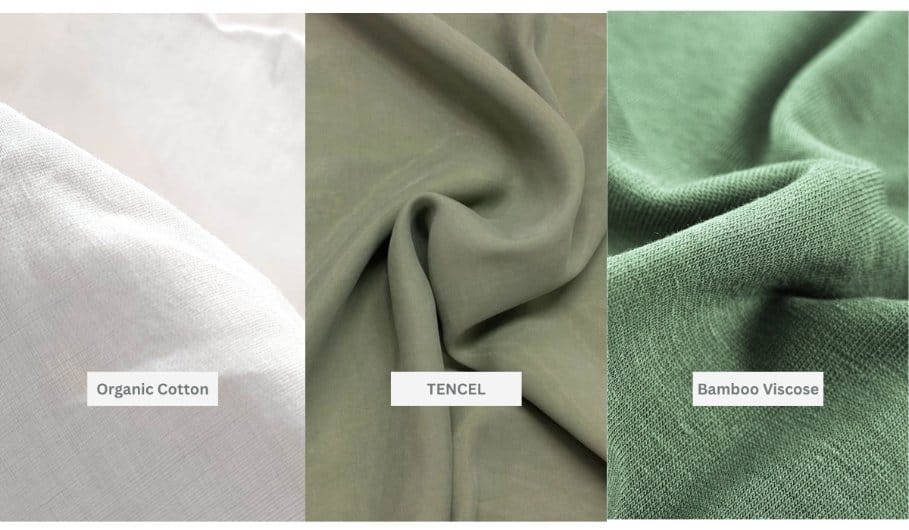
Organic cotton is the number one recommendation for newborns and young infants. It is soft, breathable, regulates temperature well, and is free from pesticide residues and harsh chemical finishes. Look for USDA Organic or GOTS-certified organic cotton to be confident in what you are buying.
Bamboo viscose is becoming increasingly popular for baby clothing because of its exceptional softness and natural antibacterial properties. It is also moisture-wicking, which helps keep babies dry and comfortable. It works especially well for sleepwear and items that sit close to the skin.
TENCEL is another excellent choice. Its smooth fiber surface reduces friction on delicate skin, and its moisture management properties help regulate body temperature during sleep.
What to Avoid for Newborns
Synthetic fabrics like polyester and nylon are worth avoiding for newborns, particularly for items worn close to the skin. They trap heat and moisture, creating the warm, damp conditions that lead to rashes, especially in skin folds.
Fabrics with added flame retardant chemicals are also a concern. In the US, snug-fitting children’s sleepwear must meet flammability standards. Manufacturers achieve this either by using inherently fire-resistant fabric or by adding chemical flame retardants. Choosing snug-fitting organic cotton sleepwear is the safest way to avoid them.
For a complete guide, see our articles on best fabrics for newborn clothing and our hypoallergenic baby clothing guide. You might also find our organic vs conventional infant clothing comparison useful.
Fabrics for Home and Industrial Use
Fabrics do not stop at clothing. They are used throughout your home and in a wide range of industrial applications, and the requirements are very different from apparel. Durability, stain resistance, cleanability, and appearance all become more important when you are choosing fabric for a sofa that will see daily use for a decade.
Upholstery and Home Decor
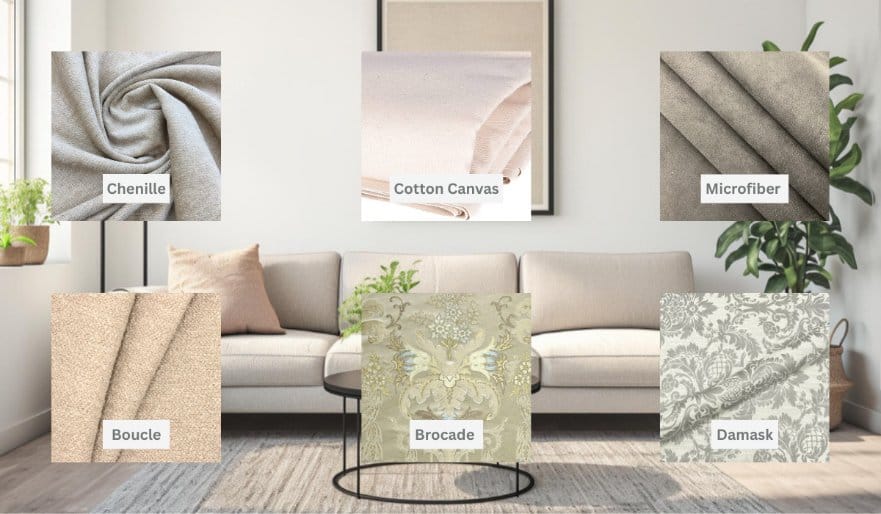
Upholstery fabrics are rated by rub count, also called the Martindale or Wyzenbeek rating. This tells you how many back-and-forth rubs a fabric can withstand before showing visible wear.
| Durability Rating | Rub Count | Best Used For |
|---|---|---|
| Light Duty | 3,000 – 15,000 rubs | Bedroom furniture, decorative pillows, infrequent use |
| Medium Duty | 15,000 – 50,000 rubs | Living room furniture, dining chairs, family spaces |
| Heavy Duty | 50,000+ rubs | High-traffic areas, commercial spaces, homes with kids or pets |
Chenille, cotton canvas, and microfiber are popular choices for residential upholstery. Boucle fabric has a distinctive looped texture that is trending in home decor. Brocade and damask add pattern and formality to curtains and traditional upholstery.
What Fabric is Similar to Corduroy?
If you like the ribbed look of corduroy but want something different, velveteen has a similar soft pile without the ridges. Needlecord is a fine-wale version of corduroy with a smoother surface.
Moleskin is a thick, short-napped cotton fabric with a denser, flatter feel. All three are excellent choices for casual upholstery or heavy-use apparel.
Technical Textiles
Technical textiles are designed primarily for function rather than appearance. Canvas is the standard choice for outdoor furniture, awnings, and bags because of its strength and natural water resistance. Ripstop nylon prevents tears from spreading, which makes it ideal for camping gear and outdoor clothing. Treated fabrics with DWR (Durable Water Repellent) coatings repel water without affecting breathability.
Other important performance features include UV resistance to prevent fading, antimicrobial treatments for healthcare and sports applications, and fire-resistant treatments for industrial and protective clothing. Learn more in our guide to water-resistant vs waterproof fabrics and our guide to fire-resistant fabrics.
Fabric Care, Washing, and Storage
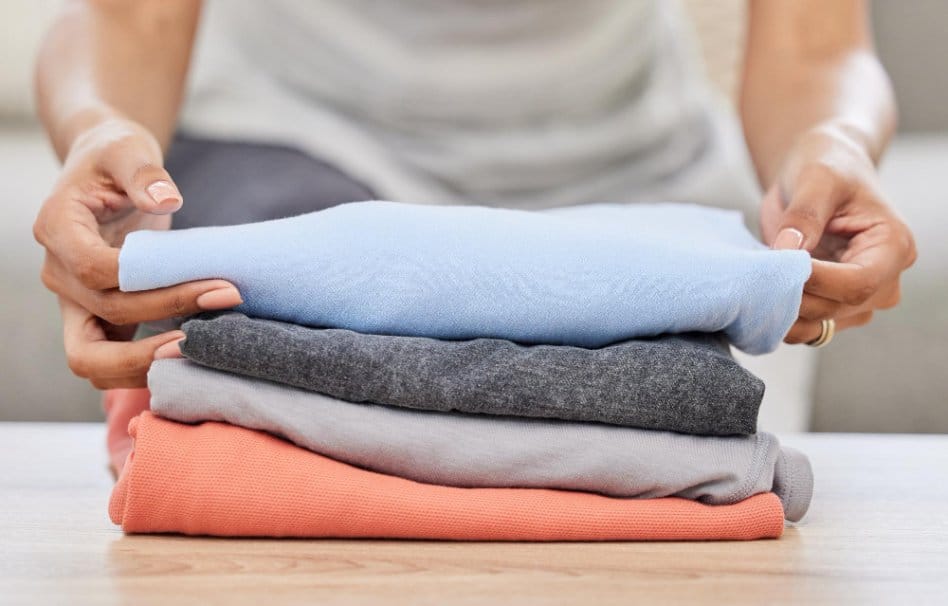
The best fabric in the world will not last long if you wash it wrong. Proper care extends the life of your clothes dramatically and keeps them looking the way they did when you bought them.
Basic Washing Guidelines by Fabric Type
| Fabric | Washing | Drying | Ironing | Storage |
|---|---|---|---|---|
| Cotton | Machine wash warm or cold | Tumble dry medium | Medium-high heat | Standard: fold or hang |
| Wool | Hand wash or wool cycle, cold | Lay flat to dry | Low heat, steam | Fold (not hang), cedar blocks |
| Silk | Hand wash cold or dry clean | Lay flat or hang away from sun | Low heat, silk setting | Wrap in acid-free tissue paper |
| Linen | Machine wash cold or warm | Tumble dry low or air dry | Medium-high with steam | Fold in breathable storage |
| Polyester | Machine wash warm | Tumble dry low | Low heat or no iron needed | Standard storage |
| TENCEL / Bamboo | Machine wash cold, gentle cycle | Air dry or tumble dry low | Low heat | Standard, away from sunlight |
| Silk Chiffon / Burnout Chiffon | Hand wash cold or dry clean | Lay flat away from direct light | Very low heat on reverse | Hang loosely in garment bag |
Stain Removal Quick Guide
| Stain | First Action | Treatment | Key Warning |
|---|---|---|---|
| Oil / Grease | Blot immediately, do not rub | Dish soap, warm water | Do not put in dryer until stain is gone |
| Blood | Cold water only. Act fast | Hydrogen peroxide on white fabrics | Never use hot water, as heat sets the stain |
| Red Wine | Blot, then cover with salt | Club soda or cold water rinse | Blot, never scrub (scrubbing spreads the stain) |
| Sweat / Yellowing | Treat before washing | White vinegar or enzyme cleaner | Test on hidden area first |
| Ink | Do not wet. Blot dry first | Rubbing alcohol on a cotton ball | Avoid on acetate or rayon |
| Grass | Let dry before treating | Enzyme-based cleaner or dish soap | Avoid bleach on colored fabrics |
For more detailed care information, see our guide to washing and caring for different fabrics, along with our individual care guides for cotton, silk, wool, linen, and denim.
How to Read Fabric Care Labels
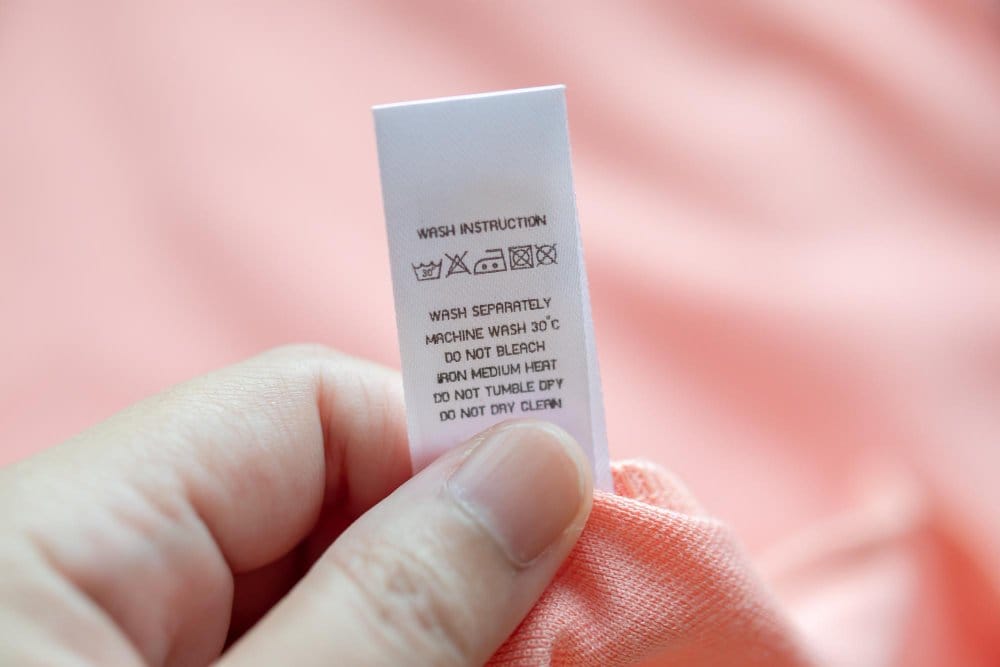
Most people admit they do not fully understand the symbols on care labels. Here is a straightforward guide to the main ones you will encounter on clothing sold in the US and internationally.
| Symbol Shape | What It Covers | Common Variations |
|---|---|---|
| Tub / Basin | Washing instructions | Number inside = temperature. Hand inside = hand wash only. X through = do not wash. |
| Triangle | Bleaching instructions | Plain triangle = any bleach. CL inside = chlorine bleach only. X through = no bleach. |
| Square with Circle | Drying instructions | Dots inside = heat level (1 dot = low, 3 dots = high). X through = do not tumble dry. |
| Iron | Ironing instructions | Dots = heat level. X through = do not iron. X through steam holes = no steam. |
| Circle | Dry cleaning | Letters inside = solvent type for professional cleaning. X through = do not dry clean. |
Sustainable and Eco-Friendly Fabrics
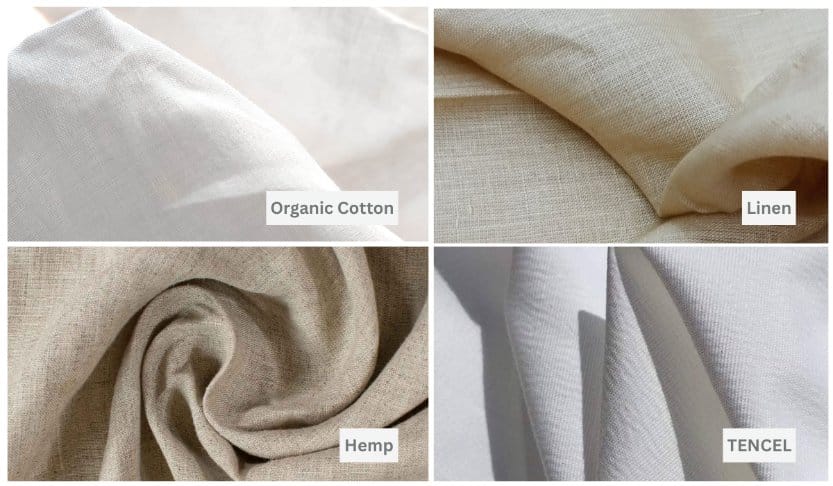
The fashion industry is one of the largest polluters in the world. According to the Textile Exchange, conventional fiber production accounts for significant greenhouse gas emissions, water consumption, and chemical use each year. Growing awareness of these issues has driven real innovation in sustainable fabric options over the past decade.
Not all “sustainable” claims are equal, though. Here is what the most common sustainable fabrics actually mean for the environment.
| Fabric | Water Usage | Chemical Use | Biodegradable | Key Certification |
|---|---|---|---|---|
| Organic Cotton | High (less than conventional) | None (pesticide-free) | Yes | GOTS, USDA Organic |
| Conventional Cotton | Very High | High | Yes | None required |
| Hemp | Low | Minimal | Yes | GOTS, OEKO-TEX |
| TENCEL (Lyocell) | Medium | Low (closed-loop) | Yes | EU Ecolabel, OEKO-TEX |
| Recycled Polyester (rPET) | Low | Medium | No | GRS (Global Recycled Standard) |
| Conventional Polyester | Low | High | No | None required |
| Linen (untreated) | Low | Low | Yes | OEKO-TEX, Masters of Linen |
Recycled Polyester (rPET)
Recycled polyester is made from post-consumer plastic bottles and other plastic waste. Producing rPET uses significantly less energy and water than virgin polyester, and the finished fabric performs identically to conventional polyester.
The main caveat is that it still sheds microplastic fibers when washed. Using a laundry bag designed to catch microfibers can help reduce this. Read more in our guide to recycled polyester (rPET).
Hemp
Hemp is one of the most resource-efficient crops in the world. It grows quickly, requires little water, needs no pesticides, and actually improves soil health.
Modern hemp fabric is nothing like the rough material people associate with the word. It has become genuinely soft and wearable, particularly in blended form, and its carbon footprint per kilogram of fiber is among the lowest of any textile.
Fast Fashion vs. Slow Fashion
Beyond fiber choice, the most sustainable decision you can make is to buy fewer, better-made garments and care for them so they last. A well-made cotton shirt that lasts 10 years has a far smaller environmental impact than three cheaper shirts that fall apart in two.
See our guide on fast fashion vs slow fashion for a fuller look at this topic, and our 2026 fabric trends guide to see where the industry is heading.
Innovations in Fabric Technology
The fabric industry has changed more in the last 20 years than in the previous century. Performance textiles are now standard in everything from athletic wear to everyday clothing, and the next generation of materials is pushing further still.
Moisture-Wicking and Performance Fabrics
Moisture-wicking fabrics use specially engineered fiber structures to pull sweat away from the skin and move it to the outer surface, where it evaporates quickly. Most activewear is made from polyester or nylon with moisture-wicking construction.
More advanced performance fabrics now incorporate odor-resistant treatments, UV protection built into the fiber, and phase-change materials that regulate body temperature by absorbing or releasing heat.
Smart Textiles
Smart fabrics with built-in sensors can now track heart rate, body temperature, and movement in real time. Conductive yarns and embedded electronics allow garments to connect to health monitoring apps, which has major potential for sportswear and healthcare clothing. While these are not yet mainstream consumer products, they are actively being developed by major brands and research institutions.
Bio-Based and Lab-Grown Materials
Some of the most interesting innovation is happening in entirely new material categories. Lab-grown spider silk, developed by replicating spider silk proteins in yeast and bacteria, is stronger than steel by weight and shows potential for both fashion and technical use.
Mycelium leather, grown from mushroom roots, is being adopted by luxury brands as a vegan alternative to animal leather. Piñatex, made from pineapple leaf fibers, is another plant-based option gaining ground in fashion.
Nano-Coating Technology
Nano-coating applies a microscopic water-repellent treatment to fabrics without changing their feel or breathability. This technology can make cotton water-resistant, add stain resistance to wool, or give UV protection to linen, without the traditional PFC (per- and polyfluoroalkyl substances) chemicals that have raised health and environmental concerns. Learn more about DWR coating and water repellent technology.
Fabric Myths, Busted
There is a lot of misinformation about fabrics that gets repeated so often people assume it is true. Here are some of the most common myths worth clearing up.
The Oldest Fabrics in the World
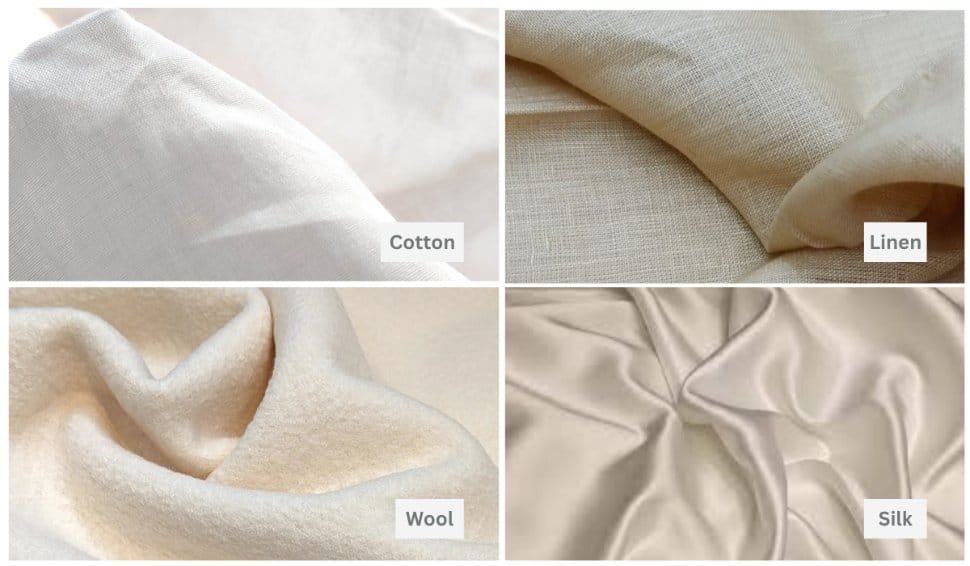
The fabrics we use today have very long histories. Understanding where they came from makes it easier to appreciate why they have lasted thousands of years as essential materials.
| Fabric | Origin Date | Where | Original Use |
|---|---|---|---|
| Linen | ~8000 BCE | Prehistoric Europe and the Near East | Clothing, mummification wrappings (ancient Egypt) |
| Wool | ~6000 BCE | Mesopotamia (modern-day Iraq) | Warmth and protection; sheep domesticated for fiber |
| Cotton | ~3000 BCE | Indus Valley (modern Pakistan/India) | Clothing; spread globally via trade routes |
| Silk | ~2700 BCE | China | Clothing for royalty; kept secret for 3,000 years |
What is remarkable is that these four ancient materials, linen, wool, cotton, and silk, are still the foundation of modern textiles. Thousands of years of use, refinement, and trade have not made them obsolete. If anything, growing interest in natural materials and sustainable fashion has brought renewed appreciation for all four.
Fabric Glossary: Key Terms Explained
Textile terminology can be confusing. Here is a quick reference guide to the most commonly used terms you will encounter when shopping for or working with fabric.
- Breathability
- The ability of a fabric to allow air and moisture vapor to pass through, keeping the wearer cool and dry. Linen and cotton rank highest for breathability among common fabrics.
- Denier
- A unit of measurement for the thickness of individual fibers. Lower denier = finer fabric (think sheer stockings). Higher denier = thicker and more durable fabric (think heavy nylon bags). A 15-denier stocking is very sheer; a 100-denier stocking is opaque and more durable.
- DWR (Durable Water Repellent)
- A coating applied to fabric that causes water to bead up and roll off the surface rather than soaking in. Used on outerwear, sportswear, and technical fabrics. DWR wears off over time and can be reactivated with heat in a dryer.
- Elastane / Spandex / Lycra
- All three names refer to the same synthetic stretchy fiber. “Spandex” is the generic name used in North America. “Elastane” is used in Europe. “Lycra” is a brand name owned by INVISTA.
- Fiber
- The raw material from which fabrics are made. Fibers can be natural (cotton, wool, silk, linen), synthetic (polyester, nylon, spandex), or regenerated (rayon, TENCEL, modal).
- GOTS (Global Organic Textile Standard)
- An international certification that verifies a textile product as organic from field to finished product, including all dyeing, finishing, and manufacturing processes.
- GSM (Grams per Square Meter)
- The standard measure of fabric weight. Lighter fabrics have lower GSM. Heavier fabrics have higher GSM. Used to compare fabric density across different types.
- Hand (or Handle)
- The feel of a fabric when handled: its softness, smoothness, stiffness, or drape. A fabric with a “good hand” feels pleasant and appropriate for its intended use.
- Knit
- A fabric construction made by interlocking loops of yarn. Knits stretch, which makes them comfortable for fitted and active clothing. Most T-shirts and sweaters are knits.
- Mercerized Cotton
- Cotton that has been treated with caustic soda under tension to increase its luster, strength, and dye absorption. Mercerized cotton has a smoother, shinier appearance than untreated cotton.
- Momme
- The weight measurement used specifically for silk fabrics. Higher momme = heavier, more durable silk. A standard dress silk is around 12–16 momme. High-quality bedding silk is 22–25 momme.
- OEKO-TEX Standard 100
- An independent certification that tests every component of a fabric, including threads, buttons, and zippers, for harmful substances. Products that pass are certified safe to wear against skin.
- Pile
- The raised loops or cut fibers on the surface of fabrics like velvet, corduroy, and terry cloth. The direction you brush the pile changes how the fabric reflects light.
- Pre-shrunk
- A fabric or garment that has already been washed and mechanically compacted to remove most of the shrinkage that would otherwise occur after the first few washes at home.
- Selvedge (or Selvage)
- The finished edge of a woven fabric along its length that prevents it from unraveling. Selvedge denim is particularly valued by denim enthusiasts for the quality and tightness of its weave.
- Warp and Weft
- The two sets of threads in a woven fabric. Warp threads run lengthwise (up and down on the loom). Weft threads run across (side to side). The way these intersect determines the weave structure.
- Wicking
- The ability of a fabric to draw moisture away from the skin and move it to the outer surface where it can evaporate. Synthetic performance fabrics and fine Merino wool are among the best wicking fabrics.
Fabric Selection Flowchart
Not sure where to start? Work through this flowchart to find the right fabric for your situation.
Hot weather: linen, lightweight cotton, bamboo
Cool weather: wool, fleece, cotton blend
Year-round: cotton-polyester blend, jersey knit
Running / gym: polyester-spandex blend
Yoga / low-impact: bamboo or jersey
Swimming: nylon-spandex blend
Evening: silk satin, charmeuse, velvet
Bridal: duchess satin, chiffon, lace
Business: wool crepe, cotton poplin
Bedding: cotton, linen, bamboo
Upholstery: canvas, chenille, microfiber
Curtains: cotton, polyester, linen blend
Adults: organic cotton, TENCEL, fine Merino
Babies: GOTS organic cotton, bamboo viscose
Look for: OEKO-TEX or GOTS certification
Rain: DWR-treated nylon, waterproof shell
Cold: Merino base layer + fleece midlayer
Heavy use: ripstop nylon, Cordura canvas
Frequently Asked Questions
What is the most commonly used fabric in the world?
Cotton is the most widely used fabric globally, accounting for around 25% of all textile production and used in about 40% of clothing. Its combination of comfort, breathability, durability, and affordability has kept it at the top for centuries.
What fabric is best for sensitive skin?
Organic cotton, bamboo viscose, TENCEL (Lyocell), and fine Merino wool are the top choices. These fabrics are soft, breathable, and processed with fewer harsh chemicals. Look for OEKO-TEX or GOTS certification to confirm the fabric has been tested for harmful substances.
What is the difference between natural and synthetic fabric?
Natural fabrics come from plants or animals, cotton from the cotton plant, linen from flax, wool from sheep, silk from silkworms. Synthetic fabrics are manufactured from petrochemicals, polyester, nylon, and spandex are the main examples. Natural fabrics tend to breathe better and feel more comfortable. Synthetics are generally more durable and wrinkle-resistant.
What fabric keeps you coolest in summer?
Linen is the best fabric for hot weather. Its open weave allows maximum airflow and it releases moisture quickly. Cotton, bamboo, and rayon are also excellent choices. Synthetic fabrics like polyester trap heat and should be avoided in summer when possible.
What is burnout chiffon fabric?
Burnout chiffon is made by applying a chemical to a blend fabric (usually polyester-silk or polyester-rayon) that dissolves one fiber type in a pattern, leaving raised, velvet-like designs on a sheer, transparent background. The result is a beautiful, textured fabric popular for blouses, dresses, and eveningwear. See our full burnout chiffon guide in the dedicated section above.
What does GSM mean in fabric?
GSM stands for grams per square meter. It is a measure of fabric weight and density. Lower GSM fabrics (30–150) are lightweight and airy, suitable for summer clothing and linings. Medium GSM (150–350) covers everyday garments. High GSM (350+) indicates heavy fabric used for coats and upholstery.
What fabric is best for babies?
Organic cotton is the top recommendation for newborns. It is soft, breathable, and free from pesticide residues. Bamboo viscose and TENCEL are also excellent for baby clothing. Avoid polyester, nylon, and chemically finished fabrics for infants. Look for GOTS or OEKO-TEX certified products.
How do I know what fabric my clothing is made of?
Check the care label sewn into the garment, it will list fiber content by percentage. If the label is gone, use the touch test (silk feels cool and slippery, linen is crisp, cotton is soft and absorbs moisture) or use our Fabric Identification Quiz (linked in the identification section above) for guided help.
What is the most eco-friendly fabric?
Hemp has the lowest environmental footprint of any textile fiber, it needs minimal water, no pesticides, and actually improves soil health. Organic cotton, TENCEL, and recycled polyester (rPET) are also strong choices. True sustainability also depends on how a fabric is dyed, processed, and what happens to it at the end of its life.
What is the most durable fabric for everyday wear?
Denim, canvas, and nylon are the most durable everyday fabrics. For clothing that blends durability with comfort, a cotton-polyester blend (typically 60% cotton, 40% polyester) gives you the best of both worlds, the natural softness of cotton with the wrinkle resistance and shape retention of polyester. See our durable fabrics guide linked earlier in this article.
How much fabric do I need for common clothing projects?
Rough estimates for common garments at standard fabric widths (44–60 inches): T-shirt requires about 1.5–2 yards. A simple dress needs 3–4 yards. Pants need 2–3 yards. A basic skirt takes 1.5–2.5 yards. A jacket or blazer needs 3–4 yards. Always add 10–20% extra for pattern matching, mistakes, and shrinkage. Use our Fabric Yardage Calculator for a precise estimate.
What is the difference between water-resistant and waterproof fabric?
Water-resistant fabrics repel light rain and moisture but will eventually soak through with prolonged exposure. Waterproof fabrics have a complete barrier, sealed seams included, that blocks all water penetration.
Water-repellent refers to a surface treatment like DWR that causes water to bead up and roll off. For detailed guidance, see our water-resistant vs waterproof guide linked in the home textiles section above.
Conclusion
Understanding fabric is one of those skills that quietly improves every clothing decision you make. Once you know what cotton, linen, wool, silk, polyester, and TENCEL are actually doing for you, choosing the right garment stops being guesswork and starts being a straightforward choice.
The most important thing to take away from this guide is that there is no single “best” fabric. The right choice always depends on the situation.
A linen dress that is perfect for a July afternoon is completely wrong for a January wedding. A polyester athletic top that works brilliantly during a workout is the last thing you want in a hot office in August.
Key Recommendations to Remember
For everyday comfort: A cotton-polyester blend (around 60/40) gives you the best balance of breathability, durability, and easy care for busy lifestyles. Pure cotton is better if you have sensitive skin or prefer a fully natural fiber.
For hot weather: Linen is your first choice. Lightweight cotton, bamboo, and rayon are excellent alternatives. Avoid synthetic fabrics in heat whenever possible.
For cold weather: Merino wool is the most versatile, it breathes, wicks moisture, regulates temperature, and works as a base layer or outer garment. Cashmere is warmer but requires more care. Fleece is the most practical affordable option.
For sensitive skin: Start with organic cotton or TENCEL. Look for GOTS or OEKO-TEX certification to confirm the fabric has been tested for harmful chemicals and dye residues. Avoid synthetic fabrics and anything marketed as “wrinkle-free” without a certification.
For babies: Organic cotton is the gold standard. GOTS-certified products give you confidence that no harmful pesticides or chemicals were used in production. For sleepwear, choose snug-fitting organic cotton rather than chemically treated flame-resistant fabrics.
For the environment: Buy less, choose better quality, and care for what you own so it lasts. If you need to buy synthetic, choose recycled polyester (rPET) where possible. For natural fibers, choose organic or certified sustainable options. Hemp and TENCEL are two of the most genuinely low-impact options available.
For formal occasions: Match the fabric to the season and the silhouette. Silk charmeuse and crepe-back satin work beautifully for fluid, bias-cut dresses. Duchess satin and structured brocade hold their shape for ball gowns and tailored formalwear. Velvet is a standout choice for winter evening wear.
For sewing beginners: Start with quilting cotton or cotton poplin. They are forgiving, affordable, and widely available. Build your skills before working with slippery fabrics like silk or satin.
The fabric industry is also changing fast. Sustainable innovations, bio-based materials, and smart textiles are becoming real options rather than future concepts. Staying informed about what is available, and what certifications to look for, puts you in a much better position as a consumer and as someone who cares about the environmental impact of clothing.
If you want to go further, explore our fabric-specific guides, use the interactive tools linked throughout this article, and check our 2026 fabric trends guide linked in the sustainability section above to see where the industry is heading next.