
Everything you need to know before you buy, sew, or wash, broken down clearly and honestly.
Quick Answer
Cotton is softer right away, more affordable, and easier to care for, making it the practical choice for everyday basics, baby clothes, and sewing projects. Linen is more breathable, more durable long-term, and better suited to hot climates, but it costs more and wrinkles heavily. Choose cotton for easy comfort and budget, linen for breathability and longevity.
You’re standing in a fabric store, or scrolling through a product listing at 11pm, and you see two options: 100% cotton or 100% linen. Both are natural. Both feel like the “right” choice. Both have been around for thousands of years. So why does picking one feel so hard?
Here’s the truth: cotton and linen are not interchangeable. They feel different, behave differently, age differently, and cost differently. Choosing the wrong one for the wrong job is more common than you’d think, and it’s completely avoidable.
This question also tends to spike every spring, right when people start planning warm-weather wardrobes and summer sewing projects. This guide breaks down every real difference between the two fabrics in plain language, with no fluff. By the end, you’ll know exactly which one to reach for, and why.
Quick Comparison at a Glance
Short on time? Here’s the big picture. Every category is covered in detail below.
| Feature | Cotton | Linen | Winner |
|---|---|---|---|
| Source | Cotton plant (seed pods) | Flax plant (stalks) | N/A |
| Initial Softness | Soft from day one | Stiff at first, softens with washing | Cotton |
| Breathability | Good | Excellent (hollow fibers) | Linen |
| Hot Weather Performance | Good | Exceptional | Linen |
| Moisture Absorption | Up to about 8% of weight | Up to about 20% of weight | Linen |
| Durability | Good, wears down over time | Exceptional, gets stronger when wet | Linen |
| Wrinkle Resistance | Moderate | Low (wrinkles easily) | Cotton |
| Shrinkage Risk | 3 to 5% if not pre-washed | Up to 10% if not pre-washed | Cotton |
| Ease of Care | Machine wash, tumble dry, done | Gentle wash, low heat, line dry preferred | Cotton |
| Sustainability | Good (organic is better) | Generally better (less water, fewer pesticides) | Linen |
| Price | Roughly $5 to $12 per yard | Roughly $12 to $25+ per yard | Cotton |
| Best For | Everyday wear, beginners, kids, easy care | Summer, bedding, investment pieces, hot climates | Depends on use |
What Is Cotton Fabric?
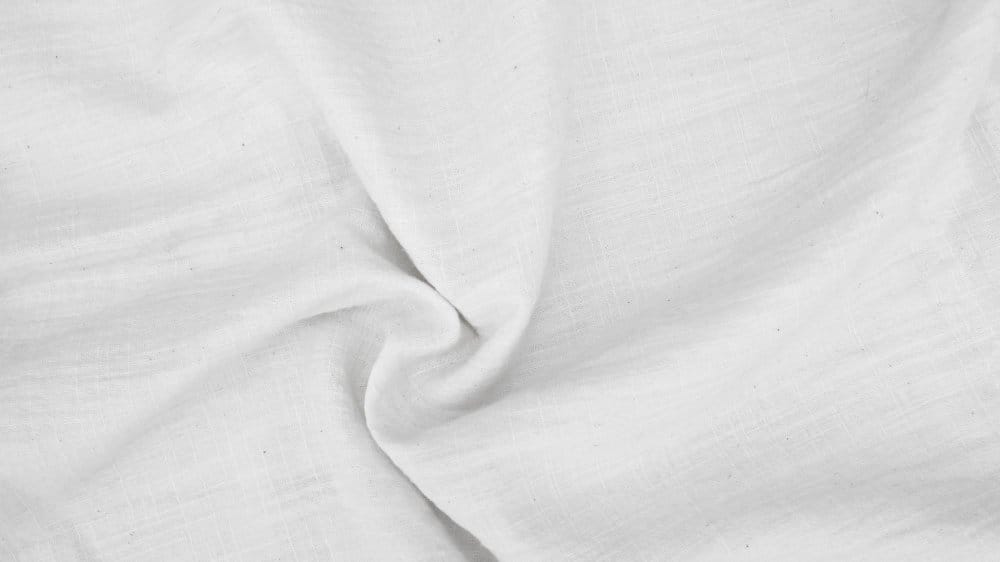
Cotton comes from the fluffy white bolls of the cotton plant, technically the genus Gossypium. Farmers harvest those bolls, and the raw fibers inside are spun into yarn, then woven or knitted into the fabric you know.
People have used cotton for clothing for thousands of years, and today it’s the most widely used natural fiber on earth. That’s not an accident. Cotton is soft from the first wash and takes dye beautifully.
It works across an almost endless range of weights and weaves, from the lightest cotton lawn to the sturdiest cotton canvas.
The variety of cotton matters a lot for quality. Standard upland cotton, the most common type, is what you’ll find in most everyday garments. Pima cotton and Egyptian cotton use longer, finer fibers, which means a silkier feel and better durability.
If you want to understand the difference between fiber grades, our guide to combed cotton vs carded cotton is a good next read.
Cotton’s biggest strengths are accessibility and versatility. It’s affordable, easy to sew, available everywhere, and simple to care for. That’s why it’s the go-to fabric for everyday basics, kids’ clothing, and anyone new to sewing.
What Is Linen Fabric?
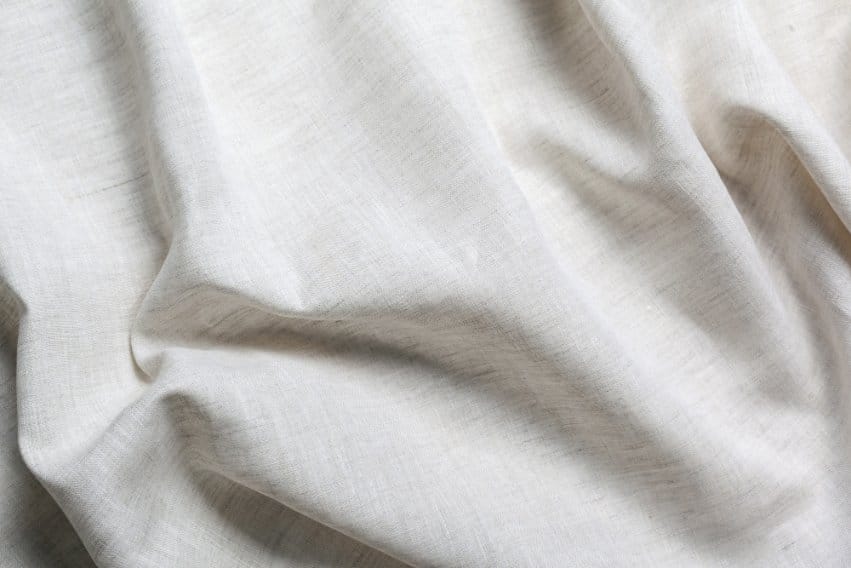
Linen is made from the stalks of the flax plant, known by the scientific name Linum usitatissimum. Getting from flax stalk to finished fabric takes real work.
The stalks are harvested, then soaked in water for weeks in a process called retting, which breaks down the outer layers. After that, the fibers are mechanically processed to separate the long inner strands before spinning can begin.
That lengthy process is a big part of why linen costs more than cotton. It simply takes more time and skill to produce.
Linen is one of the oldest textiles in history. Archaeologists have found linen fabric in Egyptian tombs dating back roughly 4,000 years. Even older, flax fibers discovered in Dzudzuana Cave in the Republic of Georgia were dated to more than 30,000 years old, making them the oldest known textile fibers in the world.[1]
The word “linens,” still used today for bed sheets and towels, comes directly from this fabric.
What makes linen special is its fiber structure. Flax fibers are hollow and loosely woven, which creates natural air pockets that help the fabric breathe and regulate temperature. Linen also starts out stiff but softens noticeably with every wash, getting better with age in a way very few fabrics do.
Clothing Digest has a growing library of linen fabric types if you want to go deeper, including Irish linen, Belgian linen, linen shirting, and stonewashed linen.
Head-to-Head: The Big Differences
Feel and Softness
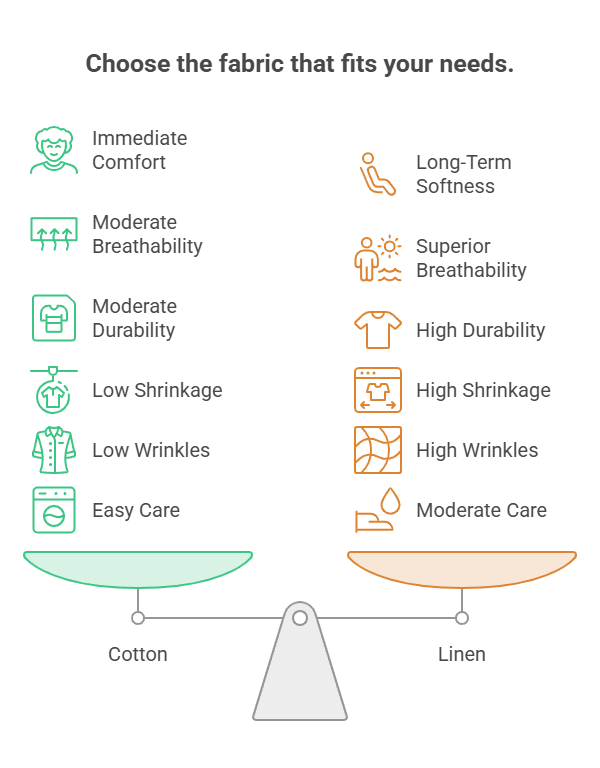
Cotton wins on softness right away. Most cotton fabrics feel smooth and familiar against your skin from the very first wear, with very little breaking-in period.
Linen starts out differently. Pure linen can feel crisp, textured, and even slightly scratchy at first, especially in a heavyweight. But around the sixth wash cycle, something shifts: the fibers soften while retaining their strength, and the result is a texture that’s genuinely hard to replicate.
Many linen lovers say a well-washed linen shirt is the most comfortable thing they own in summer.
It comes down to what you want right now versus what you want in a year. If you need immediate comfort, choose cotton. If you’re willing to wait, linen pays off.
Breathability and Hot Weather
This is where linen pulls clearly ahead. Its hollow fiber structure and looser weave create natural air circulation, almost like a built-in ventilation system. That’s why linen has been the go-to fabric for hot, humid climates for thousands of years.
Cotton is also breathable, especially in lighter weaves like cotton voile or lawn. But it absorbs moisture rather than pulling it away from your skin quickly, so in real heat, you’ll feel the dampness in cotton before you feel it in linen.
If you live somewhere with serious summer heat, think Texas, Florida, Arizona, or Georgia, linen is worth the investment for warm-weather clothing and bedding.
Durability
This one surprises a lot of people: linen wins on durability, and it’s not particularly close. Flax fibers are among the strongest natural fibers in the world, and they actually get stronger when wet.
Cotton is durable too, but it degrades faster with repeated washing because the fibers are shorter and more prone to friction over time. We cover exactly how long each fabric tends to last in the next section.
Shrinkage
Both fabrics shrink. This is one of the most common questions people ask about both materials, and for good reason: neither one is forgiving if you skip the pre-wash.
Linen can shrink up to 10% if you wash it in hot water without pre-treating, enough to take a garment from wearable to unwearable in one wash cycle. Cotton typically shrinks 3 to 5% under the same conditions, which is easier to plan for.
Wrinkles
Linen wrinkles. There’s no getting around it. The same hollow fiber structure that makes linen so breathable also makes it crease easily, and you can develop wrinkles just from sitting down for 20 minutes.
That said, there’s a whole aesthetic around linen’s wrinkles. The relaxed, slightly rumpled look is part of what makes linen feel effortlessly casual and summer-appropriate. Many linen fans don’t iron their garments at all.
Cotton handles wrinkles better, especially in tighter weaves like poplin or broadcloth. If wrinkles genuinely bother you, cotton is the more practical choice. If you don’t mind the lived-in look, linen is fine.
Ease of Care
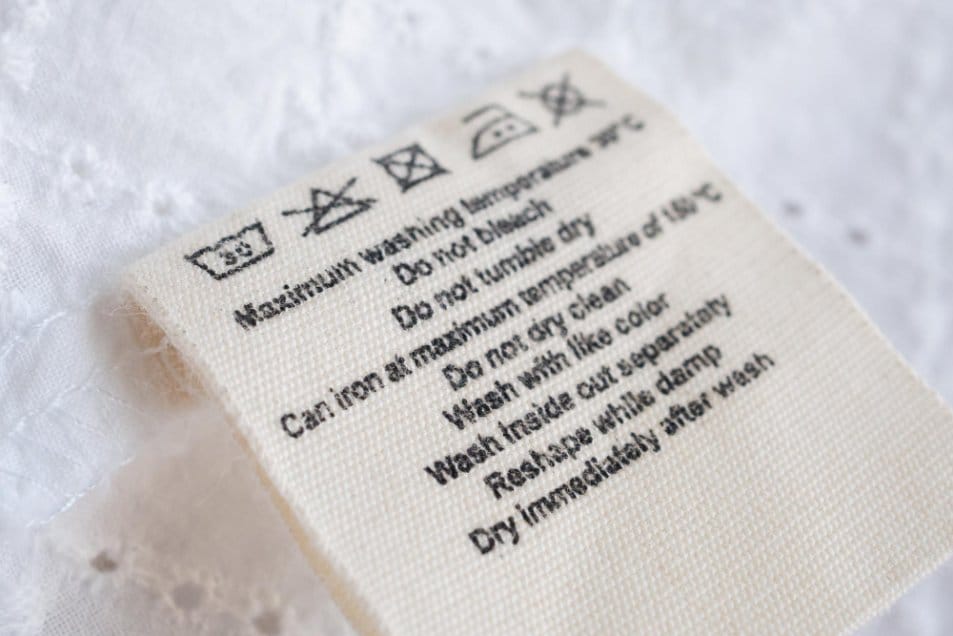
Cotton is the clear winner here. Most cotton fabrics are machine washable in warm or cold water, tumble dry on medium, and come out ready to wear. It’s low-maintenance and forgiving.
Linen is a step more involved. It does well in the washing machine, but cold or lukewarm water is safer, a gentle cycle is better, and line drying is preferred over the dryer (high heat can cause excessive shrinkage and fiber stress).
Neither fabric is difficult to care for, but cotton requires almost no thought while linen asks for a little more attention. See our dedicated linen care guide and cotton care guide for full details.
Which Fabric Lasts Longer: Cotton or Linen?
Linen lasts noticeably longer than cotton in most applications. This comes down to fiber length and structure. Flax fibers used in linen are long, tightly twisted, and structurally robust.
They resist pilling and abrasion in a way cotton simply doesn’t match, and they actually grow stronger when wet, so laundering doesn’t weaken them the way it gradually weakens cotton.
Cotton fibers are shorter and more loosely structured. With repeated washing and wearing, cotton fabrics gradually thin out, pill, and lose their shape, especially in lighter weights like jersey or voile.
Here’s a practical way to think about it:
- A quality linen bedsheet can last 10 to 20 years with normal care. Vintage linen sheets from the 1940s regularly turn up at estate sales in remarkable condition.
- A quality cotton bedsheet will typically last 3 to 5 years before showing real wear, though high-quality long-staple cotton like Egyptian cotton or Pima cotton can push that further.
For clothing, linen garments, particularly shirts, pants, and dresses, tend to outlast their cotton counterparts when cared for properly. Cotton workwear and denim can be very durable, but lighter cotton garments fade and wear down faster.
If longevity matters most to you, linen is the stronger long-term investment. If you prefer to refresh your wardrobe more often, cotton’s lower price point makes that easier to do without guilt.
Are Cotton and Linen Eco-Friendly Fabrics?
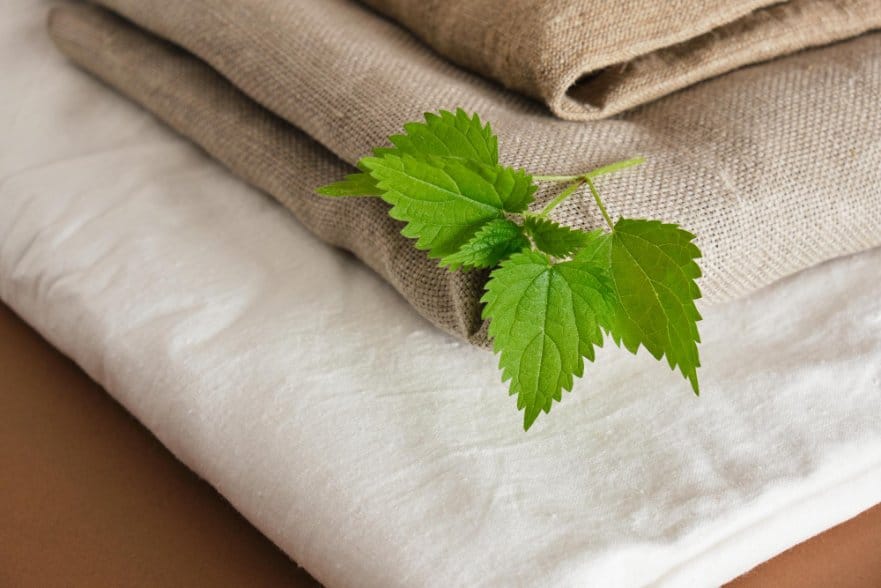
Both are natural, plant-based, and biodegradable, which already puts them ahead of synthetic fabrics like polyester. But there are real differences in their environmental footprint.
Linen’s Environmental Case
Linen has a genuinely strong sustainability story. Flax is a hardy crop that requires minimal irrigation, and it grows well on rainfall alone in many European regions, particularly France and Belgium.
It needs far fewer pesticides and fertilizers than conventional cotton, and almost every part of the flax plant gets used (fibers, seeds, oils), leaving very little waste.
Linen is also naturally biodegradable and compostable at the end of its life, as long as it hasn’t been blended with synthetic fibers. Because linen lasts so long, the overall resource cost per year of use tends to be lower than many alternatives.
Cotton’s Environmental Reality
Conventional cotton is one of the most water-intensive crops in the world, and it’s also one of the more heavily treated with pesticides relative to the farmland it uses. The World Wildlife Fund identifies pesticide use, water consumption, and habitat conversion as cotton’s biggest environmental impacts.[2]
However, organic cotton closes much of that gap. Certified organic cotton is grown without synthetic pesticides, uses less water than conventional cotton, and supports healthier soil. It’s not as resource-light as linen, but it’s a far more responsible option than standard cotton.
The Honest Summary
Linen is generally the more sustainable choice: lower water use, fewer chemicals, and a longer lifespan. But organic cotton is a legitimate eco-conscious option, and conventional cotton’s biodegradability still gives it a clear advantage over most synthetic fabrics.
| Eco Factor | Conventional Cotton | Organic Cotton | Linen |
|---|---|---|---|
| Water Use | Very high | Lower than conventional | Low (often rain-fed) |
| Pesticide Use | Heavy | Minimal or none | Minimal or none |
| Biodegradable | Yes | Yes | Yes |
| Lifespan | Moderate | Moderate | Long |
| Waste | Moderate | Moderate | Very little (whole plant used) |
If sustainability is a priority for you, also see our guide to natural vs synthetic fabrics for a broader picture of eco-conscious fabric choices.
Is Linen Always More Expensive Than Cotton?
Generally, yes, but not always by as much as people expect. The gap varies depending on fabric quality, weight, and where you buy.
As a rough guide for fabric purchased by the yard in the US:
- Cotton: $5 to $12 per yard for standard quilting or apparel cotton; $15 to $30 per yard for premium long-staple varieties like Pima or Egyptian.
- Linen: $12 to $25 per yard for standard linen; $25 to $50+ per yard for high-grade European linen like Irish or Belgian linen.
A mid-grade cotton and a mid-grade linen can actually be fairly close in price. The gap is most noticeable at the premium end, where the finest linens cost noticeably more than comparable cotton.
Why does linen cost more? The production process is the main reason. Retting and processing flax stalks to extract long fibers takes time and cannot be fully automated the way cotton processing can. Linen is also produced in smaller volumes globally, which keeps prices higher.
That said, when you factor in linen’s lifespan, the per-use cost often ends up comparable to, or even lower than, cotton. A $45 linen shirt worn for 8 years costs less per wear than a $20 cotton shirt that fades and thins out after 2 years.
Bottom line: Linen is almost always more expensive per yard than cotton of the same weight, but the price premium reflects real production cost, not just marketing.
Which One Should You Choose? (By Use Case)
Quick Decision Flowchart
Hot and humid summer, lean toward linen. Year-round or cooler months, cotton is safer.
Baby or young child, choose cotton. Adult wanting longevity, linen is worth considering.
Beginner, choose cotton. Experienced sewist, either fabric works.
Tight budget, choose cotton. Willing to invest, linen pays off long-term.
Yes, choose cotton. No, or you like the look, choose linen.
Summer Clothing
Linen Wins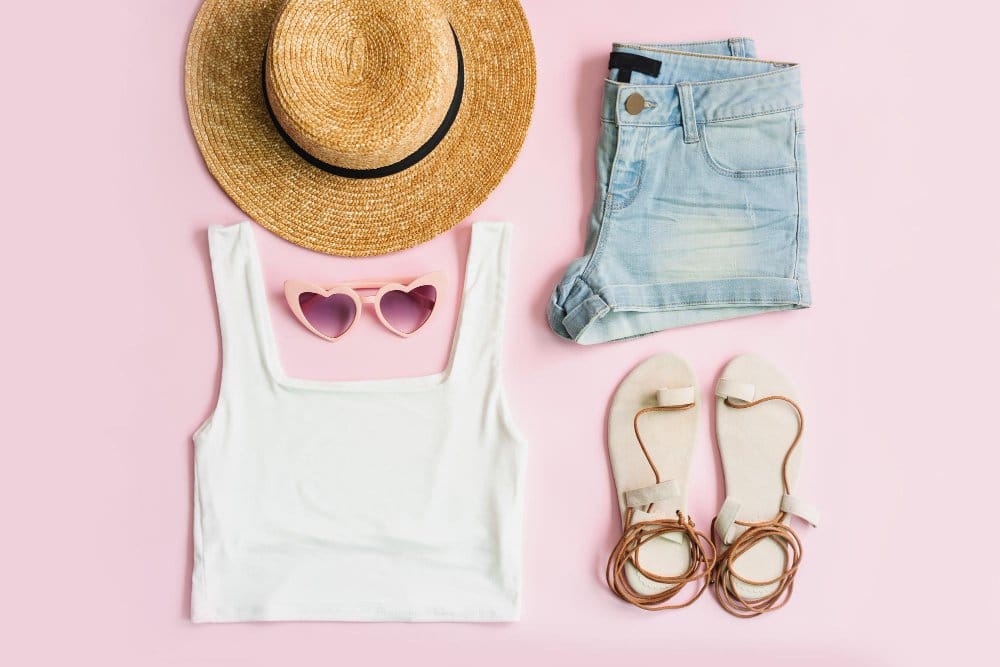
For dresses, shirts, wide-leg pants, and blouses in genuinely hot weather, linen is the better performer. Its breathability keeps you cooler longer. A linen-cotton blend is a great middle ground if you want linen’s airiness with easier sewing and care.
Everyday Basics
Cotton Wins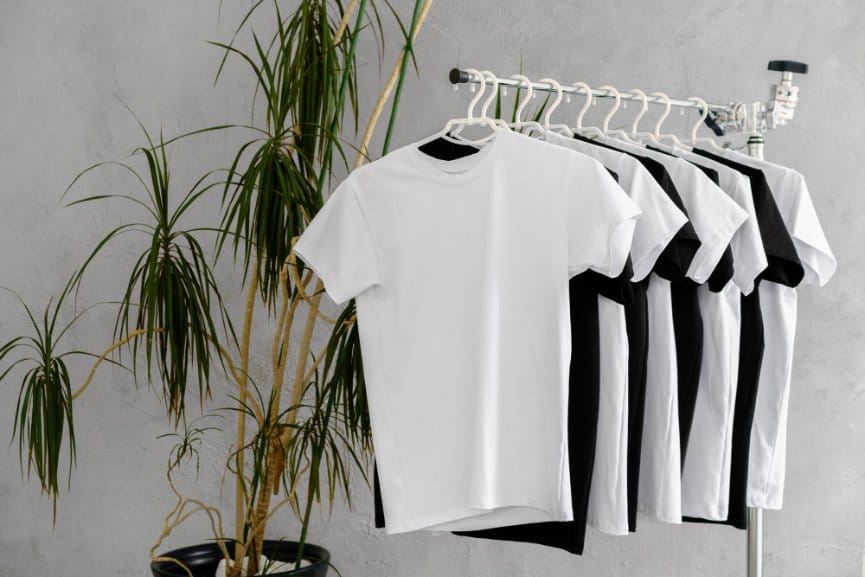
T-shirts, underwear, casual shirts, and joggers: cotton is king here. It’s soft, affordable, and handles the washing machine without drama. Light cotton weaves like jersey or poplin are perfect for pieces you wear repeatedly.
Bedding and Sheets
Linen for Hot Sleepers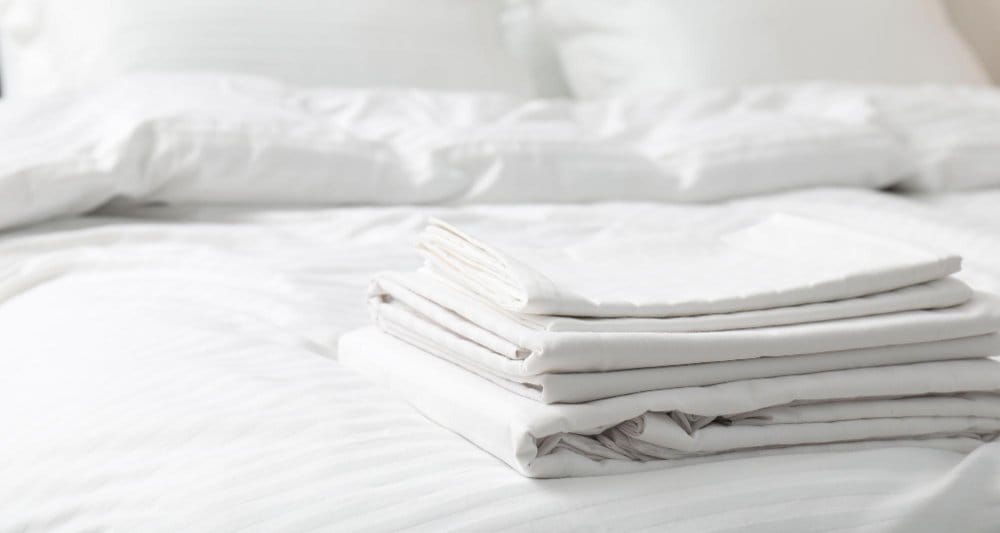
If you run warm at night or live in a hot climate, linen sheets are worth every penny. For temperate climates or a tighter budget, good cotton sheets, particularly sateen cotton or a quality percale, are excellent. See our cotton thread count guide to understand sheet quality.
Baby and Kids’ Clothing
Cotton Wins Clearly
For babies and young children, cotton is the overwhelming choice. It’s soft from the start, machine washable, affordable, and available in a huge range of sizes and styles. Browse our best fabrics for newborn clothing guide, or find affordable cotton kids’ clothing at Fabulous Bargains Galore.
Home Décor (Curtains, Tablecloths)
Linen for Premium Look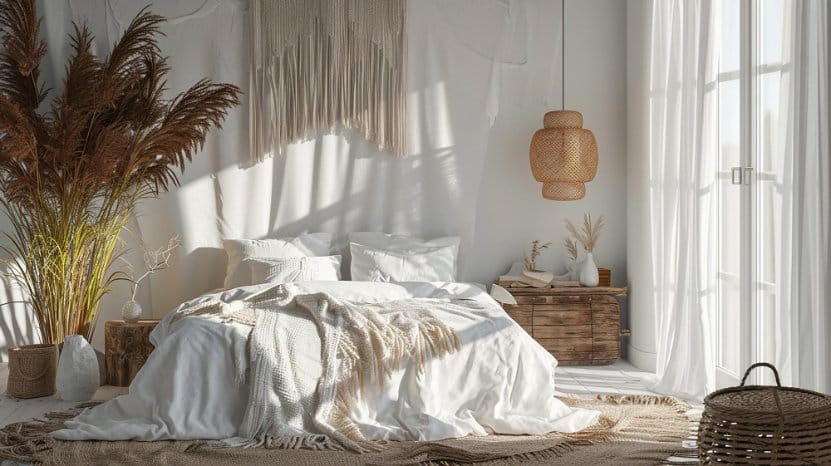
Linen’s natural drape and texture make it a favorite for curtains, tablecloths, and napkins, and it ages beautifully. Cotton works well too, particularly cotton canvas, and is much easier to launder if things get messy.
Sensitive Skin
Both Can Work
Both fabrics are naturally hypoallergenic and generally kind to sensitive skin. For babies or people with eczema, organic cotton is widely recommended. Well-washed linen is also excellent once the initial stiffness is gone. Check our softest fabrics for sensitive skin guide for more.
Quilting and Crafts
Cotton Wins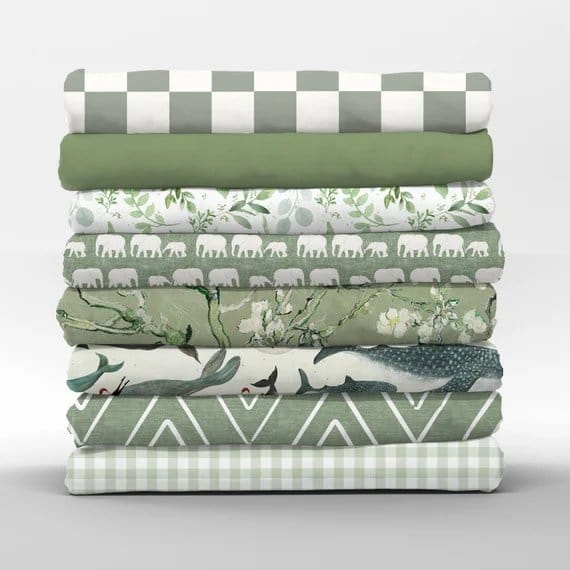
Cotton is the gold standard for quilting. It’s stable, presses beautifully, holds its shape, and comes in thousands of prints and colors. Linen can work for certain quilting styles but frays more and is harder to handle for detailed patchwork.
Work and Office Wear
Cotton for Year-Round
For structured office clothing, cotton fabrics like poplin and broadcloth hold their shape and stay neat through a workday. Linen blazers and trousers are a classic summer choice, but the wrinkling can be a challenge in a formal setting.
Cotton vs Linen for Sewing and DIY Projects
If you’re picking fabric for a sewing project, the handling differences between these two fabrics matter a lot, especially for beginners.
Cotton: The Beginner’s Best Friend
Video: Sewing With Cotton Fabrics [Ultimate Guide]
Cotton is forgiving. It folds cleanly along grain lines, accepts pins and chalk markings without fuss, feeds through a sewing machine predictably, and presses to a crisp finish with minimal effort. If a seam goes wrong and you need to unpick and re-stitch, cotton handles that well without distorting.
If you’re just starting out, quilting cotton or cotton poplin are the most recommended first fabrics for a reason. Our beginner’s guide to sewing goes into more detail.
Linen: Rewarding but Requires Accuracy
Linen is manageable for sewists at any level, but it rewards precision more than cotton does. Keep these things in mind:
- Pre-wash before cutting. Linen can shrink a lot in the first wash, so wash and dry it the way you plan to care for the finished item before you cut a single piece.
- Fray allowance. Linen frays more aggressively than cotton at cut edges. Finish your seam allowances as soon as you can after cutting with a serger or a zigzag stitch.
- Use a sharp needle. An 80/12 or 90/14 needle minimizes drag and skipped stitches in linen’s textured weave.
- Press often. Pressing after every seam keeps linen under control and noticeably improves your finished result.
- Cut on a single layer when possible. Folded linen can shift and give you inaccurate cuts.
If you love linen’s look but find it tricky to work with, a linen-cotton blend is the ideal next step. You get most of the breathability and texture with noticeably easier handling, covered in the next section.
Our seam allowance guide and fabric cutting guide are both worth bookmarking for your next project.
What About the Cotton-Linen Blend?
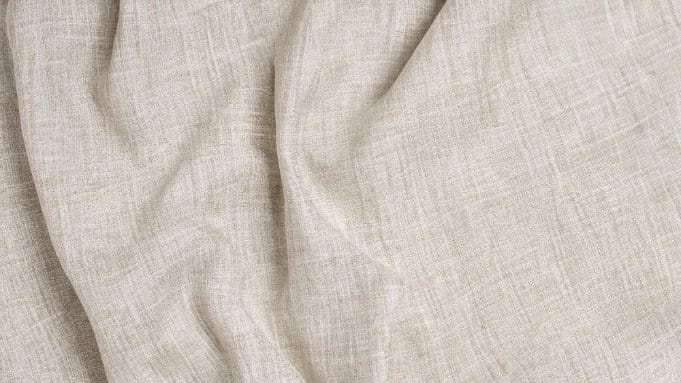
If you’re torn between the two, there’s a third option most comparison articles skip: the cotton-linen blend, and it’s worth your attention.
Common blend ratios are 55% linen and 45% cotton, or 60% linen and 40% cotton, though variations exist. The idea behind the blend is smart: the cotton component softens the hand of the fabric and reduces linen’s tendency to crease heavily, while the linen component adds breathability, structure, and longevity that pure cotton can’t match.
In practical terms, a linen-cotton blend gives you:
- Better breathability than 100% cotton
- A softer initial feel than 100% linen
- Less wrinkling than pure linen
- Easier sewing than working with pure linen
- A price point that usually sits between the two
For summer garments in particular, a linen-cotton blend is often the practical sweet spot. You get roughly 70% of linen’s breathability benefits with a fabric that behaves more like cotton at the sewing machine and in the wash.
How Do Cotton and Linen Stack Up Against Other Fabrics?
vs Polyester
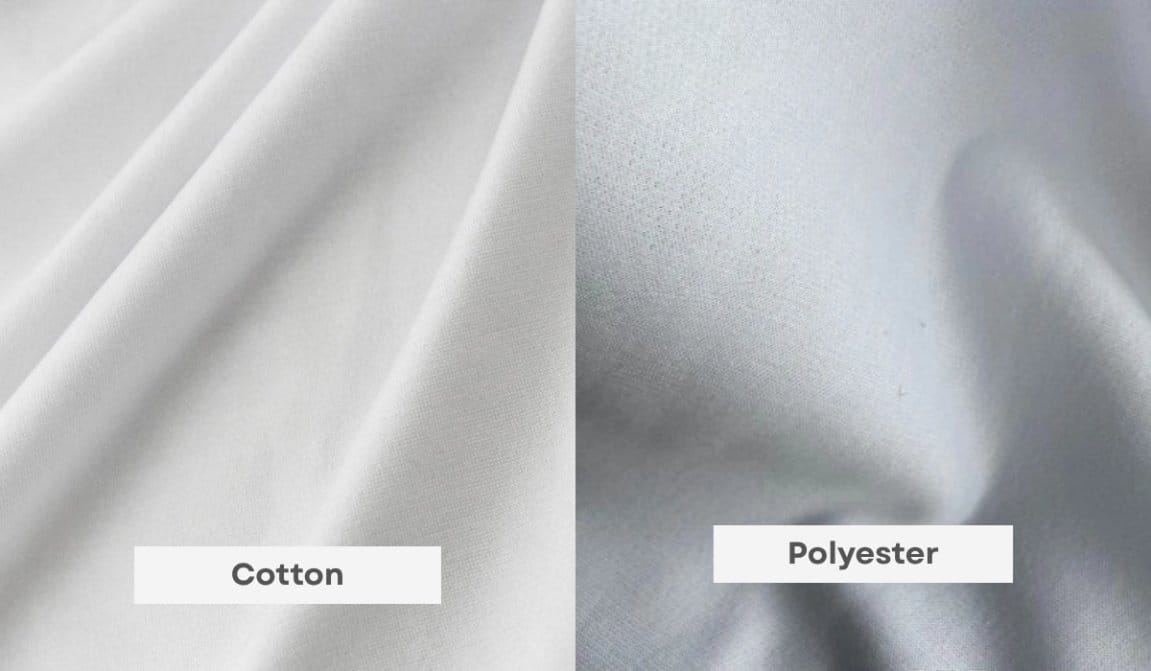
Both cotton and linen beat polyester on breathability, natural feel, and sustainability. Polyester is cheaper and holds up well in performance contexts like activewear, but it traps heat, doesn’t breathe well, and isn’t biodegradable. For everyday or warm-weather clothing, the natural fabrics win. Read our detailed cotton vs polyester breakdown for more.
vs Bamboo
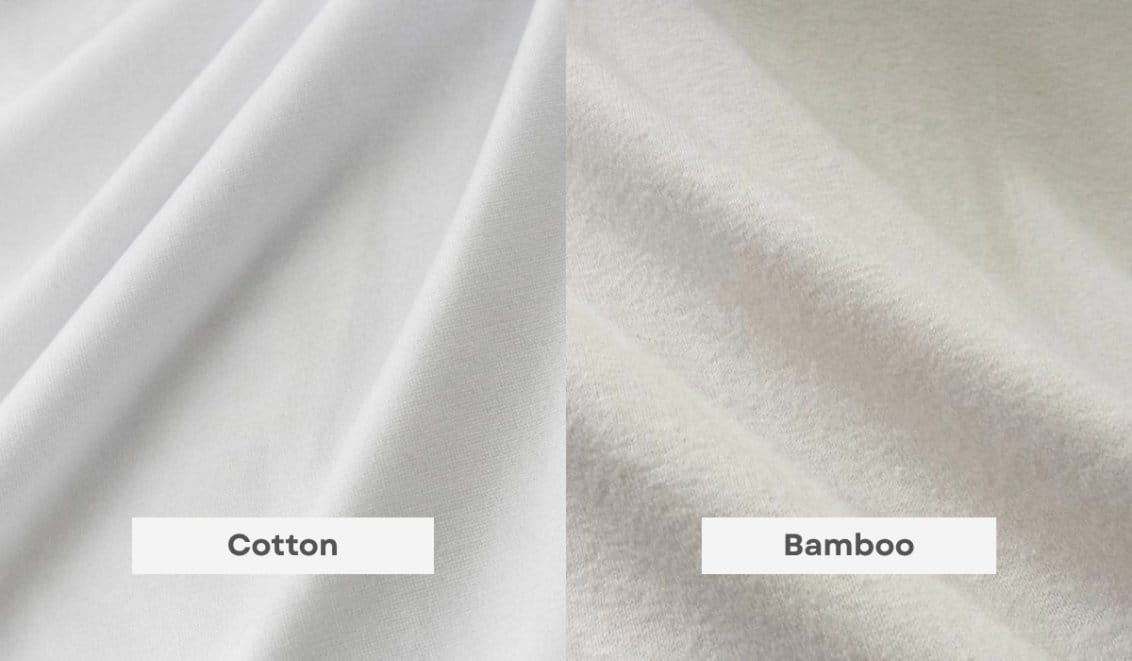
Bamboo fabric has grown in popularity as a sustainability-friendly alternative. It’s genuinely soft and moisture-wicking, but most bamboo fabric is processed into viscose using chemical-heavy methods that reduce its eco credentials. It competes with cotton on softness, but doesn’t quite match linen for breathability in heat.
vs Modal and Rayon
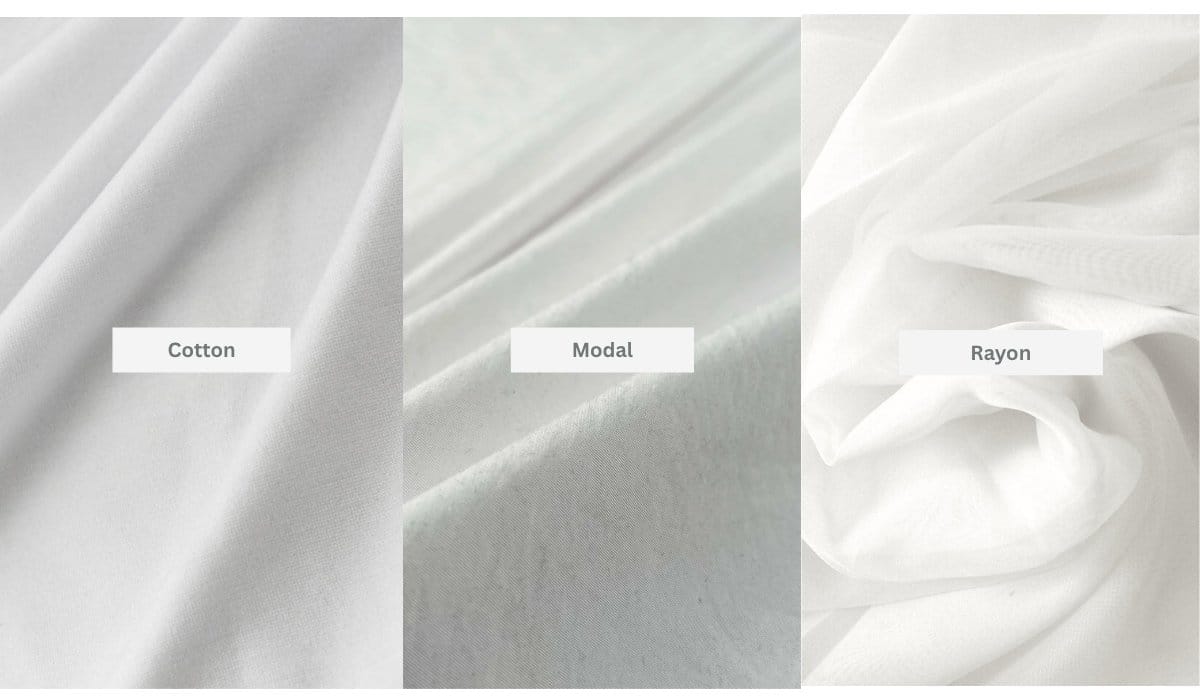
Modal and rayon are wood-pulp-derived fabrics that drape beautifully and are often softer than cotton. They lack linen’s durability and breathability, though, and aren’t ideal for hot, humid conditions. Check our guide to rayon types if you’re curious.
vs Silk

Silk is in a different category entirely: a protein fiber with natural sheen and exceptional softness. It’s far more delicate and expensive than either cotton or linen, and needs careful hand-washing or dry cleaning.
For everyday practicality, neither cotton nor linen has anything to fear from silk. Silk wins on luxury. Our silk fabric guide covers the full picture.
vs Wool
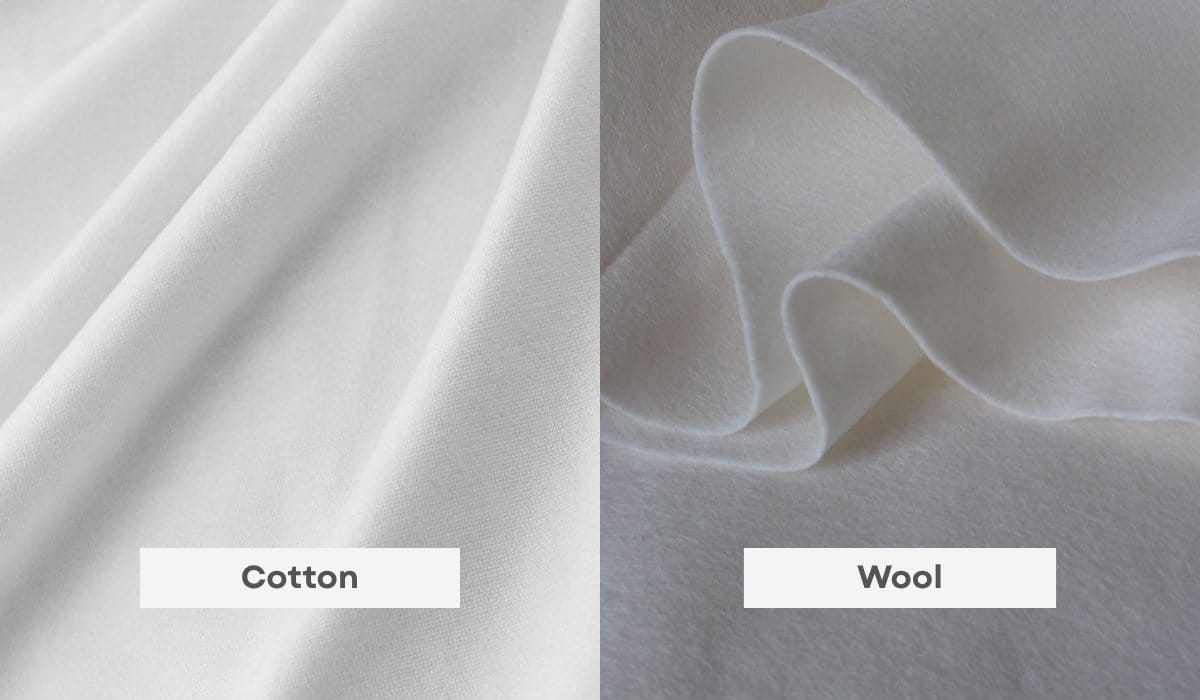
Wool is mainly a cold-weather fabric, valued for insulation, moisture-wicking, and natural fire resistance. It isn’t really a summer competitor to linen or cotton, but for fall and winter layering, wool has properties neither cotton nor linen can match. See our winter fabrics guide for the cold-weather comparison.
How to Tell Cotton from Linen (Without a Lab)
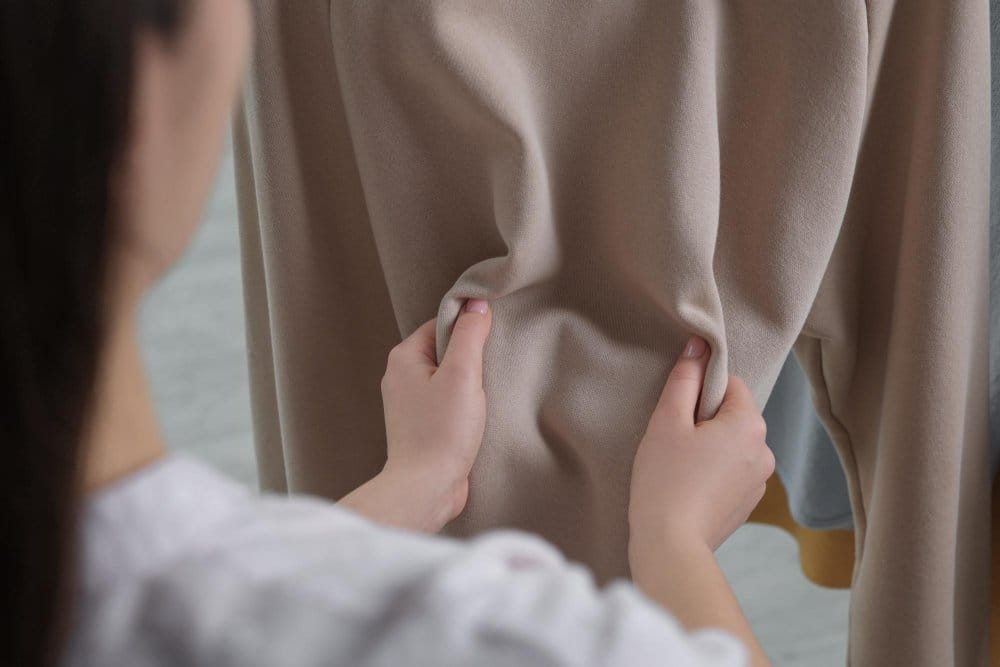
Labels help, but they aren’t always available, especially at thrift stores or estate sales. Here are three reliable ways to tell the fabrics apart.
The Feel Test
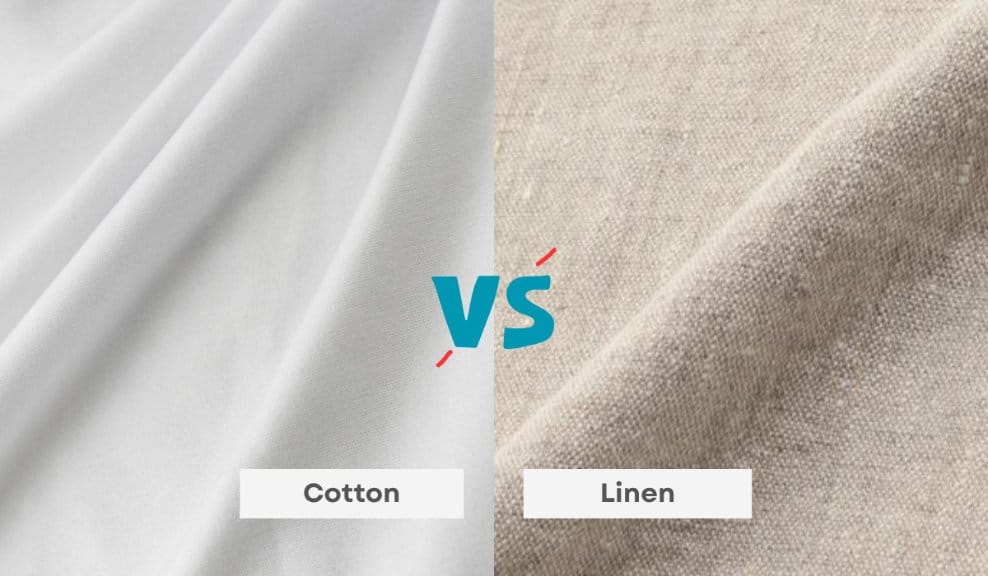
Rub the fabric between your fingers. Cotton feels smooth and consistent, with an evenness to the texture. Linen has a more pronounced, slightly textured feel with visible slub, small irregular thickening in the yarns. Linen also tends to feel cooler to the touch, even at room temperature.
The Look Test
Look closely at the weave. Linen has a more open, uneven structure, and you can often see small natural variations in the yarn thickness. Cotton looks more uniform. Linen also tends to have a subtle natural sheen, while cotton is typically more matte.
The Scrunch Test
Scrunch a section of the fabric tightly in your hand for a few seconds, then release it. Linen will hold visible creases much more than cotton. If it springs back quickly with minimal wrinkling, it’s likely cotton. If clear creases remain and take time to fall out, it’s more likely linen.
The Burn Test (Fabric Samples Only)
Both cotton and linen are cellulose fibers, so they burn similarly. They catch flame easily, burn with a steady flame, smell like burning paper, and leave a soft gray ash. This test confirms you’re looking at a natural cellulose fiber, but it won’t tell cotton and linen apart from each other.
What it will rule out is synthetic content: polyester and nylon both melt and smell acrid instead.
Care and Washing Tips
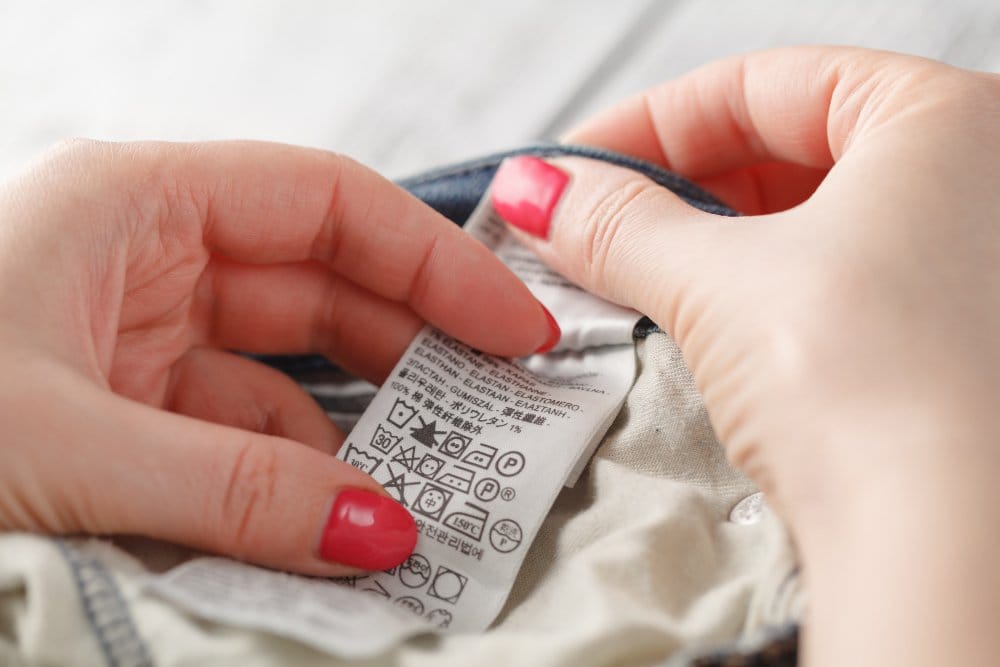
Cotton Care
- Machine wash warm or cold, both work fine
- Tumble dry on medium heat
- Iron while slightly damp for best results
- Pre-wash new fabric before sewing (3 to 5% shrinkage)
- Separate lights from darks, cotton bleeds more than linen
- Avoid over-drying, which can cause shrinkage and fiber stress
Linen Care
- Machine wash on gentle cycle, cold or lukewarm water
- Line dry or tumble dry on low, avoid high heat
- Iron while still slightly damp (linen loves steam)
- Pre-wash before sewing, can shrink up to 10%
- Don’t wring, roll in a towel to remove excess water
- Store loosely folded, tight folds can crease permanently
For general washing guidance across all your fabrics, see our guide to washing different fabrics.
The Quick Summary: Choose Cotton If / Choose Linen If
Choose Cotton If…
- You want softness right away
- You’re dressing a baby or young child
- You’re new to sewing and want a forgiving fabric
- You need easy, low-maintenance care
- Budget is a priority
- You live in a temperate or cooler climate
- You dislike ironing or dealing with wrinkles
- You’re quilting or making everyday basics
Choose Linen If…
- You live somewhere hot and humid
- You run warm and want the coolest fabric available
- You’re making an investment piece meant to last years
- Sustainability matters to you
- You love natural texture and relaxed aesthetics
- You want bedding that sleeps cooler
- You’re an experienced sewist who can handle precision
- You’re happy to give it a little extra care in the wash
Useful Tools for Your Fabric Decision
Not sure which fabric fits your project? These free interactive tools can help you narrow it down.
- Interactive Fabric Comparison Tool: Cotton vs Linen vs Hemp, compare the three side by side
- Cotton Type Selector Quiz, find which cotton variety suits your project
- Seasonal Fabric Quiz, get recommendations based on your climate
- Fabric Care Generator, a custom care guide for your fabric
- Linen Quality Quiz, identify high-quality linen before you buy
- Fabric Yardage Calculator, calculate exactly how much you need for your project
Frequently Asked Questions
Is linen softer than cotton?
Not at first. Cotton is softer from day one. Linen starts with a crisp, textured feel that can seem rough compared to cotton. However, linen softens a lot with washing and wear, and after several washes, many people find well-worn linen softer and more comfortable than cotton. It depends on when you’re asking: cotton wins immediately, linen can win over time.
Which is better for hot weather, cotton or linen?
Linen is better for hot weather. Its hollow fibers and open weave structure allow air to circulate freely and wick moisture away from the skin faster than cotton. Cotton is also good in heat, especially in lighter weaves, but linen outperforms it when temperatures and humidity are both high.
Does linen shrink more than cotton?
Yes, linen typically shrinks more than cotton if not pre-washed. Linen can shrink up to 10% in the first wash if exposed to hot water, while cotton typically shrinks 3 to 5%. The solution for both is simple: always pre-wash fabric before cutting and sewing, and wash the finished item in cool or lukewarm water going forward.
Is linen more sustainable than cotton?
Generally yes. Linen requires less water and fewer pesticides than conventional cotton, and uses almost the whole flax plant with little waste. Organic cotton closes much of that gap, since it’s grown without synthetic pesticides and uses less water than conventional cotton. Both are biodegradable, which puts them ahead of synthetic fabrics regardless.
Which lasts longer, cotton or linen?
Linen lasts noticeably longer than cotton. Flax fibers are stronger than cotton fibers and actually get stronger when wet, so repeated washing doesn’t weaken them the same way. Linen bedding can last 10 to 20 years, and linen clothing can last decades with proper care. Cotton is durable but degrades faster over time, especially with frequent washing.
Is linen good for sensitive skin?
Yes, linen is naturally hypoallergenic and generally kind to sensitive skin, particularly once it has been washed a few times and softened. Organic cotton is also an excellent choice for sensitive skin and is often recommended for babies and people with eczema. Both are good options; the main thing to avoid is heavily chemically treated fabric of either type.
Which is easier to sew, cotton or linen?
Cotton is easier to sew, especially for beginners. It handles cleanly, frays less, and is forgiving of mistakes like unpicking and re-stitching. Linen is manageable for experienced sewists but requires more precision. It frays more readily, can shift when cut folded, and benefits from frequent pressing during construction.
Can you wash cotton and linen together?
Yes, generally. If they’re similar in color, a cold gentle cycle works for both. Just be aware that linen prefers lower heat in the dryer, so if you wash them together, dry on low or line dry to protect the linen. Avoid hot water for either fabric to minimize shrinkage risk.
Why is linen more expensive than cotton?
The production process is the main reason. Getting from flax stalk to finished linen fabric involves retting, which is soaking the stalks for weeks, plus mechanical processing to extract the long fibers and more labor-intensive spinning than cotton requires. Cotton can be processed faster and at a larger scale, and linen is grown in smaller volumes globally. The higher price reflects real production cost, not just premium positioning.
Is a cotton-linen blend better than pure linen?
It depends on your priorities. A cotton-linen blend, typically 55/45 or 60/40 linen to cotton, is softer than pure linen from the start, wrinkles less, is easier to sew, and is usually less expensive. Pure linen offers superior breathability, greater durability, and the authentic linen aesthetic. For beginners or everyday summer garments, a blend is often the smarter starting point.
Is cotton or linen better for baby clothes?
Cotton is better for baby clothes in almost every situation. It’s soft from day one, machine washable, affordable, and available in a huge range of sizes and styles designed specifically for infants and toddlers. Linen’s initial stiffness and higher price make it less practical for clothes that need to survive daily washing and active wear. Organic cotton is ideal for newborns and babies with sensitive skin.
Which is better for summer dresses: cotton or linen?
Both work beautifully for summer dresses, but they give different results. Linen dresses feel airier, keep you cooler in high heat and humidity, and have a relaxed, textured look. Cotton dresses, especially in light weaves like lawn or voile, are softer, drape more fluidly, and are easier to launder. For genuinely hot climates, linen or a linen blend has the edge. For year-round versatility and easier care, cotton is the safer pick.
Final Thoughts: Two Great Fabrics, Different Jobs
If there’s one thing this guide should leave you with, it’s this: cotton and linen are both excellent fabrics, but they’re not the same fabric, and they’re not interchangeable.
Cotton is your everyday workhorse. It’s soft, affordable, forgiving, and versatile. If you need something that works reliably across seasons, washes easily, and doesn’t ask much of you, cotton delivers. It’s the right call for babies, beginners, everyday basics, quilting, and colder months.
Linen is your long-game investment. It costs more up front and asks for a little more care, but it breathes better, lasts longer, and gets better with every wash.
If you live somewhere hot, care about sustainability, or want clothing and bedding that holds up beautifully over years rather than seasons, linen earns its place in your wardrobe.
If you’re genuinely torn, try a linen-cotton blend first. You’ll get most of what makes linen special, with far less friction at the sewing machine and in the laundry.
The best fabric is always the one that fits what you’re actually making, where you’ll wear it, and how you live. Cotton and linen both get that right, just in different situations.
Ready to go deeper? Browse our full cotton fabric guide and linen fabric guide, or head to our summer fabrics roundup if you’re planning warm-weather pieces next.
Disclaimer: This article is provided for general informational and educational purposes only and does not constitute professional textile, sewing, or purchasing advice. Prices, shrinkage percentages, and care recommendations are approximate estimates based on typical fabric behavior and may vary by manufacturer, weave, weight, and region. Always check the care label on your specific fabric or garment before washing, ironing, or sewing. Some links in this article point to Clothing Digest’s own tools and resources or to third-party retailers; this does not affect the objectivity of the information presented.