
What the number on the label actually tells you, and where it starts to mislead
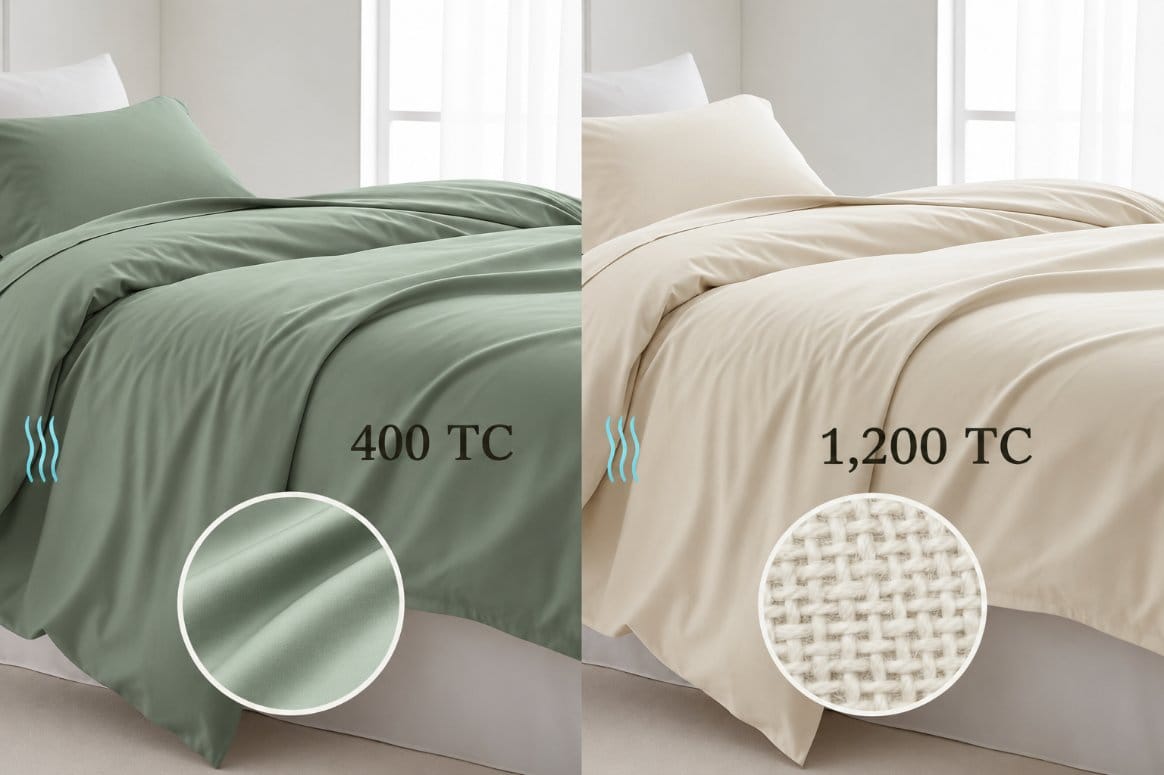
You’re comparing two sets of sheets. One says 400 thread count. The other says 1,200. The second one costs three times as much. Is it really three times better, or is something else going on?
Thread count is probably the most talked-about number in the entire bedding industry, and also one of the most misunderstood. This guide breaks down what the number actually measures, how it gets stretched and inflated, and what to look at instead when you want sheets that genuinely feel good and last.
Short answer: Thread count matters, but only up to a point, and only when it’s measured honestly. Past roughly 400 to 600, higher numbers usually come from counting multi-strand yarn as multiple threads, not from a genuinely denser weave. Fiber quality and weave type affect comfort more than the raw number does.
Table of Contents
What Thread Count Actually Means
Thread count is a measurement of how many threads are woven into one square inch of fabric, counting in both directions. The lengthwise threads are called warp, and the crosswise threads are called weft.
If a fabric has 200 warp threads and 200 weft threads in one square inch, that’s a 400 thread count fabric. It’s a simple enough idea in theory. In practice, how that number gets calculated and reported is where things get complicated.
Does Thread Count Actually Matter?
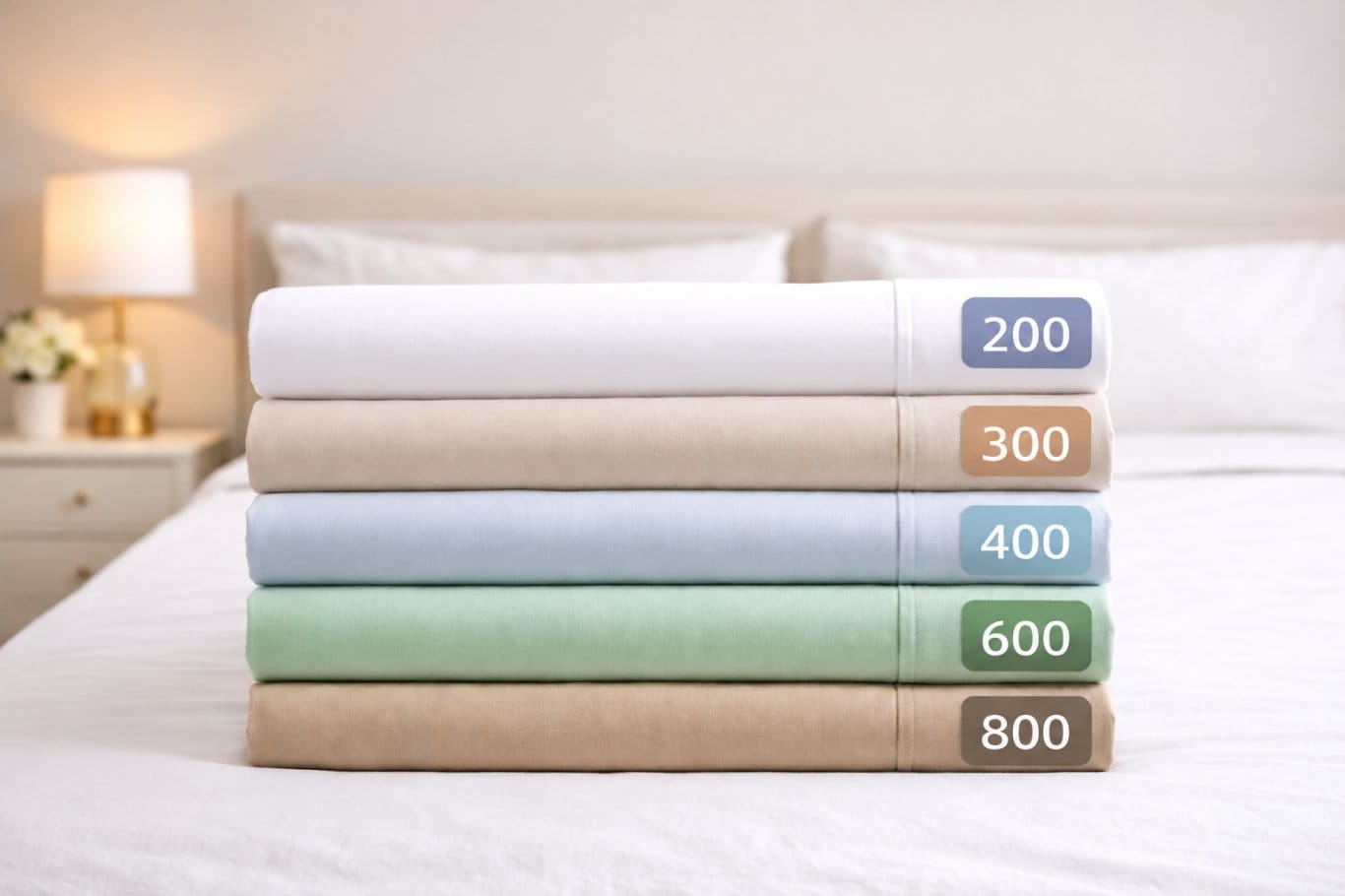
Yes, but only within a certain range. Below roughly 180, a woven fabric is too sparse. You can sometimes see light through it, and it feels thin and flimsy. Somewhere between 180 and 400, thread count genuinely correlates with a denser, more substantial fabric.
Past that point, the relationship between the number and actual quality gets much weaker. A fabric physically can’t fit an unlimited number of honest, single-strand threads into a square inch. There’s a practical ceiling, and once claims go well beyond it, something else is usually happening with how the number was counted.
The Multi-Ply Trick: How Numbers Get Inflated
This is the part most articles gesture at vaguely without citing anything specific, so it’s worth being precise about what actually happened.
In 2002, the American Textile Manufacturers Institute wrote to the Federal Trade Commission asking for an opinion on a labeling practice it considered deceptive.
According to the FTC’s 2002 staff correspondence on thread count labeling, the group described products where a plied yarn (multiple thin strands twisted together into one thread) was being counted as several separate threads instead of one, inflating a genuine 250 thread count fabric into something marketed as 1,000 count.
The FTC staff response didn’t issue a binding ruling, but it pointed to the ASTM D3775 test method as the accepted industry standard, which counts a plied yarn as a single thread no matter how many strands are twisted into it.
In the years since, the mainstream bedding industry has largely moved toward that standard, and reputable brands increasingly disclose ply alongside the count, something like “300 thread count, two-ply,” to keep the number honest.
Here’s what that inflation looks like in practice:
| Genuine woven threads | Yarn ply | Marketed as |
|---|---|---|
| 300 | Single-ply | 300 (honest) |
| 300 | 2-ply | 600 (inflated) |
| 250 | 4-ply | 1,000 (heavily inflated) |
The fabric in all three rows might use a similar amount of raw material. The label is telling three very different stories about it.
What Actually Matters More Than the Number
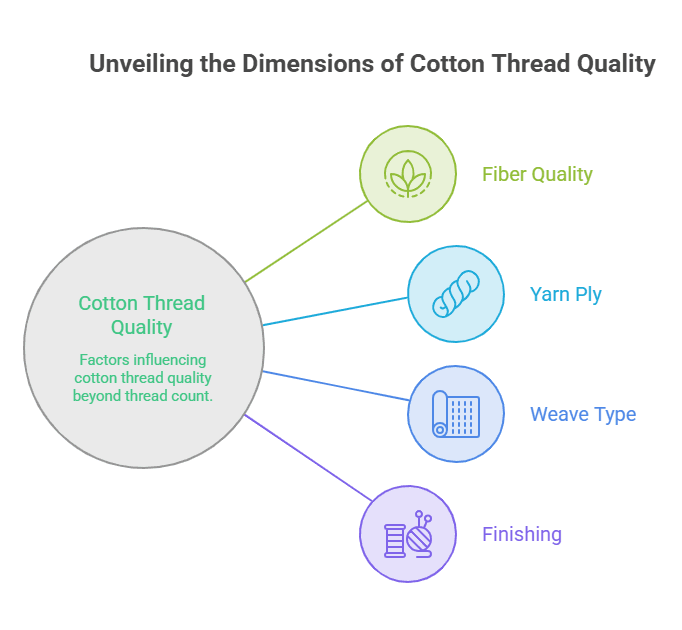
If thread count alone isn’t a reliable quality signal past a certain point, what should you actually pay attention to?
- Fiber quality: Long-staple cotton (like Pima or Egyptian) produces smoother, stronger yarn than short-staple cotton, regardless of thread count. A 300 thread count sheet made from long-staple cotton often feels better than a 1,000 thread count sheet made from short-staple fiber.
- Yarn ply: Single-ply yarn generally produces a smoother, more breathable fabric than multi-ply yarn of the same stated count, since fewer, thicker twisted strands make for a denser, less breathable weave.
- Weave type: Percale and sateen feel completely different at the same thread count, because the weave pattern itself changes how light and air move through the fabric.
- Finishing: Processes like combing and mercerizing change how smooth and durable the finished yarn is, independent of how many threads are packed into a square inch.
Percale vs Sateen: Different Sweet Spots
Percale and sateen are two different weave structures, and each has its own reasonable thread count range. Comparing them on thread count alone misses the point, since they’re built to feel different from each other.
| Weave | Typical thread count range | Feel |
|---|---|---|
| Percale | 180–400 | Crisp, matte, breathable, cool to the touch |
| Sateen | 300–600 | Smooth, soft, subtle sheen, slightly warmer |
A well-made 250 thread count percale sheet isn’t an inferior product next to a 600 thread count sateen sheet. They’re built for different preferences. Hot sleepers tend to prefer percale specifically because the weave allows more airflow, not because it has a lower number on the tag.
Where Thread Count Fits With Combing, Ring-Spinning, and Mercerizing
Thread count only tells you how many threads are packed into a square inch. It says nothing about what those threads are actually made of. That’s where the rest of this cotton quality picture comes in.
A sheet can have an honestly reported, reasonable thread count and still feel disappointing if the underlying yarn is carded, open-end, and unmercerized. The same thread count made from combed, ring-spun cotton, and possibly mercerized for extra sheen and strength, will feel noticeably smoother, resist pilling better, and last longer.
In practice, this means thread count is really only one input among several. It works best combined with what you now know about combed cotton, ring-spun cotton, and mercerized cotton, since a moderate thread count built from good yarn consistently outperforms a high thread count built from poor yarn.
Good Thread Count Ranges by Product
Percale Sheets
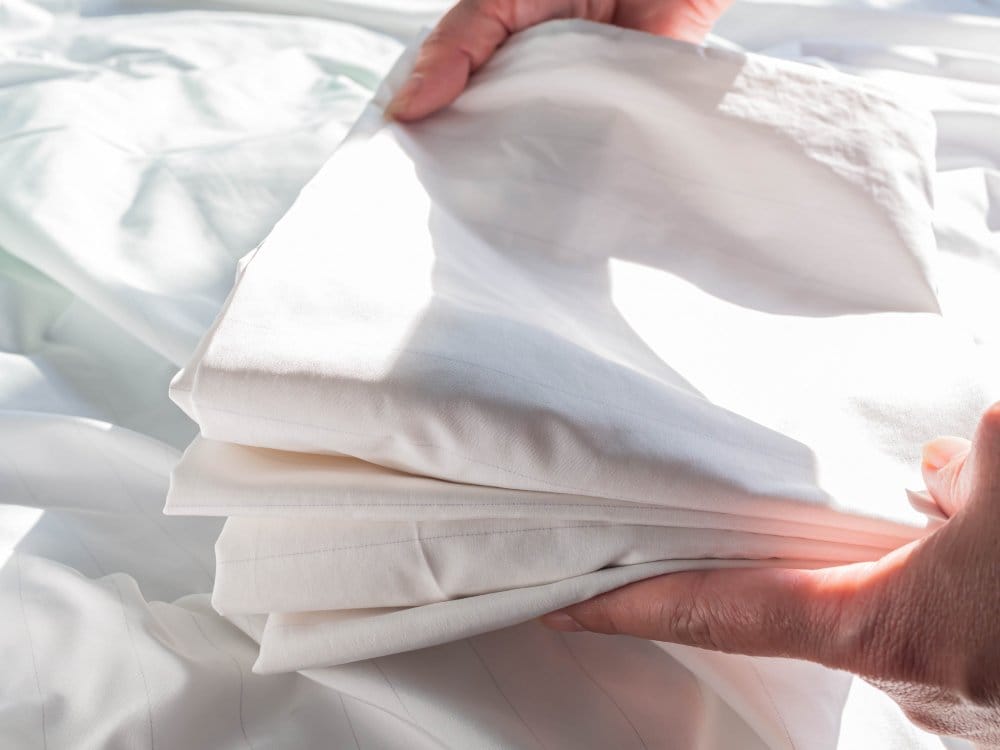
Look for 180 to 400. This range gives percale its signature crisp, breathable feel without tipping into unnecessary density.
Sweet spot: 180–400Sateen Sheets
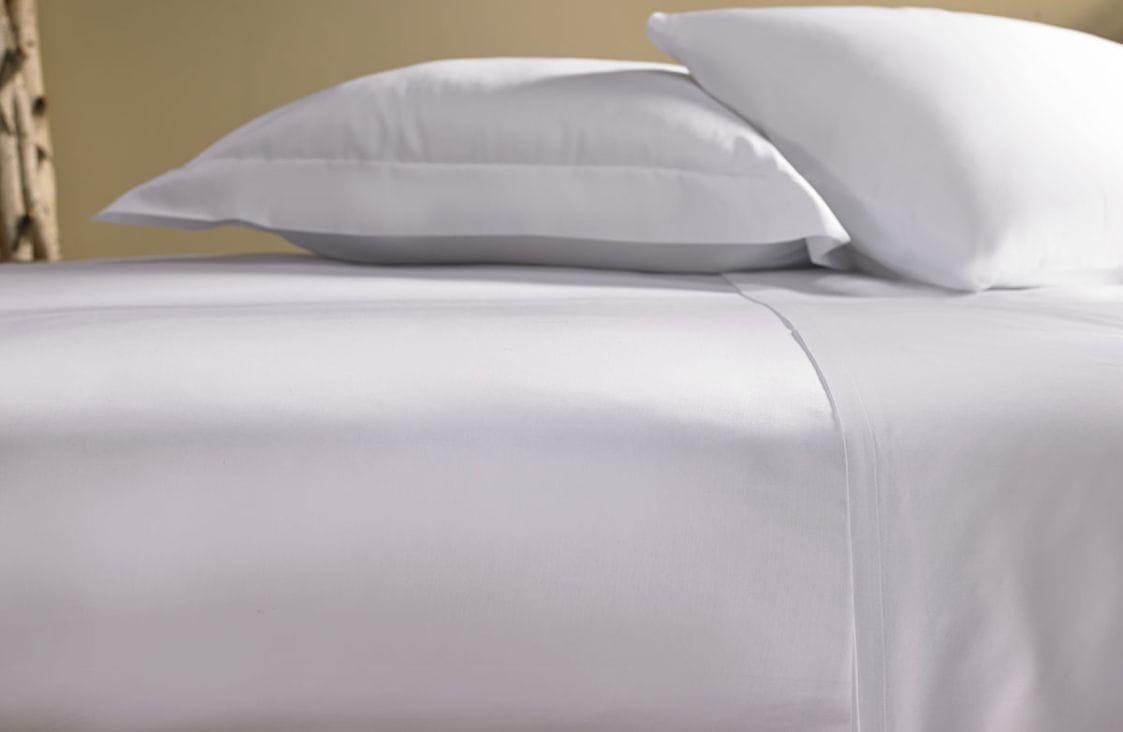
Look for 300 to 600. Sateen’s weave already creates a soft, smooth surface, and this range keeps that feel without becoming heavy.
Sweet spot: 300–600Pillowcases
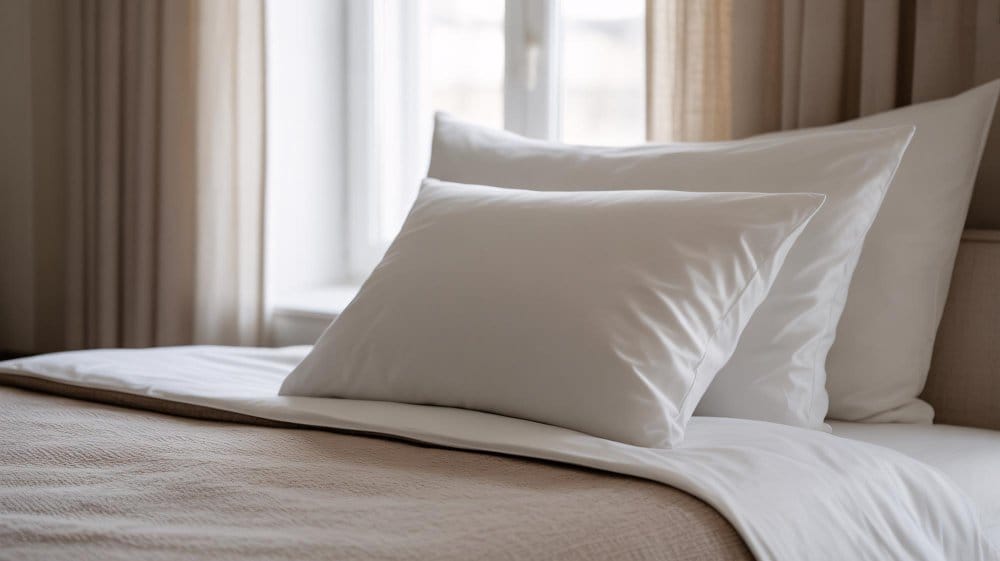
Similar to sheets in the same weave. Pillowcases see more direct skin and hair contact, so many people prefer the slightly smoother end of the range.
Sweet spot: 300–500Dress Shirting
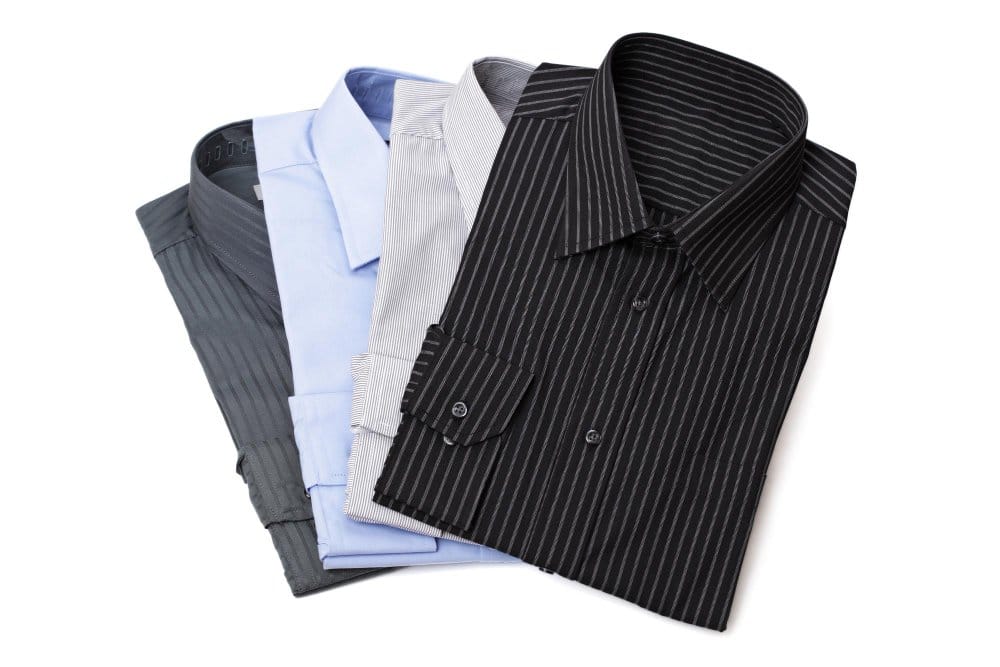
Fine cotton shirting fabric is often described using thread count in the same way as sheeting, typically in a lighter, more breathable range suited to wear rather than sleep.
Sweet spot: 100–200Quilting Cotton
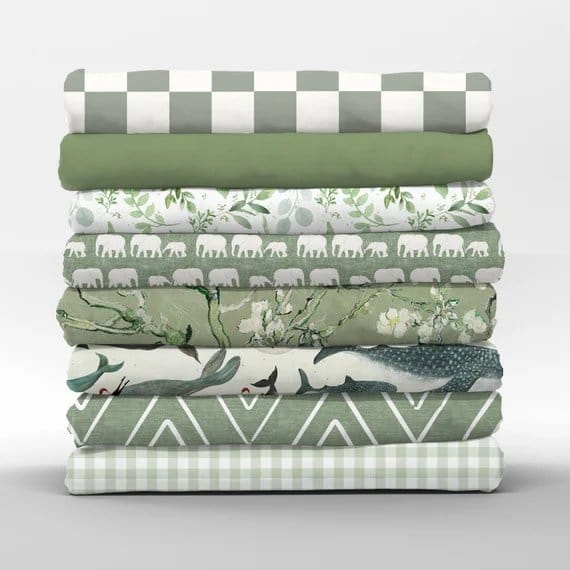
Quilting cotton is usually described by weight rather than thread count, but a tightly woven quilting cotton in a comparable range holds stitches well without fraying.
Sweet spot: 60–80 (lower, by design)Budget Everyday Sheets
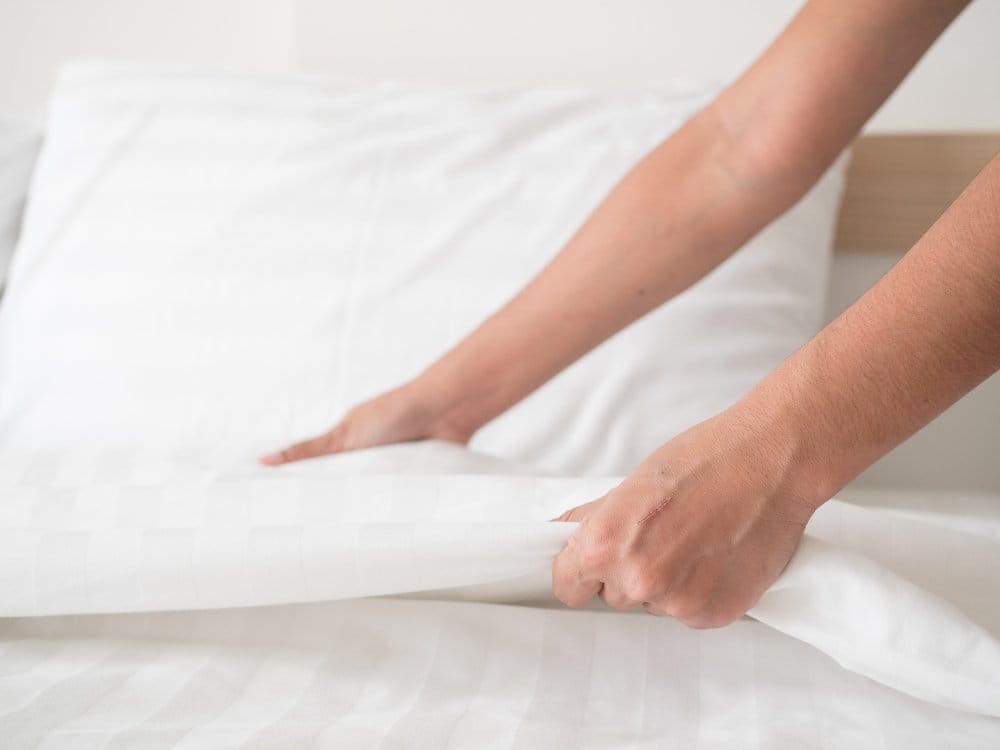
A well-made 200 thread count percale from decent cotton beats a cheaply made high-count sheet nearly every time. Don’t chase the number at the lowest price points.
Sweet spot: 180–250Curious how thread count and weave connect to sheen and softness? Our guide to sateen cotton sheets covers that weave in full detail.
Read the GuideHow to Spot an Inflated Thread Count Claim
Watch out: If a listing doesn’t mention ply at all and the thread count is above 600, treat the number with some skepticism rather than assuming it’s automatically better than a lower, clearly labeled alternative.
Frequently Asked Questions
Conclusion
Thread count is a real measurement, and it does matter, just not in the unlimited, more-is-always-better way it’s often marketed. Within a reasonable range, roughly 180 to 600 depending on the weave, it’s a genuinely useful signal of fabric density.
Past that range, the number stops being a reliable measure of quality and starts being a measure of how creatively a manufacturer counted plied yarn strands. That’s not speculation. It’s documented in the real correspondence between industry groups and the Federal Trade Commission going back to 2002.
A few things worth remembering:
- Thread count correlates with quality mainly in the 180 to 600 range. Beyond that, look for other signals.
- Percale and sateen have different natural sweet spots. Comparing them on thread count alone misses the point of each weave.
- Fiber quality and yarn ply affect how a sheet actually feels more than the raw thread count does.
- A high thread count built from carded, open-end, unmercerized cotton will still lose to a lower, honestly reported thread count built from combed, ring-spun cotton.
- Look for ply disclosure on the label. It’s the clearest sign a brand is reporting thread count honestly.
Thread count is one useful piece of information among several, not the single number that decides quality on its own. Combined with what you know about fiber processing, it becomes a much more reliable guide to what you’re actually buying.
Want the complete picture of cotton fiber, weight, and care? Our full cotton fabric guide ties it all together in one place.
Disclaimer: This article is for general informational and educational purposes only. It summarizes publicly available regulatory correspondence and industry practice, and it is not legal advice regarding textile labeling regulations. Fiber processing methods, quality standards, and labeling practices can vary between brands, manufacturers, and countries.
Prices and industry figures referenced above are general estimates based on common industry practice at the time of writing and may change. Always check the specific product label or contact the manufacturer directly for exact fabric composition and care instructions before purchasing.