
Why one cotton label is legally protected, and most aren’t
A t-shirt costs $16. Another one, nearly identical on the hanger, costs $42 and says “Supima cotton” on the tag. Is that just a fancier word for regular cotton, or is something real going on underneath it?
Supima gets thrown around a lot in premium clothing and bedding, often without much explanation beyond “it’s better.” This guide covers what actually makes Supima different, why the name is more than marketing, and a surprising reason the label matters more than most people realize.
Short answer: Supima is a trademarked designation for extra-long staple Pima cotton grown exclusively in the United States, meeting strict quality standards enforced by a licensing organization. Its longer fiber genuinely produces a stronger, softer, less pill-prone fabric than standard cotton. Unlike most premium cotton names, “Supima” is legally protected, which turns out to matter more than you’d think.
Table of Contents
What Makes Supima Different From Regular Cotton
Supima is a specific, trademarked variety of Pima cotton, an extra-long staple (ELS) fiber grown exclusively in the United States. The name is a portmanteau of “superior” and “Pima,” and it’s controlled by a non-profit organization established in 1954 that licenses growers, mills, and brands who meet strict quality standards.
The key difference starts with fiber length. To qualify as extra-long staple, cotton fiber needs to measure at least 1 3/8 inches. Supima’s average runs even longer, over 1 7/16 inches, compared to standard upland cotton, which typically averages close to 1 inch.
That half-inch difference sounds small, but it changes the yarn in a real way. Longer fibers spin into smoother, more uniform thread with fewer loose ends sticking out, which is the same underlying reason combed cotton feels different from carded cotton. Supima’s length just starts that process from a genuine head start.
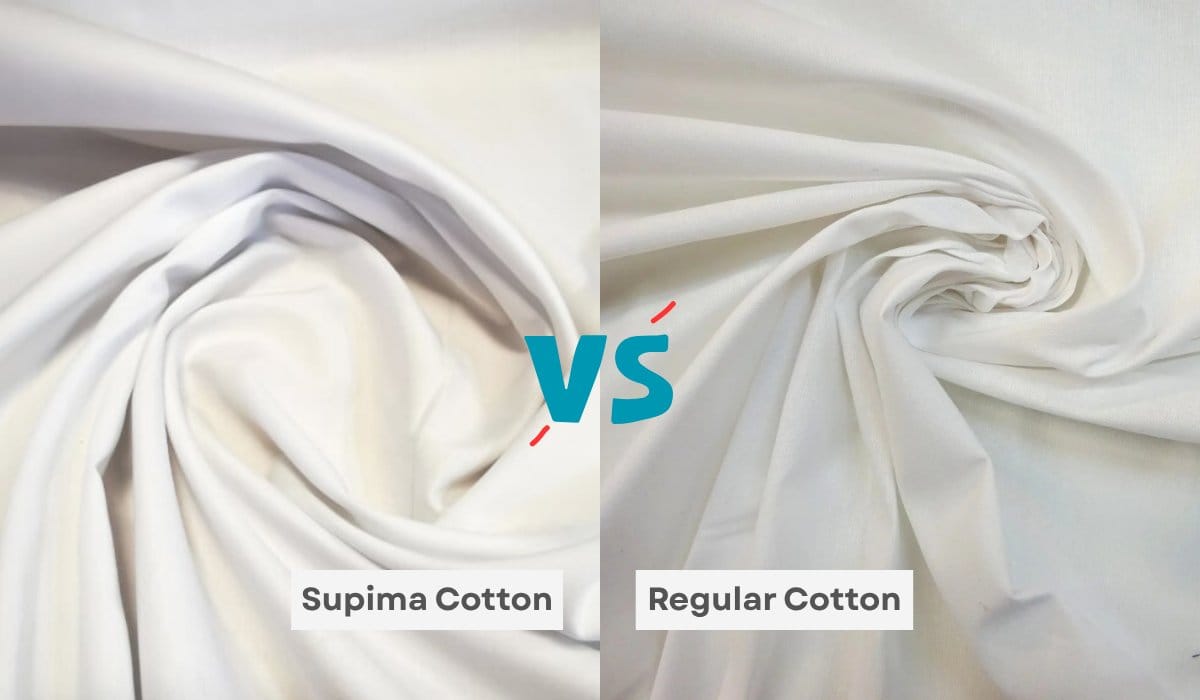
Supima vs Regular (Upland) Cotton: Side-by-Side
| Property | Regular (Upland) Cotton | Supima Cotton |
|---|---|---|
| Fiber length | About 1 inch | 1 7/16 inches or longer |
| Share of production | Vast majority of world cotton | Less than 1% of global cotton |
| Strength | Standard | Noticeably stronger fiber |
| Softness | Good | Smoother, silkier hand feel |
| Pilling resistance | Fair | Better, due to fewer loose fiber ends |
| Dye uptake | Good | More even, holds color longer |
| Growing region | Worldwide | US Southwest only (arid, irrigated) |
| Cost | Lower | Much higher |
You’ll see marketing claims putting Supima’s strength advantage anywhere from 30% to “twice as strong” as regular cotton, depending on the source. The exact multiplier varies by study and by who’s selling it, so treat any single number with a bit of skepticism. The underlying fact, that longer fiber produces meaningfully stronger yarn, is well established even if the precise percentage isn’t consistent.
Why the Trademark Actually Matters
This is the part that surprised us during research, and it’s worth slowing down for.
According to a Textile World industry report on Supima cotton, forensic testing conducted by Applied DNA Sciences, cited in reporting by Bloomberg, found that 83% of products labeled “100% Pima” actually contained a partial or complete substitution of a different, cheaper cotton. Separate reporting cited in the same piece put fraudulent “Egyptian cotton” labeling at around 90%.
Here’s why that happens: the word “Pima” isn’t trademarked. Anyone can print it on a label regardless of what’s actually inside the fabric, and there’s no licensing body auditing the claim. The same is true for “Egyptian cotton,” which describes an origin, not an enforced quality standard.
“Supima” is different. It’s a registered trademark, and only licensed growers, mills, and brands that meet the organization’s standards are legally permitted to use the name. That licensing structure is the actual reason the label carries weight. It isn’t just a nicer-sounding word for good cotton. It’s one of the only cotton labels backed by real enforcement.
Supima vs Pima vs Egyptian Cotton
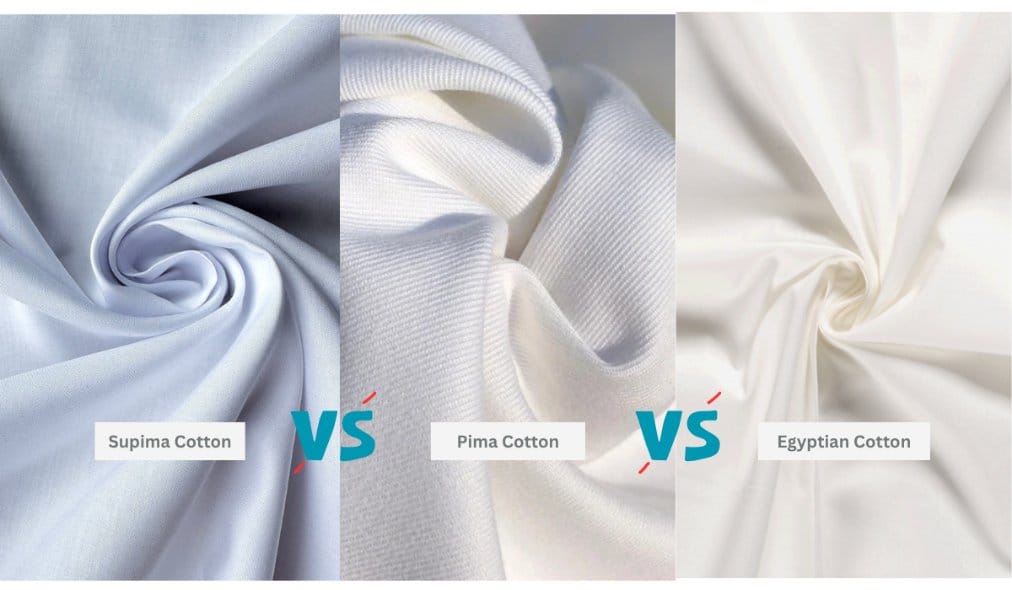
These three terms get used almost interchangeably in marketing copy, but they mean different things.
- Pima cotton is a variety name. It refers to extra-long staple cotton grown in the US, Peru, Australia, and a few other regions. Anyone can call cotton “Pima” whether or not that’s accurate.
- Supima cotton is a certified subset of Pima, specifically grown in the US and licensed under the Supima trademark. It’s the only one of these three terms with real legal protection behind it.
- Egyptian cotton describes origin, not fiber length or quality. Some Egyptian-grown cotton is genuinely extra-long staple, but much of it is closer to standard long-staple or regular cotton. The name alone doesn’t guarantee anything.
Interestingly, American Pima cotton was originally called “American-Egyptian” cotton in the 19th century, a nod to Egypt’s reputation for fine cotton at the time. The name changed to Pima in 1910, honoring the Pima people who grew the crop for a USDA breeding program aimed at perfecting extra-long staple cotton on American soil.
There’s also an interesting, if harder to verify, historical claim tied to this fiber. Some accounts suggest early denim workwear from the California Gold Rush era, including some of the earliest Levi Strauss coveralls, may have used extra-long staple cotton for its durability.
It’s presented as anecdotal rather than firmly documented history, but it fits the broader pattern: people have valued this fiber’s toughness for a very long time.
Where Supima Fits With Combing, Ring-Spinning, and Mercerizing
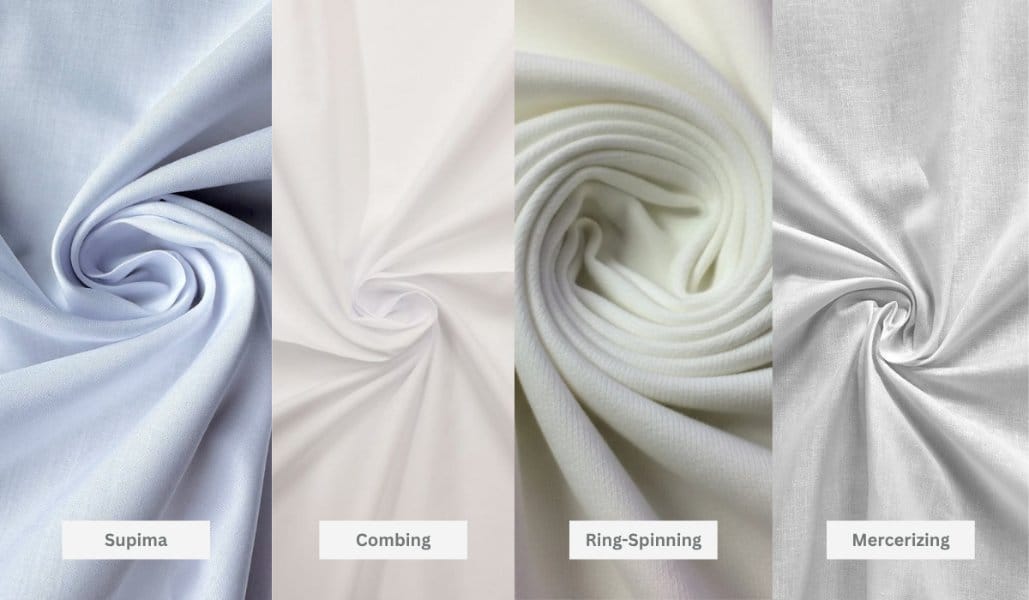
Supima is a fiber variety, the same category as Egyptian or Pima cotton, not a processing method like combing, ring-spinning, or mercerizing. It answers the question of which plant the cotton came from. The rest of this series answers what happens to that fiber afterward.
Because Supima’s fiber is already long and strong, it’s almost always combed and ring-spun to make the most of that advantage. Combing removes the small percentage of shorter fibers that even ELS cotton contains, and ring-spinning creates a smooth, tightly twisted yarn that showcases the fiber’s natural length. Some Supima products are also mercerized for extra sheen and dye depth.
Thread count and GSM come into play too, especially for sheets and shirting. A Supima sheet with an honestly reported, moderate thread count will still outperform a high thread count sheet made from short-staple cotton, the same way a moderate thread count made from combed, ring-spun cotton beats an inflated count made from carded, open-end fiber.
The fiber variety sets the ceiling on quality. Processing and weight decide how close the finished fabric gets to that ceiling.
In practice, this means a genuinely premium Supima product is usually described with several of these terms stacked together, something like “combed, ring-spun Supima cotton.” Each term adds a real, separate layer of quality on top of the last.
Which Products Use Supima Cotton
Premium T-Shirts
Supima’s strength and softness make it a common choice for higher-end basics, where the goal is a t-shirt that stays soft and pill-free through years of washing.
Common use: YesDress Shirts
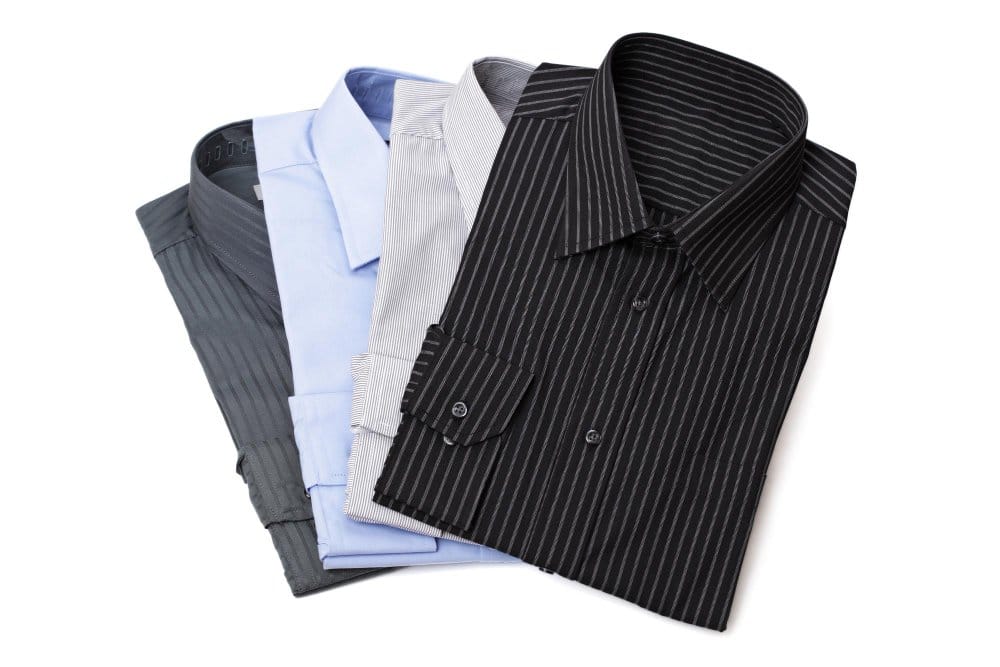
Fine shirting fabric benefits from Supima’s smooth, uniform yarn, which helps create the crisp, polished look expected from quality dress shirts.
Common use: YesBed Sheets
Supima sheets combine a smooth hand feel with better durability than standard cotton, holding up to repeated washing without the fiber breaking down as quickly.
Common use: YesTowels
The added strength of Supima fiber helps towels resist the fraying and thinning that comes with frequent washing and drying at high heat.
Common use: YesUnderwear

Softness and durability both matter for underwear, and Supima’s fine, strong fiber suits the frequent washing and next-to-skin contact this category demands.
Common use: YesHosiery and Socks
Supima’s strength helps socks and hosiery resist wear at high-friction points like heels and toes, extending the life of the garment.
Common use: YesIs Supima Cotton Worth the Extra Cost?
For items you wear or use often and expect to last, generally yes. The combination of genuine fiber quality and a licensing system with real enforcement behind it means you’re less likely to be paying a premium for nothing.
That said, price alone isn’t proof of authenticity. A high price tag doesn’t guarantee genuine Supima any more than a low one guarantees fake Pima. The trademark and licensing are what back the claim, not the number on the price tag.
Watch out: Given how often “Pima” and “Egyptian cotton” are mislabeled, a product specifically naming the Supima trademark is a stronger signal of authenticity than either of those terms alone.
How to Spot Genuine Supima Cotton
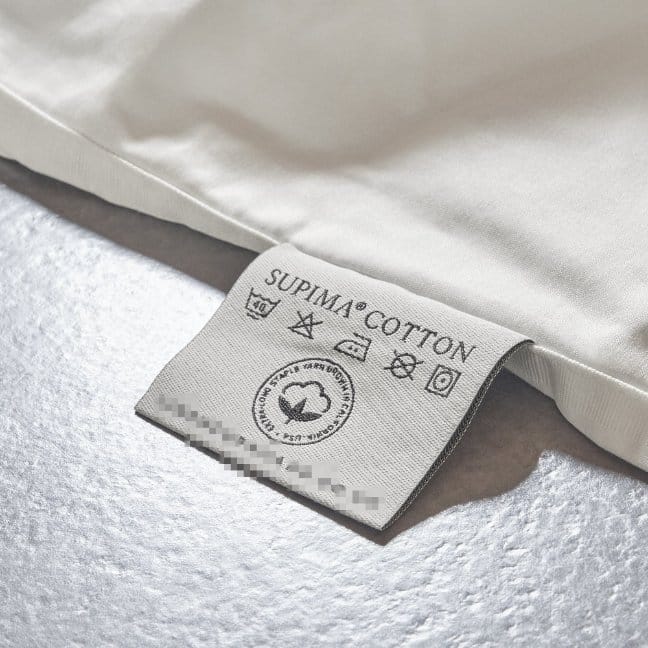
If a brand licenses the Supima trademark, they’re accountable to an actual organization that can revoke that license. That accountability is the real difference between this label and most other premium cotton marketing terms.
Frequently Asked Questions
Conclusion
Supima cotton earns its premium price through a genuine combination of fiber length, strength, and softness, backed by a licensing system that actually enforces its own standards. That combination is rarer than it should be in the cotton world.
The most important thing to take away isn’t just that Supima feels nicer. It’s that the name means something specific and enforceable, in an industry where terms like “Pima” and “Egyptian cotton” are used loosely and, based on independent testing, frequently inaccurately.
A few things worth remembering:
- Supima is a certified subset of Pima cotton, grown exclusively in the US and licensed under a trademark with real quality enforcement behind it.
- Unlike “Pima” or “Egyptian cotton,” which are unregulated terms, “Supima” carries legal protection, which is the real reason it’s a more trustworthy label.
- Supima’s longer fiber genuinely produces stronger, softer, more pill-resistant fabric, even if the exact percentage improvement varies depending on which source you read.
- Look for combed, ring-spun Supima cotton for the fullest expression of the fiber’s quality, since these processing steps build directly on what the fiber already offers.
- Price alone doesn’t guarantee authenticity. The Supima name and trademark do the real verification work.
Want the complete picture of cotton fiber, weight, and care? Our full cotton fabric guide ties it all together in one place.
Disclaimer: This article is for general informational and educational purposes only. It is not a substitute for professional textile sourcing, manufacturing, or product testing advice. Fiber standards, certification practices, and labeling accuracy can vary between brands, manufacturers, and countries, and may change over time.
Figures referenced above, including strength comparisons and labeling accuracy statistics, come from third-party industry and news reporting cited at the time of writing and are presented as reported. Always check the specific product label or contact the manufacturer directly for exact fiber content before purchasing.