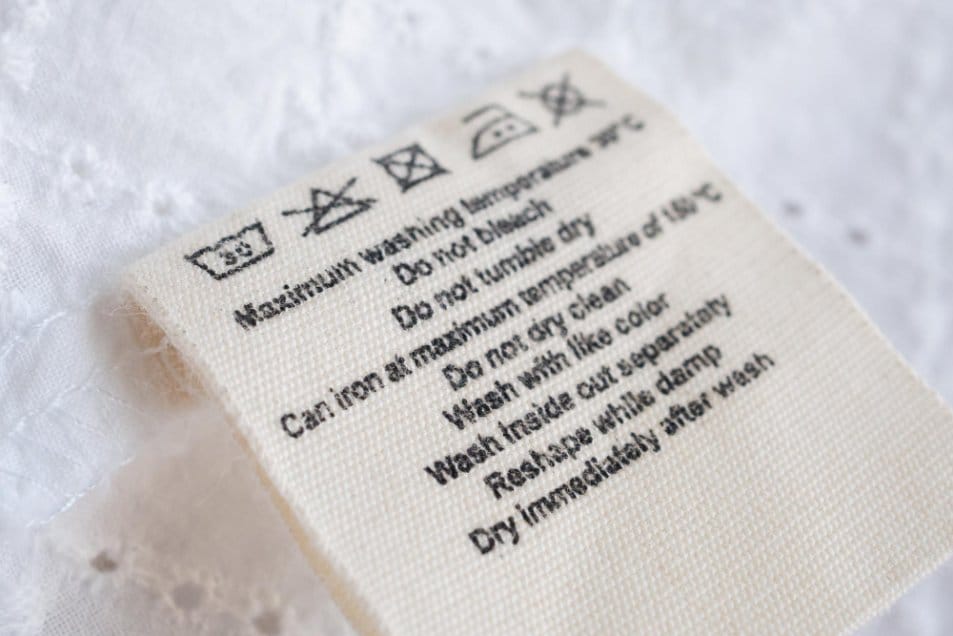

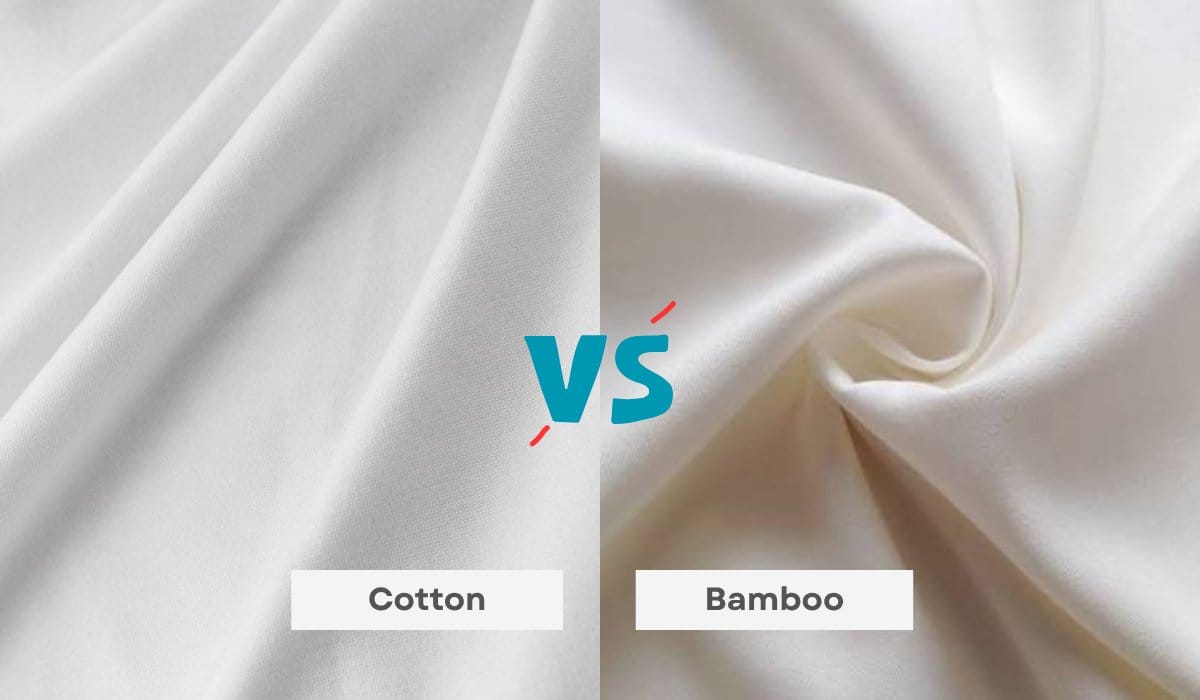
Two soft, breathable fabrics, two very different stories behind the label.
Quick Answer
Cotton is more durable, more affordable, and easier to care for, making it the practical choice for everyday wear, baby clothes, and sewing. Bamboo fabric, usually bamboo viscose rather than raw bamboo fiber, is softer, more breathable, and better at wicking moisture, which is why it’s popular for bedding, loungewear, and activewear, though it costs more and needs gentler washing.
Cotton and bamboo fabric show up next to each other constantly these days, on sheet sets, T-shirts, baby onesies, socks, underwear. Both get marketed as soft, breathable, and skin-friendly.
One of them has thousands of years of history behind it. The other has become one of the most talked-about fabrics of the last decade, for reasons that are only partly about performance.
Before you choose between them, it helps to know what you’re actually comparing. Cotton is cotton, plain and simple. “Bamboo fabric,” in almost every case, is something else entirely underneath the label.
We cover that in full in our bamboo fabric guide, and we’ll bring the short version into this comparison too, because it changes how you should read a “bamboo” tag.
This guide walks through how the two fabrics actually perform, where each one wins, and which to reach for depending on what you’re making, wearing, or sleeping on.
Quick Comparison at a Glance
| Feature | Cotton | Bamboo Fabric | Winner |
|---|---|---|---|
| Source | Cotton plant (seed pods) | Bamboo pulp, chemically processed into rayon (most common) | N/A |
| Softness | Soft, familiar | Very soft, silkier hand feel | Bamboo |
| Breathability | Good | Excellent | Bamboo |
| Moisture-Wicking | Absorbs, holds moisture | Wicks moisture away faster | Bamboo |
| Durability | Reliable over many washes | Can pill and weaken faster in standard viscose form | Cotton |
| Shrinkage | 3 to 5% if not pre-washed | Up to 10% if not pre-washed | Cotton |
| Wrinkle Resistance | Moderate | Good | Bamboo |
| Ease of Care | Machine wash, tumble dry, simple | Needs a gentler cycle and lower heat | Cotton |
| Labeling Clarity | What it says on the tag is what it is | Usually rayon underneath, regardless of the name on the tag | Cotton |
| Price | Generally lower | 15 to 30% higher at retail on average | Cotton |
| Best For | Everyday wear, sewing, kids, budget | Bedding, loungewear, hot sleepers, sensitive skin | Depends on use |
What Is Cotton?
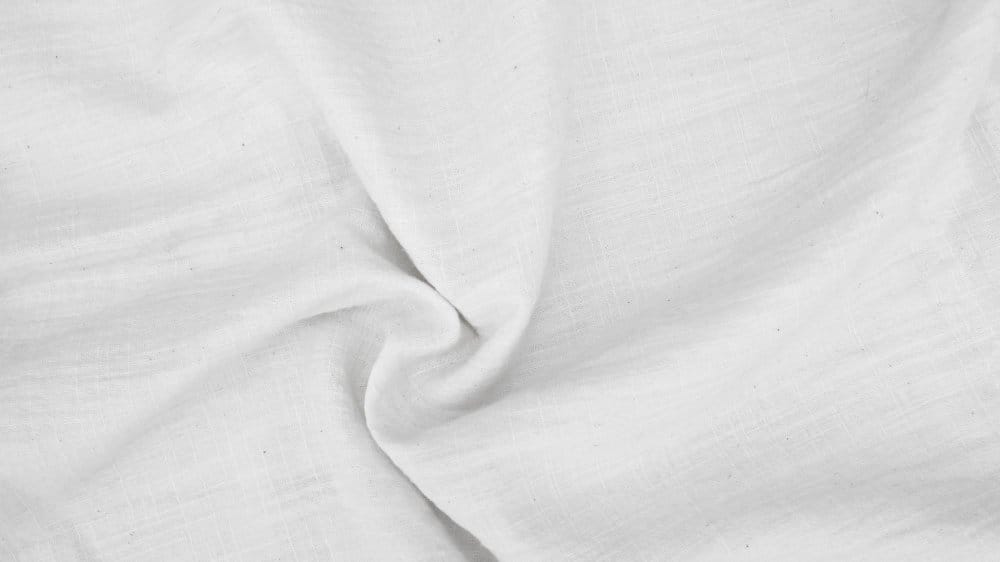
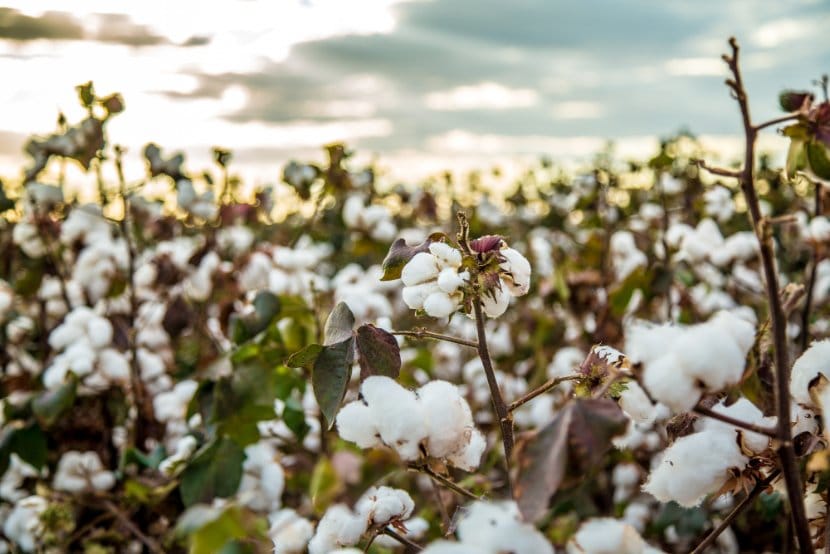
Cotton comes from the fluffy bolls of the cotton plant. It’s been spun into fabric for thousands of years, and it remains the most widely used natural fiber on the planet. It’s soft from the first wash, takes dye well, and comes in every weight from featherlight lawn to heavy-duty canvas.
Premium versions like Pima and Egyptian cotton use longer fibers for extra softness and durability.
Cotton has a full guide of its own on Clothing Digest if you want the complete picture, covering weaves, grades, and care in depth.
What Is Bamboo Fabric?
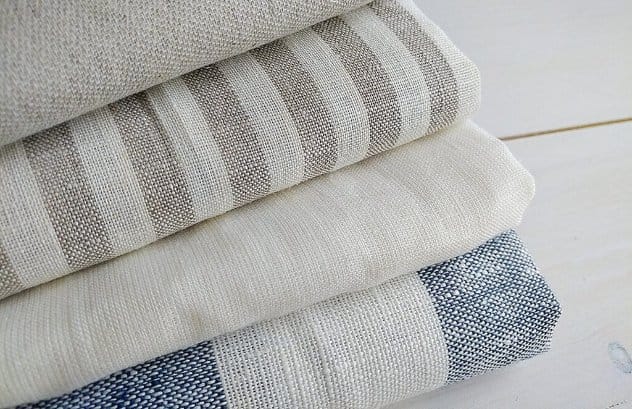
Here’s the part that trips a lot of shoppers up. Bamboo is a woody grass, and turning it into wearable fabric almost always means dissolving the bamboo pulp with chemicals and regenerating it into fiber, a process that produces rayon. Around 80% of “bamboo” fabric on the market today is this bamboo viscose.
A more eco-friendly version, bamboo lyocell, uses a closed-loop process that recovers most of its solvent. True mechanically processed bamboo, the only version that can legally be called “bamboo,” is rare and has a coarser, more linen-like texture.
The Federal Trade Commission has fined multiple major retailers for labeling rayon as bamboo, and has found no solid evidence backing the antibacterial claims often attached to bamboo products.[1] For the full breakdown of what that means for shoppers, our dedicated bamboo fabric guide covers it in depth.
Head-to-Head: The Big Differences

Softness
Both are soft, but they get there differently. Cotton feels familiar and comfortable right away. Bamboo viscose has a rounder, smoother fiber structure that gives it a silkier hand, often compared to a blend of silk and cotton.
If you’ve ever felt a “buttery soft” T-shirt that wasn’t cotton, there’s a decent chance it was bamboo.
Breathability and Moisture-Wicking
Bamboo’s fiber structure pulls moisture away from skin and spreads it out to evaporate faster, which is why it shows up so often in activewear and hot-sleeper bedding. Cotton is breathable too, especially in lighter weaves, but it tends to absorb moisture and hold onto it rather than move it along quickly.
Durability
This is where cotton usually pulls ahead. Standard bamboo viscose can pill and lose strength faster than cotton over repeated washing, since the chemical processing leaves the fiber less robust than a natural, unprocessed one.
Bamboo lyocell holds up better than viscose, but even then, cotton has the longer track record for withstanding years of regular washing without falling apart. Good cotton, particularly long-staple varieties, can outlast standard bamboo viscose by a meaningful margin.
Shrinkage
Both shrink if you skip the pre-wash. Bamboo can shrink up to 10% in hot water, while cotton typically shrinks 3 to 5% under the same conditions. Wash both in cold or lukewarm water and this stops being a real concern.
Wrinkle Resistance
Bamboo fabric resists creasing noticeably better than plain cotton, which is a genuine advantage for travel or low-maintenance clothing.
Care and Washing
Cotton is the easier of the two to care for. It handles warm water and regular tumble drying without complaint. Bamboo prefers cold or lukewarm water, a gentle cycle, and lower heat when drying, so it asks for a bit more attention.
Cotton vs Bamboo for Bedding and Sheets
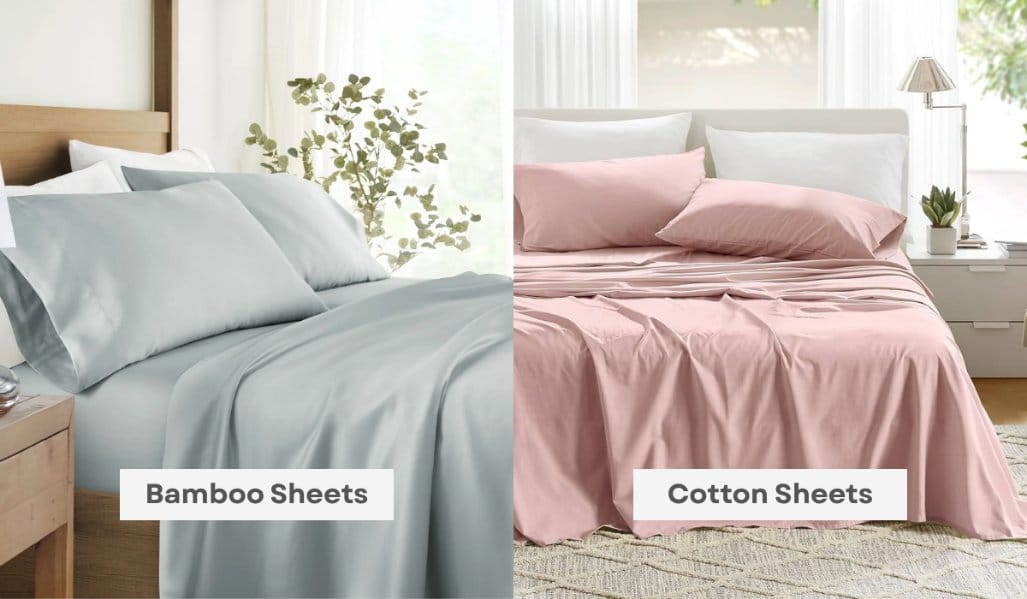
This is the single most searched version of this comparison, and for good reason. Bedding is one of the biggest use cases for both fabrics, and the choice genuinely matters for sleep quality.
Bamboo sheets tend to win for hot sleepers. The moisture-wicking and cooling properties help pull heat and sweat away from the body overnight, and the silky texture feels immediately luxurious out of the package. The tradeoff is price (bamboo sheet sets commonly run $100 to $300) and slightly more careful washing.
Cotton sheets, especially good percale or sateen weaves, remain the more reliable long-term choice. They’re generally more affordable ($100 to $200 for a comparable set), easier to wash, and tend to hold up over more years of regular use. Higher thread count cotton sheets can rival bamboo for softness without the same care demands.
Is Bamboo More Sustainable Than Cotton?
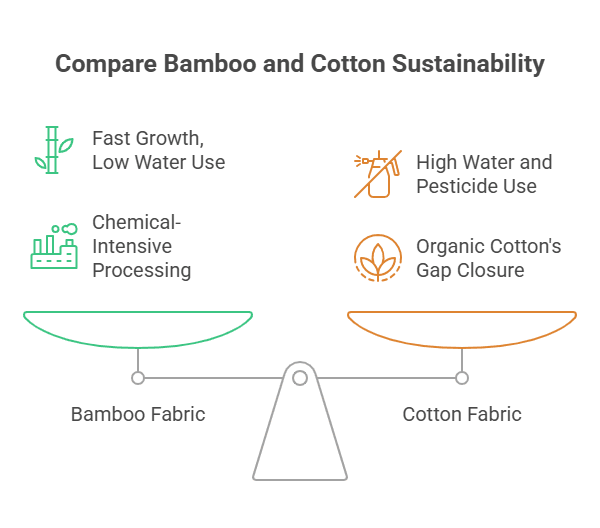
It depends on the process, and it’s genuinely more complicated than most marketing suggests.
The bamboo plant itself is a strong sustainability story. It grows extremely fast, sometimes over a meter in a single day according to the Food and Agriculture Organization of the United Nations.[2]
It needs little to no irrigation and requires no pesticides. Conventional cotton, by contrast, is one of the most water and pesticide-intensive crops in the world.
But growing the plant is only half the picture. Turning bamboo into wearable fabric through the viscose process uses chemicals that aren’t particularly eco-friendly, which undercuts a lot of the raw-material advantage.
Bamboo lyocell closes much of that gap through solvent recovery, but it’s a smaller share of the market. Organic cotton, on the other side, closes a meaningful amount of conventional cotton’s environmental gap too.
For the full explanation of the FTC’s findings on bamboo’s sustainability and antibacterial marketing claims, see the labeling section of our bamboo fabric guide.
Honest summary: Raw bamboo the plant is more sustainable to grow than conventional cotton. Bamboo the fabric, once processed, loses a good portion of that advantage unless it’s specifically bamboo lyocell. Organic cotton is a fair like-for-like comparison if sustainability is your main priority.
Is Bamboo More Expensive Than Cotton?
Generally, yes. Bamboo apparel typically runs 15 to 30% more expensive than comparable cotton at retail, and some market analysts expect that gap to narrow to 10 to 15% over the next couple of years as bamboo production scales up.
The price difference comes down to processing. Cotton fiber goes from plant to yarn with relatively simple mechanical steps. Bamboo, particularly the higher-quality lyocell version, requires more processing stages and tighter environmental controls, which adds cost.
For everyday basics where budget matters most, cotton remains the more economical choice. For items where the silky feel and moisture-wicking are worth paying for, bamboo’s premium is often justified.
Which One Should You Choose?
Activewear and Sportswear
Bamboo Wins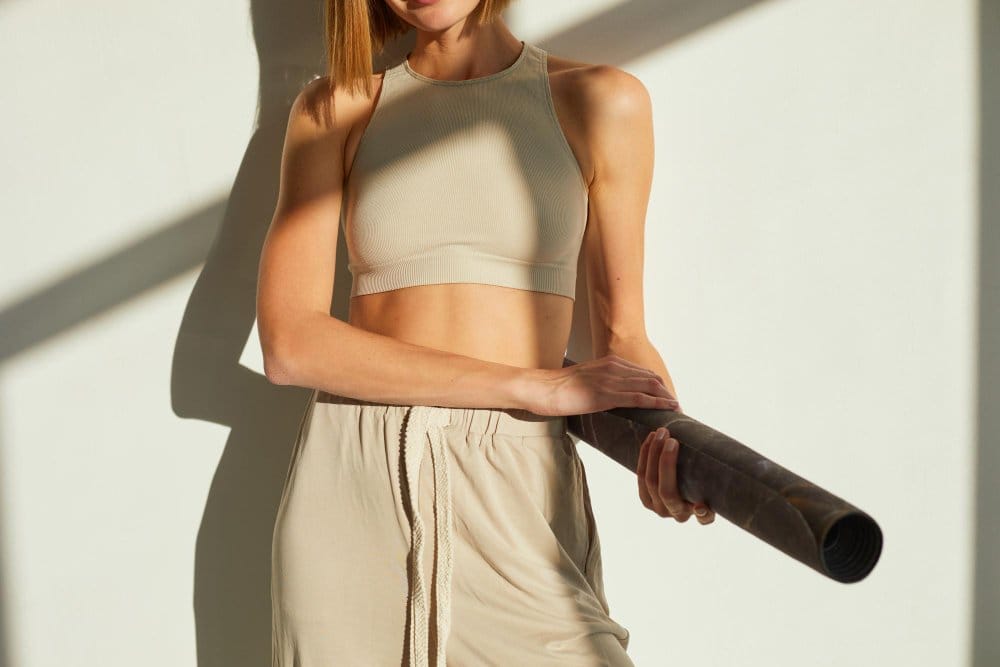
Bamboo’s moisture-wicking and breathability give it a real edge for workout gear, though dedicated technical performance fabrics may still outperform it for high-intensity training. See our summer fabrics guide for more warm-weather options.
Loungewear and Underwear
Bamboo Wins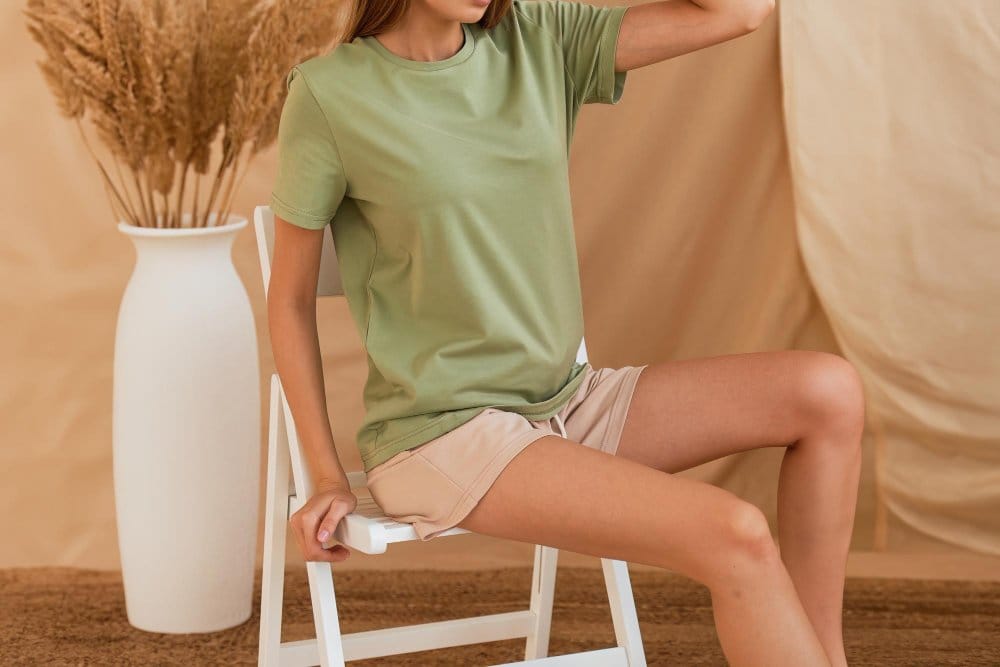
The silky texture and smooth fiber structure make bamboo a popular pick for pajamas and everyday underwear where comfort against skin is the priority.
Baby and Kids Clothing
Cotton Wins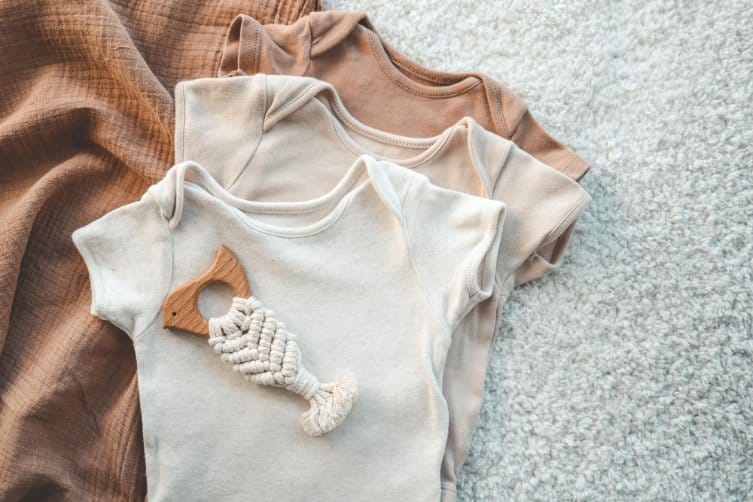
Cotton’s durability, affordability, and easy care make it the more practical choice for clothes that get washed constantly. See our best fabrics for newborn clothing guide, or find affordable cotton kids’ clothing at Fabulous Bargains Galore.
Everyday Basics
Cotton Wins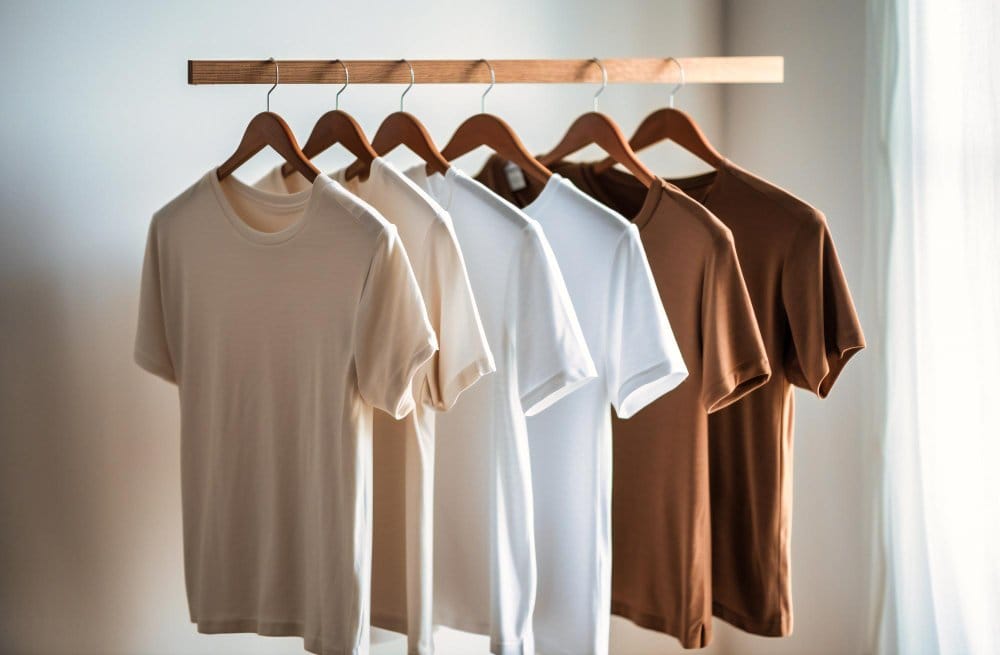
For T-shirts, joggers, and casual staples you’ll wash weekly, cotton’s durability and lower price make it the more sensible everyday pick.
Sensitive Skin
Both Can Work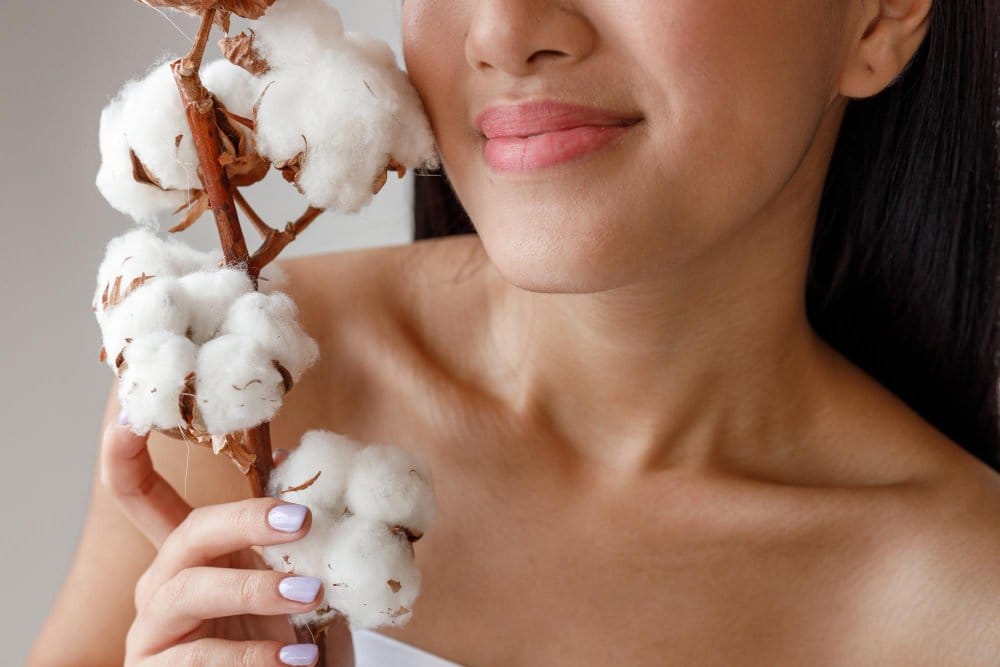
Both are gentle options. Bamboo’s smooth fiber reduces friction, while organic cotton is a well-established choice for sensitive skin. See our softest fabrics for sensitive skin guide for more.
Quilting and Crafts
Cotton Wins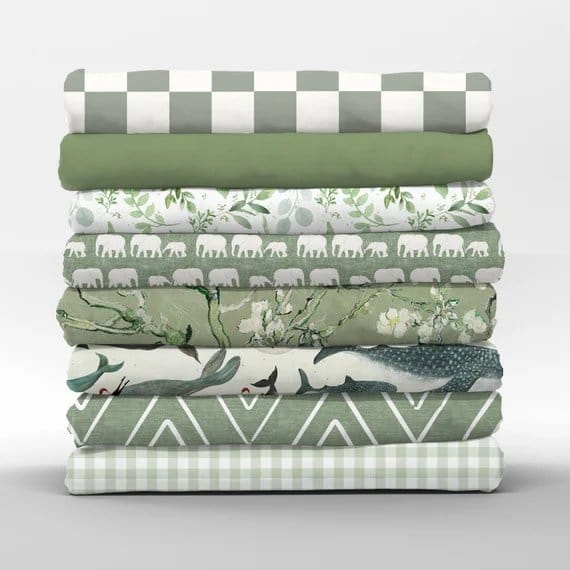
Cotton’s stability and predictable behavior make it the standard for quilting. Bamboo’s drape and slipperiness make it a poor match for detailed patchwork.
Cotton vs Bamboo for Sewing
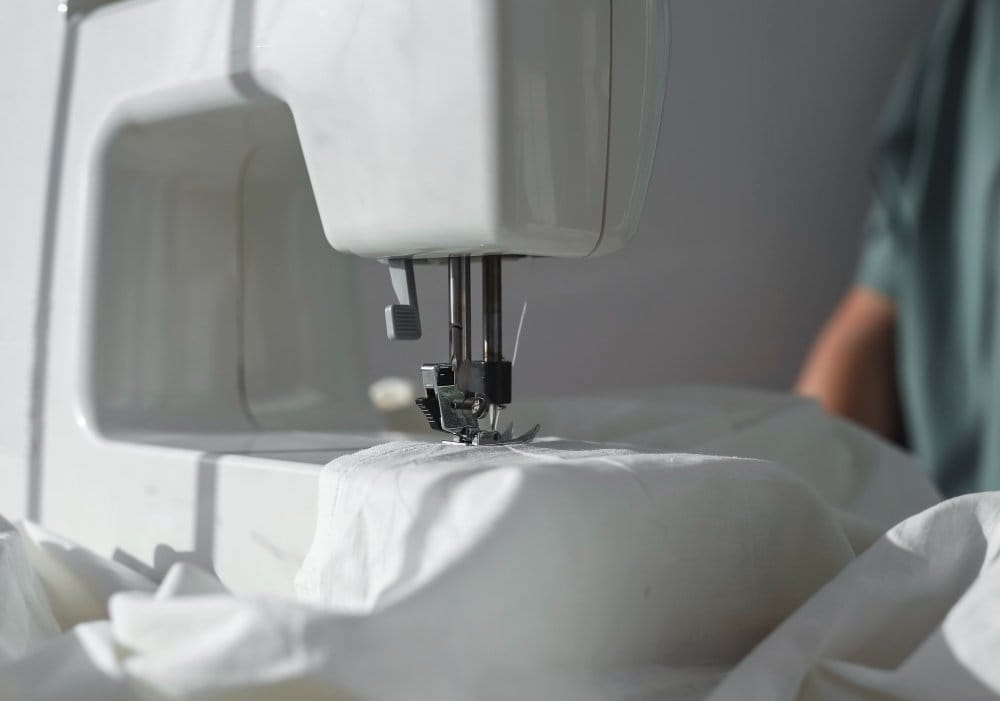
Cotton remains the easier fabric to sew, especially for beginners. It holds its shape when cut, presses cleanly, and doesn’t shift much on the machine. Quilting cotton and cotton poplin are still the most recommended starting fabrics for new sewists.
Bamboo fabric, particularly bamboo jersey and knits, is more slippery and drapes heavily, which makes it trickier to cut accurately and feed through a machine evenly. It also frays less than woven fabrics but can be prone to runs if knit loosely.
If you’re working with bamboo, use a ballpoint or stretch needle for knits, pin generously, and consider cutting on a single layer rather than folded fabric to keep your pattern pieces accurate.
Pre-washing matters even more with bamboo, given its higher shrinkage rate, so always wash your fabric before cutting.
What About Cotton-Bamboo Blends?
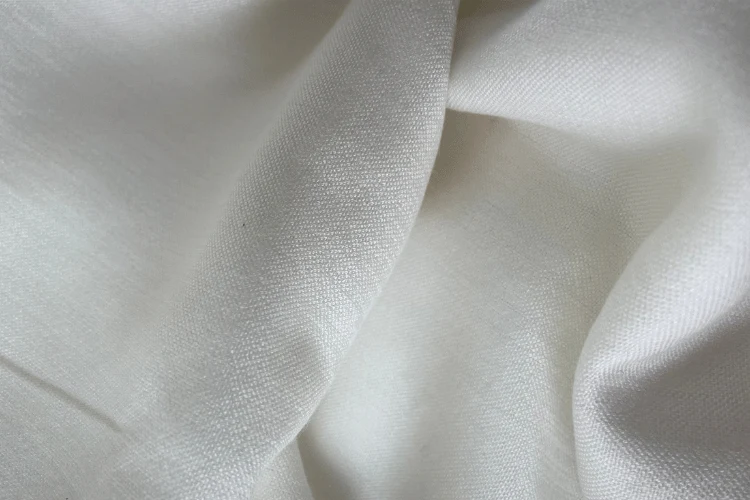
If you like the idea of both, a cotton-bamboo blend is worth considering. Cotton in the blend adds structure, recovery, and a more substantial hand-feel, while bamboo contributes its softness and moisture-wicking.
The blend is also notably easier to work with for printing and sewing than pure bamboo, and it reduces bamboo’s roughly 10% shrinkage down to a more manageable 3 to 5%.
For anyone torn between the two, a cotton-bamboo blend is often the practical middle ground, particularly for T-shirts, loungewear, and baby items where you want bamboo’s comfort with cotton’s reliability.
How Do They Stack Up Against Other Fabrics?
vs Linen
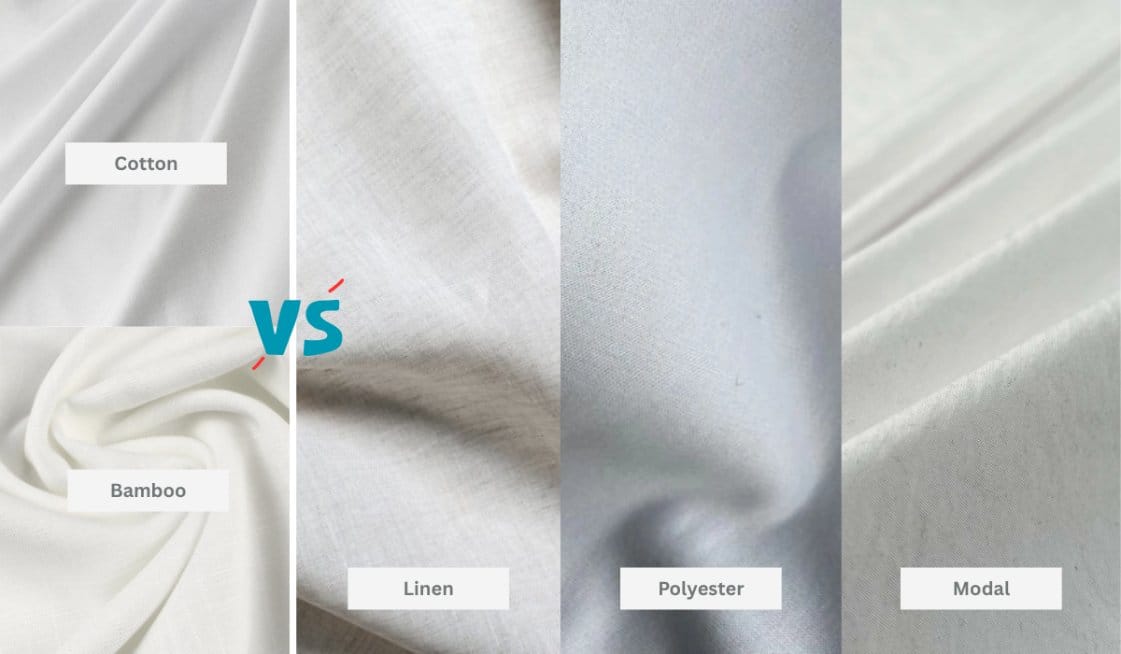
Linen is a true plant fiber spun directly from flax, unlike bamboo viscose, which is a regenerated fiber. Linen is more durable long-term and doesn’t carry bamboo’s labeling questions, but it wrinkles heavily and costs more upfront. See our full Cotton vs Linen comparison for the details.
vs Polyester
Both cotton and bamboo beat polyester on breathability and natural feel. Polyester is cheaper and more durable in high-performance contexts but traps heat and isn’t biodegradable. See our Cotton vs Polyester guide for more.
vs Modal
Modal is a close cousin to bamboo viscose, another regenerated cellulose fiber, usually made from beech tree pulp instead of bamboo. The two feel remarkably similar in softness and drape, with modal holding its shape slightly better over time.
Care and Washing Tips
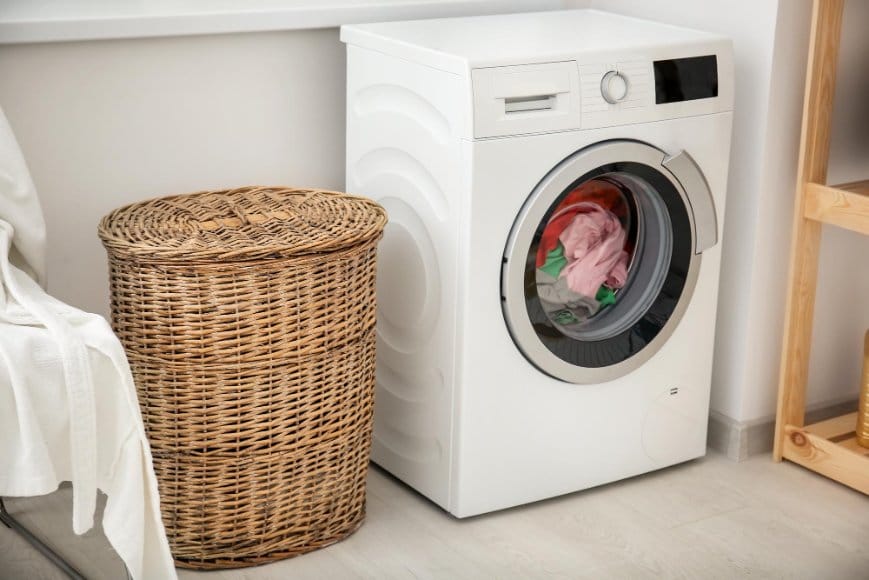
Cotton Care
- Machine wash warm or cold
- Tumble dry on medium heat
- Pre-wash before sewing (3 to 5% shrinkage)
- Simple, low-maintenance overall
Bamboo Care
- Machine wash on gentle cycle, cold or lukewarm water
- Line dry or tumble dry on low heat
- Pre-wash before sewing (can shrink up to 10%)
- Skip fabric softener, it reduces moisture-wicking
For general guidance across your other fabrics, see our guide to washing different fabrics.
The Quick Summary: Choose Cotton If / Choose Bamboo If
Choose Cotton If…
- You want a fabric that lasts through years of washing
- Budget matters
- You’re dressing a baby or young child
- You’re new to sewing
- You want simple, low-maintenance care
- You’re quilting or doing detailed craft work
Choose Bamboo If…
- You run warm and want the coolest, silkiest option
- You want bedding with strong moisture-wicking
- You’re shopping for loungewear or everyday underwear
- You’re comfortable paying a premium for the feel
- You don’t mind gentler washing requirements
- You’ve checked the label and know it’s rayon or lyocell, not raw bamboo
Frequently Asked Questions
Is bamboo fabric softer than cotton?
Generally, yes. Bamboo viscose fibers are naturally round and smooth, which gives the fabric a silkier hand-feel than cotton, often compared to a blend of silk and cotton. Cotton is still soft, especially premium long-staple varieties, but bamboo tends to edge it out for pure tactile softness.
Which lasts longer, cotton or bamboo?
Cotton generally lasts longer. Standard bamboo viscose can pill and weaken faster than cotton over repeated washing, since the chemical processing leaves the fiber less robust. Bamboo lyocell holds up better than viscose, but cotton still has the stronger long-term track record for durability.
Is bamboo fabric better for babies than cotton?
Cotton is generally the more practical choice for babies. It’s affordable, extremely durable through frequent washing, and widely available in sizes designed for infants. Bamboo is soft and gentle too, but its higher price and faster wear make it less practical for items that need to survive daily use and washing.
Is bamboo more sustainable than cotton?
The raw bamboo plant is more sustainable to grow than conventional cotton, needing far less water and no pesticides. But converting bamboo into fabric through the standard viscose process uses chemical-intensive methods that cut deep into that advantage. Bamboo lyocell and organic cotton are both better options if sustainability is the main priority.
Are bamboo sheets better than cotton sheets?
It depends on your priorities. Bamboo sheets tend to feel cooler and more moisture-wicking, which suits hot sleepers, but they cost more and need gentler washing. Cotton sheets, especially higher thread count percale or sateen, are generally more affordable, easier to care for, and hold up longer with regular use.
Why is bamboo fabric more expensive than cotton?
Bamboo requires more processing steps to become fabric, especially the closed-loop lyocell method, which adds cost. Cotton moves from plant to yarn through comparatively simple mechanical steps, keeping production costs and retail prices lower.
Does bamboo fabric shrink more than cotton?
Yes, typically. Bamboo can shrink up to 10% if washed in hot water without pre-treating, while cotton usually shrinks 3 to 5% under the same conditions. Pre-washing both fabrics before sewing, and using cold or lukewarm water afterward, minimizes the risk for either.
Is bamboo fabric actually antibacterial?
This is a common marketing claim that isn’t well substantiated. The FTC has found no solid evidence that bamboo viscose retains the antibacterial properties of the raw bamboo plant once it’s gone through chemical processing. Treat antibacterial claims on bamboo products with some skepticism unless the brand cites independent testing.
Which is better for sensitive skin, cotton or bamboo?
Both work well. Bamboo’s smooth, round fiber structure creates less friction against skin, while organic cotton is a long-established, well-tested choice for sensitive skin and eczema-prone users. Either is a reasonable choice as long as it’s free from harsh chemical finishes.
Is a cotton-bamboo blend better than pure bamboo?
For many uses, yes. A cotton-bamboo blend adds structure and durability that pure bamboo viscose lacks, reduces shrinkage from around 10% down to 3 to 5%, and is easier to sew and print on, while still keeping much of bamboo’s softness and moisture-wicking benefit.
Final Thoughts
Cotton and bamboo fabric solve different problems, and neither one is the automatic right answer.
Cotton is the dependable choice. It’s affordable, durable, easy to care for, and there’s no mystery about what you’re buying. For babies, everyday basics, sewing projects, and anything that needs to survive years of regular washing, cotton remains the safer bet.
Bamboo fabric, in its common viscose or lyocell form, earns its popularity through genuine comfort. The softness, breathability, and moisture-wicking are real advantages, especially for bedding, loungewear, and activewear.
Just go in with clear eyes about what you’re actually buying: read the fiber content label, not just the product name, and treat “antibacterial” or “ultra eco-friendly” marketing claims with a healthy amount of skepticism.
If you’re still torn, a cotton-bamboo blend gives you a genuine middle ground, more durable and easier to care for than pure bamboo, softer and cooler than pure cotton.
For more on either fabric individually, see our full cotton fabric guide and bamboo fabric guide.
Disclaimer: This article is provided for general informational and educational purposes only and does not constitute professional textile, medical, or purchasing advice. Prices, shrinkage percentages, and market figures are approximate estimates based on typical industry reporting and may vary by manufacturer, retailer, and region. Always check the specific fiber content label on your garment or textile product before purchasing or washing.