

What the term actually means, and when it’s worth paying the extra cost
You’re shopping for a t-shirt, a bath towel, or a pair of jeans, and the tag says “ring-spun cotton.” It sounds like it should mean something good. But what exactly is being spun, and why should that change how much you pay?
“Ring-spun” shows up on labels constantly, yet most explanations online are written for wholesale apparel buyers and screen printers, not for someone standing in a store trying to decide between two towels. This guide breaks it down in plain terms: what the process actually does, how it compares to the alternatives, and when paying extra for it makes sense.
Short answer: Ring-spun describes how the yarn was twisted during spinning, not what the fibers were made of. It produces a smoother, stronger yarn than the cheaper open-end method, with less pilling and a softer feel. It costs a bit more, and for anything you wear or wash often, it’s usually worth it.
Table of Contents
What Ring-Spun Actually Means
Ring-spun is a spinning method. It describes how loose cotton fiber gets twisted into yarn, not which fibers went into it in the first place.
That distinction trips a lot of people up. A garment can be ring-spun and still use shorter, lower-grade fibers. It can also be combed and ring-spun together, which is a different (and higher) tier. We’ll untangle that confusion in a later section, but for now, just remember this: ring-spun is about the twisting, not the fiber quality going in.
The name comes from the machine itself. A ring-spinning frame uses a rotating ring and a small traveler that circles around it, twisting fiber into yarn as it winds onto a bobbin. It’s an old technology, dating back to the 1830s, and it’s still the standard for premium yarn today because nothing else quite matches the strength and smoothness it produces.
How Ring-Spun Cotton Is Made
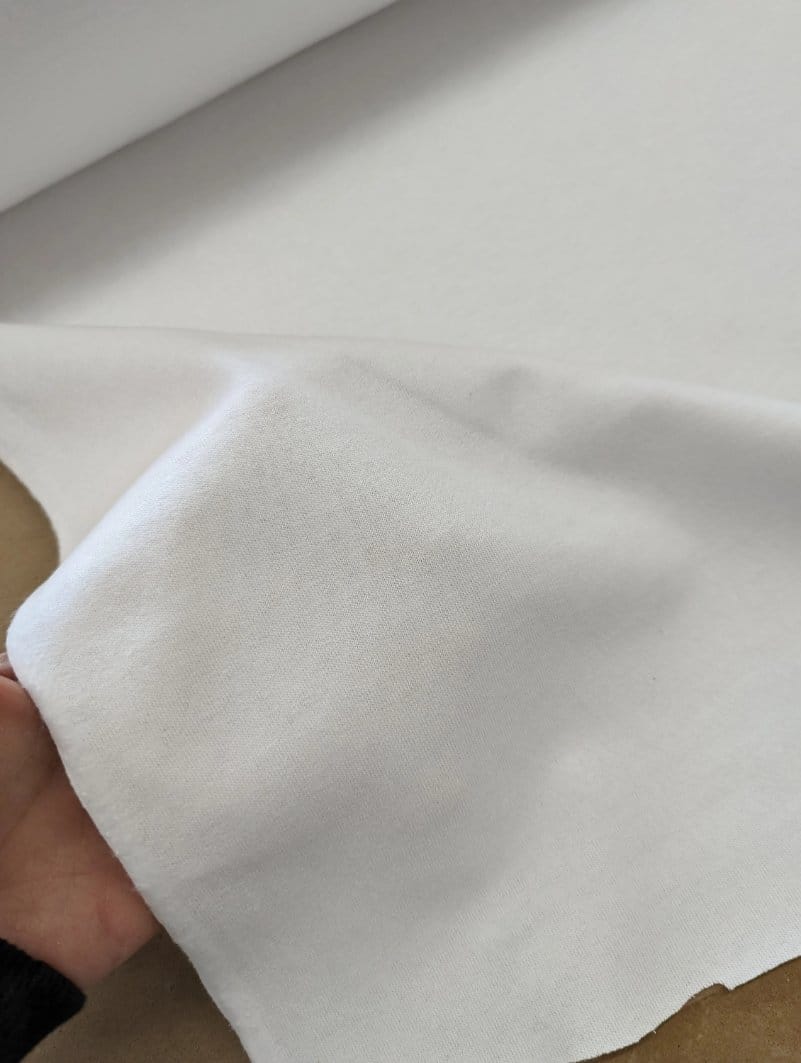
Raw cotton fiber goes through cleaning and carding first, the same early steps used for any cotton yarn. That process untangles the fiber and forms it into a loose rope called a sliver.
From there, the sliver gets drawn out and lightly twisted into a thicker strand called roving. This is where ring spinning starts to differ from the cheaper method. The roving feeds into the ring-spinning frame, where a rotating ring and traveler twist it into a fine, continuous yarn while winding it onto a bobbin.
According to North Carolina State University’s Wilson College of Textiles, in its overview of ring spinning and other spinning systems, ring spinning aligns fibers parallel along the length of the yarn, which is what gives it its strength and even surface.
That continuous twisting is also why the process is slower than the alternative. Each bobbin has to be spun individually, rather than produced in one continuous high-speed run.
That slower, more careful process is the entire reason ring-spun costs more to produce. It isn’t a marketing gimmick. It’s genuinely a different manufacturing method with a real time and labor cost behind it.
Here’s a short look at the actual machinery doing the work:
Yarn Manufacturing: Ring Spinning
Ring-Spun vs Open-End Cotton
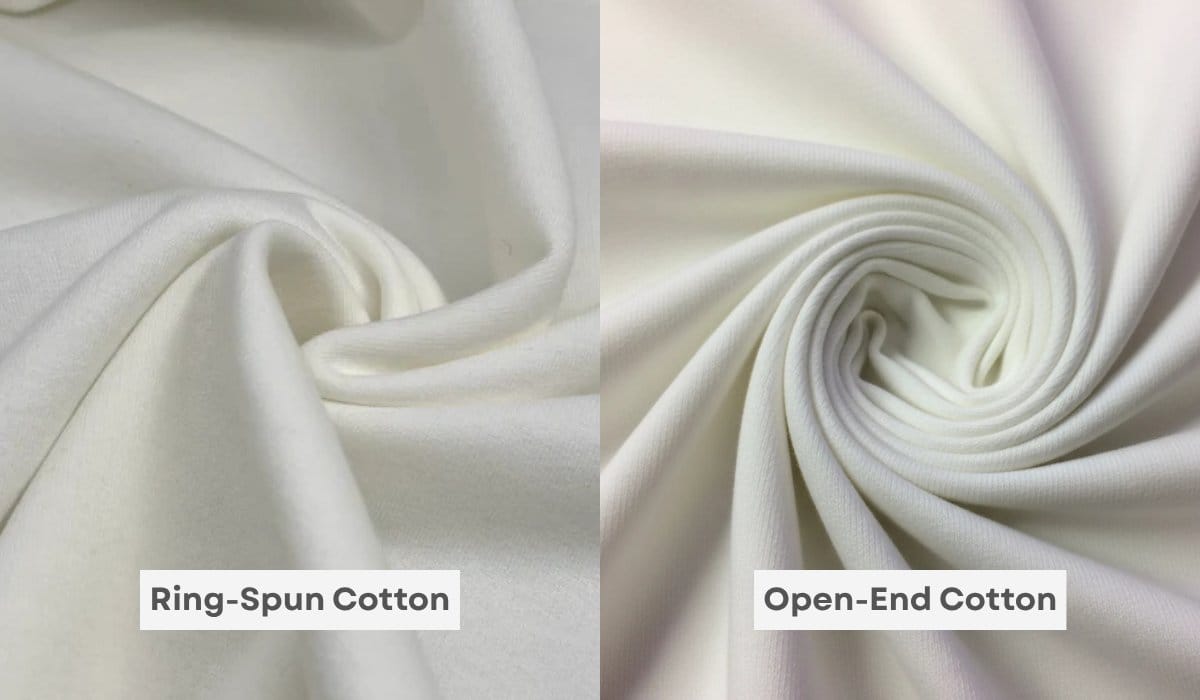
Open-end spinning, sometimes called rotor spinning, is the main alternative to ring spinning. Instead of a rotating ring and traveler, it uses a spinning rotor that pulls fiber in and twists it by centrifugal force.
It’s a much faster process, which makes it a lot cheaper. But speed comes with a trade-off. Open-end yarn doesn’t get the same fiber alignment as ring-spun, so it ends up thicker, fuzzier, and less uniform.
| Property | Open-End Cotton | Ring-Spun Cotton |
|---|---|---|
| Fiber alignment | Looser, less parallel | Tight, highly parallel |
| Yarn surface | Thicker, fuzzier | Smooth, fine |
| Softness | Coarser hand feel | Noticeably softer |
| Strength | Lower | Higher |
| Pilling resistance | Prone to pilling | Pills far less |
| Production speed | Fast, low cost | Slower, higher cost |
| Common uses | Denim, sweatshirt fleece, budget t-shirts, bedding | Premium t-shirts, towels, dress shirts, fine knitwear |
Worth noting: open-end isn’t automatically “bad” cotton. It’s used deliberately in a lot of denim and heavyweight fleece, where a bit of texture and bulk is actually part of the appeal. It’s a legitimate choice for the right product, just not the one to reach for when softness and longevity are the priority.
Ring-Spun vs Combed Ring-Spun Cotton
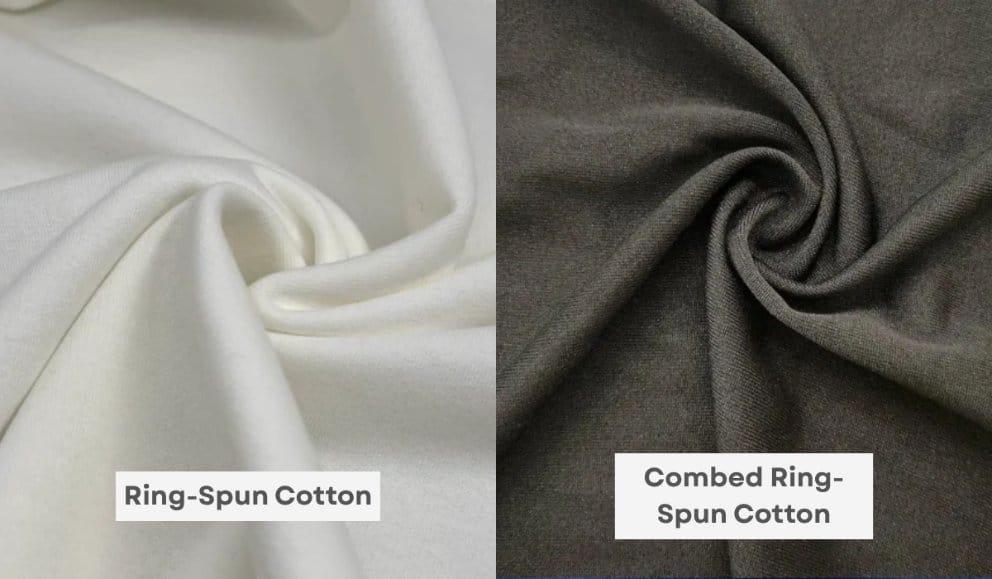
This is where most of the confusion happens, and it’s worth slowing down here. Ring-spun and combed are two completely separate processes that both happen to affect softness, so people assume they’re the same thing. They’re not.
- Ring-spun describes how the yarn was spun (the twisting method).
- Combed describes which fibers went into the yarn (short fibers removed before spinning even starts).
A garment can be ring-spun without being combed. That’s actually the most common version of “ring-spun cotton” you’ll see on a label: standard fiber, ring-spun for strength and smoothness, but not combed first. It’s a solid mid-tier fabric, a step up from open-end, but not the top tier.
Combed ring-spun cotton is both: the short, weak fibers are combed out first, and then the remaining long fibers are ring-spun. That combination is the premium standard used in high-end t-shirts, fine bedding, and quality baby clothing. If you want the full breakdown of what combing does and why it matters, our guide on combed cotton vs carded cotton covers that half of the equation in detail.
Quick way to remember it: “Ring-spun” alone tells you about the twist. “Combed and ring-spun” tells you about the twist and the fiber quality. The second one is always the better buy when you can find it.
Why Ring-Spun Feels Different
Softness
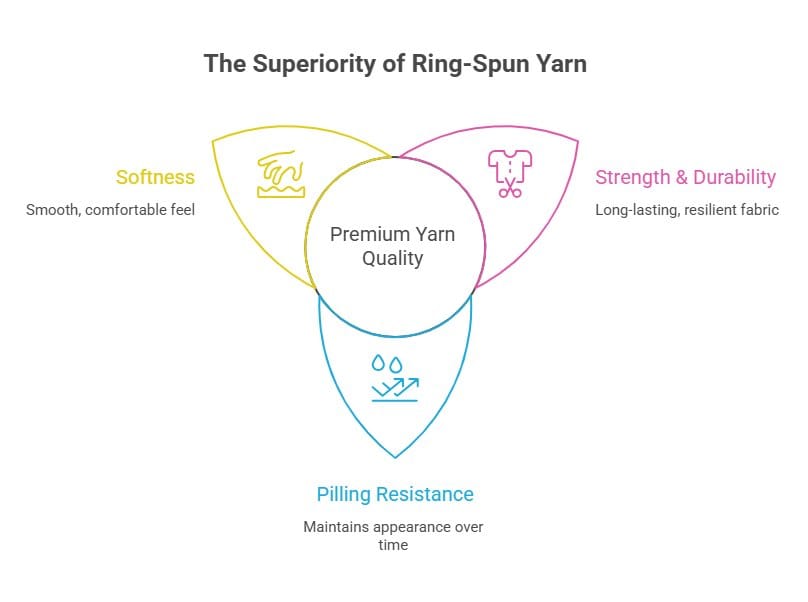
The tight, continuous twisting in ring spinning tucks loose fiber ends into the body of the yarn instead of leaving them sticking out. Fewer fiber ends poking out means less surface roughness, which is why ring-spun fabric feels smoother against skin right out of the package.
Strength and durability
Aligned, tightly twisted fibers hold together better under stress. Ring-spun yarn resists tearing and stretching more than open-end yarn, which means garments made from it tend to hold their shape and last longer through repeated washing.
Pilling
Pilling happens when loose fiber ends on the fabric surface rub together and tangle into little balls. Since ring spinning leaves fewer of those loose ends exposed, ring-spun fabric pills noticeably less than open-end fabric over time.
Drape and appearance
A finer, more even yarn creates fabric that drapes better and catches light more evenly. This is part of why ring-spun t-shirts tend to look a little more polished on the hanger, even before you factor in any combing.
Which Cotton Type to Use for What
Everyday T-Shirts and Tops

Ring-spun is the baseline for any t-shirt meant to last past a few washes. For daily wear, combed ring-spun goes even further, but plain ring-spun is already a real step up from open-end.
Go with: Ring-spun (combed if available)Bath Towels
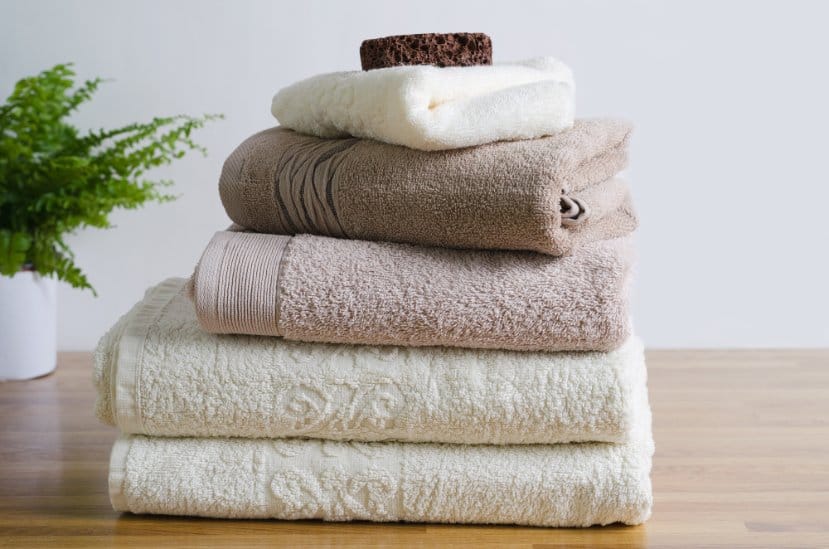
Ring-spun shows up constantly in towel shopping for good reason. The tighter twist creates more surface area for absorbency while staying soft and resisting pilling through repeated laundering.
Go with: Ring-spunBed Sheets

Ring-spun sheets feel smoother and hold up better over years of washing than open-end sheets. Pair it with a reasonable thread count rather than chasing an extremely high number.
Go with: Ring-spunJeans and Denim
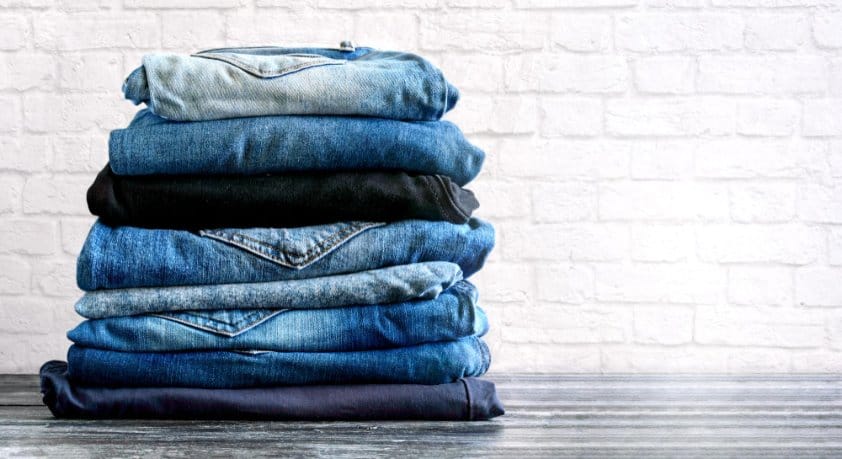
Denim is one of the few places open-end cotton is still common and often preferred. It gives denim some of its characteristic texture and rugged feel, though ring-spun denim exists too and tends to feel softer and drape more.
Go with: Either, by preferenceUnderwear and Socks

High friction and frequent washing make this a place where the pilling resistance of ring-spun cotton really shows its value over cheaper alternatives.
Go with: Ring-spunSweaters and Fine Knitwear
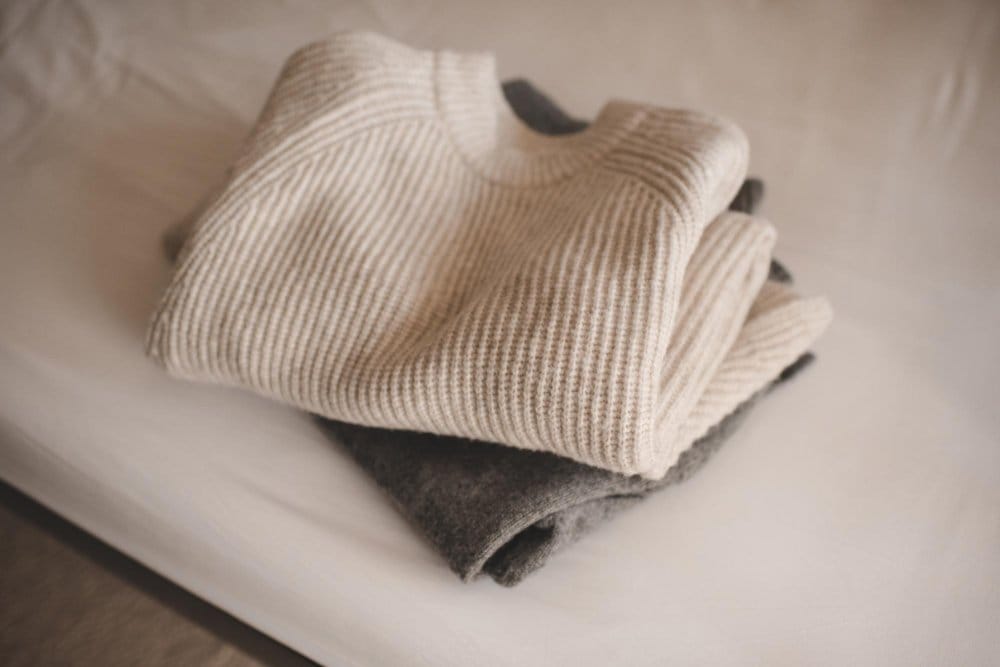
Ring-spun’s strength and even texture make it well suited to detailed knitwear, where consistent yarn thickness matters for the finished stitch pattern.
Go with: Ring-spunNot sure which cotton type fits your specific project? Try the free Cotton Type Selector Quiz for a quick, personalized answer.
Take the QuizIs Ring-Spun Cotton Worth the Extra Cost?
Ring-spun cotton typically costs somewhat more at the material level than open-end, though the exact gap depends on the specific fibers and mill. That translates to a modest price difference on a finished garment, usually a few dollars on something like a t-shirt.
For anything you’ll wear and wash regularly, that extra cost tends to pay for itself. A ring-spun t-shirt or towel resists pilling and holds its shape well past the point where an open-end version starts looking tired. Cost per wear ends up lower, even though the sticker price is higher.
Where it matters less: heavyweight denim, structural canvas, or single-use items where texture and price matter more than long-term softness. Open-end cotton isn’t a downgrade in every context, just in contexts where comfort and longevity are the priority.
Watch out: “Ring-spun” on its own doesn’t guarantee combed fiber underneath it. If softness is your top priority, look specifically for “combed and ring-spun” or “combed ring-spun” on the label, not just “ring-spun” by itself.
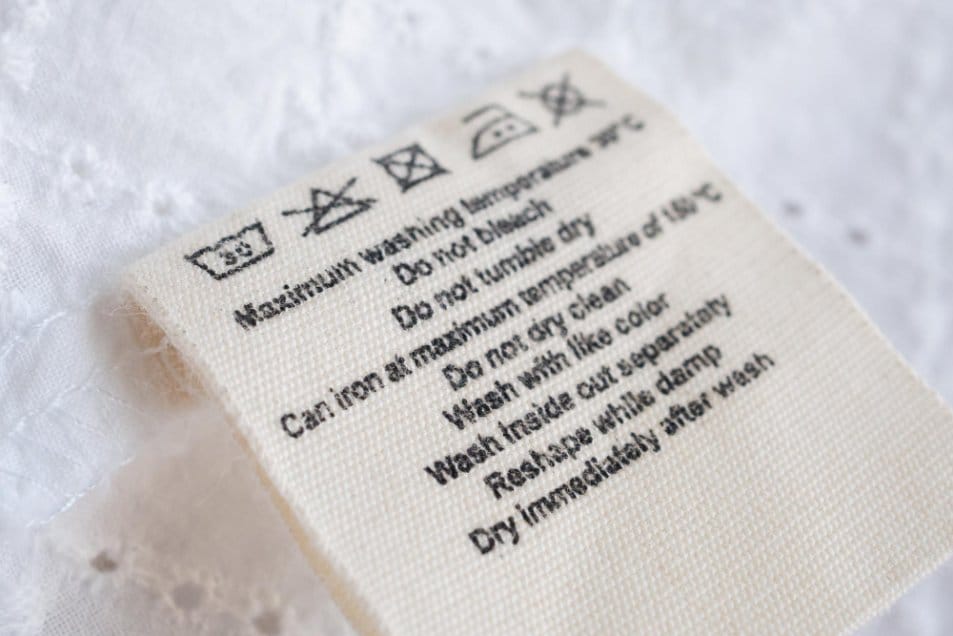
How to Spot Ring-Spun Cotton on a Label

No label at all? A quick feel test still works. Ring-spun fabric feels noticeably smoother and finer under your fingers, with less surface fuzz than open-end fabric of a similar weight. Hold two similar items side by side if you can and compare directly. The difference is easier to feel than to describe.
Frequently Asked Questions
Conclusion
Ring-spun cotton is a spinning method, not a fiber grade. That one distinction clears up most of the confusion around the term.
Compared to open-end spinning, ring spinning produces a smoother, stronger, less pill-prone yarn, and it costs a bit more to make because it’s a slower, more careful process. For t-shirts, towels, sheets, and underwear, that extra cost is generally worth paying, since the improved durability and feel add up over the life of the item.
A few things worth remembering:
- “Ring-spun” tells you about the spinning method. “Combed” tells you about the fiber quality. Look for both together when you want the best possible fabric.
- Open-end cotton isn’t automatically inferior. It’s a deliberate, reasonable choice for denim, heavyweight fleece, and other items where texture and cost matter more than softness.
- If a label just says “ring-spun” with no mention of combing, it’s a solid mid-tier fabric, not the premium tier.
- When there’s no label at all, the feel test is reliable. Ring-spun fabric feels noticeably smoother and finer than open-end fabric of similar weight.
For the other half of the cotton quality picture, our guide on combed cotton vs carded cotton explains what happens before spinning even starts, and how that step changes softness and durability even further.
Want a complete overview of cotton fiber, weights, and care? Our full cotton fabric guide covers the full picture in one place.
Disclaimer: This article is for general informational and educational purposes only. It is not a substitute for professional textile sourcing, manufacturing, or product testing advice. Fiber processing methods, quality standards, and labeling practices can vary between brands, manufacturers, and countries.
Prices and industry figures referenced above are general estimates based on common industry practice at the time of writing and may change. Always check the specific product label or contact the manufacturer directly for exact fabric composition and care instructions before purchasing, sewing, or laundering.