

The soft, stretchy fabric with a name that’s often misused, and what actually makes it different.
Quick Answer
Modal fabric is a soft, semi-synthetic textile made from regenerated beech tree cellulose. It belongs to the rayon family but is engineered to resist shrinking and pilling better than standard cotton, absorb about 50% more moisture, and offer a small amount of natural stretch without added spandex. It’s most commonly used for underwear, loungewear, bedding, and everyday basics.
What Is Modal Fabric?
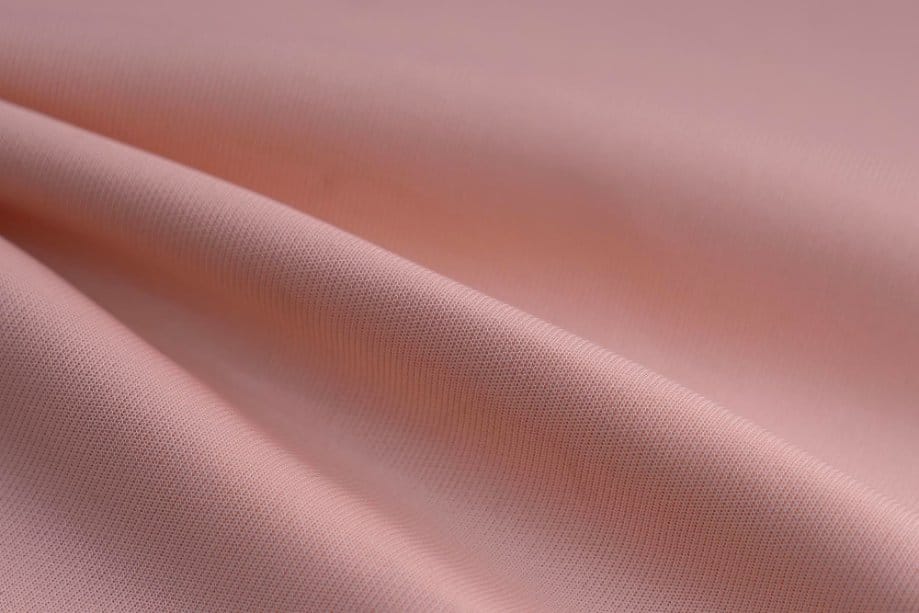
Modal is a semi-synthetic fabric made from the cellulose of beech trees. It sits in an odd middle ground: not a raw plant fiber like cotton or linen, and not a petroleum-based synthetic like polyester either.
It’s what’s known as a regenerated cellulose fiber, a category covered in more depth in our natural vs synthetic fabrics guide, alongside relatives like viscose, lyocell, and bamboo-derived rayon.
Modal was developed in Japan in 1951 specifically to fix rayon’s weak points, its tendency to shrink, weaken when wet, and lose shape.[1] It largely succeeded.
Lenzing started selling modal commercially in 1964, and today the Austrian company remains the dominant producer, sold under the trademark TENCEL™ Modal, though generic modal is also made by other mills worldwide.
It’s also become one of the more talked-about fabrics in this year’s fabric trends, as more brands look for soft, stretchy alternatives to plain cotton basics.
How Modal Is Made
Beech wood is broken down into pulp, then the cellulose inside is extracted and dissolved into a solution. That solution gets pushed through fine spinnerets to form new fibers, which are then spun into yarn.
It’s a similar basic principle to how bamboo viscose is made, but modal’s process is more tightly controlled and involves an additional stretching step during spinning that elongates the cellulose molecules. That extra step is what gives modal its improved strength and resistance to shrinking compared to standard rayon.
MicroModal takes this a step further. The fiber is spun even finer than standard modal, which is what gives premium MicroModal garments their especially silky, almost weightless feel. Finer fibers also mean more fibers packed into the same yarn thickness, which adds to the soft hand-feel without adding bulk.
Higher-quality modal production, particularly Lenzing’s, uses a closed-loop system that recovers the majority of its process water and solvents, which keeps its environmental footprint lower than older rayon methods. Beech trees themselves also require less irrigation than cotton and often grow in sustainably managed European forests without needing to be replanted by hand.
Modal vs Viscose vs Lyocell vs TENCEL
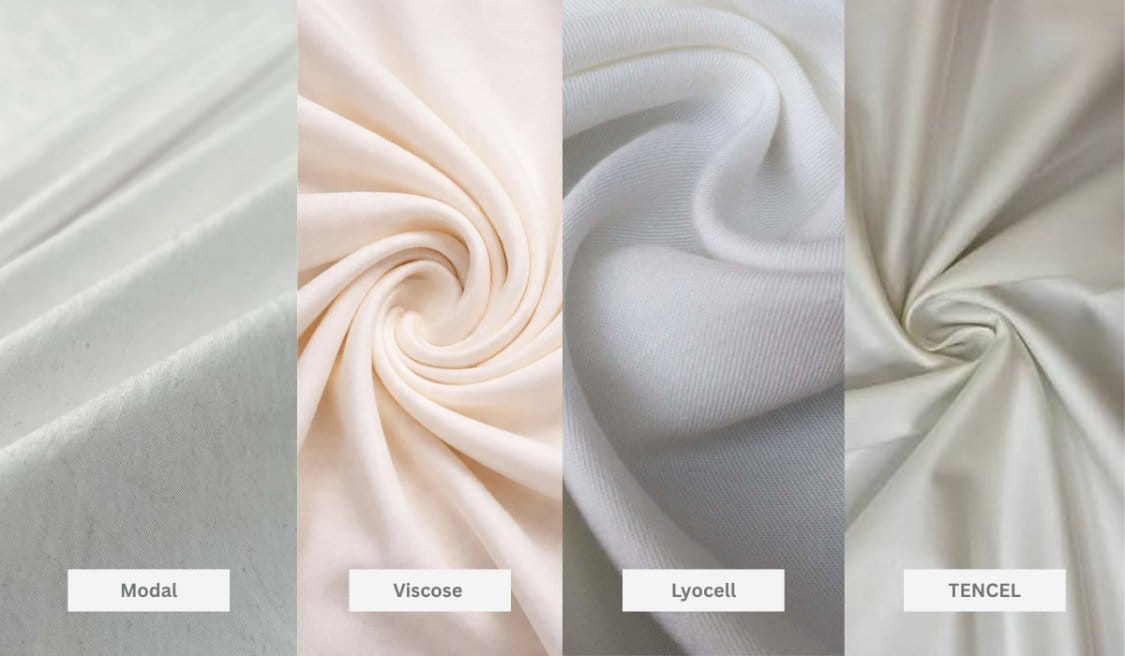
These terms get used interchangeably online, and it causes real confusion. Here’s how they actually relate to each other.
| Term | What It Means |
|---|---|
| Modal | A generic fiber name with a specific technical definition. Any qualified mill can produce it, not just Lenzing. |
| Viscose / Rayon | The broader, older category of regenerated cellulose fiber that modal and lyocell both belong to. Standard viscose uses an older, more chemical-intensive process than modal. |
| Lyocell | A separate regenerated cellulose fiber made with a different, generally cleaner closed-loop solvent process. Not the same fiber as modal, though the two are often grouped together. |
| TENCEL™ | Lenzing’s trademark. “TENCEL™ Modal” and “TENCEL™ Lyocell” are both real, separate products under the same brand umbrella. The name TENCEL alone doesn’t tell you which fiber you’re getting. |
| MicroModal | A finer, more tightly spun version of modal, generally softer and pricier than standard modal. |
Properties and Benefits
Softness
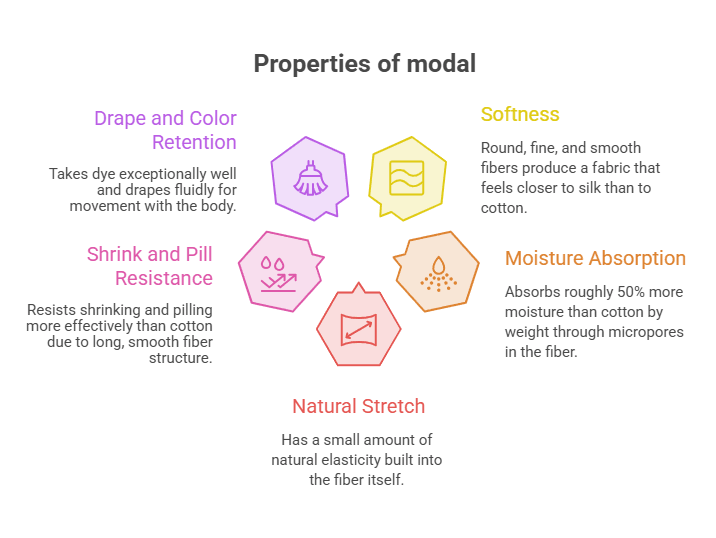
Modal fibers are round, fine, and smooth, which produces a fabric that feels closer to silk than to cotton. It’s one of the softest fabrics commonly available at a mid-range price point.
Moisture Absorption
Modal absorbs roughly 50% more moisture than cotton by weight, according to fiber performance data published by Lenzing, the primary producer of TENCEL™ Modal.[2] Micropores in the fiber pull moisture away from skin and release it into the air faster, which is why modal shows up so often in sleepwear and activewear.
Natural Stretch
This is modal’s most distinctive property. Unlike cotton, which has no give of its own, modal has a small amount of natural elasticity built into the fiber itself, before any spandex or elastane gets added. That’s part of why modal T-shirts and underwear tend to feel more forgiving than their cotton equivalents.
Shrink and Pill Resistance
Modal was engineered specifically to overcome rayon’s traditional weaknesses. It resists shrinking better than standard cotton in most reporting, and its long, smooth fiber structure means it resists pilling more effectively than cotton, which forms surface fuzz more easily due to its shorter, rougher fibers.
Drape and Color Retention
Modal takes dye exceptionally well and holds color through repeated washing better than cotton typically does. It also drapes fluidly, which makes it a favorite for flowing dresses and blouses that need to move with the body rather than hold a stiff shape.
Pros and Cons of Modal Fabric
Pros
- Exceptionally soft, silk-like hand feel
- Absorbs about 50% more moisture than cotton
- Natural stretch without added spandex
- Resists shrinking and pilling better than cotton
- Strong color retention through washing
- Lower water use to grow than cotton
Cons
- Costs more than standard cotton
- Semi-synthetic, not a raw natural fiber
- Needs gentler washing than cotton
- Quality varies between certified and uncertified mills
- Branding (TENCEL, MicroModal) can be confusing when shopping
Common Uses for Modal Fabric
Modal shows up across a wide range of product categories today, similar to how bamboo and cotton do. See our broader common fabric types and their uses guide for the full picture across all fabric families.
Underwear and Loungewear
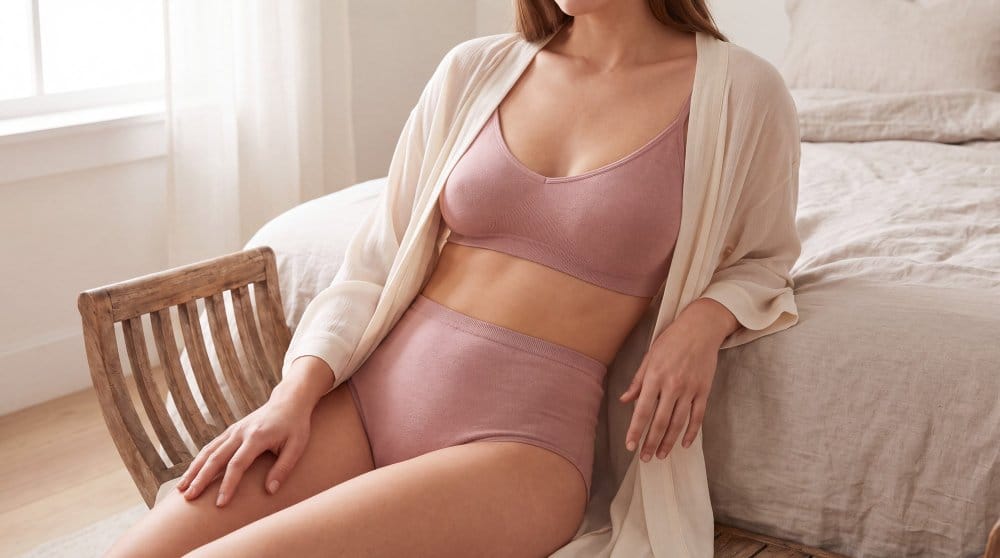
Modal’s softness and natural stretch make it one of the most popular fabrics for underwear, bras, and pajamas, where all-day comfort against skin matters most.
Activewear

The moisture-wicking performance works well for base layers and casual workout gear, though dedicated technical fabrics may still outperform it for intense training. See our summer fabrics guide for more warm-weather options.
Bedding and Towels
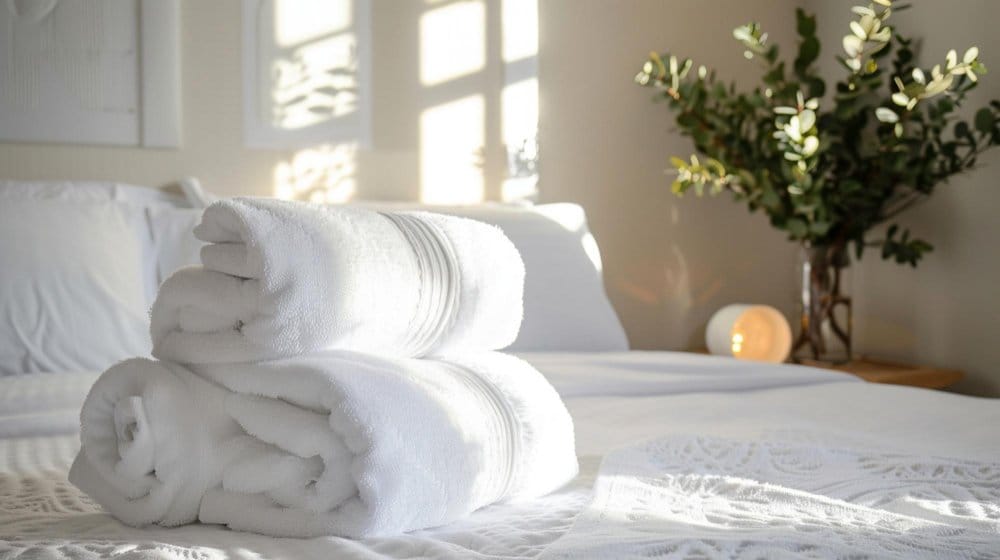
Modal sheets and towels are prized for their softness and absorbency, and they hold up to repeated washing better than many other soft fabrics.
Everyday Basics
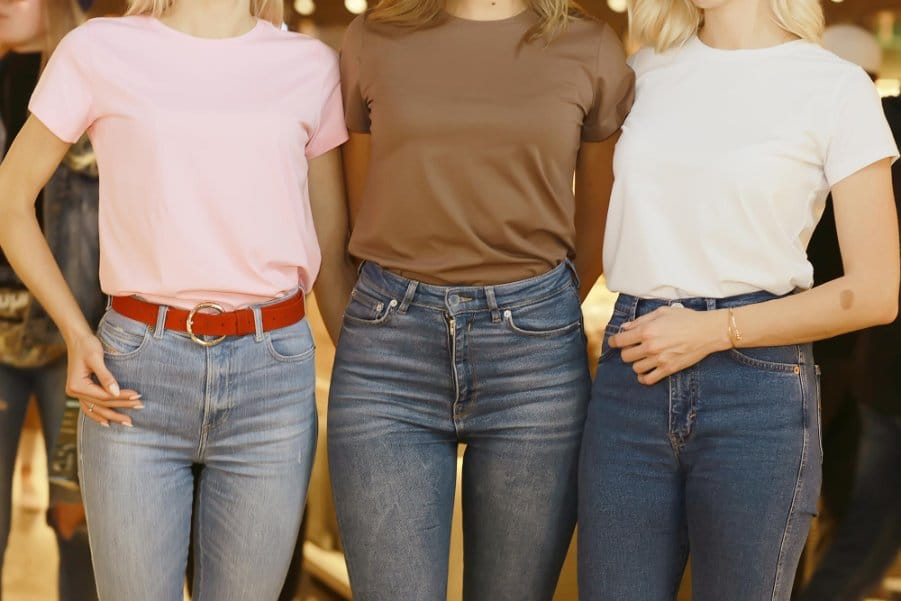
T-shirts and casual tops made from modal or modal-cotton blends offer a noticeably softer feel than pure cotton basics, often at a moderate price premium.
Dresses and Blouses

Modal’s fluid drape makes it a strong choice for flowing dresses, skirts, and blouses that need to move naturally with the body.
Sensitive Skin and Eczema

Modal’s smooth fiber surface and moisture-wicking properties make it a genuinely good option for sensitive skin. See our softest fabrics for sensitive skin guide for how it compares to other gentle options.
Modal vs Other Fabrics
Modal vs Cotton
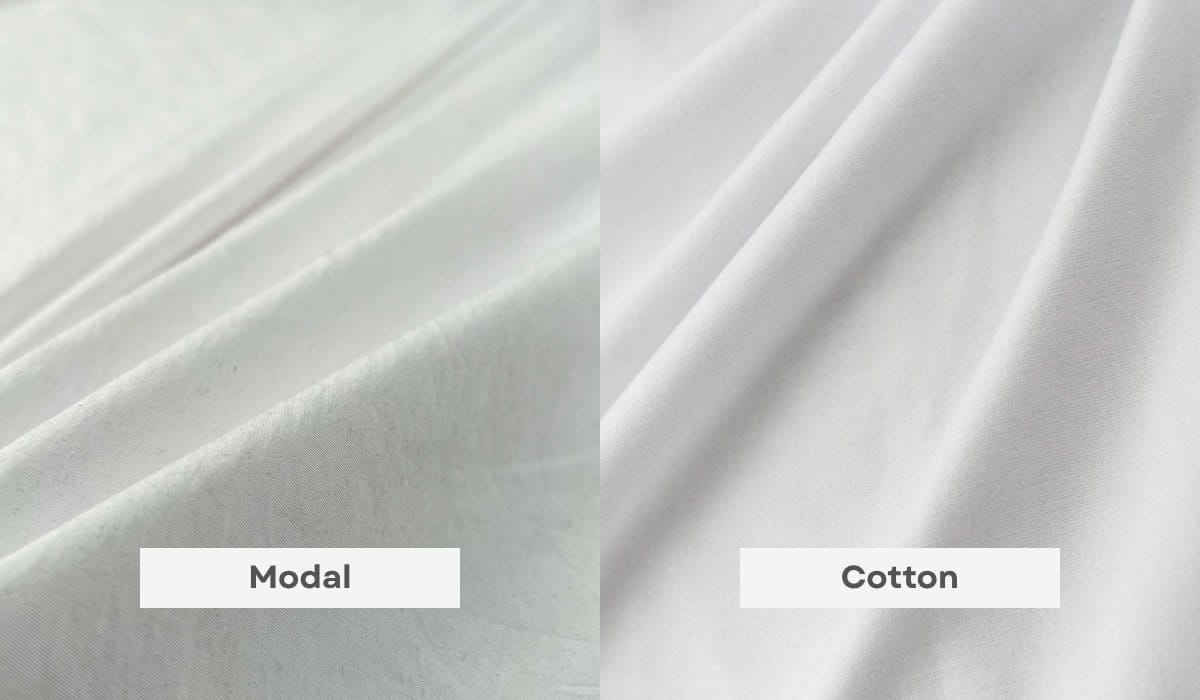
Modal generally wins on softness, moisture absorption, and resistance to shrinking and pilling. Cotton wins on affordability, familiarity, and ease of care. We cover this comparison in full in a dedicated Cotton vs Modal guide.
Modal vs Bamboo
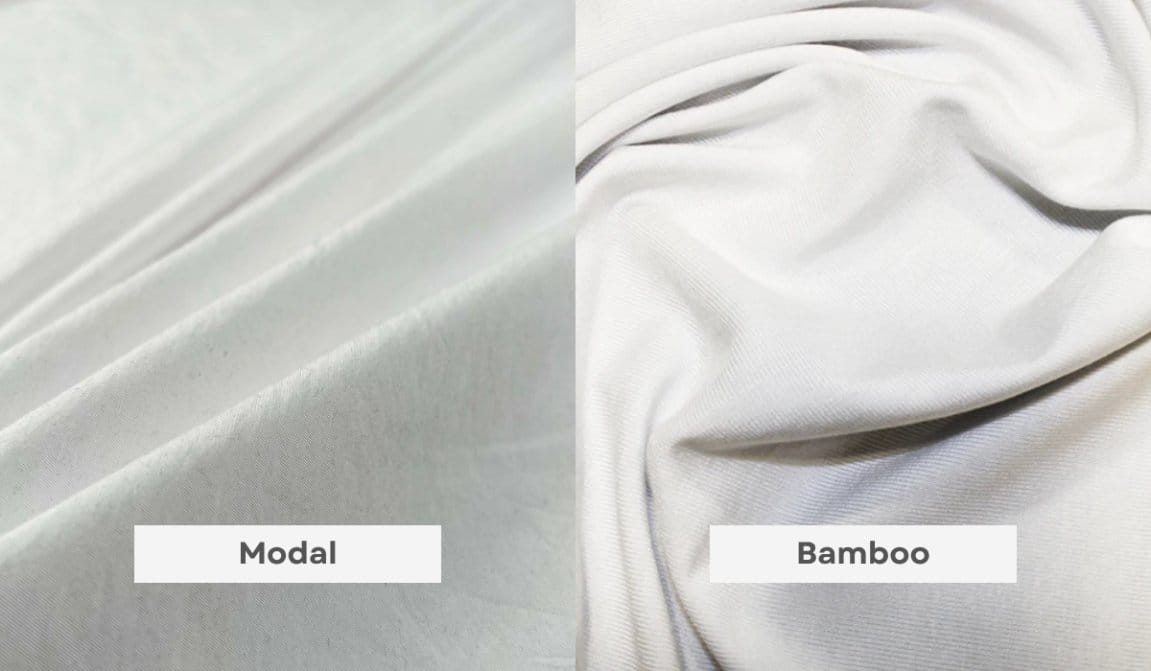
Both are regenerated cellulose fibers, but modal is generally the more durable and shrink-resistant of the two, thanks to its more controlled production process. Bamboo viscose tends to be softer initially but pills faster. See our bamboo fabric guide for the full picture.
Modal vs Silk
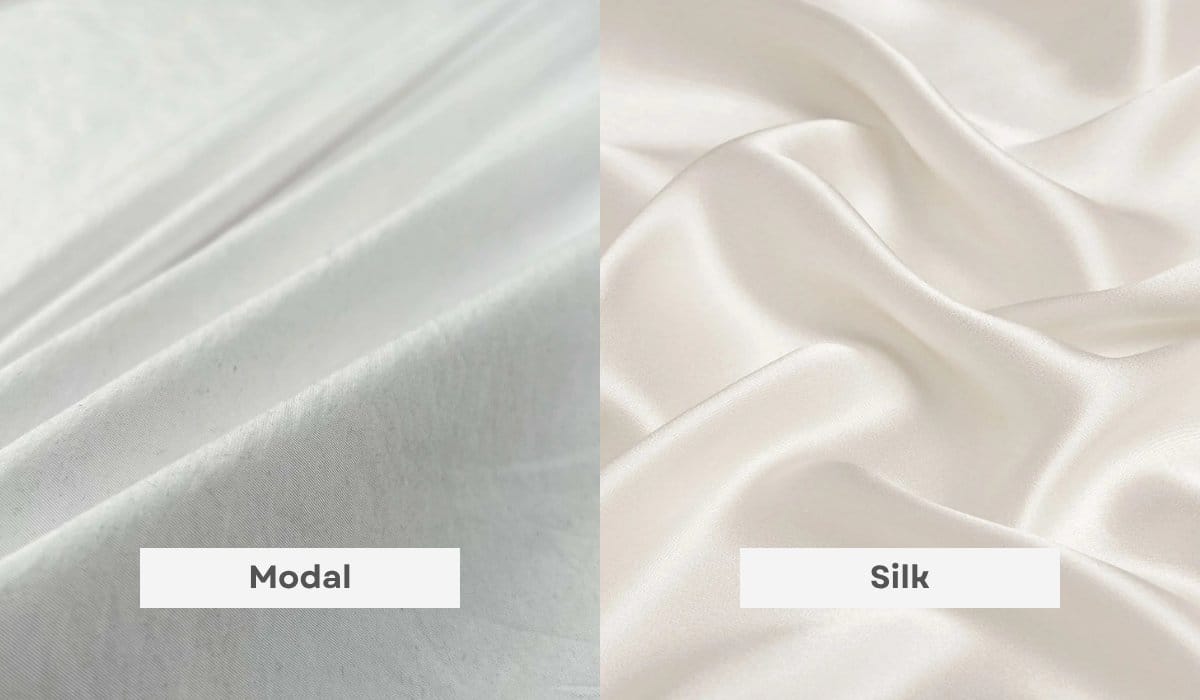
Modal is often marketed as a budget-friendly alternative to silk, and the comparison is fair for softness and drape. Silk still wins on true luxury feel and breathability, but modal is far easier to wash and far less expensive.
Modal vs Polyester
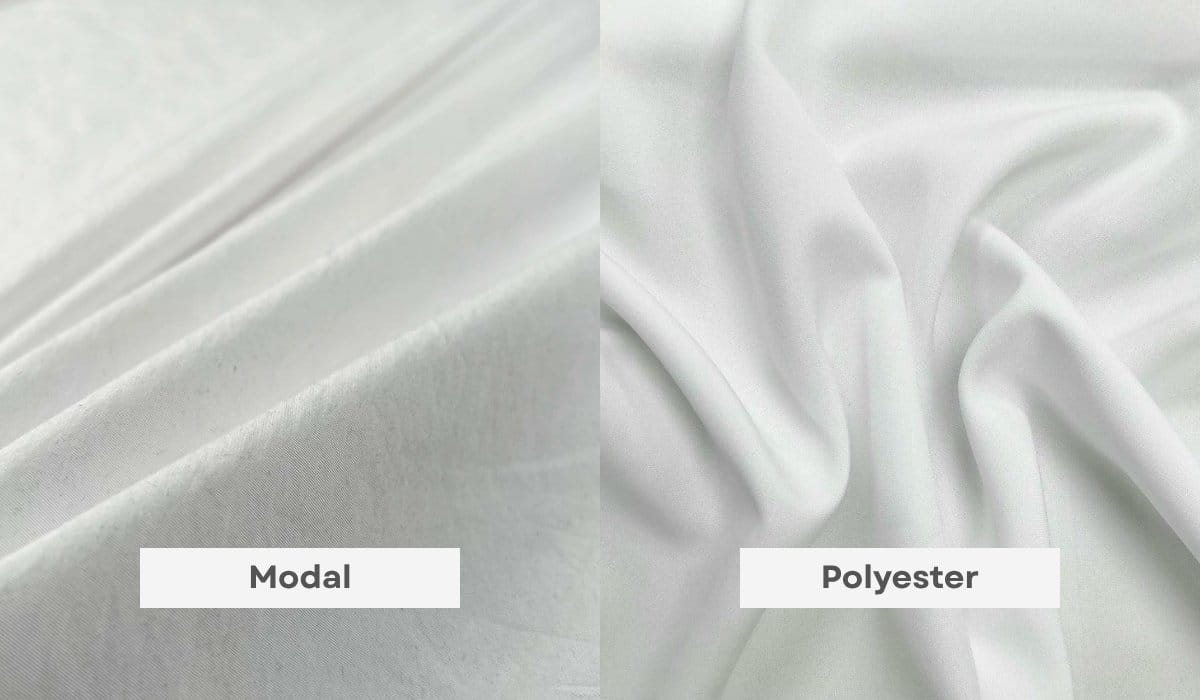
Modal beats polyester decisively on breathability, natural feel, and biodegradability. Polyester is cheaper and more resistant to wrinkles, but it traps heat and doesn’t breathe the way modal does. See our Cotton vs Polyester guide for a deeper look at how natural and synthetic fibers compare generally.
Modal vs Linen
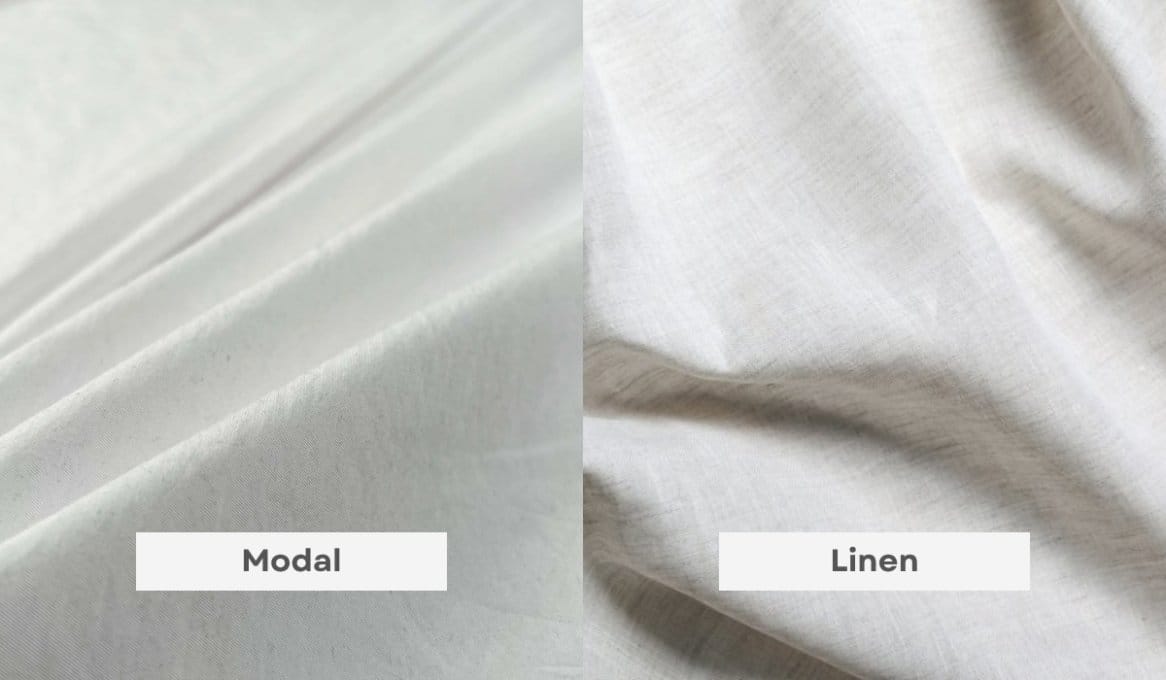
These two sit at opposite ends of the texture spectrum. Linen is a true plant fiber with a crisp, textured hand that softens slowly over years of washing. Modal is silky-smooth from the first wear and stays that way.
Linen wins on long-term durability and breathability in serious heat, while modal wins on immediate comfort and natural stretch. Neither needs the other’s care routine, which makes them easy to keep straight when shopping.
Care and Washing Tips
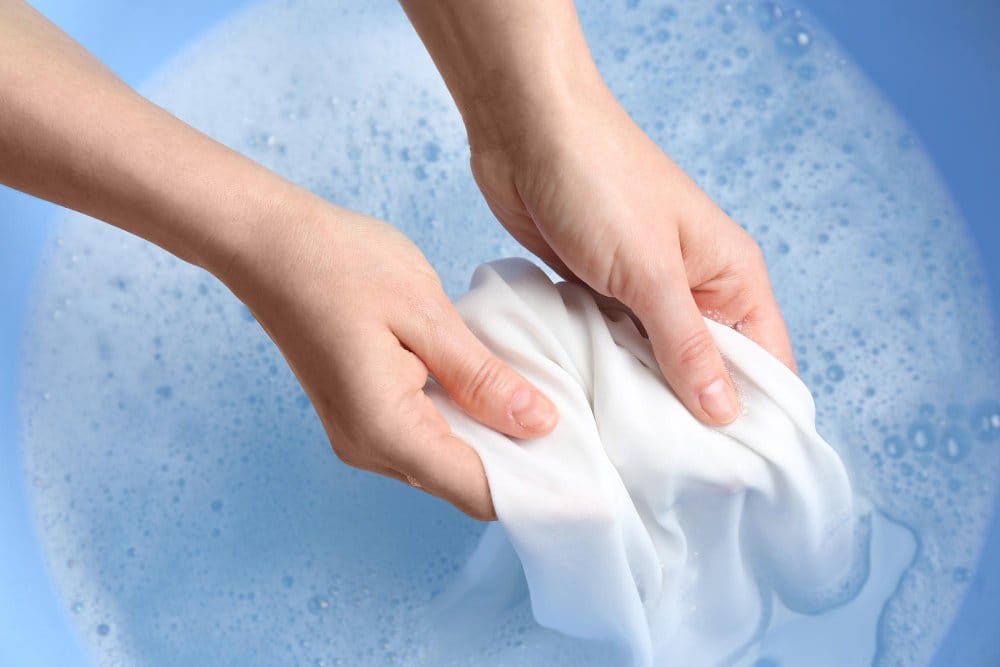
Do
- Wash in cold or lukewarm water on a gentle cycle
- Use a mild detergent
- Line dry or tumble dry on low heat
- Wash similar colors together
- Turn garments inside out before washing
Don’t
- Use hot water
- Use chlorine bleach
- Wring the fabric aggressively when wet
- Over-dry on high heat
- Iron directly on high heat
Modal holds up to regular washing better than most rayon fabrics, but it still benefits from a gentler routine than cotton. For general guidance across your other fabrics, see our guide to washing different fabrics.
How to Identify Quality Modal
Not all modal is equal. Here’s what to check before buying.
- Check for a named source. Certified modal, particularly Lenzing’s TENCEL™ Modal, comes with a documented closed-loop production process. Generic, unbranded modal may not.
- Look at the blend ratio. Many “modal” garments are actually modal-cotton blends. That’s not a bad thing, but know what percentage you’re actually getting.
- Feel for consistency. Quality modal should feel uniformly smooth with no rough patches. Inconsistent texture usually signals a lower-grade production run.
- Check the price against the claims. Genuine MicroModal and certified TENCEL™ Modal carry a real price premium. If a garment claims either at a bargain price, treat that claim with some skepticism.
- Read the full fiber content label, not just the marketing copy on the tag. This applies to any regenerated cellulose fiber, modal included.
Frequently Asked Questions
Is modal fabric natural or synthetic?
Neither, exactly. Modal is a semi-synthetic fabric, made from a natural raw material (beech tree cellulose) that goes through heavy chemical processing to become fiber. It’s more accurately described as a regenerated cellulose fiber, the same broad category as viscose and lyocell.
Is modal fabric the same as cotton?
No. Modal and cotton are different fibers with different origins. Cotton is a raw natural fiber harvested directly from the cotton plant’s seed pods. Modal is a regenerated fiber made from processed beech tree pulp. They’re often compared because both are soft and widely used in similar garments.
Is modal breathable?
Yes. Modal’s fine, porous fiber structure allows air to move through it easily, and it absorbs roughly 50% more moisture than cotton, which helps keep the wearer feeling cool and dry.
Does modal fabric shrink?
Modal shrinks less than most other rayon fabrics and generally performs at least as well as cotton for shrink resistance, sometimes better. It was specifically engineered to fix the shrinkage problems common in older regenerated cellulose fibers.
Is modal good for sensitive skin or eczema?
Yes, modal is generally considered a good choice for sensitive skin. Its smooth, fine fiber surface creates less friction than rougher fabrics, and its moisture-wicking properties help keep skin dry, which can reduce irritation for eczema-prone users.
What is the difference between modal and TENCEL?
TENCEL is a trademark owned by Lenzing AG, not a fiber type on its own. Lenzing produces both TENCEL™ Modal and TENCEL™ Lyocell, which are two different fibers sold under the same brand name. Seeing “TENCEL” on a label doesn’t tell you which one you’re getting without more detail.
Why is modal more expensive than cotton?
Modal requires a more involved production process than cotton, including pulping, chemical dissolution, and a stretching step that improves fiber strength. Certified closed-loop production, like Lenzing’s, adds further cost. Cotton, by comparison, moves from plant to yarn through comparatively simple mechanical steps.
Does modal have natural stretch?
Yes, modal has a small amount of natural elasticity built into the fiber itself, without needing spandex or elastane added. This is one of the properties that sets it apart from cotton, which has no built-in stretch of its own.
Is modal eco-friendly?
It depends on the producer. Beech trees require less water to grow than cotton, and certified closed-loop production processes, like Lenzing’s, recover most of their water and solvents. Uncertified or generic modal production may not meet the same standard, so the source matters more than the fiber name alone.
Final Thoughts
Modal earns its reputation honestly, in a way that sets it apart from some of its regenerated-fiber relatives. The softness is real, the moisture-wicking is real, and the natural stretch is a genuinely useful property that cotton simply doesn’t have.
Where you need to pay attention is the branding. “Modal,” “TENCEL™ Modal,” and “MicroModal” are not interchangeable terms, and the production process behind the fiber in your hands matters as much as the name on the tag.
Certified, closed-loop modal from a known producer is a meaningfully better product, and often a better environmental choice, than generic modal from an unverified source.
If you’re deciding between modal and cotton for a specific project or purchase, the short version is this: reach for modal when softness, stretch, and moisture management matter most, and reach for cotton when you want affordability, durability, and simple care.
Curious how modal actually stacks up against cotton in daily use, cost, and durability? Our full Cotton vs Modal comparison breaks it down side by side.
Disclaimer: This article is provided for general informational and educational purposes only and does not constitute professional textile, medical, or purchasing advice. Processing methods, moisture absorption figures, and market claims are approximate and may vary by manufacturer and region. Always check the specific fiber content label on your garment or textile product before purchasing or washing.