
The finishing treatment behind cotton’s shine, strength, and lasting color
You’re browsing embroidery thread, a pack of dress socks, or a ball of yarn, and the label says “mercerized cotton.” It has a shine the plain cotton nearby doesn’t have, and it costs a little more. What’s actually going on?
Mercerizing is one of the oldest textile treatments still used today, dating back to 1844, and it shows up constantly in sewing thread, knitting yarn, dress shirts, and socks. Yet most explanations either get buried in chemistry jargon or stay narrowly focused on one craft. This guide covers what the process actually does, where you’ll run into it, and when it’s the right choice.
Short answer: Mercerizing is a chemical finishing treatment, not a fiber type or spinning method. It’s applied to cotton yarn or fabric after the fact, using a caustic soda solution under tension, and it makes the cotton shinier, stronger, and better at holding color. It costs more and loses a touch of softness in exchange.
Table of Contents
What Mercerized Cotton Actually Means
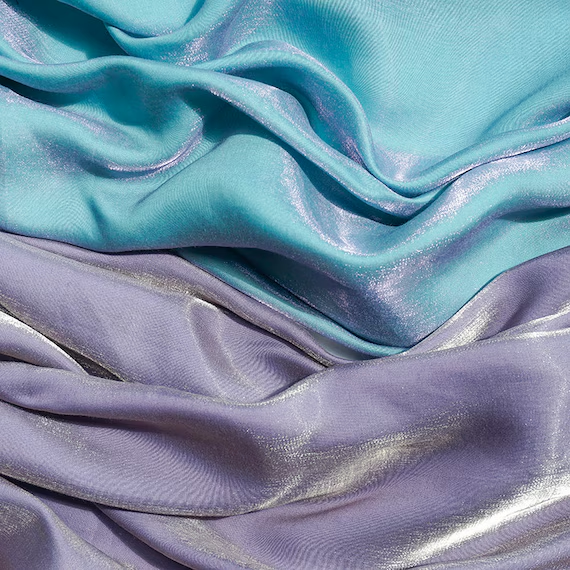
Mercerized cotton is cotton that has been treated with a chemical finishing process after it was already spun into yarn or woven into fabric. It isn’t a fiber variety, and it isn’t a spinning method. It’s a finishing step, similar in spirit to bleaching or dyeing, applied on top of whatever fiber and spinning choices were already made.
The process is named after John Mercer, an English calico printer who discovered in 1844 that treating cotton with a strong alkaline solution changed its properties in useful ways. His original method shrank the fabric noticeably, which limited its appeal.
In 1889, Horace Lowe figured out that holding the fiber under tension during the treatment prevented that shrinkage and, as a side effect, produced the glossy sheen we now associate with mercerized cotton.
Today, mercerizing is used on higher-quality cotton goods specifically because it makes a real, lasting difference in how the finished product looks, feels, and performs.
How Mercerization Works
The process itself is fairly quick. Cotton yarn or fabric is dipped into a solution of sodium hydroxide, also called caustic soda, for a short period, typically under four minutes. According to Encyclopedia Britannica’s entry on mercerization, the material is then treated with water or a mild acid to neutralize the sodium hydroxide completely before moving on.
Held under tension throughout, the fiber doesn’t shrink the way it would otherwise. Instead, something more interesting happens at the microscopic level. Untreated cotton fiber has a flat, twisted, ribbon-like cross-section. The alkaline bath causes the fiber to swell and relax into a rounder shape.
That shape change is the real source of the shine. A rounder fiber surface reflects light more evenly than a flat, twisted one, which is why mercerized cotton has that subtle sheen plain cotton doesn’t.
Mercerizing is often paired with a second process called gassing, where the yarn passes briefly through a flame to burn off the tiny fuzz sticking out from the surface. Combined, the two treatments produce the smooth, lustrous yarn you’ll see in higher-end embroidery floss and knitting cotton.
What Actually Changes
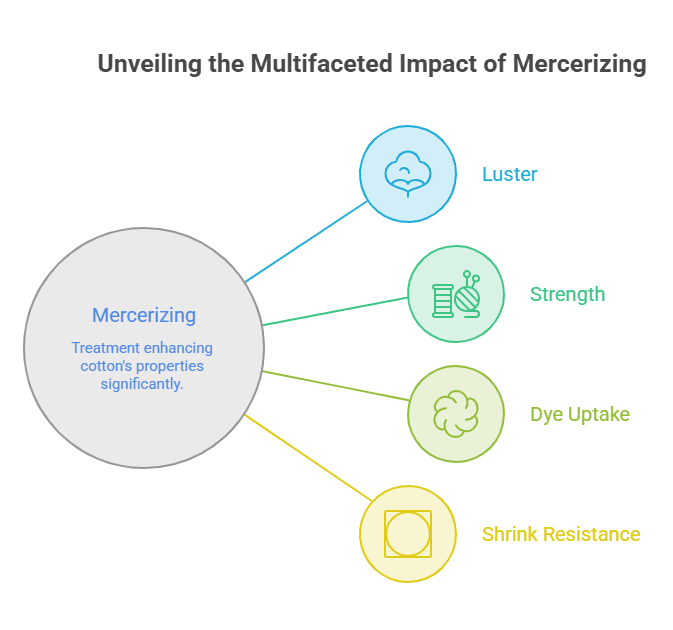
Four properties shift in a noticeable way once cotton goes through mercerizing:
- Luster: The rounder fiber shape catches and reflects light, giving mercerized cotton a soft sheen that unmercerized cotton doesn’t have.
- Strength: The treatment increases tensile strength, so mercerized yarn and fabric resist tearing and stretching better than untreated cotton of the same type.
- Dye uptake: Mercerized cotton takes dye more evenly and holds color longer. This is actually what John Mercer considered the most important part of his discovery, even more than the shine.
- Shrink resistance: Because the fiber is held under tension during treatment, mercerized cotton generally shrinks less over its lifetime than comparable unmercerized cotton.
What you give up in exchange is a bit of softness. The denser, more uniform fiber structure that creates the strength and shine also makes mercerized cotton feel slightly firmer and less relaxed than plain cotton, at least until it’s been washed and worn a few times.
Mercerized vs Unmercerized Cotton
| Property | Unmercerized Cotton | Mercerized Cotton |
|---|---|---|
| Fiber cross-section | Flat, ribbon-like | Rounder, more uniform |
| Surface look | Matte, dull | Soft sheen, slight shine |
| Strength | Standard | Higher tensile strength |
| Color vibrancy | Good | Richer, more even, longer-lasting |
| Softness | Softer, more relaxed feel | Slightly firmer at first, softens with wear |
| Shrinkage over time | More noticeable | Reduced |
| Cost | Lower | Higher |
| Common uses | Washcloths, casual basics, budget yarn | Dress shirts, embroidery thread, fine knitwear, hosiery |
One area where sources genuinely disagree is absorbency. A lot of craft guides claim mercerized cotton absorbs less water, which is why plain cotton is often recommended for washcloths and dishcloths.
The chemistry tells a slightly different story: the fiber swelling from mercerization actually tends to increase how much moisture the fiber itself can hold. What people are usually noticing with washcloths is more about surface feel, not a hard rule about absorbency.
If you’re choosing yarn for something like a washcloth, either type works, and it comes down to personal preference for texture.
Where Mercerizing Fits With Combing and Ring-Spinning
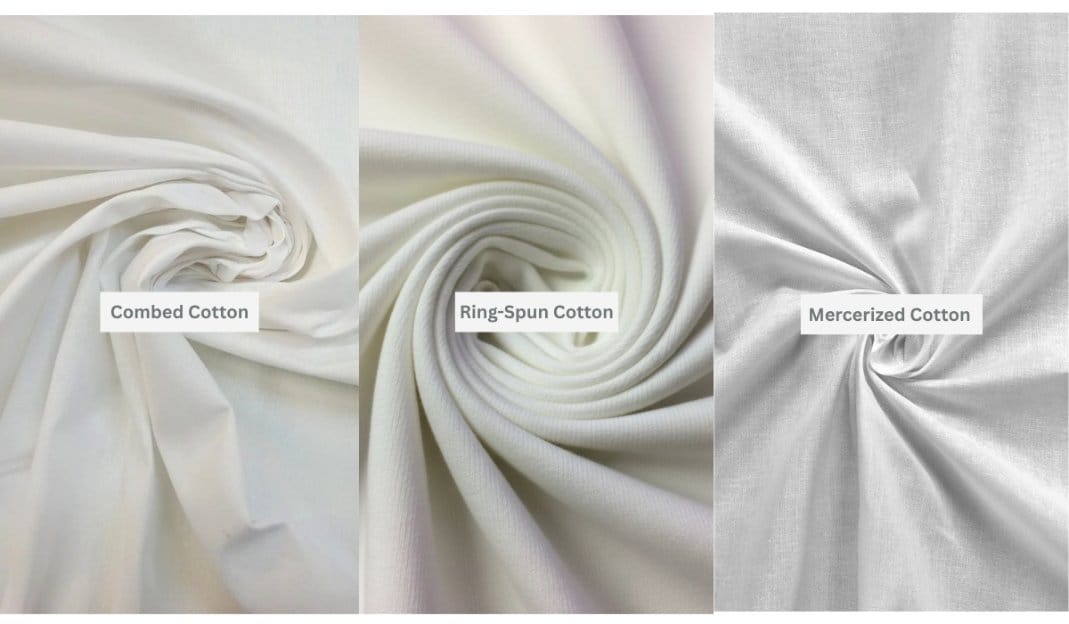
If you’ve read our guides on combed cotton and ring-spun cotton, mercerizing is the third piece of the puzzle, and it’s worth seeing how the three fit together.
- Combing decides which fibers go into the yarn (removing short, weak ones before spinning).
- Ring-spinning decides how those fibers are twisted into yarn.
- Mercerizing is a finishing treatment applied after the yarn or fabric already exists.
These three aren’t competing options. They can all be applied to the same cotton, one after another, and premium yarn suppliers frequently do exactly that. A high-end embroidery thread or dress shirt fabric might be combed, ring-spun, and mercerized, stacking all three benefits: clean fiber selection, a strong even twist, and a lustrous, colorfast finish.
That’s also why mercerized cotton tends to cost more than a simple side-by-side comparison suggests. You’re often paying for multiple layers of processing, not just the mercerizing step alone.
Which Cotton Type to Use for What
Dress Shirts
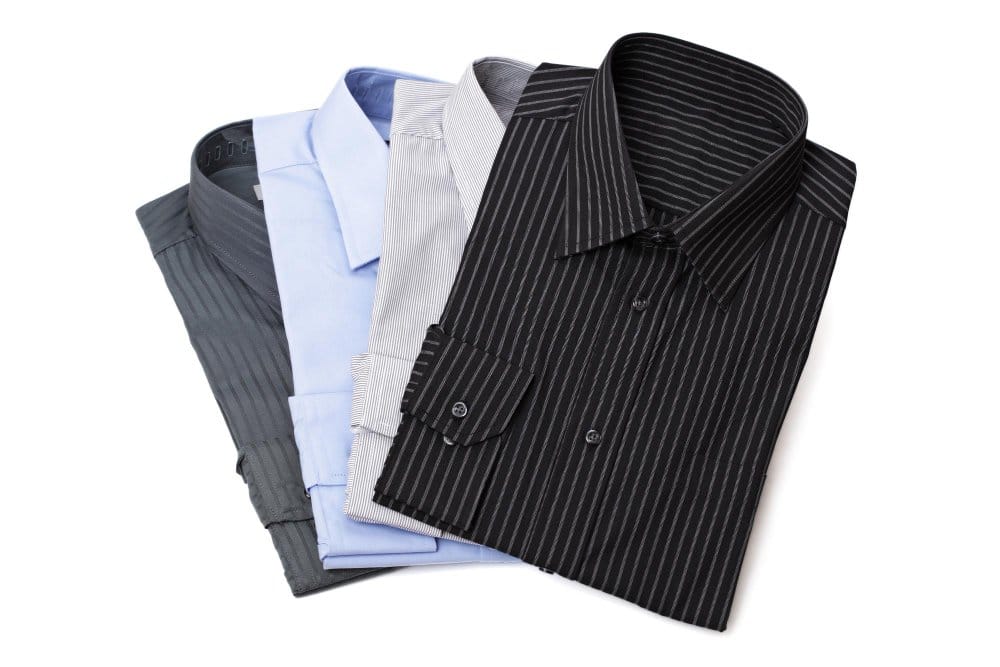
The sheen and crisp hand feel of mercerized cotton is a big part of why dress shirting fabric looks polished. It also holds up better to the frequent ironing and washing dress shirts go through.
Go with: MercerizedEmbroidery and Sewing Thread
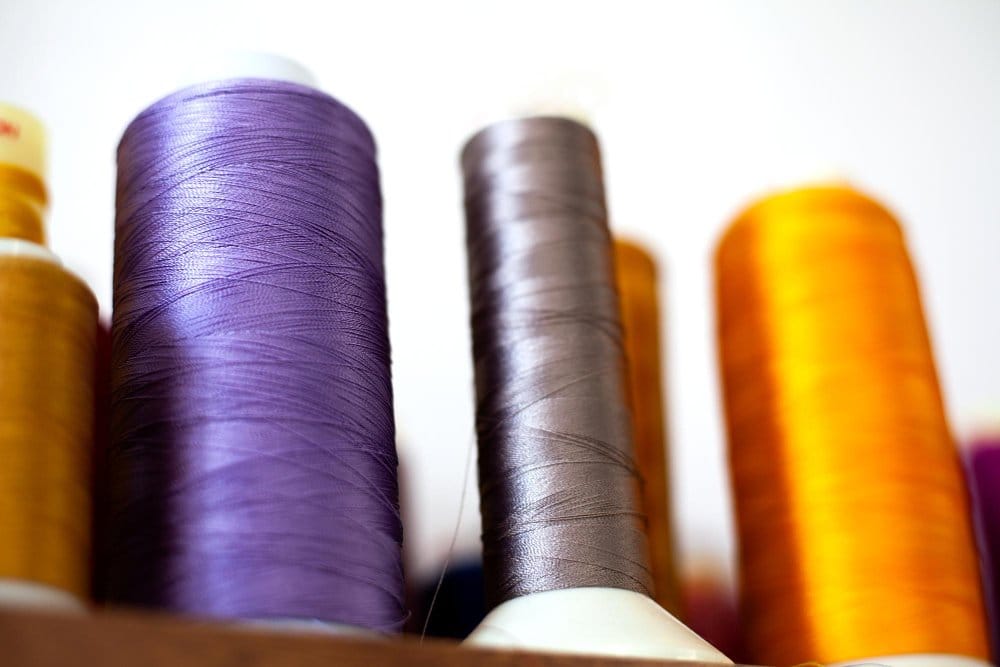
Most quality embroidery floss and general sewing thread is mercerized. The added strength resists breaking under the needle, and the shine gives stitching a cleaner, more finished look.
Go with: MercerizedKnitting and Crochet Yarn
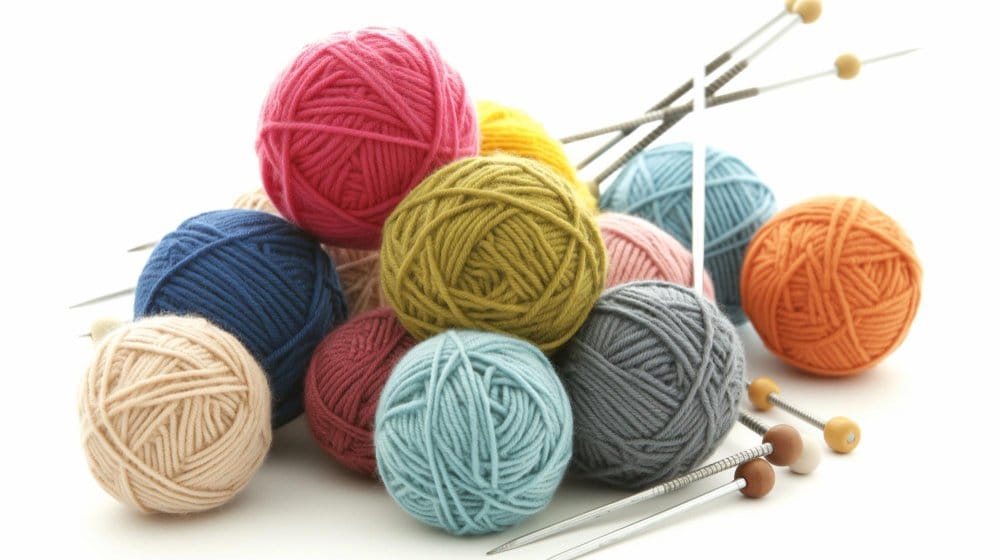
Mercerized cotton yarn is popular for summer garments, doilies, and anything meant to hold its shape and shine. For projects that need drape and softness above all else, unmercerized cotton is often the more comfortable choice.
Go with: Either, by projectSocks and Hosiery

Mercerized cotton, often labeled lisle, is the standard for quality dress socks. It gives a smoother, more refined look than plain cotton and holds its shape better through repeated wear.
Go with: MercerizedBed Linens

Mercerized cotton sheets and pillowcases have a subtle luster and take dye more evenly, which is part of why higher-end bedding often specifies it. For everyday budget sheets, unmercerized cotton is common and perfectly comfortable.
Go with: Mercerized for premium beddingWashcloths and Towels
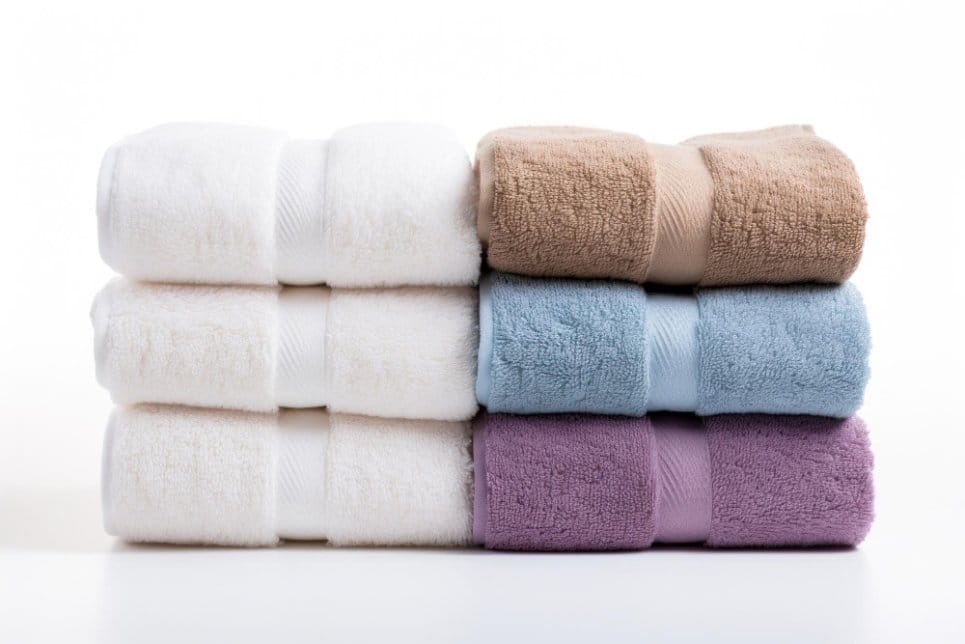
Tradition and texture preference lean toward unmercerized cotton here, since many people find the slightly fuzzier surface feels better for scrubbing and drying. Either type works from a pure moisture-absorption standpoint.
Go with: Unmercerized (by preference)Sewing or embroidering a specific project and not sure which thread to reach for? Our guide on choosing the right thread for your project breaks it down by fabric and technique.
Read the GuideIs Mercerized Cotton Safe?
Yes. It’s a fair question, since sodium hydroxide is a genuinely strong chemical on its own. But the finishing process includes a neutralizing step specifically to remove it. The fabric or yarn is treated with water or a mild acid immediately after the alkaline bath, which neutralizes the sodium hydroxide before the material moves on to the next stage of production.
By the time mercerized cotton reaches a store shelf, there’s no meaningful caustic soda residue left in the fiber. This has been standard, regulated textile manufacturing practice for well over a century, and mercerized cotton is used in everything from baby clothes to bedding without special safety concerns tied to the finishing process itself.
How to Spot Mercerized Cotton
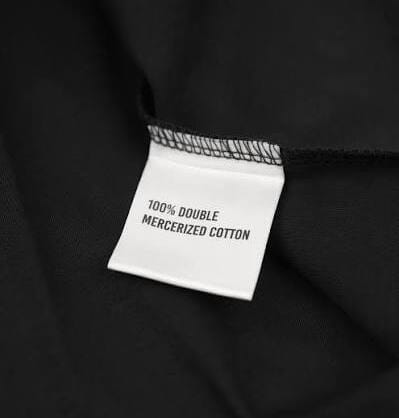
No label to check? Look at the surface under light. Mercerized cotton has a visible, soft sheen, while unmercerized cotton looks matte and flat. Feel is the second clue: mercerized cotton feels smoother and slightly crisper, where unmercerized cotton feels fuzzier and more relaxed right out of the package.
Frequently Asked Questions
Conclusion
Mercerizing is a finishing treatment, not a fiber grade or a spinning style. That distinction is the key to understanding everything else about it.
The process swells cotton fiber from a flat, twisted shape into a rounder one, and that single change is responsible for the shine, added strength, and improved dye uptake mercerized cotton is known for. It costs more to produce and trades away a bit of initial softness, but for anything where appearance, durability, or color needs to last, that trade tends to be worth it.
A few things worth keeping in mind:
- Mercerizing, combing, and ring-spinning are three separate processes that stack together. Premium cotton products often use all three.
- The sodium hydroxide used in mercerizing is fully neutralized during processing, so there’s no meaningful safety concern in the finished product.
- For dress shirts, embroidery thread, fine knitwear, and dress socks, mercerized cotton is generally the better choice.
- For washcloths and casual basics, the choice comes down to texture preference more than any real performance gap.
- Look for the word “mercerized” directly on the label, or related terms like “lisle” and “pearl cotton,” which both signal mercerized cotton by tradition.
Mercerizing rounds out the fuller picture of what makes one piece of cotton fabric look and feel different from another. Combined with fiber selection and spinning method, it’s one of three factors that quietly shape almost everything you touch made from cotton.
Want the complete picture of cotton fiber, weight, and care? Our full cotton fabric guide ties it all together in one place.
Disclaimer: This article is for general informational and educational purposes only. It is not a substitute for professional textile sourcing, manufacturing, product safety, or product testing advice. Fiber processing methods, quality standards, and labeling practices can vary between brands, manufacturers, and countries.
Prices and industry figures referenced above are general estimates based on common industry practice at the time of writing and may change. Always check the specific product label, safety certification, or contact the manufacturer directly for exact fabric composition and care instructions before purchasing, sewing, or laundering.