
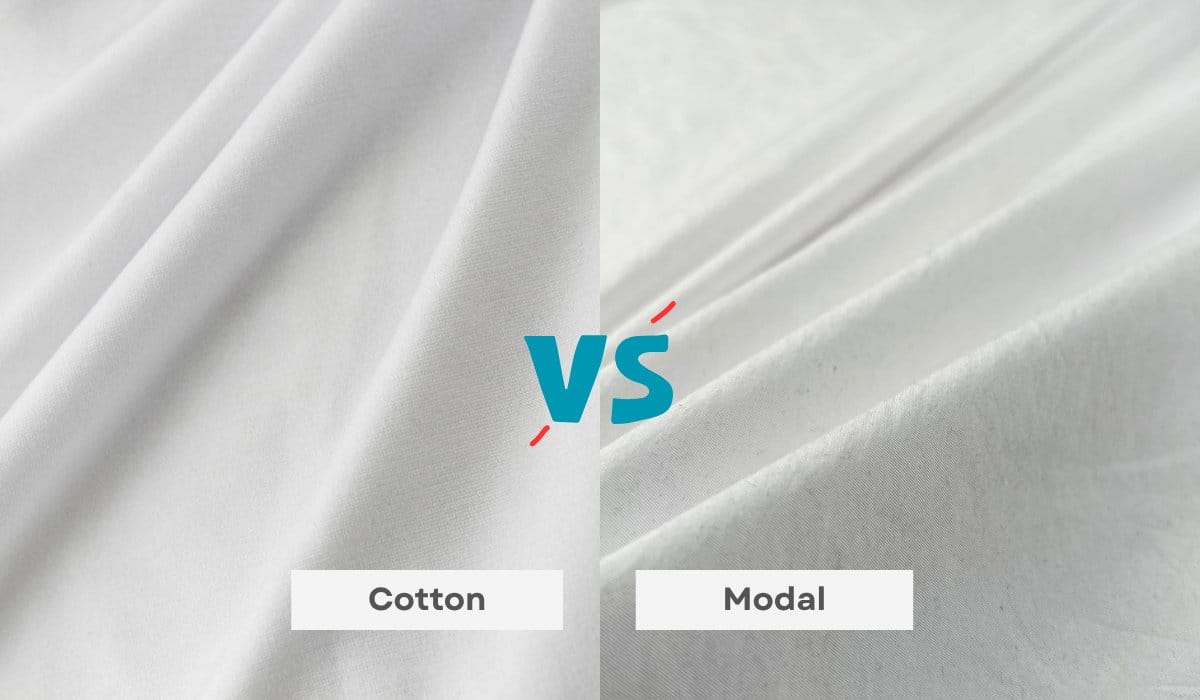
One is the fabric you already know. The other might be softer than you think.
Quick Answer
Cotton is more affordable, more durable, and easier to care for, making it the practical choice for everyday wear and sewing. Modal, a semi-synthetic fabric made from beech tree cellulose, is silkier, absorbs about 50% more moisture, and has natural stretch cotton lacks, which is why it dominates underwear and loungewear. Choose cotton for budget and durability, modal for softness and moisture control.
Open a drawer of T-shirts, underwear, or pajamas and there’s a good chance you’ll find both fabrics sitting side by side. Cotton is the one you already know. Modal is the one that feels suspiciously softer than it should, and a lot of shoppers aren’t entirely sure what it actually is.
Both are cellulose-based, both show up constantly in clothing labels, and both get marketed as soft and comfortable. But they come from different places, behave differently on the body, and suit different jobs. This guide breaks down exactly how they compare, and where each one earns its place in your wardrobe.
Quick Comparison at a Glance
| Feature | Cotton | Modal | Winner |
|---|---|---|---|
| Source | Cotton plant (seed pods) | Beech tree cellulose, regenerated into fiber | N/A |
| Softness | Soft, familiar | Silkier, smoother hand-feel | Modal |
| Moisture Absorption | Absorbs, holds moisture | About 50% more absorbent, wicks faster | Modal |
| Natural Stretch | None without added spandex | Small amount built into the fiber | Modal |
| Durability | Reliable over years of washing | Resists pilling well, but needs gentler care | Cotton |
| Shrinkage | 3 to 5% if not pre-washed | Generally low, engineered to resist shrinking | Modal |
| Ease of Care | Machine wash, tumble dry, simple | Needs a gentler cycle and lower heat | Cotton |
| Price | Generally lower | Higher, especially certified or MicroModal | Cotton |
| Best For | Everyday wear, sewing, kids, budget | Underwear, loungewear, sleepwear, hot sleepers | Depends on use |
What Is Cotton?
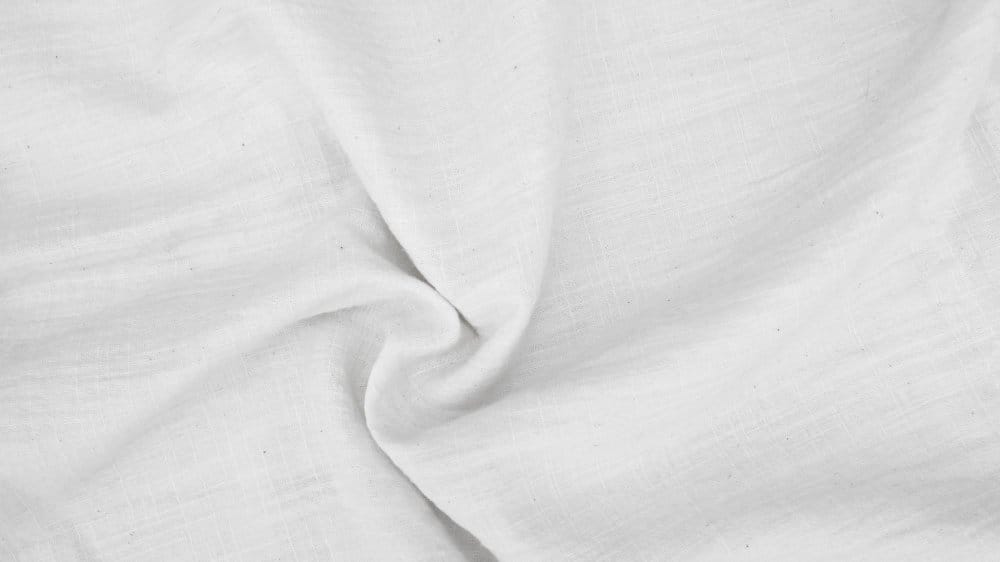
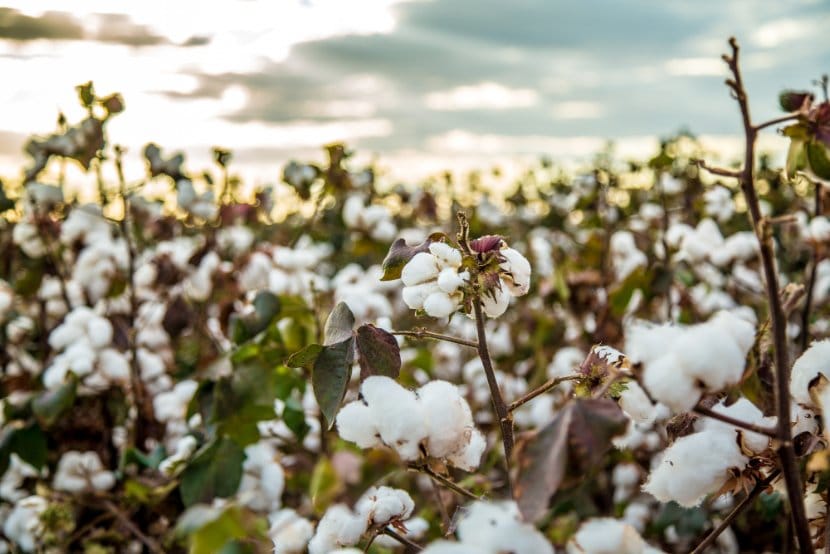
Cotton comes from the fluffy bolls of the cotton plant. It’s been spun into fabric for thousands of years and remains the most widely used natural fiber in the world. It’s soft from the first wash, takes dye well, and works across every weight from lightweight lawn to sturdy canvas.
For the complete picture, see our full cotton fabric guide.
What Is Modal Fabric?
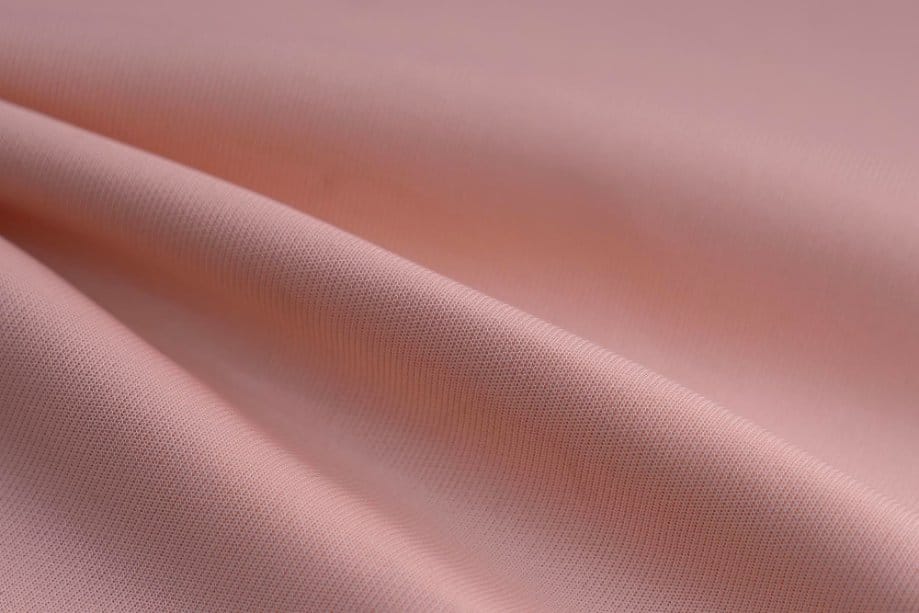
Modal is a semi-synthetic fabric made from beech tree cellulose. It sits between raw plant fibers like cotton and fully synthetic fabrics like polyester, in a category called regenerated cellulose fiber, the same broad family as viscose and lyocell.
Modal was developed in Japan in 1951 specifically to fix the shrinking and wet-strength problems common in older rayon fabrics, and it largely succeeded.[1]
Most commercial modal today comes from the Austrian company Lenzing AG, sold under the trademark TENCEL™ Modal, though generic modal is produced by other mills too. For the full breakdown, including the difference between modal, viscose, lyocell, and TENCEL, see our modal fabric guide.
Head-to-Head: The Big Differences
Softness
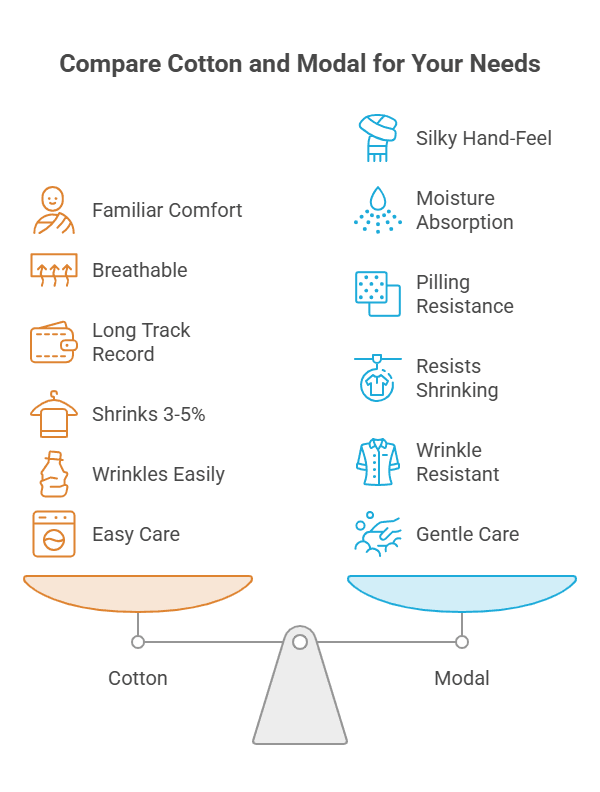
Both fabrics are genuinely soft, but they get there differently. Cotton feels familiar and comfortable right away. Modal fibers are round and fine, which produces a silkier hand-feel, often compared to a blend of silk and cotton.
Cotton can also stiffen slightly over time with repeated washing, while modal tends to stay smooth or even soften further.
Breathability and Moisture
Modal’s fine, porous fiber structure pulls moisture away from skin and releases it into the air faster than cotton does, based on fiber performance data published by Lenzing, the primary producer of TENCEL™ Modal.[2]
Cotton is breathable too, but it tends to absorb moisture and hold onto it rather than move it along quickly, which is why cotton can feel damp longer during heavy activity or a hot night’s sleep.
Durability
Cotton has the longer track record for standing up to years of regular washing. Modal resists pilling better than cotton does, thanks to its long, smooth fiber structure, but it’s a newer fabric overall and asks for gentler care to stay in top shape.
Well-made modal, particularly certified TENCEL™ Modal, holds up impressively well, but generic modal from an unverified source can vary in quality.
Shrinkage
This is one place modal actually has the edge. Modal was specifically engineered to resist the shrinking that plagues standard rayon, and it generally performs at least as well as cotton, sometimes better.
Cotton typically shrinks 3 to 5% if not pre-washed. Both benefit from a cold pre-wash before cutting or wearing for the first time.
Wrinkle Resistance
Modal resists wrinkles noticeably better than plain cotton, which is part of why it travels well and looks tidy through a long day.
Care and Washing
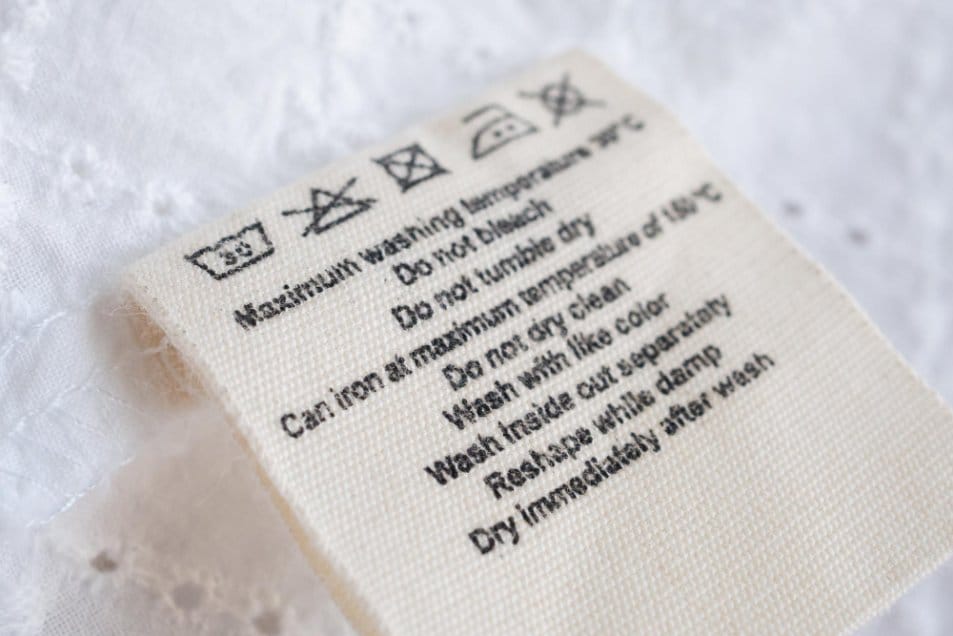
Cotton is the easier fabric to care for day to day. It handles warm water and regular tumble drying without much thought. Modal prefers cold or lukewarm water, a gentle cycle, and lower heat when drying, so it takes a bit more attention to keep looking its best.
Cotton vs Modal for Underwear and Intimates
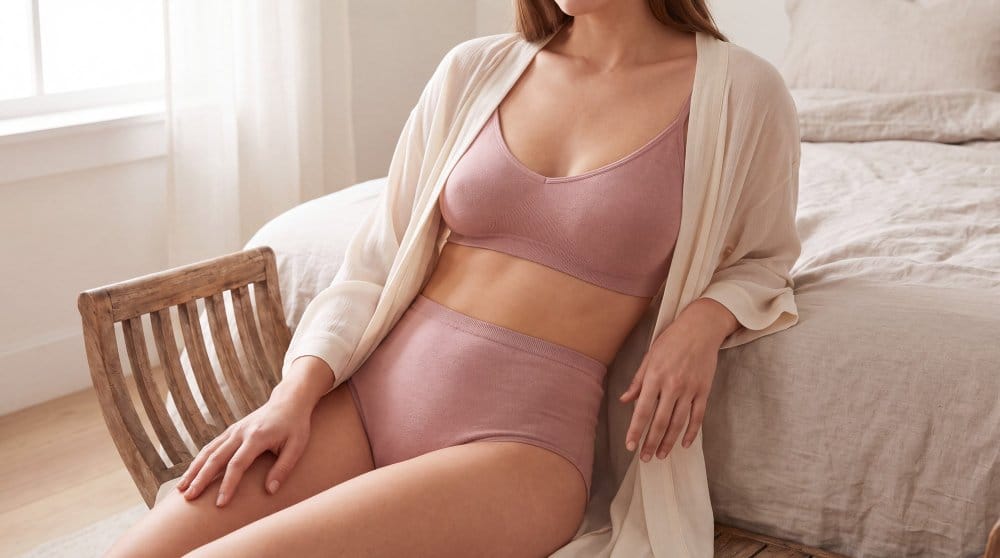
This is the single biggest battleground between these two fabrics, and it’s where the differences matter most day to day.
Modal underwear has become genuinely popular for good reason. The smooth, round fiber creates less friction against skin than cotton, the moisture-wicking keeps things drier through a long day, and unlike cotton, modal tends to get softer rather than rougher with repeated washing.
MicroModal, an even finer version of the fiber, takes this further and is often described as feeling closer to silk than to cotton.
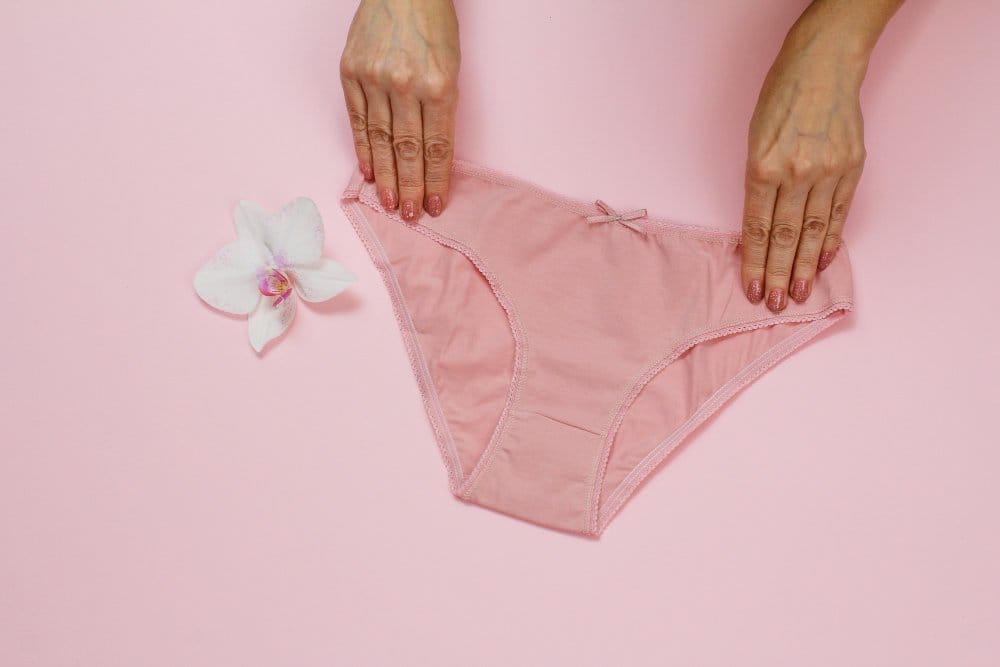
Cotton underwear remains the tried-and-tested choice. It’s breathable, hypoallergenic, widely available, and noticeably more affordable. For anyone with sensitive skin who wants a fabric with decades of proven track record, cotton is still a completely reasonable default.
Is Modal More Sustainable Than Cotton?
It depends heavily on the source. Beech trees need far less irrigation than cotton plants, and modal production, particularly Lenzing’s certified closed-loop process, recovers most of its water and processing chemicals. Conventional cotton, by comparison, is one of the more water and pesticide-intensive crops grown at scale.
But not all modal is created equal. Generic, unbranded modal from an unverified mill may not use the same responsible processing, so the environmental case for modal depends on knowing your source.
Organic cotton closes much of the gap on the cotton side. For the full picture on certified versus generic modal, our modal fabric guide covers it in depth.
Is Modal More Expensive Than Cotton?
Generally, yes. Modal requires more processing steps to become fabric than cotton does, and certified closed-loop production adds further cost. MicroModal and branded TENCEL™ Modal sit at the top of the price range, while modal-cotton blends offer a more affordable middle ground.
For everyday basics where budget is the priority, cotton remains the more economical choice. For items where the silky feel and moisture control genuinely matter, like underwear or sleepwear, modal’s premium is often worth paying.
Which One Should You Choose?
Sleepwear and Pajamas
Modal Wins
Modal’s softness and moisture-wicking make it a favorite for pajamas, especially for hot sleepers. Cotton pajamas remain a comfortable, budget-friendly alternative.
Activewear
Modal Wins
The moisture management works well for base layers and casual workout gear. See our summer fabrics guide for more warm-weather options.
Bedding and Sheets
Modal for Hot Sleepers
Modal sheets stay cool and wick moisture well. Cotton sheets, especially good sateen or high thread count weaves, remain more affordable and easier to wash.
Everyday Basics
Cotton Wins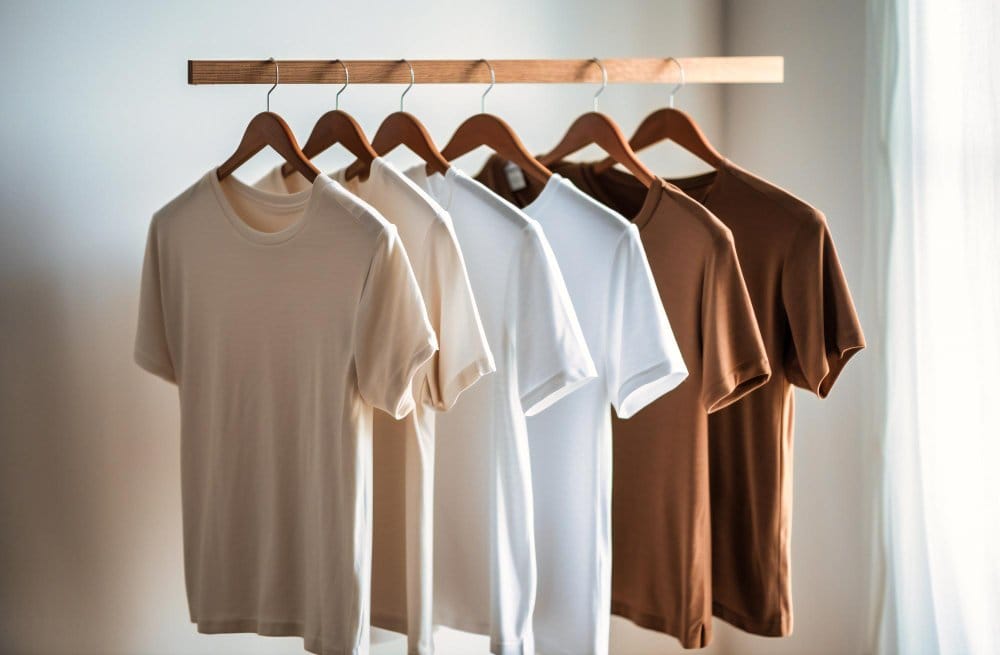
For T-shirts and casual staples you’ll wash weekly, cotton’s durability and lower price make it the sensible everyday pick. Light weaves like jersey hold up well to heavy rotation.
Baby and Kids Clothing
Cotton Wins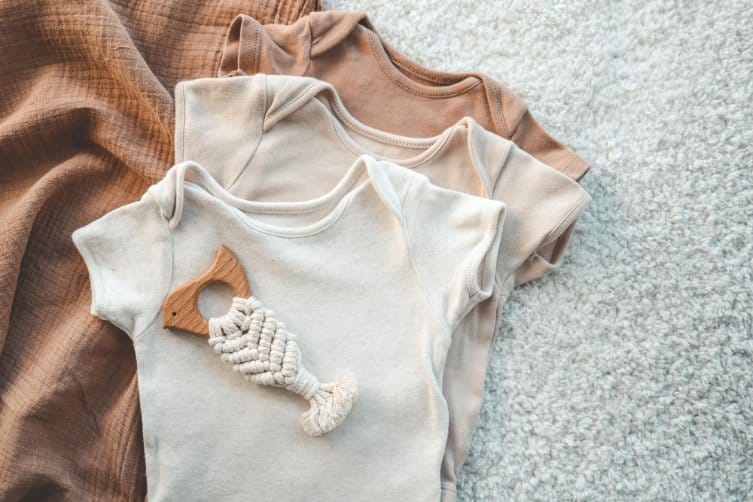
Cotton’s affordability and durability through daily washing make it the practical choice. See our best fabrics for newborn clothing guide, or find affordable cotton kids’ clothing at Fabulous Bargains Galore.
Dresses and Blouses
Modal Wins
Modal’s fluid drape suits flowing dresses and blouses that need to move with the body. Cotton lawn or voile are lighter cotton alternatives for a similar effect.
Sensitive Skin
Both Can Work
Modal’s smooth fiber reduces friction, while organic cotton has decades of proven use for sensitive skin. See our softest fabrics for sensitive skin guide for more.
Quilting and Crafts
Cotton Wins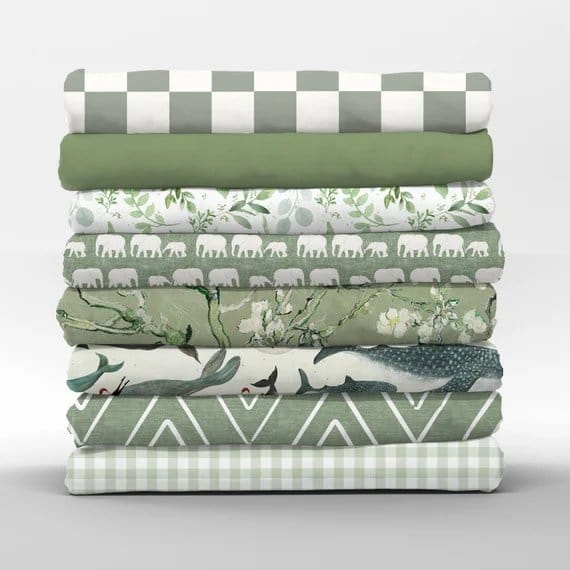
Cotton’s stability and predictable behavior make it the standard for quilting. Modal’s slippery drape makes it a poor match for detailed patchwork.
Cotton vs Modal for Sewing

Cotton remains the more forgiving fabric for sewing, especially for beginners. It holds its shape when cut, presses cleanly, and doesn’t shift much on the machine. Quilting cotton or cotton poplin are still the recommended starting points for anyone new to sewing.
Modal, particularly modal jersey, is more slippery and drapes heavily, which makes it trickier to cut accurately and feed evenly through a machine. A ballpoint or stretch needle works best for modal knits, and pinning generously helps keep pattern pieces from shifting.
Pre-washing matters for both fabrics, but especially so if you’re combining cotton and modal in the same project, since their shrinkage rates differ.
What About Cotton-Modal Blends?
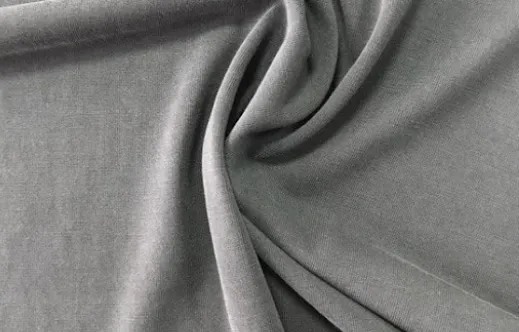
If you like the idea of both, a cotton-modal blend is worth considering. Cotton adds structure and a more substantial hand-feel, while modal contributes softness and moisture-wicking.
The blend is generally easier to sew and print on than pure modal, and it often costs less than 100% modal while still delivering a noticeably softer result than pure cotton.
Common ratios run from 50/50 to 60/40 modal to cotton, and this combination shows up frequently in T-shirts, loungewear, and baby items where comfort and practicality both matter.
How Do They Stack Up Against Other Fabrics?
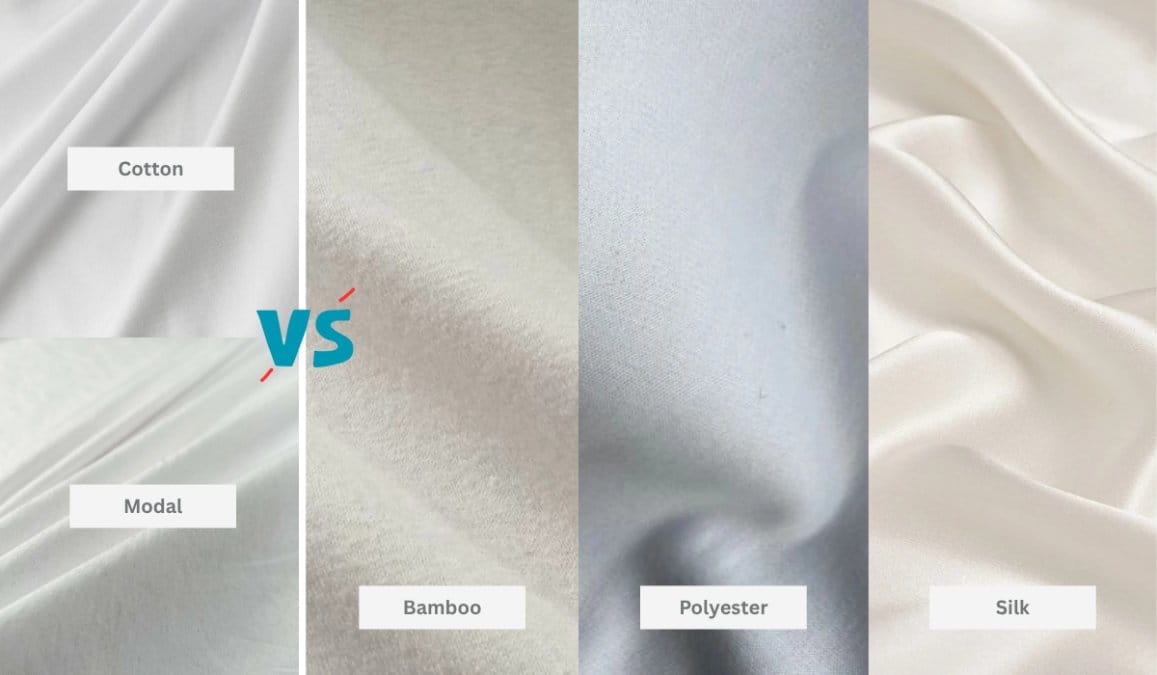
vs Linen
Linen is a true plant fiber, unlike modal’s regenerated cellulose. Linen wins on long-term durability and breathability in serious heat, but wrinkles heavily and costs more. See our full Cotton vs Linen comparison for the details.
vs Bamboo
Modal and bamboo viscose are both regenerated cellulose fibers, but modal generally holds up better to repeated washing thanks to its more controlled production process. Bamboo tends to be softer initially but pills faster.
See our Cotton vs Bamboo comparison and bamboo fabric guide for more, including how modal, cotton, and bamboo stack up as a trio.
vs Polyester
Both cotton and modal beat polyester on breathability and natural feel. Polyester is cheaper and more wrinkle-resistant, but it traps heat and isn’t biodegradable. See our Cotton vs Polyester guide for more.
vs Silk
Modal is often marketed as a budget-friendly alternative to silk, and the comparison holds up reasonably well for softness and drape. Cotton doesn’t attempt to compete with silk in the same way, it’s valued for different reasons entirely.
Care and Washing Tips
Cotton Care
- Machine wash warm or cold
- Tumble dry on medium heat
- Pre-wash before sewing (3 to 5% shrinkage)
- Simple, low-maintenance overall
Modal Care
- Machine wash on gentle cycle, cold or lukewarm water
- Line dry or tumble dry on low heat
- Skip fabric softener, it isn’t needed and can reduce moisture-wicking
- Pre-wash before sewing for best shrinkage control
For general guidance across your other fabrics, see our guide to washing different fabrics.
The Quick Summary: Choose Cotton If / Choose Modal If
Choose Cotton If…
- Budget matters
- You want a fabric that lasts through years of washing
- You’re dressing a baby or young child
- You’re new to sewing
- You want simple, low-maintenance care
- You’re quilting or doing detailed craft work
Choose Modal If…
- You want the softest, silkiest option available
- You’re shopping for underwear, loungewear, or sleepwear
- You run warm and want strong moisture-wicking
- You want natural stretch without added spandex
- You’re comfortable paying a premium for the feel
- You’ve checked the label and know your source is certified
Frequently Asked Questions
Is modal softer than cotton?
Generally, yes. Modal fibers are round and fine, which creates a silkier hand-feel than cotton, often compared to a blend of silk and cotton. Cotton is still soft, especially premium long-staple varieties, but modal tends to edge it out for pure tactile softness, and it can keep getting softer with washing rather than degrading.
Is modal better than cotton for underwear?
Many people find modal more comfortable for underwear because of its smooth fiber, moisture-wicking, and small amount of natural stretch. Cotton remains a completely reasonable, more affordable choice, especially for anyone with sensitive skin who wants a fabric with a long track record. Neither is objectively better, it comes down to personal preference and budget.
Does modal shrink more than cotton?
No, generally the opposite. Modal was specifically engineered to resist shrinking, a common problem in older rayon fabrics, and it typically performs at least as well as cotton, sometimes better. Cotton usually shrinks 3 to 5% if not pre-washed. Pre-washing both fabrics before sewing is still the safest approach either way.
Is modal more sustainable than cotton?
It depends on the source. Beech trees need less water than cotton, and certified closed-loop modal production recovers most of its water and chemicals. But generic, unbranded modal may not follow the same process, so the source matters as much as the fiber name. Organic cotton is a fair comparison point on the cotton side.
Why is modal more expensive than cotton?
Modal requires more processing steps to become fabric, including dissolving the cellulose and an additional stretching step that improves strength. Certified closed-loop production adds further cost. Cotton moves from plant to yarn through comparatively simple mechanical steps, which keeps its price lower.
Does modal have stretch like spandex?
Not quite. Modal has a small amount of natural elasticity built into the fiber itself, which cotton doesn’t have, but it’s more subtle than the stretch spandex or elastane provides. Many modal garments still add a small percentage of spandex for extra recovery and fit.
Which is better for hot sleepers, cotton or modal?
Modal generally performs better for hot sleepers. It absorbs roughly 50% more moisture than cotton and releases it faster, which helps regulate temperature through the night. Cotton is also breathable and remains a comfortable, more affordable option for bedding and sleepwear.
Is modal good for sensitive skin?
Yes, modal is generally considered a good option for sensitive skin. Its smooth, round fiber surface creates less friction than rougher fabrics. Organic cotton is also a well-established choice for sensitive skin, so both are reasonable options depending on preference.
Is a cotton-modal blend better than pure modal?
For many uses, yes. A cotton-modal blend, typically 50/50 to 60/40 modal to cotton, adds structure and affordability that pure modal lacks, while keeping much of modal’s softness and moisture-wicking. It’s also generally easier to sew and print on than pure modal.
Which is easier to sew, cotton or modal?
Cotton is easier to sew, especially for beginners. It holds its shape when cut and feeds predictably through a machine. Modal, particularly modal jersey, is more slippery and drapes heavily, which makes it trickier to cut accurately and requires a bit more care during construction.
Final Thoughts
Cotton and modal solve different problems, and the right choice depends entirely on what you’re making or wearing.
Cotton is the dependable, affordable option. It’s easy to care for, holds up over years of washing, and works reliably for everyday basics, baby clothes, and sewing projects. There’s no guesswork involved, and it’s always a safe default.
Modal earns its growing popularity honestly. The softness is real, the moisture-wicking is real, and the natural stretch is a genuine advantage cotton simply doesn’t have. It shines brightest in underwear, loungewear, and sleepwear, exactly where comfort against skin matters most.
Just remember that not all modal is equal, checking for a certified source makes a real difference in quality and environmental impact.
If you’re torn, a cotton-modal blend gives you a real middle ground: more affordable and easier to sew than pure modal, softer and more moisture-wicking than pure cotton.
For more on either fabric individually, our full cotton fabric guide and modal fabric guide cover each one in depth.
Disclaimer: This article is provided for general informational and educational purposes only and does not constitute professional textile, medical, or purchasing advice. Prices, shrinkage percentages, and market figures are approximate estimates and may vary by manufacturer, retailer, and region. Always check the specific fiber content label on your garment or textile product before purchasing or washing.