
Everything you need to know about wool fabric, from ancient fibers to modern performance textiles
Table of Contents
Introduction
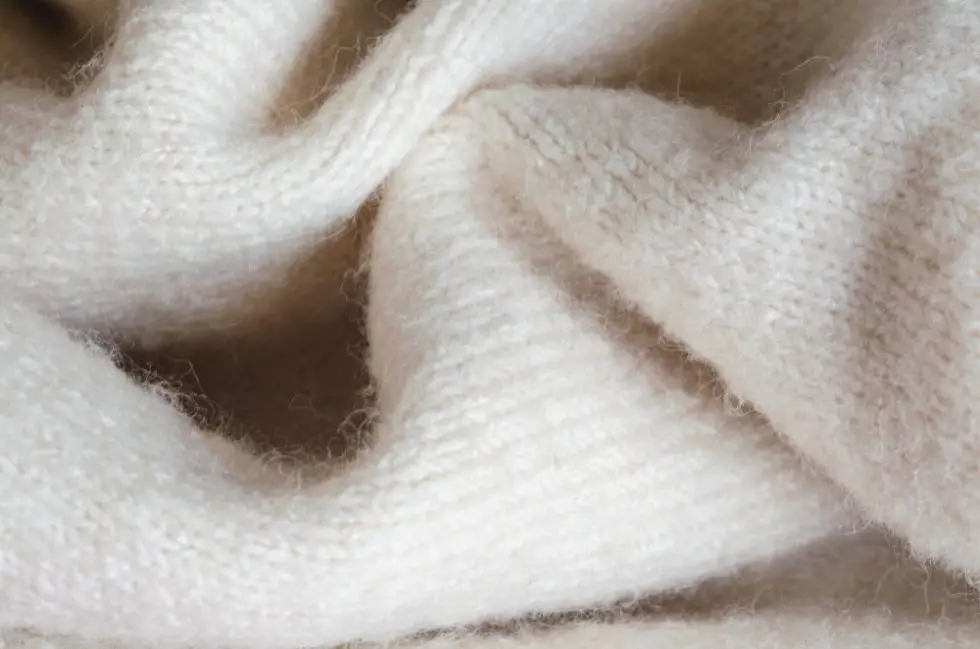
Natural wool fabric showing softness and fine fiber structure
Wool fabric has been keeping humans warm for over 10,000 years, yet it’s more relevant today than ever before. While our ancestors relied on wool simply because it was available, modern consumers choose wool for its unique combination of performance, sustainability, and luxury.
What makes wool so special? Unlike cotton and other plant-based fibers, wool is a protein fiber with a complex structure that gives it almost magical properties. It keeps you warm in winter and cool in summer. It repels water on the outside while absorbing moisture inside. It resists odors, flames, and wrinkles. And when you’re done with it, it simply biodegrades back into the earth.
The wool industry is worth over $47 billion globally and growing at about 3-4% annually, according to industry reports. This growth isn’t just about tradition. It’s about performance and sustainability meeting at exactly the right moment. As people become more aware of the environmental cost of synthetic fabrics and fast fashion, natural fibers like wool are experiencing a major comeback.
This guide covers everything you need to know about wool fabric. Whether you’re shopping for your first wool sweater, trying to care for a cashmere coat, comparing wool to other fabrics, or just curious about where wool comes from, you’ll find clear, practical answers here.
What Is Wool Fabric?
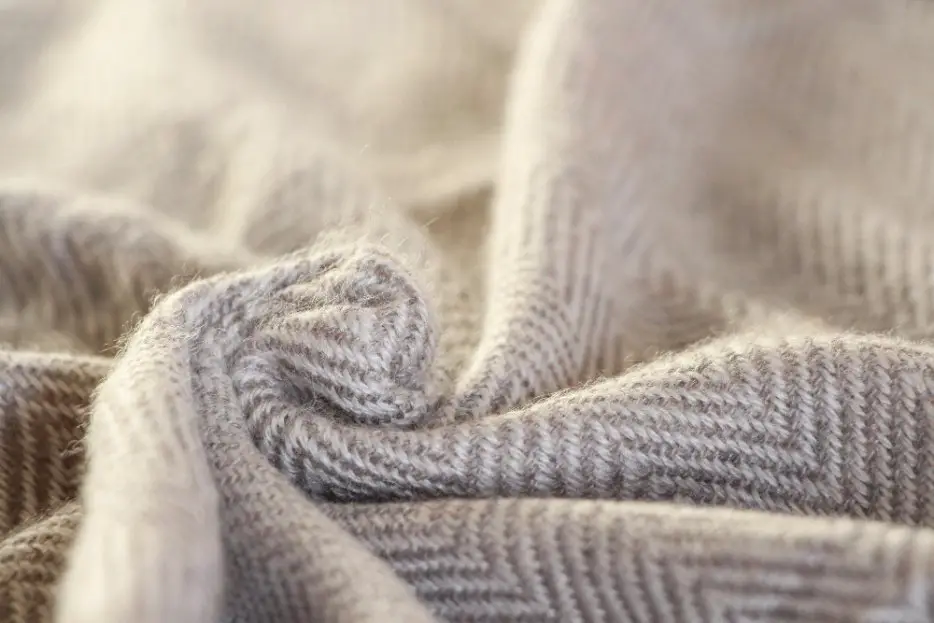
Wool fabric texture showing natural fibers and soft surface
Wool is a natural textile fiber that comes from the fleece of sheep and other animals. When people say “wool,” they usually mean sheep’s wool, but the term also applies to fibers from goats (cashmere, mohair), alpacas, llamas, camels, and rabbits (angora).
What is wool fabric called?
Wool fabric goes by many names depending on how it’s processed and what it’s used for. The general term is simply “wool” or “woolen fabric.” More specific terms include worsted wool (smooth, tightly woven), woolen cloth (soft, fuzzy texture), felt (matted wool), and boiled wool (fulled and shrunk for density). In different languages and regions, you might hear it called laine (French), lana (Spanish/Italian), or Wolle (German). The old English word for wool was “wull.”
The Science Behind Wool Fiber
What makes wool different from cotton or silk? It all comes down to chemistry and structure. Wool is made up of about 97% protein (mainly keratin, the same stuff in human hair and nails) and 3% fat. This protein composition is completely different from plant fibers like cotton, which are almost entirely cellulose.
Under a microscope, wool fibers look nothing like the smooth surface of synthetic fibers or even silk fabric. Each wool fiber is covered in tiny overlapping scales called cuticle cells. These scales are like roof shingles, and they’re responsible for some of wool’s most interesting properties.
The scales do several things. First, they help wool fibers grip each other, which is why you can spin wool into yarn without it falling apart. Second, they create the potential for felting (when wool fibers lock together permanently if agitated in water). Third, they allow moisture to penetrate the fiber while the waxy coating on the scales repels liquid water.
Inside the fiber, there’s a complex structure called the cortex. This is where wool gets its natural wave or “crimp.” The cortex has two types of cells that expand and contract differently when exposed to moisture, creating the crimp pattern. This crimp is what makes wool naturally springy and elastic. It also creates air pockets in wool fabric, which is why wool insulates so well.
The cortex can absorb up to 30% of the fiber’s weight in moisture without feeling wet. This is because wool has hygroscopic properties (it pulls water vapor from the air) while being hydrophobic on the surface (liquid water beads up on it). This unique combination means you can sweat in a wool garment, and instead of feeling damp and clammy like you would in cotton, the moisture gets absorbed into the fibers and slowly evaporates. According to The Woolmark Company, wool’s moisture management properties are superior to most other fibers.
Is wool a cotton fabric?
No, wool is not a cotton fabric, and the two are completely different. Cotton is a plant fiber made of cellulose that comes from cotton plant seed pods. Wool is an animal protein fiber from sheep and other animals. They have different properties, care requirements, and performance characteristics. Cotton vs synthetic fabrics is one comparison, but cotton vs wool is like comparing apples to oranges since they come from entirely different sources.
What are the three main types of wool?
The three main types of wool production are fine wool (like Merino, with fibers under 24 microns), medium wool (24-32 microns, used for general clothing), and coarse wool (over 32 microns, typically used for carpets and rugs). However, if you’re asking about the three most common wool types by animal source, those would be sheep’s wool (the most common), cashmere (from goats), and alpaca wool.
Types of Wool Fabric
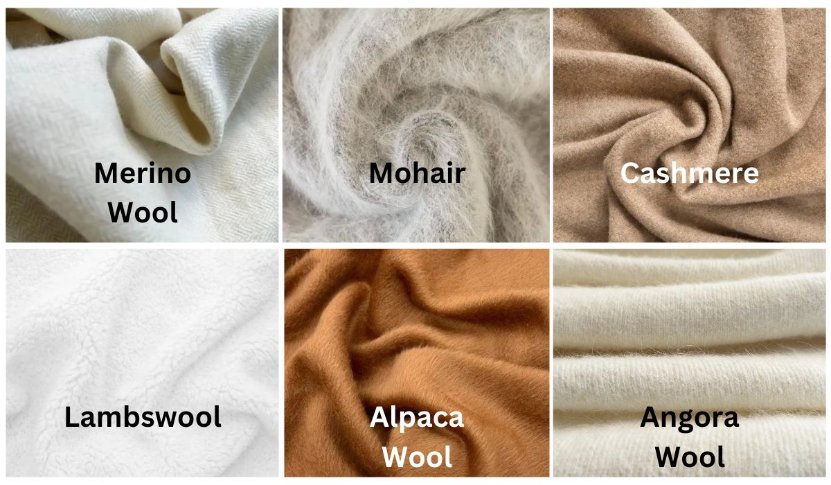
Different types of wool fabric showing texture and fiber variations
Not all wool is the same. The type of animal, the processing method, and the quality of the fiber all create different types of wool fabric with unique characteristics.
| Wool Type | Source | Micron Range | Key Features | Best Uses |
|---|---|---|---|---|
| Merino | Merino sheep | 14.5-23.5 | Ultra-soft, fine, non-itchy | Base layers, activewear, luxury clothing |
| Cashmere | Cashmere goats | 15-19 | Extremely soft and luxurious | Sweaters, scarves, luxury items |
| Mohair | Angora goats | 23-40 | Lustrous, silky, durable | Suits, upholstery, luxury textiles |
| Alpaca | Alpacas | 18-25 | Hypoallergenic, warmer than sheep’s wool | Outerwear, blankets, sweaters |
| Lambswool | Young sheep (first shearing) | 25-30 | Soft, smooth, elastic | Sweaters, blankets, baby clothes |
| Angora | Angora rabbits | 11-13 | Extremely soft, fluffy, lightweight | Luxury knitwear, blends |
Merino Wool: The Gold Standard
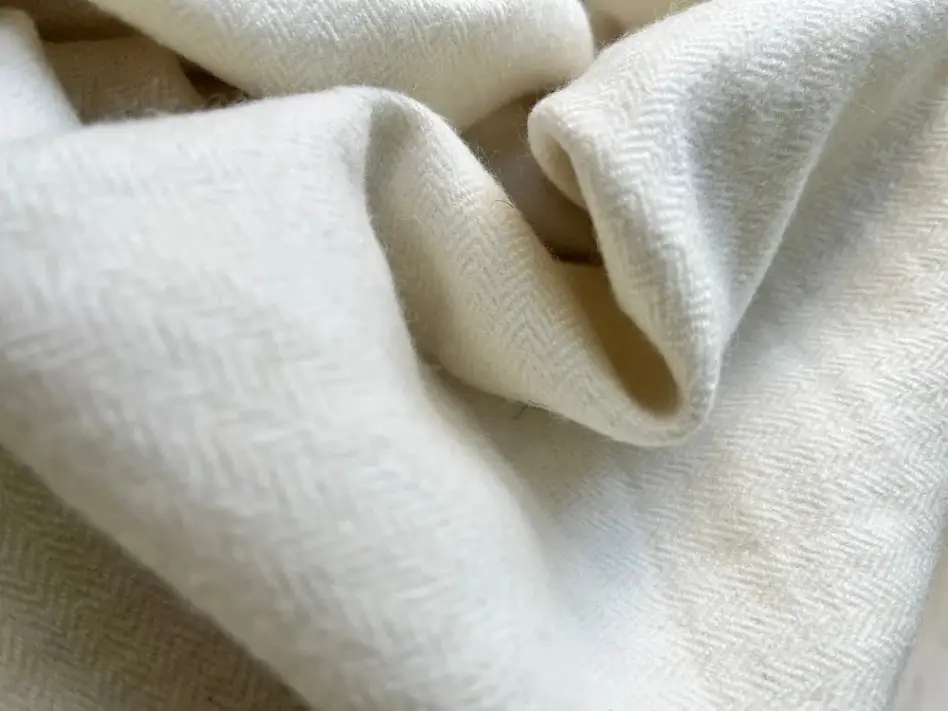
Merino wool fabric valued for softness and temperature regulation
Merino wool comes from Merino sheep, which originated in Spain but are now bred primarily in Australia and New Zealand. Australia produces about 80% of the world’s merino wool, making it the undisputed leader in fine wool production.
What makes merino wool so special? It’s all about fiber diameter. While regular wool fibers can be 30-40 microns thick (about the width of a human hair), merino wool fibers can be as fine as 11-12 microns. This extreme fineness means the fibers can bend easily, so they don’t prick or itch against your skin like coarser wool.
Not sure which wool type is right for you? Take our Wool Type Selector Quiz to find the perfect wool for your needs based on your climate, budget, and intended use.
What is soft wool called?
Soft wool is typically called fine wool, with merino wool being the most famous example. Within merino, the softest grade is ultrafine merino (under 17.5 microns). Other soft wools include cashmere and baby alpaca. The technical term for wool softness relates to its micron count; the lower the micron number, the softer and finer the wool feels.
Merino wool has become the fabric of choice for outdoor athletes and travelers because it performs so well. It regulates temperature better than synthetic fabrics, wicks moisture away from your body, resists odors naturally (you can wear merino shirts for days without washing), and stays comfortable in a wide range of temperatures. The global merino wool market continues to grow as consumers discover these benefits, according to market research.
The fashion industry also loves merino for luxury garments. High-end suits, soft sweaters, and next-to-skin base layers often use merino wool. When you see terms like “Super 100s” or “Super 150s” on suit fabric, that refers to the fineness of the merino wool (higher numbers mean finer, more luxurious fabric).
What is the name of high quality wool?
High-quality wool is often called fine wool, superfine wool, or specifically merino wool. In the fashion industry, you’ll see terms like “Super 100s,” “Super 120s,” up to “Super 250s” for worsted wool used in suits (higher numbers indicate finer fibers). Cashmere is considered the height of luxury for softness. The term “virgin wool” means new wool that hasn’t been recycled, which is generally higher quality than reclaimed wool.
Merino comes in different grades. Ultrafine merino (under 17.5 microns) is the softest and most expensive. Superfine merino (17.6-18.5 microns) is also very soft. Fine merino (18.6-19.5 microns) offers a good balance of softness and durability. Medium merino (19.6-22 microns) is still soft but more robust for items that get heavy wear.
Cashmere: Ultimate Luxury
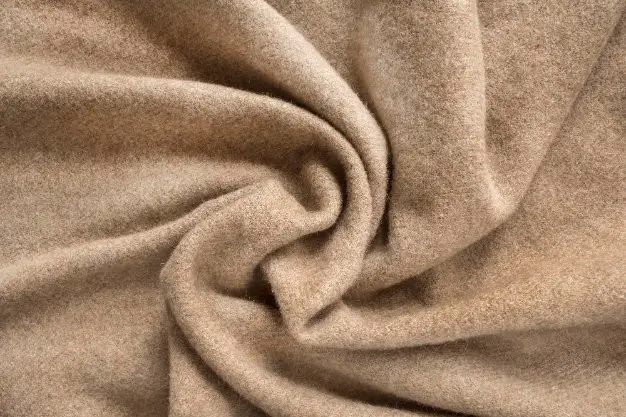
Premium cashmere fabric known for exceptional softness and warmth
Cashmere comes from the undercoat of cashmere goats, which are primarily raised in Mongolia, China, Iran, and Afghanistan. The goats grow a soft, downy undercoat to survive harsh winter conditions, and this is what becomes cashmere fabric.
Why is cashmere so expensive? Several reasons. First, you can’t shear cashmere like sheep’s wool. The soft undercoat has to be combed out by hand during the spring molting season. Second, each goat only produces about 150-200 grams of usable cashmere per year, enough for maybe one scarf. Third, the raw fiber has to be carefully separated from the coarser outer guard hairs.
What is the fancy type of wool?
The fanciest type of wool is cashmere, known for its incredible softness and luxury status. Vicuña (from wild South American relatives of llamas) is even more exclusive and expensive than cashmere but extremely rare. Qiviut (musk ox wool) is another ultra-luxury option. For more common fancy wools, look for superfine merino, baby alpaca, or high-grade mohair. Learn more about luxury wool care in our cashmere care guide.
Cashmere is incredibly soft, about three times warmer than sheep’s wool for the same weight, and has a luxurious drape that makes it perfect for elegant garments. The downside? It’s delicate. Cashmere is less durable than sheep’s wool and more prone to pilling (those little balls that form on the surface). It also requires careful washing and storage.
Quality matters a lot with cashmere. Cheap cashmere often comes from shorter fibers (less than 34mm long) and may be mixed with other materials. High-quality cashmere uses longer fibers (38mm or more), which pill less and last longer. The ply matters too. Two-ply cashmere (two strands twisted together) is more durable than single-ply.
Mohair: Lustrous and Strong
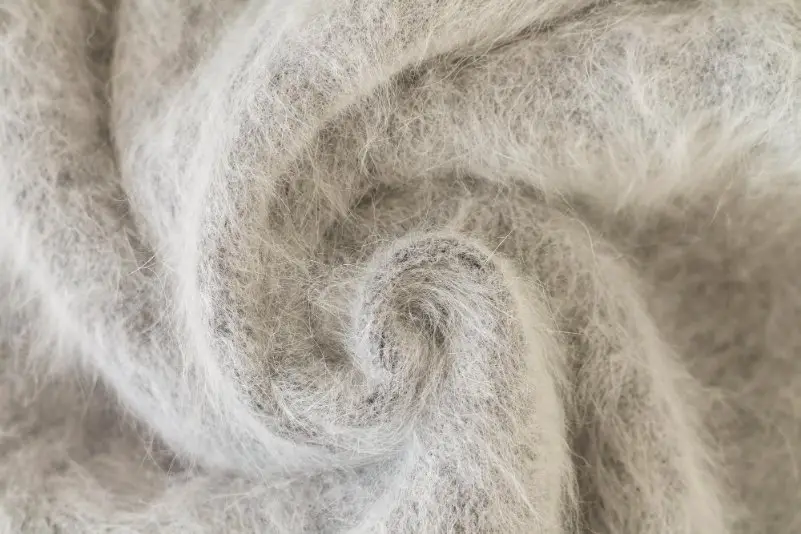
Mohair fabric displaying a fluffy surface and subtle shine
Mohair comes from Angora goats (not to be confused with Angora rabbits, which produce angora wool). South Africa and Texas are major producers. The name “mohair” comes from the Arabic word “mukhayyar,” which means “choice” or “select.”
What is fluffy wool called?
Fluffy wool is typically called angora (from Angora rabbits), which creates an extremely soft, fluffy, and lightweight fabric. Mohair can also appear fluffy and is sometimes called “fuzzy wool.” The fluffiness in wool fabric usually comes from fibers that have been brushed or from naturally airy fibers like angora. Regular sheep’s wool can also be made fluffy through a process called raising or napping, which pulls fibers to the surface.
Mohair has a natural luster that gives it a silky appearance. It’s surprisingly strong and durable, even though the fibers are relatively fine. Mohair dyes beautifully, taking color well and holding it without fading. It’s also naturally elastic, so mohair garments resist wrinkling and hold their shape.
Kid mohair (from young goats under 18 months) is the finest and softest. Adult mohair is coarser and often used for upholstery, rugs, and sturdy textiles. Mohair is often blended with sheep’s wool to add sheen and strength to the fabric.
Alpaca: Warmer and Hypoallergenic
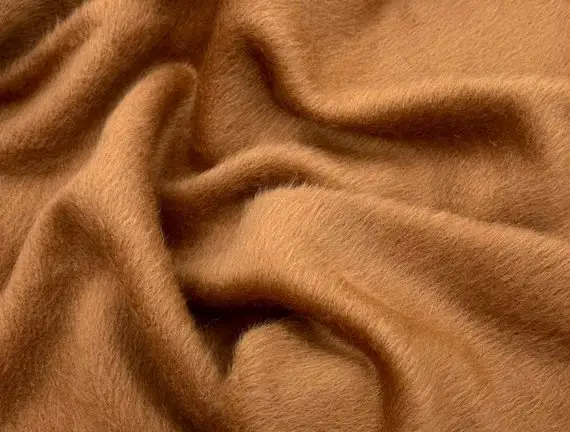
Alpaca wool fabric showcasing a naturally soft and luxurious surface
Alpaca fiber comes from alpacas, South American animals related to llamas. There are two types of alpacas: Huacaya (fluffy fleece) and Suri (silky, lustrous fleece). Peru is the largest producer of alpaca fiber.
Alpaca fiber is warmer than sheep’s wool because it’s hollow, which creates better insulation. It’s also naturally hypoallergenic because it doesn’t contain lanolin (the greasy substance in sheep’s wool that some people are allergic to). Alpaca fiber comes in over 20 natural colors, from white to black with many shades of brown, gray, and even reddish tones.
Baby alpaca (the first shearing of a young alpaca) is incredibly soft, around 22 microns or less. Despite the name, it doesn’t necessarily come from baby animals, it just refers to the finest grade of fiber. Royal alpaca and super baby alpaca are even finer grades used for luxury items.
The downside of alpaca fiber? It’s less elastic than sheep’s wool, so garments can stretch out over time if not cared for properly. Pure alpaca items should be laid flat to dry to maintain their shape.
Lambswool: Soft and Springy
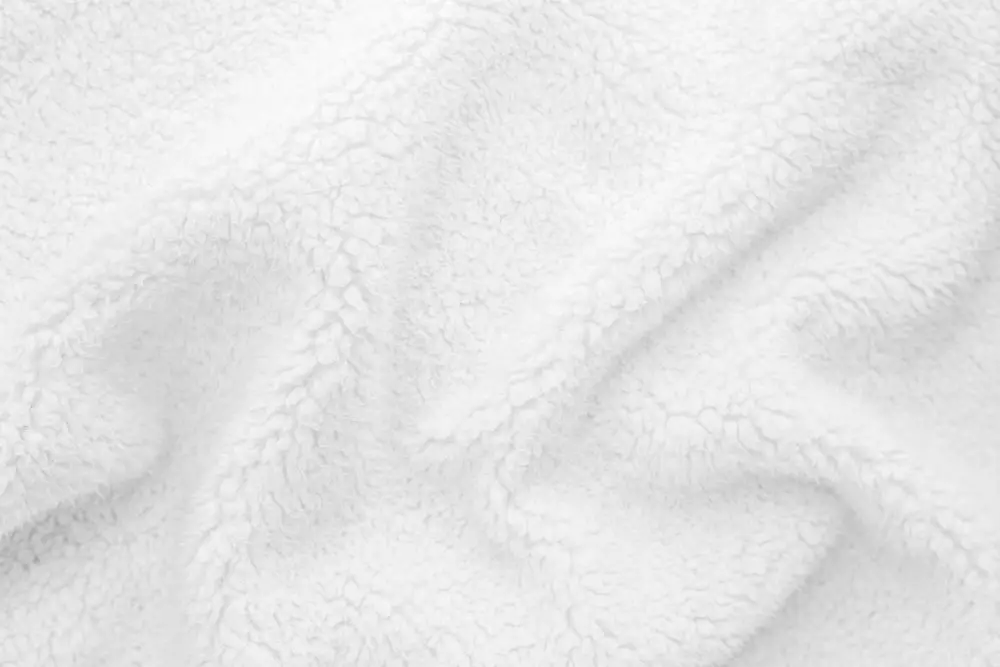
Lambswool fabric featuring a smooth and gentle surface
Lambswool comes from a sheep’s first shearing, usually when the lamb is around seven months old. Because it’s the first shearing, the fibers have never been cut, so the ends are naturally tapered and smooth rather than blunt.
This natural taper makes lambswool softer and less prickly than wool from adult sheep. Lambswool is more elastic and resilient than regular wool, bouncing back to its original shape better. It’s also generally finer than wool from subsequent shearings.
Lambswool sits in a good middle ground. It’s softer than regular wool but more durable and affordable than cashmere. It’s commonly used for quality sweaters, blankets, and soft clothing items where you want comfort without the luxury price tag.
Other Types of Wool
Angora Wool
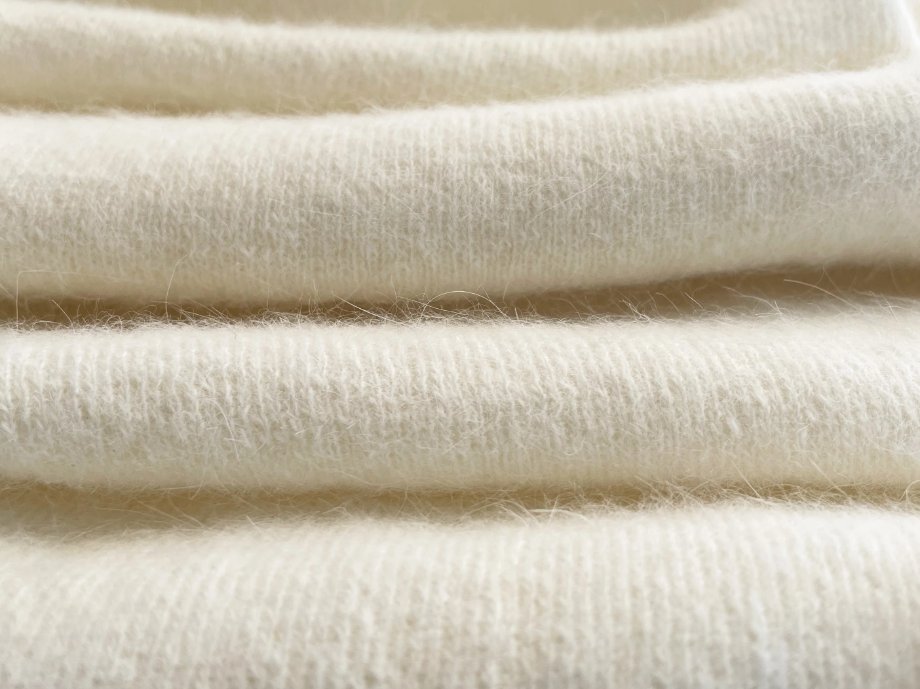
Close up view of angora wool fabric showing its soft and fluffy surface
Angora wool comes from Angora rabbits, not Angora goats (which produce mohair, confusingly). Angora rabbit fiber is incredibly soft, fluffy, and lightweight. It’s about eight times warmer than sheep’s wool by weight.
Angora is often blended with other fibers because it’s very fine and can shed. Pure angora garments are extremely soft but require careful handling. Concerns about animal welfare in angora production have led many companies to stop using it or to source only from ethical producers.
Camel Hair
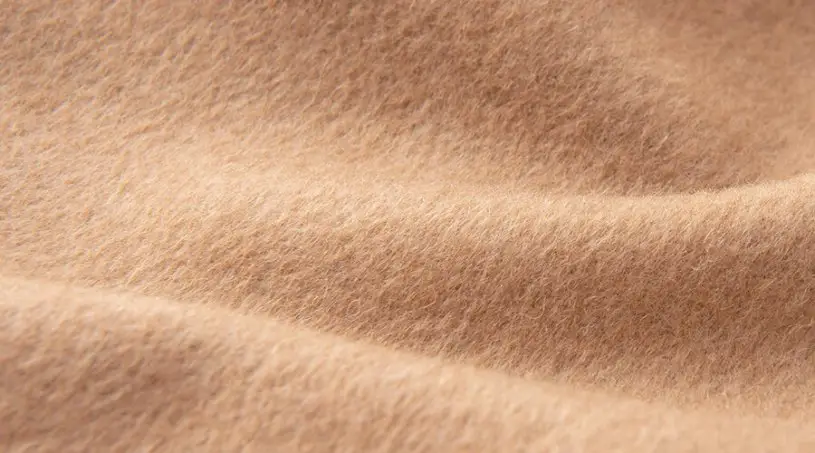
Camel hair fabric featuring a warm tone and refined texture
Camel hair comes from the soft undercoat of camels, primarily from Mongolia and China. It’s naturally golden-brown and very warm. Camel hair is often blended with wool to make it softer and more affordable.
Pure camel hair coats were once a status symbol. Today, camel hair is more commonly found in blends or used for high-end coats, jackets, and blankets.
Recycled Wool
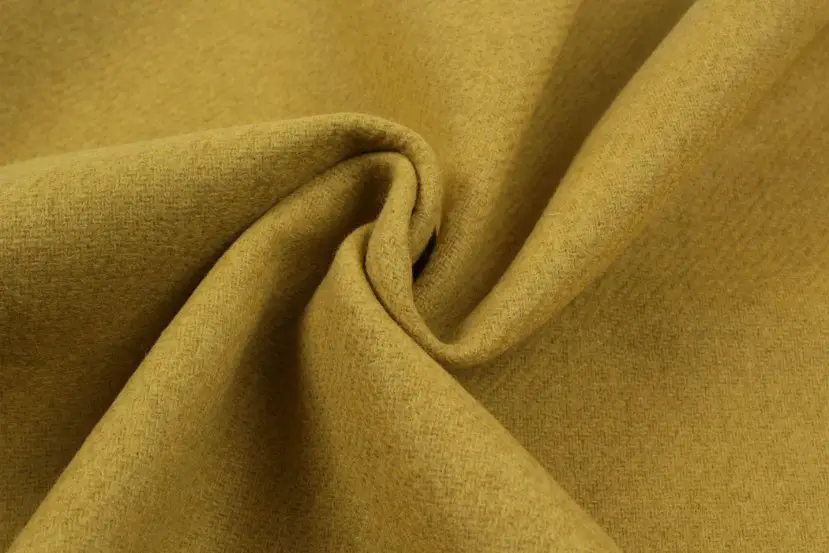
Eco friendly recycled wool fabric with a durable woven texture
Recycled wool (also called reclaimed wool or shoddy) is made from cutting or tearing apart existing wool fabric and respinning the fibers. This makes the fibers shorter, so recycled wool isn’t as strong as new (virgin) wool. However, it’s more sustainable and more affordable.
Recycled wool is often blended with virgin wool or other fibers to improve its strength. It’s commonly used in blankets, carpets, and lower-cost garments. The market for recycled wool is growing as sustainability becomes more important to consumers.
Which fabric is made from wool?
Many fabric types are made from wool. Common examples include tweed (a coarse woolen fabric with a rough texture), flannel (soft brushed wool, also made from cotton), gabardine (tightly woven worsted wool), jersey (knitted wool fabric), melton (thick, felted wool for coats), and felt (matted, non-woven wool). Worsted wool is smooth and used for suits, while woolen fabrics are fuzzier. Each fabric type has different weaves, finishes, and textures, but all start with wool fibers.
Wool Fabric Properties & Benefits
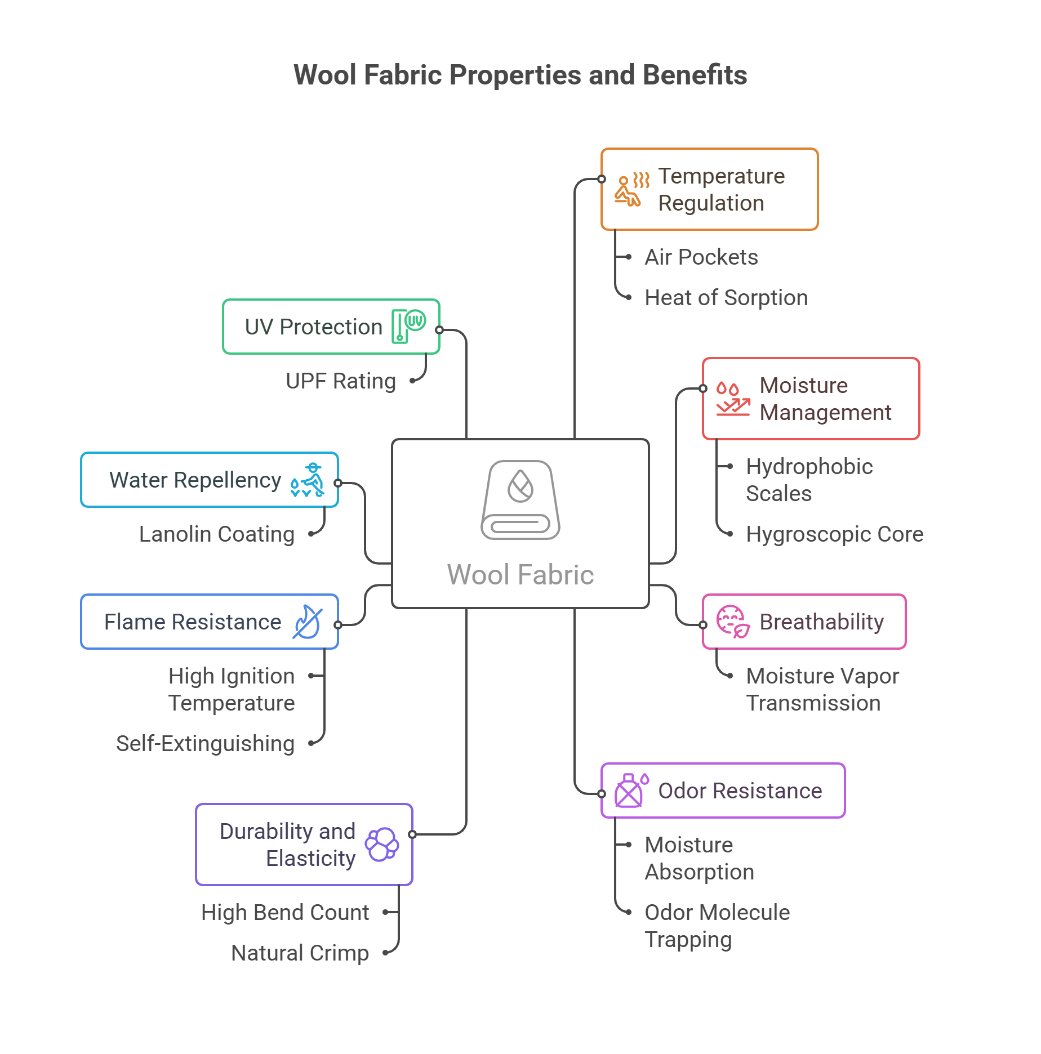
Visual overview of wool fabric properties and functional benefits
What makes wool so special? It’s not just one thing but a combination of natural properties that no synthetic fabric has been able to fully replicate.
Temperature Regulation: Keeps You Warm AND Cool
Wool is famous for keeping you warm, but it also keeps you cool. This seems impossible, but it’s true. The secret is in wool’s structure and its response to humidity.
The crimp in wool fibers creates millions of tiny air pockets. These air pockets trap body heat in cold conditions, creating insulation. But when you get hot and start sweating, wool absorbs moisture vapor into the fiber (up to 30% of its weight). When moisture absorbs into the fiber, it releases heat through a process called “heat of sorption.” This cooling effect is why wool can feel cool in warm weather.
Synthetic fabrics like polyester don’t absorb moisture, so sweat just sits on your skin, making you feel hot and sticky. Cotton absorbs moisture too, but it holds onto it, so you feel cold and damp. Wool absorbs moisture into the fiber core, away from your skin, and then gradually releases it to the air. This is why wool blankets keep you warm without making you sweat at night.
Moisture Management: Stays Dry Even When Wet
Wool can absorb up to 30% of its weight in moisture before it feels wet to the touch. This is much more than cotton (about 8%) or polyester (less than 1%).
Here’s what happens: The outer scales on wool fibers repel liquid water (hydrophobic), so rain or spills bead up on the surface. But moisture vapor can slip between these scales and be absorbed by the inner core of the fiber (hygroscopic). This means wool naturally wicks moisture away from your skin while resisting external water.
When wool does get fully soaked, it still retains about 80% of its insulating properties, unlike down or cotton, which lose most of their warmth when wet. This is why wool has been used for centuries by sailors and fishermen.
Breathability: Lets Your Skin Actually Breathe
Breathability is about more than just air passing through fabric. It’s about moisture vapor transmission. Wool moves moisture vapor away from your body to the outer surface where it can evaporate. This keeps you dry and comfortable during activity.
Synthetic fabrics often claim to be breathable, but they manage moisture differently. They try to wick moisture along the surface of the fiber to spread it out for faster evaporation. Wool actually absorbs moisture into the fiber, making it more effective at keeping you dry during sustained activity.
Natural Odor Resistance
One of wool’s most surprising properties is that it resists odors. You can wear a wool garment multiple times without washing, and it won’t smell bad, even after sweating in it. This is completely different from synthetic fabrics, which can start smelling after just one wear.
Why? The bacteria that cause body odor need moisture on your skin to thrive. Since wool pulls moisture away from your skin and into the fiber, there’s less bacterial growth. Additionally, wool’s protein structure absorbs and traps odor molecules inside the fiber, preventing them from escaping into the air. These odors are released when you wash the wool.
Many people who switch to merino wool base layers find they can wear them for 3-5 days of hiking or traveling without any smell developing. This makes wool perfect for travel and outdoor activities.
Durability and Elasticity
Wool fibers can be bent over 20,000 times without breaking. Compare that to cotton, which breaks after about 3,000 bends, or rayon, which breaks after just 75 bends. This makes wool incredibly durable for long-term use.
The natural crimp in wool fibers gives wool fabric elasticity. Wool can stretch up to 30% beyond its original length and still bounce back to shape. This is why wool garments don’t bag out at the knees and elbows like other fabrics do. The molecular structure inside the fiber acts like a tiny spring, always trying to return to its natural state.
This elasticity also means wool resists wrinkles naturally. The fibers spring back to their original position after being compressed. This is why you can pack a wool sweater in a suitcase, and it comes out looking presentable.
Flame Resistance
Wool is naturally flame resistant. It has a high ignition temperature (570-600°C compared to cotton at 255°C), burns slowly, and self-extinguishes when the flame is removed. When wool burns, it forms a char that insulates the material and prevents further burning.
This is why wool is used in upholstery for airplanes, trains, and hotels, and why it’s specified for firefighter undergarments and military uniforms. Unlike synthetic fabrics that can melt and stick to skin, wool won’t melt or drip when exposed to flame.
If you’re interested in flame-resistant properties, check out our guide on fire-resistant fabrics.
Natural Water Repellency
The lanolin coating on wool fibers makes wool naturally water-repellent (not waterproof). Light rain and snow will bead up and roll off wool fabric. This is why traditional wool coats can handle light rain without getting soaked immediately.
For more serious weather protection, wool can be treated with modern water-repellent finishes. Learn more about water-resistant fabrics and DWR coatings.
UV Protection
Wool provides natural UV protection, typically with a UPF (Ultraviolet Protection Factor) rating of 30-50, depending on the fabric’s weight and construction. This means it blocks about 97-98% of UV radiation.
Biodegradability and Sustainability
When wool reaches the end of its life, it breaks down naturally. In soil, wool decomposes in 3-4 months under the right conditions, releasing nitrogen, sulfur, and other nutrients back into the earth. This is completely different from synthetic fabrics like polyester, which can take 200+ years to decompose and release microplastics as they break down.
What is the synonym of wool?
Synonyms and related terms for wool include fleece (referring to the wool coat from an animal), yarn (when spun), woolen fabric (when woven), and specific terms like worsted. In historical or poetic contexts, you might see references to “the Golden Fleece.” Technical terms include natural fiber, animal fiber, or protein fiber when contrasting with plant-based or synthetic options.
Wool vs Other Fabrics
How does wool compare to other common fabrics? Let’s break it down.
Wool vs Cotton

Wool fabric compared with cotton fabric for texture and structure
Wool and cotton have been competing for thousands of years. Both are natural fibers, but they behave very differently.
Wool Advantages Over Cotton
- Much warmer for the same weight
- Better moisture management (absorbs more without feeling wet)
- Odor resistant (cotton holds odors)
- Maintains insulation when wet
- Natural elastic recovery (less wrinkling)
- Better durability (stronger fiber)
- Flame resistant
Cotton Advantages Over Wool
- More breathable in hot, humid conditions
- Machine washable without special care
- Less expensive
- Doesn’t itch (even low-quality cotton)
- Can handle higher washing temperatures
- No felting concerns
Bottom line: Wool wins for cold weather, outdoor activities, and multi-day wear. Cotton wins for hot weather and everyday casual wear. Many people use both depending on the situation. Learn more in our cotton care guide.
Wool vs Polyester and Synthetics

Wool fabric compared with polyester and synthetic fabric
Polyester and other synthetic fabrics were developed to mimic and improve upon natural fibers. They succeeded in some ways but not others.
Is wool healthier than cotton?
Wool has some health benefits over cotton. It naturally resists dust mites and mold better than cotton, which can be better for people with allergies. Wool’s moisture-wicking properties keep your skin drier, reducing the risk of bacterial growth. It’s also less likely to cause overheating at night. However, some people find wool irritating to sensitive skin, while cotton is universally tolerable. For babies and young children, natural fabrics are often preferred for everyday wear due to gentleness.
| Property | Wool | Polyester |
|---|---|---|
| Moisture absorption | 30% (feels dry) | <1% (sweat stays on skin) |
| Odor resistance | Excellent | Poor (holds odors) |
| Breathability | Excellent | Limited |
| Temperature regulation | Adapts to conditions | Limited adaptation |
| Durability | Very durable | Very durable |
| Wrinkle resistance | Good | Excellent |
| Care | Requires gentle care | Easy, machine wash |
| Environmental impact | Biodegradable | Petroleum-based, sheds microplastics |
| Cost | Expensive | Inexpensive |
The biggest difference is sustainability. Wool biodegrades naturally, while polyester is made from petroleum and sheds microplastics every time it’s washed. Studies on microplastic pollution from synthetic textiles, including research published by Nature, have highlighted this growing environmental concern. However, synthetic fabrics are easier to care for and less expensive, which is why they dominate the market.
Wool vs Silk
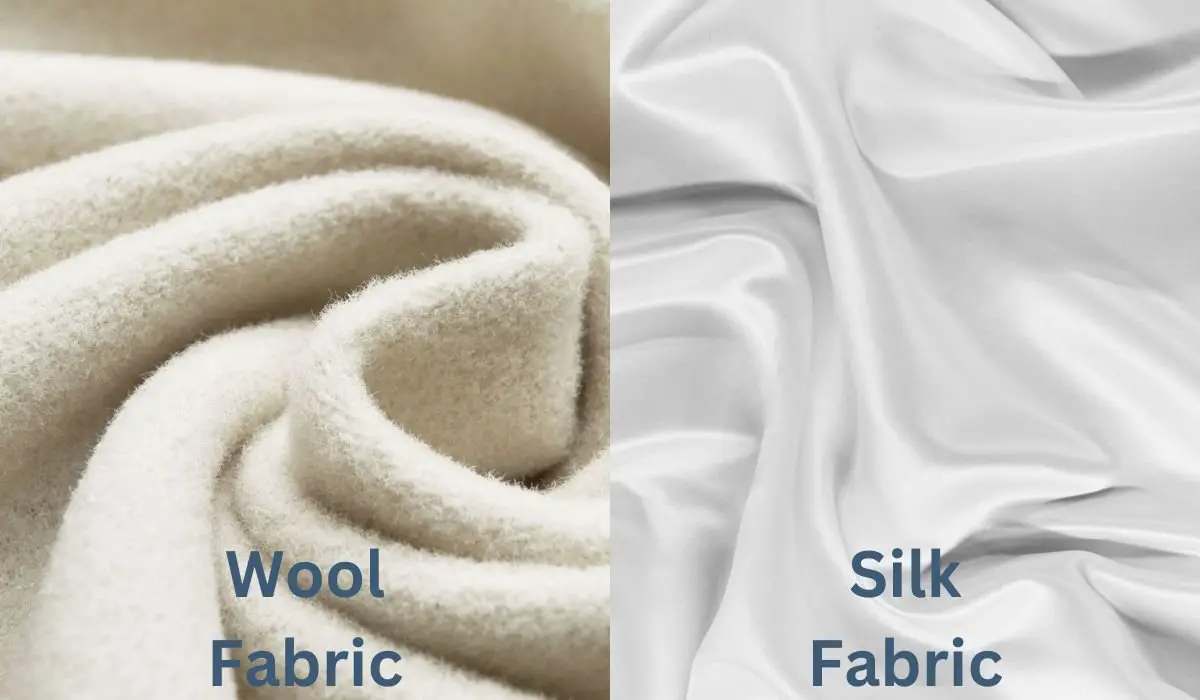
Visual comparison between wool fabric and silk fabric
Silk and wool are both protein fibers, but they behave very differently. Silk comes from silkworm cocoons and is known for its smooth, luxurious feel and beautiful drape.
Wool is much warmer than silk (nearly three times warmer for the same weight). Wool is also more durable and elastic, while silk is delicate and can lose strength when wet. Silk has a cooler feel against the skin and better drape for flowing garments. Silk is typically more expensive than most wool (though cashmere can cost more than silk).
For warmth and durability, choose wool. For elegance and drape, choose silk.
What fabric is closest to wool?
Alpaca fiber is the closest natural fabric to wool in structure and properties, being another animal protein fiber with similar warmth and moisture-wicking abilities. Among synthetics, acrylic is specifically designed to imitate wool’s look, feel, and insulating properties, though it doesn’t match wool’s moisture management or odor resistance. Fleece fabric (usually polyester) imitates wool’s warmth but lacks its breathability and natural properties. For more on fleece alternatives, check our fleece guide.
Sustainability & Environmental Impact
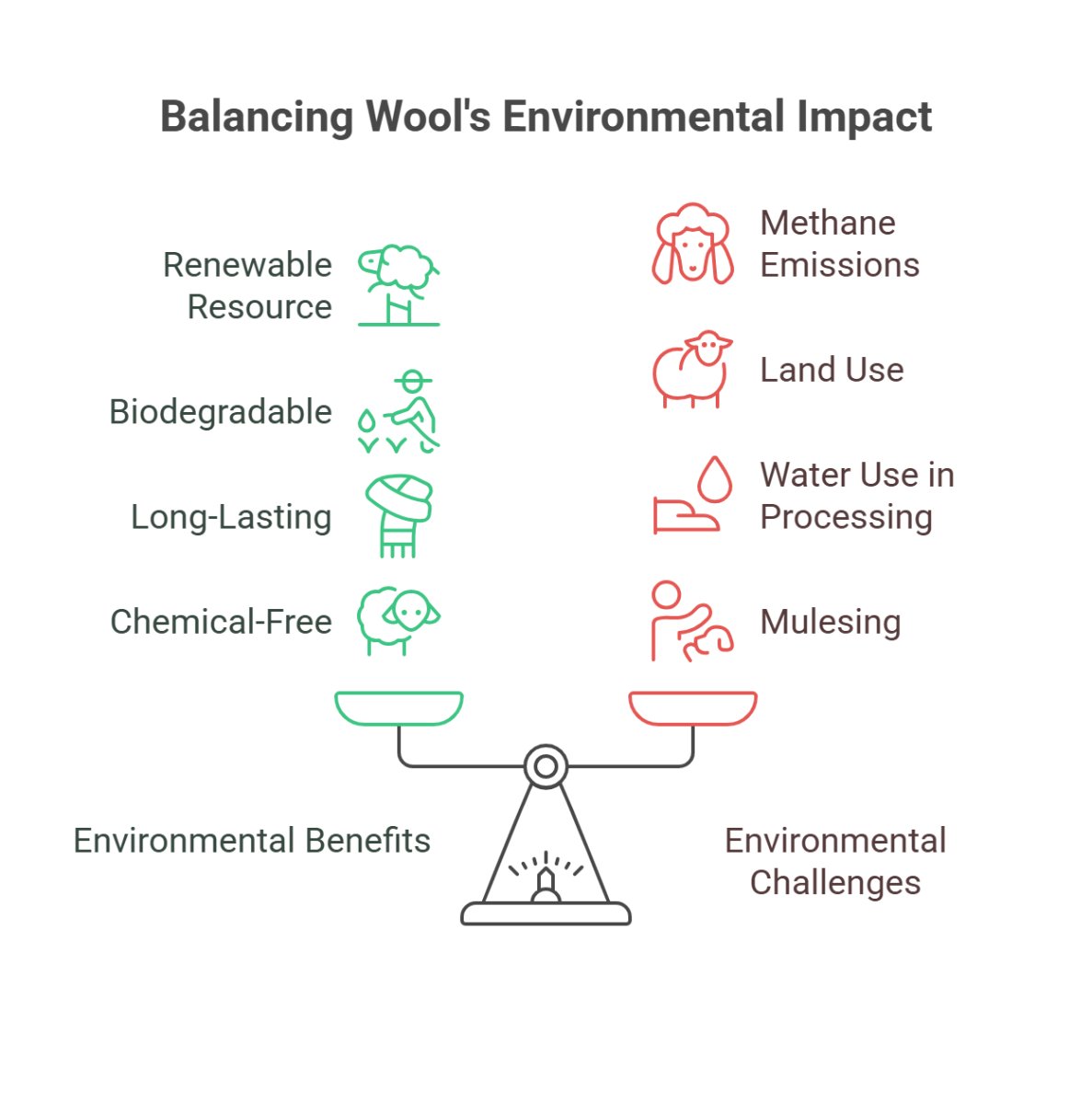
Visual comparison of wool environmental benefits and environmental challenges
Is wool sustainable? The answer is nuanced. Wool has many environmental advantages but also some challenges that need to be addressed.
The Environmental Benefits of Wool
Renewable Resource
Sheep grow a new fleece every year. As long as sheep are well cared for, wool production is renewable. This is completely different from petroleum-based synthetics or even cotton, which requires replanting each year.
Biodegradable
Wool breaks down naturally. In soil, wool decomposes in 3-4 months to a few years, releasing nutrients like nitrogen, sulfur, and magnesium back into the earth. Compare this to polyester, which takes 200+ years and releases microplastics as it degrades.
Long-Lasting
A well-made wool garment can last decades with proper care. This longevity reduces the need for frequent replacement, which is better for the environment than fast fashion. Learn more about fast fashion vs slow fashion.
Natural and Chemical-Free (When Done Right)
Wool grows naturally without the need for pesticides or fertilizers (unlike cotton cultivation). The sheep graze on grass, requiring minimal chemical inputs.
Carbon Sequestration
Grasslands where sheep graze can act as carbon sinks, storing carbon in the soil. Well-managed grazing can actually improve soil health and biodiversity.
Environmental Challenges
Methane Emissions
Sheep produce methane, a greenhouse gas, through their digestive process (enteric fermentation). This is a significant environmental concern. However, the impact varies greatly depending on farming practices, feed, and land management. Research is ongoing into feed supplements that can reduce methane production.
Land Use
Sheep farming requires large areas of land for grazing. If not managed properly, overgrazing can lead to soil degradation, erosion, and loss of native vegetation. However, well-managed grazing can actually improve grassland ecosystems.
Water Use in Processing
Processing wool (scouring, dyeing, finishing) requires water and can produce polluted wastewater if not treated properly. Modern wool processors are working to reduce water use and implement better wastewater treatment.
Mulesing
Mulesing is a controversial practice in Australia where skin is removed from around a sheep’s tail to prevent flystrike (a parasitic infection). This is done without anesthetic and is painful for the sheep. Many brands and consumers are demanding non-mulesed wool, and some countries have banned the practice. Australia is working on alternatives, including selective breeding and better management practices.
Certifications for Sustainable Wool
If you want to buy ethical, sustainable wool, look for these certifications:
- Responsible Wool Standard (RWS): Ensures animal welfare and land management practices. Bans mulesing. Learn more at Textile Exchange.
- Global Organic Textile Standard (GOTS): Certifies organic wool production with strict environmental and social criteria.
- Woolmark: Quality certification from The Woolmark Company, which also promotes sustainable practices.
- ZQ Merino: New Zealand certification focusing on animal welfare, environmental care, and fiber quality.
Recycled Wool
The recycled wool market is growing as part of the circular economy movement. Recycled wool takes existing wool textiles, breaks them down, and respins the fibers. While recycled wool isn’t as strong as virgin wool (the fibers are shorter), it’s more sustainable and reduces waste.
Some brands are creating beautiful products from recycled wool blends, giving old sweaters and blankets new life. Look for GRS (Global Recycled Standard) certification for verified recycled content.
How Wool Fabric Is Made
From sheep to sweater: here’s how wool fabric is produced.
Step 1: Shearing
Sheep are typically sheared once a year, usually in spring before the weather gets hot. Professional shearers can shear a sheep in 2-3 minutes without harming the animal. A single sheep produces 5-15 pounds of raw fleece, depending on the breed. The USDA provides guidelines and standards for wool production in the United States.
The fleece comes off in one piece (called a “blanket”). Shearers try to keep it intact because it makes sorting easier later.
Step 2: Sorting and Grading
Not all wool from a single sheep is the same quality. The finest wool comes from the shoulders and sides. Coarser wool comes from the legs and belly. After shearing, the fleece is sorted into different grades based on fiber diameter, length, strength, and color.
This sorting determines what the wool will be used for. The finest fibers become luxury clothing. Medium-grade fibers become everyday clothing. Coarser fibers become carpets and industrial products.
Step 3: Scouring (Cleaning)
Raw wool is full of grease (lanolin), dirt, sweat, and vegetable matter. Scouring is a washing process that removes these impurities. Traditional scouring uses hot water and detergent. Modern facilities recycle the water and recover the lanolin, which is used in cosmetics and skincare products.
After scouring, the wool is clean and fluffy but still needs more processing.
Step 4: Carbonizing (Optional)
If the wool contains a lot of vegetable matter (burrs, seeds, plant material), it goes through carbonizing. The wool is treated with sulfuric acid, which dissolves the plant material without damaging the wool fibers. This is optional and only used when necessary.
Step 5: Carding
Carding straightens and aligns the wool fibers. The wool passes through machines with fine wire teeth that brush the fibers in the same direction. This also removes any remaining short fibers and impurities. The result is a thin web of aligned fibers called a “sliver.”
Step 6: Spinning
Spinning twists the fibers together into yarn. There are two main systems:
Woolen Spinning
Uses shorter fibers and creates a fuzzy, airy yarn with lots of trapped air. Woolen yarns make soft, warm, insulating fabrics like flannel and tweed.
Worsted Spinning
Uses longer fibers that are combed to remove all short fibers and further align the remaining long fibers. The result is a smooth, fine, strong yarn. Worsted yarns make smooth, durable fabrics like gabardine and high-quality suit fabric.
Step 7: Weaving or Knitting
The yarn is now ready to become fabric. It can be woven on looms (for stable, structured fabrics like suit fabric and coat fabric) or knitted (for stretchy, comfortable fabrics like sweaters and base layers).
Step 8: Finishing
Finishing treatments give the fabric its final properties. Common finishing processes include:
- Fulling: Controlled felting that makes fabric denser and warmer
- Crabbing: Steam treatment that sets the fabric permanently
- Decating: Heat treatment that improves luster and sets the fabric
- Pressing: Gives the fabric a smooth finish
- Raising/Napping: Brushing to create a soft, fuzzy surface
- Superwash Treatment: Chemical or enzymatic treatment that prevents felting (makes wool machine washable)
Complete Wool Care Guide
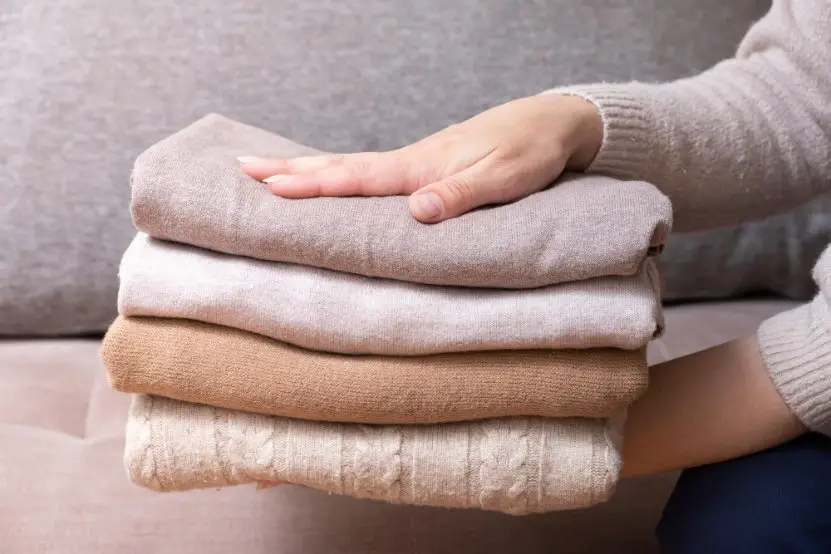
Neatly folded wool clothing demonstrating correct storage and care
Proper care makes wool last for decades. Here’s everything you need to know about caring for wool fabric.
General Rule: Wool doesn’t need frequent washing. Air it out between wears instead. Most wool garments only need washing 2-4 times per season unless they get obviously dirty or stained.
Quick Tools: Use our Wool Care Calculator for personalized washing instructions, check the Wool Washing Temperature Guide for safe temperatures, and access our Wool Stain Treatment Guide for emergency stain removal.
For a quick reference, check out our complete wool care guide.
How to Wash Wool
Can 100% wool go in the washing machine?
Some 100% wool can go in the washing machine if it’s labeled “machine washable” or “superwash.” This wool has been treated to prevent felting. However, most regular wool should not go in a standard machine wash cycle. Always check the care label first. If the label says “hand wash only” or “dry clean only,” follow those instructions. Machine washing untreated wool can cause shrinking, felting, and damage.
Hand Washing Wool (Recommended for Most Wool)

Video: How to hand wash wool sweaters without shrinking or damage
- Fill a basin with cool or lukewarm water: Never use hot water. Hot water causes wool to shrink and felt. The ideal temperature is 30°C (86°F) or cooler.
- Add wool-specific detergent: Use a gentle detergent designed for wool or delicate fabrics. Regular detergents contain enzymes that can damage wool’s protein structure. Avoid fabric softener completely (it coats the fibers and ruins wool’s natural properties).
- Submerge and gently swish: Turn the garment inside out and gently press it into the water. Swish it gently for 3-5 minutes. Don’t rub, twist, or agitate vigorously, as this causes felting.
- Rinse thoroughly: Drain the soapy water and refill with clean cool water. Gently press the water through the fabric to remove all detergent. Repeat until the water runs clear. You may need 2-3 rinses.
- Remove excess water gently: Never wring wool. Instead, gently press the water out, then roll the garment in a clean towel and press to absorb more water.
Why can’t you wash wool in the washing machine?
Regular washing machines agitate clothes vigorously, which causes the microscopic scales on wool fibers to hook together and tangle (felting). This makes wool shrink, become stiff, and lose its shape. Hot water accelerates this process. The combination of heat, moisture, and agitation is exactly what causes wool to felt. However, machine-washable wool has been treated to smooth or remove these scales, making it safe for gentle machine cycles.
Machine Washing Wool (Only If Labeled Safe)
If your wool is labeled machine washable:
- Turn garments inside out: This protects the outer surface from pilling.
- Use a mesh laundry bag: This provides extra protection from friction.
- Select the wool or delicate cycle: Use cold water only. This cycle uses gentle agitation and slower spin speeds.
- Use wool detergent: Add the proper amount of wool-safe detergent. No bleach, no fabric softener.
- Don’t overload the machine: Give the wool items room to move gently.
Warning: Even machine-washable wool should never go in the dryer unless specifically stated on the label. The heat will cause shrinking.
Use our wool washing calculator to get personalized washing instructions for your specific wool type.
Does 100% wool shrink when washed?
Yes, 100% wool will shrink if washed incorrectly. Heat and agitation cause wool fibers to lock together (felting), which shrinks the fabric. Cold water and gentle handling prevent this. Once wool has shrunk from felting, you usually can’t reverse it. That’s why it’s so important to wash wool properly the first time. Machine-washable or superwash-treated wool is less likely to shrink because it’s been processed to prevent felting.
Does wool need to be washed often?
No, wool doesn’t need frequent washing. Thanks to its natural odor resistance and dirt-repelling properties, wool stays fresh much longer than cotton or synthetics. Most wool sweaters only need washing 2-4 times per season. Wool base layers (worn against skin during activity) might need washing after 3-5 wears. Air your wool garments after each wear to refresh them.
How to wash wool so it’s not itchy?
Itchiness usually comes from coarse wool fibers, not from how it’s washed. However, you can make wool softer by using a gentle wool wash with lanolin, adding a small amount of hair conditioner to the rinse water (not fabric softener), making sure all detergent is completely rinsed out, and avoiding over-drying (keeping wool slightly damp makes it softer). If wool is still itchy, it might just be too coarse for your skin, try finer grades like merino instead.
How to Dry Wool
Can I put wool in the dryer?
No, you should never put wool in a dryer unless the care label specifically says it’s safe (which is rare). Heat from the dryer causes wool to shrink dramatically and felt. Even low heat settings can damage wool. Always air dry wool flat to maintain its shape and prevent damage.
- Remove excess water: After washing, gently press or roll the garment in a towel to remove as much water as possible.
- Reshape the garment: While damp, gently pull the garment back to its original shape and dimensions. This is important for preventing stretching.
- Lay flat to dry: Place the garment flat on a clean, dry towel on a flat surface. Don’t hang wool while wet (it will stretch from the weight of the water). Keep it away from direct sunlight and heat sources.
- Flip halfway through: After a few hours, flip the garment over and use a fresh dry towel underneath to speed drying.
- Allow plenty of time: Wool dries slowly, which is normal. It might take 24-48 hours to fully dry. Don’t rush it.
Is wool ruined if it gets wet?
No, wool is not ruined by getting wet. In fact, wool can handle moisture better than most fabrics. It retains about 80% of its insulating properties even when fully soaked. The concern with wool and water is the combination of heat, moisture, and agitation (which causes felting and shrinking). Simply getting wool wet (like in rain) won’t damage it. Just let it dry naturally, reshaped and laid flat.
Storing Wool
Proper storage prevents moth damage and keeps wool in good condition.
How to keep wool in good condition?
- Clean before storing: Moths are attracted to body oils and food stains. Always wash or dry clean wool before long-term storage.
- Fold, don’t hang: Heavy wool items (sweaters, blankets) should be folded. Hanging causes shoulder bumps and stretching. Lighter items like wool blazers can be hung on padded hangers.
- Use breathable storage: Store wool in cotton bags or breathable garment bags. Plastic bags trap moisture and can cause mildew.
- Add moth deterrents: Cedar blocks, lavender sachets, or moth repellent strips help prevent moth damage. Avoid mothballs (they smell terrible and the chemicals aren’t great to breathe).
- Store in a cool, dry place: Avoid damp basements or hot attics. A climate-controlled closet is ideal.
- Check periodically: Every few months, take wool items out, air them, and check for any signs of moth damage (small holes, larvae, or webbing).
Track your wool care schedule with our wool type identifier tool.
Ironing and Steaming Wool
How to get wrinkles out of wool fabric?
The best way to remove wrinkles from wool is steaming. Hang the garment and use a garment steamer, holding the steamer head a few inches from the fabric. Let the steam penetrate and gently smooth with your hand. If you don’t have a steamer, hang the wool garment in your bathroom while you take a hot shower; the steam will naturally relax wrinkles.
What temperature should wool be ironed at?
Wool should be ironed on a low to medium heat setting, typically labeled “wool” on your iron (usually around 150°C or 300°F). Never use high heat, as it can scorch wool or cause it to become shiny. Always use a pressing cloth (a thin cotton fabric) between the iron and the wool to prevent shine and protect the fibers.
Should you iron or steam wool?
Steaming is better for wool than ironing. Steam is gentler and less likely to damage or flatten the wool’s natural texture. Steaming also helps restore wool’s loft and softness. However, if you need sharp creases (like on wool trousers), careful ironing with a pressing cloth is necessary.
Can you iron wool on low heat?
Yes, you can iron wool on low to medium heat. Always use a pressing cloth and keep the iron moving. Don’t press too hard or leave the iron in one spot, as this can create shine or flatten the wool’s texture. If the wool is slightly damp, it will iron more easily.
Stain Treatment
For stains on wool, check out our guide on caring for different fabrics, or use the wool stain treatment guide for specific solutions.
General stain treatment rules for wool:
- Act fast: fresh stains are easier to remove
- Blot, don’t rub (rubbing pushes stains deeper and can felt the wool)
- Use cold water for protein-based stains (blood, milk, egg)
- Use lukewarm water for oil-based stains
- Avoid bleach completely (it destroys wool fibers)
- Test any cleaning solution on an inconspicuous area first
Sewing with Wool Fabric

Sewing wool fabric using a domestic sewing machine
Sewing with wool is different from sewing with cotton or synthetics. Here’s what you need to know.
Can you sew wool on a sewing machine?
Yes, you can sew wool on a regular sewing machine. Wool actually sews quite easily and is forgiving for beginners because it doesn’t ravel (fray) as quickly as other fabrics. Just make sure to use the right needle, thread, and settings for the weight of your wool fabric.
Is it easy to sew with wool?
Wool is actually one of the easier fabrics to sew. It’s forgiving: small mistakes are less visible in wool’s texture, it doesn’t slip around as much as silk or satin, it presses beautifully (holds creases well), and cut edges don’t ravel as quickly as cotton, giving you more time to finish seams. However, wool does require some special considerations.
What sewing needle do you use for wool?
For most wool fabrics, use a universal needle or a sharp needle in size 80/12 or 90/14. For heavier wool (like coat fabric), use size 100/16 or 110/18. For very fine wool (like merino jersey), use size 70/10 or 75/11. The needle should penetrate the fabric easily without pushing it down into the throat plate.
What to use to sew wool?
Besides the right needle, you’ll need:
- Thread: Use all-purpose polyester thread or cotton-covered polyester. Match the thread weight to your fabric weight.
- Scissors or rotary cutter: Sharp scissors are essential. Wool’s texture can dull blades quickly.
- Pins: Use sharp, fine pins that won’t leave permanent holes.
- Pressing equipment: A good iron and ironing board are essential for wool sewing. A pressing cloth is also necessary.
- Seam finishing supplies: Consider bias tape, seam tape, or serger thread for finishing seams.
Do you need to wash wool before sewing?
It depends. Many sewers don’t pre-wash wool because it can shrink or become more difficult to work with. Instead, they steam-press or dry clean the wool before cutting. However, if you plan to machine wash the finished garment, you should pre-wash the fabric the same way to prevent shrinkage later. For dry-clean-only wool, skip pre-washing and just steam it to relax wrinkles before cutting.
How to prep wool for sewing?
- Check for shrinkage: If you’re planning to wash the finished garment, pre-shrink the fabric by washing it as you plan to wash the garment, or take it to be dry cleaned if that’s how you’ll care for it.
- Press the fabric: Use steam to remove wrinkles and relax the fabric. This makes cutting more accurate.
- Let it rest: Lay the fabric flat for 24 hours before cutting. This allows it to relax into its natural state.
- Check the nap: Many wools have a directional texture (nap). All pattern pieces should be cut in the same direction.
For more sewing basics, visit our beginner’s guide to sewing.
What stitch to use for wool?
For seams in wool, use a standard straight stitch with a slightly longer stitch length (2.5-3.5mm). Longer stitches prevent puckering and are easier to remove if you need to unpick seams. For stretch wool knits, use a narrow zigzag stitch or a stretch stitch to allow the seam to flex with the fabric.
What is the best stitch length for wool?
For most wool fabrics, use a stitch length of 2.5-3mm. For heavier wool (like coat fabric), go up to 3-3.5mm. For fine wool, 2.5mm works well. Test on a scrap piece first to ensure the stitches look balanced and don’t pucker the fabric.
Can you iron wool for sewing?
Yes, pressing wool is essential for good sewing results. Wool responds beautifully to steam and pressing. Always use a pressing cloth to protect the fabric from shine and iron marks. Press seams open as you sew for professional results. Don’t slide the iron; use a lift-and-press motion to avoid stretching the fabric.
How to stitch with wool for beginners?
If you’re new to sewing wool:
- Start with a simple project (like a scarf or simple skirt)
- Choose a stable, medium-weight wool (not too fine or too heavy)
- Use a new, sharp needle
- Test your stitch length on scraps before sewing your project
- Press as you go (this makes everything look better)
- Don’t stretch the fabric as you sew
- Finish seams to prevent raveling (serge, zigzag, or bind them)
Uses & Applications of Wool Fabric
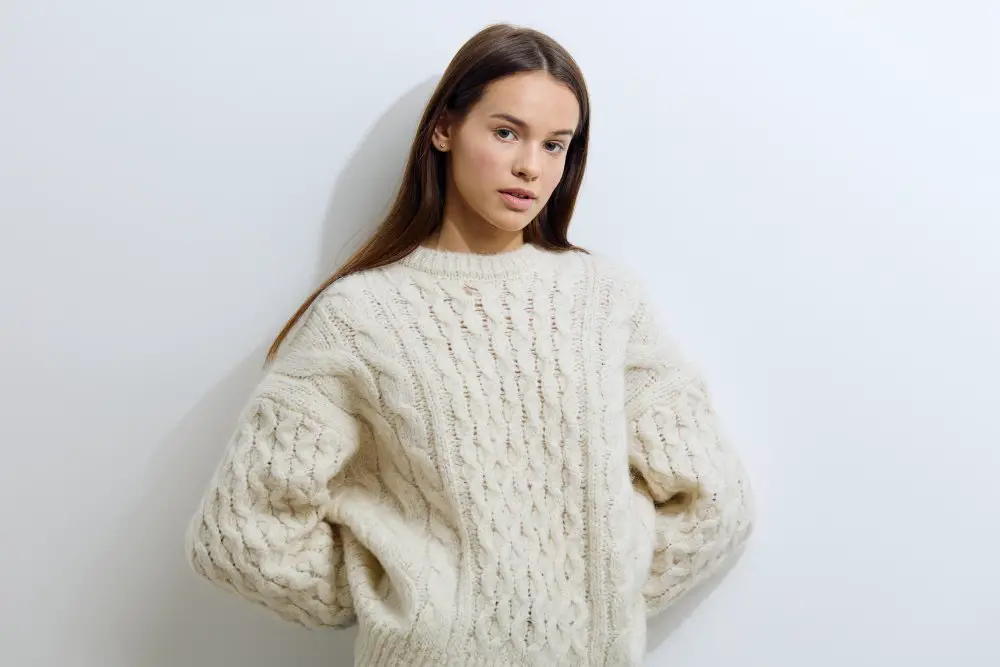
Wool sweater showcasing warmth, texture, and everyday wear
Wool’s unique properties make it useful for an incredibly wide range of products.
Fashion and Apparel
Suits and Tailoring
Wool has been the gold standard for men’s and women’s suits for centuries. Worsted wool creates a smooth, professional appearance with excellent drape. It holds creases beautifully (for sharp pleats and trouser creases) and resists wrinkles throughout the day. Quality suit fabric often uses merino wool graded from Super 100s to Super 250s (higher numbers mean finer, more luxurious fabric).
Outdoor and Activewear
Wool has made a huge comeback in outdoor and athletic clothing. Merino wool base layers are now standard gear for hikers, runners, climbers, and skiers. The natural odor resistance means you can wear them for days without washing. Temperature regulation keeps you comfortable across a wide range of conditions. Moisture-wicking properties prevent that cold, clammy feeling you get with cotton.
Sweaters and Knitwear
This is where most people encounter wool. From chunky cable-knit sweaters to fine merino cardigans, wool knitwear is a wardrobe staple. Different wool types create different effects: bulky wool for cozy winter sweaters, fine merino for lightweight layers, cashmere for luxurious softness, and lambswool for everyday comfort.
Coats and Outerwear
Wool coats are classic for good reason. Melton wool (heavily felted and dense) makes incredibly warm, wind-resistant pea coats. Tweed creates durable, weather-resistant jackets. Boiled wool (fulled and shrunk) makes warm, water-resistant coats popular in European alpine regions.
Accessories
Wool hats, scarves, gloves, and socks keep you warm without bulk. Wool socks are particularly popular because they insulate even when wet, resist odors, and cushion your feet naturally.
Home Textiles
Blankets and Throws
Wool blankets are prized for warmth without weight. A wool blanket can be much lighter than a comparably warm synthetic blanket. Wool also regulates temperature, so you don’t overheat under wool blankets like you might under heavy synthetic comforters.
Upholstery
Wool upholstery fabric is durable, naturally stain-resistant, and flame-retardant. It’s commonly used in high-end furniture, airplane seats, train seats, and theater seating. Wool upholstery can last decades with proper care.
Rugs and Carpets
Wool makes excellent rugs and carpets. It’s naturally resilient (bounces back after being compressed), soil-resistant (the scales repel dirt), and comfortable underfoot. Persian and oriental rugs are traditionally made from wool. Wool carpets are specified for luxury homes, hotels, and commercial spaces.
Technical and Industrial Applications
Insulation
Wool is increasingly used as building insulation. Wool insulation is natural, non-toxic, regulates humidity, improves air quality, and is naturally fire-resistant. It’s more expensive than fiberglass but has environmental and health benefits.
Fire-Resistant Products
Because wool is naturally flame-resistant, it’s used in applications where fire safety is critical: firefighter undergarments, military uniforms, aircraft interiors, and hospital textiles. For more on fire safety, read our guide to fire-resistant fabrics.
Filtration and Absorption
Wool’s ability to absorb moisture and oils makes it useful for oil spill cleanup, water filtration, and industrial absorption applications. It can absorb up to 30 times its weight in oil.
Buying Guide: How to Choose Quality Wool

Different types of wool fabrics arranged to help identify quality and texture
Not all wool is created equal. Here’s how to identify quality wool products.
Understanding Wool Quality Indicators
Micron Count
Micron count measures fiber diameter. Lower numbers mean softer, finer wool. For reference: Ultra-fine merino (under 17.5 microns) is extremely soft and luxurious. Fine wool (18-22 microns) is soft and comfortable. Medium wool (23-30 microns) is still pleasant but less soft. Coarse wool (over 30 microns) can feel scratchy and is used for carpets and rugs.
Fiber Length
Longer fibers make stronger, smoother fabric that pills less. Quality wool uses fibers at least 50mm long. Shorter fibers create weaker fabric that pills more easily.
Twist and Ply
In yarn, “ply” refers to how many strands are twisted together. Two-ply yarn (two strands twisted together) is stronger and more durable than single-ply. Three-ply is even stronger. Look for multi-ply construction in quality garments.
Is wool a cheap fabric?
No, wool is generally not a cheap fabric. Quality wool is more expensive than cotton and most synthetic fabrics. Merino wool costs more than regular wool, and cashmere is even pricier. The cost reflects the production process, animal husbandry, limited supply (one sheep produces only a limited amount per year), and processing requirements. However, wool’s durability means it can be cost-effective over time since garments last longer.
Reading Labels
Look for these terms on labels:
- 100% Virgin Wool: New wool that hasn’t been recycled or reused
- Pure New Wool: Similar to virgin wool
- Merino Wool: Specifies it’s from merino sheep (finer, softer)
- Lambswool: From a young sheep’s first shearing (soft)
- Recycled Wool: Made from reclaimed wool fibers (more sustainable but less strong)
- Superwash Wool: Treated to be machine washable
- Super 100s, 120s, etc.: Indicates fineness in worsted wool (higher = finer)
Price Ranges
Quality wool products typically cost:
- Wool sweater: $80-$400 depending on quality and brand
- Merino base layer: $60-$150
- Wool suit: $400-$2,000+ depending on fabric quality and tailoring
- Cashmere sweater: $200-$800+
- Wool blanket: $100-$500 depending on size and quality
Very cheap “wool” products (under $30 for a sweater) are often blends with mostly synthetic fibers or very low-quality wool. While not necessarily bad, they won’t have all the benefits of quality wool.
Look for Certifications
Reputable certifications include:
- Woolmark: Quality certification from The Woolmark Company
- RWS (Responsible Wool Standard): Animal welfare and sustainable land management
- GOTS (Global Organic Textile Standard): Organic production standards
- ZQ Merino: New Zealand certification for quality and sustainability
- IWTO: International Wool Textile Organisation sets global standards for wool testing and quality
Where to Buy Quality Wool
For clothing, look to brands known for quality woolens: outdoor brands (Smartwool, Icebreaker, Patagonia), luxury brands (Loro Piana, Brunello Cucinelli), heritage brands (Pendleton, Woolrich), and direct merino brands (Wool&Prince, Woolly). For fabric by the yard, specialty fabric stores and online retailers focusing on apparel fabric are your best bet.
The History of Wool Fabric

Historic wool fabrics layered to represent traditional textile craftsmanship
Wool has been keeping humans warm for over 10,000 years. Its history is intertwined with human civilization.
Ancient Origins
The relationship between humans and sheep began around 11,000-9,000 BCE when sheep were first domesticated in ancient Mesopotamia (modern-day Iraq and Iran). Early sheep didn’t produce wool like modern sheep. They had hairy coats that had to be pulled out by hand rather than sheared.
Through selective breeding over thousands of years, humans developed sheep with woolier coats. By 6000 BCE, sheep with true wooly coats appeared. By 3000 BCE, wool was a major textile in many civilizations.
Classical and Medieval Europe
Ancient Greece and Rome valued wool highly. The Romans wore wool togas and tunics. The wool trade was a major economic driver in the Roman Empire.
In medieval Europe, wool became even more important. England, in particular, built much of its wealth on wool production. English wool was so valuable that it was called “white gold.” The wool trade financed the construction of many great churches and funded English military campaigns.
The medieval wool industry led to innovations in spinning, weaving, and dyeing. Guilds of wool merchants, weavers, and dyers became powerful economic and political forces. Cities like Florence and Bruges built their prosperity on wool processing and trade.
Industrial Revolution
The industrial revolution transformed wool production. Inventions like the spinning jenny (1764), water frame (1769), and power loom (1785) mechanized processes that had been done by hand for thousands of years. This made wool fabric much more affordable and widely available.
Australia and New Zealand emerged as major wool producers in the 1800s. The development of refrigerated shipping allowed them to export meat along with wool, making sheep farming more profitable. Merino sheep, originally from Spain, were introduced to Australia and thrived in the climate.
20th Century Challenges
The 20th century brought challenges for wool. The development of synthetic fibers (nylon in 1935, polyester in the 1940s) offered cheaper alternatives. These synthetics were easier to care for, didn’t shrink, and were more affordable for most consumers.
Wool’s market share declined significantly from the 1960s through the 1990s as synthetics dominated. The wool industry had to innovate to stay relevant.
Modern Revival
In the 21st century, wool is experiencing a renaissance. Growing awareness of microplastic pollution from synthetic fabrics has made consumers reconsider natural fibers. The outdoor and athletic markets have embraced merino wool for its performance properties. Luxury fashion continues to prize fine wool for its quality and prestige.
Innovation continues. Machine-washable wool treatments, ultra-fine merino production, and blends combining wool with modern fibers have created new products and markets. The wool industry is also working on sustainability improvements, addressing animal welfare concerns, and reducing environmental impacts.
Why is wool no longer used?
This is a misconception! Wool is still widely used, though its market share decreased in the mid-20th century when synthetic fabrics became popular. Synthetics were cheaper and easier to care for. However, wool never went away and is actually growing in popularity again due to environmental concerns about plastics and renewed appreciation for wool’s performance properties. The global wool market is worth over $47 billion and growing steadily.
Frequently Asked Questions About Wool Fabric
Is wool 100% cotton?
No, wool is not cotton at all. Wool is an animal protein fiber that comes from sheep and other animals. Cotton is a plant fiber made of cellulose from cotton plants. They are completely different materials with different properties, care requirements, and characteristics. Some fabrics are wool-cotton blends (mixing both fibers), but pure wool contains no cotton.
How do you care for wool fabric?
Care for wool by washing gently in cool water with wool-specific detergent (hand washing is safest), never using hot water or the dryer, laying flat to dry after reshaping, storing folded in breathable bags with cedar or lavender to prevent moths, and airing out between wears instead of washing after every use. Most wool only needs washing 2-4 times per season. Always check the care label first. See our complete wool care guide for detailed instructions.
What is the best way to wash wool?
The best way is hand washing in cool water (30°C or less) with a gentle wool detergent. Submerge the garment and swish gently for 3-5 minutes without rubbing or twisting. Rinse thoroughly in cool water, press out excess water (don’t wring), roll in a towel to absorb more water, then lay flat to dry. For machine-washable wool, use the wool/delicate cycle with cold water and wool detergent.
Can you wash wool in cold water?
Yes, cold water is actually best for washing wool. Use cool to cold water (30°C/86°F or cooler) to prevent shrinking and felting. Hot water causes wool fibers to lock together permanently, which shrinks and damages the fabric. Always use cool water for both washing and rinsing wool.
What temperature kills wool?
Wool doesn’t exactly “die,” but high temperatures damage it. Water hotter than 30-40°C (86-104°F) can cause shrinking and felting. Dryer heat (typically 60-70°C or 140-160°F) will definitely shrink and damage wool. Iron temperatures above 200°C (400°F) can scorch wool. Always use cool water for washing and never put wool in a hot dryer.
Does wool shrink every time you wash it?
No, wool doesn’t shrink every time if you wash it correctly. Wool only shrinks when exposed to a combination of heat, moisture, and agitation. If you wash wool properly (cool water, gentle handling, no dryer), it won’t shrink. Once wool has been shrunk through felting, it usually won’t shrink much more. The first improper wash causes the most dramatic shrinking.
Can you reverse shrunken wool?
Sometimes, but not always. If wool has been slightly shrunk (not fully felted), you can try to stretch it back: soak it in cool water with hair conditioner for 30 minutes, gently stretch it back to size while wet, pin it to shape on a blocking board or towel, and let it air dry. This works best on lightly shrunk items. Severely felted wool can’t be reversed.
Why does wool smell after washing?
Wool shouldn’t smell after proper washing. If it does, possible causes include: not rinsing thoroughly (detergent residue smells), using too much detergent, not drying completely (damp wool can develop mildew smell), or the wool was already contaminated before washing. Make sure you rinse thoroughly, use less detergent, and allow complete drying in a well-ventilated area.
Can you use regular detergent on wool?
It’s not recommended. Regular laundry detergents often contain enzymes (like protease) designed to break down protein-based stains. Since wool is made of protein, these enzymes can damage wool fibers over time. Use a wool-specific detergent or a gentle detergent labeled safe for wool. Avoid detergents with bleach, enzymes, or fabric softener.
Is it better to dry clean or wash wool?
It depends on the garment and wool type. Dry cleaning is safest for structured items (suits, coats), items with linings or embellishments, or if you’re unsure about the wool type. Hand washing is better for simple knits (sweaters, scarves), activewear, and items labeled washable. Hand washing is gentler on the environment and less expensive. Check the care label first. Some wool should only be dry cleaned.
How often should you wash wool clothing?
Wool doesn’t need frequent washing. Most wool sweaters and outerwear only need washing 2-4 times per season. Wool base layers worn during activity might need washing after 3-5 wears. Air out wool garments between wears instead of washing. Only wash wool when it’s visibly dirty, stained, or starts to smell. Over-washing shortens wool’s lifespan.
What happens if you tumble dry wool?
Tumble drying wool causes dramatic shrinking and felting. The heat and tumbling action make the wool fibers lock together permanently. A wool sweater can shrink to half its original size or smaller in one dryer cycle. The damage is usually permanent and irreversible. Always air dry wool flat, even if it takes longer.
Can you steam wool to remove wrinkles?
Yes, steaming is excellent for wool. Use a garment steamer or hang the wool in a steamy bathroom. Steam relaxes wrinkles without the risk of shine or flattening that can occur with ironing. Steam also helps restore wool’s natural loft and softness. Hold the steamer a few inches from the fabric and let the steam do the work.
Does wool wrinkle easily?
No, wool actually resists wrinkles naturally. The elastic crimp in wool fibers helps fabric bounce back to its original shape. While wool can wrinkle if compressed for a long time (like in a suitcase), these wrinkles usually relax when the garment is hung or exposed to humidity. Wool wrinkles much less than linen or cotton.
How do you store wool for summer?
For summer storage: wash or dry clean all items first (moths are attracted to body oils and stains), fold items (don’t hang heavy knits), store in breathable cotton bags or garment bags (not plastic), add cedar blocks or lavender sachets for moth prevention, and keep in a cool, dry place away from direct sunlight. Check items once or twice during summer for any moth activity.
What eats holes in wool?
Clothes moths and carpet beetles eat wool. Actually, it’s their larvae (not the adult insects) that eat the wool fibers. They’re attracted to wool items that have body oils, food stains, or haven’t been cleaned. Prevention includes: cleaning items before storage, storing in sealed containers or breathable bags with cedar or lavender, and keeping storage areas clean and well-ventilated.
Can moth holes in wool be repaired?
Yes, small moth holes can be repaired through darning (weaving thread through the hole to rebuild the fabric), needle felting (using a special needle to mesh wool fibers together), or invisible mending (professional repair technique). For larger holes or valuable garments, professional invisible mending is worth the cost. Small holes are easier to repair if you catch them early.
Why does wool pill?
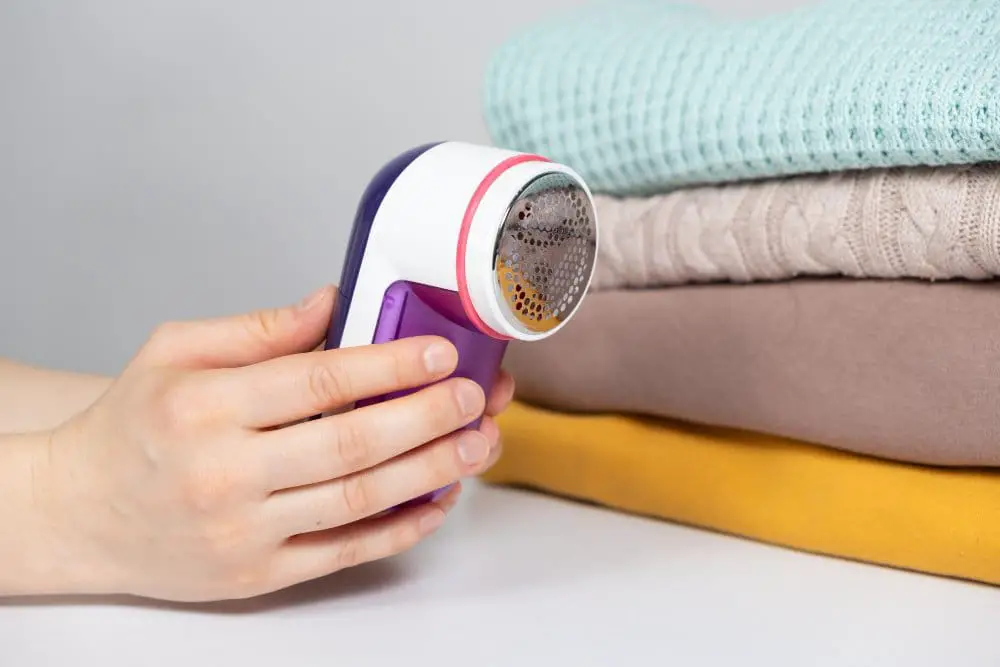
Pilling (those little balls on the surface) happens when short fibers work their way to the surface and tangle together from friction. Higher-quality wool with longer fibers pills less. Normal wear and washing cause some pilling in all wool. You can remove pills with a fabric shaver, sweater comb, or sweater stone. Pilling doesn’t mean the wool is damaged; it’s a natural process.
Is merino wool itchy?
No, merino wool is not itchy. The fine diameter of merino fibers (typically under 24 microns) makes them soft and flexible, so they don’t prick your skin like coarser wool. Many people who find regular wool itchy have no problem with merino. Ultrafine merino (under 17.5 microns) is even softer and feels silky against skin.
Can you be allergic to wool?
True wool allergy is rare. Most people who think they’re allergic to wool are actually sensitive to lanolin (the natural grease in wool) or are reacting to coarse fibers that feel scratchy. If you’re sensitive to lanolin, look for wool labeled “lanolin-free” or try alpaca (which doesn’t contain lanolin). If coarse wool bothers you, try fine merino or cashmere.
Is wool warmer than fleece?
Wool and fleece offer different types of warmth. Wool provides better warmth-to-weight ratio, regulates temperature better (adapts to conditions), maintains insulation when wet, and breathes better. Fleece is warmer when completely dry, lighter in weight, dries faster, and is easier to care for. For variable conditions and wet weather, wool is superior. For dry, extremely cold conditions, either works well.
Can you mix wool and cotton when washing?
It’s not recommended. Wool needs cool water and gentle handling, while cotton is typically washed in warm water with more agitation. Washing them together means either over-treating the cotton (too gentle, too cold) or damaging the wool (too hot, too rough). Wash wool separately with cool water and wool detergent.
Does wool keep you cool in summer?
Yes, surprisingly! Lightweight wool can keep you cool in summer through moisture-wicking (pulls sweat away from skin), breathability (allows air circulation), and heat-of-sorption cooling (releases heat as moisture evaporates from fibers). Traditional wool garments in hot climates (like Bedouin robes) demonstrate this. However, use lightweight wool in summer, not heavy winter-weight wool. Check out our summer fabrics guide.
What is the difference between wool and merino wool?
“Wool” usually refers to sheep’s wool in general. “Merino wool” specifically refers to wool from merino sheep, which is finer, softer, and higher quality. Merino has fibers under 24 microns (often much finer), doesn’t itch, and is more expensive. Regular wool can be coarser (30-40 microns) and might feel scratchy. All merino is wool, but not all wool is merino.
Is wool good for sensitive skin?
Fine merino wool is generally good for sensitive skin because the fibers are so fine they don’t irritate. However, coarse wool can irritate sensitive skin. If you have sensitive skin, choose ultrafine merino (under 18 microns), make sure it’s lanolin-free if you’re sensitive to lanolin, and test a small area first. Some people with sensitive skin prefer alpaca, which doesn’t contain lanolin. For babies with sensitive skin, see our guide on softest fabrics for sensitive skin.
Conclusion
After exploring wool fabric in depth, one thing becomes clear: this ancient material remains as relevant today as it was 10,000 years ago, but for different reasons. Our ancestors used wool because it was available. We choose wool today because nothing else combines its unique properties so well.
Wool’s natural ability to regulate temperature, manage moisture, resist odors, and provide comfort across a wide range of conditions hasn’t been fully replicated by any synthetic fabric despite decades of research and development. Add wool’s sustainability advantages (biodegradable, renewable, long-lasting), and you have a material that perfectly fits the modern desire for performance and environmental responsibility.
Yes, wool requires more careful handling than polyester. Yes, it costs more than synthetic alternatives. But when you factor in durability, performance, comfort, and environmental impact, wool often provides better value over the lifetime of the garment.
Key Takeaways
- Wool is a protein fiber with a complex structure that gives it unique properties no synthetic can fully match.
- Not all wool is the same. Merino is soft and fine. Cashmere is luxurious. Lambswool is springy and comfortable. Match the wool type to your needs.
- Wool regulates temperature naturally, keeping you warm in cold weather and cool in hot weather through its moisture management and fiber structure.
- Proper care is essential. Use cool water, gentle handling, air dry flat, and don’t over-wash. Most wool only needs washing 2-4 times per season. Check our wool care guide for details.
- Wool is sustainable when sourced responsibly. Look for certifications like RWS or GOTS to ensure ethical production.
- Quality matters. Fine micron count, long fibers, and good construction make wool that lasts decades. Don’t buy the cheapest wool and expect the best results.
- Wool performs better than synthetics for odor resistance, moisture management, and temperature regulation. It performs differently than cotton (better in cold/wet, cotton wins in hot/humid).
- Sewing with wool is actually easier than many other fabrics. It’s forgiving, doesn’t ravel quickly, and presses beautifully. Learn more in our sewing guide.
- Store wool properly to prevent moth damage. Clean before storage, fold (don’t hang), use breathable bags, and add cedar or lavender.
- Consider wool for more than winter. Lightweight merino works beautifully in summer. Wool socks prevent blisters. Wool suits look professional year-round.
Final Recommendations
If you’re new to wool, start with a quality merino base layer or sweater. You’ll immediately notice the difference in comfort and performance. Take care of it properly (it’s easier than you think), and it will serve you well for years.
If you already own wool, make sure you’re caring for it correctly. Many people damage wool through improper washing, but with the right care, wool can last decades. Use our wool care label decoder to understand your garment’s specific requirements.
For those concerned about sustainability, wool is one of your best options in natural fibers. Look for certified sustainable wool (RWS or GOTS), consider recycled wool products, and buy quality pieces that will last rather than cheap items you’ll replace frequently. For more sustainable fashion tips, read our article on fast fashion vs slow fashion.
When shopping, remember that price often reflects quality in wool. That $30 “wool” sweater is probably mostly synthetic or very low-quality wool. A $150 merino sweater from a reputable brand will feel better, perform better, and last much longer. Calculate the cost per wear, and quality wool becomes a smart investment.
Wool isn’t perfect for every situation. In extremely hot, humid weather with no activity, lightweight cotton might be more comfortable. For budget casual wear that gets washed frequently, cotton or polyester might make more sense. But for cold weather, variable conditions, outdoor activities, travel, or clothing that needs to perform under challenging conditions, wool is hard to beat.
The wool industry continues to innovate. Machine-washable wool treatments, ultra-fine merino production, improved sustainability practices, and new blends keep wool competitive with modern materials while maintaining its traditional benefits.
Whether you’re looking for the warmth of a wool blanket, the performance of merino base layers, the luxury of cashmere, or the professional appearance of a wool suit, understanding wool helps you make better choices. Now that you know what to look for, how to care for wool, and what makes quality wool worth the investment, you can enjoy all the benefits this remarkable fiber offers.
Wool has kept humans comfortable for 10,000 years. With proper care and smart choices, your wool items can provide comfort, performance, and style for decades to come. For more information on caring for different fabrics, explore our comprehensive guides on washing and caring for different fabrics and caring for delicate materials like satin.