
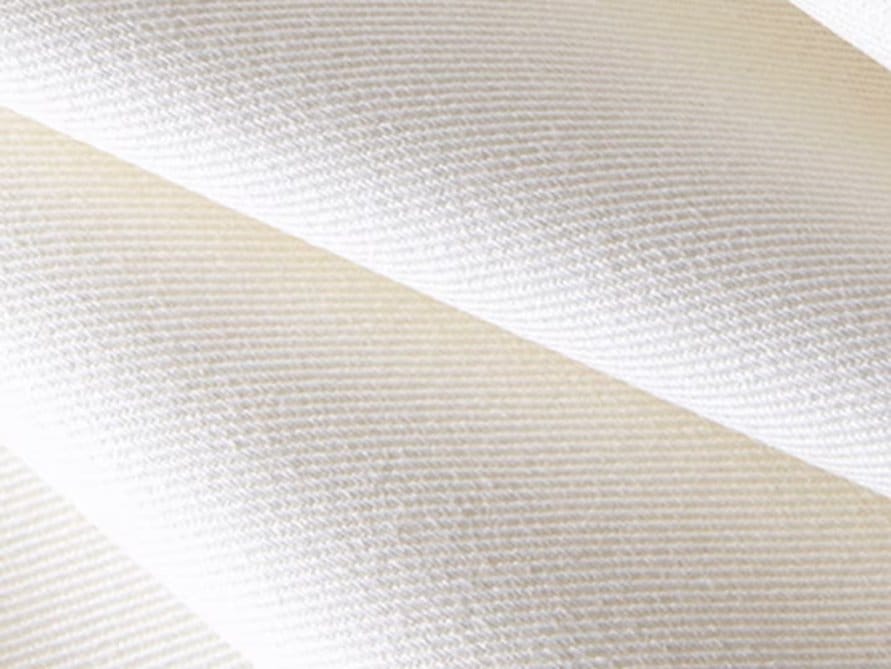
From upholstery and tote bags to workwear jackets and slipcovers, bull denim is one of the most hardworking fabrics you will ever sew with
Bull Denim at a Glance
Most people know denim from their jeans. It is one of the most recognisable fabrics on earth. But there is another type of denim that does not get nearly enough attention, and it genuinely deserves a lot more of it.
It is heavier than the denim in your wardrobe. It comes in any solid colour you can imagine. It does not fade the way your jeans do. And it handles an enormous range of projects that regular denim simply cannot manage as well.
It is called bull denim. And if you have ever sat on a well-covered sofa, carried a sturdy tote bag, or seen a structured workwear jacket that looked different from a standard denim jacket, there is a good chance bull denim was part of the picture.
This guide covers everything from what bull denim actually is and how it is made, to how it compares to regular denim, canvas, and other fabrics.
You will also find detailed sewing tips, care advice, sustainability considerations, and practical answers to the most common questions people have about this fabric.
Whether you are a home sewer, a decor maker, a workwear fan, or just fabric-curious, you are in the right place.
What Is Bull Denim Fabric?
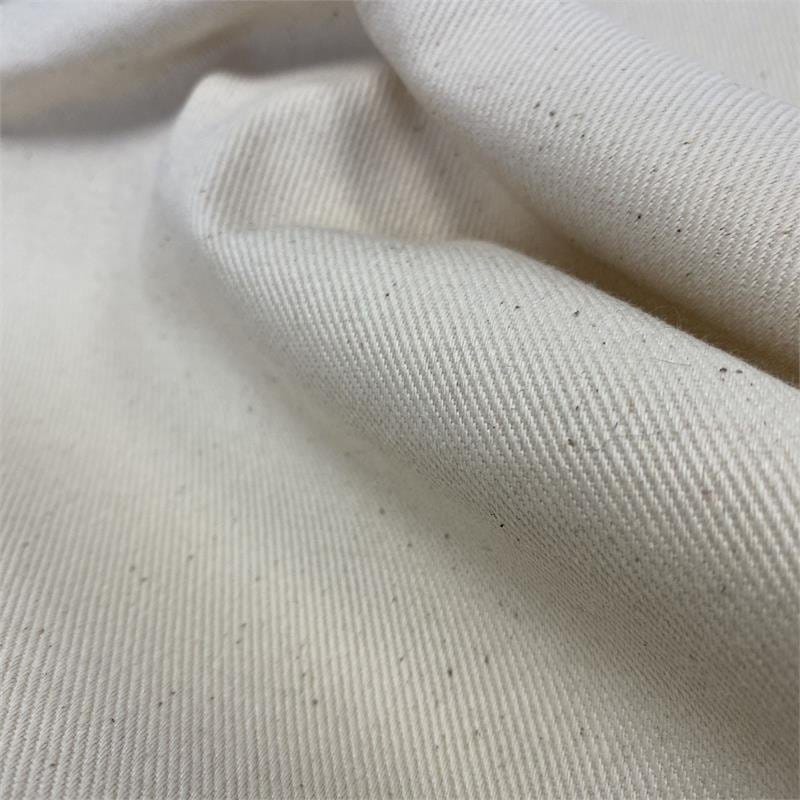
Bull denim is a heavyweight, tightly woven cotton fabric made using a 3×1 twill weave. In plain terms, that means for every three vertical threads (called warp threads), there is one horizontal thread (called a weft thread).
This construction creates a diagonal rib on the surface and produces a very strong, dense structure that holds up to serious use.
What makes bull denim stand apart from the denim you already know is how it gets its colour. Standard denim threads are dyed before the fabric is woven, almost always in that classic indigo blue.
Bull denim works differently. It is piece-dyed, which means the entire woven fabric is dyed as one piece after weaving is complete. The result is a solid, consistent colour all the way through, with no fading variation and none of the two-tone look you see in jeans fabric.
This piece-dyed approach also opens up the colour range dramatically. Bull denim comes in navy, black, olive, tan, natural, white, red, grey, teal, and just about any other solid colour a manufacturer chooses to make. You can even buy it undyed and colour it yourself, since the cotton fibres absorb dye exceptionally well.
In terms of where it sits among fabrics, bull denim is genuinely one of the most versatile options available for the home sewer or maker. It is tough enough for upholstery and bags, structured enough for outerwear and workwear, and attractive enough to use as a statement decor fabric. Not many fabrics can claim all three.
New to denim fabrics generally? Our Complete Guide to Denim Fabric covers the full family of denim types from raw to stretch, which gives useful context before reading specifically about bull denim.
Why Is It Called “Bull” Denim?
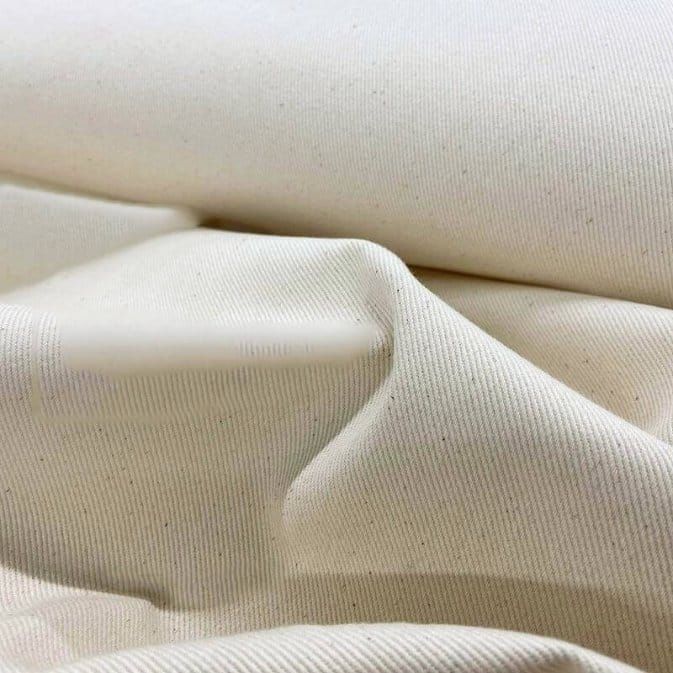
The name is fitting. “Bull” is a reference to strength and toughness. Just as a bull is associated with raw power and durability, bull denim is designed to handle serious wear and tear that would quickly damage lighter fabrics.
Some textile historians connect the name to the fabric’s original role in heavy-duty workwear and industrial settings, where it was chosen specifically because regular cotton could not keep up. It was the fabric you reached for when the job required something genuinely strong.
This naming tradition is not unique to bull denim. Other tough cotton fabrics carry similar heritage in their names. Duck cloth takes its name from the Dutch word “doek,” meaning cloth, and was originally used for sails and military applications. Canvas has similarly practical roots. Bull denim sits comfortably in that tradition of fabrics built for work rather than luxury.
Today, bull denim is used across fashion, home decor, and DIY making, but the name still holds. This is a fabric that means business.
Is Bull Denim 100% Cotton?
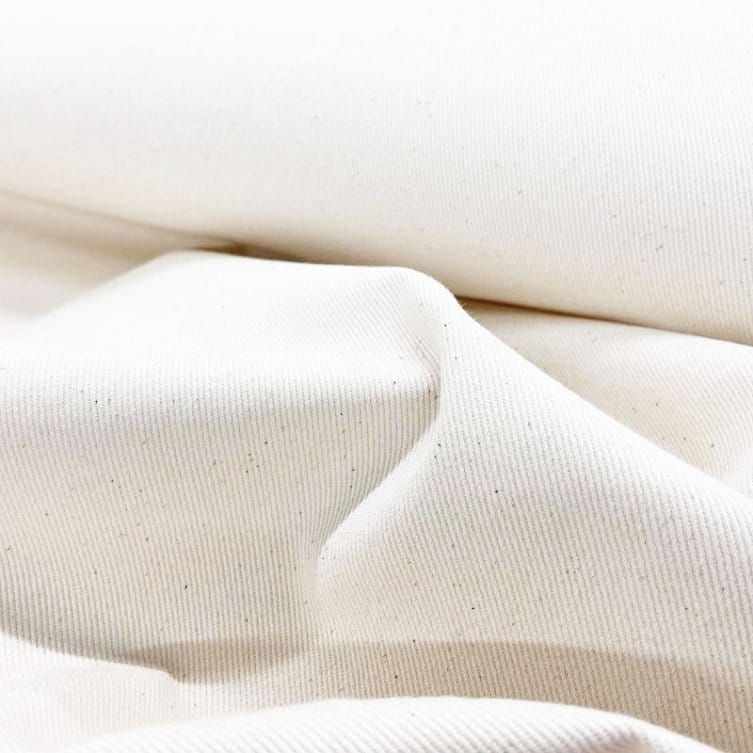
Traditional bull denim is made from 100% cotton. This is a big part of what makes it breathable, dyeable, and comfortable to work with even at heavier weights.
The cotton used for bull denim is not the fine, lightweight cotton you find in a t-shirt. It uses a heavier yarn weight, spun from thicker fibres, which gives the finished fabric its characteristic heft.
That said, the market has broadened. You will now find bull denim in several variations:
- 100% cotton: the traditional standard. Best for dyeing, most breathable, fully natural fibre.
- Cotton/spandex blends (usually 98 to 99% cotton, 1 to 2% spandex): adds a small amount of stretch without losing the fabric’s structure. Good for fitted trousers and workwear that needs to move with the body.
- Cotton/polyester blends: more affordable and can reduce shrinkage, but the fabric loses some of the natural feel and breathability that makes pure cotton bull denim appealing.
If natural fibre matters to you, whether for sustainability reasons or for the feel and performance of the finished item, always check the product description before buying. Pure cotton bull denim is widely available and is generally the better choice for upholstery, bags, and most garment projects.
For a deeper look at how cotton content affects fabric performance, see our article on 100% cotton denim fabric and why the fibre composition makes a practical difference.
How Bull Denim Is Made
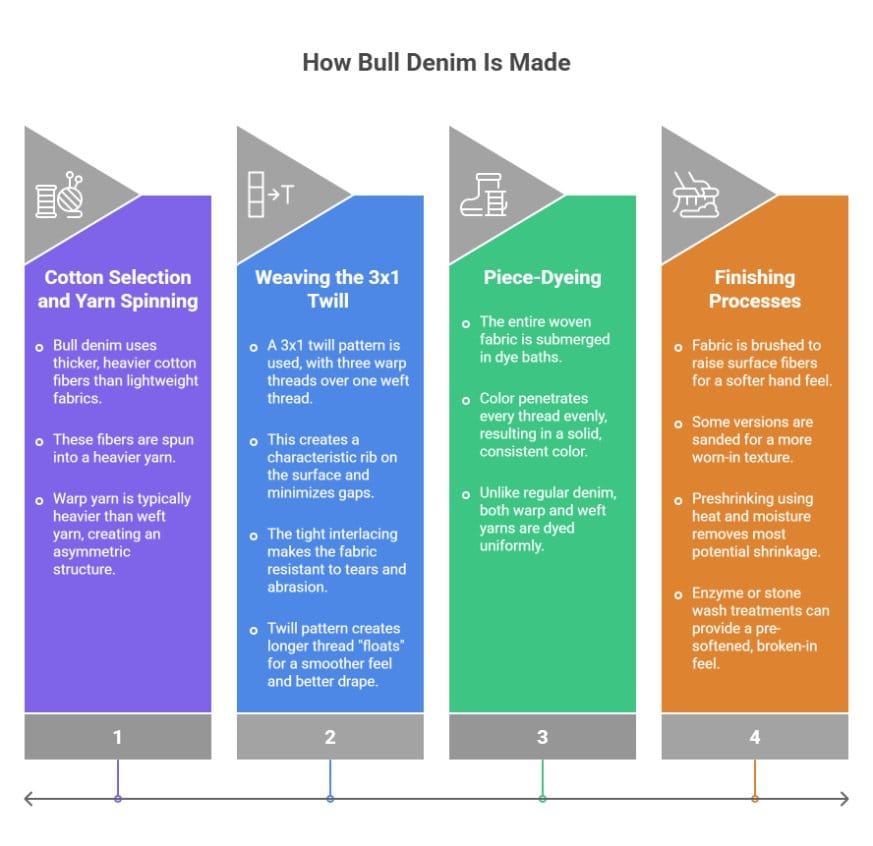
Understanding how bull denim is made helps explain why it behaves the way it does and why it lasts so much longer than lighter alternatives. Here is the process from raw cotton to finished fabric.
Step 1: Cotton Selection and Yarn Spinning
Bull denim starts with cotton fibres, but not the same fine fibres used in lightweight fabrics. The cotton selected is spun into a thicker, heavier yarn than standard cotton yarn. This thicker yarn is the foundation of the fabric’s weight and strength. The yarn used for warp threads (vertical) is typically heavier than the weft (horizontal) yarn, creating an asymmetric structure that contributes to the fabric’s distinctive diagonal surface.
Step 2: Weaving the 3×1 Twill
The yarn is woven on a loom using a 3×1 twill pattern. Three warp threads pass over one weft thread in a repeating diagonal sequence. This creates the characteristic rib you can see on the surface of bull denim when you look closely. The tight interlacing of threads produces a fabric with very few gaps, which is what makes it resistant to tears and abrasion.
Compare this to a plain weave fabric, where each warp thread crosses each weft thread one at a time. The twill pattern creates longer thread “floats” on the surface, giving the fabric a smoother feel and better drape than plain weave options of a similar weight.
Step 3: Piece-Dyeing
Once the fabric is fully woven, the dyeing stage begins. This is called piece-dyeing, and it is what gives bull denim its distinctive look. The woven fabric is submerged in dye baths as a complete piece, so the colour penetrates every thread evenly. Unlike regular denim, where the warp yarn is dyed before weaving and the weft remains natural (creating that two-tone fading effect), bull denim absorbs colour uniformly. The result is a solid, consistent colour all the way through, from surface to backing.
Step 4: Finishing Processes
After dyeing, bull denim typically goes through several finishing treatments. The fabric is brushed, which raises the surface fibres slightly and creates a softer, more comfortable hand feel. Some versions are sanded for an even more worn-in texture. Many manufacturers also preshrink the fabric at this stage, using heat and moisture to remove most of the shrinkage before the fabric reaches the buyer. Some bull denim goes through an enzyme or stone wash treatment to produce a pre-softened, broken-in feel from the outset.
Properties and Characteristics of Bull Denim
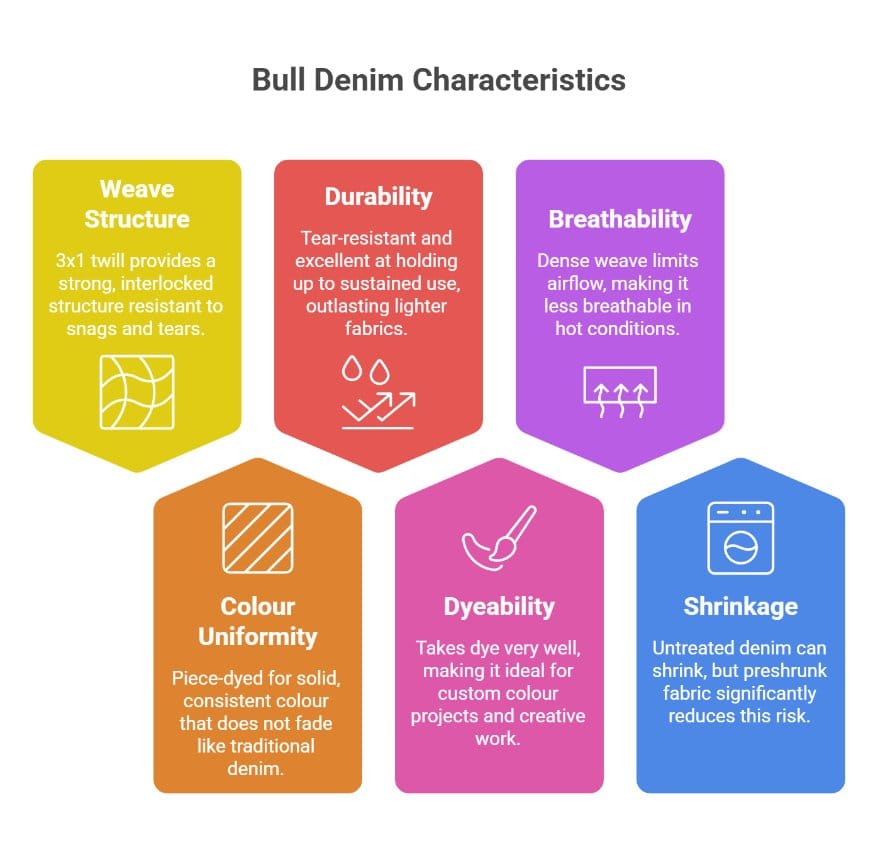
Here is a clear rundown of what bull denim brings to the table so you know exactly what you are working with before you buy.
Weave Structure
The 3×1 twill gives bull denim a stronger, more interlocked structure than a 2×1 twill or a plain weave at the same weight. Fewer gaps between threads mean the fabric is better at resisting snags, tears, and surface abrasion. The diagonal rib also gives it a slight texture that is subtle enough to look clean in home decor settings but distinctive enough to add visual interest in fashion applications.
Colour Uniformity
Because bull denim is piece-dyed, its colour is solid and consistent throughout. It will not fade in the characteristic indigo way that jeans fabric does. This makes it ideal for upholstery, curtains, and any project where maintaining a clean, consistent colour over time matters. The trade-off is that it does not develop the patina and character that makes raw denim so appealing to enthusiasts.
Durability
Bull denim is genuinely one of the most durable cotton fabrics available for home and fashion use. Its tight weave and heavy yarn weight make it tear-resistant and excellent at holding up to sustained use. A well-made bull denim item can outlast comparable items made from lighter fabrics by a factor of two to three times, particularly in high-stress applications like upholstery and bags.[1]
Dyeability
Bull denim takes dye very well. If you buy it in natural, undyed, or white, you can colour it with any standard cotton-reactive dye. Tie-dye, shibori, block printing, and direct dyeing all work beautifully on the cotton base. This makes bull denim a fantastic fabric for custom colour projects and creative maker work.
Breathability
Because of its dense weave, bull denim is not the most breathable fabric in hot conditions. It does not allow as much airflow as lighter cotton options. For warm-weather garments, this is a real consideration. For upholstery, bags, and autumn or winter outerwear, breathability is far less of a concern and the trade-off is well worth it for the durability gains.
Shrinkage
Untreated bull denim can shrink, particularly on the first wash. Most commercial bull denim has been preshrunk during the finishing process, which significantly reduces this risk. If you are unsure whether your fabric has been preshrunk, always wash and dry a test piece before cutting and sewing your project. It takes a few extra minutes but can save you from a lot of frustration later.
What Weight Is Bull Denim? Is It Heavy?
Yes, bull denim is a heavy fabric. This is one of its defining characteristics and a key reason it performs so well in demanding applications. Fabric weight is measured in ounces per square yard (oz/sq yd) or in grams per square metre (GSM). Bull denim typically falls between 10 and 14 oz, which is 340 to 475 GSM.
To give that some context:
- Standard cotton t-shirt fabric: roughly 4 to 5 oz / 135 to 170 GSM
- Lightweight shirting denim: around 6 to 7 oz / 200 to 235 GSM
- Standard jeans denim: usually 10 to 12 oz / 340 to 405 GSM
- Bull denim: 10 to 14 oz / 340 to 475 GSM
- Heavy canvas and duck cloth: 10 to 18 oz / 340 to 610 GSM
Bull denim sits at the heavier end of cotton fabrics suitable for sewing, but it is still manageable on a good domestic sewing machine with the right setup.
The weight you choose depends on what you plan to make. A 10 oz bull denim sews up well into structured garments and everyday bags. A 12 oz is the most popular weight for slipcovers and upholstery, giving excellent durability without being too difficult to handle on a domestic machine. Anything above 12 oz is primarily suited to heavy-duty upholstery and commercial applications.
Brand new bull denim, especially at 12 oz or heavier, does feel firm and stiff. This is completely normal and not a fault. The fabric softens noticeably with each wash and with regular use over time. If stiffness is a concern for a garment project, look for versions labelled “pre-washed,” “stonewashed,” or “brushed,” which have already been softened as part of the finishing process.
Switching between oz and GSM? Use our free GSM to Oz Converter to instantly convert fabric weights, which is especially useful when comparing prices from different countries or suppliers.
For a broader understanding of how weight affects fabric behaviour, our guide to lightweight vs heavyweight fabrics is a useful read.
What Is Japanese Bull Denim?
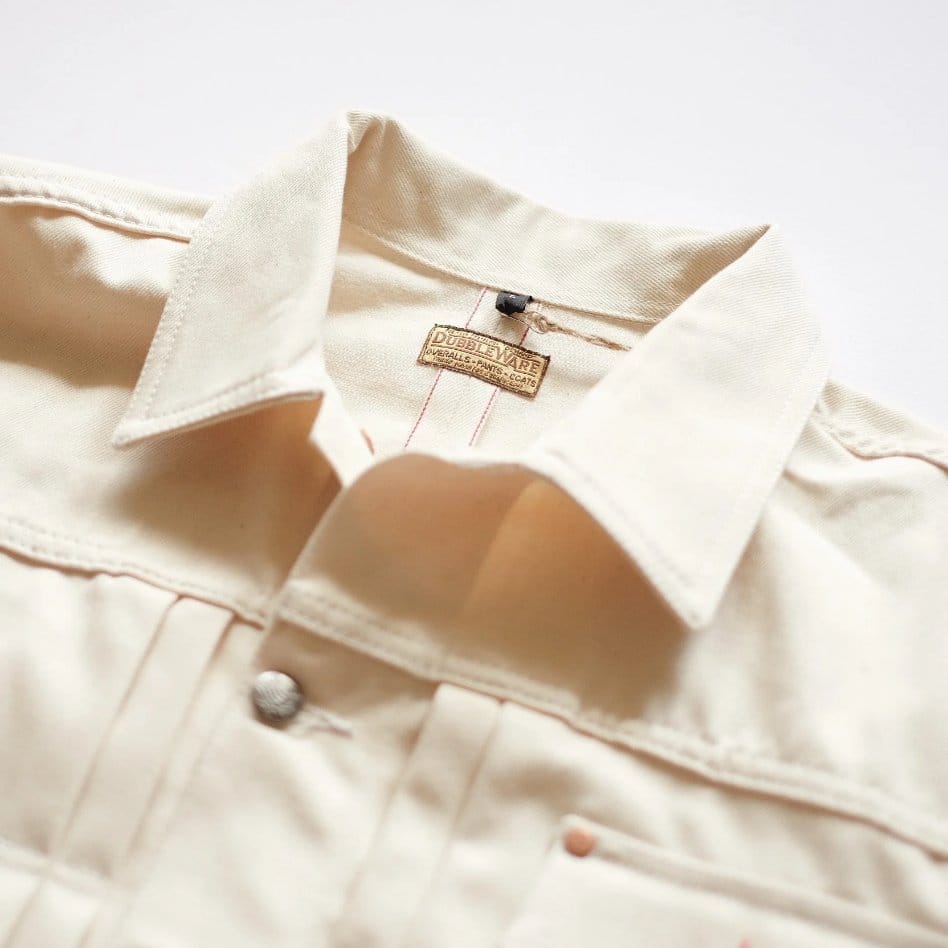
Japanese bull denim is a premium version of standard bull denim, produced in Japan using traditional weaving techniques that the country has spent generations refining. Japan has one of the strongest reputations in the global textile world for producing high-quality denim, and bull denim is no exception to that standard.
What Makes It Different from Standard Bull Denim?
Japanese bull denim is typically woven with higher-grade cotton and with a greater level of precision at the loom. Some Japanese mills still use shuttle looms, which are older and slower machines that create a denser, more consistent weave with selvedge edges running along both sides of the fabric. Selvedge fabric is often considered superior because those edges are self-finished and far less prone to fraying during construction.
The extra care taken during weaving means fewer inconsistencies in thread tension, a more even dye uptake, and a more consistent hand feel across the fabric. The finished result is a bull denim with a tighter structure, a smoother surface, and a lifespan that typically exceeds mass-produced alternatives.
Texture and Feel
Japanese bull denim often has a slightly different texture from standard bull denim. The precision of the weave gives it a smoother, more refined surface. Some versions are finished with a dry, clean hand that lends itself well to tailored workwear. Others have a softer, more broken-in feel from the start, depending on the mill and the cotton used.
Who Uses Japanese Bull Denim?
Premium workwear labels, heritage clothing brands, and high-end makers tend to seek out Japanese bull denim when quality justifies the extra cost. It is also sought after by sewists making garments or bags they intend to use daily for years, and by makers who sell finished goods where quality of construction is part of their offering.
Is It Worth the Extra Cost?
For everyday sewing projects, home decor, and general DIY work, standard bull denim performs excellently and there is no need to spend more. Japanese bull denim is worth the investment if you are making something you plan to use intensively for a long time, or where quality of construction is part of the selling point.
Shopping tip: When looking for Japanese bull denim, pay attention to terms like “Kojima-produced,” “Okayama prefecture,” or specific mill names such as Kurabo or Kaihara. These indicate provenance from Japan’s main denim-producing regions and mills with a strong industry reputation.
Bull Denim vs Regular Denim
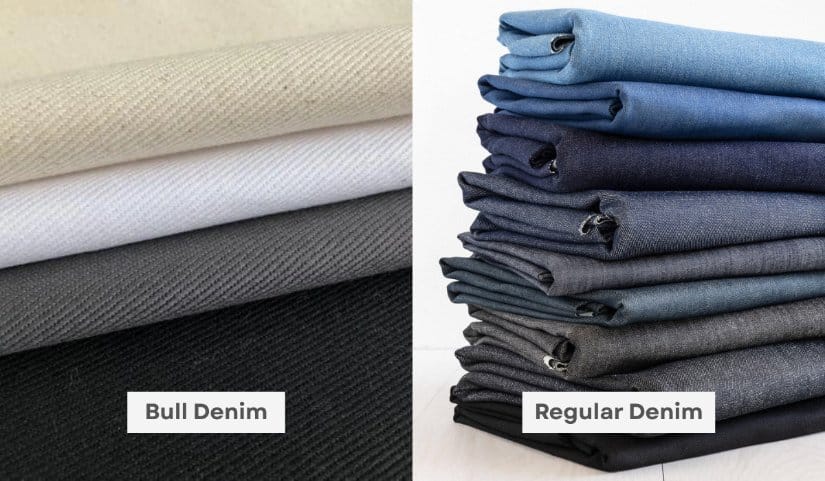
At first glance, bull denim and regular denim look similar. Both are cotton, both use a twill weave, and both are durable. Once you understand the differences, though, it becomes clear that they are quite distinct fabrics with different strengths and different ideal uses.
| Feature | Bull Denim | Regular Denim |
|---|---|---|
| Weave Pattern | 3×1 twill (tighter interlace) | 2×1 or 3×1 twill |
| Dyeing Method | Piece-dyed after weaving, solid colour | Warp-dyed before weaving, usually indigo |
| Colour Appearance | Solid, uniform, no fading variation | Two-tone, develops fades and character |
| Colour Range | Wide: any solid colour | Mainly indigo, black, grey, white |
| Weight Range | 10 to 14 oz / 340 to 475 GSM | 5 to 12 oz / 170 to 405 GSM |
| Primary Uses | Upholstery, bags, workwear, home decor | Jeans, jackets, casual clothing |
| Feel When New | Stiffer, more structured | Generally softer from the start |
| Fading Over Time | Minimal, colour stays consistent | Fades and develops visible wear patterns |
| Durability | Very high, outlasts most comparable fabrics | High, but varies significantly by weight |
| Price Per Yard/Metre | Slightly higher than standard denim | Wide range, budget to premium |
Regular denim, including popular styles like washed denim, is designed to move and evolve with the wearer. It develops a personal character over time through fading, softening, and wear patterns. Bull denim does not do this in the same way. Its colour stays solid and even, which is actually an advantage for upholstery, bags, and garments where uniform colour across the life of the item is important.
If stretch is a priority for your project, neither bull denim nor standard rigid denim will deliver it. You would want to look at stretch denim instead, which incorporates elastane for give and recovery.
Also worth reading: our article on the difference between denim and jeans if you want to understand how the fabric category and the finished garment relate to each other.
Bull Denim vs Canvas and Duck Cloth
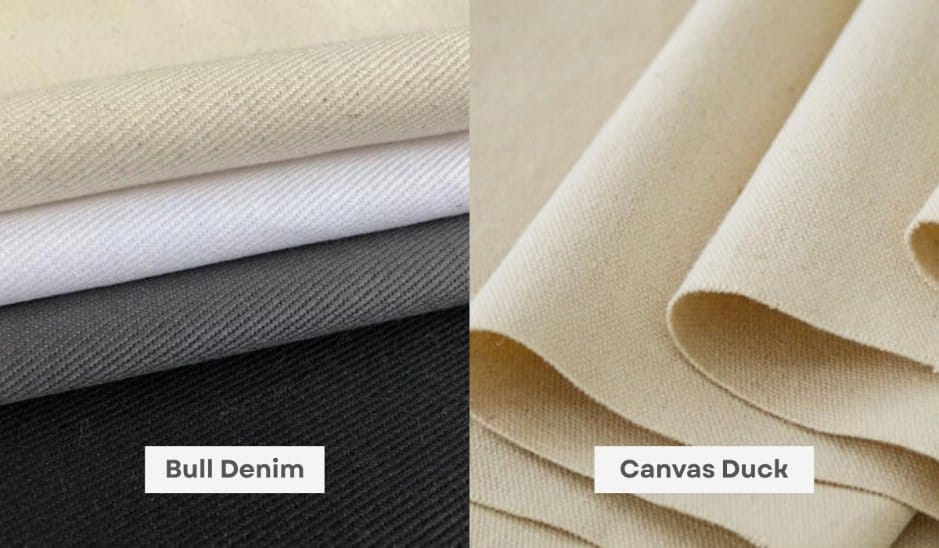
Canvas and duck cloth are the two fabrics most commonly compared to bull denim. All three are heavyweight cotton, all are popular for bags and workwear, and all are known for durability. But their different weave structures give them meaningfully different properties.
| Feature | Bull Denim | Canvas / Duck Cloth |
|---|---|---|
| Weave Type | 3×1 twill, diagonal rib surface | Plain weave, tight checkerboard structure |
| Surface Feel | Slight texture, softer, diagonal rib | Flat, smooth, crisp to the touch |
| Drape and Hand | Better drape, less rigid | Stiffer, holds shape very firmly |
| Water Resistance | Not naturally water resistant | Better natural resistance, excellent for waxing |
| Wax Treatment | Not ideal, twill texture causes wax to crack | Excellent, wax sits flat on plain weave |
| Colour Range | Wide range of solid colours available | Usually natural, off-white, or limited colours |
| Abrasion Resistance | Very high | Very high (especially duck cloth) |
| Comfort as a Garment | More comfortable, softens with wear | Stiffer, takes longer to break in |
| Best Uses | Upholstery, slipcovers, bags, garments, home decor | Bags, outdoor gear, tarps, tents, stiff workwear |
The plain weave of canvas and duck cloth creates a locked, rigid structure ideal for applications needing maximum stiffness or weather resistance. If you need a fabric you can wax for outdoor use, duck cloth is the better choice. Bull denim’s twill weave gives it better drape and a more comfortable hand feel, making it more suitable for furniture, garments, and any project where softness matters alongside strength.
For slipcovers specifically, both fabrics work well. Canvas gives a crisper, more structured look. Bull denim produces a softer, more relaxed finish. The choice often comes down to the aesthetic you want for your space.
Our detailed guide to canvas cotton fabric will help you compare further if you are deciding between the two for a specific project.
Bull Denim vs Other Fabrics
Bull Denim vs Chambray
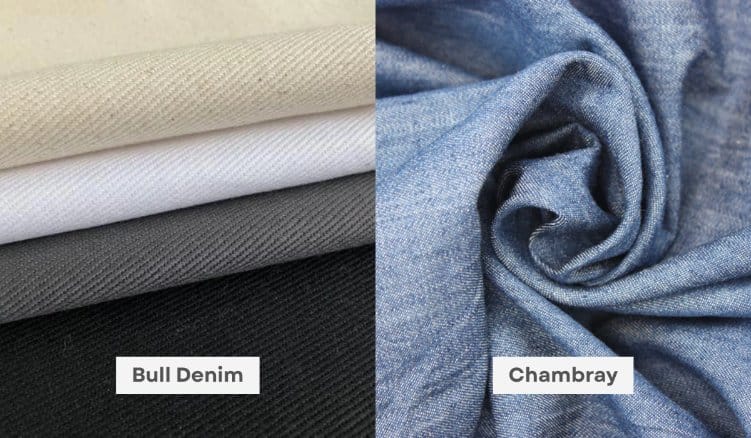
Chambray is often mistaken for denim because of its similar blue colour and plain weave structure. But chambray is a much lighter fabric, typically 4 to 6 oz, and far more open in its construction.
It is breathable, soft, and ideal for warm-weather shirts, blouses, and summer dresses. Bull denim is roughly twice as heavy at minimum and far more structured.
If you need something light and breezy for a shirt, chambray is the right call. If you need durability and body, bull denim is the better fit.
Bull Denim vs Corduroy
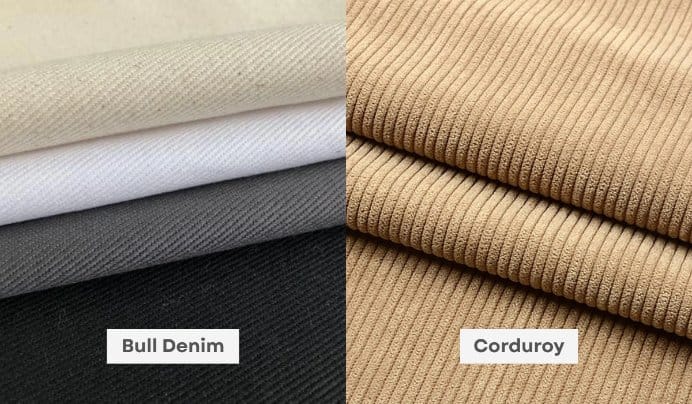
Corduroy is another heavyweight cotton fabric, but it has a distinctive cut pile on the surface that creates its ribbed texture. Bull denim has a smooth-ish surface with a subtle diagonal rib and no pile.
Corduroy is warmer due to its pile construction, making it a good seasonal fabric for cooler months. For upholstery and bags, bull denim has the advantage because corduroy’s ribbing can trap dirt and wear unevenly at high-stress points over time.
Bull Denim vs Cotton Twill
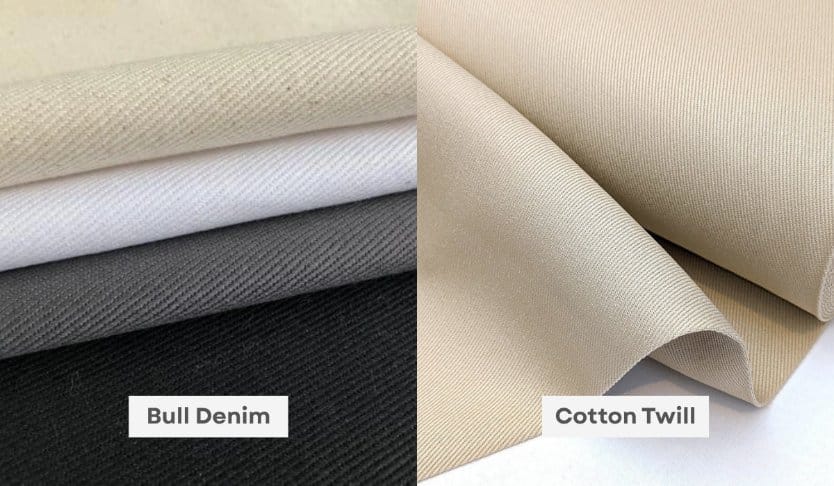
Cotton twill uses the same basic weave structure as bull denim. Think of it as bull denim’s lighter sibling. Cotton twill shares the diagonal surface rib and the durability benefits of a twill construction, but at 6 to 9 oz it does not have the weight needed for heavy-duty applications.
For lighter jackets, chinos, or structured shirts, cotton twill is a great option. For bags, upholstery, and workwear that needs to last under real pressure, bull denim’s extra weight makes a meaningful difference.
Bull Denim vs Washed Denim
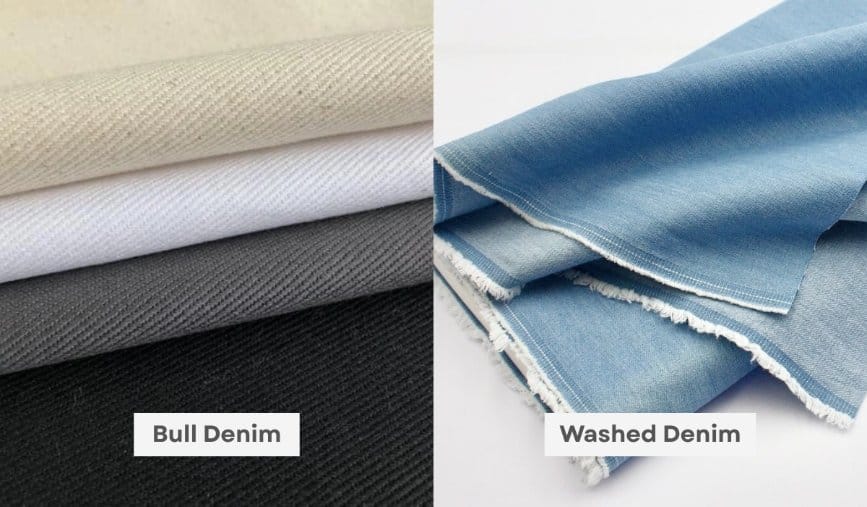
Washed denim refers to any denim that has been pre-treated to soften it and create a faded, worn-in look before it reaches the maker. It is softer and more relaxed than bull denim from the start. If you want the denim aesthetic for a garment but prefer a softer, more relaxed fabric, washed denim is worth considering. For structural projects like bags and upholstery, bull denim’s body and weight give much better results.
What Is Bull Denim Used For?
This is where bull denim really shows its range. Very few fabrics can work this well across such a wide variety of applications.
Home Decor and Upholstery
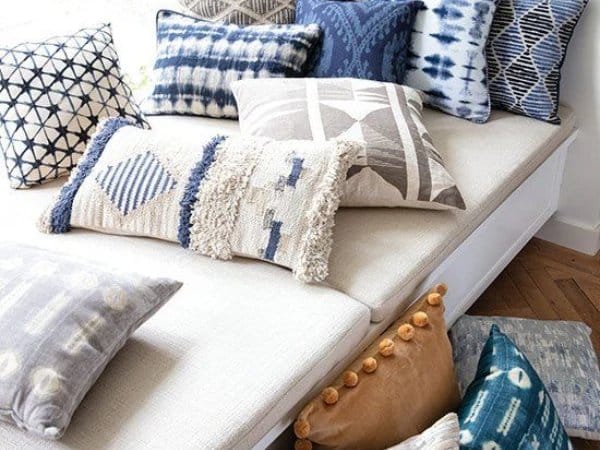
Home decor is where bull denim has built its biggest following. Its durability and solid colour options make it a natural choice for covering sofas, armchairs, ottomans, and dining chair cushions. It handles the daily wear that upholstered furniture takes, including pets, children, and years of regular sitting, without wearing through quickly.
Slipcovers are one of the most popular home uses. Because bull denim is machine washable, slipcovers can go straight into the washing machine for cleaning. This is a major practical advantage over delicate upholstery fabrics that require dry cleaning.
Curtains and draperies made from bull denim hang beautifully because of the fabric’s natural body. They hold their shape and drape without needing heavy interfacing.
Cushion covers, throw pillow covers, and upholstered headboards are also popular applications. The fabric’s texture adds a casual but clean look that works well in modern, coastal, industrial, and Scandinavian interior styles.
Bags and Accessories
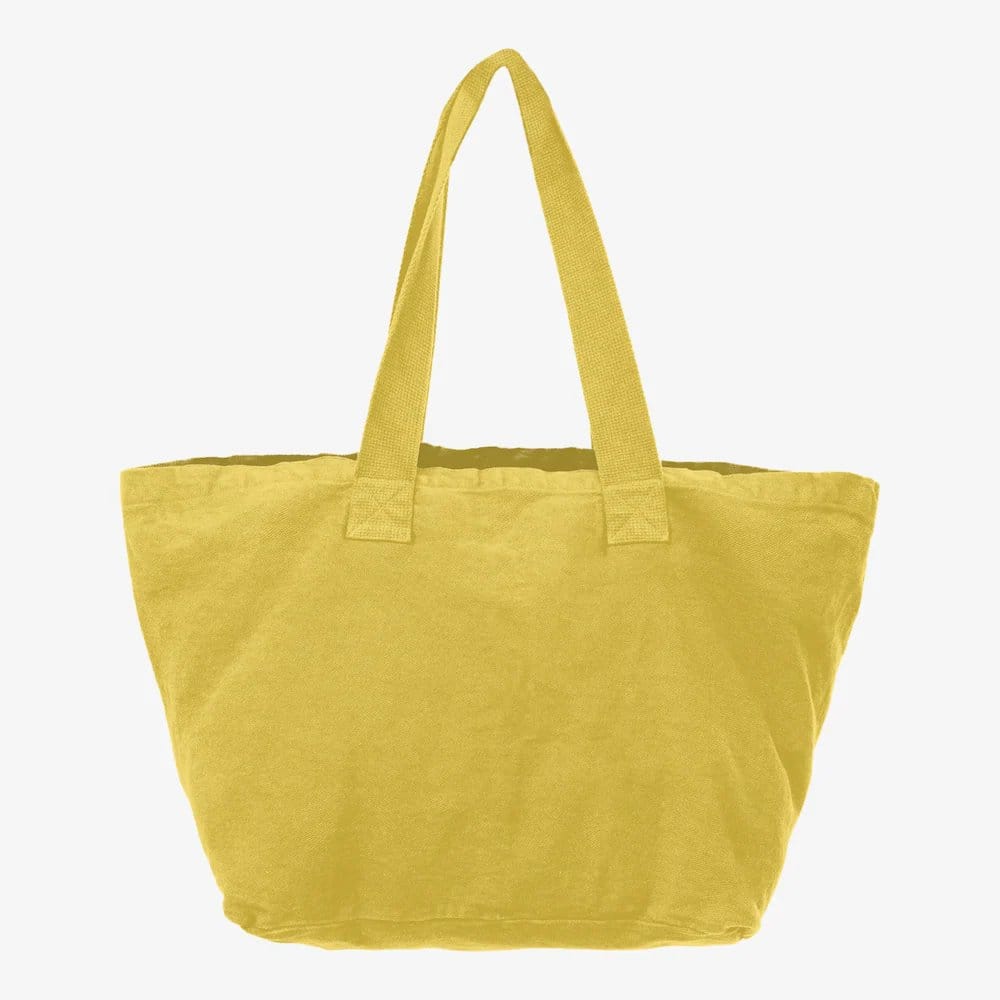
Tote bags, market bags, backpacks, tool rolls, pouches, and aprons are all ideal bull denim projects. The weight gives bags structure so they hold their shape when empty as well as when full. The tight weave resists abrasion, meaning the base of your bag will not wear through from regular contact with rough surfaces.
For anyone who makes and sells handmade bags, bull denim provides a premium feel and durability that customers notice and appreciate. The wide colour range also makes it easy to produce items that look intentionally designed rather than just functional.
Apparel and Workwear
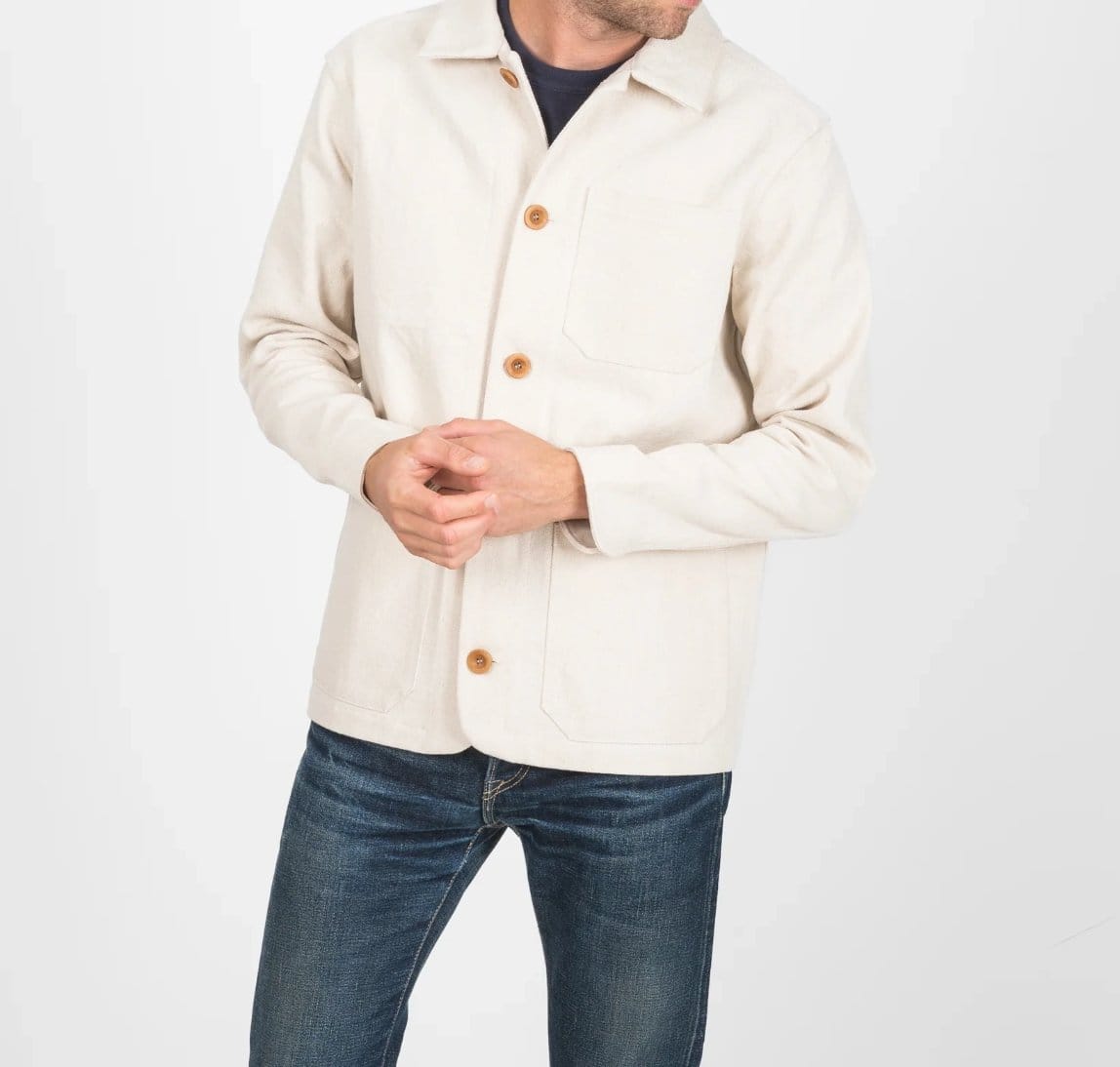
Jackets, utility trousers, dungarees, structured skirts, and aprons are all strong apparel choices for bull denim. At 10 oz, the fabric gives garments the structure and durability needed for workwear without being prohibitively heavy to wear through a full day.
Bull denim aprons are particularly well-suited to kitchen use, craft work, gardening, and workshop environments. They protect well, look good, develop a natural wear pattern over time, and last for years without needing replacement.
Children’s clothing made from bull denim is also worth noting. For tough-wearing items like dungarees, shorts, and structured jackets, it handles rough-and-tumble use far better than most other fabrics. For more on how denim performs in children’s clothing generally, this piece from FBargains Galore on denim in kids’ clothing covers some useful ground.
Craft and DIY Projects
For the sewing and crafting community, bull denim is a reliable go-to fabric. It is manageable to work with, strong enough for functional items, and easy to customise with dye, paint, or embroidery.
Popular projects include storage bins, fabric baskets, pot holders, placemats, table runners, wall hangings, and journal covers.
Because it takes dye so well, starting with undyed or natural bull denim gives you a blank canvas for tie-dye, block printing, and natural dyeing projects. The dense weave holds colour beautifully and does not bleed or muddy the pattern in the way lighter, more porous fabrics sometimes do.
If you are just getting started with sewing, bull denim is a rewarding fabric to learn on for structured items. It does not slip and slide like slippery fabrics, and it holds its shape well enough to make mistakes easier to manage. Check out some easy sewing projects for beginners that work well with medium to heavyweight cotton fabrics.
Industrial and Commercial Applications
Beyond home and fashion, bull denim has a practical role in industry. It appears in protective covers for equipment and machinery, commercial-grade aprons for hospitality and food production, car upholstery, and marine seat covers.
Its combination of durability, washability, and availability in commercial roll quantities makes it a sensible choice wherever a tough, cleanable textile is needed.
Sewing Tips for Bull Denim
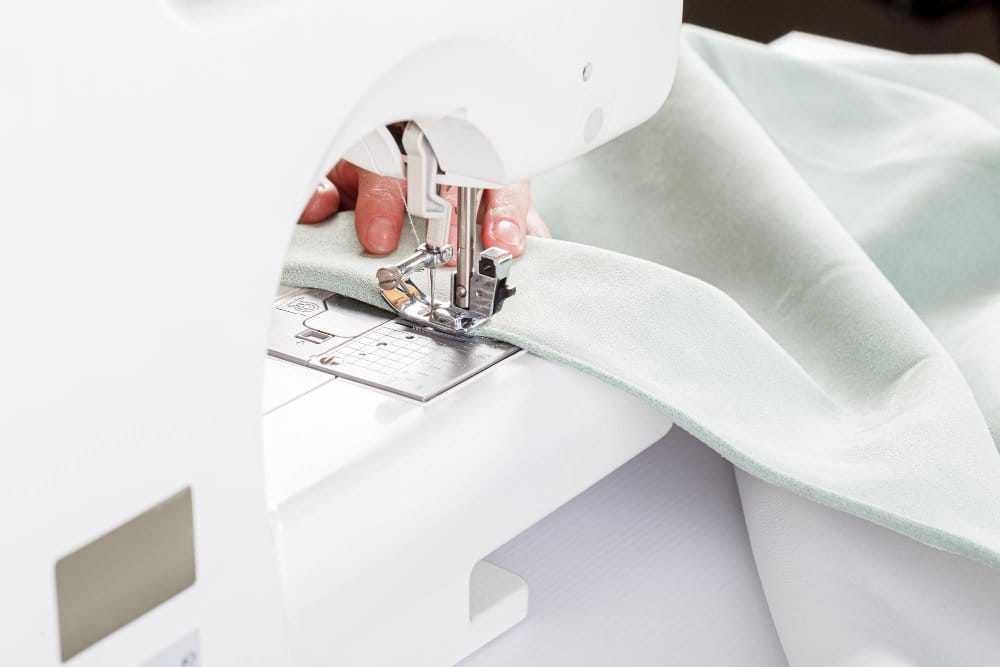
Bull denim is a rewarding fabric to sew, but it does require the right equipment and a little preparation. Because it is heavy and tightly woven, it will test a lightweight sewing machine and punish a blunt needle. Set yourself up correctly and you will get excellent results.
Use the Right Needle
The single most important preparation step is using a denim-specific needle, also called a jeans needle. These have a reinforced blade and a sharp, tapered tip designed to pierce dense fabric cleanly without deflecting, skipping stitches, or snapping.
- For 10 oz bull denim: use a 90/14 denim needle
- For 12 oz bull denim: use a 100/16 denim needle
- For 14 oz or heavier: use a 110/18 denim needle
Always start a new project with a fresh needle. A needle that is even slightly blunted will struggle on dense fabric and cause frustrating problems, including skipped stitches, puckering, and thread breaks.
Not sure which needle to use? Our Needle and Fabric Compatibility Chart matches the right needle size and type to any fabric weight and project type.
Thread Choice
Use a strong all-purpose polyester thread or a cotton-wrapped polyester thread for structural seams. Both maintain their strength through repeated washing.
For visible topstitching, a dedicated topstitching thread in a heavier weight creates a clean, professional finish. Thread colour can match the fabric for a subtle result, or contrast strongly for a classic workwear look.
Not sure which thread to choose? Our guide on how to choose the right thread for your project breaks it down by fabric type and application.
Preshrink Before You Cut
Wash and dry your bull denim before cutting out your pattern pieces. Use the same washing method you plan to use on the finished item. This ensures any remaining shrinkage happens before construction, not after, which can cause seams to pucker or the item to come out smaller than intended.
Set the Right Stitch Length
A longer stitch length works better on heavy fabric. For regular seams on bull denim, aim for 3.0 to 3.5 mm. Stitches that are too short can perforate the dense weave and actually weaken the seam over time. For topstitching, a slightly longer stitch of 3.5 to 4.0 mm gives a clean, visible line.
Handle Bulk at Seam Crossings
Where seams cross each other, bull denim creates significant bulk that can be challenging for a standard presser foot to climb over smoothly. A hump jumper placed behind the presser foot helps keep it level at these points. Alternatively, use your machine’s handwheel to manually advance through the thickest sections slowly.
Choose the Right Presser Foot
A walking foot, also known as an even-feed foot, is an excellent investment for sewing bull denim. It feeds the top and bottom layers of fabric through the machine at the same rate, preventing the layers from shifting and causing misaligned seams.
Check our guide to sewing machine presser feet for more on which foot works best for heavy fabrics.
Finish Your Seam Edges
Bull denim does fray with washing, especially at cut edges. Finish raw seam allowances with a serger, a zigzag stitch, or a bound finish to keep the inside of your project neat and durable. For a classic workwear look inside and out, flat-fell seams are both strong and visually appealing.
Iron Seams as You Go
Pressing seams open or to one side as you sew them keeps the finished item looking clean and professional. Use a hot iron on the cotton setting with steam. For thicker seam allowances, a tailor’s clapper or a seam roller can help flatten them further without over-pressing the outer surface.
How to Soften Bull Denim
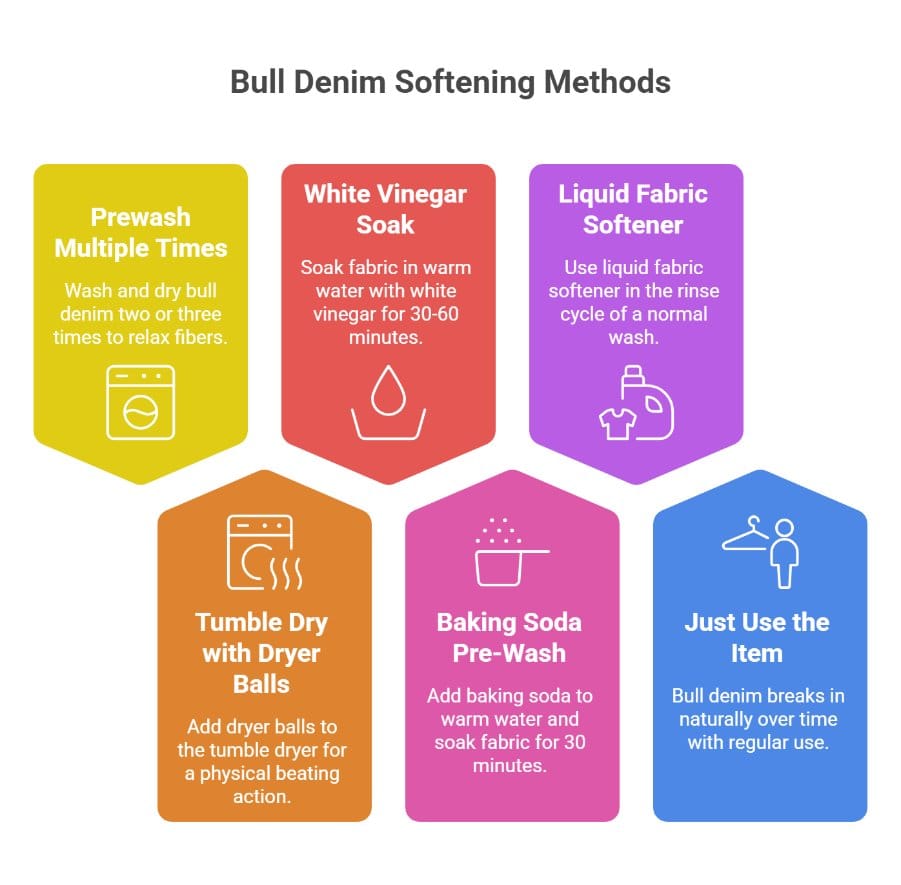
Out of the packet, heavier bull denim can feel noticeably stiff. This is not a flaw. It is simply the nature of a tightly woven, heavyweight cotton fabric that has not yet been broken in. Here are the most effective ways to soften it, whether before sewing or on a finished item.
Prewash Multiple Times
Washing and drying bull denim two or three times before you cut into it is the simplest approach. Each cycle through the machine relaxes the fibres and reduces stiffness. The difference between fabric on the first wash and on the third wash is often very noticeable, especially at heavier weights.
Tumble Dry with Dryer Balls
Adding two or three rubber dryer balls or clean tennis balls to the tumble dryer creates a physical beating action that softens cotton fibres effectively. This is especially useful for heavier bull denim you are planning to use for upholstery or bags, where a full wash cycle might not be practical but a dry tumble is.
White Vinegar Soak
Soak the fabric in a tub of warm water with one cup of white vinegar for 30 to 60 minutes before the first wash. White vinegar relaxes cotton fibres and can soften fabric noticeably even before it goes through the machine.
It also acts as a mild colour fixative, which helps with vividly dyed bull denim. Rinse the fabric well before putting it in the washing machine as usual.
Baking Soda Pre-Wash
Add half a cup of baking soda to a basin of warm water and soak the fabric for 30 minutes before washing. Baking soda is mildly alkaline and helps break down some of the stiffness in new cotton fabric. Rinse well before washing as normal.
Liquid Fabric Softener
Using a liquid fabric softener in the rinse cycle of a normal machine wash is an easy option. Liquid softener is more effective than dryer sheets on heavy cotton fabrics, and it rinses clean without leaving residue that could interfere with later dyeing or finishing.
Just Use the Item
For garments, bags, and any bull denim item that gets regular use, the simplest approach is just to use it. Bull denim breaks in naturally over time, becoming progressively softer and more comfortable with every use and wash. Many people appreciate this gradual break-in as part of the fabric’s character.
For upholstery and slipcovers: If bull denim feels too stiff when fitting a slipcover or cushion cover, tumble it through the dryer with dryer balls for 30 to 40 minutes on a medium heat. This can make a significant difference to the final drape and fit without affecting its structural properties.
How to Care for Bull Denim Fabric
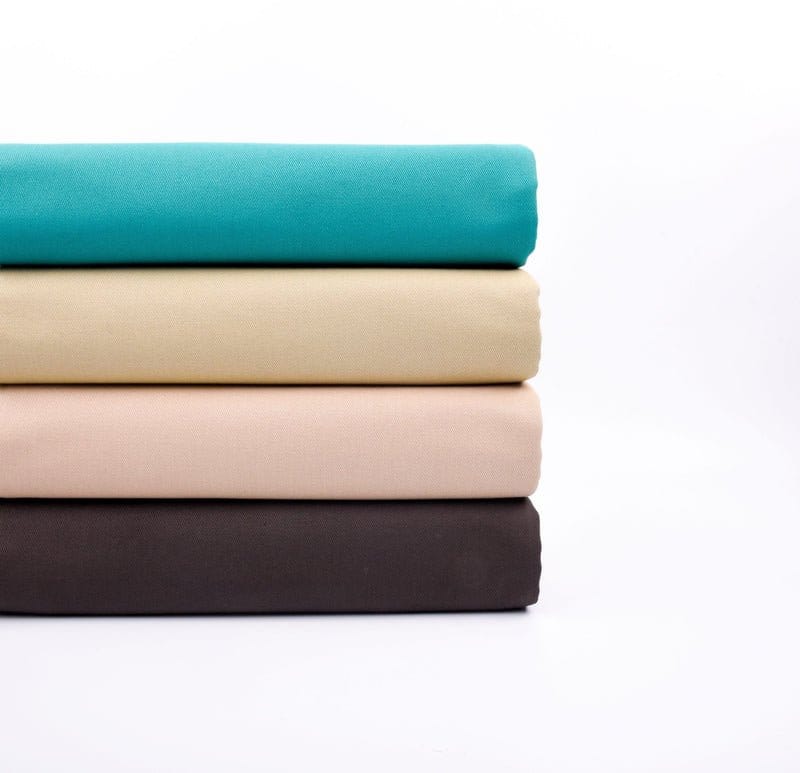
One of bull denim’s most practical qualities is how straightforward it is to care for. There are no complicated instructions and no delicate handling required. Here is everything you need to keep it looking its best for years.
Washing
Machine wash bull denim on a gentle or normal cycle in cold or warm water. Cold water at 30 degrees Celsius (86 degrees Fahrenheit) is ideal for maintaining colour and reducing any risk of shrinkage. Warm water up to 40 degrees Celsius (104 degrees Fahrenheit) is fine for a more thorough wash.
Use a mild laundry detergent rather than a heavy-duty formula, which can strip colour and degrade cotton fibres over time.
Wash bull denim with similar colours, particularly on the first few washes. Darker colours can release some dye initially, which can transfer to lighter fabrics in the same load.
Turn garments and covers inside out before washing to protect the outer surface and keep the colour looking fresh for longer.
Never use bleach on bull denim. Bleach breaks down cotton fibres and causes permanent colour damage. For stubborn stains, use an enzyme-based pre-wash stain remover instead.
Drying
Air drying is the best option for bull denim. Hang it up or lay flat on a drying rack and allow it to dry naturally. This approach prevents any risk of heat-related shrinkage and extends the life of the fabric by avoiding the mechanical stress of tumble drying.
If you use a tumble dryer, set it to low or medium heat. Remove the fabric when it is still slightly damp and let it finish air drying. Over-drying bull denim in a hot dryer can cause it to stiffen up again between washes and may cause some minor shrinkage over time.
Ironing
Iron bull denim on a medium to high cotton setting with steam. Turn the item inside out to protect the outer surface if you want to avoid any change to the texture or sheen. Steam is particularly effective at relaxing heavy fabric and removing creases that light ironing might leave behind.
Stain Removal
Treat stains on bull denim as quickly as possible. Blot liquid stains with a clean, dry cloth. Rubbing pushes the stain deeper into the dense weave.
For general stains, a small amount of washing-up liquid or hand soap with cool water, applied gently with a soft brush, works well.
For greasy stains, use a purpose-made stain remover before washing. For oil-based stains, press a little cornflour or talcum powder onto the stain, leave for 20 minutes, then brush off before applying liquid treatment.
Caring for Upholstered Items
If your bull denim is used as fixed upholstery rather than a washable slipcover, spot cleaning is the main care method. Use a clean damp cloth with a small amount of mild soap. Work gently on the stained area in a circular motion, then blot dry with a clean cloth. Allow the area to air dry completely before using the furniture again. Avoid over-saturating the fabric, as excess moisture can affect the padding or foam underneath.
Want a personalised denim care plan? Our Denim Care Quiz gives you tailored washing and maintenance recommendations based on what you have made and how you use it.
For a more detailed look at denim care across all types, our complete denim care guide covers the most common scenarios.
Pros and Cons of Bull Denim Fabric
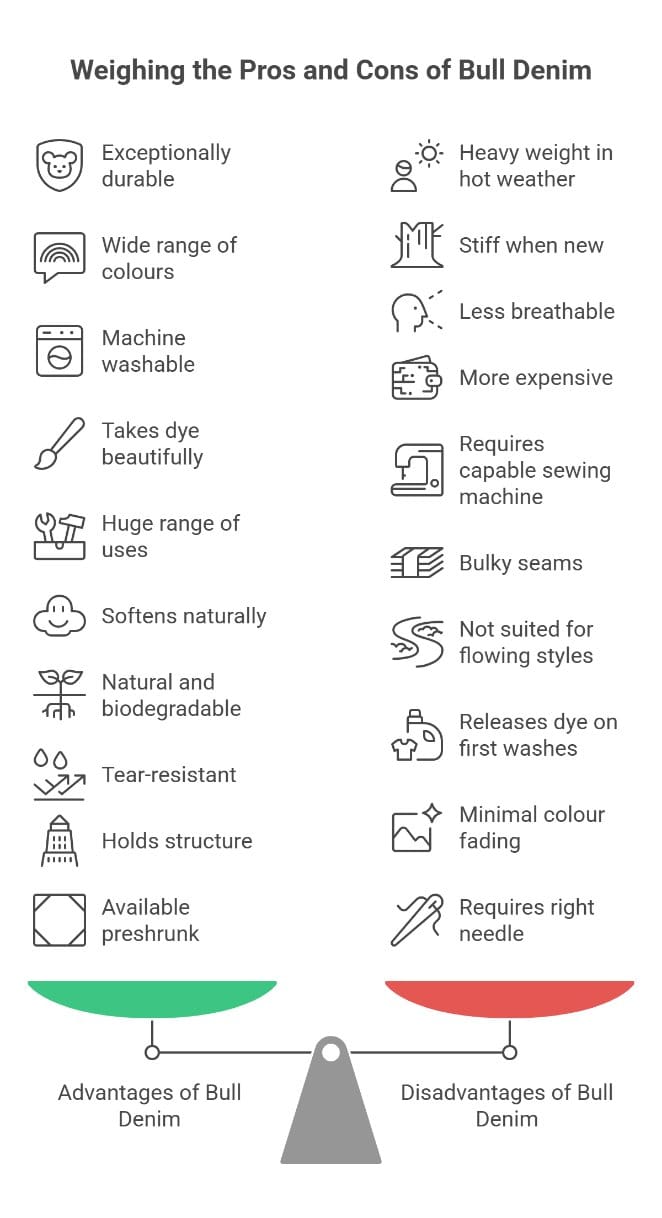
Every fabric has its strengths and its limitations. Here is an honest look at both sides of bull denim so you can make an informed decision for your next project.
Advantages
- Exceptionally durable, outlasts most comparable cotton fabrics by a significant margin
- Wide range of solid colour options, more versatile than standard denim
- Machine washable and genuinely easy to care for
- Takes dye beautifully for custom colour projects
- Works across a huge range of uses: apparel, decor, bags, craft
- Softens naturally with use and washing
- 100% cotton versions are natural, breathable, and biodegradable
- Tear-resistant even under sustained heavy use
- Holds its structure without constant pressing
- Minimal colour fading, looks consistent over time
- Available preshrunk, less hassle before sewing
Disadvantages
- Heavy weight can feel uncomfortable in hot weather applications
- Stiff when new, needs time and washing to break in
- Less breathable than lighter cotton options
- More expensive per metre/yard than standard denim
- Requires a capable sewing machine and the right needle
- Seams can become very bulky where multiple layers cross
- Not suited to draped, flowing, or soft-structured garment styles
- Can release some dye on the first few washes if not properly fixed
Sustainability and the Environment
Bull denim has some genuine advantages when it comes to sustainability, though it is worth being clear-eyed about the full picture.
The Case for Bull Denim as a Sustainable Choice
The most straightforward sustainability argument for bull denim is longevity. A well-made bull denim item lasts for years, often decades, with proper care. In the broader context of slow fashion vs fast fashion, one bull denim item that lasts ten years creates far less environmental impact than five cheaper items that wear out and get thrown away over the same period.
Cotton is a natural, biodegradable fibre. Unlike synthetic fabrics such as polyester or nylon, cotton breaks down naturally at the end of its life rather than persisting in landfill or fragmenting into microplastics during washing. For this reason, 100% cotton bull denim is a more responsible end-of-life option than most synthetic alternatives.
Organic Cotton Options
Some manufacturers now produce bull denim from organic cotton, grown without synthetic pesticides and with lower water use than conventional farming methods. Research by Textile Exchange, a global non-profit tracking sustainability across the fashion supply chain, shows that switching from conventional to organic cotton in textile production can significantly reduce water use and carbon emissions per item produced.[2]
Organic cotton bull denim is a good choice if environmental impact during the growing phase matters to your purchasing decisions. Look for certifications such as GOTS (Global Organic Textile Standard) or OCS (Organic Content Standard) when shopping for certified organic options.
What to Be Aware Of
Conventional cotton farming is water-intensive and often involves chemical fertilisers and pesticides. The piece-dyeing process used for bull denim, like most fabric dyeing, also uses water and chemical dyes. These are real environmental costs, and not all manufacturers address them equally. Brands that are genuinely committed to sustainability will be transparent about their supply chain and will hold certifications that verify their environmental and social standards.
Choosing quality over quantity, and caring for the fabric well, remains the most practical step any individual buyer or maker can take towards reducing the environmental footprint of their sewing and making.
Good to know: The global denim market is forecast to grow to over $120 billion by 2030, driven in part by consumers who want durability and environmental responsibility from their textile choices.[3] Bull denim fits naturally within that shift as a fabric built to last.
Is Bull Denim Right for Your Project?
Not sure if bull denim is the best fabric for what you are planning? Work through this quick guide to find out.
Where to Buy Bull Denim Fabric
Bull denim is widely available both online and in physical fabric shops. Here is what to know before you buy, whether you are looking for a single metre or yard for a small project or bulk quantities for a bigger job.
Online Fabric Retailers
Online is often the best place to find a wide selection of bull denim in different colours, weights, and widths. Most online fabric shops sell it by the metre or by the yard, with bulk roll options available at a lower cost per unit. When buying online, look carefully at the product listing for these details:
- Weight in oz or GSM: match this to your project type (10 oz for apparel and bags, 12 oz and above for upholstery)
- Fibre composition: check for 100% cotton or any blends
- Width: most bull denim runs 57 to 63 inches (145 to 160 cm) wide, which affects your yardage calculations
- Preshrunk status: look for “preshrunk” on the product description to save time on preparation
- Colour fastness information: particularly relevant for upholstery and anything that will be washed regularly
In-Store Options
Many fabric shops carry bull denim alongside other upholstery and workwear fabrics. If you cannot find it in the denim section, check the upholstery or home furnishing fabric area. It is sometimes sold under the name “heavy cotton twill” or “upholstery denim” rather than “bull denim” specifically. The weight and weave description on the label will confirm whether you have the right fabric.
Buying by the Roll for Larger Projects
If you are re-upholstering a sofa, making a set of slipcovers, or producing handmade goods in volume, buying bull denim by the roll is significantly more cost-effective. Roll quantities typically run from 30 to 100 yards (27 to 90 metres), and the per-yard or per-metre price is usually meaningfully lower than buying by the single yard or metre. Many wholesale fabric suppliers sell full rolls directly to individuals, not just to trade buyers.
How much fabric do you need? Use our free Fabric Yardage Calculator to work out exactly how many metres or yards you need for any project, accounting for fabric width and any pattern repeat.
What to Look for in Quality Bull Denim
Good bull denim should feel substantial and even in the hand. Hold it up to the light and the weave should look consistent with no visible thin spots or gaps. The colour should be solid and even with no patchy areas. If ordering samples online (many retailers offer these), check that the colour matches the screen representation reasonably closely before committing to larger yardage for colour-sensitive projects.
Bull denim is widely available as one of the most durable fabrics for everyday use, and there is no shortage of quality suppliers across the UK, Europe, North America, and Australia.
Frequently Asked Questions
What is bull denim fabric?
Bull denim is a heavyweight, 100% cotton fabric woven using a 3×1 twill pattern and piece-dyed after weaving to produce a solid, uniform colour throughout. It typically weighs between 10 and 14 oz per square yard (340 to 475 GSM) and is well known for its durability. It is widely used for upholstery, slipcovers, bags, workwear, and home decor. For a broader overview of denim types, see our Complete Guide to Denim Fabric.
What is the difference between bull denim and regular denim?
The key difference is in the dyeing process. Regular denim is yarn-dyed before weaving, usually with indigo on the warp threads, which gives it the characteristic two-tone fading look. Bull denim is piece-dyed after weaving, producing a solid, consistent colour that does not fade the same way. Bull denim is also generally heavier and better suited to structural and upholstery applications, while regular denim is most at home in clothing.
Is bull denim 100% cotton?
Traditional bull denim is 100% cotton. Modern versions sometimes include small amounts of spandex (for stretch) or polyester (for cost reduction). Always check the product label or description if pure natural fibre is important for your project.
What weight is bull denim fabric?
Bull denim ranges from 10 to 14 oz per square yard, or 340 to 475 GSM. A 10 oz version suits apparel and bags, while 12 oz and heavier options are better for upholstery and slipcovers. Our free GSM to Oz Converter makes it easy to switch between units when comparing fabrics from different countries.
Can bull denim be used for upholstery?
Yes, absolutely. Bull denim is an excellent upholstery fabric. Its heavy 3×1 twill construction resists tearing and handles daily wear on sofas, chairs, cushion covers, headboards, and ottomans very well. For best upholstery results, use a 12 oz or heavier version and look for a preshrunk option to avoid any fit issues after cleaning.
Does bull denim shrink?
It can shrink if it has not been preshrunk during manufacturing. Always prewash bull denim before cutting or sewing to allow any residual shrinkage to occur first. Look for products labelled “preshrunk” to reduce this risk. Washing in cold water and air drying further minimises future shrinkage.
How do I soften stiff bull denim?
Prewash the fabric two or three times, use dryer balls in the tumble dryer, or soak in warm water with a cup of white vinegar for 30 to 60 minutes before the first wash. Liquid fabric softener in the rinse cycle also helps. For garments, regular wearing and washing breaks the fabric in naturally over time.
What is Japanese bull denim?
Japanese bull denim is a premium version made using traditional Japanese weaving techniques, often with higher-grade cotton and greater precision at the loom. Some versions use shuttle looms for a selvedge construction. The result is a tighter, more consistent weave with better durability and a refined finish. It is more expensive than standard bull denim and is sought after by premium workwear brands and serious makers.
What sewing needle should I use for bull denim?
Use a denim-specific needle, sometimes called a jeans needle. For 10 oz bull denim, a 90/14 needle works well. For 12 oz, go up to 100/16. For 14 oz or heavier, use a 110/18. Always start with a fresh needle for each project to avoid skipped stitches on heavy fabric.
Is bull denim good for making bags?
Bull denim is one of the best fabrics available for bags. Its weight gives totes and backpacks natural structure so they hold their shape. The tight weave resists tearing and abrasion, and it takes dye well for custom colour projects. A 10 to 12 oz bull denim is ideal for most bag styles.
Conclusion
Bull denim is one of those fabrics that rewards you the more you work with it. It is reliable, consistent, and genuinely built to last. It is not the softest fabric straight off the bolt, and it is not the most breathable option for a summer shirt. But for nearly everything else, it is hard to beat.
Its strength comes from the combination of heavy-weight cotton yarn and a tight 3×1 twill weave that locks threads together more securely than lighter alternatives. Its versatility comes from the piece-dyeing process, which means it can be made in any solid colour imaginable, from rich navy and olive to warm tan and bright white. And its practicality comes from being machine washable, simple to care for, and durable enough to last for years of heavy use without falling apart.
Whether you are re-covering a sofa that has seen better days, stitching together a market bag you want to use every week for the next decade, sewing a structured jacket for work or craft, or starting a new DIY home decor project, bull denim gives you a foundation that holds up. The extra cost per metre or yard over lighter fabrics pays back quickly when you consider how much longer the finished item lasts.
Japanese bull denim takes that quality even further for projects where you want the absolute best. And for those willing to start with an undyed version, the ability to create completely custom colours with standard cotton-reactive dyes opens up a level of creative control that few other fabrics offer at this weight class.
If you have not worked with bull denim before, a 10 oz version is the best place to start. It is manageable on most domestic sewing machines with the right needle and thread, and it will immediately show you why this fabric has such a devoted following among makers, decorators, and workwear enthusiasts around the world.
Key Takeaways
- Bull denim is a heavyweight, piece-dyed cotton fabric with a 3×1 twill weave. It is stronger, more uniform in colour, and better suited to structural projects than regular denim.
- It weighs between 10 and 14 oz / 340 to 475 GSM. Choose 10 oz for apparel and bags, 12 oz or heavier for upholstery and slipcovers.
- Traditional bull denim is 100% cotton, though modern blends with spandex or polyester are also available. Check the label if pure cotton matters for your project.
- Japanese bull denim is a premium version with a tighter weave, higher-grade cotton, and superior durability. Worth the extra cost for long-lasting, high-use items.
- Always use a denim needle: 90/14 for 10 oz, 100/16 for 12 oz. Preshrink before sewing.
- To soften stiff bull denim: prewash two or three times, use dryer balls, or soak in white vinegar before washing. It also breaks in naturally with regular use.
- Care is straightforward: cold or warm machine wash, air dry when possible, no bleach.
- For a more sustainable purchase, look for GOTS-certified organic cotton bull denim from suppliers who are transparent about their production practices.
- Bull denim is one of the most durable cotton fabrics available. Investing in quality bull denim items aligns naturally with slow fashion values: buy once, use for years.
If you want to continue reading about the wider family of denim fabrics, our Complete Guide to Denim Fabric covers the full spectrum from raw to stretch to washed. You might also enjoy our article on the most durable fabrics for everyday wear, which puts bull denim alongside other hardwearing options so you can compare at a glance. And if sustainability in your fabric choices is a growing interest, our look at slow versus fast fashion is a good next read.
References
- Fabric Wholesale Direct. (2024). Bull Denim (12 oz) Fabric By The Yard. fabricwholesaledirect.com
- Textile Exchange. (2024). Cotton: Materials Platform. textileexchange.org
- Modaes Global. (2025). Denim market to grow 42% by 2030. modaes.com
Disclaimer: The information in this article is intended for general educational and informational purposes only. While every effort is made to ensure accuracy, fabric properties, availability, and pricing can vary between manufacturers, suppliers, and regions. Always check the specific product details provided by your chosen retailer before making a purchase. Clothing Digest is not responsible for any outcomes resulting from the use of information in this article. Some links in this article point to other pages on this website. External links are provided for reference only and do not constitute an endorsement of any linked website or its content.