
Everything You Need to Know About Sewing, Caring For, and Choosing High-Quality Wool Challis
Table of Contents
- What is Wool Challis Fabric?
- History and Origin
- Key Characteristics and Feel
- Types of Challis Fabric: Complete Comparison
- How Wool Challis Differs from Other Wools
- How to Identify High-Quality Wool Challis
- Sustainability and Environmental Impact
- Where to Buy Wool Challis Fabric
- Complete Care Guide
- Sewing with Wool Challis: Expert Techniques
- What to Make with Wool Challis
- Seasonal Versatility
- Frequently Asked Questions
- Conclusion
If you’re looking for a fabric that combines the luxury of wool with the beautiful drape of silk, wool challis might just become your new favorite material. This lightweight, soft fabric has been a well-kept secret among experienced sewers for decades, and it’s time you discovered why it deserves a place in your fabric collection.
Wool challis offers something special: the warmth and breathability of natural wool fiber in a weight so light you can wear it nearly year-round. Whether you’re planning to sew a flowing dress, an elegant blouse, or a soft scarf, understanding this unique fabric will help you get professional results every time.
What is Wool Challis Fabric?
Wool challis (pronounced “SHALL-ee”) is a lightweight, plain-weave fabric made from fine merino wool or worsted wool fibers. The name comes from the Anglo-Indian word “shallee,” which means “soft,” and that’s exactly what this fabric feels like against your skin.
Quick Definition: Wool challis is a thin, matte-textured fabric with a fluid drape and soft hand feel. It’s lighter than most wools but maintains the natural benefits of wool fiber, including temperature regulation and breathability.
Unlike heavier wools you might associate with winter coats or scratchy sweaters, wool challis is surprisingly delicate. It typically weighs between 3 to 5 ounces per square yard, making it similar in weight to cotton lawn but with wool’s natural properties.
Is Challis a Woven or Knit Fabric?
Challis is definitely a woven fabric, not a knit. It’s created using a plain weave pattern, which means the warp and weft threads go over and under each other in a simple alternating pattern. This weaving technique gives challis its smooth surface and helps it drape beautifully.
The plain weave also contributes to the fabric’s matte finish, setting it apart from shinier fabrics like satin. Some variations called “French challis” have a slight sheen, but traditional wool challis has a subtle, understated appearance.
History and Origin
Wool challis has a rich history that dates back to the early 1830s. The fabric was first manufactured in Norwich, England, where textile workers developed it as a lighter alternative to Norwich crepe. They wanted to create something with similar softness but with more drape and flexibility.
The original wool challis was made from high-quality worsted wool, sometimes blended with silk to add extra softness and sheen. By 1833, the fabric was already being exported to Australia, showing how quickly it gained popularity among people who appreciated fine textiles.
During the Victorian era, wool challis became especially popular for women’s dresses and accessories. The fabric was often printed with small floral patterns, paisleys, or geometric designs based on French silk patterns. These prints helped hide the natural variations in hand-woven fabric while adding decorative interest.
Historical Note: In the late 19th and early 20th centuries, wool challis was considered a luxury fabric. Its soft texture and beautiful drape made it a favorite for tea gowns and afternoon dresses worn by middle and upper-class women.
Key Characteristics and Feel
What Does Challis Fabric Feel Like?
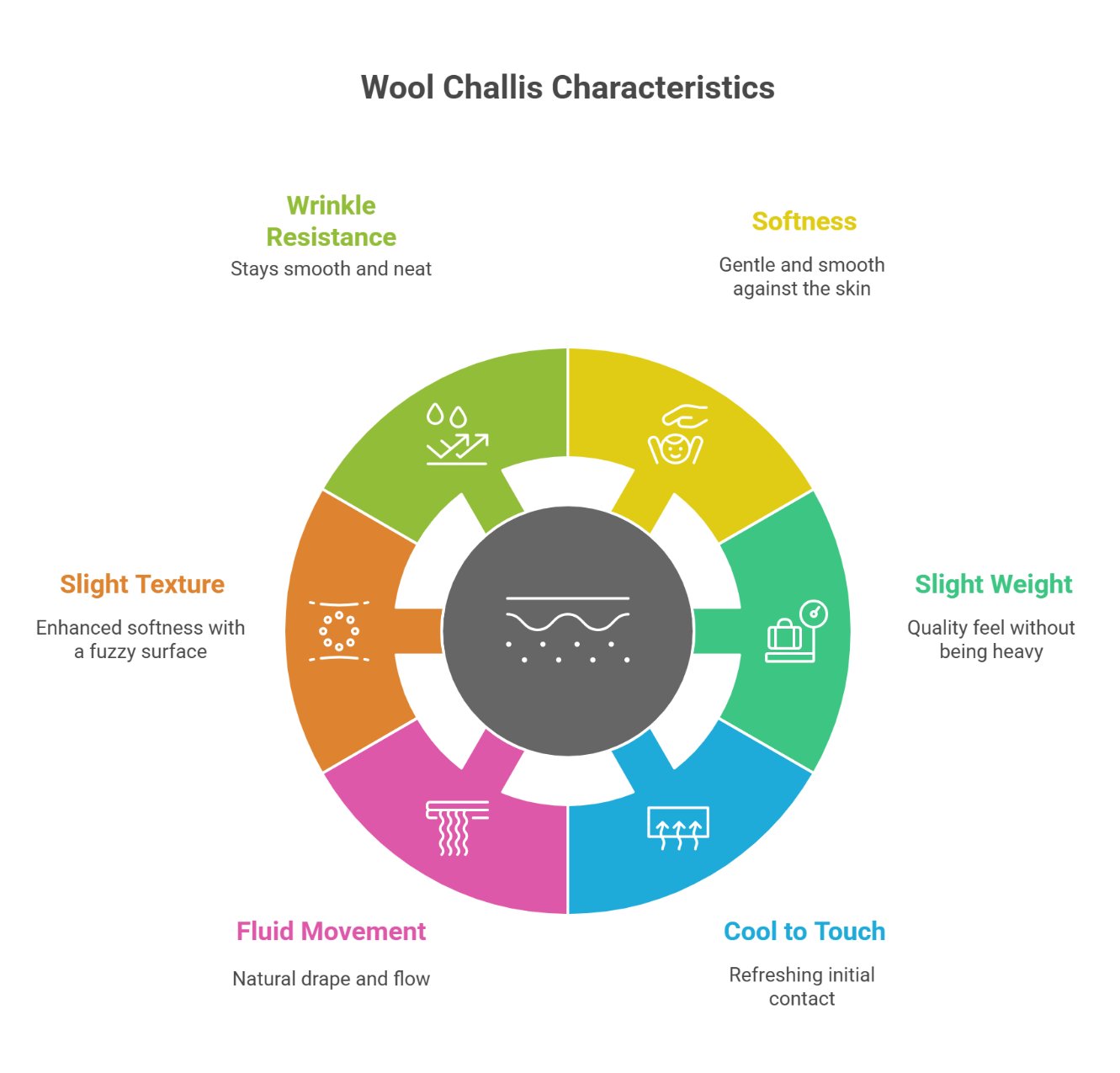
Wool challis has a distinctive feel that sets it apart from other fabrics. When you touch it, you’ll notice:
- Softness: It feels smooth and gentle against your skin, without the scratchiness often associated with wool
- Slight Weight: It has substance but isn’t heavy; you can feel its quality without it weighing you down
- Cool to Touch: Like most natural fibers, it feels slightly cool when you first touch it
- Fluid Movement: When you hold it up, it flows and drapes naturally rather than staying stiff
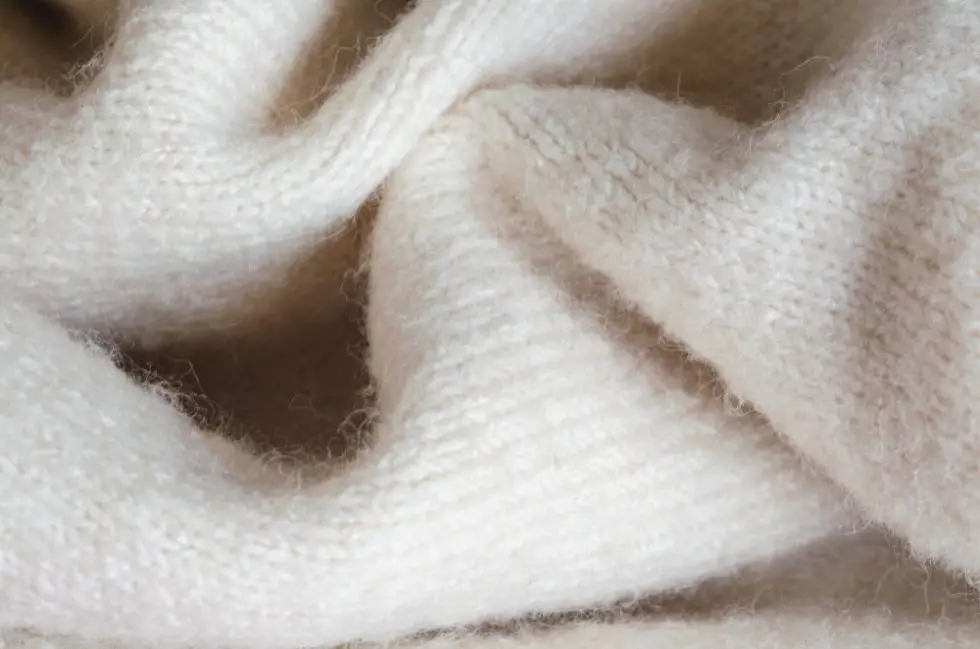
- Slight Texture: Some wool challis has a very subtle nap (fuzzy surface) that makes it even softer
What Does Challis Fabric Look Like?
Visually, wool challis has a matte surface with a subtle, elegant appearance. It doesn’t have the shine of silk satin or the obvious texture of tweed. Instead, it has a refined, understated look that works well for both casual and dressy garments.
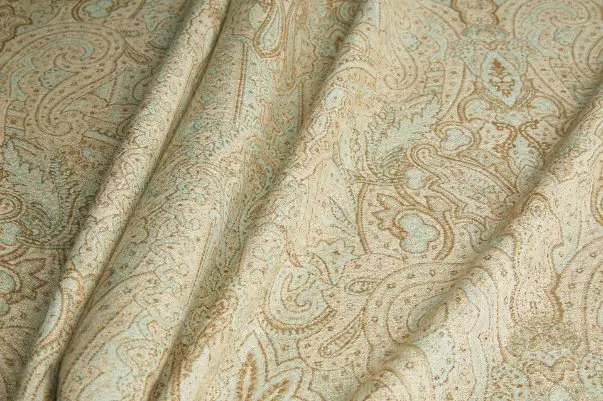
Wool challis is often printed with traditional patterns like small florals, paisleys, or abstract designs. However, you can also find solid colors, though these are less common in retail stores. The prints are usually done after weaving, which means the back of the fabric looks lighter than the front.
Does Challis Wrinkle Easily?
Here’s some good news: wool challis actually resists wrinkling better than many other fabrics. This is one of wool’s natural superpowers. The fibers have a natural crimp and elasticity that helps them bounce back to their original shape.
When you do get wrinkles in wool challis, they usually fall out after just a few minutes of wearing the garment. This makes it great for travel or busy days when you don’t have time to iron. Compare this to rayon challis, which wrinkles more easily and needs more care.
Types of Challis Fabric: Complete Comparison
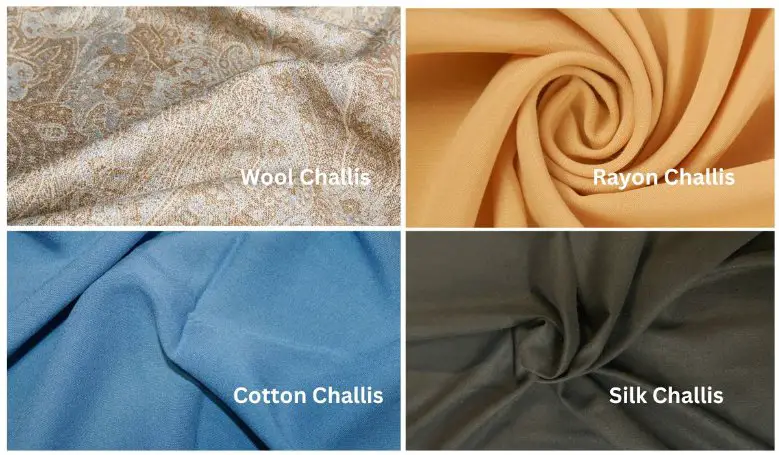
Is Wool Challis the Same as Challis Fabric?
Not exactly. “Challis” refers to the weave type and weight of the fabric, not the fiber content. Think of it like this: challis is like saying “jersey” or “flannel” – it describes how the fabric is made, not what it’s made from.
Today, you can find challis made from several different fibers:
- Wool Challis: The original and often considered the highest quality
- Rayon Challis: The most common type found in stores today
- Cotton Challis: Breathable and easy to care for
- Silk Challis: Luxurious but expensive
- Blended Challis: Combinations like rayon-wool or cotton-polyester
When people today say “challis” without specifying the fiber, they’re usually referring to rayon challis because it’s become so common. But wool challis is the original and many argue it’s still the best.
| Challis Type | Key Benefits | Best For | Price Range |
|---|---|---|---|
| Wool Challis | Wrinkle-resistant, breathable, temperature-regulating, long-lasting | Dresses, blouses, skirts, lightweight layers | $15-$45/yard |
| Rayon Challis | Affordable, soft, prints well, readily available | Summer dresses, casual tops, children’s clothes | $5-$15/yard |
| Cotton Challis | Easy care, breathable, hypoallergenic, durable | Everyday wear, children’s clothing, quilting | $8-$18/yard |
| Silk Challis | Luxurious feel, beautiful drape, natural sheen | Special occasion wear, scarves, luxury garments | $25-$60/yard |
| Blended Challis | Balances properties of different fibers, often budget-friendly | Depends on fiber blend | $6-$25/yard |
Wool Challis vs. Rayon Challis: What’s the Difference?
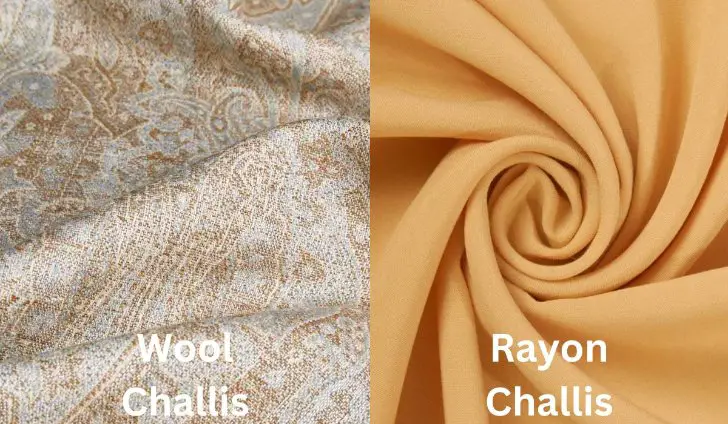
This is probably the most important comparison to understand because these are the two most common types you’ll encounter. While they share the same weave structure and drape, they behave quite differently.
| Feature | Wool Challis | Rayon Challis |
|---|---|---|
| Fiber Source | Natural animal fiber (sheep wool) | Semi-synthetic (made from wood pulp) |
| Wrinkle Resistance | Excellent – wrinkles fall out naturally | Fair – wrinkles more easily, needs more care |
| Temperature Regulation | Excellent – warm in winter, cool in summer | Good – breathable but less temperature adaptable |
| Durability | Very durable with proper care | Good but can weaken when wet |
| Shrinkage | Can shrink if not pre-treated properly | Shrinks with heat – requires 2-3 pre-washes |
| Care Requirements | Hand wash or gentle machine wash, air dry | Machine washable, can tumble dry on low |
| Environmental Impact | Biodegradable, renewable, but higher carbon footprint from sheep | Biodegradable, but production uses chemicals |
| Price | More expensive – $15-45/yard | Budget-friendly – $5-15/yard |
| Seasonal Use | Year-round | Best for spring and summer |
Choosing Between Them: Pick wool challis if you want a long-lasting, year-round fabric with natural temperature regulation. Choose rayon challis if you’re on a budget, prefer easy machine washing, or want more print options.
Cotton, Silk, and Blended Challis
Cotton Challis combines the breathability and easy care of cotton with the soft drape of challis weaving. It’s perfect for people with wool sensitivities and works well for children’s clothing. Cotton challis tends to be more crisp than wool or rayon versions, with less drape but better structure.
Silk Challis is the luxury option, offering exceptional softness and a subtle natural sheen. It’s more delicate than wool challis and usually requires dry cleaning. Silk challis drapes beautifully but comes with a higher price tag and more care requirements.
Blended Challis fabrics try to combine the best properties of different fibers. Common blends include:
- Rayon-Polyester: More durable and wrinkle-resistant than pure rayon
- Wool-Rayon: Balances wool’s warmth with rayon’s affordability
- Cotton-Polyester: Easy care with better drape than pure cotton
How Wool Challis Differs from Other Wool Fabrics

If you’re familiar with other wool and cashmere fabrics, you might wonder how wool challis fits into the wool family. Here’s what makes it unique:
Wool Challis vs. Wool Crepe
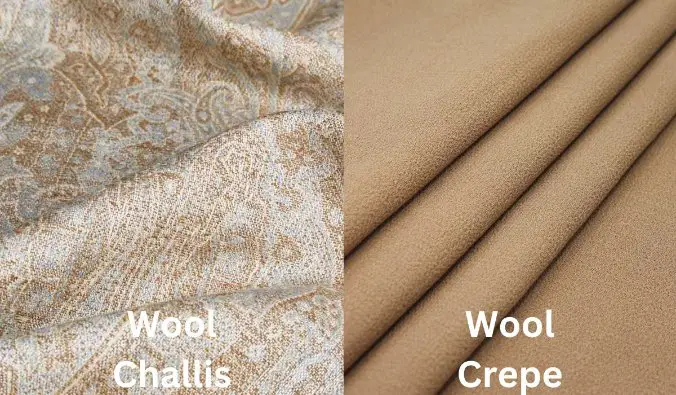
Wool crepe has a crinkled, slightly pebbled texture created by using highly twisted yarns. It has more body and structure than wool challis, making it better for tailored garments. Wool challis is smoother and more fluid, with less structure but more drape.
Wool Challis vs. Wool Gabardine

Gabardine is a tightly woven twill fabric with a diagonal ridge on the surface. It’s heavier and more structured than wool challis, perfect for trousers and blazers. Wool challis is much lighter and softer, making it unsuitable for structured garments but perfect for flowing pieces.
Wool Challis vs. Wool Flannel
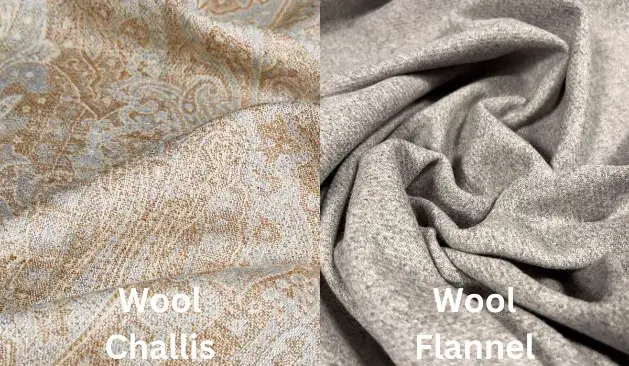
Flannel has a brushed, fuzzy surface that makes it warm and cozy. It’s typically heavier than wool challis and has more insulation. Wool challis is smoother, lighter, and less insulating, making it more versatile across seasons.
Wool Challis vs. Cashmere
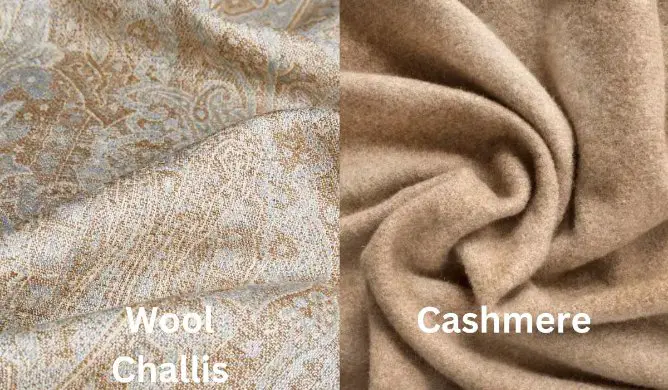
Cashmere comes from goats and is known for its extreme softness and warmth. While wool challis is soft, it’s not as luxurious as cashmere. However, wool challis is much more affordable and has better drape for garments that need to flow.
How to Identify High-Quality Wool Challis
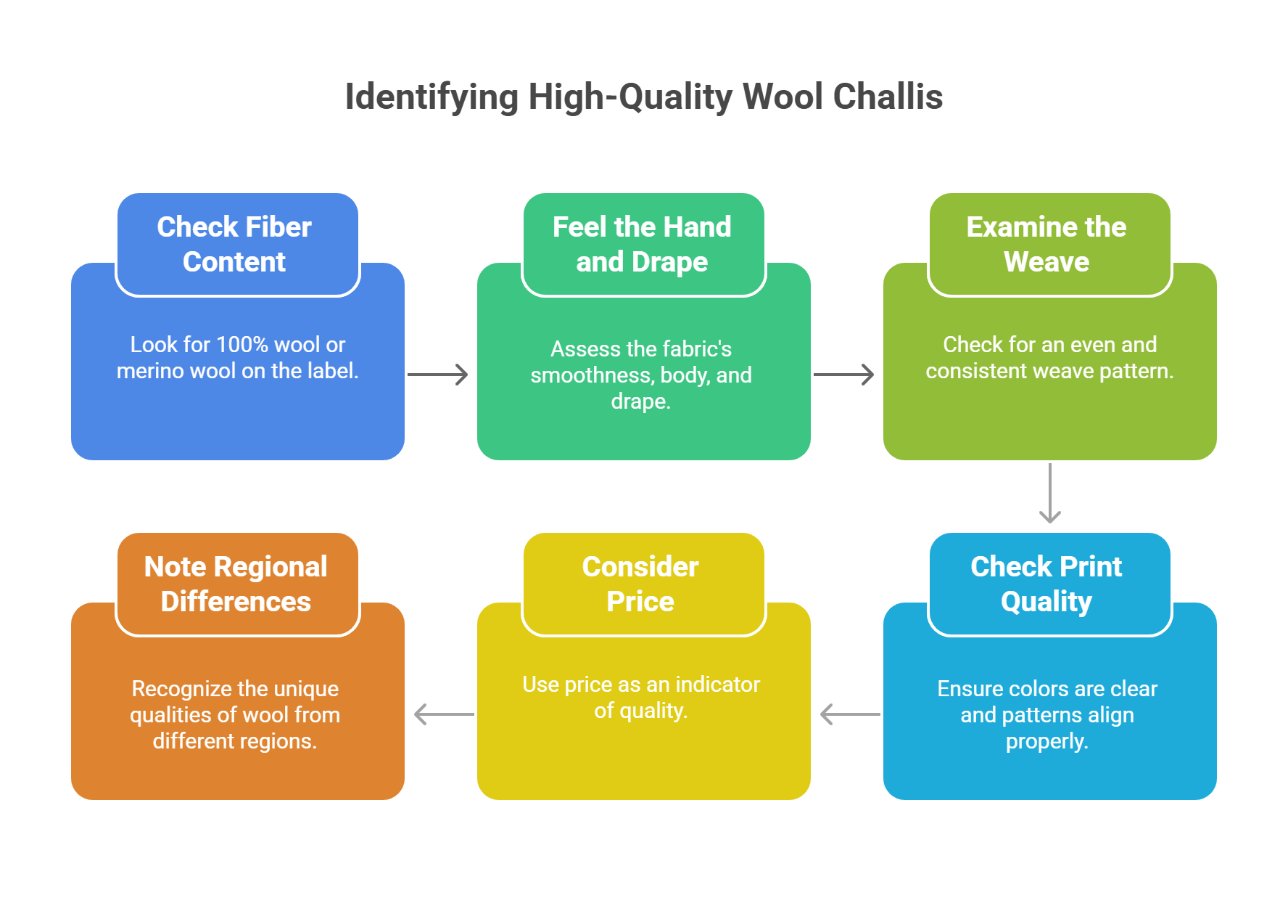
Not all wool challis is created equal. Here’s how to spot the good stuff before you buy:
Check the Fiber Content
Look for 100% wool or 100% merino wool on the label. Some fabrics labeled as “wool challis” are actually wool blends, which aren’t necessarily bad but should be priced accordingly.
Quality Indicator: Pure worsted wool challis is considered the highest quality. Worsted means the wool fibers have been combed to lie parallel, creating a smoother, stronger fabric.
Feel the Hand and Drape
When you handle high-quality wool challis, it should:
- Feel smooth and soft, not rough or scratchy
- Have good body without being stiff
- Drape nicely when you hold it up
- Not feel papery or overly thin
- Have a slight weight to it
Examine the Weave
Hold the fabric up to the light. High-quality wool challis should have an even, consistent weave without thin spots or irregularities. The weave should be tight enough that you can’t see through it easily (unless it’s an intentionally sheer variety).
Check the Print Quality
If you’re buying printed wool challis:
- Colors should be rich and clear, not muddy
- Patterns should align properly at the selvage
- There shouldn’t be white or faded spots
- The print should go through the fabric reasonably well (the back will be lighter but shouldn’t be blank)
Price as a Quality Indicator
While price isn’t everything, it can be a clue:
- $15-$25 per yard: Decent quality, good for practice or casual garments
- $25-$35 per yard: Good quality, suitable for most projects
- $35-$45+ per yard: High-quality or designer wool challis, often from Italian or British mills
Regional Differences
Italian wool challis is often considered among the best, known for beautiful prints and soft hand feel. British wool challis tends to be slightly heavier and more durable. Australian merino wool challis offers excellent softness due to the fine fiber diameter.
Sustainability and Environmental Impact
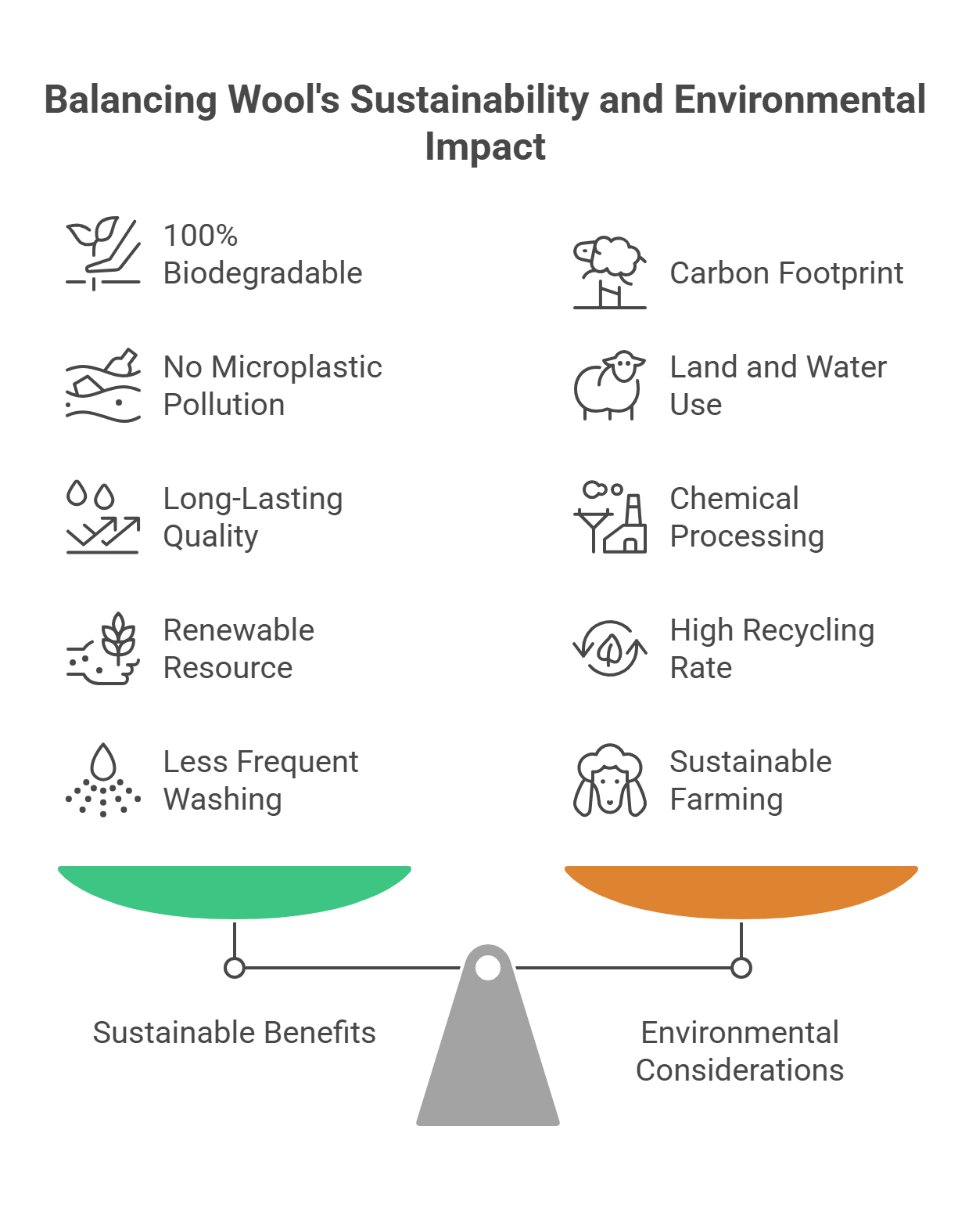
When it comes to choosing sustainable fabrics, wool challis has both benefits and considerations. Let’s look at the facts.
The Sustainable Benefits
Biodegradability: Wool challis is 100% biodegradable. According to The Woolmark Company, 100% wool fabrics can biodegrade by 95% after just 15 weeks when buried in soil. In marine environments, wool breaks down naturally without contributing to microplastic pollution.
No Microplastic Pollution: This is huge. Synthetic fabrics release up to 700,000 microplastic fibers per wash. Wool challis releases zero microplastics because it’s a natural fiber. Over the life of a garment, this makes a big difference to our oceans.
Long-Lasting Quality: Wool garments have an average lifespan of 6 years or more, which is 33% longer than alternative fabric clothing. Quality wool challis garments can last even longer with proper care, reducing the need for frequent replacements.
Natural and Renewable: Sheep grow a new fleece every year, making wool a renewable resource. Unlike petroleum-based synthetics, wool comes from a natural, repeating cycle.
Less Frequent Washing: Wool’s natural properties mean you need to wash it less often than other fabrics. This saves water, energy, and detergent over the garment’s life. Wool challis can often be aired out instead of washed after each wear.
High Recycling Rate: According to the International Wool Textile Organisation (IWTO), wool represents just 1.3% of the global textile market, yet studies show the donation rate of wool is about 5%. Wool is the most recycled apparel fiber in the world, with 6% of the total wool market being recycled, much higher than other fiber types.
Environmental Considerations
Carbon Footprint: The production of wool does have a carbon footprint, primarily from methane emissions by sheep during digestion. However, this needs to be weighed against the full lifecycle of synthetic alternatives, which are petroleum-based and release microplastics throughout their existence.
Land and Water Use: Sheep farming requires land and water resources. However, many sheep graze on land that’s unsuitable for crop farming, and responsible woolgrowers use sustainable farming practices that support biodiversity.
Chemical Processing: Traditional wool processing involves cleaning (scouring) and sometimes bleaching, which can create pollution. However, modern processing increasingly uses enzymatic treatments and closed-loop systems that recycle water and chemicals.
What to Look For
If sustainability is important to you, look for wool challis with these certifications:
- WOOLMARK Certification: Indicates quality standards and authentic wool fiber
- Responsible Wool Standard (RWS): Ensures animal welfare and land management practices
- ZQ Merino: Certification for ethical and environmental wool production
- Organic Wool: Produced without synthetic pesticides or fertilizers
Sustainability Tip: Choosing quality wool challis and caring for it properly means your garments will last for years, making it a more sustainable choice than fast-fashion alternatives that need frequent replacement.
Where to Buy Wool Challis Fabric
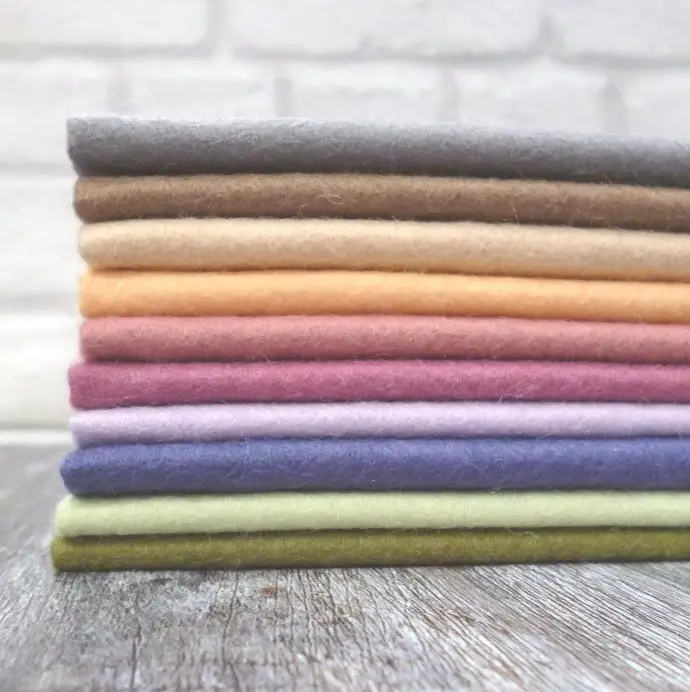
Finding wool challis can be tricky because it’s not as commonly stocked as rayon challis. Here’s where to look:
Online Retailers
- Mood Fabrics: Carries a selection of wool challis, often with designer prints. Known for quality selection though stock can be limited
- B&J Fabrics: New York-based store with excellent wool challis selection, especially solid colors and prints
- Farmhouse Fabrics: Specializes in natural fibers and often carries interesting wool challis prints
- Stone Mountain Fabrics: Berkeley-based with a good selection of quality wool challis
- Fabric Mart: Offers discounted designer wool challis when available
- Etsy: Various sellers offer wool challis, including vintage and deadstock options
International Sources
- Liberty of London: Known for beautiful printed wool challis, though expensive
- Italian Fabric Suppliers: Often carry high-end wool challis with sophisticated prints
- UK Fabric Shops: British mills produce quality wool challis, available through various online retailers
Seasonal Availability
Wool challis tends to be more available in late summer and fall when fabric stores stock up for cooler weather sewing. If you find wool challis you love, consider buying extra because it may not be available later.
Shopping Tip: Join fabric store mailing lists to get notifications about new stock. Many stores only carry wool challis occasionally, so you’ll want to know when it comes in.
Complete Care Guide
Proper care keeps your wool challis beautiful for years. The good news is that wool challis is easier to care for than many other wools because of its lightweight nature.
Should You Pre-Treat Wool Challis?
This is a controversial topic among sewers. Here are both approaches:
The Pre-Wash Camp: Some sewers recommend gently washing wool challis before sewing to prevent future shrinkage. Use cool water, mild wool detergent, and air dry flat.
The Steam-Only Camp: Others prefer to steam press wool challis before cutting, arguing that pre-washing can change the texture. Steam helps relax the fibers without the risk of shrinkage or texture changes.
Our Recommendation: If you plan to dry clean your finished garment, just steam press before cutting. If you want to hand wash your garment later, do a gentle pre-wash in cool water and air dry flat.
Washing Instructions
Hand Washing (Recommended)
Machine Washing (If You Must)
Some sewers report successfully machine washing wool challis, though it’s riskier than hand washing. If you choose this method:
- Place garment in a mesh laundry bag
- Use the delicate or wool cycle
- Set water temperature to cold
- Use wool-specific detergent
- Set spin to lowest possible speed
- Remove immediately when cycle finishes
Warning: Never use hot water on wool challis. Heat can cause felting (when wool fibers mat together), shrinkage, and texture changes. Even warm water is risky.
What Can Go Wrong and How to Avoid It
- Shrinkage: Caused by heat and agitation. Always use cool water and minimal movement
- Felting: Happens when hot water or excessive agitation causes fibers to mat. Prevention is key as felting can’t be reversed
- Stretching: Wet wool is vulnerable. Never hang wet wool challis; always support it fully
- Color Bleeding: Rich-colored prints may bleed slightly on first wash. Wash dark colors separately initially
Drying Methods
Best Method – Flat Drying: Lay your wool challis garment flat on a clean, dry towel or mesh drying rack. Shape it gently to its original dimensions. Keep it away from direct sunlight and heat sources. Let it air dry completely, which usually takes 12-24 hours.
Alternative – Hanging: For structured garments like dresses with bodices, you can hang to dry after most of the water is removed. Use a padded hanger to prevent shoulder marks. Only hang when the garment is damp, not soaking wet.
Never: Put wool challis in the dryer, even on low heat. The tumbling action combined with any heat will likely cause shrinkage and may felt the fabric.
Pressing and Ironing
Wool challis responds beautifully to steam but can be damaged by too much direct heat.
Best Practices:
- Set iron to wool setting or medium heat
- Always use a press cloth (a piece of cotton fabric between the iron and your garment)
- Use plenty of steam
- Press rather than sliding the iron
- Let the fabric cool completely before moving it
- For particularly delicate pieces, hold the steam iron 1/2 inch above the fabric instead of touching it
Pro Tip: Use a wooden clapper (a flat wooden tool) to press seams after steaming. It absorbs moisture and helps set the press without extra heat.
Avoiding Shine
Wool can develop a shiny spot if pressed with too much heat or pressure. The press cloth helps prevent this. If you do get shine, try steaming the area and brushing it gently with a soft brush.
Storage Tips
Short-Term Storage: Hang structured garments on padded hangers. Fold dresses and softer pieces to prevent stretching. Make sure garments are completely clean before storing, as dirt and body oils attract moths.
Seasonal Storage: When putting wool challis away for summer:
- Clean garments first (moths are attracted to food stains and body oils)
- Store in breathable cotton garment bags, not plastic
- Add natural moth deterrents like cedar blocks or lavender sachets
- Keep in a cool, dry place away from direct sunlight
- Check periodically for any signs of moths
Moth Prevention: Moths are the biggest threat to stored wool. Natural deterrents work well:
- Cedar blocks or balls (refresh annually by sanding lightly)
- Lavender sachets
- Dried rosemary
- Sealed storage containers for extra protection
Sewing with Wool Challis: Expert Techniques
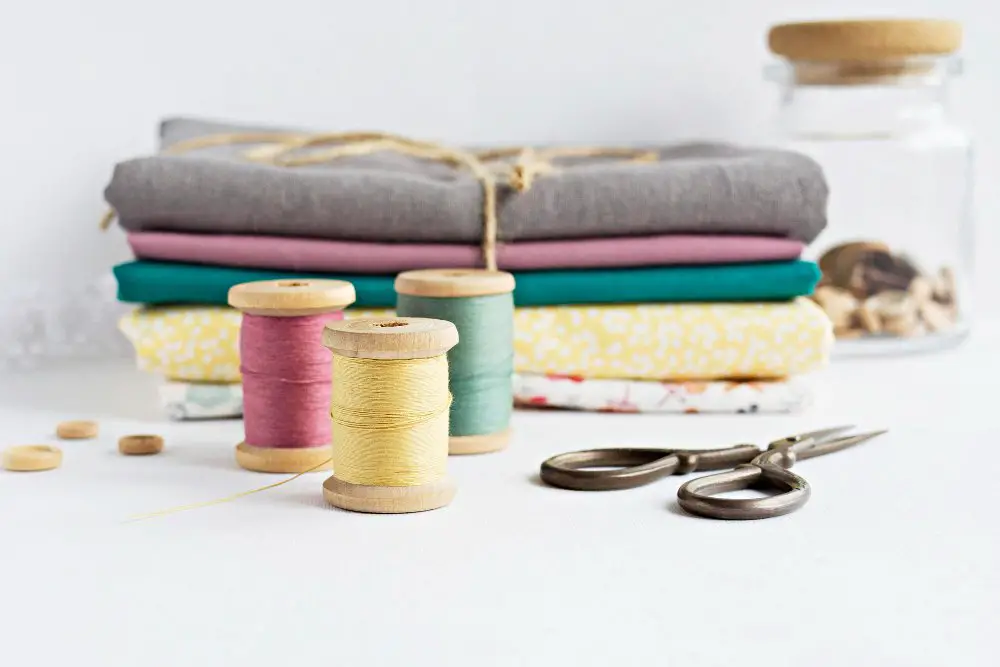
Wool challis is generally easier to sew than rayon challis because it has more body and less slippage. However, it still requires some special handling. For detailed sewing guidance, Threads Magazine offers expert tips on working with different wool types.
Before You Start: Essential Tools
Cutting Tools:
- Sharp fabric scissors or rotary cutter
- Pattern weights (better than pins for preventing shifting)
- Cutting mat if using rotary cutter
Marking Tools:
- Clover Chaco Liner for light colors
- FriXion erasable pen (test first!)
- White marking pen for dark fabrics
- Tailor’s chalk
Notions:
- Size 80/12 universal needles (or 70/10 for fine work)
- Quality cotton, silk, or polyester thread
- Fusi-Knit tricot interfacing for soft support
- So-Sheer lightweight knit interfacing for collars and cuffs
Cutting Your Fabric
Preparing the Fabric:
- Lay fabric flat and let it relax for a few hours
- Check that fabric is on-grain
- Press or steam if needed to remove wrinkles
- Avoid folding if possible; cutting single layer gives the most accurate results
Layout Tips:
- Use a without-nap layout unless your fabric has directional print
- Check print direction carefully if using patterned fabric
- Pin inside seam allowances only, or use pattern weights
- Cut with long, smooth strokes for clean edges
Sewing Techniques
Machine Settings:
- Stitch length: 2.5mm for regular seams
- Tension: Normal to slightly loose
- Presser foot: Standard or walking foot if available
- Speed: Moderate – rushing causes puckering
Seam Finishing: Wool challis can fray, so seam finishing is important. Good options include:
- French seams for a clean finish on sheer or lightweight garments
- Serged edges using a 3-thread overlock stitch
- Hong Kong finish for a professional look
- Flat-felled seams for durable construction
- Bound seams with bias tape
Important: Don’t make very fitted garments from wool challis. The fabric is delicate and seams can pull apart with too much stress. Stick to loose, flowing designs that don’t strain the seams.
Common Problems and Solutions
| Problem | Cause | Solution |
|---|---|---|
| Fabric shifting during cutting | Slippery nature of fabric | Use pattern weights instead of pins; cut single layer |
| Seams puckering | Tension too tight or stitching too fast | Loosen tension slightly; reduce speed; use tissue paper under seam |
| Fabric stretching during sewing | Pulling fabric or too much pressure | Let fabric feed naturally; reduce presser foot pressure |
| Needle holes visible | Needle too large | Switch to smaller needle (70/10); check needle for burrs |
| Hem wonky after construction | Bias edges stretching | Hang garment 24-48 hours before hemming; stabilize with stay tape if needed |
Special Considerations
Interfacing: Use lightweight, soft interfacing that won’t make the fabric stiff. Test on a scrap first. Apply with low heat and use a press cloth.
Buttonholes: Use a 70/10 jeans needle and fine machine embroidery thread on the bobbin for neat buttonholes. Stabilize the area with lightweight interfacing.
Hems: Let the garment hang for a day or two before hemming, as the fabric can stretch. Options include:
- Hand-sewn hems for an invisible finish
- Narrow machine hem for casual garments
- Hong Kong finish on the edge before turning up
- Faced hem for extra weight at the bottom
What to Make with Wool Challis
What is Challis Fabric Good For?
Wool challis works beautifully for garments that need soft drape and movement. Its lightweight nature makes it perfect for:
Beginner Projects
- Simple A-line Skirts: The drape makes gathering and simple shapes look professional
- Scarves and Wraps: Easy to make and show off the fabric’s beautiful drape
- Loose Blouses: Basic button-front or pullover styles work well
- Kimono-Style Jackets: Minimal construction with maximum impact
Intermediate Projects
- Shirt Dresses: The fabric’s drape creates elegant movement in simple silhouettes
- Midi Skirts with Gathers: Shows off the fabric’s beautiful flow
- Tunics: Comfortable and flattering in this soft fabric
- Lightweight Pants: Palazzo or wide-leg styles work best
- Caftans and Kaftans: Perfect for vacation wear
Advanced Projects
- Bias-Cut Dresses: The drape is perfect for bias techniques
- Pleated Garments: Holds soft pleats beautifully
- Lined Coats: When lined with silk, creates luxury lightweight outerwear
- Evening Gowns: The subtle elegance suits formal wear
Design Tip: Wool challis works best in designs with soft gathers, draping, unpressed pleats, or cowl necklines. Avoid very structured styles or tight-fitting garments with a lot of seam stress.
What NOT to Make
Some projects aren’t ideal for wool challis:
- Structured Blazers: Needs fabric with more body
- Tailored Pants: Better in heavier wool like gabardine
- Fitted Bodices: Seams can pull apart with body movement
- Heavy-Use Items: Not durable enough for rough handling
- Children’s Play Clothes: Too delicate for active play
Pattern Recommendations
Look for patterns that specify “suitable for challis” or patterns recommending fabrics like: “lightweight wools,” “crepe de chine,” or “soft drapey fabrics.” These will work well with wool challis.
Should You Line Wool Challis Garments?
This depends on the garment and your preference:
Reasons to Line:
- Adds opacity if fabric is sheer
- Protects seams and makes them last longer
- Prevents static with tights or leggings
- Creates a luxurious feel
- Helps garment hang better
Good Lining Choices:
- Silk habotai for ultimate luxury
- Bemberg rayon for a more affordable option
- Fine cotton batiste for casual garments
Seasonal Versatility
Is Challis Fabric Good for Summer?
Yes! This might surprise you since wool is often associated with winter, but wool challis is actually great for warm weather. Here’s why:
- It’s very lightweight and breathable
- Wool naturally wicks moisture away from your body
- It has better temperature regulation than rayon
- The loose weave allows air circulation
- Wool has natural UV protection (better than cotton)
Is Challis Fabric Hot?
No, wool challis is not a hot fabric. In fact, one of wool’s amazing properties is that it regulates temperature. It keeps you warm when it’s cold and helps you stay cool when it’s warm. This is because wool fibers can absorb up to 30% of their weight in moisture without feeling damp, and they release that moisture gradually.
Year-Round Wearability
Spring: Perfect weight for transitional weather. Layer over a tank top or wear on its own as temperatures rise.
Summer: Surprisingly breathable for warm weather. Choose looser styles in lighter colors. Works well for travel as it resists wrinkling.
Fall: Ideal season for wool challis. Layer under cardigans or light jackets. The warmth without bulk makes it perfect for autumn.
Winter: Works as a light layer under heavier coats. In milder climates, wool challis dresses with tights and boots are perfect.
Styling Tip: Wool challis is excellent for travel because it resists wrinkles, packs small, and works across different temperatures. A wool challis dress can go from airplane to evening dinner with minimal care.
Frequently Asked Questions
Pros: Beautiful drape, soft feel, wrinkle-resistant, breathable, temperature-regulating, works year-round, comfortable to wear, easy to sew compared to other drapey fabrics, holds prints well, and ages gracefully.
Cons: Can be hard to find in stores, more expensive than rayon challis, requires gentle care, not suitable for structured garments, seams can pull apart under stress, may shrink if not cared for properly, can be sheer in lighter weights, and can fray at cut edges.
Conclusion
Wool challis is one of those special fabrics that rewards you with beautiful results when you understand how to work with it. Its combination of soft drape, natural breathability, and year-round wearability makes it a smart choice for sewers who want to create garments that are both elegant and practical.
Key Takeaways
What Makes Wool Challis Special: This lightweight wool fabric offers the best of both worlds: the luxury feel and performance of natural wool in a weight that works across seasons. Its plain weave creates a soft, matte surface that drapes beautifully without being clingy or heavy.
Quality Matters: Not all wool challis is created equal. Look for 100% wool or merino wool content, check for even weaving, and expect to pay $15-$45 per yard for good quality. Italian and British wool challis tend to offer the best combination of softness and durability.
Sustainability Benefits: Wool challis is biodegradable, renewable, and releases zero microplastics. With proper care, garments can last 6+ years, making it a more sustainable choice than fast-fashion alternatives. The fabric’s natural wrinkle resistance and odor resistance mean less frequent washing, saving water and energy over time.
Care Is Simpler Than You Think: Despite being wool, challis is relatively easy to care for. Cool water hand washing, air drying flat, and steam pressing will keep your garments looking great for years. The fabric’s natural wrinkle resistance means you can often skip ironing altogether.
Perfect Projects: Wool challis shines in loose, flowing garments. Think shirt dresses, A-line skirts, soft blouses, and draped pieces. Avoid tight-fitted or highly structured garments where seams will be under stress. The fabric’s drape is its superpower, so choose patterns that let it flow.
Making the Choice
Choose wool challis when you want:
- A fabric that works across multiple seasons
- Natural temperature regulation and breathability
- Garments that resist wrinkles and travel well
- Soft, comfortable pieces that drape beautifully
- A sustainable, long-lasting material
- The quality and feel of luxury without excessive weight
Consider other fabrics if you need:
- Very structured, tailored garments
- Budget-friendly options (rayon challis costs less)
- Machine-washable, low-maintenance clothes
- Heavy-duty fabrics for rough use
- Complete opacity in lightweight fabric
Your Next Steps
Ready to try wool challis? Here’s what we recommend:
Start Small: Buy a yard or two for your first project. Choose a simple pattern like a basic A-line skirt or loose top so you can focus on learning the fabric without complicated construction.
Need help planning your project? Try our Wool Type Selector Quiz to find the perfect wool fabric for your needs, or use the Wool Quality Assessment Checklist to evaluate fabric before you buy.
Test Your Care Method: Before making your garment, wash a small swatch using your planned care method. This shows you exactly how the fabric will behave and helps you decide whether to pre-wash your yardage.
Join the Community: Connect with other sewers who work with wool challis. Many online sewing communities share tips, pattern recommendations, and sources for finding this sometimes-hard-to-locate fabric.
For more guidance on working with specialty fabrics, explore our guides on wool voile and wool gauze, or check out our comprehensive beginner’s guide to sewing for foundational techniques.
Final Thoughts
Wool challis might not be the easiest fabric to find or the cheapest option on the shelf, but it offers something special that’s hard to match. The way it drapes, the way it feels, the way it moves—these qualities create garments that you’ll reach for again and again.
In a world of fast fashion and disposable clothing, choosing wool challis is a small act of choosing quality over quantity. Your finished garments will last for years, feel comfortable in any season, and develop character as they age. That’s the kind of fashion choice that makes sense for both your wardrobe and the planet.
Whether you’re sewing a dress for a special occasion or just want to add something beautiful to your everyday rotation, wool challis is ready to help you create something you’ll love wearing. The fabric may be lightweight, but the results are anything but ordinary.