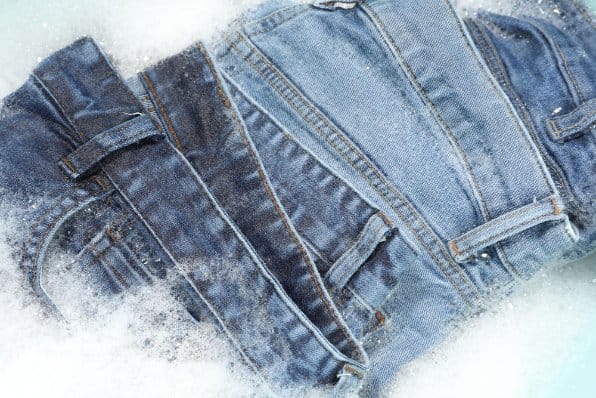

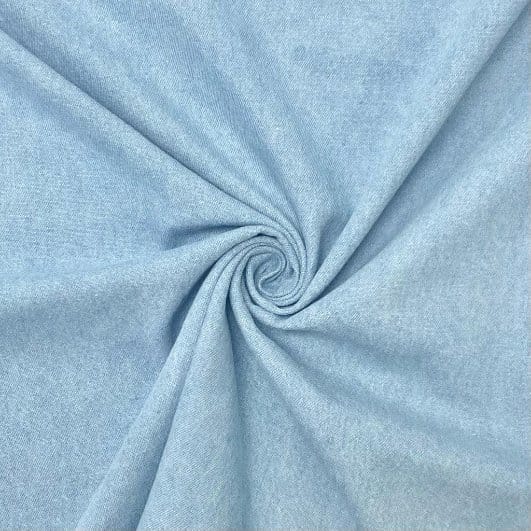
From stone wash to laser finish, a full breakdown of every wash type, how washed denim compares to raw denim and other fabrics, what the environmental story looks like, and where things are headed in 2026 and beyond.
What Is Washed Denim Fabric?
DefinitionWashed denim is denim fabric that has been put through one or more washing or finishing processes after being woven and dyed. The goal is to change how the fabric looks, feels, and behaves, taking it from a stiff, dark, uniform cloth to something softer, lighter, and more character-rich.
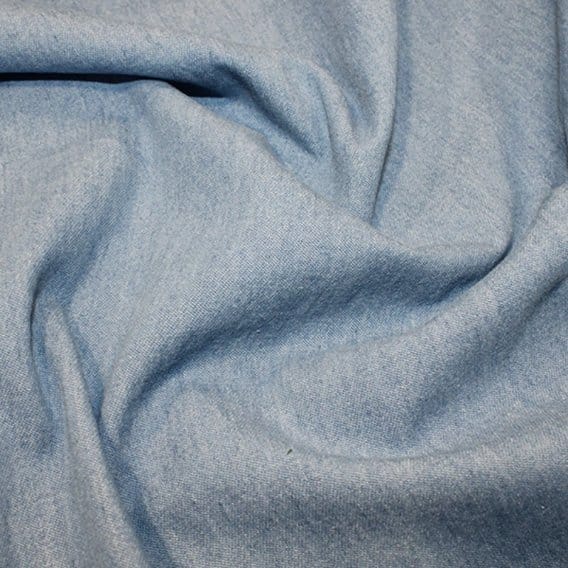
When you buy a pair of jeans that already looks faded, feels broken-in, or has that worn, lived-in look straight from the shelf, that is washed denim.
Denim starts as raw fabric. Cotton is spun into yarn, dyed with indigo, and woven on a loom. Only the surface of the yarn takes the dye. The white cotton core stays intact underneath.
At this stage, the fabric is stiff, heavy, and very dark blue. It would be uncomfortable to wear without further treatment. The washing process is what transforms it into the soft, wearable jeans you know.
Washed denim is by far the most common type of denim you will find on the market. It accounts for the vast majority of jeans, jackets, shorts, skirts, and denim shirts sold globally.
According to market research, the global denim market was valued at USD 24.05 billion in 2025 and is expected to grow to USD 36.76 billion by 2035. Washed denim products drive the lion’s share of that figure.
It is worth noting that “washed denim” is an umbrella term, not a single style. Stone wash, acid wash, enzyme wash, laser wash, these are all types of washed denim. They just get there through very different methods. This guide covers all of them.
If you want to understand the full world of denim fabric before diving deep here, our complete guide to denim fabric is a great place to start. This article focuses specifically on what happens after the denim leaves the loom.
A Brief History of Washed Denim
HistoryDenim has been around since the 1800s. Back then, it was raw, rigid workwear fabric made for miners, railroad workers, and cowboys. Nobody was trying to make it look faded, durability was all that mattered.
The washed denim story really begins in California in the 1960s. Surfers who spent long hours in the Pacific Ocean discovered that their Levi’s 501 jeans would fade beautifully from saltwater and sun exposure. They liked the look so much that some started soaking their jeans in diluted bleach and beach sand to speed up the process. That was the birth of intentional denim washing.
By the late 1970s, denim manufacturers caught on. Stone washing, tumbling jeans with pumice stones in industrial machines, became a commercial process and changed the industry. It allowed factories to produce that worn, softened look at scale.
Then came the 1980s. Acid wash denim hit the scene and it was everywhere, glam metal bands, punk rockers, and pop stars all wore those stark, bleached-white jeans with the dramatic dark patches. The look became one of the most iconic fashion statements of the decade. It is making a strong comeback right now in 2026.
The 1990s brought a cleaner aesthetic. Rinse washes and darker, more uniform fades dominated. Grunge culture preferred plain dark denim. The stone wash mania of the previous decade cooled down significantly.
The early 2000s introduced enzyme washing as a more sustainable and gentler alternative to stone washing. Instead of using physical pumice stones to abrade the denim, brands started using biological enzymes to achieve a similar soft, faded finish. This was a real turning point for the industry.
In the 2010s, laser washing technology changed things again. Lasers could etch precise patterns, whiskers, and fades onto denim without any water, chemicals, or stones. It was faster, cleaner, and far more consistent than manual methods.
Today, in 2026, the focus is firmly on sustainability. Ozone washing, AI-driven water recycling systems, and closed-loop production models are reshaping how washed denim is made. The industry is rethinking every step of the process.
How Washed Denim Is Made: Step by Step
Manufacturing ProcessUnderstanding how washed denim is made helps you appreciate the difference between a well-made pair of jeans and a cheaper version. The process has two main stages: making the denim fabric, and then washing or finishing the garment.

Dry Processes vs Wet Processes
The finishing stage breaks down into two categories: dry processes and wet processes. Many garments go through both.
Dry processes are applied before any wet wash and create the physical patterns we associate with worn denim. Common techniques include whiskering (light crease-like lines across the thighs), hand sanding (rubbing specific areas by hand for a faded effect), tacking (stitching the denim in position to create natural crease lines), and laser etching.
None of these require water, and they are often combined with a wet wash in the same production run.
Wet processes are what most people think of when they hear “denim washing.” Stone washing, enzyme washing, bleach washing, acid washing — these all happen in industrial washing machines or treatment chambers.
Some methods use water heavily. Others barely use any at all. The type of wash, the duration, the temperature, and any chemicals or enzymes added all determine the final look of the fabric.
That is why even two garments sent through the same “stone wash” process can look quite different depending on how the factory runs it.
All Types of Denim Washes Explained
Wash TypesThere are far more types of denim washes than most people realise. Most articles cover four or five. Here is the full breakdown, every major wash type, how it works, what it looks like, and what it means for the planet.
Each card below shows an eco rating out of 5 (●), 5 being the most eco-friendly, 1 being the most resource-heavy.
Rinse Wash
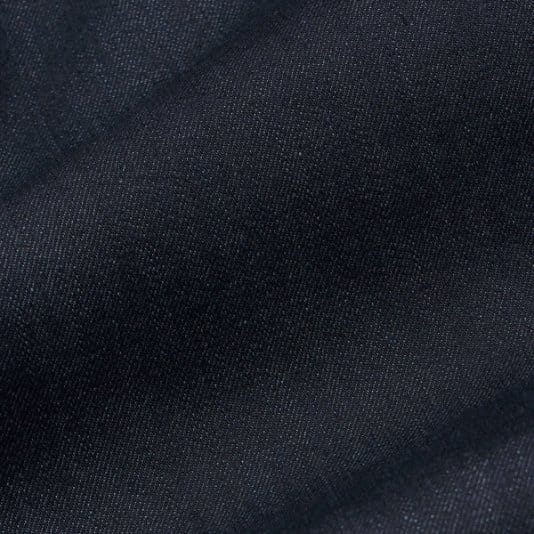
The simplest wash type. The garment is rinsed once in water to remove excess dye and starch. The result is dark, crisp denim that retains most of its original colour. It is still slightly softer than raw denim but not by much.
Look & feel: Dark, uniform, close to original dye colour. Slightly less stiff than raw.
Best for: Clean, polished looks. Dark indigo jeans for smart-casual wear.
Stone Wash
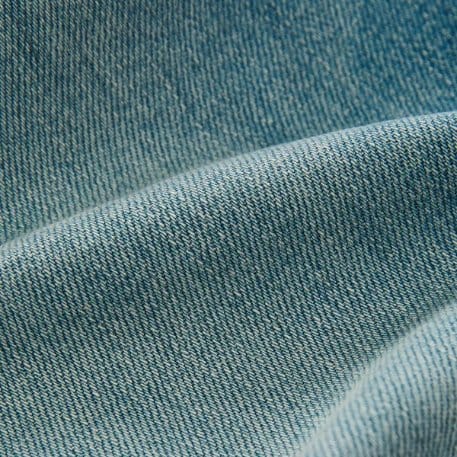
One of the most iconic denim treatments ever created. Garments are tumbled in large industrial machines with pumice stones, porous volcanic rocks with sharp edges that physically scrape the indigo off the surface fibres. The longer the tumble, the lighter and more distressed the result.
Look & feel: Faded, worn-in, soft. Lighter and more casual than rinse wash. Has a naturally uneven fade.
Best for: Casual everyday denim. Classic jeans and jackets with a relaxed feel.
Acid Wash
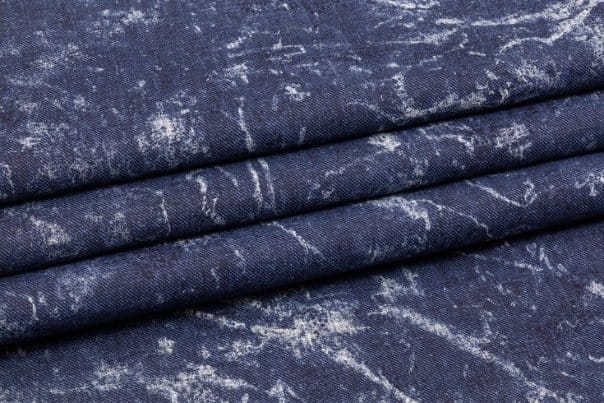
Also called marble wash or snow wash, acid wash uses pumice stones that have been pre-soaked in chlorine bleach. The stones deposit the bleach unevenly onto the denim as they tumble, creating that dramatic, high-contrast mottled pattern. No actual acid is used, the name comes from the sharp, bleached look it creates.
Look & feel: Bold, high-contrast fade with light patches and dark areas. Stiff by touch. Very distinctive look.
Best for: Statement pieces. Retro and vintage-inspired fashion. Currently trending hard in 2026.

Bleach Wash
Bleach is applied directly to the denim, either in a full wash cycle or by splashing, painting, or spraying it on. Strong oxidising agents like sodium hypochlorite or potassium permanganate break down the indigo dye molecules. The result is a lighter, sunbleached look rather than the patchy marble effect of acid wash.
Look & feel: Light blue to near-white. Clean, bright fade. More uniform than acid wash.
Best for: Summer denim. Light-wash jeans. Beachy, relaxed styles.
Enzyme Wash
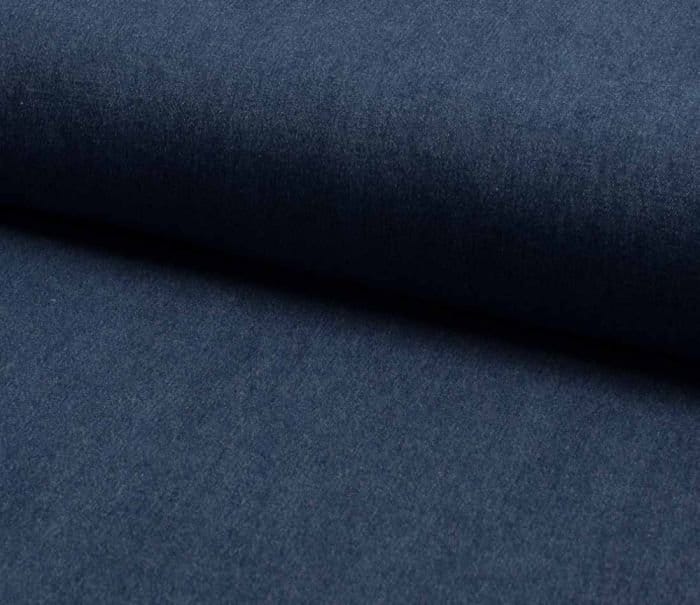
Enzyme washing is the eco-friendly alternative to stone washing. Biological enzymes, primarily cellulase, derived from naturally occurring fungi, break down the surface fibres of the denim, lifting indigo and softening the fabric. No rocks, no harsh chemicals. Some enzyme washes use very little water at all.
Look & feel: Soft, natural fade with precise wear patterns. Less random than stone wash. Extremely comfortable feel.
Best for: Sustainable brands. Everyday premium denim. Anyone who wants a softer hand-feel without the environmental cost.
Sand Wash
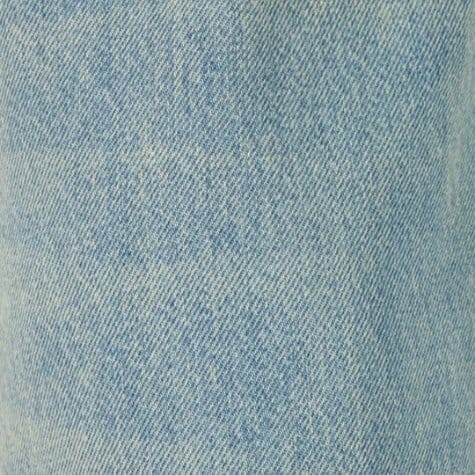
Similar in principle to stone washing, but sand, or fine abrasive materials, is used instead of pumice stones. The abrasion is gentler and more even than pumice, creating a smoother, finer fade. Hand sanding is a variation where workers manually sand specific areas to create a targeted worn-in look.
Look & feel: Even, soft fade. Less dramatic than stone wash. The hand-sanded version can look very natural and precise.
Best for: Mid-range denim. Smart-casual looks. A subtler alternative to stone wash.

Snow Wash / Marble Wash
Snow wash is a variation of acid washing that is gentler and retains more of the original blue dye. Pumice stones soaked in bleaching agents are tumbled dry with the garment. The stones deposit chemical bleach unevenly, creating a frosted, speckled pattern across the fabric. The result looks like a light snowfall on dark denim.
Look & feel: Lighter than acid wash with dark seams and a frosted, speckled appearance. Retains more original colour than full acid wash.
Best for: Vintage-inspired pieces. Retro looks.
Monkey Wash (PP Spray)
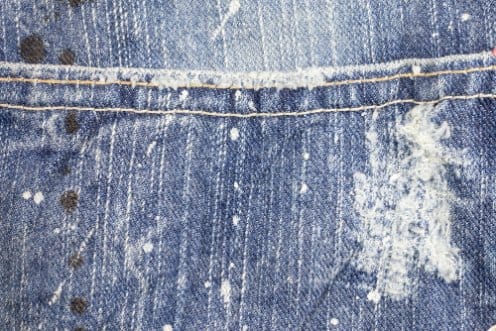
Monkey washing, also called PP spray (potassium permanganate spray), involves spraying a chemical solution directly onto specific areas of the denim, typically the thighs, knees, and back pockets. The spray reacts with the indigo to create targeted fading and whisker effects. It can create very precise, artistic patterns.
Look & feel: Targeted, controlled fading. Creates cat whisker lines and other specific wear patterns. Often used alongside other wash techniques.
Best for: Adding precise detail to distressed denim. Creating authentic-looking wear patterns without actual wear.
Laser Wash
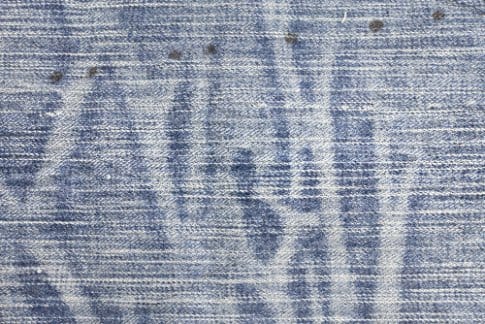
Laser washing is one of the most exciting developments in denim finishing. Laser beams are used to etch precise fading patterns, whisker effects, and even intricate designs directly onto the denim fabric. No water. No stones. No harsh chemicals. A computer controls the laser, so every pair comes out identical, or can be fully customised for unique looks.
Look & feel: Very precise, clean fading. Can replicate any wear pattern or design. Consistent batch to batch. The fabric remains strong since fibres are not physically abraded.
Best for: Premium denim. Sustainable brands. Complex designs. High-volume consistent production.
Ozone Wash
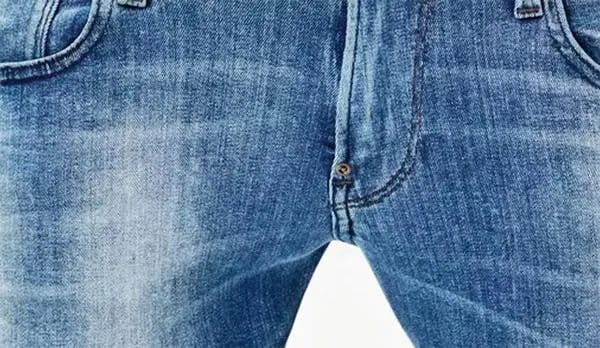
Ozone washing uses ozone gas instead of water to bleach and fade denim. Ozone is a highly reactive form of oxygen that breaks down indigo dye without needing liquid water or chemical bleaches. In 2005, Jeanologia introduced G2 Ozone technology. By 2023, the company launched G2 Indra Ozone Airwash, which replaces traditional water-washing machines entirely with an air-based system.
Look & feel: Soft, even fade similar to bleach wash but much gentler on the fabric. Maintains fabric integrity well.
Best for: Environmentally focused brands. Facilities trying to drastically cut water usage.
Vintage / Distressed Wash
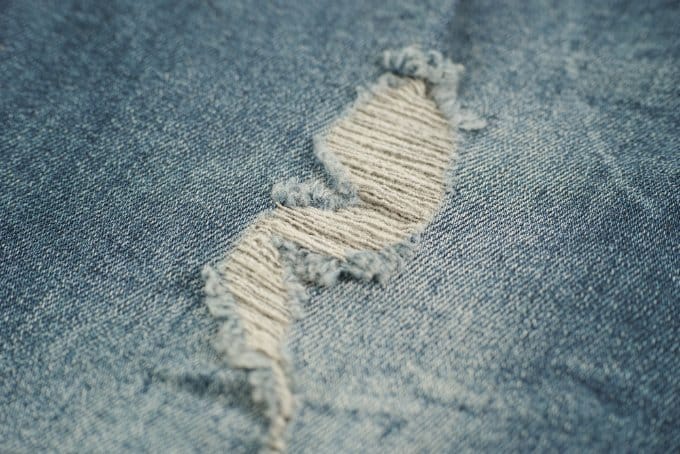
Vintage washing is not a single technique, it is a combination of methods designed to make denim look like it has been worn for years. Stone washing, hand sanding, enzyme treatments, whiskering, tacking, and ripping are all combined to mimic authentic aged denim. Major mills like Global Denim and Soorty create entire collections with this look.
Look & feel: Aged, character-rich, naturally faded with rips, fraying, and wear marks. Looks like it has a story behind it.
Best for: Heritage brands. Fashion-forward consumers. Retro collections. Y2K-inspired looks.
Moon Wash
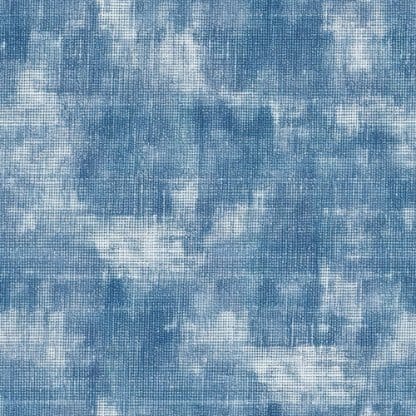
Moon wash is a lesser-known variation of acid washing. It produces cloudy, circular fade patterns across the fabric that resemble the surface of the moon, hence the name. It is a niche technique that surfaces occasionally in limited-edition and vintage-inspired collections. Not widely used in mass production.
Look & feel: Circular, cloud-like fade patterns. Softer contrast than standard acid wash. Unusual and collectible appearance.
Best for: Limited edition collections. Collectors. Distinctive, artistic denim pieces.
Washed Denim vs Raw Denim: Head-to-Head
ComparisonThis is the question that comes up most in denim conversations. Raw denim (also called dry denim) has a devoted following, but washed denim is what most people actually wear. Here is the honest comparison.
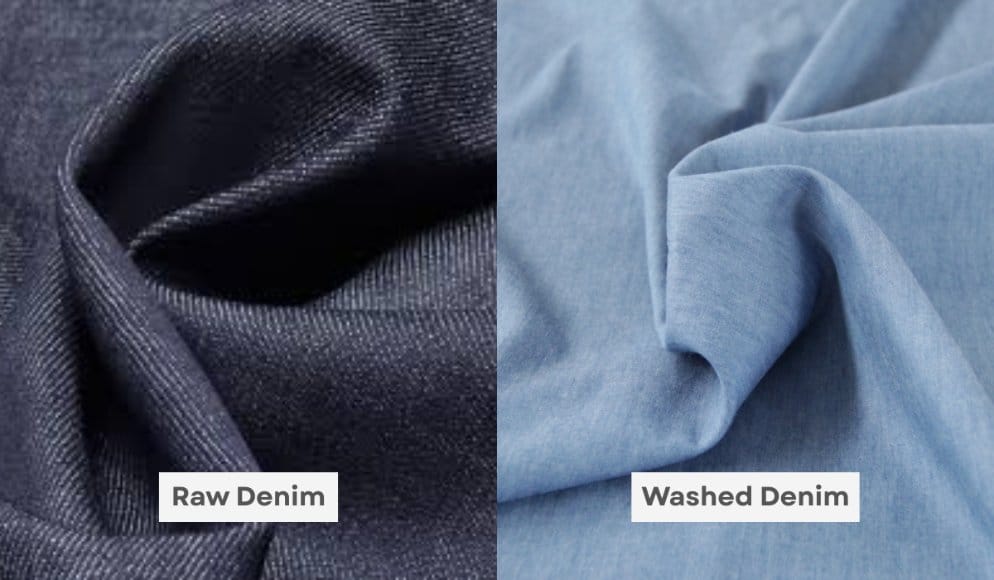
Washed Denim
- Soft and comfortable from day one
- Ready to wear straight off the shelf
- Consistent look, no guesswork
- Pre-shrunk, size stays stable after home washing
- Fades gradually and evenly over time
- Easier to care for, can wash regularly
- Slightly weaker than raw (washing opens up fibres)
- Wide range of colours and finishes
- Better choice for everyday casual wear
Raw Denim
- Very stiff and uncomfortable at first
- Requires a “break-in” period of months
- Fades are completely unique to your body and lifestyle
- Can shrink up to 10% on first wash (unsanforized)
- Develops dramatic, personalised fades over time
- Needs careful washing, as infrequently as possible
- Generally more durable and longer-lasting
- Usually available in a limited colour range (dark indigo)
- Better for denim enthusiasts and collectors
| Feature | Washed Denim | Raw Denim |
|---|---|---|
| Comfort out of the box | Excellent | Poor (stiff) |
| Durability | Good | Excellent |
| Unique fade potential | Moderate | Outstanding |
| Shrinkage risk at home | Very low | High (unsanforized) |
| Ease of care | Easy | Needs special care |
| Style range | Very wide | Narrow |
| Price (generally) | Budget to premium | Mid to premium |
| Best for | Most everyday wearers | Denim purists and enthusiasts |
The short answer? Washed denim is the better choice for most people. It is comfortable, easy to maintain, and gives you a consistent look. Raw denim rewards patience and careful care with beautiful, personalised results, but that is not what everyone is after.
Washed Denim vs Other Denim Types
Denim ComparisonsWashed denim is one of many denim categories. Here is how it stacks up against the other main types you will encounter.
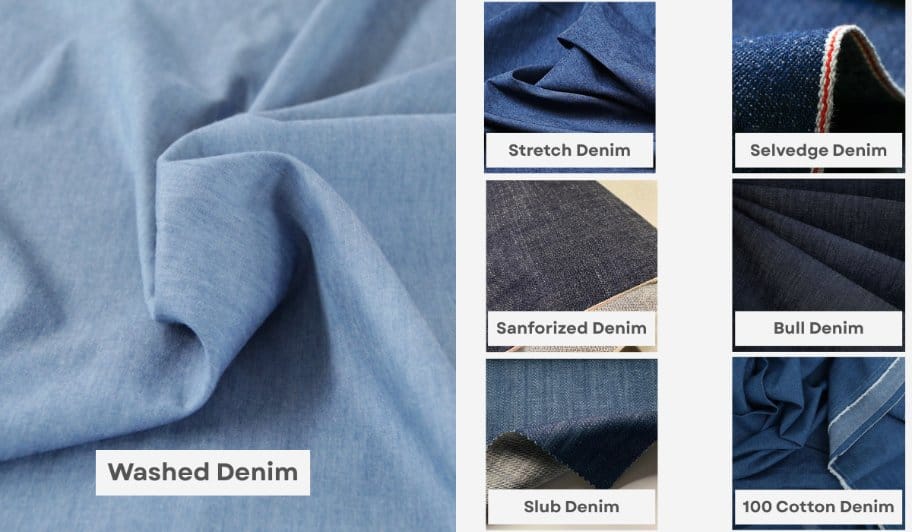
| Denim Type | What Makes It Different | Best Use | vs Washed |
|---|---|---|---|
| Stretch Denim | Contains elastane or spandex (1–5%) for flexibility | Active wear, figure-hugging styles, comfort-focused | Washed can also be stretch, these are not mutually exclusive |
| Selvedge Denim | Woven on old shuttle looms with a self-finished edge. Tighter weave, premium quality | Premium jeans, collectors, heritage brands | Most selvedge is raw, can be washed but rarely is for commercial products |
| Sanforized Denim | Pre-shrunk using heat and pressure during fabric production | Ready-to-wear garments where stable sizing matters | Most washed denim is also sanforized, it is a fabric prep step before washing |
| Bull Denim | A heavier, stiffer 3-ply denim. Usually not washed or treated | Upholstery, bags, heavy-duty workwear, crafts | Washed is lighter and more wearable; bull denim is about raw strength |
| Slub Denim | Uses slub yarn (irregular thickness) for a textured, vintage-looking weave | Premium casual, artisan denim, vintage aesthetic | Can be washed; the slub texture adds dimension to any wash type |
| Coloured Denim | Dyed with colours other than indigo, black, white, red, grey | Fashion-forward looks, season-driven colour stories | Also goes through washing processes, but the chemistry differs from indigo-dyed fabric |
| 100% Cotton Denim | No synthetic fibres, pure cotton construction | Premium, natural feel, easier to recycle | Washed denim can be 100% cotton or a blend, the fibre content and wash type are separate attributes |
Washed Denim vs Other Fabrics
Fabric Comparisons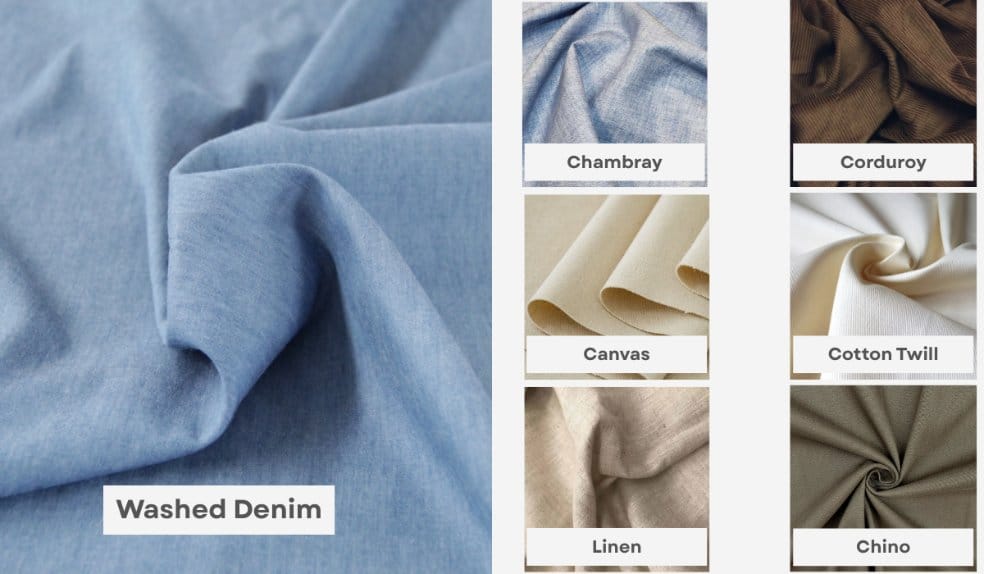
People often choose between denim and other fabrics for the same projects, especially for casual trousers, jackets, and bags. Here is how washed denim holds up.
| Fabric | Weight & Feel | Durability | Breathability | Style Range | vs Washed Denim |
|---|---|---|---|---|---|
| Chambray | Light, soft, plain weave | Moderate | Very good | Casual shirts, dresses | Often mistaken for light denim. Much lighter and less durable. Great for summer. Denim wins on durability and variety. |
| Corduroy | Medium-heavy, ribbed texture | Good | Moderate | Autumn/winter trousers, jackets | Warmer than denim. Distinctive ribbed look. Less versatile across seasons. Washed denim is more year-round. |
| Canvas | Heavy, stiff, plain weave | Excellent | Moderate | Bags, workwear, shoes | More rigid and less fashionable than denim. Canvas is for function first. Washed denim balances both. |
| Cotton Twill | Medium weight, diagonal weave | Good to very good | Good | Chinos, workwear, uniforms | Denim is a type of cotton twill, but heavier and dyed differently. Twill is more formal. Washed denim is more casual. |
| Linen | Light to medium, crisp | Moderate (wrinkles easily) | Excellent | Summer trousers, shirts, dresses | Linen is cooler and more breathable in heat. Denim is more durable and holds its shape better. Different seasons, different uses. |
| Chino / Twill | Light to medium, smooth | Moderate | Good | Smart-casual trousers, shorts | Chino is smarter and less casual than washed denim. Denim offers more styling variety and more durability. |
The takeaway? Washed denim punches above its weight in almost every category. It is durable, versatile, easy to wash at home, and works across seasons. Few fabrics can say all of that at once.
Properties and Characteristics of Washed Denim
Fabric PropertiesKnowing the properties of washed denim helps you make better decisions, whether you are buying a garment, sourcing fabric for a project, or comparing denim types for a client.
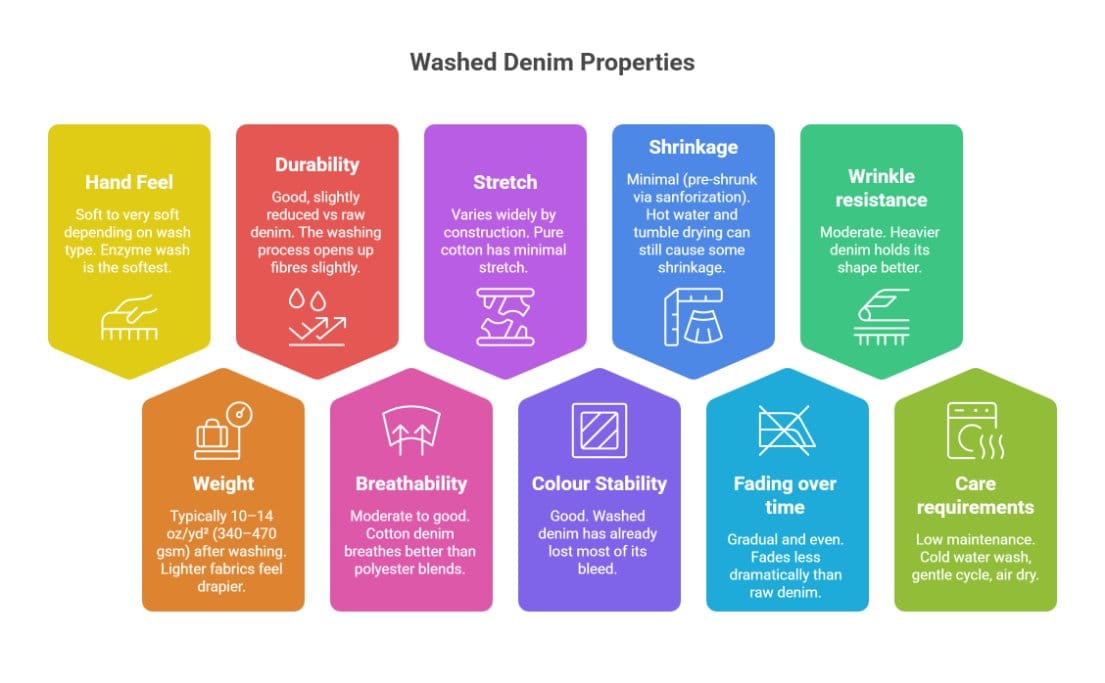
| Property | What to Expect | Notes |
|---|---|---|
| Hand Feel | Soft to very soft depending on wash type | Enzyme wash = softest. Rinse wash = firmest. Stone and acid washes fall in between. |
| Weight | Typically 10–14 oz/yd² (340–470 gsm) after washing | Lighter fabrics (8–10 oz) feel drapier; heavier ones (12–14 oz) hold structure better |
| Durability | Good, slightly reduced vs raw denim | The washing process opens up fibres slightly, which reduces longevity a little. Still outlasts most fabrics. |
| Breathability | Moderate to good | Cotton denim breathes better than polyester blends. Lighter washes feel airier than heavy dark denim. |
| Stretch | Varies widely by construction | Pure cotton washed denim has minimal stretch. Elastane blends offer 20–40% stretch. |
| Colour Stability | Good | Washed denim has already lost most of its bleed. Still wash dark colours separately for the first few wears. |
| Shrinkage | Minimal (pre-shrunk via sanforization) | Hot water and tumble drying can still cause some shrinkage. Cold wash is best. |
| Fading over time | Gradual and even | Fades less dramatically than raw denim since the colour has already been partially removed. |
| Wrinkle resistance | Moderate | Heavier denim holds its shape better. Lightweight denim can crease more easily. |
| Care requirements | Low maintenance | Cold water wash, gentle cycle, air dry. Easier to care for than raw denim. |
Washed denim is also used well beyond clothing. Its combination of durability and softer hand feel makes it popular for bags, upholstery accents, accessories, and even home decor. If you are shopping for the most durable fabrics for everyday wear, washed denim deserves to be high on your list.
Denim in kids’ clothing is also worth mentioning here. The softer hand of washed denim, especially enzyme-washed styles, makes it far more suitable for children’s garments than raw or heavy denim. For more on this topic, this guide to denim in kids’ clothing covers some interesting facts about how denim is used in children’s fashion.
The Environmental Impact of Denim Washing
SustainabilityThis is the part of the washed denim story that does not always make it into a product listing. Traditional denim washing is resource-heavy, and the fashion industry is under growing pressure to change its ways.
Conventional denim washing requires large amounts of water, energy, and hazardous chemicals. Stone washing puts serious strain on machines and water supplies.
Bleach and acid washing introduce chlorine compounds and permanganate chemicals into wastewater systems. In countries where wastewater treatment is limited, the impact on local rivers and communities can be serious.
The problem goes beyond water. The pumice stones used in stone washing traditionally come from volcanic deposits in Italy, Greece, Turkey, and parts of the western United States.
As demand grew, mining these deposits triggered environmental protests and raised concerns about long-term supply. Once chemically contaminated, the used stones also became a disposal problem, which pushed manufacturers to search for alternatives.
The good news is that the industry is changing, and quickly. New washing technologies are making it possible to get the same quality finish with a fraction of the water and chemical use. The next section covers the most promising of these.
This shift between fast production and thoughtful, slower manufacturing is something worth understanding. If the sustainability angle interests you, our article on fast fashion vs slow fashion covers the bigger picture well.
Sustainable Washing Innovations Changing the Industry
InnovationThe research community and the denim industry are both investing heavily in cleaner alternatives.
A 2025 academic study published in Coloration Technology by Wiley found that sustainable denim washing is growing as a priority, with laser fading, ozone treatments, and enzyme-based processes all showing strong results in reducing environmental impact.
Here are the key innovations reshaping denim washing right now:
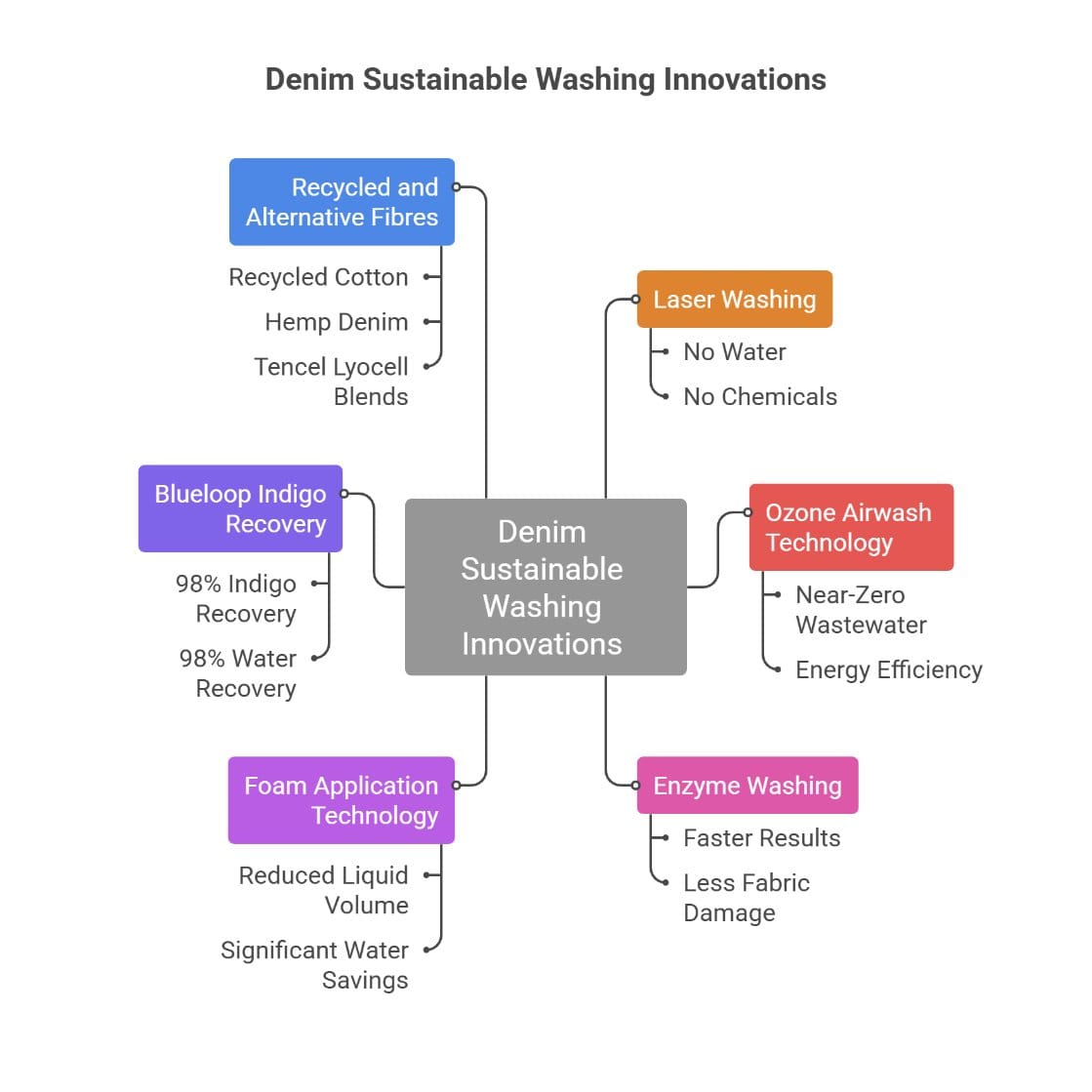
Laser Washing
Computer-controlled lasers etch fading patterns with extraordinary precision. No water. No stones. No chemicals. Every pair comes out identical, which also means fewer quality rejects and less waste. Companies like Jeanologia are leading this space.
Ozone Airwash Technology
Jeanologia’s G2 Indra Ozone Airwash system uses ozone gas, drawn from the air, to fade and soften denim inside a sealed chamber. It replaces the traditional water-based washing machine entirely. The technology produces near-zero wastewater and consumes a fraction of the energy of conventional washing.
Enzyme Washing
Already widely adopted, enzyme washing continues to improve. New hybrid enzyme formulations combine the best properties of acidic and neutral cellulase enzymes for faster results with less fabric damage. Some enzyme washes now require minimal or no water.
Foam Application Technology
A newer approach involves applying chemicals through a foam medium rather than a water bath. This dramatically reduces the liquid volume needed to treat fabric, cutting water consumption significantly across the production line.
Blueloop Indigo Recovery
Advance Denim developed Blueloop, an indigo recovery system that uses membrane separation technology to remove indigo from wastewater. It achieves a 98% indigo recovery rate and a 98% water recovery rate, meaning nearly zero discharge. Systems like this represent a genuine circular model for denim production.
Recycled and Alternative Fibres
Mills are also rethinking what goes into the fabric before washing even begins. Recycled cotton, hemp denim, Tencel lyocell blends, and wool-cotton mixes are all growing in the market.
Fabrics made with these fibres often wash down with a different character than traditional cotton denim, opening up new creative possibilities for designers. If you are curious about what is coming next in textiles, our 2026 fabric trends guide has a full breakdown.
How to Identify Washed Denim
Identification
Whether you are buying fabric by the metre or picking up a pair of jeans in a store, knowing how to spot different types of washed denim is useful.
Visual Cues
- Stone wash: Uneven, all-over fade. Slightly lighter in the middle panels. Soft, matte appearance.
- Acid wash: High-contrast patches of very light and darker fabric. Bold and unmistakable.
- Rinse wash: Dark, uniform colour with minimal fading. Clean edges on seams.
- Enzyme wash: Natural-looking fade with precise whisker lines and wear marks on stress points. Looks authentically worn rather than treated.
- Laser wash: Perfectly consistent fade pattern. Precise whisker lines that look almost too perfect. Repeatable from pair to pair.
- Bleach wash: Uniformly light, often near-white. Sun-bleached appearance.
- Vintage/distressed: Multiple fading types combined. Rips, fraying, patches. Looks like years of genuine wear.
Touch and Feel
- Enzyme and stone washed denim feels notably softer than rinse-washed or raw denim
- Acid-washed denim often feels slightly stiffer or rougher due to the bleaching agents
- Laser-washed denim retains its fibre strength, so it does not thin out in the faded areas
- Compare the faded areas to the seam edges, in cheaper stone wash, the fabric thins noticeably at the faded points
What to Check on the Label
- Look for certifications: GOTS, OEKO-TEX, or Cradle to Cradle signals responsible washing
- “Enzyme finish” or “laser finish” on a product tag usually means a more sustainable production method
- Weight in oz or gsm: a lighter-feeling washed denim might be 10–11 oz; a heavier one is 13–14 oz
- Fibre content: 100% cotton vs cotton-elastane blend affects how the wash behaves and how the fabric wears over time
How to Care for Washed Denim at Home
Care GuideGood news: washed denim is one of the easier fabrics to care for. A few simple habits will keep your denim looking great for much longer. For the complete guide, see our denim care guide.
- Turn your denim inside out before washing. This protects the outer surface from friction in the machine, reduces fading, and helps maintain the original colour and finish for longer.
- Use cold water. Hot water accelerates colour loss and can shrink the fabric. Cold water is gentler and uses less energy, a win on both fronts.
- Select a gentle or delicate cycle. There is no need to use an aggressive wash setting on denim that is already soft and pre-washed.
- Use a mild, liquid detergent. Powder detergents can leave residue in heavy denim. A small amount of liquid detergent is more than enough. Avoid fabric softener, it can interfere with the fabric’s natural texture.
- Wash dark denim separately for the first few wears. Even washed denim can transfer dye early on. A dedicated wash the first time or two is worth it.
- Skip the tumble dryer when possible. High heat from the dryer is the biggest cause of unnecessary shrinkage and fibre damage. Air dry hanging or flat whenever you can.
- If you must tumble dry, use low heat. Remove the jeans while still slightly damp and let them finish drying flat to maintain shape.
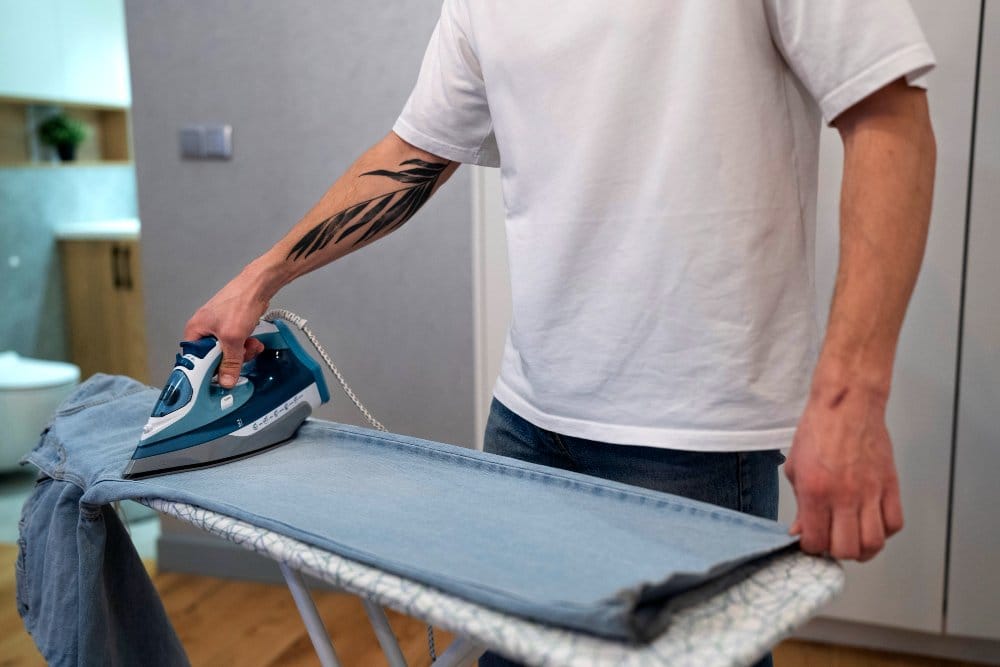
- Iron inside out on medium heat. Use a pressing cloth between the iron and the fabric to avoid shine marks on dark denim.
Use our free Denim Wash Frequency Calculator
How to Style Washed Denim
Style Guide
Different washes call for different styling approaches. Here is a quick guide to dressing each wash type well, without leaning too hard on any one regional aesthetic.
Rinse Wash (Dark Indigo)
Dark rinse jeans are probably the most versatile piece of clothing you can own. They sit comfortably between casual and smart-casual.
Pair them with a crisp white shirt and loafers for a clean daytime look, or dress them down with a simple crew-neck and white trainers. They work equally well across continents, from London to Tokyo to São Paulo.
Stone Wash (Mid Blue)
Stone wash has a relaxed, unpretentious energy. It suits oversized fits, simple T-shirts, and sneakers. Layer with a denim jacket in a contrasting shade for an easy tonal look.
It works well with earthy and neutral tones. Cream, tan, olive, and rust all complement mid-blue stone wash nicely.
Acid Wash
Acid wash denim is a statement. Keep everything else simple. A white tee and clean sneakers is usually all you need. The bold, high-contrast wash does the talking. Currently trending hard in 2026, so this is a good moment to experiment if you have never worn it before.
Light Wash / Bleached
Light wash and bleached denim reads as casual and fresh. It works well in spring and summer.
Pair it with muted, quiet-tone pieces. Navy, soft grey, or pale coral all work well. Avoid busy prints alongside light wash denim, the contrast tends to clash.
Vintage / Distressed
The distressed look is all about balance. Let the denim be the focus and keep the rest of the outfit clean and simple. A plain fitted top, classic leather belt, and minimal footwear work well. Overdoing the layering with distressed denim can tip into looking unintentional.
For personalised jeans styling advice, try our Find Your Perfect Jeans Style interactive tool. And if you want broader outfit ideas, our women’s jeans guide covers current styles in detail.
Washed Denim Trends in 2026
2026 TrendsThe denim landscape in 2026 is interesting. There is nostalgia at one end, vintage washes and Y2K-era acid wash are everywhere, and clean minimalism at the other, with brands leaning into responsible, low-impact finishes.
| Trend | What It Means | Who It Appeals To |
|---|---|---|
| Washed-Out / Faded Indigo | Light to mid washes with a gently worn-from-the-first-touch feel. Feels lived-in before you even wear it. | Fashion-forward consumers globally; Y2K enthusiasts |
| Acid Wash Revival | Bold, high-contrast bleached patches. Indie sleaze and punk-adjacent energy. | Gen Z, vintage market, music-influenced fashion |
| Responsible / Low-Impact Washes | Understated, clean finishes with minimal chemical treatment. Laser and ozone finishes. Brands making their sustainability story visible. | Eco-conscious consumers; premium market; B2B buyers |
| Vintage Character Fabrics | Heavy-weight denim with authentic 1960s–1980s character. Deep washes, slubby yarns, rich indigo tones. | Denim enthusiasts, menswear collectors, premium brands |
| Denim Beyond Jeans | Washed denim applied to skirts, dresses, jackets, shirts, bags, and even home decor. | Designers, stylists, fashion-forward consumers |
| Lightweight Drape Denim | Lighter, airier denim constructions (liquid denim, flowy wide-leg fabric) that wash down softly for summer silhouettes. | Womenswear designers; warm-climate markets |

One thing that comes through clearly when you look at what the major denim mills are saying heading into 2026: the fixation on micro-trends is fading.
There is a growing appetite for versatile, well-made denim that does not go out of style in six weeks. Washed denim fabrics with strong core character, good indigo depth, quality construction, and responsible finishing are what buyers are prioritising right now.
To stay on top of what is happening across all fabric categories, our 2026 fabric trends guide is worth bookmarking.
Buying Guide: How to Choose the Right Washed Denim
Buying GuideFor Designers and Garment Manufacturers
If you are sourcing washed denim for production, the first decision is wash type. That decision should flow from the end garment, not the other way around.
A tailored denim jacket calls for a clean rinse or enzyme wash. A casual market favourite might suit stone wash. A statement piece could justify the laser finishing budget.
Weight is another key decision. Lighter washed denim (8–11 oz) drapes better and is good for shirts, wide-leg trousers, and summer styles. Heavier constructions (12–14 oz) give structure and longevity to jeans, jackets, and outerwear.
Ask your mill about water and chemical usage in their wash process. Buyers increasingly need to document this for regulatory compliance.
In Europe particularly, the Corporate Sustainability Due Diligence Directive (CSDDD) has raised the bar for supply chain transparency. Being able to evidence your washing methods is no longer optional for many brands.
Different regions bring different strengths. Turkish mills like Bossa and Calik Denim are known for clean, refined washes. Pakistani mills like Artistic Milliners and Soorty excel in volume and consistency.
Spanish mills like Tejidos Royo are currently leading on regenerated fibres and sustainable innovation. It is worth sourcing from multiple regions depending on the requirements of each collection.
For Consumers and Fashion Buyers
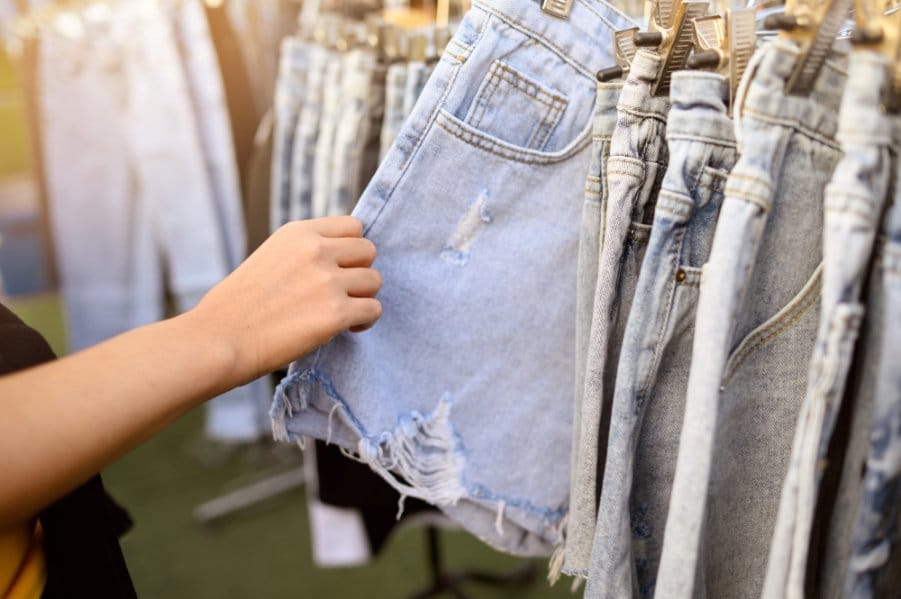
When buying washed denim off the shelf, here are the things worth checking:
- Feel the fabric in the faded areas. On cheap stone wash, those areas will feel noticeably thinner and weaker than the rest of the fabric. Good quality washed denim maintains consistent thickness throughout.
- Check the seams. Tight, even stitching with no loose threads is a sign of quality construction regardless of wash type.
- Look at the shade consistency. Patchiness or blotchiness in an unwashed area can signal poor dyeing.
- Understand what you are paying for. A laser-washed or enzyme-washed pair of jeans may cost more, but the production process is cleaner and the fabric integrity is usually better.
- Check the fibre content. If you want 100% cotton denim, check the label carefully, many budget denim garments blend in polyester to cut costs.
Take our Denim Care & Type Quiz
Frequently Asked Questions
FAQsWashed denim is denim fabric that has been put through one or more washing or finishing treatments after being woven and dyed. The process changes the look, colour, and feel of the fabric, making it softer, lighter, and more comfortable than untreated raw denim. Types of washed denim include stone wash, acid wash, enzyme wash, rinse wash, laser wash, ozone wash, and more.
Raw denim (also called dry denim) is denim that has not been washed or treated after it is woven and dyed. It is stiff, dark, and quite uncomfortable at first.
Washed denim has been through a wash process that softens the fabric and creates the faded, worn-in look you see on most jeans in stores. Raw denim is favoured by enthusiasts who want to develop their own personalised fade patterns through wear. Washed denim is preferred by most people for its immediate comfort and ready-to-wear appearance.
It depends on what you want. Washed denim is more comfortable from the start, easier to care for, and comes in many more styles and finishes.
Raw denim develops unique, personalised fades over time and is generally more durable. For everyday wearers, washed denim is the better practical choice. For denim enthusiasts who enjoy breaking in a pair of jeans over several months, raw denim is a rewarding experience.
The main types of denim washes are: rinse wash, stone wash, acid wash, bleach wash, enzyme wash, sand wash, snow wash, monkey wash (PP spray), laser wash, ozone wash, vintage or distressed wash, and moon wash.
Each type uses a different method, whether mechanical abrasion, chemicals, biological enzymes, or lasers, to achieve a specific look and feel on the denim fabric.
Most washed denim has been pre-shrunk through a process called sanforization during production, so it should not shrink significantly with normal home washing.
However, washing in hot water or using a high-heat tumble dryer can still cause some shrinkage. Always use cold water and air dry, or use low heat in the dryer, to keep your washed denim in its original size.
Stone wash uses pumice stones to physically abrade the denim in a washing machine, creating an even, all-over fade with a soft feel.
Acid wash uses pumice stones that have been pre-soaked in chlorine bleach. The bleach-coated stones create a high-contrast, mottled pattern with stark light patches and darker areas. That is the bold look associated with 1980s fashion. Acid wash is more dramatic and chemical-heavy than stone wash.
Laser washing and ozone washing are currently the most eco-friendly denim wash types available. Laser washing uses no water, no chemicals, and no physical abrasion. Ozone washing uses ozone gas instead of water, producing near-zero wastewater.
Enzyme washing is also a strong option. It uses biodegradable enzymes and significantly less water than stone or acid washing, making it a popular choice for brands focused on sustainability.
Turn the garment inside out before washing. Use cold water on a gentle cycle with a small amount of mild liquid detergent. Avoid fabric softener.
Wash dark denim separately for the first few wears. Air dry where possible. If you need to use the dryer, keep the heat low. Iron inside out on medium heat if needed.
Yes. Stone wash denim is one of those classic looks that never really goes away.
In 2026, the renewed appetite for loose, relaxed silhouettes and 90s-inspired fashion has brought stone wash back into strong demand. Mid-blue stone wash in wide-leg and baggy fits is particularly popular right now. Acid wash, its more dramatic cousin, is also having a significant moment this year.
Enzyme wash denim uses biological enzymes (usually cellulase) to break down the surface fibres of the denim and create a soft, faded finish.
It is a more eco-friendly alternative to stone washing. It uses biodegradable enzymes, less water, and causes less physical damage to the fabric. The resulting denim tends to feel softer and more natural than stone wash, and the fabric retains more of its original strength.
For sustainability-conscious brands and consumers, enzyme wash is widely considered the better production choice.
Traditional stone washing uses approximately 50 to 70 litres of water per kilogram of denim. Producing a single pair of jeans from cotton crop to finished product uses around 7,000 litres across the full supply chain, according to WWF and industry estimates.
New technologies like laser washing and ozone washing have reduced water usage by up to 90% compared to conventional methods. That is a significant improvement for an industry that has historically been one of the heaviest users of freshwater.
Laser wash denim is denim finished using laser beams to etch fading patterns, whiskers, and designs directly onto the fabric. The laser vaporises the indigo dye on the surface without using water, stones, or chemicals.
It is one of the most precise and eco-friendly methods available. Computer control means every pair comes out consistently, and designs can be customised without extra cost or material waste.
Sanforized means the denim fabric has been pre-shrunk during production using heat, steam, and pressure. This removes most of the potential shrinkage before the garment is cut and sewn.
When a label says “sanforized,” the jeans should hold their size after home washing, as long as you use cold water and avoid high heat in the dryer.
Yes, washed denim is a great choice for sewing. Because it is pre-washed and pre-shrunk, it is more stable and predictable to work with than raw denim. It is easier to press and handle too.
There is also less risk of the finished garment distorting after its first home wash. For sewing jeans, jackets, bags, or accessories, mid-weight washed denim (around 11–13 oz) is a solid starting point.
Yes, particularly lighter-weight enzyme-washed or rinse-washed denim. The softened hand-feel makes it much more comfortable and skin-friendly for children than raw or heavy denim.
Look for denim with OEKO-TEX or GOTS certification to make sure the washing process did not leave harmful chemical residues in the fabric. For young children, it is worth avoiding acid-washed or bleach-washed garments where possible.
Conclusion
Washed denim is not a single product. It is a whole family of treatments, techniques, and intentions.
A rinse-washed pair of dark indigo jeans and an acid-washed jacket from the same decade might share the same base fabric. But the process that created them, the look they deliver, and the environmental cost behind them are completely different.
Understanding those differences puts you in a much better position, whether you are buying jeans for yourself, sourcing fabric for a collection, writing about the industry, or simply curious about what is behind the clothes in your wardrobe.
The big picture here is encouraging. The denim industry is under real pressure to clean up its washing processes, and the technology to do it is genuinely here.
Laser washing, ozone washing, and enzyme-based finishes are no longer niche. They are becoming the standard that responsible brands are measured against. That is a meaningful shift.
At the same time, the aesthetic side of washed denim has never been richer. From the vintage character of 1960s-inspired stone wash to the precise, clean finishes made possible by modern laser technology, there is a wash type for every mood, every season, and every price point.
Key Takeaways
- Washed denim is the most widely sold type of denim globally, and for good reason, it is comfortable, versatile, and easy to care for from day one.
- There are at least 12 distinct types of denim wash, each producing a different look, feel, and environmental footprint.
- Stone wash and rinse wash are the most common. Laser wash and ozone wash are the most sustainable. Acid wash is having a serious fashion moment in 2026.
- Enzyme washing is the best balance of quality, softness, and environmental responsibility for most production contexts.
- Traditional stone and acid washing is resource-heavy. Water usage can be 50–70 litres per kilogram of denim. New technologies are cutting that by up to 90%.
- When buying washed denim, feel the faded areas, they should not thin out significantly. Check for certifications if sustainability matters to you.
- Care for washed denim simply: cold water, gentle cycle, air dry. That is almost all you need.
- The 2026 trend story is split between nostalgia (vintage wash, acid wash, Y2K fades) and responsibility (low-impact washes, sustainable fibres, clean aesthetics).
- For designers and buyers: the shift toward laser and ozone finishing is not a trend, it is the direction the whole industry is moving. Getting ahead of it now is smart.
If you want to go deeper into the world of denim, here are some of the best starting points on this site:
- The Complete Guide to Denim Fabric
- Raw Denim Fabric: What It Is and How It Compares
- How to Care for Denim
- What Is the Difference Between Denim and Jeans?
References to specific brands, mills, and technologies are for illustrative purposes and do not constitute endorsement. Always verify specific product details, certifications, and care instructions directly with the manufacturer or supplier before making purchasing or production decisions. Clothingdigest.com is not responsible for any decisions made based on the information contained in this article.