
What it is, how it works, the different types, and everything you need to know before you buy your next pair of jeans
Picture this: you find a pair of jeans that looks perfect in the dressing room. The colour is right, the length is spot on. But after two hours of wear, your knees are bagging out and your waist feels like it’s been wrapped in cardboard. Sound familiar?
That’s the classic problem with old-school rigid denim. And it’s exactly why stretch denim exists. Over the past few decades, this fabric has completely changed how jeans fit, feel, and move. These days, the majority of jeans sold worldwide contain at least a small amount of stretch fibre.
But not all stretch denim is the same. There’s a big difference between a 1% elastane comfort stretch jean and a 10% super-stretch jegging. Understanding those differences helps you buy better, care better, and get a lot more wear out of your clothes.
This guide covers everything: the history, the science, the types, the trade-offs, care tips, sustainability, and honest buying advice.
If you already know the basics of denim and want to go deeper on this specific type, you’re in the right place. If you’re starting from scratch, our complete guide to denim fabric is a good starting point before reading on.
What Is Stretch Denim Fabric?
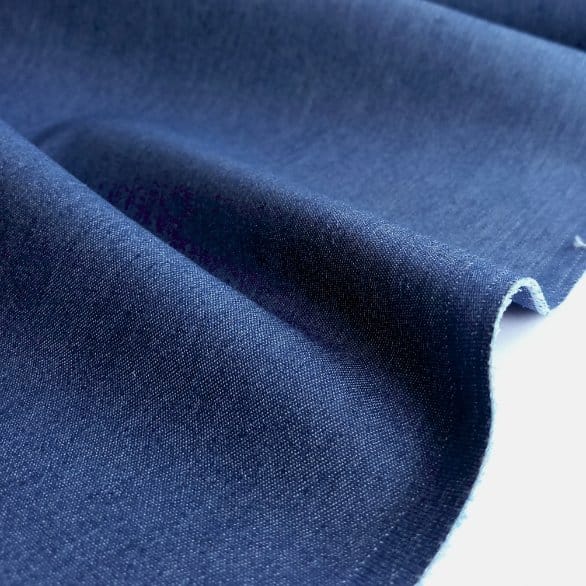
Stretch denim is denim fabric that has been made with a small amount of elastic fibre blended into the cotton. That small addition allows the fabric to stretch and then spring back to its original shape, which is called recovery.
Traditional denim is woven from 100% cotton and has almost no give. It moulds to your body over time, but it doesn’t stretch with you. Stretch denim does both. It moves when you move and returns to shape when you sit back down.
The elastic fibre content usually ranges from 1% to 10%, depending on how much stretch is wanted. The remaining 90% to 99% is still cotton, which is why stretch denim still looks, fades, and wears like regular denim. At a glance, you often can’t tell the difference.
What Material Is Stretch Denim Made From?
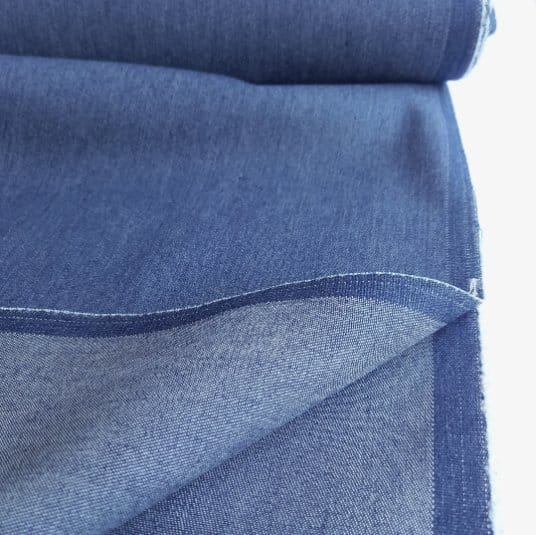
The base of stretch denim is exactly the same as regular denim: cotton woven in a twill weave pattern. The characteristic diagonal line you see on the inside of jeans comes from this weave structure. It’s strong, hardwearing, and gives denim its iconic look.
The stretch comes from adding one of these elastic fibres:
| Fibre Name | Also Known As | Typical Use in Denim | Key Property |
|---|---|---|---|
| Elastane | Spandex, Lycra® | Most common, 1–10% | Stretches up to 5x, excellent recovery |
| Polyurethane (PU) | Sometimes called T400 | Used in core-spun yarns | Good stretch, hidden inside cotton wrap |
| Polyester | Various brand names | Sometimes added alongside elastane | Adds durability but less stretch than spandex |
Elastane is by far the most widely used. The brand name you’ll see most often is Lycra®, owned by The LYCRA Company, originally developed by DuPont.
Lycra and spandex are the same thing. Elastane is the generic term used in Europe and Australia, while spandex is used mainly in North America. All three words describe the same synthetic polymer fibre.
Which fabric gives a stretch feature in denim? Elastane (spandex/Lycra) is the answer in almost every case. It’s the elastic core that makes stretch denim possible.
When Was Stretch Denim Invented?
Denim started as pure workwear fabric in the 1800s. It was stiff, heavy, and built for hard labour. For most of the 20th century, jeans were either worn stiff or broken in through months of wear until they softened and moulded to the body.
The story of stretch denim begins in the mid-1970s, when The LYCRA Company (then a DuPont division) started working with denim mills to experiment with weaving Lycra fibre into cotton denim [source].
It wasn’t easy at first. Early versions had problems with shrinkage, the so-called “orange peel” texture, and uneven stretch distribution.
By the 1980s, stretch denim began reaching the consumer market, mostly in Europe. Italian designers were early adopters, creating slim, body-conscious jeans for women that would have been impossible in rigid cotton alone.
In the 1990s and 2000s, the skinny jean drove mass adoption. High-stretch denim became the default for fitted styles. Brands like Levi’s helped bring stretch denim to mainstream audiences, with their adoption of Lycra dualFX technology sparking widespread awareness globally.
By the 2010s, stretch denim was everywhere, including in men’s jeans, athletic-hybrid styles, and even denim dresses and jackets. Today, the majority of jeans sold in high street stores contain at least some elastane.
How Stretch Denim Is Made
Understanding how stretch denim is constructed helps you know what to look for when buying. The process starts at the yarn level, long before the fabric is woven.
The Two Main Construction Methods
Core-spun yarn is considered the better method. The elastic fibre (usually polyurethane) sits at the centre of the yarn, completely wrapped in cotton on the outside.
This means the surface of the fabric looks and fades almost exactly like 100% cotton denim. You don’t see the synthetic component at all during normal wear.
Mixed spinning blends the elastane filament directly with the cotton fibres without the wrap structure. It’s less expensive to produce but the elastic can be more visible in the finished fabric, especially when the jeans are stretched.
2-Way vs 4-Way Stretch
| Type | How It Stretches | Best For | Common Use |
|---|---|---|---|
| 2-Way Stretch | Horizontal (side to side) only, with elastic in the weft direction | Everyday jeans, comfort waistbands | Most standard stretch jeans |
| 4-Way Stretch | Horizontal AND vertical, with elastic in both weft and warp | Active use, performance denim, jeggings | Athletic jeans, outdoor wear |
Most everyday stretch jeans are 2-way. The stretch goes across the hips and thighs, exactly where you need it. 4-way stretch adds lengthwise movement too, which is why it’s popular in performance and travel jeans that need to handle squatting, cycling, or climbing.
Types of Stretch Denim
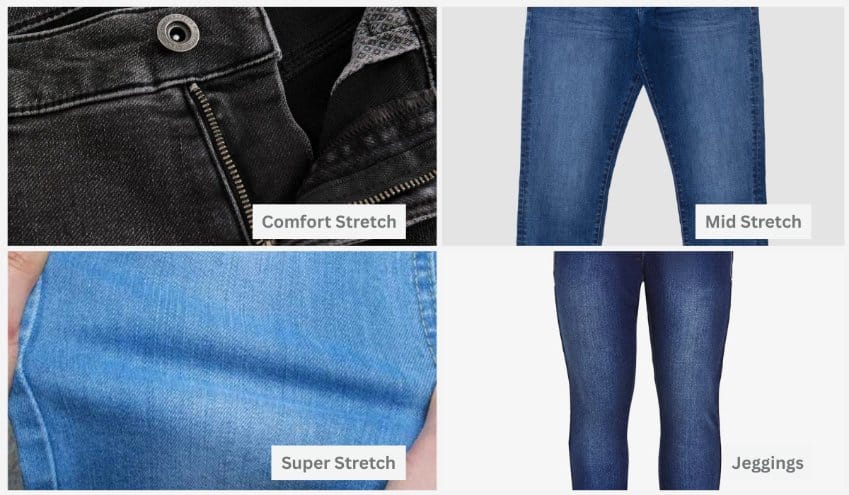
Not all stretch denim is equal. The percentage of elastane in the fabric changes everything about how the jeans feel and behave. Here’s a breakdown:
Spandex Percentage Guide
Comfort Stretch Denim (1–2% elastane)
This is the most common type sold today. It looks almost exactly like rigid denim from the outside but has just enough give to be comfortable all day. There’s no sag at the knees, and you won’t feel restricted when sitting or bending.
It’s the type used in most mainstream women’s jeans and an increasing number of men’s styles.
What is comfort stretch denim? It is the entry level of stretch, with enough elastane to add ease and comfort, but the fabric still behaves mostly like cotton denim. Great for straight-leg and slim-fit styles that need to look structured.
Mid Stretch Denim (2–4% elastane)
More flexible than comfort stretch, mid-stretch denim is used in skinny jeans, bodycon denim dresses, and any style that needs to follow body contours closely. It recovers well after washing and holds its shape reliably.
Super Stretch / High Stretch Denim (5–8% elastane)
This is where the fabric starts to feel noticeably different to traditional denim. It’s much softer and more flexible, almost like a thick legging fabric with a denim appearance. Common in fitted styles designed for curvy body types.
Extreme Stretch / Jegging Denim (10%+ elastane)
At this level, the fabric behaves more like jersey knitwear than traditional denim. Jeggings sit in this category. They have the look of jeans but the feel of leggings. Shape retention after washing can be less reliable at this level.
Power Stretch Denim
What is power stretch denim? Power stretch describes high-performance stretch denim engineered to provide a high degree of stretch, often 4-way, with strong recovery.
It typically uses advanced fibre technology such as Lycra’s XFIT, and is designed to hold its shape even after extended wear. You’ll often find it in jeans marketed for active lifestyles or travel.
Premium Stretch Denim
What is premium stretch denim? The term “premium” usually means the denim uses branded, high-quality elastane (like Lycra® dualFX or Creora®), core-spun construction, and a heavier base fabric weight.
Premium stretch denim has better recovery, fades more like pure cotton denim, and lasts longer before losing elasticity. It costs more, but the performance difference is noticeable over time.
What Are Stretchable Jeans Called?
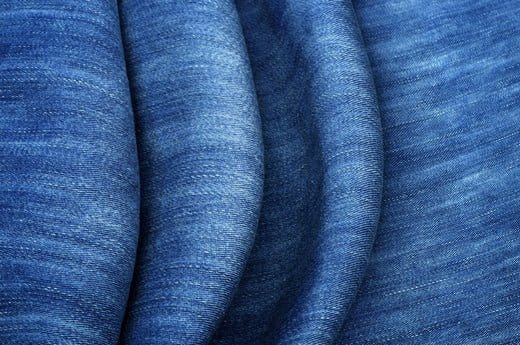
Depending on how much stretch is involved, stretchable jeans go by several names:
| Name | What It Means |
|---|---|
| Stretch jeans | General term for any jeans containing elastane |
| Jeggings | Jean-legging hybrid with very high stretch (10%+), often featuring a simulated pocket look |
| Flex jeans | Brand-specific term (common at Levi’s) for stretch denim with a performance finish |
| Performance denim | Often 4-way stretch, built for movement and active use |
| Comfort fit jeans | Often means 1–2% comfort stretch, designed for all-day wearability |
| Sculpting denim | Mid-to-high stretch with shaping technology built into the weave |
Stretch Denim vs Rigid Denim: Full Comparison
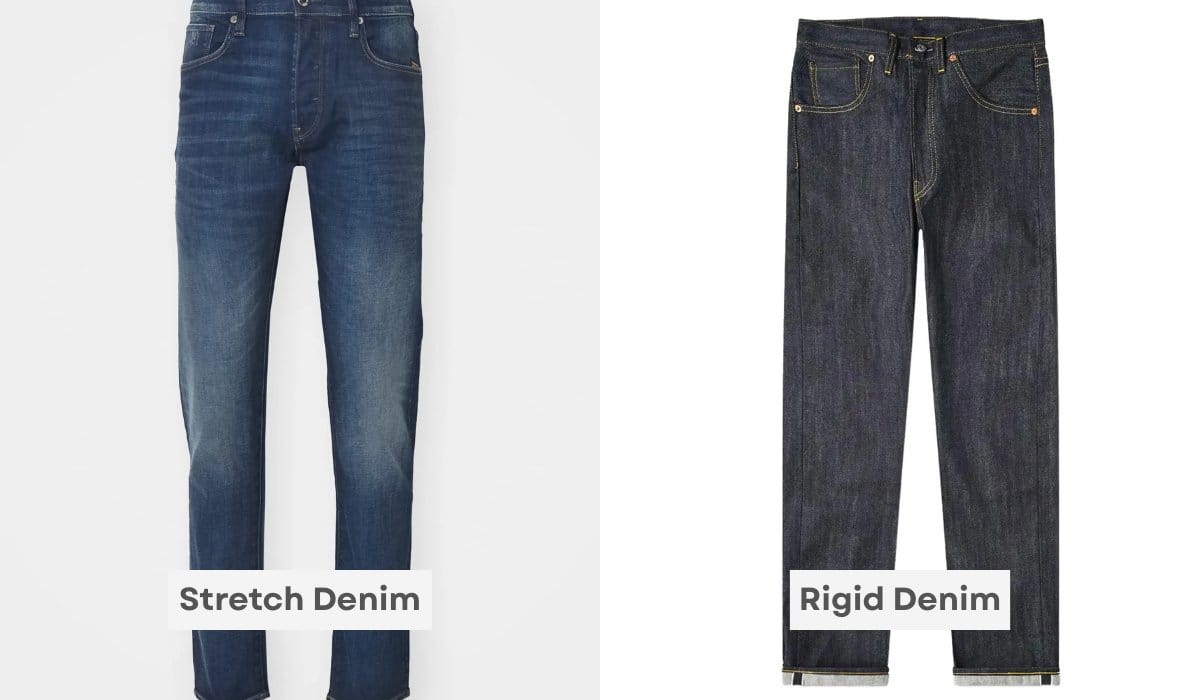
What is the difference between rigid denim and stretch denim? The most obvious difference is feel and movement, but there is a lot more to it when you look at durability, fading, care, and environmental impact.
| Feature | Rigid (100% Cotton) | Comfort Stretch (1–3%) | High Stretch (5%+) |
|---|---|---|---|
| Comfort from day one | Stiff at first | Comfortable immediately | Very comfortable |
| Break-in period | Months of wear needed | Minimal | None |
| Shape retention | Excellent over time | Good | Fair (can bag) |
| Fading and character | Rich, personalised fades | Good, slightly less defined | Minimal fade definition |
| Durability | Very high | High with quality core-spun | Moderate, as elastane can degrade |
| Ease of tailoring / alteration | Straightforward | Possible with care | Difficult, as the fabric springs back |
| Breathability | High | High | Slightly reduced |
| Recyclability | Recyclable | Difficult (blended fibres) | Very difficult |
| Price point | Mid to high | Mid | Mid to high (depends on quality) |
| Best fit styles | Straight, wide-leg, relaxed | Slim, straight, bootcut | Skinny, bodycon, jeggings |
If you’re a denim purist who loves watching jeans develop unique fades and character over years of wear, you may prefer raw rigid denim. If you want to put jeans on in the morning and forget you’re wearing them, stretch denim wins.
Stretch Denim vs Other Fabrics
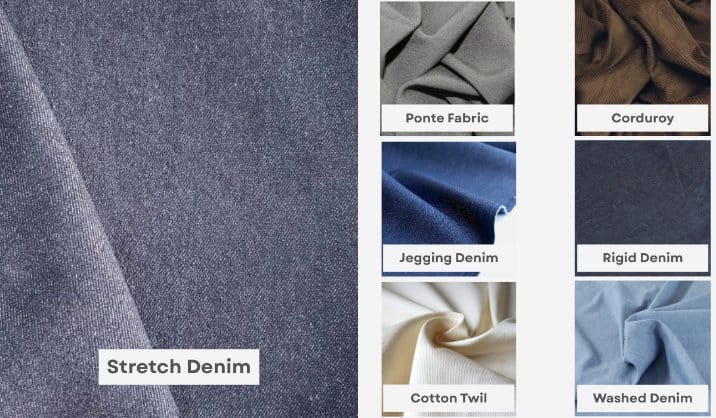
Stretch denim doesn’t compete only with rigid denim. It also overlaps with a number of other fabrics in the wardrobe, and knowing where it sits helps you choose the right material for the right occasion.
| Fabric | Stretch Level | Structure | Best Use | vs Stretch Denim |
|---|---|---|---|---|
| Rigid Denim | None / minimal bias stretch | Very structured | Casual, workwear, raw denim | More character fading, less comfort |
| Jegging Fabric | Very high (30–80%+) | Minimal, knit-like | Ultra-fitted looks | More stretch, less denim authenticity |
| Corduroy | Low–moderate (if blended) | Structured, ribbed | Autumn/winter, retro styles | Warmer, less versatile, great texture |
| Ponte Fabric | High | Semi-structured knit | Smart casual, work trousers | More refined look, less casual |
| Cotton Twill | None (unless blended) | Structured | Chinos, trousers | More formal, lighter weight |
| Athletic Stretch Fabrics | Very high (4-way) | Soft, minimal | Sport, gym, leggings | More freedom of movement, no denim aesthetic |
| Washed Denim | None (unless blended) | Softened rigid | Casual jeans with worn look | Softer than raw, no elastic recovery |
If you want the look of jeans with the feel of leggings, stretch denim is your best choice. If you want maximum athletic performance, dedicated performance fabrics will serve you better.
And if you love the look of denim but can’t wear it for work, ponte trousers in a dark indigo are a popular alternative.
Advantages and Disadvantages of Stretch Denim
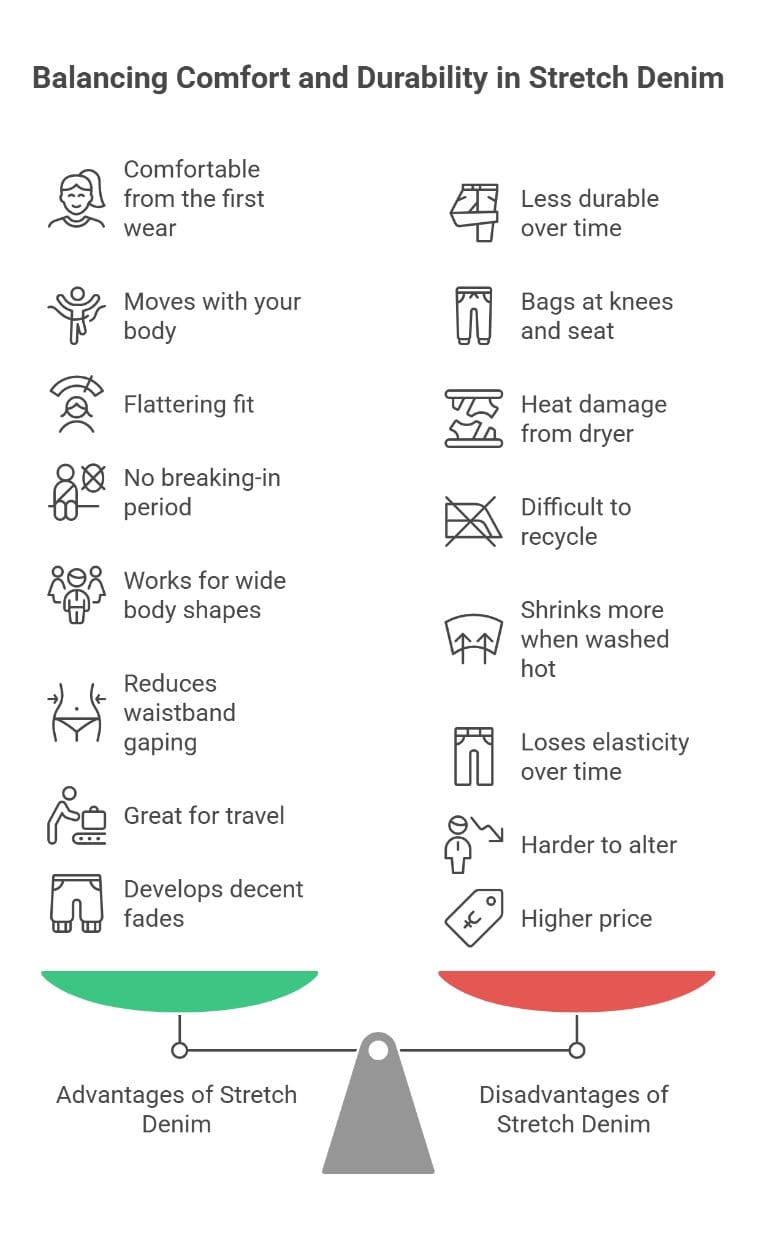
✅ Advantages
- Comfortable from the first wear
- Moves with your body, no stiffness
- Flattering fit that holds its shape during wear
- No breaking-in period required
- Works for a wide range of body shapes
- Available in every cut and style
- Reduces waistband gaping on fitted cuts
- Great for travel, with less creasing and more flex
- Lower-stretch versions still develop decent fades
❌ Disadvantages
- Less durable than 100% cotton over many years
- High-stretch versions can bag at knees and seat
- Heat damage from a tumble dryer breaks down elastane
- Very difficult (often impossible) to recycle
- May shrink more than pure cotton when washed hot
- Loses elasticity over time and eventually goes slack
- Harder to alter by a tailor than rigid denim
- Premium quality comes at a higher price
Is Stretch Denim Good Quality?
The honest answer: it depends entirely on how it’s made.
A poorly made stretch denim jean with cheap elastane can start bagging and losing shape after just a few washes. But a well-made stretch denim jean, using core-spun yarns and branded elastane, can last for years and hold its shape remarkably well.
Here’s what separates good quality stretch denim from poor quality:
| Quality Indicator | What to Look For |
|---|---|
| Yarn construction | Core-spun yarns (cotton-wrapped elastic) are far superior to mixed spinning |
| Elastane brand | Lycra®, Creora®, or XFIT indicates tested, high-performance elastane |
| Elastane percentage | Lower stretch (1–3%) + core-spun = more durable and long-lasting |
| Fabric weight | Heavier fabric (10oz+) generally means more durability |
| Heat-setting | Properly heat-set fabric holds its shape and is less likely to shrink unevenly |
| Recovery test | Stretch the fabric and let it go, it should snap back immediately with no slack |
Stretch denim is absolutely capable of being high quality. The market-leading mills and brands invest heavily in fibre technology, heat-setting processes, and recovery testing. When you pay more for a pair of stretch jeans, you’re usually paying for this engineering.
Properties of Stretch Denim
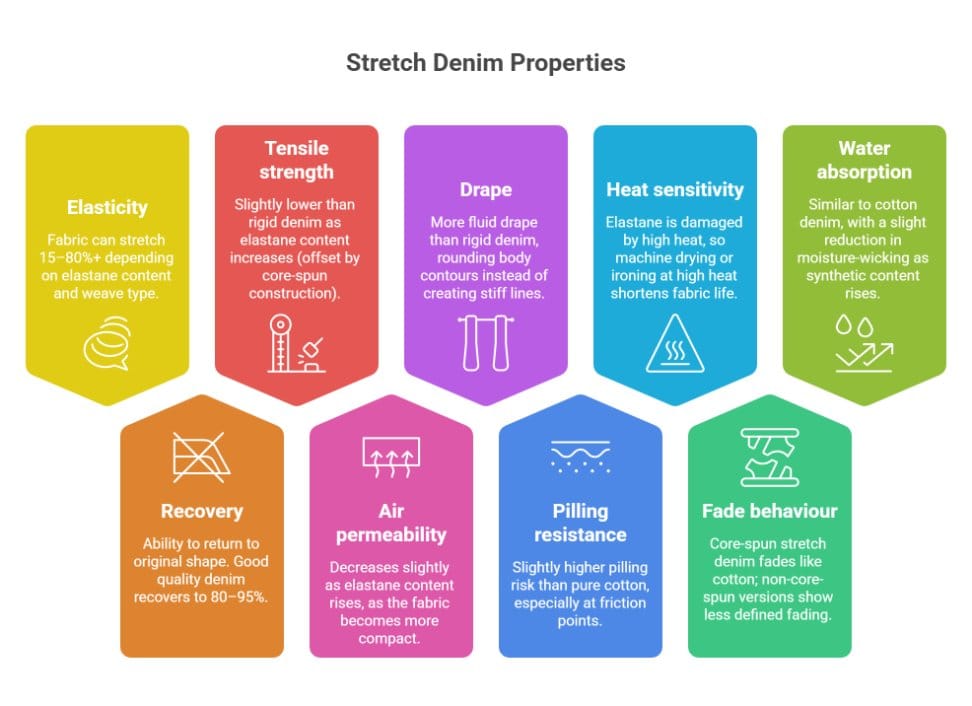
Here’s a summary of the key technical properties of stretch denim fabric:
| Property | Description |
|---|---|
| Elasticity | Fabric can stretch 15–80%+ depending on elastane content and weave type |
| Recovery | Ability to return to original shape. Good quality denim recovers to 80–95% |
| Tensile strength | Slightly lower than rigid denim as elastane content increases (offset by core-spun construction) |
| Air permeability | Decreases slightly as elastane content rises, as the fabric becomes more compact |
| Drape | More fluid drape than rigid denim, rounding body contours instead of creating stiff lines |
| Pilling resistance | Slightly higher pilling risk than pure cotton, especially at friction points |
| Heat sensitivity | Elastane is damaged by high heat, so machine drying or ironing at high heat shortens fabric life |
| Fade behaviour | Core-spun stretch denim fades like cotton; non-core-spun versions show less defined fading |
| Water absorption | Similar to cotton denim, with a slight reduction in moisture-wicking as synthetic content rises |
Brands: What About Levi’s?
If you’ve spent any time shopping for jeans, you’ve come across Levi’s. They’re one of the most recognised denim brands in the world. And yes, they absolutely make stretch denim.
Does Levi’s Have Stretch Denim?
Yes, Levi’s offers stretch versions across many of their most popular fits. The 511 Slim, 512 Slim Taper, 720 High Rise Super Skinny, and 311 Shaping Skinny are among their best-known stretch styles. They also have a dedicated “Flex” range specifically built for more active wear.
What Are Levi’s Stretch Jeans Made Of?
Most Levi’s stretch jeans are made from a blend of cotton and elastane. A typical composition looks like this: 98% cotton, 2% elastane for their lighter comfort stretch styles, and slightly higher elastane content in their skinny and high-stretch fits.
Do Levi’s Jeans Have Elastane?
Many Levi’s jeans do contain elastane, but not all. Their classic 501 Original Fit has traditionally been 100% cotton rigid denim, though even this iconic style now comes in a stretch version in some ranges.
If you want to be certain, check the fabric composition label inside the waistband. Anything listing “elastane,” “spandex,” or “Lycra” has stretch built in.
Levi’s is far from the only brand worth knowing. Other well-regarded stretch denim producers include Lee, Wrangler, G-Star RAW, and Nudie Jeans.
At the higher end, Japanese brand Hiroshi Kato even produces selvedge denim with 4-way stretch, which was previously unheard of. For more on how denim has evolved, see our article on the difference between denim and jeans.
Does Stretching Denim Actually Work?
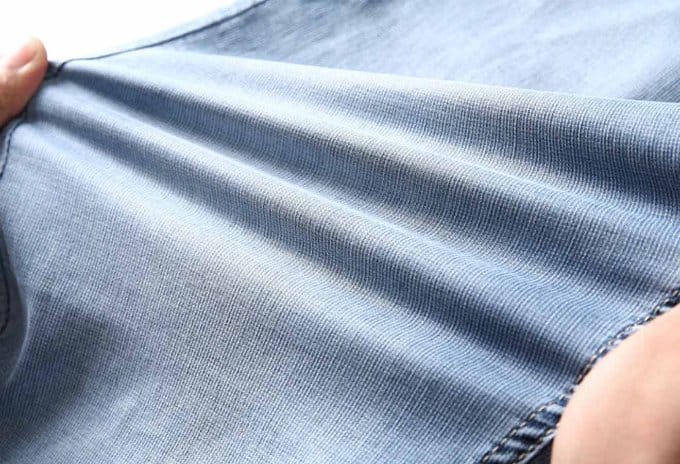
Before elastane was added to denim, people used to try stretching their jeans manually to get a better fit. Common methods included wearing them in the bath, pulling them while damp, or wearing them until dry after a wash.
For 100% cotton denim, manually stretching does work to some degree. Cotton fibres are not elastic by nature, but they have some give when wet. Wearing damp jeans causes the fibres to stretch around your body.
However, this effect is temporary. Once washed again, the jeans return close to their original measurements.
For stretch denim, manual stretching is not really needed. The elastane does the job automatically, and there is no break-in period required.
Some people find that stretch jeans feel snug straight out of the packaging but loosen slightly after a few hours of wear. That is completely normal.
Are 100% Polyester Jeans Stretchy?
Not inherently, no. Polyester on its own does not stretch much. It has a stretch range of roughly 20–30%, compared to elastane’s 500%. So a 100% polyester fabric won’t feel stretchy or elastic in the way denim with spandex does.
However, polyester does appear in some cheaper stretch denim blends, often written as: 60% cotton / 37% polyester / 3% elastane.
In these cases, the polyester adds durability and reduces cost. The stretch still comes from the elastane, not the polyester. It simply replaces some of the cotton content.
Jeans sold as “100% polyester” are rare and tend to be budget-oriented fashion items. They may have some give if the knit structure allows it, but they won’t behave like proper stretch denim. They also tend to be less breathable and have a shiny, synthetic appearance that doesn’t age as well.
For a deeper look at how natural and synthetic fibres compare, our guide covers the full picture across all fabric types.
Sustainability and the Recycling Problem
This is the part of the stretch denim story that most brands would rather you did not read, but it is worth knowing.
Why Stretch Denim Is Hard to Recycle
Standard textile recycling works by breaking down fabric back into its base fibres. The challenge with stretch denim is that cotton and elastane fibres are chemically bonded together. You can’t simply separate them, which means the fabric can’t be easily recycled through standard systems.
Globally, the fashion industry disposes of enormous quantities of blended fibre garments in landfill every year, and stretch denim contributes to this. Jeans made with petroleum-based elastane can take hundreds of years to biodegrade.
The Innovation Happening Right Now
Some mills are working hard to solve this problem. Candiani Denim, an Italian mill with a long history in stretch denim, developed COREVA™, the first plant-based stretch denim in the world.
Instead of synthetic elastane, COREVA™ uses stretch yarns made from natural rubber, wrapped in organic cotton. The result is a stretch fabric that biodegrades in under six months and can even be composted. [source]
Other developments include recycled elastane programmes and denim-to-denim recycling initiatives. There is also growing interest in elastane-free stretch denim, using innovative weave structures that allow natural cotton to provide comfort stretch without any synthetic fibre.
Italian mill Orta has produced fabrics with 15–20% natural stretch using only cotton, which is a notable step forward for the industry.
What You Can Do
As a consumer, the most sustainable approach is to buy fewer, better pieces and care for them properly so they last longer. Our denim care guide has practical tips on extending the life of your jeans.
You can also look for jeans certified by OEKO-TEX®, which confirms the fabric contains no harmful chemicals, or GRS (Global Recycled Standard) certified denim that uses recycled cotton content.
Stretch denim is also a topic worth understanding in the context of children’s clothing, where fabric choices matter even more. There’s a useful overview of denim in kids’ clothing at F Bargains Galore.
For a broader conversation about the environmental impact of fast and slow fashion, see our article on fast fashion vs slow fashion.
Gender and Body Type Considerations
One of the interesting real-world patterns in stretch denim is the gender divide. For years, high-stretch denim was primarily a women’s product. Men’s jeans largely stayed rigid or at most used 1–2% comfort stretch.
That’s changing. Industry data from 2026 shows men increasingly reaching for comfort stretch styles, particularly in straight-leg and slim-straight cuts, driven partly by the athleisure trend and partly by a broader cultural move towards comfort-first dressing.
For women, stretch denim has been the norm for so long that many shoppers are now moving back towards rigid or low-stretch styles as a fashion statement. The return of wide-leg, barrel, and slouchy fits has pushed demand back towards structured fabrics.
Stretch Denim and Body Diversity
One area where stretch denim genuinely delivers is fit inclusivity. For curvy body shapes, it solves problems that rigid denim never could: the gap between waistband and back, tightness across the thigh, and the struggle to find a fit that works across multiple measurements at once.
A 2–4% stretch fabric gives enough give to accommodate a wider range of proportions without looking sloppy or losing structure.
Many brands now design stretch denim specifically with different body shapes in mind. Features like contoured waistbands, flexible yoke seams, and strategically placed stretch panels make modern stretch jeans far more wearable across a range of figures than traditional denim ever was.
How to Choose the Right Stretch Denim
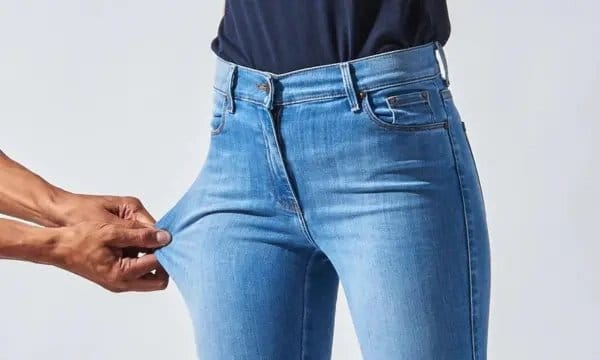
There’s no single best stretch denim for everyone. Here’s how to think through your choice:
| Your Priority | Best Choice | What to Look For |
|---|---|---|
| Everyday comfort, slim or straight fit | Comfort stretch, 1–2% elastane | Core-spun yarn, 10–12oz fabric weight |
| Fitted / skinny jeans | Mid stretch, 2–4% elastane | 2-way stretch, good recovery rating |
| Active wear / travel | 4-way stretch, 3–5% elastane | Performance construction, moisture management |
| Maximum comfort / jegging feel | High stretch, 5–10%+ elastane | Soft hand feel, body-hugging cut |
| Sustainability | Low elastane or natural rubber stretch | OEKO-TEX certified, recycled cotton content, natural rubber alternatives |
| Durability / long life | Low stretch (1–3%), heavier weight | Core-spun yarn, branded Lycra, 12oz+ fabric |
| Premium denim experience | Premium comfort stretch | Japanese or Italian mill fabric, Lycra® branded, selvedge if possible |
Use our interactive Jeans Style Finder Tool to get a personalised recommendation based on your fit preferences, lifestyle, and body type.
How to Care for Stretch Denim
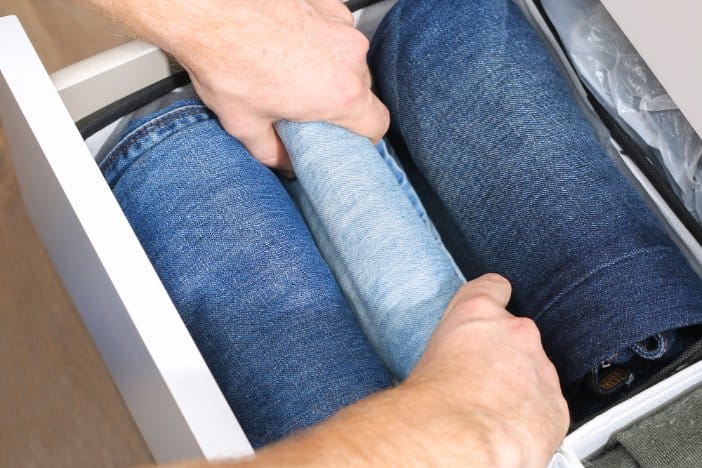
Stretch denim has one weakness above all others: heat. Heat breaks down elastane fibres, reducing their ability to spring back. Follow these steps and your stretch jeans will last significantly longer.
For more in-depth advice, see our complete denim care guide or use the Denim Wash Frequency Calculator to figure out how often you should be washing your specific jeans.
Trends and the Future of Stretch Denim (2026 and Beyond)
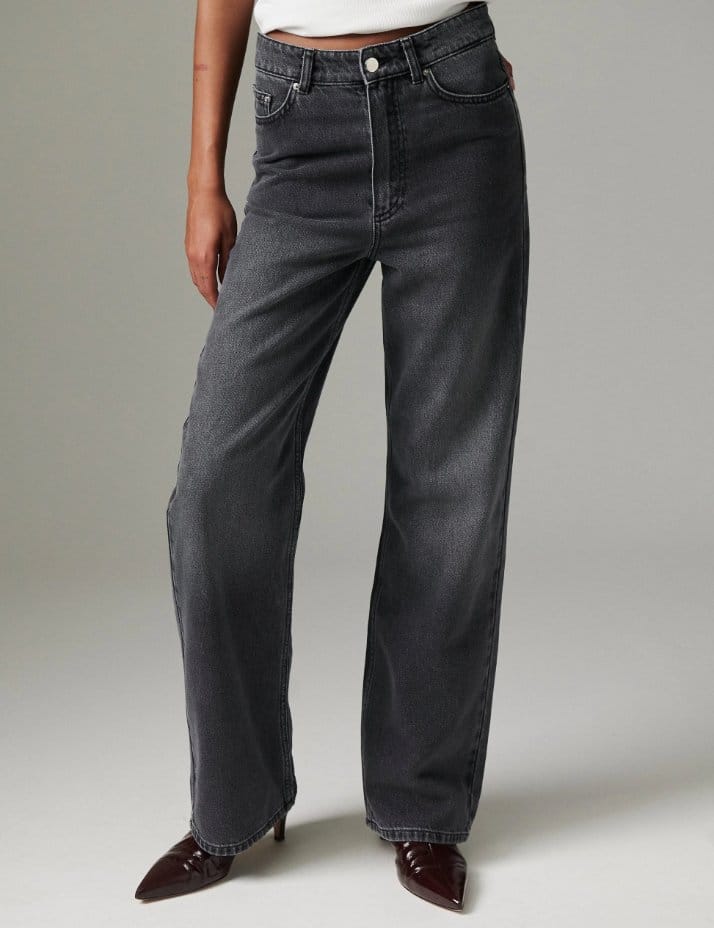
The stretch denim market is not static. Here’s where things stand in 2026 and where they appear to be heading:
The Return of Rigid Denim (and What It Means for Stretch)
One of the most talked-about shifts in recent seasons is the swing back towards looser, more relaxed fits: baggy jeans, wide legs, barrel cuts. These styles work better in structured, lower-stretch fabrics.
Some mills report that high-stretch fabrications have stepped back after a brief resurgence, with rigid and comfort-stretch options gaining ground again.
This doesn’t mean stretch denim is going anywhere. It just means the market is maturing. Shoppers want the right amount of stretch for the right style, not maximum stretch everywhere.
Performance-Denim Hybrids
One growing category blends denim aesthetics with activewear functionality. These fabrics use high stretch content but are treated with denim-style washes to look authentic. They sit somewhere between jeans and gym wear. Brands like Panther Denim are leading this direction.
Sustainability Becoming Non-Negotiable
Consumer pressure and incoming textile regulation across Europe and elsewhere are pushing brands to find recyclable alternatives to standard elastane.
Natural rubber stretch (like Candiani’s COREVA™), mechanical cotton stretch with no synthetic fibres, and recycled elastane programmes are all gaining traction. It is one of the most active areas of innovation in the textile industry right now.
Technology-Driven Precision
Advanced technologies like Lycra’s FitSense allow shaping to be built directly into the fabric. Different sections of the same jeans can stretch differently, providing support where needed and freedom where wanted.
This kind of precision fabric engineering was simply not possible 20 years ago.
For more on what’s happening across the broader fabric world in 2026, take a look at our 2026 fabric trends guide.
Helpful Interactive Tools
Use these free tools on ClothingDigest to put this knowledge to work:
Frequently Asked Questions
Yes, stretch denim can shrink more than 100% cotton denim, especially when washed in hot water or tumble dried.
The cotton component shrinks slightly with heat, and the elastane can also contract and lose recovery ability. Washing in cold water and air drying will minimise shrinkage significantly.
Always check the care label. Most stretch denim is pre-shrunk during finishing, but heat is still the main risk.
Bagging at the knees happens when elastane fibres lose their ability to recover. The main causes are heat damage from a high dryer setting, repeated hot washes, or fabric softener use.
Higher-stretch jeans are particularly prone to this. Washing in cold water and air drying will extend elastane life. If you notice bagging, a cold wash and air dry can often help the fabric recover temporarily.
Yes. For most everyday styles including slim, straight, and bootcut fits, 2% elastane provides plenty of comfort and movement. It adds just enough give to remove the stiffness of rigid cotton without making the jeans feel like leggings.
For very fitted styles like skinny or super-skinny jeans, 3–4% may give a better result.
Yes, but it’s more challenging than altering rigid denim. A skilled tailor can hem, take in seams, or adjust the waist of stretch denim jeans.
The main challenge is that elastic fibres in the seam allowances can spring back when cut, requiring careful pressing and precise sewing. A stretch or ballpoint needle is recommended to avoid damaging the elastic threads.
Low-stretch denim (1–3% elastane) is nearly as breathable as 100% cotton denim. As elastane percentage increases, the weave becomes more compact and breathability decreases slightly.
High-stretch jegging-style fabrics are noticeably less breathable than standard denim. If breathability matters to you, stick to comfort stretch (1–2%) rather than super-stretch options.
They all refer to the same type of synthetic elastic fibre. Elastane is the generic name used in Europe and Australia. Spandex is the North American term. Lycra® is a brand name owned by The LYCRA Company.
Think of it this way: all Lycra is elastane, but not all elastane is Lycra. Lycra simply means the elastane meets that brand’s quality and performance standards.
A small amount of natural bias stretch is possible in 100% cotton denim, roughly 5–10% along the diagonal direction of the weave. This is why traditional rigid jeans loosen slightly after wear. However, this gives no real elastic recovery.
Some mills are now developing 100% cotton fabrics that deliver 15–20% natural stretch without any synthetic fibres, though this is still an emerging technology.
Check the fabric composition label on the inside of the waistband. It’s usually sewn in on a separate tag near the care instructions.
Look for the words “elastane,” “spandex,” “Lycra,” or “elasthane” followed by a percentage. If the label only shows cotton, or cotton and polyester with no elastic fibre listed, the jeans are rigid denim without stretch.
Yes, but it requires the right approach. Use a stretch or ballpoint needle to avoid piercing the elastic fibres, and a walking foot to feed the fabric evenly without distorting it.
Use a slight zigzag stitch rather than a straight stitch in any seam area that needs to move with the body. For more guidance, our beginner’s sewing guide and sewing machine buying guide are good starting points.
For most everyday jeans, 1–3% spandex (elastane) is the sweet spot. It adds enough comfort and movement without compromising structure, durability, or the authentic denim feel.
Higher percentages (5–10%) work better for very fitted styles or performance use. Above 5%, durability and shape retention start to decline more noticeably.
No. Washed denim refers to fabric that has been processed to create a soft or faded appearance. It can be either rigid or stretch denim.
Stretch denim refers specifically to the fibre content, meaning it contains elastane. You can have washed stretch denim (soft, faded look with stretch) or washed rigid denim (soft look, no stretch). They describe different characteristics entirely.
Conclusion
Stretch denim is one of the most successful fabric innovations in modern clothing. It solved a real problem that rigid cotton denim had for decades: great looks but uncomfortable wear.
By adding a small percentage of elastane, the industry created a fabric that moves with you, fits from the first wear, and still looks like the real thing.
But like most things in fashion, it’s not a simple story. The right stretch denim depends entirely on what you need from it.
A 1% comfort stretch jean in a heavyweight cotton twill is a very different product from a 10% jegging. Understanding the difference means you can buy smarter, get more wear from what you own, and avoid the frustrating experience of jeans that go baggy by lunchtime.
Here are the main things to take away from this guide:
| Key Takeaway | What It Means for You |
|---|---|
| Elastane percentage matters | 1–3% = comfort + durability. 5%+ = flexibility but more care needed |
| Construction quality matters more than stretch % | Core-spun yarn + branded Lycra = a far better product |
| Heat is the enemy of stretch denim | Cold wash + air dry = elastane that lasts for years |
| Stretch denim has a recycling problem | Buy less, buy better, and look for sustainable alternatives when possible |
| 2-way vs 4-way stretch changes performance | 4-way is better for active use; 2-way is fine for everyday wear |
| Low stretch fades well; high stretch does not | If you love denim character, stick to 1–3% elastane |
| Brands like Levi’s offer real stretch denim | Check the composition label, look for “elastane,” “spandex,” or “Lycra” |
| The market is evolving fast | Natural rubber stretch and mechanical cotton stretch are the future to watch |
Whether you’re buying your next pair of everyday jeans, working on a sewing project, or just trying to understand what’s in your wardrobe, knowing your stretch denim gives you a genuine advantage. Wear it better, care for it better, and choose it better.
For more reading on denim, take a look at our articles on 100% cotton denim, raw denim, and our complete denim fabric guide. And if you want to know how stretch denim fits into the bigger picture of fabrics that move with the body, our guide to stretchy fabrics covers everything from jersey to ponte.