
Your complete resource for understanding rayon chiffon: from manufacturing to styling, sustainability to sewing tips
Rayon chiffon sits at a sweet spot in the textile world. It offers the flowing, luxury look of silk chiffon but at a price that won’t empty your wallet. This semi-synthetic fabric has become a favorite for everything from wedding dresses to summer scarves, but it comes with its own set of questions: How do you care for it? Is it actually sustainable? What makes it different from other chiffon types?
If you’ve ever wondered whether that gorgeous flowing dress is worth the investment, or if you’re a sewer trying to figure out how to work with this slippery fabric without losing your mind, this guide is for you. We’ll walk through everything you need to know about rayon chiffon – the good, the challenging, and the surprisingly practical.
Table of Contents
- What Is Rayon Chiffon?
- Is Rayon Chiffon the Same as Rayon Fabric?
- How Rayon Chiffon Is Made
- Properties and Characteristics
- Rayon Chiffon vs Other Fabrics
- Sustainability: The Real Story
- Uses and Applications
- The Complete Care Guide
- Sewing with Rayon Chiffon
- How to Buy Quality Rayon Chiffon
- Frequently Asked Questions
- Final Thoughts
What Is Rayon Chiffon?
Rayon chiffon is a lightweight, sheer fabric that combines rayon fibers with the distinctive chiffon weaving technique. Let’s break that down into plain language.
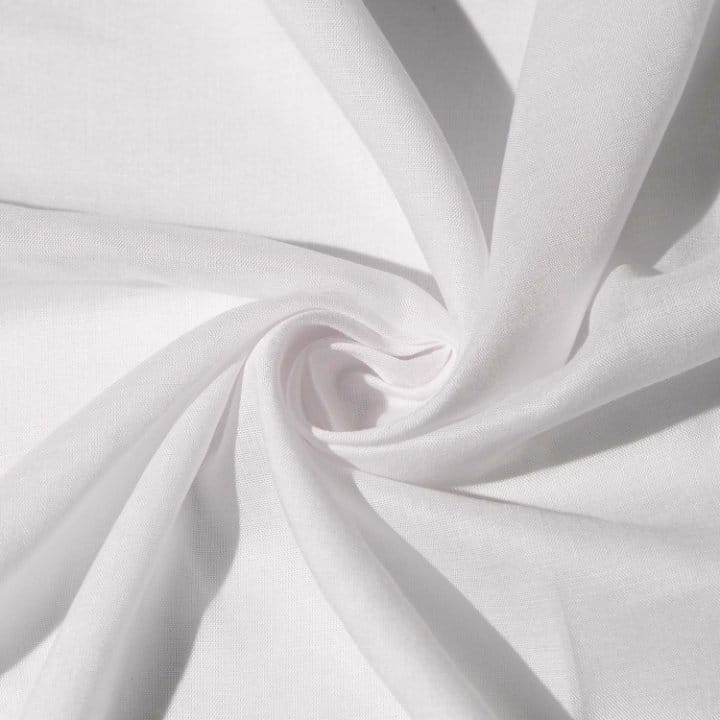
Close up view of rayon chiffon fabric highlighting its lightweight and airy structure.
The basic definition: Rayon chiffon is a semi-synthetic fabric made from plant-based cellulose (usually wood pulp) that’s been woven using a special method to create a floaty, see-through material. Think of it as the middle ground between natural silk and fully synthetic polyester.
Quick Fact: Rayon became commercially available in 1905, but rayon chiffon didn’t gain popularity until after 1938, when non-silk chiffon options started appearing in the market.
What Makes It “Chiffon”?
The word “chiffon” comes from French, meaning “cloth” or “rag” (though the fabric is far from raggedy). What makes any fabric “chiffon” isn’t the fiber type – it’s the weaving technique.
Chiffon uses alternating S-twist and Z-twist yarns in a plain weave. These tightly twisted yarns create tiny puckers in the fabric, giving it:
- A slightly rough texture (not smooth like satin)
- A sheer, gauze-like appearance
- Beautiful drape and flow
- A subtle shimmer when light hits it
What Makes It “Rayon”?
Rayon is what textile experts call a “regenerated cellulose fiber.” That’s a fancy way of saying it starts with natural plant material (wood pulp from trees like eucalyptus, beech, or pine), which is then chemically processed to create fibers that can be spun into yarn.
This semi-synthetic nature gives rayon chiffon some interesting properties:
- Soft hand feel: More like natural fibers than plastic-y synthetics
- Good breathability: Better than polyester chiffon, not quite as good as silk
- Absorbent: Takes moisture away from skin
- Takes dye beautifully: Colors tend to be rich and vibrant
Is Rayon Chiffon the Same as Rayon Fabric?
No – and this is a common point of confusion that’s worth clearing up.
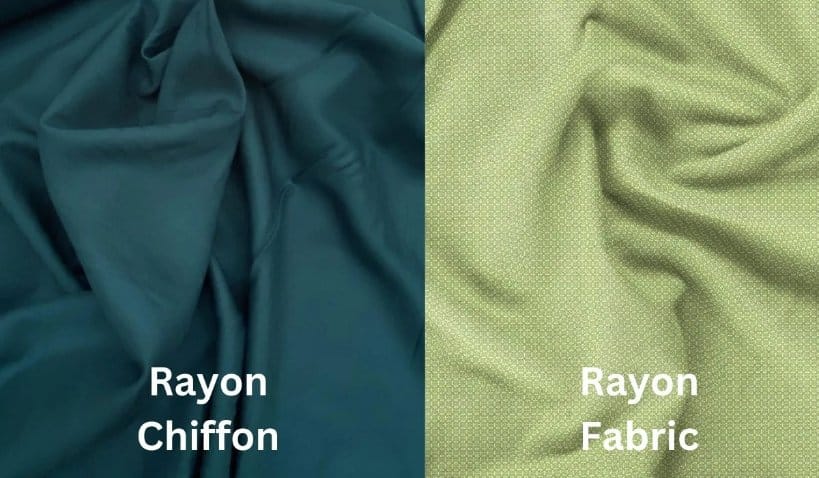
Comparing rayon chiffon and standard rayon fabric to show differences in weave and appearance.
Rayon = The Fiber
Rayon is the raw material or fiber, similar to how “cotton” or “silk” refers to the base material. Just like cotton can be made into many different fabrics, rayon can too.
Rayon Chiffon = A Specific Fabric Type
Rayon chiffon is what happens when you take rayon fibers and weave them using the chiffon technique. It’s one specific type of fabric you can make from rayon.
Other Rayon Fabrics Include:
- Rayon jersey: Knit, stretchy, opaque (think t-shirts)
- Rayon challis: Soft, drapey, slightly heavier (popular for dresses)
- Rayon crepe: Textured, crinkled surface
- Rayon satin: Smooth, lustrous, heavy drape
- Rayon twill: Diagonal weave pattern
Think of It This Way:
Cotton (fiber) → Cotton denim (specific fabric)
Rayon (fiber) → Rayon chiffon (specific fabric)
Same base material, completely different end result based on how it’s woven or knitted.
Why This Matters
When you’re shopping or sewing, knowing this difference helps you:
- Set proper expectations: Rayon jersey will stretch; rayon chiffon won’t
- Choose the right care method: Different rayon fabrics need different care
- Pick appropriate projects: Not all rayon fabrics work for the same purposes
So when you see “rayon chiffon,” you’re getting both the benefits and challenges of rayon fibers combined with the specific characteristics of chiffon weaving.
How Rayon Chiffon Is Made
Understanding how rayon chiffon is created helps explain why it behaves the way it does – and why there are growing concerns about its environmental impact.
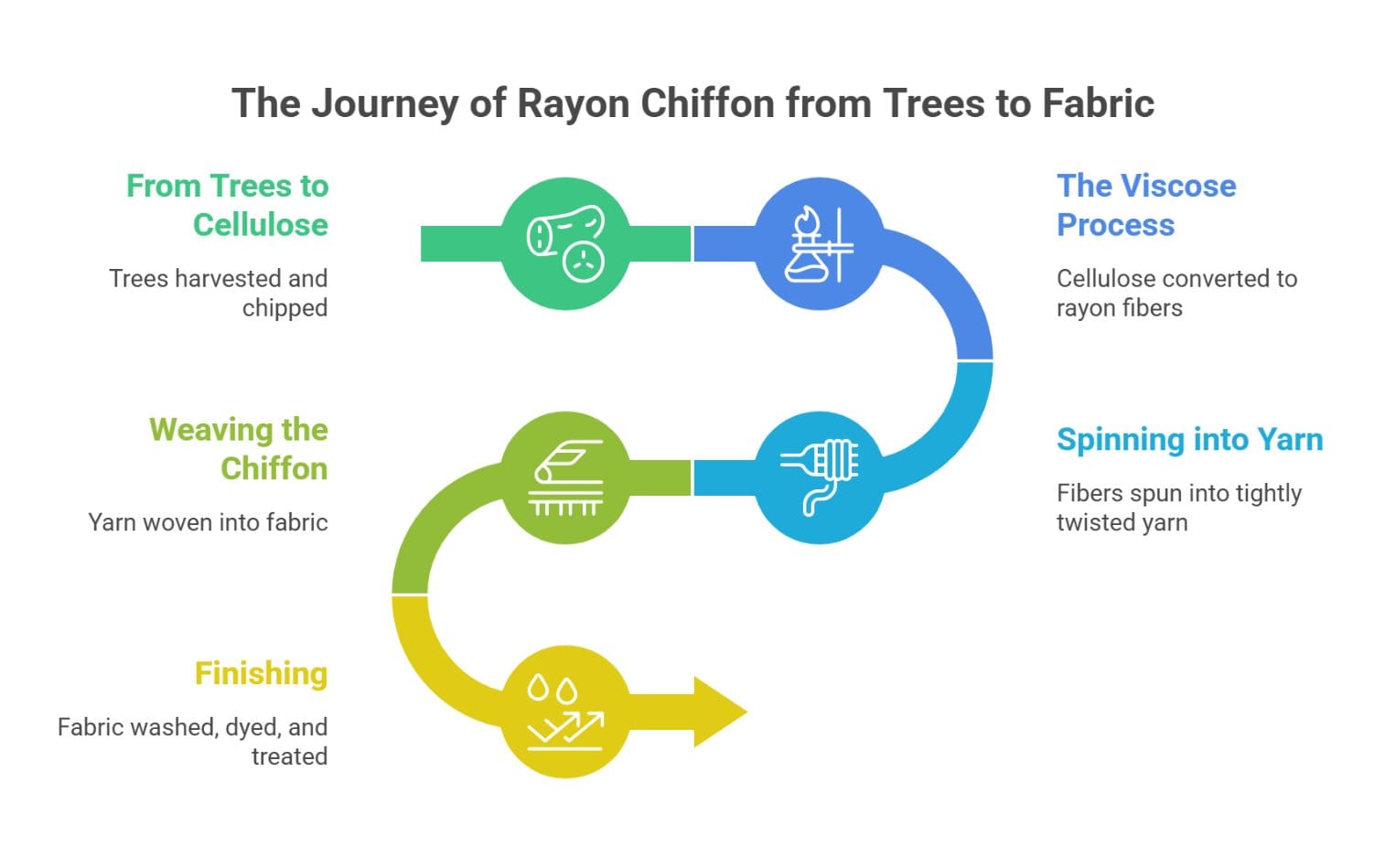
A visual overview of how rayon chiffon is made from natural cellulose into lightweight flowing fabric.
Step 1: From Trees to Cellulose
The process starts in forests. Trees (usually fast-growing varieties like eucalyptus, beech, or pine) are harvested and chipped into small pieces. These chips are then treated to extract pure cellulose – the main structural component of plant cell walls.
Step 2: The Viscose Process
This is where rayon gets controversial. The most common method for turning cellulose into rayon fibers is called the viscose process:
- Steeping: Cellulose is soaked in caustic soda (sodium hydroxide)
- Pressing: Excess liquid is pressed out
- Shredding: The material is shredded into crumbs
- Aging: The crumbs are exposed to oxygen
- Xanthation: Carbon disulfide is added, creating a thick, honey-like substance
- Dissolving: More caustic soda is added to dissolve the mixture
- Ripening: The solution sits for several days
- Filtering: Impurities are removed
- Spinning: The viscous liquid is forced through tiny holes (spinnerets) into a sulfuric acid bath, where it solidifies into fibers
- Stretching and washing: Fibers are stretched, washed, and treated
Important Note: The chemicals used in traditional viscose production-especially carbon disulfide-are highly toxic. They can harm factory workers and pollute surrounding ecosystems if not properly managed. This is why sustainable certifications matter when buying rayon chiffon.
Step 3: Spinning into Yarn
Once you have rayon fibers, they’re spun into yarn. For chiffon, these yarns are twisted very tightly (much tighter than normal yarn) in alternating directions-some twisted clockwise (S-twist) and some counterclockwise (Z-twist).
Step 4: Weaving the Chiffon
The specially twisted yarns are woven on a loom using a plain weave pattern (over one, under one). The alternating twist directions cause the fabric to pucker slightly in both directions, creating chiffon’s signature texture.
Step 5: Finishing
The fabric is washed, possibly dyed, and treated to improve its properties. Some rayon chiffon receives special finishes to reduce wrinkling or add stiffness.
Timeline: How Long Does It Take?
From tree harvest to finished fabric, the process typically takes 2-3 months, though the actual chemical conversion happens over several days to weeks.
Properties and Characteristics
What can you actually expect when working with or wearing rayon chiffon? Let’s look at its real-world behavior.
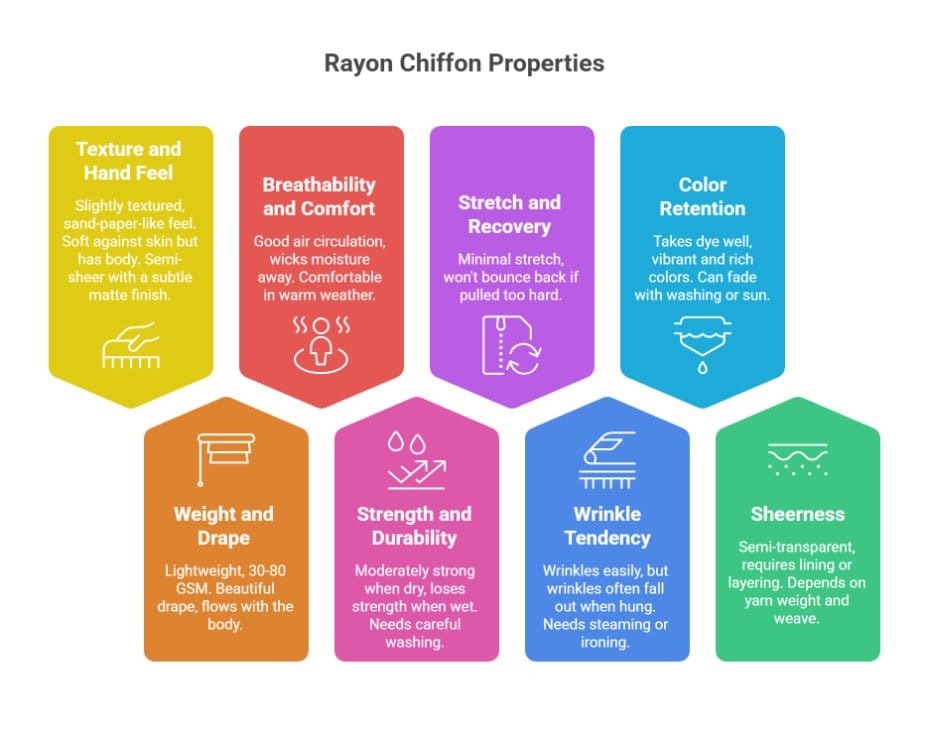
Key properties and performance characteristics of rayon chiffon fabric.
Texture and Hand Feel
How it feels: Rayon chiffon has a slightly textured, sand-paper-like feel when you rub it between your fingers. It’s not as smooth as silk chiffon or as slippery as polyester chiffon. The fabric feels soft against skin but has body to it.
Visual appearance: Semi-sheer to sheer (you can see through it but not completely). It has a subtle matte finish with a gentle shimmer when light hits the puckered surface.
Weight and Drape
Rayon chiffon typically weighs between 30-80 GSM (grams per square meter), making it lightweight but slightly heavier than silk chiffon. The drape is beautiful-it flows and moves with the body without clinging too much.
Use Our Tool: Not sure what GSM means or which weight you need? Try our Chiffon Weight Guide to find the perfect match for your project.
Breathability and Comfort
Here’s where rayon chiffon shines compared to synthetic alternatives:
- Air circulation: Good-better than polyester, not quite as good as silk
- Moisture management: Rayon is naturally absorbent, so it wicks moisture away from skin rather than trapping it
- Temperature regulation: Comfortable in warm weather, though the sheerness means it won’t provide much warmth
Strength and Durability
This is where rayon chiffon shows its weakness – literally.
When dry: Moderately strong. The chiffon weave itself provides some stability through the twisted yarns.
When wet: This is the problem. Rayon fibers lose up to 50% of their strength when wet. Combine that with the delicate chiffon weave, and you have a fabric that needs serious care when washing.
Longevity: With proper care, rayon chiffon garments can last several years. Without proper care, they may not survive their first wash.
Stretch and Recovery
Rayon chiffon has minimal stretch – maybe 1-2% give. The alternating twist in the yarns provides a tiny bit of flexibility, but this isn’t a stretchy fabric. It won’t bounce back if pulled too hard.
Wrinkle Tendency
Rayon chiffon wrinkles easily – almost as easily as linen. The good news? Those wrinkles often fall out when the garment is hung up. The bad news? You’ll likely need to steam or carefully iron it before wearing.
Color Retention
One of rayon’s best features is how well it takes dye. Colors tend to be vibrant and rich. However, some rayon chiffon can fade with repeated washing or sun exposure, especially darker colors.
Sheerness
Most rayon chiffon is semi-transparent. You’ll typically need to line garments or layer them over something else for modesty. The exact level of sheerness depends on the yarn weight and weave tightness.
Rayon Chiffon vs Other Fabrics
How does rayon chiffon stack up against other options? Let’s compare it to help you make better choices.
Rayon Chiffon vs Other Chiffon Types
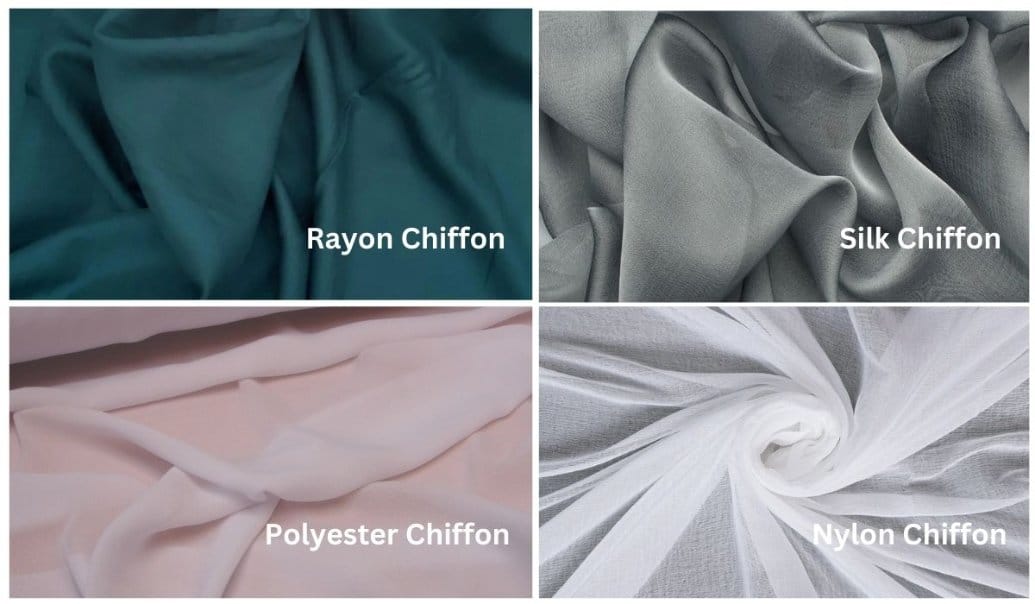
Visual comparison of rayon chiffon with other common chiffon fabric types.
| Feature | Rayon Chiffon | Silk Chiffon | Polyester Chiffon | Nylon Chiffon |
|---|---|---|---|---|
| Price Range (per yard) | $8-$15 | $25-$60+ | $3-$8 | $5-$12 |
| Softness | Very soft | Extremely soft | Smooth but less soft | Smooth, slightly slippery |
| Breathability | Good | Excellent | Poor | Poor |
| Durability | Moderate (weak when wet) | Low to moderate | High | Very high |
| Care Difficulty | High | Very high | Low | Low |
| Wrinkle Resistance | Low | Low | High | High |
| Environmental Impact | Medium to high | Low to medium | High | High |
| Moisture Absorption | High | Moderate | Very low | Very low |
| Best For | Affordable formal wear, everyday elegance | Luxury garments, bridal wear | Budget-friendly projects, linings | Dancewear, costumes |
Rayon Chiffon vs Similar Lightweight Fabrics
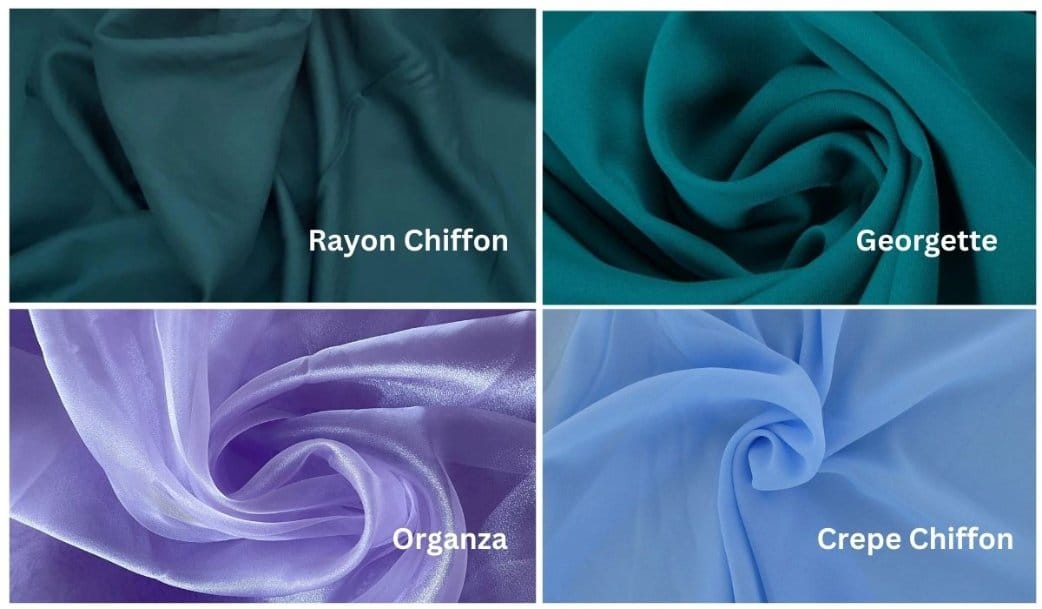
Rayon chiffon compared with similar lightweight fabrics for texture and drape.
| Property | Rayon Chiffon | Georgette | Organza | Crepe Chiffon |
|---|---|---|---|---|
| Texture | Slightly rough, puckered | More textured, crinkled | Crisp, smooth | Extra puckered, pebbly |
| Drape | Fluid, flowing | Slightly heavier drape | Stiff, structured | Flowing with more texture |
| Opacity | Semi-sheer | Semi-sheer to opaque | Sheer but stiff | Semi-sheer |
| Weight | Very light | Light to medium | Light but crisp | Light |
| Best Use | Flowing dresses, overlays | Blouses, sarees | Structured overlays, veils | Textured formal wear |
The Bottom Line on Comparisons
Choose Rayon Chiffon If:
- You want silk-like softness without silk prices
- Breathability matters to you
- You’re comfortable with careful handwashing
- You prefer natural-feeling fabrics over synthetics
- You want rich color options
Skip Rayon Chiffon If:
- You need machine-washable, low-maintenance fabric
- The garment will get frequent wear and washing
- You’re making children’s clothing
- Budget is extremely tight
- You want maximum durability
Sustainability: The Real Story
If you care about the environmental impact of your clothing choices, rayon chiffon presents a complicated picture. It’s neither a sustainability hero nor a complete villain-it falls somewhere in the middle, depending on how it’s produced.
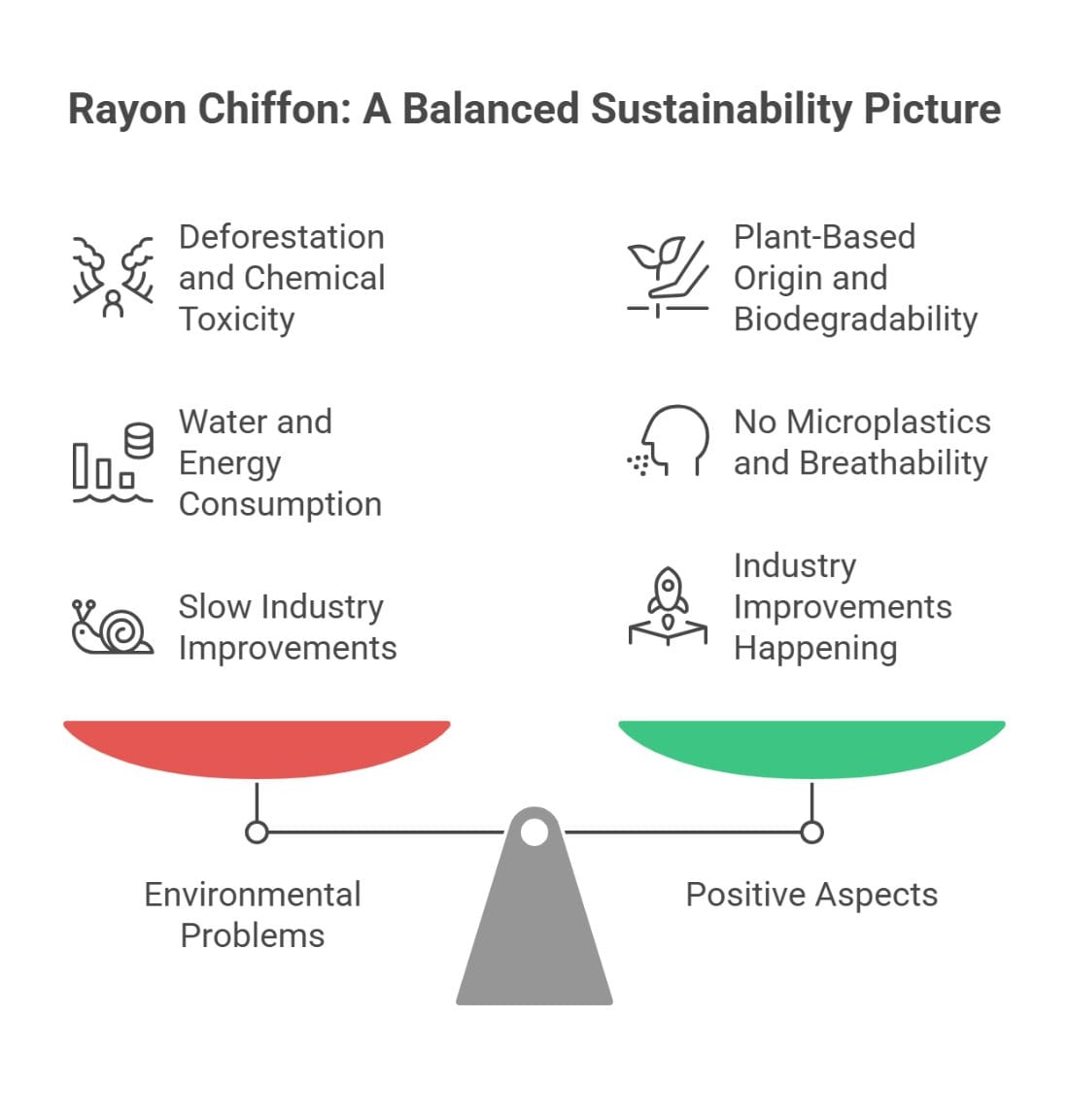
An overview of the environmental advantages and challenges of rayon chiffon.
The Environmental Problems
1. Deforestation Concerns
About 30% of viscose rayon (the most common type) comes from ancient and endangered forests, according to research by CanopyStyle. According to Textile Exchange, viscose represents around 80% of all man-made cellulosic fibers produced globally. This means that some rayon chiffon production contributes to:
- Habitat destruction for endangered species
- Loss of carbon-storing old-growth forests
- Disruption of indigenous communities’ traditional lands
- Overall biodiversity loss
2. Chemical Toxicity
The viscose process uses some seriously nasty chemicals:
- Carbon disulfide: Highly toxic to workers, can cause neurological damage, heart disease, and psychiatric disorders
- Sodium hydroxide (caustic soda): Corrosive and harmful if released into waterways
- Sulfuric acid: Can acidify water systems if improperly disposed of
Throughout the 20th century, viscose rayon manufacturing was linked to severe and often deadly illnesses among factory workers. While safety has improved in many facilities, problems persist in regions with lax regulations.
3. Water and Energy Consumption
The viscose process is water-intensive and energy-heavy. It requires:
- Large volumes of water for processing
- Significant energy for chemical reactions and heating
- Additional resources for wastewater treatment (when it happens)
4. The Biodegradability Question
While rayon is technically biodegradable (it’s made from plant cellulose), the reality is more complex:
- Pure rayon will biodegrade, but it takes 20-200 years depending on conditions
- Chemical finishes can slow or prevent degradation
- Dyes may leach toxic substances during breakdown
- Blended fabrics (rayon + polyester) won’t fully biodegrade
The Positive Side
Before you swear off rayon chiffon forever, here are some genuinely good points:
1. Plant-Based Origin
Unlike petroleum-based polyester or nylon, rayon starts with renewable plant material. Trees can be replanted and regrown.
2. Better Than Polyester in Some Ways
- Doesn’t shed microplastics into waterways when washed
- Breathes better, reducing the need for frequent washing
- Can biodegrade under the right conditions (unlike polyester)
3. Industry Improvements Are Happening
The textile industry is slowly moving toward better practices, with over 500 brands committing to cleaning up their rayon supply chains as of 2023.
Sustainable Rayon Options
Not all rayon is created equal. Here are the more responsible choices:
1. Lyocell/Tencel
This is the gold standard for sustainable rayon. Made by Lenzing AG, it uses:
- A closed-loop process that recovers and reuses 99% of chemicals
- Amine oxide instead of carbon disulfide (much less toxic)
- FSC-certified eucalyptus from sustainably managed forests
- 50% less water than conventional viscose
The catch: Lyocell chiffon is harder to find and more expensive than regular viscose rayon chiffon.
2. Modal
Another Lenzing product, modal uses beech trees and a more eco-friendly process (though not quite as clean as lyocell). It’s softer than regular viscose and requires less land and water to produce.
3. FSC-Certified Viscose
If you’re buying traditional viscose rayon chiffon, look for Forest Stewardship Council (FSC) certification. This means the wood pulp came from responsibly managed forests.
4. Recycled Rayon
Companies like Renewcell are creating “Circulose”-rayon made from recycled cotton textiles instead of virgin trees. This is still rare but represents the future of sustainable rayon.
Certifications to Look For
| Certification | What It Means | Why It Matters |
|---|---|---|
| FSC (Forest Stewardship Council) | Wood sourced from responsibly managed forests | Reduces deforestation impact |
| Oeko-Tex Standard 100 | Tested for harmful substances | Safer for workers and wearers |
| EU Ecolabel | Meets strict environmental criteria throughout production | Lower overall environmental footprint |
| Bluesign | Safe, sustainable production with chemical management | Better for workers and environment |
| CanopyStyle | Verified as not sourcing from ancient/endangered forests | Protects critical ecosystems |
Making Better Choices
If you want to buy rayon chiffon more responsibly:
- Ask questions: Where does the rayon come from? What certifications does it have?
- Prioritize brands: Look for companies that source from Lenzing or other certified suppliers
- Choose quality over quantity: One well-made garment that lasts is better than three cheap ones that fall apart
- Care properly: Making your rayon chiffon items last longer is the most sustainable choice of all
- Consider alternatives: For some projects, organic cotton or recycled polyester might be better choices
Bottom line: Rayon chiffon’s sustainability depends entirely on how it’s made. Standard viscose rayon chiffon has significant environmental problems. Lyocell or FSC-certified options are much better choices – but they cost more and can be harder to find.
Uses and Applications
Rayon chiffon shows up in a surprising number of places. Here’s where it works well – and where you should probably skip it.
Fashion and Clothing
Where Rayon Chiffon Shines
Evening gowns and formal dresses: The flowing drape makes rayon chiffon perfect for elegant occasion wear. It moves beautifully without the price tag of silk.
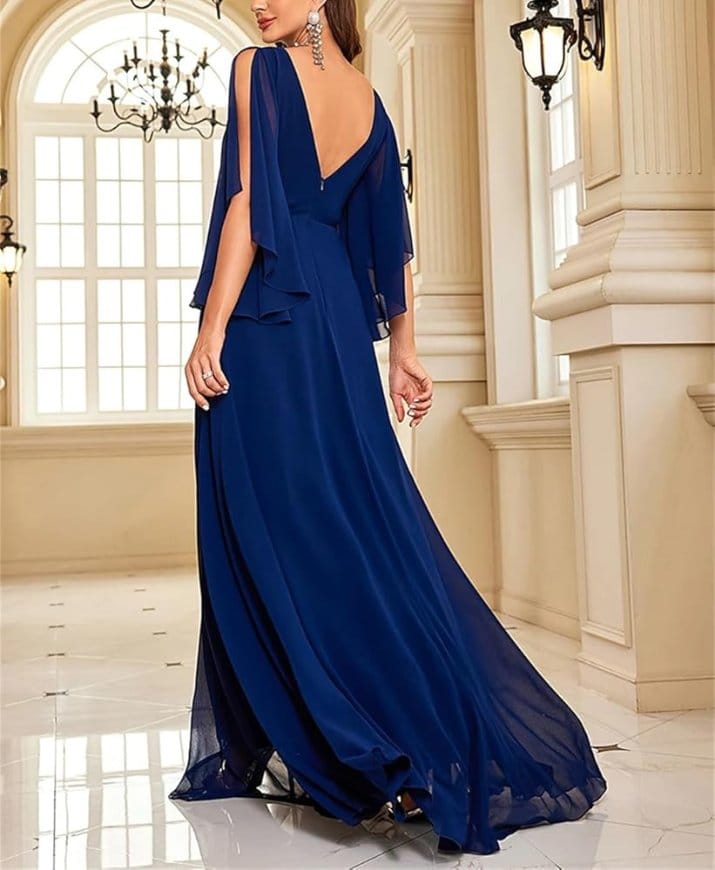
Elegant evening dress made from rayon chiffon with a soft flowing finish.
Bridal wear: Bridesmaid dresses frequently use rayon chiffon. It photographs well, comes in endless colors, and looks expensive without breaking the budget. Some wedding dress designers use it for overlays or sleeves.
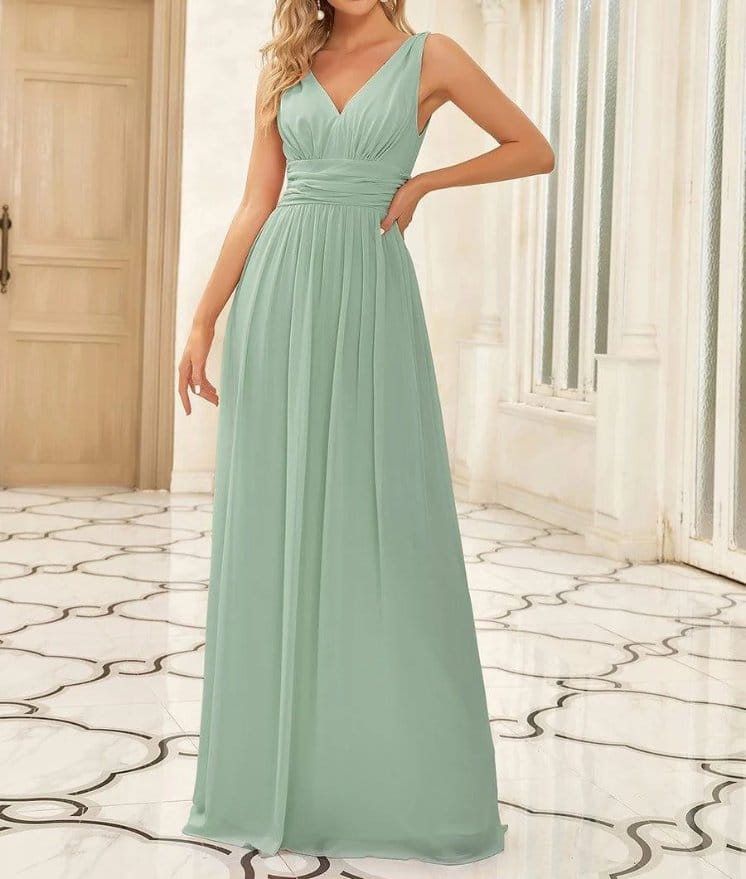
Rayon chiffon bridesmaid dress showcasing graceful drape and lightweight elegance.
Blouses and tops: The breathability and soft feel make rayon chiffon comfortable for warm-weather tops. The sheerness means you’ll usually need a camisole underneath.
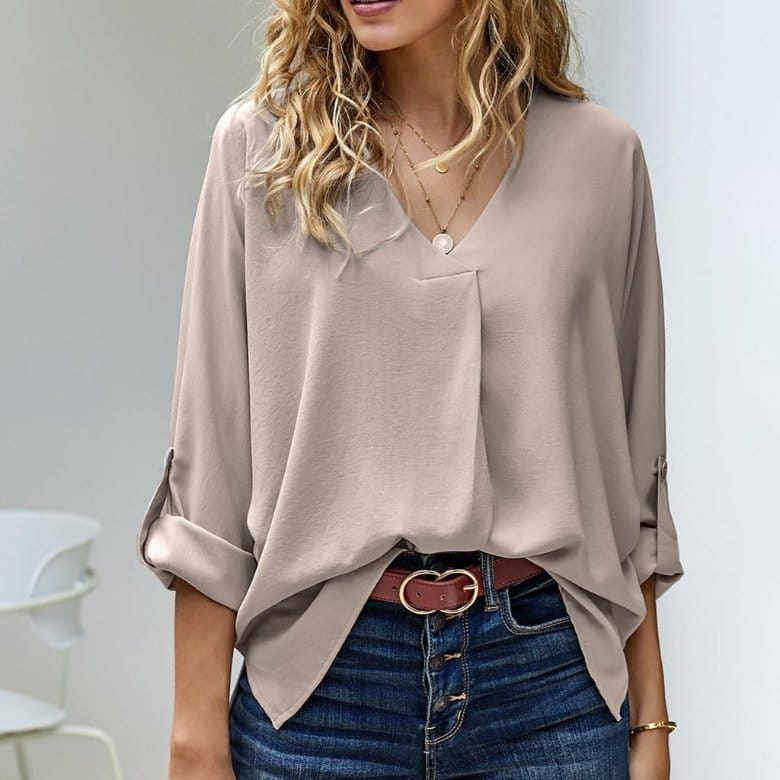
A stylish blouse made from rayon chiffon demonstrating its elegant drape and comfort.
Scarves and wraps: Lightweight and drapey-perfect for scarves that flow without adding bulk. The slight texture helps them stay in place better than slippery silk.
Skirt overlays: Layered over an opaque skirt, rayon chiffon adds movement and visual interest without weight.
Sleeve details: Sheer or puffed sleeves in rayon chiffon add a romantic touch to otherwise simple designs.
Where to Avoid Rayon Chiffon
Activewear: It doesn’t wick sweat fast enough, doesn’t stretch, and gets weak when wet. Stick to technical fabrics for workout clothes.
Children’s everyday clothing: Too delicate for playground wear and requires too much careful washing. Save it for special occasions only.
Pants or fitted garments: Rayon chiffon doesn’t have the structure or recovery for close-fitting items. It’ll stretch out and won’t bounce back.
Outdoor wear: Gets damaged by rain, wrinkles easily, and the sheerness offers no sun protection.
Home Decor Applications
Window treatments: Sheer rayon chiffon curtains filter light beautifully while maintaining privacy. They create a soft, romantic look.
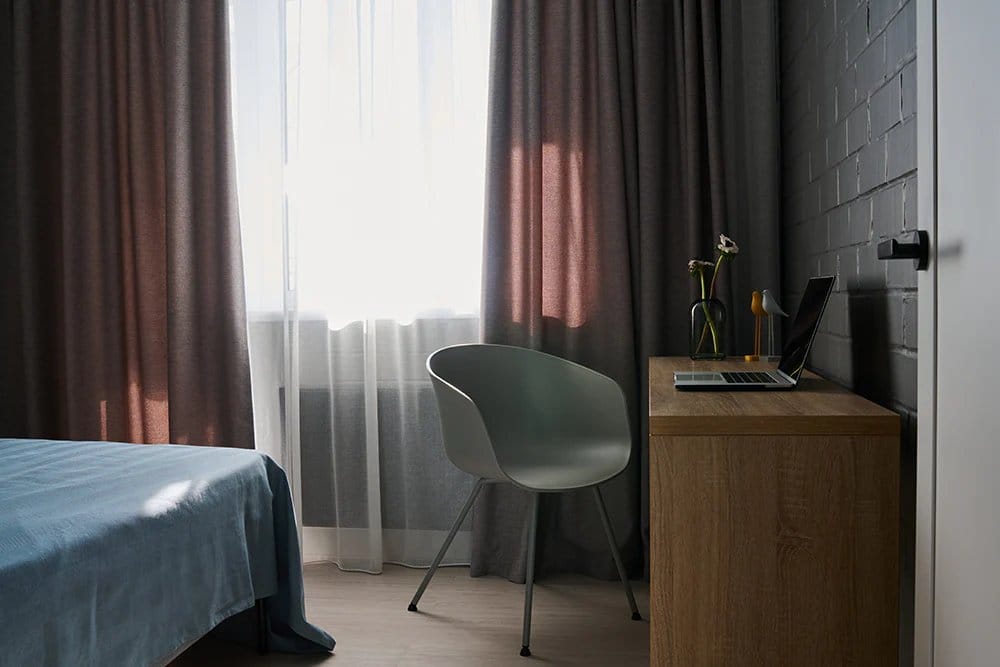
Rayon chiffon fabric used in home decor for light filtering curtains.
Canopy draping: The flowing nature makes it popular for bed canopies and decorative ceiling draping. Just keep it away from open flames-it’s flammable.
Table overlays: For special events, rayon chiffon table runners or overlays add elegance without blocking table settings.
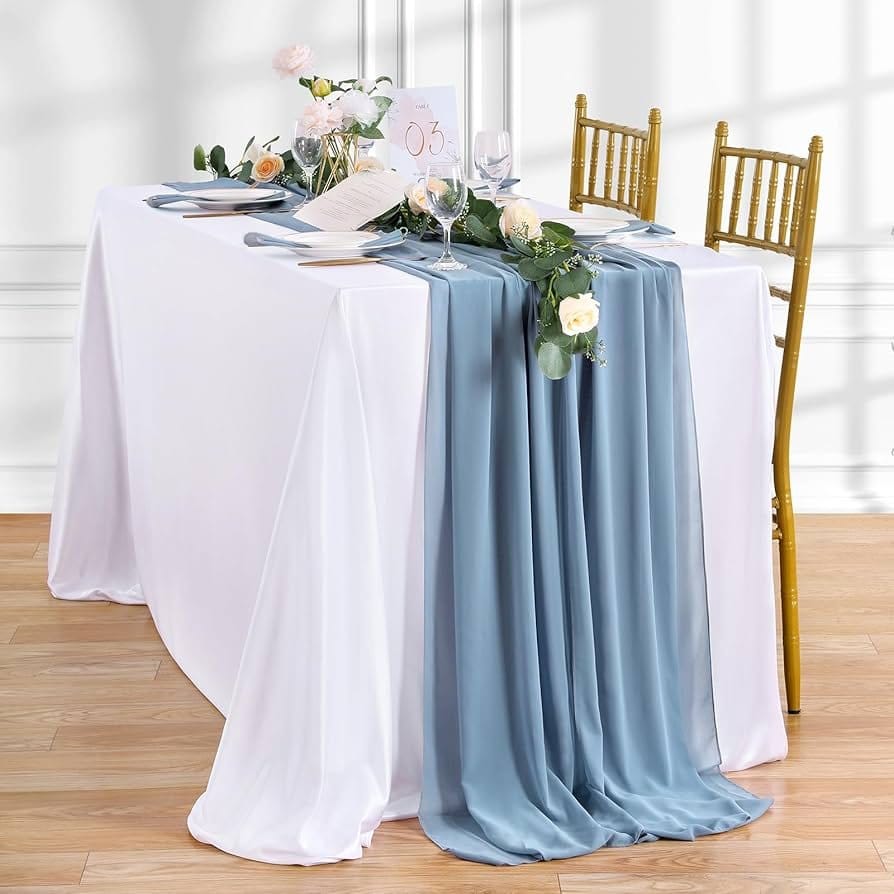
Rayon chiffon table overlays add softness and elegance to event decor.
Fire Safety Note: Rayon is flammable. Don’t use it near candles, fireplaces, or heat sources. Some fabrics are treated with flame retardants, but untreated rayon chiffon will burn readily.
Seasonal Considerations
Spring/Summer: This is rayon chiffon’s season. The breathability and lightweight feel make it comfortable in warm weather. Choose lighter colors to reflect heat.
Fall/Winter: Can work layered over or under other pieces, but it provides zero warmth on its own. The sheerness makes it impractical for cold weather unless it’s purely decorative.
When to Choose Rayon Chiffon vs Alternatives
Choose Rayon Chiffon For:
- One-time or occasional-wear formal events
- Warm weather occasions
- Projects where softness matters
- When you want silk-like drape affordably
- Garments that will be hand washed
Choose Polyester Chiffon For:
- Frequently worn items
- Travel clothing (less wrinkly)
- Budget-conscious projects
- Machine-washable needs
- Dance or performance costumes
The Complete Care Guide
Here’s the truth: rayon chiffon requires attention. But with the right techniques, you can keep your pieces looking beautiful for years. Skip these steps, and you might ruin your garment in the first wash.
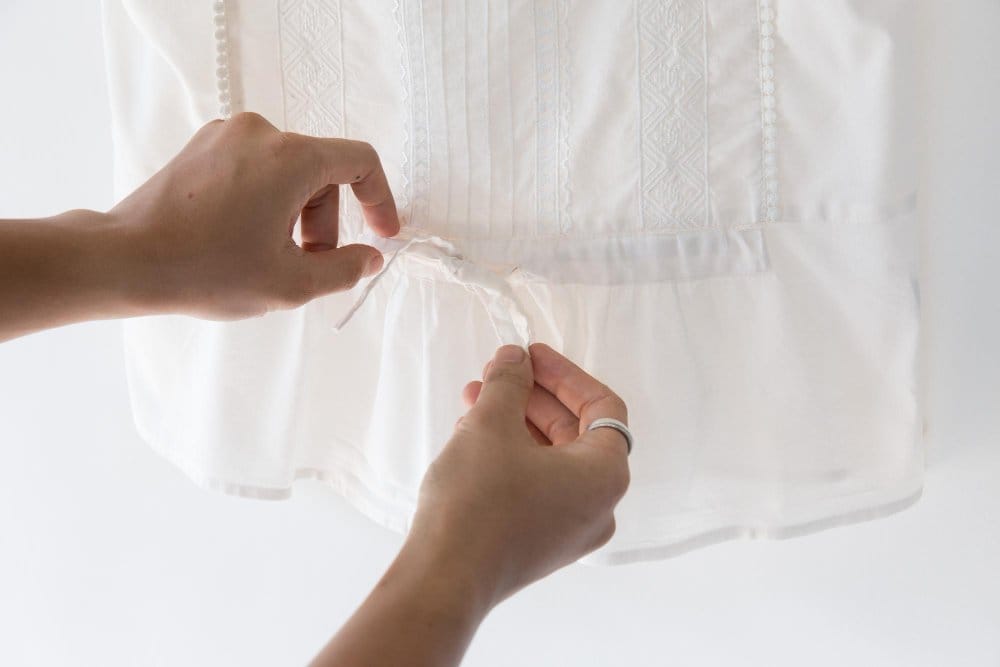
Proper care techniques for maintaining the softness and appearance of rayon chiffon.
General Care Rules
Golden Rule: Treat rayon chiffon like it’s more delicate than it looks. When wet, it loses about 50% of its strength. Handle it gently, and it’ll survive.
Washing Rayon Chiffon
Method 1: Hand Washing (Recommended)
This is the safest way to clean rayon chiffon.
- Fill a basin with cool water (never hot-it can shrink rayon). Add a small amount of mild detergent designed for delicates. Baby shampoo or wool wash works well too.
- Submerge the garment and gently swirl it in the water. Don’t scrub, twist, or wring. Just let it soak for 10-15 minutes (no longer – extended soaking can weaken fibers).
- Gently squeeze the soapy water through the fabric. Use a soft pressing motion rather than aggressive agitation.
- Rinse thoroughly in cool, clean water. Change the water 2-3 times until all soap is removed. A tablespoon of white vinegar in the final rinse helps remove detergent residue and keeps colors vibrant.
- Remove excess water carefully. DO NOT wring or twist. Instead, gently press the fabric between your hands, then lay it flat on a clean, dry towel. Roll the towel up with the garment inside to absorb water.
Method 2: Machine Washing (Use Caution)
Some rayon chiffon can handle machine washing, but check the care label first. If you go this route:
- Use a mesh laundry bag to protect the fabric from snagging
- Choose the delicate/gentle cycle with cold water only
- Add minimal detergent-less is more for delicate fabrics
- Wash alone or with similar delicates-never with jeans, towels, or anything rough
- Skip the spin cycle if possible, or use the lowest spin setting
Never Use: Hot water, bleach (even color-safe versions), fabric softeners, or harsh detergents. These will damage rayon chiffon permanently.
What About Dry Cleaning?
Many rayon chiffon garments are labeled “dry clean only”-and there’s a reason. Professional dry cleaning is often the safest choice, especially for:
- Structured or lined garments
- Items with embellishments
- Expensive or irreplaceable pieces
- Garments you’re unsure about
Dry cleaning costs $8-15 per item but can be worth it to avoid ruining a $100 dress.
Drying Rayon Chiffon
NEVER put rayon chiffon in a tumble dryer. The heat will shrink it, and the tumbling will damage the delicate weave.
The Right Way to Dry
Flat drying (best method):
- Lay the garment flat on a clean, dry towel or drying rack
- Reshape it to its original dimensions while damp
- Keep it away from direct sunlight (which can fade colors)
- Allow 12-24 hours for complete drying
Hanging (acceptable with care):
- Only use padded hangers (wire hangers leave rust marks and creases)
- Hang in a well-ventilated area away from direct sun
- Make sure the weight is evenly distributed to prevent stretching
- Don’t hang heavy, wet garments – they’ll stretch out of shape
Removing Wrinkles: Ironing and Steaming
Rayon chiffon wrinkles easily, so you’ll need to deal with this regularly.
Steaming (Recommended)
This is the safest method:
- Hang the garment and use a handheld steamer
- Keep the steamer head 6 inches away from fabric
- Use smooth, downward motions
- Let the fabric cool and dry completely before wearing
No steamer? Hang the garment in your bathroom while you take a hot shower. The steam will help wrinkles fall out naturally.
Ironing (Use Extreme Caution)
If you must iron:
- Use the lowest heat setting (silk/synthetic setting, usually 110°C/230°F)
- ALWAYS use a pressing cloth between the iron and fabric. A thin cotton cloth or even a piece of tissue paper works
- Iron while the fabric is still slightly damp for best results
- Press from the wrong side (inside) when possible
- Use quick, light pressing motions-don’t leave the iron sitting on the fabric
- Never use steam directly on the fabric-it can water-spot
Warning: Too much heat will scorch or melt rayon chiffon. If you see shine marks appearing, your iron is too hot – stop immediately.
Stain Removal
Act fast with stains – the longer they sit, the harder they are to remove.
Safe Stain Removal Steps
- Blot (never rub) the stain with a clean, white cloth
- Test your stain remover on an inconspicuous area first
- Use a mild solution: Mix cool water with a tiny bit of gentle detergent or use a 50/50 mix of water and white vinegar
- Dab the solution onto the stain with a clean cloth
- Let it sit for no more than 10 minutes
- Blot with a clean, damp cloth to remove the solution
- Repeat if needed, then wash the entire garment
What Works on Rayon Chiffon
- Water-based stains: Cool water with mild soap
- Oil-based stains: Small amount of dishwashing liquid (test first)
- Sweat stains: White vinegar solution
What to Avoid
- Chlorine bleach (will damage fibers)
- Oxygen bleach (can still be too harsh)
- Rubbing alcohol (can discolor)
- Acetone or nail polish remover (will dissolve fibers)
Shrinkage: Can You Prevent It?
Rayon is notorious for shrinking, and chiffon’s delicate weave makes this even more likely.
Prevention strategies:
- Always use cold water
- Never use heat for drying
- Don’t leave garments soaking for extended periods
- Reshape while damp
- Pre-wash fabric before sewing (if making your own garments)
If shrinkage happens: There’s not much you can do. Unlike wool, you can’t really “unshrink” rayon. This is why careful washing is so important.
Storage Tips
Proper storage keeps rayon chiffon looking good between wears:
- Fold with tissue paper between layers to prevent creases
- Use padded hangers for short-term storage (not long-term-the weight can cause stretching)
- Store in a cool, dry place away from direct sunlight
- Use breathable garment bags, not plastic (which traps moisture and can cause mildew)
- Keep away from mothballs (rayon doesn’t attract moths, so they’re unnecessary)
Spot Cleaning Between Washes
You don’t need to wash rayon chiffon after every wear-in fact, less washing extends its life. For minor freshening:
- Hang it up and let it air out overnight
- Steam lightly to remove wrinkles and refresh
- Spot clean small marks rather than washing the whole garment
Sewing with Rayon Chiffon
Sewing rayon chiffon can feel like trying to wrangle a slippery ghost. But with the right techniques, it’s totally doable-even for intermediate sewers.
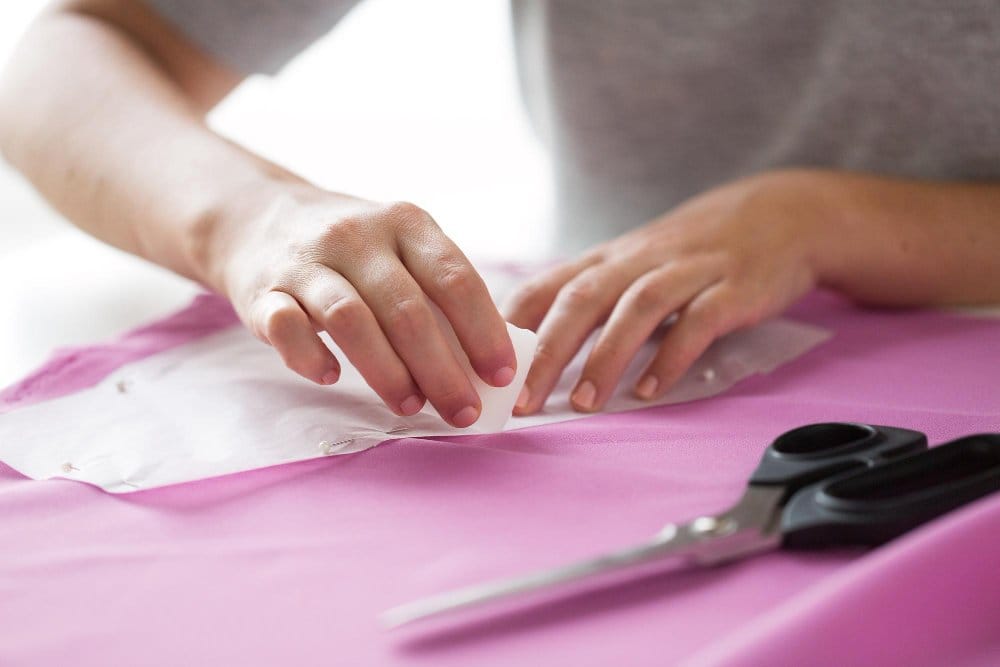
Sewing and handling rayon chiffon fabric for garment construction.
Before You Start: Is This Project Right for Rayon Chiffon?
Ask yourself:
- Does your pattern work with sheer, drapey fabric?
- Are you comfortable with hand-sewing techniques?
- Do you have the right tools and needles?
- Can you dedicate time to careful construction?
Beginner Tip: Start with a simple scarf or pillowcase before tackling a fitted garment. Rayon chiffon is not the best “first project” fabric.
Pre-Sewing Preparation
Step 1: Pre-Wash Your Fabric
Always pre-wash rayon chiffon before cutting. It WILL shrink, and you want that to happen before – not after – you’ve made your garment.
- Hand wash in cool water with mild detergent
- Dry flat on a towel
- Press with low heat if needed
- Let it rest for 24 hours before cutting
Step 2: Prepare Your Workspace
- Clean your cutting surface-splinters or rough spots will snag the fabric
- Remove all pins and sharp objects from your work area
- Good lighting is essential for seeing this sheer fabric clearly
Cutting Rayon Chiffon
This is where most mistakes happen. Take your time.
The Tissue Paper Method (Best for Beginners)
- Lay tissue paper on your cutting surface. This prevents the chiffon from sliding around.
- Lay your rayon chiffon on top, smoothing out all wrinkles.
- Place pattern pieces on the fabric. Pin through all layers if needed (use fine pins).
- Cut through all layers (tissue, chiffon, and pattern) at once using sharp scissors or a rotary cutter.
- Carefully tear away the tissue paper after cutting.
Important Cutting Tips
- Use the sharpest scissors or rotary blade you own. Dull blades drag and create ragged edges
- Cut single layers when possible. Chiffon tends to shift when cutting through multiple layers
- Use pattern weights instead of pins if you can-they’re less likely to damage the fabric
- Add extra seam allowance if you’re nervous (rayon chiffon frays like crazy)
- Cut pieces individually for “cut on fold” instructions-folding creates uneven edges
Marking the Fabric
Traditional marking methods often don’t work well on chiffon:
What works:
- Tailor’s tacks (thread marking)
- Disappearing ink pens (test first!)
- Snip marks at seam allowances (tiny clips)
What doesn’t work:
- Chalk (doesn’t show well on sheer fabric)
- Wax-based markers (can leave permanent stains)
- Water-soluble pens (if you’re not sure when you’ll wash)
Sewing Machine Setup
The right setup makes all the difference:
| Setting | Recommendation | Why It Matters |
|---|---|---|
| Needle Type | Microtex/Sharp, size 60/8 or 70/10 | Pierces cleanly without snagging delicate fibers |
| Thread | Fine polyester or silk thread (50-60 weight) | Reduces bulk and prevents puckering |
| Stitch Length | 12-20 stitches per inch (2-2.5mm) | Prevents the fabric from being pushed into the feed dogs |
| Presser Foot | Walking foot or reduce pressure | Helps fabric feed evenly without stretching |
| Throat Plate | Straight-stitch plate (small hole) | Prevents fabric from being pulled into the machine |
Sewing Techniques That Work
Dealing with the Feed Dogs
Rayon chiffon loves to get sucked into your machine. Prevent this by:
- Holding both thread tails when you start stitching
- Starting on a scrap of stabilizer, then feeding in your chiffon
- Using a tear-away stabilizer under seams
French Seams: Your New Best Friend
French seams enclose raw edges inside a neat seam-perfect for sheer fabric where everything shows through. Here’s how:
- Place fabric WRONG sides together (opposite of normal). Stitch with a 1/4″ (6mm) seam allowance.
- Trim the seam allowance to about 1/8″ (3mm).
- Press the seam to one side, then fold the fabric so RIGHT sides are together, enclosing the raw edges.
- Stitch again with a 3/8″ (10mm) seam allowance, trapping the raw edges inside.
- Press the finished seam to one side.
Result: Clean, professional seams with no visible raw edges.
Hemming Options
Rolled hem (best for edges):
- Use a rolled hem foot on your serger if you have one
- Or turn under twice by 1/8″, press, and stitch close to the edge
- This creates a neat, narrow hem perfect for chiffon
Narrow hem (good alternative):
- Turn under 1/4″, press, stitch 1/8″ from edge
- Trim close to stitching
- Turn under and press again, stitch near the fold
Avoid: Deep hems (they’ll show through and add bulk)

Common Problems and Solutions
| Problem | Cause | Solution |
|---|---|---|
| Fabric puckering | Tension too tight, thread too heavy | Loosen tension, use finer thread, shorter stitch length |
| Skipped stitches | Wrong needle, dull needle | Use new Microtex needle, slow down sewing speed |
| Fabric being pulled into machine | Throat plate hole too large | Use straight-stitch plate, hold threads at start, use stabilizer |
| Excessive fraying | Normal for chiffon | Use French seams, serge edges, or use fray check on cut edges |
| Wavy seams | Stretching while sewing | Let fabric feed naturally, don’t pull or push |
| Snagging | Rough hands, dull needle, workspace issues | File nails smooth, use new needle, check for splinters |
Additional Sewing Tips
- Practice on scraps first. Always test your settings on leftover fabric before working on your actual project.
- Sew slowly and deliberately. This isn’t the time to rush.
- Use pins sparingly and only within seam allowances. Pin holes can be permanent on sheer fabric.
- Baste by hand for tricky areas rather than relying on pins.
- Take breaks. Working with finicky fabric is mentally tiring.
- Accept imperfection. Even experienced sewers find chiffon challenging.
Tool Recommendation: Check out our Chiffon Type Selector Quiz to make sure rayon chiffon is the best choice for your specific project.
How to Buy Quality Rayon Chiffon
Not all rayon chiffon is created equal. Here’s how to spot quality fabric and avoid disappointment.
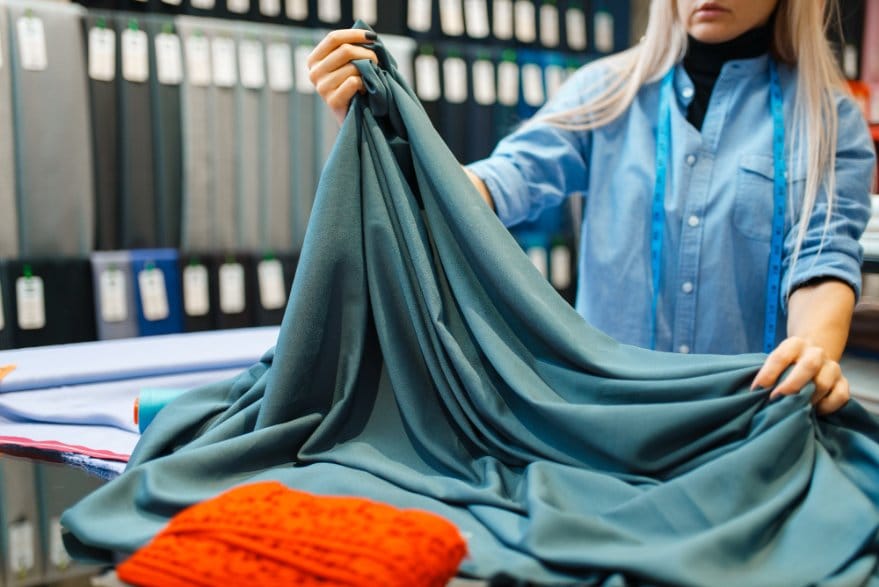
Examining rayon chiffon fabric quality by touch, drape, and texture before purchase.
Quality Indicators
1. Hand Feel and Drape
High-quality rayon chiffon should:
- Feel soft but not limp
- Have some body to it (not tissue-paper thin)
- Drape smoothly without clumping
- Return to shape after gentle crushing
2. Weave Quality
Look closely at the fabric:
- Even weave: Yarns should be consistent in thickness
- No slubs or thick spots: These indicate lower quality yarn
- Consistent transparency: No thick or thin patches
- Clean edges: Well-finished selvages
3. Color Quality
- Rich, even color with no streaks
- Color should penetrate through the fabric, not just sit on the surface
- Rub a white cloth on the fabric – minimal color transfer is normal; heavy bleeding is not
Understanding Weight (GSM)
Rayon chiffon typically ranges from 30-80 GSM (grams per square meter):
| Weight Range | GSM | Best For | Characteristics |
|---|---|---|---|
| Ultra-light | 30-40 GSM | Scarves, overlays | Very sheer, delicate, harder to sew |
| Light | 40-60 GSM | Blouses, dresses, linings | Most common, good balance |
| Medium | 60-80 GSM | Dresses, formal wear | More opaque, easier to handle |
Price Expectations
What should you expect to pay? Here are typical ranges (prices per yard, 45-58″ wide):
- Budget range: $3-$6 (likely lower quality, questionable sourcing)
- Mid-range: $8-$15 (good quality, standard viscose)
- High-end: $15-$25 (certified sustainable, specialty dyes, or designer)
- Luxury: $25-$40+ (typically lyocell, hand-dyed, or high-end fashion fabric)
Remember: If the price seems too good to be true, it probably is. Very cheap rayon chiffon may be:
- Poor quality that won’t hold up
- Made with questionable labor practices
- Sourced from unsustainable forests
- Poorly dyed (will fade or bleed)
Where to Buy
Fabric Stores (In-Person)
Pros:
- You can touch and examine the fabric
- Immediate purchase, no shipping wait
- Staff can answer questions
Cons:
- Limited selection
- Often more expensive than online
- May not carry certified sustainable options
Online Fabric Retailers
Pros:
- Huge selection
- Often better prices
- Easier to find sustainable options
- Can shop from home
Cons:
- Can’t feel the fabric before buying
- Color may differ from photos
- Shipping costs and wait times
- Returns can be complicated
Tips for buying online:
- Order swatches if available
- Read reviews carefully
- Check return policies
- Look for detailed specifications (GSM, fiber content, finish)
Questions to Ask Suppliers
Before buying, ask:
- What type of rayon is this? (Viscose, modal, lyocell?)
- Where is it sourced from? (Country of origin, manufacturer)
- Does it have any certifications? (FSC, Oeko-Tex, etc.)
- What is the exact fiber content? (100% rayon or a blend?)
- What is the GSM? (Weight affects drape and opacity)
- Has it been pre-washed or treated? (Affects shrinkage)
- What is the recommended care? (Some are machine washable, most aren’t)
Red Flags to Watch For
Avoid fabric if:
- The seller can’t answer basic questions about fiber content or origin
- The price is extremely low compared to similar options
- There’s a strong chemical smell (indicates poor processing or excessive finishing chemicals)
- The fabric has visible flaws (pulls, snags, uneven dying)
- Reviews mention excessive shrinkage, fading, or poor quality
How Much to Buy
When calculating yardage:
- Add 10-20% extra for shrinkage from pre-washing
- Account for pattern matching if buying printed chiffon
- Buy extra for testing (you’ll want scraps for practice)
- Consider making a lining (you may need double the yardage)
Testing Before You Commit
If you’re unsure about a fabric, test it:
- The burn test: Burn a thread to confirm it’s really rayon (should smell like burning paper, leave gray ash, not melt like polyester)
- The water test: Wet a small corner-does it feel dramatically weaker? That’s normal for rayon
- The stretch test: Gentle pulling should show minimal stretch and good recovery
- The drape test: Hold it up-does it flow naturally or hang stiffly?
Frequently Asked Questions
Does rayon chiffon wrinkle easily?
Yes, rayon chiffon wrinkles very easily – almost as much as linen. The good news is that wrinkles often fall out naturally when you hang the garment. For stubborn wrinkles, use a steamer or iron on the lowest setting with a pressing cloth.
Will rayon chiffon shrink?
Absolutely. Rayon chiffon can shrink significantly – anywhere from 5-10% or more-especially if exposed to hot water or heat drying. This is why you should always pre-wash fabric before sewing and only wash finished garments in cold water. Once it shrinks, there’s no reliable way to “unshrink” it.
Is rayon chiffon good for summer?
Yes, rayon chiffon is excellent for summer wear. It’s breathable, lightweight, and absorbs moisture well, making it more comfortable than polyester chiffon in hot weather. The sheerness also helps with air circulation. Just remember it provides no sun protection.
Can you iron rayon chiffon?
You can, but you need to be very careful. Use the lowest heat setting on your iron (silk/synthetic), always use a pressing cloth between the iron and fabric, and iron from the wrong side when possible. Steaming is actually safer and more effective for rayon chiffon.
Is rayon chiffon vegan?
Yes, rayon chiffon is vegan. It’s made from plant-based cellulose (wood pulp), not animal products. However, it’s worth noting that some vegans avoid rayon due to environmental concerns about deforestation and chemical processing. Lyocell is a more eco-friendly alternative that’s also vegan.
How long does rayon chiffon last?
With proper care, rayon chiffon garments can last 3-5 years or longer. However, this assumes gentle hand washing, proper storage, and careful wear. Cheap rayon chiffon or rough treatment can result in garments that don’t make it past their first season. Quality and care matter more than the fiber itself.
Is rayon chiffon stretchy?
No, rayon chiffon has very minimal stretch – maybe 1-2% at most. The chiffon weave structure provides a tiny bit of flexibility, but you shouldn’t count on it for fit. If you need stretch, look for chiffon with added spandex (though this is rare) or choose a different fabric entirely.
Can rayon chiffon be dyed?
Yes, but it’s tricky. Rayon takes fiber-reactive dyes (like Procion MX) quite well, but the process must be done in lukewarm water to avoid shrinkage. The delicate chiffon weave makes handling difficult while wet. For best results, have it professionally dyed or stick with buying pre-dyed fabric.
Why does rayon chiffon feel rough?
That slightly rough, textured feel is normal for chiffon-it comes from the alternating S-twist and Z-twist yarns that create small puckers in the weave. This is one of chiffon’s defining characteristics. Higher quality rayon chiffon should still feel soft to the touch, just with that distinctive texture. If it feels scratchy or stiff, it may be lower quality or over-finished.
Is rayon chiffon waterproof?
No, rayon chiffon is definitely not waterproof-in fact, it’s quite the opposite. Rayon is absorbent and gets weaker when wet. If you need water-resistant or waterproof fabric, look for treated nylon, polyester, or specialized outdoor fabrics. Rayon chiffon and rain do not mix well.
Can I use rayon chiffon for children’s clothing?
You can for special occasion wear like flower girl dresses or formal events, but it’s not practical for everyday children’s clothing. The delicate care requirements, shrinkage issues, and tendency to snag make it unsuitable for play clothes or school wear. For kids’ regular wardrobe, choose sturdier, more forgiving fabrics.
Final Thoughts
After walking through everything from manufacturing to care instructions, let’s bring it all together with some practical takeaways.
The Reality Check
Rayon chiffon sits in an interesting middle ground. It’s not the luxury of silk, but it’s not the practicality of polyester either. It offers affordable elegance with a side of special care requirements. Whether that trade-off works for you depends on your priorities.
When Rayon Chiffon Makes Sense
Choose rayon chiffon if you:
- Want the soft, natural feel of plant-based fibers without the silk price tag
- Are making occasional-wear formal garments (weddings, evening events)
- Value breathability and comfort over wash-and-wear convenience
- Don’t mind hand washing and careful pressing
- Are an intermediate-level sewer ready to tackle a challenging fabric
- Need warm-weather elegance
When to Look Elsewhere
Skip rayon chiffon if you:
- Need machine-washable, low-maintenance clothing
- Are making everyday wear that will see frequent washing
- Want maximum durability above all else
- Are on a very tight budget (polyester chiffon costs less and is easier to care for)
- Don’t have time for gentle hand washing and careful storage
- Are a beginning sewer (start with easier fabrics first)
Key Takeaways
1. Quality matters more than you think. Spending a bit more for well-made rayon chiffon from reputable sources pays off in longevity and wear experience. Cheap rayon chiffon is rarely worth the frustration.
2. Care is non-negotiable. This isn’t a wash-and-wear fabric. If you’re not willing to hand wash in cold water, air dry, and carefully press or steam, rayon chiffon will disappoint you quickly.
3. Sustainability requires conscious choices. Standard viscose rayon has real environmental problems. If sustainability matters to you, seek out FSC-certified options, lyocell, or modal. Yes, they cost more-but that’s the actual price of responsible production.
4. It’s not rayon OR chiffon-it’s both. Understanding that rayon is the fiber and chiffon is the weave helps you set appropriate expectations and choose the right fabric for your needs.
5. Pre-washing is mandatory for sewers. If you’re making your own garments, always pre-wash rayon chiffon. The shrinkage is real, and you want it to happen before you cut and sew.
6. The learning curve is worth it. Yes, sewing with rayon chiffon takes patience and practice. But once you master the techniques, you can create beautiful, flowing garments that look far more expensive than they are.
Making Your Decision
Think about your actual lifestyle and habits. If you realistically know you’ll toss clothes in the washing machine and dryer without thinking, rayon chiffon will frustrate you. But if you already hand wash silk blouses or wool sweaters, adding rayon chiffon to your care routine won’t feel like a burden.
For special occasion wear-a bridesmaid dress you’ll wear once, a formal gown for a gala, a romantic scarf for summer evenings-rayon chiffon hits a sweet spot. It looks elegant, feels nice, and doesn’t require the investment silk would demand.
For your work wardrobe or everyday rotation? Consider whether the care requirements fit your life. There’s no shame in choosing polyester chiffon for practical reasons. Save rayon chiffon for pieces where the natural feel and breathability make a real difference.
The Environmental Choice
If you’re trying to make more sustainable fashion choices, rayon chiffon presents a challenge. Standard viscose rayon isn’t great for the planet. But thoughtfully produced rayon (especially lyocell) can be a reasonable middle ground between natural fibers and synthetics.
The most sustainable choice? Buy less, choose quality, and care for it properly. One well-made rayon chiffon dress that lasts five years beats five cheap dresses that fall apart after one season-regardless of what they’re made from.
Final Recommendations
For buyers: Look for certifications (FSC, Oeko-Tex, EU Ecolabel). Ask questions about sourcing. Choose quality over rock-bottom prices. Consider the total cost including care and longevity, not just the price tag.
For sewers: Read the chiffon sewing tips thoroughly before cutting. Practice on scraps. Use French seams. Accept that some learning projects will go wrong – that’s part of the process.
For wearers: Follow the care instructions religiously. Hand wash in cold water, air dry, steam wrinkles out. Store properly. Treat rayon chiffon garments as special pieces, not daily basics.
Looking Forward
The textile industry is slowly improving. More brands are committing to sustainable rayon sourcing. Innovations like Circulose (rayon made from recycled textiles) show promise. Closed-loop lyocell production is becoming more common.
As consumers, we can push this progress forward by asking questions, choosing certified options when possible, and being willing to pay fair prices for responsibly made fabrics. Every purchase is a vote for what kind of textile industry we want.
Rayon chiffon isn’t perfect, but few fabrics are. Understanding its strengths, limitations, and care requirements helps you make informed decisions that work for your life, your values, and your wardrobe.
Whether you choose rayon chiffon or not, you now have the knowledge to make that choice with confidence. That’s what really matters.