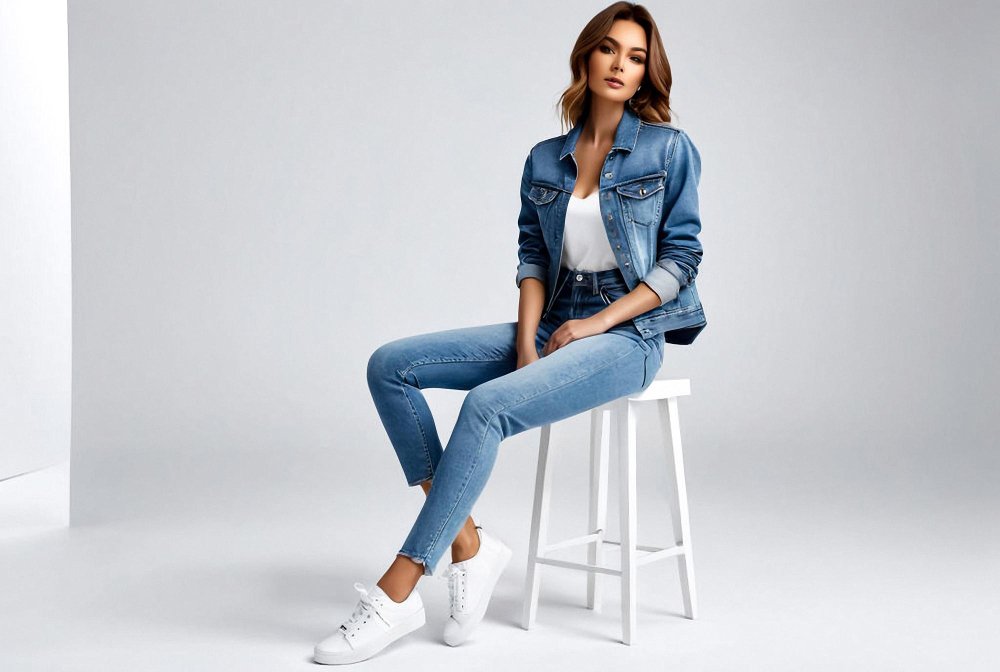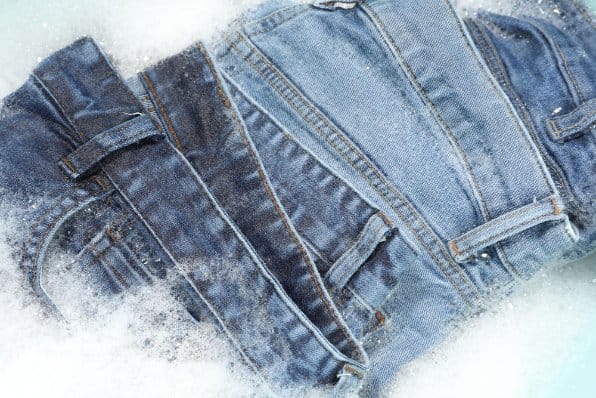

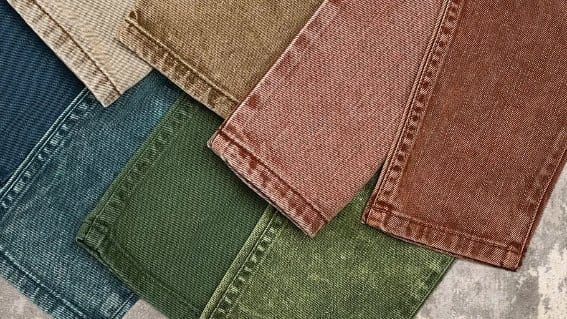
From how it gets its color to why it fades differently and which shades are having a moment in 2026. Here is everything you need to know about the world’s most expressive fabric.
Most people assume denim is blue. But here is the thing: denim was never meant to be any particular color. Blue became the default because indigo dye was cheap, widely available, and bonded well to cotton. Nothing more to it than that.
Today, denim comes in just about every shade you can name. Black, white, rich chocolate brown, dusty rose, sage green, terracotta, deep burgundy. The fabric itself has not changed. What changed is how we put color into it, and how we wear it.
Colored denim has had a remarkable journey through fashion history. It has been the choice of cultural rebels, the obsession of designers, and the everyday preference of anyone who wants something other than blue. Right now, it is in a strong chapter, with earth tones and understated dark washes leading the conversation heading into 2026.
This guide covers everything: what colored denim is at a fabric level, how it gets its color, why it behaves differently from standard indigo denim, which shades are worth buying right now, and how to keep it looking sharp for longer.
What Is Colored Denim Fabric?
Colored denim fabric is denim that has been dyed in a color other than classic indigo blue. The fabric structure, weight, and construction stay exactly the same. What changes is the dye used, and in many cases, the method of applying it.
To understand colored denim, it helps to understand what denim is at its core. All denim is built on a twill weave, specifically a 3×1 twill. Each warp thread passes over three weft threads and under one. This creates the diagonal ribbing pattern visible on the surface of any pair of jeans. That woven structure gives denim its strength and slightly textured, rugged feel.
With standard blue denim, only the warp yarns (the vertical threads) are dyed with indigo. The weft threads stay white or natural. This is why jeans are blue on the outside but whitish inside. Colored denim often works differently, with dye applied more fully throughout the fabric.
Quick Definition: Colored denim fabric is a cotton twill textile with the same construction as standard denim, but dyed in non-indigo colors. It uses sulfur or reactive dyes and can be produced in any shade from black and white to brown, red, green, pink, or pastels.
Is Colored Denim “Real” Denim?
This question comes up in textile circles. Traditional denim, by its strict historical definition, is indigo-dyed warp yarn woven with undyed weft yarn. By that standard, colored denim could technically be classified as a denim-weight cotton twill rather than true denim.
In practice, the fashion industry, retailers, and consumers all call it denim. The construction, weight, and durability are identical. The only real difference is the dye. So for everything in this guide, “colored denim” refers to any denim-weight twill fabric in a non-indigo color.
Core Properties at a Glance
| Property | What You Need to Know |
|---|---|
| Main Fibre | Cotton; sometimes blended with polyester, elastane, or viscose |
| Weave Type | 3×1 twill, which creates the diagonal ribbing pattern |
| Typical Weight | 8oz to 14oz per square yard depending on intended use |
| Dye Chemistry | Sulfur dyes for black and dark shades; reactive dyes for brighter colors |
| Available Finishes | Raw, pre-washed, stonewashed, acid-washed, or treated |
| Feel and Texture | Structured when new; softens progressively with wear and washing |
| Durability | High, equivalent to standard blue denim |
| Common Uses | Jeans, jackets, skirts, shorts, bags, upholstery |
One thing worth knowing early: colored denim does not fade the same way blue denim does. Blue jeans develop beautiful contrast fade patterns as the outer indigo layer wears away. Colored denim fades differently, and in some colors, the result can be surprising. That is worth understanding before you buy or care for it.
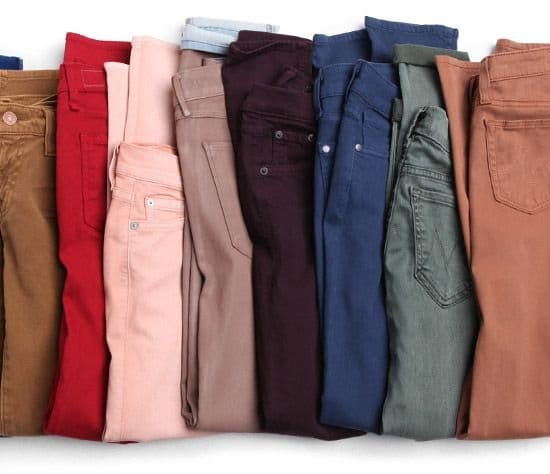
For useful context on how denim fits into the broader fabric world, the guides on natural vs synthetic fabrics and common fabric types and their uses are good starting points.
A Brief History of Color in Denim
For most of its history, denim was only one color: blue. The story of how color finally broke into denim is really a story about culture, rebellion, and a few very fortunate accidents.
Denim starts as workwear for miners, farmers, and laborers. Blue is the default because indigo dye is inexpensive and bonds well to cotton. The fabric is built for durability, not fashion. Color is not part of the conversation.
Jeans become a symbol of youth rebellion. They are still blue, but the cultural meaning has completely shifted. Around this time, surfers in California notice that sun and saltwater bleach their jeans naturally. Some start hanging jeans outside deliberately to get that faded look. This is the accidental beginning of color manipulation in denim.
The counterculture opens the door to experimentation. Tie-dye, patchwork, embroidery, and paint become popular ways to personalize jeans. Stonewashing appears as a commercial technique. Color is entering the conversation at scale.
The decade that changed everything for colored denim. Designer labels make jeans aspirational. Acid wash is patented in Italy in 1986 by the Rifle jeans company, using chlorine-soaked pumice stones to create a mottled, bleached-out pattern. Black denim becomes a wardrobe staple. Colored jeans in bold shades appear on runways worldwide. Denim has officially crossed from workwear to fashion fabric.
Hip-hop culture reshapes denim with baggier silhouettes. Dark washes and black denim hold strong. Bright colored jeans step back as the decade leans toward grunge neutrals and classic indigo.
Denim goes through a premium, artisanal phase. White denim becomes a global summer staple. Colored jeans push back into the mainstream in unexpected ways.
The skinny-jean era brings colored denim to its most saturated peak. Neon, candy pink, cobalt, mustard, and forest green jeans are mainstream globally. By the late 2010s, the market softens and earth tones start building momentum.
Colored denim settles into a more considered chapter. Neons are out. Earth tones, rich browns, clean whites, deep indigos, and dusty pastels are leading. Brown denim is having a standout moment heading into 2026. The 2026 fashion colors guide covers exactly which shades are performing best right now.
For the full story of how denim went from Gold Rush workwear to global fashion staple, the complete denim fabric guide covers all of that history in detail. It also clarifies the difference between denim the fabric and jeans the garment, which is useful background if you are new to the subject.
Denim reaches across every age group and culture. For a look at how it shows up in children’s wardrobes and what makes it such a practical choice for younger wearers, this article on facts about denim in kids’ clothing is worth reading.
How Colored Denim Is Made: The Science Behind the Shade
The process used to color denim is completely different depending on whether you are making blue jeans or colored jeans. That difference in dyeing is exactly what makes colored denim age and fade in its own particular way.
How Standard Blue Denim Gets Its Color
With traditional blue denim, only the warp yarns (the vertical ones) are dipped into vats of indigo dye. Each dip builds up a thin layer of color on the outside of the yarn. The core stays white. This is called the ring-dye effect.
The ring-dye effect is why blue jeans develop those high-contrast fade patterns at the knees, thighs, and seat. As the outer dye layer wears away, the white core becomes visible. This is treated as a desirable feature in blue denim, not a flaw.
How Colored Denim Gets Its Color
Non-blue denim uses different dye chemistry entirely. Most colors are achieved using one of two approaches:
- Sulfur dyes are used for black, dark grey, dark brown, and other deep shades. They penetrate cotton fiber more fully than indigo and produce dense, long-lasting color.
- Reactive dyes are used for brighter and more varied colors such as red, green, pink, orange, and mustard. They bond chemically with the cotton fiber at a molecular level, producing vivid initial color.
For colored denim, fabric dyeing is often used instead of yarn dyeing. This means the entire woven fabric passes through a dye bath rather than just the warp yarns. The result is more uniform color throughout the cloth, which is why colored denim typically looks the same on both sides.
The Two Main Dyeing Methods
| Method | How It Works | Best For | Result |
|---|---|---|---|
| Rope Dyeing | Yarns twisted into ropes and passed repeatedly through dye vats | Premium indigo blue denim | Ring-dye effect, excellent fade character, high color depth |
| Slasher Dyeing | Yarns spread as flat sheets and passed continuously through vats | Mass production, colored denim | Even color coverage, faster production, lower minimum orders |
Indigo Blue vs Colored Denim: Key Differences
| Feature | Blue Indigo Denim | Colored Denim |
|---|---|---|
| Dye Type | Indigo (vat dye) | Sulfur or reactive dye |
| What Gets Dyed | Warp yarns only | Often the full fabric |
| Dye Penetration | Surface only, ring-dye effect | Deeper fiber penetration |
| Fade Pattern | High-contrast, localized fading | More uniform, all-over fading |
| Color Fastness | Moderate, fades intentionally | Variable, depends on dye and color |
| Fabric Interior | White or cream on the back | Usually same color throughout |
| Environmental Load | High (reducing agents, water) | Can be higher for complex shades |
Try the Denim Care Quiz to identify your specific denim type and get tailored care advice.
Types of Colored Denim: A Full Breakdown
Colored denim is not one thing. The shade affects how the fabric is made, how it ages, and what it works with in an outfit. Here is a look at the main types you will come across.
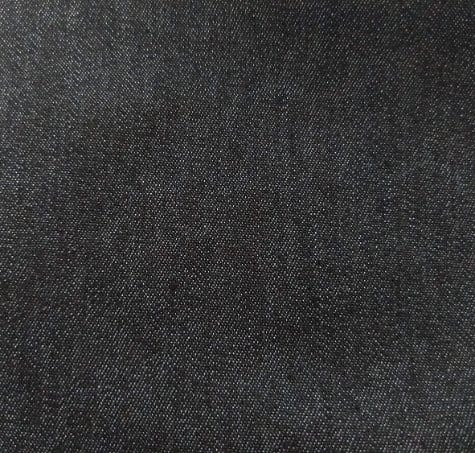
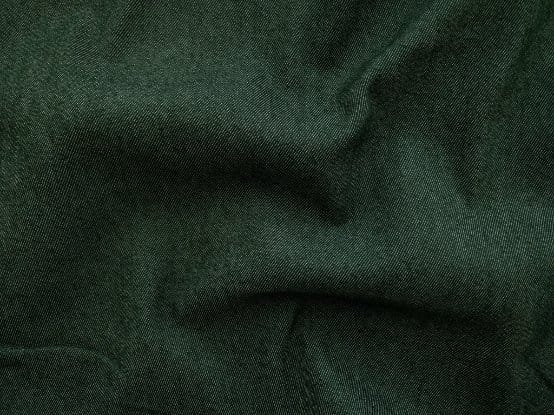
Black Denim: The One That Needs Extra Attention
Black denim uses sulfur dyes that penetrate the cotton fiber quite deeply. The color looks sharp and intentional when new.
The problem is it fades to grey faster than most people expect, especially with regular machine washing. The fix is straightforward: wash it as infrequently as possible, inside out, in cold water, with a detergent designed for dark clothing. Air drying in the shade rather than tumble-drying also extends the life of the color significantly.
For a deeper look at how raw denim holds and develops color in a completely different way, that guide is worth reading alongside this one.
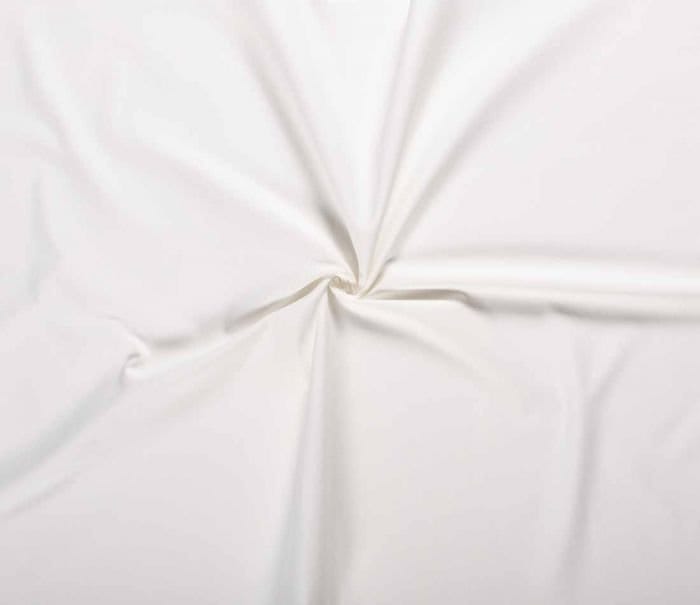
White Denim: More Versatile Than You Think
White denim is not bleached from blue fabric. It is made from undyed or optically brightened cotton. The common concern is staining, and that is valid. But white denim is also easy to refresh with an appropriate brightening wash. It pairs with virtually every other color, which is exactly why it keeps returning every spring and summer without fail.
Earth Tones: The Family That Changed the Conversation
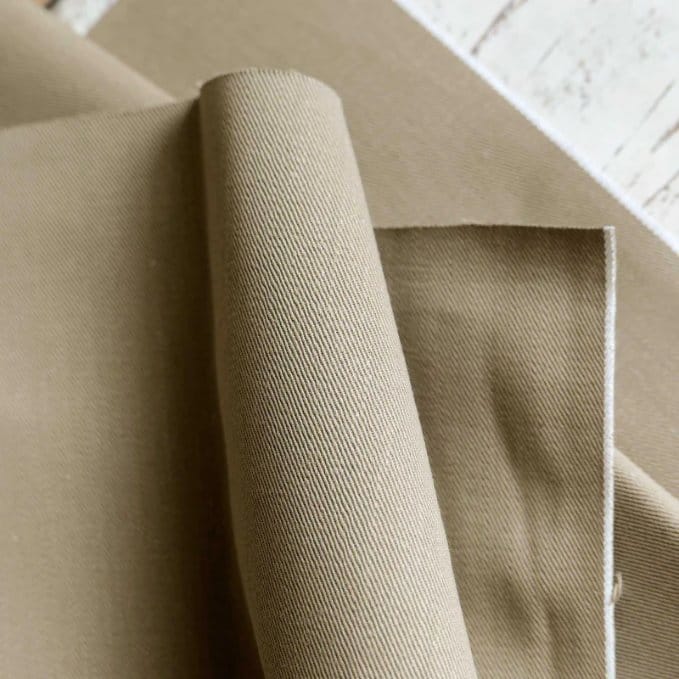
Tan, khaki, terracotta, camel, and sand colored denim sit in a sweet spot between neutral and statement. They work with other neutrals and with color. They also transition between seasons in a way that bright or neon shades never quite managed to.
If you are new to colored denim and not sure where to start, an earth-toned piece is the most practical entry point.
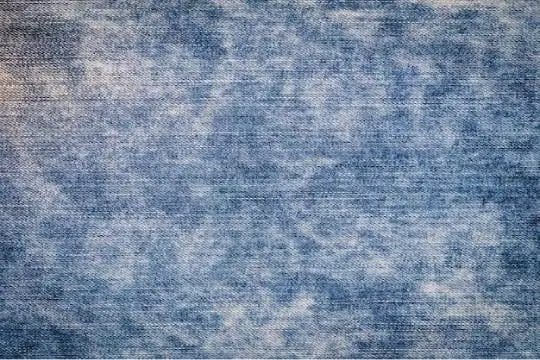
Acid Wash and Stonewash: When Color Means Contrast
Acid wash and stonewash are technically about modifying or removing color rather than adding a new one. But they belong in this conversation because they produce fabric that looks dramatically different from plain indigo.
Acid wash uses chlorine-soaked pumice stones to bleach the surface unevenly, creating that mottled, marble-like pattern. Stonewash tumbles the fabric with abrasive stones to lighten and soften it more evenly. Both became mainstream in the 1980s and have never fully left fashion since. The washed denim fabric guide covers both finishes in more detail.
If you are interested in the heavier, more structured side of colored denim, bull denim is worth knowing about. It is typically piece-dyed (colored after weaving) and comes in a wide variety of shades, making it a natural fit for the colored denim category.
Colored Denim vs Other Fabrics: How Does It Compare?
Denim looks similar to several other fabrics at first glance, especially in colored versions. Knowing the differences helps when you are shopping, sewing, or deciding what to wear and when.
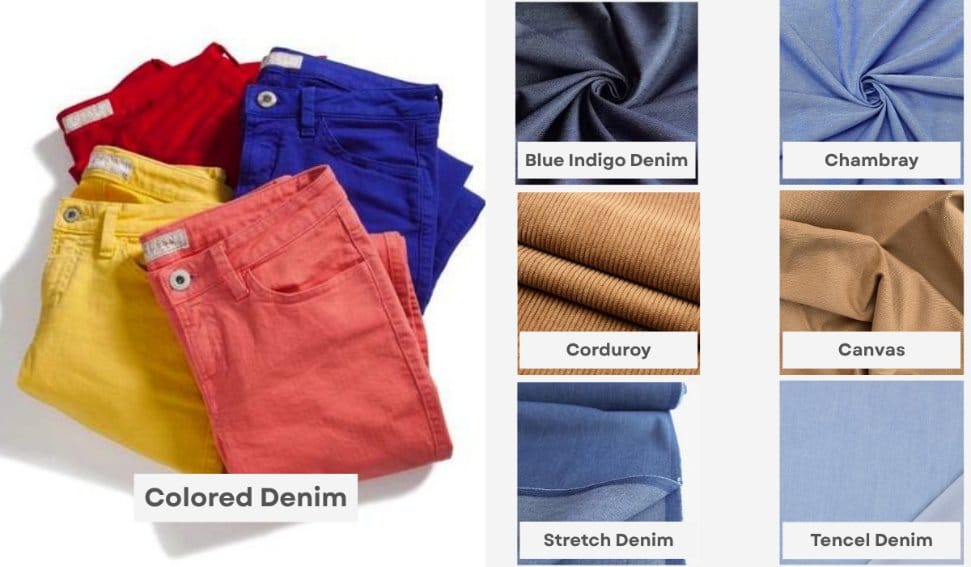
| Fabric | Weave | Weight | Feel | Best Uses | Key Difference from Colored Denim |
|---|---|---|---|---|---|
| Colored Denim | 3×1 twill | Medium to heavy (8-14oz) | Structured, softens with use | Jeans, jackets, bags, skirts | This is the reference fabric |
| Blue Indigo Denim | 3×1 twill | Medium to heavy | Same structure and feel | Same uses | Ring-dyed with indigo only; produces a different fade pattern |
| Chambray | Plain weave | Light (4-5oz) | Soft, drapey | Shirts, light dresses, summer layers | Much lighter and softer; no structural body; not suitable for structured garments |
| Corduroy | Cut pile weave | Medium to heavy | Soft with raised ridges (wales) | Trousers, jackets, cushions | Textured ridged surface; warmer; more of an autumn and winter fabric |
| Canvas | Plain weave | Heavy | Very stiff and flat | Bags, shoes, outdoor gear | No twill diagonal; much stiffer; rarely worn as clothing |
| Stretch Denim | 3×1 twill | Medium | Softer, body-conforming | Fitted jeans, leggings-style cuts | Contains 2-5% elastane; stretches and recovers; fades faster at stress points |
| Tencel / Lyocell Denim | Twill | Light to medium | Silky, smooth, soft drape | Sustainable fashion, fluid styles | Plant-based fiber; much lower environmental footprint; drapes like a dress fabric |
The Chambray Confusion
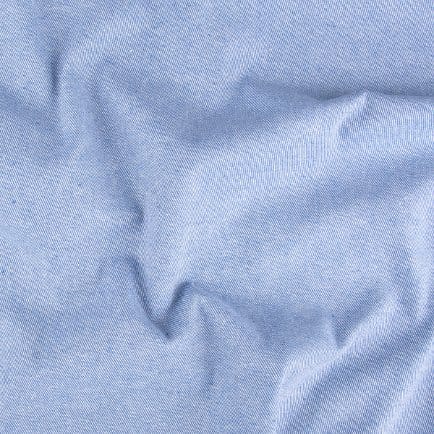
Chambray is probably the most commonly confused with denim. They can look similar in photographs, especially in mid-blue shades. But they are completely different fabrics.
Chambray uses a plain weave rather than a twill, weighs far less, and has no structural stiffness. A chambray shirt and a denim shirt might look similar on a hanger, but they wear and perform completely differently. The chambray cotton guide has a clear breakdown of how to tell them apart.
Stretch Colored Denim: A Different Experience
Adding elastane to colored denim changes how it wears, fits, and ages. You get a closer fit and better comfort over long hours of wear.
The trade-off is that stretch denim fades faster, particularly around the knees and seat as the elastane breaks down with repeated washing. If you want colored denim to hold its shade for longer, choosing a heavier rigid fabric over a stretch blend is generally the better choice. The stretch denim guide covers the full picture on how elastane content affects performance.
Why Colored Denim Fades Differently
Blue denim fades in a very specific way because of the ring-dye effect. The indigo sits on the outside of the yarn. As it wears away, you get high-contrast highlights in areas of stress. This is treated as attractive and intentional.
Colored denim is different. Because non-indigo dyes penetrate the fiber more fully, the fading is more uniform across the whole garment. There are no dramatic contrast patterns. Instead, the entire piece gradually lightens, and in some colors, it shifts in tone.
What Each Color Does When It Fades
| Starting Color | Where It Ends Up | How Fast | Care Priority |
|---|---|---|---|
| Black | Grey, sometimes with a brownish tint | Fast | Needs Extra Care |
| White | Creamy or slightly yellowed (refreshable) | Slow | Relatively Stable |
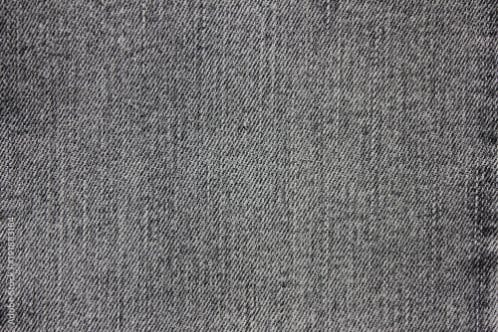
| Grey | Lighter grey, very gradual | Slow | Stable |
| Brown / Tan | Lighter, warmer tones that can look pleasingly vintage | Moderate | Some Care Needed |
| Red | Pinkish-orange, can shift dramatically | Fast | Needs Extra Care |
| Green | Olive or muddy tones, can go dull quickly | Moderate to fast | Some Care Needed |
| Dusty Pink / Pastel | Even lighter and more washed out | Moderate | Some Care Needed |
| Acid Wash / Stonewash | Bleached areas become slightly more prominent | Slow (already processed) | Stable |
Why Red Denim Shifts So Dramatically
Red is one of the most visually dramatic faders in the colored denim world. Reactive dyes produce vivid initial color but can be less stable under UV light and repeated washing.
As the dye molecules break down, red often shifts toward orange or pink. The change can be quite pronounced after just a few months of regular wear. If you own red denim, treat it as a statement piece rather than an everyday workhorse.
For full care guidance by color and denim type, jump to the care section below or use the Denim Wash Frequency Calculator to build a washing schedule tailored to your specific pieces.
Colored Denim Trends for 2026: What’s In, What’s Out
Denim color trends move more slowly than most fashion cycles. A shade that is strong right now usually holds for two to three seasons before it feels past its peak. That is good news when you are buying colored denim, because you have time to wear pieces before they feel dated.
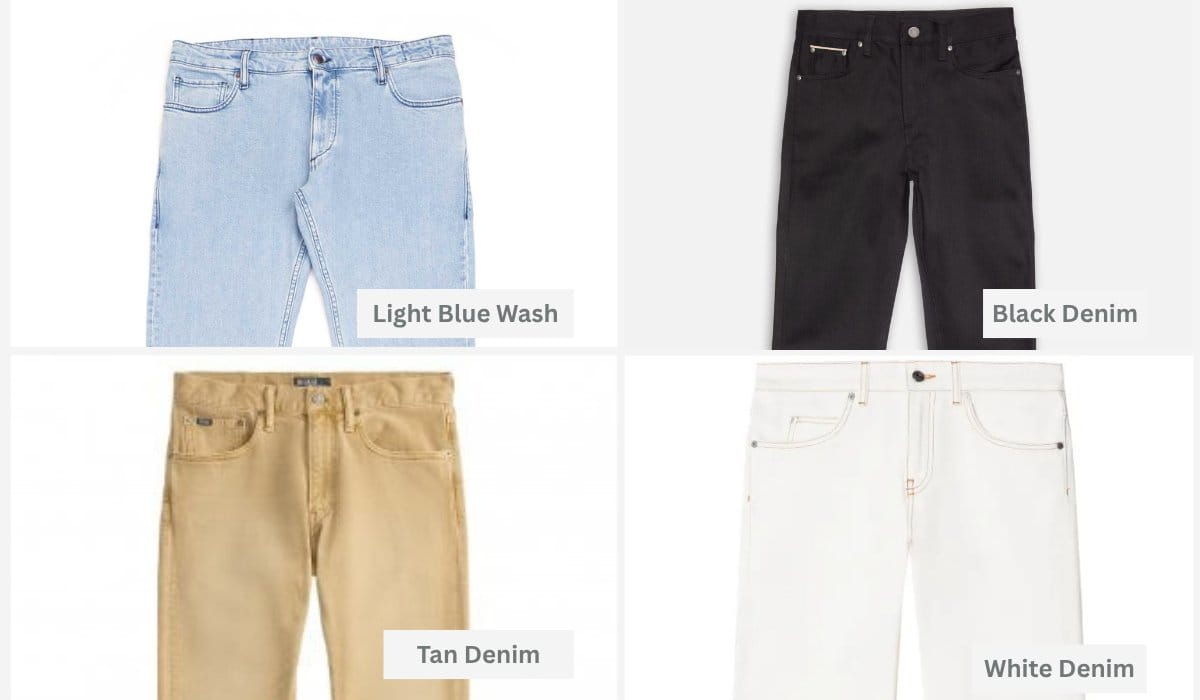
What’s Hot Right Now
| Color | Status | Why It Is Working |
|---|---|---|
| Brown / Chocolate | TRENDING | Fashion’s new neutral. Works head-to-toe, paired with cream, or mixed with rich tones like burgundy and evergreen. |
| Light Blue Wash | TRENDING | The freshest expression of denim’s own color. Clean, effortless, and very wearable for spring and summer 2026. |
| Dark Indigo / Black | PERENNIAL STRONG | Always relevant. Particularly polished when paired with tailored pieces for smart-casual dressing. |
| White | PERENNIAL | Never fully goes away. Strong globally for spring and summer. |
| Khaki / Tan | STRONG | Part of the earth tone wave building since 2023. Unlikely to date quickly. |
What’s Cooling Down
- Neon and ultra-bright colors have been losing ground since 2024. Bright pink, lime, cobalt, and orange denim all feel dated at this point.
- Heavily bleached, near-white denim has been replaced by cleaner white or soft light washes rather than bleached-out extremes.
- Overly distressed colored denim with heavy rips and widespread fraying is stepping back in favor of cleaner, more deliberate styling.
Brown Denim: The Shade Worth Knowing
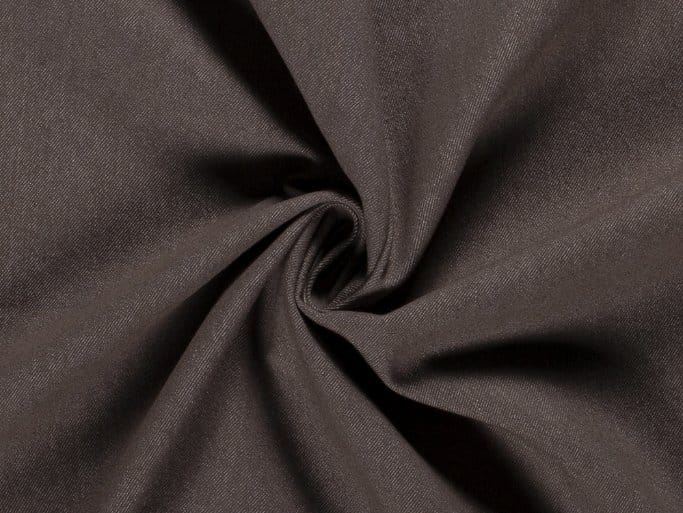
Brown denim deserves a separate mention. Fashion directors, stylists, and runway watchers have all flagged it as the standout non-blue shade for 2026.
From deep chocolate to warm caramel, it is appearing in barrel-leg and straight-leg cuts, worn monochromatically, or mixed with cream, ivory, and earthy tones. It works because it functions like a neutral while being more interesting than grey. If you are adding one new colored denim piece to your wardrobe this year, brown is the strongest investment.
A Note on Regional Differences
Color trends are not identical across every market. Japanese denim culture has long favored raw and naturally faded indigo over novelty colors. Scandinavian markets lean toward clean neutrals. Parts of South America and Southeast Asia tend to embrace brighter colored denim for longer into a trend cycle.
The trend information above is most relevant to UK, European, North American, and Australian markets. For the full picture across categories, the 2026 fabric trends guide is worth bookmarking.
The Sustainability Reality of Colored Denim
This part of the colored denim story tends to get left out of fashion features. But it matters. The environmental footprint of denim production is large, and colored denim often adds more chemical complexity on top of an already resource-heavy process.
The Numbers
The dyeing process is where most of the environmental damage happens. Both the chemicals used and the wastewater produced create serious problems when manufacturing takes place in regions with limited water treatment requirements. Rivers near denim production facilities in parts of Asia have been documented running visibly colored from untreated effluent discharge.[1]
Does Colored Denim Make It Worse?
In some ways, yes. Non-indigo dyes, particularly reactive dyes used for brighter shades, require more complex chemistry than indigo. They often need mordants and multiple rinse baths to fix the color, each requiring more water and generating more chemical waste.
Black denim, dyed with sulfur compounds, carries its own concerns. Sulfur dyeing can release hydrogen sulfide gas during processing, which is both toxic and unpleasant for factory workers.
That said, the industry is actively changing. Newer technologies are reducing water and chemical use meaningfully. These include foam dyeing, which applies dye as a foam rather than a liquid bath, and waterless dyeing using supercritical CO2. Laser finishing is also replacing many chemical washing treatments used to achieve distressing effects.
For the full scientific picture of where the biggest sustainability problems in denim production occur, the peer-reviewed study on sustainability in denim production is the most thorough overview available.
What to Look for When Buying
These certifications are worth knowing. They signal that at least part of the supply chain has been independently checked:
| Certification | What It Covers | Strength |
|---|---|---|
| GOTS (Global Organic Textile Standard) | Entire supply chain including dyeing; strict chemical restrictions | Gold standard for textiles |
| OEKO-TEX Standard 100 | Tests finished fabric for harmful substances in the final product | Good for consumer safety |
| BCI (Better Cotton Initiative) | Cotton farming practices specifically | Good for raw material sourcing |
| Bluesign | Chemical use, resource efficiency, worker safety in manufacturing | Strong for dyeing and processing |
The fast fashion vs slow fashion guide is worth reading alongside this section for a broader look at how buying habits connect to the industry’s environmental footprint.
The Denim Environmental Impact Tracker helps you see the real-world cost of your denim choices and what you can do to lower it.
How to Style Colored Denim: A Global Style Guide
Styling colored denim is both easier and trickier than styling blue jeans. Easier because the color often does most of the work in an outfit. Trickier because the wrong pairing can look jarring rather than considered.
These rules apply regardless of your location, body shape, or the specific shade you are working with.
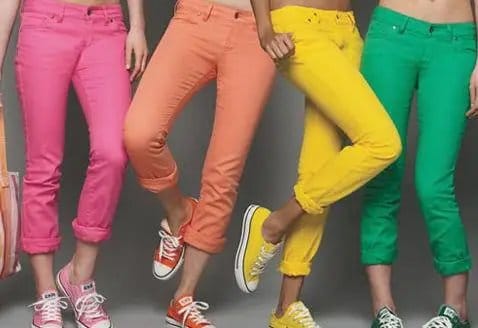
The One Principle That Solves Most Outfit Problems
When your denim is making the statement, let everything else stay quiet. If you are wearing bold colored denim in shades like brown, terracotta, deep red, or sage green, pair it with a neutral top: white, cream, off-white, light grey, or black. Simple shoes. Minimal accessories. Let the jeans do the talking.
If your colored denim is in a softer shade, such as dusty pink, pale grey, or light tan, you have more room to add color elsewhere without the outfit looking too busy.
Earth Tones as Neutrals
Brown, khaki, tan, camel, and grey denim function as neutrals, not as statement pieces. Treat them the same way you would treat a pair of blue jeans and you will not go wrong. They pair naturally with other neutrals and with most colors.
Seasonal Styling: What Works When
| Season | Best Colored Denim Shades | Pairing Ideas |
|---|---|---|
| Spring | Dusty pastels, white, light tan, soft light wash | Linen shirts, fitted knits, loafers, light trainers |
| Summer | White, pale blue wash, light grey, ecru | Simple cotton tees, sandals, relaxed blazers for evenings |
| Autumn | Brown, tan, khaki, terracotta, deep burgundy | Chunky knits, leather boots, camel coats, shearling jackets |
| Winter | Black, dark grey, dark brown, deep indigo | Wool coats, turtleneck knits, ankle boots, tailored outerwear |
Double Denim with Colored Pieces
Double denim works with colored pieces, but it needs more thought than the classic blue-on-blue combination. The principle is contrast: make sure the two denim pieces are visually different enough that the outfit looks deliberate.
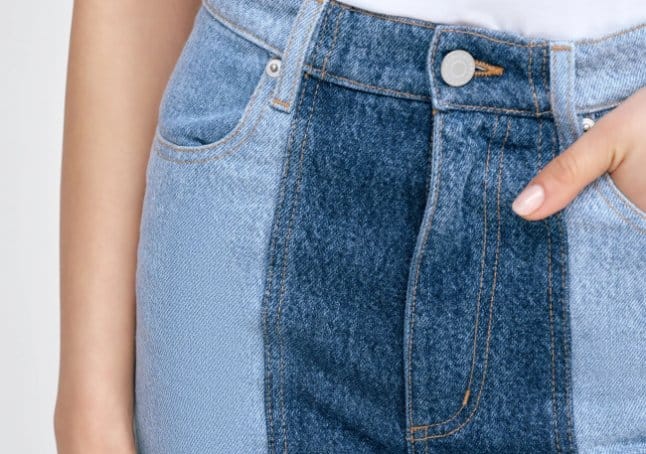
Brown jeans with an indigo jacket works well. Grey jeans with a washed blue denim shirt works well. Two pieces of the same colored shade in the same weight tends to look flat. A tonal look works better when there is a clear shade difference, such as dark chocolate jeans with a pale tan denim jacket.
Footwear That Works With Any Shade
Certain shoe choices work with colored denim regardless of the shade or cut:
- White or clean-colored trainers bring almost any colored denim look together
- Leather or suede boots in tan, black, or brown work across every season
- Simple loafers in leather or suede for a smarter, more polished finish
- Canvas or rubber-sole shoes for casual, relaxed styling
For help finding the right jeans fit and silhouette to match your style and build, the Find Your Perfect Jeans Style tool gives personalised recommendations. The women’s jeans guide also breaks down which cuts work best for different body shapes.
How to Buy and Care for Colored Denim Fabric
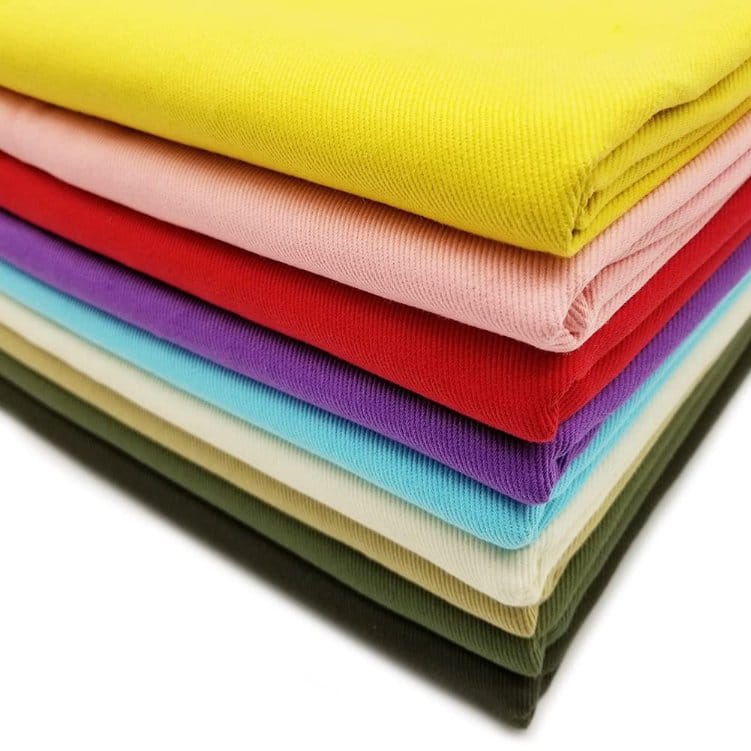
What to Check Before You Buy
Reading a label carefully before buying colored denim can save a lot of disappointment later. Here is what matters most:
- Fibre content: 100% cotton gives the most authentic denim feel and the best durability. See the 100% cotton denim guide for what this means in practice. Elastane or spandex (2-5%) adds comfort but can accelerate color loss at stress points.
- Weight: Heavier denim at 10oz and above is more structured and tends to hold color more effectively than lighter-weight fabric.
- Care instructions: If the label says dry clean only, factor that into the real cost-per-wear before buying.
- Color fastness check: Press a damp white cloth firmly against an inside seam before the first wash. Heavy color transfer means the first few washes will need extra care.
Step-by-Step: How to Wash and Care for Colored Denim
Turn inside out before every wash. This one habit protects the outer dyed surface from friction and agitation inside the drum. It makes a visible difference over time.
Wash in cold water. Use 30 degrees Celsius or lower. Hot water opens cotton fibres and accelerates dye loss. The same garment washed consistently in cold water fades far more slowly than one washed in hot.
Choose the right detergent. Use a gentle or color-safe formula. Avoid biological detergents with enzymes for colored pieces, as the enzyme action breaks down dye molecules faster.
Run a short, gentle cycle. Less agitation means less color loss. The delicate or synthetics cycle on most machines works well for colored denim.
Air dry, not tumble dry. Heat from a tumble dryer accelerates both dye breakdown and fabric shrinkage. Hang or lay flat to dry in shade, away from direct sunlight.
Iron inside out on a low setting. If ironing is needed, always do it with the fabric inside out. Direct high-temperature ironing on colored denim can create shiny marks and damage the surface dye.
Use vinegar for dark colors. For black, dark grey, or deep burgundy denim, add half a cup of white distilled vinegar to the rinse cycle every few washes. This helps the dye bond stay stronger for longer.
Store clean, not dirty. Body oils, sweat, and product residue left in the fabric between wears accelerate color breakdown during storage. Wash before storing for any extended period.
How to Revive Faded Colored Denim
Once colored denim has faded significantly, you have a few realistic options.
For black denim, home fabric dye applied via a dye bath or washing machine method can restore the color quite well. Products designed for this purpose are widely available and reasonably straightforward to use at home.
For other colors, results are less predictable because the existing dye can interact with the new dye in unexpected ways. Testing on an inconspicuous area first is worth the extra step. Sometimes a well-faded piece of colored denim looks better than a forced re-dye.
Sewing with Colored Denim Fabric
If you are working with colored denim to make garments or accessories, a few extra steps are worth taking:
- Pre-wash and dry the fabric before cutting to control shrinkage and test for color bleeding. Wash it separately the first time.
- Choose thread that matches the fabric color rather than the contrasting gold topstitching typical of blue jeans. It looks more intentional with colored pieces.
- A denim needle at size 90/14 or 100/16 is still the right choice regardless of the color.
- Test your stitch length and tension on a scrap piece first. Heavier colored denim can behave slightly differently depending on its weight and finish.
For a full care schedule and more in-depth guidance across denim types, the complete denim care guide covers everything you need. The Denim Care Schedule Calculator lets you build a personalised maintenance plan for your specific pieces.
Frequently Asked Questions
What is colored denim fabric?
Colored denim fabric is a cotton twill textile with the same construction and durability as standard blue denim, but dyed in a non-indigo color. This includes black, white, grey, brown, green, red, pink, and any other shade. It typically uses sulfur dyes for dark colors or reactive dyes for brighter shades, rather than the indigo used in traditional blue jeans.
Is colored denim as durable as regular blue denim?
Yes. Durability in denim comes from the cotton fiber and twill weave structure, not the color. A well-made piece of colored denim lasts just as long as a well-made pair of blue jeans. What affects longevity most is the quality of construction and how consistently it is cared for.
Does colored denim fade faster than blue denim?
It depends on the shade. Black denim fades to grey quite quickly without careful washing. Reactive-dyed colors like red and bright green can shift tone fast when exposed to sunlight and repeated washing. Earth tones and grey tend to fade more slowly and gracefully. Standard blue denim fades in a high-contrast way that is considered attractive. Colored denim usually fades more evenly and sometimes shifts to an unexpected tone.
What dye is used to make colored denim?
Black and dark shades use sulfur dyes, which penetrate cotton fiber deeply and produce rich, dense color. Brighter and more varied colors such as red, green, pink, and mustard use reactive dyes, which bond chemically with the fiber. Traditional blue denim uses indigo, a vat dye with different properties from either sulfur or reactive dyes.
How do I stop colored denim from fading?
Wash inside out in cold water, use a gentle or color-safe detergent, air dry in the shade rather than tumble-drying, and wash as infrequently as you reasonably can. Denim does not need washing after every wear. For dark shades, adding a splash of white distilled vinegar to the rinse cycle helps the dye bond stay intact for longer.
Is colored denim sustainable?
Colored denim carries the same environmental concerns as all denim, and in some cases adds extra complexity because non-indigo dyes can require more water and chemical inputs. The most practical approach is to buy fewer, better-quality pieces, care for them so they last longer, and look for garments certified by GOTS, OEKO-TEX, or Bluesign. Second-hand buying is also one of the most effective ways to reduce your overall denim footprint.
What colored denim is trending in 2026?
Brown denim in shades from chocolate to caramel is the standout trending shade for 2026. Light blue wash, clean white, and dark washes including black and deep indigo are all performing strongly. Neons and ultra-saturated bright colors have faded significantly since 2024.
Can colored denim be dyed or re-dyed at home?
Yes, particularly for black denim where home dyeing with commercial fabric dye products gives good results. For other colors, results are less predictable because the existing dye can affect how the new color takes. Always test on an inconspicuous area first before committing to a full garment re-dye.
What is the difference between colored denim and acid wash denim?
Colored denim refers to denim dyed in a non-indigo color. Acid wash is a surface treatment applied to denim using chlorine-soaked pumice stones to create a bleached, mottled pattern. Acid wash modifies the existing color rather than replacing it with a new one. They are different processes, though they are sometimes combined.
Does colored denim shrink?
All cotton-based denim can shrink when washed in hot water or tumble-dried on high heat. Colored denim is no more prone to shrinkage than blue denim. Pre-washed or sanforized denim has already been treated to reduce shrinkage. Washing in cold water and air drying removes virtually all risk of shrinkage during normal use.
Is colored denim the same as bull denim?
Not exactly. Bull denim is a specific type of very heavy denim that is typically piece-dyed after weaving, making it naturally available in many colors. It is heavier and stiffer than regular denim and is mainly used for upholstery, bags, and structured outerwear rather than typical jeans.
Conclusion
Colored denim fabric is not a passing trend or a niche category. It is a permanent part of one of the world’s most-worn textiles, and understanding how it works makes you a better buyer, a better dresser, and better at keeping your clothes looking good for longer.
Whether you are buying a pair of brown jeans heading into 2026, sewing your own colored denim piece, trying to work out why your black jeans turned grey, or deciding which shades are worth investing in, the information in this guide will serve you well.
Here are the key things to carry forward:
- Colored denim is structurally identical to blue denim. Same cotton fiber, same twill weave, same durability. The only real difference is the dye used and the dyeing method.
- Non-indigo colors are produced with sulfur dyes for dark shades or reactive dyes for bright shades. Both behave differently from indigo in how they age and fade.
- Colored denim fades more uniformly than blue denim and can shift color in unexpected directions. Black goes grey. Red goes orange-pink. Knowing this upfront helps you care for pieces correctly and choose more wisely.
- Brown denim is the standout shade for 2026. Light wash, clean white, and dark washes remain consistently strong across most markets.
- The environmental footprint of colored denim is real. Certifications like GOTS, OEKO-TEX, and Bluesign give you a way to make more informed decisions when buying.
- Cold water washing, inside-out laundry, and minimal washing frequency are the most useful care habits for any colored denim piece.
- If you are new to colored denim, start with earth tones. They are the most forgiving and the easiest to combine with what you already own.
Colored denim rewards people who give it a bit of thought. Buy shades that suit your existing wardrobe and lifestyle, look after them consistently, and you will find it one of the most reliable and versatile fabric categories available to you.
For more on the fabric itself, the complete denim fabric guide is the natural next read. For keeping every type of denim looking its best, the denim care guide covers everything in one place.