
Everything you need to know about polyester satin, from its luxurious shine to practical care tips and sustainability insights
Table of Contents
- What Is Polyester Satin?
- The History Behind Polyester Satin
- How Polyester Satin Is Made
- Types of Polyester Satin
- Properties and Characteristics
- Polyester Satin vs Silk Satin
- Uses and Applications
- Sustainability and Environmental Impact
- How to Care for Polyester Satin
- Pros and Cons
- Frequently Asked Questions
- Conclusion
What Is Polyester Satin?

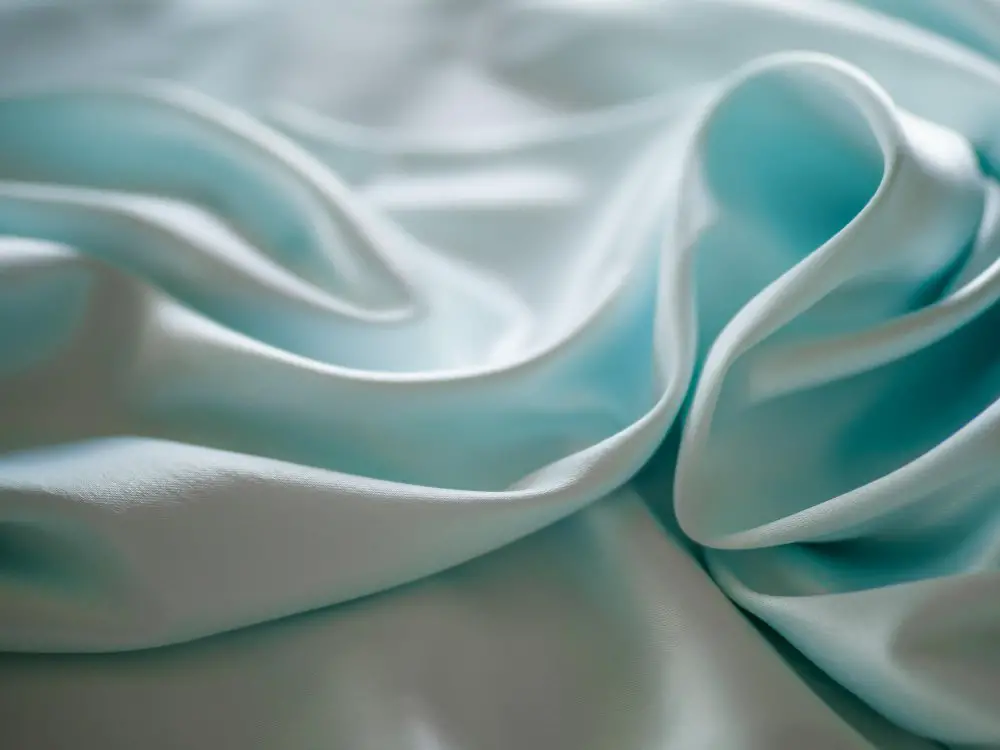
Luxurious pale blue polyester satin fabric showcasing its glossy finish and fluid drape.
Polyester satin is a synthetic fabric that combines the smooth, glossy appearance of satin weave with the practical benefits of polyester fibers. Here’s what makes it unique: satin refers to the weaving technique, not the material itself. This means polyester satin uses polyester threads woven in a special pattern that creates its signature shine.
The fabric has a lustrous, reflective surface on one side and a matte, dull finish on the other. This happens because of how the threads are woven. In satin weave, four or more horizontal threads (called weft threads) float over one vertical thread (called warp thread), then go under one, and repeat. This creates long, smooth surfaces that reflect light beautifully.
Quick Answer: Polyester satin is still satin. The term “satin” describes the weave pattern, not the fiber content. Whether made from silk, polyester, or other materials, if it uses the satin weave technique, it’s classified as satin.
Is Polyester Satin a Good Fabric?
Yes, polyester satin is a good fabric for many applications. It offers the luxurious look of traditional silk satin at a fraction of the cost, while being more durable and easier to care for. According to Expert Market Research, the global satin market was valued at approximately $6.5 billion in 2024 and is growing at 4.7% annually, with polyester satin driving much of this growth due to its affordability and performance.
Polyester satin works well for evening wear, bridal gowns, linings, bedding, and home decor. It resists wrinkles better than natural fibers and holds color exceptionally well. However, it’s not perfect for every situation. While it looks elegant, it doesn’t breathe as well as natural fibers and has environmental considerations we’ll discuss later.
The History Behind Polyester Satin
Polyester satin fabric shown in smooth folds to illustrate its rise in popularity through modern textile innovation.
The Ancient Art of Satin Weaving
Satin weaving originated in medieval China over 1,000 years ago. Originally woven exclusively from silk, satin was so valuable that its production techniques traveled along the famous Silk Road to the Middle East and eventually to medieval Europe. For centuries, only the wealthy could afford true silk satin because of the expensive materials and labor-intensive production process.
The Birth of Polyester
The story of polyester satin begins with the invention of polyester itself. In the mid-1930s, W.H. Carothers, a DuPont employee, discovered he could create synthetic fibers by mixing carboxyl acids and alcohols. However, this project was set aside when he discovered nylon.
In 1939, British scientists John Winfield and James Dickson picked up where Carothers left off. By 1941, with help from W.K. Birtwhistle and C.G. Ritchie, they created the first polyester fiber called Terylene. DuPont purchased the rights in 1946 and introduced their version, Dacron, in 1950.
When polyester was first introduced to the American public in 1951, it was marketed as a “miracle fabric” that could be worn for 68 days straight without ironing. The fabric became hugely popular in the 1960s because it was affordable, wrinkle-resistant, and easy to care for.
The Evolution to Modern Polyester Satin
The 1970s brought a backlash against polyester as people associated it with cheap, uncomfortable clothing. However, the 1980s saw a revival when designers like Calvin Klein and Oscar de la Renta created high-quality polyester blends that changed public perception.
Today’s polyester satin is nothing like the stiff, shiny fabrics of the past. Modern manufacturing techniques create fibers that are softer, more breathable, and more comfortable. The resin quality has improved dramatically, creating smaller seams that are less irritating to sensitive skin. New finishes and treatments have reduced the plastic-like shine and improved drape.
How Polyester Satin Is Made
Understanding how polyester satin is manufactured helps explain its properties and why it performs the way it does.
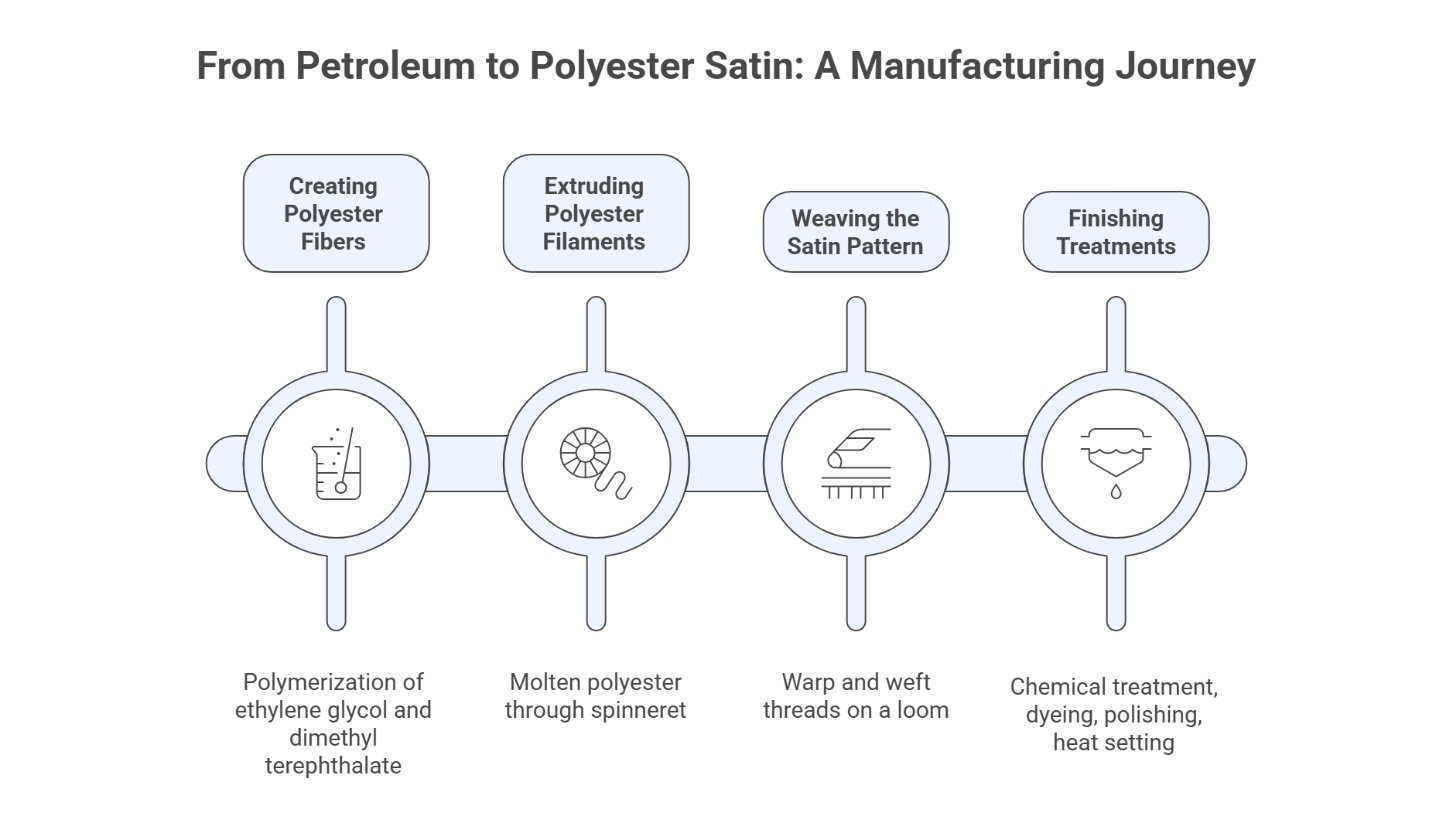
A clear visual breakdown of how polyester satin is produced, from polymerization to weaving and finishing.
Step 1: Creating Polyester Fibers
Polyester is made from polyethylene terephthalate (PET), the same plastic used in water bottles. The process starts with petroleum-based products. Two chemicals, ethylene glycol and dimethyl terephthalate, are combined through a chemical reaction called polymerization. This creates long chains of molecules that can be formed into fibers.
The molten polyester is extruded through tiny holes in a device called a spinneret, creating long filaments. These filaments are cooled, stretched, and wound onto spools. The stretching process aligns the molecules, making the fibers stronger and more elastic.
Step 2: Weaving the Satin Pattern
Once the polyester threads are ready, they’re woven using the satin weave technique. This involves:
- Setting up vertical warp threads on a loom
- Weaving horizontal weft threads over at least four warp threads
- Going under one warp thread
- Repeating this pattern throughout the fabric
This creates the characteristic smooth surface with lots of thread “floats” that reflect light. The density of threads per inch affects the fabric’s quality. Common constructions include 75D x 300D (denier measurements indicating thread thickness).
Step 3: Finishing Treatments
After weaving, polyester satin undergoes various finishing processes:
- Chemical treatment: Removes impurities and prepares the fabric for dyeing
- Dyeing: Polyester holds color exceptionally well, creating vibrant, long-lasting hues
- Polishing: Enhances the shine and smoothness
- Heat setting: Stabilizes the fabric structure
- Special finishes: May include water-resistant coatings, anti-static treatments, or other functional finishes
Types of Polyester Satin
Not all polyester satin is the same. Different types serve different purposes and have distinct characteristics.
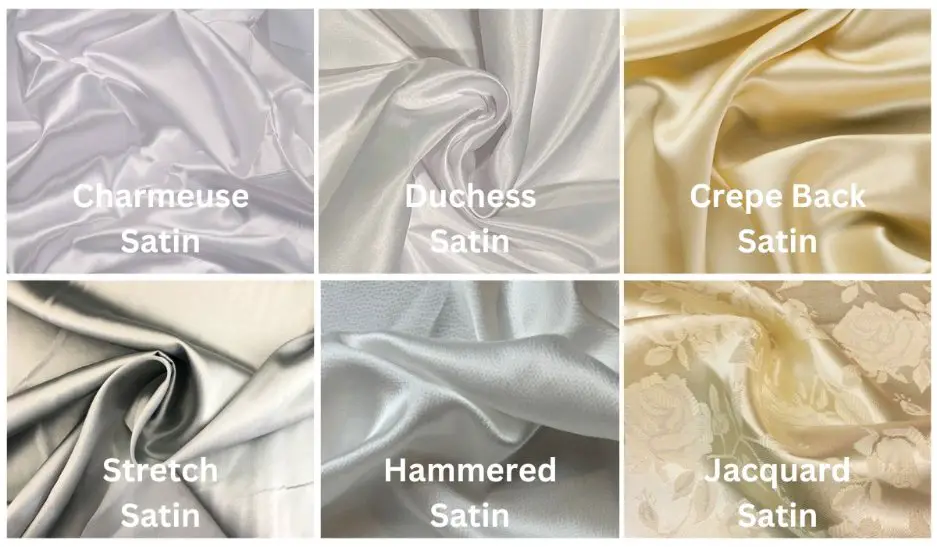
A visual guide showing different types of polyester satin fabrics and how weave variations affect texture and appearance.
| Type | Weight | Characteristics | Best Uses |
|---|---|---|---|
| Charmeuse Satin | Lightweight (80-120 GSM) | Very drapey, glossy, fluid | Blouses, lingerie, flowing dresses, scarves |
| Duchess Satin | Heavyweight (200+ GSM) | Structured, stiff, very shiny | Bridal gowns, formal evening wear, structured garments |
| Crepe Back Satin | Medium (140-180 GSM) | Smooth satin on one side, textured crepe on the other | Reversible designs, jackets, versatile garments |
| Stretch Satin | Variable | Contains 3-5% spandex for elasticity | Form-fitting dresses, dancewear, activewear |
| Hammered Satin | Medium-Heavy | Subtle textured surface, less shiny | Modern evening wear, cocktail dresses |
| Jacquard Satin | Medium-Heavy | Woven patterns, intricate designs | Home decor, upholstery, formal wear |
Understanding GSM Weight
GSM stands for “grams per square meter” and indicates how heavy the fabric is. Here’s how different weights affect polyester satin:
- 80-120 GSM (Lightweight): Flows beautifully, drapes softly, best for garments that need movement
- 140-180 GSM (Medium): Balanced drape and structure, versatile for many applications
- 200+ GSM (Heavyweight): Holds shape well, provides structure, ideal for formal gowns
Fiber Blends
Polyester satin often contains blends to improve performance:
- 95% Polyester / 5% Spandex: Adds stretch for form-fitting garments
- 89% Polyester / 11% Nylon: Increases durability and strength
- 97% Polyester / 3% Spandex: Light stretch for comfort without sacrificing drape
Properties and Characteristics
Is 100% Polyester Satin Stretchy?
Pure 100% polyester satin has minimal natural stretch. However, it does have some give due to the weave structure. The long floating threads in satin weave allow slight movement, but this is not the same as true elasticity.
If you need stretch, look for polyester satin blended with spandex or elastane. Even 3-5% spandex content makes a significant difference in how the fabric moves and fits.
Does Polyester Satin Wrinkle Easily?
Polyester satin is naturally wrinkle-resistant compared to natural fibers. However, it can still wrinkle, especially when:
- Folded or stored improperly for long periods
- Subjected to high heat
- Made from lighter weight fabrics (under 120 GSM)
- Crushed or crumpled
The good news is that wrinkles usually hang out naturally or can be easily steamed away. This is one of polyester satin’s biggest advantages over silk satin, which wrinkles much more easily.
Does Polyester Satin Snag?
Yes, polyester satin is prone to snagging. The long floating threads on the surface can catch on jewelry, rough surfaces, or sharp objects. Once snagged, the pulled thread can create a visible line or hole that’s difficult to repair.
Snagging Prevention Tips:
- Remove jewelry before putting on satin garments
- Avoid rough surfaces like brick walls or textured furniture
- Keep fingernails smooth
- Turn garments inside out when washing
- Store away from items with hooks or rough textures
Is Satin Polyester Breathable?
This is a common question, and the answer is nuanced. Polyester itself is less breathable than natural fibers like cotton or linen. However, polyester doesn’t absorb moisture. Instead, it wicks it away from the body, allowing it to evaporate on the fabric’s surface.
For sleeping or warm weather wear, polyester satin may not be the most comfortable choice. Your body might feel warmer than with natural fibers. However, for short-term wear like evening events, the breathability is usually adequate.
Does Polyester Satin Make You Sweat?
Polyester satin can make you feel warmer because it doesn’t breathe as well as natural fibers. The fabric creates a barrier that can trap heat close to your body. However, lighter weight polyester satin (under 120 GSM) performs better than heavier versions.
If you’re concerned about sweating, consider these options:
- Choose lighter weight polyester satin
- Look for moisture-wicking treatments
- Opt for looser-fitting designs that allow air circulation
- Use polyester satin for cooler environments or short-term wear
Polyester Satin vs Silk Satin: What’s the Difference?
Many people wonder whether polyester satin is “real” satin or if only silk satin counts. The truth is both are genuine satin fabrics because satin describes the weave, not the fiber. However, they perform very differently.
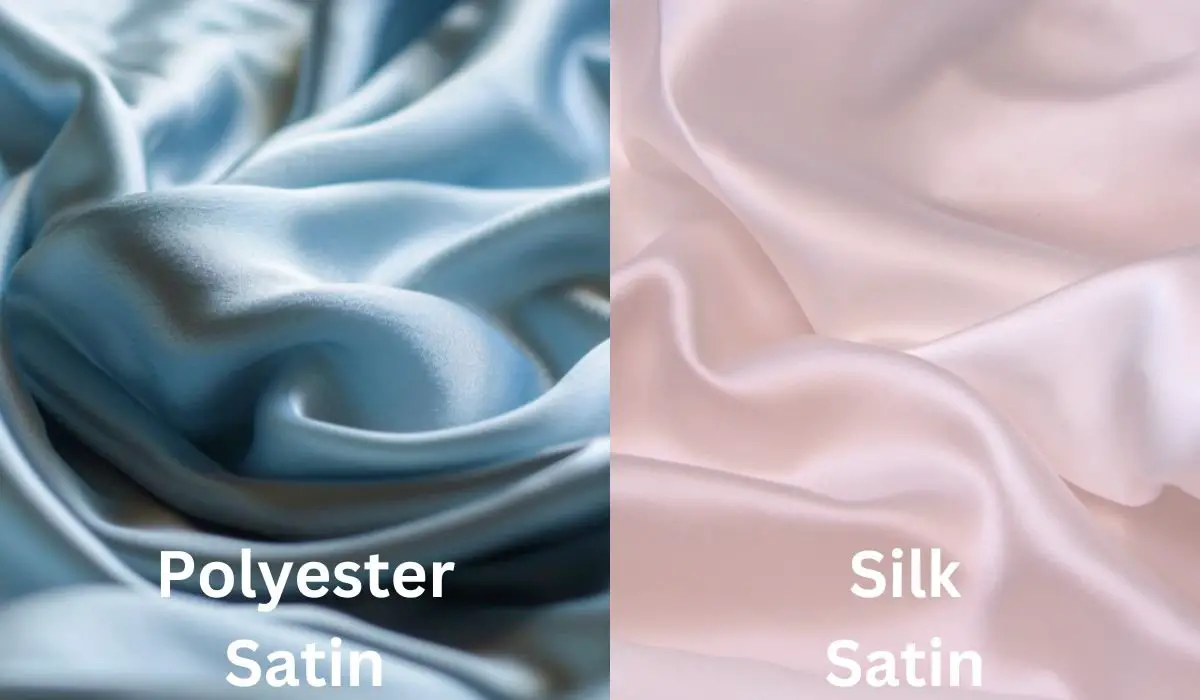
A visual comparison of polyester satin and silk satin to highlight variations in softness, drape and natural luster.
Polyester Satin
- Made from synthetic plastic fibers
- Affordable ($5-$20 per yard)
- Machine washable
- Very durable and long-lasting
- Wrinkle-resistant
- Less breathable
- Cooler feel on skin
- Takes 200+ years to biodegrade
Silk Satin
- Made from natural silk fibers
- Expensive ($30-$100+ per yard)
- Requires delicate hand washing or dry cleaning
- Delicate, can damage easily
- Wrinkles easily
- Highly breathable
- Warmer, softer feel
- Biodegradable natural fiber
Is Polyester Satin Real Silk?
No, polyester satin is not real silk. Silk is a natural protein fiber produced by silkworms, while polyester is a synthetic plastic fiber made from petroleum. Even though both can be woven into satin fabric, the fibers themselves are completely different.
Some manufacturers may use confusing marketing terms, but if a label says “polyester satin” or “100% polyester,” it contains no silk at all. Real silk satin will be labeled as “silk satin” or “100% silk.”
Performance Comparison
| Feature | Polyester Satin | Silk Satin |
|---|---|---|
| Price | $5-$20/yard | $30-$100+/yard |
| Durability | Excellent | Fair to Good |
| Care | Machine washable | Dry clean or hand wash |
| Wrinkle Resistance | High | Low |
| Breathability | Moderate | Excellent |
| Feel | Cool, smooth, slightly slippery | Warm, soft, luxurious |
| Color Retention | Excellent | Good, but fades over time |
| Environmental Impact | High (petroleum-based, non-biodegradable) | Lower (natural, biodegradable) |
Uses and Applications
Polyester satin’s versatility makes it suitable for numerous applications across fashion, home textiles, and industrial uses.
Fashion and Apparel
Evening Wear and Formal Occasions
Polyester satin is a popular choice for evening gowns, cocktail dresses, and formal attire. The fabric’s natural shine catches light beautifully on red carpets and at special events. It drapes elegantly and holds structure well in fitted bodices or flowing skirts.
Is Polyester Satin Good for Dresses?
Yes, polyester satin is excellent for dresses, particularly formal and special occasion wear. It offers several advantages:
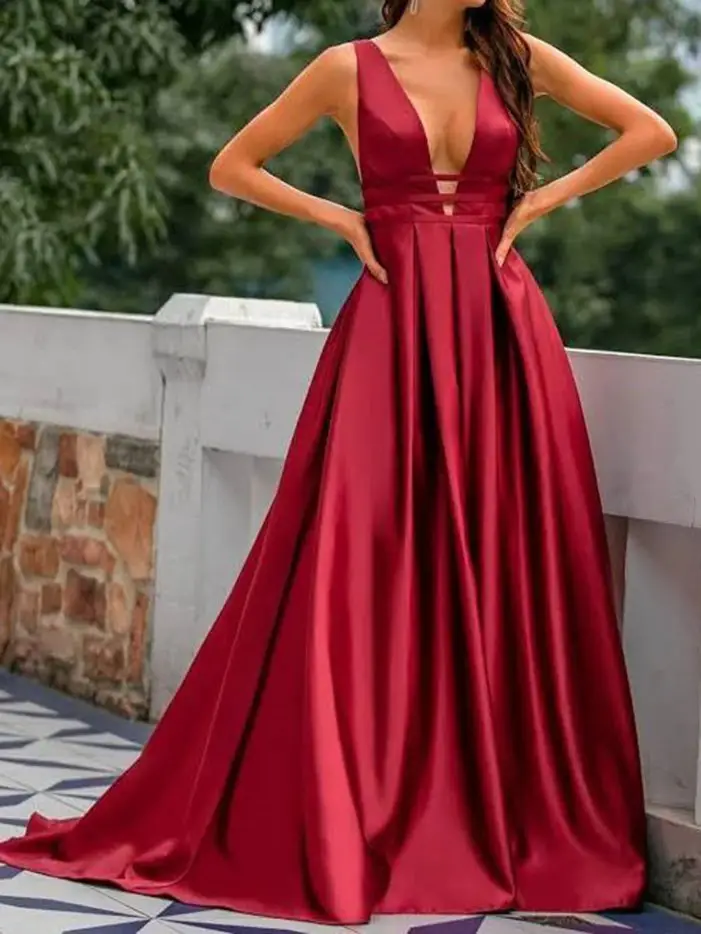
Polyester satin used in a luxurious red evening gown showcasing its dramatic shine and elegant drape.
- Holds color vibrantly for years
- Doesn’t wrinkle as easily as silk during wear
- More affordable, allowing for elaborate designs
- Durable enough for dancing and movement
- Easy to clean and maintain
The trending color for 2025 is Mocha Mousse, an earthy neutral that looks sophisticated in polyester satin finishes.
Bridal Fashion
Wedding gowns often use duchess satin made from polyester. While some brides prefer silk for tradition, polyester satin offers practical benefits. It costs less, allowing more budget for other elements. It’s also more durable and easier to preserve after the wedding.
Lingerie and Sleepwear
Lightweight charmeuse polyester satin is popular for lingerie, camisoles, and nightgowns. The smooth surface feels cool and comfortable against skin for short-term wear.
Linings
One of polyester satin’s most common uses is as lining material for jackets, coats, and skirts. The smooth surface allows garments to slide on and off easily and protects the outer fabric from body oils and perspiration.
Home Textiles and Decor
Is Polyester Satin Good for Bedding?
Polyester satin bedding has both advantages and drawbacks. Many people choose it for:
- Affordability compared to silk
- Easy machine washing
- Durability that lasts for years
- Wrinkle resistance
- Hypoallergenic properties (doesn’t trap dust mites as easily)
However, for sleep comfort, natural fibers often perform better because they breathe more effectively. If you sleep hot, you might find polyester satin bedding less comfortable than cotton or linen options.
Is Polyester Satin Good for Pillowcases?
Polyester satin pillowcases have become popular, especially for hair and skin benefits. The smooth surface creates less friction than cotton, which can help reduce:
- Bedhead and hair tangling
- Hair breakage
- Sleep creases on facial skin
- Moisture loss from hair and skin
Is 100% Polyester Satin Good for Hair?
Yes, polyester satin pillowcases can benefit hair. The smooth surface causes less friction than cotton, reducing breakage and split ends. However, silk satin is generally considered superior for hair care because it’s even smoother and more breathable. For a budget-friendly option that still offers benefits, polyester satin works well.
Why Does My Satin Pillowcase Say 100% Polyester?
Most satin pillowcases sold today are made from polyester, not silk. This is because:
- Polyester is much more affordable (often under $20 vs $50+ for silk)
- It’s easier to care for and machine washable
- It’s more durable and lasts longer
- It still provides many of the hair and skin benefits of satin weave
If you want real silk, look specifically for “silk satin” or “100% silk” labels and expect to pay more.
Other Home Uses
Polyester satin also appears in:
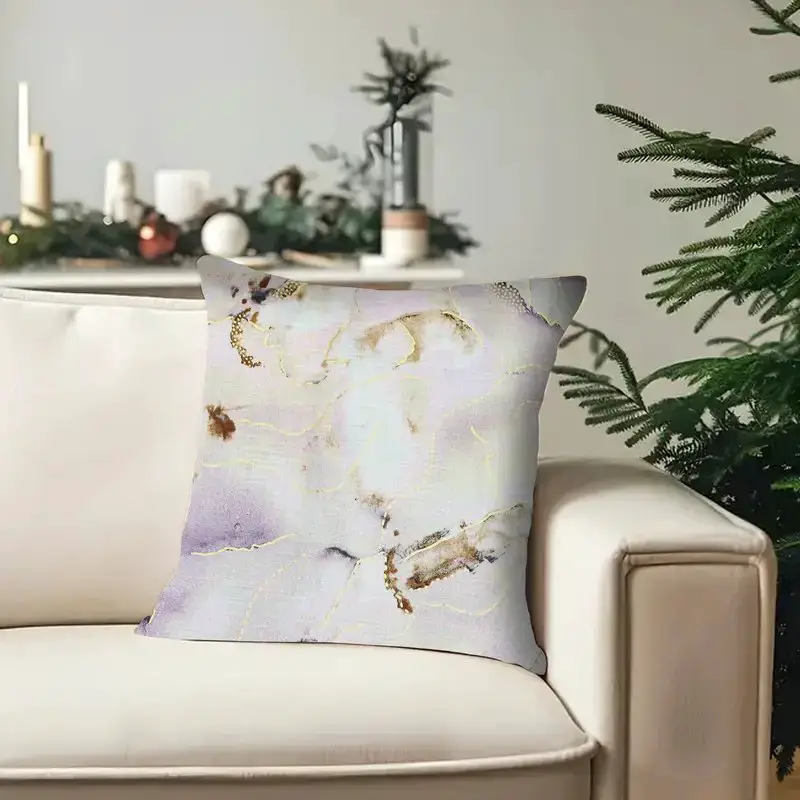
Polyester satin pillow used as stylish home décor, adding sheen and softness to a modern living room.
- Curtains and drapes
- Table runners and tablecloths
- Decorative pillows
- Upholstery (especially for decorative furniture)
- Holiday decorations and ribbons
Sustainability and Environmental Impact
One of the biggest concerns about polyester satin is its environmental footprint. Understanding these issues helps you make informed choices.
Is Polyester Satin Sustainable?
Conventional polyester satin is not considered sustainable. Here’s why:
Is Polyester Satin Plastic?
Yes, polyester satin is essentially plastic fabric. Polyester is made from polyethylene terephthalate (PET), the same plastic used in water bottles. This creates several environmental problems:
- Non-renewable resources: Made from petroleum, a fossil fuel
- Energy-intensive production: Requires significant energy and water
- Non-biodegradable: Takes 200+ years to break down in landfills
- Microplastic pollution: Sheds over 700,000 plastic microfibers per wash cycle
- Toxic chemicals: Production uses harmful substances like ethylene glycol
The Microplastic Problem
Every time you wash polyester satin, tiny plastic fibers break off and enter water systems. These microplastics are too small for most water treatment plants to filter. They end up in oceans, where marine life ingests them, potentially entering our food chain.
Recycled Polyester: A Better Option
The good news is that recycled polyester (rPET) offers a more sustainable alternative. Made from post-consumer plastic bottles or textile waste, recycled polyester:
- Reduces CO2 emissions by 75% compared to virgin polyester
- Diverts plastic waste from landfills and oceans
- Uses far less water and energy in production
- Performs identically to virgin polyester
In 2024, searches for “sustainable satin fabrics” increased by 28% year-over-year, showing growing consumer interest in eco-friendly options. According to Textile Exchange, the percentage of recycled polyester in total polyester production grew from 11% in 2010 to 15% in 2020.
Innovations in Sustainable Polyester Satin
The textile industry is working on solutions:
- Plant-based polyester: Some companies now make polyester from cane sugar molasses, reducing fossil fuel dependence by 30%
- Chemical recycling: New technologies can break down polyester infinitely without quality loss
- Zero-water discharge dyeing: Shanghai factories have developed dyeing processes that recycle all water
- Improved fiber technology: New polyester fibers shed fewer microplastics
Sustainable Shopping Tips:
- Look for recycled polyester satin when possible
- Buy quality pieces that last years instead of cheap fast fashion
- Use a Guppyfriend washing bag to catch microfibers
- Wash less frequently and use cold water
- Choose natural fibers like silk when environmental impact is a priority
- Support brands with sustainability certifications
How to Care for Polyester Satin
Proper care extends the life of polyester satin and keeps it looking beautiful. While easier to maintain than silk, polyester satin still requires gentle handling. For personalized care recommendations, try our Fabric Care Calculator.
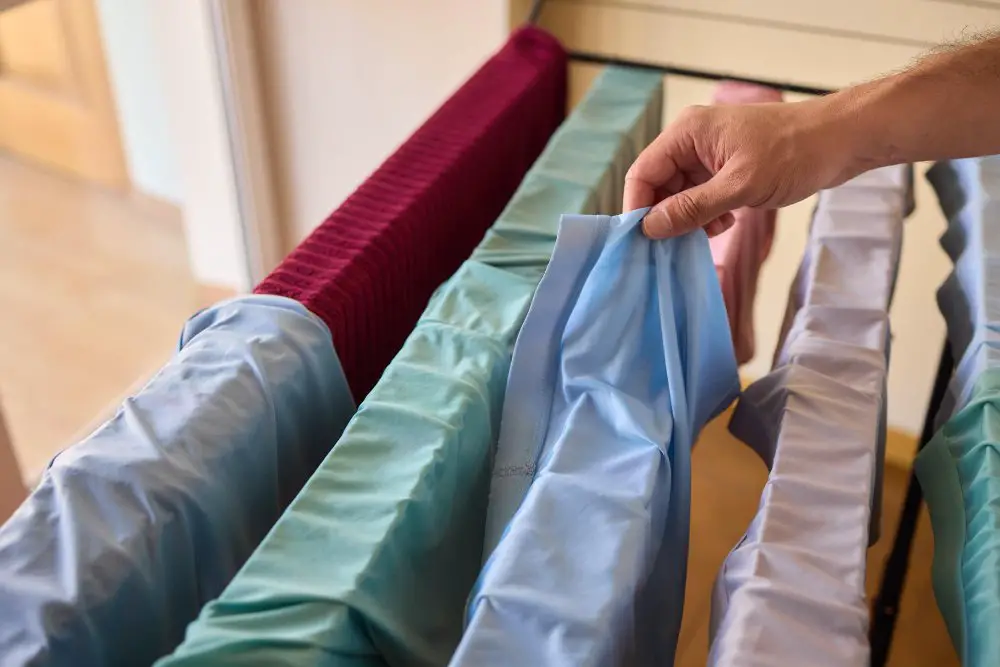
Proper care technique for polyester satin which involves gentle air drying to preserve shape and sheen.
How Do You Wash Satin Polyester?
Machine Washing Instructions
- Check the care label first: Always follow manufacturer instructions, as some polyester satin requires dry cleaning only
- Turn garments inside out: This protects the shiny surface from friction and snagging
- Use a mesh laundry bag: Provides extra protection during the wash cycle
- Select delicate cycle: Use the gentlest setting on your machine
- Water temperature: Use cold water (maximum 30°C/86°F). Hot water can damage polyester fibers
- Detergent: Use mild, gentle detergent without bleach or fabric softener
- Skip the spin cycle: High-speed spinning creates stubborn wrinkles. Remove items while still damp
- Don’t overload: Give items room to move freely in the wash
What to Avoid:
- Never use bleach: It can damage polyester fibers and cause discoloration
- Skip fabric softener: It leaves residue that dulls the shine
- Avoid harsh detergents: They can break down fibers over time
- Don’t use hot water: Heat above 30°C can damage or shrink polyester
Hand Washing Method
For delicate or heavily embellished pieces, hand washing is safer:
- Fill a clean basin with cool water
- Add a small amount of gentle detergent
- Submerge the garment and gently swish for 3-5 minutes
- Never twist or wring the fabric
- Rinse thoroughly with cool water until no soap remains
- Gently squeeze out excess water (don’t wring)
Drying Polyester Satin
Can Polyester Satin Go in the Dryer?
Generally, no. High heat from dryers can damage polyester satin by:
- Melting the fibers (polyester melts at 482°F, and dryers can reach 150-180°F)
- Creating permanent wrinkles
- Causing shrinkage
- Dulling the shine
- Creating heat marks or shine spots
However, if the care label specifically allows tumble drying, use the lowest heat setting and remove items while still slightly damp.
Best Drying Methods
- Air drying: Hang on a padded hanger to drip dry. The weight of water helps smooth out wrinkles naturally
- Lay flat: For delicate items, lay flat on a clean towel away from direct sunlight
- Avoid direct sunlight: UV rays can fade colors over time
- Ensure good air circulation: Helps prevent musty odors
How to Get Wrinkles Out of 100% Polyester Satin
Steaming Method (Best Option)
Steaming is the safest way to remove wrinkles from polyester satin:
- Hang the garment on a sturdy hanger
- Use a handheld steamer or hang in a steamy bathroom
- Hold the steamer 6-8 inches away from fabric
- Move the steamer in downward motions
- Let the fabric cool and dry completely before wearing
Can You Iron Satin Polyester?
Yes, but with extreme caution. Polyester is heat-sensitive and can melt, develop shine marks, or become damaged with improper ironing. Here’s how to care for satin clothing when ironing:
Safe Ironing Steps
- Check the care label: Some polyester satin cannot be ironed
- Set iron to lowest heat: Use “synthetic” or “polyester” setting (maximum 275°F/135°C)
- Turn garment inside out: Always iron from the dull back side
- Use a pressing cloth: Place a thin white cotton cloth between iron and fabric
- Add moisture: Lightly spray the area with water or use the iron’s steam function
- Press, don’t slide: Gently press the iron down, lift, and move to the next spot. Don’t drag it across the fabric
- Work quickly: Don’t leave the iron in one spot for more than a second or two
- Test first: Try an inconspicuous area like an inside seam to ensure safe temperature
Alternative Wrinkle Removal Methods
- Hanging method: Hang in a steamy bathroom while showering
- Wrinkle release spray: Commercial products can help relax fibers
- Damp towel method: Place a damp towel over wrinkles and gently press with hands
- Professional pressing: For valuable or delicate items, consider professional services
Does Satin Polyester Shrink?
Polyester satin can shrink slightly if exposed to high heat, but it’s generally more stable than natural fibers. Shrinkage typically occurs when:
- Washed in water over 30°C (86°F)
- Dried in a hot dryer
- Ironed with excessive heat
- First washed (some pre-shrinkage is normal)
To prevent shrinkage, always use cold water and air dry. The first wash may result in 1-3% shrinkage even with proper care, so consider this when purchasing.
Storage Tips
- Hang rather than fold: Prevents permanent creases
- Use padded hangers: Prevents shoulder bumps and stress marks
- Store in breathable garment bags: Protects from dust while allowing air circulation
- Keep away from direct sunlight: UV rays fade colors
- Avoid plastic bags: Can trap moisture and cause mildew
- Climate control: Store in cool, dry places away from heat sources
Stain Treatment
For stains on polyester satin:
- Blot immediately with a clean, damp cloth (don’t rub)
- Apply mild detergent mixed with cold water
- Gently dab from the outside of the stain toward the center
- Rinse with cold water
- Air dry
- For stubborn stains, seek professional cleaning
Pros and Cons of Polyester Satin
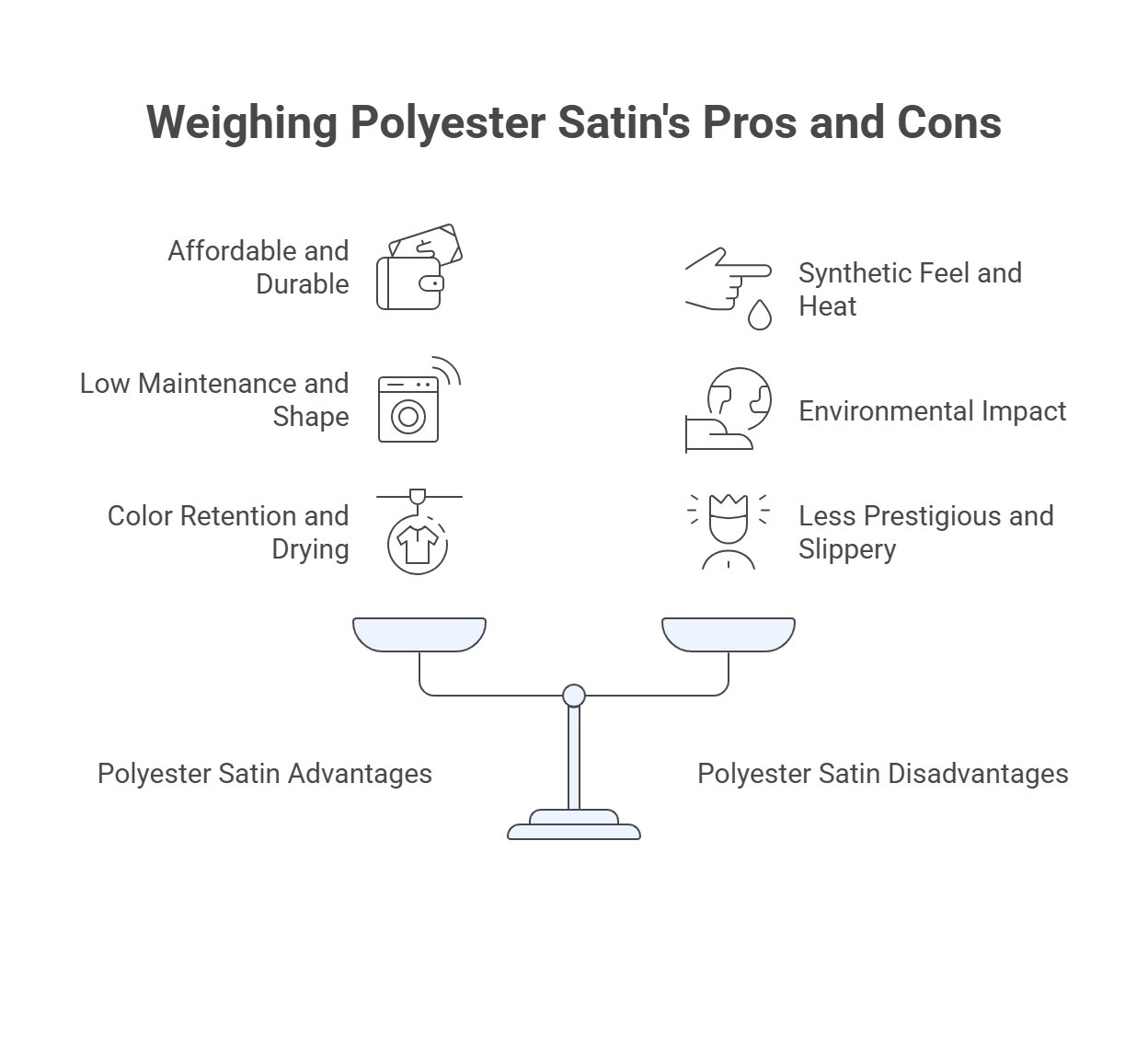
A balanced overview of polyester satin’s strengths and weaknesses, including durability, affordability and environmental concerns.
Advantages
- Affordable: Costs a fraction of silk satin ($5-$20 vs $30-$100+ per yard)
- Durable: Withstands regular wear and washing better than silk
- Low maintenance: Machine washable and doesn’t require dry cleaning
- Wrinkle-resistant: Holds its smooth appearance through wear
- Color retention: Doesn’t fade easily, maintains vibrant colors
- Quick drying: Air dries faster than natural fibers
- Stain resistant: Liquids bead up rather than absorbing immediately
- Hypoallergenic: Doesn’t trap allergens like dust mites
- Widely available: Easy to find in many colors and weights
- Holds shape: Doesn’t sag or stretch out over time
Disadvantages
- Less breathable: Can feel warm and trap heat against skin
- Synthetic feel: Not as soft or luxurious as silk
- Environmental impact: Made from petroleum, non-biodegradable, sheds microplastics
- Heat sensitive: Can melt or get damaged by high temperatures
- Prone to snagging: Long floats in weave catch on rough surfaces
- Can be slippery: Some find the smooth surface too slick
- May cause sweating: Doesn’t wick moisture as well as natural fibers
- Static electricity: Can cling to body or other fabrics
- Less prestigious: Doesn’t have the luxury status of silk
- Petroleum-based: Relies on non-renewable fossil fuel resources
Is Polyester Satin Healthy?
Polyester satin is generally safe to wear for most people. It’s hypoallergenic and doesn’t harbor dust mites or allergens like some natural fibers. However, there are some health considerations:
- Skin sensitivity: Some people with very sensitive skin may find synthetic fabrics irritating
- Breathability: Poor air circulation can lead to discomfort or skin irritation for extended wear
- Chemical residues: Some low-quality polyester may contain dye or finishing chemical residues
- Temperature regulation: May cause overheating during sleep or in warm weather
Is 100% Polyester Satin Good for Skin?
For short-term wear like special occasions, polyester satin is fine for skin. However, for items worn for extended periods (like sleepwear or sheets), natural fibers may be healthier because they:
- Allow better air circulation
- Regulate temperature more effectively
- Absorb moisture instead of trapping it against skin
- Don’t contain petroleum-derived chemicals
Does Polyester Satin Last?
Yes, polyester satin is very durable and can last for many years with proper care. In fact, it often outlasts silk satin because:
- The synthetic fibers are stronger than silk
- It resists damage from water and humidity
- It doesn’t degrade from sunlight as quickly
- It withstands frequent washing
- It doesn’t attract insects that eat natural fibers
A quality polyester satin garment can last 10+ years with regular wear, while bedding can last 5-7 years or more.
Is Polyester Satin Hard to Sew?
Polyester satin presents moderate sewing challenges due to its slippery nature and tendency to shift. However, with the right techniques, it’s manageable:
Sewing Tips
- Use sharp needles: Size 70/10 or 80/12 microtex needles work best
- Fine thread: Lightweight polyester or silk thread matches the fabric better
- Pins sparingly: Use pattern weights instead to avoid visible pinholes
- Small stitch length: 2.0-2.5mm creates cleaner seams
- French seams: Enclose raw edges for professional finish
- Press carefully: Low heat with pressing cloth
- Cut on grain: Satin shows grain distortion easily
Frequently Asked Questions
What’s the difference between satin and polyester satin?
“Satin” describes the weaving technique, while “polyester satin” specifies both the weave and the fiber content. Satin can be made from silk, polyester, nylon, rayon, or blends. Polyester satin specifically uses polyester fibers woven in the satin pattern.
Is polyester satin expensive?
No, polyester satin is one of the most affordable satin options. Fabric typically costs $5-$20 per yard, compared to $30-$100+ per yard for silk satin. Finished garments are also much more budget-friendly, making luxury looks accessible.
Can I use polyester satin for wedding dresses?
Absolutely. Many wedding dresses use duchess polyester satin. It photographs beautifully, holds structure well, costs less than silk, and is more durable for a long wedding day. Many brides prefer it for these practical reasons.
How can I tell if my satin is polyester or silk?
Check the care label first. Other tests include: the burn test (polyester melts and smells like plastic; silk smells like burning hair), touch test (silk feels warmer; polyester feels cooler), and price (polyester is much cheaper). When in doubt, silk items usually specify “100% silk” prominently.
Will polyester satin keep me cool in summer?
Polyester satin is not the best choice for hot weather. While it doesn’t absorb moisture, it doesn’t breathe as well as natural fibers like cotton or linen. For summer clothing, choose lightweight options or consider natural fiber alternatives.
Does polyester satin fade over time?
Polyester satin is actually excellent at retaining color and rarely fades. It holds dye better than most natural fibers. However, prolonged exposure to direct sunlight can cause some fading over years. With normal care, colors stay vibrant.
Can I get recycled polyester satin?
Yes, recycled polyester satin is increasingly available. It performs identically to virgin polyester but uses post-consumer plastic bottles or textile waste. This reduces environmental impact by 75% in CO2 emissions. Look for brands highlighting recycled or rPET content.
How do I prevent static in polyester satin?
Static can be an issue with polyester. To prevent it: use dryer sheets if tumble drying (on low heat only), spray with anti-static spray, layer with natural fiber undergarments, or add a small safety pin to the inside seam to ground the fabric.
Is polyester satin vegan?
Yes, polyester satin is completely vegan as it’s made from synthetic materials. Unlike silk satin, which requires silkworms, polyester involves no animals in production. This makes it popular with vegan consumers, though environmental concerns remain.
Can I dye polyester satin at home?
Dyeing polyester satin at home is challenging because polyester requires special disperse dyes and very high heat (200°F+). Standard fabric dyes won’t work. Professional dyeing services are recommended for best results, or choose natural fiber alternatives if you want to dye fabric yourself.
Conclusion
Polyester satin has earned its place in the textile world as a practical, affordable alternative to silk satin. While it may not have the natural prestige of silk, it offers real advantages: durability, easy care, wrinkle resistance, and accessibility. The fabric’s versatility makes it suitable for everything from wedding gowns to pillowcases, evening wear to home decor.
Understanding that polyester satin is still genuine satin helps clear up confusion. The term “satin” describes the weaving technique, not the fiber content. Whether woven from silk, polyester, or other materials, the satin weave creates that characteristic smooth, glossy surface we recognize and love.
The environmental impact remains the biggest concern. As a petroleum-based plastic fabric, polyester satin contributes to pollution through microfiber shedding and takes centuries to biodegrade. However, innovations in recycled polyester and plant-based alternatives offer hope. By choosing recycled polyester satin when possible and caring for garments properly to extend their lifespan, you can minimize environmental impact.
Key Takeaways
- Choose quality over quantity: One well-made polyester satin piece that lasts 10 years is better than multiple cheap items that wear out quickly
- Look for recycled options: Recycled polyester satin reduces environmental impact by 75% while performing identically
- Care properly: Cold water washing, air drying, and low-heat pressing extend fabric life significantly
- Know your needs: For short-term wear and special occasions, polyester satin excels. For everyday comfort and breathability, natural fibers may serve better
- Understand the trade-offs: The affordability and durability come with environmental costs. Make informed choices based on your priorities
- Proper storage matters: Hanging garments on padded hangers prevents wrinkles and maintains shape
- Consider the application: Different weights and types suit different purposes. Heavyweight duchess satin for structured gowns, lightweight charmeuse for flowing garments
Final Recommendations
For fashion enthusiasts seeking affordable luxury, polyester satin delivers. It photographs beautifully, holds color vibrantly, and withstands the rigors of special events. Wedding gown shoppers can save significantly without sacrificing appearance.
For eco-conscious consumers, seek out recycled polyester satin and brands committed to sustainable practices. Use a Satin Fabric Care Calculator to ensure you’re maintaining pieces properly for maximum lifespan. Consider washing and caring for polyester correctly to reduce environmental impact through extended use.
For textile professionals and manufacturers, polyester satin offers consistent quality, reliable supply chains, and versatility. The market continues growing at 4.7% annually, with sustainability innovations creating new opportunities.
Whether you choose polyester satin for its practical benefits or opt for natural alternatives for environmental reasons, understanding the fabric empowers better decisions. The key is knowing what you’re buying, how to care for it, and how to minimize environmental impact while enjoying the luxurious appearance satin provides.
As the textile industry continues innovating with recycled materials, plant-based options, and improved manufacturing processes, polyester satin may become more sustainable while maintaining the qualities that made it popular. Until then, informed consumers can make choices that balance aesthetics, budget, practicality, and environmental responsibility.