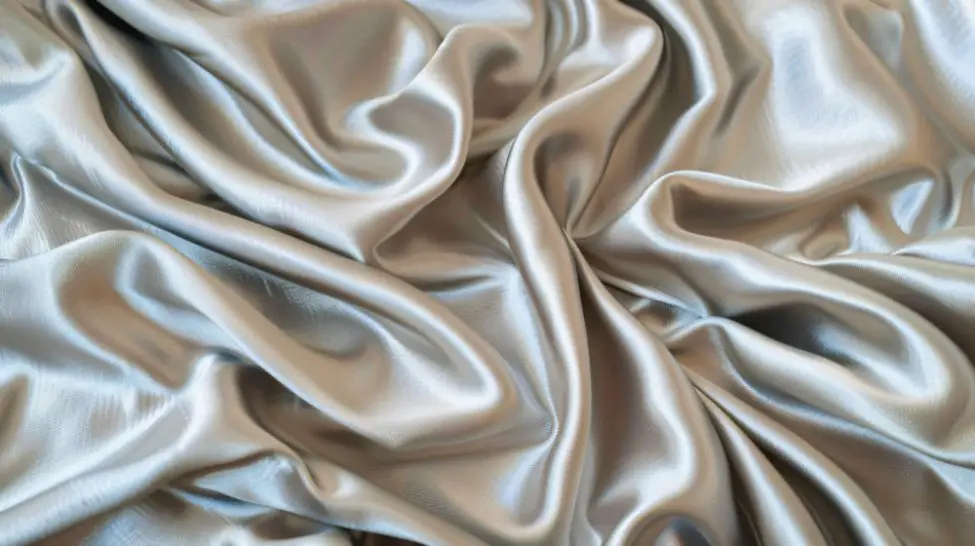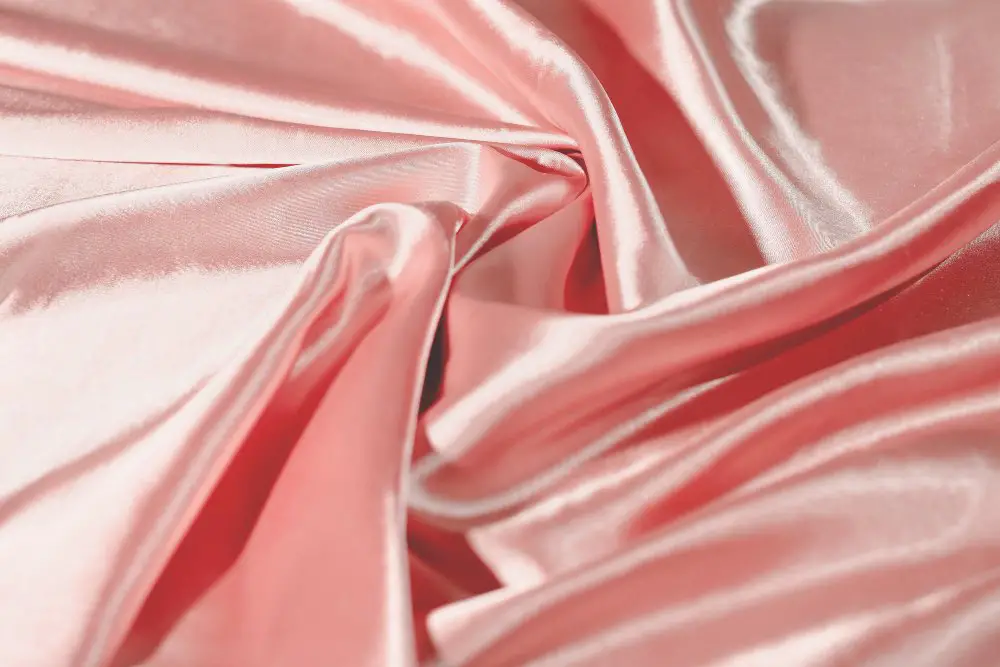

Everything you need to know about duchess satin fabric, from its rich history and unique properties to sewing techniques, care instructions, and sustainable options
Table of Contents
- What is Duchess Satin Fabric?
- The Royal History of Duchess Satin
- Key Properties and Characteristics
- Types and Compositions
- Duchess Satin vs. Other Satin Fabrics
- Uses and Applications
- Sustainability and Eco-Friendly Options
- Sewing with Duchess Satin
- Care and Maintenance Guide
- Buying Guide and Quality Indicators
- Frequently Asked Questions
- Conclusion
What is Duchess Satin Fabric?

Classic white duchess satin displaying its luxurious sheen and full body
Duchess satin is a heavyweight, luxurious satin fabric known for its smooth, lustrous surface and firm structure. Unlike lighter satins that drape softly, duchess satin holds its shape beautifully, making it the go-to choice for structured wedding gowns, elegant evening wear, and high-end fashion designs.
This fabric gets its name from its historical association with European royalty and aristocracy. The term “duchess” refers to the noblewomen who favored this luxurious material for their lavish attire. Today, duchess satin remains synonymous with sophistication and quality in the fashion world.
Quick Facts About Duchess Satin
- Weight: Medium to heavyweight (typically 300-450 GSM)
- Weave: Satin weave with 7+ floating yarns
- Composition: 100% silk, silk blends, or polyester
- Surface: Smooth with subtle sheen (less glossy than charmeuse)
- Drape: Structured with excellent shape retention
- Width: Typically 54-60 inches wide
- Price Range: $6.95-$105+ per yard depending on fiber content
What sets duchess satin apart from regular satin fabrics is its exceptional body and weight. The higher thread count and tighter weave create a fabric that’s both sturdy and elegant. This makes it perfect for garments that need to hold elaborate shapes, carry beading and embroidery, or create dramatic silhouettes without collapsing.
The Royal History of Duchess Satin

Duchess satin fabric shown in elegant folds to symbolize its royal heritage
Duchess satin has a rich history that dates back to the Renaissance period in France and Italy. Originally produced exclusively with silk threads, this fabric was a luxury reserved for the nobility and upper classes. The name “duchess” came from its popularity among duchesses and other aristocratic women who wore it for grand occasions and courtly events.
The fabric gained prominence in Zhejiang, China, where silk production reached new heights of quality. European traders brought these exquisite silk satins back to France and Italy, where they were refined and perfected by skilled weavers.
Royal Wedding Connection: Duchess satin has dressed some of history’s most famous brides. Sarah Ferguson wore an ivory duchess satin gown for her 1986 wedding to Prince Andrew at Westminster Abbey. Queen Silvia of Sweden also chose duchess satin for her 1976 marriage to King Carl XVI Gustaf. These royal endorsements cemented the fabric’s reputation as the ultimate bridal choice.
Over time, duchess satin evolved from an exclusive silk-only fabric to include more accessible blended and synthetic versions. This evolution made the luxurious look and feel of duchess satin available to a wider audience while maintaining the fabric’s defining characteristics of structure, sheen, and sophistication.
For more comprehensive information about wedding dress fabrics and how duchess satin compares to other materials, The Knot’s wedding gown fabric guide provides expert insights from leading bridal designers.
Key Properties and Characteristics of Duchess Satin
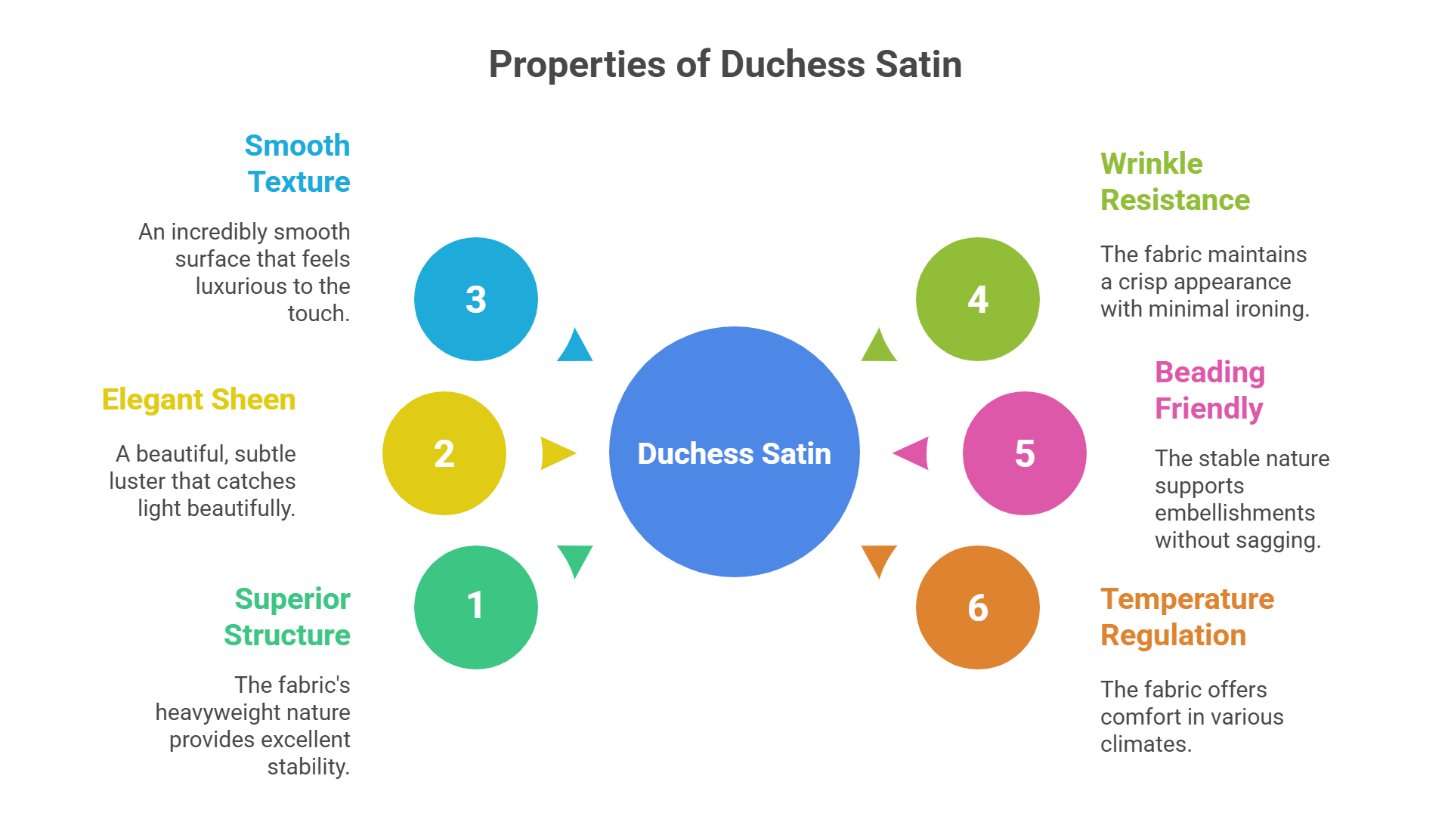
A visual guide explaining the unique qualities of duchess satin fabric
Understanding what makes duchess satin unique helps you appreciate why it’s such a popular choice for special occasion garments. Here are the defining characteristics that set this fabric apart:
Superior Structure
The heavyweight nature of duchess satin gives it excellent stability. It holds its shape exceptionally well, making it ideal for garments with voluminous skirts, structured bodices, and dramatic silhouettes that need to maintain their form throughout wear.
Elegant Sheen
Duchess satin has a beautiful, subtle luster that’s more refined than the high-gloss shine of charmeuse. This controlled sheen catches light beautifully without looking overly shiny, making it photograph exceptionally well.
Smooth Texture
The tight satin weave creates an incredibly smooth surface that feels luxurious to the touch. The high thread count contributes to this silky-smooth texture while maintaining the fabric’s durability.
Wrinkle Resistance
One of duchess satin’s practical advantages is its resistance to wrinkles. The fabric’s weight and synthetic component (in blended versions) help it maintain a crisp, fresh appearance with minimal ironing needed.
Beading Friendly
The stable, heavyweight nature of duchess satin makes it perfect for embellishment. It can support beading, embroidery, and sequin work without sagging or puckering, unlike lighter satin fabrics.
Temperature Regulation
Thanks to its higher thread count, duchess satin offers better temperature regulation than many other fabrics. This makes it comfortable for wearing in various climates and seasons, including warmer venues.
How Does Duchess Satin Feel?
Duchess satin feels substantial and luxurious in hand. It has a firm yet supple texture that’s smooth to the touch but doesn’t slip and slide like lighter satins. The fabric has a pleasant weight that feels quality and expensive. When you handle duchess satin, you’ll notice it has body and structure while still being soft enough to drape elegantly.
The surface is cool and smooth against the skin, making it comfortable for all-day wear at weddings and formal events. Unlike some synthetic fabrics that can feel plasticky, good quality duchess satin (especially silk or silk-blend versions) feels natural and breathable.
Types and Compositions
Duchess satin comes in several different fiber compositions, each with its own advantages and price points. Understanding these variations helps you choose the right option for your project and budget.
100% Silk Duchess Satin

Luxurious silk duchess satin showing its soft sheen and rich drape
Traditional silk duchess satin represents the highest quality and most luxurious option. Made from mulberry silk fibers, this fabric offers unmatched smoothness, natural sheen, and breathability. Silk duchess satin is the premium choice for high-end bridal gowns and couture fashion.
Advantages:
- Most luxurious feel and appearance
- Excellent breathability and comfort
- Natural temperature regulation
- Richest, most refined sheen
- Ages beautifully when cared for properly
Considerations:
- Highest price point ($50-$105+ per yard)
- Requires professional dry cleaning
- More delicate than synthetic versions
- Can be damaged by water spots
Silk-Blend Duchess Satin
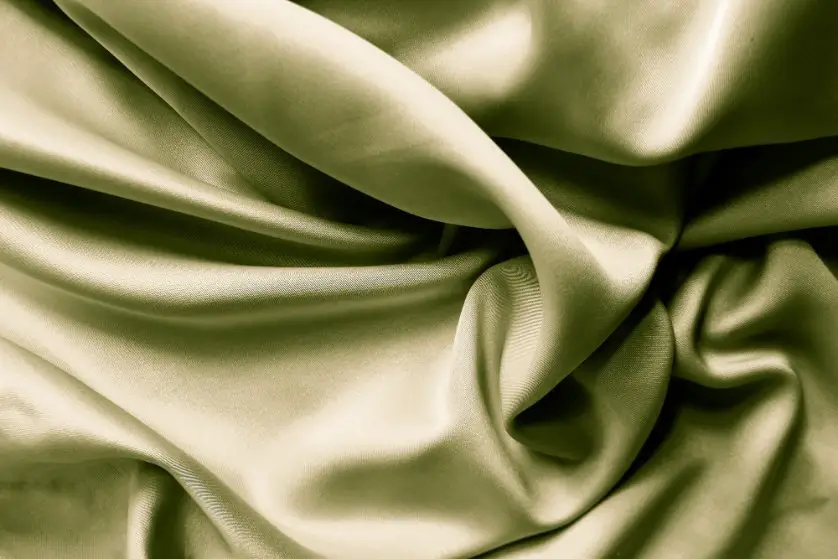
Silk blend duchess satin displaying a smooth texture and elegant drape
Silk-blend duchess satin combines silk with synthetic fibers like polyester or nylon. This creates a fabric that retains much of silk’s luxurious feel while adding durability and reducing cost. A common blend is 45% recycled polyester and 55% virgin polyester, which offers an eco-friendly option.
Advantages:
- More affordable than 100% silk ($20-$50 per yard)
- Added durability and wrinkle resistance
- Easier care requirements
- Good balance of luxury and practicality
- Some versions can be machine washed
Polyester Duchess Satin

Polyester duchess satin showing its glossy surface and elegant drape
Polyester duchess satin is the most budget-friendly option while still maintaining the characteristic structure and sheen of duchess satin. Modern polyester versions are remarkably close to silk in appearance, and many people can’t tell the difference until they check the fiber content.
Advantages:
- Most affordable option ($6.95-$20 per yard)
- Machine washable in most cases
- Excellent wrinkle resistance
- Wide color availability
- Very durable and long-lasting
- Ideal for dance costumes and frequently worn garments
Considerations:
- Less breathable than silk versions
- Can feel less luxurious to discerning touch
- May have a slightly different drape than silk
- Not as eco-friendly (unless using recycled polyester)
Duchess Satin vs. Other Satin Fabrics
The world of satin fabrics can be confusing, with many different types available. Here’s how duchess satin compares to other popular satin varieties:
| Feature | Duchess Satin | Charmeuse | Crepe Back Satin | Bridal Satin |
|---|---|---|---|---|
| Weight | Heavy (300-450 GSM) | Light (95-120 GSM) | Medium (150-200 GSM) | Medium-Heavy (160-250 GSM) |
| Sheen Level | Subtle, refined | High gloss | Moderate (both sides) | Medium to high |
| Drape | Structured, holds shape | Fluid, liquid-like | Balanced fluidity | Moderate structure |
| Best For | Ball gowns, structured dresses | Slip dresses, bias cuts | Reversible designs, blouses | Wedding dresses, formal wear |
| Typical Price | $$-$$$ | $$ | $$ | $-$$ |
| Sewing Difficulty | Moderate | Challenging (very slippery) | Moderate | Moderate |
Duchess Satin vs. Charmeuse
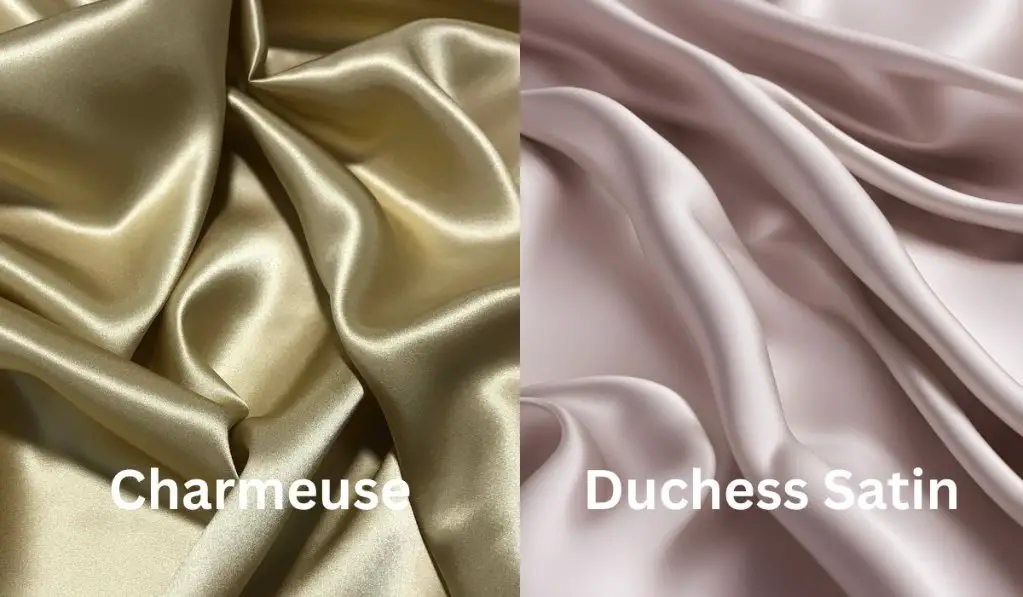
Charmeuse versus duchess satin showing differences in shine and structure
While both are satin weave fabrics, duchess satin and charmeuse have very different characteristics. Charmeuse is lightweight and ultra-smooth with a high-gloss finish on one side and a matte back. It drapes like liquid and clings to the body, making it perfect for bias-cut gowns and slip dresses.
Duchess satin, by contrast, is much heavier and has a more controlled, subtle sheen. It holds its shape rather than flowing, making it ideal for structured garments. Think of charmeuse for sensual, body-skimming designs and duchess satin for regal, architectural silhouettes.
Duchess Satin vs. Crepe Back Satin
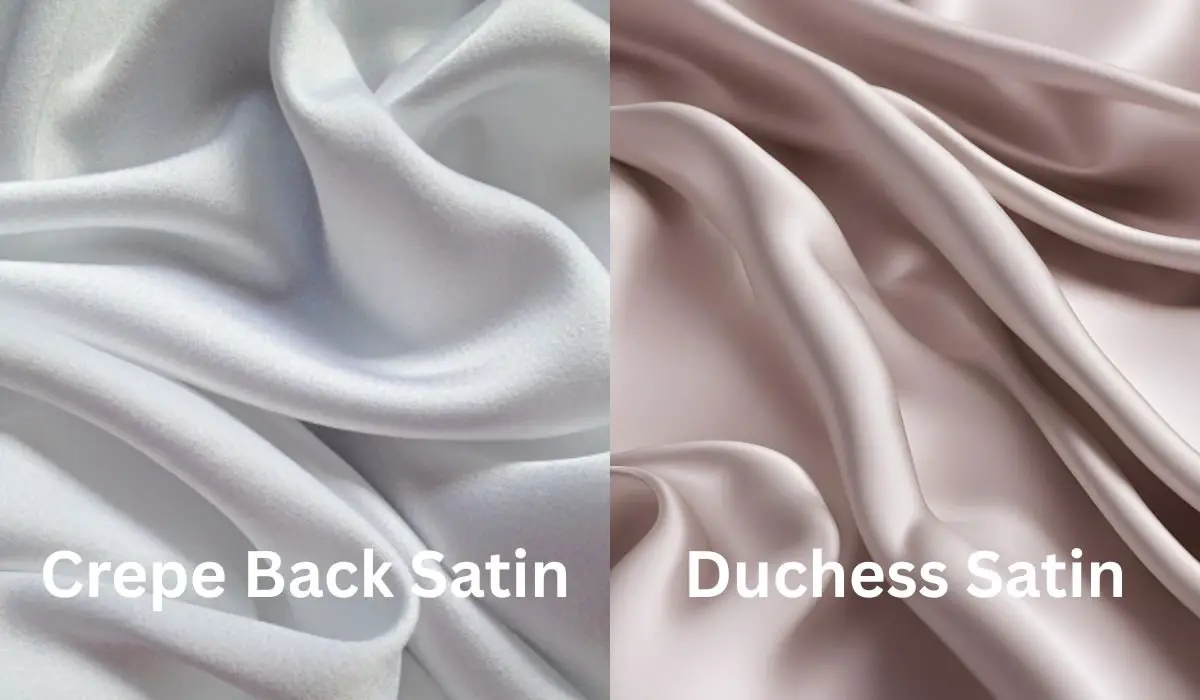
Crepe back satin versus duchess satin showing variation in texture and weight
Crepe back satin is unique because it’s reversible, featuring a lustrous satin side and a textured crepe side. This gives designers flexibility to use either surface in their designs. The fabric is generally lighter than duchess satin and offers a different aesthetic option.
Duchess satin is not reversible and focuses on providing one perfect, smooth satin surface with maximum structure. If you need a fabric that can hold elaborate shapes and support heavy embellishments, duchess satin is the better choice. For versatile designs where you might want textural contrast, crepe back satin offers more options.
What is the Difference Between Bridal Satin and Duchess Satin?
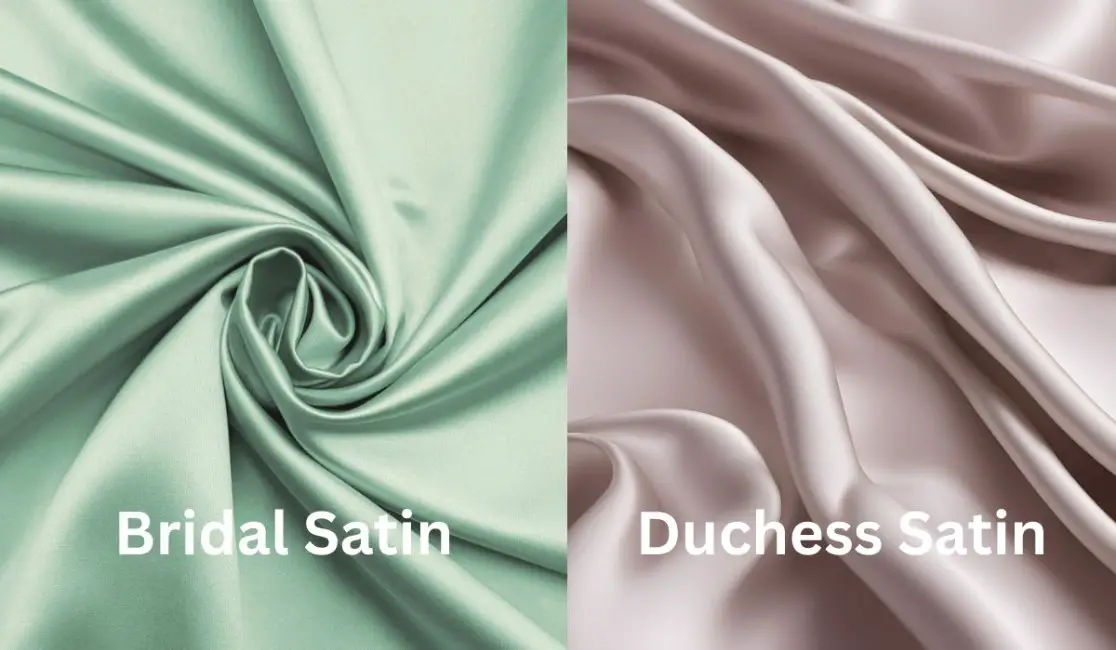
Bridal satin versus duchess satin showing differences in sheen, weight, and drape
The terms “bridal satin” and “duchess satin” are sometimes used interchangeably, but there are differences. Bridal satin is a broad category that includes any satin fabric suitable for wedding dresses. It’s typically medium to heavyweight with good structure and a refined sheen.
Duchess satin is a specific type of bridal satin that’s on the heavier end of the spectrum with particular weaving characteristics. All duchess satin can be called bridal satin, but not all bridal satin is duchess satin. Regular bridal satin might be slightly lighter (around 160-250 GSM) compared to duchess satin’s 300-450 GSM, and may have a higher shine level.
When shopping, if you specifically want the structured, heavyweight quality that duchess satin provides, ask for duchess satin by name rather than just “bridal satin” to ensure you get the right fabric.
Professional fabric retailers like Bridal Fabrics offer detailed specifications and sample services to help you choose the perfect duchess satin for your project.
How Does Duchess Satin Compare to Silk?
This question often causes confusion because duchess satin can be made from silk. “Silk” refers to the fiber content, while “duchess satin” refers to the weave structure and weight. You can have silk duchess satin (made from silk fibers) or polyester duchess satin (made from synthetic fibers).
When people ask “Is duchess the same as silk?” they usually mean comparing polyester duchess satin to pure silk fabric. Pure silk (like habotai or silk charmeuse) is lighter, more breathable, and has different draping properties than the heavier duchess satin structure.
Think of it this way: duchess satin is a specific type of fabric construction that can be made from different fibers (silk, polyester, or blends), while silk is a natural fiber that can be woven into many different fabric types.
Uses and Applications
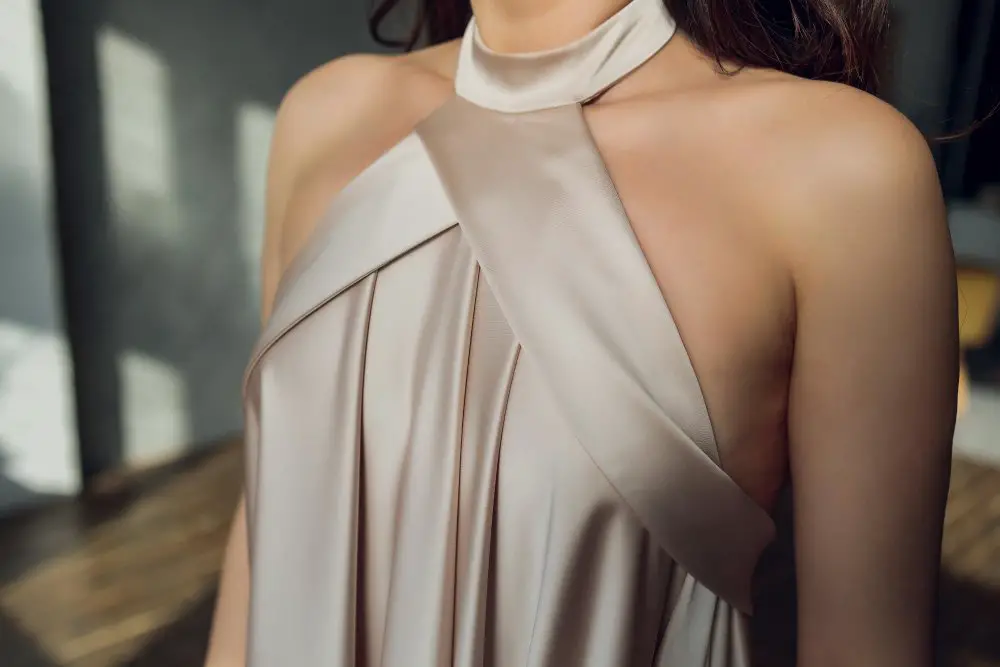
Duchess satin used in elegant garment design shown through a pleated halter dress
Duchess satin’s unique combination of structure, sheen, and durability makes it perfect for a wide range of applications. Here are the most popular uses:
Bridal Wear
Wedding gowns are perhaps the most iconic use of duchess satin. The fabric’s ability to hold dramatic shapes makes it perfect for:
- Ball gowns: The structured nature supports full, voluminous skirts without collapsing
- A-line dresses: Creates clean lines and flattering silhouettes
- Mermaid and trumpet styles: Holds the fitted bodice and flared skirt shape beautifully
- Princess-cut gowns: Maintains architectural seaming and structured panels
- Cathedral trains: Has the weight to create elegant, sweeping trains
The fabric photographs exceptionally well, which is why it’s favored for bridal photography. Its refined sheen adds elegance without creating harsh glare in photos. Many designers pair duchess satin with lace, organza, or tulle to create multi-textured bridal looks with visual depth.
Evening and Formal Wear
Beyond bridal, duchess satin is a top choice for evening wear:
- Gala gowns and red carpet dresses
- Prom and debutante dresses
- Mother-of-the-bride outfits
- Opera coats and evening jackets
- Formal separates (structured skirts, tailored pants, bolero jackets)
- Column dresses and sheath gowns
The fabric’s weight and structure make it ideal for designs that need to maintain clean lines and sophisticated shapes throughout a long evening.
Costume and Historical Garments
Costume designers love duchess satin for period pieces and theatrical productions. Its rich finish and sculptural properties make it perfect for:
- Historical costume recreations
- Fantasy and sci-fi costume designs
- Stage and theater costumes
- Character-driven fashion and editorial shoots
- Cosplay for formal character designs
Home Décor and Accessories
Duchess satin isn’t limited to clothing. Its beauty and durability make it suitable for luxury home décor:
- Elegant drapery and curtains
- Decorative cushions and throw pillows
- Table runners and special occasion linens
- Upholstery for accent furniture
- Event décor (wall draping, chair covers)
For fashion accessories, duchess satin creates beautiful:
- Evening bags and clutches
- Formal neckties and bow ties
- Sashes and cummerbunds
- Formal gloves
- Hair accessories and headbands
Is Duchess Satin Suitable for Summer?
While duchess satin is heavier than summer-weight fabrics, it can work for summer events depending on the circumstances. The higher thread count provides better temperature regulation than you might expect, and silk duchess satin breathes better than polyester versions.
For outdoor summer weddings in very hot climates, lighter fabrics like chiffon or organza might be more comfortable. However, for air-conditioned venues or evening summer events, duchess satin works beautifully and provides the structure many formal designs require.
Sustainability and Eco-Friendly Options
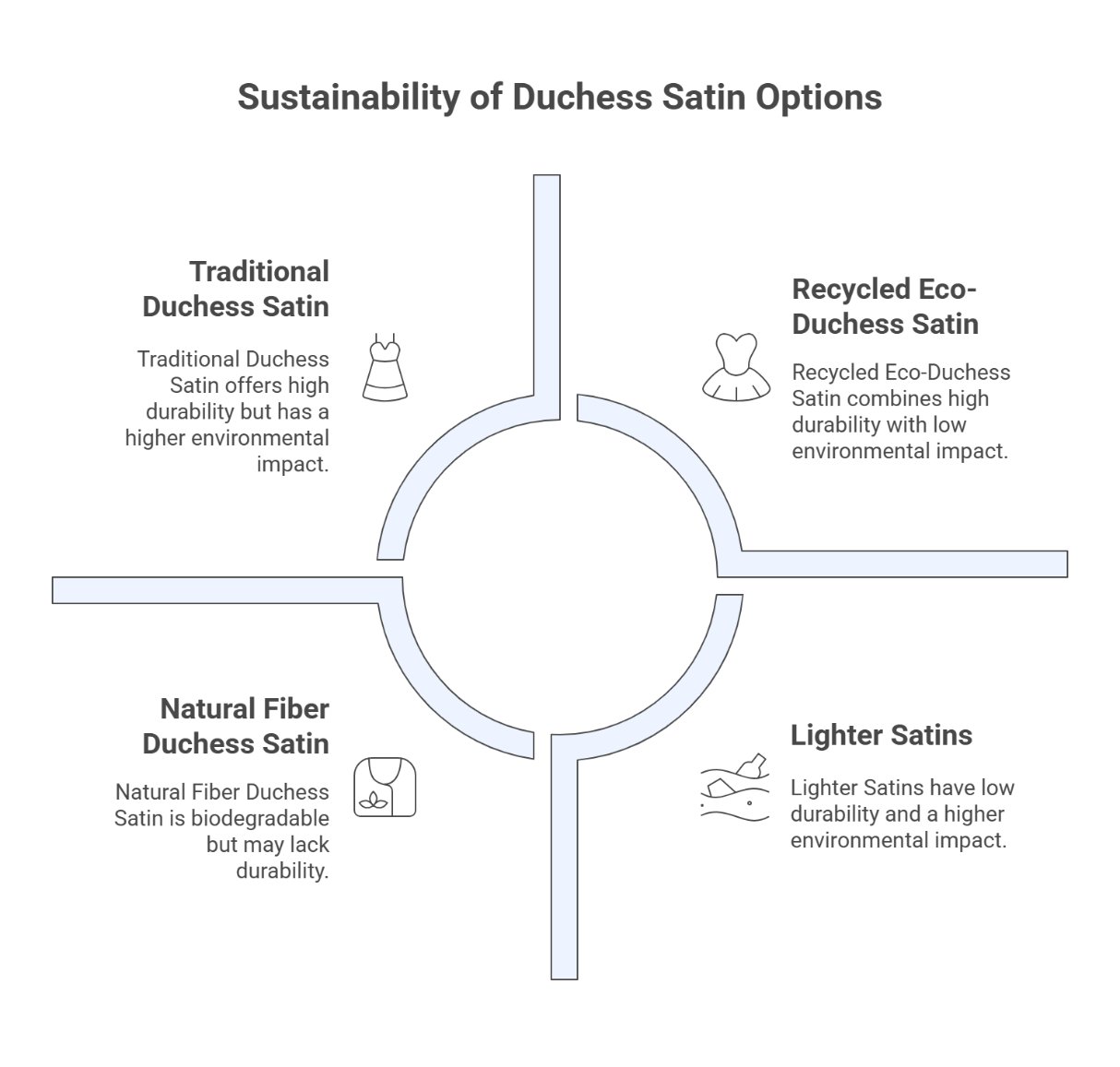
A visual guide to sustainable and eco friendly choices for duchess satin fabrics
As consumers become more environmentally conscious, the demand for sustainable fabric options has grown. Duchess satin offers several eco-friendly advantages:
Durability Equals Sustainability
The most sustainable garment is one that lasts. Duchess satin’s robust construction and high thread count contribute to exceptional durability. A well-made duchess satin wedding gown can be worn, preserved, and even passed down through generations, reducing the need for new purchases.
This longevity means fewer garments end up in landfills. The fabric resists decay better than lighter satins, making it a more sustainable choice for special occasion pieces that you’ll keep for years.
Recycled and Eco-Duchess Satin
Innovative manufacturers now produce eco-duchess satin made from recycled polyester derived from plastic bottles. These sustainable versions offer:
- 100% recycled polyester content or blends (45% recycled, 55% virgin polyester)
- Reduced carbon footprint in manufacturing
- Water-free digital printing processes
- Oeko-Tex certified, non-toxic dyes
- Production in zero-to-landfill facilities using renewable energy
These eco-friendly options maintain the luxurious look and feel of traditional duchess satin while supporting environmental responsibility. They’re perfect for eco-conscious brides and designers who don’t want to compromise on quality.
Natural Fiber Benefits
Silk duchess satin, when sourced responsibly, offers natural sustainability benefits:
- Biodegradable and compostable at end of life
- Made from renewable natural protein fibers
- Requires no synthetic chemicals when undyed or naturally dyed
- Traditional production methods can be eco-friendly
Recyclability and Upcycling
Duchess satin’s quality makes it excellent for upcycling projects. Wedding dresses can be transformed into:
- Christening gowns for future children
- Cocktail dresses or formal separates
- Memory quilts or decorative pillows
- Fabric for special occasion accessories
The fabric can also be recycled through textile recycling programs, though the best environmental choice is always to use and reuse the garment for as long as possible.
Sewing with Duchess Satin
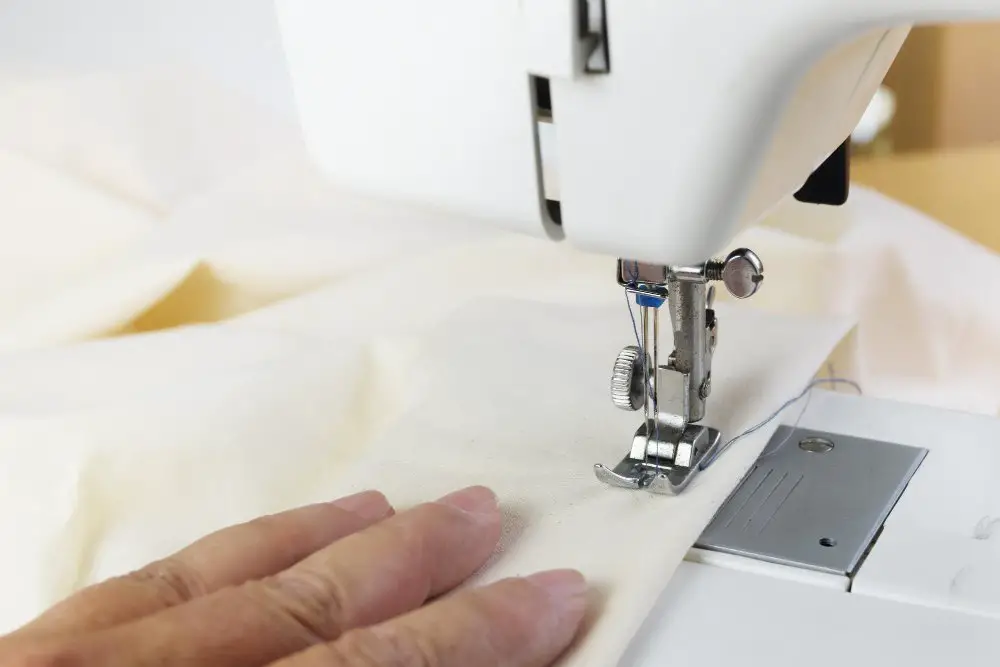
Sewing duchess satin with precision using a straight stitch and proper technique
Working with duchess satin requires some special techniques, but it’s actually easier to sew than lighter satins thanks to its weight and stability.

Learn expert tips for sewing with silk and satin fabrics
Is Duchess Satin Easy to Sew?
Duchess satin is moderately easy to sew, especially compared to slippery fabrics like charmeuse. Its weight and body prevent excessive shifting, and it doesn’t slip under the sewing machine needle as much as lighter satins. However, you still need to use proper techniques to achieve professional results.
For beginners, duchess satin is a good choice for a first formal dress project because it’s forgiving and cooperative. Experienced sewers will appreciate how well it responds to traditional tailoring techniques.
Essential Tools and Supplies
Needles: What needle for duchess satin? Use size 80/12 or 90/14 microtex or sharp needles. These fine needles create small holes that won’t be visible on the finished garment. Avoid universal needles as they can snag the smooth surface.
Thread: Choose fine polyester or silk thread that matches the fabric’s sheen. The thread should be strong enough for the weight of the fabric but fine enough not to create bulk in seams.
Pins and Marking: Use extra-fine silk pins or clips to avoid leaving permanent marks. Pin within seam allowances only. For marking, use tailor’s chalk or fabric markers on the wrong side, and always test on a scrap first.
Cutting Tools: Sharp fabric shears or a rotary cutter are essential. Dull blades will snag and fray the fabric edges.
Cutting and Preparation
Always pre-wash polyester duchess satin if you plan to wash the finished garment. Silk versions should be dry cleaned, so pre-washing isn’t necessary. Let the fabric relax for 24 hours before cutting.
When cutting:
- Lay fabric flat on a large cutting surface
- Use weights rather than pins to hold pattern pieces
- Cut in a single layer to ensure accuracy
- Be cautious with marking tools, testing first on scraps
- Cut all pieces in the same direction to maintain consistent sheen
Does Duchess Satin Fray?
Yes, duchess satin frays, though not as aggressively as some loosely woven fabrics. The satin weave has fewer interlocking points, which means cut edges will fray if left unfinished. This is why proper seam finishing is important.
To prevent fraying:
- Use pinking shears on seam allowances
- Serge or overlock edges immediately after cutting
- Use French seams for a clean finish
- Fully line garments to protect raw edges
- Apply fray check to exposed edges if needed
Sewing Techniques
Use a 2.5-3mm stitch length for seams. Shorter stitches can weaken the fabric, while longer stitches may not be secure enough for the fabric’s weight.
Seam Finishing Options:
- French seams for sheer or unlined areas
- Hong Kong finish for a professional look
- Serged or zigzag stitched edges
- Bound seams with matching bias binding
Pressing: Always use a press cloth between the iron and fabric. Set the iron to the silk or low-polyester setting (depending on fiber content). Test temperature on a scrap first. Duchess satin can develop a shine or scorch if pressed too hot. Never use steam directly on the fabric surface.
Press seams as you sew for the best results. Use a tailor’s ham for curved seams and a seam roll for straight seams to avoid creating unwanted creases.
Is Duchess Satin Hard to Sew?
Duchess satin is not hard to sew if you follow proper techniques. The main challenges are:
- Avoiding visible pin marks (use pins in seam allowances only)
- Preventing puckering at seams (use appropriate needle and thread)
- Managing the fabric’s weight (use a large work surface)
- Finishing seams properly to prevent fraying
With practice and the right approach, most sewers find duchess satin pleasant to work with. It’s far easier than slippery charmeuse or delicate chiffon.
For professional-grade duchess satin and detailed fabric specifications, textile experts at LUXU Textile provide comprehensive technical information about duchess satin production and characteristics.
Care and Maintenance Guide
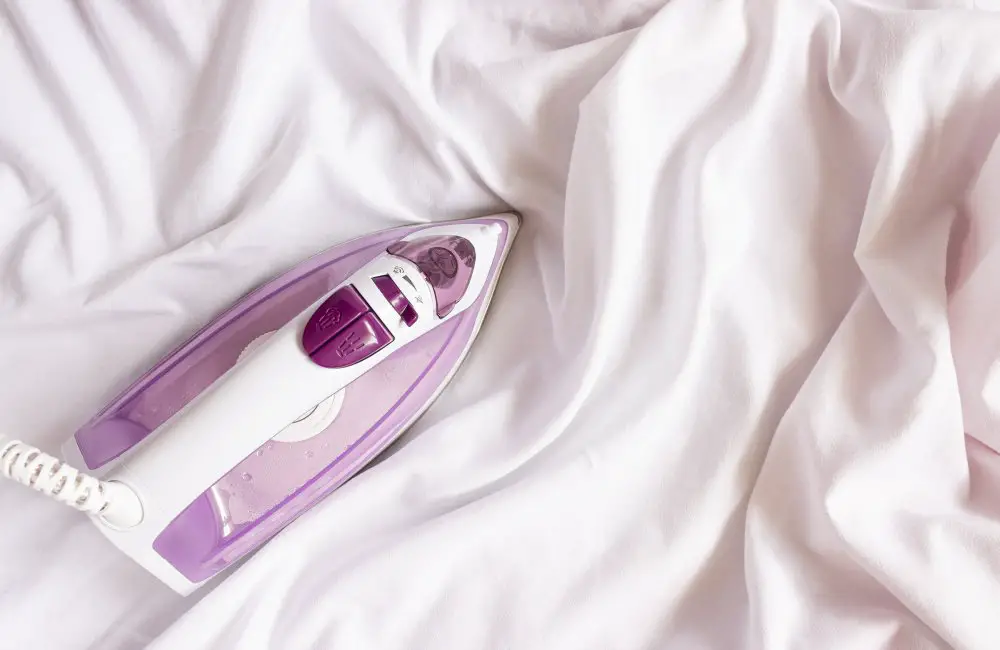
Proper care for duchess satin shown with a low heat iron on delicate fabric
Proper care keeps your duchess satin garments looking beautiful for years. The care method depends on the fiber content.
How Do You Clean Duchess Satin?
Silk Duchess Satin: Always use professional dry cleaning for silk duchess satin. The fabric can be damaged by water, and home washing risks water spots, shrinkage, and loss of sheen. Find a reputable dry cleaner experienced with bridal and formal wear.
Polyester and Blend Duchess Satin: Check the care label, but many polyester versions can be carefully machine washed. However, for special garments like wedding dresses, professional cleaning is still recommended to preserve the construction and any embellishments.
Can You Machine Wash Duchess Satin?
It depends on the fiber content. Pure silk duchess satin should never be machine washed. Polyester duchess satin can often be machine washed on a gentle cycle with cold water, but always check the manufacturer’s instructions first.
If machine washing:
- Turn garment inside out to protect the sheen surface
- Use a mesh laundry bag to prevent snagging and tangling
- Select gentle or delicate cycle with cold water
- Use mild detergent formulated for delicates
- Skip fabric softener as it can affect the sheen
- Remove promptly to prevent wrinkles from setting
For best results and to extend garment life, hand washing is preferred over machine washing, even for polyester versions. Learn more about caring for satin clothing.
Does Duchess Satin Shrink?
Silk duchess satin can shrink if exposed to water and heat, which is why dry cleaning is essential. Polyester duchess satin is generally shrink-resistant, but excessive heat (from hot water or high dryer settings) can cause some shrinkage or distortion.
To prevent shrinkage:
- Always use cold water if washing at home
- Never put duchess satin in the dryer
- Air dry by laying flat or hanging on padded hangers
- Pre-wash fabric before sewing if you plan to wash the finished garment
Does Duchess Satin Wrinkle Easily?
Duchess satin is relatively wrinkle-resistant compared to other fabrics, especially polyester and blended versions. The fabric’s weight and structure help it resist creasing. However, if folded or packed tightly, it can develop wrinkles that need to be removed.
How to Get Creases Out of Duchess Satin
To remove wrinkles and creases:
- Hang the garment in a steamy bathroom while showering. The steam often releases light wrinkles naturally.
- Use a handheld steamer held several inches from the fabric. Never let the steamer touch the fabric directly.
- Iron on the wrong side with a press cloth. Use the lowest heat setting that’s effective.
- Test first on an inconspicuous area or scrap fabric to ensure the heat setting won’t damage the finish.
- Never use steam directly on silk duchess satin as it can leave water marks.
For stubborn creases, professional pressing by a dry cleaner is the safest option.
Does Duchess Satin Crease?
Duchess satin can crease if folded sharply or stored improperly, but it creases less readily than lighter satins. The fabric’s substantial weight helps it resist wrinkles during normal wear. Sharp fold lines (like from storage in a box) may require professional pressing to remove completely.
How to Clean a Duchess Satin Wedding Dress
Wedding dress cleaning requires special care:
- Act quickly on stains: Blot (don’t rub) any spills immediately with a clean white cloth
- Don’t attempt DIY stain removal: Home remedies can set stains or damage the fabric
- Choose a specialist: Use a dry cleaner that specializes in wedding gowns and formal wear
- Point out all stains: Show the cleaner any spots, including makeup on the neckline and dirt on the hem
- Don’t delay: Clean the dress within a few weeks of the wedding before stains set
- Consider preservation: Have the dress professionally boxed for long-term storage if you want to save it
Storage Guidelines
Proper storage keeps duchess satin garments in pristine condition:
- Store away from direct sunlight to prevent fading and yellowing
- Use breathable garment bags rather than plastic, which can trap moisture
- Hang on padded hangers for short-term storage to maintain shape
- For long-term storage, wrap in acid-free tissue and store flat in acid-free boxes
- Keep in a cool, dry location with stable temperature and humidity
- Check periodically for any signs of yellowing, moisture, or pest damage
Buying Guide and Quality Indicators
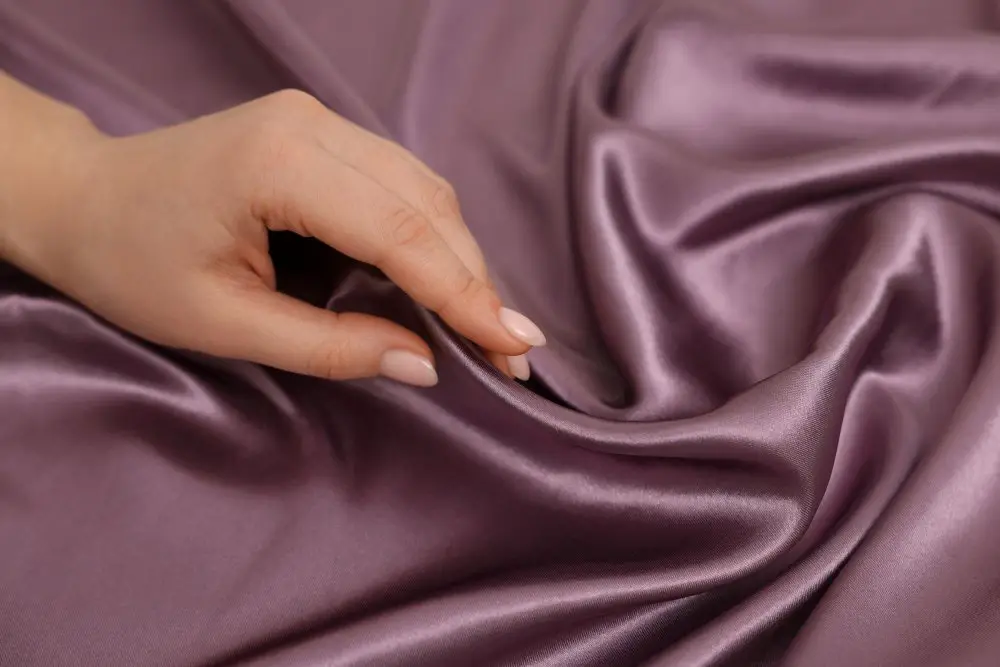
Assessing the quality of duchess satin by examining texture and drape
Knowing what to look for helps you get the best quality duchess satin for your money.
Quality Indicators
Check the Weight: Quality duchess satin should feel substantial. If it feels flimsy or lightweight, it’s not true duchess satin. Look for fabric in the 300-450 GSM range.
Examine the Sheen: The luster should be even across the fabric surface without dull patches or overly shiny spots. The sheen should be refined, not plasticky.
Test the Drape: Hang a corner of the fabric. It should hold some body and structure rather than going completely limp. It should feel firm but still have elegant drape.
Inspect the Weave: Look closely at the fabric surface. The weave should be tight and even with no slubs or irregularities (unless it’s a textured version).
Check Fiber Content: Read the label carefully. Know whether you’re buying silk, silk-blend, or polyester so you can make an informed decision.
Price Expectations
- Polyester duchess satin: $6.95-$20 per yard
- Silk-blend duchess satin: $20-$50 per yard
- 100% silk duchess satin: $50-$105+ per yard
- Eco/recycled duchess satin: $15-$35 per yard
Remember that higher price doesn’t always equal better quality, especially with polyester versions. Some excellent polyester duchess satins are quite affordable. The key is buying from reputable suppliers who accurately represent their products.
Color Selection
Duchess satin is available in an extensive range of colors. For bridal wear, popular choices include:
- White and bright white (true white with cool undertones)
- Ivory (warm white with cream undertones)
- Champagne (soft beige with golden undertones)
- Blush (pale pink tones)
- Light taupe and sand
For evening wear and other applications, duchess satin comes in virtually every color imaginable, from rich jewel tones to soft pastels and dramatic darks.
Always order samples before committing to yardage. Colors can look different on your screen versus in person, and the fabric’s sheen affects how colors appear in different lighting.
How Much to Buy
Duchess satin typically comes in 54-60 inch widths. For a wedding gown, you’ll generally need:
- Simple sheath or slip dress: 3-5 yards
- A-line dress: 5-8 yards
- Full ball gown: 8-12+ yards
- Dress with train: Add 2-4 yards depending on train length
Always buy extra for pattern matching, cutting errors, and possible alterations. It’s better to have leftover fabric than to run short, especially for custom dyed colors that might not match in a second order.
Frequently Asked Questions
Duchess satin has a structured drape rather than a fluid, flowing drape. It falls in elegant folds and maintains its shape, which is exactly what makes it perfect for formal gowns that need to hold a specific silhouette. It drapes well for its intended purpose but won’t create the liquid, body-skimming effect of lighter fabrics like charmeuse.
No, standard duchess satin has no stretch. It’s woven (not knit) and the tight satin weave creates a stable, non-stretch fabric. This lack of stretch is actually desirable for formal wear as it helps garments maintain their shape. If you need stretch for comfort, look for duchess satin with a small percentage of spandex added, though this is less common.
Duchess satin is also called “duchesse satin” (the French spelling) or simply “duchess.” In some regions, it may be referred to as “heavy bridal satin” or “luxury satin.” However, these alternative names aren’t always precise, so it’s best to specify “duchess satin” and check the weight/GSM to ensure you’re getting the right fabric.
Duchess satin is suitable for any garment or project that needs structure, elegance, and a refined appearance. This includes bridal gowns, evening dresses, formal suits and separates, prom dresses, mother-of-the-bride outfits, costume design, luxury home décor, and formal accessories. It’s the fabric of choice when you need something that looks expensive and holds its shape.
Absolutely! Duchess satin is one of the most popular and traditional choices for wedding dresses. Its ability to create and maintain structured silhouettes makes it perfect for ball gowns, A-line dresses, and other formal bridal styles. The fabric photographs beautifully and has been the choice for many royal and celebrity weddings throughout history.
Duchess satin will fray at cut edges like most woven fabrics, but it’s not particularly prone to excessive fraying. The tight weave helps control fraying somewhat. Proper seam finishing (serging, pinking, or binding) prevents fraying from becoming a problem. Always finish edges promptly after cutting to prevent raveling.
Conclusion
Duchess satin stands out as one of the most elegant and practical choices for formal wear and luxury applications. Its unique combination of structure, subtle sheen, and substantial weight makes it the go-to fabric for wedding gowns, evening wear, and any project where you need a fabric that looks expensive and holds its shape beautifully.
Throughout this guide, we’ve covered everything from the fabric’s royal history to modern sustainable options, from detailed sewing techniques to proper care and maintenance. Here are the key takeaways to remember:
Key Takeaways
Choose Duchess Satin When:
- You need a structured fabric that holds dramatic shapes and silhouettes
- You want a refined, elegant sheen that photographs well
- Your design includes beading, embroidery, or heavy embellishments
- You’re creating bridal wear, evening gowns, or formal attire
- You need a fabric that feels luxurious but is moderately easy to sew
- Wrinkle resistance is important for your application
Consider Alternatives When:
- You need a lightweight, flowing fabric (try charmeuse or chiffon)
- Your design requires a stretchy fabric
- You’re working on casual garments or everyday wear
- Maximum breathability is needed for hot climates (consider cotton fabrics)
- You need a reversible fabric (try crepe back satin)
Making Smart Buying Decisions
When purchasing duchess satin, match the fiber content to your needs and budget. Silk duchess satin offers unmatched luxury and breathability, perfect for once-in-a-lifetime garments where budget allows. Silk-blend versions provide an excellent middle ground with improved durability and easier care. Polyester duchess satin delivers the look at a fraction of the price, ideal for dance costumes, frequently worn garments, or when budget is a concern.
Don’t overlook eco-friendly options if sustainability matters to you. Recycled polyester duchess satin proves you don’t have to choose between environmental responsibility and luxury appearance.
Sewing Success Tips
Success with duchess satin comes down to proper technique: use the right needle (size 80/12 or 90/14 microtex), pin only in seam allowances, finish edges promptly to prevent fraying, and always test press on scraps before ironing the actual garment. The fabric is forgiving and cooperative when treated properly, making it suitable even for intermediate sewers tackling their first formal dress project.
Care and Longevity
Proper care ensures your duchess satin garments last for years or even generations. Silk versions always need professional dry cleaning, while polyester can often be carefully hand or machine washed. The fabric’s natural wrinkle resistance and durability mean garments maintain their beautiful appearance with minimal maintenance.
Store garments away from direct sunlight in breathable garment bags, and consider professional preservation for special pieces like wedding gowns that you want to keep forever.
Final Recommendations
For brides, duchess satin remains a classic choice that never goes out of style. Its proven track record in royal weddings and high-end bridal design speaks to its enduring appeal and practical advantages for structured gown styles.
For home sewers, this fabric offers a great balance of luxury appearance and workability. It’s easier to handle than slippery charmeuse but delivers a more refined result than standard bridal satin.
For designers, duchess satin’s versatility across applications makes it a smart investment. Stock several colors in your preferred fiber content, and you’ll be prepared for a wide range of formal wear projects.
Whether you’re planning a wedding, designing evening wear, creating costume pieces, or working on luxury home décor, duchess satin offers the perfect combination of beauty, structure, and quality. Its rich history and continued popularity prove that some fabrics truly stand the test of time. Choose duchess satin when your project deserves the very best, and you’ll understand why this luxurious fabric has been the choice of royalty and designers for centuries.