
Everything You Need to Know About This Versatile, Flowing Material for Sewing and Fashion
Table of Contents
- What is Stretch Chiffon Fabric?
- History and Evolution
- Types of Stretch Chiffon
- Stretch Chiffon vs Regular Chiffon
- Properties and Characteristics
- How It’s Made
- Common Uses and Applications
- Sustainability and Eco-Friendly Options
- Sewing with Stretch Chiffon
- Care Instructions
- How to Identify Quality Stretch Chiffon
- Comparison with Similar Fabrics
- Where to Buy and Pricing
- Frequently Asked Questions
What is Stretch Chiffon Fabric?
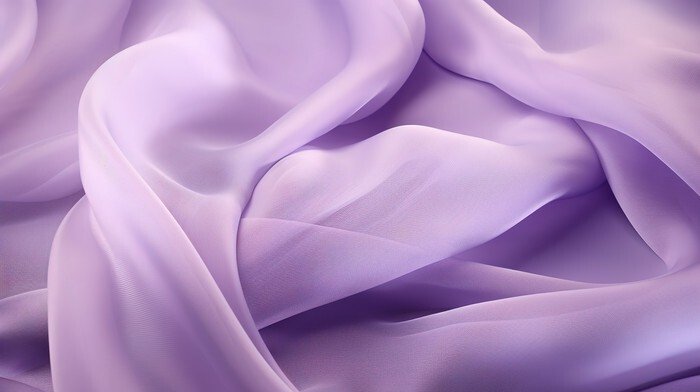
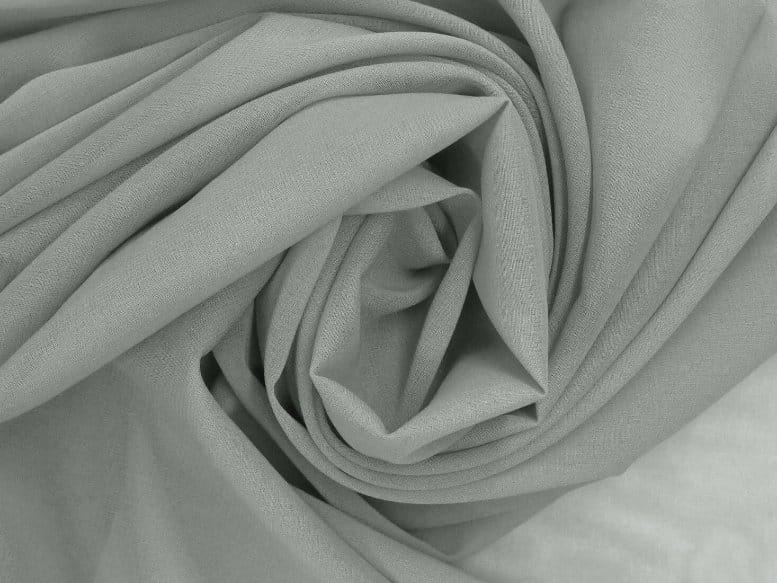
Stretch chiffon fabric is a lightweight, sheer material that combines the elegant drape of traditional chiffon with added flexibility and comfort. Unlike regular chiffon, this fabric includes elastic fibers like spandex or elastane (typically 2-4%) blended with polyester, nylon, or silk, giving it the ability to stretch and recover its shape.
Picture this: You’re creating a fitted evening dress that needs to hug curves while maintaining that beautiful, flowing quality chiffon is famous for. Regular chiffon would require complex pattern adjustments and might still feel restrictive. Stretch chiffon solves this problem by moving with your body while keeping its graceful appearance.
Quick Facts About Stretch Chiffon
- Composition: Usually 96% polyester + 4% spandex (or similar ratios)
- Weight: 60-120 GSM (grams per square meter)
- Width: Typically 58-60 inches
- Stretch: 2-way or 4-way, depending on construction
- Sheerness: Semi-transparent like regular chiffon
- Drape: Excellent fluid movement
Can You Get Stretch Chiffon?
Yes, stretch chiffon is widely available both online and in fabric stores. It’s become increasingly popular over the past two decades as fashion has moved toward more comfortable, body-conscious designs. You’ll find it at major fabric retailers, specialty fabric websites, and even some craft stores.
Most fabric sellers offer stretch chiffon by the yard, with prices ranging from $5 to $20+ depending on quality, fiber content, and whether it’s made from recycled materials. Many online retailers also provide sample swatches (usually 3×3 inches) for $2-3, which is smart if you’re unsure about color or texture.
History and Evolution
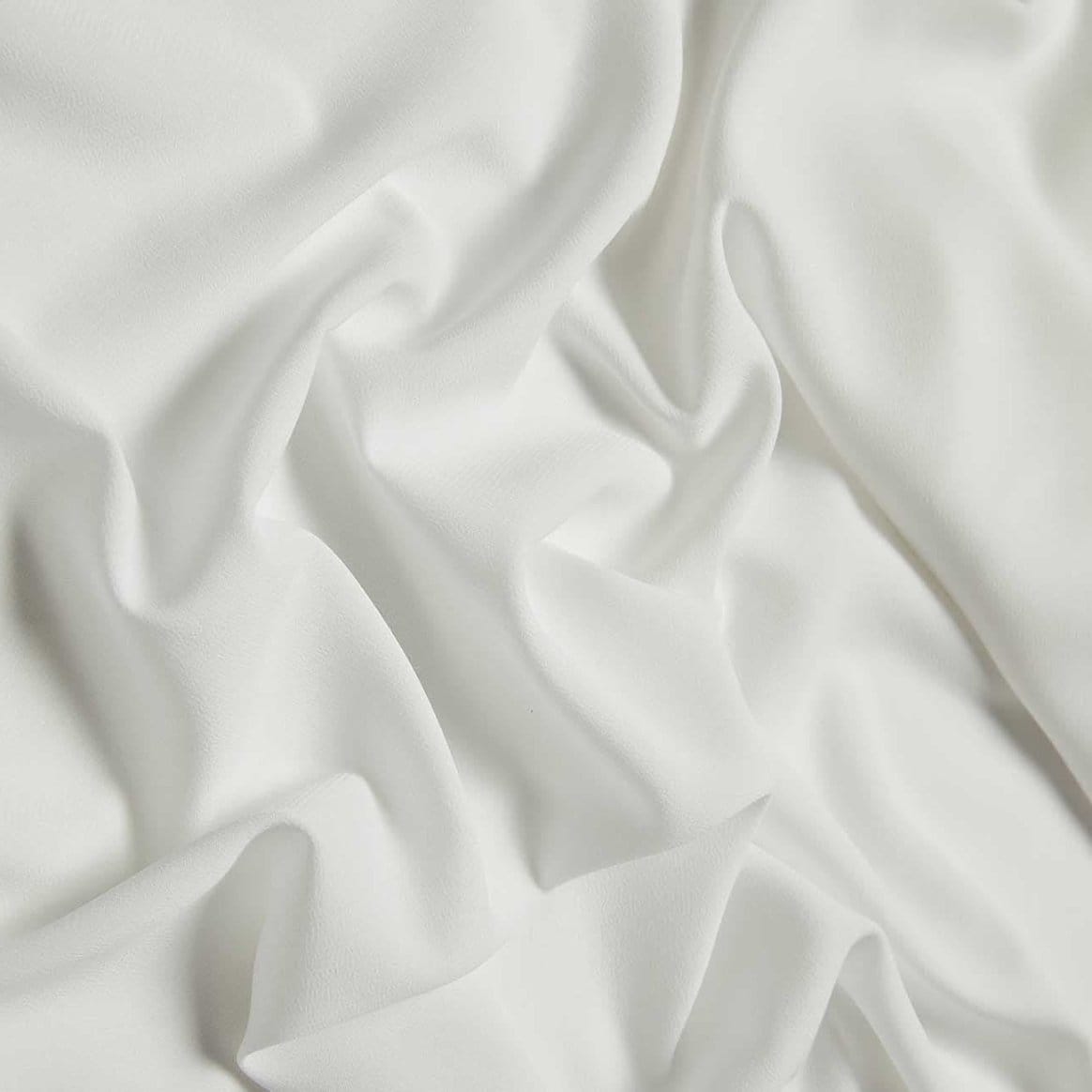
To understand stretch chiffon, we need to look at where chiffon itself came from. The word “chiffon” comes from the French word “chiffe,” meaning cloth or rag (though there’s nothing raggedy about this beautiful fabric!).
The Traditional Chiffon Story
Chiffon’s history goes back over 2,000 years to ancient China, where skilled weavers created incredibly fine silk fabrics. By the 18th century, French silk artisans had perfected the technique, and chiffon became a symbol of wealth and status. Back then, it was made exclusively from silk and cost a fortune.
The fabric remained luxury-only until 1938, when nylon chiffon was invented. This was a game-changer. Twenty years later, in 1958, polyester chiffon hit the market, making the fabric accessible to everyday people. Suddenly, you didn’t need to be wealthy to own something made from this delicate, flowing material.
When Stretch Entered the Picture
The development of stretch chiffon happened gradually through the late 20th century as textile manufacturers began experimenting with spandex blends. The goal was simple: keep chiffon’s beautiful qualities while making it more practical for fitted garments.
By the 1990s and early 2000s, stretch chiffon became standard in the fashion industry, particularly for:
- Body-conscious evening wear
- Dance and performance costumes
- Fitted blouses with flowing sleeves
- Bridesmaid dresses that need to fit multiple body types
Today’s stretch chiffon represents the best of both worlds: the timeless beauty of traditional chiffon with modern comfort and wearability.
Types of Stretch Chiffon
2-Way vs 4-Way Stretch: What’s the Difference?
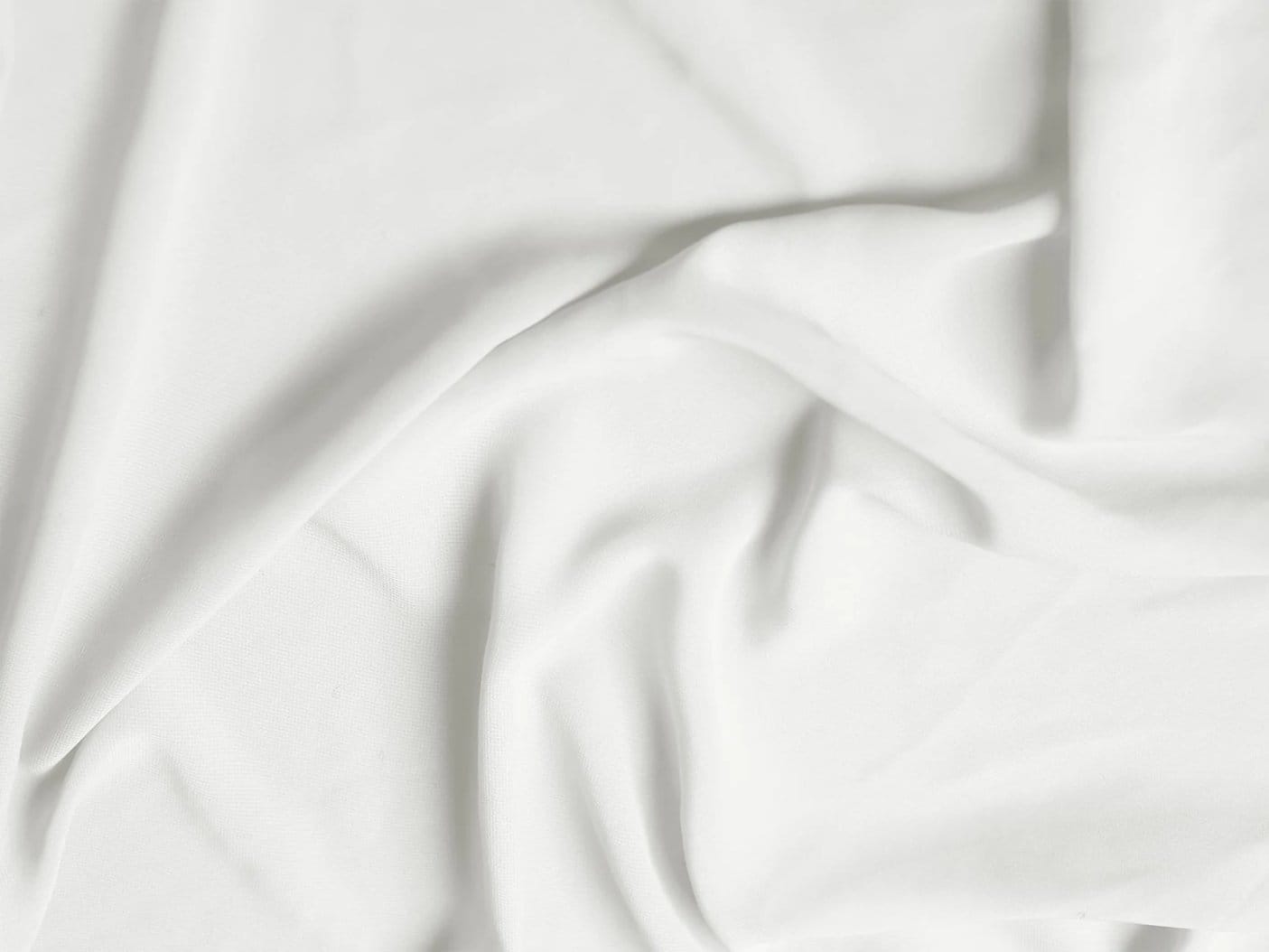
Not all stretch chiffon stretches the same way. Understanding the difference helps you pick the right fabric for your project.
| Feature | 2-Way Stretch | 4-Way Stretch |
|---|---|---|
| Stretch Direction | Stretches in one direction (usually across the grain) | Stretches both horizontally and vertically |
| Common Composition | 96% polyester, 4% spandex | 92-95% polyester, 5-8% spandex |
| Best For | Skirts, loose blouses, overlays, scarves | Fitted dresses, dancewear, activewear-inspired pieces |
| Recovery | Good (returns to shape well) | Excellent (snaps back quickly) |
| Price Range | $6-12 per yard | $10-20 per yard |
| Availability | Very common | Less common, may need to order online |
Common Fiber Blends
While polyester-spandex is the most common combination, you’ll find several types of stretch chiffon:
Polyester-Spandex Stretch Chiffon (Most Common)
Composition: 96% polyester, 4% spandex
Characteristics: Affordable, durable, machine washable, holds color well, slightly less soft than silk but very practical
Best For: Everyday garments, bridesmaid dresses, dance costumes, practice pieces
Silk-Blend Stretch Chiffon (Premium)
Composition: 90-95% silk, 5-10% spandex
Characteristics: Luxuriously soft, natural sheen, breathes better than synthetic, expensive, requires careful handling
Best For: High-end evening wear, special occasion garments, bridal wear
Nylon-Spandex Stretch Chiffon
Composition: 85-95% nylon, 5-15% spandex
Characteristics: Very strong, excellent stretch recovery, good for activewear, can have a slight sheen
Best For: Performance wear, dance costumes, active lifestyle clothing
Recycled Polyester Stretch Chiffon (Eco-Friendly)
Composition: 95% recycled polyester, 5% spandex
Characteristics: Made from PET bottles, GRS certified, same quality as virgin polyester, better for environment
Best For: Sustainable fashion projects, eco-conscious consumers
Stretch Chiffon vs Regular Chiffon: A Detailed Comparison
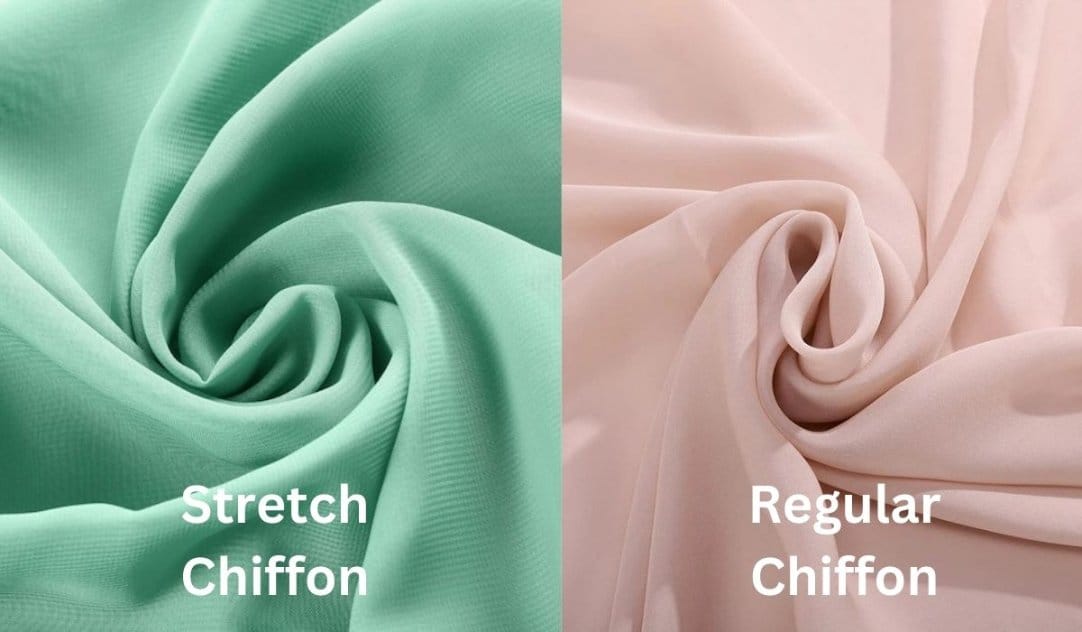
Understanding the differences between stretch and regular chiffon helps you choose the right fabric for your project. While they look similar, they behave quite differently.
| Property | Regular Chiffon | Stretch Chiffon |
|---|---|---|
| Elasticity | Very limited (only slight bias stretch) | Significant stretch in one or both directions |
| Composition | 100% silk, polyester, or nylon | Polyester/nylon/silk + 2-10% spandex |
| Drape | Excellent flowing drape | Same excellent drape, slightly more body |
| Sheerness | Very sheer and transparent | Similar sheerness (spandex doesn’t affect transparency much) |
| Best Applications | Flowing dresses, scarves, overlays, loose garments | Fitted garments, body-conscious designs, dancewear |
| Ease of Sewing | Difficult (very slippery) | Slightly easier (stretch provides some grip) |
| Shape Retention | Can sag over time (especially silk) | Better shape retention due to elastic fibers |
| Comfort for Movement | Good for loose fits | Excellent for fitted styles, moves with body |
| Care Requirements | Hand wash or dry clean (silk requires dry cleaning) | Often machine washable (check label) |
| Price Range | $5-40+ per yard (silk expensive) | $6-20 per yard |
Learn more about different chiffon types in our guides to polyester chiffon, silk chiffon, and nylon chiffon.
Properties and Characteristics
Physical Properties
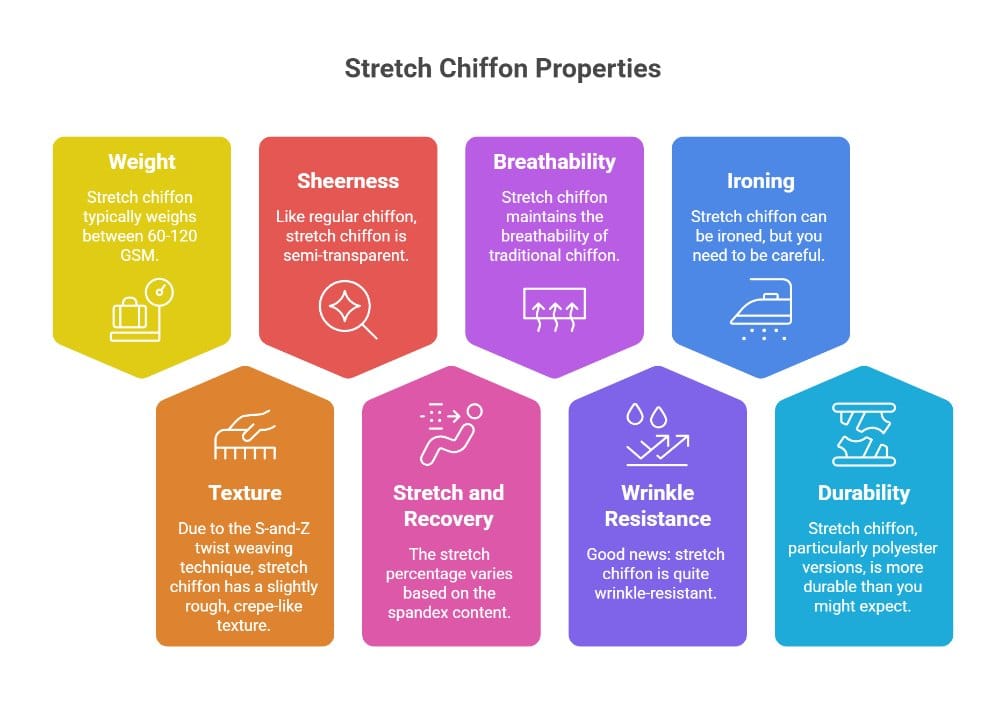
Weight: Stretch chiffon typically weighs between 60-120 GSM (grams per square meter). The most common weight for fashion use is around 80-100 GSM. This weight range keeps the fabric light and airy while providing enough structure for garments.
Texture: Due to the S-and-Z twist weaving technique (where yarns are twisted in alternating directions), stretch chiffon has a slightly rough, crepe-like texture when you rub it between your fingers. This is completely normal and part of what makes chiffon unique.
Sheerness: Like regular chiffon, stretch chiffon is semi-transparent. Under a magnifying glass, you can see the fine mesh-like weave that creates this sheer quality. Most garments made from stretch chiffon require a lining or slip underneath.
Stretch and Recovery
The stretch percentage varies based on the spandex content:
- 2-4% spandex: 15-25% stretch, good recovery
- 5-8% spandex: 30-50% stretch, excellent recovery
- 10% spandex: 50%+ stretch, very elastic (less common)
“Recovery” refers to how well the fabric bounces back to its original shape after stretching. Quality stretch chiffon should recover within a few seconds of being released.
Breathability
Stretch chiffon maintains the breathability of traditional chiffon. The loose weave and lightweight nature allow excellent air circulation, making it comfortable in warm weather. Polyester versions are slightly less breathable than silk but still perform well for most climates.
Does Stretch Chiffon Wrinkle?
Good news: stretch chiffon is quite wrinkle-resistant, especially polyester versions. The synthetic fibers and loose weave naturally resist creasing. If wrinkles do appear from being folded or packed, they usually fall out when you hang the garment for a few hours.
Here’s why stretch chiffon resists wrinkles better than many fabrics:
- The loose, mesh-like weave prevents deep creases from forming
- The twisted yarns (S-and-Z twist) add natural resilience
- The small amount of spandex helps the fabric bounce back from folds
- Polyester fibers are inherently wrinkle-resistant
Can You Iron Stretch Chiffon?
Yes, but you need to be careful. Stretch chiffon can be ironed, but the heat can damage the fabric if you’re not careful, especially the spandex fibers and polyester content.
Safe Ironing Method:
- Set your iron to the lowest heat setting (usually marked “synthetic” or one dot)
- Turn the garment inside out
- Place a clean cotton pressing cloth (or a thin cotton t-shirt) between the iron and the fabric
- Never leave the iron in one spot – keep it moving
- Don’t use steam directly on the fabric (moisture + heat can damage spandex)
- For stubborn wrinkles, hang the garment in a steamy bathroom instead
Alternative to Ironing: Hang the garment in your bathroom while you shower. The steam will gently release wrinkles without any risk of heat damage. This works great for delicate chiffon garments.
Durability and Lifespan
Stretch chiffon, particularly polyester versions, is more durable than you might expect for such a delicate-looking fabric. The tight yarn twist and synthetic fibers create a strong material that can last for years with proper care.
However, the fabric can snag easily. Rough surfaces, jewelry with catches, and even dry skin can pull threads. Once a thread is pulled, it’s difficult to fix without professional help.
How Stretch Chiffon is Made
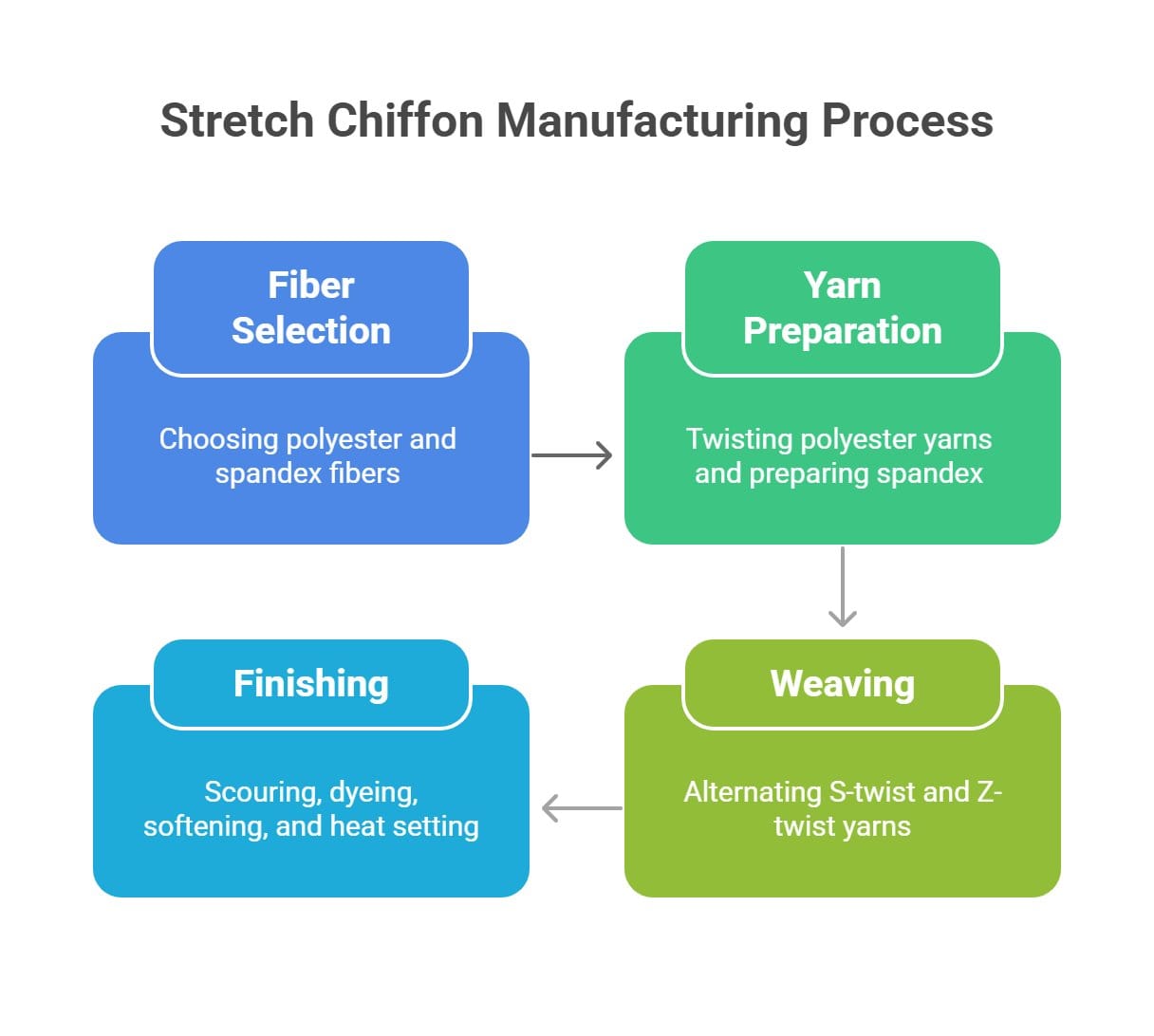
Understanding the manufacturing process helps you appreciate why quality varies between different sources.
Step 1: Fiber Selection
Manufacturers start by selecting the right fibers. For standard stretch chiffon, this means choosing polyester filament yarns and spandex fibers. The quality of these raw materials directly affects the final fabric’s appearance and performance.
Step 2: Yarn Preparation
The polyester yarns are twisted more tightly than standard fabric yarns. This creates the “crepe” effect that gives chiffon its characteristic texture. Manufacturers prepare two types of yarns:
- S-twist yarns: Twisted in one direction
- Z-twist yarns: Twisted in the opposite direction
The spandex is often wrapped with polyester or prepared as a core-spun yarn (spandex core with polyester wrapped around it).
Step 3: Weaving
The fabric is woven on specialized looms using a balanced plain weave pattern. The S-twist and Z-twist yarns alternate in both the warp (lengthwise) and weft (crosswise) directions. This alternating twist, explained in detail by textile manufacturing resources, creates the slight puckering you see in chiffon and allows the fabric to have that beautiful drape.
For 2-way stretch, spandex is typically included in the weft direction. For 4-way stretch, it’s incorporated in both directions.
Step 4: Finishing
After weaving, the fabric goes through several finishing processes:
- Scouring: Removes any oils or impurities from the manufacturing process
- Dyeing: The fabric is dyed to the desired color. Chiffon takes dye beautifully and can achieve vibrant colors
- Softening: Treated to improve hand feel
- Heat setting: Stabilizes the fabric and sets the weave structure
Quality Differences
The manufacturing process varies between producers, which explains price differences:
| Budget Stretch Chiffon | Premium Stretch Chiffon |
|---|---|
| Lower quality polyester fibers | High-grade polyester or silk blends |
| Less consistent yarn twist | Precise, consistent yarn preparation |
| Faster weaving (may have irregularities) | Carefully controlled weaving process |
| Basic dyeing (may fade faster) | Quality dyeing process, colorfast |
| Minimal finishing | Multiple finishing steps for better hand feel |
Common Uses and Applications
Stretch chiffon’s combination of beauty and flexibility makes it perfect for specific types of garments and projects.
Evening Wear and Formal Dresses
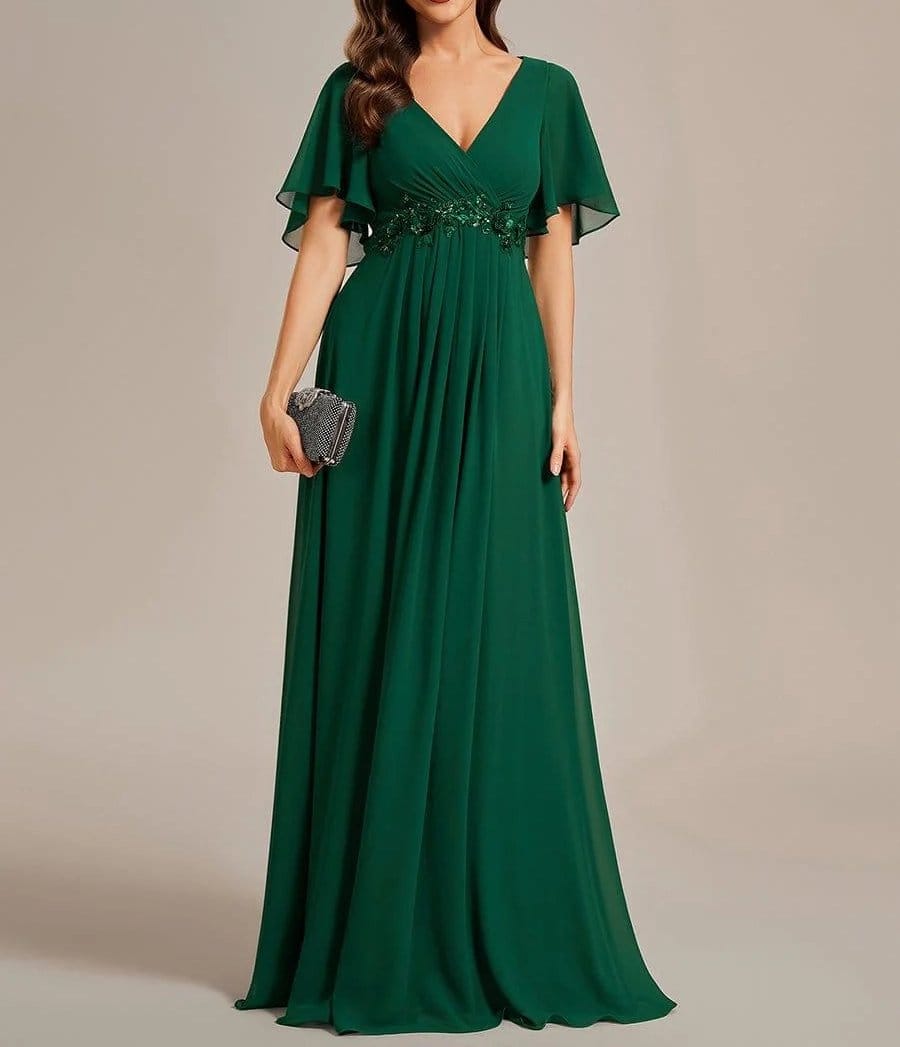
This is where stretch chiffon really shines. The fabric works beautifully for:
- Fitted evening gowns: The stretch allows the bodice to hug curves while the skirt flows
- Cocktail dresses: Creates that perfect combination of fitted and flowing
- Prom dresses: Young people love the comfortable fit and elegant look
- Mother-of-the-bride dresses: Flattering and comfortable for all-day wear
Bridal and Bridesmaid Attire
Stretch chiffon has become a go-to fabric for wedding parties because:
- One style can fit different body types comfortably
- The fabric photographs beautifully
- It’s comfortable for all-day wear
- Available in countless colors to match any wedding theme
- The slight stretch makes alterations easier
If you’re shopping for children’s chiffon dresses for flower girls or junior bridesmaids, stretch chiffon offers the perfect combination of pretty and practical.
Dance and Performance Costumes
Dancers and performers love stretch chiffon because it moves with them. Common uses include:
- Contemporary dance costumes
- Lyrical dance dresses
- Figure skating costumes (as overlays)
- Ballroom dance gowns
- Theater costumes
Everyday Fashion
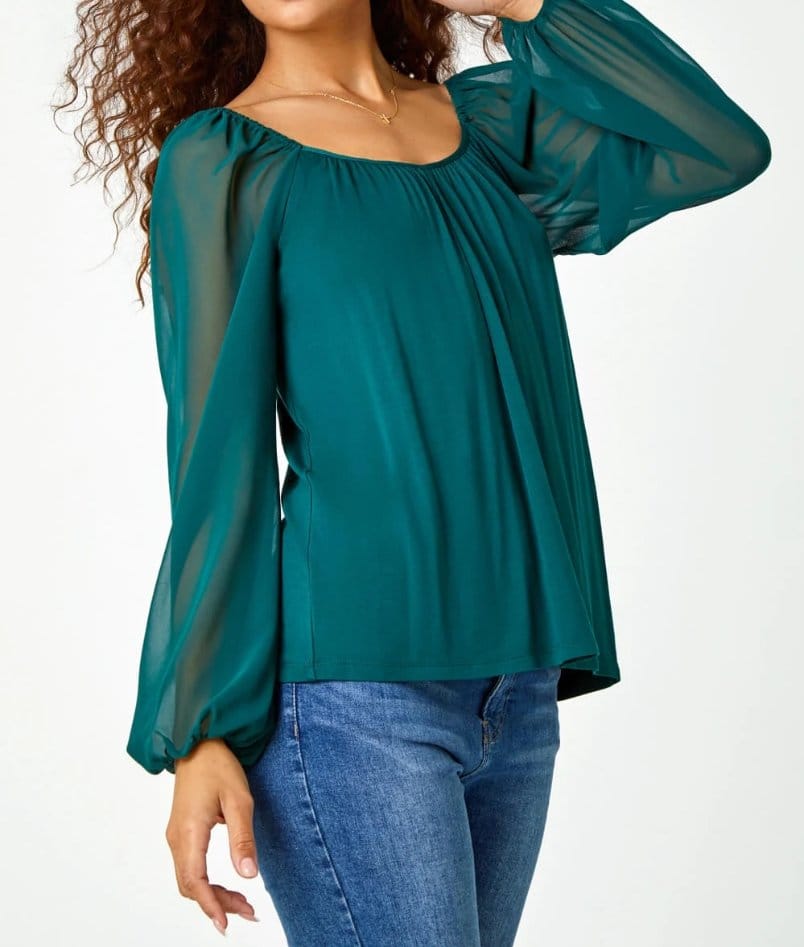
Stretch chiffon isn’t just for special occasions. It works great for:
- Blouses: Fitted bodice with flowing sleeves
- Skirts: Comfortable waistband with beautiful drape
- Overlay tops: Layer over a fitted tank or cami
- Scarves: The slight stretch makes them easier to tie and more comfortable to wear
- Kimonos and cover-ups: Perfect for beach or resort wear
Home Decor Applications
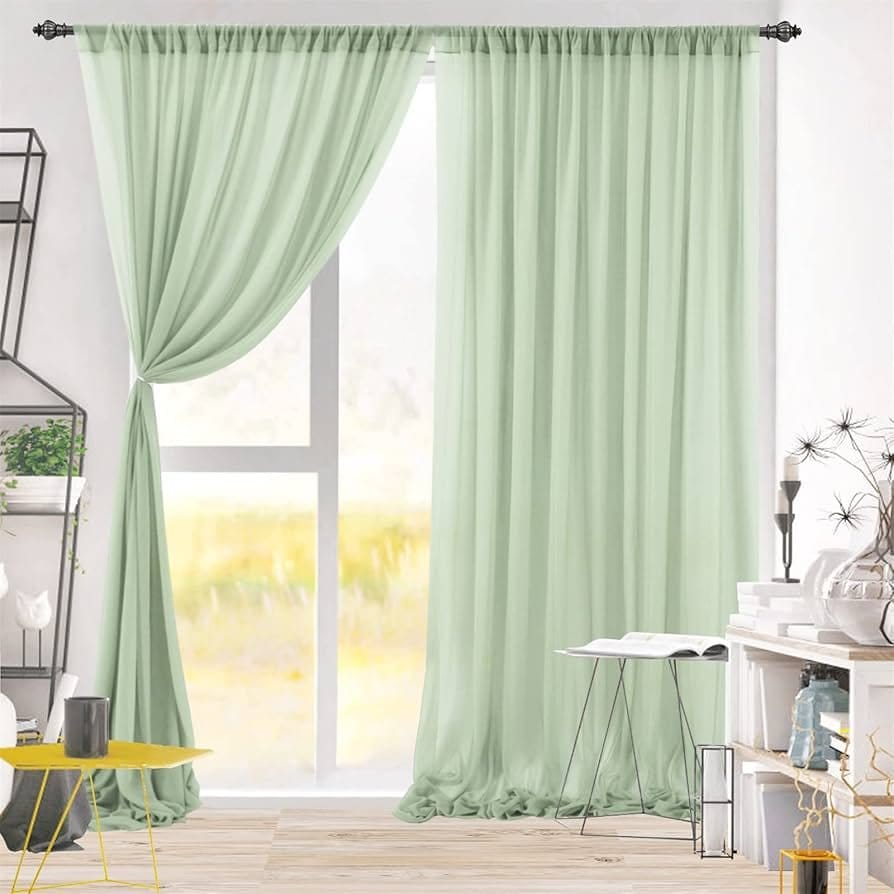
Beyond clothing, stretch chiffon can be used for:
- Sheer curtains: Allows light through while providing privacy
- Event decorations: Draping for weddings, parties, or events
- Canopy accents: Creates a romantic, flowing effect
- Table overlays: Adds elegance to special events
Sustainability and Eco-Friendly Options
As we become more aware of fashion’s environmental impact, it’s worth looking at the sustainability aspects of stretch chiffon.
The Environmental Impact of Traditional Polyester Chiffon
Traditional polyester stretch chiffon comes from petroleum-based sources. The production process:
- Uses non-renewable resources (crude oil)
- Creates greenhouse gas emissions during manufacturing
- Requires energy-intensive processes
- Takes hundreds of years to decompose in landfills
- Releases microplastics when washed
Recycled Polyester: A Better Choice
The good news is that recycled polyester stretch chiffon is now widely available. This fabric is made from post-consumer PET bottles (the kind you drink soda or water from).
Benefits of Recycled Polyester Stretch Chiffon:
- Diverts plastic bottles from landfills and oceans
- Uses 59% less energy to produce compared to virgin polyester
- Reduces CO2 emissions by up to 32%
- Same quality and performance as virgin polyester
- Often GRS (Global Recycled Standard) certified
Understanding GRS Certification
When shopping for sustainable stretch chiffon, look for GRS (Global Recycled Standard) certification. This international standard, managed by Textile Exchange, verifies:
- The fabric contains the claimed percentage of recycled content
- The supply chain is traceable
- Environmental principles were followed in production
- Safe working conditions for factory workers
- No harmful chemicals were used
Making Your Stretch Chiffon Last
The most sustainable fabric is the one you already own. Make your stretch chiffon garments last longer by:
- Following proper care instructions (we’ll cover this in detail below)
- Storing garments properly to prevent snags
- Repairing small issues before they become big problems
- Choosing classic styles over trendy ones that will look dated quickly
- Using a microfiber-catching laundry bag to reduce microplastic pollution
Learn more about sustainable fabric choices in our guide to recycled polyester.
Sewing with Stretch Chiffon: Complete Guide
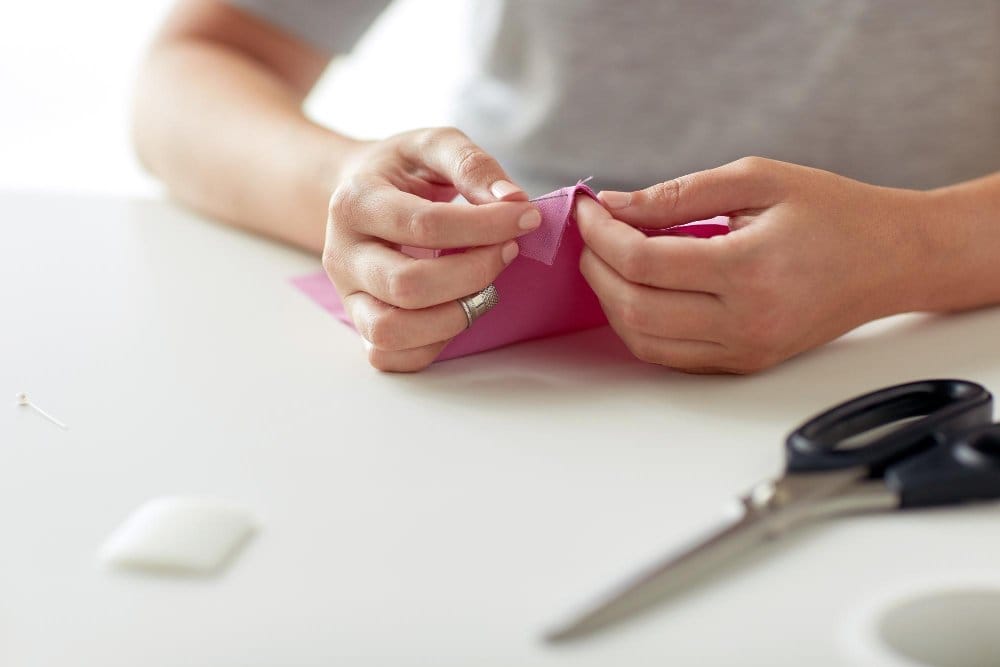
Stretch chiffon can be tricky to work with, but it’s not impossible. With the right tools and techniques, you can create beautiful garments that look professional.
Essential Tools and Supplies
Cutting Tools
- Sharp fabric scissors or rotary cutter: Dull blades will pull and snag the delicate fabric
- Tissue paper or pattern tracing paper: Place under the fabric when cutting to prevent slipping
- Pattern weights: Instead of pins (which can leave permanent marks in stretch chiffon)
- Self-healing cutting mat: If using a rotary cutter
Sewing Machine Needs
- Microtex sharp needles (65/9 or 70/10): Small, sharp needles prevent snags and skipped stitches
- Walking foot (optional but helpful): Helps feed the fabric evenly
- Rolled hem foot (for hems): Creates beautiful narrow hems
- Overedge foot: Alternative hemming method
Thread and Notions
- Polyester thread: Matches the stretch of the fabric better than cotton
- Fine pins (if you must use them): Size 17 or smaller, silk pins work best
- Wash-away fabric marker: For marking (never use regular pens or chalk)
- Lightweight fusible interfacing: For areas that need stability (like necklines or waistbands)
Cutting Stretch Chiffon
Cutting is one of the trickiest parts of working with stretch chiffon. The fabric is slippery and the edges curl, making it hard to cut accurately.
Step-by-Step Cutting Method:
- Pre-wash your fabric if the finished garment will be washed (see care section below)
- Let the fabric rest flat overnight if it’s been folded or rolled
- Place a large piece of tissue paper on your cutting surface
- Lay the chiffon on top of the tissue paper
- Smooth out any wrinkles gently (don’t pull or stretch)
- Place your pattern pieces on top
- Use pattern weights to hold everything in place
- Cut through all layers (tissue, chiffon, and pattern) at once
- Leave the tissue paper attached – it will help with sewing
Machine Settings
Getting your sewing machine settings right makes a huge difference. Here are the recommended settings:
- Stitch length: 2.0-2.5mm (shorter than normal but not tiny)
- Stitch type: Straight stitch for seams, narrow zigzag (width 0.5, length 2.0) for areas that need stretch
- Tension: Normal to slightly loose (test on scraps first)
- Presser foot pressure: Lighten it if your machine allows (heavy pressure causes puckering)
- Speed: Sew slowly and steadily – rushing causes mistakes
Seam Techniques
French Seams (Best Choice)
French seams are perfect for stretch chiffon because they hide raw edges and create a clean finish. Since chiffon is sheer, you’ll see the inside of seams, making this technique especially useful.
How to Sew a French Seam:
- Place fabric pieces wrong sides together (yes, wrong sides – this is intentional)
- Sew a scant 1/4 inch seam
- Trim the seam allowance to about 1/8 inch
- Press the seam to one side
- Fold the fabric right sides together, enclosing the raw edges
- Sew again, 1/4 inch from the fold
- Press the seam to one side
Learn more about this technique in our French seam tutorial.
Narrow Hem with Serger (Alternative)
If you have a serger, you can finish seams with a narrow rolled hem setting. This is faster than French seams and works well for less visible seams.
Hemming Stretch Chiffon
Hemming is often the most frustrating part of working with stretch chiffon. The fabric slides around, the edges curl, and getting a neat, even hem can seem impossible. Here are several proven methods:
Method 1: Rolled Hem with Rolled Hem Foot (Professional Look)
This creates a beautiful narrow hem that looks professional and handles the stretch well.
Step-by-Step Instructions:
- Attach the rolled hem foot to your sewing machine
- Thread your machine with polyester thread
- Start by stitching about 1/4 inch from the raw edge for 2-3 inches (this creates a starting point)
- Trim the edge very close to this stitching line
- Place the trimmed edge into the curl of the rolled hem foot
- Sew slowly, letting the foot do the work of rolling the edge
- Keep gentle tension on the fabric behind the foot (pull very slightly)
- Don’t pull on the fabric in front of the needle – this causes puckering
Method 2: Double-Turned Narrow Hem (Time-Consuming but Reliable)
This method takes more time but gives you more control, making it great for beginners.
Step-by-Step Instructions:
- Sew a line of straight stitches 1/4 inch from the raw edge (this is your guide line)
- Press the edge up along this line of stitching toward the wrong side
- Sew 1/8 inch from the pressed edge
- Carefully trim the excess fabric very close to this new line of stitching
- Press the hem up again along the newest stitching line
- Edge stitch in place (sew as close to the inner fold as possible)
Method 3: Serger Rolled Hem (Fast and Neat)
If you have a serger, the rolled hem setting creates beautiful, professional hems quickly.
- Set your serger to rolled hem settings (usually 3-thread)
- Adjust tension according to your machine’s manual
- Test on scraps until you get a clean roll
- Sew along the hem edge – the serger automatically rolls and finishes the edge
Method 4: Hand-Rolled Hem (For Special Pieces)
This is the most time-consuming method but creates the most delicate, beautiful hem. It’s worth it for special garments.
- Thread a fine needle with thread matching your fabric
- Roll a tiny section of the edge between your fingers (about 1/8 inch)
- Take tiny stitches through the roll, catching just a few threads of the fabric
- Continue rolling and stitching, working slowly
Common Problems and Solutions
Problem: Fabric Gets Sucked into the Feed Dogs
Solutions:
- Use a straight stitch throat plate (smaller hole than a zigzag plate)
- Place tissue paper under the fabric while sewing
- Start sewing on a fabric scrap, then feed your chiffon in
- Hold the thread tails when you start stitching
Problem: Skipped Stitches
Solutions:
- Change to a fresh, sharp needle (dull needles cause most skipped stitches)
- Try a smaller needle size (65/9 instead of 70/10)
- Slow down your sewing speed
- Check that you’re using a Microtex sharp needle, not a universal needle
- Slightly loosen the tension
Problem: Puckered Seams
Solutions:
- Reduce presser foot pressure if your machine allows it
- Lengthen your stitch (try 2.5mm instead of 2.0mm)
- Don’t pull the fabric while sewing – let the machine feed it naturally
- Use tissue paper underneath to stabilize
- Check your tension – too tight tension causes puckering
Problem: Wavy Hems
Solutions:
- Let the garment hang for 24-48 hours before hemming (bias-cut areas will stretch)
- Don’t stretch the fabric at all while hemming
- Use a walking foot if you have one
- Consider a lettuce-edge finish instead of fighting the wave (it can look intentional and pretty)
Problem: Thread Shows Through
Solutions:
- Match your thread color exactly to the fabric
- Use finer thread (machine embroidery thread works well)
- Reduce the top tension slightly
- Use French seams to hide thread on the inside
For more sewing help, check out our beginner’s guide to sewing and sewing machine troubleshooting guide.
Care Instructions for Stretch Chiffon
Proper care keeps your stretch chiffon garments looking beautiful for years. The good news is that polyester stretch chiffon is easier to care for than silk chiffon.
Pre-Washing Fabric
Before you start sewing, you need to decide whether to pre-wash your fabric. Here’s how to decide:
Pre-wash if:
- You plan to machine wash the finished garment
- The fabric has a sizing or finish that feels stiff
- You want to check for color bleeding
- You’re making children’s clothing that will be washed frequently
Don’t pre-wash if:
- The garment will be dry-cleaned only
- You’re working with a luxury fiber blend that might lose its character when washed
How to Pre-Wash:
- Fill a sink or basin with cool water
- Add a small amount of mild detergent
- Submerge the fabric gently
- Let it soak for 10-15 minutes
- Swish gently (don’t wring or twist)
- Drain and rinse with cool water until water runs clear
- Gently press out excess water (don’t wring)
- Lay flat on a clean towel to dry
- When slightly damp, press with a cool iron (through a pressing cloth)
Washing Finished Garments
Hand Washing (Best Method)
Hand washing is the safest method for stretch chiffon, even though many polyester versions say “machine washable.”
- Fill a basin with cool or lukewarm water (never hot)
- Add a capful of mild detergent (baby shampoo works great)
- Turn the garment inside out
- Submerge and gently swish for a few minutes
- Let soak for 10-15 minutes
- Rinse thoroughly with cool water
- Press water out gently between two towels
- Lay flat to dry or hang on a padded hanger
Machine Washing (If You Must)
If the care label says machine washable and you need to save time:
- Turn the garment inside out
- Place in a mesh laundry bag
- Use the delicate/gentle cycle
- Cold water only
- Use mild detergent (about half the normal amount)
- No fabric softener (it can damage spandex)
- Remove immediately when cycle ends
Drying
Never put stretch chiffon in the dryer. The heat will:
- Melt the synthetic fibers
- Damage the spandex permanently
- Cause severe shrinkage
- Create permanent wrinkles
Proper Drying Method:
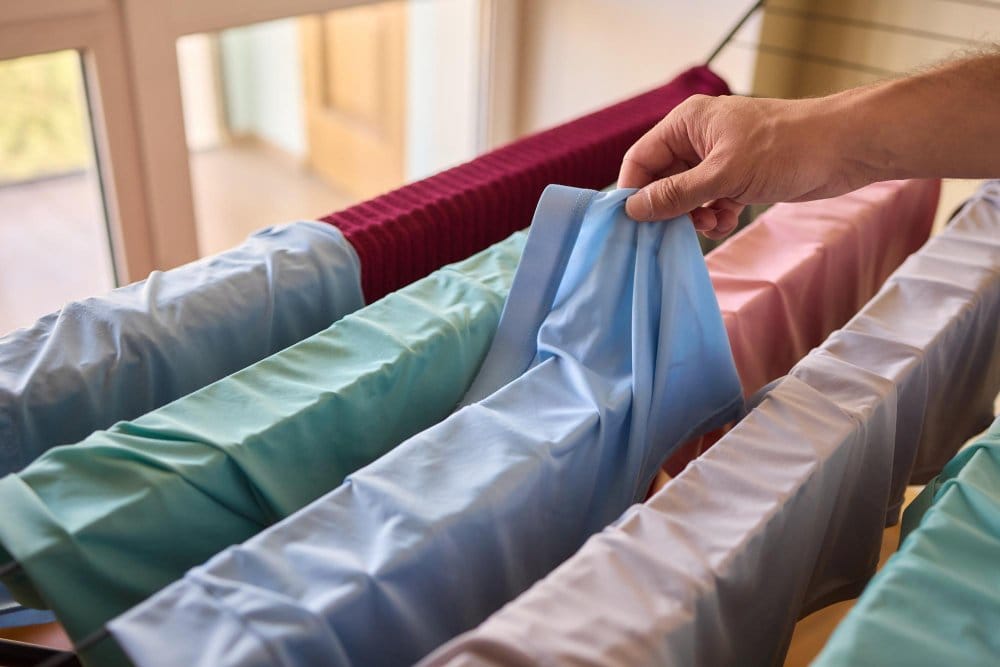
- Best: Lay flat on a clean, dry towel away from direct sunlight
- Alternative: Hang on a padded hanger in a well-ventilated area
- Never: Hang in direct sunlight (colors will fade)
- Never: Wring or twist to remove water
Stain Removal
Act quickly when spills happen. The faster you treat a stain, the more likely it is to come out.
For Water-Based Stains (wine, juice, coffee):
- Blot immediately with a clean, dry cloth (don’t rub)
- Rinse with cool water from the back of the stain
- Apply a tiny amount of mild dish soap
- Gently work it in with your fingers
- Rinse thoroughly
- If stain persists, repeat or soak in cool water with oxygen bleach (safe for colors)
For Oil-Based Stains (makeup, grease):
- Blot excess with a clean cloth
- Sprinkle cornstarch or baby powder on the stain
- Let sit for 30 minutes to absorb oil
- Brush off powder
- Apply dish soap directly to stain
- Gently work in and rinse with cool water
Storage
Proper storage prevents damage and keeps your garments looking fresh.
Best Practices:
- Use padded hangers (wire hangers leave marks)
- Store in a cool, dry place
- Keep away from direct sunlight (prevents fading)
- If folding, place acid-free tissue paper between folds
- Store away from rough surfaces that could snag
- Use garment bags for long-term storage
- Keep away from perfume and hairspray (can stain)
Learn more about caring for delicate fabrics in our fabric care guide.
How to Identify Quality Stretch Chiffon
Not all stretch chiffon is created equal. Here’s how to spot quality fabric before you buy:
Visual Inspection
Look for:
- Even weave: Hold the fabric up to light. The weave should be consistent with no thick or thin areas
- Consistent color: Check for color variations or streaks along the length
- Clean selvage: The finished edge should be neat and even
- No visible flaws: Check for holes, pulled threads, or discoloration
Touch Test
Quality stretch chiffon should:
- Feel smooth with a slight texture (not rough or scratchy)
- Have a soft hand (not stiff or plasticky)
- Not leave a residue on your hands (sign of poor dyeing)
Stretch Recovery Test
This is the most important test for stretch chiffon:
- Gently pull a corner of the fabric to stretch it about 25-30%
- Hold for 5 seconds
- Release and watch how it recovers
Quality fabric: Bounces back to original shape within 2-3 seconds with no visible distortion
Poor quality: Takes longer to recover, or stays stretched out
Understanding GSM (Grams Per Square Meter)
GSM tells you the weight of the fabric. For stretch chiffon:
| GSM Range | Description | Best For |
|---|---|---|
| 60-80 GSM | Very lightweight, very sheer | Overlays, scarves, decorative elements |
| 80-100 GSM | Standard weight, moderately sheer | Dresses, blouses, most garments |
| 100-120 GSM | Heavier chiffon, less transparent | Unlined garments, winter chiffon pieces |
Price vs Quality
While price isn’t everything, extremely cheap stretch chiffon often means compromised quality. Here’s what you can expect at different price points:
Budget
$5-8 per yard
Lower quality polyester, inconsistent weave, may pill or lose stretch faster, colors may fade
Good for: Practice pieces, test garments, costumes
Mid-Range
$9-15 per yard
Better quality polyester, consistent stretch, good color retention, reliable performance
Good for: Most projects, bridesmaid dresses, everyday garments
Premium
$16-25+ per yard
Luxury fibers, recycled materials with certifications, excellent drape and recovery, professional quality
Good for: Special occasion wear, investment pieces, professional sewing
Questions to Ask Sellers
When buying stretch chiffon, especially online, ask:
- What is the exact fiber content?
- What is the GSM?
- Is it 2-way or 4-way stretch?
- Is the fabric GRS certified (if claiming to be recycled)?
- Does it have OEKO-TEX Standard 100 certification (ensures tested for harmful substances)?
- What is the width?
- Can I order a swatch before committing to yardage?
- What is your return policy if the fabric isn’t as described?
Comparison with Similar Fabrics
Stretch chiffon is often confused with or compared to other lightweight, flowing fabrics. Here’s how it stacks up against similar materials:
Stretch Chiffon vs Georgette
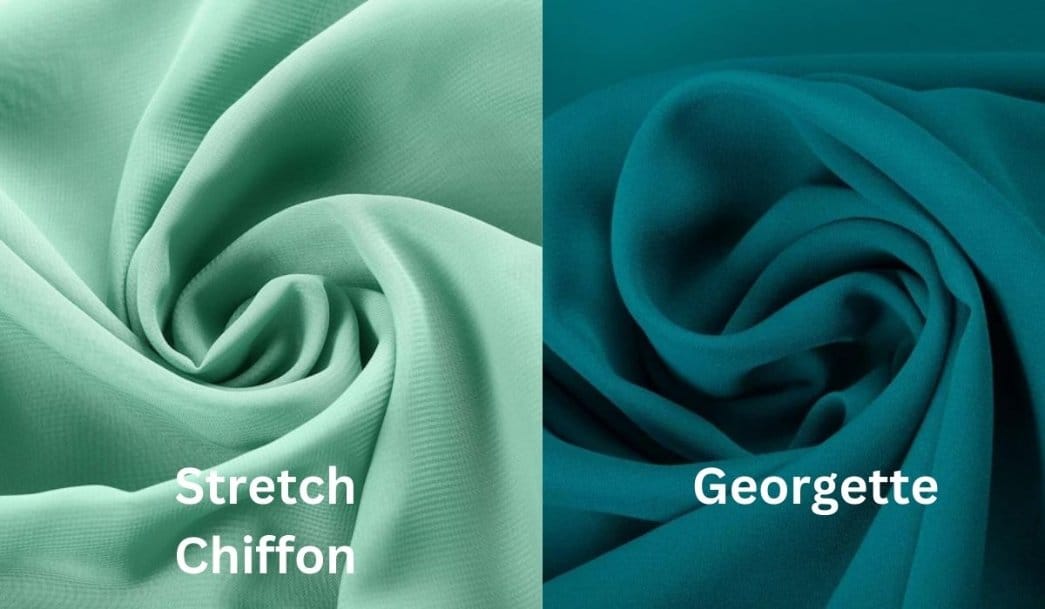
| Feature | Stretch Chiffon | Georgette |
|---|---|---|
| Weight | Lighter (60-100 GSM) | Heavier (100-150 GSM) |
| Opacity | More sheer | More opaque |
| Texture | Smooth with slight texture | Crepe texture, slightly rough |
| Drape | Flows more, very fluid | More structure, holds shape better |
| Best For | Flowing designs, evening wear | Structured pieces, blouses, sarees |
Learn more in our georgette chiffon guide.
Stretch Chiffon vs Organza
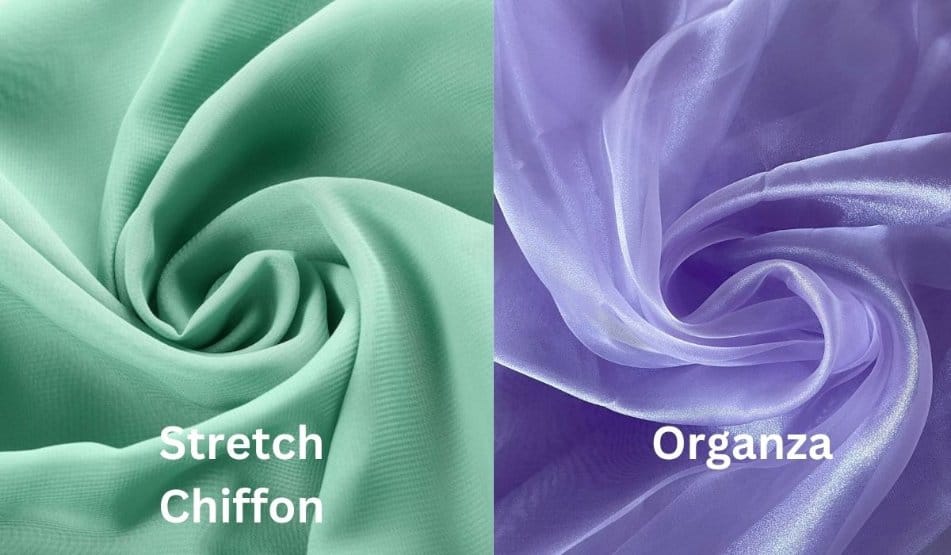
| Feature | Stretch Chiffon | Organza |
|---|---|---|
| Stiffness | Soft and flowing | Crisp and structured |
| Drape | Excellent drape | Stands away from body |
| Sheerness | Semi-transparent | Transparent but holds shape |
| Uses | Body-conscious designs | Structured designs, overlays that stand away |
Explore organza fabric for structured projects.
Stretch Chiffon vs Crepe de Chine
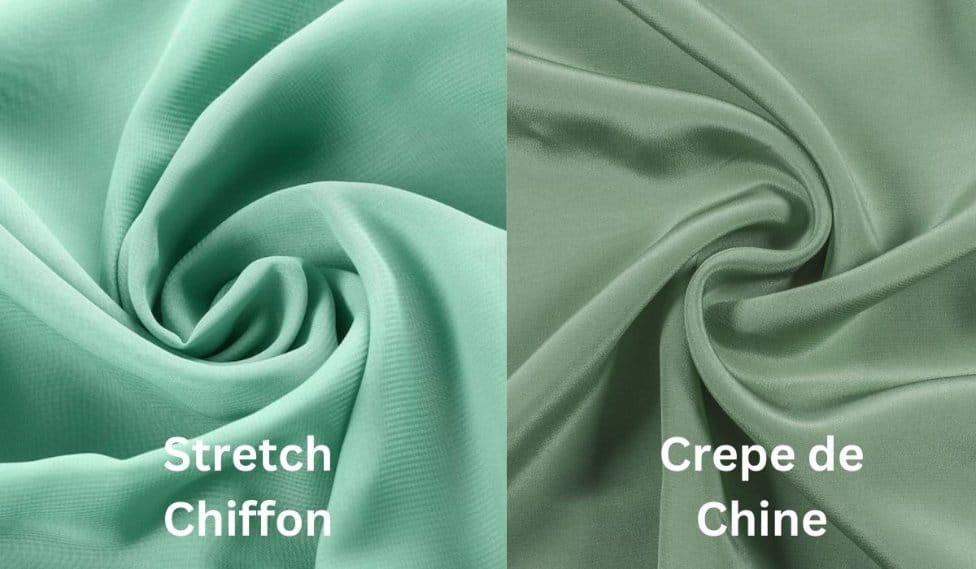
| Feature | Stretch Chiffon | Crepe de Chine |
|---|---|---|
| Surface | Slightly textured | Smooth, matte surface |
| Sheerness | Very sheer | More opaque |
| Weight | Lighter | Medium weight |
| Common Use | Evening wear, overlays | Blouses, dresses, linings |
Check out our crepe de chine guide for more details.
Stretch Chiffon vs Stretch Mesh
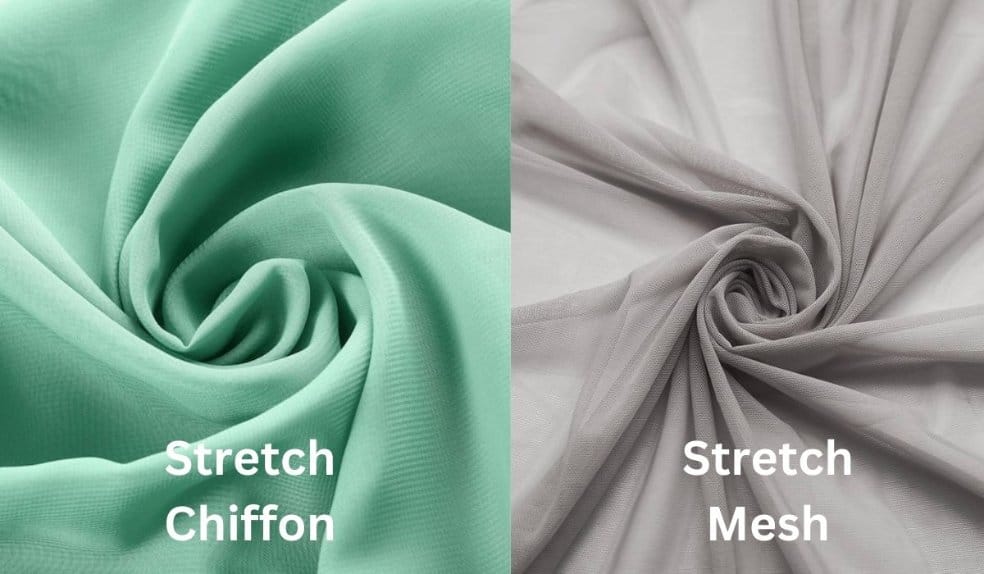
These are sometimes confused because both are sheer and stretchy, but they’re quite different:
- Stretch Mesh: Open knit structure, more holes, very stretchy, commonly used in activewear and lingerie
- Stretch Chiffon: Tight woven structure, fine mesh-like appearance but more solid, moderate stretch, used for fashion and evening wear
Mesh is more casual and sporty, while stretch chiffon is elegant and dressy.
Where to Buy and Pricing Guide
Online Fabric Retailers
Online shopping offers the widest selection of stretch chiffon. Reputable retailers include:
- Fabric.com: Good selection, competitive prices, frequent sales
- Mood Fabrics: Professional quality, wide color range, higher price point
- Fashion Fabrics LA: Specialty in chiffon and special occasion fabrics
- Ice Fabrics: Large selection of stretch chiffon, bulk discounts available
- Spandex Palace: Focus on stretch fabrics, good for dancewear projects
Local Fabric Stores
Benefits of buying in person:
- You can touch and feel the fabric
- See true colors (computer screens can be misleading)
- Test the stretch and drape
- Get immediate help from staff
- No waiting for shipping
Bulk Buying and Discount Options
If you’re making multiple items or shopping with friends, bulk buying saves money:
- Most retailers offer discounts starting at 10+ yards
- Prices often drop 10-20% for bulk orders
- Some stores offer bolt discounts (buying the entire roll)
- Watch for seasonal sales (especially after wedding season ends)
Sample Swatches
Always order swatches before committing to large yardage, especially when shopping online:
- Swatches typically cost $2-3
- Size is usually 3×3 or 4×4 inches
- Some retailers offer swatch sets (5-10 swatches) with better pricing
- The cost is worth it to avoid expensive mistakes
How Much Fabric Do You Need?
Typical yardage requirements (with 58-60″ width fabric):
- Simple scarf: 0.5-1 yard
- Loose blouse: 1.5-2.5 yards
- Fitted dress (knee-length): 2.5-3.5 yards
- Floor-length gown: 4-6 yards
- Full circle skirt: 2-3 yards
Always buy 0.5 yards extra for mistakes, testing, and matching patterns if needed.
Frequently Asked Questions
Conclusion
Stretch chiffon represents the perfect marriage of traditional elegance and modern functionality. This beautiful fabric gives you all the flowing, romantic qualities of classic chiffon while adding the comfort and versatility of stretch fibers. Whether you’re creating a special occasion dress, everyday wear, or dance costumes, stretch chiffon offers possibilities that regular chiffon simply can’t match.
Key Takeaways
Understanding the Fabric: Stretch chiffon is a lightweight, semi-transparent fabric that typically combines 96% polyester with 4% spandex. This small amount of elastic fiber makes a huge difference in how the fabric performs and how comfortable finished garments feel. The fabric maintains traditional chiffon’s excellent drape while adding practical stretch and better shape retention.
Choosing Quality: Not all stretch chiffon is created equal. Look for even weave, good stretch recovery (fabric should bounce back to shape within 2-3 seconds), and consistent color. GSM (grams per square meter) matters – most fashion applications work best with 80-100 GSM. Don’t be afraid to invest a few extra dollars per yard in quality fabric; the difference shows in the finished garment and how long it lasts.
Sustainability Matters: When possible, choose recycled polyester stretch chiffon with GRS certification. These eco-friendly options perform identically to virgin polyester while using significantly less energy and diverting plastic bottles from landfills. Small choices like this make a real difference in fashion’s environmental impact.
Sewing Success: Working with stretch chiffon requires patience and the right approach, but it’s absolutely doable. The essential tools are simple: sharp Microtex needles (65/9 or 70/10), tissue paper for stability, and polyester thread that matches your fabric exactly. Take your time, test settings on scraps, and don’t skip the practice step. The tissue paper method for cutting and sewing makes everything easier, and French seams create professional-looking finishes.
Care and Maintenance: Good news – polyester stretch chiffon is easier to care for than many people think. Hand washing in cool water keeps garments looking beautiful for years. Never use high heat (no dryers, no hot irons), and store on padded hangers to prevent creasing. The fabric is naturally wrinkle-resistant, making it great for travel and busy lifestyles.
Final Recommendations
If you’re new to working with stretch chiffon, start small. Make a simple scarf or loose overlay top before tackling a full dress. This gives you time to get comfortable with the fabric’s behavior without the pressure of a complex project. Order swatches before committing to yardage – those few dollars could save you from an expensive color or texture mismatch.
For best results, match your project to the right type of stretch chiffon. Use 2-way stretch for flowing skirts, loose blouses, and scarves where you don’t need stretch in all directions. Save 4-way stretch for body-conscious designs like fitted evening gowns or dancewear where movement in multiple directions matters.
Remember that tools matter less than technique. You don’t need an expensive sewing machine or fancy equipment. What you need is patience, sharp needles, and a willingness to slow down and let the fabric guide you. Stretch chiffon rewards careful, thoughtful sewing with gorgeous results.
Most importantly, don’t let fear of the fabric hold you back. Yes, stretch chiffon can be challenging. Yes, it requires more attention than quilting cotton or denim. But the results – flowing, comfortable garments that photograph beautifully and feel wonderful to wear – make every bit of extra effort worthwhile.
Ready to start your stretch chiffon project? Browse our related guides on how to sew a dress, explore perfect hemming techniques, and check out our collection of beginner-friendly sewing projects to build your skills. With the right knowledge and a bit of practice, you’ll be creating beautiful stretch chiffon garments that rival anything you’d find in stores.