
Everything You Need to Know About This Luxurious, Flowing Fabric
Silk chiffon is one of those fabrics that feels like pure luxury the moment you touch it. Light as air, soft against your skin, and beautiful to watch as it flows with every movement, this fabric has been beloved by designers and fashion lovers for centuries. Whether you’re planning to sew your first silk chiffon blouse, shopping for a special occasion dress, or simply want to understand what makes this fabric so special, this guide covers everything you need to know.
From its rich history in French fashion houses to modern sustainable practices, from detailed sewing techniques to proper care instructions, we’ll walk through every aspect of working with and wearing silk chiffon. You’ll learn how it compares to other chiffon types, discover the best ways to care for it, and understand why it remains a top choice for everything from wedding gowns to summer scarves.
Table of Contents
What Is Silk Chiffon?
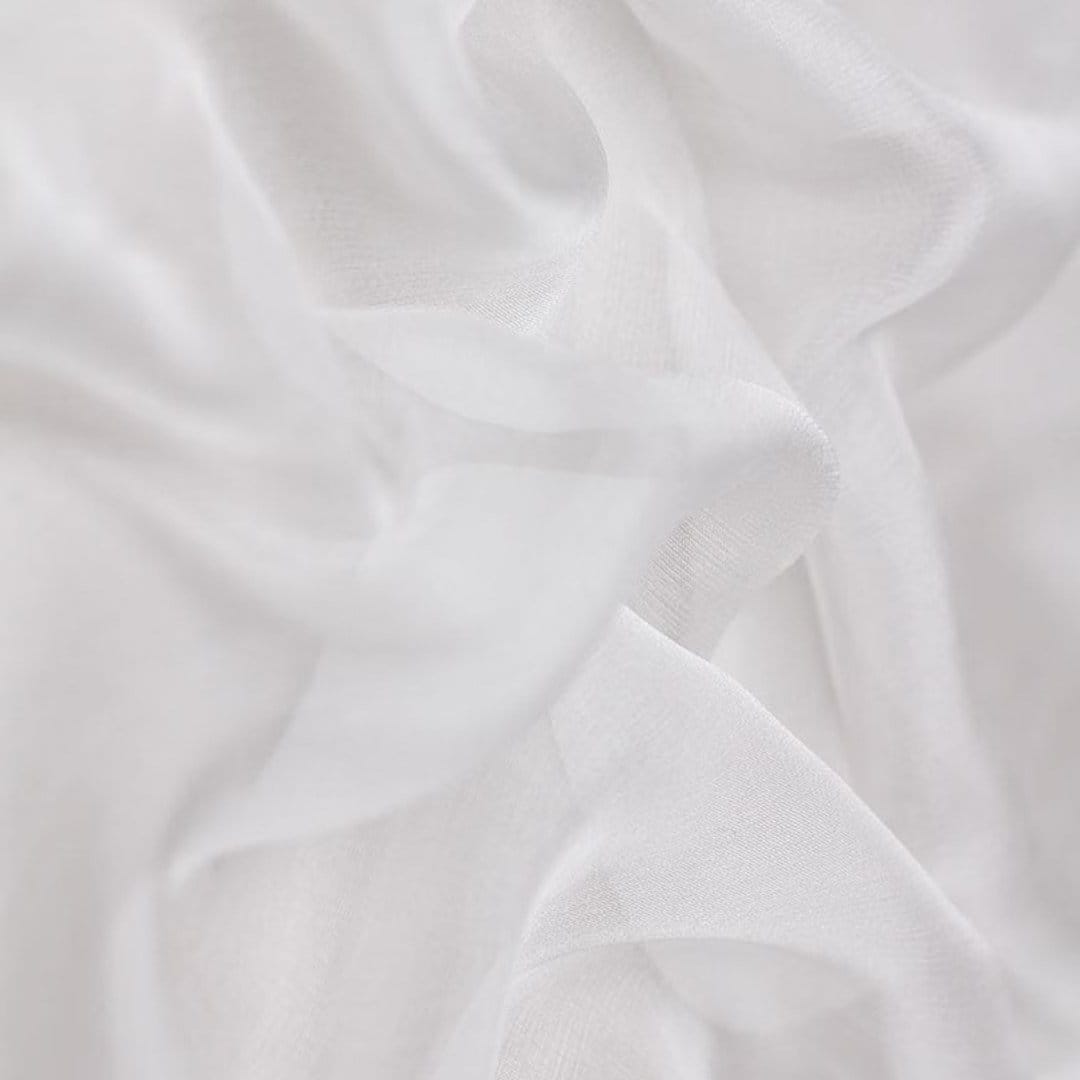
Detailed view of silk chiffon fabric illustrating its delicate transparency and smooth drape.
Silk chiffon is a lightweight, sheer fabric made from 100% silk fibers. The word “chiffon” comes from the French word “chiffe,” which means “cloth” or “rag.” Don’t let that humble origin fool you though. This fabric is anything but ordinary.
What makes silk chiffon special is how it’s made. Weavers create it using a balanced plain weave with alternating S-twist and Z-twist crepe yarns. These tightly twisted threads give the fabric its characteristic slightly rough, pebbled texture and beautiful drape. The alternating twist creates tiny puckers in the fabric that catch light beautifully and give chiffon its signature look.
Is Silk Chiffon 100% Silk?
Yes, true silk chiffon is made from 100% silk fibers, typically from mulberry silk. This sets it apart from polyester chiffon, nylon chiffon, or rayon chiffon, which use synthetic or semi-synthetic fibers. When shopping, always check the fabric content label. If it says “100% silk,” you’re getting the real thing.
The fabric goes through a careful manufacturing process. First, silk filaments are twisted into yarns. These yarns are then woven on looms using the plain weave technique. After weaving, the fabric is carefully finished to bring out its soft hand and flowing drape. The result? A fabric that’s incredibly light (typically weighing between 17-50 grams per square meter) yet surprisingly strong.
Properties and Characteristics
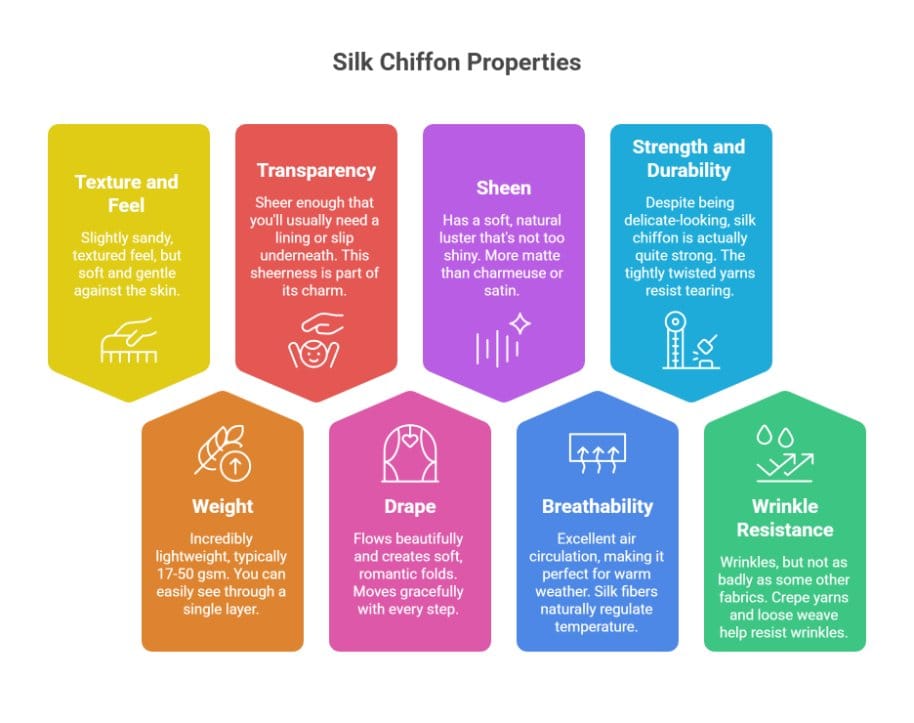
Overview of the key properties and performance characteristics of silk chiffon fabric.
Silk chiffon has a unique set of qualities that make it both beautiful and challenging to work with. Understanding these properties helps you decide if it’s the right fabric for your project.
Texture and Feel
Many people wonder, “Is silk chiffon rough?” The answer is yes and no. Unlike smooth satins, silk chiffon has a slightly sandy, textured feel when you run your fingers across it. This comes from the crepe yarns used in weaving. But it’s not rough in an uncomfortable way. Against your skin, it feels soft and gentle. The texture actually helps the fabric breathe and creates its beautiful light-catching quality.
Weight
Incredibly lightweight, typically 17-50 gsm (grams per square meter). You can easily see through a single layer.
Transparency
Sheer enough that you’ll usually need a lining or slip underneath. This sheerness is part of its charm.
Drape
Flows beautifully and creates soft, romantic folds. Moves gracefully with every step.
Sheen
Has a soft, natural luster that’s not too shiny. More matte than charmeuse or satin.
Is Silk Chiffon Breathable?
Absolutely. This is one of silk chiffon’s best features. The fabric’s loose weave structure allows excellent air circulation, making it perfect for warm weather. Silk fibers naturally regulate temperature, keeping you cool when it’s hot and providing some warmth when it’s cooler. This is why silk chiffon is so popular for summer blouses, scarves, and lightweight evening wear.
Strength and Durability
Here’s something that surprises many people: despite being delicate-looking and sheer, silk chiffon is actually quite strong. The tightly twisted yarns create a fabric that resists tearing. However, it can snag easily on rough surfaces or jewelry, and pulled threads can create visible runs in the fabric.
Does Silk Chiffon Wrinkle Easily?
Silk chiffon does wrinkle, but not as badly as some other fabrics. The crepe yarns and loose weave actually help it resist wrinkles somewhat. When wrinkles do appear, they tend to be soft rather than sharp creases. Most wrinkles will hang out naturally when you drape the garment. For stubborn wrinkles, steaming works better than ironing.
The History of Silk Chiffon
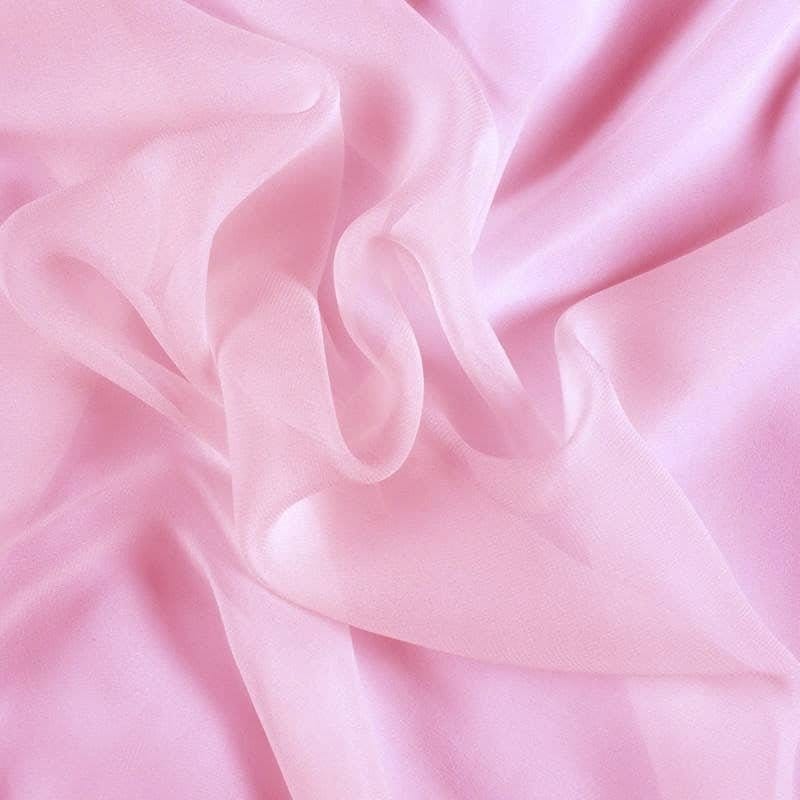
Silk chiffon fabric symbolizing the long history and tradition of fine silk weaving.
The story of silk chiffon is a tale of luxury, innovation, and fashion evolution. While silk itself dates back thousands of years to ancient China, chiffon as we know it developed much later in France.
The special weaving technique that creates chiffon emerged in France during the 18th century. French weavers developed the method of using alternating S-twist and Z-twist yarns to create this unique sheer fabric. Initially made exclusively from silk, chiffon quickly became associated with wealth and high society. Only the wealthy could afford it, and it appeared primarily in the wardrobes of European aristocracy.
During the Victorian era (1837-1901), silk chiffon reached peak popularity among the upper classes. It was used in evening gowns, delicate accessories, and formal wear. The fabric’s ability to create soft, flowing lines fit perfectly with Victorian fashion ideals.
The early 20th century saw silk chiffon become a staple in haute couture. Fashion designers like Coco Chanel used it to create elegant, flowing dresses that revolutionized women’s fashion. Chanel’s designs showed that silk chiffon could be both luxurious and modern, helping move fashion away from the heavily structured garments of earlier eras.
In 1938, the invention of nylon led to the first non-silk chiffon. This was followed by polyester chiffon in 1958, which made chiffon-style fabrics more accessible to everyday consumers. While these synthetic versions offered affordability and easier care, silk chiffon maintained its position as the premium choice for luxury garments.
Today, silk chiffon remains popular in high-end fashion. It appears regularly in designer collections, bridal wear, and special occasion clothing. Modern production methods have made it somewhat more affordable than in the past, though it still commands premium prices compared to synthetic alternatives.
Types and Variations
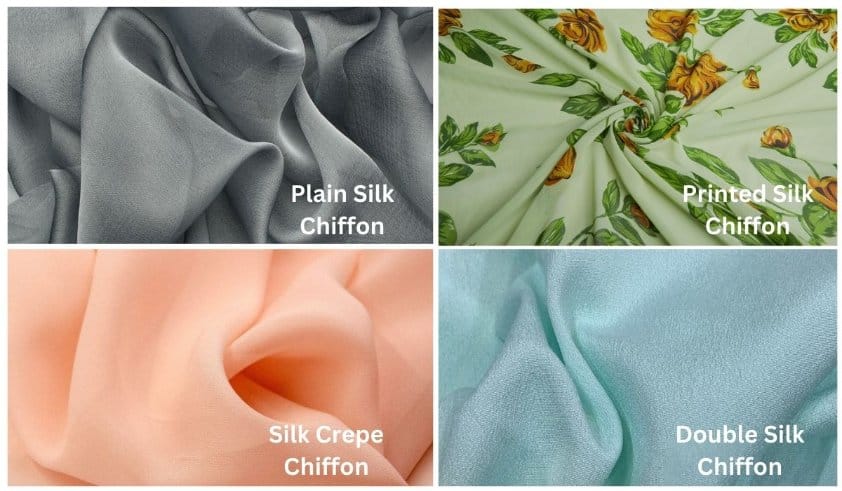
Comparison of silk chiffon variations showcasing different finishes and textures.
While all silk chiffon shares basic characteristics, several variations offer different looks and properties:
Plain Silk Chiffon
The classic version. Solid colored, sheer, with the characteristic crinkled texture. This is what most people mean when they say “silk chiffon.” Available in countless colors, from soft pastels to rich jewel tones.
Printed Silk Chiffon
Features patterns or designs printed onto the fabric. Silk naturally absorbs dye beautifully, so printed silk chiffon often has rich, vibrant colors. Popular prints include florals, abstract patterns, and geometric designs.
Silk Crepe Chiffon
Has more pronounced texture than standard silk chiffon. The crepe yarns are twisted even more tightly, creating a pebbly surface that’s more textured and slightly less transparent.
Double Silk Chiffon
Two layers of chiffon woven or sewn together. This creates a less transparent fabric with more weight and drape. Easier to work with for sewers and doesn’t always require lining.
Crinkled Silk Chiffon
Has intentional wrinkles and texture added through special finishing processes. The crinkles add visual interest and make the fabric even more resistant to wrinkling during wear.
Silk Chiffon vs Other Fabrics
Understanding how silk chiffon compares to similar fabrics helps you choose the right material for your needs. Let’s look at the key differences between silk chiffon and its closest relatives.
Silk Chiffon vs Polyester Chiffon
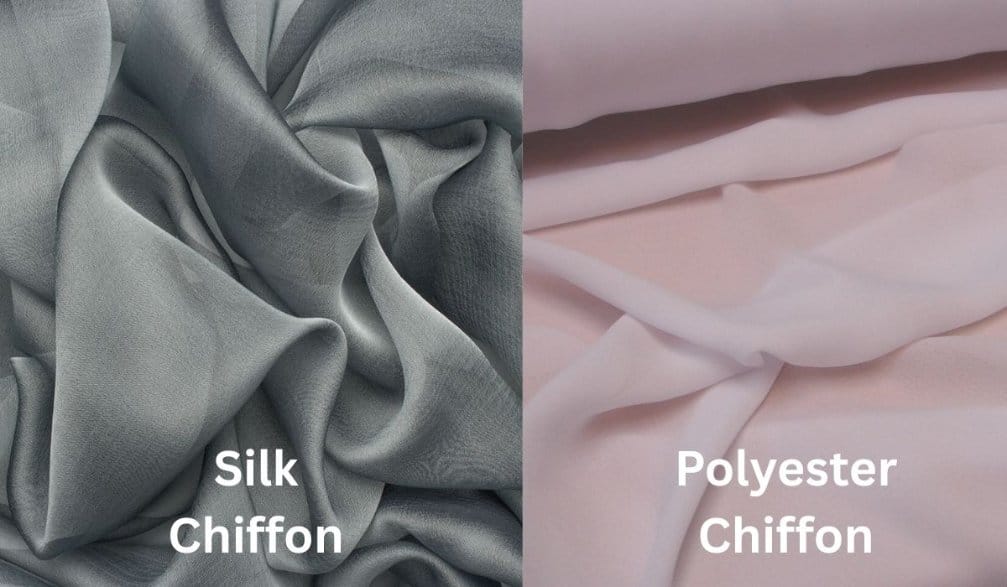
Visual comparison between natural silk chiffon and synthetic polyester chiffon fabrics.
This is probably the comparison people ask about most often. Both fabrics look similar at first glance, but the differences become clear once you touch and wear them.
| Quality | Silk Chiffon | Polyester Chiffon |
|---|---|---|
| Feel | Soft, natural texture with slight roughness | Can feel slippery or plasticky |
| Breathability | Excellent air circulation, temperature regulating | Less breathable, can trap heat |
| Drape | Fluid, graceful movement | Good drape but less fluid |
| Price | Expensive (typically $20-50+ per yard) | Budget-friendly ($5-15 per yard) |
| Care | Hand wash or dry clean only | Machine washable |
| Durability | Strong but can water spot | Very durable, wrinkle resistant |
| Environmental Impact | Biodegradable, natural | Non-biodegradable, petroleum-based |
The biggest difference you’ll notice? Silk chiffon feels luxurious and breathes beautifully, while polyester chiffon offers practicality and easy care. For special occasions and high-end garments, silk is worth the investment. For everyday wear or budget-conscious projects, polyester works well. According to fabric experts at Sewing Knit, understanding these differences helps you choose the right material for your specific project needs.
Silk Chiffon vs Silk Georgette
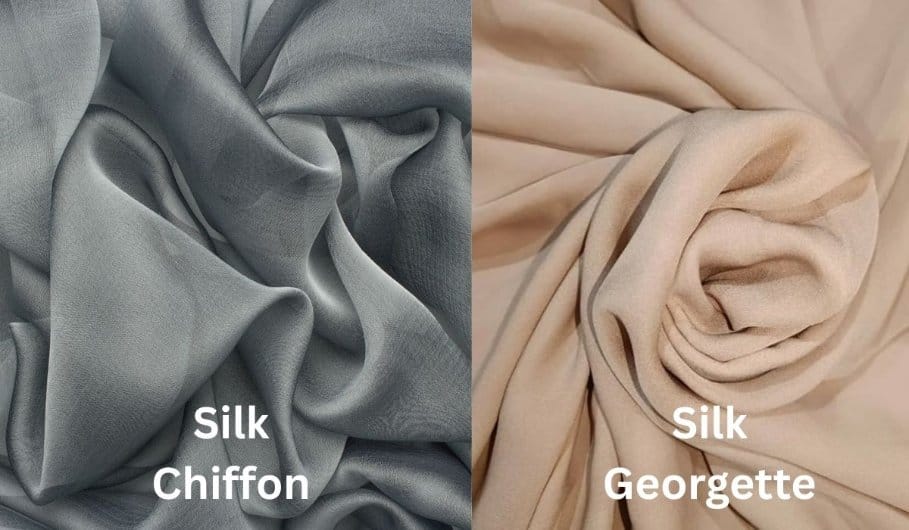
Comparison between silk chiffon and silk georgette fabrics for drape and texture.
These two fabrics are often confused because they’re both made from silk using similar techniques. However, they have distinct differences that affect how they look and perform.
Georgette uses more tightly twisted yarns than chiffon, creating a fabric with more texture and body. When you look closely at georgette, you’ll see a more pronounced pebbled or grainy surface. This extra texture makes georgette slightly less transparent than chiffon and gives it a more matte appearance.
Key Differences:
- Texture: Georgette has a more pronounced crepe texture; chiffon is smoother
- Weight: Georgette is slightly heavier and less sheer
- Drape: Both drape beautifully, but chiffon flows more freely
- Shine: Georgette has a matte finish; chiffon has subtle luster
- Structure: Georgette holds its shape better; chiffon is more fluid
Choose georgette when you want more coverage and structure. Pick chiffon when you want maximum flow and an ethereal quality. For more detailed comparisons between different sheer fabrics, So Sew Easy provides helpful guidance on selecting the right fabric for your project.
Silk Chiffon vs Silk Organza
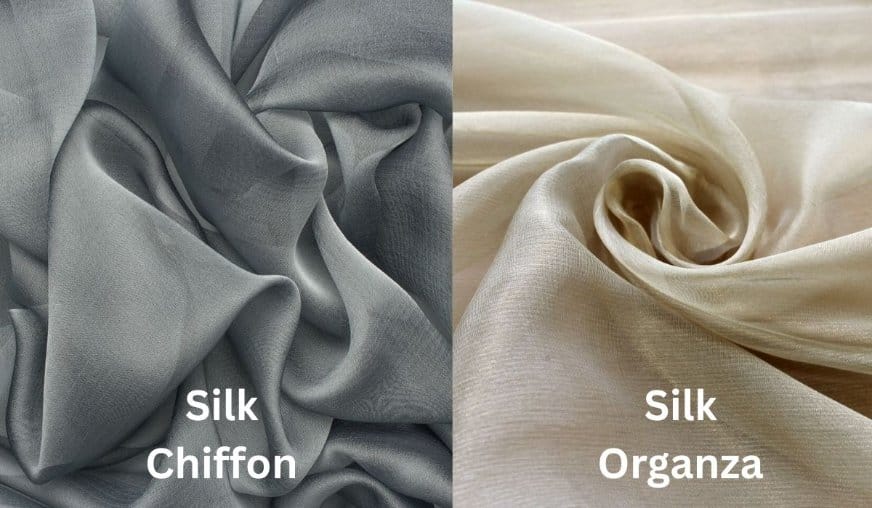
Silk chiffon and silk organza contrasted to show softness and stiffness differences.
While both are sheer silk fabrics, organza and chiffon serve very different purposes in fashion and sewing.
Silk organza is crisp and stiff. It holds its shape and creates structure in garments. Think of it as the difference between a soft waterfall (chiffon) and a crisp piece of paper (organza). Organza uses plain, tightly twisted yarns without the crepe twist that gives chiffon its texture.
The stiffness of organza makes it perfect for ball gowns, structured overlays, and garments where you want volume and shape. It can stand away from the body, creating dramatic silhouettes. Chiffon, by contrast, drapes against the body and flows with movement.
For a practical comparison, imagine creating a full skirt. An organza skirt would stand out in a bell shape, much like vintage petticoats or tutus. A chiffon skirt would flow gracefully around your legs, moving with every step. Both are beautiful, but they create completely different effects.
Silk Chiffon vs Silk Charmeuse
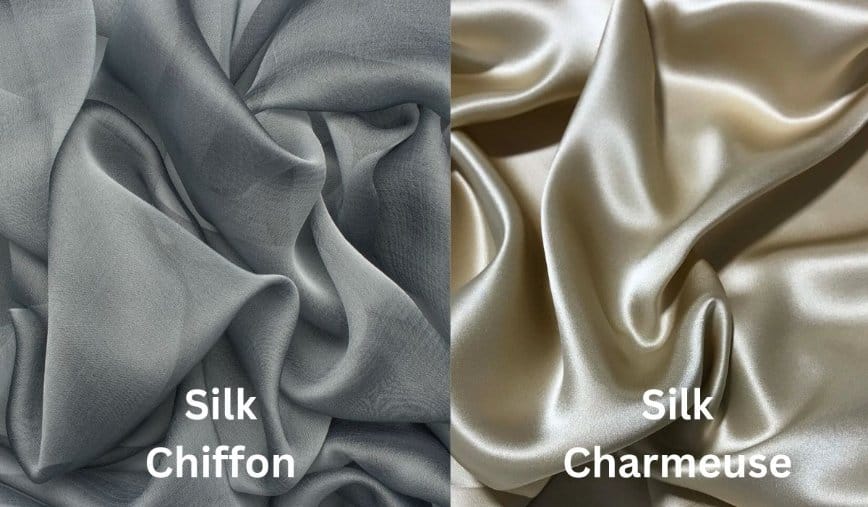
Silk chiffon and silk charmeuse compared for texture, sheen, and structure.
These fabrics sit at opposite ends of the silk spectrum. Charmeuse uses a satin weave that creates a lustrous, shiny surface on one side and a matte surface on the other. It’s heavier, less transparent, and much more slippery than chiffon.
Charmeuse drapes beautifully and clings to the body, creating sleek, elegant lines. It’s perfect for slip dresses, evening gowns, and luxurious lingerie. The shiny surface catches light dramatically, making it ideal when you want to make a statement.
Chiffon, with its matte finish and airy quality, creates a softer, more romantic look. It’s less formal than charmeuse and works well for layered looks and flowing garments. While charmeuse says “glamour,” chiffon whispers “romance.”
Other Fabric Comparisons
Silk chiffon also differs from crepe de chine (heavier, less sheer, more structured), habotai (smoother, less textured, crisper), and tulle (net-like structure, stiffer). Each has its place in fashion and design.
Uses and Applications
Silk chiffon’s unique properties make it perfect for specific types of garments and uses. Its lightweight, flowing nature shines in designs that need movement and air.
Bridal and Wedding Wear
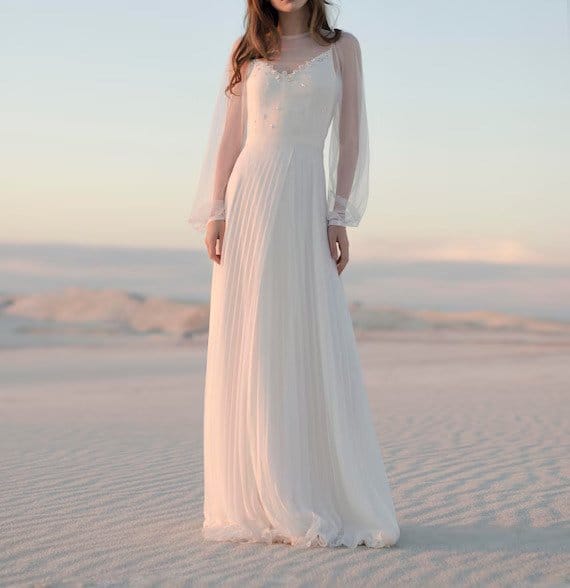
Bridal gown crafted from silk chiffon for a light and graceful silhouette.
Silk chiffon is incredibly popular in wedding fashion. Bridal designers love it for:
- Wedding gowns: Especially for beach or destination weddings where lighter fabrics work better
- Veils: The sheer, soft quality creates romantic, flowing veils
- Bridesmaid dresses: Flattering on various body types, comfortable for all-day wear
- Overlays: Adding soft layers over satin or other base fabrics
- Sleeve details: Creating delicate, romantic sleeve effects
The fabric photographs beautifully, which is one reason it’s so popular for weddings. It catches light without harsh reflections and moves gracefully in photos.
Evening Wear and Special Occasions
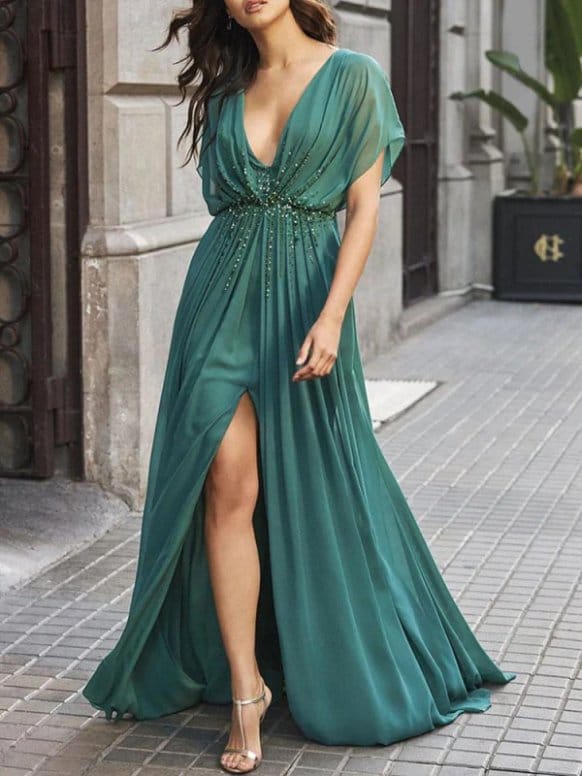
Evening gown made from silk chiffon featuring graceful movement and luxury appeal.
For formal events, silk chiffon offers elegance without weight. Designers use it for:
- Flowing evening gowns
- Cocktail dresses with movement
- Formal blouses and tops
- Evening wraps and shawls
- Party dresses with layers
The fabric’s ability to create beautiful drapes and gathers makes it ideal for dresses with flowing skirts, soft ruffles, and romantic details.
Everyday Fashion
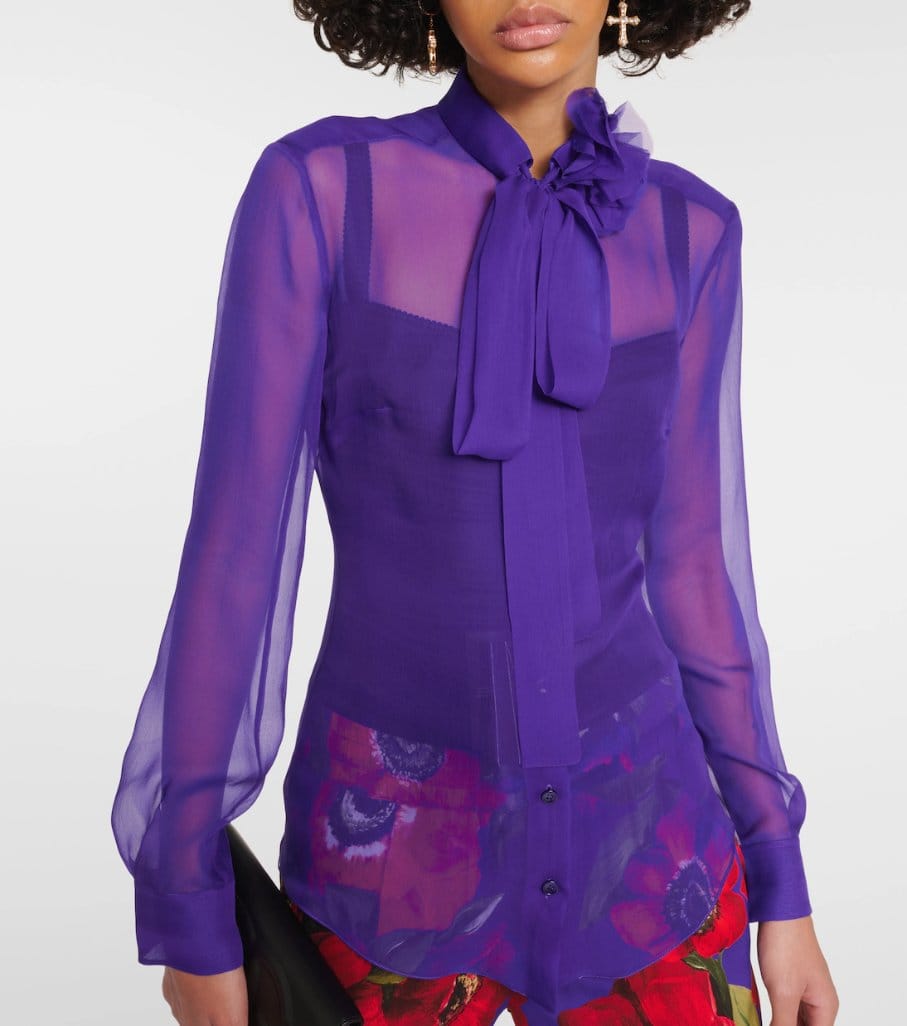
Fashion blouse made from silk chiffon for a refined and airy look.
Is silk chiffon good for summer? Definitely yes. The breathability and light weight make it perfect for warm weather:
- Blouses: Professional yet comfortable for office wear
- Summer dresses: Lightweight and breathable
- Scarves: Light enough for warm weather accessories
- Skirts: Flowing maxi skirts and midi skirts
- Tunics: Layered over tank tops or camisoles
Lingerie and Sleepwear
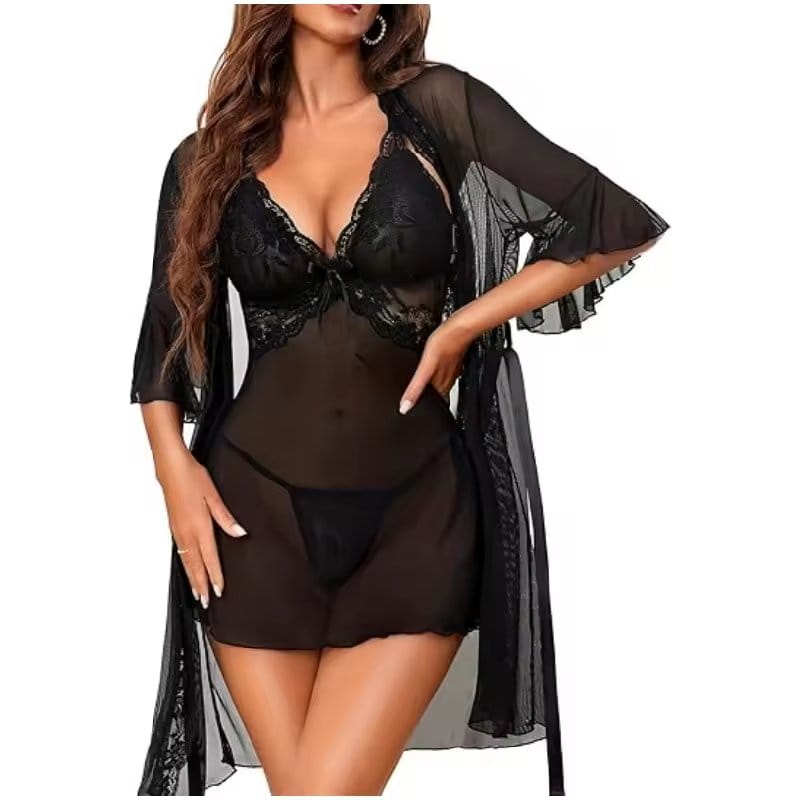
Elegant sleepwear made from silk chiffon for a soft breathable and luxurious feel.
The soft, luxurious feel of silk chiffon makes it popular for delicate undergarments:
- Nightgowns and robes
- Delicate camisoles
- Slip dresses
- Boudoir wear
Home Décor
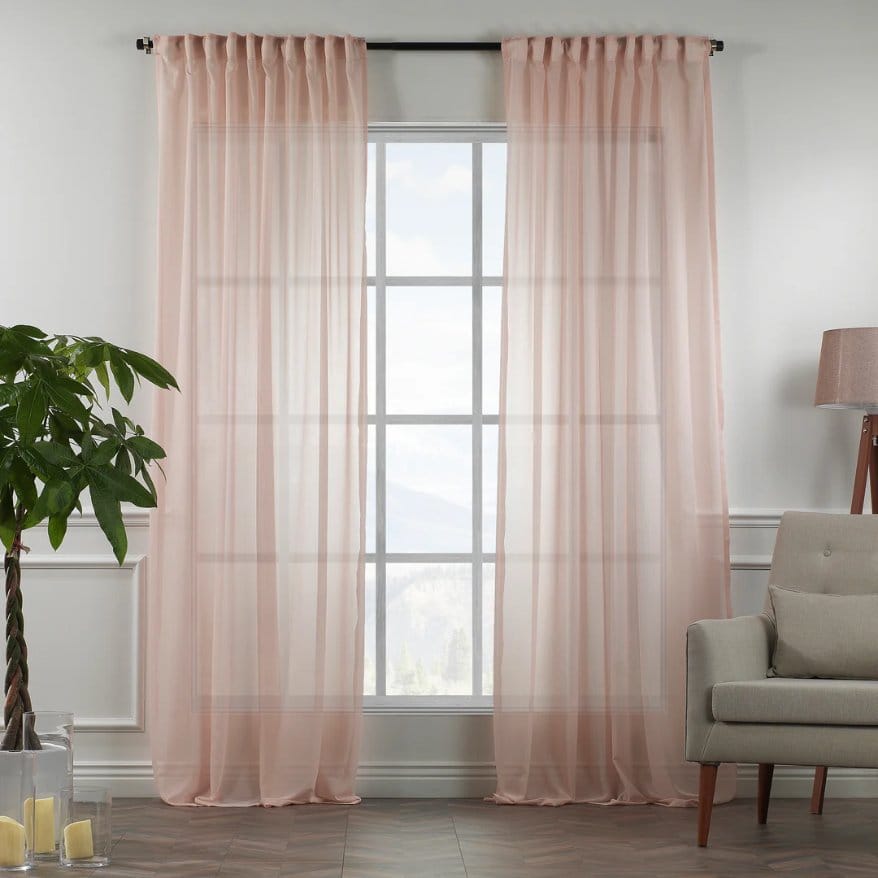
Lightweight silk chiffon curtains that softly diffuse natural light.
Beyond clothing, silk chiffon works beautifully in home decoration:
- Curtains: Sheer window treatments that filter light beautifully
- Canopy draping: Creating romantic bed canopies
- Event décor: Draping for weddings and special events
- Table runners: Adding elegance to formal dining
How to Sew Silk Chiffon
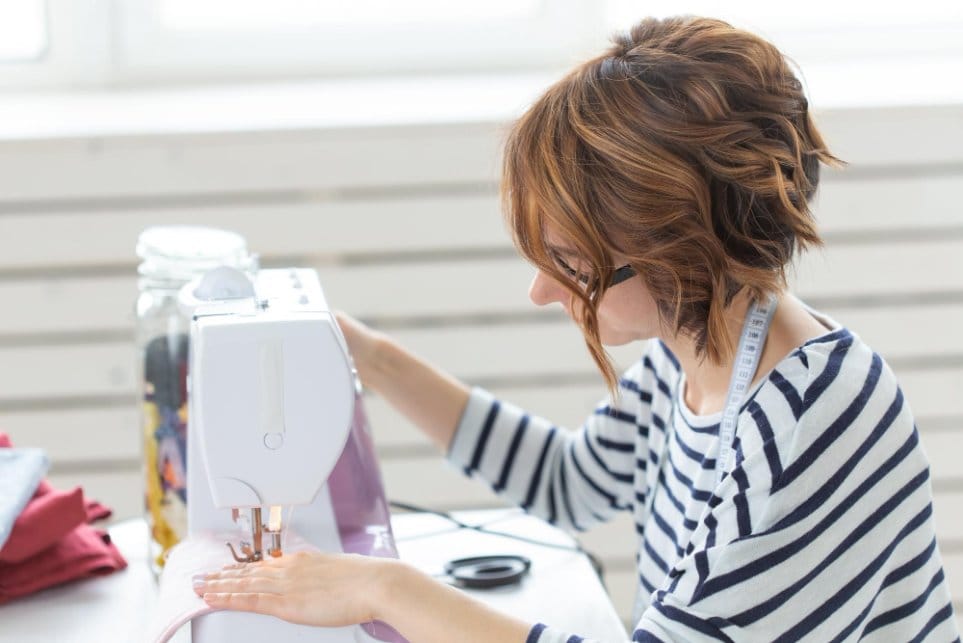
Sewing silk chiffon requires precision and gentle techniques for best results.

Tutorial demonstrating proper techniques for cutting and sewing silk chiffon including narrow hem finishing.
Many sewers wonder, “Is silk chiffon difficult to sew?” or “Is silk chiffon hard to sew?” The honest answer: yes, it can be challenging. But with the right techniques and patience, it’s absolutely manageable. The key is preparation and using methods specifically designed for slippery, delicate fabrics.
Before You Start
First things first: gather your supplies. You’ll need:
- Very sharp fabric scissors or rotary cutter with new blade
- Microtex or sharp needles (size 60/8 or 70/10)
- Fine thread (50 or 60 weight polyester or silk thread)
- Tissue paper or tear-away stabilizer
- Fabric weights or extra-fine pins
- Straight stitch throat plate (if available for your machine)
Cutting the Fabric
Cutting is often the trickiest part when working with silk chiffon. The fabric slips and slides, making accurate cutting difficult.
1 Prepare your surface: Start with a completely flat surface. Cover it with a sheet or a layer of cotton fabric. This gives the chiffon something to grip onto and prevents sliding.
2 Layer tissue paper: Place tissue paper on your cutting surface, then lay your silk chiffon on top. Smooth out any wrinkles gently. You can blow softly across the surface to help it lay flat.
3 Lay out pattern pieces: Place your pattern pieces on top of the chiffon. Use fabric weights instead of pins whenever possible. Weights won’t create holes or distort the fabric.
4 Cut through all layers: Using very sharp scissors or a rotary cutter, cut through the tissue paper and fabric together. The paper stabilizes the fabric and prevents shifting. Don’t worry about the slightly rough edges; they’ll be hidden in seams.
Marking the Fabric
Traditional marking methods don’t work well on silk chiffon. Chalk can leave permanent marks, and tracing wheels can damage the delicate fibers. Instead:
- Tailor’s tacks: Use contrasting thread to hand-sew loose running stitches through the pattern and fabric. Snip the thread loops after removing the pattern.
- Thread tracing: Similar to tailor’s tacks but using running stitches to mark lines
- Clips: Tiny snips in the seam allowance (only use for areas that won’t show)
Machine Settings
Your sewing machine settings matter a lot when working with this delicate fabric:
- Needle: Use a fresh Microtex sharp needle, size 60/8 or 70/10
- Thread: Fine polyester (50-60 weight) or silk thread in matching color
- Stitch length: 1.5-2.0mm (12-20 stitches per inch)
- Presser foot pressure: Reduce pressure to prevent the fabric from being pushed around
- Throat plate: If you have a straight stitch plate, use it to prevent the fabric from being pulled into the machine
Sewing Techniques
Once you’re ready to sew, these techniques will help you achieve professional results:
Stabilizing While Sewing
The tissue paper method works here too. Place tissue paper under the fabric as you sew. After stitching, carefully tear away the paper. Some sewers also use water-soluble stabilizer, which disappears when you wash the garment.
Starting and Stopping
Instead of backstitching (which can create puckers), leave long thread tails at the start and end of seams. Tie these off by hand using a simple knot. Alternatively, reduce your stitch length to 1.0mm for the first and last few stitches.
Feeding the Fabric
Never pull or push the fabric through the machine. Let the feed dogs do the work. Guide the fabric gently with your hands, keeping light tension both in front of and behind the presser foot. This prevents stretching and puckering.
Seam Finishes
Because silk chiffon is sheer, all your seams will show through. French seams are your best friend:
1 Place fabrics wrong sides together. Sew a seam 1/4 inch from the edge.
2 Trim the seam allowance to 1/8 inch.
3 Fold the fabric so right sides are together, with the seam exactly on the fold. Press gently.
4 Sew another seam 1/4 inch from the folded edge. This encases the raw edges inside the seam.
Hemming
Wide hems look bulky on sheer fabric. Try these methods instead:
- Narrow rolled hem: Create a tiny hem (1/4 inch or less) by folding twice and stitching close to the edge
- Serger rolled hem: If you have a serger, a rolled hem foot creates beautiful delicate edges
- Hand-rolled hem: For the finest finish, roll a tiny hem by hand and use invisible hand stitches
Pressing and Finishing
Can silk chiffon be ironed? Yes, but carefully:
- Use the lowest heat setting (silk or synthetic)
- Always use a pressing cloth between the iron and fabric
- Press from the wrong side when possible
- Never leave the iron sitting on the fabric
- Use a lifting and lowering motion rather than sliding the iron
Better yet, use a steamer. Hold the steamer about 6 inches away from the fabric and work in quick, light passes. This removes wrinkles without risking heat damage.
Common Problems and Solutions
| Problem | Solution |
|---|---|
| Fabric sliding during cutting | Use more weights, cut smaller sections at a time, layer with tissue paper |
| Fabric getting sucked into machine | Use tissue paper underneath, install straight stitch plate, hold thread tails when starting |
| Puckered seams | Reduce presser foot pressure, use finer thread, don’t pull fabric while sewing |
| Skipped stitches | Change to fresh sharp needle, check needle is inserted correctly |
| Fabric fraying | Use French seams, finish edges quickly after cutting, handle minimally |
Care and Maintenance
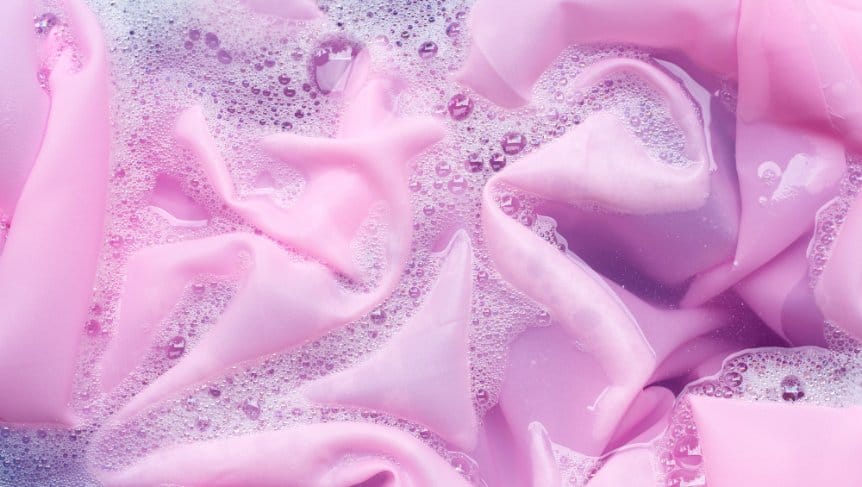
Gentle washing and proper care help maintain silk chiffon softness and longevity.
Proper care keeps your silk chiffon garments looking beautiful for years. The key is gentle handling and understanding what this delicate fabric needs.
Is Silk Chiffon Dry Clean Only?
Many care labels say “dry clean only,” and for heavily embellished or structured garments, that’s the safest choice. However, simple silk chiffon pieces can often be hand washed at home with care. Always test a small hidden area first if you’re unsure.
Hand Washing Silk Chiffon
For best results, follow these steps:
1 Fill a clean basin with cool or lukewarm water (never hot). Add a small amount of mild detergent designed for delicate fabrics or silk. Baby shampoo works well too.
2 Submerge the garment gently in the water. Swish it around softly for about 3-5 minutes. Don’t scrub, wring, or twist the fabric.
3 Rinse thoroughly in cool, clean water. Keep rinsing until all soap is removed. Soap residue can leave spots on silk.
4 Remove excess water by gently pressing (never wringing). Lay the garment flat on a clean, dry towel. Roll the towel up with the garment inside to absorb water.
5 Air dry by laying flat on a fresh, dry towel away from direct sunlight and heat. Reshape the garment gently while damp.
Machine Washing (Use with Caution)
Some sewers successfully machine wash silk chiffon, but this carries risks. If you choose to try:
- Use a mesh lingerie bag to protect the fabric
- Select the gentlest cycle available (hand wash or delicate)
- Use cool water only
- Add only a small amount of gentle detergent
- Remove immediately when the cycle ends
- Never put silk chiffon in the dryer
Drying
Never tumble dry silk chiffon. The heat will damage the fibers and may cause shrinkage. Always air dry by:
- Laying flat on a clean towel or drying rack
- Hanging on a padded hanger in a well-ventilated area
- Keeping away from direct sunlight (which can fade colors)
- Keeping away from heat sources
Does Silk Chiffon Shrink?
Yes, silk chiffon can shrink if exposed to hot water or heat. The fibers contract when heated. This is why cool water and air drying are so important. If your garment does shrink slightly, sometimes gentle steaming while the fabric is damp can help restore some of the original size.
Removing Stains
Act quickly when spills happen:
- Blot, don’t rub: Use a clean white cloth to blot up liquid spills immediately
- Avoid water spots: If you use water to treat a stain, wet the entire garment afterward so spots don’t form
- Test first: Always test any cleaning solution on an inside seam before using it on visible areas
- Professional help: For oil-based stains or stubborn marks, take the garment to a professional cleaner
Storage
Proper storage prevents damage when garments aren’t being worn:
- Use padded hangers: Wire hangers can leave marks. Padded or velvet hangers are best.
- Avoid folding: Folding creates permanent creases. If you must fold, use acid-free tissue paper in the folds.
- Protect from light: Store in a breathable garment bag to prevent dust and light exposure
- Give it space: Don’t pack garments tightly together. Chiffon needs room to breathe.
- Check periodically: Every few months, remove stored garments to air them out and check for any issues
Does Silk Chiffon Crease?
Silk chiffon does crease, but the creases are usually soft rather than sharp. Most wrinkles will hang out naturally if you hang the garment in a steamy bathroom or use a steamer. For persistent creases, gentle pressing with a cool iron (through a pressing cloth) usually works.
Sustainability and Environmental Impact
Is silk chiffon sustainable? This question matters more than ever as we consider the environmental impact of our clothing choices. The answer is nuanced.
The Sustainable Side of Silk Chiffon
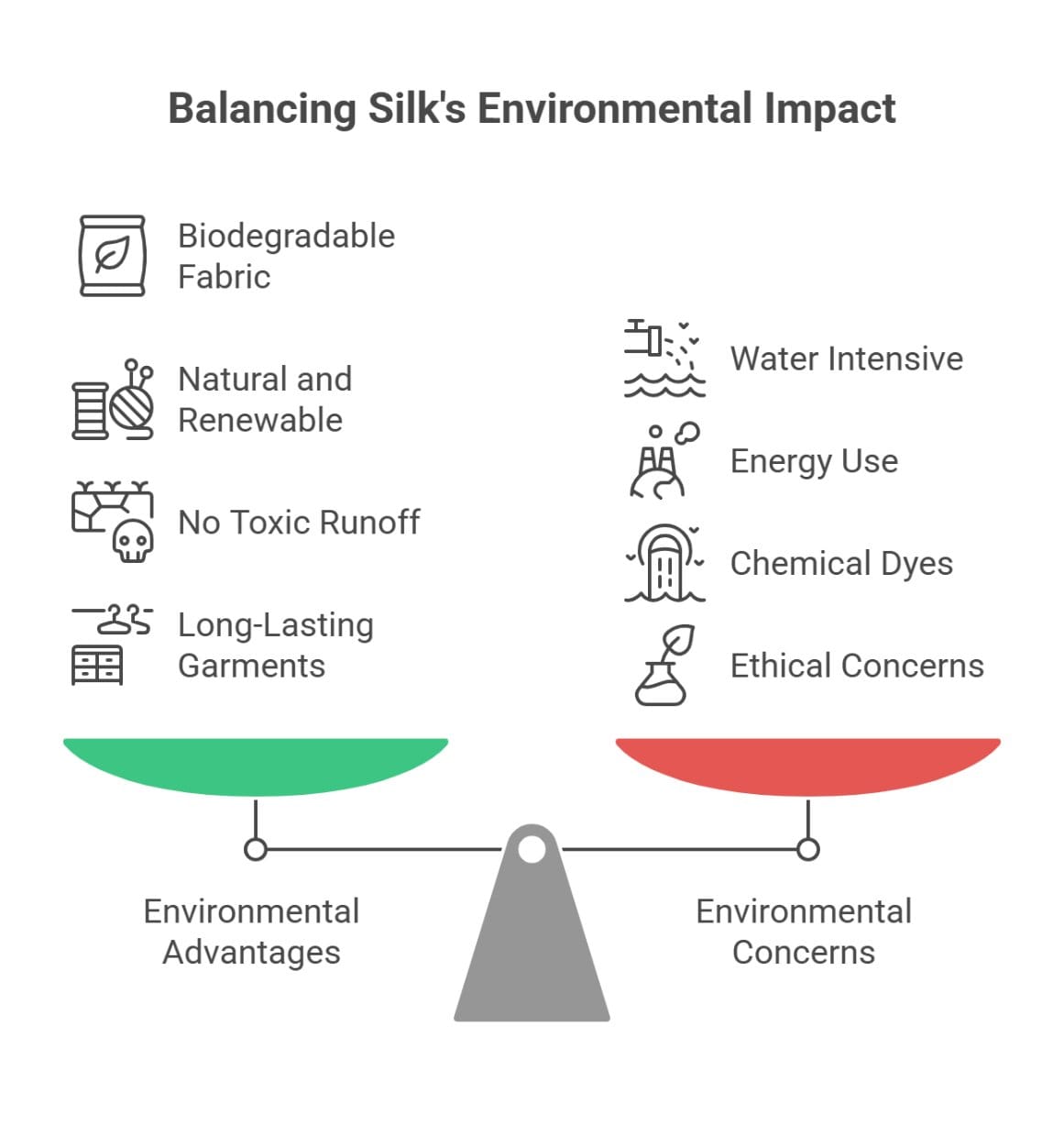
Balanced overview of the environmental advantages and challenges of silk chiffon.
Silk production has several environmental advantages:
- Biodegradable: Unlike synthetic fabrics, silk completely breaks down naturally. A silk chiffon garment won’t sit in a landfill for centuries.
- Natural and renewable: Silk comes from silkworm cocoons, a renewable resource that’s been sustainably harvested for thousands of years
- No toxic runoff: Mulberry trees (which silkworms eat) typically don’t require pesticides or fertilizers
- Low chemical use: Quality silk production uses minimal chemical processing compared to synthetic fabric manufacturing
- Long-lasting: Properly cared for silk chiffon garments can last for years, reducing the need for replacements
Environmental Concerns
However, silk production isn’t perfect:
- Water intensive: Silk production, especially dyeing and finishing processes, uses significant water
- Energy use: Manufacturing silk fabric requires energy for reeling, weaving, and finishing
- Chemical dyes: Many silk dyes contain chemicals that can pollute water if not properly managed
- Ethical concerns: Traditional silk production involves boiling silkworm cocoons with the worms inside, which some consider inhumane
Choosing Sustainable Silk Chiffon
You can make more sustainable choices:
- Look for certifications: GOTS (Global Organic Textile Standard) certified silk ensures organic production without harmful chemicals
- Consider Peace Silk: Also called Ahimsa silk, this allows the moths to emerge from cocoons before silk is harvested
- Choose natural dyes: Some manufacturers use plant-based dyes instead of synthetic chemicals
- Buy quality, not quantity: One well-made silk chiffon piece you’ll wear for years is better than multiple cheap polyester items you’ll discard
- Support transparent brands: Choose companies that openly share their production practices and environmental commitments
Silk Chiffon vs Synthetic Alternatives
Compared to polyester or nylon chiffon, silk has a significantly lower environmental impact:
| Impact Area | Silk Chiffon | Polyester Chiffon |
|---|---|---|
| Biodegradability | Fully biodegradable within months | Non-biodegradable, lasts hundreds of years |
| Source Material | Renewable (silkworms) | Petroleum-based, non-renewable |
| Microplastics | None released | Sheds microplastics with every wash |
| Carbon Footprint | Lower overall | Higher due to energy-intensive production |
| Chemical Use | Minimal in traditional production | Requires toxic chemicals in manufacturing |
The microplastic issue is particularly important. Every time you wash polyester chiffon, it releases tiny plastic fibers into waterways. These microplastics accumulate in oceans and enter the food chain. Silk releases no such pollutants.
Buying Guide
Shopping for silk chiffon requires knowledge to ensure you’re getting quality fabric at a fair price. Here’s what to look for.
How to Identify Quality Silk Chiffon
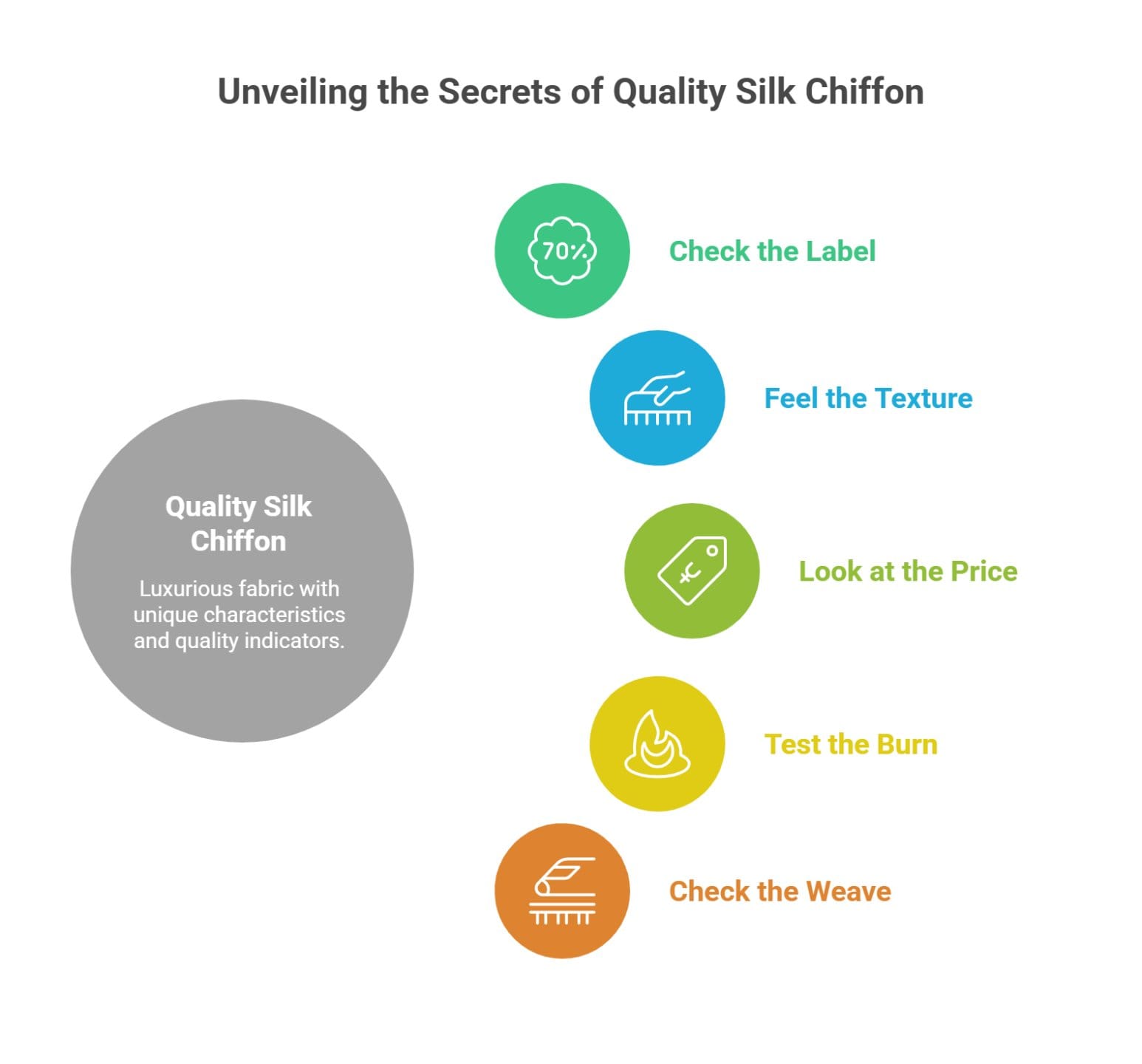
Visual guide explaining simple ways to check the quality of silk chiffon fabric.
- Check the label: Look for “100% silk” on the content label. Anything less isn’t true silk chiffon.
- Feel the texture: Real silk chiffon has a slightly rough, natural texture. If it feels slippery like plastic, it’s likely polyester.
- Look at the price: Quality silk chiffon is expensive. If the price seems too good to be true, it probably is.
- Test the burn: If you can get a small sample, carefully burn a thread. Silk smells like burning hair and leaves fine ash. Polyester melts and smells like plastic.
- Check the weave: Hold the fabric up to light. You should see the characteristic plain weave pattern with slightly irregular texture from the crepe yarns.
Price Range
Expect to pay:
- Standard silk chiffon: $20-35 per yard
- Premium/designer silk chiffon: $35-50+ per yard
- Printed silk chiffon: $30-60+ per yard
Why is silk chiffon expensive? The cost reflects the labor-intensive silk production process, from cultivating silkworms to harvesting cocoons to spinning and weaving the delicate threads. Quality silk chiffon represents significant time and skill.
Where to Buy
- Online fabric retailers: Mood Fabrics, Fabric.com, Emma One Sock offer good selections
- Local fabric stores: High-end fabric shops often carry silk chiffon, allowing you to feel before buying
- Designer fabric suppliers: For premium options, check specialty silk suppliers
- International sources: India and China produce excellent silk chiffon, often at better prices
How Much to Buy
Silk chiffon typically comes 44-45 inches wide. For garments:
- Simple blouse: 2-2.5 yards
- Full skirt: 3-4 yards
- Dress: 4-6 yards (depending on length and design)
- Scarf: 1-1.5 yards
Always buy extra. Silk chiffon can be tricky to work with, and having extra fabric for mistakes or changes is wise.
Frequently Asked Questions
Conclusion
Silk chiffon stands as one of fashion’s most beautiful and romantic fabrics. From its origins in French textile mills to modern sustainable production, this lightweight, flowing material has maintained its place in both haute couture and everyday luxury wear.
Throughout this guide, we’ve covered the complete picture of silk chiffon: what makes it unique, how it compares to similar fabrics, the best ways to sew and care for it, and why it matters for sustainable fashion choices. We’ve looked at its properties, from the characteristic crepe texture to the beautiful drape that makes it perfect for flowing garments. We’ve explored its uses in bridal wear, evening gowns, summer clothing, and home décor.
The techniques for working with silk chiffon might seem challenging at first, but with the right tools and methods, you can create beautiful, professional results. Remember to use sharp needles, tissue paper for stability, and French seams for clean finishes. Take your time with cutting and handling, and the fabric will reward your patience with graceful, flowing garments.
Care is equally important. Hand washing in cool water, air drying flat, and gentle steaming keep your silk chiffon pieces looking beautiful for years. While it requires more attention than synthetic alternatives, the natural breathability, biodegradability, and luxurious feel make it worth the extra effort.
From a sustainability perspective, silk chiffon offers clear advantages over synthetic alternatives. It biodegrades naturally, doesn’t shed microplastics, and comes from renewable sources. By choosing quality silk chiffon and caring for it properly, you’re making a more environmentally responsible choice that will serve you well for many seasons.
- Silk chiffon is made from 100% natural silk using a special weaving technique with crepe yarns
- It offers excellent breathability and drape, making it perfect for warm weather and flowing garments
- The fabric requires special handling when sewing, but achieves beautiful results with proper techniques
- Hand washing and air drying preserve the fabric’s beauty and extend its life
- Silk chiffon is more sustainable than synthetic alternatives, being biodegradable and free from microplastics
- Quality matters: invest in good silk chiffon for pieces you’ll treasure for years
Whether you’re a home sewer planning your next project, a bride shopping for the perfect dress fabric, or someone who simply appreciates beautiful textiles, understanding silk chiffon helps you make better choices. Its combination of beauty, comfort, and sustainability makes it a fabric worth knowing about and worth investing in for special pieces.
The next time you see a flowing silk chiffon dress catching the light or feel the soft texture of a silk chiffon scarf, you’ll understand the craftsmanship and history behind this remarkable fabric. From ancient Chinese silk production to modern French weaving techniques, from careful hand washing to proper storage, every aspect of silk chiffon tells a story of quality, care, and timeless beauty.