
Everything you need to know about pearl chiffon properties, uses, care, and how it compares to other fabrics
Table of Contents
- What is Pearl Chiffon Fabric?
- The Pearl Effect: What Makes It Special
- History and Evolution
- Properties and Characteristics
- Types and Variations
- Pearl Chiffon vs Other Fabrics
- Uses and Applications
- Sustainability and Eco-Options
- Quality Indicators and Buying Guide
- How to Sew with Pearl Chiffon
- Care and Maintenance
- Styling Ideas and Inspiration
- Frequently Asked Questions
- Conclusion
What is Pearl Chiffon Fabric?
Pearl chiffon is a luxurious type of chiffon fabric that stands out because of its beautiful pearlescent finish and glossy texture. Unlike regular chiffon, pearl chiffon has a subtle shimmer that catches the light, giving it an elegant, luminous quality that makes any garment look more expensive and refined.
This fabric shares the same lightweight, sheer characteristics as traditional chiffon but adds a soft sheen that looks similar to the luster of actual pearls. When you touch pearl chiffon, you’ll notice it feels smooth and has a slightly cooler touch against your skin compared to regular chiffon. The fabric drapes beautifully and moves gracefully, making it perfect for garments that need fluid movement.
Most pearl chiffon today is made from 100% polyester, though you can also find silk versions that command higher prices. The pearlescent effect comes from special finishing treatments applied to the fabric during manufacturing. This treatment creates that signature glossy appearance without making the fabric stiff or heavy.
Pearl chiffon typically weighs around 100 GSM (grams per square meter), making it lightweight but still substantial enough to work with. It’s less sheer than regular chiffon, which means you get more coverage while still maintaining that delicate, airy feel. This makes it more practical for certain applications, especially in modest wear like hijabs or clothing that needs to be less see-through. According to Sewport’s fabric directory, chiffon fabrics are woven using an alternate S-and-Z-twist method, which creates the characteristic slightly puckered texture.
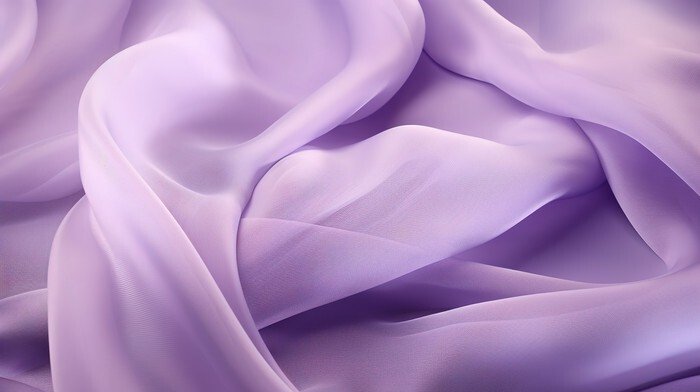
Pearl chiffon fabric demonstrating its signature sheen, softness, and flowing drape that set it apart from standard chiffon
The Pearl Effect: What Makes It Special
The pearlescent quality of pearl chiffon comes from special finishing processes applied during fabric production. Manufacturers use treatments that create a subtle iridescent coating on the fabric surface. This coating reflects light differently than regular chiffon, producing that characteristic pearl-like shimmer.
Think of it like this: if you’ve ever seen how a pearl catches the light with soft, gentle reflections rather than harsh shine, that’s exactly what pearl chiffon does. The effect is sophisticated and understated rather than sparkly or glittery. It adds dimension to the fabric without being over the top.
Pearl Chiffon vs Satin Chiffon: Understanding the Sheen
While both fabrics have a sheen, satin chiffon has a higher, more obvious shine compared to pearl chiffon’s subtle luster. Pearl chiffon offers a more delicate shimmer that works well for both daytime and evening wear. Satin chiffon tends to be reserved for evening events because its shine is more pronounced.
The pearl treatment also affects how the fabric feels. It creates a smoother hand compared to regular chiffon, which can feel slightly rough due to its twisted yarns. This smoothness makes pearl chiffon more comfortable to wear, especially for items like scarves and hijabs that sit against your skin all day.
History and Evolution
Pearl chiffon emerged as designers and fabric manufacturers looked for ways to make polyester chiffon more luxurious and versatile. While traditional silk chiffon has been around since the 1700s, pearl chiffon is a more recent innovation that gained popularity in the late 20th and early 21st centuries.
The fabric experienced a big comeback in the ballroom dance world in recent years. Dancers discovered that pearl chiffon’s combination of shimmer and fluid movement made it perfect for competition dresses. The fabric moves beautifully on the dance floor while catching stage lights in a flattering way. As noted by DSI London, a leading dancewear manufacturer, pearl chiffon has become an essential ballroom dance fabric because of its glossy texture and smooth movement on the floor.
Around the same time, the modest fashion industry embraced pearl chiffon for hijabs. The fabric’s less-sheer quality compared to regular chiffon, combined with its elegant appearance, made it ideal for this market. The slight texture of pearl chiffon also helps it stay in place better than slippery regular chiffon, solving a practical problem for hijab wearers.
Today, pearl chiffon has found its place in bridal fashion, evening wear, and dance costumes. Its versatility means it works for both special occasions and everyday elegant looks, making it a popular choice across different fashion markets.
Properties and Characteristics
Physical Properties
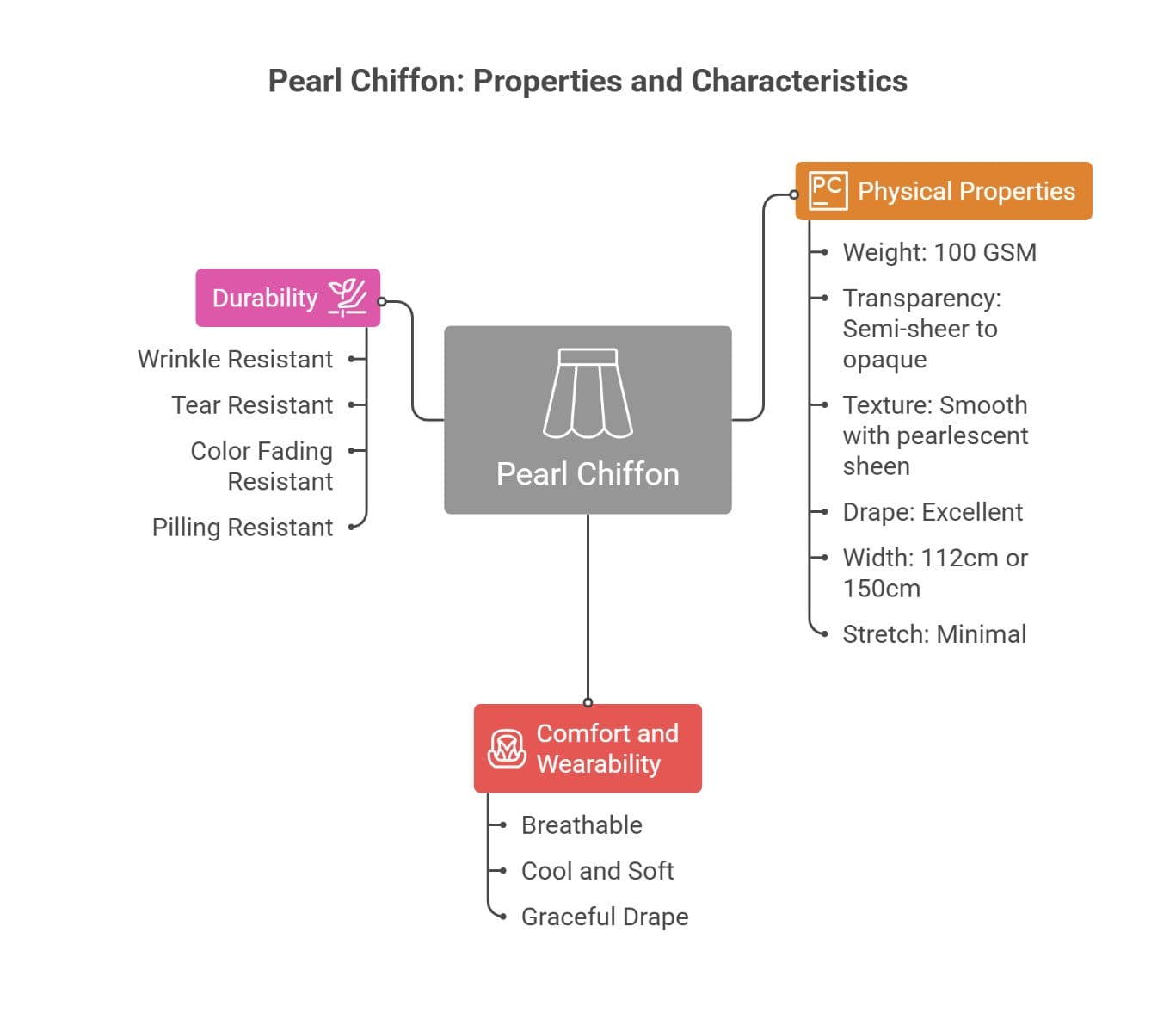
Pearl chiffon properties and characteristics presented visually to explain comfort, durability, and performance features
Pearl chiffon has several distinct physical properties that set it apart:
- Weight: Typically 100 GSM, which is lightweight but has more substance than regular chiffon
- Transparency: Semi-sheer to opaque depending on color and quality (less see-through than traditional chiffon)
- Texture: Smooth with a subtle pearlescent sheen
- Drape: Excellent draping quality with fluid movement
- Width: Usually 112cm (44 inches) or 150cm (58 inches) wide
- Stretch: Minimal stretch from the weave (unless elastane is added)
Comfort and Wearability
One of the best things about pearl chiffon is how comfortable it is to wear. The fabric is breathable, making it suitable for warm weather. When pearl chiffon touches your skin, it feels cool and soft, which is why people love wearing it in summer months.
The fabric has a better drape than regular chiffon, meaning it falls more gracefully and doesn’t cling to your body in unflattering ways. This quality comes from the higher twist in the yarns and the finishing treatment that gives it weight without bulk.
Durability
Polyester pearl chiffon is surprisingly durable for such a delicate-looking fabric. The tight weave and quality finishing make it resistant to:
- Wrinkles (it recovers well from creasing)
- Tears (stronger than silk chiffon)
- Color fading (when properly cared for)
- Pilling (doesn’t form those annoying little balls)
However, like all delicate chiffon fabrics, it can still snag if caught on rough surfaces or sharp objects. Handle with care during sewing and wearing.
Types and Variations
Silk Pearl Chiffon
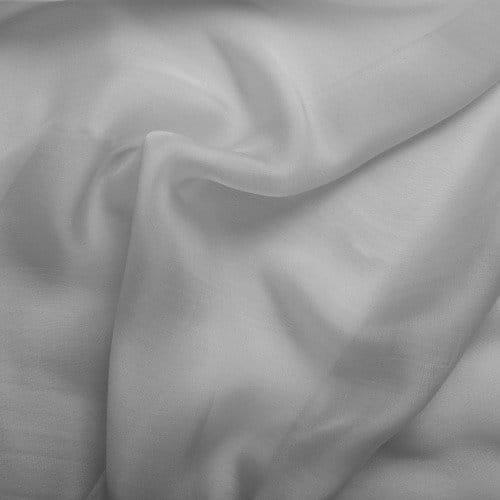
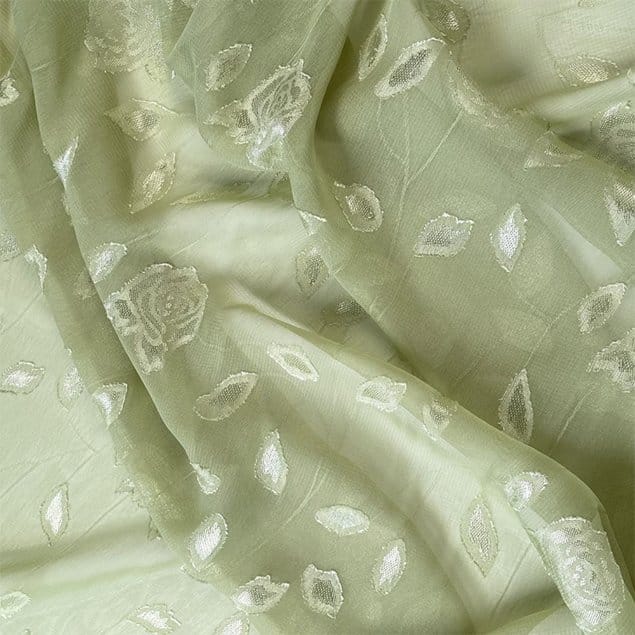
Silk pearl chiffon showcasing natural softness, lightweight feel, and premium luxury finish
The most luxurious option, silk pearl chiffon combines the natural beauty of silk with the pearl finish. This version costs more (typically $15-30 per yard) but offers unmatched softness and a natural sheen that synthetic versions can’t quite replicate. Silk pearl chiffon breathes better and feels more luxurious against the skin.
Keep in mind that silk versions require more delicate care, usually dry cleaning, to maintain their quality. The natural fibers are also more susceptible to water spotting and may not be as color-fast as polyester versions.
Polyester Pearl Chiffon
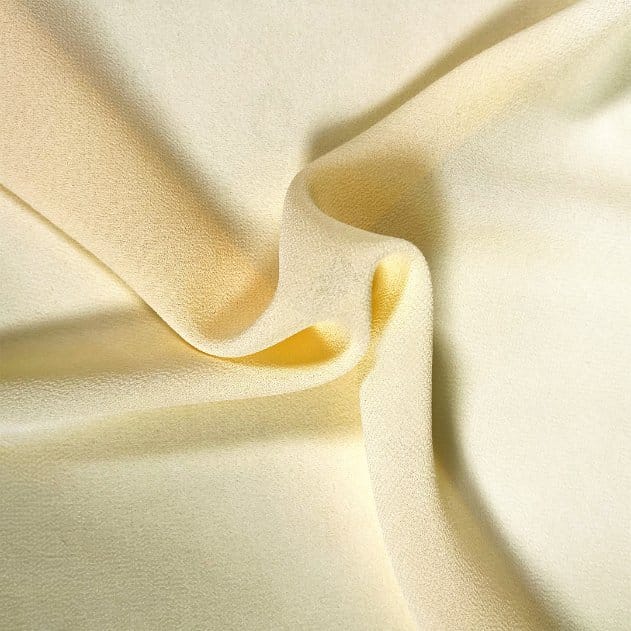
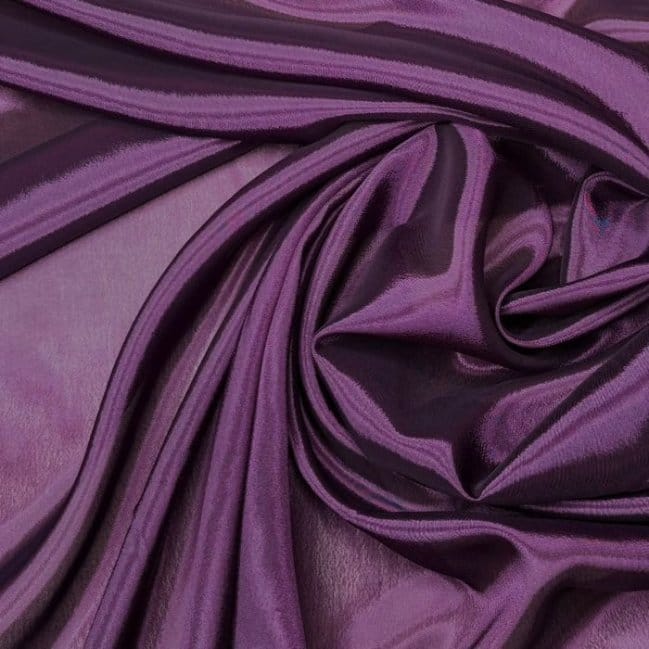
Polyester pearl chiffon fabric offering durability, vibrant color, and easy care with elegant drape
The most common and practical option, polyester pearl chiffon offers great value for money. Prices typically range from $6-15 per yard, making it accessible for most projects. This version is:
- Machine washable (with proper care)
- More wrinkle-resistant than silk
- Available in hundreds of colors
- More durable and long-lasting
- Better at holding pleats
Recycled Pearl Chiffon (R-PET)
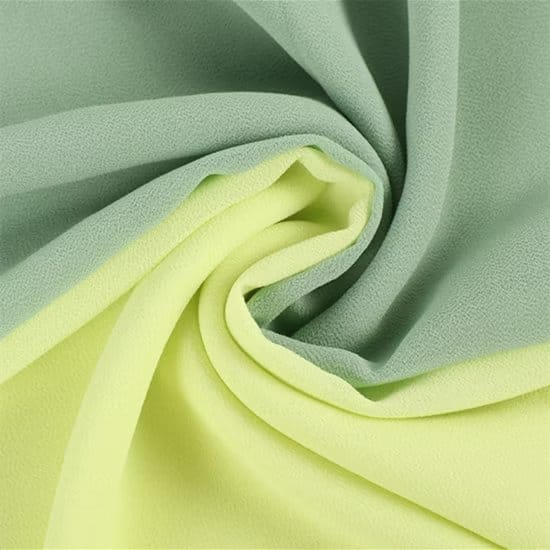
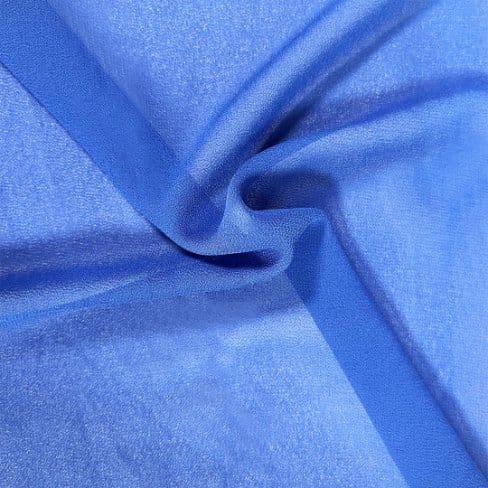
Recycled pearl chiffon fabric combining sustainability with lightweight comfort and soft drape
A newer and more sustainable option, recycled polyester pearl chiffon is made from recycled plastic bottles. This eco-friendly alternative:
- Uses 86% less water than virgin polyester
- Consumes 70% less energy during production
- Produces 75% less CO2 emissions
- Keeps plastic bottles out of landfills and oceans
The quality is comparable to regular polyester pearl chiffon, with slightly more texture that actually helps with grip (great for hijabs). Look for GRS (Global Recycled Standards) certification when buying.
Pearl Chiffon vs Other Fabrics
Pearl Chiffon vs Regular Chiffon
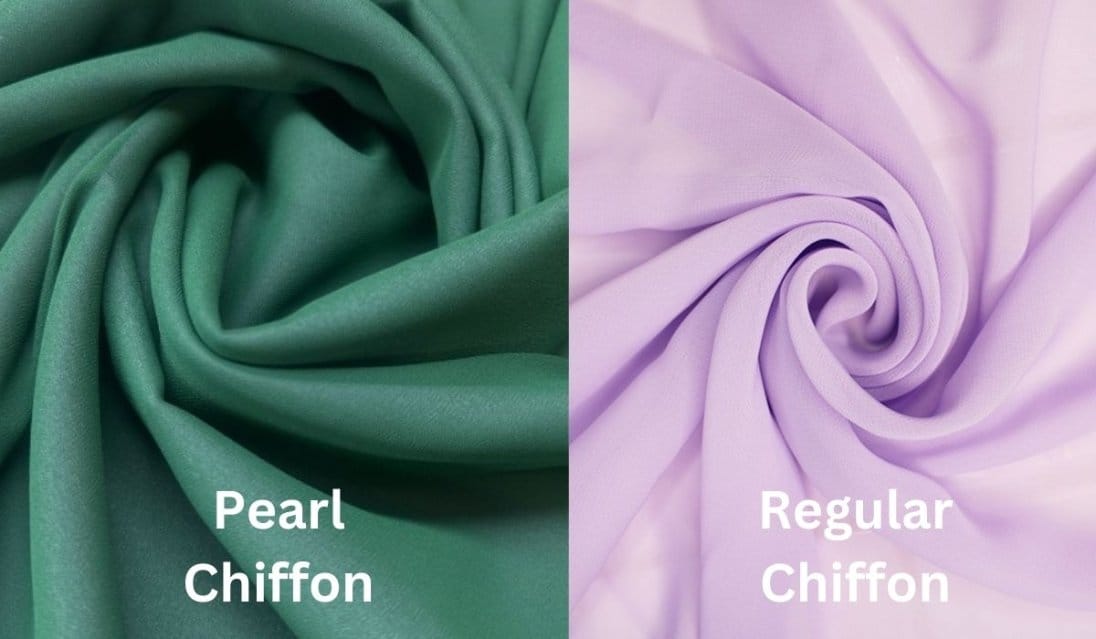
Pearl chiffon versus regular chiffon highlighting improved opacity, durability, and subtle shine
| Feature | Pearl Chiffon | Regular Chiffon |
|---|---|---|
| Sheen | Pearlescent, subtle shimmer | Slight natural sheen, no shimmer |
| Transparency | Less sheer, more opaque | Very sheer and transparent |
| Texture | Smoother, silkier feel | Slightly rough, crinkled texture |
| Drape | Heavier drape, better fall | Lighter, more floating drape |
| Best For | Evening wear, ballroom dresses, hijabs | Overlays, scarves, lightweight blouses |
| Price Range | $6-30/yard | $4-25/yard |
Pearl Chiffon vs Satin Chiffon
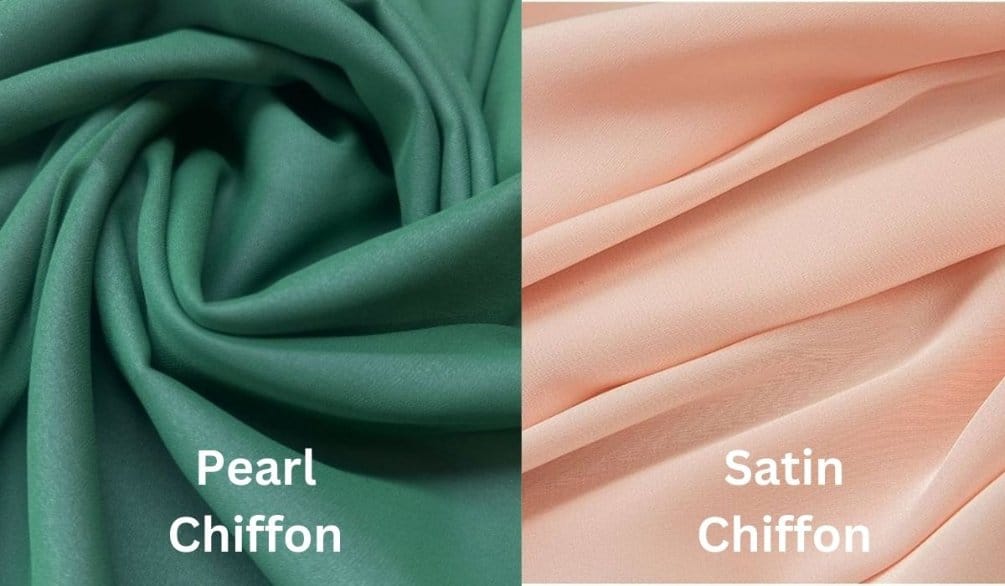
Pearl chiffon and satin chiffon comparison showing subtle sheen versus glossy shine for different styling effects
Satin chiffon has a higher, more obvious shine than pearl chiffon. The key difference is that satin chiffon is shinier and more reflective, making it better suited for formal evening wear. Pearl chiffon’s subtler shimmer makes it more versatile for both day and evening wear.
Both fabrics work well for ballroom and Latin dance dresses, but pearl chiffon is often preferred because its slightly more subdued shine doesn’t compete with rhinestones and other embellishments.
Pearl Chiffon vs Georgette
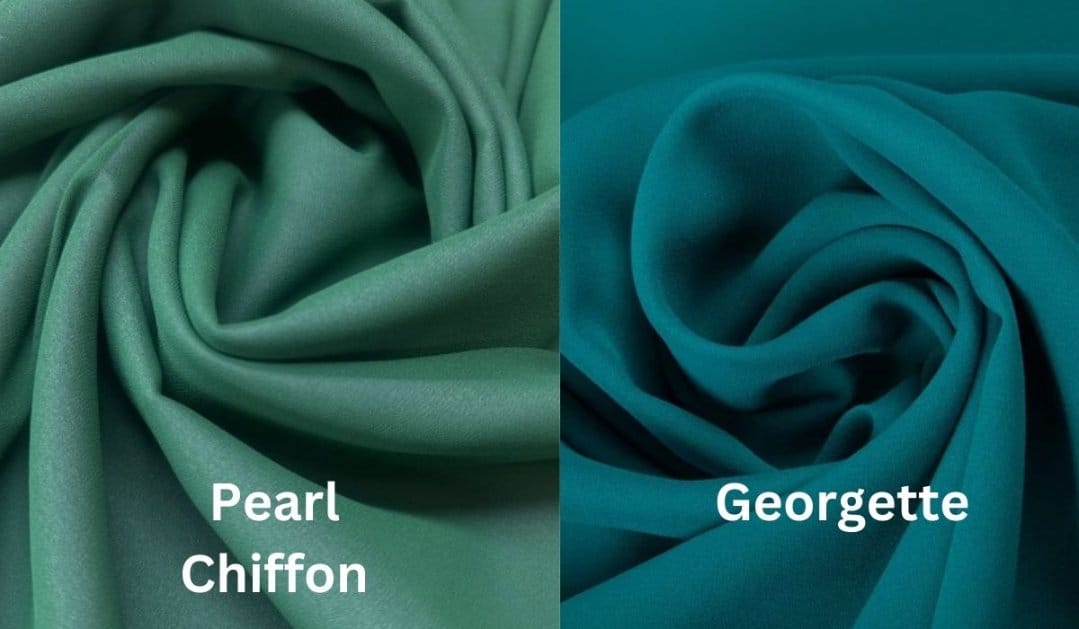
Pearl chiffon compared with georgette to highlight smooth sheen versus textured matte finish and differences in drape
While georgette is a cousin of chiffon, it has some key differences:
- Weight: Georgette is heavier and more opaque
- Texture: Georgette has a more crinkled, grainy texture
- Drape: Georgette holds its shape better; pearl chiffon flows more
- Sheen: Georgette is matte; pearl chiffon is lustrous
Pearl chiffon would be better for flowing skirts and soft scarves, while georgette works better for blouses and dresses that need more structure.
Pearl Chiffon vs Organza
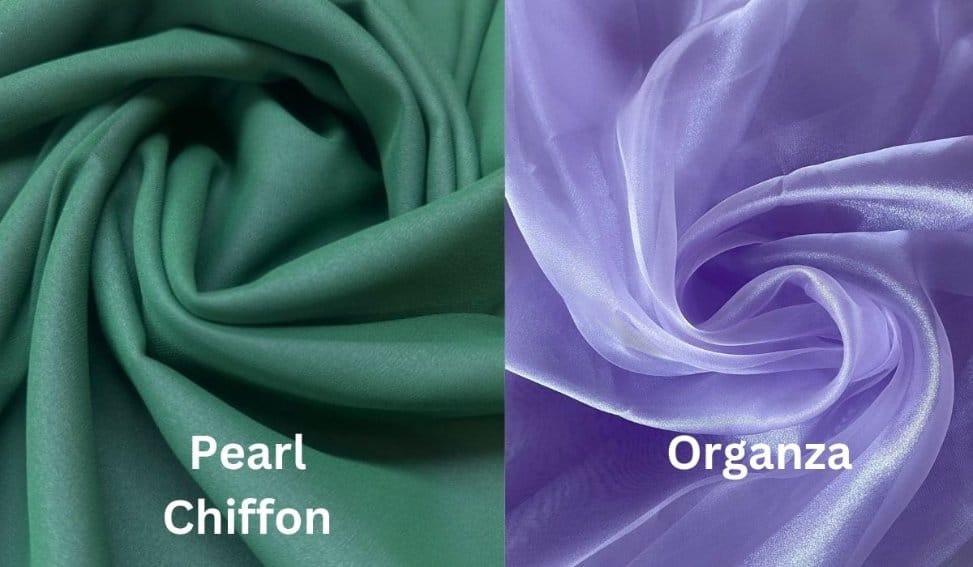
Soft pearl chiffon contrasted with stiff organza to demonstrate flow versus structure in formal fabrics
Organza is much crisper and stiffer than pearl chiffon. Think of organza as the structured, formal fabric (good for petticoats and structured overlays) while pearl chiffon is the soft, flowing option (perfect for skirts and draping). Organza also has more transparency and a different type of sheen.
Uses and Applications
Ballroom and Latin Dance Costumes
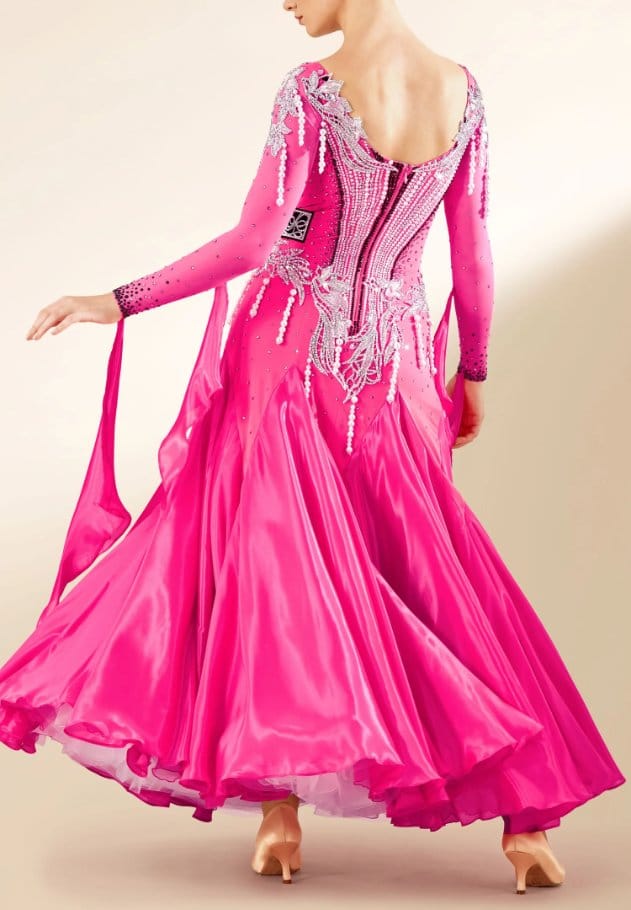
Ballroom dance gown crafted from pearl chiffon for dramatic flow, shimmer, and dynamic stage presence
Pearl chiffon has become essential in the dance world. The fabric’s glossy texture creates stunning visual effects under stage lighting, while its smooth movement on the floor adds to the overall performance. Dancers use it for:
- Full circle skirts and floats
- Godets (triangular inserts) for movement
- Draped overlays on bodices
- Sunray pleated skirts
The fabric can be pleated beautifully and holds its shape well, making it perfect for those dramatic ballroom skirts that spin and flow during competition routines.
Hijabs and Modest Wear
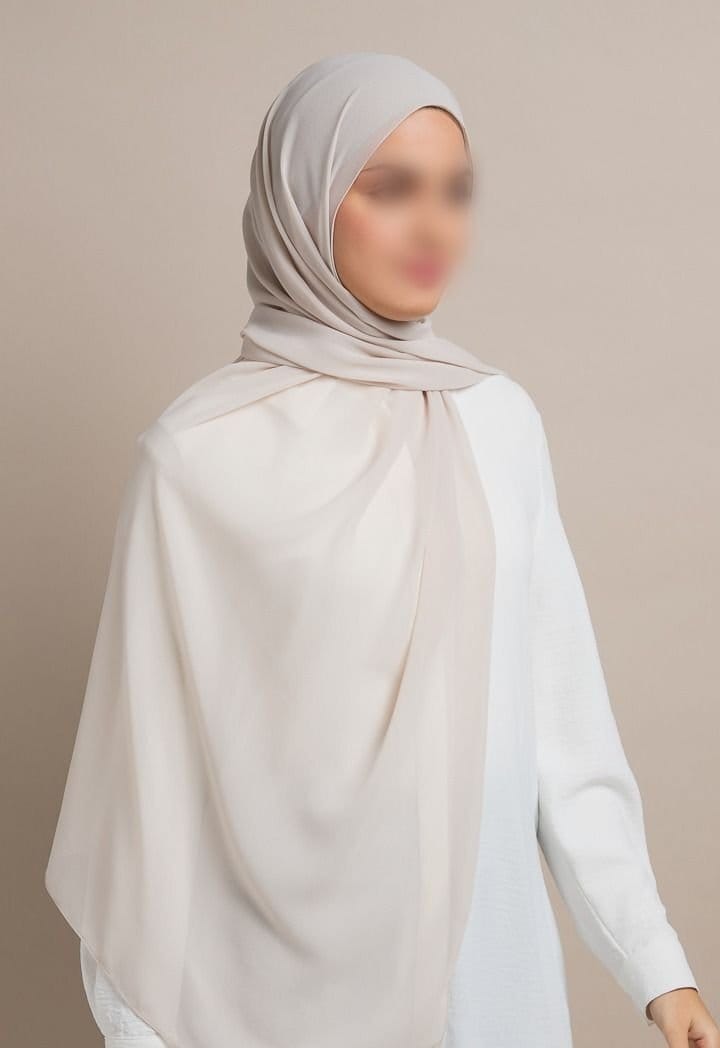
Pearl chiffon hijab offering lightweight comfort, modest coverage, and a soft flowing finish
Pearl chiffon has become one of the most popular fabrics for hijabs because it solves several practical problems:
- Less slippery than regular chiffon, so it stays in place better
- Less sheer, providing better coverage
- Lightweight and breathable for all-day comfort
- Available in hundreds of colors
- Elegant enough for special occasions yet practical for everyday wear
The slight texture of pearl chiffon (especially in recycled versions) creates just enough grip to prevent slipping without being rough or uncomfortable.
Bridal and Evening Wear
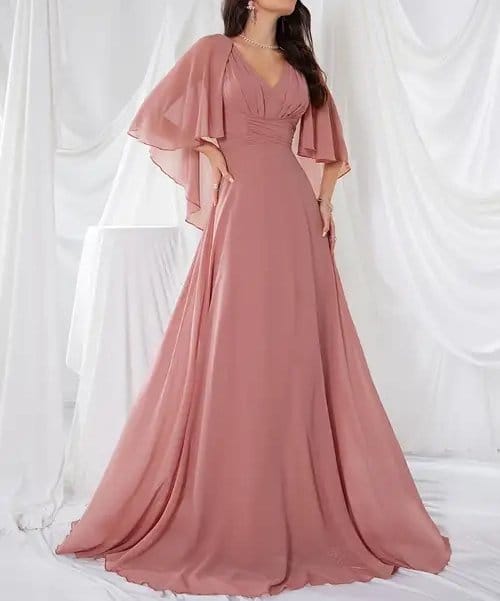
Romantic bridesmaid dress made from pearl chiffon featuring soft drape, lightweight comfort, and a flowing silhouette
In bridal fashion, pearl chiffon is used for:
- Bridesmaid dresses (very popular choice)
- Wedding dress overlays and sleeves
- Bridal veils
- Mother-of-the-bride outfits
The fabric photographs beautifully and works well for both outdoor and indoor ceremonies. Its subtle shimmer adds just enough elegance without looking overly flashy in wedding photos.
For more ideas on choosing the right fabrics for special occasions, check out our guide on shopping for junior bridesmaid dresses.
Other Applications
- Evening gowns and cocktail dresses: The drape and shimmer work perfectly for formal wear
- Scarves and stoles: Lightweight and elegant for layering
- Blouses: Adds sophistication to work or evening outfits (use a lining)
- Home decor: Curtains, table runners, and decorative draping
- Ice skating costumes: Similar needs to ballroom dance (fluid movement, stage lighting)
Sustainability and Eco-Options
Environmental Impact of Traditional Pearl Chiffon
Most pearl chiffon is made from polyester, which is derived from petroleum. Traditional polyester production has environmental concerns:
- High energy consumption during manufacturing
- Non-biodegradable (takes hundreds of years to break down)
- Releases microplastics when washed
- Uses virgin petroleum resources
Recycled Pearl Chiffon: The Sustainable Alternative
R-PET (Recycled Polyethylene Terephthalate) pearl chiffon offers a much better environmental profile:
- Water savings: 86% less water used compared to virgin polyester
- Energy efficiency: 70% less energy consumed during production
- Carbon footprint: 75% lower CO2 emissions
- Waste reduction: Keeps plastic bottles out of oceans and landfills (approximately 8 bottles per hijab-sized piece)
These environmental benefits are significant. According to Waste2Wear, a leading manufacturer of RPET fabrics, choosing recycled polyester over virgin polyester uses 86% less water, 75% less CO2, and 70% less energy compared to conventional materials.
Look for these certifications when buying sustainable pearl chiffon:
- GRS (Global Recycled Standards): Verifies recycled content and responsible production
- OEKO-TEX Standard 100: Ensures fabric is free from harmful chemicals
- BSCI: Certifies ethical and safe working conditions
Making More Sustainable Choices
Even when using traditional polyester pearl chiffon, you can reduce environmental impact by:
- Choosing quality over quantity (buy less but buy better)
- Caring for garments properly to extend their life
- Using a Guppyfriend washing bag to catch microplastics during washing
- Washing less frequently and at lower temperatures
- Repurposing scraps for smaller projects instead of throwing them away
Quality Indicators and Buying Guide
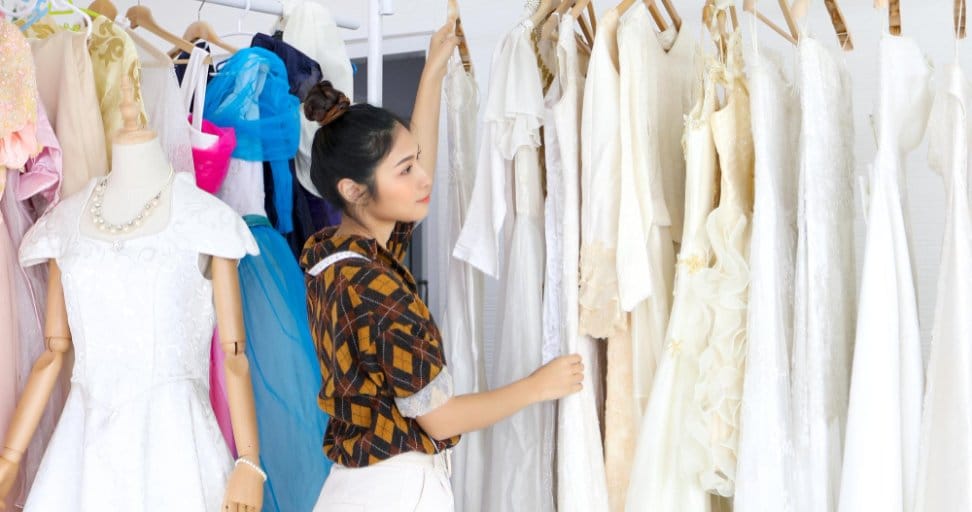
Choosing quality pearl chiffon garments by checking texture, drape, and finish during shopping
How to Identify High-Quality Pearl Chiffon
Not all pearl chiffon is created equal. Here’s what to look for:
- Even weave: Hold the fabric up to light. The weave should be consistent with no thin or thick spots
- Smooth finish: Quality pearl chiffon feels silky, not rough or scratchy
- Consistent sheen: The pearlescent effect should be uniform across the fabric
- Good drape: When you hold it up, it should fall gracefully without being too limp or stiff
- Color consistency: No variation or streaking in the dye
- Strong selvage edges: The finished edges should be neat and secure
Price Ranges and What They Mean
| Price Range (per yard) | Quality Level | What You Get |
|---|---|---|
| $4-8 | Budget | Basic polyester, may have uneven dye, thinner weight |
| $8-15 | Mid-Range | Good quality polyester, even dye, reliable for most projects |
| $15-22 | Premium | Lab-dyed polyester, color-matched to collections, enhanced durability |
| $22-30+ | Luxury | Silk pearl chiffon or top-tier polyester from specialty manufacturers |
Where to Buy
Online Fabric Retailers: Zelouf Fabrics, Mood Fabrics, Etsy, Amazon
Specialty Dance Suppliers: DSI London, Chrisanne Clover (for high-quality, lab-dyed options)
Wholesale Suppliers: Alibaba (for bulk orders, minimum quantities apply)
Local Fabric Stores: Check the special occasion or bridal section
How Much to Buy
Typical Yardage Needs
- Hijab: 2-2.5 yards
- Scarf: 1-1.5 yards
- Blouse: 2-3 yards (depending on size and style)
- Full skirt: 3-5 yards
- Evening gown: 5-8 yards (with lining)
- Bridesmaid dress: 4-6 yards (plus lining fabric)
Always buy an extra half yard for pattern matching, mistakes, or testing. Pearl chiffon from different dye lots can vary slightly in color, so get everything you need in one purchase.
How to Sew with Pearl Chiffon
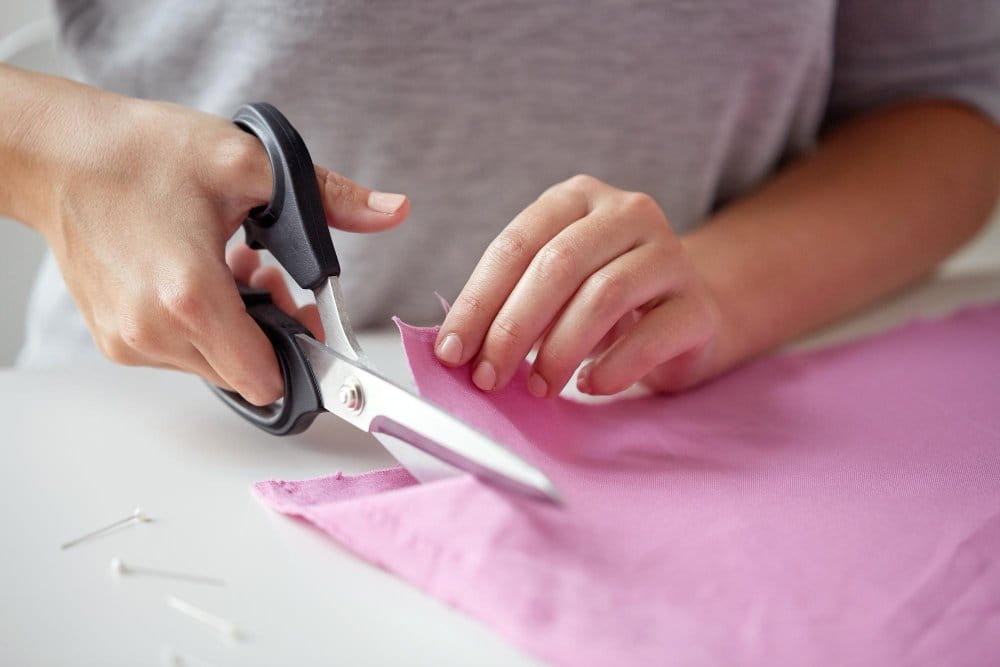
Cutting pearl chiffon fabric with sharp scissors for precise sewing and clean edges during garment construction
Pearl chiffon can be tricky to work with if you’ve never sewn delicate fabrics before. Here’s how to get professional results:

Essential Tools and Supplies
- Needles: Microtex sharp needles, size 60/8 or 70/10 (regular needles will snag)
- Thread: Fine polyester thread in a matching color (go darker if you can’t find an exact match)
- Pins: Fine silk pins or use fabric weights instead (regular pins leave permanent holes)
- Scissors: Very sharp fabric scissors or a new rotary blade
- Stabilizer: Tissue paper or wash-away stabilizer
- Presser foot: Walking foot or reduce pressure on standard foot
For more detailed guidance on essential sewing supplies, check out our beginner’s guide.
Cutting Pearl Chiffon
- Prepare your surface: Use a cutting mat or large table covered with a sheet to prevent slipping
- Let it settle: Unroll the fabric and let it relax for 30 minutes before cutting
- Use weights: Pattern weights work better than pins for holding pattern pieces in place
- Cut with confidence: Use long, smooth cuts rather than small snips. Dull blades create ragged edges that fray worse
- Mark carefully: Use tailor’s chalk or a fabric marker on the wrong side. Test first on a scrap
Pro Tip: The Tissue Paper Method
Sandwich the pearl chiffon between two layers of tissue paper when cutting and sewing. The paper stabilizes the slippery fabric and prevents puckering. Carefully tear it away after stitching. This technique is especially helpful for curved seams and delicate areas.
Sewing Techniques
Seam Options:
- French seams: Best choice for pearl chiffon. Creates a clean finish and encloses raw edges. Perfect for unlined garments. Learn how to sew a French seam with our step-by-step tutorial.
- Narrow rolled hems: Professional-looking hem for edges. Use a rolled hem foot if you have one
- Mock French seams: Faster alternative when working with curves
Machine Settings:
- Stitch length: 2.0-2.5mm (shorter stitches prevent puckering)
- Tension: Slightly reduced (test on scraps first)
- Speed: Slow and steady (rushing causes puckering and uneven stitches)
- Presser foot pressure: Lighten if possible
Common Problems and Solutions
| Problem | Solution |
|---|---|
| Fabric puckering | Use tissue paper under fabric, reduce tension, check needle is sharp and correct size |
| Seams slipping | Use French seams, reduce stitch length, sew slowly |
| Snags appearing | Change to Microtex needle, ensure needle is sharp, remove burrs from throat plate |
| Fabric sliding off table | Cover table with non-slip shelf liner or a sheet |
| Can’t match pattern pieces | Use basting tape or fabric glue stick (test first) instead of pins |
Finishing Touches
- Pressing: Use low heat (silk setting) with a pressing cloth. Never let the iron touch the fabric directly. Steam can water-spot pearl chiffon, so be careful
- Lining: Most pearl chiffon garments need lining for opacity. Use charmeuse, crepe, or matching color batiste
- Closures: Invisible zippers work better than regular zippers. Hand-sewn buttons are more secure than machine-sewn
Care and Maintenance
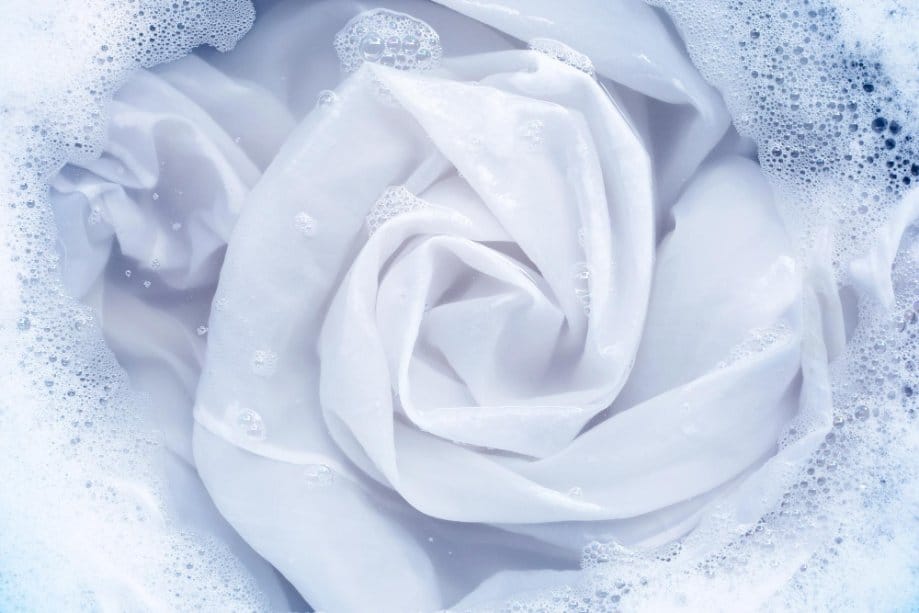
Gentle hand washing pearl chiffon to maintain softness, color, and delicate texture
Proper care will keep your pearl chiffon items looking beautiful for years. The care method depends entirely on whether you have silk or polyester pearl chiffon.
Caring for Polyester Pearl Chiffon
Washing Instructions
Hand Washing (Recommended):
- Fill a clean basin with cool or lukewarm water (maximum 40°F/4°C)
- Add a small amount of mild detergent designed for delicates
- Gently submerge the item and swish it around (don’t rub or scrub)
- Let it soak for no more than 30 minutes
- Rinse thoroughly in cool water until all soap is gone
- Gently press out excess water (never wring or twist)
Quick Tip
Add a teaspoon of white vinegar to the rinse water. This helps remove detergent residue and keeps colors vibrant longer.
Machine Washing (If Care Label Allows):
- Place item in a mesh laundry bag
- Use cold water and delicate cycle
- Add mild detergent (avoid bleach and fabric softener)
- Remove immediately when cycle finishes
For comprehensive guidance on caring for different fabrics, read our guide on washing and caring for fabrics.
Drying
Never use a tumble dryer. The heat can melt or shrink the fabric. Instead:
- Roll the item in a clean, dry towel to absorb excess moisture
- Lay flat on a fresh dry towel or drying rack
- Keep out of direct sunlight (can cause fading)
- Ensure good air circulation
- Don’t hang while wet (can stretch out of shape)
Ironing and Steaming
- Use the lowest heat setting (silk setting)
- Always use a pressing cloth between the iron and fabric
- Test on a scrap or hidden area first
- Steam cautiously as it can cause water spots
- Press from the wrong side when possible
Caring for Silk Pearl Chiffon
Dry cleaning is recommended for silk pearl chiffon. If you absolutely must hand wash:
- Use cold water only
- Use special silk detergent
- Never soak longer than 5 minutes
- Lay flat to dry immediately
- Expect some risk of water spotting or dye bleeding
For detailed silk care instructions, see our complete silk care guide.
Stain Removal
Oil-based stains: Immediately apply baby powder or talc to absorb the oil. Let it sit for 30 minutes, then brush off gently. Treat with a small amount of mild dish soap before washing.
Water-based stains: Blot (don’t rub) with a damp cloth and mild soap. Rinse the area with cool water.
Never use: Bleach, harsh stain removers, or chlorine products. These can permanently damage the pearl finish and discolor the fabric.
Storage
- Hanging: Use padded hangers to prevent creases and stretching
- Folding: If you must fold, place acid-free tissue paper between folds to prevent creases
- Environment: Store in a cool, dry place away from direct sunlight
- Protection: Use breathable garment bags, not plastic (which can trap moisture)
- Avoid: Cedar chests or mothballs with silk pearl chiffon (can stain)
Dealing with Snags
If you get a snag in pearl chiffon:
- Don’t pull or cut the snagged thread
- Gently pull the fabric around the snag to redistribute the threads
- Use a fine needle to carefully pull the snagged thread to the wrong side
- For stubborn snags, take it to a professional tailor
Styling Ideas and Inspiration
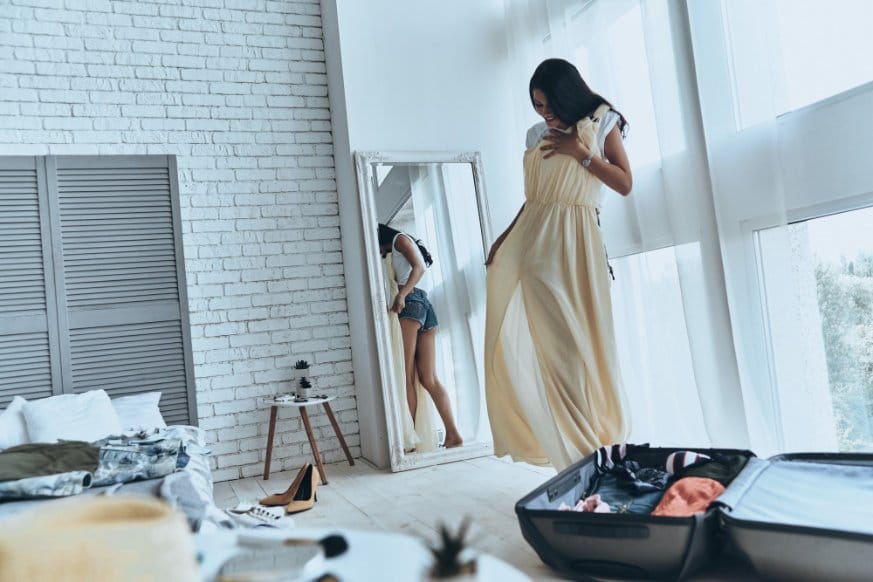
Pearl chiffon dress styled for everyday elegance and travel comfort with soft flow and breathable wear
Creating Layers
Pearl chiffon works beautifully in layered looks. Try these combinations:
- Layer a pearl chiffon blouse over a camisole or tank top
- Use pearl chiffon as a jacket or kimono over a simple dress
- Create dimension by layering two different colors of pearl chiffon
- Add a pearl chiffon scarf to dress up casual outfits
Color Combinations
Popular color trends for pearl chiffon include:
- Classic neutrals: Ivory, champagne, nude, blush
- Jewel tones: Emerald green, sapphire blue, ruby red
- Pastels: Dusty rose, lavender, mint, powder blue
- Earth tones: Terracotta, sage, camel, warm brown
- Metallics: Gold, silver, rose gold (for evening wear)
For current color trends in fashion, explore our 2025 fashion color predictions.
Seasonal Styling
Spring/Summer: Light colors and flowing silhouettes. Pearl chiffon works perfectly for summer events because it’s breathable and lightweight. Pair with sandals and minimal jewelry.
Fall/Winter: Deeper colors layered over long sleeves. Pearl chiffon adds elegance to winter outfits without bulk. Layer over turtlenecks or pair with velvet for luxe texture mixing.
Accessorizing Pearl Chiffon
- Keep jewelry simple to let the fabric’s shimmer be the star
- Pearl jewelry naturally complements pearl chiffon
- For hijabs, use hijab pins or magnets to avoid snagging
- Pair with matte fabrics for interesting texture contrast
Frequently Asked Questions
No, pearl chiffon has a pearlescent finish and glossy texture that regular chiffon doesn’t have. It’s also less sheer and has a smoother feel. Regular chiffon has a slightly rough texture and more transparency. Pearl chiffon has better drape and a subtle shimmer that catches light differently.
Yes, you can machine wash polyester pearl chiffon if the care label says it’s safe. Use a mesh laundry bag, cold water, and the delicate cycle. However, hand washing is always safer and will help your garment last longer. Never machine wash silk pearl chiffon – it needs dry cleaning or very careful hand washing.
Pearl chiffon is popular for hijabs because it’s less sheer than regular chiffon (providing better coverage), has a slight texture that helps it stay in place without slipping, and is lightweight and breathable for all-day comfort. The elegant appearance makes it suitable for both everyday wear and special occasions.
Satin chiffon has a higher, more obvious shine compared to pearl chiffon’s subtle shimmer. Pearl chiffon has a pearlescent quality that’s more delicate and versatile for both day and evening wear. Satin chiffon is typically reserved for formal evening events because of its more pronounced sheen.
Yes, pearl chiffon is excellent for summer. It’s lightweight, breathable, and feels cool against your skin. The fabric allows air circulation while still providing decent coverage. It’s perfect for summer dresses, blouses, and scarves. The fabric’s ability to drape without clinging makes it comfortable in warm weather.
Polyester pearl chiffon typically costs $6-15 per yard for good quality, with premium lab-dyed versions running $15-22 per yard. Silk pearl chiffon is more expensive at $22-30+ per yard. Budget options start around $4-8 per yard but may have uneven dye or thinner weight. Recycled pearl chiffon (R-PET) falls in the mid-range at $8-15 per yard.
Yes, pearl chiffon pleats beautifully and holds pleats well, especially polyester versions. Sunray pleating is particularly popular for ballroom dance skirts made from pearl chiffon. Professional pleating services can create permanent pleats in the fabric. The smooth texture and good drape of pearl chiffon make it ideal for pleating.
Polyester pearl chiffon is fairly wrinkle-resistant and recovers well from creasing. If wrinkles do occur, they usually hang out naturally or can be removed with low-heat steaming or ironing (always use a pressing cloth). Silk pearl chiffon wrinkles more easily than polyester. Proper storage on padded hangers helps prevent wrinkles.
Use Microtex sharp needles in size 60/8 or 70/10 for pearl chiffon. Regular universal needles will snag the delicate fibers and can leave permanent pulls. Microtex needles have an extra-sharp point designed specifically for delicate fabrics like chiffon. Always use a fresh needle for best results.
Pearl chiffon is less see-through than regular chiffon but is still semi-sheer, especially in lighter colors. Dark colors provide more coverage and can be opaque enough for some uses. For garments where transparency is a concern, use a lining in a matching or complementary color. The level of transparency can vary by manufacturer and quality.
Yes, pearl chiffon works beautifully for wedding dresses, especially as overlays, sleeves, or flowing skirts. It photographs well and has an elegant appearance suitable for weddings. However, it usually needs to be lined for opacity and combined with other fabrics for structure. It’s more commonly used for bridesmaid dresses where its soft drape and subtle shimmer create a cohesive, elegant look.
Use the tissue paper sandwich method: place tissue paper under and sometimes over the fabric while sewing, then carefully tear it away after stitching. You can also use fabric weights instead of pins, reduce your presser foot pressure, use a walking foot attachment, and sew slowly. Some sewers apply temporary spray adhesive or use basting tape to hold pieces together.
A narrow rolled hem is the most professional-looking finish for pearl chiffon. You can do this by hand or with a rolled hem foot on your sewing machine. Another option is a hand-rolled hem, which takes more time but gives beautiful results. For heavier garments like skirts, a double-fold narrow hem (1/4 inch or less) works well. Always use fine thread and small stitches.
Polyester pearl chiffon typically doesn’t shrink if you follow care instructions (use cool water, avoid heat drying). Silk pearl chiffon can shrink when exposed to water or heat, which is why dry cleaning is recommended. If you must pre-wash pearl chiffon before sewing, test a small piece first and use the same method you’ll use for washing the finished garment.
Polyester pearl chiffon can be dyed using dispersion dyes specifically made for polyester, but the process requires high heat that could damage the pearl finish. Results are unpredictable and not generally recommended. If you want a specific color, it’s better to purchase the fabric in that color rather than trying to dye it yourself. Silk pearl chiffon takes dye better but may lose some of its pearlescent quality.
Conclusion
Pearl chiffon fabric offers the perfect combination of elegance, practicality, and versatility. Whether you’re creating a stunning ballroom dress, a beautiful hijab, an elegant bridesmaid gown, or adding a sophisticated layer to your wardrobe, pearl chiffon delivers that subtle shimmer and graceful drape that makes any garment special.
What sets pearl chiffon apart from regular chiffon is its pearlescent finish, smoother texture, and less sheer quality. These properties make it more practical for many applications while still maintaining the lightweight, flowing characteristics that make chiffon so loved. The fabric works beautifully across seasons, cultures, and fashion styles, from modest wear to dance costumes to bridal fashion.
The good news for eco-conscious shopers is that sustainable options like R-PET pearl chiffon are now widely available, offering the same quality and appearance while using 86% less water, 70% less energy, and producing 75% less CO2 than traditional polyester. By choosing recycled options and caring for your pearl chiffon garments properly, you can enjoy this beautiful fabric while reducing your environmental impact.
Key Takeaways
When Choosing Pearl Chiffon:
- Look for even weave, consistent sheen, and smooth finish
- Expect to pay $6-15/yard for quality polyester, $22-30+ for silk
- Consider R-PET options for better environmental impact
- Check for GRS, OEKO-TEX, or BSCI certifications for quality and sustainability
- Buy from reputable suppliers and get all fabric from the same dye lot
For Successful Sewing:
- Use Microtex needles (60/8 or 70/10) and fine polyester thread
- Try the tissue paper sandwich method to prevent slipping
- Sew French seams for professional-looking results
- Test techniques on scraps before working on your project
- Be patient and sew slowly for best results
To Make It Last:
- Hand wash polyester versions in cool water with mild detergent
- Dry clean silk pearl chiffon
- Always air dry flat, never use a dryer
- Iron on lowest heat with a pressing cloth
- Store on padded hangers or fold with tissue paper
- Address snags immediately to prevent further damage
Best Uses:
- Ballroom and Latin dance skirts (holds pleats well, beautiful movement)
- Hijabs and modest wear (less slippery, better coverage)
- Bridesmaid dresses (photographs beautifully, wide color range)
- Evening gowns and special occasion wear (elegant drape, subtle shimmer)
- Layering pieces and accessories (scarves, stoles, overlays)
Remember that like any delicate fabric, pearl chiffon requires patience and practice to master. Don’t be discouraged if your first project doesn’t turn out perfect. Each time you work with the fabric, you’ll get better at handling its unique properties. Start with simple projects like scarves or straight skirts before moving on to complex designs with curves and details.
The beauty of pearl chiffon is that it makes even simple designs look expensive and well-made. A basic A-line skirt in pearl chiffon looks elegant enough for a formal event. A simple wrapped hijab has an understated sophistication. This quality makes pearl chiffon an excellent choice for both beginners who want impressive results and experienced sewers who want to create show-stopping pieces.
Whether you’re drawn to pearl chiffon for its practical benefits (like the less-sheer quality for hijabs) or its aesthetic appeal (that gorgeous shimmer for evening wear), you’re working with a fabric that has earned its place in fashion. From the ballroom dance floor to wedding aisles to everyday modest wear, pearl chiffon continues to be a popular choice because it simply makes people look and feel beautiful.
As you start your pearl chiffon project, remember to enjoy the process. Take your time with each step, from selecting the right color and quality to cutting and sewing to caring for your finished piece. The effort you put into working with this special fabric will be rewarded with garments that flow beautifully, catch the light in all the right ways, and last for years when properly cared for.