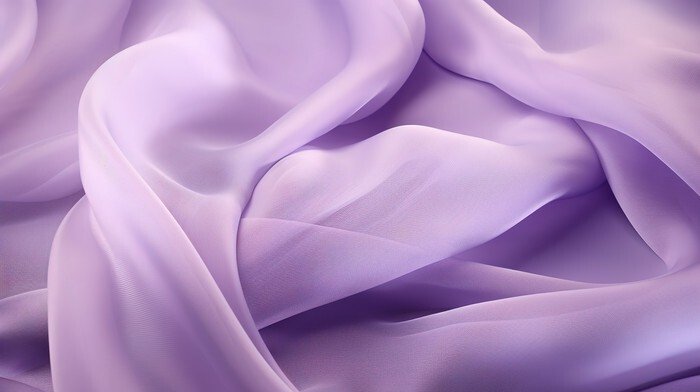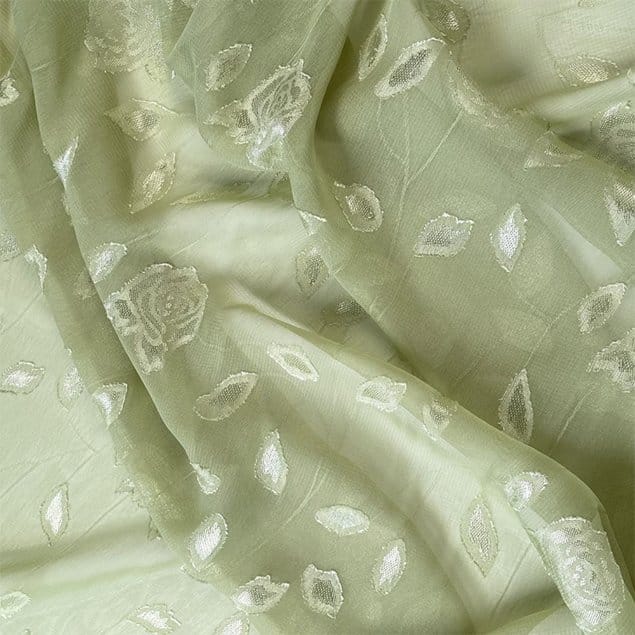

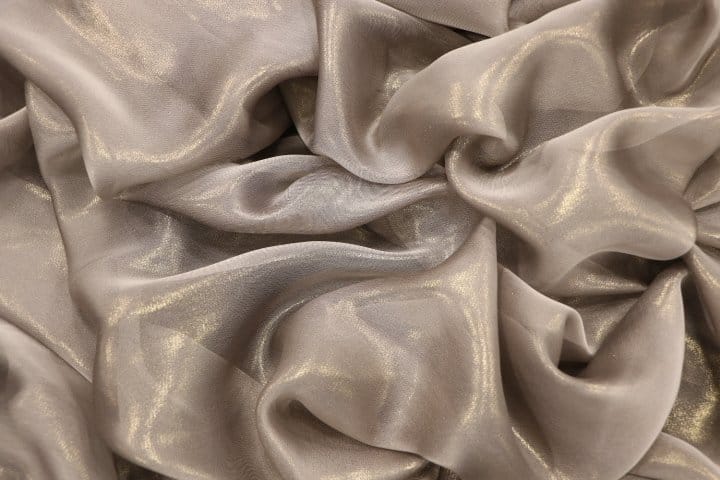
Everything you need to know about choosing, sewing, caring for, and styling this lightweight metallic fabric
Table of Contents
- What is Lurex Chiffon Fabric?
- The History of Lurex: From Ancient Gold to Modern Innovation
- How Lurex Chiffon is Made
- Characteristics and Properties
- Types of Lurex Chiffon
- Lurex Chiffon vs Other Fabrics
- Identifying Quality Lurex Chiffon
- Uses and Applications
- Sustainability and Environmental Impact
- Complete Care Guide
- Sewing with Lurex Chiffon
- Project Ideas by Skill Level
- Troubleshooting Common Issues
- Where to Buy and Price Guide
- Frequently Asked Questions
What is Lurex Chiffon Fabric?
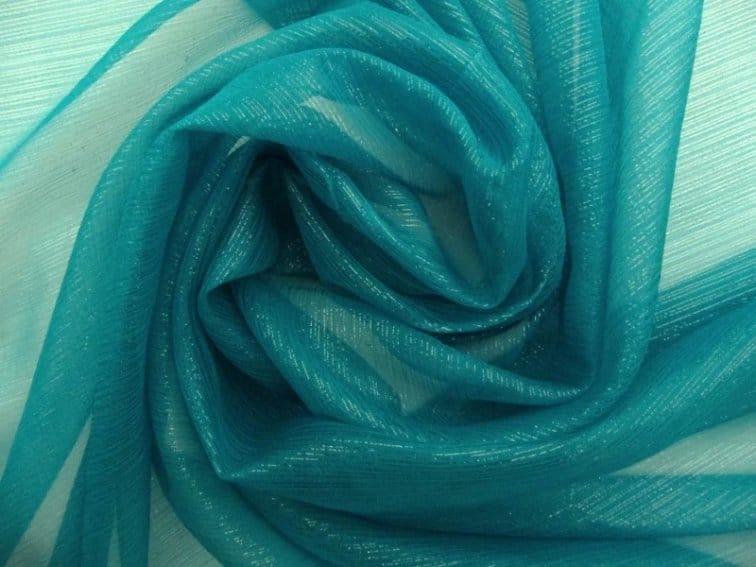
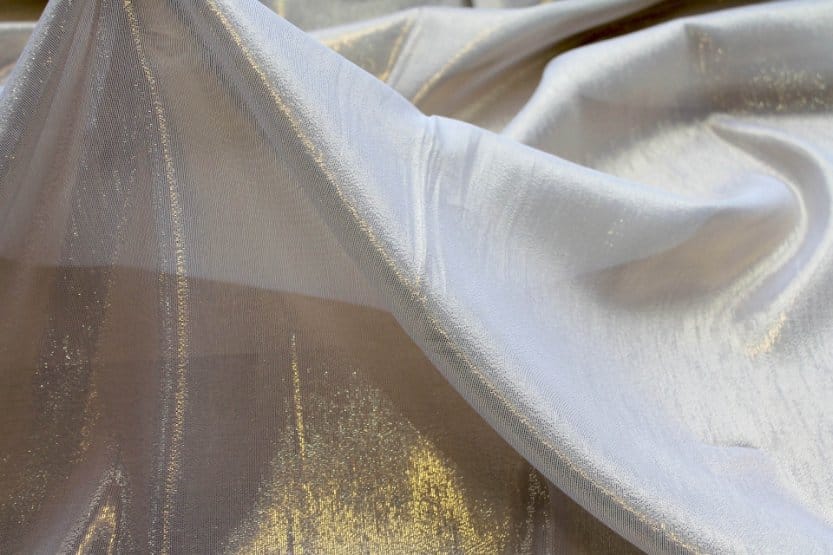
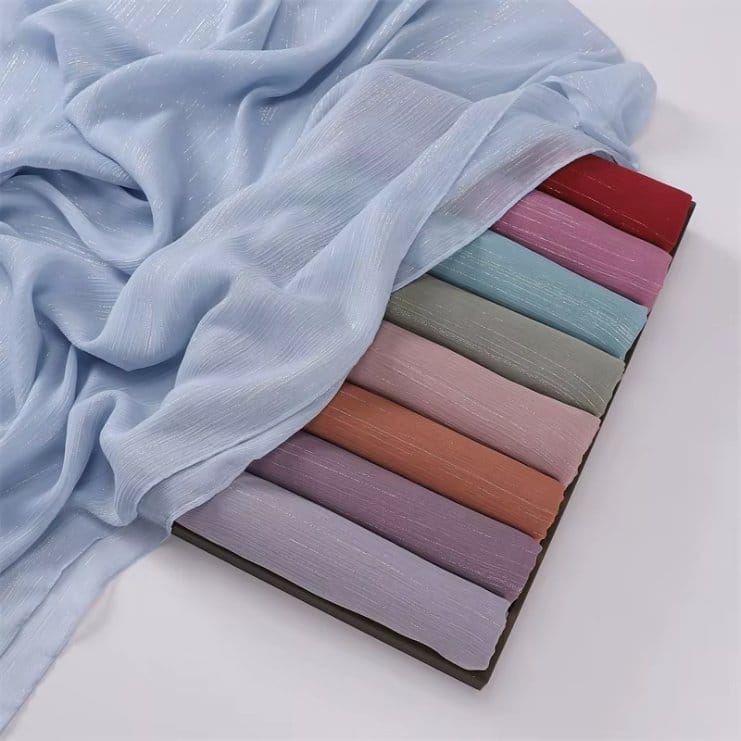
Lurex chiffon is a lightweight, sheer fabric that combines the flowing drape of traditional chiffon fabric with the sparkle of metallic threads. Picture fabric that catches light like morning dew on a spider web, moving with you as gracefully as regular chiffon but with an extra shimmer that makes it perfect for special occasions.
The fabric gets its name from two components. Chiffon is a sheer, plain-woven fabric known for its slightly rough feel and beautiful drape. Lurex is the brand name (now used generically) for metallic yarn made from a thin aluminum strip sandwiched between two layers of plastic film. When these metallic threads are woven together with regular chiffon fibers, you get lurex chiffon.
Think of it this way: if regular chiffon is like a whisper, lurex chiffon is like a whisper with glitter. The base fabric can be made from silk, polyester, or nylon, with metallic threads running through it in various patterns-sometimes as fine pinstripes, sometimes scattered throughout, or woven in decorative designs.
Quick Facts About Lurex Chiffon
- Weight: 30-60 GSM (very lightweight)
- Transparency: Semi-sheer to sheer
- Metallic content: Usually 1-10% lurex threads
- Drape: Fluid and soft
- Common uses: Evening wear, scarves, overlays, festive clothing
The metallic threads don’t just add visual appeal. They also slightly change how the fabric behaves. Lurex chiffon is a bit less breathable than regular chiffon and can feel slightly stiffer, though it still maintains that beautiful flow chiffon is known for. It’s this balance between shimmer and softness that makes it so popular for special occasion dresses, bridal wear, and festive clothing.
The History of Lurex: From Ancient Gold to Modern Innovation
The story of lurex chiffon starts thousands of years ago, long before the Lurex company even existed. Humans have always been drawn to shiny things, and our ancestors found ways to weave precious metals into cloth.
Chinese artisans during the Warring States period created luxurious brocades using real gold threads. They would hammer gold into thin foil, cut it into strips, and wrap it around silk or cotton yarns. These fabrics were symbols of wealth and power, worn only by royalty.
European nobility used real gold and silver threads in textiles. In 16th century Germany, craftsmen developed “wire drawing” techniques to create fine metallic threads suitable for lace. These fabrics were incredibly expensive and reserved for the aristocracy and church.
The game changed completely when the British company Lurex Ltd. invented a lightweight metallic yarn. Instead of using actual precious metals, they developed a process of sandwiching aluminum between plastic film. This breakthrough made metallic fabrics affordable for everyone. The name “Lurex” comes from the English word “lure,” meaning temptation or attraction. Learn more about lurex history at the Fashion Institute of Technology.
Lurex exploded in popularity during the disco era. Dance floors lit up with lurex-clad dancers, and designers like Jacques Griffe began incorporating it into haute couture. The fabric became synonymous with glamour and celebration. Freddie Mercury of Queen even adopted the stage name “Larry Lurex” for a 1973 recording.
High fashion embraced lurex. Designers like Thierry Mugler, Halston, and Zandra Rhodes created iconic pieces featuring metallic fabrics. Lurex wasn’t just for disco anymore-it had become a legitimate fashion statement.
Today, lurex experiences a modern revival. Couture houses like Paco Rabanne, M Missoni, and Huishan Zhang regularly feature lurex in their collections. The difference now is subtlety-designers use touches of lurex rather than head-to-toe metallic. Sustainable versions are also emerging, using recycled materials and eco-friendly production methods.
When lurex technology met chiffon weaving, the result was magic. The lightweight, flowing nature of chiffon provided the perfect canvas for metallic shimmer without the heaviness of traditional gold-threaded fabrics. This combination has remained popular because it offers luxury without the weight or cost of precious metals.
How Lurex Chiffon is Made
Understanding how lurex chiffon is made helps you appreciate what you’re buying and explains why some versions cost more than others. The Lurex company revolutionized metallic thread production in 1946, and modern techniques have refined the process further.
Creating the Lurex Thread
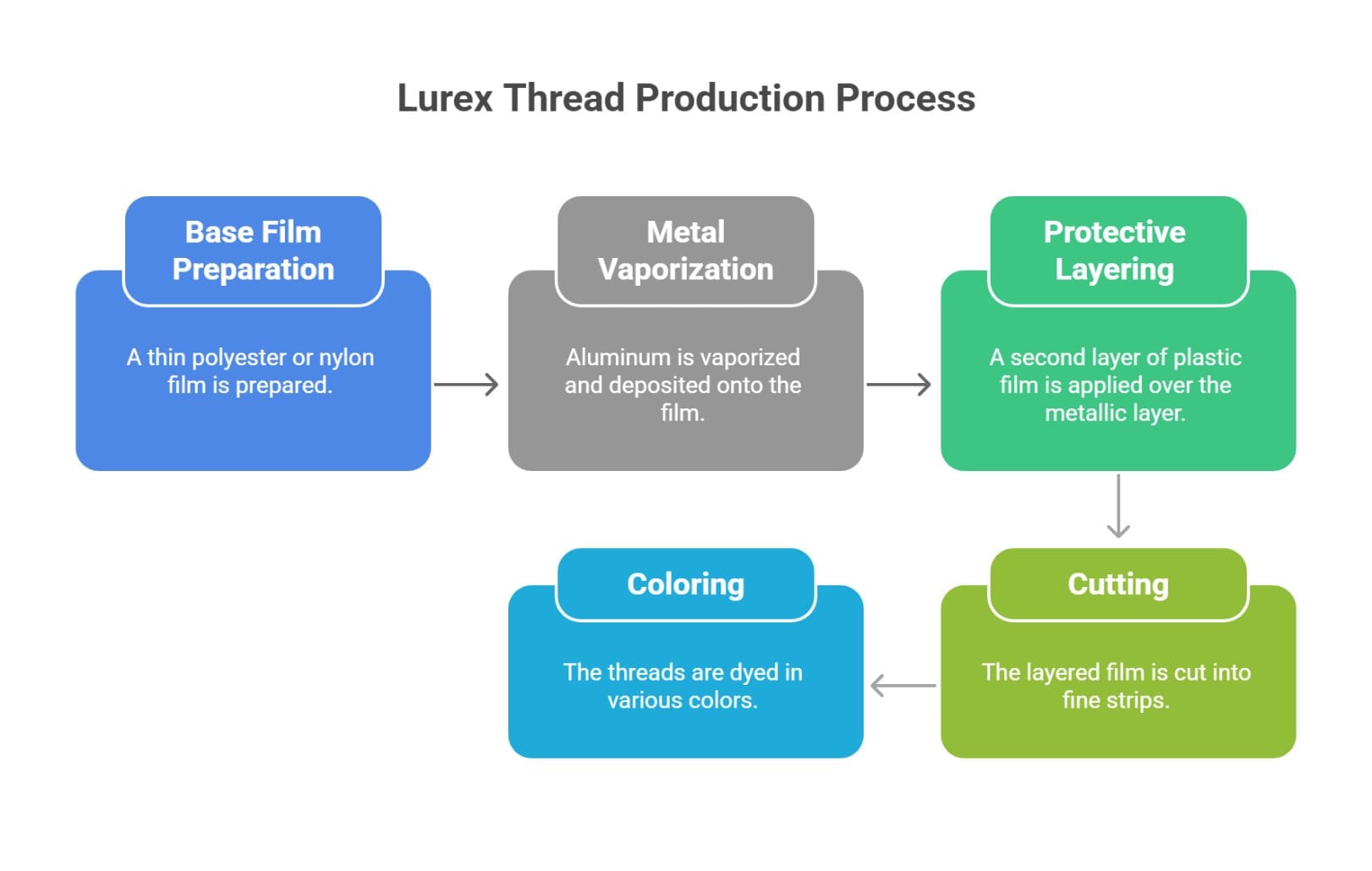
The process starts with creating the metallic yarn itself. Modern lurex production uses advanced technology:
- Base film preparation: A thin polyester or nylon film is prepared as the foundation.
- Metal vaporization: Aluminum (or sometimes silver, gold, copper, or brass) is vaporized and deposited onto the film using vacuum technology. This creates an incredibly thin, uniform metallic coating.
- Protective layering: A second layer of plastic film is applied over the metallic layer, sandwiching it for protection.
- Cutting: The layered film is cut into very fine strips-these become the metallic threads.
- Coloring: The threads can be dyed in various colors. While gold and silver are classic, you can find lurex in blues, purples, pinks, greens, and even iridescent rainbow effects.
Weaving the Chiffon
Chiffon itself is woven using a special technique called “alternate S and Z twist,” where threads twisted in opposite directions are interlaced. This creates chiffon’s characteristic slightly puckered surface and sheer appearance.
For lurex chiffon, the metallic threads are incorporated during weaving. They can be:
- Woven into the warp (vertical threads) to create vertical stripes
- Woven into the weft (horizontal threads) for horizontal shimmer
- Mixed throughout for an all-over sparkle effect
- Placed in specific patterns to create designs like florals, geometric shapes, or pinstripes
High-quality lurex chiffon, especially Italian or French-made versions, undergoes careful quality control to ensure even metallic thread distribution and consistent shimmer. The base chiffon can be silk, polyester, or nylon-each affecting the final fabric’s feel, price, and care requirements.
Why Italian and French Lurex Chiffon Costs More
European manufacturers often use higher-quality base fabrics (real silk instead of polyester), employ more precise metallic thread placement, and have stricter quality standards. The result is more consistent shimmer, better drape, and longer-lasting metallic luster. Chinese manufacturers produce excellent lurex chiffon too, but quality varies widely by factory.
Characteristics and Properties
Lurex chiffon has unique qualities that set it apart from both regular chiffon and other metallic fabrics. Let’s break down what you can expect:
Physical Properties
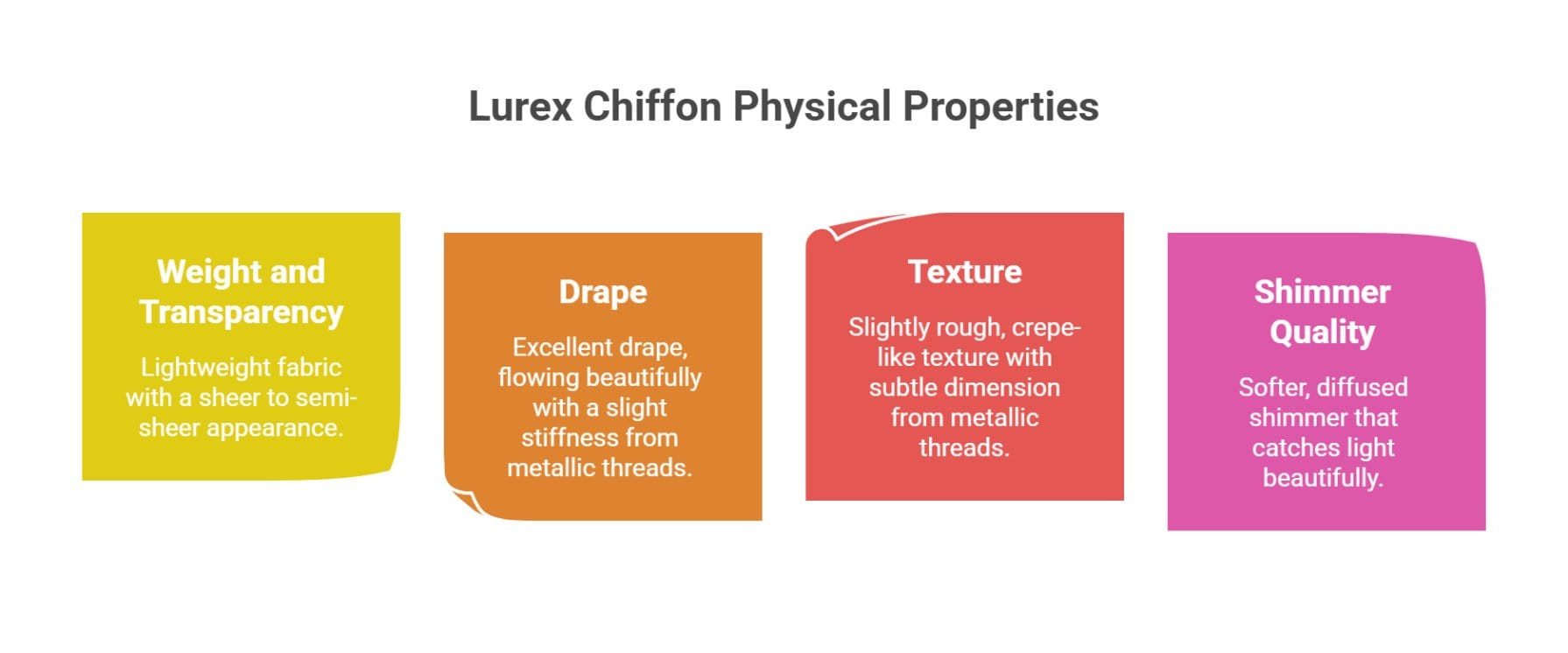
Weight and Transparency: Lurex chiffon typically weighs between 30-60 GSM (grams per square meter), making it very lightweight. It ranges from sheer to semi-sheer, depending on the weave density and whether it has a print or all-over metallic treatment.
Drape: The fabric has excellent drape, flowing beautifully over the body. The metallic threads add slight stiffness compared to regular chiffon, but it’s still wonderfully fluid. Think of how water flows-that’s similar to how lurex chiffon moves.
Texture: Like all chiffon, it has a slightly rough, crepe-like texture due to the twisted yarns. The metallic threads add subtle dimension you can feel when you run your fingers across it.
Shimmer Quality: The shimmer is softer and more diffused than lamé or sequined fabrics. Instead of sharp glints, you get a gentle glow that catches light beautifully. The effect changes as you move-magical under evening lights or photography flashes.
Performance Characteristics
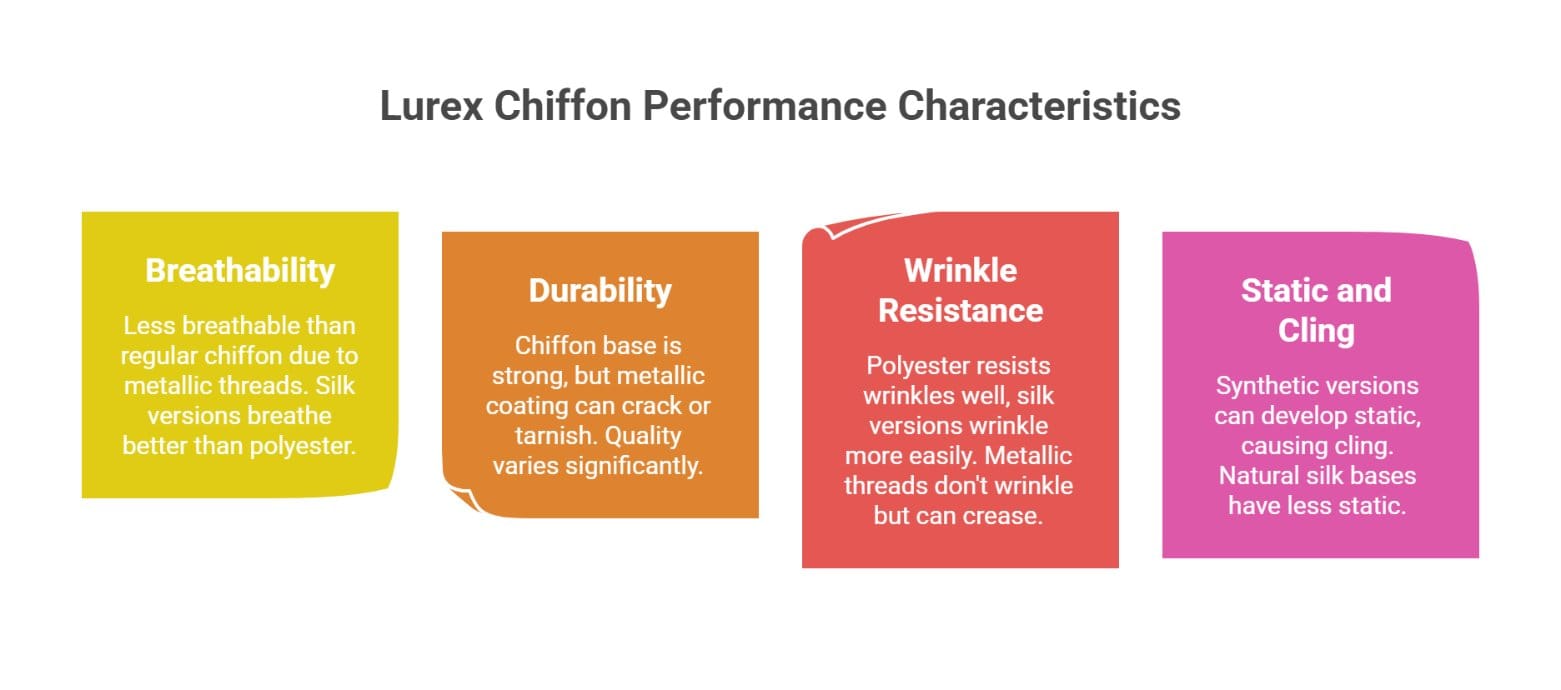
Breathability: Less breathable than regular chiffon because the metallic threads don’t allow air flow. Silk-based lurex chiffon breathes better than polyester versions, but neither is ideal for hot, humid weather or vigorous activity.
Durability: The chiffon base is quite strong due to the tightly twisted yarns. However, the metallic coating on lurex threads can eventually crack or tarnish with rough handling or improper care. Quality varies significantly-Italian silk lurex chiffon will last decades with proper care, while cheap polyester versions might start losing shimmer after a few wears.
Wrinkle Resistance: Polyester lurex chiffon resists wrinkles well, while silk versions wrinkle more easily. The metallic threads themselves don’t wrinkle but can crease permanently if folded sharply for long periods.
Static and Cling: Synthetic versions (polyester, nylon) can develop static electricity, causing the fabric to cling to your legs or fly up. Natural silk bases have less static.
Sensory Experience
What does it feel like? Imagine the smooth-rough texture of regular chiffon with occasional tiny ridges from the metallic threads. Against skin, it’s generally comfortable, though some people find the metallic threads slightly scratchy. Always wear a lining or slip underneath for comfort and modesty since the fabric is sheer.
Visually, lurex chiffon creates an ethereal effect. In daylight, you see gentle shimmer. Under artificial light or camera flash, it comes alive with sparkle. This light-responsive quality makes it perfect for events where photography is important.
Types of Lurex Chiffon
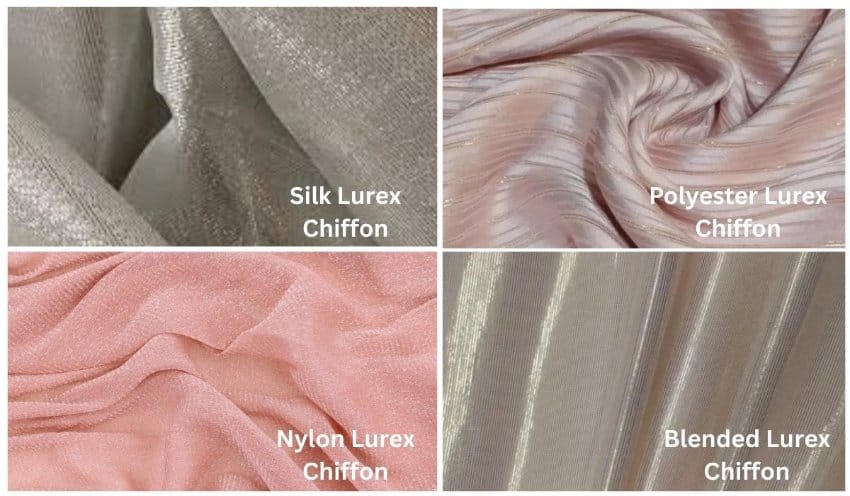
Not all lurex chiffon is created equal. Here are the main types you’ll encounter:
By Base Fiber
Silk Lurex Chiffon: The luxury option. Made from real silk with metallic threads, this version has the best drape, natural luster, and breathability. It feels incredibly soft and moves beautifully. Expect to pay $30-$80+ per yard. Most commonly found from Italian and French manufacturers.
Polyester Lurex Chiffon: The most common and affordable type. Polyester provides durability, wrinkle resistance, and easy care. It doesn’t breathe as well as silk but costs significantly less ($8-$25 per yard). Great for practice projects or budget-conscious sewers.
Nylon Lurex Chiffon: Stronger and more resilient than polyester, with a slightly shinier appearance. Less common than polyester or silk versions. Often used for dancewear and performance costumes due to its durability.
Blended Lurex Chiffon: Combinations like silk-polyester or cotton-silk blends aim to balance cost, performance, and feel. These offer middle-ground pricing and characteristics.
By Pattern and Design
Pinstripe Lurex Chiffon: Features thin metallic stripes running vertically or horizontally. The stripes can be subtle (1-2mm apart) or bold (wider spacing). This creates a sophisticated, understated shimmer.
All-Over Lurex Chiffon: Metallic threads distributed evenly throughout the fabric for consistent sparkle. This gives maximum shimmer and is popular for evening gowns and festive wear.
Printed Lurex Chiffon: Combines lurex threads with printed designs-florals, geometric patterns, abstract art. The print appears on top of the shimmer, creating rich, multi-dimensional effects.
Crinkled Lurex Chiffon: Pre-textured with a crinkle or crepe surface treatment. This adds dimension and makes the fabric less prone to showing wrinkles. The texture catches light differently, creating interesting visual effects.
Embellished Lurex Chiffon: Features additional decorations like sequins, beads, or embroidered designs on top of the lurex base. These are specialty fabrics for high-end special occasions.
By Color
While classic gold and silver remain most popular, modern lurex chiffon comes in virtually every color:
- Traditional: Gold, silver, bronze, copper
- Jewel tones: Emerald green, sapphire blue, ruby red with gold or silver lurex
- Pastels: Blush pink, mint green, lavender with silver or gold threads
- Iridescent: Rainbow or color-shifting metallic threads
- Monochromatic: Metallic threads matching the base fabric color for subtle texture
Lurex Chiffon vs Other Fabrics
How does lurex chiffon stack up against similar fabrics? Here’s a detailed comparison to help you choose the right material for your project:
| Feature | Lurex Chiffon | Regular Chiffon | Metallic Organza | Lamé |
|---|---|---|---|---|
| Weight | Very light (30-60 GSM) | Very light (20-40 GSM) | Light-medium (50-80 GSM) | Medium-heavy (100-200 GSM) |
| Drape | Fluid and soft | Very fluid and soft | Crisp and structured | Structured with body |
| Shimmer Level | Medium-high, soft glow | None (natural luster only) | Low-medium sparkle | Very high, bold shine |
| Transparency | Sheer to semi-sheer | Sheer | Semi-sheer | Opaque to semi-opaque |
| Breathability | Low-medium | High | Medium | Low |
| Price Range | $8-$80/yard | $5-$50/yard | $10-$60/yard | $15-$100+/yard |
| Care Difficulty | High | Medium | High | Very high |
| Best For | Evening wear, overlays | Day/evening wear | Structured garments | Statement pieces |
| Sewing Difficulty | Difficult | Moderate-difficult | Moderate | Difficult |
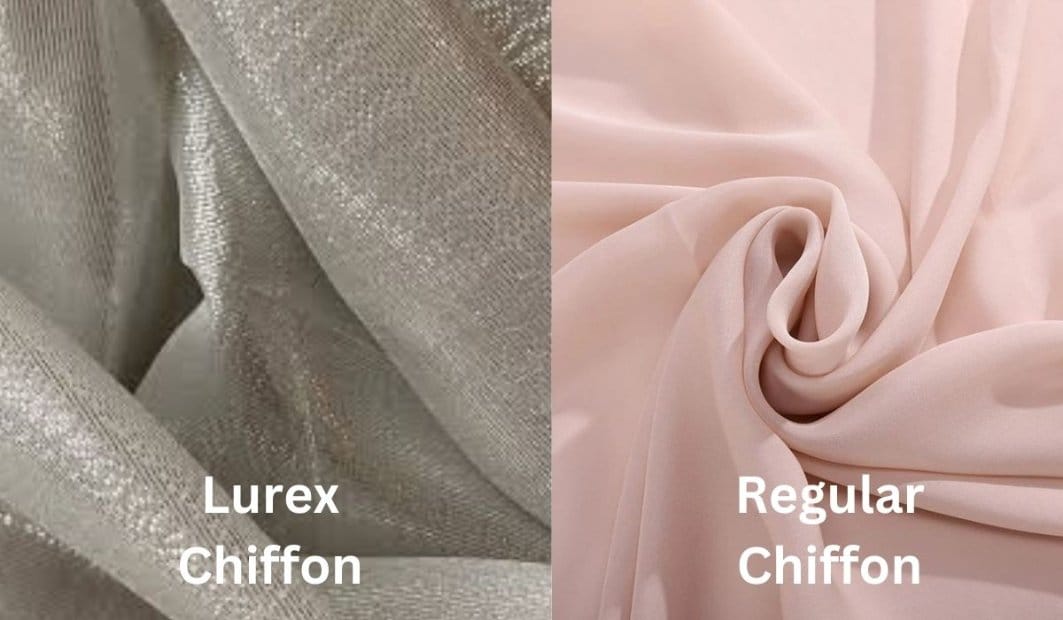
Lurex Chiffon vs Regular Chiffon
The main difference is obvious: shimmer. But there are other distinctions. Regular chiffon breathes better, making it suitable for warm weather and extended wear. It’s also easier to care for-no special considerations needed for metallic threads.
Lurex chiffon sacrifices some breathability and easy care for visual impact. It’s best for special occasions where you’ll be indoors or won’t wear the garment for extended periods. The metallic threads add slight weight and stiffness, though it maintains chiffon’s beautiful drape.
Lurex Chiffon vs Metallic Organza
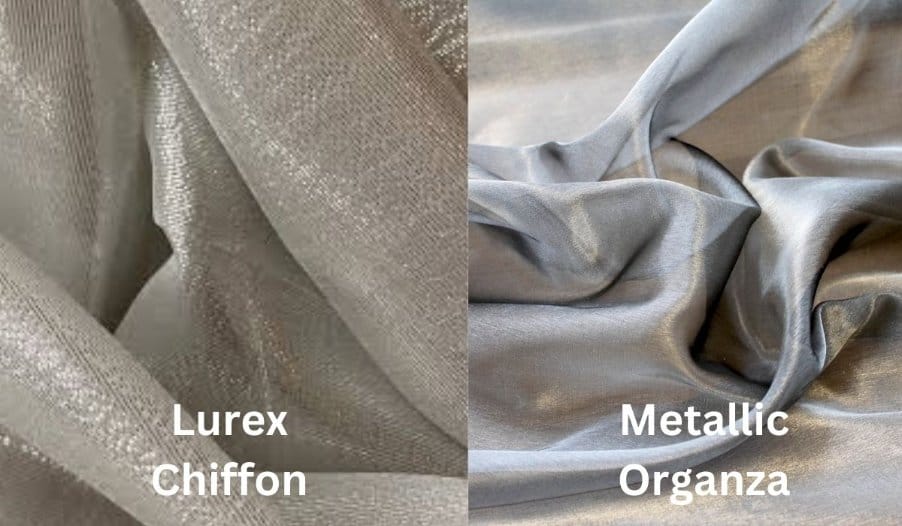
Organza with lurex has a crisp, structured feel compared to chiffon’s soft drape. Organza holds its shape better, making it ideal for structured designs, voluminous skirts, or decorative elements that need to stand away from the body.
Choose organza with lurex when you want structure and volume. Choose lurex chiffon when you want flowing movement and soft drape. Many designers use both-organza for structure underneath, chiffon for the outer flowing layers.
Lurex Chiffon vs Lamé
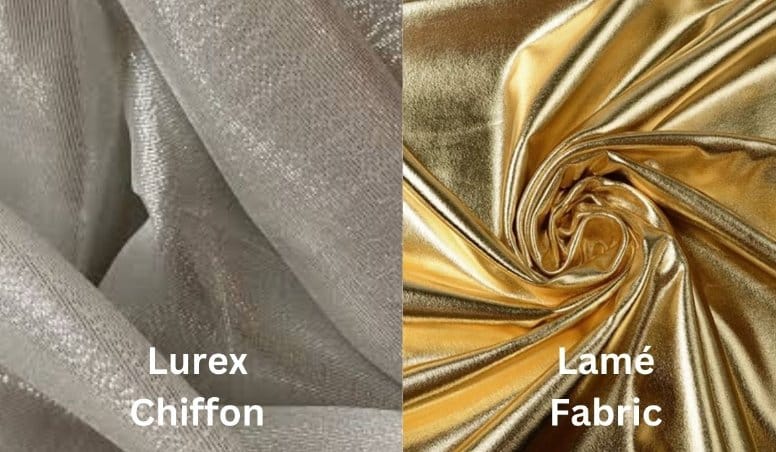
Lamé fabric is made primarily of metallic threads, creating much bolder shine than lurex chiffon. It’s heavier, less breathable, and makes a bigger statement. Lamé can look costume-like if not styled carefully, while lurex chiffon offers subtler glamour.
Lamé works for bold, dramatic looks where maximum sparkle is desired. Lurex chiffon is more versatile-elegant enough for weddings yet festive enough for celebrations. It’s easier to style and less likely to overwhelm.
Comparison with Children’s Wear Fabrics
For children’s special occasion wear, tulle vs chiffon in children’s clothing becomes a common question. Lurex chiffon sits between these options-softer than tulle but more special than regular chiffon, making it perfect for flower girl dresses or junior bridesmaid gowns where a touch of sparkle is wanted without scratchy tulle.
Identifying Quality Lurex Chiffon
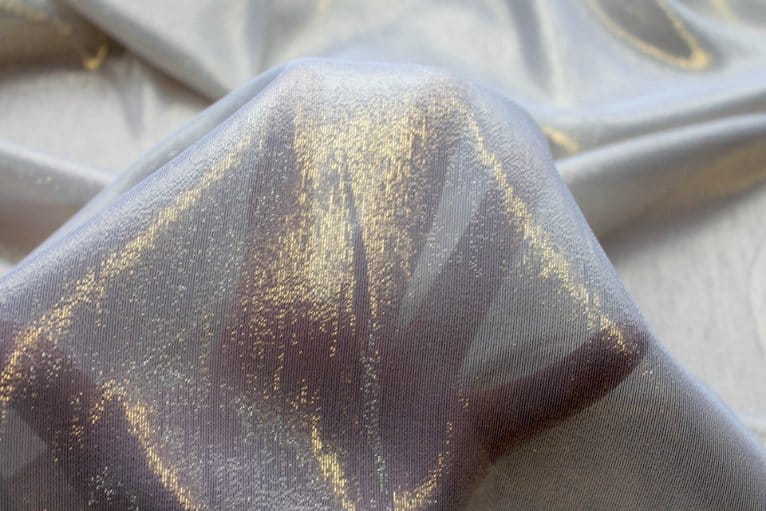
Not all lurex chiffon is created equal. Here’s how to tell the good stuff from the mediocre:
Visual Inspection
Even metallic distribution: Hold the fabric up to light. Quality lurex chiffon has evenly spaced, consistently placed metallic threads. Cheaper versions show irregular spacing, clumping, or bare patches where metallic threads are missing.
Light refraction: Move the fabric slowly in natural light. Good lurex creates smooth, consistent shimmer that flows across the surface. Poor quality shows uneven sparkle with some areas too bright and others dull.
Selvage edges: Check the finished edges. Quality fabric has clean, tightly woven selvages without loose threads or unraveling. The selvage should show manufacturer information for higher-end pieces.
Color consistency: Both the base fabric and metallic threads should show even, consistent color without streaks, fading, or variations (unless deliberately designed as ombré).
Touch and Drape Test
Drape evaluation: Hold a yard of fabric by one corner. It should flow softly downward in gentle folds. If it hangs stiffly or creates sharp angles, the metallic content is too high or the base fabric is poor quality.
Hand feel: Run your hand across the surface. While chiffon has natural texture, excessive roughness indicates cheap metallic threads or poor weaving. The fabric should feel relatively smooth with just slight texture.
Weight check: Lurex chiffon should feel almost weightless. If it feels heavy in your hand, it’s either not true chiffon or has too much metallic content.
Quality Indicators by Origin
Italian Lurex Chiffon
$40-$80+/yard
Typically silk-based, superior drape, even metallic distribution, excellent color fastness. Often features sophisticated patterns and prints. Best for heirloom pieces.
French Lurex Chiffon
$35-$70/yard
High-quality silk or polyester blends, refined shimmer, designer-worthy patterns. Known for elegant color combinations and subtle metallic work.
Chinese Lurex Chiffon
$8-$30/yard
Wide quality range. Premium factories produce excellent fabric comparable to European. Budget options work for practice or temporary garments. Check reviews carefully.
Indian Lurex Chiffon
$10-$35/yard
Often features vibrant colors and bold patterns. May include traditional motifs or embellishments. Quality varies but offers good value for cultural garments.
Red Flags for Poor Quality
- Metallic threads that shed or flake when rubbed
- Uneven or patchy shimmer
- Strong chemical smell (indicates poor finishing)
- Price far below market average for the fiber content
- Base fabric that feels rough or scratchy beyond normal chiffon texture
- Metallic threads showing tarnish or discoloration on the bolt
Uses and Applications
Lurex chiffon shines (literally) in many applications. Here are the most popular uses:
Fashion and Apparel
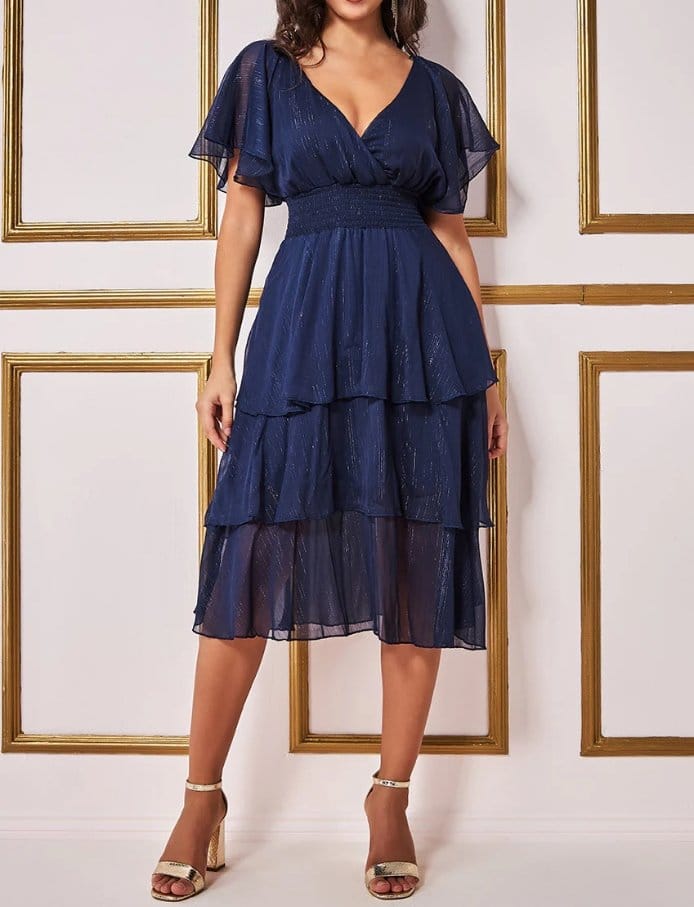
Evening Gowns and Cocktail Dresses: This is lurex chiffon’s prime territory. The fabric creates stunning evening dresses with flowing skirts, layered sleeves, or dramatic overlays. Designers often combine it with matte fabrics-a satin bodice with lurex chiffon sleeves, for example-for contrast.
Bridal Wear: Increasingly popular for wedding fashion. Brides use it for overlays on gowns, veils with subtle shimmer, or bolero jackets for evening receptions. Bridesmaids’ dresses in lurex chiffon photograph beautifully. The key is subtlety-stick with soft metallic tones like champagne gold or rose gold rather than bold silver.
Scarves and Shawls: Lightweight lurex chiffon makes gorgeous accessories. A simple rectangular scarf becomes elegant when made from metallic chiffon. These work year-round – light enough for summer evenings, festive enough for winter holidays.
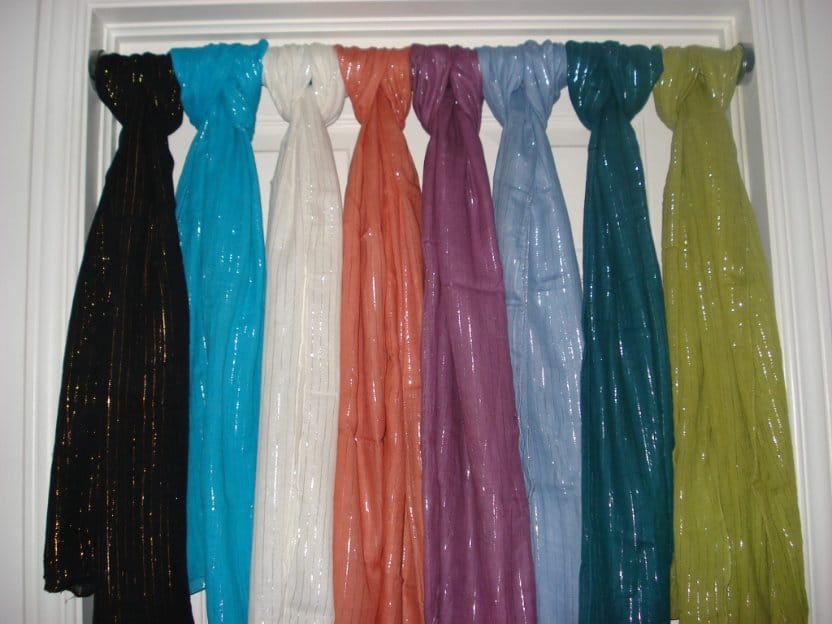
Blouses and Tops: Dressy tops from lurex chiffon pair beautifully with simple trousers or skirts. The fabric adds interest without overwhelming. Three-quarter sleeves or overlay details work particularly well.
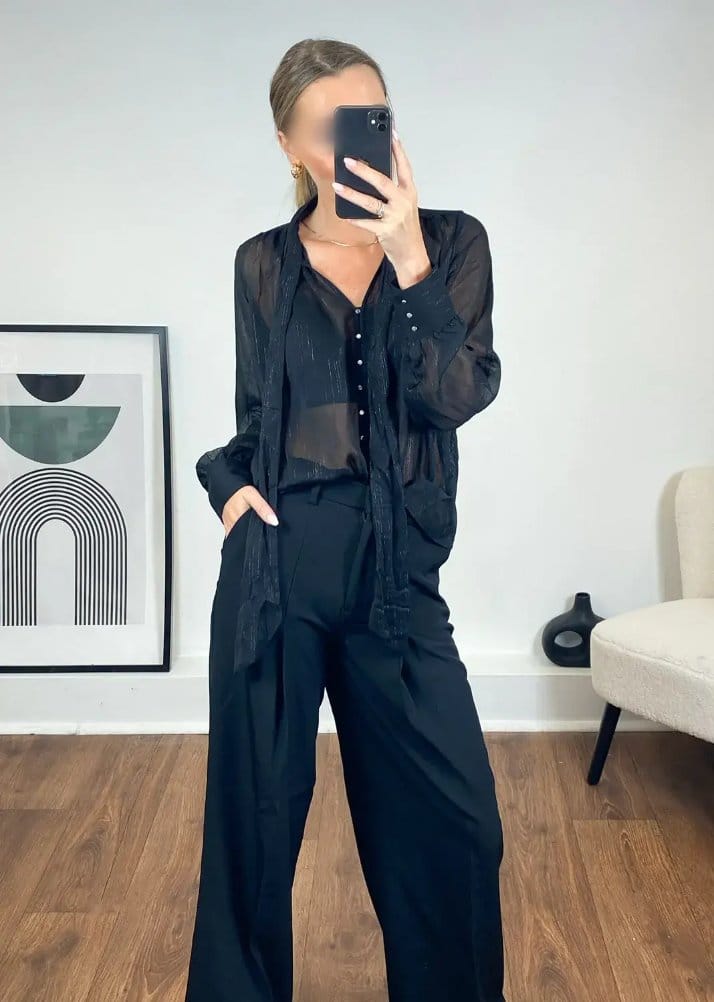
Cultural and Traditional Garments: Popular in Hanfu (traditional Chinese dress), where the shimmer adds modern flair to historical designs. Also used in South Asian clothing – dupattas, saris, and lehenga overlays. Middle Eastern kaftans often feature lurex chiffon for elegant eveningwear.
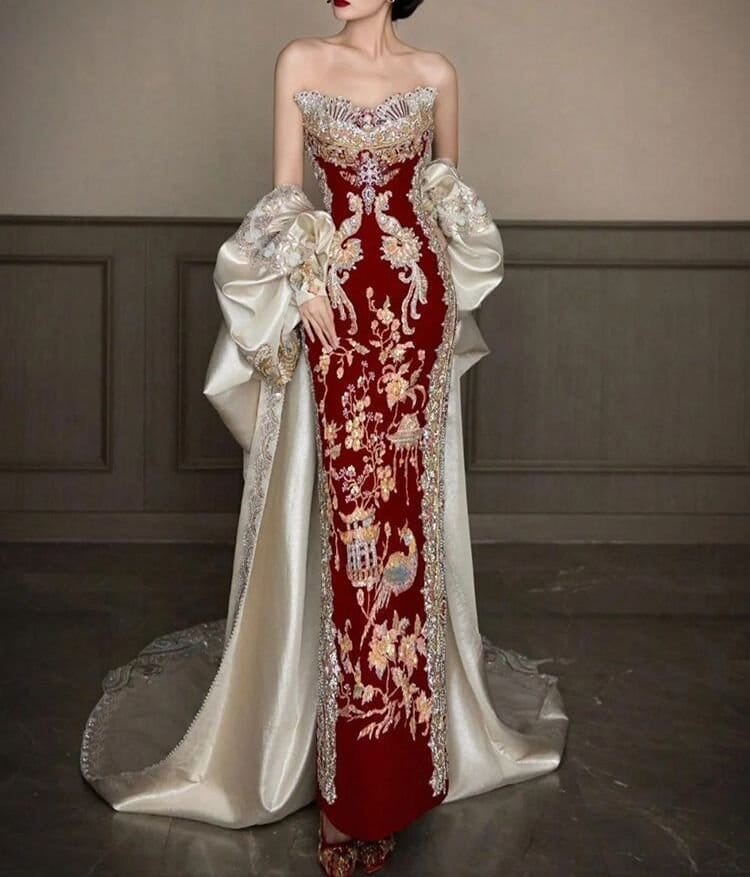
Performance and Dance Costumes: The fabric’s movement and light-catching properties make it perfect for stage. Ballet costumes, ballroom dance dresses, and theater costumes frequently use lurex chiffon for ethereal, sparkly effects without heavy sequins.
Home Décor
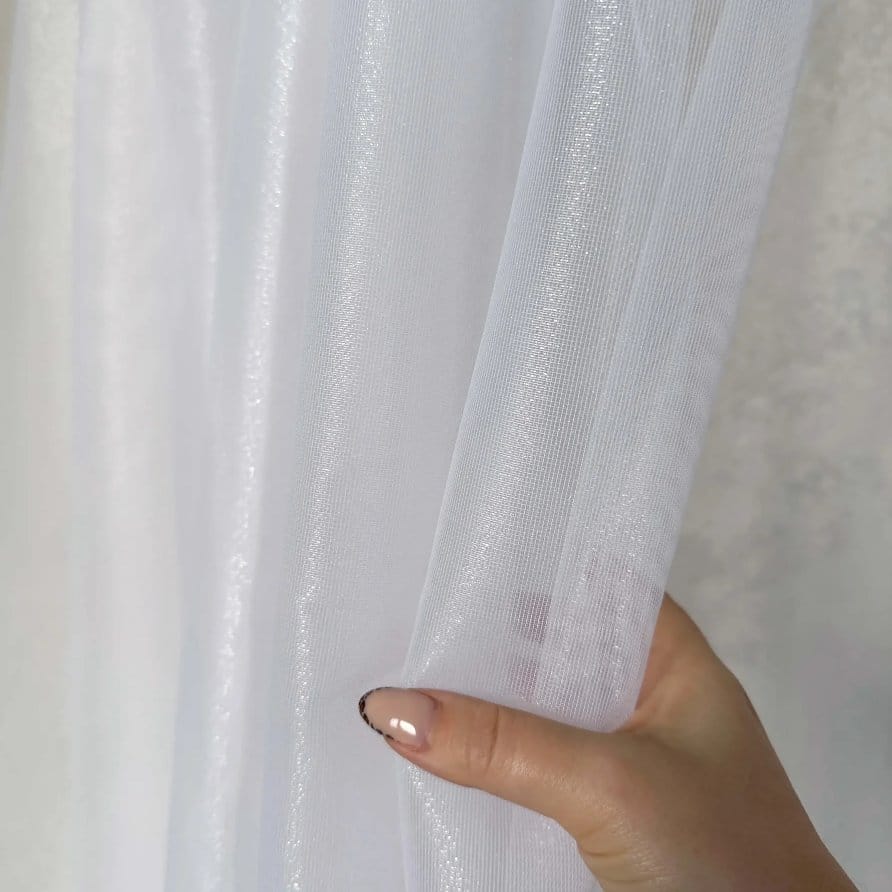
Table Runners and Overlays: Lurex chiffon table runners add glamour to dinner parties and weddings without looking gaudy. The sheer quality allows the table underneath to show through while adding shimmer.
Curtains and Drapes: Sheer curtains with metallic threads catch sunlight beautifully during the day and create ambiance under artificial light at night. Works especially well in dressing rooms or party spaces.
Decorative Pillows: Backed with opaque fabric, lurex chiffon makes eye-catching pillow covers. Layer different colors and metallic tones for depth.
Event Décor: Fabric swags, backdrops for photography, table decorations, and gift wrap. Event planners love it for creating budget-friendly glamour.
Accessories
- Hair accessories-scrunchies, headbands, hair wraps
- Clutch bags and evening purses (usually lined with sturdier fabric)
- Sashes and belts to add sparkle to plain dresses
- Gift bags and packaging for special occasions
Seasonal Considerations
Summer: Use sparingly. The reduced breathability makes it less comfortable in heat. Stick to small details like sleeve overlays or scarves rather than full garments.
Fall/Winter: Perfect season for lurex chiffon. Layer it over long-sleeve dresses, use it for holiday party wear, or create festive accessories. The shimmer looks magical under holiday lights.
Year-Round Indoor Events: Weddings, galas, formal dinners, theater-any climate-controlled event works. The fabric photographs beautifully, making it ideal when pictures matter.
Sustainability and Environmental Impact
Let’s be honest: lurex chiffon isn’t the most environmentally friendly fabric. But understanding its impact helps you make informed choices.
Environmental Concerns
Synthetic Base Materials: Most lurex chiffon uses polyester or nylon, both petroleum-based plastics. Their production requires significant energy and generates emissions. These materials don’t biodegrade-they break down into microplastics that persist in the environment.
Metallic Coating: The aluminum vaporization process, while more efficient than using real gold or silver, still requires substantial energy. The plastic films protecting the metallic layer add more synthetic material.
Microplastic Shedding: Every time you wash synthetic lurex chiffon, microscopic plastic fibers break off and enter water systems. These microplastics harm aquatic life and eventually enter the food chain.
Recycling Challenges: The combination of different materials (base fabric + metallic coating + protective film) makes lurex chiffon nearly impossible to recycle using current technology. Most pieces end up in landfills.
Chemical Processing: Dyeing and finishing processes for synthetic fabrics often use harsh chemicals. Lower-quality manufacturers may have poor environmental controls, allowing these chemicals into water systems.
More Sustainable Choices
Choose Silk Base: Silk lurex chiffon uses natural fiber for the base fabric. While the metallic threads are still synthetic, you reduce overall plastic content. Silk is biodegradable (minus the metallic threads) and requires less energy to produce than polyester.
Look for OEKO-TEX Certification: This certification ensures the fabric was tested for harmful substances and produced with better environmental and social practices. Not common for lurex chiffon but worth seeking out.
Buy Deadstock or Vintage: Buying fabric that already exists-surplus from designers or vintage stores-prevents new production. Deadstock lurex chiffon from high-end fashion houses often offers exceptional quality at reasonable prices.
Quality Over Quantity: One well-made garment from quality lurex chiffon that lasts years is better than multiple cheap pieces that wear out quickly. Invest in better fabric and take proper care of it.
Choose Recycled Polyester: Some manufacturers now produce recycled polyester lurex chiffon made from post-consumer plastic bottles. This reduces virgin plastic production and diverts waste from landfills.
Responsible Use and Care
Extend Garment Life: Proper care dramatically extends how long your lurex chiffon lasts. Hand washing, air drying, and proper storage can mean decades of use instead of a few years.
Limit Washing: Wash only when necessary. Spot clean small stains, air out garments between wears, and use a Guppyfriend bag or similar microplastic-catching system when you do wash.
Repurpose Instead of Discarding: When a garment wears out, use the good sections for smaller projects-hair accessories, decorative elements, or home décor accents.
Support Better Brands: Some emerging companies are developing more sustainable metallic fabrics using plant-based films or eco-friendly coating processes. While rare for chiffon specifically, supporting innovation encourages development.
The Bottom Line on Sustainability
Lurex chiffon will never be truly eco-friendly with current technology. Use it thoughtfully for special pieces you’ll wear many times rather than trendy fast-fashion items. Consider it a “special occasion” fabric in your wardrobe-cherished and long-lasting rather than disposable.
Complete Care Guide
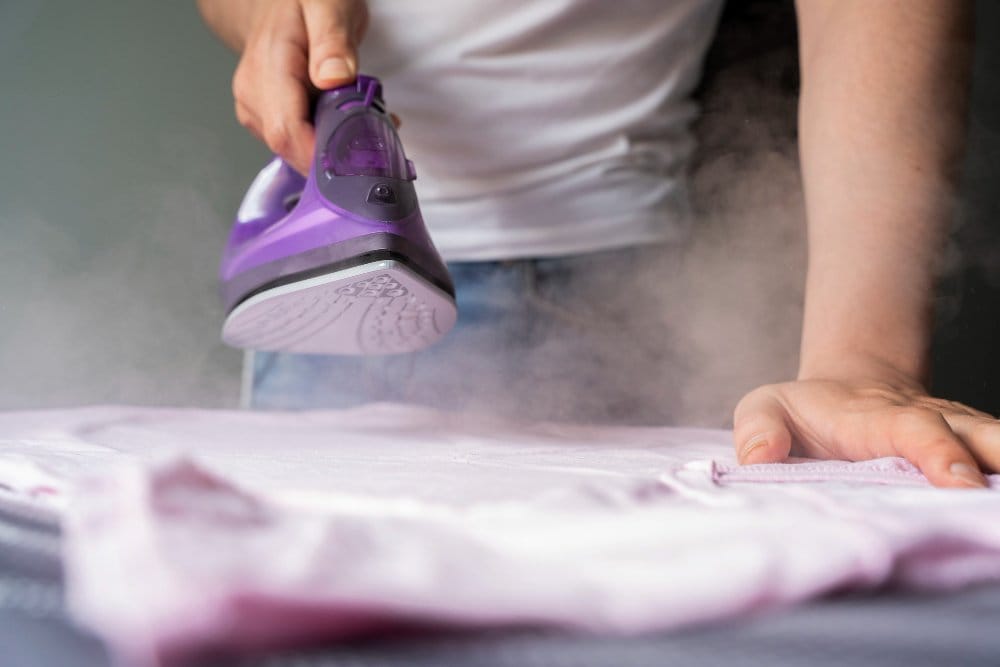
Proper care keeps lurex chiffon looking beautiful for years. The metallic threads require special attention, but it’s not difficult once you know the rules.
Before First Use
Always test wash a small swatch before making a garment. Some lurex chiffon releases excess dye or metallic particles on first wash. Better to discover issues with a 6-inch square than a finished dress.
Pre-washing also reveals any shrinkage. While chiffon is relatively stable, some versions shrink slightly (1-3%). Wash and dry your test swatch using your planned care method, then measure to check.
Hand Washing (Recommended Method)
Hand washing gives you maximum control and minimizes metallic thread damage.
- Fill a clean sink or basin with cool to lukewarm water (never hot-it can damage metallic coating)
- Add a gentle detergent-preferably one formulated for delicates or wool. Use half the amount you’d use for regular laundry. Avoid detergents with bleach, enzymes, or brighteners
- Submerge the garment and gently swish it around for 2-3 minutes. Don’t scrub, wring, or twist
- Let it soak for 5-10 minutes if particularly soiled, but not longer
- Drain the soapy water and refill with clean cool water for rinsing
- Rinse gently until water runs clear and no soap remains
- Never wring. Press water out gently between your palms or against the sink
Machine Washing (When Necessary)
If you must machine wash (though hand washing is always better):
- Place garment in a mesh lingerie bag or pillowcase
- Use the delicate/gentle cycle with cold water
- Add only 1-2 similar colored, delicate items to the load
- Use minimal detergent (1/4 the normal amount)
- Skip the spin cycle if possible, or use lowest spin speed
- Consider using a Guppyfriend bag to catch microplastic shedding
Never Use These When Washing Lurex Chiffon
- Bleach (damages metallic coating and fabric)
- Fabric softener (coats metallic threads, dulling shine)
- Hot water (loosens metallic coating)
- Harsh detergents or those with enzymes
- The regular wash cycle or any agitation
Drying
Always air dry. Never put lurex chiffon in a dryer. The heat will damage metallic threads, potentially causing the metallic coating to separate from the base thread or tarnish.
For air drying:
- Gently reshape the damp garment to its original dimensions
- Lay flat on a clean towel away from direct sunlight (UV can fade colors and damage metallic coating)
- Or hang on a padded hanger in a well-ventilated area
- Never clip chiffon to a clothesline-the clips create permanent creases
- Allow 12-24 hours for complete drying depending on humidity
Ironing and Steaming
Chiffon wrinkles easily, and lurex adds complications. Here’s how to safely remove wrinkles:
Steaming (Best Method):
- Use a handheld steamer or hang garment in a steamy bathroom
- Keep steamer at least 6 inches from fabric
- Let steam relax wrinkles naturally without direct contact
- This method is safest for metallic threads
Ironing (Use Caution):
- Set iron to lowest heat setting (silk/synthetic)
- Always use a pressing cloth-a clean cotton pillowcase works well
- Never iron directly on the metallic side
- Press on the wrong side of the fabric when possible
- Use gentle pressure and don’t let iron sit in one spot
- Never use steam function-water spots can form on metallic threads
Stain Removal
Act fast with stains. The longer they sit, the harder they are to remove.
For water-based stains (coffee, wine, juice):
- Blot immediately with clean white cloth-don’t rub
- Rinse the stained area with cool water from the back
- Apply a tiny drop of gentle detergent and work in very gently with fingertips
- Rinse thoroughly
- Repeat if needed, then wash entire garment
For oil-based stains (makeup, food grease):
- Sprinkle cornstarch or baby powder on fresh stain to absorb oil
- Let sit for 30 minutes, brush off gently
- Apply a tiny amount of gentle dish soap to the stain
- Work in very gently with fingertips
- Rinse with cool water and wash garment
For mystery stains: Test any stain treatment on an inside seam first. Some chemicals react with metallic threads, causing discoloration or coating damage.
Storage
Proper storage prevents damage and tarnishing:
Short-term storage (between wears):
- Hang on padded hangers to prevent shoulder bumps
- Cover with breathable garment bags (cotton or muslin, not plastic)
- Store in a cool, dry closet away from direct sunlight
Long-term storage (seasonal or special occasion pieces):
- Clean garment thoroughly before storing (body oils and stains worsen over time)
- Stuff sleeves and bodice gently with acid-free tissue paper to maintain shape
- Fold carefully along natural lines, cushioning folds with more tissue paper
- Store in acid-free boxes or breathable cotton garment bags
- Add silica gel packets to control moisture (which can cause tarnishing)
- Check every few months and refold along different lines to prevent permanent creases
- Keep away from cedar (oils can react with metallic threads)
Dealing with Tarnished Metallic Threads
Over time, some lurex can tarnish or dull. Here’s what you can try:
- Gently wipe affected areas with a barely damp microfiber cloth
- For stubborn tarnish, try a cotton swab dipped in rubbing alcohol, testing on a hidden area first
- Some people report success with jewelry polishing cloths for small areas
- Accept that extensive tarnishing may be permanent-focus on prevention through proper storage
Sewing with Lurex Chiffon
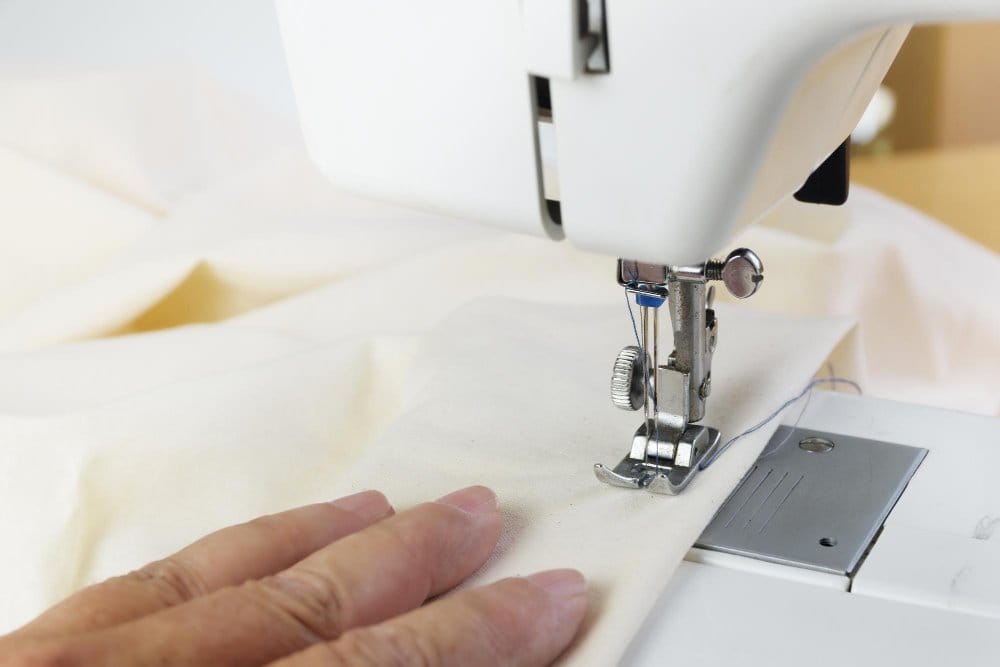
Sewing lurex chiffon challenges even experienced sewers. The slippery chiffon base combined with metallic threads that can snag creates unique difficulties. But with the right techniques, you can create beautiful garments.

Before You Start
Choose appropriate patterns: Look for designs specifically meant for chiffon or lightweight sheers. Avoid patterns with lots of seams, tight fitting, or complex construction unless you’re experienced. Flowing designs like A-line skirts, simple sheaths, or kimono-style pieces work best for beginners.
Buy extra fabric: Add at least half a yard to your requirements. Chiffon is slippery and can shift during cutting, plus you’ll want fabric for test sewing. Lurex chiffon often requires French seams or other special seam finishes that use more fabric.
Gather special supplies:
- Microtex or sharp needles size 60/8 or 70/10
- Fine thread-cotton-wrapped polyester or silk thread
- Rotary cutter and mat (easier than scissors for cutting chiffon)
- Pattern weights instead of pins when possible
- Sharp fabric scissors if not using rotary cutter
- Lots of pins (superfine silk pins or extra-fine glass head pins)
- Seam sealant for preventing fraying
- Tissue paper or wash-away stabilizer
- Walking foot or even-feed foot for your machine (optional but helpful)
Cutting
Cutting accurately is half the battle:
- Pre-wash and dry your fabric if it will ever be washed
- Work on a large, clean surface-kitchen table, cutting mat, or clean floor. You need space to lay fabric completely flat
- Let fabric relax for a few hours in the sewing space to adjust to room temperature and humidity
- Press if needed using low heat and pressing cloth, but be careful with metallic threads
- Layer fabric carefully, aligning selvages. Many sewers prefer cutting single layer to avoid shifting
- Anchor pattern pieces with pattern weights (never pins through the pattern if you can avoid it-they can pull and distort)
- Use a rotary cutter with a sharp blade for cleanest cuts, or sharp scissors
- Cut notches outward rather than inward to avoid weakening seam allowances
- Transfer markings using tailor’s tacks or washable marker on wrong side (never standard dressmaker carbon, which can leave permanent marks)
Sewing Techniques
Machine Settings:
- Use a new, sharp microtex needle (size 60/8 for very sheer, 70/10 for medium weight)
- Set stitch length to 2-2.5mm (smaller than normal)
- Reduce thread tension slightly to prevent puckering
- Use slower sewing speed for maximum control
- Hold fabric taut (but not stretched) in front and behind presser foot
Preventing Puckering:
- Place tissue paper or wash-away stabilizer underneath fabric while sewing
- Use a straight stitch plate (small hole) instead of zigzag plate if you have one
- Hold thread tails when starting seams to prevent fabric from being pulled into the machine
- Never backstitch at seam beginnings/endings-instead, leave long thread tails and tie off by hand
Seam Options:
Regular straight seams look messy on sheer fabric and fray easily. Use these alternatives:
French Seams (best for lurex chiffon):
- Place fabric wrong sides together (opposite of normal)
- Sew 1/4″ seam
- Press seam to one side
- Fold fabric right sides together, enclosing the raw edges
- Sew 3/8″ from fold, encasing the first seam completely
- Press to one side
Result: Clean, enclosed seam that looks professional from both sides. Perfect for sheers. See our guide on French seam tutorial for detailed photos.
Narrow Rolled Hem (for edges):
- Best done with a rolled hem foot attachment
- Creates tiny, neat hem perfect for scarves or sleeve edges
- Takes practice but results are beautiful
Alternative: Double-Fold Narrow Hem
- Fold raw edge under 1/8″, press
- Fold again 1/8″, press
- Stitch close to inner fold
- Use seam sealant on raw edge before folding to prevent fraying
Handling Metallic Threads
The lurex threads add special considerations:
- Needle changes: Change needles frequently. Metallic threads dull needles faster than regular fabric
- Avoid snagging: Be careful with rings, watches, or rough fingernails that can catch metallic threads
- Pin placement: Pin within seam allowances only, never through the garment body where holes will show
- Pattern matching: If your lurex chiffon has a directional pattern (like stripes), plan layout carefully. Metallic threads can look different from different angles
Finishing Details
Closures: Hidden zippers work well. Avoid buttonholes in sheer fabric-they’re difficult and may not hold up. Consider fabric loops, ties, or hook-and-eye closures instead.
Interfacing: Use lightweight fusible interfacing sparingly and test first. Some interfacings show through sheer fabric or react poorly with metallic threads. Silk organza makes excellent non-fusible interfacing for sheers.
Lining: Most lurex chiffon garments need lining for modesty and comfort. Use lining fabric in a matching or complementary color. Construct lining and outer garment separately, then join at neckline, armholes, and waistline as appropriate for the design.
Project Ideas by Skill Level

Ready to start sewing? Here are project ideas matched to your skill level:
Beginner Projects
Infinity Scarf
Perfect first project. Cut a long rectangle (72″ × 24″), sew long edges together with French seam, join short ends. No hem needed if you use selvages for short ends.
Fabric needed: 2 yards
Time: 2-3 hours
Simple Table Runner
Rectangle with narrow hem on all sides. Practice your hemming technique without worrying about fit.
Fabric needed: 1-2 yards depending on table size
Time: 2-3 hours
Throw Pillow Cover
Use lurex chiffon as overlay on solid fabric pillow. Simple envelope closure on back.
Fabric needed: 1/2 yard lurex chiffon, 1 yard solid fabric
Time: 3-4 hours
Intermediate Projects
A-Line Midi Skirt
Simple skirt with elastic waistband. Flowing shape flatters lurex chiffon. Use lining for modesty.
Fabric needed: 2-3 yards depending on size
Time: 6-8 hours
Pattern suggestion: Look for “circle skirt” or “A-line maxi skirt” patterns
Kimono-Style Jacket
Beautiful overlay piece. Minimal construction, maximum impact. Wear over simple dresses or jeans.
Fabric needed: 2-3 yards
Time: 8-10 hours
Tip: Use contrasting binding on edges instead of hem for easier finishing
Clutch Purse
Line lurex chiffon with sturdy cotton. Add magnetic snap closure. Interfacing in lining provides structure.
Fabric needed: 1/2 yard lurex chiffon, 1/2 yard lining
Time: 5-7 hours
Advanced Projects
Evening Gown with French Seams
Full-length gown with fitted bodice and flowing skirt. Requires precise fitting and advanced techniques.
Fabric needed: 4-6 yards depending on design
Time: 20-30 hours
Note: Practice bodice construction in muslin first
Bridal Overlay with Appliqué
Sheer overlay for wedding dress featuring appliquéd lace or fabric motifs. Requires careful hand sewing.
Fabric needed: 3-4 yards
Time: 25-35 hours
Pleated Cocktail Dress
Dress with knife pleats or accordion pleats. Pleating chiffon requires specialized equipment or professional pleating service.
Fabric needed: 6-8 yards (pleating uses lots of fabric)
Time: 30-40 hours plus pleating
Troubleshooting Common Issues
Even experienced sewers encounter problems with lurex chiffon. Here’s how to solve common issues:
Problem: Snags and Pulls in Metallic Threads
Prevention:
- File rough fingernails smooth before handling fabric
- Remove jewelry that might catch
- Use pattern weights instead of pins when possible
- Check presser foot for burrs or rough spots
Fix:
- For minor snags, gently pull fabric from wrong side to redistribute threads
- Use a fine needle to carefully pull snagged metallic thread to wrong side
- Secure on wrong side with tiny drop of clear nail polish or fabric glue
- For larger pulls, may need to appliqué a small patch over area or add decorative element to hide damage
Problem: Metallic Threads Tarnishing
Prevention:
- Store away from humidity and temperature fluctuations
- Use silica gel packets in storage
- Avoid contact with perfumes, lotions, or body oils
- Clean garments before storage
- Store in acid-free tissue or breathable cotton bags
Fix:
- Mild tarnish: Gently wipe with barely damp microfiber cloth
- Stubborn spots: Try jewelry polishing cloth (test first on hidden area)
- Extensive tarnishing may be permanent-consider adding embellishments to cover affected areas
Problem: Fabric Slipping While Sewing
Solutions:
- Use tissue paper or wash-away stabilizer under fabric while sewing
- Invest in a walking foot attachment
- Hold fabric taut (not stretched) in front and behind presser foot
- Reduce presser foot pressure if your machine allows
- Use shorter stitch length (2mm instead of 2.5mm)
Problem: Needle Breaking
Causes and solutions:
- Needle hitting metallic threads: Use fresh, sharp microtex needle and change frequently
- Wrong needle size: Try size 70/10 instead of 60/8
- Sewing too fast: Slow down, especially over seams or thick areas
- Needle hitting pins: Remove pins before they reach presser foot, never sew over them
Problem: Puckered Seams
Solutions:
- Reduce thread tension
- Use tissue paper underneath while sewing
- Ensure you’re using correct needle type and size
- Hold fabric taut but not stretched
- Press seams carefully with pressing cloth and low heat
Problem: Fraying Edges
Prevention and fixes:
- Use French seams for all main construction seams
- Apply seam sealant to raw edges immediately after cutting
- Finish edges with narrow rolled hem or double-fold hem
- Consider bias binding for areas that will get handling
Problem: Shine Fading Over Time
Causes:
- Abrasion from washing or wearing
- UV exposure from sunlight or fluorescent lights
- Chemical damage from harsh detergents or chlorine
Prevention:
- Hand wash only with gentle detergent
- Store away from direct light
- Avoid wearing in chlorinated pools or hot tubs
- Buy quality fabric-better metallic coating lasts longer
Problem: Static Cling
Solutions:
- Lightly spray underside with water from spray bottle
- Run a wire hanger between layers to discharge static
- Use anti-static spray (test on hidden area first)
- Wear silk or cotton slip underneath instead of synthetic
- Choose silk-based lurex chiffon instead of polyester-less prone to static
Where to Buy and Price Guide
Finding quality lurex chiffon requires knowing where to look and what to pay. Here’s your buying guide:
Price Ranges
Expect these ranges for lurex chiffon by quality level:
Budget ($8-$15/yard): Polyester base, typically Chinese manufacture. Good for practice projects, temporary garments, or when budget is tight. Quality varies widely-read reviews carefully. Best sources: fabric.com, Joann Fabrics sales, Amazon.
Mid-Range ($15-$35/yard): Better polyester or polyester blends, some lower-tier silk options. Often Indian or Chinese premium manufacturers. Suitable for special occasion wear you’ll use a few times. Sources: Mood Fabrics, Fabric Mart, online specialty retailers.
Premium ($35-$60/yard): High-quality silk or silk blends, excellent craftsmanship, often Italian or French. Even metallic distribution, beautiful drape, designer-worthy. For heirloom pieces or important events. Sources: B&J Fabrics NYC, Britex Fabrics, Emma One Sock, European fabric retailers.
Luxury ($60-$100+/yard): Designer deadstock, haute couture quality, often Italian silk with unique patterns or embellishments. For once-in-a-lifetime garments. Sources: Promenade Fine Fabrics, high-end fabric shows, designer fabric sales.
Where to Buy
Online Retailers:
- Fabric.com – Wide selection, frequent sales, good for basics
- Mood Fabrics – Designer quality, seen on Project Runway
- Fabric Mart – Excellent selection, good prices
- Emma One Sock – European imports, premium quality
- Etsy – Great for unique patterns and deadstock finds
- Alibaba – Wholesale quantities, direct from manufacturers (minimum orders apply)
Physical Stores:
- Local fabric stores – Support small business, see/touch before buying
- Joann Fabrics – Basic selection, watch for 50-60% off sales
- Fabric districts (NYC, LA) – Best selection, competitive prices
- Costume/theatrical suppliers – Often carry specialty metallic fabrics
Deadstock and Vintage:
- Designer fabric sales and sample sales
- Estate sales and vintage shops
- Fabric swap groups on Facebook
- Sustainable fabric marketplaces
What to Look for When Buying
Online Shopping Tips:
- Order swatches when available (usually $1-3) to check color and quality
- Read reviews carefully, especially for cheaper fabrics
- Check return policies before ordering
- Look at multiple photos if available-metallic fabrics can photograph deceptively
- Verify fiber content and care requirements
- Calculate true cost including shipping
In-Person Shopping:
- Feel the fabric-does it drape well and feel substantial?
- Check metallic thread distribution by holding up to light
- Look for even color and shimmer
- Inspect selvage for manufacturer info and quality signs
- Ask about return policy if fabric is flawed
- Buy extra-better to have too much than run short mid-project
Seasonal Sales
Time your purchases for best deals:
- Post-holiday sales (January, July): Retailers clear out party fabric inventory
- Black Friday/Cyber Monday: 40-60% off common
- End of wedding season (September-October): Bridal fabrics often discounted
- Fabric store anniversary sales: Many independents run annual mega-sales
Calculating Yardage
Buy enough the first time-dye lots vary and you may not be able to match later. For garments:
- Follow pattern requirements and add 0.5-1 yard for testing and mistakes
- Consider fabric width (most lurex chiffon is 42-45″ wide, occasionally 54-60″)
- Account for pattern matching if your fabric has directional metallic patterns
- If making lining separately, calculate lining needs too
For home décor or accessories, measure carefully and sketch your project before buying.
Frequently Asked Questions
Lurex chiffon contains metallic threads woven into the regular chiffon base fabric, creating shimmer and sparkle. Regular chiffon fabric is made entirely from non-metallic fibers (silk, polyester, or nylon) and has only the natural luster of those fibers. Lurex chiffon is slightly less breathable, a bit stiffer, and requires more careful care than regular chiffon. It’s also more expensive and less suitable for everyday wear, being reserved primarily for special occasions.
While possible, machine washing isn’t recommended. Hand washing is always safer for preserving the metallic threads and preventing damage. If you must machine wash, use a mesh lingerie bag, delicate cycle, cold water, and minimal gentle detergent. Skip the spin cycle or use the lowest speed. Never use hot water, bleach, or fabric softener. Air dry only-never use a dryer as heat damages metallic coating. For best results and longest fabric life, always hand wash.
Not ideal for hot, humid weather. The metallic threads reduce breathability compared to regular chiffon, and synthetic bases (polyester, nylon) don’t breathe well. Silk lurex chiffon is more breathable but still warmer than regular silk chiffon. Better options for summer heat include cotton chiffon, silk chiffon without metallic, or cotton lawn. Reserve lurex chiffon for air-conditioned events, evening occasions, or use it sparingly as accent details rather than full garments in summer.
Store garments in a cool, dry place away from humidity, using silica gel packets in storage containers or bags. Keep away from direct sunlight and fluorescent lights. Clean garments before storage, as body oils and perfumes accelerate tarnishing. Use acid-free tissue paper when folding. Store in breathable cotton garment bags rather than plastic. Avoid contact with cosmetics, perfumes, and lotions when wearing. For long-term storage, check every few months and refold along different lines to prevent permanent creases while inspecting for any tarnish development.
Use a Microtex (sharp) needle in size 60/8 for very sheer lurex chiffon or 70/10 for medium-weight versions. These needles have very sharp points that pierce cleanly through the delicate fabric and metallic threads without snagging. Change needles frequently-the metallic threads dull needles faster than regular fabric. A dull needle causes skipped stitches, puckering, and can damage the metallic coating. Have several fresh needles on hand before starting your project.
Not recommended. The metallic threads won’t absorb dye and will remain their original color. Dyeing can damage the protective coating on lurex threads, causing tarnishing or color change in the metallic elements. If the base fabric is polyester (most common), it requires disperse dyes and high heat-both of which can damage lurex. Silk-based lurex chiffon is slightly more dye-friendly but results are unpredictable. If you want a different color, it’s better to buy fabric in your desired color rather than attempting to dye.
With proper care, quality lurex chiffon can last 10-20 years or more. Italian and French silk versions are most durable. Cheaper polyester versions may show metallic thread deterioration after 2-5 years of regular wear and washing. Factors affecting lifespan include base fiber quality, metallic thread quality, frequency of wear and washing, and care methods used. Garments that are hand washed, air dried, and properly stored will significantly outlast those that are machine washed and roughly handled. The metallic coating typically fails before the base chiffon fabric.
No, standard lurex chiffon has minimal to no stretch. Like regular chiffon, it’s a woven fabric with a stable weave. You might find slight give on the bias (diagonal), but this isn’t enough for fitted garments without closures. If you need stretch, look for lurex chiffon blended with spandex/elastane (sometimes called “stretch lurex chiffon”). These specialized versions are less common and more expensive but offer stretch for fitted designs. For most uses, lurex chiffon works best in loose, flowing designs that don’t rely on fabric stretch.
A narrow rolled hem is ideal but requires practice and preferably a rolled hem foot. For beginners, try a double-fold narrow hem: fold raw edge under 1/8 inch, press with low heat, fold again 1/8 inch, press, then stitch close to the inner fold. Apply seam sealant to raw edges before folding to prevent fraying. Hand-rolled hems offer the most professional look for advanced sewers. Avoid wide hems-they look bulky on sheer fabric. For detailed guidance, check our tutorial on sewing perfect hems.
Use extreme caution. Set your iron to the lowest heat setting (silk/synthetic), always use a pressing cloth, and never iron directly on metallic threads. Press from the wrong side when possible. Don’t let the iron sit in one spot-keep it moving gently. Better option: use a steamer, keeping it 6 inches away from fabric and letting steam relax wrinkles naturally. Never use the steam function on an iron directly on lurex chiffon as water spots can form on metallic threads. Test on scrap fabric first before pressing your finished garment.
Lurex refers to metallic thread woven together with regular fiber (silk, polyester, etc.) to create fabric with shimmer. Lamé is fabric made primarily or entirely from metallic threads, creating much bolder, more reflective shine. Lurex chiffon might be 1-10% metallic threads; lamé is often 50-100% metallic. Lurex chiffon is lightweight, soft, and flowing. Lamé is heavier, stiffer, and makes a bolder statement. Lurex offers subtle glamour; lamé offers maximum sparkle. For most occasions, lurex chiffon is more versatile and easier to style.
Conclusion
Lurex chiffon occupies a special place in the fabric world-bridging ancient luxury and modern accessibility, combining ethereal flow with metallic glamour. What once required actual gold threads and royal budgets is now available to anyone with a vision for sparkle.
Throughout this guide, we’ve covered everything from the fabric’s fascinating history to practical tips for working with its unique properties. The key takeaway is this: lurex chiffon demands respect. It’s not a casual, everyday fabric. It’s the textile equivalent of champagne-saved for moments that matter.
Key Takeaways
For Buyers: Invest in quality over quantity. One yard of beautiful Italian silk lurex chiffon will bring more joy and last longer than three yards of cheap polyester version. Order swatches before committing to large quantities. Consider the full lifecycle cost-a $60/yard fabric that lasts 20 years is cheaper per wear than an $8/yard fabric that deteriorates in two years.
For Sewers: Start with simple projects before attempting complex garments. That infinity scarf or table runner will teach you how lurex chiffon behaves without the pressure of fitting or advanced construction. Always use fresh, sharp needles, hand wash test swatches before cutting, and remember: French seams are your friend. When in doubt, slow down. Lurex chiffon rewards patience.
For Caregivers: Treat your lurex chiffon pieces as heirlooms, even if they’re not. Hand wash with cool water and gentle detergent. Air dry away from direct sun. Store properly with acid-free tissue and silica gel packets. These small efforts can extend your garment’s life by decades.
For the Environment: Make conscious choices. Choose silk over polyester when possible, buy deadstock or vintage when available, and care for your pieces so well they last a generation. Consider lurex chiffon for special pieces you’ll wear many times rather than trendy items you’ll discard quickly. Quality and longevity are the most sustainable choices you can make.
For Styling: Let lurex chiffon be the star. Pair it with matte fabrics and simple accessories. The fabric provides all the visual interest needed-you don’t need to add more. A simple black dress with lurex chiffon sleeves beats a head-to-toe metallic look every time. Subtlety wins.
Looking Forward
The future of lurex chiffon looks bright. Manufacturers are experimenting with more sustainable production methods, developing plant-based protective films and recycled base materials. While truly eco-friendly metallic fabric remains elusive, progress continues.
Design trends currently favor subtle metallic touches over bold all-over shimmer, making lurex chiffon more relevant than ever. It offers just enough sparkle without overwhelming. As fashion continues to balance special occasion glamour with wearability and sustainability, lurex chiffon finds its sweet spot.
Whether you’re sewing your first infinity scarf or your tenth evening gown, lurex chiffon offers something special. It’s fabric with personality-responsive to light, movement, and care. It catches eyes and creates memories. It makes ordinary occasions feel special and special occasions feel magical.
That’s the real magic of lurex chiffon. It doesn’t just cover the body; it transforms the experience of wearing it. And isn’t that what great fabric should do?
Ready to start your own lurex chiffon journey? Remember these essentials: buy the best quality you can afford, practice techniques on scraps, care for your pieces properly, and most importantly-enjoy the shimmer. Life’s too short for boring fabric.