
Everything you need to know about lucent satin’s unique shimmer, durability, and applications for fashion and crafts
Table of Contents
- What Is Lucent Satin?
- What Makes Lucent Satin Unique
- The Story Behind Satin Weaving
- Lucent Satin vs Other Satin Types
- Fiber Content and Quality
- Sustainability and Environmental Impact
- Properties and Characteristics
- Uses and Applications
- Complete Care and Maintenance Guide
- Working with Lucent Satin
- Buying Guide
- Troubleshooting Common Problems
- Frequently Asked Questions
What Is Lucent Satin?
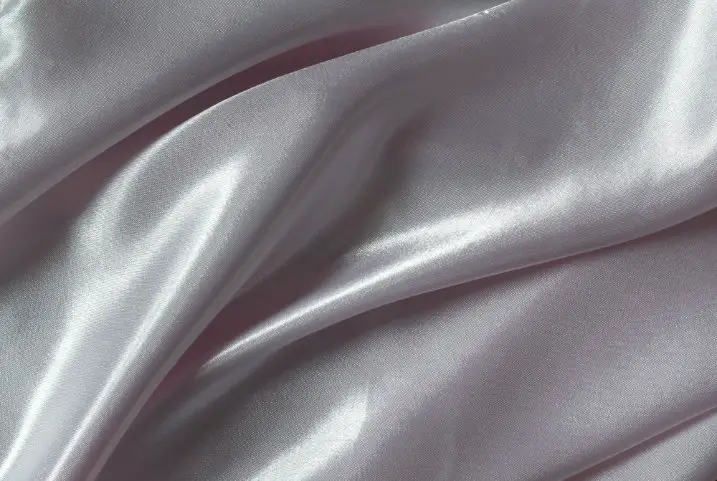
A detailed view of lucent satin showcasing its sheen, texture, and fluid movement.
Lucent satin is a special type of satin fabric known for its extra bright shimmer and double-faced shine. The name “lucent” means “glowing with light,” which perfectly describes this fabric’s signature look. Unlike regular satin that only shines on one side, lucent satin has a shimmery finish on both faces, making it stand out in any room.
This fabric creates a burst of light every time it moves. The smooth, slippery surface catches light from all angles, giving it an almost liquid appearance. When you hold lucent satin up to a window, you can see through the fine details because of how thin the material is, yet it’s surprisingly strong for everyday use.
Quick Facts About Lucent Satin
- Appearance: High-luster, shimmering double-faced sateen
- Texture: Smooth and slippery on both sides
- Durability: Medium wear (20,000 Martindale rub test revolutions)
- Care: Machine washable at 86°F (30°C) with medium tumble dry
- Best For: Evening wear, linings, fashion accessories, bags
- Printing: Excellent for custom prints with clear, fine lines
What Makes Lucent Satin Unique
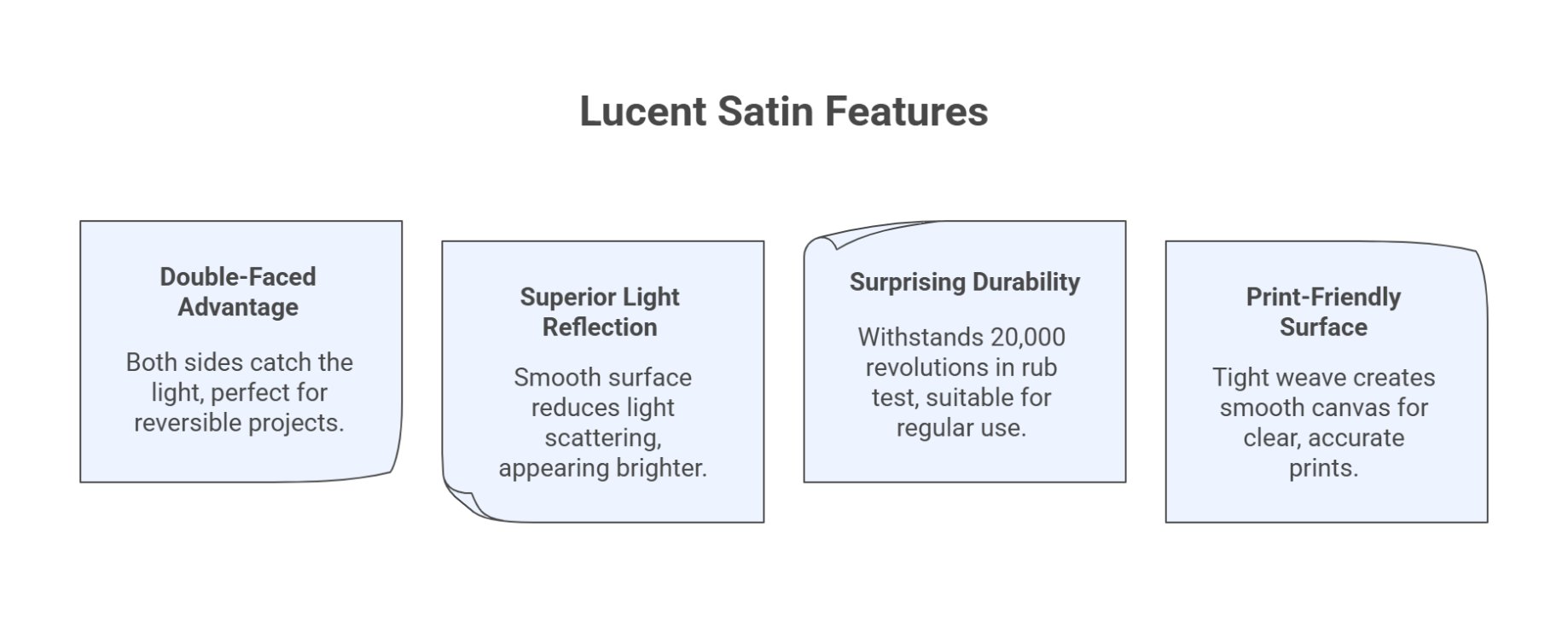
A feature guide explaining what sets lucent satin apart from other satin fabrics.
The Double-Faced Advantage
Most duchess satin and charmeuse satin fabrics have a shiny front and a dull back. Lucent satin breaks this rule. Both sides catch the light and create that special glow. This makes it perfect for projects where both sides of the fabric will be visible, like scarves, reversible garments, or accessories.
Superior Light Reflection
The long floats in lucent satin’s weave structure create an extremely smooth surface. This smoothness reduces light scattering, which is why the fabric appears so much brighter than other satins. When light hits the surface, it bounces back directly to your eye instead of scattering in different directions.
Surprising Durability
Don’t let the delicate appearance fool you. Lucent satin is actually a hardy material. Testing shows it can withstand 20,000 revolutions in the Martindale rub test, which measures how well fabric holds up to friction. This puts it in the “medium wear” category, making it suitable for regular use in clothing and accessories, not just special occasions.
What Is a Martindale Test?
The Martindale test rubs fabric against a standard surface in a circular motion to see how long it takes to show wear. More revolutions mean more durability. For context:
- 5,000 revolutions: Light domestic use
- 20,000 revolutions: Medium wear (lucent satin)
- 40,000+ revolutions: Heavy contract use
Print-Friendly Surface
If you want to add custom designs, lucent satin is one of the best fabrics for printing. The tight, closed weave creates a smooth canvas that shows every detail clearly. You’ll get pristine, accurate prints with bright contrast between the white base and your colors. The fine lines stay sharp, and when printed using water-based inks, the results are both beautiful and better for the environment.
The Story Behind Satin Weaving
A visual representation of traditional satin weaving that produces a smooth, light catching surface.
Ancient Chinese Origins
The satin weave was invented over 2,000 years ago in Quanzhou, a Chinese port city. Back then, it was called “Zaitun” in medieval Arabic, which is where the name “satin” comes from. Chinese silk weavers discovered that by floating yarns over multiple threads before interlacing, they could create a fabric with an incredible shine.
For centuries, this weaving technique was a closely guarded secret. Only the wealthy and nobility could afford silk satin, and owning it was a sign of high status. The intricate process and exclusive access to silk made satin one of the most luxurious textiles in history.
The Silk Road Spreads the Technique
As trade routes opened up along the Silk Road, the satin weaving technique spread from China to the Middle East and eventually to Europe. Italy became the first Western country to produce satin in the 12th century. By the 14th century, satin had become popular throughout Europe.
Louis XIV of France famously used satin to cover the ornate furniture in the Palace of Versailles. This royal endorsement made satin even more desirable among the European elite.
Modern Evolution: From Silk to Synthetics
For most of history, satin could only be made from silk because the weaving technique required long, continuous fibers. This changed in the 20th century when synthetic fibers like polyester and nylon became available.
These new materials made satin affordable for everyone. Today’s lucent satin can be made from various fibers, each offering different benefits. The double-faced shine that makes lucent satin special is a more recent innovation, developed to meet the needs of modern fashion designers and crafters who wanted the glow on both sides.
Lucent Satin vs Other Satin Types
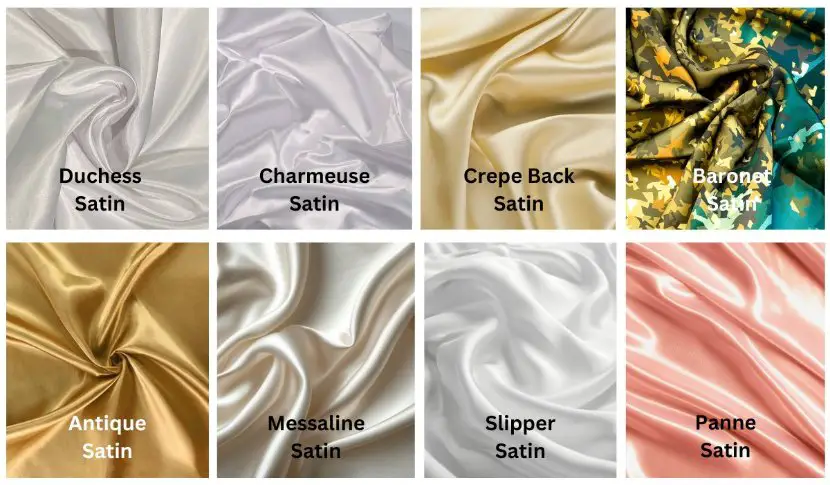
A comparison of popular satin varieties showing differences in sheen, texture, and drape.
Understanding how lucent satin compares to other satin varieties helps you pick the right fabric for your project. Each type has its own personality and best uses.
| Satin Type | Key Features | Best Uses | Price Range |
|---|---|---|---|
| Lucent Satin | Double-faced shine, high shimmer, slippery texture, medium durability | Linings, accessories, evening wear, bags | $$ |
| Duchess Satin | Heavy, stiff, holds shape well, low luster, single-sided shine | Bridal gowns, structured dresses | $$$ |
| Charmeuse Satin | Lightweight, soft drape, high luster front, crepe-like back | Lingerie, flowing dresses, blouses | $$-$$$ |
| Crepe-Back Satin | Reversible, satin on one side, crepe texture on other | Dresses, skirts, reversible garments | $$ |
| Baronet Satin | Rayon and cotton blend, very lustrous, cotton back | Bedding, upholstery, accessories | $ |
| Antique Satin | Textured, dull finish, heavy, made with slubbed yarn | Curtains, upholstery, home decor | $$ |
| Messaline Satin | Lightweight, soft, high luster, usually rayon or silk | Linings, lightweight dresses | $$ |
| Slipper Satin | Medium weight, tightly woven, matte surface | Shoes, accessories, crafts | $ |
| Panne Satin | Super high luster from heat pressing, stiff | Evening wear, costumes | $$ |
When to Choose Lucent Satin Over Others
Pick lucent satin when you need:
- Maximum shine: The double-faced shimmer creates more visual impact than single-sided satins
- Reversible looks: Both sides are pretty enough to show
- Lining perfection: The slippery texture makes clothes glide on easily
- Printing projects: Custom designs look sharp and vibrant
- Accessories: Bags, clutches, and scarves benefit from shine on all sides
- Easy care: Unlike silk satin, lucent satin is typically machine washable
Fiber Content and Quality
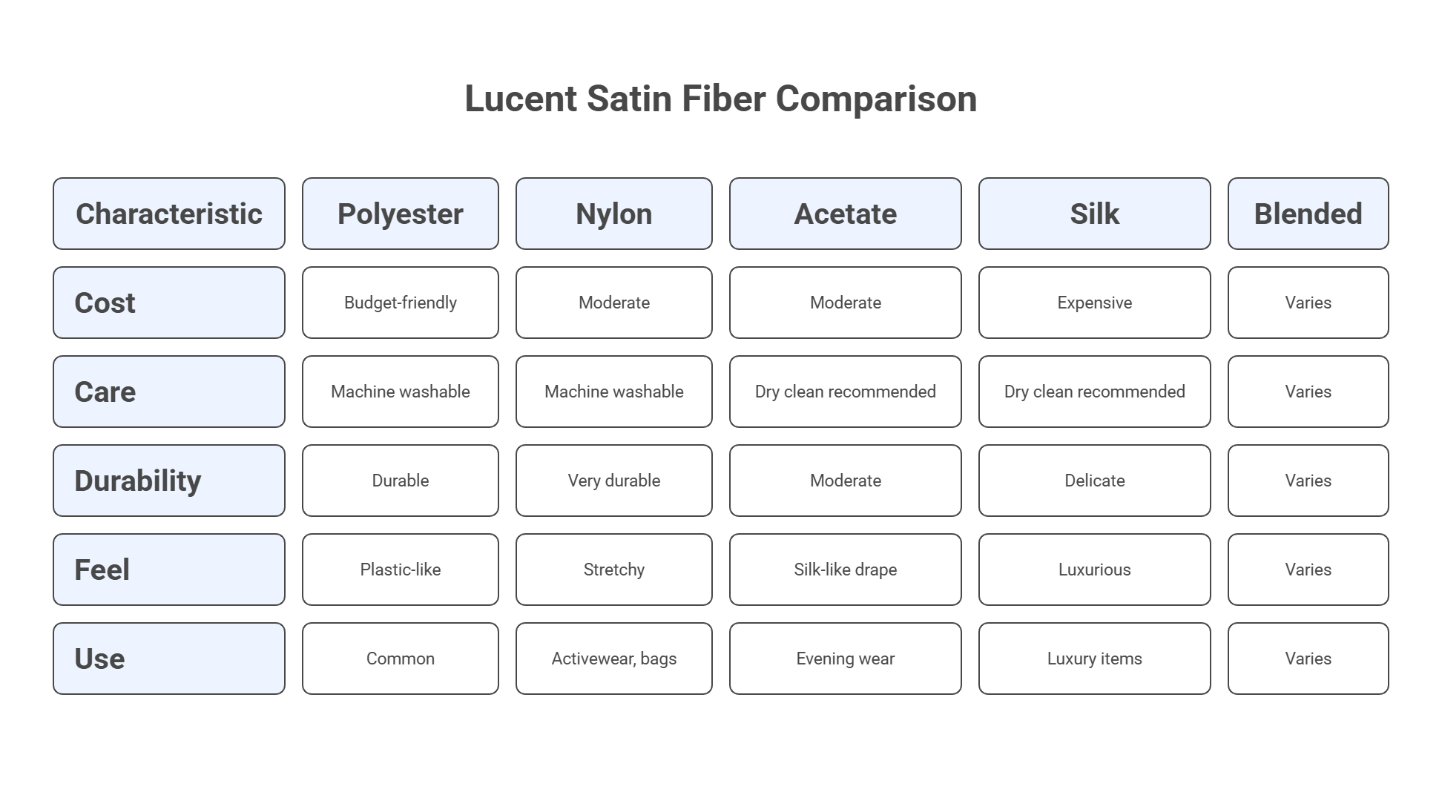
A detailed fiber comparison chart showing how different materials influence lucent satin quality and performance.
The fibers used to make lucent satin affect everything from how it feels to how much it costs. Most lucent satin today is made from synthetic fibers, though silk versions exist for luxury markets.
Polyester Lucent Satin
Polyester is the most common fiber for lucent satin. It offers several advantages:
- Budget-friendly compared to natural fibers
- Easy to care for at home (machine washable)
- Holds color well without fading
- Resistant to wrinkles and shrinking
- Durable enough for regular wear
- Available in countless colors and prints
The downside? Polyester doesn’t breathe as well as natural fibers, which can make it feel warm in hot weather. It also has a slightly plastic-like feel compared to silk.
Nylon Lucent Satin
Nylon is another synthetic option. It’s stronger and more elastic than polyester, making it good for items that need stretch or will face heavy use. Nylon lucent satin works well for activewear linings and bags that need to hold up to daily wear.
Acetate Lucent Satin
Acetate falls between synthetic and natural fibers. Made from wood pulp, it has a more silk-like drape than polyester but costs less than real silk. The high sheen makes it popular for evening wear, though it requires more careful handling than polyester.
Silk Lucent Satin
For the ultimate luxury, some manufacturers create lucent satin from silk fibers. This combination gives you the double-faced shine of lucent satin with silk’s natural temperature regulation and beautiful drape. However, silk lucent satin costs significantly more and requires professional dry cleaning.
Blended Lucent Satin
Some lucent satins mix different fibers to balance cost and quality. Common blends include:
- Polyester-cotton: More breathable than pure polyester
- Polyester-rayon: Better drape with good durability
- Silk-polyester: Luxury look at a lower price
Sustainability and Environmental Impact

Sustainable satin choices that reduce environmental impact without sacrificing quality.
If you care about making eco-friendly fabric choices, understanding lucent satin’s environmental footprint helps you shop smarter. The truth is, most conventional lucent satin isn’t the greenest option, but sustainable alternatives are growing.
The Polyester Problem
Since most lucent satin is made from polyester, it shares the environmental concerns of all synthetic fabrics:
- Petroleum-based: Polyester comes from oil, a non-renewable resource
- Microplastic pollution: Every wash releases tiny plastic fibers into waterways
- Slow decomposition: Takes hundreds of years to break down in landfills
- Energy-intensive production: Manufacturing creates significant carbon emissions
Sustainable Lucent Satin Options
The good news is that the textile industry is working on better alternatives. Here’s what’s available now:
Recycled Polyester Lucent Satin
Recycled polyester (rPET) is made from plastic bottles and other post-consumer waste. This reduces oil dependence by 59% and cuts carbon emissions by 32% compared to virgin polyester. Some manufacturers now offer lucent satin made from recycled materials. Look for GRS (Global Recycled Standard) certification when shopping.
Organic Silk Lucent Satin
While rare, organic silk lucent satin exists. These fabrics use silk from farms that don’t use pesticides or harmful chemicals. The silk worms are treated more humanely, and water usage is reduced. Look for GOTS (Global Organic Textile Standard) certification to ensure you’re getting the real deal.
Peace Silk (Ahimsa Silk)
Traditional silk production kills the silk worms inside their cocoons. Peace silk allows the moths to emerge before harvesting the cocoons. While this makes the fibers shorter and the fabric more expensive, many people prefer this ethical alternative.
Eco-Friendly Production Methods
Even if the base fiber isn’t perfect, some manufacturers use cleaner production methods:
- Water-based inks: For printed lucent satin, these avoid toxic solvents
- Closed-loop dyeing: Recycles water and chemicals instead of dumping them
- Low-impact dyes: Reduce water pollution and chemical runoff
- Heat fixing: More efficient than traditional steaming processes
Making Sustainable Choices
Shopping Tips for Eco-Conscious Buyers
- Look for OEKO-TEX Standard 100 certification (free from harmful chemicals)
- Choose recycled polyester when possible
- Buy from brands transparent about their manufacturing
- Consider secondhand or vintage lucent satin
- Invest in higher quality that lasts longer
- Wash less frequently and use cold water
- Use a Guppyfriend bag to catch microfibers during washing
The Future of Sustainable Satin
New technologies are emerging that could make lucent satin more sustainable:
- Bio-based polyester: Made from plant materials instead of petroleum
- Lyocell/Tencel: Wood-based fiber with closed-loop production
- Circular fashion programs: Take-back schemes where old fabric gets recycled into new
- Waterless dyeing: New techniques that don’t need water at all
Properties and Characteristics
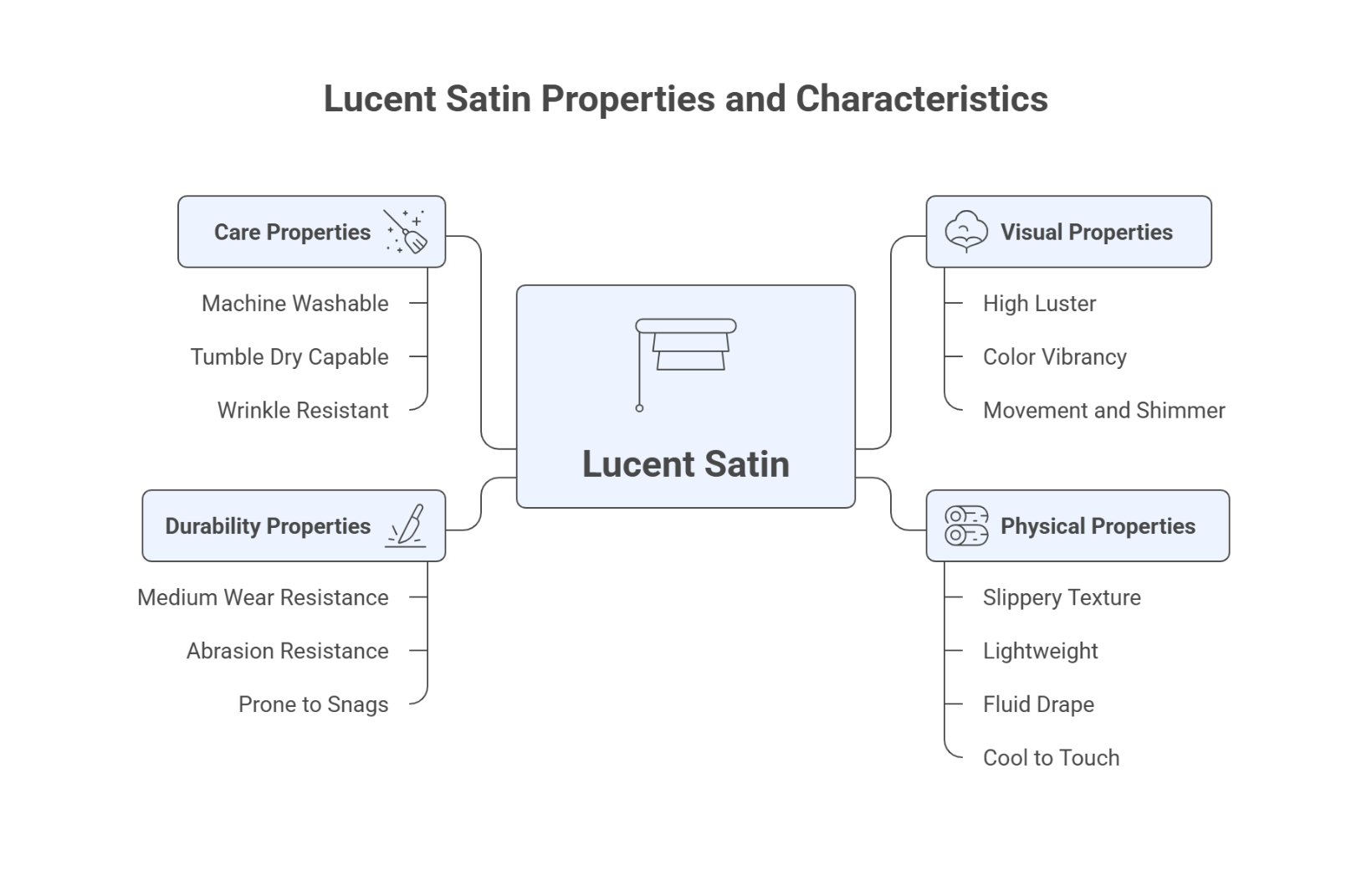
A breakdown of lucent satin’s most important properties including luster, drape, care needs, and durability.
Understanding how lucent satin behaves helps you decide if it’s right for your project. Here’s what you can expect from this fabric.
Visual Properties
High Luster: The defining feature. Lucent satin’s shine is brighter than most other satins because of its double-faced construction. This makes it perfect when you want drama and glamour.
Color Vibrancy: The smooth surface reflects light evenly, making colors appear richer and more saturated. Deep jewel tones look especially stunning in lucent satin.
Movement and Shimmer: Every shift creates a new burst of light. This dynamic quality makes it ideal for garments and accessories that will catch the eye.
Physical Properties
Slippery Texture: The surface is extremely smooth to touch. This makes it comfortable against skin and perfect for linings, but it also means the fabric can be tricky to work with when sewing.
Lightweight: Most lucent satin is thin and light, which contributes to its fluid drape. You can see through it when held up to light, but it’s not see-through when worn in layers.
Fluid Drape: The fabric flows beautifully. It doesn’t hold stiff shapes but rather follows the body’s contours or hangs in soft folds.
Cool to Touch: The smooth surface feels cool against skin, which can be refreshing in moderate temperatures but might feel cold in winter.
Durability Properties
Medium Wear Resistance: With 20,000 Martindale test revolutions, lucent satin can handle regular use but isn’t meant for heavy-duty applications like upholstery that gets sat on daily.
Abrasion Resistance: The tight weave provides decent resistance to rubbing, though sharp objects or rough surfaces can still snag the long floats.
Prone to Snags: Like all satins, the long floating yarns can catch on jewelry, zippers, or rough surfaces. Once snagged, the pulls are visible and hard to fix.
Care Properties
Machine Washable: Unlike many luxury satins, most lucent satin can be machine washed at 86°F (30°C). This makes it more practical for everyday items.
Tumble Dry Capable: You can use medium heat in the dryer, though air drying helps maintain the luster longer.
Wrinkle Resistant: The fabric doesn’t crease easily, and any wrinkles that form usually hang out on their own or disappear with light steaming.
| Property | Rating | Notes |
|---|---|---|
| Shine/Luster | ⭐⭐⭐⭐⭐ | Highest among satin varieties |
| Softness | ⭐⭐⭐⭐ | Smooth but slippery |
| Durability | ⭐⭐⭐ | Medium wear applications |
| Breathability | ⭐⭐ | Limited if polyester-based |
| Wrinkle Resistance | ⭐⭐⭐⭐ | Stays smooth easily |
| Easy Care | ⭐⭐⭐⭐ | Machine washable |
| Drape | ⭐⭐⭐⭐⭐ | Fluid and flowing |
| Print Quality | ⭐⭐⭐⭐⭐ | Excellent detail retention |
Uses and Applications
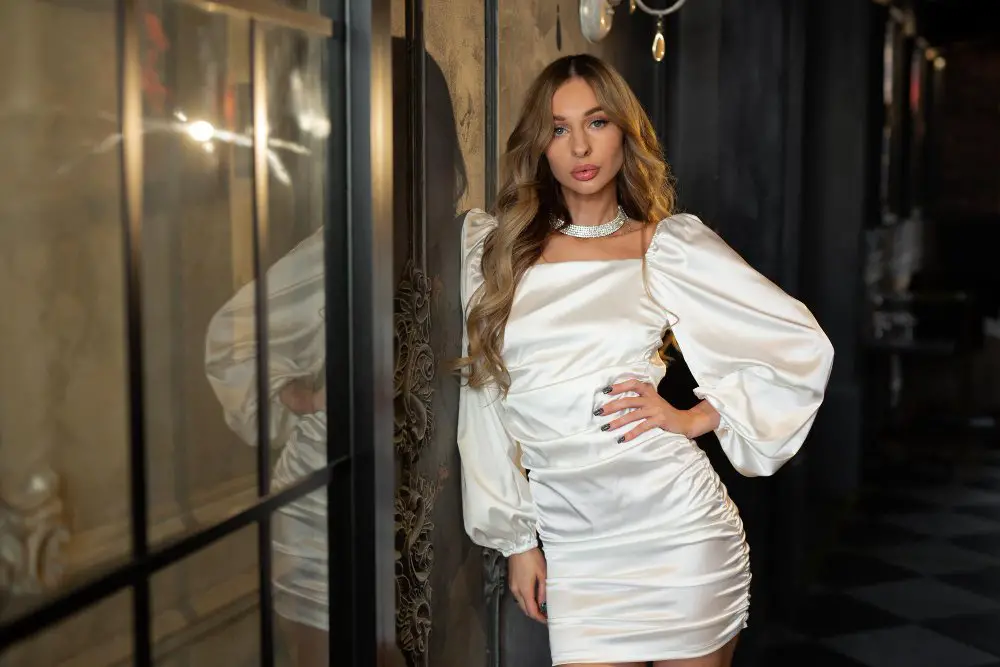
A modern fashion example showing lucent satin used in a stylish formal dress.
Lucent satin’s unique properties make it perfect for specific applications. Here’s where this fabric really shines (pun intended).
Fashion Applications
Evening Wear and Special Occasions
The high shimmer makes lucent satin a natural choice for evening gowns, cocktail dresses, and formal wear. The fabric catches light beautifully under evening lighting, creating that red-carpet glamour. It works especially well for:
- Evening gowns and cocktail dresses
- Formal blouses and tops
- Party skirts
- Prom and homecoming dresses
Linings
This is where lucent satin truly excels. The slippery surface makes coats, jackets, and dresses glide on easily. The double-faced shine means even the inside of your garment looks luxurious. Professional tailors often choose lucent satin for:
- Coat and jacket linings
- Dress linings
- Suit linings
- Vest and waistcoat interiors
Fashion Accessories
Since both sides look good, lucent satin is perfect for accessories that might show multiple angles:
- Scarves and shawls
- Hair accessories (scrunchies, headbands, bows)
- Ties and bow ties
- Sashes and belts
Bags and Clutches
The shimmer adds elegance to evening bags, while the durability holds up to regular use. The fabric is also great for:
- Evening clutches
- Cosmetic bags
- Drawstring pouches
- Tote bag linings
Home Decor Applications
While not its primary use, lucent satin can add luxury to home spaces:
- Decorative pillows: Add shimmer to living rooms or bedrooms
- Table runners: Create elegant table settings
- Curtain tie-backs: Catch the light beautifully
- Craft projects: Ornaments, gift bags, decorative boxes
Craft and DIY Projects
The easy-care nature and print-friendly surface make lucent satin popular for:
- Costume making for theater or cosplay
- Custom printed fabrics for unique gifts
- Ribbon and trim making
- Quilting accents
- Embroidery and embellishment projects
Not Recommended For
Lucent satin isn’t the best choice for:
- Heavy upholstery: Not durable enough for furniture that gets daily use
- Active sportswear: Doesn’t breathe well or wick moisture
- Children’s everyday wear: Too slippery and snags easily
- Outdoor furniture: Can’t withstand weather exposure
- Workwear: Not practical for jobs requiring durability
Complete Care and Maintenance Guide
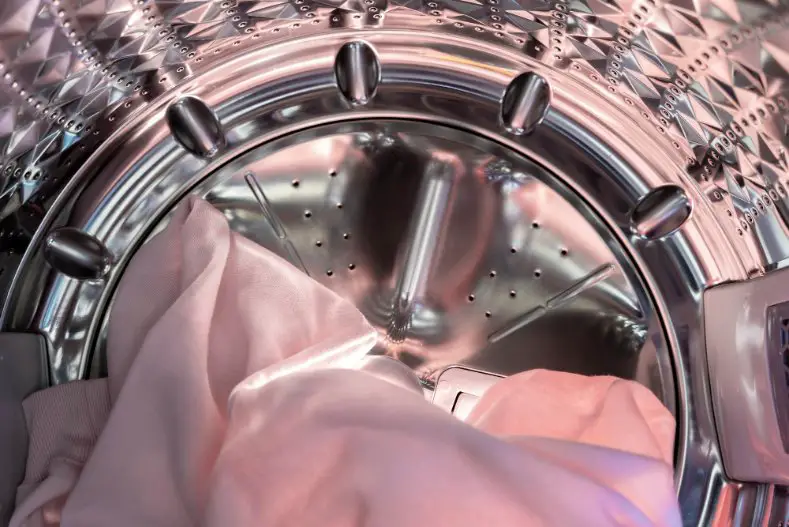
Machine washing lucent satin on a delicate cycle to maintain its shine and smooth texture.
Proper care keeps your lucent satin looking new longer. The good news is that this fabric is easier to care for than many other luxury satins. For more detailed fabric care guidance, check out this comprehensive satin clothing care guide.
Need Custom Care Instructions?
Use our Satin Fabric Care Calculator to get personalized washing and care instructions based on your specific fabric type and garment.
Washing Lucent Satin
Machine Washing (Recommended Method)
Most lucent satin can safely go in the washing machine, which makes it much more practical than silk satin:
- Temperature: Use cold or warm water (86°F/30°C maximum)
- Cycle: Select gentle or delicate cycle
- Detergent: Use mild liquid detergent (avoid powders that might not dissolve)
- Protection: Turn garments inside out and place in a mesh laundry bag
- Load size: Don’t overcrowd the machine, give fabric room to move
- Avoid: Never use bleach or harsh chemicals
Hand Washing (Gentlest Option)
For special pieces or if you’re worried about damage:
- Fill a clean sink or basin with cool water
- Add a small amount of gentle detergent and swish to dissolve
- Submerge the fabric and gently agitate by hand
- Let soak for 5-10 minutes
- Rinse thoroughly with cool water until no soap remains
- Press water out gently (don’t wring or twist)
Washing Decision Flowchart
Drying Lucent Satin
Tumble Drying
Unlike silk satin, lucent satin can handle the dryer:
- Use medium or low heat
- Remove promptly when dry to prevent wrinkles
- Don’t over-dry, as this can dull the luster over time
Air Drying (Best for Longevity)
This gentler method helps maintain the shine:
- Hang on a padded hanger to prevent shoulder marks
- Avoid direct sunlight (can fade colors)
- Let dry in a well-ventilated area
- Fabric will dry relatively quickly due to its smooth surface
Ironing and Steaming
Ironing Instructions
Most wrinkles will hang out naturally, but if you need to iron:
- Set iron to low or synthetic setting (around 230°F/110°C)
- Always iron on the wrong (back) side of the fabric
- Use a pressing cloth (clean cotton fabric) between iron and satin
- Press gently, don’t slide the iron back and forth
- Never use steam directly on the fabric (can cause water spots)
- Let cool completely before wearing or storing
Steaming (Safer Alternative)
A garment steamer is actually better for lucent satin:
- Hang the garment on a sturdy hanger
- Hold steamer 6-8 inches away from fabric
- Move in downward motions
- Let the steam do the work, don’t press against fabric
- Allow to dry completely before wearing
Quick Wrinkle Fix
Hang the garment in your bathroom while you shower. The steam will naturally release minor wrinkles without any direct contact with water.
Stain Treatment
Act fast with stains. The sooner you treat them, the better your chances of complete removal.
General Stain Treatment Steps
- Blot (don’t rub) the stain immediately with a clean, white cloth
- Mix cool water with a tiny amount of gentle detergent
- Dab the solution onto the stain with a clean cloth
- Work from the outside edges toward the center
- Rinse the area with cool water
- Blot dry and air dry completely
Specific Stain Solutions
| Stain Type | Treatment | What to Avoid |
|---|---|---|
| Oil/Grease | Sprinkle cornstarch or talc, let absorb for 30 minutes, then brush off and wash | Hot water (sets grease stains) |
| Wine/Juice | Blot immediately, then flush with cold water from back of stain | Red wine “salt trick” (can damage fabric) |
| Makeup | Use small amount of makeup remover on clean cloth, dab gently | Rubbing (spreads the stain) |
| Ink | Take to professional cleaner (very difficult to remove at home) | Hairspray method (can damage finish) |
| Water Spots | Dampen entire area evenly, let air dry | Spot treating (makes rings worse) |
Storage Tips
Proper storage prevents damage when garments aren’t in use:
- Hanging: Use padded or wide hangers to prevent shoulder marks
- Folding: For accessories or smaller pieces, fold gently with tissue paper between layers
- Protection: Store in breathable garment bags (not plastic, which traps moisture)
- Location: Cool, dry place away from direct sunlight
- Moth prevention: Use cedar blocks or lavender sachets (avoid mothballs which can leave odors)
Working with Lucent Satin

Handling lucent satin carefully during garment construction to achieve smooth seams and clean drape.
Sewing with lucent satin requires special techniques because of its slippery nature. Don’t let this scare you away though. With the right approach, even beginners can get great results.
Essential Tools and Supplies
Having the right tools makes a huge difference:
- Sharp scissors: Dull blades will snag the fabric
- Fine pins: Size 11 or 12 silk pins leave smaller holes
- Microtex needles: Size 60/8 or 70/10 for machine sewing
- Polyester thread: Strong and won’t break easily
- Walking foot: Helps feed fabric evenly through the machine
- Rotary cutter: Gives cleaner cuts than scissors
- Weights: Better than pins for holding pattern pieces
- Fabric stabilizer: Helps control slippery fabric
Cutting Techniques
- Stabilize the fabric: Lay it on a large cutting surface with a non-slip mat underneath
- Use weights: Place pattern pieces and hold them down with weights instead of pinning
- Cut single layer: Don’t fold fabric or cut two layers at once, as they’ll shift
- Sharp tools only: Use a fresh rotary blade or very sharp scissors
- Slow and steady: Take your time, rushing leads to wavy edges
Pinning and Marking
Pinning Tips:
- Pin only within seam allowances (holes may show on the final piece)
- Use very fine pins and remove them as soon as possible
- Consider using clips instead of pins when possible
Marking Methods:
- Test any marking tool on a scrap first
- Chalk markers work well and brush off easily
- Tailor’s tacks are safest for expensive fabric
- Never use regular pens or permanent markers
Sewing Techniques
Machine Settings
- Stitch length: 2.0-2.5mm (slightly shorter than normal)
- Tension: Slightly lower than normal to prevent puckering
- Presser foot pressure: Reduce if your machine allows it
- Speed: Sew slowly for better control
Best Practices
- Stabilize with tissue paper: Place tissue paper under fabric while sewing, then tear away
- Hold fabric taut: Gently hold fabric in front and behind the presser foot (don’t pull)
- Start with a scrap test: Always test your settings on scrap fabric first
- Use a walking foot: This attachment feeds top and bottom layers evenly
- Press as you go: Press each seam before crossing it with another
Seam Finishes
Lucent satin frays easily, so finished seams are important:
- French seams: Best for lightweight garments, encloses raw edges completely
- Serged/overlocked seams: Quick and effective if you have a serger
- Zigzag finish: Use a narrow zigzag stitch along raw edges
- Hong Kong finish: Elegant bias binding finish for unlined jackets
French Seam Tutorial
Perfect for lucent satin because it hides all raw edges:
- Place fabric wrong sides together (yes, wrong sides!)
- Sew a seam 3/8″ from edge
- Trim seam allowance to 1/8″
- Press seam open, then to one side
- Fold fabric right sides together along the seam line
- Sew 1/4″ from the fold, encasing raw edges
- Press to one side
For more seam techniques, see our French seam guide and flat-fell seam tutorial.
Common Sewing Problems and Solutions
| Problem | Cause | Solution |
|---|---|---|
| Fabric slipping | Smooth surface, presser foot pressure too light | Use walking foot, tissue paper, or spray fabric with temporary adhesive |
| Puckered seams | Tension too tight, pulling fabric | Lower tension, don’t pull fabric through machine, use smaller needle |
| Skipped stitches | Wrong or dull needle | Use new microtex or sharp needle, size 60/8 or 70/10 |
| Visible pin holes | Pins too large or left in too long | Use finest pins possible, pin only in seam allowances, remove quickly |
| Fraying edges | Natural for satin weave | Finish seams immediately after cutting, handle less |
| Snags from machine | Rough spots on needle plate or presser foot | Check for burrs, polish with fine sandpaper if needed, replace if damaged |
Buying Guide
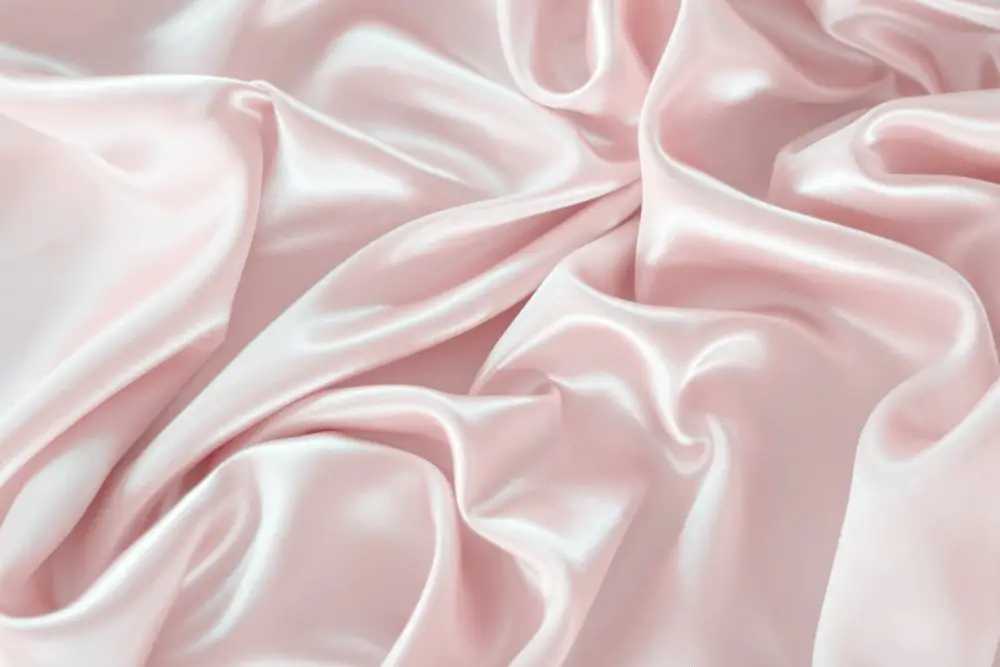
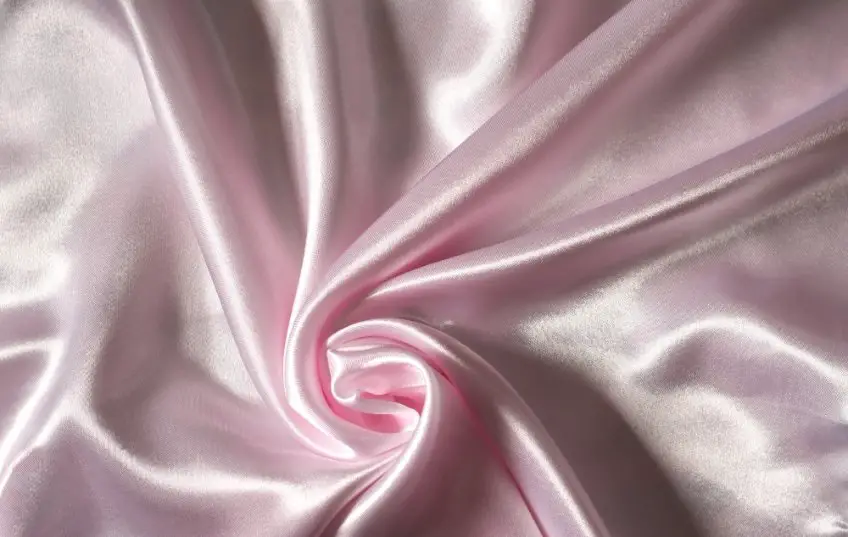
A soft pastel example of lucent satin that highlights its smooth finish and elegant drape.
Shopping for lucent satin can be tricky because quality varies widely. Here’s how to get the best fabric for your money.
Where to Buy
Not Sure Which Satin to Choose?
Our Satin Fabric Type Selector tool helps you find the perfect satin for your specific project by asking about your needs, budget, and intended use.
Online Fabric Retailers
Advantages:
- Wider selection of colors and types
- Often better prices than local stores
- Easy to compare options
- Customer reviews help gauge quality
Disadvantages:
- Can’t feel fabric before buying
- Colors may look different on screen
- Shipping costs add to price
- Returns can be complicated
Local Fabric Stores
Advantages:
- Touch and see fabric in person
- Get expert advice from staff
- Take home immediately
- Support local business
Disadvantages:
- More limited selection
- Usually higher prices
- May not have lucent satin specifically
Quality Indicators
Look for these signs of good quality lucent satin:
- Even sheen: The shine should be consistent across the entire fabric, not patchy
- Smooth surface: No slubs, bumps, or rough spots
- No pulls or snags: Inspect carefully before buying
- Color consistency: Check the entire bolt, not just the end
- Tight weave: Hold it up to light; you should see light through it but not actual gaps between threads
- Good drape: Should flow smoothly, not stiff or limp
Price Ranges
Understanding typical prices helps you spot deals and avoid overpriced fabric:
- Budget range ($3-6 per yard): Basic polyester lucent satin, limited colors, may have quality issues
- Mid-range ($7-12 per yard): Better quality polyester or nylon, more colors, consistent quality
- Premium range ($13-20 per yard): High-quality blends or specialty finishes, custom prints
- Luxury range ($20+ per yard): Silk lucent satin or designer fabrics
How Much to Buy
Always buy more than your pattern calls for. Lucent satin is tricky to work with, so having extra for mistakes or practice pieces is smart. Add 10-20% to your pattern requirements, or a half yard minimum.
Calculate Exact Fabric Needs
Use our Fabric Yardage Calculator to determine precisely how much lucent satin you need for your project, including extra for seam allowances and potential mistakes.
Ordering Samples
When buying online, order swatches first if possible:
- Feel the weight and texture
- See the true color in your lighting
- Test how it responds to your iron
- Practice sewing on the actual fabric
- Costs a few dollars but saves money on wrong choices
Bulk and Wholesale Options
If you need large quantities:
- Many retailers offer bulk discounts at 10+ yards
- Wholesale suppliers require business license but offer best prices
- Consider splitting orders with sewing friends
- Watch for seasonal sales (after holidays, end of season)
Red Flags When Shopping
- No fiber content listed (should specify polyester, nylon, etc.)
- Prices way below market (often means poor quality)
- No return policy
- Photos look too different from reviews
- Seller won’t provide samples
- Vague descriptions like “satin-like” instead of actual satin
Troubleshooting Common Problems
Even with proper care, issues can come up. Here’s how to fix them.
Snags and Pulls
Prevention:
- Remove jewelry before putting on satin garments
- Keep nails smooth (no rough edges)
- Store away from zippers and rough surfaces
- Use lingerie bags when washing
Repair:
- Never cut the pulled thread
- Use a fine needle or snag repair tool
- Gently pull the snagged thread to the wrong side of fabric
- Carefully redistribute the threads around the snag
- Press lightly with steam to help threads settle
Note: Some snags can’t be fixed completely. Bad pulls may require patching or decorative embellishment to cover.
Water Spots and Rings
Water spots happen when water dries unevenly on the fabric’s surface.
Fix:
- Don’t try to spot clean (makes it worse)
- Dampen the entire affected area or panel evenly
- Use a spray bottle with distilled water
- Hang to dry completely
- If spots remain, rewash the entire garment
Loss of Luster
Over time or with improper care, lucent satin can lose its shine.
Causes:
- Too much heat when ironing or drying
- Harsh detergents
- Over-washing
- Exposure to direct sunlight
Restoration attempts:
- Wash with fabric softener (small amount)
- Steam gently from the wrong side
- Store in dark place between wears
Note: Severe luster loss is usually permanent. Prevention is your best bet.
Wrinkles That Won’t Hang Out
Usually, wrinkles disappear naturally, but stubborn ones need help:
- Hang in bathroom during hot shower (steam method)
- Use garment steamer from 6 inches away
- As last resort, iron on lowest setting with pressing cloth
- Always test on hidden area first
Fading
Color loss is usually permanent, but you can slow it:
- Wash in cold water only
- Turn garments inside out
- Use color-safe detergent
- Dry away from direct sunlight
- Limit washing frequency (spot clean when possible)
Static Cling
Synthetic lucent satin loves to create static electricity.
Quick fixes:
- Rub inside of garment with dryer sheet
- Spray lightly with water mixed with small amount of fabric softener
- Wear slip or underlayer
- Use anti-static spray
- Run damp hands over fabric
Prevention:
- Add fabric softener to wash (small amount)
- Avoid over-drying
- Increase humidity in room
Frequently Asked Questions
Conclusion
Lucent satin fills a special place in the world of fabrics. Its double-faced shimmer creates a glow that regular satin can’t match, while its practical care requirements make it more usable than traditional silk satin. This combination of beauty and function explains why designers, sewers, and crafters keep coming back to it.
The fabric truly shines (literally) in specific applications. For evening wear that needs to catch the light, linings that should glide smoothly, or accessories where both sides might show, lucent satin delivers. The high luster creates instant glamour, while the medium durability rating means it can handle regular wear, not just special occasions locked in a closet.
Working with lucent satin does require patience and the right techniques. That slippery surface that makes it so comfortable to wear also makes it challenging to cut and sew. But with sharp tools, proper stabilization, and a gentle approach, even intermediate sewers can achieve professional results. The trick is respecting the fabric’s nature rather than fighting against it.
From a sustainability standpoint, traditional polyester lucent satin isn’t ideal. However, the tide is shifting. Recycled polyester versions are becoming more common, and awareness about microplastic pollution is driving change in the industry. If you’re environmentally conscious, look for rPET or GRS certified fabrics, or consider vintage and secondhand sources. Every small choice adds up.
Care is straightforward compared to other luxury fabrics. Machine washing and tumble drying on medium heat? That’s a huge advantage over dry-clean-only silks. This practical maintenance keeps your garments looking good without constant trips to the cleaner. Just remember the golden rules: cool water, low heat, and never iron directly on the shiny side.
Key Takeaways
- Unique double-faced shine: Both sides shimmer, unlike regular satin
- Medium durability: Suitable for regular wear, not just special occasions
- Machine washable: Easier care than silk satin
- Best applications: Evening wear, linings, accessories, bags
- Printing friendly: Excellent for custom designs
- Requires skill to sew: Slippery texture challenges beginners
- Mostly polyester: Not the most sustainable choice, but recycled options exist
- Affordable luxury: Looks expensive without the high price tag
Final Recommendations
Choose lucent satin if you want:
- Maximum shine and visual impact
- Reversible fabric where both sides look good
- Easy-care luxury that’s machine washable
- Budget-friendly glamour for special projects
- Custom printed fabrics with clear details
Choose something else if you need:
- Structured fabric that holds stiff shapes (try duchess satin)
- Breathable fabric for hot weather (try cotton or linen)
- Heavy-duty upholstery fabric
- Completely eco-friendly materials
- Beginner-friendly fabrics for your first sewing project
Ready to work with this beautiful fabric? Start small with a simple project like a scarf or pillowcase to get a feel for its personality. Once you understand how it moves and responds, you’ll be ready to tackle more complex creations. The shimmer and drape of lucent satin add instant elegance to any project, making the extra effort worthwhile.
Whether you’re creating a show-stopping evening gown, lining a luxurious coat, or crafting special accessories, lucent satin delivers that perfect combination of shine, softness, and sophistication. The key is understanding its strengths and working with them, not against them. With the right approach and proper care, your lucent satin creations will keep their beautiful glow for years to come.