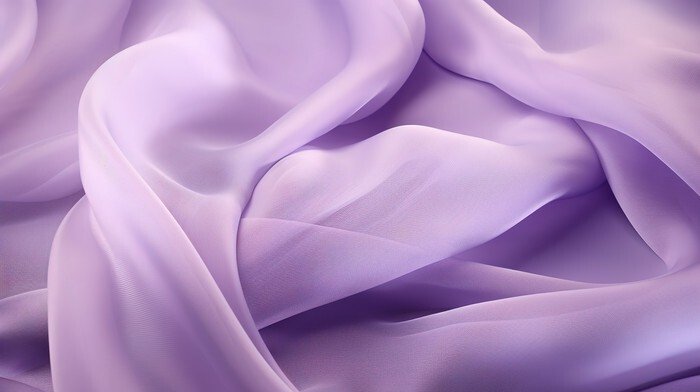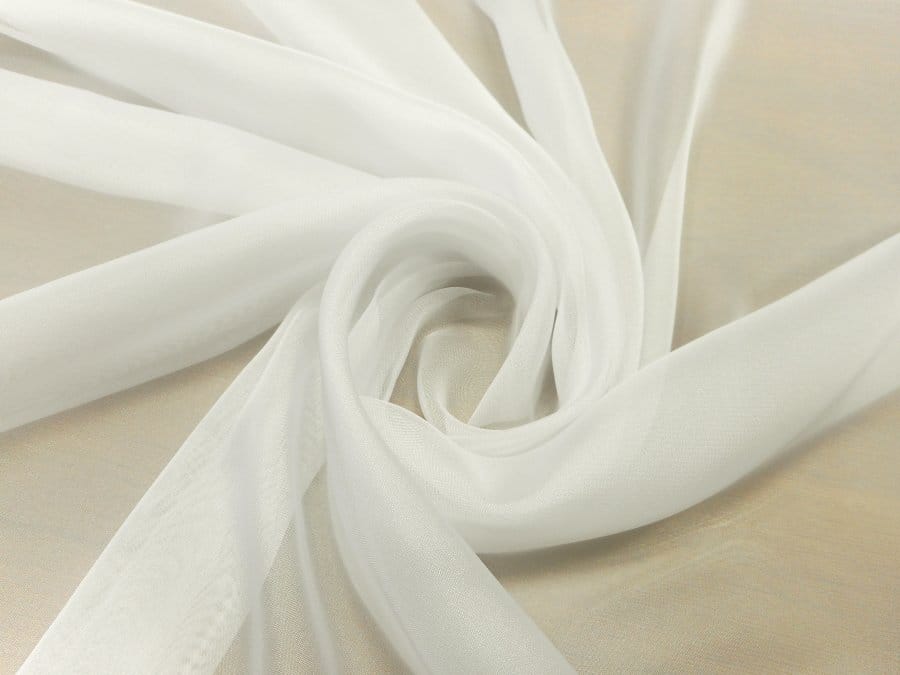

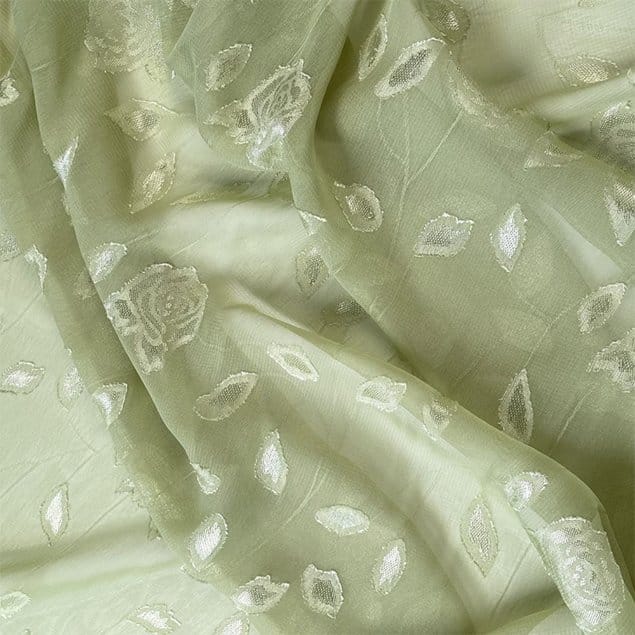
Everything you need to know about buying, sewing, and caring for Jacquard Chiffon
Table of Contents
- What is Jacquard Chiffon Fabric?
- Is Jacquard Chiffon the Same as Jacquard Fabric?
- The Story Behind Jacquard Chiffon
- How Jacquard Chiffon is Made
- Types of Jacquard Chiffon
- Key Properties and Characteristics
- Jacquard Chiffon vs Other Fabrics
- What Can You Make with Jacquard Chiffon?
- How to Sew with Jacquard Chiffon
- Care Instructions
- Environmental Impact and Sustainability
- Buying Guide: Quality, Price, and Where to Shop
- Project Ideas by Skill Level
- Troubleshooting Common Issues
- Frequently Asked Questions
- Conclusion
Have you ever touched a fabric that felt delicate as air but looked rich with texture? That’s Jacquard Chiffon. This beautiful material combines the flowing, sheer quality of chiffon fabric with detailed patterns woven right into the cloth. The result? A fabric that looks expensive, drapes like a dream, and adds instant elegance to anything you make with it.
If you’re planning a wedding dress, designing evening wear, or just want to understand more about luxury fabrics, this guide covers everything about Jacquard Chiffon. We’ll walk through its history, how it’s made, how to work with it, and how to keep it looking beautiful for years.
What is Jacquard Chiffon Fabric?
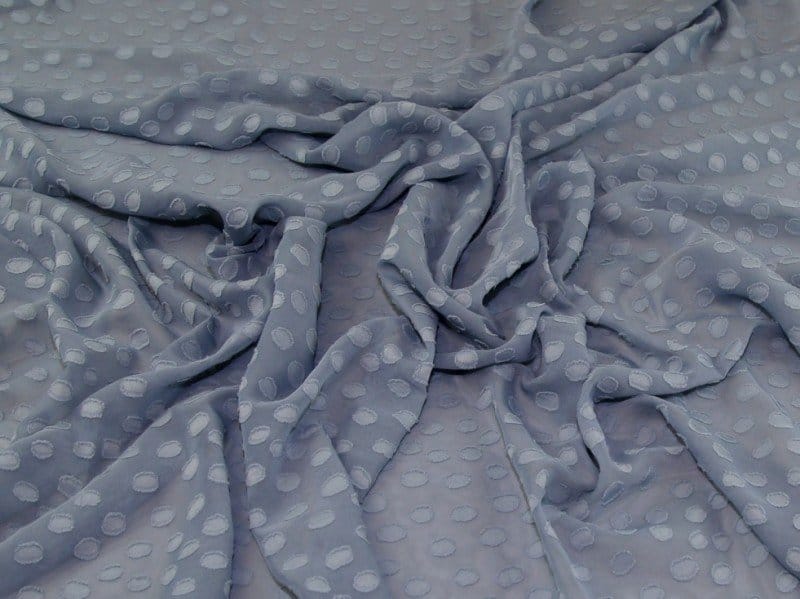
Detailed view explaining what jacquard chiffon fabric looks like and how it is structured.
Jacquard Chiffon is a type of chiffon where patterns are woven directly into the fabric using a special loom called a Jacquard loom. Unlike printed fabrics where designs sit on top of the material, Jacquard patterns are part of the fabric’s structure itself.
Picture regular chiffon, that lightweight, see-through fabric you see in scarves and flowing dresses. Now imagine that same fabric with raised floral patterns, geometric designs, or abstract textures woven into it. That’s Jacquard Chiffon. The patterns create subtle shadows and depth, making the fabric look more dimensional than plain chiffon.
Quick Definition
Jacquard Chiffon is a lightweight, semi-sheer fabric featuring woven patterns created on a Jacquard loom. It weighs around 90-100 grams per square meter (gsm), making it heavier and less transparent than regular chiffon, while still maintaining excellent drape and flow.
What makes Jacquard Chiffon special is how it feels. Regular chiffon is incredibly light and airy. Jacquard Chiffon feels a bit more substantial in your hand. It has body and texture from the woven patterns, but it still drapes beautifully and moves with grace. When you hold it up to the light, you’ll see the patterns appear and disappear as the fabric shifts.
Is Jacquard Chiffon the Same as Jacquard Fabric?
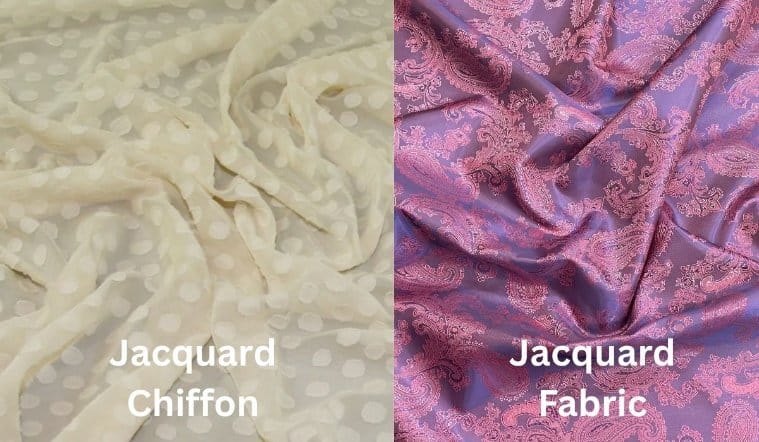
Side by side comparison of jacquard chiffon and traditional jacquard fabric.
No, and here’s why this matters for your shopping and sewing projects. The term “Jacquard” refers to the weaving technique, not a specific type of fabric. You can have Jacquard cotton, Jacquard silk, Jacquard brocade, and yes, Jacquard chiffon. Think of “Jacquard” as a method, like “printed” or “dyed.”
Regular Jacquard fabrics can be heavy, stiff, and fully opaque. They’re often used for upholstery, curtains, or structured garments. Jacquard Chiffon, on the other hand, keeps all the lightweight, flowing, semi-sheer qualities of chiffon. It just adds the textured patterns.
| Feature | Jacquard Chiffon | Regular Jacquard (Brocade/Damask) |
|---|---|---|
| Weight | Light (90-100 gsm) | Medium to Heavy (200-400+ gsm) |
| Transparency | Semi-sheer | Opaque |
| Drape | Flows and moves freely | Structured, holds shape |
| Best For | Dresses, scarves, overlays | Jackets, upholstery, structured pieces |
| Price Range | $12-60 per yard | $15-80+ per yard |
When you’re shopping online, watch the product descriptions carefully. “Jacquard” alone might mean a heavy upholstery fabric. “Jacquard Chiffon” or “chiffon with Jacquard weave” means the lightweight version you want for clothing.
The Story Behind Jacquard Chiffon
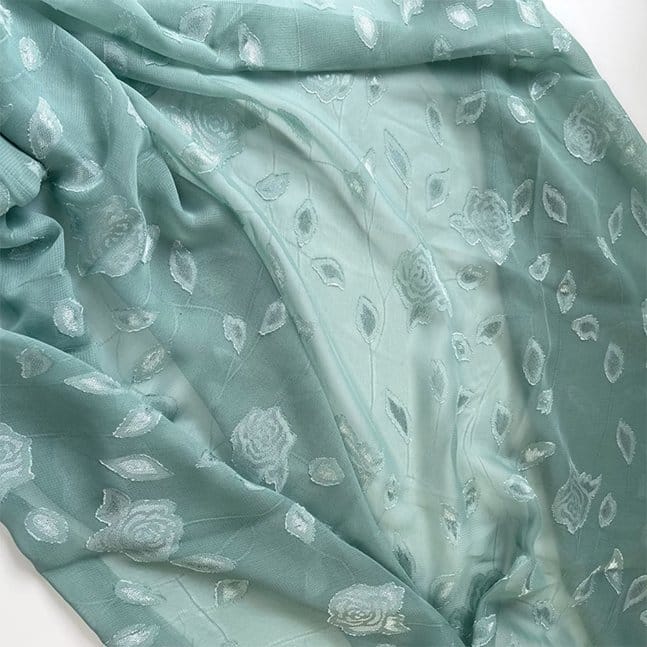
Visual representation of the craftsmanship and design behind jacquard chiffon fabric.
Understanding where Jacquard Chiffon comes from helps you appreciate why it costs more than regular chiffon. This fabric brings together two major textile innovations from different centuries.
The Birth of Chiffon
Chiffon first appeared in 18th century France. Back then, it was made exclusively from silk and only wealthy people could afford it. The French word “chiffe” means cloth or rag, but there was nothing cheap about this fabric. It was a status symbol worn by aristocrats to important events.
The fabric spread beyond France through the Silk Road trade routes. In India, it became popular for sarees. In China, silk weavers perfected techniques to make it even more delicate. By the mid-1800s, European and American wealthy women wore silk chiffon to show their social position.
The Jacquard Loom Revolution
In 1804, a French weaver named Joseph Marie Jacquard invented a loom that changed textile history forever. His invention used punch cards (think early computer programming) to control which threads went up or down during weaving. This meant complex patterns could be woven automatically instead of by hand.
Before the Jacquard loom, creating patterns in fabric took skilled weavers hours or even days. The Jacquard loom made detailed patterns possible for more people. It was so groundbreaking that computer pioneers later credited it as inspiration for early computing.
When Two Techniques Met
Jacquard Chiffon came into being when textile manufacturers started using Jacquard looms to weave patterns into the delicate chiffon weave. This wasn’t easy. Chiffon’s lightweight nature makes it tricky to add patterns without losing its signature drape and flow.
The development of synthetic fibers in the 1900s made Jacquard Chiffon more accessible. In 1938, nylon chiffon became available. By 1958, polyester chiffon hit the market. These synthetic versions cost less than silk, bringing Jacquard Chiffon within reach of more sewers and designers. Today, you can find Jacquard Chiffon in both silk (luxury) and polyester (affordable) versions.
How Jacquard Chiffon is Made
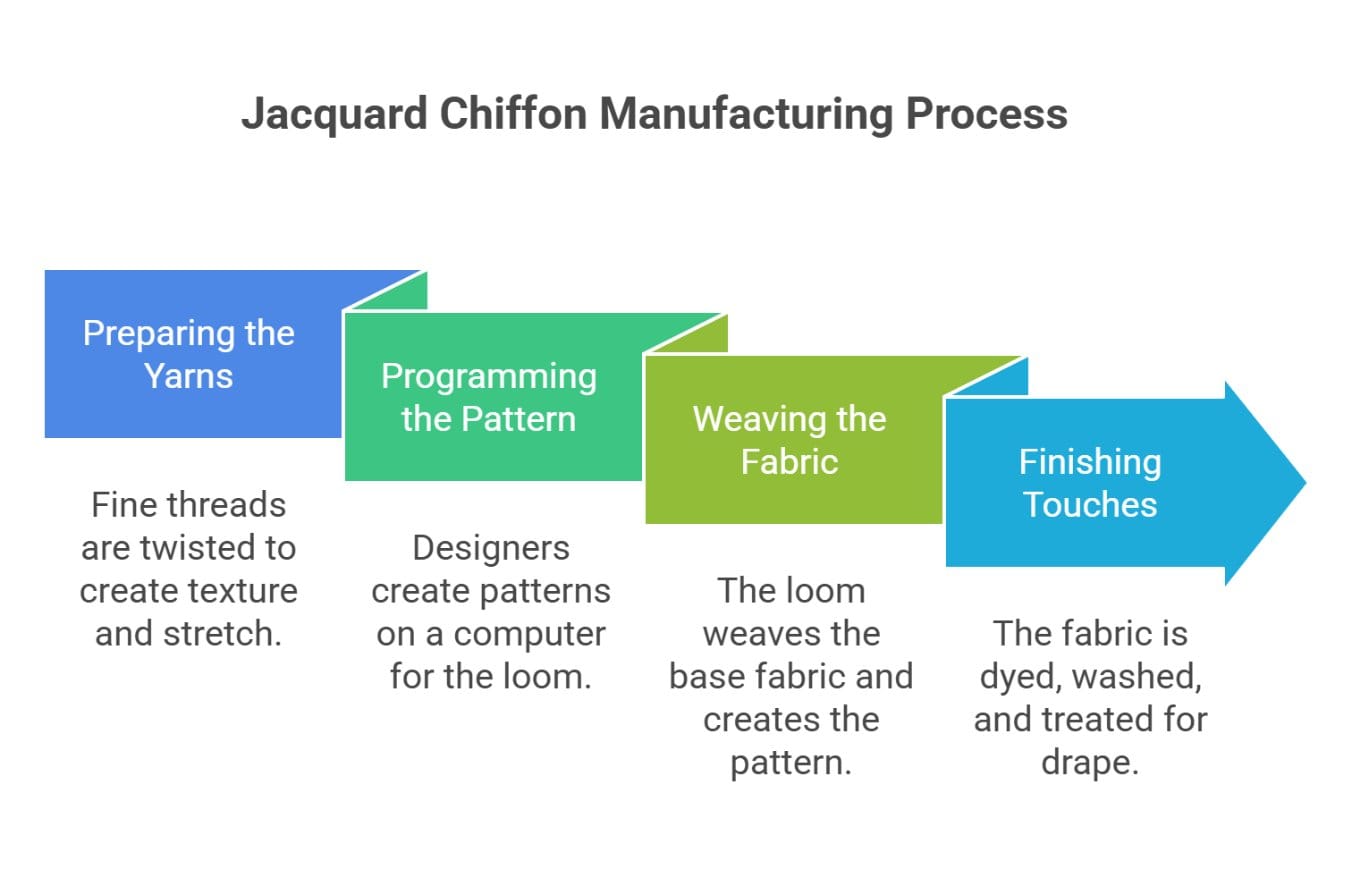
Visual overview of the jacquard chiffon manufacturing process from yarn preparation to finishing.
Knowing how this fabric gets created helps you understand why it feels and behaves the way it does. The process combines traditional chiffon weaving with modern Jacquard technology.
Step 1: Preparing the Yarns
The process starts with very fine threads. For silk Jacquard Chiffon, manufacturers use silk filaments from silkworm cocoons. For polyester versions, they create synthetic fibers in labs. These threads get twisted in opposite directions (called S-twist and Z-twist). This twisting creates chiffon’s slightly rough texture and gives it a bit of stretch.
Step 2: Programming the Pattern
Modern Jacquard looms use computer programs instead of the original punch cards. Designers create a pattern on the computer, and the loom reads these instructions to know which threads to lift and which to leave down. This creates the raised pattern you see in Jacquard Chiffon.
Step 3: Weaving the Fabric
The loom weaves the base chiffon fabric while simultaneously creating the Jacquard pattern. The warp threads (vertical) and weft threads (horizontal) interlace in a plain weave, but at certain points, extra threads rise to form the pattern. This happens automatically based on the computer’s instructions.
The tricky part? Keeping the fabric lightweight and airy while adding these patterns. If the patterns are too dense or heavy, the fabric loses its chiffon quality. Skilled manufacturers know exactly how to balance pattern detail with fabric weight.
Step 4: Finishing Touches
After weaving, the fabric goes through finishing treatments. It might be dyed (if not already dyed before weaving), washed, and treated to give it the right drape and hand feel. Some Jacquard Chiffon gets a light stiffening treatment to help the patterns stand out more clearly.
Types of Jacquard Chiffon
Jacquard Chiffon comes in several varieties. Each has different properties that make it better for certain projects. Here’s what you’ll find when shopping.
Silk Jacquard Chiffon
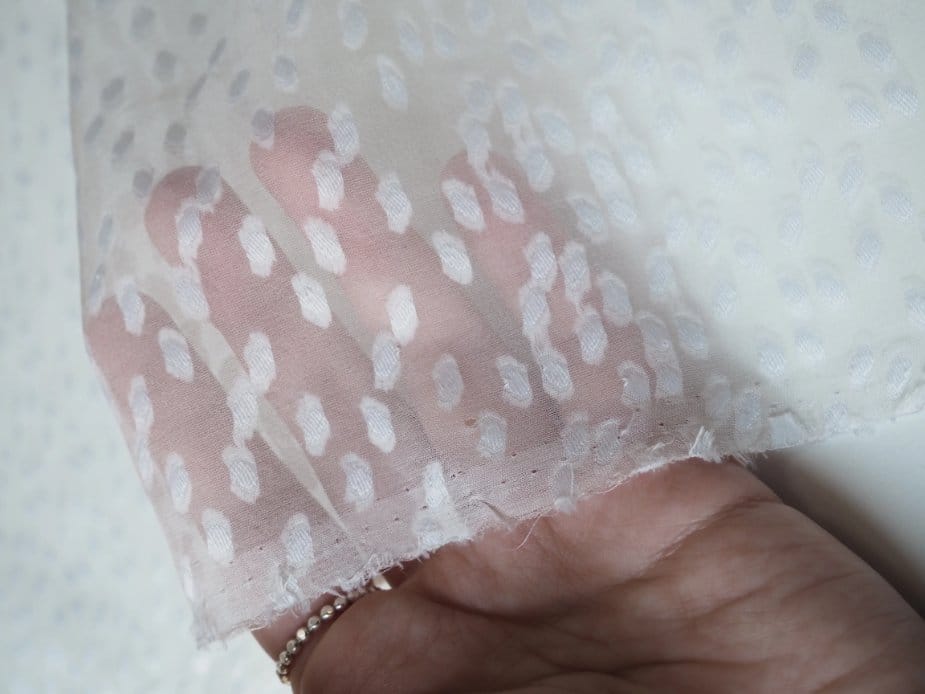
Luxury silk jacquard chiffon with delicate woven motifs and natural drape.
This is the luxury version. Made from natural silk fibers, it has a soft shimmer, feels incredibly smooth, and drapes like water. The patterns in silk Jacquard Chiffon catch light beautifully, creating depth and dimension. It’s perfect for high-end wedding dresses, evening gowns, and special occasion wear.
Expect to pay $45-60 per yard for quality silk Jacquard Chiffon. It needs dry cleaning to keep it in good shape. The extra cost gets you a fabric that feels luxurious and looks expensive.
Polyester Jacquard Chiffon
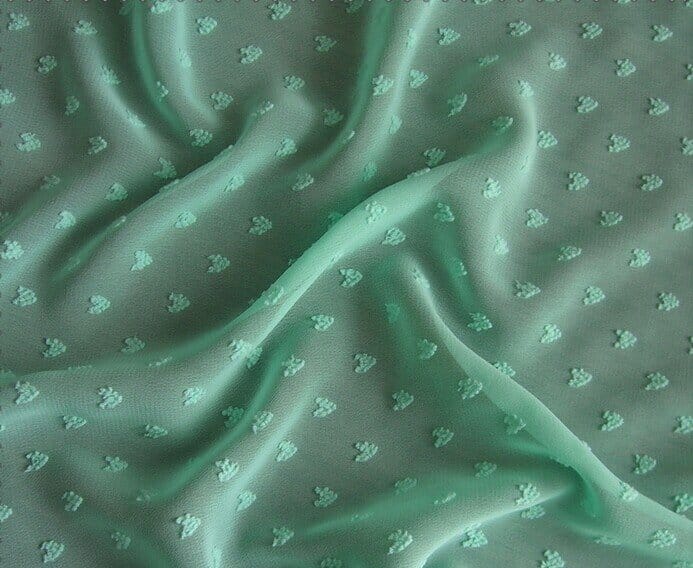
Polyester jacquard chiffon fabric showing durability and consistent woven texture.
This is the most common type you’ll find. Polyester Jacquard Chiffon costs much less (around $12-25 per yard) and is easier to care for. You can wash it at home with care. It doesn’t wrinkle as easily as silk, and it’s more durable for everyday wear.
The downside? It doesn’t have silk’s natural shimmer or smoothness. It can feel slightly plasticky if you buy very cheap versions. Spend at least $12-15 per yard to get polyester Jacquard Chiffon that looks and feels good.
Floral Jacquard Chiffon
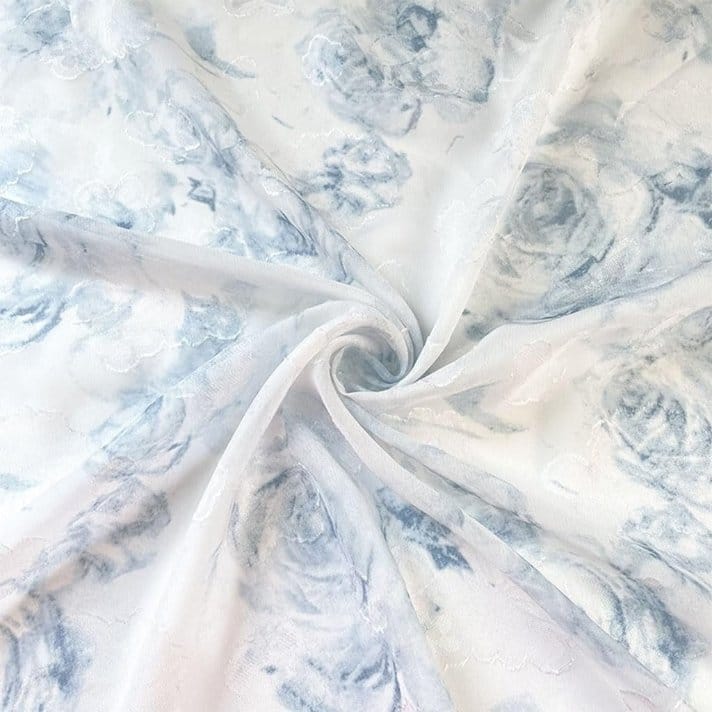
Floral jacquard chiffon fabric with woven floral motifs and a graceful, flowing appearance.
This features flower patterns woven into the fabric. The flowers can be small and scattered or large and dramatic. Floral Jacquard Chiffon works beautifully for spring and summer wear, romantic dresses, and feminine blouses. It’s available in both silk and polyester.
Abstract Jacquard Chiffon
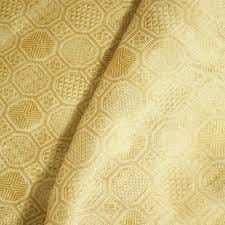
Abstract jacquard chiffon fabric showcasing a subtle woven pattern with an elegant drape.
Instead of flowers, this version has geometric shapes, modern patterns, or tone-on-tone designs. The patterns might be subtle or bold. Abstract Jacquard Chiffon suits contemporary fashion and gives garments a sophisticated, less traditional look.
Metallic Jacquard Chiffon
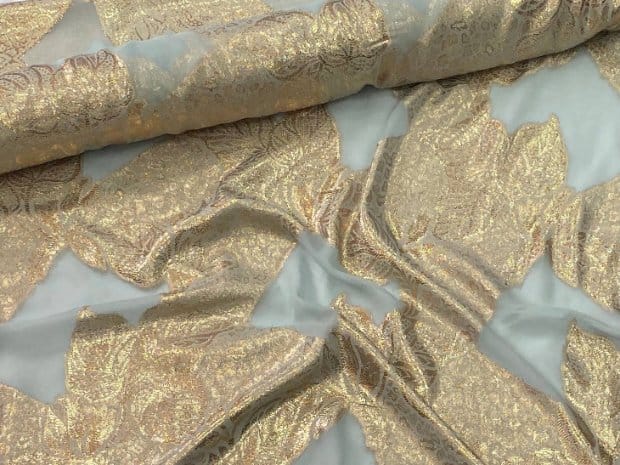
Metallic jacquard chiffon featuring reflective woven designs and elegant drape.
Some Jacquard Chiffon includes metallic threads (Lurex) woven into the pattern. These create shimmer and shine, perfect for evening wear and special occasions. The metallic threads catch light and create an eye-catching effect. This type costs more, usually $30-60 per yard.
Key Properties and Characteristics
Understanding what Jacquard Chiffon can and can’t do helps you decide if it’s right for your project. Here are the key features you need to know.
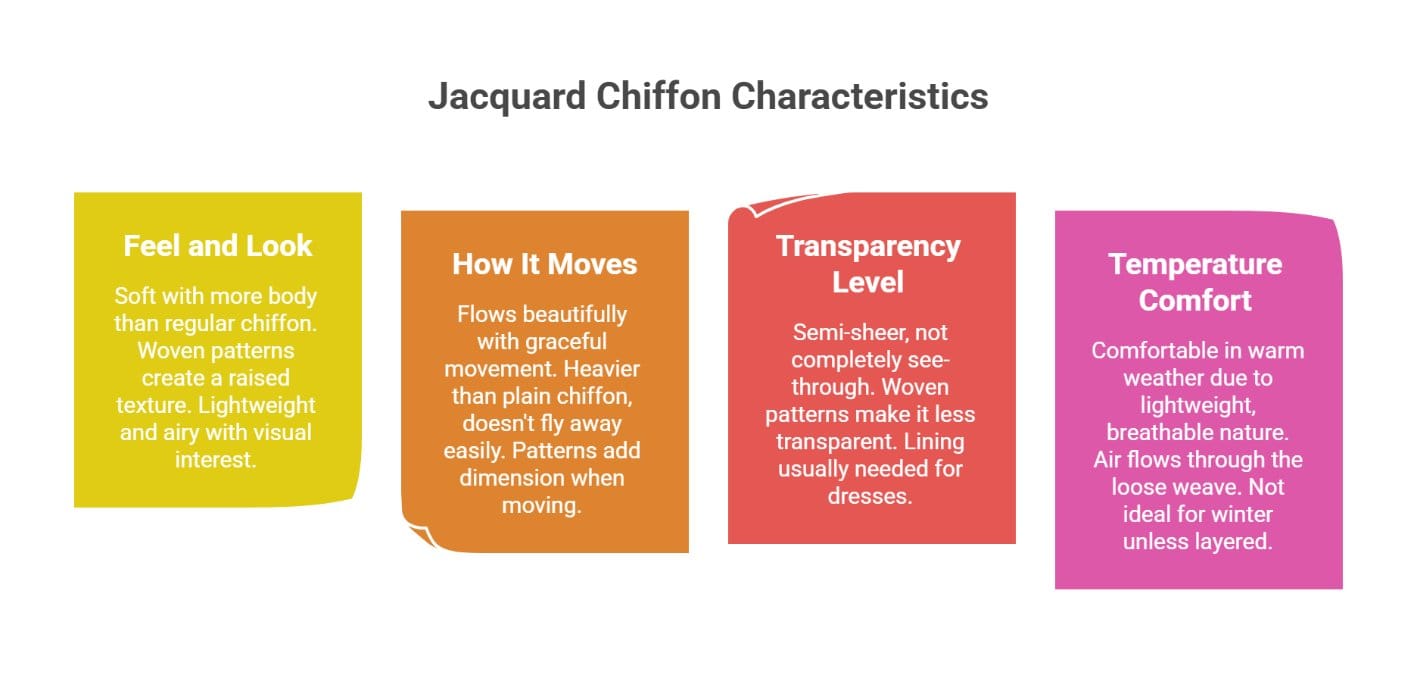
Visual overview of the main characteristics and performance features of jacquard chiffon.
The Feel and Look
Jacquard Chiffon feels soft but has more body than regular chiffon. The woven patterns create a slightly raised texture you can feel with your fingers. It’s still lightweight and airy, but it has presence. When you drape it, the patterns become more visible, creating visual interest.
How It Moves
This fabric flows beautifully. It’s heavier than plain chiffon, so it doesn’t fly away in the wind quite as easily. But it still has that graceful movement that makes chiffon so popular for dresses and scarves. The patterns add dimension when the fabric moves.
Transparency Level
Jacquard Chiffon is semi-sheer, meaning it’s not completely see-through but you can still see through it somewhat. The woven patterns make it less transparent than regular chiffon. For dresses, you’ll usually need a lining unless you want a very sheer look.
Temperature Comfort
The lightweight, breathable nature makes Jacquard Chiffon comfortable in warm weather. Air flows through the loose weave, helping you stay cool. It’s not ideal for winter unless layered, as it provides no insulation.
Jacquard Chiffon vs Other Fabrics
Wondering how Jacquard Chiffon stacks up against similar fabrics? Here’s a detailed comparison to help you choose the right material for your project.
Jacquard Chiffon vs Regular Chiffon
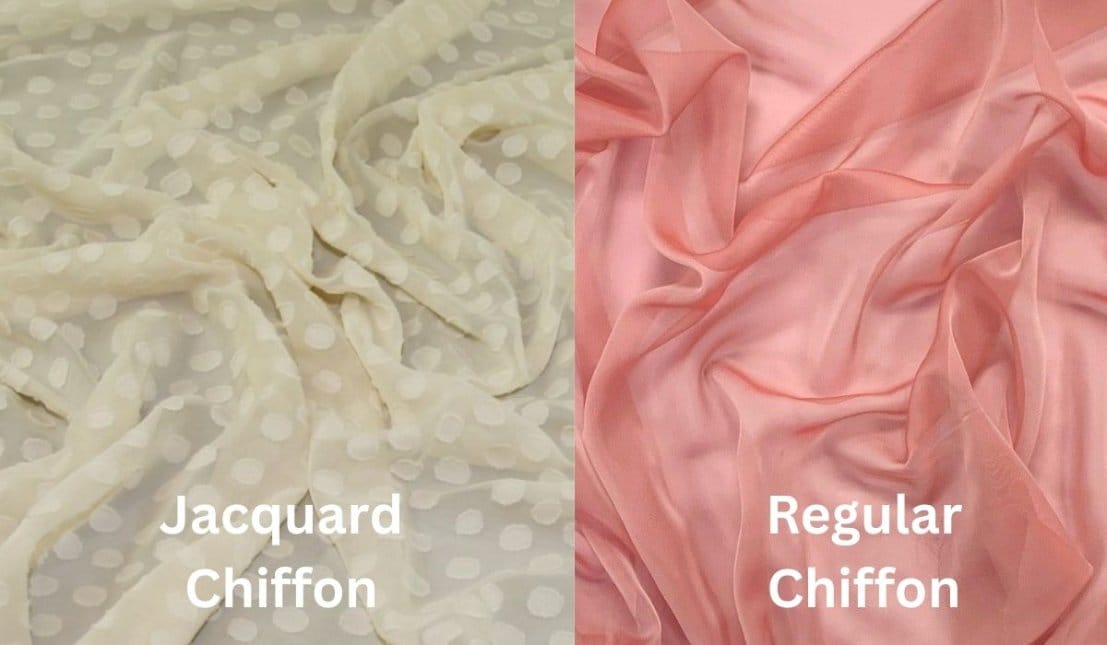
Side by side comparison highlighting the texture and drape differences between jacquard chiffon and regular chiffon.
Regular chiffon is lighter, more transparent, and completely smooth. Jacquard Chiffon weighs more (but still feels light), has less transparency, and features textured patterns. If you want maximum flow and sheerness, choose regular chiffon. If you want texture and more visual interest, go with Jacquard Chiffon.
Price-wise, Jacquard Chiffon costs more because the weaving process is more complex. Regular polyester chiffon runs $3-12 per yard, while Jacquard Chiffon starts at $12 per yard.
Jacquard Chiffon vs Georgette
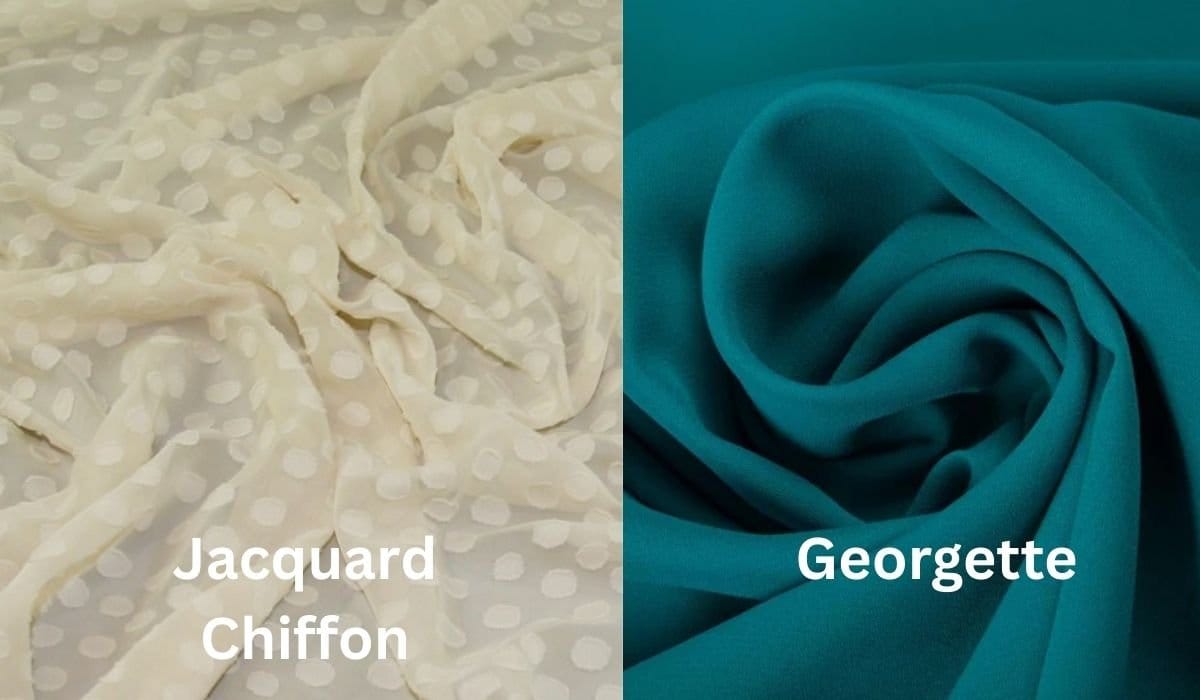
Comparison of jacquard chiffon and georgette highlighting weave and fabric weight.
Georgette feels more textured and crinkly than Jacquard Chiffon. It’s also heavier and more opaque. When you run your hand over georgette, you feel bumps and texture all over. Jacquard Chiffon feels smoother, with texture only in the patterned areas.
Georgette holds its shape better, making it good for garments that need structure. Jacquard Chiffon drapes more, perfect for flowing pieces. Both work for dresses and blouses, but georgette suits more structured designs while Jacquard Chiffon shines in romantic, flowing styles.
Jacquard Chiffon vs Organza
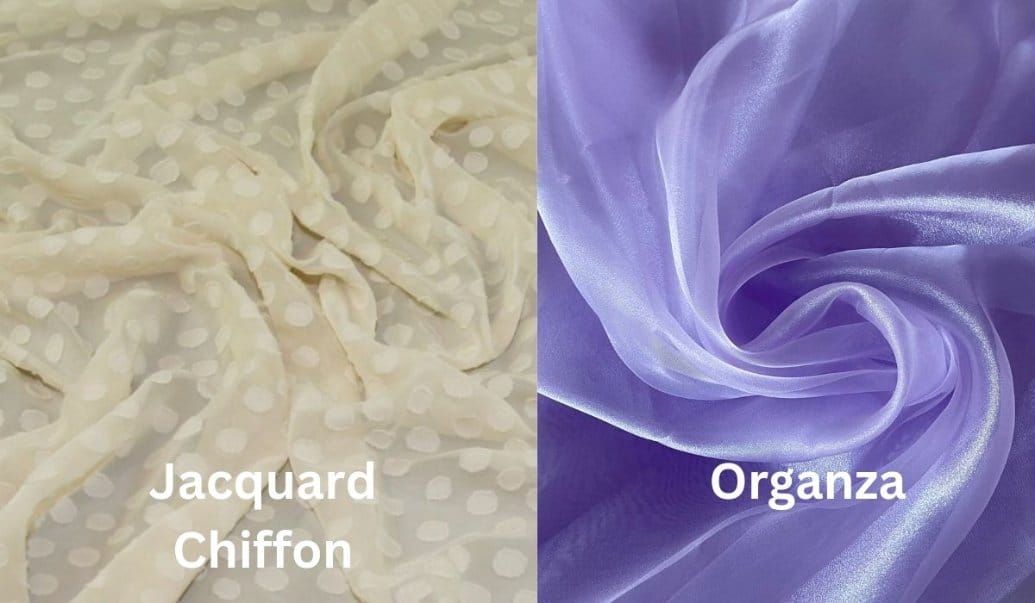
Visual comparison between jacquard chiffon and organza fabric textures.
Organza is stiffer and more crisp than Jacquard Chiffon. It holds its shape and creates volume, making it popular for full skirts and structured overlays. Jacquard Chiffon drapes and clings gently to the body.
Use organza when you want structure and volume. Choose Jacquard Chiffon when you want flow and drape. For bridal veils, organza creates a traditional look while Jacquard Chiffon offers a softer, more romantic feel.
Jacquard Chiffon vs Brocade
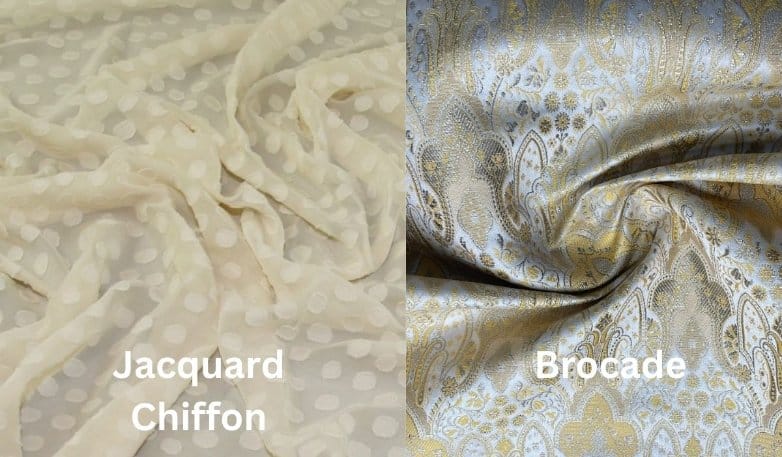
Visual comparison highlighting the differences between jacquard chiffon and brocade fabric.
Both have woven patterns, but that’s where similarities end. Brocade is heavy, stiff, and fully opaque. It’s used for jackets, formal wear, and upholstery. Jacquard Chiffon is lightweight and drapey.
Brocade patterns are usually more elaborate and formal. Jacquard Chiffon patterns are often more delicate and subtle. Choose brocade for structured, formal pieces. Pick Jacquard Chiffon for flowing, elegant garments.
| Fabric | Weight | Drape | Best Use |
|---|---|---|---|
| Jacquard Chiffon | Light | Flows beautifully | Dresses, scarves, overlays |
| Regular Chiffon | Very Light | Very fluid | Scarves, overlays, sheer garments |
| Georgette | Medium-Light | Good drape with body | Blouses, dresses with structure |
| Organza | Light | Stiff, holds shape | Full skirts, structured pieces |
| Brocade | Heavy | Structured | Jackets, formal wear |
What Can You Make with Jacquard Chiffon?
Jacquard Chiffon works for many different projects. Here are the most popular uses and why this fabric excels for each one.
Evening Gowns and Cocktail Dresses
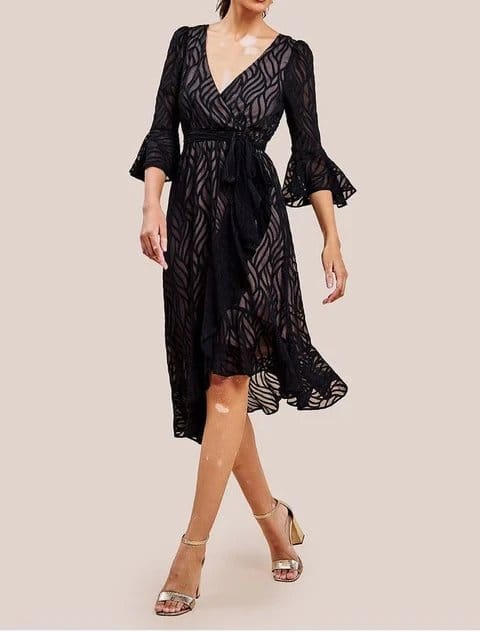
Elegant evening gown crafted from jacquard chiffon featuring a lightweight sheer drape.
This is where Jacquard Chiffon truly shines. The combination of elegant drape and textured patterns creates formal wear that looks expensive. The fabric moves beautifully as you walk, and the patterns catch light in interesting ways. Many designers use Jacquard Chiffon for red carpet dresses and high-end evening wear.
Wedding and Bridesmaid Dresses
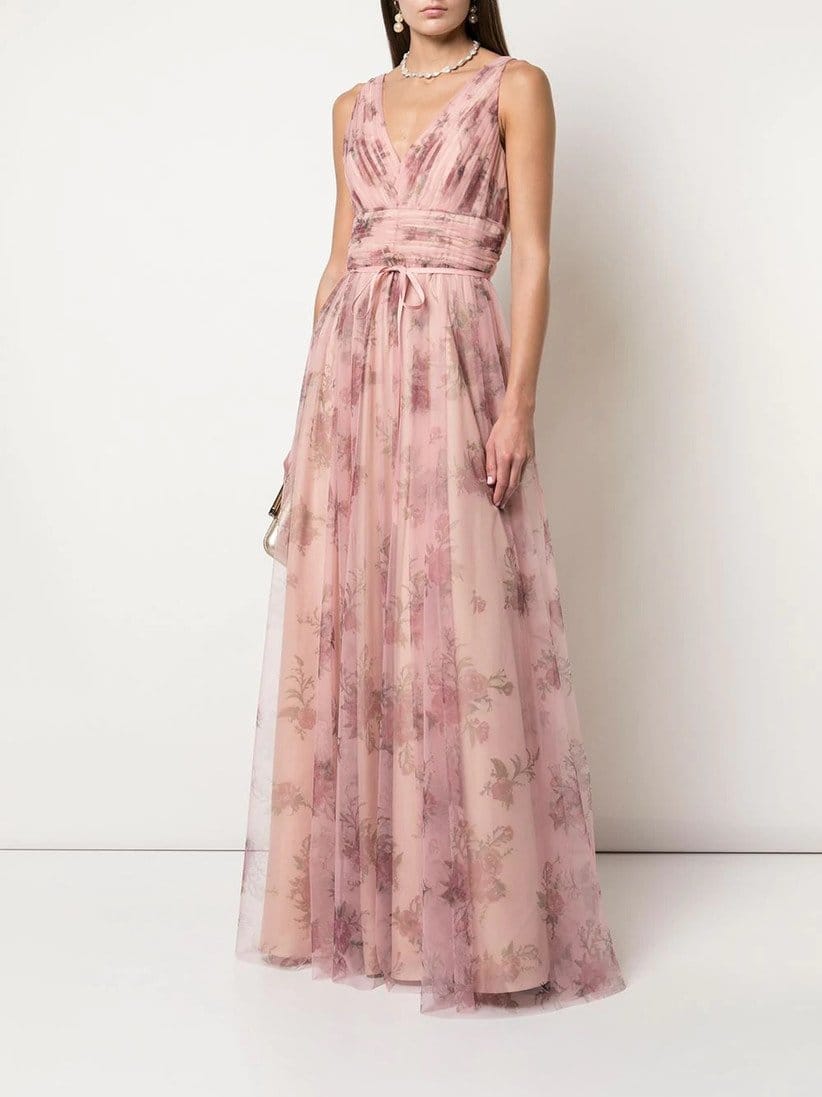
Elegant bridesmaid dress made from floral jacquard chiffon with a soft flowing drape.
For brides who want something romantic and detailed without heavy beading, Jacquard Chiffon is perfect. The woven patterns add interest without weight. It photographs beautifully, which matters for wedding photos. Bridesmaid dresses in Jacquard Chiffon look coordinated but not overly matchy-matchy thanks to the patterns. Check out junior bridesmaid dress options for younger attendants.
Blouses and Tops
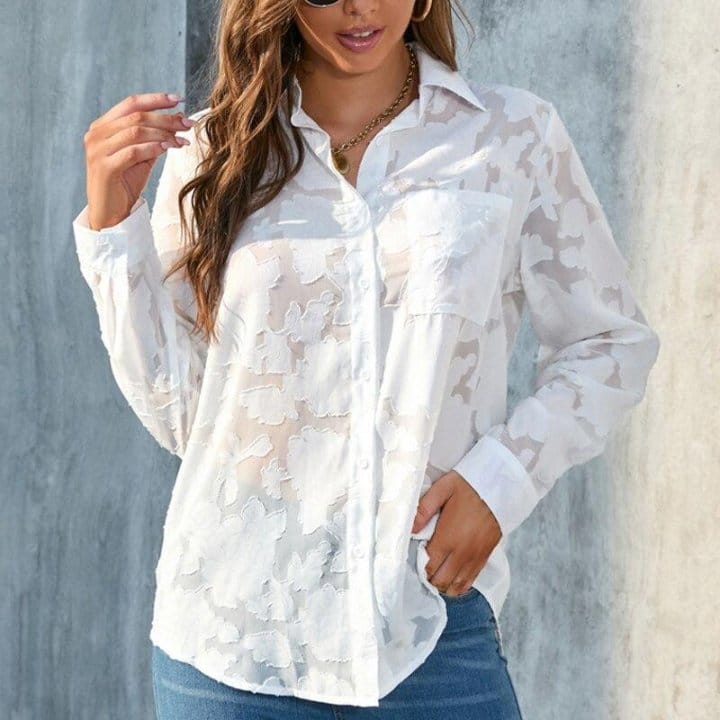
Sheer jacquard chiffon top showcasing delicate woven detailing and a relaxed fit.
A Jacquard Chiffon blouse elevates any outfit from casual to polished. The semi-sheer quality works with a camisole underneath for daywear. The patterns add enough interest that you don’t need much jewelry or accessories. These tops work for office wear, dinner dates, and special events.
Scarves and Shawls
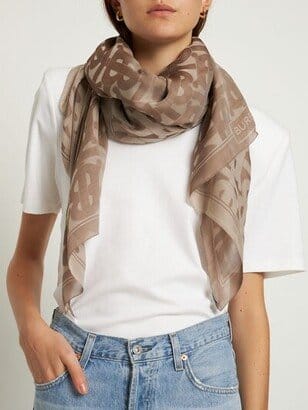
Lightweight jacquard chiffon scarf with an elegant woven design and soft drape.
Lightweight scarves in Jacquard Chiffon work year-round. The patterns add visual interest to simple outfits. The fabric’s breathability means you won’t overheat wearing it. Larger shawls in this fabric create elegant evening wraps that pack easily for travel.
Overlays and Layers
Use Jacquard Chiffon as an overlay on dresses or skirts to add dimension. The semi-sheer quality lets the underlying fabric show through while the patterns add texture. This technique works especially well for wedding dresses and formal gowns, creating depth without bulk.
South Asian Fashion
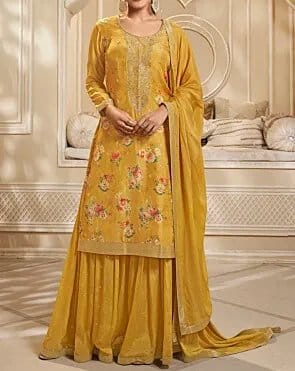
Traditional South Asian attire styled with jacquard chiffon fabric for an elegant finish.
Jacquard Chiffon is popular in South Asian clothing, especially for sarees, kurtas, lehengas, and dupattas. The fabric drapes beautifully for traditional styles, and the patterns often feature florals or paisleys that suit cultural aesthetics. It’s lightweight enough for warm climates while looking formal for celebrations.
Looking for comparisons between similar fabrics? Read about tulle vs chiffon in children’s clothing to understand different sheer fabric options.
How to Sew with Jacquard Chiffon
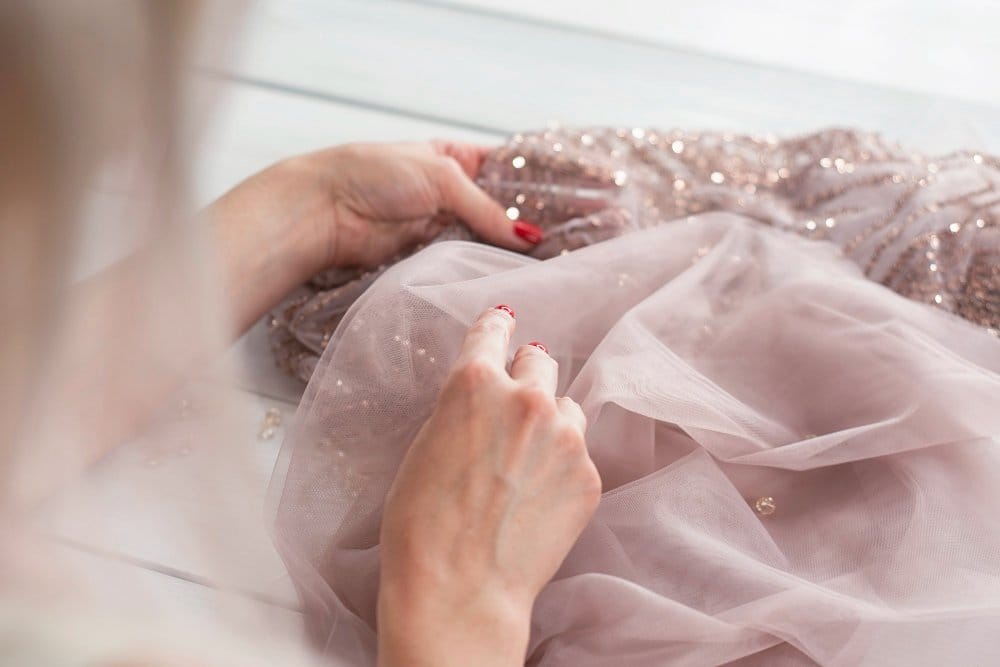
Sewing jacquard chiffon requires precision to maintain its delicate structure and drape.
Working with Jacquard Chiffon takes patience and the right techniques. It’s not the easiest fabric for beginners, but it’s not impossible either. Here’s what you need to know.

Video tutorial demonstrating professional techniques for sewing with chiffon fabric.
Before You Start: Essential Tools
Don’t try to sew Jacquard Chiffon with regular sewing supplies. You need specific tools for success:
- Needles: Microtex sharp needles in size 60/8 or 70/10. Regular needles will snag the delicate fabric.
- Pins: Fine silk pins or even better, use pattern weights instead. Regular pins leave visible holes.
- Thread: Fine polyester or cotton thread in a matching color. If you can’t match exactly, go darker rather than lighter.
- Scissors: Very sharp fabric scissors or a new rotary blade. Dull blades create ragged edges that fray badly.
- Tissue paper: You’ll use this under the fabric while sewing to prevent shifting.
Cutting the Fabric
Cutting is where many sewers run into trouble with Jacquard Chiffon. The fabric slips and shifts easily. Try these techniques:
- Lay the fabric on a large, flat surface. A dining table works better than a small cutting mat.
- Let the fabric relax for a few hours before cutting. It recovers from being rolled or folded.
- Use pattern weights instead of pins to hold the pattern pieces down.
- Cut through a single layer at a time rather than folding the fabric double.
- Some sewers spray the fabric lightly with starch to add temporary stiffness for cutting.
- Cut pattern pieces one at a time, removing the cut piece before moving to the next.
For more help with fabric cutting techniques, check out this guide to fabric cutting.
Machine Settings
Set your machine up correctly before you start sewing:
- Stitch length: 2.0-2.5mm for regular seams
- Tension: Slightly lower than normal, but test on scraps first
- Presser foot pressure: Lighten the pressure if your machine allows this
- Walking foot: Use one if you have it to help fabric feed evenly
Sewing Techniques
Here are tricks that make sewing Jacquard Chiffon easier:
The Tissue Paper Method: Place tissue paper under the fabric while sewing. The paper stabilizes the fabric and prevents it from getting pulled into the machine. After sewing, carefully tear away the tissue paper. This simple trick solves most sewing problems with slippery fabrics.
French Seams: These seams hide raw edges inside the seam, perfect for semi-sheer fabrics. Sew with wrong sides together first, trim close, then fold and sew with right sides together. This creates a clean finish that looks professional. Learn more about French seam techniques for delicate fabrics.
Stay-stitching: Sew a line of stitching just inside the seam allowance on curved edges before construction. This prevents stretching and distortion.
Go Slow: Sew at a slower speed than usual. This gives you more control and produces more even stitches.
Pattern Recommendations
Jacquard Chiffon works best with certain pattern types:
- Simple, flowing designs with minimal seams
- Patterns designed for woven fabrics (not knits)
- A-line or gathered styles that use the fabric’s drape
- Designs without complicated fitting or tailoring
Avoid patterns with lots of pieces, intricate details, or tight fitting. The fabric’s slippery nature makes these designs frustrating. Start with simple projects like a basic A-line skirt or loose blouse before attempting a complicated evening gown.
Beginner-Friendly First Projects
- Simple rectangular scarf (just hemming, no seams)
- Elastic-waist skirt with straight panels
- Loose, boxy top with minimal seams
Pressing and Ironing
Heat can damage Jacquard Chiffon, especially polyester versions. Follow these rules:
- Use the lowest heat setting on your iron
- Always use a pressing cloth between iron and fabric
- Test on a scrap piece first
- Press gently, don’t drag the iron
- Better yet, use a steamer instead of an iron
Never press directly on the right side of the fabric. The heat can flatten the Jacquard patterns and make them less visible.
Care Instructions
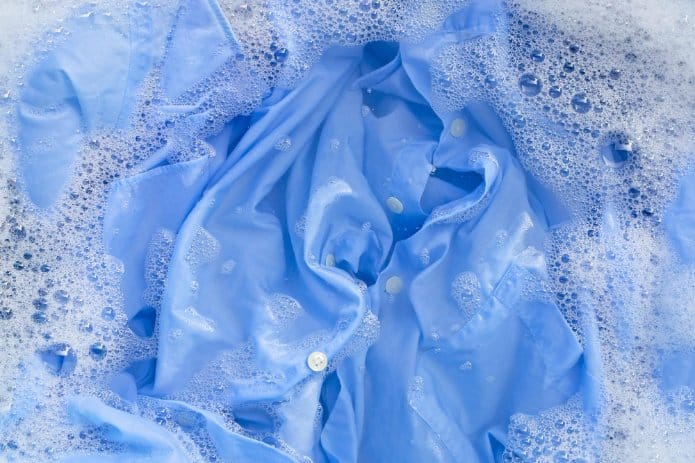
Recommended care instructions to maintain the quality of jacquard chiffon fabric.
Proper care keeps your Jacquard Chiffon garments looking good for years. The care method depends on whether your fabric is silk or polyester.
Silk Jacquard Chiffon
Washing: Dry clean only. Water and detergent can damage silk fibers and cause spotting.
Storage: Hang on padded hangers or roll rather than fold to prevent creases in the patterns.
Ironing: Rarely needed if dry cleaned, but use lowest heat with pressing cloth if necessary.
Polyester Jacquard Chiffon
Washing: Hand wash in cold water with mild detergent, or machine wash on delicate cycle in a mesh bag.
Drying: Lay flat to dry or hang to drip dry. Never use a dryer as heat can melt or distort polyester.
Ironing: Low heat only with pressing cloth, or use steamer.
Detailed Washing Steps for Polyester Jacquard Chiffon
If you’re washing at home, follow these steps carefully:
- Fill a basin with cold water (never hot or warm)
- Add a small amount of gentle detergent made for delicates
- Submerge the garment and gently swish it around
- Let it soak for up to 30 minutes, no longer
- Drain the soapy water and refill with clean cold water
- Rinse until no soap remains (usually 2-3 rinses)
- Do NOT wring or twist the fabric
- Gently press water out by folding the garment in a towel
- Lay flat on a clean towel to dry, or hang on a padded hanger
For machine washing, put the garment in a mesh laundry bag, use the delicate cycle with cold water, and remove it immediately when the cycle finishes.
Special Situations
Stains: Treat stains immediately. Blot (don’t rub) with a clean white cloth. For silk, take to a dry cleaner right away. For polyester, you can spot-treat with diluted gentle detergent before washing.
Wrinkles: Hang the garment in the bathroom while you shower. The steam often releases wrinkles without direct heat. For stubborn wrinkles, use a steamer or the lowest iron setting with a pressing cloth.
Storage: Never fold Jacquard Chiffon for long-term storage. The fold lines can become permanent, and the patterns may flatten. Hang garments on padded hangers in a breathable garment bag, or roll them carefully in acid-free tissue paper.
Shrinkage Considerations
If you plan to dye your Jacquard Chiffon, be aware it will shrink. Expect 1.5-2 inches of length shrinkage per yard. The width stays the same. Account for this when buying fabric. If you need 6 yards, buy extra to account for shrinkage after dyeing.
Environmental Impact and Sustainability
Like most fabrics, Jacquard Chiffon has environmental pros and cons depending on what it’s made from. Understanding these helps you make better buying choices.
Silk Jacquard Chiffon: The Natural Option
Silk is a natural, biodegradable fiber. When it ends up in landfills, it breaks down naturally unlike synthetic fabrics. Silk production through sericulture (raising silkworms) is sustainable when done properly. The silkworms feed on mulberry leaves, which grow without needing pesticides.
The downside? Silk production requires significant water and land resources. The dyeing process can create pollution if not properly managed. Look for silk Jacquard Chiffon with organic certification (GOTS – Global Organic Textile Standard) to ensure sustainable practices.
Polyester Jacquard Chiffon: The Synthetic Problem
Most Jacquard Chiffon is polyester because it’s affordable and durable. But polyester comes from petroleum, a non-renewable resource. The manufacturing process is energy-intensive and produces carbon emissions. Polyester doesn’t biodegrade, so it sits in landfills for hundreds of years.
When you wash polyester garments, they shed microplastic fibers that end up in waterways and oceans. These tiny plastic particles harm marine life and enter the food chain.
More Sustainable Choices
If you want to minimize environmental impact, look for these options:
Recycled Polyester: Some manufacturers make Jacquard Chiffon from recycled plastic bottles. This reduces waste and uses less energy than making new polyester. Look for GRS certification (Global Recycle Standard).
Organic Silk: Certified organic silk production avoids harmful chemicals and follows sustainable farming practices. It costs more but has less environmental impact.
OEKO-TEX Certified: This certification means the fabric was tested for harmful substances. While it doesn’t guarantee sustainable production, it ensures the fabric is safe for you and safer for the environment.
Eco-Friendly Brands to Look For
When shopping, look for brands that offer recycled polyester options or organic silk Jacquard Chiffon. Ask suppliers about their certifications. Supporting companies that prioritize sustainability encourages more eco-friendly production methods.
Making Your Fabric Last
The most sustainable choice is making your garments last longer. Proper care extends fabric life, which means buying less overall. Follow care instructions, repair damaged items instead of replacing them, and store garments properly to prevent damage.
Buying Guide: Quality, Price, and Where to Shop
Knowing what to look for when buying Jacquard Chiffon saves you money and disappointment. Here’s how to identify quality and where to find the best fabric.
How to Identify Quality Jacquard Chiffon
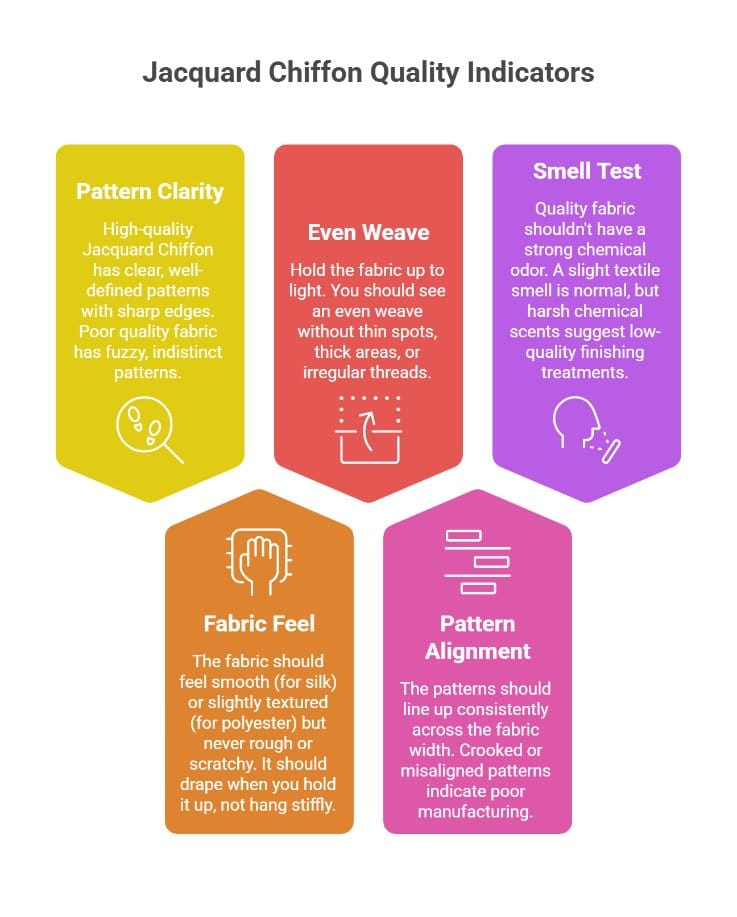
Key quality indicators to check when identifying high quality jacquard chiffon fabric.
Before you buy, check these quality indicators:
Pattern Clarity: Look at the woven pattern closely. High-quality Jacquard Chiffon has clear, well-defined patterns with sharp edges. Poor quality fabric has fuzzy, indistinct patterns.
Fabric Feel: The fabric should feel smooth (for silk) or slightly textured (for polyester) but never rough or scratchy. It should drape when you hold it up, not hang stiffly.
Even Weave: Hold the fabric up to light. You should see an even weave without thin spots, thick areas, or irregular threads.
Pattern Alignment: The patterns should line up consistently across the fabric width. Crooked or misaligned patterns indicate poor manufacturing.
Smell Test: Quality fabric shouldn’t have a strong chemical odor. A slight textile smell is normal, but harsh chemical scents suggest low-quality finishing treatments.
Price Ranges
Knowing typical prices helps you spot deals and avoid overpriced fabric:
- Budget Polyester Jacquard Chiffon: $8-12 per yard. These work for practice projects but may feel plasticky and have less distinct patterns.
- Good Quality Polyester Jacquard Chiffon: $12-25 per yard. This is the sweet spot for most sewers. The fabric drapes well and patterns are clear.
- Premium Polyester Jacquard Chiffon: $25-35 per yard. Often features metallic threads, complex patterns, or higher quality finishing.
- Silk Jacquard Chiffon: $45-60+ per yard. Worth it for special projects like wedding dresses where luxury matters.
When shopping online for sheer fabrics, check out Fabulous Bargains Galore chiffon products for quality options at good prices.
Where to Buy Jacquard Chiffon
Online Fabric Stores: Fabric.com, Mood Fabrics, and specialty stores offer good selection. Read reviews from other buyers to gauge quality. Order swatches before buying yardage for expensive projects.
Local Fabric Stores: You can see and feel the fabric before buying, which helps assess quality. Staff can often answer questions about how the fabric sews and cares for.
Wholesale Suppliers: If you need large quantities (10+ yards), wholesale suppliers offer better prices. Many have minimum orders, so this works best for business sewing or large projects.
International Suppliers: China, India, and Pakistan produce a lot of Jacquard Chiffon. Buying directly from manufacturers can save money but shipping takes longer and returns are harder.
Questions to Ask Before Buying
When shopping (especially online), ask these questions:
- What’s the fiber content? (100% polyester, silk, or a blend?)
- What’s the exact weight (gsm)?
- What’s the width?
- Is the price per yard or per meter?
- Does the fabric come off the bolt (continuous yardage) or in pre-cut pieces?
- What’s the return policy if the fabric doesn’t match expectations?
How Much to Buy
Always buy more fabric than your pattern calls for. Jacquard Chiffon patterns need careful matching at seams, which uses extra fabric. Add at least 0.5-1 yard to your pattern requirements. For complex patterns with large repeats, add even more.
If you’re unsure about color or quality, order a swatch first. Most good suppliers sell small samples for a few dollars. This small investment prevents buying yards of fabric you end up not liking.
Project Ideas by Skill Level
Jacquard chiffon project ideas organized by sewing skill level.
Ready to start sewing? Here are project ideas matched to your skill level.
Beginner Projects
Start with simple projects that build confidence without overwhelming you:
Simple Rectangle Scarf: Cut a rectangle (about 15″ x 60″), fold edges twice, and sew a narrow hem. This teaches you how Jacquard Chiffon behaves without complex construction.
Elastic Waist Skirt: Sew straight seams to create panels, add elastic at the waist, and hem. No zippers, buttons, or fitting required. Choose a pattern with four or fewer panels.
Loose Kimono Top: Boxy shapes with wide sleeves are forgiving of fitting issues. Look for patterns labeled “easy” or “beginner.”
Intermediate Projects
Once you’re comfortable with basic sewing, try these:
Lined Blouse: Adding a lining solves transparency issues and hides seam finishes. Choose a pattern with darts and a collar for a polished look.
A-Line Dress with Overlay: Use Jacquard Chiffon as an overlay on a fitted slip dress. The overlay adds elegance without complicated fitting.
Maxi Skirt with Layers: Multiple layers of Jacquard Chiffon create volume and movement. The layers also reduce transparency without using heavy lining.
Advanced Projects
For experienced sewers who want a challenge:
Wedding Gown: Combine Jacquard Chiffon with other fabrics like satin lining and tulle underskirts. The multiple fabrics require careful handling and professional finishing techniques.
Evening Gown with Boning: Adding structure to flowing fabric takes skill. You’ll need to interface certain areas and install boning without creating bulk.
Tailored Jacket with Chiffon Overlay: This combines structure (the jacket) with flow (the chiffon). Getting both elements to work together requires advanced pattern making skills.
Project Planning Tips
- Always make a muslin (test garment) first in cheap fabric
- Buy extra fabric for mistakes and matching patterns
- Allow extra time – rushing leads to mistakes with delicate fabric
- Take breaks when frustrated rather than pushing through
Troubleshooting Common Issues
Even experienced sewers run into problems with Jacquard Chiffon. Here are solutions to common issues.
Problem: Fabric Puckering While Sewing
Cause: Usually tension is too tight or the fabric is stretching as it feeds through the machine.
Solution: Loosen the upper thread tension slightly. Use tissue paper under the fabric. Make sure you’re not pulling or pushing the fabric through the machine – let the feed dogs do the work. Switch to a finer needle if you haven’t already.
Problem: Seams Look Wavy
Cause: The fabric stretched while sewing, especially on bias cuts or curves.
Solution: Stay-stitch curved edges before sewing seams. Sew with a shorter stitch length. Support the fabric with both hands as it feeds through the machine, but don’t stretch it. For bias cuts, let the fabric hang for 24 hours before hemming so it can settle into its final shape.
Problem: Needle is Snagging or Pulling Threads
Cause: The needle is too thick or dull, or you’re using the wrong needle type.
Solution: Replace the needle with a new Microtex sharp needle in size 60/8 or 70/10. Universal needles are too blunt for delicate fabrics. Change needles frequently – every 6-8 hours of sewing time.
Problem: Edges Fray Badly
Cause: Chiffon’s loose weave frays easily when cut.
Solution: Cut with very sharp scissors. Finish edges immediately after cutting using French seams, narrow rolled hems, or serging. Apply a thin line of fray check along edges if necessary, but test on scraps first as it can darken fabric.
Problem: Patterns Don’t Match at Seams
Cause: Didn’t plan for pattern matching when cutting.
Solution: Buy extra fabric to allow for matching. Pin carefully, matching pattern elements exactly before sewing. Baste seams by hand first if matching is critical. Some patterns are easier to match than others – small, random patterns are more forgiving than large, regular repeats.
Problem: Fabric Gets Pulled Into Machine
Cause: The fabric is too thin for your machine’s throat plate.
Solution: Use tissue paper under the fabric. Start sewing a few stitches in from the edge, then backstitch to the edge. Hold thread tails when starting seams. If your machine has a straight stitch throat plate, use it instead of the regular zigzag plate.
Frequently Asked Questions
Conclusion
Jacquard Chiffon brings together the best of two textile worlds: the flowing elegance of chiffon and the textured richness of Jacquard weaving. This unique combination creates a fabric that looks expensive, drapes beautifully, and adds sophistication to any project you use it for.
Key Points to Remember
Understanding the Fabric: Jacquard Chiffon is not just another chiffon. It’s heavier (90-100 gsm), less transparent, and features woven patterns that create texture and visual depth. This makes it perfect for special occasion wear where you want elegance without too much sheerness.
Making Smart Purchases: Quality matters with Jacquard Chiffon. Look for clear patterns, even weaves, and good drape. Expect to pay $12-25 per yard for quality polyester versions and $45-60+ per yard for silk. Always order swatches when buying online, and buy extra fabric for pattern matching and inevitable mistakes.
Sewing Success: Working with Jacquard Chiffon takes the right tools and techniques. Microtex sharp needles, tissue paper stabilizer, and patience are your best friends. Start with simple projects and work your way up to complex garments as you gain confidence.
Proper Care Extends Life: Silk Jacquard Chiffon needs dry cleaning. Polyester versions can be hand washed carefully in cold water. Never use heat when drying or ironing. Hang garments on padded hangers rather than folding them to prevent permanent creases in the patterns.
Best Uses for Jacquard Chiffon
This fabric shines in:
- Wedding and bridesmaid dresses where elegance matters
- Evening gowns and cocktail dresses for formal events
- Elegant blouses that work for office or evening wear
- Scarves and shawls that add sophistication to any outfit
- Overlays that add dimension without bulk
- South Asian fashion like sarees and lehengas
When to Choose Something Else
Jacquard Chiffon isn’t right for every project. Choose different fabrics when you need:
- Structure and support (try brocade or duchess satin instead)
- Complete opacity without lining (choose georgette or crepe)
- Easy care for everyday wear (cotton or poly-cotton blends work better)
- Warmth for cold weather (wool or heavier fabrics are more practical)
Sustainability Considerations
If environmental impact matters to you, look for recycled polyester Jacquard Chiffon or organic silk versions. Check for GOTS, GRS, or OEKO-TEX certifications. Most importantly, buy quality fabric and care for it properly so garments last for years rather than one season.
Building Your Skills
Don’t let Jacquard Chiffon intimidate you. Yes, it’s challenging, but it’s not impossible. Start with small projects, use the right tools, and give yourself permission to make mistakes. Every sewer has pinned chiffon wrong or watched seams pucker. That’s part of learning. With practice, you’ll find that working with this beautiful fabric becomes easier and the results are worth the effort.
The Bottom Line
Jacquard Chiffon deserves its reputation as a special occasion fabric. It looks expensive because it requires skill to make and work with. When you create something from Jacquard Chiffon, you’re making a garment that stands out from mass-produced clothing.
Whether you’re sewing a wedding dress, creating an evening gown, or just making a beautiful blouse for yourself, Jacquard Chiffon adds that extra touch of elegance. The woven patterns catch light, create depth, and make people take a second look.
Take your time with your projects. Invest in good quality fabric and the right tools. Follow proper care instructions. Your Jacquard Chiffon garments will reward you with beauty and elegance that lasts for years.
Ready to start your first Jacquard Chiffon project? Take this interactive quiz to find the perfect type of chiffon for your needs and skill level. Your journey into the world of elegant fabrics starts now.