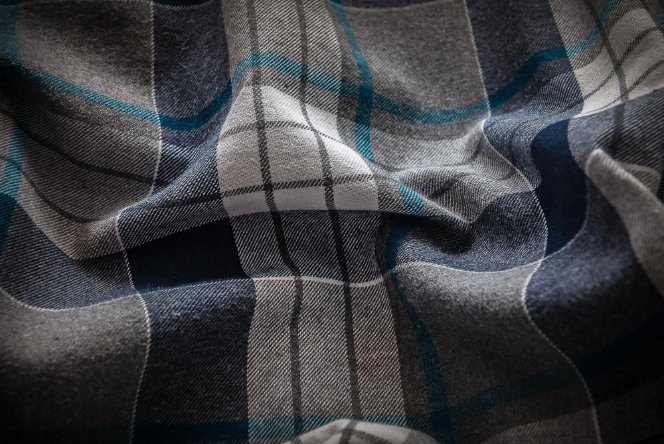

Everything You Need to Know About This Timeless, Warm, and Luxurious Natural Textile
Table of Contents
- What Is Wool Flannel Fabric?
- The Rich History of Wool Flannel
- How Wool Flannel Is Made
- Types of Wool Flannel
- Properties and Performance
- Wool Flannel vs Other Fabrics
- Sustainability and Environmental Impact
- Uses and Applications
- How to Choose Quality Wool Flannel
- Complete Care Guide
- Styling and Wardrobe Integration
- Investment Value
- Frequently Asked Questions
- Conclusion
What Is Wool Flannel Fabric?
Walk into any high-end menswear store in fall or winter, and you’ll likely see racks of soft, textured suits and trousers. Run your hand across them, and you’ll feel that distinctive fuzzy warmth. That’s wool flannel, and it’s been keeping people warm and looking sharp for centuries.
But here’s something that confuses a lot of people: Is there such a thing as wool flannel? Absolutely yes. While many people associate flannel with cotton plaid shirts, wool flannel is actually the original. It’s a completely different animal from its cotton cousin, both in how it’s made and how it performs.
Wool flannel is a soft, warm fabric made from sheep’s wool that goes through a special brushing process called “napping.” This creates that signature fuzzy surface that traps air and provides exceptional warmth. Think of it as wool’s cozier, softer version, perfect for cold weather clothing that needs to look polished while keeping you comfortable.
The term “flannel” refers to the brushed finish, not the fiber itself. Wool flannel is made from sheep’s wool and brushed to create a soft nap. Cotton flannel (like those plaid shirts) is made from cotton fibers. Wool flannel is warmer, more durable, naturally moisture-wicking, and typically used for tailored clothing. Cotton flannel is lighter, more affordable, and usually found in casual shirts and bedding.
The magic happens in the finishing process. After the wool fabric is woven, it’s brushed with fine metal brushes that lift the surface fibers. This creates a soft, slightly fuzzy texture that’s nothing like the smooth surface of worsted wool or the crisp feel of gabardine. The result is a fabric that feels warm against your skin and looks beautifully matte instead of shiny.
The Two Main Categories
Wool flannel comes in two distinct types, and understanding the difference matters if you want the right fabric for your needs:
Woolen Flannel uses shorter wool fibers (about 3-5 centimeters long) that are carded rather than combed. This creates a fuzzy, lofty texture with lots of air pockets. It’s the warmest option, typically weighing 350 grams or more per meter. Think cozy weekend wear and outdoor activities.
Worsted Flannel uses longer fibers (7-12 centimeters) that are combed to lie parallel. This makes a smoother, more refined fabric that still has that brushed flannel feel but looks more polished. It usually weighs 280-320 grams per meter. This is what you’d wear to the office or formal events.
The Rich History of Wool Flannel
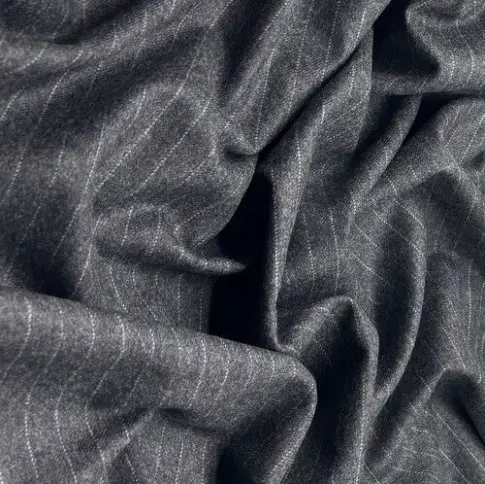
A detailed look at the fabric that shaped the history of wool flannel.
Wool flannel didn’t start in a fashion house or textile factory. It began in 17th century Wales, where sheep outnumbered people and wool was everywhere. Welsh textile workers needed to use leftover wool scraps, and they discovered that by carding and brushing the fabric, they could create something warmer and softer than regular wool cloth.
The word “flannel” likely comes from the Welsh word “gwlanen,” meaning wool cloth. By the late 1600s, the term “flanelle” was already common in France, and soon after, “Flanell” appeared in German. Welsh flannel became so popular that it was exported across Europe and eventually to America.
From Working Class to High Fashion
Originally, wool flannel was workwear. Farmers, laborers, and sailors wore it because it was warm, durable, and could handle rough conditions. The fabric’s ability to wick moisture while insulating made it perfect for people working outdoors in cold, damp climates.
The Industrial Revolution changed everything. Mechanized carding mills made wool flannel production faster and cheaper. What was once a humble working fabric started appearing in more refined forms. By the 19th century, flannel trousers became the uniform for cricket players in England. The fabric’s comfort and flexibility made it perfect for sports.
By the early 20th century, wool flannel had firmly entered the world of tailoring. Gray flannel trousers became a menswear staple. Flannel suits in navy, charcoal, and brown filled the wardrobes of businessmen and gentlemen. The fabric had completed its journey from farm to boardroom.
Regional Variations
Different regions developed their own flannel traditions:
Welsh Flannel remained true to its working-class roots with heavier, more textured fabrics. These flannels often featured traditional patterns and were prized for their durability.
Italian Flannel brought sophistication to the fabric. Italian mills like Vitale Barberis Canonico and Loro Piana created fine, lightweight flannels with exceptional drape. These became favorites for elegant suiting.
British Flannel from mills like Fox Brothers (established 1772) focused on traditional weights and patterns. British flannel tends to be slightly heavier and more textured than Italian versions.
How Wool Flannel Is Made
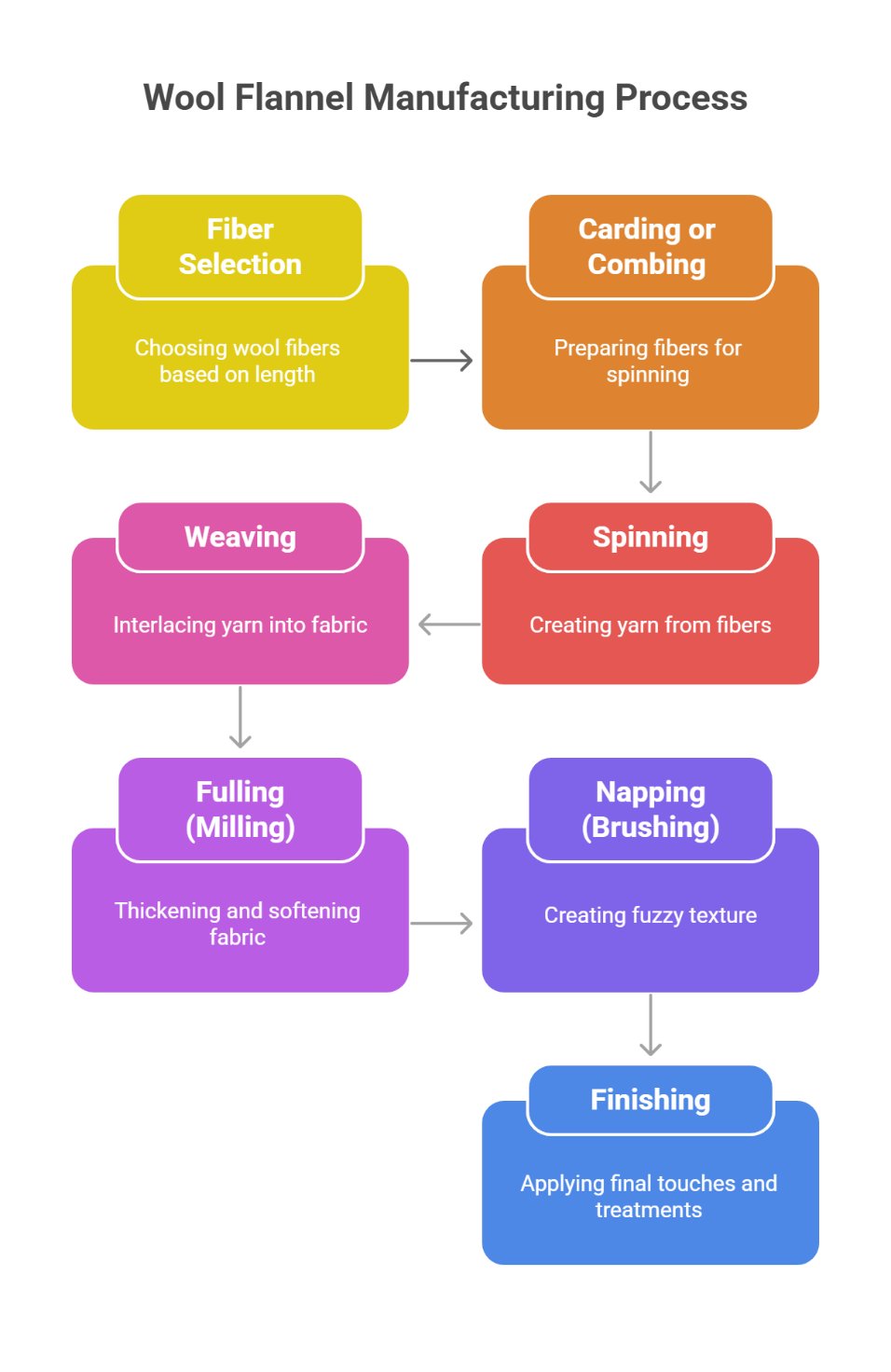
An illustrated overview of the wool flannel production process.
Understanding how wool flannel is created helps you appreciate why quality varies so much and why good flannel costs more than regular wool fabric.
The Wool Flannel Manufacturing Process
Everything starts with choosing the right wool. For woolen flannel, shorter fibers (3-5cm) from the sheep’s fleece are selected. For worsted flannel, longer fibers (7-12cm) are chosen. The fiber length determines the final texture and quality.
Woolen flannel: Fibers are carded, which means they’re brushed to create a random web of fibers pointing in different directions. This creates the fuzzy, lofty texture.
Worsted flannel: Fibers are combed, aligning them parallel to each other. This creates a smoother, stronger yarn.
The prepared fibers are spun into yarn. Woolen yarn is spun loosely with lots of air trapped inside. Worsted yarn is spun tightly for strength and smoothness.
The yarn is woven, typically in a twill pattern (those diagonal lines you see up close). Twill weave gives flannel flexibility and helps it drape nicely. Some flannels use a plain weave instead.
The woven fabric is washed and agitated so the fibers interlock and the cloth thickens. This process, called fulling or milling, softens the fabric and gives it more body. The term “fulling” comes from the Latin word meaning “to cleanse.”
Here’s where flannel becomes flannel. The fabric is brushed with fine metal brushes that lift surface fibers, creating that soft, fuzzy texture. The more aggressive the brushing, the fuzzier the flannel. Some flannels are brushed on both sides, others just on one.
Final touches include dyeing (if not already done), pressing, and quality checks. Some flannels get special treatments for water resistance or moth protection.
The entire process can take weeks, and each step affects the final quality. This is why wool flannel from renowned mills costs more than mass-produced versions. The International Wool Textile Organisation sets global standards for wool production and quality testing, helping ensure consistency across the industry.
Types of Wool Flannel
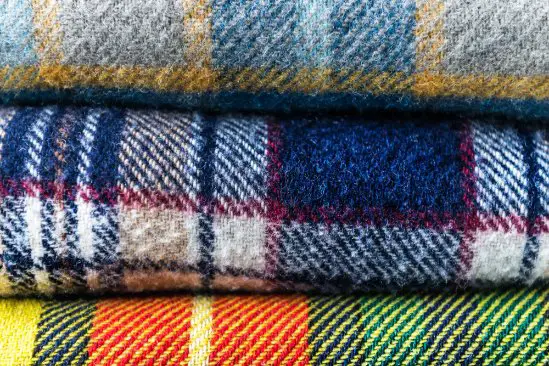
Various types of wool flannel showcasing pattern and texture differences.
Not all wool flannel is created equal. Let’s break down the main types you’ll encounter. For additional technical details on flannel production, Sewport’s comprehensive flannel guide offers industry-level specifications.
By Production Method: Woolen vs Worsted
| Characteristic | Woolen Flannel | Worsted Flannel |
|---|---|---|
| Fiber Length | Short (3-5cm) | Long (7-12cm) |
| Preparation | Carded | Combed |
| Texture | Fuzzy, lofty, uneven | Smooth, refined, even |
| Typical Weight | 350g+ per meter | 280-320g per meter |
| Warmth | Maximum insulation | Moderate warmth |
| Drape | Soft, relaxed | Structured, crisp |
| Best For | Casual wear, outdoor clothing, very cold climates | Business suits, formal wear, temperate climates |
| Typical Price Range | $25-60 per meter | $40-100+ per meter |
By Weight
Lightweight Flannel (240-280g): More breathable and drapes beautifully. Good for milder climates or layering. Works well for shirts and lighter sport coats.
Medium Weight Flannel (280-350g): The sweet spot for most people. Warm enough for winter but not overwhelming. Perfect for suits, sport coats, and trousers.
Heavyweight Flannel (350g+): Seriously warm and substantial. Best for very cold climates or outdoor wear. Typically woolen rather than worsted.
By Blend
While pure wool flannel is traditional, you’ll also find blends:
Cashmere Blends (usually 90% wool, 10% cashmere): Adds extra softness and luxury. More expensive but incredibly comfortable against the skin.
Wool-Silk Blends: Adds sheen and drape. Less common but beautiful for special occasion suiting.
Mohair Blends: Adds durability and a slight sheen. Common in vintage flannels.
By Pattern
Solid Colors: Classic and versatile. Navy, charcoal, and gray are most common.
Herringbone: A broken zigzag pattern that adds subtle texture without being loud.
Houndstooth: A broken check pattern with a distinctive look. More casual than solid.
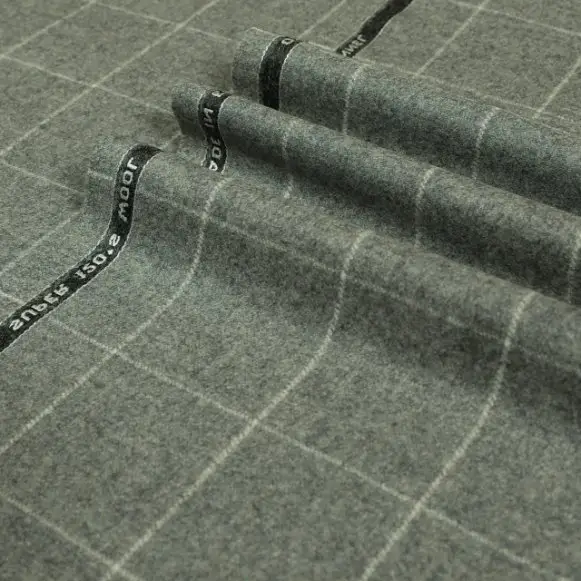
Windowpane: Large rectangular checks. Makes a bold statement.
Glen Plaid (Prince of Wales Check): A classic pattern mixing different sized checks. Traditional for suiting.
Properties and Performance Characteristics
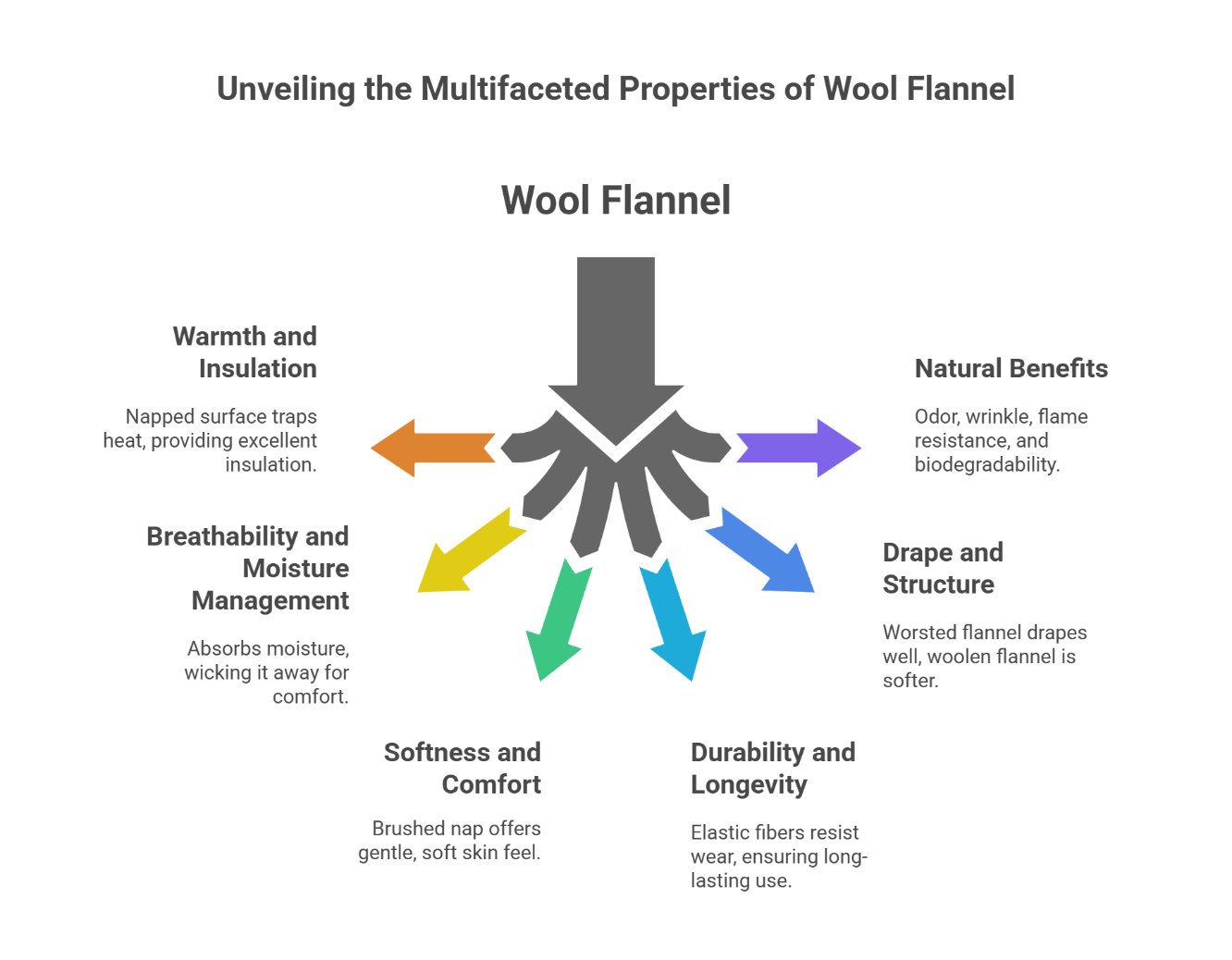
Key performance characteristics that define wool flannel fabric.
What makes wool flannel so special? Let’s look at the specific properties that set it apart.
Warmth and Insulation
Wool flannel excels at keeping you warm, and here’s why: The napped surface creates thousands of tiny air pockets that trap your body heat. Air is an excellent insulator, so the more air pockets, the warmer the fabric.
Woolen flannel, with its fuzzy, random fiber structure, traps even more air than worsted flannel. This is why heavyweight woolen flannel can keep you comfortable in temperatures well below freezing.
But here’s the clever part: wool flannel provides warmth without making you overheat. The natural breathability of wool means excess heat and moisture can escape. You stay warm but not sweaty.
Breathability and Moisture Management
Wool can absorb up to 30% of its weight in moisture without feeling wet. When you wear wool flannel, it actively pulls moisture away from your skin through a process called “wicking.” The moisture moves to the outer surface of the fabric where it can evaporate.
This makes wool flannel comfortable even during temperature changes. Step from a cold street into a warm office, and the fabric adjusts, releasing excess heat and moisture as needed.
Softness and Comfort
The brushed nap of flannel creates a soft surface that’s gentle against skin. Quality wool flannel actually gets softer with wear as the fibers relax and settle.
The softness depends on several factors:
- Fiber fineness (measured in microns – lower is softer)
- How aggressively the fabric was napped
- The quality of the original wool
- Whether it’s been blended with cashmere or other luxury fibers
Durability and Longevity
Wool flannel is more durable than many people realize. Wool fibers are naturally elastic and can bend 20,000 times without breaking (cotton breaks after about 3,000 bends). This means wool flannel resists wear and tear remarkably well.
A well-made wool flannel suit can last 10-20 years with proper care. The fabric actually improves with age, developing a pleasant patina as it wears in.
However, the napped surface can pill (develop small balls of fiber) with friction. Quality flannel pills less than cheap versions because the fibers are longer and stronger.
Drape and Structure
Worsted flannel drapes beautifully, creating clean lines in tailored clothing. It holds creases well, making it perfect for dress trousers.
Woolen flannel has a softer drape and less structure. It works better for relaxed styles and unstructured garments.
Both types have more body than lightweight summer wools but less than heavy coating fabrics like camel hair or tweed.
Natural Benefits
Odor Resistance: Wool naturally resists odors. The fibers have a waxy coating called lanolin that has antimicrobial properties. You can wear wool flannel multiple times between cleanings without it smelling.
Wrinkle Resistance: Wool flannel resists wrinkles better than cotton or linen. Hang it overnight, and wrinkles from wearing fall out naturally.
Flame Resistance: Wool doesn’t catch fire easily and is self-extinguishing. It won’t melt onto skin like synthetic fabrics can.
Biodegradability: Wool flannel will eventually break down naturally. Unlike synthetic fabrics that can take hundreds of years to decompose, wool returns to the earth.
Wool Flannel vs Other Fabrics
How does wool flannel stack up against other fabrics? Let’s compare.
Wool Flannel vs Cotton Flannel
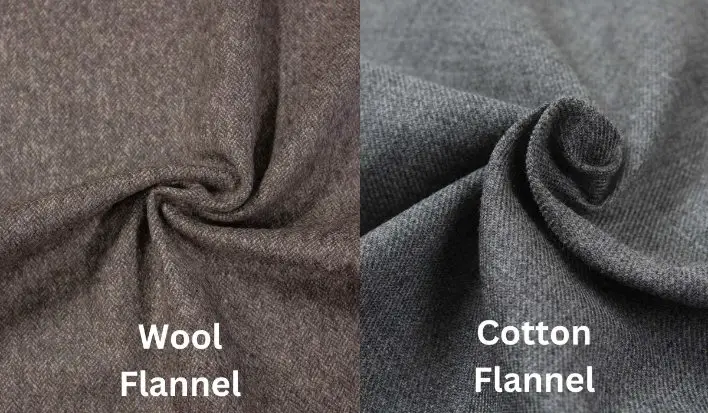
Comparing wool flannel and cotton flannel for warmth and performance.
This is the comparison most people want to know about.
| Aspect | Wool Flannel | Cotton Flannel |
|---|---|---|
| Origin | Sheep’s wool | Cotton plant fibers |
| Warmth | Warmer – better insulation | Warm but less insulating |
| Moisture-Wicking | Excellent – pulls moisture away | Absorbs moisture but holds it |
| Durability | Very durable, lasts decades | Durable but wears faster |
| Care | Dry clean or careful hand wash | Machine washable |
| Shrinkage | Can shrink significantly if washed wrong | Moderate shrinkage |
| Typical Uses | Suits, dress trousers, sport coats | Casual shirts, pajamas, bedding |
| Price Range | $40-150+ per meter | $10-30 per meter |
| Formality | Formal to business casual | Casual |
The bottom line: Wool flannel is warmer, more durable, and better for tailored clothing. Cotton flannel is more affordable, easier to care for, and better for casual wear and bedding.
Wool Flannel vs Tweed
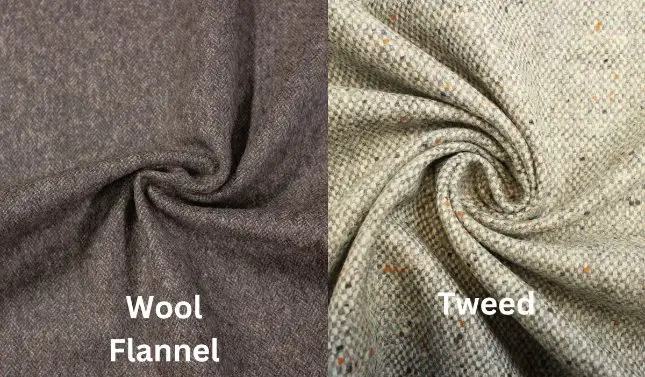
Wool flannel compared with tweed to highlight texture and durability differences.
Both are textured wool fabrics, but they’re quite different:
Tweed is woven from thick, rough yarns in complex patterns. It’s heavier, more textured, and more casual. Think Irish countryside.
Wool Flannel is smoother, softer, and more refined. The texture comes from brushing, not the weave. It works for both business and casual settings.
Tweed is tougher and more weather-resistant. Flannel is more comfortable and versatile.
Wool Flannel vs Gabardine
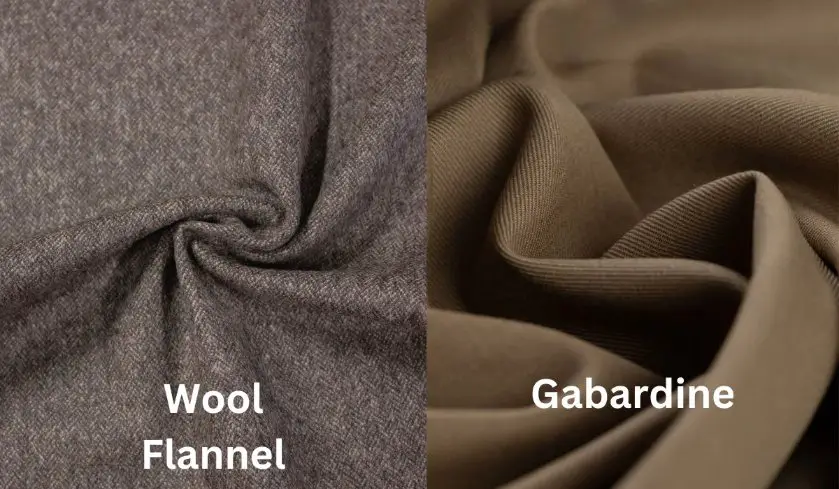
Wool flannel compared with gabardine to highlight softness versus structure.
Gabardine is a tightly woven worsted wool with a diagonal pattern and a smooth, hard finish. It’s not brushed, so it has no nap.
Gabardine is crisp, holds creases sharply, and has a slight sheen. It’s perfect for professional dress trousers and raincoats.
Wool flannel is softer, warmer, and has a matte finish. It’s more comfortable but less water-resistant than gabardine.
Wool Flannel vs Tropical Wool
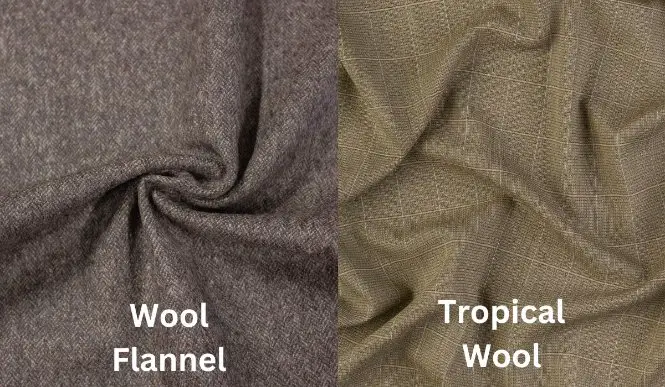
Comparing wool flannel with tropical wool for seasonal fabric selection.
Tropical wool is lightweight (around 210g) and loosely woven for breathability. It’s designed for warm weather.
Wool flannel is medium to heavy weight (280-400g) and designed for cold weather. The brushed surface adds warmth that tropical wool specifically avoids.
They’re opposite ends of the wool spectrum, each perfect for their intended season.
Wool Flannel vs Merino Wool
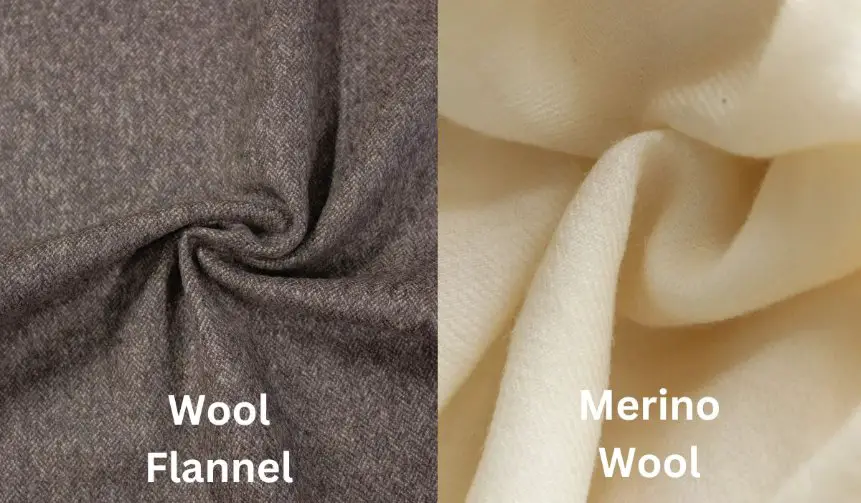
Comparing wool flannel with merino wool for comfort and fabric feel.
Merino wool refers to the sheep breed, not a fabric finish. You can actually have merino wool flannel, which combines the softness of merino with the brushed finish of flannel.
Regular merino without the flannel finish is smoother and less insulating. Merino flannel is softer than regular wool flannel because merino fibers are finer.
Wool Flannel vs Cashmere
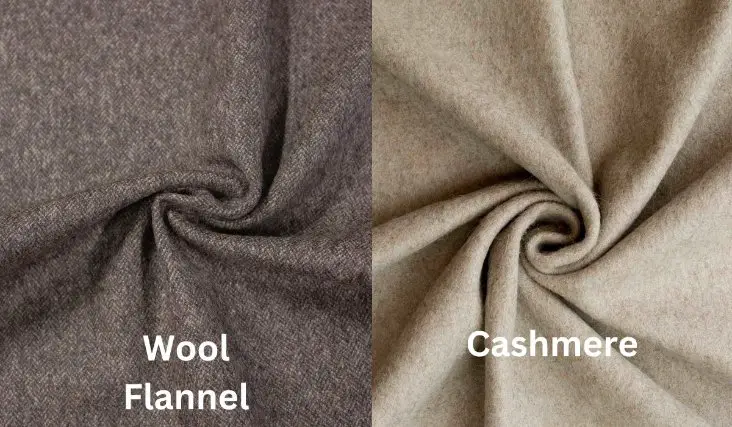
A visual comparison between wool flannel and cashmere fabrics.
Cashmere comes from goats and is incredibly soft and light. It’s warmer for its weight than wool but less durable.
Wool flannel is more robust and holds up better to daily wear. Many luxury flannels include 10% cashmere for added softness while maintaining durability.
Wool Flannel vs Synthetic Flannel
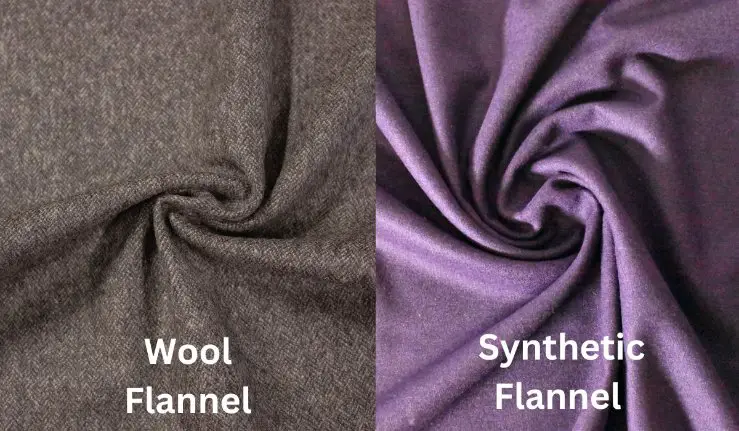
Natural wool flannel compared with synthetic flannel materials.
Synthetic flannel (usually polyester) is cheaper, machine washable, and wrinkle-resistant. But it doesn’t breathe well, doesn’t wick moisture, and feels clammy when you sweat.
Synthetic flannel also tends to pill more and doesn’t have the natural temperature regulation of wool.
For bedding and budget clothing, synthetic flannel works. For quality tailored garments, wool flannel is worth the extra cost.
Sustainability and Environmental Impact
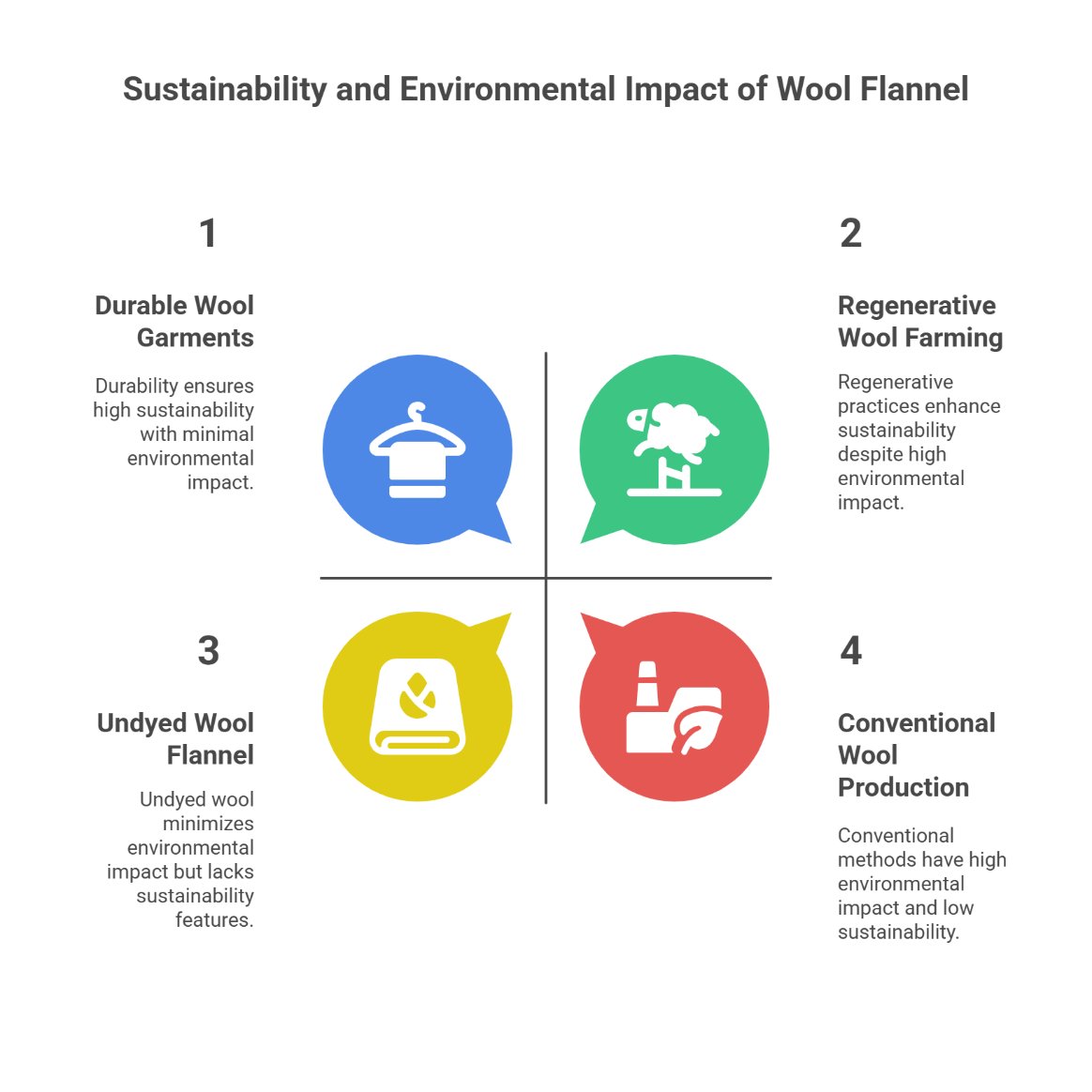
An overview of sustainability considerations in wool flannel production.
In an era of fast fashion and environmental concern, wool flannel has some serious sustainability credentials.
Renewable and Biodegradable
Sheep grow new fleece every year. As long as we care for sheep properly, wool is a renewable resource. When a wool flannel garment finally wears out, it biodegrades naturally, returning nutrients to the soil.
Compare this to polyester, which is made from petroleum and can take 200+ years to break down. Even worse, polyester sheds microplastics every time you wash it. Wool doesn’t.
Carbon and Climate
Wool production has a complex environmental footprint. Sheep farming requires land and water, and sheep produce methane (a greenhouse gas). However, grasslands where sheep graze can actually sequester carbon if managed properly through regenerative agriculture.
Some wool producers are now using regenerative practices that improve soil health and capture more carbon than they emit. Look for certifications like ZQ Merino or the Responsible Wool Standard.
Longevity as Sustainability
The most sustainable garment is the one you don’t have to replace. A quality wool flannel suit that lasts 20 years is far more sustainable than five cheap suits that each last four years.
When you calculate the environmental cost per wear, wool flannel’s durability makes it one of the most sustainable fabric choices available.
Chemical Processing
Wool flannel production uses fewer harsh chemicals than many synthetic fabrics. Traditional fulling (milling) uses water and mechanical action. The main chemicals involved are usually dyes.
Natural, undyed wool flannel has minimal chemical processing. Even dyed versions typically use less harmful processes than printing synthetic fabrics.
Certifications to Look For
- Responsible Wool Standard (RWS): Ensures sheep are treated humanely and land is managed sustainably
- ZQ Merino: Comprehensive certification covering animal welfare, environmental care, and social responsibility
- Woolmark: Guarantees 100% pure new wool and ethical practices. The Woolmark Company is the global authority on wool quality standards
- GOTS (Global Organic Textile Standard): For organic wool flannel with strict environmental and social criteria
Uses and Applications
Wool flannel shows up in more places than you might think. Here’s where it works best.
Menswear Tailoring
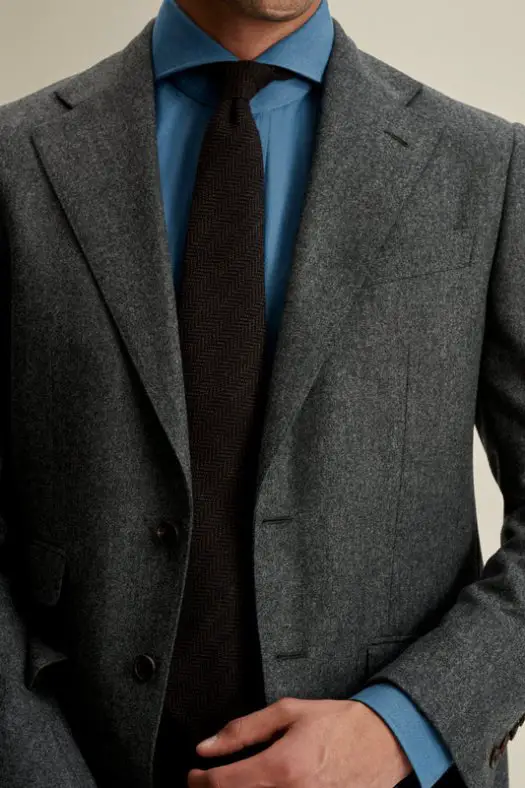
A tailored suit crafted from wool flannel for colder seasons.
This is wool flannel’s traditional home. A gray flannel suit is a menswear classic for good reason. The fabric looks professional, feels comfortable, and works in business settings from September through March.
Suits: Navy, charcoal, and gray flannel suits are wardrobe staples. They’re appropriate for business, interviews, and formal occasions. The soft texture looks less severe than smooth worsted suits.
Sport Coats and Blazers: Flannel blazers in patterns like herringbone or windowpane work for business casual settings. They’re less formal than suit jackets but still polished.
Dress Trousers: Flannel trousers pair beautifully with sport coats in different fabrics. Gray flannel trousers are especially versatile.
Casual Menswear
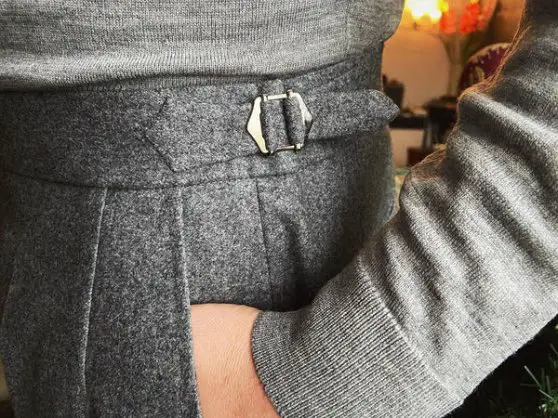
Wool flannel trousers designed for comfort and everyday wear.
Casual Trousers: Heavier woolen flannel makes comfortable weekend pants. They’re warmer than chinos but more refined than jeans.
Overshirts: Lightweight wool flannel works for shirt-jackets (shackets). Warm enough for layering but not as bulky as wool coats.
Womenswear
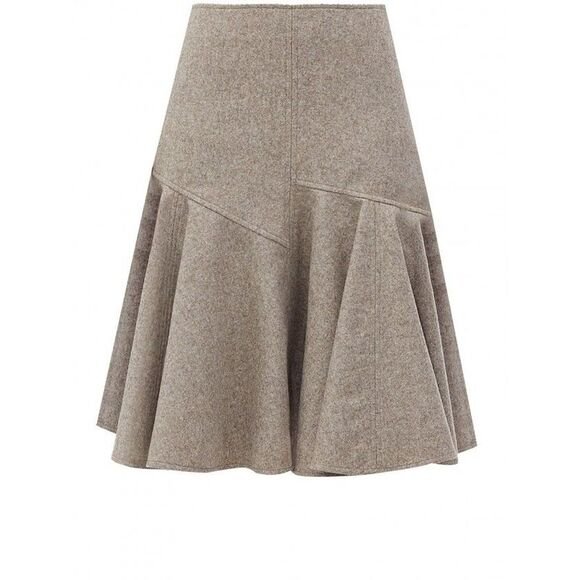
A wool flannel skirt combining warmth and elegant movement.
Wool flannel isn’t just for men. Women’s fashion uses it for:
- Tailored trousers and wide-leg pants
- A-line skirts and pencil skirts
- Blazers and structured coats
- Shift dresses and jumpers
Home Textiles
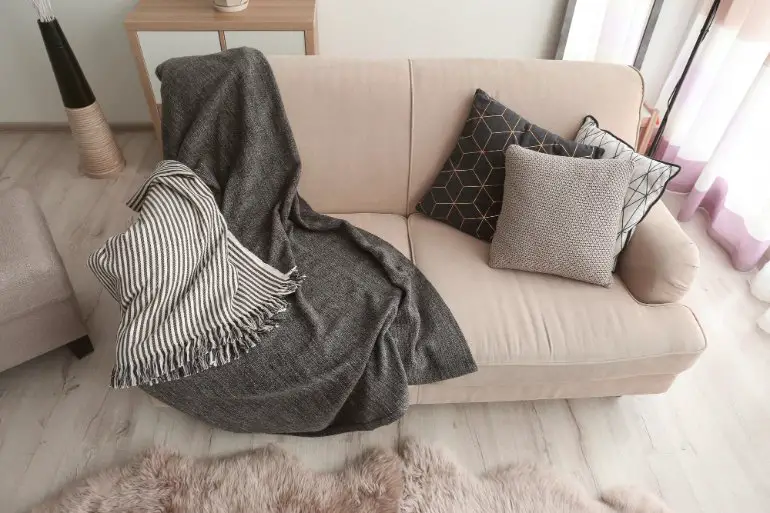
Wool flannel throws adding warmth and comfort to home interiors.
While less common than cotton flannel, wool flannel appears in:
- Throw blankets (incredibly warm and cozy)
- Pillow covers (soft and temperature-regulating)
- Table runners (adds texture and warmth to dining spaces)
Accessories
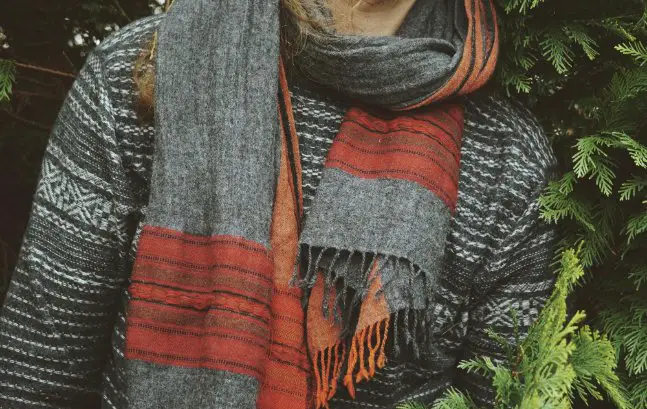
Wool flannel scarves offering warmth and seasonal style.
Wool flannel makes excellent:
- Scarves (soft against the neck)
- Ties (textured alternative to silk)
- Pocket squares (adds casual texture to formal wear)
Choosing the Right Weight for Your Project
Lightweight (240-280g): Shirts, light blazers, mild winter wear
Medium (280-320g): Suits, dress trousers, business wear
Medium-Heavy (320-350g): Sport coats, casual trousers, outdoor wear
Heavyweight (350g+): Winter coats, very cold climates, blankets
How to Choose Quality Wool Flannel
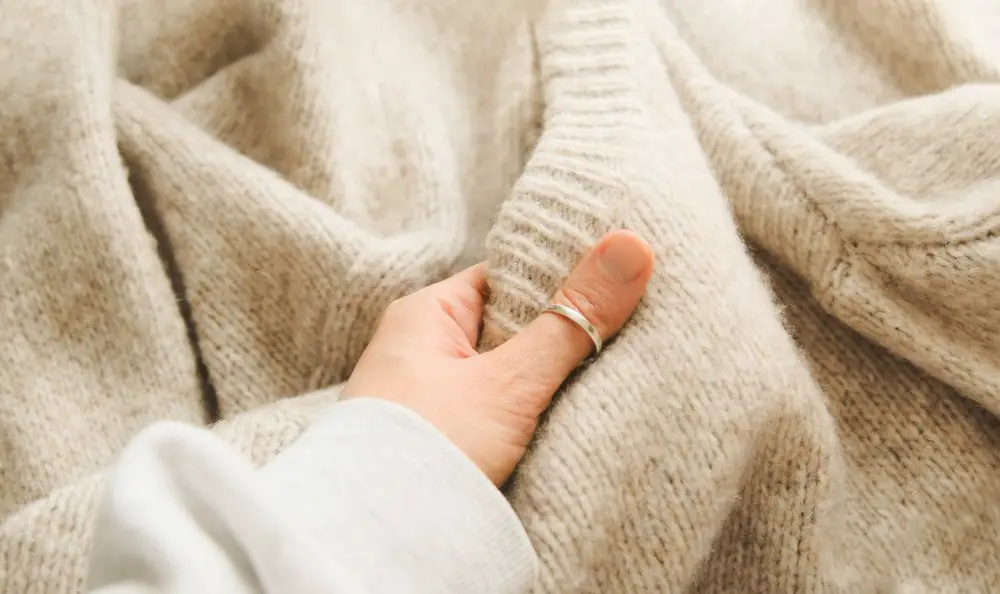
Evaluating softness, thickness, and weave helps identify high quality wool flannel.
Not all wool flannel is created equal. Here’s how to spot the good stuff.
The Hand Feel Test
Touch is your first clue. Quality wool flannel should feel soft but not fragile. Run your hand across it:
- The nap should be even and consistent
- It should feel substantial without being heavy
- It shouldn’t feel scratchy or harsh
- The surface should have a pleasant fuzzy texture
If it feels rough or uneven, the wool quality is probably poor or the napping was done badly.
Visual Inspection
Quality Markers to Look For:
- Even Color: No streaks, patches, or inconsistent dyeing
- Consistent Nap: The fuzzy surface should look uniform, not patchy
- Clean Weave: Look at the fabric under good light. You shouldn’t see lots of short fibers sticking out
- Good Drape: Hold it up and let it hang. Quality flannel should drape smoothly, not stiffly
- Recovery: Scrunch it in your hand and release. It should bounce back without deep wrinkles staying
Understanding Micron Count
Micron measures the diameter of wool fibers. Lower numbers mean softer, finer wool:
- Under 18 microns: Ultra-fine (luxury merino territory)
- 18-22 microns: Fine (comfortable against skin)
- 22-25 microns: Medium (most common in quality flannel)
- Over 25 microns: Coarse (can feel scratchy)
Most quality wool flannel falls in the 19-24 micron range. Below 20 microns gets expensive quickly.
Super Numbers Explained
You might see wool labeled as “Super 100s” or “Super 120s.” This refers to fiber fineness. Higher Super numbers mean finer fibers:
- Super 100s-110s: Durable, good for everyday wear
- Super 120s-130s: Finer, softer, still practical
- Super 140s+: Very fine, delicate, mostly for special occasions
For flannel specifically, don’t get too hung up on Super numbers. The brushed finish matters more than the Super count. A well-made Super 100s flannel can feel better than a poorly made Super 140s.
Red Flags to Avoid
Warning Signs of Low-Quality Flannel:
- Excessive pilling after minimal wear
- Uneven nap with bald spots
- Very cheap price (quality wool flannel isn’t cheap)
- Scratchy, harsh feel
- Poor recovery (stays wrinkled when scrunched)
- Thin, see-through areas
- Strong chemical smell (cheap dyes)
Renowned Mills and Suppliers
Some wool mills have built reputations over centuries:
Fox Brothers & Co (England): Established in 1772, known for traditional British flannels. Their flannel was used in the film “Kingsman.”
Holland & Sherry (Scotland): High-end merchant offering flannels from top mills. Known for Saxony flannel collections.
Vitale Barberis Canonico (Italy): Founded in 1663, produces fine Italian flannels with beautiful drape.
Loro Piana (Italy): Luxury mill known for incredibly soft flannels, often using ultra-fine merino.
Harrisons of Edinburgh (Scotland): Traditional Scottish mill with extensive flannel collections.
Huddersfield Fine Worsteds (England): Specializes in fine worsted flannels for suiting.
Price vs Quality: What to Expect
Fabric pricing (per meter/yard):
- Budget ($20-40): Mass-produced, often with wool blends. Acceptable for casual wear.
- Mid-Range ($40-80): Good quality pure wool. Fine for business suits and everyday wear.
- Premium ($80-150): Top mills, fine wools, excellent hand feel. Worth it for important pieces.
- Luxury ($150+): Ultra-fine wools, cashmere blends, exclusive patterns. Diminishing returns for most people.
Complete Care Guide for Wool Flannel
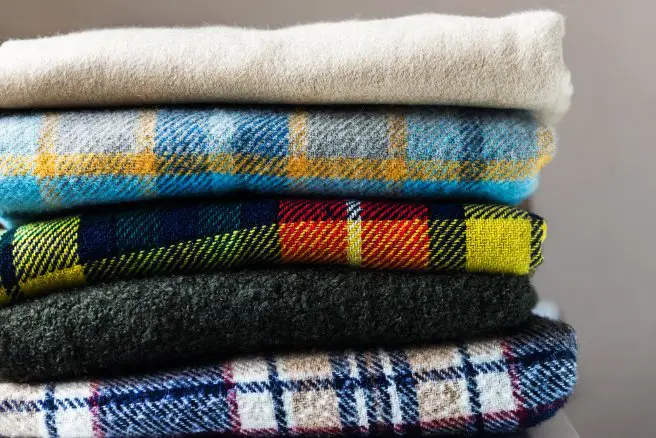
Proper care helps preserve the softness, warmth, and longevity of wool flannel fabric.
Proper care makes the difference between a suit that lasts two years and one that lasts twenty. Here’s everything you need to know about caring for wool flannel.
Can Wool Flannel Be Washed?
Yes, but with serious caution. Most wool flannel should be dry cleaned or very carefully hand-washed. Machine washing is risky and can ruin the fabric through shrinkage and felting.
Does Wool Flannel Shrink?
Absolutely, and significantly if you’re not careful. Wool flannel can shrink 10-20% if exposed to heat and agitation. A suit jacket that fits perfectly can become unwearable after one wrong wash.
Shrinkage happens because wool fibers have scales on their surface. When exposed to heat, moisture, and movement, these scales interlock and the fabric contracts. This process is called felting.
Washing Methods
Dry Cleaning (Recommended for Tailored Garments)
For suits, sport coats, and dress trousers, dry cleaning is safest. Take them to a reputable cleaner who understands wool.
How often: Only when necessary. Over-cleaning wears out fabric. For suits worn regularly, 2-4 times per year is usually enough. Spot-clean and air out between wears.
Pro Tip: Find a dry cleaner who uses traditional wet cleaning for woolens rather than harsh chemical solvents. It’s gentler on the fabric and better for the environment.
Hand Washing (Use with Extreme Caution)
For less structured items like scarves or casual pieces, you can hand wash wool flannel. Here’s how:
- Fill a basin with cool or lukewarm water (never hot – maximum 30°C/86°F)
- Add wool-specific detergent (pH neutral, no enzymes). Use about 1 teaspoon per gallon of water
- Submerge the garment and gently press the water through. Never rub, wring, or twist
- Let soak for 3-5 minutes maximum
- Drain and refill with clean cool water for rinsing
- Gently press out water without wringing
- Roll in a clean towel to remove excess moisture
- Lay flat to dry on a clean, dry towel, reshaping to original dimensions
Critical Rules for Washing Wool Flannel:
- Never use hot water (causes immediate shrinkage)
- Never use regular laundry detergent (too harsh)
- Never wring or twist (damages fibers and shape)
- Never hang to dry when wet (stretches from weight)
- Keep water temperature consistent throughout washing and rinsing
Machine Washing (Not Recommended)
We don’t recommend machine washing wool flannel. However, if you must:
- Use the wool/delicate cycle only
- Cold water only
- Use a wool laundry bag
- Wool-specific detergent
- No spin cycle (or very short, slow spin)
- Expect some shrinkage anyway
Drying Wool Flannel
Never use a dryer. The heat will shrink and felt the fabric beyond repair.
Instead:
- Lay the garment flat on a clean, dry towel
- Reshape to original dimensions while damp
- Change to a dry towel when the first becomes damp
- Dry in a well-ventilated area away from direct sunlight and heat sources
- Allow 24-48 hours for complete drying
How to Stretch Wool Flannel (If It Shrinks)
If your wool flannel has shrunk, you might be able to recover some size:
- Fill a basin with lukewarm water and add hair conditioner (about 1 tablespoon per gallon)
- Submerge the garment and let it soak for 30 minutes
- Gently remove and press out excess water (don’t rinse)
- Lay flat on towels and gently stretch to desired dimensions
- Pin or weigh down edges to hold the stretch
- Leave until completely dry
This works because conditioner relaxes the wool fibers. Success varies – severely felted flannel can’t be fully recovered.
Pressing and Ironing
Wool flannel responds well to steam but can be damaged by direct heat.
Best method:
- Use a garment steamer for regular maintenance
- Hang garments in the bathroom while showering (steam freshens and removes wrinkles)
- For pressing: Use low to medium heat (wool setting)
- Always use a pressing cloth between iron and fabric
- Press lightly – don’t flatten the nap
- Press on the wrong side when possible
Pro Tip: For removing wrinkles from suits, use a handheld steamer while the garment hangs. This refreshes the fabric without flattening the nap or creating shine.
Storage
Short-term (daily):
- Hang suits on wide, curved wooden hangers
- Hang trousers by the cuffs or fold over a trouser bar
- Let garments air out for 24 hours before returning to closet
- Brush regularly with a soft garment brush (removes dust and refreshes nap)
Long-term (seasonal):
- Clean before storing (moths are attracted to dirty fabric)
- Use breathable garment bags (not plastic)
- Add cedar blocks or lavender sachets (natural moth repellents)
- Store in a cool, dry, dark place
- Check periodically for moths
Dealing with Moths
Moths love wool. Prevention is key:
- Keep wool clean (moths prefer soiled fabric)
- Store in sealed bags or containers
- Use cedar or lavender
- Freeze garments for 72 hours to kill eggs and larvae
- If you spot moths, act immediately (they reproduce quickly)
Pilling Management
All wool flannel will pill somewhat, especially in high-friction areas (under arms, between legs, where bags rub).
Prevention:
- Rotate garments (don’t wear the same piece multiple days in a row)
- Minimize friction (be aware of bag straps and seatbelts)
- Choose quality flannel (better wool pills less)
Removal:
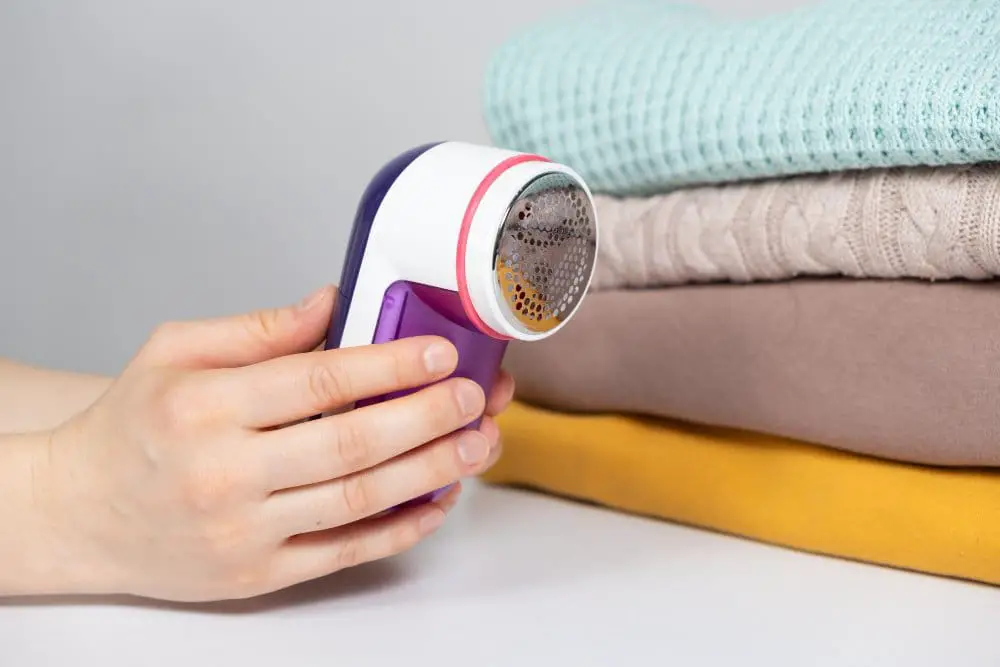
- Use a fabric shaver or sweater stone
- Gently pull pills off by hand
- Never use scissors (you’ll cut the fabric)
- A piece of pumice stone works well for gentle removal
Stain Treatment
For wool flannel, speed matters. Treat stains immediately:
For water-based stains (coffee, wine, juice):
- Blot immediately (never rub)
- Apply cool water with a clean cloth
- Blot from outside edge toward center
- If persistent, use a tiny amount of wool detergent mixed with water
- Rinse with cool water and blot dry
For oil-based stains (grease, makeup):
- Blot excess with paper towel
- Sprinkle cornstarch or talc on the stain
- Let sit for several hours to absorb oil
- Brush off powder
- If stain remains, take to dry cleaner and point out the stain
For serious stains: Take to a professional cleaner immediately and explain what caused the stain.
Daily Maintenance Routine
To keep wool flannel looking great:
- After each wear: Hang immediately on proper hanger, empty pockets, let air out for 24 hours
- Weekly: Brush with soft garment brush to remove dust and refresh nap
- Monthly: Steam gently to remove wrinkles and freshen
- As needed: Spot clean stains immediately
- Annually or semi-annually: Professional cleaning
Styling and Wardrobe Integration
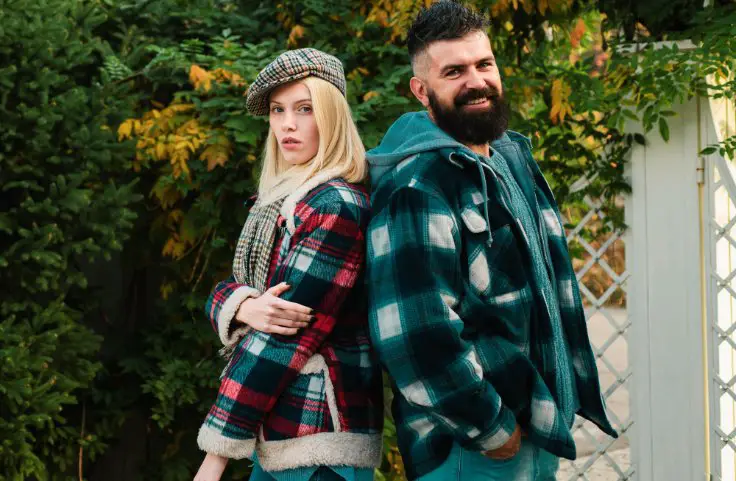
Wool flannel styling ideas for casual and seasonal wardrobes.
How do you actually wear wool flannel? Let’s look at practical styling.
Seasonal Timing
Wool flannel is a fall and winter fabric. Generally:
- September-October: Lightweight to medium flannel
- November-February: Medium to heavyweight flannel
- March-April: Lightweight flannel as temperatures warm
- May-August: Put flannel away (too warm)
Climate adjustments apply. In colder regions, flannel season extends. In warm climates, it might only work December-February.
Color Selection
Classic Neutrals (Most Versatile):
- Charcoal gray (works with everything)
- Medium gray (perfect for business)
- Navy blue (sophisticated, slightly less formal than black)
- Brown or tan (warmer, more casual)
Bold Options:
- Burgundy or wine (rich fall color)
- Forest green (classic outdoor feel)
- Camel (luxurious neutral)
Pattern Choices
For Business: Solid colors or subtle herringbone
For Business Casual: Herringbone, subtle glen plaid, small houndstooth
For Casual: Larger checks, windowpane, bold houndstooth
Layering Strategies
Wool flannel works beautifully for layering:
Formal Layering:
- Flannel suit + dress shirt + tie + wool overcoat
- Flannel blazer + dress shirt + flannel trousers (mix patterns carefully)
Business Casual:
- Flannel blazer + cotton shirt + chinos
- Flannel trousers + sweater + dress shirt
Casual:
- Flannel trousers + turtleneck
- Flannel blazer + jeans + casual shirt
Building a Flannel Capsule
If you’re building a wool flannel wardrobe, start with:
- Gray Flannel Suit: Charcoal or medium gray, versatile for business
- Navy Flannel Blazer: Works with jeans or dress trousers
- Gray Flannel Trousers: Different shade from the suit, pairs with other blazers
- Patterned Sport Coat: Herringbone or windowpane for variety
Investment Value and Cost Analysis
Is wool flannel worth the cost? Let’s break down the numbers.
Price Ranges
Ready-to-Wear Flannel Suits:
- Budget: $200-400 (often wool blends)
- Mid-range: $400-800 (good quality wool)
- Premium: $800-1,500 (top mills, excellent construction)
- Luxury: $1,500+ (bespoke, finest wools)
Fabric by the Meter (if having suits made):
- Budget: $20-40/meter
- Mid-range: $40-80/meter
- Premium: $80-150/meter
- Luxury: $150+/meter
Cost Per Wear Analysis
Let’s compare a $600 quality wool flannel suit vs. a $200 budget suit:
Budget Suit:
- Initial cost: $200
- Lifespan: 2-3 years with regular wear (100 wears)
- Cost per wear: $2.00
Quality Flannel Suit:
- Initial cost: $600
- Lifespan: 10-15 years with proper care (300+ wears)
- Cost per wear: $2.00 initially, drops to $0.50-0.75 over time
Plus, the quality suit looks better throughout its life. The budget suit starts showing wear after 50 wears.
Repair and Alterations
Quality wool flannel can be altered and repaired:
- Hemming: $15-30
- Taking in/letting out: $40-80
- Reweaving small holes: $50-150
- Replacing buttons: $10-25
A suit that can be altered to fit changes in your body extends its useful life significantly.
Vintage vs. New
Vintage wool flannel can be excellent value:
Pros:
- Often higher quality than modern equivalents at the same price
- Unique patterns and styles
- Already broken in (softer)
- Sustainable choice
Cons:
- May need alterations
- Possible wear or damage
- Sizing can be different from modern standards
- Can’t try before buying (if shopping online)
Frequently Asked Questions
Conclusion
Wool flannel has earned its place as a classic fabric for good reason. From its humble beginnings in 17th century Wales to its current status as a tailoring staple, this remarkable textile combines warmth, comfort, and sophistication in a way few fabrics can match.
We’ve covered a lot of ground in this guide, so let’s recap the most important points.
Essential Takeaways About Wool Flannel
What It Is: Wool flannel is sheep’s wool that’s been brushed to create a soft, fuzzy surface. It comes in two main types – woolen (fuzzy, warm, casual) and worsted (smooth, refined, formal). The brushing process is what makes flannel flannel, regardless of whether it’s wool or cotton.
Why It’s Special: Wool flannel offers exceptional warmth through air-trapping insulation, natural moisture-wicking that keeps you dry, remarkable durability that can last decades, and a sophisticated matte finish that looks polished without being shiny. It’s also biodegradable and renewable, making it a sustainable choice.
How to Use It: Choose medium-weight worsted flannel (280-320g) for business suits and dress trousers. Pick heavier woolen flannel (350g+) for casual wear and very cold climates. Use it from September through April in most climates, and stick to classic colors like charcoal, gray, and navy for maximum versatility.
Care Is Critical: Wool flannel requires careful maintenance. Dry clean tailored pieces 2-4 times yearly. If hand washing less structured items, use only cool water and wool-specific detergent. Never use hot water or a dryer – both cause severe shrinkage. Air dry flat, steam gently to remove wrinkles, and store with moth protection.
Quality Matters: Not all flannel is equal. Look for even nap, consistent color, good drape, and soft hand feel. Buy from reputable mills when possible. While quality flannel costs more upfront, the cost per wear drops dramatically over its 10-20 year lifespan.
Making Smart Choices
When choosing wool flannel, think about your actual needs. If you’re buying a business suit that you’ll wear weekly, invest in quality worsted flannel from a good mill. The improved comfort, appearance, and longevity justify the cost.
For casual weekend wear, a mid-range woolen flannel works perfectly fine. You don’t need luxury fabric for Saturday errands.
Consider your climate too. If you live somewhere with short, mild winters, lightweight flannel makes more sense than heavyweight versions you’ll rarely wear.
The Sustainability Angle
In an age of disposable fashion, wool flannel represents the opposite approach. A quality piece worn for 15 years has far less environmental impact than multiple cheap replacements. The fabric biodegrades naturally, doesn’t shed microplastics, and comes from a renewable source.
By choosing quality over quantity and caring for your garments properly, you’re making an environmentally sound decision while building a wardrobe that actually serves you better.
Final Recommendations
If you’re new to wool flannel, start with one versatile piece:
- A charcoal or navy flannel blazer (works with jeans or dress trousers)
- Gray flannel trousers (pairs with multiple sport coats)
- A navy or charcoal flannel suit (if you need business attire)
Pay attention to how it performs in your climate and lifestyle. You’ll quickly learn if you need more or different weights.
Learn basic care from the start. Good habits established early will keep your flannel looking great for years. Brush after each wear, air garments between uses, and address stains immediately.
Don’t be intimidated by the care requirements. Yes, wool flannel needs more attention than a polyester suit, but the rewards – comfort, appearance, longevity – make it worthwhile. And honestly, the care becomes second nature quickly.
Looking Forward
Wool flannel has survived centuries of fashion changes because it simply works. It keeps people warm while looking polished. It lasts when cared for properly. It feels good to wear.
In a world of fast fashion and synthetic fabrics, wool flannel reminds us that quality, natural materials still have their place. A well-made flannel suit isn’t just clothing – it’s an investment in looking good and feeling comfortable for years to come.
Whether you’re building a professional wardrobe, updating your fall clothes, or simply curious about better fabrics, wool flannel deserves your consideration. Take the time to understand it, invest in quality, care for it properly, and you’ll have garments that serve you reliably season after season.
The next time you’re shopping for a suit or sport coat, run your hand across some wool flannel. Feel that soft, fuzzy texture. Imagine it keeping you warm on a cold winter morning while you look sharp for an important meeting. That’s the promise of wool flannel – function and style in one remarkable fabric.
Explore our other guides on caring for wool fabrics, choosing suiting fabrics, and understanding different types of wool. Our Wool Care Calculator can help you create a personalized maintenance schedule for your flannel garments.