
Everything You Need to Know About the World’s Softest, Most Luxurious Natural Fiber
Table of Contents
Introduction
When you touch cashmere for the first time, you understand why people call it “soft gold.” This fabric has been treasured for thousands of years, not just for its incredible softness, but for its ability to keep you warm without adding bulk. Unlike regular wool fabric, cashmere comes from the undercoat of special goats living in some of the harshest climates on Earth.
Today, cashmere represents more than just luxury. It’s about understanding quality, making smart investment decisions, and caring for pieces that can last a lifetime. Whether you’re considering your first cashmere purchase or looking to expand your collection, this guide covers everything from identifying authentic high-quality cashmere to proper care techniques that will keep your pieces looking new for years.
What Is Cashmere Wool Fabric?
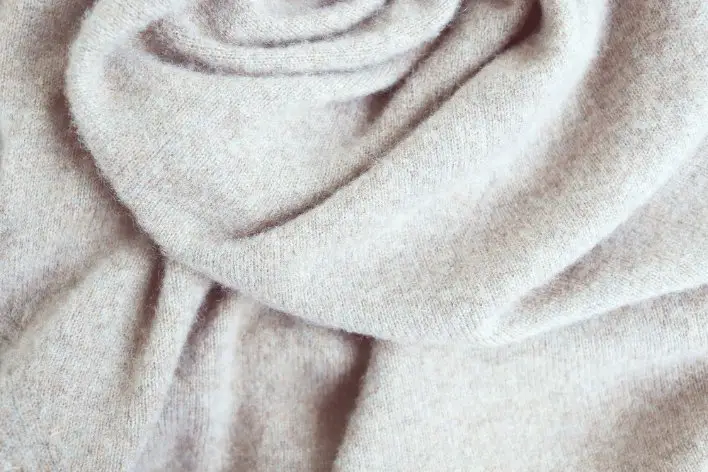
Cashmere is a natural fiber harvested from the soft undercoat of cashmere goats. These goats grow two layers of hair: a coarse outer layer that protects them from rain and snow, and an incredibly fine, downy undercoat that keeps them warm in temperatures that can swing from +40°C in summer to -40°C in winter.
This undercoat, called the “down,” is what becomes cashmere fabric. Each spring, when the goats naturally shed their winter coats, herders carefully comb out this precious fiber. The process is gentle and doesn’t harm the animals. A single cashmere goat produces only about 150-200 grams of usable down per year. That’s barely enough for one scarf, which explains why cashmere costs significantly more than sheep wool.
Geographic Origins and Animal Sources
Most of the world’s cashmere comes from Mongolia and China, particularly from the regions surrounding the Gobi Desert. The Kashmir region of India, which gave cashmere its name, still produces the fiber, though in smaller quantities. Some production also occurs in Iran, Afghanistan, and parts of Central Asia.
The best quality cashmere comes from goats in Mongolia. The extreme temperature variations in this region force the goats to develop exceptionally fine, warm undercoats. Chinese cashmere, while more abundant, tends to be slightly coarser.
The Difference Between Cashmere and Regular Wool
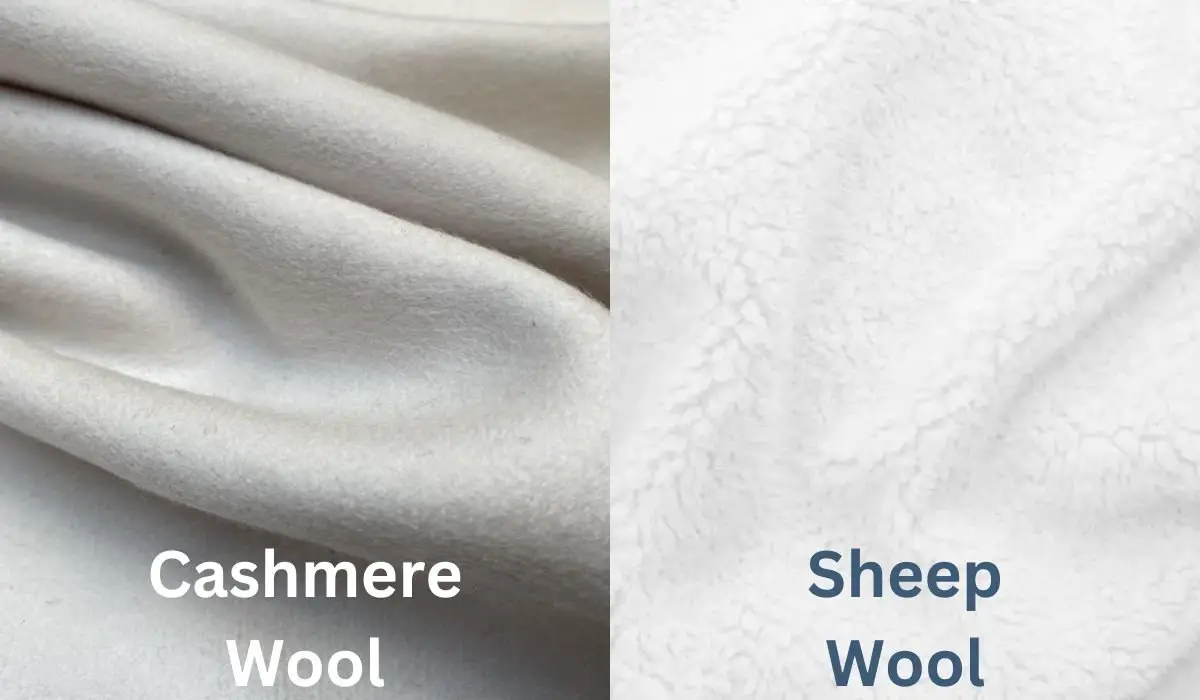
While cashmere is technically a type of wool, it differs from sheep’s wool in several important ways:
| Characteristic | Cashmere | Sheep’s Wool |
|---|---|---|
| Fiber Diameter | 14-19 microns | 25-40 microns |
| Warmth-to-Weight Ratio | Up to 8x warmer than wool | Standard warmth |
| Softness | Extremely soft, no itch | Can be scratchy |
| Annual Yield per Animal | 150-200g | 3-5kg |
| Durability | Delicate, requires care | More robust |
| Price Range | $200-$800+ per sweater | $50-$200 per sweater |
The key difference is the fiber diameter. At 14-19 microns, cashmere is about one-fifth the diameter of a human hair (which measures around 75 microns). This fineness is what makes it so soft and gives it that distinctive silky feel.
Different Types of Cashmere Wool
Not all cashmere is the same. The quality varies based on several factors:
By Grade
- Grade A: The finest and longest fibers (14-15.5 microns diameter, 34-36mm length)
- Grade B: Slightly thicker fibers (around 19 microns)
- Grade C: The lowest quality (around 30 microns)
By Processing
- Virgin Cashmere: New fibers that have never been used before
- Recycled Cashmere: Made from reclaimed fibers from old garments or yarn waste
By Ply
- 2-Ply: Two threads twisted together (minimum recommended)
- 3-Ply and Higher: More threads twisted together for added warmth and durability
How to Identify Quality Cashmere
Knowing how to tell real cashmere from poor quality or fake versions is one of the most important skills for any buyer. Here’s your complete guide to spotting the good stuff.
Understanding the Grading System
Grade A Cashmere: The Gold Standard
Fiber Specifications:
- Diameter: 14-15.5 microns
- Length: 34-36mm
- Feel: Incredibly soft, silky smooth
- Performance: Minimal pilling, excellent shape retention
This is the highest quality you can buy. Brands that use Grade A cashmere include luxury labels like N.Peal, which always specify their commitment to the finest Mongolian cashmere.
Grade B Cashmere: Mid-Range Quality
Fiber Specifications:
- Diameter: Around 19 microns
- Length: Shorter than Grade A
- Feel: Soft but noticeably less luxurious
- Performance: More prone to pilling, may lose shape faster
Grade B is still considered good quality cashmere, but you’ll notice the difference in feel and longevity compared to Grade A.
Avoid Grade C Cashmere
Grade C cashmere has fibers around 30 microns in diameter. This is barely finer than regular wool and doesn’t offer the softness or warmth that makes cashmere special. If you encounter very cheap “cashmere” products, they’re likely Grade C or blended heavily with other materials.
Quality Tests You Can Perform
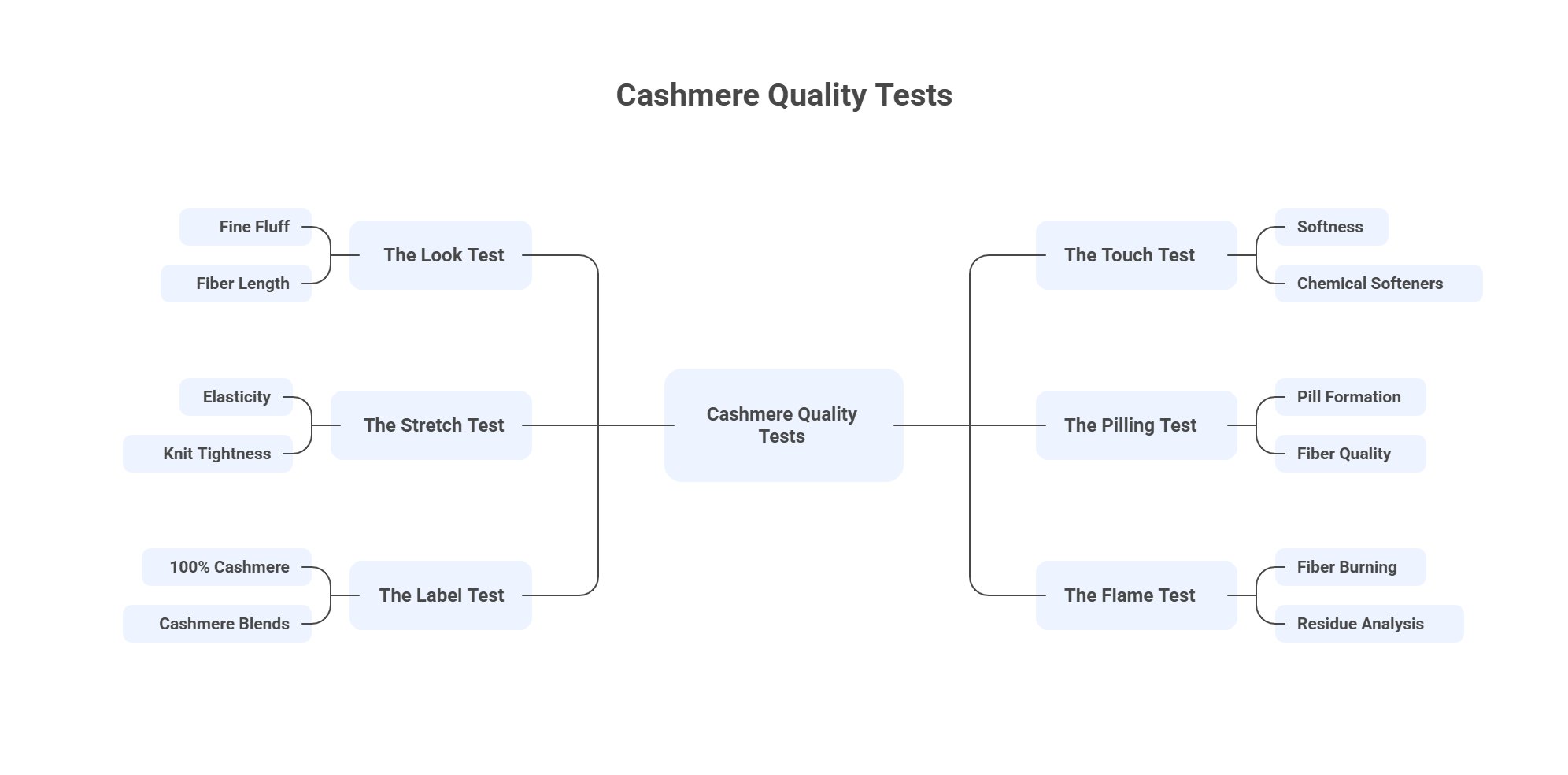
Here are practical tests you can do in-store or at home to check cashmere quality:
1. The Look Test
Hold the cashmere item at eye level in good lighting. Look at the surface carefully. You should see about 1-2mm of fine fluff or fiber. This small amount of fluffiness indicates longer fibers were used, which means less pilling and better durability. If you see more than 2mm of fluff, the item likely contains shorter fibers that will pill quickly.
2. The Touch Test
Rub the cashmere under your chin or against the inside of your wrist (both sensitive areas). High-quality cashmere should feel soft but not overly silky-soft. If it feels unbelievably soft, it may have been treated with chemical softeners that will wash out, leaving a rougher texture. Quality cashmere actually becomes softer with proper wear and washing.
3. The Stretch Test
Gently stretch a section of the fabric and release it. Good quality cashmere will spring back to its original shape immediately. Lower quality cashmere will remain stretched out or take time to recover. This test also works for checking the tightness of the knit. You should be able to see light through loosely knit items, but not gaps in the weave.
4. The Pilling Test
Rub your hand over the cashmere several times with moderate pressure. If little balls (pills) start forming immediately, the cashmere contains too many short fibers and is lower quality. All cashmere will eventually pill with wear, but it shouldn’t happen right away from a simple hand rub.
5. The Label Test
Read the label carefully. By law, it must state “100% cashmere” if it’s pure cashmere. If it says “cashmere blend” or lists other materials, you’re getting mixed fibers. Common blends include cashmere with wool, silk, or synthetic fibers. These blends are cheaper but don’t provide the same properties as 100% cashmere.
6. The Flame Test (for Advanced Users)
This test is used even in legal cases to verify cashmere authenticity. Carefully pluck a single fiber from a hidden seam. Hold it with tweezers and light it with a lighter. Pure cashmere will:
- Burn slowly
- Smell like burning hair (due to the keratin protein)
- Shrink as it burns
- Leave ash that wipes away easily
Other materials burn differently:
- Cotton burns quickly and smells like paper
- Synthetic fibers melt and release a sweet chemical smell
- Wool leaves gritty ash behind
How to Identify Real Cashmere from Fakes
The market has plenty of fake cashmere or heavily blended products marketed as “cashmere.” Here’s how to spot them:
Red Flags for Fake Cashmere
- Suspiciously Low Price: If a “cashmere” sweater costs less than $100, be very skeptical
- Vague Labels: Terms like “cashmere feel” or “cashmere touch” mean it’s not real cashmere
- Unknown Origin: Quality cashmere usually states Mongolia, China, or Kashmir as the source
- Too Lustrous: Real cashmere is matte. If it shines, it likely contains silk or synthetic fibers
- Immediate Pilling: While all cashmere pills eventually, instant pilling is a sign of poor quality or fake material
Cashmere vs Other Luxury Fibers
Understanding how cashmere compares to other high-end natural fibers helps you make the right choice for your needs and budget.
Cashmere vs Merino Wool
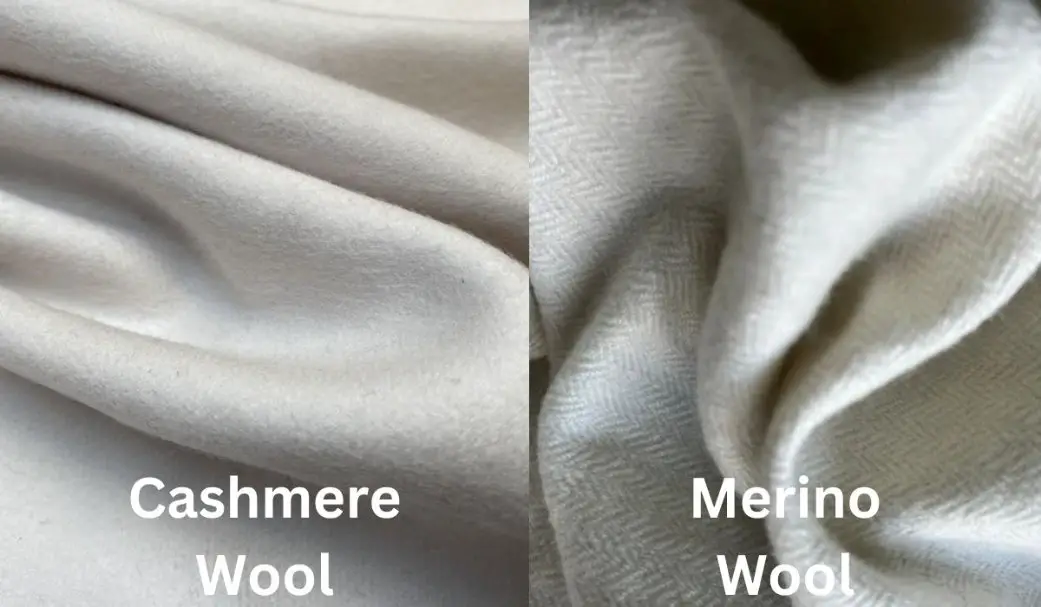
Merino wool has become increasingly popular as a premium alternative to cashmere. Here’s how they stack up:
| Feature | Cashmere | Merino Wool |
|---|---|---|
| Fiber Diameter | 14-19 microns | 17.5-22 microns |
| Warmth | 7-8x warmer than regular wool | Very warm but not as warm as cashmere |
| Softness | Extremely soft, no itch | Soft but slightly less than cashmere |
| Durability | Delicate, needs careful handling | Very durable, stands up to wear |
| Care Requirements | Hand wash or gentle machine wash | Machine washable, easy care |
| Moisture Management | Good, but not as effective when wet | Excellent, stays warm even when damp |
| Temperature Regulation | Good | Excellent, adapts to body temp |
| Breathability | Moderate | Excellent |
| Best Use | Luxury items, special occasions | Active wear, daily use, outdoor activities |
| Price | $200-$800+ for sweaters | $80-$300 for sweaters |
The Bottom Line: Choose cashmere for ultimate luxury, softness, and warmth in a lightweight package. Choose merino for durability, easier care, and active use. Merino is the practical choice for everyday wear and outdoor activities, while cashmere is better for special occasions and when maximum softness matters most.
Cashmere vs Pashmina: Is Pashmina Better Than Cashmere?
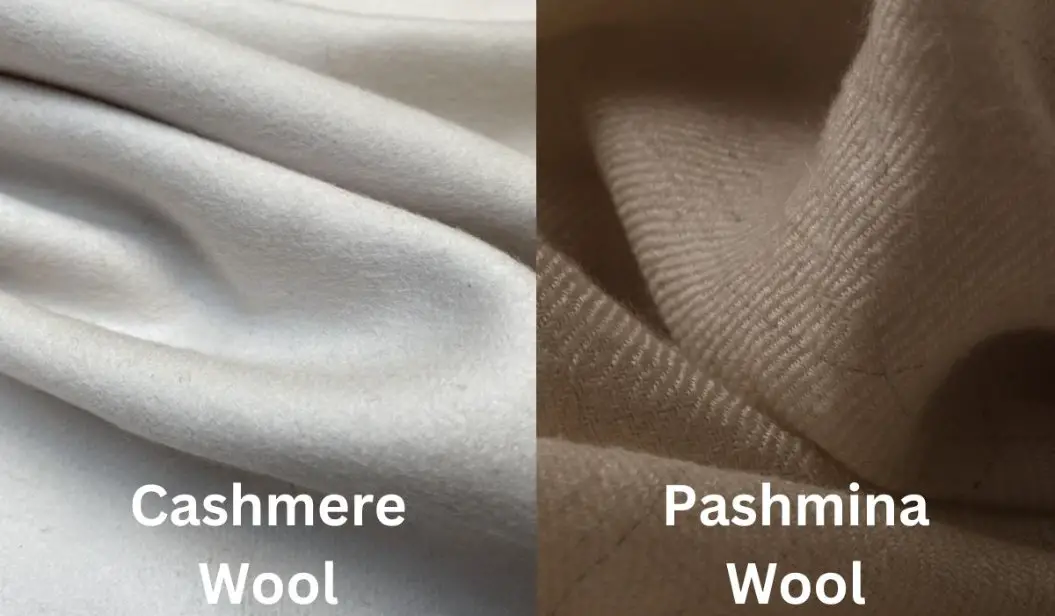
There’s a lot of confusion about pashmina and cashmere. Here’s the truth: pashmina is actually a type of cashmere, specifically the finest grade available.
Pashmina comes from the Changthangi goats that live in the Himalayas at altitudes above 14,000 feet. The extreme cold at these heights forces the goats to develop even finer undercoats than regular cashmere goats. True pashmina fibers measure 12-16 microns in diameter, compared to regular cashmere at 14-19 microns.
Pashmina Characteristics
- Fiber Diameter: 12-16 microns (finer than regular cashmere)
- Softness: Even softer than standard cashmere
- Warmth: Exceptional warmth for the weight
- Price: More expensive than standard cashmere
- Origin: Specifically from Himalayan Changthangi goats
So to answer “which is better?” — pashmina is technically superior cashmere. However, many products labeled “pashmina” are actually just regular cashmere or even silk blends. True pashmina is rare and very expensive. If you find an inexpensive “pashmina,” it’s likely not the real thing.
Cashmere vs Alpaca Wool
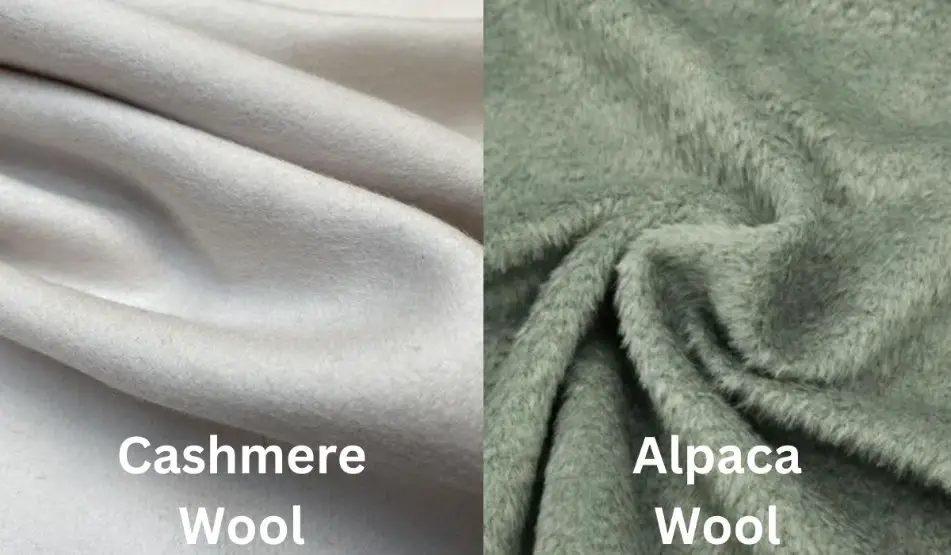
Alpaca fiber has gained popularity as a sustainable alternative to cashmere. Here’s how they compare:
Cashmere Advantages
- Softer overall (14-19 microns vs 17.5 for baby alpaca)
- More recognized luxury status
- Lighter weight for the same warmth
- Wider availability and style options
Alpaca Advantages
- More durable and longer-lasting
- Better moisture wicking
- Hypoallergenic (no lanolin)
- 5x more fiber yield per animal (more sustainable)
- Typically 30-50% less expensive
- Better for outdoor activities
Alpaca is an excellent choice if you want similar softness and warmth to cashmere but need something more durable or have wool allergies. It’s also more environmentally friendly since alpacas produce more fiber and graze more gently than cashmere goats.
Cashmere vs Yak Wool
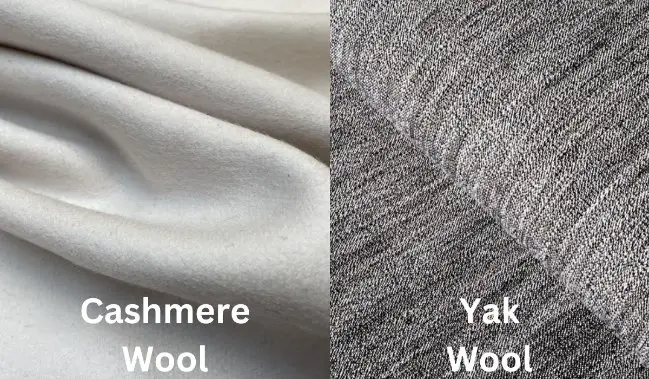
Yak wool (specifically yak down or “khullu”) is emerging as another cashmere alternative:
- Softness: Comparable to cashmere (16-20 microns)
- Warmth: 30% warmer than cashmere
- Breathability: 2x more breathable than cashmere
- Sustainability: More sustainable (yaks graze gently and don’t damage pastures)
- Price: Generally cheaper than cashmere
- Availability: Less common, harder to find
Yak wool offers similar luxury to cashmere with better sustainability credentials. It’s worth considering if you can find quality products.
Sustainability and Environmental Impact
Cashmere’s environmental story is complicated. While it’s a natural, biodegradable fiber, its production has created significant environmental challenges, particularly in Mongolia. According to UNDP Mongolia, about 70% of the country’s pastureland has been degraded due to overgrazing.
The Problem
Rising global demand for cashmere has led to a dramatic increase in cashmere goat populations. Mongolia now has about 27 million goats serving 190,000 herder households. This increase has caused serious problems:
- Land Degradation: About 70% of Mongolia’s pastureland has been degraded to some extent
- Desertification: Approximately 25% of the country has turned to desert
- Overgrazing: Unlike sheep or yaks that nibble grass, cashmere goats pull plants up by the roots, preventing regrowth
- Climate Impact: Degraded grasslands can’t sequester carbon as effectively
- Herder Displacement: As land becomes barren, traditional herders are forced to move to cities
Sustainable Solutions in Progress
Several initiatives are working to make cashmere production more sustainable:
The Sustainable Fibre Alliance (SFA)
The Sustainable Fibre Alliance works with herders across Mongolia and China to promote:
- Responsible pasture management
- Animal welfare standards
- Reduced herd sizes with focus on quality over quantity
- Fair compensation for herders producing sustainable cashmere
Mongolian Sustainable Cashmere Platform
Led by UNDP, this initiative brings together government, brands, and herders to:
- Implement sustainable grazing practices
- Increase local processing (currently only 20% is processed in Mongolia)
- Create traceability systems
- Position Mongolia as a leader in sustainable cashmere
Recycled Cashmere
Some brands, like Stella McCartney, use only recycled cashmere. This approach:
- Reduces environmental impact by up to 7x compared to virgin cashmere
- Decreases demand for new fiber production
- Reduces textile waste
How to Buy Sustainable Cashmere
- Look for SFA (Sustainable Fibre Alliance) certification
- Choose brands that disclose their supply chain
- Consider recycled cashmere products
- Buy fewer, higher-quality pieces that will last longer
- Support brands that pay fair prices to herders
- Look for certifications like the Good Cashmere Standard
Comparing Environmental Impact
When considering alternatives to cashmere:
- Alpaca and Yak: Both are more sustainable. They eat less (1-2% of body weight daily vs 10% for cashmere goats), graze gently without pulling roots, and produce higher fiber yields
- Merino Wool: Generally more sustainable with better-established farming practices, though it still has environmental impacts
- Recycled Cashmere: The most sustainable option if you want cashmere specifically
Uses and Applications of Cashmere

Cashmere’s unique properties make it perfect for specific applications, though it’s not ideal for everything.
Best Uses for Cashmere
- Sweaters and Cardigans: The classic use. Cashmere sweaters provide exceptional warmth without bulk
- Scarves and Shawls: Perfect for adding warmth around the neck and shoulders
- Gloves and Hats: Lightweight insulation for extremities
- Base Layers: Thin cashmere can be worn directly against skin without irritation
- Lightweight Coats: Not heavy winter coats, but lighter spring/fall outerwear
- Blankets and Throws: Luxurious home textiles
- Travel Wraps: Compact warmth for planes and trains
- Socks: Warm, comfortable foot wear (though they wear out faster than wool)
- Baby Clothes: Soft and non-irritating for sensitive skin
Where Cashmere Isn’t Ideal
- Heavy Winter Outerwear: Too delicate for tough outdoor use. Wool and cashmere blends work better for heavy-duty winter wear
- Athletic Wear: Not breathable enough for intense exercise. Choose merino instead
- Wet Conditions: Cashmere loses insulation when wet and takes long to dry
- Rough Use: Too delicate for work wear or situations where snagging is likely
- Frequent Washing Items: The delicate care requirements make it impractical for items that need regular washing
Complete Cashmere Care Guide
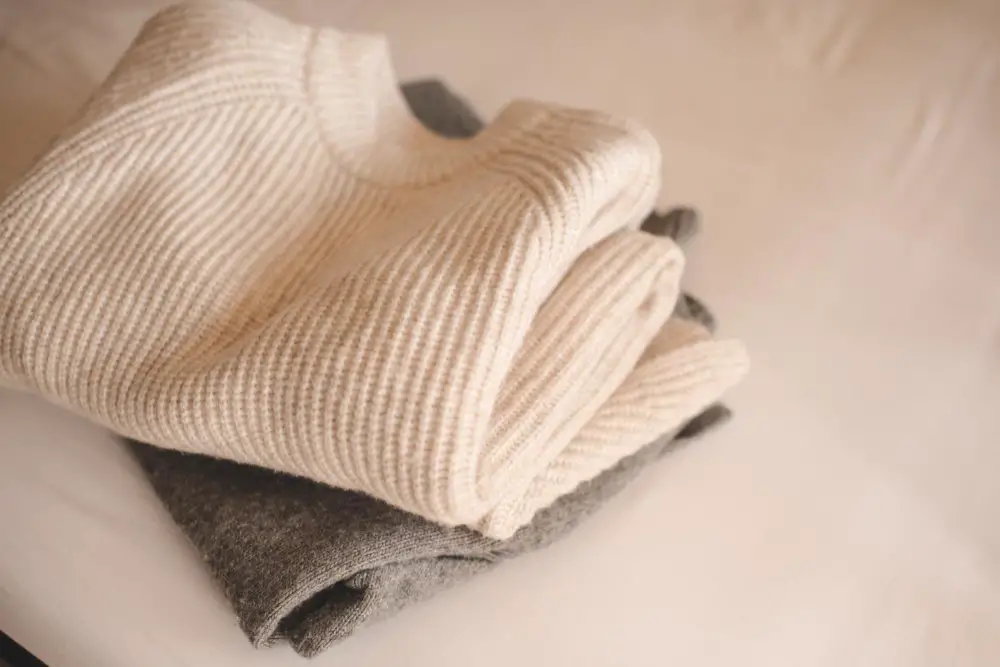
Proper care is what separates cashmere that lasts 10+ years from pieces that look shabby after one season. Follow these guidelines to protect your investment.
Watch: Expert Guide to Cashmere Quality and Care

This video explains how to spot quality cashmere, avoid pilling, and properly wash your cashmere garments.
How to Wash Cashmere Properly
The biggest myth about cashmere is that it’s extremely delicate and can’t be washed at home. The truth is that cashmere actually becomes softer and more beautiful with proper washing.
Can You Hand Wash Cashmere if it Says Dry Clean Only?
Yes, you can hand wash most cashmere even if the label says “dry clean only.” Dry cleaning is recommended as a safe option, but it’s not always necessary. Hand washing is often gentler than dry cleaning chemicals. However, structured items with linings or special construction should still go to the dry cleaner.
Machine Washing Cashmere
Many modern cashmere pieces can be machine washed using these steps:
- Check the Label: Only machine wash if the care label permits it or if you’re confident in the garment’s construction
- Turn Inside Out: This protects the outer surface from friction
- Use a Mesh Bag: Place the item in a mesh laundry bag to prevent stretching
- Select Delicate Cycle: Choose wool or delicate setting
- Cold Water Only: Use water at 30°C/86°F maximum
- Wool Detergent: Use a specialized wool/cashmere detergent, never regular detergent
- Low Spin Speed: Set to 400-600 RPM to minimize stress on fibers
Hand Washing Cashmere (Recommended Method)
- Fill Basin with Lukewarm Water: Temperature should be around 20°C/68°F, never hot
- Add Wool Detergent: Use a wool-specific detergent or gentle baby shampoo. About one teaspoon is enough
- Submerge the Garment: Gently press it under the water until fully saturated
- Soak for 5-10 Minutes: Don’t leave it longer as this can weaken fibers
- Gently Swirl: Move the garment gently through the water. Don’t wring, twist, or scrub
- Rinse Thoroughly: Drain soapy water and refill with clean cool water. Repeat until no soap remains
- Remove Excess Water: Gently squeeze (don’t wring) or press water out
What Not to Do When Washing Cashmere
- Never use hot water – it will cause shrinkage
- Never wring or twist – this damages fibers and distorts shape
- Never use fabric softener – it coats fibers and reduces softness
- Never use bleach or harsh detergents
- Never wash cashmere with other items that could snag it
Can You Use Dawn Dish Soap on Cashmere?
In an emergency, you can use a tiny amount of gentle dish soap like Dawn (one or two drops maximum). However, it’s not ideal for regular use. The formula isn’t designed for delicate fibers and can strip natural oils. Stick to proper wool wash or baby shampoo for best results.
Will Cashmere Shrink When Washed?
Cashmere can shrink if washed incorrectly, particularly if exposed to hot water or aggressive agitation. However, when washed properly in cool water with gentle handling, quality cashmere should not shrink. In fact, many people find their cashmere fits better after the first wash as the fibers relax and the item shapes to their body.
Drying and Storage
Can You Put Cashmere in the Dryer?
Never put cashmere in the dryer. The heat and tumbling will cause severe shrinkage and damage the delicate fibers. Always air dry cashmere.
Proper Drying Method
- Roll in a Towel: Lay the wet cashmere on a clean, dry towel. Roll the towel with the garment inside to absorb excess water
- Reshape: Unroll and gently reshape the garment to its original dimensions
- Lay Flat to Dry: Place on a fresh dry towel or drying rack in a flat position
- Keep Away from Heat: Don’t dry near radiators, heaters, or in direct sunlight
- Turn Occasionally: Flip the garment once or twice during drying to ensure even air circulation
- Allow Full Drying: This can take 24-48 hours. Don’t wear until completely dry
Storage Tips
- Fold, Don’t Hang: Hanging causes stretching and shoulder bumps. Always fold cashmere
- Use Cedar: Cedar blocks or rings naturally repel moths and smell pleasant
- Breathable Storage: Store in cotton garment bags, never plastic
- Clean Before Storing: Always wash cashmere before long-term storage. Dirt and oils attract moths
- Cool, Dry Location: Avoid damp areas that can cause mildew
- Check Periodically: Look for signs of moth damage every few months
Does Cashmere Pill Easily? How to Manage Pilling
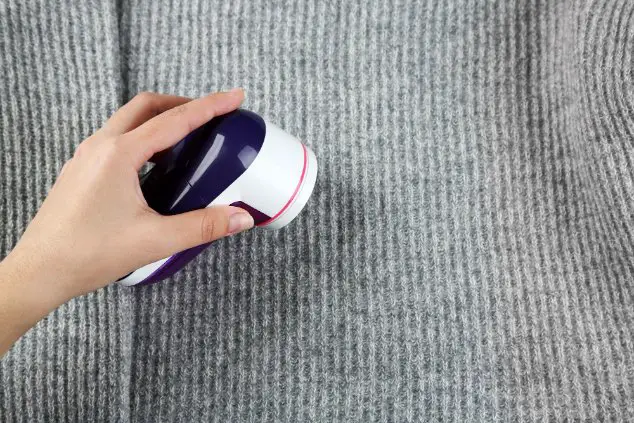
All cashmere will pill to some degree. This is a natural characteristic, not a sign of poor quality (though lower quality cashmere pills more). Pilling occurs when short fibers work their way to the surface and tangle together into small balls.
Why Cashmere Pills
- Friction from wear (under arms, where bag straps rest, etc.)
- Short fibers in the yarn mix
- New items pill more at first as loose fibers surface
- Quality cashmere pills less and the pilling decreases after first few wears
How to Remove Pilling
- Cashmere Comb: The best tool. Gently glide the comb over the fabric in one direction. Never pull or tug
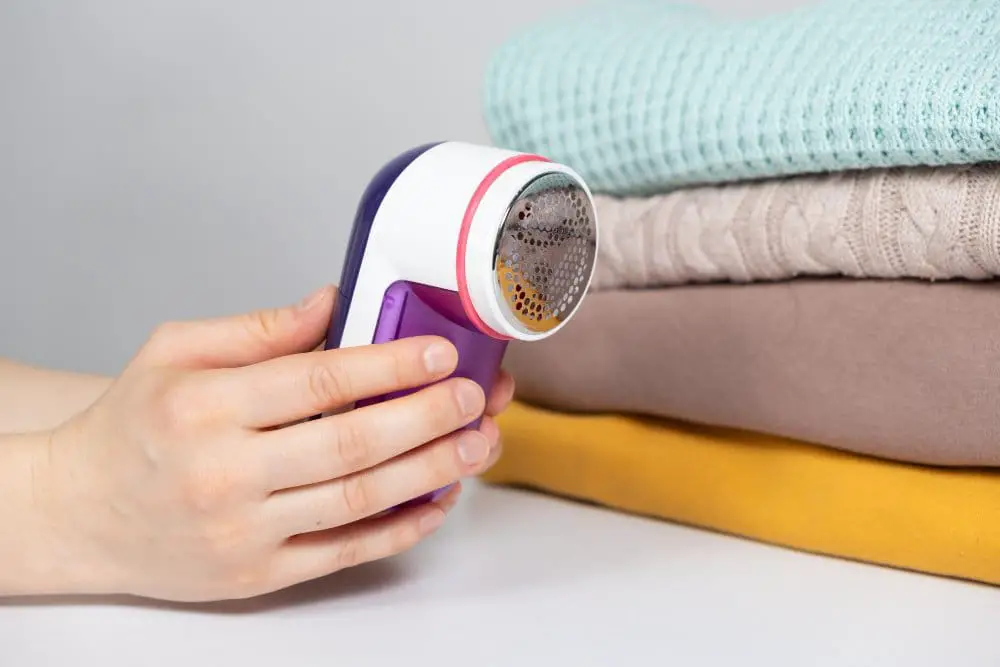
- Fabric Shaver: Electric shavers work well but use carefully on low settings
- By Hand: For just a few pills, gently pinch and twist them off. Don’t pull as this can create holes
- Best Timing: Remove pills after washing and drying, not when the garment is damp
How to Keep Cashmere from Getting Fuzzy
- Wash cashmere inside out
- Remove pills regularly before they get large
- Avoid wearing the same piece consecutive days (let fibers rest)
- Store properly without items pressing against it
- Be mindful of friction points (bags, seatbelts)
How Many Times Can You Wear Cashmere Before Washing?
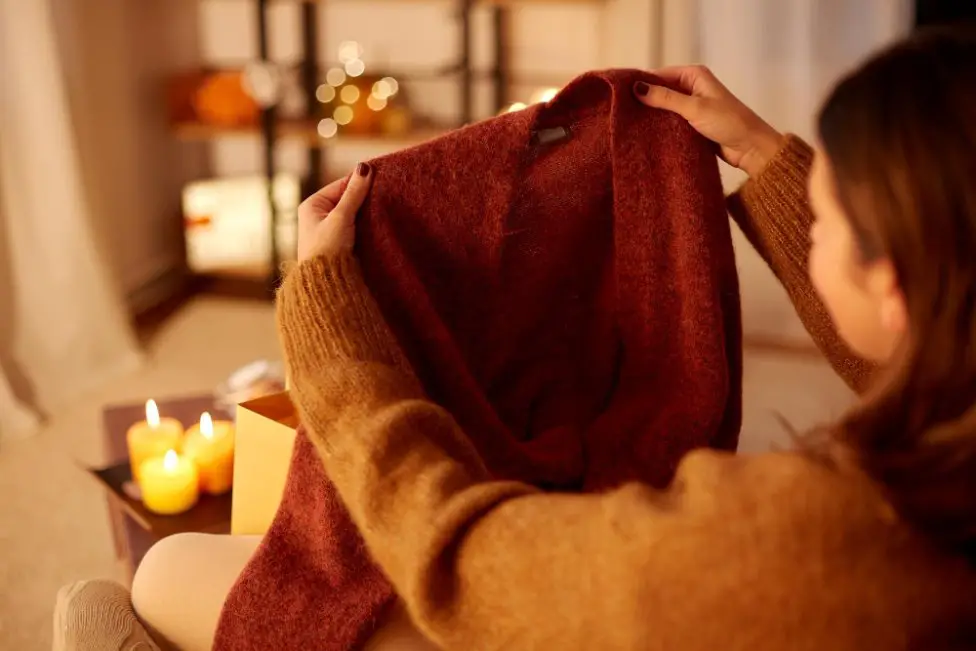
Cashmere doesn’t need to be washed as often as cotton. The natural fibers resist odors and don’t hold onto smells. Here’s a general guide:
- Base Layers: After 1-2 wears
- Sweaters: After 3-5 wears (unless visibly soiled or smelly)
- Cardigans: After 4-6 wears if worn over other layers
- Scarves and Wraps: After 6-8 wears or once per season
- Spot Clean When Possible: For small stains, spot clean instead of full washing
Between wears, air out your cashmere by laying it flat or draping it over a chair for a few hours. This refreshes the fibers and extends time between washes.
What Ruins Cashmere?
Avoid these cashmere killers:
- Moths: The number one enemy. Eggs can destroy a piece in weeks
- Hot Water: Causes immediate shrinkage
- Bleach: Destroys fibers completely
- Hanging: Stretches the shoulders and distorts shape
- Rough Surfaces: Velcro, rough jewelry, or sharp objects can snag delicate fibers
- Perfume: Spraying directly on cashmere can stain and weaken fibers
- Sunlight: Prolonged exposure fades colors and weakens fibers
- Deodorant: Direct contact can cause staining and weakening
What Spin Speed for Cashmere?
If machine washing, use the lowest spin speed available, ideally 400-600 RPM maximum. High spin speeds stretch the fibers and can cause distortion. Some machines have a specific wool cycle that automatically uses appropriate spin speeds.
Sewing with Cashmere
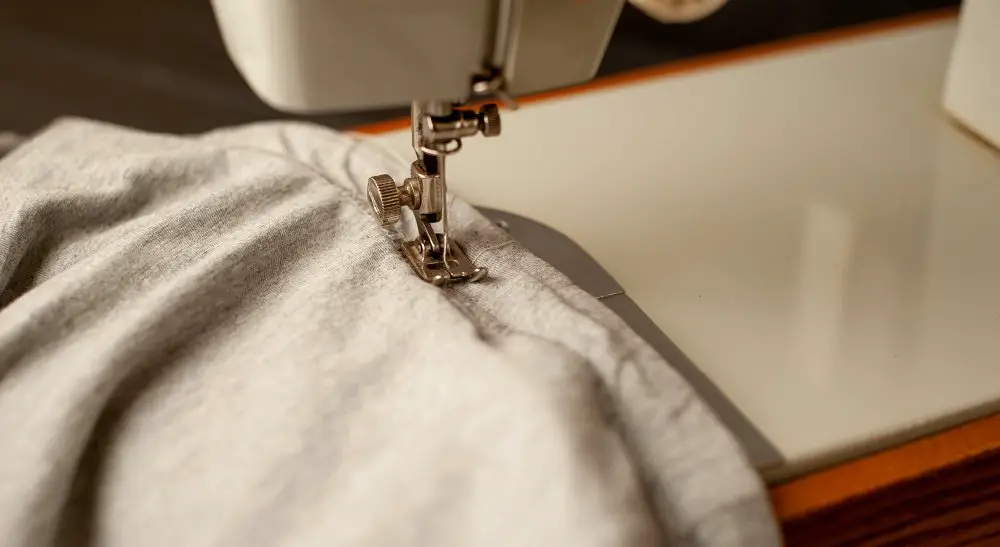
If you’re a sewist interested in working with cashmere fabric, here’s what you need to know.
Can You Sew Cashmere with a Sewing Machine?
Yes, you can sew cashmere with a regular sewing machine, but it requires careful handling and the right equipment.
What You’ll Need:
- Ballpoint or Jersey Needle: Size 70/10 or 80/12 for lightweight cashmere, 90/14 for heavier knits
- High-Quality Thread: Use fine thread that matches the delicate nature of cashmere
- Walking Foot: Helps feed the fabric evenly
- Sharp Scissors or Rotary Cutter: Clean cuts are essential
What is the Best Thread for Sewing Cashmere?
Use fine, high-quality thread for cashmere:
- Silk Thread: The best option as it’s strong but fine
- 50-Weight Polyester: Good alternative, strong and smooth
- Cotton Thread: Acceptable but not as strong as silk or polyester
Avoid thick or rough thread that can create visible seams or damage the delicate fibers.
Does Cashmere Fray When Cut?
Cashmere knits don’t fray like woven fabrics do. However, cut edges can curl and the fabric can unravel if not handled properly. Always:
- Use a rotary cutter with a new blade for clean cuts
- Cut on a flat surface with the fabric relaxed (not stretched)
- Finish edges quickly after cutting
- Consider using a serger/overlock machine for seams
Do You Need a Special Needle to Sew Wool?
For cashmere specifically, use ballpoint or jersey needles rather than universal or sharp needles. The ballpoint tip slides between fibers rather than piercing them, preventing runs and snags. Regular wool can use universal needles, but cashmere’s delicate nature requires the gentler ballpoint option.
What to Sew with Cashmere
Best projects for cashmere:
- Simple sweaters and cardigans
- Scarves and wraps
- Hats and headbands
- Baby blankets and clothes
- Lightweight vests
Avoid complex patterns with lots of seams or structured garments. Cashmere works best in simple, flowing designs that showcase the beautiful drape of the fabric.
Buying Guide and Price Expectations

Understanding cashmere pricing helps you spot good deals and avoid overpaying (or buying poor quality thinking you got a bargain).
Why Is Cashmere So Expensive?
Several factors contribute to cashmere’s high price:
- Limited Supply: One goat produces only 150-200g per year (enough for one scarf)
- Labor-Intensive Collection: Fibers must be hand-combed during spring molting
- Processing: Separating the fine undercoat from coarse outer hairs is time-consuming
- Quality Control: Sorting fibers by length and fineness requires skilled workers
- Transportation: Most cashmere travels from remote regions of Mongolia/China
- Manufacturing: Skilled craftsmanship is needed to create quality cashmere garments
Why Can a Cashmere Sweater Cost $2000 or $30?
The huge price variation in cashmere products comes down to these factors:
| Price Range | What You’re Getting |
|---|---|
| $30-$80 |
|
| $150-$300 |
|
| $400-$800 |
|
| $1000-$2000+ |
|
Is Cashmere Worth the Investment?
Calculate cost-per-wear:
- A $600 Grade A cashmere sweater worn 50 times per year for 10 years = $1.20 per wear
- A $80 cheap cashmere worn 20 times per year for 2 years = $2 per wear
Quality cashmere actually becomes more economical over time, plus it looks better and feels more luxurious throughout its life.
What Country Has the Best Cashmere?
Mongolia produces the finest cashmere in the world. The extreme temperature variations in Mongolia (from +40°C to -40°C) force goats to develop exceptionally fine, dense undercoats. Mongolian cashmere typically measures 14-16 microns in diameter.
Chinese cashmere is more abundant but slightly coarser, usually measuring 15.5-16.5 microns. It’s still high quality but not quite as fine as the best Mongolian cashmere.
The Kashmir region (India/Pakistan) produces premium quality but in much smaller quantities. This is where cashmere originated historically.
Is Cashmere Indian or Pakistani?
Cashmere takes its name from the Kashmir region, which spans parts of both India and Pakistan (as well as China). The fiber was first produced in this region centuries ago. However, today most cashmere comes from Mongolia (about 40% of world supply) and China (about 60% of world supply). Kashmir region production is now quite small in comparison.
History and Heritage of Cashmere
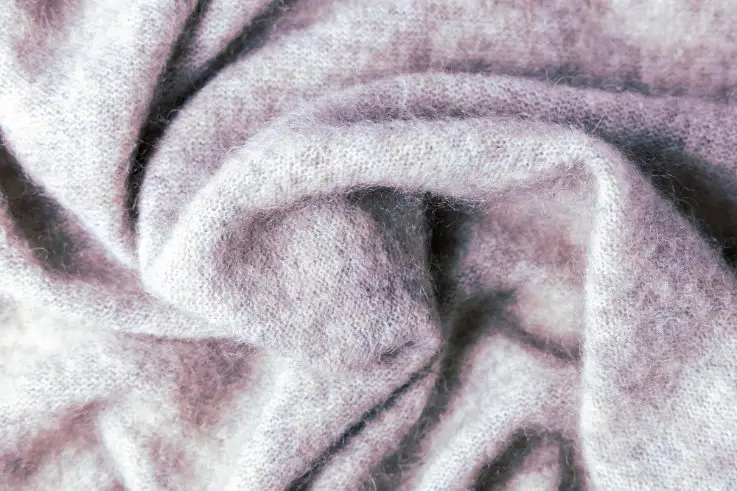
Cashmere has been treasured for millennia. References to this luxury fiber date back to the 3rd century BC, though production likely started much earlier.
Ancient Origins
Cashmere goats were first domesticated in the Kashmir region of the Indian subcontinent. The harsh Himalayan climate forced these goats to develop their famously soft undercoats. Local herders discovered this precious fiber and began using it to create warm textiles.
The European Discovery
Cashmere came to European attention through trade routes connecting Central Asia with the Middle East and Mediterranean. Trading with Turkestan brought cashmere wool into the Middle East, and from there, ancient trading routes carried this incredibly soft fabric to the courts of Europe.
By the 18th and 19th centuries, cashmere became especially popular in France. Napoleon’s wife, Empress Joséphine, was said to own hundreds of cashmere shawls. Merchants braved dangerous routes to bring this legendary material to the growing European market.
The Industrial Era
By the 19th century, cashmere wool production became a major industry throughout Europe. Scotland and Italy developed expertise in processing and manufacturing cashmere goods. These countries still produce some of the finest cashmere products today, though they typically import the raw fiber from Asia.
Modern Cashmere
Today, Mongolia remains the largest producer of raw cashmere, with herding communities that have maintained traditional practices for centuries. However, Italy and Scotland are known for the highest quality finished products, combining traditional craftsmanship with modern technology.
Brands like Loro Piana, Ermenegildo Zegna, and Brunello Cucinelli (Italian) and Johnstons of Elgin and Barrie (Scottish) are renowned for their cashmere expertise.
Frequently Asked Questions
While cashmere is luxurious, it has several drawbacks:
- Expensive compared to other fibers
- Requires careful, gentle washing and handling
- Can pill, especially lower quality versions
- Less durable than merino wool or other fibers
- Vulnerable to moth damage
- Loses insulation when wet
- Environmental concerns due to overgrazing
- Must be stored carefully (folded, not hung)
This is actually a myth. You CAN get cashmere wet and you should wash it regularly. The confusion comes from several points:
- Hot water causes shrinkage, so always use cool or lukewarm water
- When wet, cashmere becomes heavier and can stretch if hung
- Cashmere loses some of its insulating properties when wet
- It takes a long time to air dry
In reality, washing cashmere in cool water actually makes it softer and more beautiful. Just handle it gently when wet and always dry flat.
High-grade cashmere (Grade A) is exceptional quality. It offers:
- Unmatched softness without itchiness
- Excellent warmth-to-weight ratio (up to 8x warmer than regular wool)
- Luxurious feel and appearance
- Can last 10+ years with proper care
- Becomes softer with age when cared for correctly
However, not all cashmere is created equal. Lower grades (B and C) don’t offer the same quality experience.
No, quality cashmere does not itch like wool. The fibers are much finer (14-19 microns vs 25-40 microns for sheep’s wool), which means they don’t trigger the same irritation response. Additionally, cashmere fibers have a smoother surface with less pronounced scales, making them feel soft rather than scratchy.
If cashmere feels itchy, it’s likely:
- Low quality (Grade C) with thicker fibers
- A blend with scratchy wool mixed in
- Not actually cashmere
Yes, cashmere is exceptionally warm. It can be 7-8 times warmer than regular sheep’s wool while being significantly lighter. The fine fibers trap air effectively, creating excellent insulation. This warmth-to-weight ratio is what makes cashmere special. You get the warmth of a thick wool sweater in a lightweight, thin garment that doesn’t add bulk.
Cashmere offers numerous benefits:
- Incredibly soft and comfortable against skin
- Exceptional warmth without weight
- Naturally breathable and temperature-regulating
- Hypoallergenic (doesn’t trigger wool allergies)
- Naturally moisture-wicking
- Odor-resistant
- Timeless, elegant appearance
- Becomes softer with proper care and age
- Natural and biodegradable
Yes, cashmere is excellent for sensitive skin. The ultra-fine fibers (14-19 microns) are smooth and don’t irritate the skin. Many people who cannot tolerate regular wool find cashmere comfortable. It’s also hypoallergenic and lacks the lanolin found in sheep’s wool that can cause allergic reactions. This makes cashmere a popular choice for baby clothes and items that will be worn directly against sensitive areas.
Grade A cashmere from Mongolia is considered the best:
- Fiber diameter: 14-15.5 microns
- Fiber length: 34-36mm
- Virgin (new) fibers rather than recycled
- 2-ply or higher for durability
- From goats in regions with extreme temperature variations
Pashmina (from Himalayan Changthangi goats) is even finer at 12-16 microns but is rarer and more expensive.
Avoid these common mistakes:
- Don’t hang it (causes stretching and shoulder bumps)
- Don’t use hot water when washing
- Don’t wring or twist the fabric
- Don’t put it in the dryer
- Don’t use fabric softener
- Don’t spray perfume directly on it
- Don’t store in plastic bags
- Don’t bleach it
- Don’t wear the same piece multiple days in a row
No, never use fabric softener on cashmere. Fabric softener coats the fibers, which actually makes cashmere less soft over time and can reduce its natural moisture-wicking properties. Cashmere becomes naturally softer with proper washing in wool-specific detergent. The fiber doesn’t need added softening agents.
Follow these tips to maintain your cashmere:
- Wash after every 3-5 wears using cool water and wool detergent
- Always dry flat, never hang
- Remove pills regularly with a cashmere comb
- Store folded in a cool, dry place
- Use cedar blocks to prevent moths
- Air out between wears
- Avoid wearing with rough accessories (bags with metal hardware, rough jewelry)
- Give pieces a rest day between wears
- Address stains immediately with spot cleaning
Conclusion
Cashmere represents one of nature’s most remarkable fibers. From the harsh plateaus of Mongolia to your wardrobe, this luxurious material has traveled a long path. Understanding what makes cashmere special, how to identify quality pieces, and how to care for them properly transforms cashmere from an expensive purchase into a true investment.
Key Takeaways
Quality Matters Most
The difference between Grade A and Grade C cashmere is night and day. A well-made piece from quality fiber will outlast several cheap alternatives while providing better comfort throughout its life. Look for:
- 100% cashmere from Mongolia or high-quality sources
- Grade A fiber specifications (14-15.5 microns, 34-36mm length)
- Minimal fluffiness (1-2mm) indicating long fibers
- Good spring-back when stretched
- Reputable brands with transparent sourcing
Care Is Non-Negotiable
Proper care makes the difference between cashmere that lasts 10+ years and pieces that look worn after one season. The care isn’t difficult, but it must be consistent:
- Wash in cool water with wool-specific detergent
- Never use hot water, bleach, or fabric softener
- Always dry flat, never hang or use a dryer
- Store folded with cedar moth protection
- Remove pills regularly with a cashmere comb
Choose the Right Fiber for Your Needs
Cashmere isn’t always the answer. Consider your specific needs:
- Choose cashmere for: Ultimate luxury, special occasions, lightweight warmth, gifts, items worn directly against skin
- Choose merino for: Active wear, outdoor activities, easier care, durability, everyday use
- Choose alpaca for: Excellent warmth with more durability, hypoallergenic needs, better sustainability
- Choose yak for: Superior warmth and breathability, sustainable choice
Think Sustainably
The environmental impact of cashmere production is real. Make responsible choices:
- Buy fewer, higher-quality pieces that last longer
- Look for sustainable certifications (SFA, Good Cashmere Standard)
- Consider recycled cashmere
- Support brands with transparent, ethical supply chains
- Take excellent care of what you own
Calculate True Value
Don’t let price alone guide you. A $600 cashmere sweater that lasts 10 years with 50 wears per year costs just $1.20 per wear. A $80 piece that pills heavily and loses shape after two seasons costs $2 per wear and provides less satisfaction. Quality cashmere becomes more economical over time.
Final Recommendations
If you’re new to cashmere:
- Start with a classic piece in a neutral color (a sweater, scarf, or cardigan)
- Buy the best quality you can afford (at least mid-range)
- Learn to care for it properly from day one
- Experience how it feels and performs before expanding your collection
- Use our cashmere care guide for detailed care instructions
For experienced cashmere owners:
- Assess your current collection’s quality using the tests in this guide
- Upgrade care routines where needed
- Consider sustainable options for future purchases
- Share your knowledge with others to help them avoid costly mistakes
Cashmere, when chosen wisely and cared for properly, offers an experience that synthetic fabrics and even other natural fibers can’t match. The softness, warmth, and elegance of quality cashmere make it worth the investment for those who appreciate its unique properties. Whether you’re drawn to cashmere for its comfort, its luxury status, or its natural origins, understanding the complete picture helps you make choices that align with your values and needs.
Remember, the best cashmere is the piece you’ll love wearing for years to come, cared for with knowledge and appreciation for the journey it took from a goat on the Mongolian steppe to your wardrobe.