
Understanding the luxury, limitations, and environmental impact of this silk-like material
Table of Contents
- What is Acetate Satin Fabric?
- A Brief History: From 1920s Innovation to Modern Fashion
- How Acetate Satin is Made
- Properties and Characteristics
- Types of Acetate Fabrics
- Acetate Satin vs Other Satins
- The Sustainability Question
- Fashion and Home Uses
- Complete Care Guide
- Buying Guide: What to Look For
- Troubleshooting Common Issues
- Frequently Asked Questions
What is Acetate Satin Fabric?

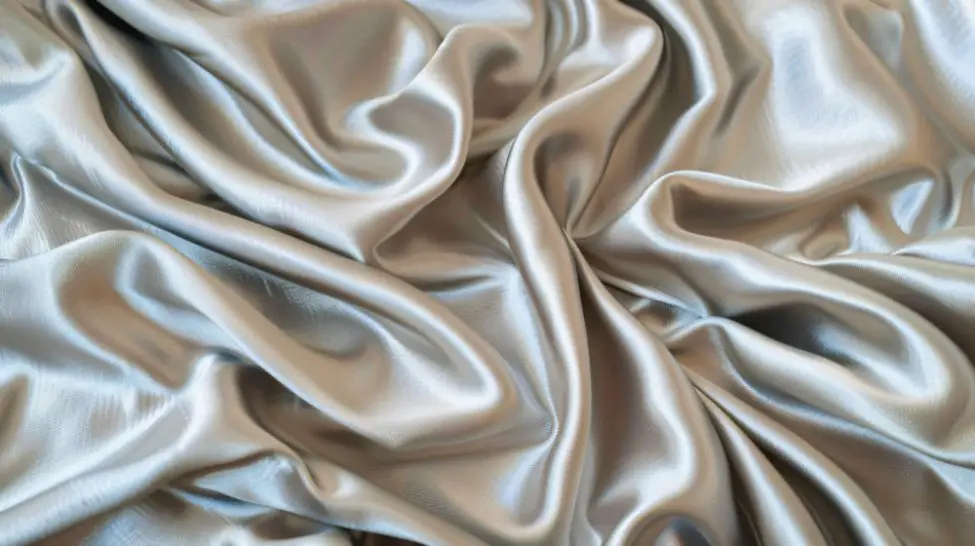
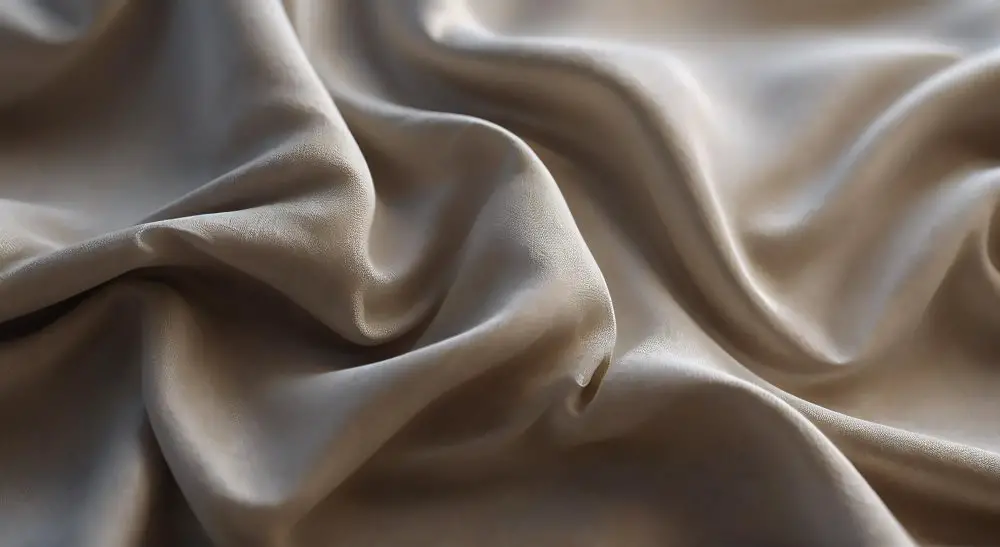
Acetate satin fabric is a semi-synthetic material that combines the look of luxury silk with a more budget-friendly price tag. Think of it as the bridge between natural and synthetic fabrics. It starts with cellulose from wood pulp or cotton waste, then goes through a chemical process to create smooth, glossy fibers.
The “satin” part refers to how the fabric is woven, not what it’s made from. Using a special weave pattern where threads float over each other, acetate satin gets its signature shine on one side while the back stays matte. This weaving technique is what creates that beautiful light-catching surface you see on evening gowns and bridal wear.
Is Acetate Satin Fabric the Same as Acetate Fabric?
Not exactly. Acetate fabric is the broader category, while acetate satin is a specific type. Here’s the difference:
- Acetate fabric can be woven in many ways – taffeta, jersey, chiffon, or satin weaves
- Acetate satin specifically uses the satin weave technique for that glossy finish
- All acetate satin is acetate fabric, but not all acetate fabric is satin
Think of it like squares and rectangles. Acetate satin is just one member of the acetate fabric family, chosen specifically when you want that silky, reflective surface.
Is Satin the Same as Acetate?
No, and this confuses a lot of people. Satin is a weaving technique, while acetate is a fiber type. You can make satin from many materials:
- Silk satin (the original and most expensive)
- Polyester satin (very common and affordable)
- Acetate satin (middle ground in price and quality)
- Nylon satin (strong and durable)
When someone says “satin,” you need to ask what fiber it’s made from. The fiber determines how it feels, how you care for it, and how long it lasts.
A Brief History: From 1920s Innovation to Modern Fashion
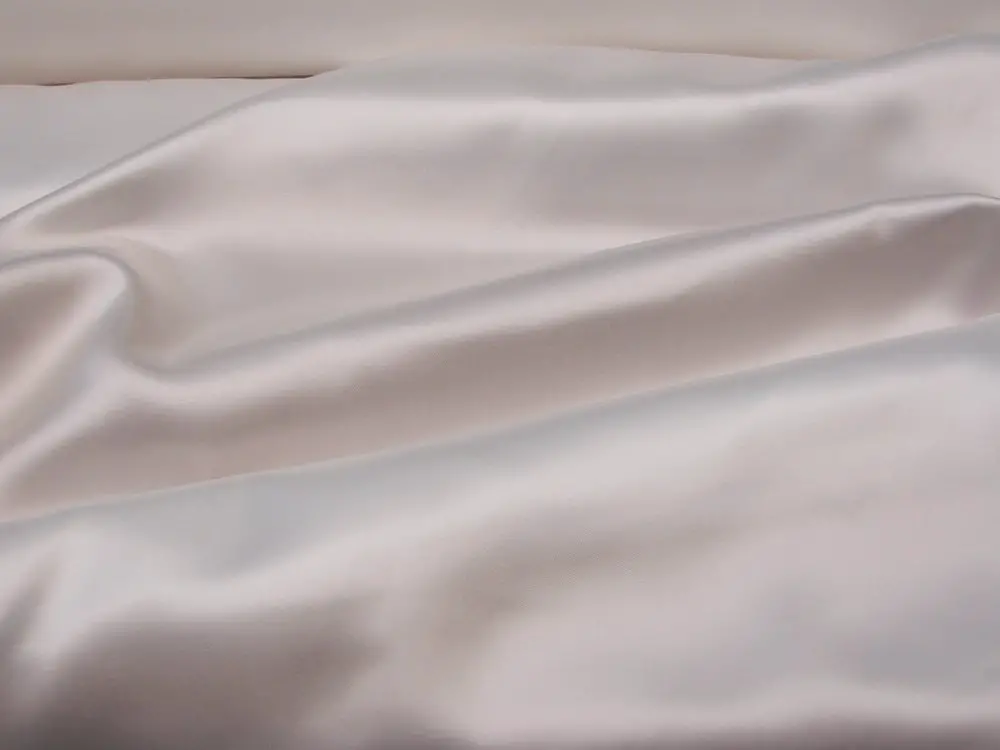
Acetate fabric emerged in the early 20th century, but it didn’t become widely available until the 1920s when the Celanese Corporation perfected the manufacturing process. At the time, silk was expensive and hard to get, especially after World War I disrupted trade routes.
Fashion designers needed an alternative that looked like silk but cost less. Acetate fit the bill perfectly. By the 1930s and 1940s, acetate satin became the go-to choice for Hollywood costume designers. Those glamorous gowns in classic films? Many were acetate satin.
The fabric gained popularity because it could be dyed in vibrant colors, draped beautifully, and photographed well under studio lights. It became the fabric of celebration – graduation gowns, bridal wear, and evening dresses all relied on acetate satin for that special occasion shine.
Today, acetate satin still fills the same role. It’s the practical choice when you want the silk look without the silk price tag or the high-maintenance care routine.
How Acetate Satin is Made
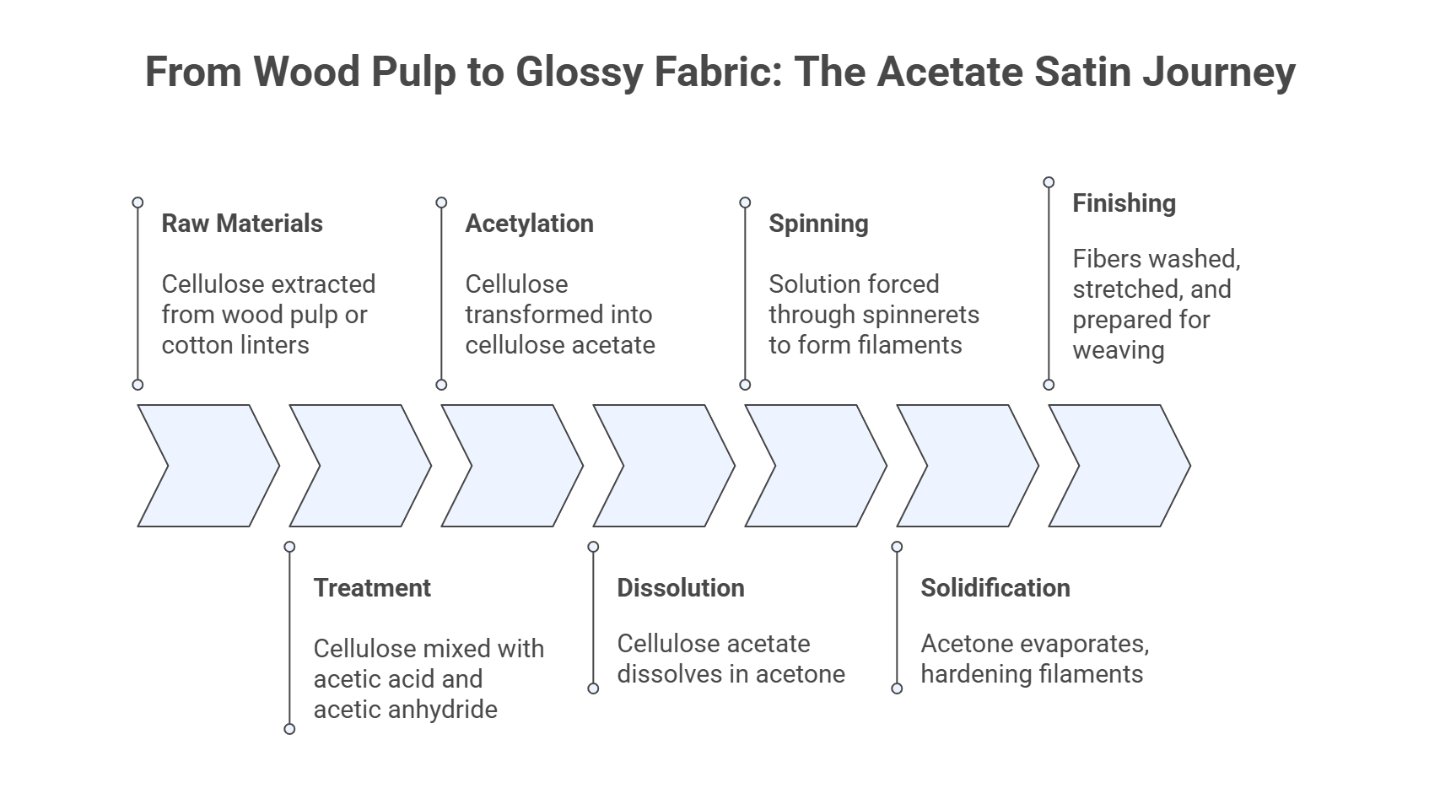
The journey from wood pulp to that glossy fabric involves several steps. Understanding this process helps explain why acetate behaves the way it does.
Raw Materials
Manufacturers start with cellulose, usually extracted from:
- Wood pulp from fast-growing trees like eucalyptus, pine, or spruce
- Cotton linters – the short fibers left over from cotton processing
This natural origin is why some people call acetate “semi-synthetic.” It starts with plant material but needs heavy chemical processing to become fabric.
The Chemical Process
Here’s where science takes over:
- Treatment: The cellulose gets mixed with acetic acid and acetic anhydride, sometimes with sulfuric acid as a catalyst
- Acetylation: This chemical bath transforms the cellulose into cellulose acetate
- Dissolution: The cellulose acetate dissolves in acetone, creating a thick, syrupy solution
- Spinning: The solution gets forced through tiny holes (spinnerets) to form continuous filaments
- Solidification: As the acetone evaporates, the filaments harden into acetate fibers
- Finishing: The fibers are washed, stretched, and prepared for weaving
The Satin Weave
Once you have acetate fibers, the satin weave creates the characteristic sheen. In this weave:
- Warp threads (running lengthwise) float over four or more weft threads (running crosswise)
- This creates long, smooth stretches of thread on the surface
- The smooth surface reflects light, creating that glossy appearance
- The back side has more thread intersections, making it matte and rougher
Different manufacturers adjust the weave tightness, fiber thickness, and finishing treatments to create various qualities of acetate satin.
Properties and Characteristics
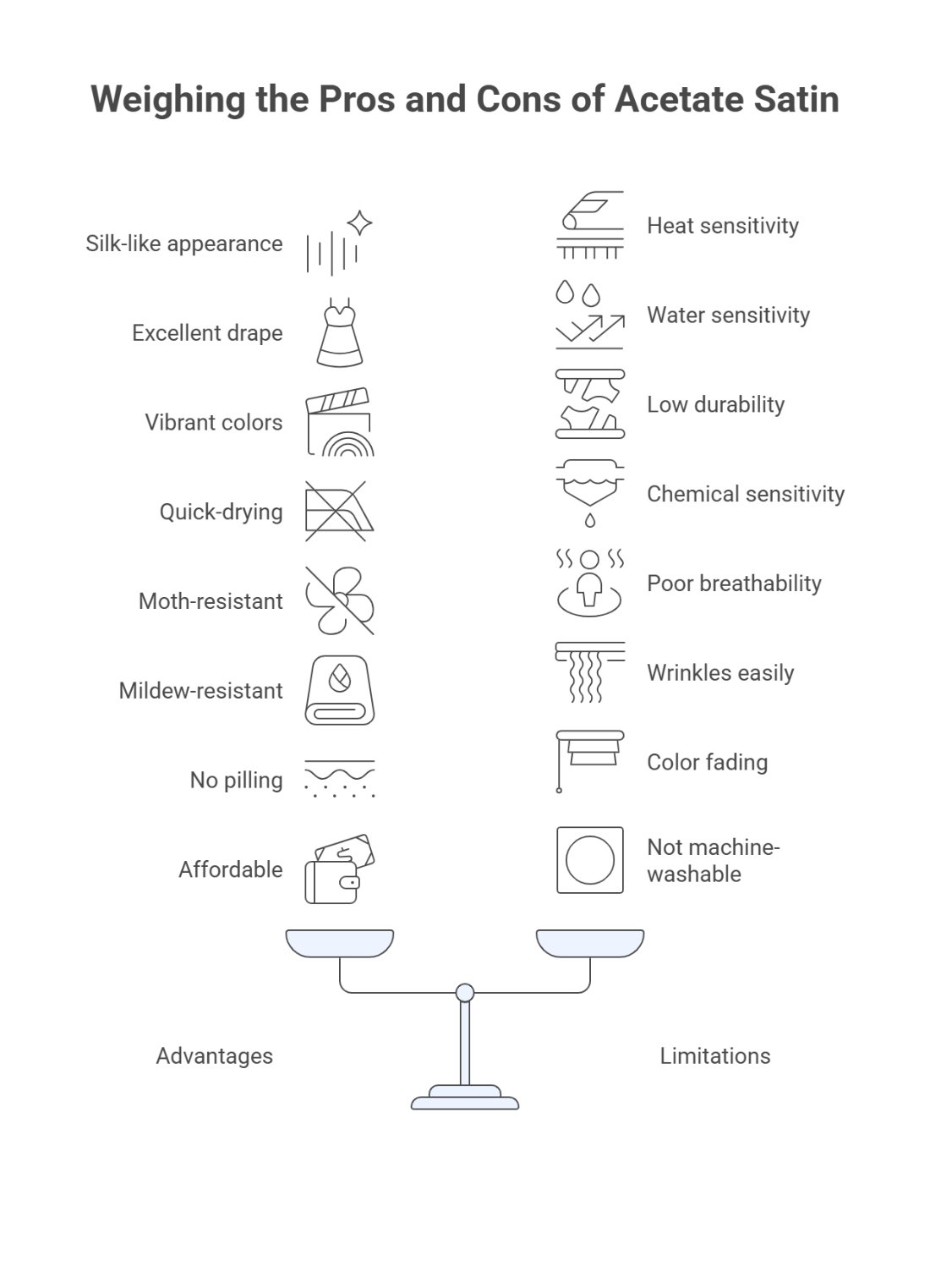
Acetate satin has a unique mix of benefits and drawbacks. Knowing these helps you decide if it’s right for your project.
Advantages
- Silk-like appearance: High sheen and smooth texture at a fraction of silk’s cost
- Excellent drape: Falls beautifully and flows with movement
- Vibrant colors: Takes dye exceptionally well, creating rich, bright hues
- Quick-drying: Low moisture absorption means it dries fast
- Moth-resistant: Unlike wool or silk, moths won’t eat it
- Mildew-resistant: Won’t develop mold or mildew spots
- No pilling: Surface stays smooth without those annoying fuzz balls
- Affordable: Costs much less than silk or charmeuse satin
Limitations
- Heat sensitivity: Melts at 260°C (500°F) and softens at lower temperatures
- Water sensitivity: Can warp or stain when wet
- Low durability: Tears easily and loses strength when wet
- Chemical sensitivity: Dissolves in acetone (nail polish remover), reacts with some cleaners
- Poor breathability: Not ideal for hot weather or active wear
- Wrinkles easily: Needs careful storage and handling
- Color fading: Prolonged sun exposure can fade colors
- Not machine-washable: Most acetate satin requires dry cleaning
Critical Warning
Never use nail polish remover near acetate satin! Acetone will literally dissolve the fabric. Also avoid:
- Acetic acid-containing products
- Phenol-based cleaners
- Strong stain removers
- Alcohol-based products (these can stain)
Physical Properties
- Weight: Generally lightweight, similar to silk
- Strength: Moderate when dry, but loses 50% strength when wet
- Elasticity: Limited stretch, returns to shape better than viscose
- Moisture regain: About 6-7%, roughly half of silk’s 11%
- Static: Low static buildup, doesn’t cling like polyester
- Texture: Smooth, slippery, cool to the touch
Types of Acetate Fabrics
While we focus on acetate satin, understanding the broader acetate family helps you make better choices.
Acetate Satin

The star of formal wear. Glossy surface, elegant drape, perfect for evening gowns, bridal dresses, and linings. This is what most people picture when they think “acetate.”
Acetate Taffeta
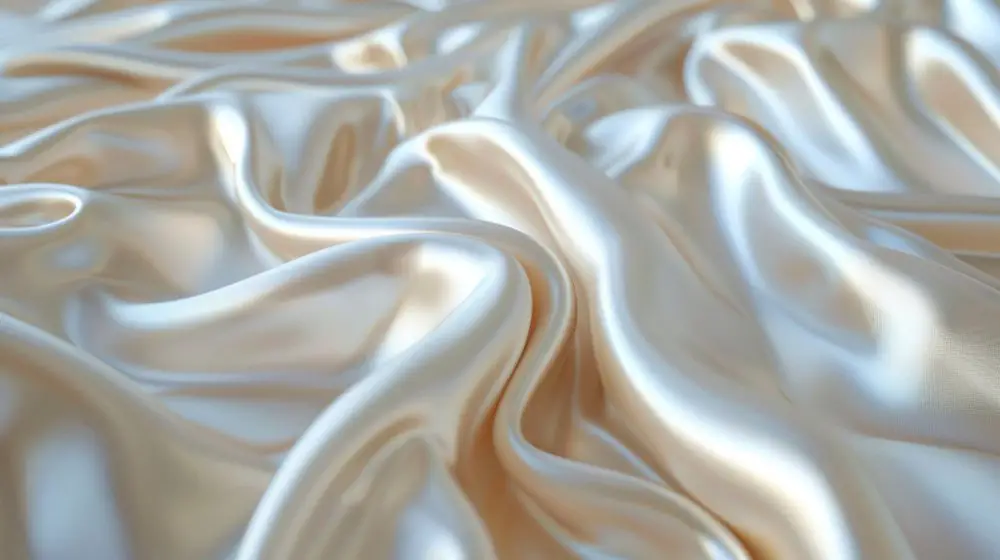
Crisp and structured with a slight rustle when you move. Used for full skirts, formal wear, and decorative ribbons. More body than satin but still has that characteristic sheen.
Acetate Jersey

Knitted instead of woven, giving it stretch and flexibility. Softer drape than satin, used for comfortable dresses and tops. The knit structure makes it less formal but more practical for everyday wear.
Acetate Chiffon
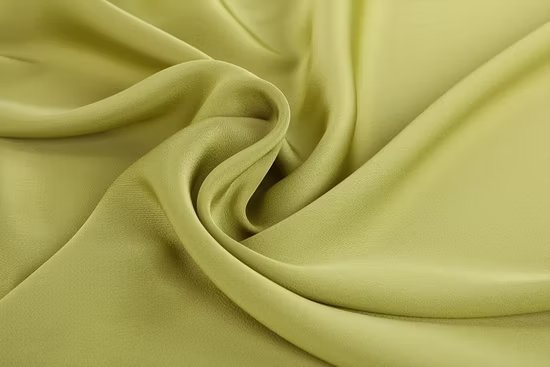
Sheer and lightweight with a slightly rough texture. Perfect for summer dresses, scarves, and overlays. The open weave makes it more breathable than satin.
Blended Acetate
Manufacturers often blend acetate with other fibers to improve performance:
- Acetate-Polyester: Adds strength and reduces care requirements
- Acetate-Rayon: Improves drape but may increase shrinkage risk
- Acetate-Wool: Creates warm, flexible fabrics for suits and jackets
- Acetate-Cotton: Better breathability for summer clothing
Triacetate
A close cousin worth mentioning. Triacetate has a higher degree of acetylation (over 90% vs 75% for regular acetate), giving it:
- Better heat resistance
- Less shrinkage
- More durability
- Better wrinkle resistance
- Higher cost
Acetate Satin vs Other Satins
Choosing the right satin means understanding how different fibers perform. Here’s how acetate satin stacks up against the competition.
| Feature | Acetate Satin | Silk Satin | Polyester Satin |
|---|---|---|---|
| Cost | Moderate ($10-30/yard) | High ($50-150/yard) | Low ($5-15/yard) |
| Sheen | Very high, extremely shiny | Natural, soft luster | High but slightly artificial |
| Texture | Smooth, silk-like, slippery | Smooth on both sides | Slick, cool, plastic-like |
| Drape | Excellent, flows beautifully | Perfect, luxurious | Good but stiffer |
| Durability | Low to moderate | Moderate, delicate | High, very strong |
| Heat Resistance | Poor (melts at 260°C) | Good (scorches at 170°C) | Moderate (melts at 250°C) |
| Water Resistance | Poor, can warp | Poor, water spots | Good, water-resistant |
| Breathability | Poor | Excellent | Poor |
| Care Requirements | Dry clean only (usually) | Dry clean or gentle hand wash | Machine washable |
| Environmental Impact | Moderate (semi-synthetic) | Low to moderate (natural) | High (petroleum-based) |
| Biodegradability | 1-10 years | 1-5 years | 200+ years |
| Best For | Formal wear, linings, special occasions | Luxury garments, investment pieces | Everyday wear, activewear, budget items |
How to Identify Acetate Satin
Not sure what you’re holding? Try these tests, or use our Satin Fabric Type Selector to help identify your fabric type:
Visual Test
- Extremely high gloss compared to viscose or sateen
- One side very shiny, other side matte
- Colors appear vibrant and rich
- Fabric flows and drapes smoothly
Touch Test
- Smooth and slippery, feels cool
- Lightweight but not as light as chiffon
- Less soft than silk, more slippery than polyester
- Slight crisp feel compared to silk’s softness
Heat Test (Use Caution)
- Melts easily when exposed to high heat
- Shrinks away from flame before burning
- Burns quickly like paper once ignited
- Leaves hard, dark beads after melting
Acetone Test (Destructive – Use Small Sample)
- Apply small amount of nail polish remover
- Acetate will dissolve immediately
- Silk and polyester won’t dissolve
- Warning: This ruins the tested area
The Sustainability Question
Is acetate satin eco-friendly? The answer is complicated. It’s better than polyester in some ways, worse in others, and definitely not as sustainable as truly natural fabrics.
The Good News
- Plant-based origins: Starts with renewable cellulose from trees or cotton waste
- Biodegradable: Eventually breaks down in 1-10 years (though conditions matter)
- No microfiber shedding: Unlike polyester, doesn’t release plastic microfibers during washing (when properly cared for)
- Lower carbon footprint: Compared to polyester, produces less CO2 during manufacturing
- Abundant raw materials: Fast-growing trees and cotton linters are readily available
The Not-So-Good News
- Chemical-intensive process: Requires acetic acid, acetic anhydride, and sometimes petroleum-based plasticizers
- Toxic chemicals: Some formulations include phthalates and other harmful substances
- Water pollution: Chemical byproducts can contaminate water if not properly treated
- Energy consumption: Manufacturing requires significant electricity and heat
- Microplastic contribution: Studies found cellulose acetate among materials contributing to Arctic microplastic pollution
- Questionable biodegradability: Lab conditions differ from real landfills; breakdown rate varies widely
The Deforestation Concern
Where the wood pulp comes from matters. Unsustainable logging leads to:
- Habitat destruction
- Biodiversity loss
- Soil erosion
- Increased carbon emissions
Look for acetate from FSC (Forest Stewardship Council) or PEFC (Programme for the Endorsement of Forest Certification) certified sources.
The Bio-Acetate Alternative
Some brands now offer “bio-acetate” or “bio-plastic” acetate with:
- Higher percentage of plant-based materials (up to 70%)
- Reduced or no petroleum-based plasticizers
- Better biodegradability (can break down 90% in 115 days under commercial composting conditions)
- Plant-based plasticizers instead of phthalates
Bio-acetate won’t biodegrade in your backyard compost bin – it needs the high heat and controlled conditions of commercial composting facilities. But it’s still a step forward.
Making Sustainable Choices
If you choose acetate satin, make it more sustainable by:
- Buy quality: One well-made garment beats three cheap ones
- Choose timeless styles: Avoid trendy pieces that you’ll discard quickly
- Care properly: Extend the life through correct washing and storage
- Look for certifications: FSC, PEFC, or bio-acetate labels, and check for standards from organizations like Textile Exchange
- Support responsible brands: Companies transparent about sourcing and production
- Consider alternatives: Maybe silk, organic cotton, or recycled polyester fits better
The Bottom Line on Sustainability
Acetate satin sits in the middle of the sustainability spectrum. It’s not as bad as virgin polyester, but it’s not as good as organic cotton or responsibly-sourced silk. The best choice depends on your priorities: budget, appearance, durability, or environmental impact.
Fashion and Home Uses
Acetate satin shines (literally) in applications where appearance matters more than durability or frequent washing.
Fashion Applications
Evening and Formal Wear
- Evening gowns and cocktail dresses
- Bridal gowns and bridesmaid dresses
- Prom dresses
- Ball gowns
- Formal blouses and skirts
Special Occasion Clothing
- Graduation gowns and caps
- Choir robes
- Performance costumes
- Dance recital outfits
Garment Linings
- Coat and jacket linings
- Suit linings
- Dress linings
- Skirt linings
As a lining, acetate satin is perfect. It’s smooth (so clothes slide on easily), inexpensive, and doesn’t need frequent washing.
Accessories
- Scarves and shawls
- Neckties and bow ties
- Sashes and belts
- Decorative ribbons
Home Decor Uses
- Curtains and drapes: Beautiful drape and light-filtering qualities
- Upholstery: For formal furniture that doesn’t get heavy use
- Decorative pillows: Adds elegance to bedrooms and living rooms
- Bedding accents: Pillow shams and decorative throws
- Table linens: Special occasion tablecloths and runners
When NOT to Use Acetate Satin
Some applications just don’t work with acetate’s limitations:
- Everyday clothing: Too delicate for regular wear and washing
- Active wear: Poor breathability and low strength
- Summer clothing: Doesn’t breathe well in hot weather
- Children’s clothing: Needs frequent washing, which acetate can’t handle
- Outdoor furniture: Sun exposure fades colors, weather damages fabric
- High-traffic upholstery: Wears out quickly with constant use
Complete Care Guide
Proper care makes the difference between a garment that lasts one season and one that survives many special occasions. Acetate satin demands respect and gentle handling.
Reading the Care Label
Most acetate satin items say “Dry Clean Only,” and there’s a good reason. The fabric’s low wet strength and water sensitivity make home washing risky. But some acetate items can be hand-washed if the label allows it. Always check first.
Need help determining the best care method for your fabric? Try our Fabric Care Calculator for personalized washing instructions based on your specific fabric type.
How to Wash Satin Acetate (If Label Permits)
Hand Washing Process
Check for stains. Spot-treat ONLY with cold water and mild soap. Never rub or scrub.
Use cold water (never warm or hot). Add small amount of gentle, pH-neutral detergent.
Submerge garment. Gently swish in water for 2-3 minutes. No twisting, wringing, or rubbing.
Drain basin. Refill with cold water. Gently move garment to remove soap. Repeat until water runs clear.
Press gently to remove excess water. Roll in clean, dry towel. Press (don’t wring) to absorb more water.
Lay flat on dry towel away from sunlight and heat. Reshape while damp. Air dry completely.
Critical Care Warnings
- Never wring or twist – causes permanent wrinkles and fabric damage
- Never use hot water – can cause shrinking and warping
- Never machine wash – agitation damages delicate fibers
- Never machine dry – heat will melt or severely damage fabric
- Never hang to dry while wet – stretches and distorts shape
- Keep away from nail polish remover – acetone dissolves acetate
Can You Iron Satin Acetate?
Yes, but with extreme caution. Acetate’s heat sensitivity means you can easily damage it if you’re not careful.
Safe Ironing Steps:
- Check the label: Some acetate satin is too delicate to iron
- Use lowest heat setting: Set iron to “synthetic” or “cool”
- Iron while damp: Slightly damp fabric smooths easier
- Use pressing cloth: Place thin cotton cloth between iron and fabric
- Iron on wrong side: Work on the matte side, not the shiny side
- Never use steam directly: If using steamer, keep 6 inches away
- Keep iron moving: Don’t let it sit in one spot
- Test first: Try on hidden seam allowance before ironing visible areas
Direct heat on the right side can create shiny marks or even melt the fabric. When in doubt, use a professional dry cleaner who specializes in satin clothing care.
Stain Removal
Stains on acetate satin are tricky because you can’t use most stain removers. Here’s what works:
- Act fast: Fresh stains are easier to treat
- Blot, don’t rub: Rubbing spreads the stain and damages fibers
- Cold water only: Dab with clean, damp cloth
- Mild soap solution: Mix tiny amount of gentle detergent with cold water
- Test first: Always test on hidden area
For stubborn stains, take it to a professional. Home treatment attempts often make things worse.
Storage
Proper storage prevents wrinkles, color fading, and fabric damage:
- Clean before storing: Never store dirty acetate – stains set permanently
- Use padded hangers: Wire hangers can leave marks and stretch shoulders
- Cover garments: Breathable garment bags protect from dust and light
- Avoid plastic bags: Fabric needs air circulation
- Keep away from sunlight: UV rays fade colors
- Store in cool, dry place: Avoid basements (dampness) and attics (heat)
- Don’t fold tightly: Creates permanent creases
Professional Dry Cleaning
For acetate satin, dry cleaning is usually the safest choice. Professional cleaners know:
- Which solvents are safe for acetate
- Proper heat settings for pressing
- How to remove stains without damaging fabric
- Special handling techniques for delicate items
Point out any stains and mention the fabric is acetate (some cleaners assume polyester satin). Good communication prevents mistakes.
Buying Guide: What to Look For
Not all acetate satin is created equal. Here’s how to choose quality fabric or garments.
Quality Indicators
- Even sheen: Surface should reflect light uniformly, no dull patches
- Smooth texture: No rough spots, slubs, or thick threads
- Consistent drape: Fabric should fall evenly without stiff areas
- Rich colors: Quality acetate holds vibrant dyes
- Clean edges: No fraying or loose threads
- Appropriate weight: Should feel substantial but not heavy
Fabric Weight Guide
- Lightweight (60-100 GSM): Blouses, linings, scarves
- Medium weight (100-150 GSM): Dresses, skirts, decorative items
- Heavyweight (150+ GSM): Formal gowns, upholstery, drapes
Where to Buy
Quality acetate satin is available from:
- Specialty fabric stores: Often better quality than craft stores
- Online fabric retailers: Mood Fabrics, Fabric.com, others
- Bridal fabric suppliers: Higher quality for special occasions
- Upholstery suppliers: Good for heavyweight options
Questions to Ask
Before buying, find out:
- Is this pure acetate or a blend? (Blends behave differently)
- What’s the GSM or weight?
- Is it washable or dry clean only?
- Where does the cellulose come from? (FSC certified?)
- Is it bio-acetate or traditional acetate?
- What’s the recommended use? (Lining, outerwear, etc.)
Red Flags
Avoid acetate satin with:
- Uneven color or texture
- Chemical smell (indicates poor quality or treatment)
- Stiff, plastic-like feel (probably polyester, not acetate)
- Excessive pilling or fuzzing
- Extremely low price (suggests poor quality)
Troubleshooting Common Issues
Water Marks or Spots
Problem: Acetate satin shows water marks easily, and they can be permanent.
Prevention: Keep away from water. If caught in rain, blot immediately with dry cloth.
Fix: Try professional dry cleaning. Some marks can’t be removed.
Wrinkles
Problem: Acetate wrinkles easily and holds creases.
Prevention: Store properly on padded hangers or loosely folded.
Fix: Iron on lowest setting with pressing cloth, or use steamer from 6 inches away.
Color Fading
Problem: Colors fade with sun exposure or repeated dry cleaning.
Prevention: Store away from sunlight. Limit dry cleaning frequency.
Fix: Can’t restore faded color. Consider professional fabric dyeing for valuable pieces.
Snags and Tears
Problem: Acetate’s low strength makes it prone to catching and tearing.
Prevention: Handle gently. Remove jewelry before putting on garments. Keep away from rough surfaces.
Fix: Small snags can be tucked back with needle. Tears need professional repair or creative camouflage.
Static Cling
Problem: Acetate can develop static in dry conditions.
Prevention: Use anti-static spray or dryer sheet between layers.
Fix: Lightly mist with water, run damp hand over fabric, or use commercial anti-static product.
Frequently Asked Questions
Acetate satin works well for wedding dresses if you want a silk look at a lower price. It photographs beautifully and has that formal gown appearance. However, consider these factors:
- You’ll likely dry clean it after the wedding (factor in cost)
- It’s less durable than silk if you plan to preserve it
- Hot weather weddings aren’t ideal (poor breathability)
- It’s perfect for budget-conscious brides or if the dress won’t be kept
Many budget bridal gowns and bridesmaid dresses use acetate satin successfully.
With proper care, acetate satin can last 5-10 years for special occasion wear (worn infrequently). For regular use, expect 1-3 years. Lifespan depends on:
- How often you wear it
- Care quality (proper cleaning and storage)
- Initial fabric quality
- Environmental conditions (humidity, sunlight exposure)
The fabric is less durable than polyester or silk, but for occasional formal wear, it holds up well enough.
Yes, but take it to an experienced tailor. Acetate satin presents challenges:
- Shows pin marks permanently
- Frays easily at cut edges
- Slippery fabric shifts during sewing
- Heat from iron can damage it during pressing
Professional tailors know how to handle these issues. DIY alterations risk ruining the garment if you’re not experienced with delicate fabrics.
Not really. Pure acetate satin has very limited stretch – maybe 2-3% at most. It returns to shape better than some fabrics like viscose, but it’s not stretchy like jersey or spandex blends. If you need stretch, look for:
- Acetate jersey (knitted, not woven)
- Acetate blended with spandex
- Alternative fabrics like stretchy fabrics designed for movement
Generally yes, acetate itself doesn’t trigger allergies for most people. However:
- Some people react to the chemicals used in processing
- Dyes and finishes can cause skin sensitivity
- If you have chemical sensitivities, test a small area first
Acetate is safer than wool (no lanolin) but not as hypoallergenic as pure silk or organic cotton.
Home dyeing isn’t recommended. Acetate requires special disperse dyes and high heat that can damage the fabric. Professional fabric dyeing is possible but expensive. Color choices are best made at purchase since:
- Acetate takes dye beautifully in manufacturing (that’s why colors are so vibrant)
- Home dyes designed for cotton or silk won’t work properly
- The heat needed for dyeing can melt acetate
It depends on your priorities:
Choose acetate satin if:
- You want the closest silk look
- Appearance is more important than durability
- Environmental impact matters (slightly better than polyester)
- It’s for special occasions, not everyday wear
Choose polyester satin if:
- You need something machine-washable
- Durability is the priority
- It’s for active wear or frequent use
- Budget is extremely tight
Several reasons can cause stiffness:
- Manufacturing finish: Some acetate has sizing that makes it crisp. This may soften slightly after dry cleaning.
- Blend confusion: You might have acetate taffeta (meant to be crisp) or an acetate-polyester blend.
- Old fabric: Acetate can stiffen with age or improper storage.
- Damage: Exposure to heat or chemicals can alter texture.
True acetate satin should be smooth and flowing, not stiff. If it’s very stiff, you might have a different fabric type.
Conclusion
Acetate satin occupies a unique space in the fabric world – luxurious enough for special occasions, affordable enough for budget-conscious shoppers, and practical enough for fashion designers who need that silk appearance without the silk price tag.
Understanding this fabric means accepting its trade-offs. You get beautiful drape, vibrant colors, and that coveted glossy finish. In return, you commit to careful handling, professional cleaning (usually), and accepting that it won’t last forever. This isn’t the fabric for everyday life or rough treatment. It’s the fabric for moments that matter – weddings, graduations, formal events where appearance takes center stage.
Key Takeaways
- Know what you’re buying: Acetate satin is semi-synthetic, starting with plant cellulose but requiring heavy chemical processing. It’s not the same as pure silk or polyester satin.
- Care determines lifespan: Proper care makes all the difference. Follow care labels religiously, avoid heat and water when possible, and don’t skimp on professional dry cleaning for valuable pieces.
- Sustainability is complicated: Acetate sits in the middle ground – better than polyester in some ways (biodegradable, plant-based), worse in others (chemical processing, microplastic concerns). Look for FSC-certified or bio-acetate options if environmental impact matters to you.
- Application matters: This fabric shines (literally) in special occasion wear and linings but fails for everyday clothing, active wear, or anything needing frequent washing.
- Compare before choosing: Sometimes silk, polyester, or even duchess satin might serve you better. Think about your actual needs – not just the initial appeal.
- Quality varies widely: Not all acetate satin is created equal. Higher quality fabric costs more but looks better, lasts longer, and works better for your projects.
Final Recommendations
Choose acetate satin when:
- You need formal wear for special occasions
- Budget is limited but appearance is important
- The garment won’t be worn frequently
- You have access to professional dry cleaning
- You’re making linings for coats or dresses
Skip acetate satin when:
- You need everyday, practical clothing
- Durability is more important than appearance
- You can’t commit to professional care
- Environmental impact is your top priority
- You’re dressing children (needs frequent washing)
The beauty of having so many fabric options today is that you can choose the right material for each specific need. Acetate satin has earned its place in fashion for nearly a century because it solves a real problem: how to get that formal, elegant look without breaking the bank. Used wisely, for the right applications, with proper care, it delivers exactly what it promises.
Now that you understand acetate satin – its history, properties, care requirements, and environmental impact – you can make informed decisions. Whether you’re a bride shopping for a gown, a designer sourcing fabric for a collection, or a sewing enthusiast planning your next project, you have the knowledge to use acetate satin successfully.
Remember: every fabric has strengths and weaknesses. The trick is matching the material to the job. For those special moments when you want to look your best without the silk price tag, acetate satin remains a solid choice that has stood the test of time.