
Everything You Need to Know About This Versatile, Lightweight Wool Weave
Table of Contents
- What is Wool Voltaire Fabric?
- History and Origins
- Technical Specifications
- What Makes Wool Voltaire Special?
- Sustainability and Environmental Impact
- Comparing Wool Voltaire to Other Fabrics
- Best Uses for Wool Voltaire
- Sewing with Wool Voltaire
- Dyeing and Printing Guide
- Care and Maintenance
- Where to Buy and What to Look For
- Frequently Asked Questions
What is Wool Voltaire Fabric?
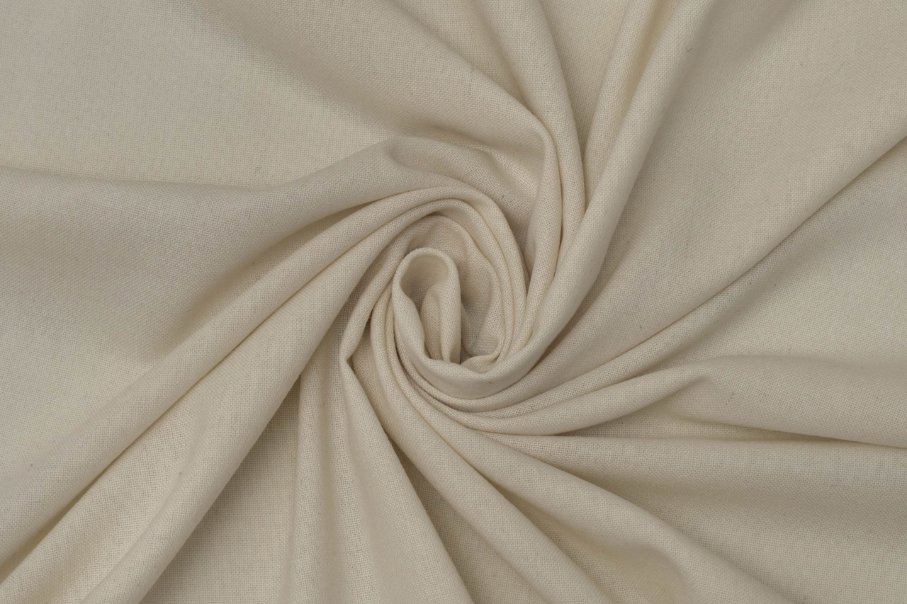
Wool voltaire (sometimes called voltaire wool) is a lightweight wool fabric with a plain weave structure that’s been a favorite among sewers and designers for generations. Unlike heavy winter wools, this fabric offers breathability and drape while still giving you all the natural benefits of sheep wool.
The defining feature of wool voltaire is its visible weave pattern. Made with coarser grade yarns woven in a simple over-under plain weave, you can actually see the individual threads crossing each other. This creates a textured surface that adds character to garments without feeling rough or scratchy.
Quick Facts About Wool Voltaire
- Weight: Approximately 230 GSM (grams per square meter)
- Weave: Plain weave (also called tabby weave)
- Yarn Type: Coarser grade compared to other dress wools
- Texture: Visible weave with slight texture
- Drape: Fluid but maintains structure
- Best For: Relaxed, unstructured garments
- Typical Width: 140-150 cm (55-60 inches)
Think of wool voltaire as the middle ground between super-light wool voile and structured wool suiting. It’s substantial enough to hold its shape but light enough for comfortable everyday wear.
History and Origins of Wool Voltaire
The exact origins of the name “voltaire” for this particular wool weave are somewhat mysterious. Unlike many fabric names that clearly reference their place of origin (like Harris tweed or cashmere), voltaire doesn’t have an obvious geographical connection.
What we do know is that plain weave wool fabrics like voltaire have been produced for centuries. The plain weave is the oldest and simplest weaving pattern known to humanity. Archaeological evidence shows plain weave textiles dating back to Neolithic times.
The name “voltaire” likely emerged in the European textile trade, possibly in France or England, during the 18th or 19th century when named fabric types became standardized for commercial purposes. It may have been named after the famous French writer and philosopher Voltaire, though the connection remains unclear.
Today, wool voltaire is produced by mills around the world, with quality suppliers in the UK, Italy, and other traditional wool-producing regions. It remains popular for its versatility and the growing interest in natural, breathable fabrics.
Technical Specifications and Construction
Understanding the Plain Weave Structure
The plain weave (sometimes called tabby weave) is the most basic weaving pattern. As explained by textile education resources, the weft thread (horizontal) goes over one warp thread (vertical), then under the next, repeating across the fabric. Each row alternates the pattern, creating that classic checkerboard look when you examine it closely.
This simple structure gives wool voltaire several properties:
- Good stability in both directions (less stretch than twill weaves)
- Durability – the tight interlacing makes it strong
- Breathability – the structure allows air circulation
- Even texture on both sides of the fabric
Yarn Grade and Texture
Wool voltaire uses coarser grade yarns compared to fine dress wool crepe or smooth gabardine. This doesn’t mean it’s rough or uncomfortable – it just means the individual fibers are slightly thicker.
| Specification | Typical Range | What It Means |
|---|---|---|
| Weight | 220-240 GSM | Lightweight to medium-weight category |
| Fiber Diameter | 22-30 microns | Coarser than fine merino (17-19 microns) |
| Thread Count | Varies widely | Looser than fine suitings |
| Fabric Width | 140-150 cm | Standard for most apparel fabrics |
Woolen vs Worsted: Where Does Voltaire Fit?
Wool fabrics fall into two main categories based on how the yarn is prepared:
Woolen yarns are carded (not combed), leaving fibers going in all directions. This creates fuzzy, textured fabrics like flannel and tweed.
Worsted yarns are combed to align all fibers in the same direction, creating smooth fabrics like gabardine and serge.
Wool voltaire typically falls somewhere in between or uses woolen-style yarns, giving it more texture than worsted fabrics but more refinement than heavy tweeds. This makes it wonderfully versatile.
What Makes Wool Voltaire Special?
The Texture and Hand Feel
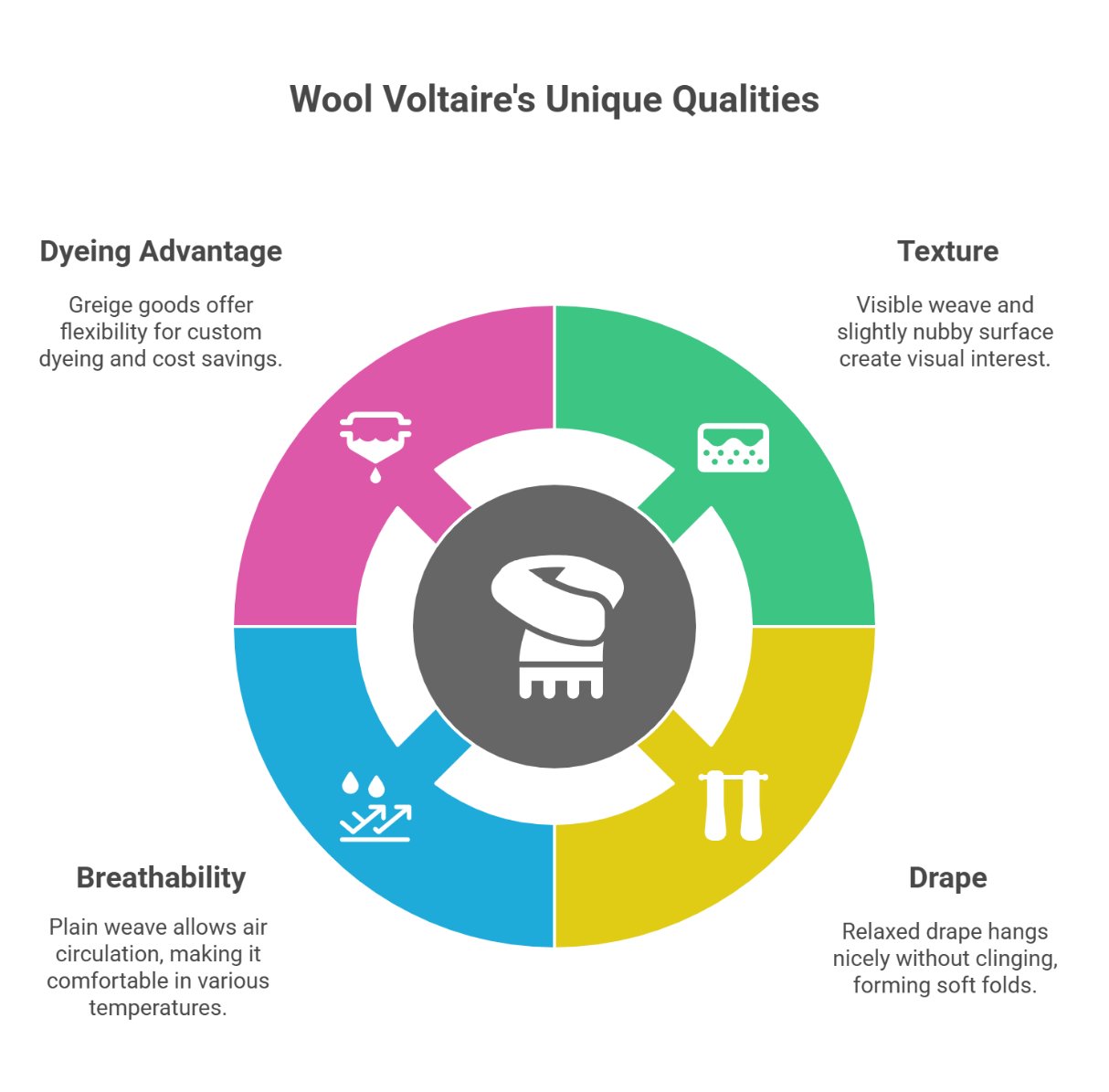
When you run your fingers over wool voltaire, you’ll immediately notice the visible weave. It has a slightly nubby, textured surface that’s not smooth like fine merino suiting, but not rough like heavy coating wool either.
This texture gives garments visual interest. Light plays across the surface differently than it would on smooth fabric, creating depth and character. Many sewers love this quality because it means your finished piece has personality right from the start.
Drape and Structure
Wool voltaire has what textile experts call “relaxed drape.” It’s not as stiff as suiting fabric, but it’s not as fluid as wool challis either. This means it:
- Hangs nicely without clinging to the body
- Creates soft folds and gathers well
- Maintains enough structure to hold a silhouette
- Doesn’t need underlining or stabilizing for most projects
Think of it as the fabric equivalent of a relaxed-fit shirt – comfortable and easygoing, but still polished enough for public wear.
Breathability and Comfort
One of the biggest advantages of wool voltaire is its breathability. The plain weave structure and the space between the coarser yarns allow air to circulate. This makes it comfortable across a wider temperature range than you might expect from wool.
According to British Wool, wool naturally regulates temperature by:
- Absorbing moisture (up to 30% of its weight) without feeling damp
- Releasing moisture gradually through evaporation
- Creating tiny air pockets that insulate without overheating
- Breathing better than synthetic fabrics
The Prepared-for-Dyeing Advantage
Many suppliers sell wool voltaire as “greige goods” or “prepared for dyeing (PFD).” This means the fabric has been scoured (cleaned) and may have been treated to accept dye more readily, but it hasn’t been dyed yet.
This natural, cream-colored state offers several benefits:
- You can dye it yourself to get exactly the color you want
- It’s often less expensive than pre-dyed fabric
- The natural color works beautifully for many projects
- It’s perfect for natural dyeing experiments
Sustainability and Environmental Impact
Natural Fiber Benefits
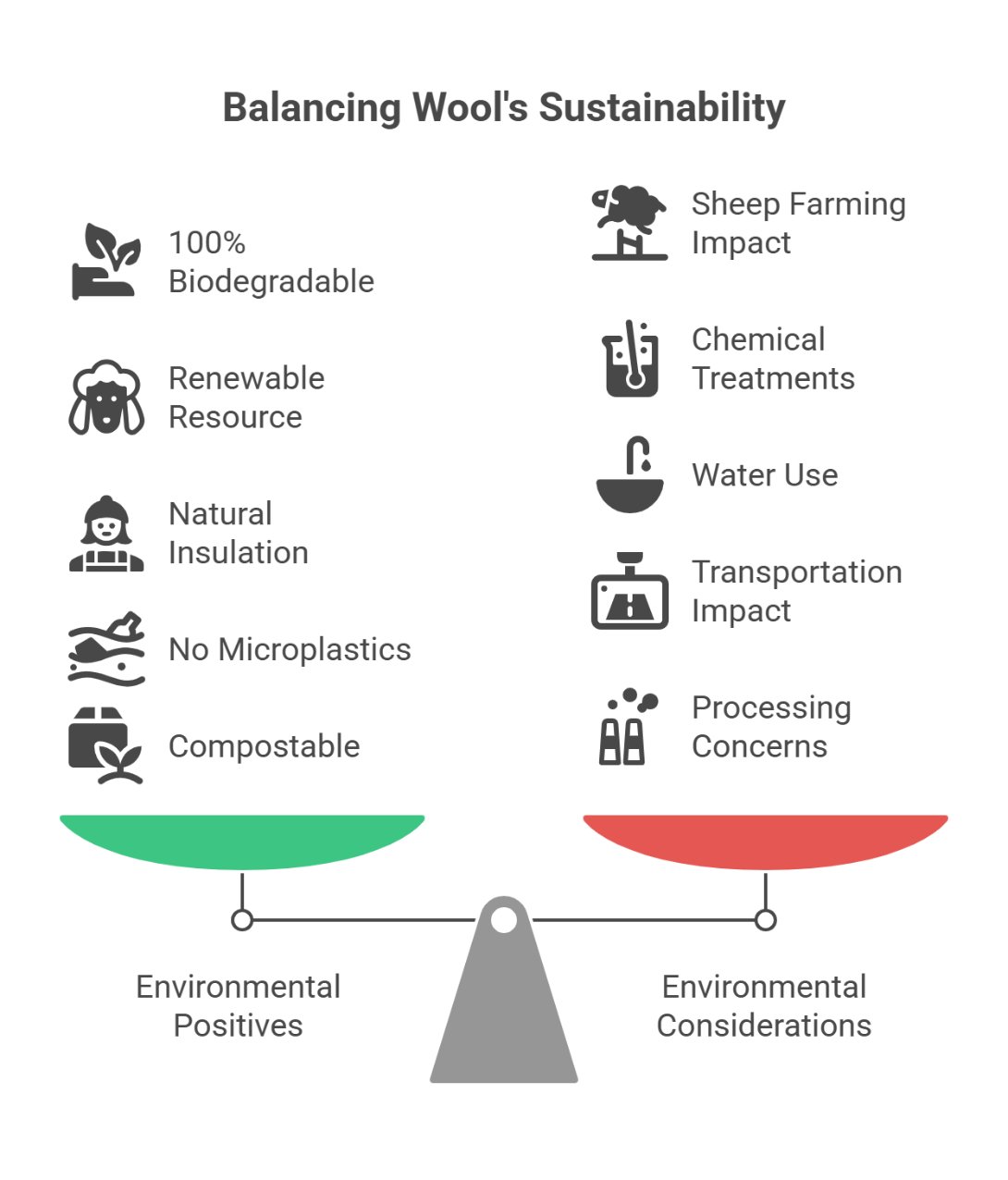
Wool voltaire, being a natural fiber, has significant environmental advantages over synthetic fabrics:
Environmental Positives
- 100% biodegradable – breaks down in 3-4 months in soil
- Renewable – sheep grow new fleece every year
- Natural insulation means less heating/cooling needed
- Doesn’t shed microplastics when washed
- Can be composted at end of life
Things to Consider
- Sheep farming has environmental impact (methane, land use)
- Chemical treatments in processing (can be minimized)
- Water use in scouring and dyeing
- Transportation from farms to mills to consumers
Longevity Equals Sustainability
Perhaps the biggest sustainability benefit of wool fabric is its durability. A well-made garment from quality wool voltaire can last decades with proper care. This is the opposite of fast fashion.
Consider this: if you wear a wool voltaire skirt once a week for five years, that’s 260 wears. Compare that to a synthetic skirt that might last one season (20 wears). The cost per wear drops dramatically, and the environmental impact is spread across hundreds of uses.
Ethical Sourcing Considerations
When buying wool voltaire, look for suppliers who can tell you about their wool sources. Some things to ask about:
- Is the wool from farms that practice good animal welfare?
- Are mulesing-free practices used? (Particularly relevant for Australian wool)
- What chemicals are used in processing?
- Does the mill have environmental certifications?
Organizations like the Responsible Wool Standard (RWS) and the Woolmark Company certify wool that meets specific welfare and environmental standards. Look for these certifications when possible.
Comparing Wool Voltaire to Other Fabrics
Wool Voltaire vs Other Wool Types
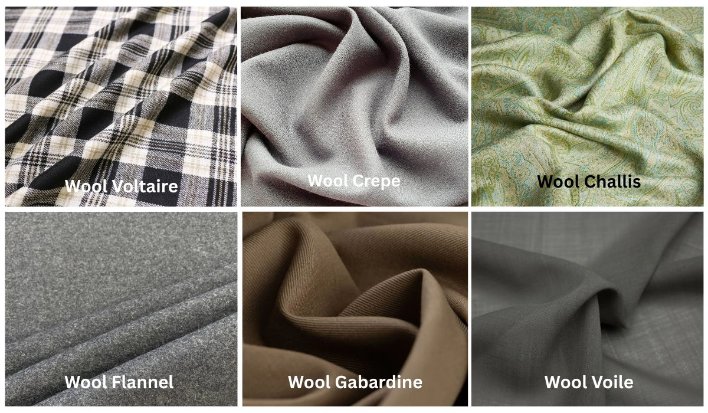
Understanding how wool voltaire compares to other wool fabrics helps you choose the right one for your project.
| Fabric Type | Weight | Texture | Best Use | Key Difference |
|---|---|---|---|---|
| Wool Voltaire | Lightweight | Visible weave, slightly textured | Relaxed dresses, shirts, casual skirts | Plain weave, coarser yarns |
| Wool Crepe | Lightweight | Pebbled surface, fluid drape | Dresses, blouses with drape | Twisted yarns create crinkle |
| Wool Challis | Very lightweight | Soft, smooth, flowing | Soft dresses, scarves | Much softer, more drape |
| Wool Flannel | Medium | Brushed, fuzzy surface | Shirts, winter trousers | Napped surface, warmer |
| Wool Gabardine | Medium-heavy | Smooth, tight twill | Tailored trousers, jackets | Twill weave, more structure |
| Wool Voile | Very lightweight | Sheer, smooth | Layering pieces, summer tops | Lighter, more transparent |
When to Choose Wool Voltaire Over Other Wools
Choose wool voltaire when you want:
- Something lighter than flannel but more substantial than voile
- Visible texture rather than smooth perfection
- A fabric that’s easy to sew for beginners
- Natural, undyed fiber you can customize
- Breathable fabric for transitional seasons
- Relaxed, casual style rather than formal tailoring
Choose other wools when you need:
- Wool crepe: More drape and fluid movement
- Wool flannel: Warmer, cozier fabric for winter
- Wool gabardine: Structure for tailored garments
- Wool voile: Sheer layers or summer weight
- Wool suiting: Professional, formal appearance
Wool Voltaire vs Non-Wool Fabrics
How does wool voltaire stack up against completely different fabric types?
| Factor | Wool Voltaire | Cotton | Linen | Polyester |
|---|---|---|---|---|
| Breathability | Excellent | Excellent | Excellent | Poor |
| Moisture Wicking | Excellent | Moderate | Moderate | Poor |
| Wrinkle Resistance | Good | Poor | Very Poor | Excellent |
| Temperature Regulation | Excellent | Good | Good | Poor |
| Durability | Excellent | Good | Excellent | Good |
| Biodegradability | Yes | Yes | Yes | No |
| Care Difficulty | Moderate | Easy | Easy | Easy |
| Cost | Moderate-High | Low-Moderate | Moderate | Low |
Best Uses for Wool Voltaire Fabric
Ideal Garment Types
Wool voltaire shines in relaxed, unstructured garments. Its drape and texture make it perfect for pieces that have a casual, lived-in look.
Perfect Projects for Wool Voltaire
- Shirt dresses: The fabric has enough body to create a nice silhouette without being stiff
- Tunic tops: Flows nicely over the body without clinging
- A-line skirts: Creates beautiful movement without being too full
- Wide-leg trousers: The texture adds visual interest to simple shapes
- Kimono-style jackets: Drapes beautifully in unstructured cuts
- Casual dresses: Comfortable for all-day wear
- Loose blouses: Breathable and comfortable
What NOT to Make with Wool Voltaire
Just as important as knowing what works is understanding what doesn’t. Wool voltaire is not the best choice for:
- Structured blazers: Not enough body – use wool suiting instead
- Fitted sheaths: The texture might cling unflattering – try smooth crepe
- Pleated skirts: Won’t hold sharp pleats – use gabardine
- Tailored coats: Needs more weight – use coating wool
- Form-fitting pants: Texture can bulk – use smooth worsted
Seasonal Considerations
The beauty of wool voltaire is its versatility across seasons:
Spring: Perfect as standalone pieces when temperatures are mild. The breathability keeps you comfortable as the day warms up.
Summer: Can work for cooler summer evenings or air-conditioned offices. Wool’s moisture-wicking properties actually make it more comfortable than many people expect.
Fall: This is wool voltaire’s ideal season. Layer it under vests or light jackets for transitional weather.
Winter: Works as a layering piece under coats. The wool provides insulation while the lighter weight prevents bulk.
Sewing with Wool Voltaire: A Complete Guide
Pre-Treatment: A Must-Do Step
Never skip pre-treating wool voltaire before cutting. Wool can shrink, and you want that shrinkage to happen before you make your garment, not after the first wash.
- Steam Method (Easiest): Hover a steam iron about 1/2 inch above the fabric, moving slowly across the entire piece. Let it cool completely before cutting.
- Wet Method: If the fabric is washable, hand wash it in cool water with a wool-safe detergent. Lay flat to dry, reshaping as needed.
- Dry Clean Method: Take the yardage to a dry cleaner and ask them to press it. This is the safest option for valuable fabric.
- Test First: Always test your chosen method on a small corner first to see how the fabric reacts.
Cutting and Pattern Layout
Working with wool voltaire on the cutting table:
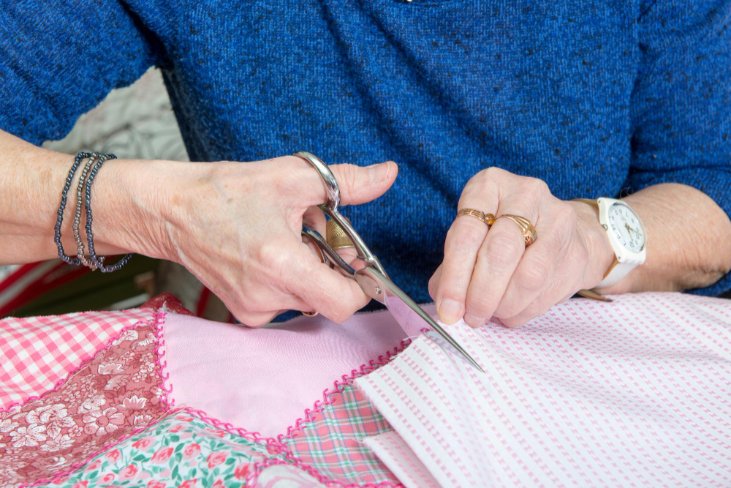
- Use sharp scissors or a rotary cutter: Dull blades will fray the edges
- Check for nap: While most wool voltaire doesn’t have a strong nap, always check by running your hand both directions
- Mark carefully: Use tailor’s chalk or water-soluble markers on the wrong side
- Pattern weights work well: The fabric’s texture holds them in place better than slippery fabrics
Needle and Thread Selection
Getting the right tools makes sewing much easier:
| Tool | Recommendation | Why |
|---|---|---|
| Needle Type | Universal or Microtex Sharp | Pierces the fibers cleanly without snagging |
| Needle Size | 80/12 or 90/14 | Large enough for the fabric weight |
| Thread | Polyester all-purpose or silk | Strong and smooth |
| Stitch Length | 2.5-3.0 mm | Allows fabric to relax without puckering |
Seam Finishing Options
One nice thing about wool voltaire – it doesn’t fray as much as many other fabrics. Still, finish your seams for a professional look:
- Pinking: Quick and works well for garments that won’t be washed often
- Serging: Professional and durable
- Zigzag stitch: Works if you don’t have a serger
- Hong Kong seam: Beautiful but time-consuming
- None: For pure wool voltaire that won’t be laundered, you can leave edges raw
Pressing Techniques
Pressing is absolutely key to getting professional results with wool voltaire:
- Always use a pressing cloth: Place a thin cotton fabric between the iron and the wool to prevent shine
- Use steam generously: Wool responds beautifully to steam
- Press as you go: Press each seam after sewing, before crossing it with another seam
- Use a clapper: A wooden clapper pressed on the seam after steaming creates crisp, flat seams
- Let it cool: Don’t move the fabric until it’s completely cooled after pressing
Common Sewing Challenges and Solutions
| Problem | Cause | Solution |
|---|---|---|
| Puckered seams | Thread tension too tight or stitch length too short | Reduce tension, increase stitch length to 2.5-3mm |
| Stretched seams | Pulling fabric while sewing | Let feed dogs move fabric, don’t pull |
| Wavy edges | Bias cut or stretching during handling | Stabilize with stay stitching or interfacing |
| Needle breaking | Needle too small or dull | Use size 90/14, change needle frequently |
Looking for more tips on working with wool? Check out our complete wool care guide for detailed information on handling and maintaining wool fabrics.
Dyeing and Printing Wool Voltaire
One of the most exciting aspects of wool voltaire is its potential for custom dyeing. Many suppliers sell it in its natural, undyed state specifically for this purpose.
Why Dye Your Own Fabric?
- Get exactly the color you want
- Create one-of-a-kind pieces
- Experiment with gradient or ombre effects
- Use natural dyes for a truly sustainable project
- Save money compared to buying pre-dyed specialty colors
Types of Dyes for Wool
Acid Dyes are the professional choice. Despite the scary name, they’re safe to use at home. They create vibrant, permanent colors and are available in a huge range of shades.
Natural Dyes from plants, insects, or minerals create beautiful, subtle colors. Options include:
- Madder root (reds and pinks)
- Indigo (blues)
- Onion skins (golds and oranges)
- Black walnut hulls (browns)
- Cochineal insects (deep reds)
All-Purpose Dyes like Rit work but give less predictable results. They’re fine for experiments but not ideal for important projects.
Basic Dyeing Process
- Prep the Fabric: Wash it to remove any oils or sizing. Wet fabric absorbs dye more evenly than dry fabric.
- Prepare the Dye Bath: Follow your dye manufacturer’s instructions. You’ll typically need water, dye, and an acid (white vinegar or citric acid) to help the dye bond.
- Heat Gradually: Add the wet fabric to warm water, then slowly heat to just below boiling (around 185°F/85°C). Sudden temperature changes can felt wool.
- Simmer and Stir: Keep the water hot (but not boiling) for 30-45 minutes, stirring gently every few minutes for even color.
- Cool Slowly: Turn off heat and let the bath cool gradually. This is critical – moving from hot to cold too quickly can shock the wool and cause felting.
- Rinse and Dry: When cool, rinse in progressively cooler water until it runs clear. Lay flat to dry.
Troubleshooting Dye Results
| Issue | Likely Cause | Prevention |
|---|---|---|
| Uneven color | Fabric clumped together or not stirred enough | Keep fabric moving, don’t overcrowd the pot |
| Color too light | Not enough dye or insufficient time | Use more dye, simmer longer |
| Color fading quickly | Insufficient acid or temperature too low | Add more vinegar, maintain proper temperature |
| Fabric felted | Temperature shock or too much agitation | Heat and cool gradually, handle gently |
Block Printing and Screen Printing
The visible texture of wool voltaire can make printing tricky but not impossible. The key is using thickened dyes (print paste) rather than liquid dyes. According to The Woolmark Company, digital printing technology has opened new possibilities for wool fabrics, allowing for intricate designs and color combinations.
For best results with printing:
- Press the fabric smooth before printing
- Use a firm surface underneath
- Apply even pressure when printing
- Heat set according to dye instructions (often with steam)
- Expect the texture to show through – embrace it as part of the design
Care and Maintenance of Wool Voltaire
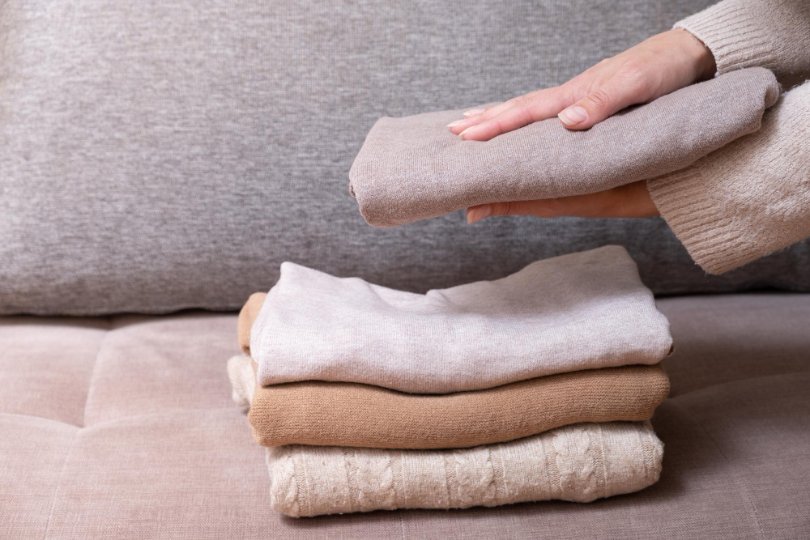
Washing Guidelines
Proper care will keep your wool voltaire garments looking great for years. Here’s what you need to know:
Hand Washing (Best Method):
- Fill a basin with cool to lukewarm water (max 30°C/86°F). Add a small amount of wool-specific detergent.
- Submerge the garment and gently swish it around. Don’t rub, twist, or wring – this causes felting.
- Let it soak for 5-10 minutes, then drain and rinse in water of the same temperature.
- Press out excess water gently by rolling the garment in a towel. Never wring.
- Lay flat to dry on a clean towel, reshaping as needed. Keep away from direct heat or sunlight.
Machine Washing (If the Label Says It’s OK):
Some wool voltaire, especially blends, can be machine washed. If your fabric allows it:
- Use the wool or delicate cycle
- Cold water only
- Wool detergent
- Low spin or no spin cycle
- Place in a mesh bag for extra protection
Drying
Never, ever put wool voltaire in the dryer unless you want a doll-sized version of your garment. Always air dry:
- Lay flat on a drying rack or clean towels
- Reshape gently while damp
- Keep away from direct heat sources
- Allow plenty of air circulation
- Expect 24-48 hours for complete drying
Stain Removal
Act fast when spills happen. The quicker you treat a stain, the better your chances of removing it completely.
| Stain Type | Treatment | Don’ts |
|---|---|---|
| Water-based (coffee, wine) | Blot immediately, rinse with cool water, use wool-safe stain remover | Don’t rub or use hot water |
| Oil-based (salad dressing) | Absorb with cornstarch or talc, brush off, spot clean with mild detergent | Don’t wet before treating |
| Protein-based (blood, egg) | Cold water only, enzyme cleaner safe for wool | Never use hot water (sets the stain) |
| Ink | Dab with rubbing alcohol on a cotton ball | Don’t spread the ink |
Storage Between Seasons
Proper storage prevents moth damage and keeps your garments fresh:
- Clean before storing: Moths are attracted to body oils and food stains
- Use breathable storage: Cotton garment bags or pillowcases, never plastic
- Add moth deterrents: Cedar blocks, lavender sachets, or commercial moth repellents
- Store in a cool, dry place: Avoid damp basements or hot attics
- Give them space: Don’t pack garments tightly – air circulation helps
- Check periodically: Inspect stored items every few months
Ironing and Steaming
Wool voltaire responds beautifully to steam. Here’s how to press it safely:
- Set iron to wool setting (medium heat, usually around 150°C/300°F)
- Always use a pressing cloth between iron and fabric
- Use plenty of steam
- Press with an up-and-down motion (don’t slide the iron)
- Let each area cool before moving the garment
A handheld steamer is even better – it’s gentler and less likely to create shine on the fabric surface.
Where to Buy and What to Look For
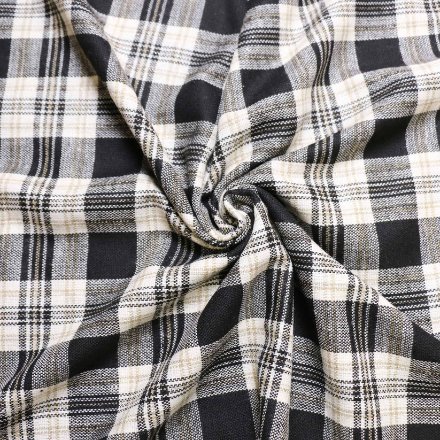
Finding Quality Wool Voltaire
Not all wool voltaire is created equal. Here’s how to spot quality fabric:
Quality Checklist
- Even weave: Check for consistent spacing between threads
- Clean appearance: No vegetable matter or dirt specks
- Good hand: Should feel substantial but not stiff
- Even color: Undyed should be consistently cream, dyed should be even throughout
- Proper width: Full width (usually 140-150cm) means less waste
- Clear information: Supplier should state fiber content, weight, and care requirements
Where to Shop
Online Fabric Retailers: Many online shops stock wool voltaire, particularly those specializing in natural fibers. Request swatches before buying yardage.
Local Fabric Stores: Independent fabric shops may carry it or can special order it. You get to see and feel it before buying.
Fabric Wholesalers: If you’re making multiple garments or selling finished pieces, buying directly from wholesalers offers better prices (often with minimum orders).
Historical Reenactment Suppliers: Interestingly, suppliers for historical costumes often stock wool voltaire since it’s appropriate for many time periods.
Price Expectations
Quality wool voltaire typically ranges from:
- Budget: $12-18 per meter (often blends or lower grade wool)
- Mid-range: $18-30 per meter (good quality, pure wool)
- Premium: $30-50+ per meter (finest quality, specialty colors, or certified organic)
Prepared-for-dyeing (PFD) wool voltaire is often at the lower end of the price range since it hasn’t been dyed.
Questions to Ask Suppliers
When shopping for wool voltaire, don’t be shy about asking questions:
- What’s the exact fiber content? (100% wool or a blend?)
- What’s the weight in GSM?
- Is it suitable for dyeing?
- Has it been pre-shrunk?
- What are the care requirements?
- Where was it manufactured?
- Can I get a swatch before ordering?
- What’s your return policy?
Red Flags to Watch For
Avoid these warning signs:
- Price that seems too good to be true (probably poor quality or not actually wool)
- Supplier can’t answer basic questions about the fabric
- No care information provided
- Photos that look suspiciously professional (might be stock images of different fabric)
- No samples available
- Can’t verify the company’s reputation
Frequently Asked Questions About Wool Voltaire
Conclusion
Wool voltaire is one of those wonderful fabrics that gets better the more you work with it. Its visible texture, relaxed drape, and natural fiber benefits make it perfect for creating comfortable, long-lasting garments that have real character.
What makes wool voltaire special isn’t any single quality – it’s the combination of being substantial but lightweight, textured but comfortable, structured but flowing. It occupies a sweet spot that many other fabrics miss.
Key Takeaways
- Know what you’re getting: Wool voltaire is a plain weave fabric with coarser yarns and visible texture. It’s lighter than suiting but more substantial than voile.
- Pre-treat before cutting: This single step prevents disasters later. Steam, wash, or have it dry cleaned before you cut your pattern pieces.
- Choose the right projects: This fabric loves relaxed, unstructured designs. Don’t fight its nature by trying to make stiff, tailored pieces.
- Embrace the dyeing potential: If you buy undyed wool voltaire, you get to create custom colors that perfectly match your vision. It’s easier than you think.
- Care matters: Proper washing, drying, and storage keep wool voltaire looking good for decades. It’s an investment fabric that rewards good care.
- Think long-term: The higher initial cost compared to synthetics pays off over years of wear. Calculate cost-per-wear, not just cost-per-yard.
Final Recommendations
If you’re new to wool voltaire: Start with a simple project like a tunic top or A-line skirt. Buy a bit more fabric than you think you need – having extra for testing pressing techniques is worth it.
If you’re considering dyeing: Practice first on a small piece before dyeing yardage for a garment. Document your process (dye amounts, time, temperature) so you can replicate successful results.
If you’re unsure about quality: Always request swatches. Reputable suppliers understand that sewers need to see and feel fabric before committing to multiple meters.
If you’re thinking about sustainability: Wool voltaire’s natural fiber content, biodegradability, and durability make it one of the more sustainable fabric choices. Support suppliers who can tell you about their wool sources and processing methods.
Your Next Steps
Ready to work with wool voltaire? Here’s your action plan:
- Find a supplier and order swatches to see the fabric in person
- Choose a simple pattern suited to the fabric’s drape
- Calculate yardage needs and order (add 10% extra for pre-shrinking and testing)
- Pre-treat the fabric before cutting
- Take your time with construction – rushing leads to mistakes
- Enjoy your finished garment for years to come
Wool voltaire might not be the flashiest fabric in the store, but it’s one of those reliable, versatile materials that earns a permanent place in your sewing room. Once you discover how it works and wears, you’ll find yourself reaching for it again and again.
The combination of natural comfort, interesting texture, and timeless appeal makes wool voltaire a fabric worth getting to know. Whether you’re sewing a simple dress for weekends, a comfortable work shirt, or a cozy tunic for fall, wool voltaire delivers the quality and performance you need without unnecessary fuss.
Start with one project. Learn how the fabric behaves. Discover what it does well. Then let your creativity guide you to new possibilities. That’s the real joy of working with natural fabrics – each one has its own personality, and wool voltaire is waiting to share its particular magic with you.