
Discover everything about wool sharkskin fabric, from its unique two-tone weave to care instructions and styling tips for the perfect suit
Picture Frank Sinatra stepping onto stage in a perfectly tailored suit that catches the light just right. That subtle sheen you’re seeing? That’s wool sharkskin fabric, and it’s been turning heads since the 1950s. Despite what the name suggests, no actual sharks are involved in making this sophisticated material. Instead, it’s a clever weaving technique that creates one of the most interesting textures in the suiting world.
Wool sharkskin has made a comeback in recent years, and for good reason. It offers something that plain wool fabric can’t quite match: that perfect balance between professional polish and visual interest. Whether you’re shopping for your first quality suit or you’re a fabric enthusiast who wants to understand what makes sharkskin special, this guide covers everything you need to know.
Table of Contents
- What is Wool Sharkskin Fabric?
- The History of Sharkskin Fabric
- How Sharkskin Fabric is Made
- Properties and Characteristics
- Types of Sharkskin Wool
- Sharkskin vs. Other Suit Fabrics
- Uses and Applications
- Styling Your Sharkskin Suit
- Care and Maintenance
- Sustainability Considerations
- Buying Guide
- Common Misconceptions
- Frequently Asked Questions
- Conclusion
What is Wool Sharkskin Fabric?
Wool sharkskin fabric is a type of wool suiting fabric known for its distinctive two-tone appearance and subtle sheen. The name comes from its resemblance to shark skin’s smooth, slightly iridescent surface, but the fabric itself is made from sheep wool or wool blends.
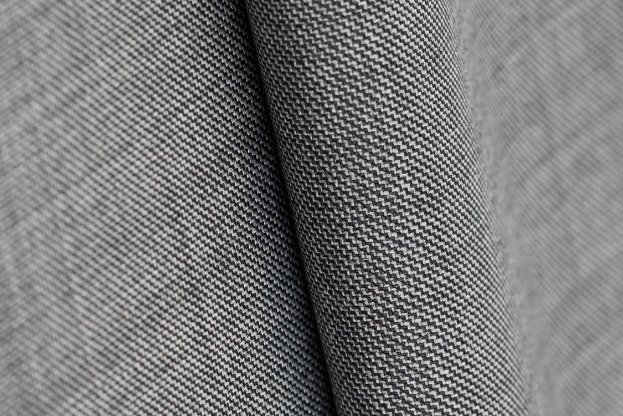
The magic of sharkskin lies in its weave structure. Using a technique called pick-and-pick (or pick’n’pick), weavers alternate light and dark colored yarns in both the vertical (warp) and horizontal (weft) directions. This creates tiny diagonal lines across the fabric that shift in appearance as the light hits them from different angles. The result is a fabric that looks sophisticated without being flashy.
What Makes Sharkskin Special?
Sharkskin stands out because it solves a problem many men face with business suits: how to look interesting without being too casual or attention-grabbing. The subtle texture adds visual depth while maintaining the professional appearance needed for business settings. Plus, the tight weave makes it naturally resistant to wrinkles, which means you’ll look sharp even after a long day at the office.
Regional Names for Sharkskin
If you’re shopping for sharkskin fabric, you might encounter different names depending on where you are:
- United States: Sharkskin
- United Kingdom: Pick-and-pick or pick’n’pick
- France: Grisaille (from “gris” meaning grey)
These are all the same fabric. The different names simply reflect regional preferences in terminology.
Is Sharkskin Smooth or Rough?
This is where the name can be confusing. Real shark skin is quite rough when rubbed the wrong way, but sharkskin fabric is actually smooth to the touch. The surface has a silky feel thanks to the fine worsted wool yarns used in its construction. The “sharkskin” name refers to the visual similarity to a shark’s slightly shimmering appearance underwater, not the texture.
What Does Sharkskin Feel Like?
When you run your hand across quality sharkskin fabric, you’ll notice it feels smoother than many other suit fabrics. The tight weave creates a surface that’s almost slippery, without any of the roughness or scratchiness sometimes associated with wool. This smooth hand feel comes from using long, combed wool fibers in a worsted spinning process.
The History of Sharkskin Fabric
Sharkskin fabric has been around longer than you might think. The earliest versions appeared in the 1920s and 1930s, when textile manufacturers in Europe began experimenting with two-tone weaving techniques. However, these early sharkskins were made primarily from silk and were incredibly expensive, making them accessible only to the wealthy elite.
The Golden Age: 1950s and 1960s
The fabric really hit its stride in the post-World War II era. As the economy improved and synthetic fibers became available, manufacturers could produce sharkskin suits at more affordable prices. This is when the fabric became associated with style icons like the Rat Pack. Frank Sinatra, Dean Martin, and Sammy Davis Jr. made sharkskin suits their signature look, wearing them in performances and public appearances.
During this period, diplomats stationed in warm climates also favored sharkskin. British diplomat Sir Terence Clark recalled that white sharkskin dinner jackets were the standard evening wear for diplomats serving in Bahrain during the 1950s. The fabric’s breathability made it practical for formal occasions in hot weather.
South American Production
Some of the finest sharkskin fabrics in the 1950s and 1960s came from South America, where German and Italian weavers had relocated. These craftsmen created exclusive sharkskin fabrics blended with local luxury fibers like vicuña, guanaco, and alpaca wool. These fabrics carried special designations like “Golden Fleece” or “Royal” titles and were produced in small quantities, making them extremely rare and costly.
The Disco Era and Beyond
Sharkskin saw another surge in popularity during the late 1970s disco era, though this time the fabric often had more pronounced shine due to increased use of synthetic fibers. The fabric’s popularity declined in the 1980s as fashion moved toward more casual styles, but it experienced revivals in the mid-1980s, mid-1990s, and late 2000s.
Today, sharkskin has found new life among men who appreciate classic style with a modern twist. Contemporary versions tend to be more subdued than their disco-era cousins, focusing on the subtle elegance that made the fabric famous in the first place.
How Sharkskin Fabric is Made
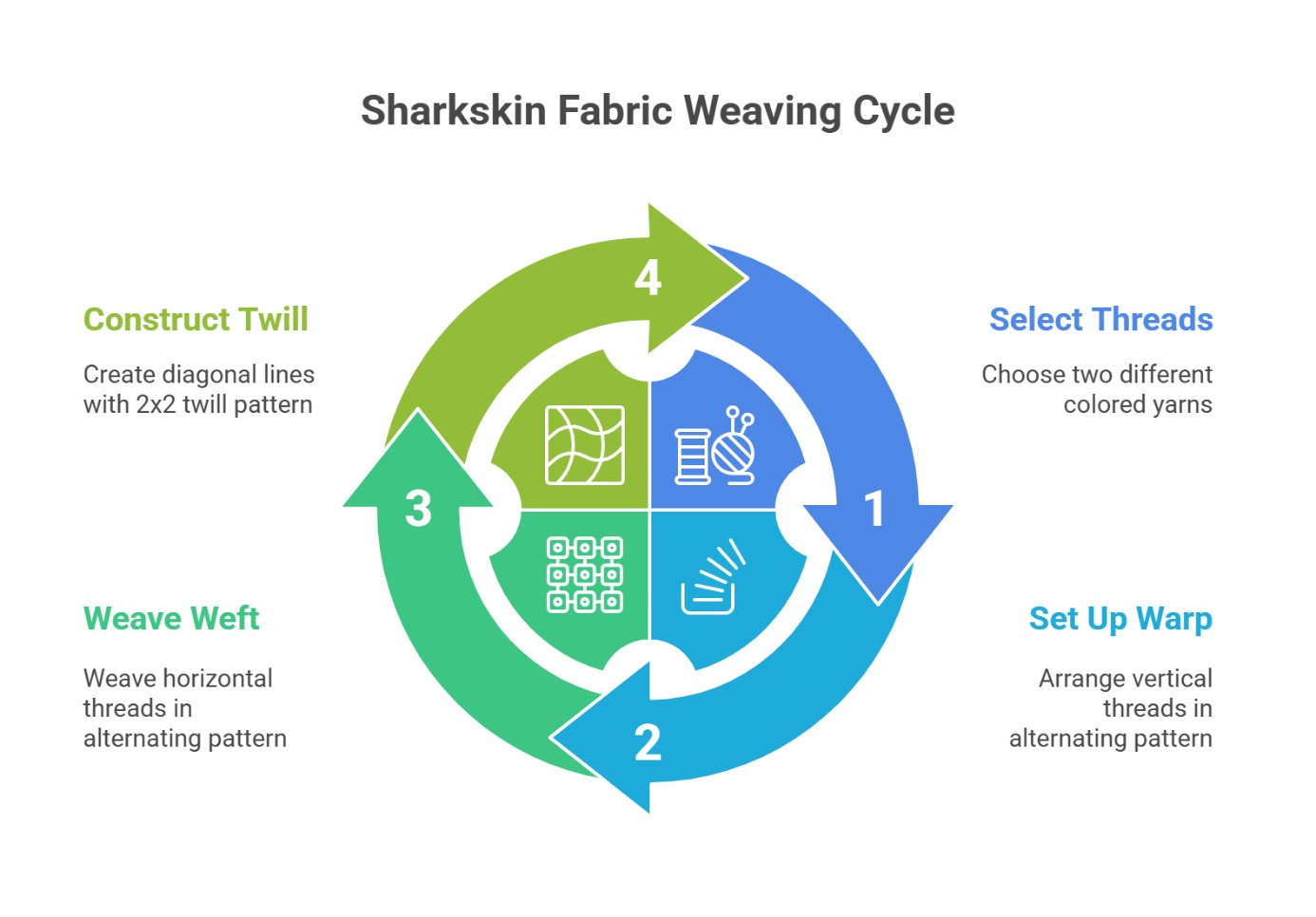
Step-by-step visual of the sharkskin fabric weaving process
The Pick-and-Pick Weave Explained
The pick-and-pick weave is what gives sharkskin its signature look. Here’s how it works:
- Thread Selection: The weaver starts with two different colored yarns. Traditionally, this meant one light yarn (often white or light grey) and one darker yarn (black, dark grey, or navy).
- Warp Setup: The vertical threads (warp) are arranged in an alternating pattern: one light, one dark, one light, one dark.
- Weft Weaving: The horizontal threads (weft) follow the same alternating pattern as they’re woven through the warp.
- Twill Construction: The weave typically follows a 2×2 twill pattern, where each thread goes over two threads and under two threads, creating diagonal lines across the fabric.
This creates a stair-step pattern when you look closely at the fabric. From a distance, the contrasting colors blend to create that characteristic subtle sheen and two-tone appearance. For those interested in the technical details of different weave structures, Permanent Style’s guide to cloth weaves offers an in-depth exploration of how different weaving techniques affect fabric properties.
Fiber Composition Options
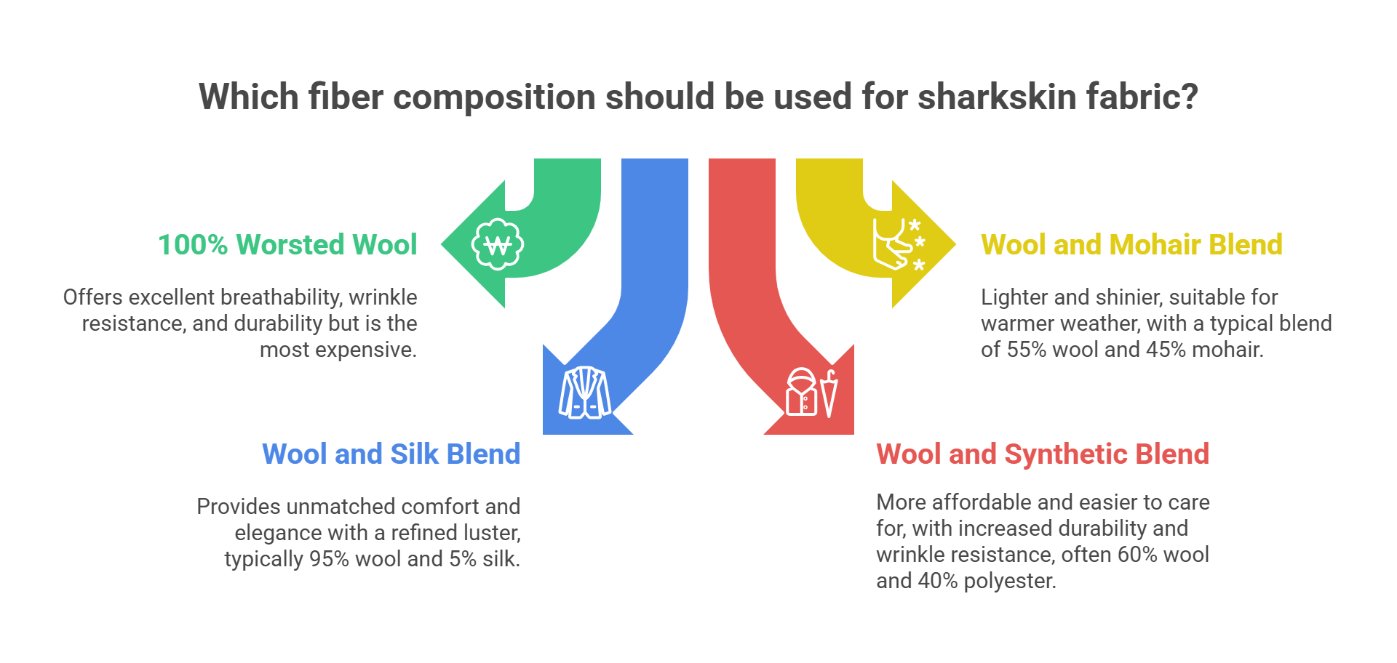
Visual guide to common fiber composition options for wool sharkskin fabric
Not all sharkskin is created equal. The fiber content significantly affects the fabric’s performance, appearance, and price:
100% Worsted Wool
This is the classic choice for high-quality sharkskin. Worsted wool means the fibers have been combed to remove short fibers and align the longer ones, creating a smooth, fine yarn. These fabrics offer excellent breathability, natural wrinkle resistance, and that perfect subtle sheen. They’re the most expensive option but also the most durable and comfortable.
Wool and Mohair Blend
Adding mohair wool (from Angora goats) to wool creates a lighter-weight fabric with increased luster. Mohair naturally has more sheen than wool, so these blends tend to be shinier. They’re popular for warmer weather suits because mohair is lighter than sheep’s wool while still being durable. A typical blend might be 55% wool and 45% mohair.
Wool and Silk Blend
For premium sharkskin, some manufacturers add silk to the wool. This creates an incredibly soft fabric with beautiful drape and a refined luster. These fabrics are at the higher end of the price spectrum but offer unmatched comfort and elegance. You’ll typically see these in ratios like 95% wool with 5% silk.
Wool and Synthetic Blends
Modern sharkskin often includes synthetic fibers like polyester or rayon. These blends are more affordable and easier to care for. The synthetics can increase durability and wrinkle resistance, though they may not breathe as well as all-natural options. A common blend is 60% wool and 40% polyester.
Natural Sharkskin
Made from silk in historical versions, or wool in modern quality suits. Offers the best breathability and comfort but requires more care.
Artificial Sharkskin
Incorporates synthetic fibers for increased durability and lower cost. Easier to maintain but may have more pronounced shine.
Understanding Super Numbers
When shopping for sharkskin, you’ll often see terms like “Super 120s” or “Super 150s.” This refers to the fineness of the wool yarn:
- Super 100s-110s: More durable, slightly rougher texture, best for everyday wear
- Super 120s-130s: The sweet spot for quality and durability, smoother feel
- Super 140s-150s: Very soft and smooth, more delicate, best for special occasions
- Super 160s+: Extremely fine and soft, requires careful handling
Higher numbers mean finer, softer yarn, but they’re also more delicate. For a sharkskin suit you’ll wear regularly, Super 120s or 130s offers the best combination of comfort and durability.
Properties and Characteristics
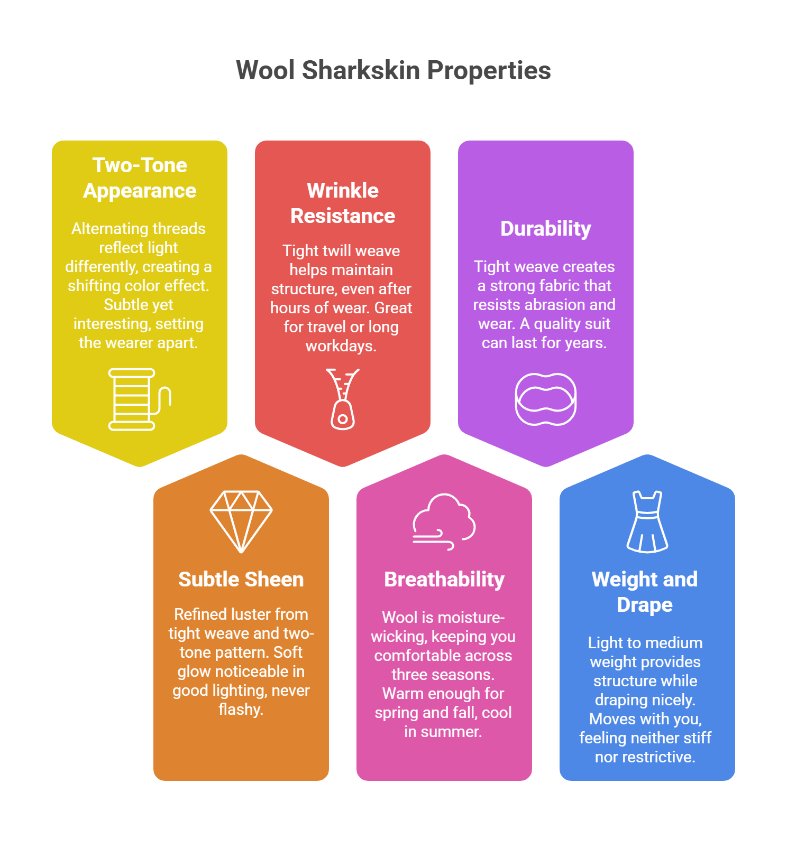
Key properties and characteristics of wool sharkskin fabric explained visually
The Distinctive Two-Tone Appearance
The most recognizable feature of sharkskin is how it plays with light. Walk past someone wearing a sharkskin suit, and you’ll notice the color seems to shift slightly as they move. This happens because the alternating colored threads reflect light differently depending on the viewing angle. It’s subtle enough to stay professional but interesting enough to set the wearer apart from plain grey or navy suits.
Subtle Sheen
Unlike satin or other high-shine fabrics, sharkskin has a refined luster. The sheen comes from two sources: the tight weave structure and the way the light interacts with the two-tone thread pattern. Quality sharkskin shouldn’t look obviously shiny. Instead, it should have a soft glow that’s noticeable in good lighting but never flashy.
Watch Out: Some lower-quality sharkskin, especially versions with high synthetic content, can have too much shine. This can make the suit look cheap or dated. When shopping, check the fabric in natural light to see if the sheen is subtle or overly glossy.
Wrinkle Resistance
One of sharkskin’s best practical features is its natural resistance to wrinkling. The tight twill weave helps the fabric maintain its structure, even after hours of wear. This makes it a great choice for travel or long workdays when you need to look sharp from morning to evening.
The wrinkle resistance comes from several factors:
- The dense weave structure prevents the fabric from creasing easily
- Worsted wool’s smooth, long fibers naturally resist wrinkling
- The two-tone pattern helps hide minor wrinkles that do form
Breathability and Temperature Regulation
Despite its tight weave, quality wool sharkskin breathes well. Wool is naturally moisture-wicking, pulling sweat away from your skin and releasing it into the air. This makes sharkskin comfortable across three seasons. It’s warm enough for spring and fall but not so heavy that you’ll overheat in air-conditioned offices during summer.
Durability
Sharkskin is tougher than it looks. The tight weave creates a strong fabric that resists abrasion and wear. A quality sharkskin suit can last for years with proper care. The fabric maintains its appearance well, with the two-tone weave helping to disguise minor wear patterns that would be obvious on plain fabric.
Weight and Drape
Traditional sharkskin typically falls in the light to medium weight range, usually between 8-12 ounces per yard. This weight provides enough structure for a suit jacket to hold its shape while still draping nicely over the body. The fabric moves with you rather than feeling stiff or restrictive.
How Thick is Sharkskin?
Sharkskin fabric typically ranges from 8 to 12 ounces per square yard, making it medium-weight by suiting standards. This thickness is enough to provide structure and durability without feeling heavy or bulky. The fabric’s thickness can vary based on the yarn weight and how tightly it’s woven. Summer-weight sharkskin might be around 8-9 ounces, while three-season versions typically run 10-12 ounces.
Advantages of Sharkskin Fabric
- Unique two-tone appearance adds visual interest
- Excellent wrinkle resistance for all-day wear
- Natural breathability keeps you comfortable
- Durable construction withstands regular use
- Versatile enough for business and formal occasions
- Helps hide minor wear patterns
- Professional appearance without being boring
- Three-season wearability
Disadvantages of Sharkskin Fabric
- Can be more expensive than plain wool
- Sheen might be too casual for very conservative workplaces
- Lower-quality versions can look cheap or overly shiny
- Not ideal for very hot summer weather
- Too formal for casual Friday or weekend wear
- Requires proper care to maintain appearance
- Can attract lint and dust to its smooth surface
- May show shine from over-pressing if not careful
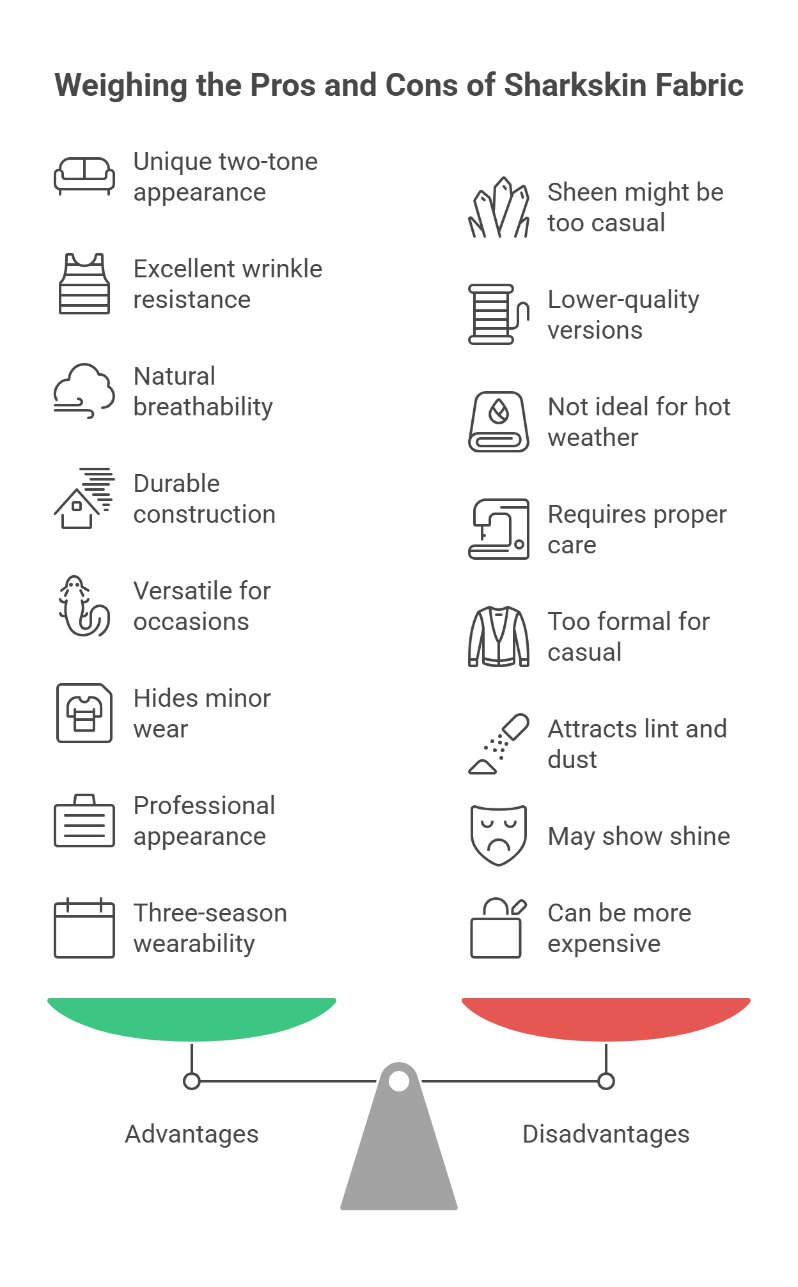
Visual overview of the key pros and cons of wool sharkskin fabric for suits and formalwear
Does Sharkskin Stretch?
Traditional 100% wool sharkskin has minimal stretch. The tight twill weave and worsted wool yarns create a stable fabric that maintains its shape well. However, some modern sharkskin fabrics include a small amount of elastane (typically 2-3%) to add stretch. These “stretch sharkskin” fabrics offer more comfort and ease of movement while maintaining the classic appearance. If stretch is important to you, check the fiber content label when shopping.
Is Sharkskin Abrasive?
No, sharkskin fabric is not abrasive. This is another area where the name can be misleading. While real shark skin has rough scales that can be abrasive, sharkskin fabric is smooth and comfortable against the skin. The fine worsted wool yarns and tight weave create a silky surface that won’t irritate your skin or damage dress shirts worn underneath.
Types of Sharkskin Wool
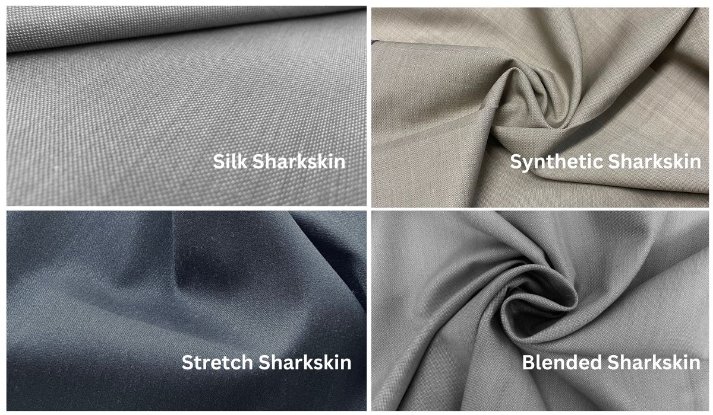
Common types of sharkskin fabric based on fiber composition and performance
Wool Sharkskin (Classic)
Pure wool sharkskin is the traditional choice and remains the most popular for quality suits. Made from 100% worsted wool, these fabrics offer the best balance of comfort, breathability, and professional appearance. They’re suitable for business settings and formal occasions alike. The colors are typically in the grey family, ranging from light silver-grey to dark charcoal.
Silk Sharkskin (Premium)
The original sharkskin fabrics from the 1920s and 1930s were made from silk. Today, pure silk sharkskin is rare and expensive, but it offers unmatched luxury. The fabric has beautiful drape, incredible softness, and a refined sheen. These are typically custom-made or found in high-end boutiques. The price reflects the premium nature of the material and the specialized skill required to weave it.
Synthetic Sharkskin (Budget-Friendly)
Made primarily from polyester, rayon, or acetate, synthetic sharkskin is the most affordable option. These fabrics are durable and easy to care for, with many being machine washable. However, they don’t breathe as well as natural fibers and tend to have more pronounced shine. They’re best suited for occasional wear or for those on a tight budget.
Stretch Sharkskin (Modern Comfort)
A modern innovation, stretch sharkskin includes 2-3% elastane along with wool or wool blends. This small amount of stretch makes the suit more comfortable and allows for easier movement. It’s particularly popular with younger professionals who want the classic look with modern comfort. The stretch doesn’t affect the appearance significantly but makes a noticeable difference in how the suit feels when you’re sitting or moving.
Blended Sharkskin (Best Value)
Most sharkskin suits today are blends that combine natural and synthetic fibers. Common combinations include wool-polyester (typically 60/40), wool-rayon, or wool-mohair-polyester. These blends aim to balance the benefits of natural fibers (comfort, breathability) with the practical advantages of synthetics (durability, easy care, lower cost). A well-made blend can offer excellent value.
Sharkskin vs. Other Suit Fabrics
Understanding how sharkskin compares to other suiting fabrics helps you make the right choice for your needs. For a deeper understanding of different suit fabrics and their characteristics, MR PORTER’s comprehensive guide provides excellent context on various suiting materials.
| Fabric Type | Weight | Appearance | Wrinkle Resistance | Breathability | Best Season | Formality |
|---|---|---|---|---|---|---|
| Sharkskin | Light-Medium | Subtle sheen, two-tone | Excellent | High | 3-season | Formal-Business |
| Gabardine | Medium-Heavy | Matte with diagonal ribs | Good | Low | Fall-Winter | Business |
| Tropical Wool | Very Light | Matte, plain weave | Fair | Excellent | Summer | Business-Casual |
| Flannel | Medium-Heavy | Soft nap, matte | Fair | Medium | Fall-Winter | Business-Casual |
| Fresco | Light | Matte, porous weave | Fair | Excellent | Summer | Business |
| Tweed | Heavy | Textured, rustic | Poor | Low | Winter | Casual |
| Serge | Medium | Matte, diagonal weave | Good | Medium | All-season | Business |
Sharkskin vs. Gabardine
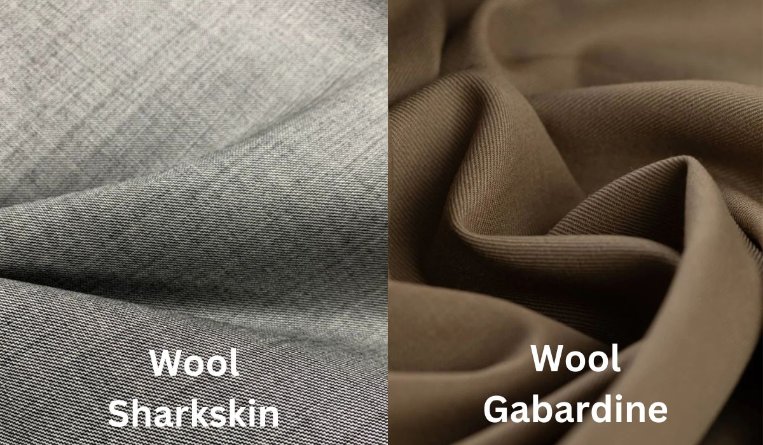
Wool sharkskin compared with wool gabardine for tailoring and durability
Gabardine is another popular suiting fabric with a tight twill weave, but there are key differences. Gabardine has a more pronounced diagonal rib pattern and no sheen, giving it a more casual appearance. It’s also typically heavier and warmer than sharkskin, making it better suited for fall and winter. Gabardine can develop shine over time from wear and pressing, which is usually undesirable. Sharkskin, on the other hand, is meant to have a subtle sheen from the start.
Sharkskin vs. Tropical Wool
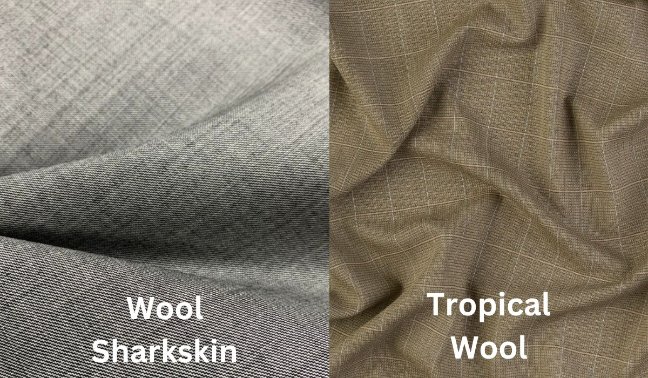
Sharkskin and tropical wool fabrics compared for seasonal suit wear
Tropical wool is specifically designed for hot weather, with a loose, open weave that allows maximum air circulation. It’s lighter than sharkskin and has a completely matte appearance. Tropical wool tends to wrinkle more easily than sharkskin and doesn’t have the visual interest of the two-tone weave. If you need a summer suit for very hot climates, tropical wool is better. For three-season wear and a more professional appearance, sharkskin wins.
Sharkskin vs. Flannel
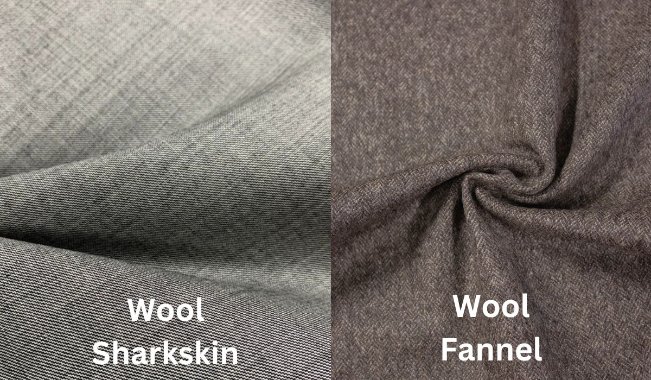
Comparison of wool sharkskin and wool flannel textures for suit fabrics
Flannel is on the opposite end of the spectrum from sharkskin. Where sharkskin is smooth and slightly shiny, flannel is soft and matte with a brushed surface. Flannel is warmer and more casual, making it great for cold weather but too hot for summer. The two fabrics serve different purposes: flannel for relaxed settings and cold weather, sharkskin for professional environments and three-season wear.
Uses and Applications
Business Suits
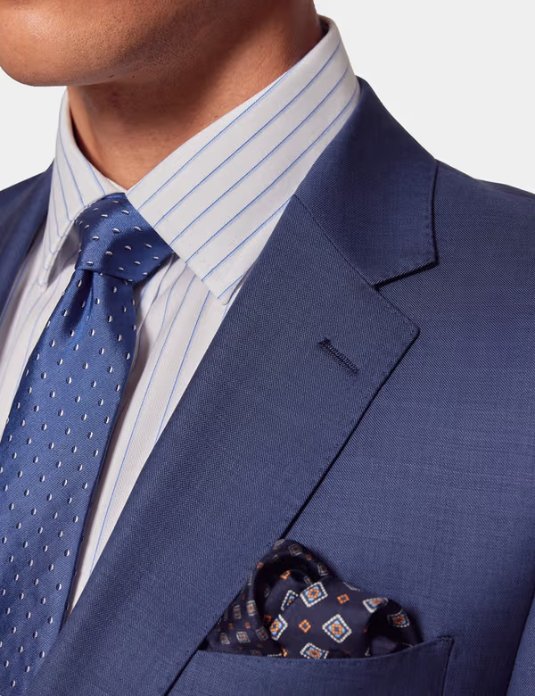
Wool sharkskin fabric used in professional business suits
Credit: Hawes & Curtis
This is sharkskin’s primary use. The fabric’s professional appearance and wrinkle resistance make it perfect for the office. A grey sharkskin suit works for everything from client meetings to presentations to regular desk work. The subtle sheen adds personality without being distracting or inappropriate for conservative business environments.
Formal Wear
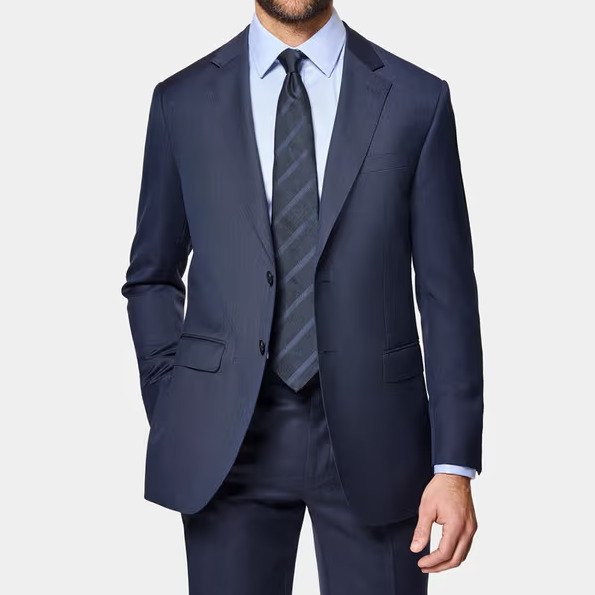
Classic formalwear styling with a wool sharkskin suit
Credit: Hawes & Curtis
Sharkskin shines (literally) at formal events. Under evening lighting, the fabric’s subtle luster comes to life. Charcoal or navy sharkskin suits work beautifully for weddings, galas, cocktail parties, and other dressy occasions. The fabric photographs well, which is a bonus at events where pictures are important.
Special Occasion Suits

Wool sharkskin suit styled for weddings and special occasions
Need a suit that stands out without being flashy? Sharkskin is your answer. It’s perfect for job interviews where you want to make a strong impression, important presentations where you need to command attention, or any situation where you want to look your absolute best while staying professional.
Suit Trousers
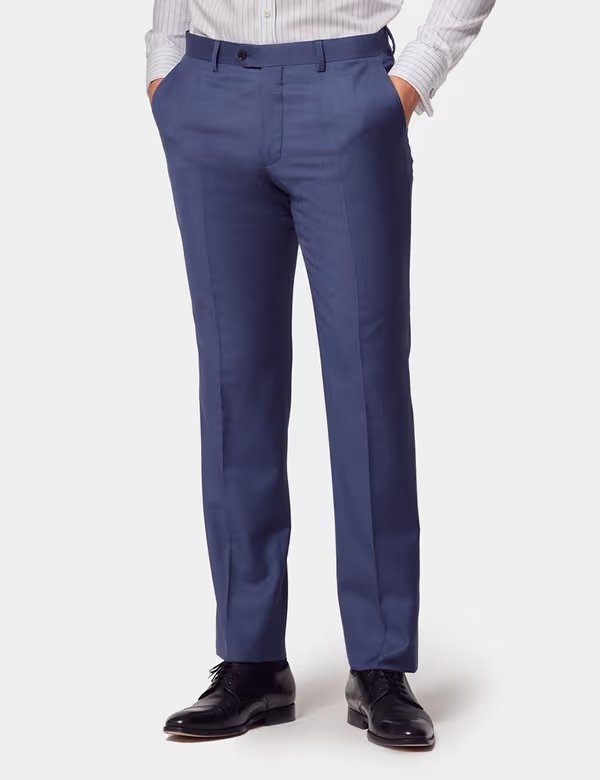
Tailored wool sharkskin trousers for formal and business wear
Credit: Hawes & Curtis
Sharkskin isn’t limited to full suits. The fabric makes excellent dress trousers that can be paired with different blazers or worn on their own with dress shirts. The wrinkle resistance and durability make these trousers practical for regular wear, while the texture keeps them from looking too plain.
Sport Coats and Blazers
A sharkskin sport coat or blazer can be dressed up with dress trousers or dressed down with dark jeans or chinos. The versatility makes these pieces valuable wardrobe staples. They work particularly well for events that call for “dressy casual” or “smart casual” attire.
Other Applications
While less common, sharkskin fabric also appears in:
- Vests for three-piece suits
- Dress shirts (though these are quite formal)
- Accessories like ties and pocket squares
- Women’s skirts and dresses for formal wear
Styling Your Sharkskin Suit
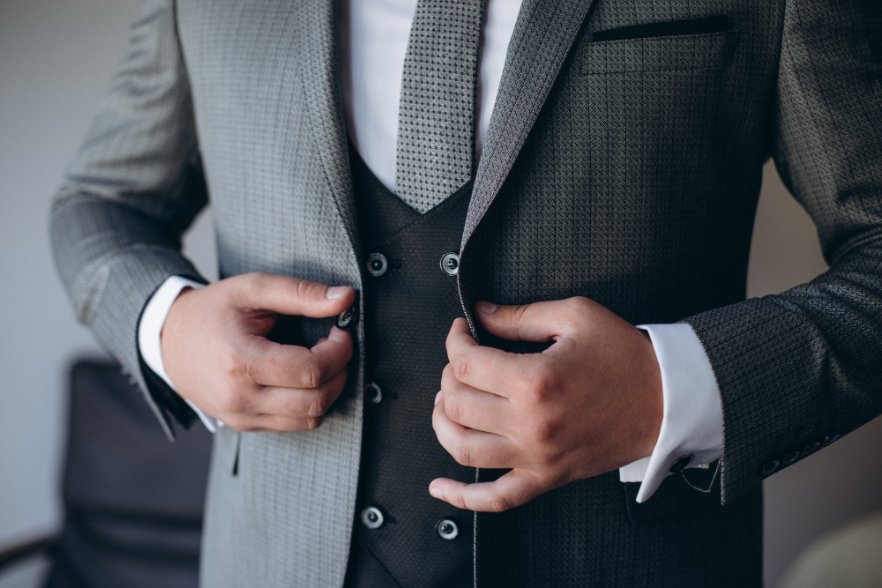
Classic styling ideas for wearing a wool sharkskin suit
Understanding When to Wear Sharkskin
Sharkskin suits are versatile, but they’re not appropriate for every situation. Here’s when to wear yours:
Perfect Occasions:
- Business meetings and conferences
- Job interviews (especially for professional fields)
- Weddings as a guest or member of the wedding party
- Evening events and cocktail parties
- Formal dinners
- Professional presentations
- Court appearances (for lawyers)
Skip It For:
- Casual Friday at the office
- Weekend social gatherings
- Outdoor casual events
- Very conservative industries where any sheen is frowned upon
- Extremely hot weather (over 90°F/32°C)
How Tight Should Sharkskin Be?
Sharkskin suits should follow standard suiting fit guidelines. The jacket should fit comfortably across the shoulders without pulling or restricting movement. You should be able to button it easily with room to move, but it shouldn’t be loose or baggy. The trousers should sit comfortably at your natural waist without being too tight. Remember, proper fit is more important than the fabric itself. A well-fitted sharkskin suit looks professional; a poorly fitted one looks sloppy regardless of the fabric quality.
Color Selection Guide
Medium Grey Sharkskin
The most versatile option. Works for business and social occasions year-round. Pair with white, light blue, or pale pink dress shirts. Navy, burgundy, or forest green ties complement the grey beautifully.
Charcoal Sharkskin
More formal and appropriate for cooler weather. The dark color works especially well for evening events. Stick with white or light blue shirts, and choose darker ties in rich colors like deep red or purple.
Navy Sharkskin
A modern alternative to grey that offers similar versatility. Works particularly well with brown leather shoes and accessories. White shirts are classic, but light blue or subtle stripe patterns also work.
Light Grey Sharkskin
Best for spring and summer. The lighter color and subtle sheen create an elegant warm-weather look. Keep everything else crisp and clean: white shirts, silk ties in bright or pastel colors.
Shirt and Tie Combinations
The One-Shine Rule
Your sharkskin suit already has a subtle sheen, so keep everything else matte. Avoid shiny shirts, overly glossy ties, or patent leather shoes. The suit should be your only source of shine in the outfit.
Shirt Choices:
- White: Can’t go wrong. Works for any occasion.
- Light Blue: Classic and approachable. Safe for business.
- Pale Pink: Modern and sophisticated for less conservative environments.
- Subtle Patterns: Small checks or fine stripes add interest without competing with the sharkskin texture.
Avoid: Dark colored shirts (too much contrast), shirts with sheen or satin weaves, busy patterns that clash with the sharkskin texture.
Tie Selection:
- Silk knit ties: The matte texture complements sharkskin perfectly
- Wool or cotton ties: Great for adding texture contrast
- Solid colors: Keep it simple to let the suit shine
- Small patterns: Subtle dots, small checks, or fine stripes work well
Skip: Very shiny satin ties, large bold patterns, anything with metallic threads.
Footwear and Accessories
Shoes:
- Black Oxfords: Most formal option, perfect with charcoal or navy sharkskin
- Dark Brown Brogues: Less formal but still professional, great with grey and navy
- Burgundy Leather: Adds a touch of color with medium grey sharkskin
Keep the leather matte or with minimal shine. Match your belt to your shoes, or get close enough that the difference isn’t obvious.
Pocket Squares:
A white linen pocket square is always appropriate and adds a touch of elegance. For more personality, try subtle patterns or colors that complement your tie, but avoid matching tie and pocket square exactly-it looks too coordinated.
Watches and Cufflinks:
Keep these minimal and understated. The sharkskin texture is enough visual interest; you don’t need flashy accessories. Stick with simple silver or gold tones that match your other metal accents (belt buckle, tie bar).
Seasonal Styling Tips
Spring/Summer:
Lighter grey sharkskin works best. Skip the vest if wearing a three-piece. Consider going without a tie for less formal occasions. Lighter colored shoes (tan, light brown) can work with lighter sharkskin.
Fall/Winter:
Darker sharkskin colors are appropriate. Layer with a wool or cashmere overcoat for warmth. Richer, deeper tie colors (burgundy, forest green, chocolate brown) complement the season.
Care and Maintenance
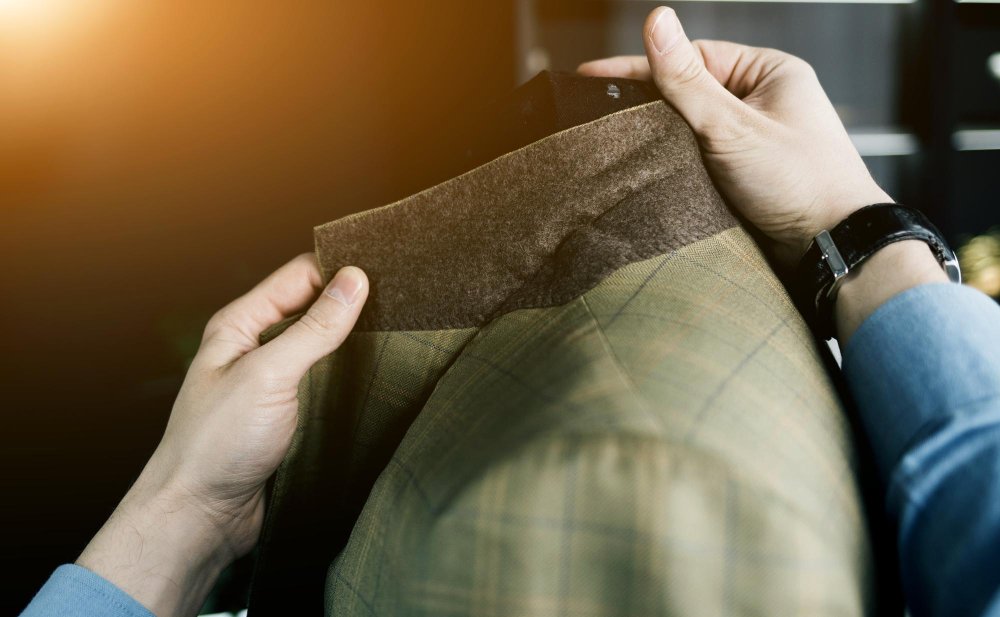
Proper care and maintenance techniques for wool sharkskin suits
Proper care keeps your sharkskin suit looking its best for years. The good news is that sharkskin is easier to maintain than many other suit fabrics.
How to Clean Sharkskin
Daily Care After Wearing
- Brush the Suit: Use a natural bristle clothes brush to gently brush the suit in downward strokes. This removes dust, lint, and surface dirt before it settles into the fabric. Pay special attention to the shoulders, lapels, and pockets.
- Empty the Pockets: Take everything out of the pockets. Leaving items in pockets distresses the seams and distorts the suit’s shape.
- Air It Out: Hang the suit in a well-ventilated area for 12-24 hours before returning it to your closet. This allows any moisture from body heat to evaporate and helps prevent odors from setting in.
- Let It Rest: Don’t wear the same suit two days in a row. Wool fibers need time to recover and return to their natural shape.
Dry Cleaning Frequency
Here’s the truth about dry cleaning: less is more. Over-cleaning strips the natural oils from wool fibers and shortens your suit’s life. For regular wear (once or twice a week), dry clean your sharkskin suit 2-3 times per year. For occasional wear, once a year is sufficient.
You need to dry clean when:
- There’s a visible stain you can’t remove with spot cleaning
- The suit has developed a persistent odor
- There’s visible dirt buildup
- It’s been 4-6 months since the last cleaning with regular wear
Note: The trousers typically need cleaning more often than the jacket since they experience more friction and contact with your body. You can clean them separately.
Spot Cleaning
For minor stains, try spot cleaning before taking the whole suit to the dry cleaner:
- Act quickly. Fresh stains are easier to remove than set-in ones.
- Blot (don’t rub) liquid spills with a clean, white cloth.
- For water-based stains, dampen a cloth with cold water and gently dab the stain.
- For oil-based stains, use a small amount of mild detergent diluted in water.
- Always test cleaning methods on an inconspicuous area first.
- After spot cleaning, let the area air dry completely.
Warning: Never use hot water on wool sharkskin. Heat can set stains permanently and may cause shrinking. Stick with cold or cool water.
How to Care for Sharkskin
Removing Wrinkles
Never iron your sharkskin suit directly. The heat and pressure can damage the fibers and create an unwanted shine. Instead, use these methods:
Steaming (Best Method):
- Hang the suit on a proper hanger in your bathroom
- Run a hot shower to create steam (don’t get the suit wet)
- Let it hang for 15-20 minutes in the steamy environment
- Move it to a well-ventilated area to dry
Or use a handheld garment steamer, keeping it a few inches away from the fabric.
If You Must Press:
- Set iron to low heat (wool setting)
- Use a pressing cloth between iron and suit
- Press, don’t iron. Lift and lower the iron rather than sliding it across the fabric
- Focus on sleeves and trouser creases only
- Never press the chest or lapels directly
Proper Storage
Hanging:
- Jacket: Use a wide, curved wooden hanger that fills the shoulders. Wire or plastic hangers will deform the shoulder shape.
- Trousers: Use a hanger with clips that grip the cuffs, hanging the trousers upside down. This keeps the crease sharp.
Garment Bags:
Store your sharkskin suit in a breathable fabric garment bag, not plastic. Plastic traps moisture and can cause mildew. A cotton or canvas bag allows air circulation while protecting from dust and moths.
Moth Protection:
Cedar blocks or rings are your best defense against moths. Place them in your closet or inside garment bags. Replace mothballs with cedar, as mothballs can leave a chemical smell in your suits. Replace cedar annually as the scent fades.
Closet Conditions:
- Store in a cool, dry place away from direct sunlight
- Don’t overcrowd your closet-suits need breathing room
- Keep suits away from heating vents or radiators
Long-Term Storage
If you won’t wear the suit for months:
- Have it professionally cleaned first (never store a dirty suit)
- Let it air out completely after cleaning (24-48 hours)
- Use acid-free tissue paper to stuff the sleeves and chest
- Store in a breathable garment bag with cedar
- Keep in a temperature-controlled environment if possible
- Check on it every few months for moths or moisture
Travel Care
When traveling with your sharkskin suit:
- Use a quality garment bag designed for travel
- For folding: Turn jacket inside out, fold right shoulder into left
- Roll jacket around other soft items like sweaters
- Fold trousers along the crease, roll if possible
- Unpack immediately upon arrival
- Hang in bathroom while you shower to steam out travel wrinkles
What Damages Sharkskin
Avoid these common mistakes:
- Over-dry cleaning: Strips natural oils and shortens fabric life
- Direct ironing: Creates unwanted shine and can burn fibers
- Wire hangers: Deform shoulder shape permanently
- Plastic storage: Traps moisture, leading to mildew
- Overstuffed pockets: Distorts shape and stresses seams
- Continuous wear: Wool needs rest days to recover
- Exposure to rain: While wool handles light moisture, heavy rain can waterspot the fabric
- Perfume or cologne: Spray these on before dressing; they can stain fabric
Is Sharkskin Waterproof?
No, sharkskin is not waterproof. While wool has natural water-repellent properties and can handle light drizzle, heavy rain will soak through. If your sharkskin suit gets wet, hang it in a well-ventilated area and let it air dry naturally. Never use a hairdryer or place it near heat sources, as this can cause shrinking and damage.
Sustainability and Ethical Considerations
Environmental Impact of Wool Sharkskin
Wool is one of the more sustainable fabric choices available. As a natural fiber from sheep, it’s renewable, biodegradable, and has a lower environmental impact than most synthetic alternatives. When a wool sharkskin suit reaches the end of its life, it will naturally decompose rather than sitting in a landfill for decades like polyester.
The Longevity Factor
This is where sharkskin really shines from a sustainability perspective. A quality sharkskin suit, properly cared for, can last 10-20 years or even longer. Compare this to fast-fashion suits that might last 1-2 years, and the environmental math becomes clear. One well-made sharkskin suit replaces multiple cheap suits over its lifetime, significantly reducing your fashion footprint.
Is Sharkskin Ethical?
The ethics of wool sharkskin depend largely on where the wool comes from. Look for these indicators:
Positive Signs:
- Mulesing-free wool: Some wool comes from farms that don’t practice mulesing (a controversial practice in Australia)
- Organic certification: GOTS (Global Organic Textile Standard) certified wool comes from farms with animal welfare standards
- OEKO-TEX certification: Ensures no harmful chemicals in the finished fabric
- Responsible Wool Standard (RWS): Certifies wool from farms with good animal welfare practices
- Transparent sourcing: Brands that can tell you where their wool comes from
Making Ethical Choices:
- Buy from brands that disclose their wool sources
- Look for certifications on fabric labels
- Choose quality over quantity-one ethical suit beats multiple cheap ones
- Consider merino wool from New Zealand, which has strong animal welfare standards
- Ask retailers about their sourcing practices
Synthetic Blends and Sustainability
Sharkskin blends containing polyester or other synthetics have a more complex environmental story. While these blends are more durable and easier to care for (potentially extending garment life), synthetic fibers are petroleum-based and won’t biodegrade. Some manufacturers now offer sharkskin with recycled polyester content, which is a more sustainable option.
Care Practices That Help the Planet
- Dry clean less frequently (saves energy and chemicals)
- Choose dry cleaners using eco-friendly solvents
- Air out and spot clean instead of washing when possible
- Repair minor damage rather than replacing the suit
- Steam instead of pressing (uses less energy)
Buying Guide for Wool Sharkskin
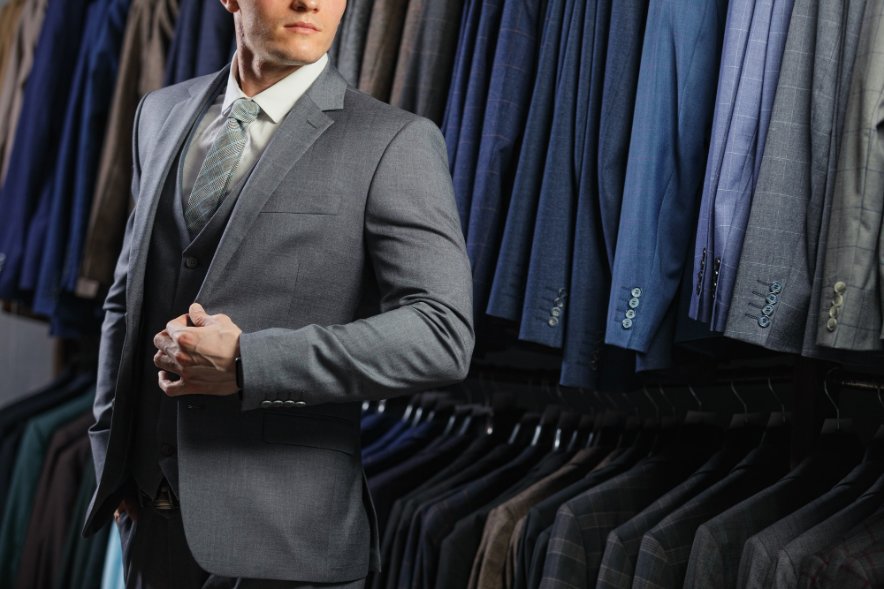
A practical buying guide visual for selecting a high quality wool sharkskin suit
Where is Sharkskin From?
Quality sharkskin fabric today comes from several key regions:
- Italy: Known for the finest wool fabrics, Italian sharkskin offers exceptional quality and craftsmanship. Fabric mills in Biella produce some of the world’s best suiting materials.
- United Kingdom: British mills, particularly in Huddersfield, have centuries of wool-weaving experience and produce classic sharkskin fabrics.
- Japan: Japanese mills create sharkskin fabrics known for precision weaving and innovative blends.
- China: Major producer of affordable sharkskin suits and fabrics, with quality varying widely.
Quality Indicators
How do you spot quality sharkskin? Look for these signs:
Weave Quality:
- The pick-and-pick pattern should be tight and even
- Thread count should be high (finer threads, tighter weave)
- The two-tone effect should be subtle, not stark
- No loose threads or irregular sections
Hand Feel:
- Smooth, not scratchy or rough
- Some weight to it, but not heavy
- Slight coolness when touched (characteristic of wool)
- Recovers quickly when crumpled
Visual Inspection:
- Subtle sheen, not shiny or glossy
- Even color throughout
- Two-tone effect visible from different angles
- Clean, consistent weave pattern
Construction Details:
- Canvas interlining (half or full canvas, not fused)
- Hand-sewn buttonholes
- Working sleeve buttons (bespoke indicator)
- Quality lining material
- Smooth, secure seams
Price Ranges and What to Expect
Budget Level ($300-$600)
What You Get: Typically wool-polyester blends (60/40 or 50/50). Fused construction rather than canvas. Made-to-measure or off-the-rack in standard sizes. Decent for occasional wear but won’t last as long as higher-quality options.
Best For: Students, those new to wearing suits, or occasional wearers who need something presentable without major investment.
Where to Buy: Department stores, online retailers like Amazon, budget suit chains.
Mid-Range ($600-$1,200)
What You Get: Higher wool content (often 100% wool or wool-rich blends). Half-canvas construction. Better quality fabrics from reputable mills. Super 120s or 130s wool. Standard or semi-custom sizing.
Best For: Professionals who wear suits regularly and want something that will last 5-10 years with proper care.
Where to Buy: Brooks Brothers, specialty men’s clothing stores, made-to-measure services.
For reference, you can see quality sharkskin suit options at retailers like Brooks Brothers, which offers a range of sharkskin suits in different fits and styles.
Luxury Level ($1,200-$3,000+)
What You Get: 100% premium wool or wool-silk blends. Full canvas construction. Italian or British fabrics. Super 140s+ wool. Made-to-measure or bespoke tailoring. Exceptional craftsmanship.
Best For: Suit connoisseurs, professionals in image-conscious fields, special occasions where you want the absolute best.
Where to Buy: High-end department stores (Saks, Nordstrom), custom tailors, luxury menswear boutiques.
Is Sharkskin Good?
Yes, sharkskin is an excellent choice for suiting fabric. It offers a unique combination of professional appearance, durability, and practical benefits like wrinkle resistance. The fabric has proven its worth over decades of use in business and formal settings. Quality sharkskin provides better value than many other suiting fabrics because it maintains its appearance longer and resists the wear patterns that make suits look dated.
Is Sharkskin Tough?
Sharkskin is surprisingly tough for such a refined-looking fabric. The tight twill weave creates a strong structure that resists abrasion and tearing. It holds up well to regular wear and lasts longer than many other suiting fabrics. The durability comes from both the weave structure and the quality of the worsted wool yarns used in its construction. However, “tough” is relative: it’s durable for a dress fabric, but it’s not workwear-level rugged.
What to Ask When Shopping
Before buying, ask these questions:
- What’s the fiber composition? (Look for high wool content)
- What’s the Super number? (Super 120s-130s is ideal for regular wear)
- Where does the fabric come from? (Italian and British fabrics are top quality)
- What type of construction? (Half or full canvas is better than fused)
- What’s the return/exchange policy? (Important for online purchases)
- Is tailoring included? (Many retailers offer free alterations with purchase)
- What’s the warranty or guarantee? (Quality suits often come with guarantees)
Custom vs. Off-the-Rack
Off-the-Rack Advantages:
- Immediate availability (take it home today)
- Try it on before buying
- Generally less expensive
- Easy returns
Custom/Made-to-Measure Advantages:
- Perfect fit for your body type
- Choice of specific features and details
- Unusual sizes accommodated easily
- Higher quality construction typically
Online vs. In-Store Shopping
In-Store Pros:
- See and feel the fabric in person
- Try on for fit
- Get expert advice from sales staff
- Immediate tailoring measurements
Online Pros:
- Wider selection
- Often better prices
- Convenient shopping from home
- Customer reviews provide real feedback
For your first sharkskin suit, shopping in-store is recommended so you can see the fabric quality and get proper measurements. Once you know your size and what to look for, online shopping becomes easier.
Common Misconceptions About Sharkskin
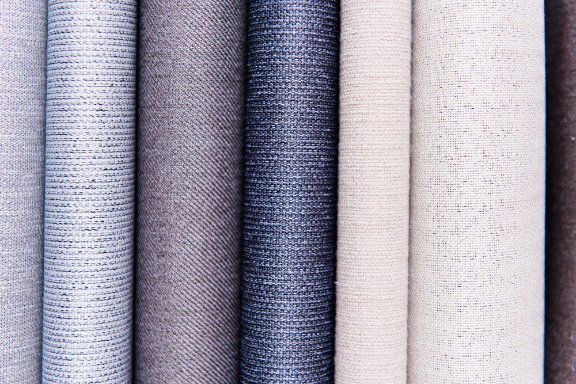
Sharkskin fabric samples highlighting texture, weave, and color variation
Myth: It’s Made from Real Shark Skin
Reality: Despite the name, sharkskin fabric contains no shark material whatsoever. It’s called sharkskin because the fabric’s subtle sheen resembles how a shark’s skin looks underwater. The fabric is made from wool, wool blends, or synthetic fibers.
Myth: It’s Only for Gangsters or Sleazy Salesmen
Reality: This outdated stereotype comes from disco-era sharkskin that was often overly shiny and made with cheap synthetics. Modern sharkskin suits are sophisticated, professional, and appropriate for business settings. The fabric is regularly worn by executives, lawyers, and professionals in image-conscious fields.
Myth: Too Shiny for Conservative Workplaces
Reality: Quality sharkskin has a subtle sheen, not obvious shine. It’s generally acceptable in all but the most conservative environments. The fabric is less shiny than many silk ties or leather shoes. However, if you work in a very traditional field (certain law firms, banking), opt for medium to dark grey sharkskin rather than lighter colors.
Myth: Only Available in Grey
Reality: While grey is traditional and most common, sharkskin comes in many colors including navy, charcoal, blue, tan, and even less common shades. The pick-and-pick weave works with any color combination, though subtle contrasts work best for professional wear.
Myth: Only for Evening Wear
Reality: Sharkskin is versatile enough for all-day wear. While it does look particularly good under evening lighting, it’s equally appropriate for daytime business use. The fabric’s wrinkle resistance actually makes it ideal for long workdays.
Myth: Difficult to Maintain
Reality: Sharkskin is actually easier to maintain than many other suit fabrics. Its wrinkle resistance means less pressing, and the tight weave helps it resist dirt and stains. Regular brushing and occasional dry cleaning are all it needs.
Myth: Will Look Dated Quickly
Reality: Sharkskin has been popular for over 70 years and shows no signs of going away. Classic styles endure. A well-made sharkskin suit in a traditional color looks as appropriate today as it did in 1960.
Myth: Not Comfortable in Warm Weather
Reality: Quality wool sharkskin is suitable for three-season wear, including moderate summer weather (up to about 85°F/30°C). Wool breathes and wicks moisture better than synthetics. It won’t be ideal for extreme heat, but it works fine in air-conditioned environments.
Frequently Asked Questions
Conclusion
Wool sharkskin fabric represents one of the most interesting choices in men’s suiting. Its journey from luxury silk fabric in the 1920s to modern worsted wool has proven its enduring appeal. The distinctive two-tone weave creates subtle visual interest without crossing into casual territory, making it perfect for professionals who want to stand out while staying appropriate.
What makes sharkskin special isn’t just how it looks. The practical benefits are what keep men coming back: excellent wrinkle resistance that keeps you looking sharp all day, durability that means your investment lasts for years, breathability that works across three seasons, and that perfect balance between interesting and professional that’s hard to find in other fabrics.
Key Takeaways
Essential Points to Remember
About the Fabric: Sharkskin is a worsted wool (or wool blend) fabric with a pick-and-pick weave that creates a two-tone appearance. Despite the name, it contains no shark material and is smooth to the touch, not rough.
Best Uses: Perfect for business suits, formal events, weddings, and professional settings. The subtle sheen looks particularly good under evening lighting but is appropriate for all-day wear.
Care Requirements: Easier than you might think. Brush after wearing, air out between uses, and dry clean only 2-3 times yearly. Steam wrinkles rather than pressing with an iron.
Quality Markers: Look for high wool content, Super 120s-130s thread count, Italian or British fabric mills, half or full canvas construction, and subtle (not shiny) sheen.
Styling Tips: Keep everything else matte since the suit has a sheen. White or light blue shirts work best. Choose matte ties and avoid shiny accessories. Match your belt to your shoes.
Investment Value: A quality sharkskin suit costs more upfront but lasts 10-20 years with proper care, making it more economical than cheaper suits you’ll replace every few years.
Sustainability: Wool is renewable and biodegradable. One well-made sharkskin suit beats multiple fast-fashion suits from an environmental perspective. Look for GOTS or RWS certifications for ethical sourcing.
Making Your Decision
If you’re considering a sharkskin suit, think about these questions:
- Do you wear suits regularly enough to justify the investment?
- Does your workplace or industry accept subtle shine in business attire?
- Are you looking for a versatile suit that works for both business and formal occasions?
- Can you commit to proper care (brushing, airing, minimal dry cleaning)?
- Do you want something that stands out without being loud?
If you answered yes to most of these, sharkskin is likely a great choice for you.
Final Recommendations
For Your First Sharkskin: Choose medium grey in a Super 120s or 130s wool. This color works year-round and in any professional setting. Stick with 100% wool or a high wool content blend. Budget at least $800-1,200 for quality that will last.
For Regular Suit Wearers: Consider having both a grey and a navy sharkskin suit in your rotation. The variety keeps your look fresh while maintaining consistency.
For Special Occasions: Charcoal or dark navy sharkskin in Super 140s+ provides that extra polish for important events. The finer fabric and darker colors photograph beautifully.
For Budget-Conscious Buyers: A wool-polyester blend (60/40) in the $400-600 range can be a good starting point. While it won’t last as long as pure wool, it will give you a taste of sharkskin’s benefits while you save for a higher-quality version.
Looking Forward
Sharkskin has survived fashion trends for nearly a century because it solves a real problem: how to look distinguished in professional settings without being boring. As workplaces become more casual, the need for thoughtful suiting that maintains professionalism while showing personality becomes more important, not less.
Whether you’re buying your first quality suit or adding to an established wardrobe, sharkskin offers something unique in the suiting world. It’s a fabric that rewards attention to quality and proper care with years of reliable service and timeless style.
The next time you see someone wearing a suit that catches the light just right, creating that subtle shimmer that’s professional but interesting, you’ll know you’re looking at sharkskin. And now you know why it’s been a menswear staple for so long.
Ready to experience sharkskin for yourself? Visit a quality menswear store, feel the fabric, see how it plays with light, and understand why generations of well-dressed men have made it their choice for important occasions. Your wardrobe will thank you.