
Everything you need to know about this durable, weather-resistant fabric from history to modern applications
Table of Contents
- What is Wool Gabardine Fabric?
- The Story Behind Gabardine
- How Wool Gabardine is Made
- Key Characteristics & Properties
- Advantages & Disadvantages
- Sustainability & Environmental Impact
- Fabric Comparisons
- Weight & Grade Guide
- Uses & Applications
- Complete Care Guide
- Preventing & Removing Shine
- Buying Guide
- Sewing & Tailoring Tips
- Styling & When to Wear
- Frequently Asked Questions
- Conclusion
What is Wool Gabardine Fabric?
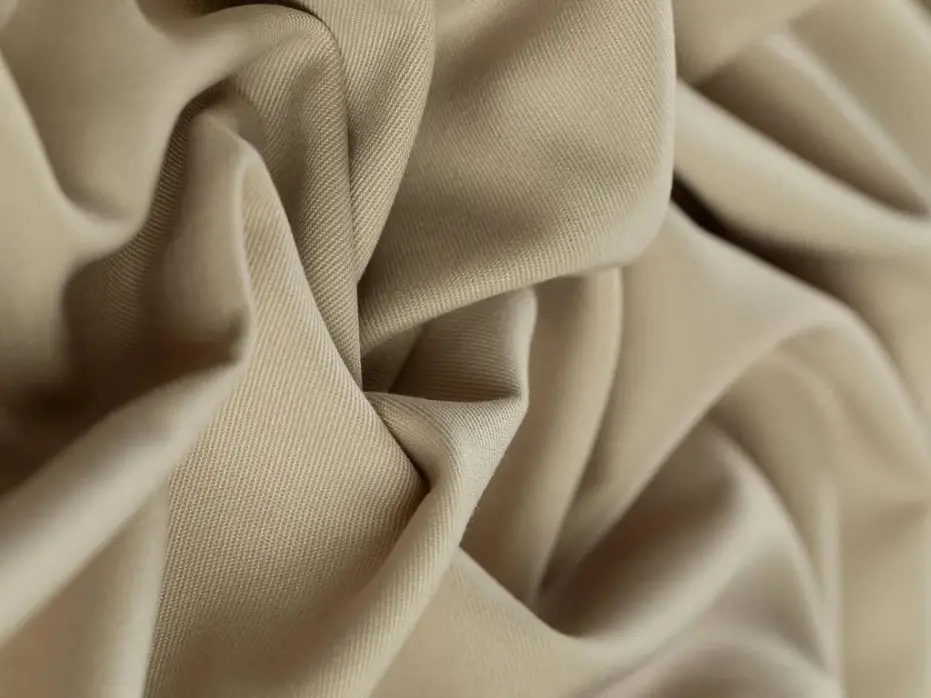
Wool gabardine is a tightly woven wool fabric with a distinctive diagonal ribbed pattern on one side and a smooth finish on the other. It’s made using a special twill weave technique that creates its signature look and outstanding durability.
When you run your fingers across wool gabardine, you’ll notice the fine diagonal lines running at an angle. This isn’t just for looks – this tight twill construction is what makes gabardine so tough and weather-resistant. The fabric is woven from worsted wool, which means the wool fibers are combed straight and spun into strong, smooth yarn before weaving.
What is Worsted Wool Gabardine?
Worsted wool gabardine refers to gabardine made from worsted yarn – a specific type of wool suiting yarn where long wool fibers are combed parallel to each other before spinning. This creates a smoother, stronger fabric compared to regular woolen yarns. The worsted process gives gabardine its characteristic smooth hand and crisp drape.
Key Identifying Features
- Twill weave pattern: Diagonal ribbing visible on the face of the fabric
- Smooth back: The reverse side has a flat, smooth texture
- Tight construction: Closely woven with many more warp threads than weft threads
- Crisp hand: The fabric feels firm and structured, not soft or drapey
- Subtle sheen: A slight natural luster, especially on higher-quality versions
- Weather resistance: Naturally sheds water and blocks wind thanks to its tight weave
Is Gabardine Natural or Synthetic?
Gabardine is actually a type of weave, not a specific fiber. Traditional gabardine is made from natural wool, but you can also find cotton gabardine and synthetic polyester versions. According to Britannica’s textile encyclopedia, gabardine is defined as a tightly woven fabric with a twill weave structure that creates its signature diagonal ribbing. When people talk about “wool gabardine,” they’re referring specifically to the natural wool version – the original and highest quality type.
What is Another Name for Gabardine Fabric?
You might see wool gabardine called “worsted gabardine” or simply “gab” in tailoring circles. The term “gaberdine” (spelled with an ‘e’) actually refers to a different thing entirely – it was a type of medieval cloak. The modern fabric takes its name from this historical garment.
The Fascinating Story Behind Gabardine

A close look at the iconic weave that defines gabardine fabric history.
Medieval Origins
The word “gabardine” comes from the Spanish “gabardina,” which described a long, protective cloak worn during the Middle Ages. These heavy cloaks were popular with travelers and workers who needed protection from rain and wind. Shakespeare even mentioned “gaberdine” in The Merchant of Venice.
Thomas Burberry’s Revolution (1879)
The wool gabardine we know today was invented by Thomas Burberry in 1879. Burberry, who founded the now-famous fashion house, was searching for a better fabric for outdoor clothing. At the time, waterproof outerwear meant rubberized cotton coats like the Mackintosh – heavy, stiff, and uncomfortable.
Burberry’s breakthrough was creating a fabric that was water-resistant without being coated. By using tightly twisted worsted wool in a steep twill weave, he produced a fabric that could shed water naturally while still breathing. According to historical textile records, Burberry patented his invention in 1888, and it quickly changed the world of outdoor clothing.
Thomas Burberry develops wool gabardine fabric
Burberry patents the gabardine fabric
Fridtjof Nansen wears gabardine on his Fram expedition to the North Pole
Roald Amundsen reaches the South Pole in gabardine clothing
British War Office updates military coats using gabardine for WWI trenches – the “trench coat” is born
George Mallory wears gabardine jacket attempting Mount Everest
Wool gabardine trousers become a menswear staple, especially in tan paired with navy blazers
Polar Explorers and Extreme Conditions
Some of the most dramatic proof of gabardine’s performance came from polar explorers. Norwegian explorer Fridtjof Nansen tested Burberry’s gabardine on his 1893 Fram expedition toward the North Pole. The fabric performed so well in arctic conditions that other explorers quickly followed.
Roald Amundsen wore gabardine when he became the first person to reach the South Pole in 1911. Ernest Shackleton used it not just for clothing but also for tents and equipment covers during his 1914 expedition to cross Antarctica. When George Mallory attempted to climb Mount Everest in 1924, he wore a gabardine jacket and plus-fours.
In 2006, mountaineers recreated Mallory’s gabardine suit from fragments recovered from his body on Everest. They tested the replica at high altitude and found the 1920s technology still provided effective protection – a testament to the fabric’s design.
The Trench Coat Legacy
World War I made gabardine famous worldwide. In 1914, the British War Office commissioned Burberry to design new coats for soldiers in the trenches. The harsh, wet conditions of trench warfare demanded something better than existing military coats.
The result – the trench coat – became one of the most iconic garments in fashion history. Made from wool gabardine, it kept soldiers relatively dry and warm while remaining light enough for movement. After the war, the trench coat transitioned to civilian fashion, where it remains a classic to this day.
Golden Age: 1930s-1950s
Wool gabardine hit peak popularity in the mid-20th century. In the 1930s, tan gabardine trousers became a go-to choice for men, often paired with navy blazers as an alternative to grey flannel. The fabric’s crisp appearance and durability made it perfect for business wear.
The 1950s saw colorful patterned casual jackets, trousers, and suits made from gabardine. Department stores like J.C. Penney sold popular gabardine “weekender jackets” – short, waist-length jackets that became a symbol of casual American style.
Is Gabardine Still Used Today?
Yes, though it’s less common than it once was. Quality wool gabardine is still prized for suits, trousers, and outerwear, particularly by those who appreciate traditional fabrics and craftsmanship. You’ll find it more often in bespoke tailoring and higher-end ready-to-wear than in fast fashion. Many modern designers are rediscovering gabardine and using it in contemporary ways, from deconstructed jackets to minimalist dresses.
How Wool Gabardine is Made
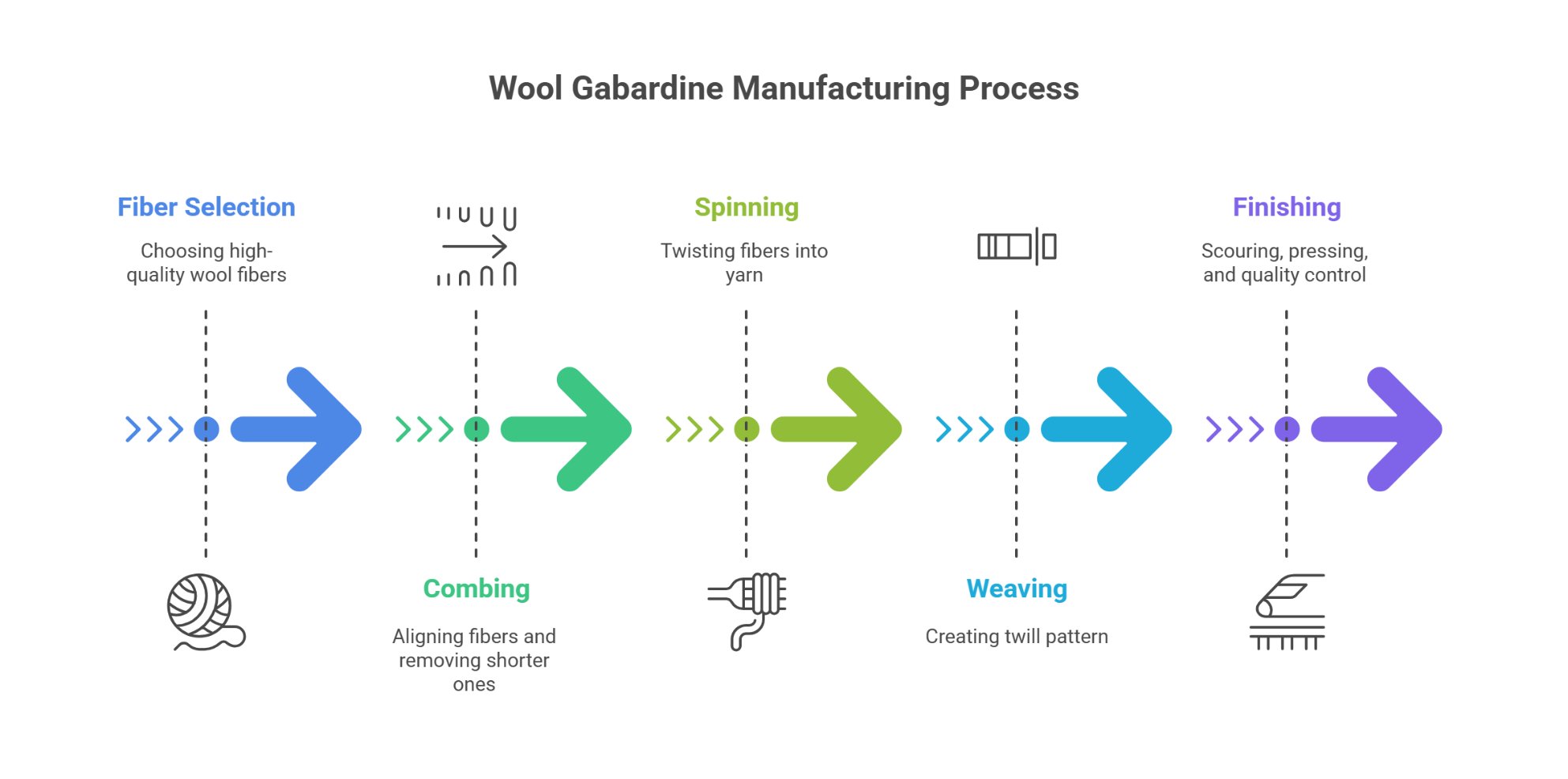
An illustrated overview of the wool gabardine production process from fiber selection to finishing.
Understanding the manufacturing process helps explain why quality wool gabardine performs so well and why prices vary so much between different versions.
Step 1: Fiber Selection
The process starts with choosing high-quality wool fibers. The best gabardine uses long-staple wool – fibers that are longer and more uniform. Merino wool is a common choice for premium gabardine and cashmere blends.
Step 2: Combing (The Worsted Process)
This is what separates worsted wool from regular woolen fabrics. The wool fibers go through a combing machine that aligns them all in the same direction and removes shorter fibers. Think of it like brushing tangled hair straight – you end up with smooth, parallel fibers.
This combing process is what gives gabardine its smooth texture and strength. Regular woolen fabrics skip this step, leaving fibers pointing in all directions, which creates a softer, fuzzier texture (like you’d find in wool tweed).
Step 3: Spinning
The combed wool is spun into yarn with a tight twist. This tight spinning adds strength and helps create gabardine’s characteristic firm hand. The yarn can be single-ply or double-ply depending on the desired weight and quality of the final fabric.
Step 4: Weaving (The Twill Pattern)
This is where gabardine gets its distinctive look. The fabric is woven in a warp-faced twill pattern, which means there are many more vertical (warp) threads than horizontal (weft) threads – sometimes as much as a 2:1 ratio.
The weaving creates that diagonal ribbing on the face of the fabric. The weft thread goes over one warp thread and under two or more, creating the characteristic diagonal lines. The back side stays relatively smooth because the warp threads dominate.
Step 5: Finishing
After weaving, the fabric goes through several finishing processes:
- Scouring: Washing to remove oils and impurities
- Pressing: Creates the smooth, tight surface
- Sometimes mercerizing: A treatment that adds sheen and improves durability
- Quality control: Checking for consistency, weight, and any defects
Is Gabardine Knit or Woven?
Gabardine is always woven, never knitted. The twill weave structure is what gives gabardine its signature properties. Knitted fabrics have more stretch and drape differently – they wouldn’t provide the structure and wind resistance that makes gabardine special.
Key Characteristics & Properties
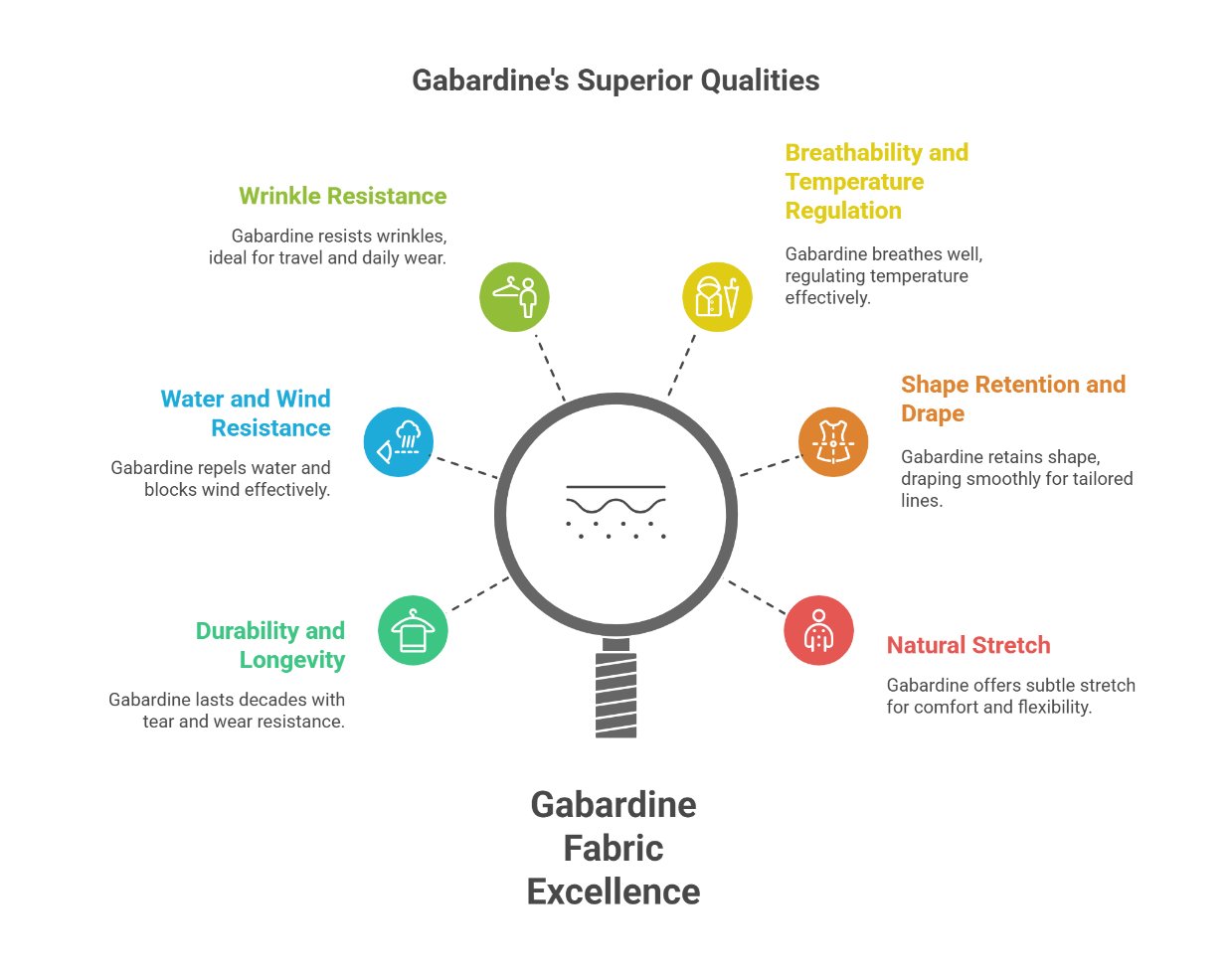
The essential characteristics that make wool gabardine a premium fabric choice.
What Does Wool Gabardine Feel Like?
Wool gabardine has a firm, crisp hand – it’s not soft or plush like cashmere or fuzzy like flannel. When you touch it, you’ll feel:
- A smooth, almost slick surface
- Structured firmness that holds its shape
- Subtle diagonal texture under your fingers
- A dry, non-fluffy feel
- Slight coolness to the touch (wool naturally regulates temperature)
Is Wool Gabardine Itchy?
Quality wool gabardine is generally not itchy. Because it’s made from worsted wool with long, combed fibers, it’s much smoother than scratchy wool sweaters made from shorter fibers. However, sensitivity varies from person to person:
- High-quality gabardine from fine merino wool: Usually not itchy at all
- Lower-grade gabardine from coarser wool: May feel scratchy against bare skin
- Worn as outerwear or trousers: Typically fine since you wear it over other clothing
- Very sensitive skin: May want to stick to cotton or silk layers underneath
Durability and Longevity
This is where gabardine really shines. The tight weave and strong worsted yarn create a fabric that can last for decades:
- Resists tears and snags better than most fabrics
- Holds up to daily wear without showing signs of stress
- The yarns are so tightly woven they’ll develop shine from wear long before they actually wear through
- Well-cared-for gabardine suits and trousers can easily last 20+ years
Water and Wind Resistance
Thanks to its tight construction, gabardine naturally repels water and blocks wind:
- Water-resistant (not waterproof): Light rain will bead up and roll off, but heavy downpours will eventually soak through
- Wind-blocking: The dense weave prevents wind from penetrating
- Breathable: Unlike rubber-coated fabrics, gabardine still allows air circulation
- Quick-drying: If it does get wet, the tight weave means less water absorption
Wrinkle Resistance
One of gabardine’s best features for travel and daily wear is how well it resists wrinkles:
- The tight weave and worsted yarn naturally spring back to shape
- Garments hold creases where you want them (trouser front creases) but don’t develop unwanted wrinkles
- A suit or pair of trousers can be worn all day and still look crisp
- Much better than linen or loosely woven fabrics
Breathability and Temperature Regulation
Despite being tightly woven, wool gabardine breathes reasonably well:
- Not as airy as tropical weight wools or fresco
- More breathable than synthetic fabrics
- Wool naturally wicks moisture away from your skin
- Works as an insulator in cool weather
- Can feel warm in hot, humid conditions
Shape Retention and Drape
Gabardine holds its shape exceptionally well:
- Trousers maintain their front crease
- Jackets keep their structure
- The fabric doesn’t stretch out or bag at knees and elbows
- Has enough body to create clean, tailored lines
- Drapes smoothly without being limp
Natural Stretch
Wool gabardine has a subtle natural elasticity thanks to the wool fibers:
- Gives slightly with movement, then returns to shape
- More flexible than cotton gabardine
- Not stretchy like knits – the movement comes from the fiber, not the weave
- Provides comfort during wear without losing structure
Is Gabardine Fabric Shiny?
Gabardine has a natural subtle sheen, but it’s not shiny like satin. However, gabardine can develop an unwanted shine with wear and pressing – we’ll cover this problem and solutions in detail in the care section below.
Advantages & Disadvantages of Wool Gabardine

A clear visual comparison highlighting the key advantages and disadvantages of wool gabardine fabric.
Advantages
- Exceptional durability – Lasts for decades with proper care
- Weather protection – Naturally sheds water and blocks wind
- Wrinkle resistant – Stays crisp throughout the day
- Shape retention – Maintains structure and doesn’t bag out
- Professional appearance – Clean lines and polished look
- Breathable – More comfortable than synthetics
- Natural fiber – Biodegradable and renewable
- Versatile – Works for formal and casual wear
- Long-term value – Higher upfront cost but decades of wear
- Classic style – Never goes out of fashion
Disadvantages
- Prone to shine – Can develop shiny spots with wear and pressing
- Limited seasonality – Too warm for summer, not warm enough for winter
- Requires careful pressing – Easy to damage with wrong technique
- Dry clean recommended – More maintenance than wash-and-wear fabrics
- Frays easily when cut – Challenging for home sewers
- Higher cost – Quality gabardine is expensive
- Needs preshrinking – Extra step before sewing
- Less widely available – Harder to find than common fabrics
- Can feel stiff – Not as soft as flannel or fleece
- Color limitations – Darker colors show shine more easily
What are the Benefits of Gabardine?
The main benefits of wool gabardine come down to its unique combination of properties. You get a fabric that’s tough enough for outdoor exploration, refined enough for boardrooms, and durable enough to become a wardrobe staple you wear for years. It’s one of the few fabrics that balances function and elegance so well.
Sustainability & Environmental Impact
In an age of fast fashion and synthetic fabrics, wool gabardine offers some genuine sustainability benefits – though it’s not perfect.
Natural and Renewable
- Wool is a renewable resource – sheep grow new fleece every year
- 100% biodegradable – untreated wool breaks down in 1-5 years in soil
- No microplastic pollution unlike polyester and other synthetics
- Natural fiber processing requires less energy than creating synthetic fibers
Longevity Reduces Waste
The biggest sustainability advantage of wool gabardine is how long it lasts:
- A well-made gabardine suit can easily serve you for 20-30 years
- Compare this to fast fashion items that might last a season or two
- Fewer purchases over time means less overall resource consumption
- Classic style means garments don’t become outdated
Environmental Concerns
Wool production does have environmental impacts to consider:
- Land use: Sheep farming requires significant grazing land
- Methane emissions: Sheep produce methane, a greenhouse gas
- Water consumption: Both for sheep and wool processing
- Chemical treatments: Some finishing processes use chemicals
Sustainable Options
If sustainability is important to you, look for:
- Certified organic wool: From farms that meet organic standards
- Responsible Wool Standard (RWS): Ensures animal welfare and land management
- Deadstock gabardine: Surplus fabric from luxury fashion houses being resold instead of going to waste
- Vintage gabardine: High-quality older pieces that have already proven their longevity
- Local mills: Supporting regional textile production reduces transportation emissions
Recycling and End of Life
Wool gabardine garments have options at end of life:
- Can be repaired and tailored to extend life significantly
- Natural fibers can be composted (remove buttons and zippers first)
- High-quality vintage pieces have resale value
- Wool can be recycled into new yarn, though this is less common
Wool Gabardine vs Other Fabrics
Wool Gabardine vs Cotton Gabardine
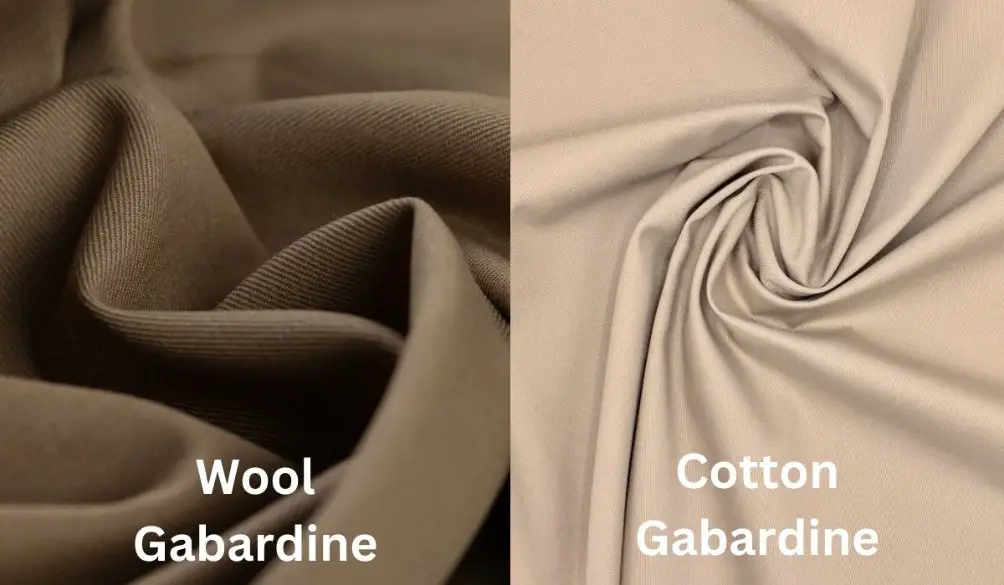
A side by side comparison of wool gabardine and cotton gabardine fabrics.
Both use the same twill weave, but the fiber makes a big difference:
| Feature | Wool Gabardine | Cotton Gabardine |
|---|---|---|
| Weight | Generally heavier (10-14 oz) | Lighter (5-8 oz typical) |
| Warmth | Warmer, better insulation | Cooler, more breathable |
| Wrinkle Resistance | Excellent – springs back naturally | Good but wrinkles more than wool |
| Water Resistance | Better natural water shedding | Less water resistant |
| Drape | Stiffer, more structured | Softer, more fluid drape |
| Care | Dry clean recommended | Can often machine wash |
| Price | $20-50+ per yard | $10-30 per yard |
| Best For | Suits, dress trousers, winter coats | Summer clothing, casual wear, uniforms |
| Durability | Very durable, decades of wear | Durable but not as long-lasting |
Cotton gabardine is used more widely today because it’s lighter, cheaper, and easier to care for. Think of it as gabardine’s casual cousin. You’ll see it in summer jackets, work uniforms, and casual trousers. Wool gabardine is the formal, heavy-duty version for suits and quality outerwear.
Wool Gabardine vs Tropical Wool
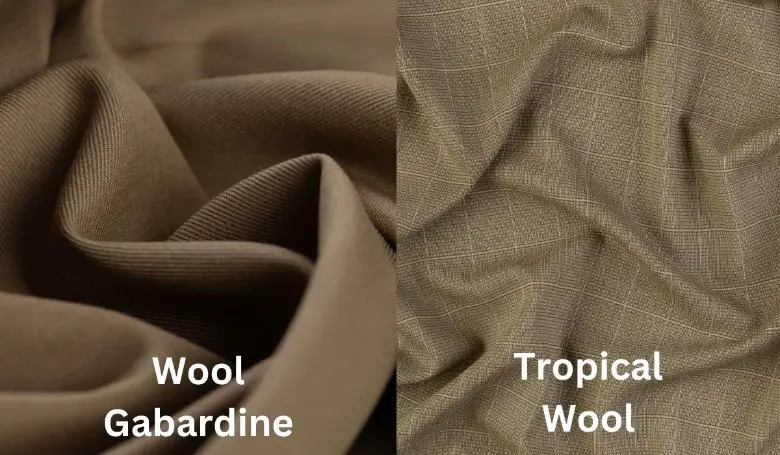
Comparing wool gabardine with tropical wool for seasonal garment selection.
This comparison comes up often because both are worsted wool fabrics, but they’re designed for different purposes:
| Feature | Wool Gabardine | Tropical Wool |
|---|---|---|
| Weave | Tight twill weave | Loose plain weave |
| Weight | 10-14 oz typically | 7-9 oz typically |
| Breathability | Moderate – tight weave traps some heat | Excellent – open weave allows airflow |
| Best Season | Spring and fall | Summer and warm climates |
| Wind Resistance | Excellent – blocks wind | Poor – wind passes through |
| Water Resistance | Good – sheds light rain | Minimal |
| Texture | Diagonal ribbing, structured | Smooth, lighter feel |
| Shine Problem | More prone to developing shine | Less likely to shine |
Think of it this way: gabardine seals you in with its tight weave, which is great for wind and rain but warm in summer. Tropical wool is woven loosely so air can flow through, keeping you cool but offering no weather protection. For hot weather suits, tropical wool wins. For a spring coat or transitional blazer, gabardine is better.
Wool Gabardine vs Flannel
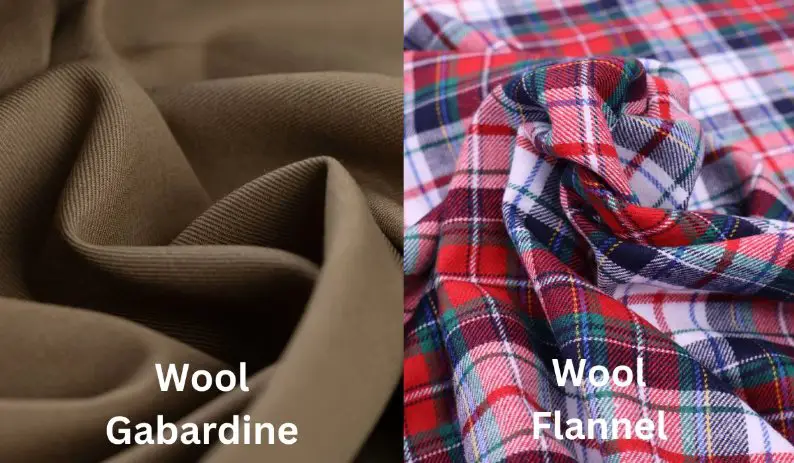
Visual comparison between structured wool gabardine and soft wool flannel.
These are opposites in many ways, despite both being wool:
| Feature | Wool Gabardine | Wool Flannel |
|---|---|---|
| Yarn Type | Worsted (combed, smooth) | Can be worsted or woolen (fuzzy) |
| Surface | Smooth, sometimes slight sheen | Napped/brushed, matte finish |
| Hand Feel | Crisp, firm, structured | Soft, fuzzy, lofty |
| Warmth | Moderate warmth | Very warm – traps more air |
| Formality | More formal, polished look | More casual, relaxed appearance |
| Weather Use | Wind and rain resistant | Cold weather, no water resistance |
| Ease of Sewing | Challenging – frays, needs care | Easier – more forgiving |
| Best For | Business suits, dress trousers | Casual suits, winter trousers |
Flannel is what most people think of as “cozy wool” – the soft, warm fabric perfect for winter. Gabardine is its business-minded sibling – polished, professional, and protective. Grey flannel trousers are a wardrobe classic, but tan gabardine trousers were equally popular in menswear’s golden age.
What is a Gabardine Equivalent To?
In terms of use and feel, wool gabardine is similar to:
- Cavalry twill: Another worsted wool twill, but with a more pronounced diagonal rib. Slightly more casual than gabardine.
- Whipcord: A steep-angled twill weave, even more durable than gabardine. Often used for riding pants.
- Worsted serge: Another smooth worsted fabric, though serge has a 45-degree twill angle while gabardine’s is steeper.
All of these are hard-wearing worsted wools suitable for trousers and suits, but gabardine’s specific weave gives it the best balance of smoothness and weather resistance.
Weight & Grade Guide
Wool gabardine comes in different weights, typically measured in ounces per square yard. The weight affects seasonality, drape, and appropriate uses.
Lightweight (8-10 oz)
Best For: Spring suits, lighter blazers, warm climate wear
Characteristics:
- More breathable
- Softer drape
- Less insulation
- Still maintains structure
Considerations: Can be too light for winter, may not hold creases as sharply
Medium Weight (11-13 oz)
Best For: Year-round suits, dress trousers, blazers
Characteristics:
- Most versatile weight
- Good structure and drape
- Moderate warmth
- Professional appearance
Considerations: The “Goldilocks” weight – not too heavy, not too light. Most common choice.
Heavyweight (14-15+ oz)
Best For: Winter coats, heavy trousers, cold weather suits
Characteristics:
- Very warm
- Maximum durability
- Excellent structure
- Holds creases perfectly
Considerations: Too warm for summer, can feel stiff, excellent wind protection
How to Choose the Right Weight
Weight Selection Guide
Moderate: 11-13 oz for best versatility
Cold: 14-15+ oz for winter garments
Trousers: Any weight works, match to season
Overcoat: 14-15+ oz for warmth
Blazer: 10-12 oz for lighter wear
Uses & Applications
Suits
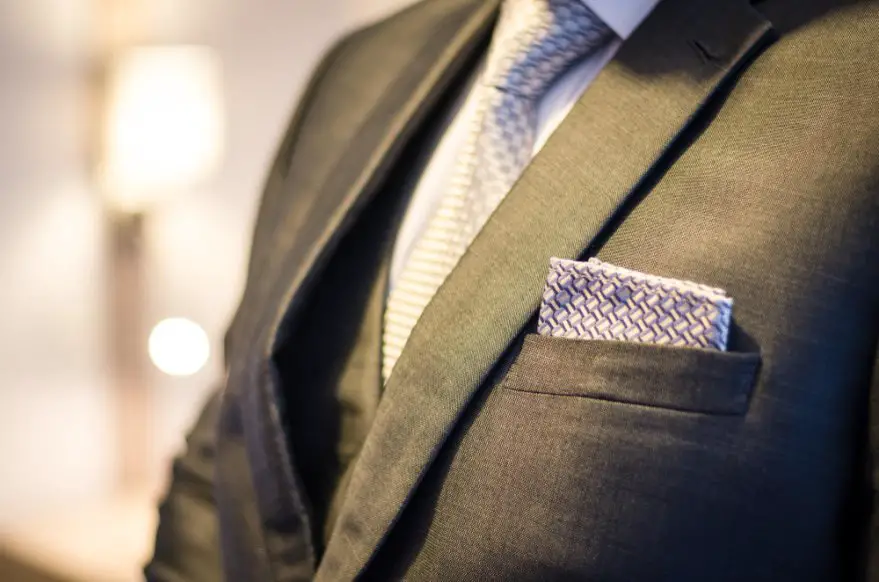
A classic suit crafted from wool gabardine for a sharp and timeless look.
Wool gabardine makes outstanding suit fabric:
- The crisp structure creates clean, sharp lines
- Wrinkle resistance keeps you looking professional all day
- Durability means your investment will last
- Works best for business suits rather than more casual styles
- Medium weight (11-13 oz) is ideal for most suit applications
Trousers
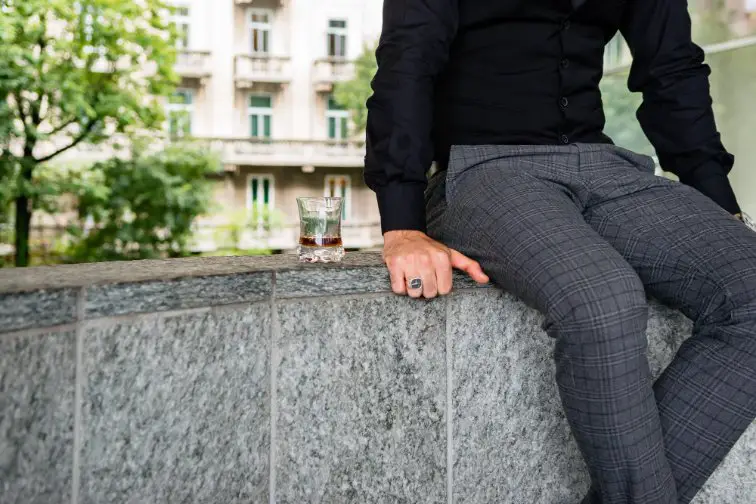
Wool gabardine trousers combining comfort, durability, and modern tailoring.
This is where gabardine really shines (pun intended):
- Holds front creases perfectly
- Doesn’t bag at knees or seat
- Classic tan or stone gabardine trousers are a menswear staple
- Pair beautifully with navy blazers or brown tweed jackets
- Can work for both formal and business casual
- The diagonal texture adds visual interest to solid colors
Outerwear and Coats

A classic wool gabardine coat designed for durability, warmth, and refined style.
Gabardine’s original purpose still works brilliantly:
- Trench coats: The classic application – water-resistant and stylish
- Overcoats: Heavyweight gabardine blocks wind and provides structure
- Rain jackets: Natural water resistance without plastic coating
- Car coats: Practical and polished
Blazers and Sport Coats
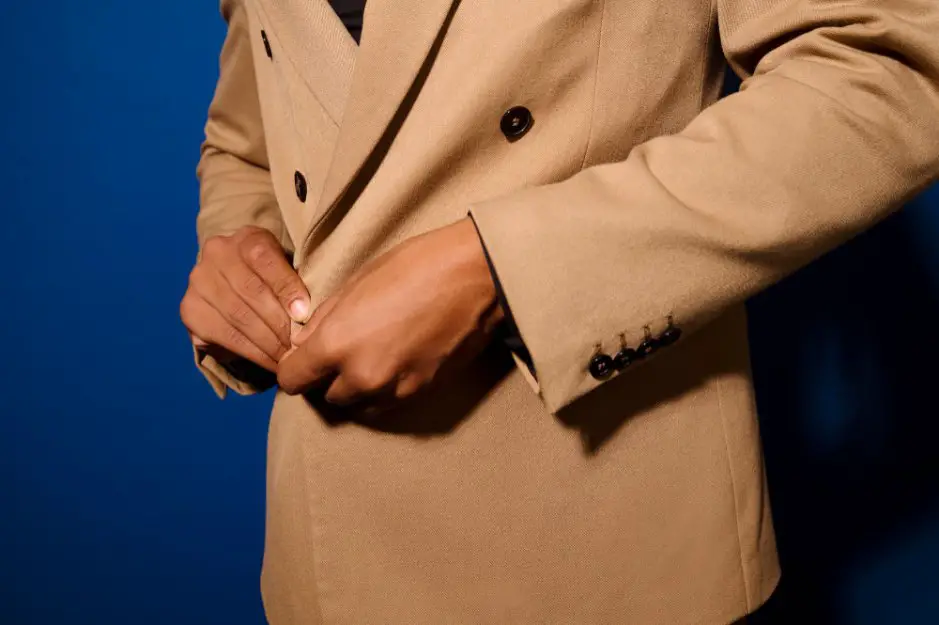
A tailored blazer showcasing the versatility of wool gabardine fabric.
Gabardine works for structured, tailored blazers:
- Creates that “jacket hanging on its own” structured look
- Best in solid colors or subtle patterns
- More formal than tweed, less formal than a suit jacket
- Good choice for business casual environments
Skirts and Dresses
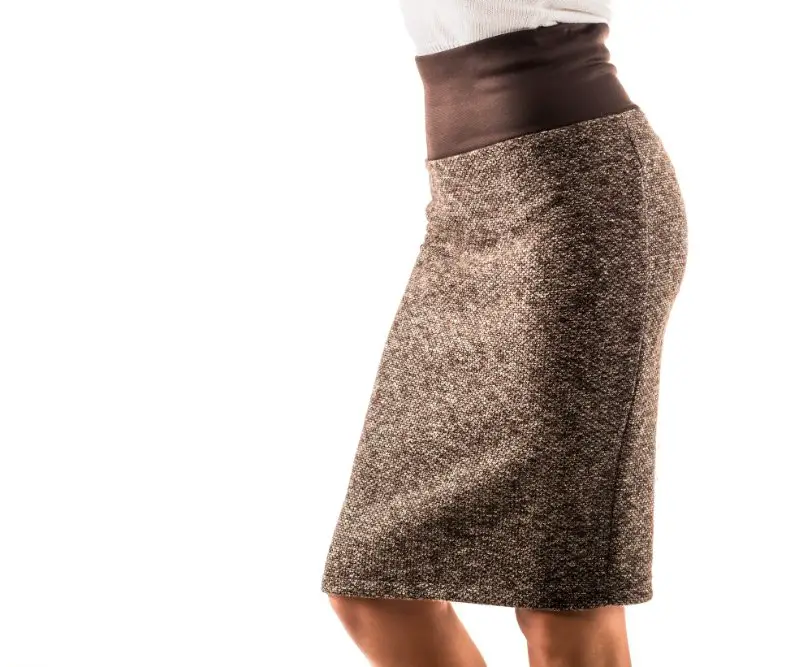
A wool gabardine skirt offering clean lines and professional elegance.
Less common but effective:
- Pencil skirts hold their shape beautifully
- A-line skirts have a crisp, tailored appearance
- Shirtdresses and tailored dresses benefit from the structure
- Best for cooler seasons due to warmth
When to Wear Gabardine
Best for:
- Spring and fall as primary seasons
- Cool summer evenings (lightweight versions)
- Mild winter days (heavyweight versions)
- Business and formal occasions
- Travel – packs well, resists wrinkles
- Rainy weather (natural water resistance)
Not ideal for:
- Hot, humid summer days
- Extreme cold (not enough insulation)
- Very casual settings (too formal)
- Athletic or active wear (not stretchy)
Is Gabardine a Winter Fabric?
Wool gabardine is typically considered a “between-seasons” fabric – perfect for spring and fall. It’s too warm for summer but not quite warm enough as the only layer in deep winter. Think of it as your transitional weather friend. Heavy versions (14+ oz) can work for winter suits and coats, especially when layered.
Is Gabardine Good for Winter?
It depends on the weight and how you wear it:
- Heavyweight gabardine (14-15+ oz) can work for winter suits and trousers
- The wind-blocking properties help in cold weather
- Best combined with layers – a gabardine suit over proper winter shirt and undershirt
- For outerwear, gabardine coats are great for wet winter weather but need layering in extreme cold
- Not as warm as heavy flannel or winter-weight tweeds
Complete Care Guide for Wool Gabardine
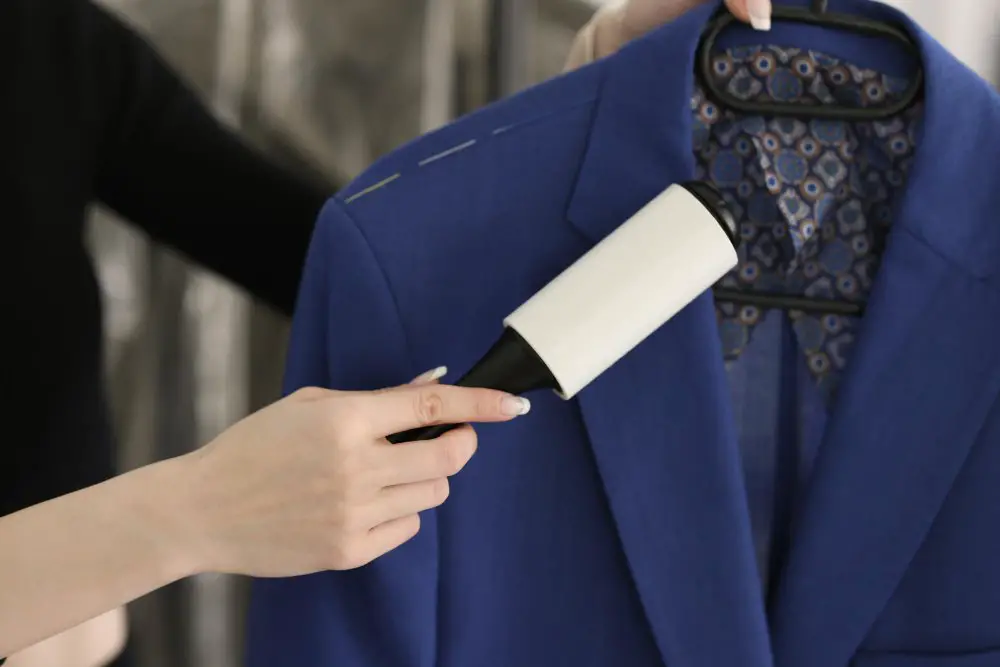
Proper care techniques help maintain the appearance and longevity of wool gabardine garments.
Can You Machine Wash Wool Gabardine?
Generally, no – machine washing wool gabardine is risky and not recommended. The agitation and temperature changes can cause shrinking and damage the fabric’s structure. However, the answer has some nuance:
- Tailored garments (suits, blazers): Never machine wash – the interfacing, lining, and construction will be ruined
- Simple garments (trousers, skirts): Very gentle hand washing in cold water is possible but risky
- Fabric yardage: If you’re sewing, you can pre-shrink carefully by hand
- Best practice: Dry clean or professional wet cleaning
How Do You Clean Gabardine?
Dry Cleaning (Recommended)
This is the safest method for wool gabardine garments:
- Preserves the fabric structure and finish
- Professional pressing prevents shine
- Handles complex garment construction properly
- Typically needed 2-4 times per year unless heavily soiled
- Find a quality cleaner who understands wool – not all dry cleaners are equal
Hand Washing (If You Must)
For those who want to avoid dry cleaning or are working with fabric:
- Fill a basin or tub with cold water (never hot – wool shrinks)
- Add a small amount of wool-safe detergent – look for pH-neutral formulas designed for wool
- Submerge the garment and gently swish it around – no rubbing, wringing, or agitation
- Let soak for 10-15 minutes maximum
- Drain the soapy water and refill with clean cold water
- Rinse by gently moving the garment in the water – change water and repeat until no soap remains
- Press out excess water by squeezing gently – never wring or twist
- Lay flat on a clean towel, roll up the towel to absorb more water
- Reshape the garment to its original form
- Lay flat to dry on a fresh towel away from direct heat or sunlight – this can take 24-48 hours
Spot Cleaning
For small stains between cleanings:
- Water-based stains: Blot (don’t rub) with a clean, damp cloth
- Oil stains: Apply a small amount of cornstarch or baby powder to absorb the oil, let sit for several hours, then brush off
- Food stains: Gently work from the outside in with a damp cloth to avoid spreading
- Always test: Try any cleaning method on an inconspicuous area first
- Act quickly: Fresh stains are much easier to remove
Can You Wash Wool Gabardine?
The short answer is: you can, but you shouldn’t with garments. If you’re pre-washing fabric for sewing, yes, careful cold water hand washing works. For finished garments, the risk of shrinkage, distortion, and damage to construction (linings, interfacings, shoulder pads) makes it a bad idea. Dry cleaning is worth the cost to preserve your investment.
Preventing & Removing Shine
This is one of the most common problems with wool gabardine, and it’s worth understanding in detail.
Why Does Gabardine Develop Shine?
Shine happens when the wool fibers get matted and compressed:
- The tight weave means fibers are already closely packed
- Pressure (from sitting, ironing, dry cleaning presses) flattens the fibers further
- Flattened fibers reflect light more uniformly, creating shine
- Heat makes this worse by partially melting the wool’s protective coating
- Darker colors show shine more obviously than lighter ones
Interestingly, gabardine will often shine long before it actually wears out – the fabric itself is still perfectly sound.
Prevention Strategies
Color Choice
- Best choices: Tan, stone, olive, light grey – these show shine least
- Problematic: Navy and black show shine quickly and obviously
- Medium risk: Charcoal, brown, medium colors
Proper Pressing Technique
This is critical:
- Always use a pressing cloth: A piece of clean cotton fabric between the iron and gabardine
- Temperature: Use the wool setting (low to medium heat) – never hot
- Steam: Use steam or a damp pressing cloth
- Pressure: Use a light touch – don’t press down hard
- Motion: Lift and press in sections rather than sliding the iron
- Inside out: When possible, press from the wrong side
- Use a clapper: A wooden pressing tool that helps set creases without heat
Storage and Wear
- Rotate garments – don’t wear the same trousers every day
- Hang trousers properly on clip hangers or trouser bars
- Brush garments after wearing to remove dirt and restore nap
- Let garments rest between wears – wool needs recovery time
- Avoid sitting on rough surfaces that can cause friction
Choose Your Dry Cleaner Wisely
- Find a cleaner who understands quality fabrics
- Ask about their pressing technique
- Tell them you’re concerned about shine
- Some cleaners use too much pressure and heat – this damages gabardine
How to Remove Shine
If shine does develop, you can sometimes reduce it:
Steam Method
- Hang the garment in a steamy bathroom or use a handheld steamer
- Hold the steamer several inches away – don’t touch the fabric
- Steam the shiny areas thoroughly
- Gently brush the area with a soft clothes brush while still damp
- Let air dry completely
Vinegar Method
- Mix 1 part white vinegar with 2 parts water
- Dampen a clean cloth with the solution
- Lay the damp cloth over the shiny area
- Press lightly with a warm iron
- Brush the area gently while damp
- Let air dry
Soft Brush Method
- Use a very soft brush (like a clean toothbrush or fabric brush)
- Gently brush the shiny area in circular motions
- This can lift some of the flattened fibers
- Works best on mild shine, not severe cases
Reality Check on Shine Removal
Honestly, removing shine is difficult and results vary. Prevention is much more effective than cure. If shine is severe, sometimes the only option is to accept it or have the garment professionally refinished (expensive and not always successful). This is why choosing lighter colors and using proper pressing technique from the start is so important.
Drying and Storage
Drying
- Never use a dryer: Heat will shrink and damage wool
- Lay flat to dry: Hanging wet wool can stretch it out of shape
- Shape while damp: Gently reshape to original dimensions
- Avoid direct heat: No radiators, direct sunlight, or heaters
- Good airflow: A well-ventilated room speeds drying
- Patience: Wool dries slowly – can take 24-48 hours
Storage
- Hanging suits and jackets: Use wide, padded hangers to maintain shoulder shape
- Hanging trousers: Clip hangers or trouser bars – don’t fold over regular hangers
- Breathable garment bags: Protect from dust while allowing air circulation
- Moth prevention: Cedar blocks or lavender sachets (replace mothballs – they smell terrible)
- Off-season storage: Clean before storing, keep in cool, dark place
- Never plastic bags: Traps moisture and can cause mildew
Frequency of Cleaning
Don’t over-clean wool gabardine:
- Suits and jackets: Dry clean 2-4 times per year unless visibly soiled
- Trousers: Every 6-8 wears or when needed
- Coats: 1-2 times per season, typically at season’s end
- Between cleanings: Air out garments, brush them, spot clean as needed
Wool naturally resists odors and dirt, so it doesn’t need frequent cleaning like cotton or synthetics. Over-cleaning actually shortens the fabric’s life.
Buying Guide for Wool Gabardine
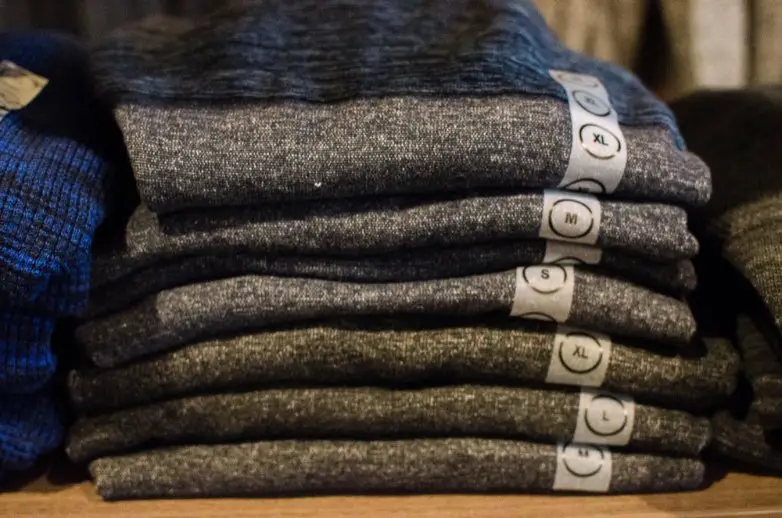
A visual guide to selecting quality wool gabardine based on texture, weight, and finish.
Why is Gabardine So Expensive?
Quality wool gabardine costs more than many fabrics for good reasons:
- Premium raw materials: Long-staple wool from quality sheep breeds
- Labor-intensive production: The worsted process requires multiple steps
- Specialized weaving: The tight twill weave is more complex than plain weaves
- Quality control: Good mills check consistency carefully
- Lower demand: Smaller production runs cost more per yard
- Longevity justifies cost: A $400 gabardine suit lasting 20 years costs less per wear than a $100 polyester suit lasting 2 years
Price Ranges
| Quality Level | Price Per Yard | What You Get |
|---|---|---|
| Budget | $15-25 | Lower-grade wool, may have some synthetic blend, less consistent weave |
| Mid-Range | $25-40 | Good quality wool, decent hand, reliable performance |
| High-End | $40-70 | Premium wool, excellent weave consistency, superior drape and hand |
| Luxury | $70+ | Top-grade merino or superfine wool, mill cloth from renowned makers (Holland & Sherry, Loro Piana, Scabal) |
What is Luxury Gabardine Fabric?
Luxury gabardine uses the finest wool (often superfine merino), is woven in premium mills, and has exceptional hand and drape. You’ll notice:
- Softer, more comfortable feel while maintaining structure
- More consistent weave – every inch looks the same
- Better color depth and fastness
- Superior draping properties
- Often from historic Italian or British mills
- May include special finishes or treatments
How to Identify Quality Wool Gabardine
Visual Inspection
- Consistent diagonal lines: The twill pattern should be even and clear
- Tight weave: Hold it up to light – less light should pass through than looser weaves
- Color uniformity: No variations or streaks
- Smooth surface: No pilling, slubs, or irregularities
Touch Test
- Hand feel: Should feel smooth and firm, not scratchy or limp
- Recovery: Squeeze it in your hand – quality gabardine springs back
- Weight: Should feel substantial without being stiff
- Drape: Let it hang – should fall smoothly without excessive wrinkling
Technical Details to Ask About
- Fiber content: 100% wool is best (some blends can work but check quality)
- Wool grade: Superfine merino is top tier
- Thread count: Higher is generally better for gabardine
- Weight in ounces: Helps you choose right version for your needs
- Mill source: Reputable mills have quality control standards
Is Gabardine 100% Cotton?
No, traditional gabardine is wool. However, “cotton gabardine” exists as a lighter, more casual version using cotton fibers in the same twill weave. When people say “gabardine” without a modifier, they usually mean wool gabardine. Always check the fiber content label.
Is Gabardine the Same as Polyester?
No. Gabardine is a weave pattern, while polyester is a synthetic fiber. You can find polyester gabardine (polyester woven in a gabardine twill), but it’s a completely different beast from wool gabardine:
- Polyester gabardine is cheaper and more wrinkle-resistant
- It doesn’t breathe as well
- It won’t biodegrade
- It lacks the natural temperature regulation of wool
- The hand feel is slicker and less pleasant
Where to Buy
- Specialty fabric stores: Best for seeing and feeling in person
- Online fabric retailers: Often better selection and prices
- Deadstock suppliers: Surplus from fashion houses – sustainable and often high quality
- Tailoring suppliers: Cater to professional tailors, usually stock good quality
- Direct from mills: Sometimes possible for larger quantities
Red Flags When Buying
- Suspiciously low prices for “100% wool” (likely poor quality or not actually wool)
- Fuzzy or unclear diagonal pattern
- Fabric feels limp or overly soft (not enough structure)
- Inconsistent color or weave
- Seller can’t or won’t provide details on fiber content or weight
- No return policy (you need to be able to return if it’s not what you expected)
Sewing & Tailoring with Wool Gabardine
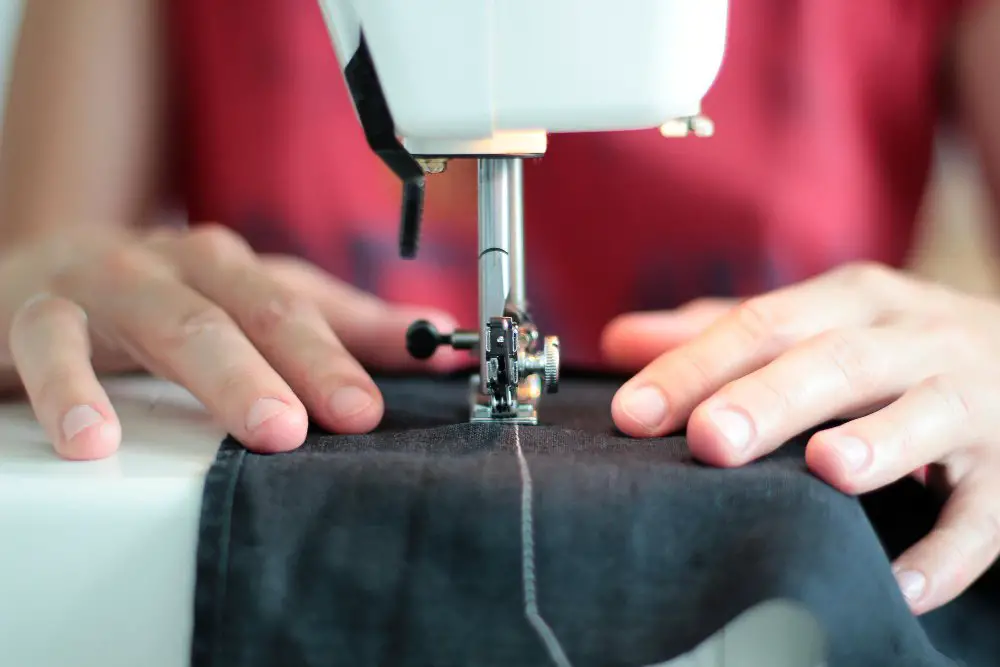
Precision sewing techniques are essential when working with wool gabardine fabric.
Is Gabardine Easy to Sew?
Honestly? No. Wool gabardine is challenging for beginners and even experienced sewers need to take care. Here’s why:
- Frays easily: The tight weave means cut edges unravel quickly
- Shows mistakes: The smooth surface makes uneven stitching obvious
- Pressing challenges: Easy to create shine or press marks
- Needs preshrinking: Extra step before cutting
- Requires quality tools: Sharp scissors, good needles, proper thread
Does Gabardine Fray?
Yes, wool gabardine frays significantly. The tightly twisted yarns want to unravel at cut edges. You’ll need to:
- Finish seams immediately after cutting
- Use a serger/overlocker if available
- Or finish with pinking shears, zigzag stitch, or bound seams
- Handle cut pieces carefully before seaming
- Cut pieces one at a time if you can’t sew them immediately
Preshrinking – Essential Step
Never skip this. Wool gabardine will shrink if it gets wet, so you must preshrink fabric before cutting:
Method 1: Dry Cleaner (Recommended)
- Take your fabric yardage to a dry cleaner
- Ask them to put it through a full cleaning and pressing cycle
- Costs $10-20 typically but worth it for peace of mind
- This is what professional tailors do
Method 2: Hand Washing
- Fill a tub with cold water
- Submerge fabric completely
- Let soak for 15-20 minutes – no agitation
- Drain and gently squeeze out excess water
- Roll in towels to remove more moisture
- Lay flat to dry on a clean surface
- This can take 24-48 hours
- Press on the wrong side when dry
Cutting and Layout
- Sharp scissors: Dull blades will damage the fabric
- Mark clearly: Use tailor’s chalk or washable markers
- Respect the grain: Gabardine is unforgiving if cut off-grain
- Pattern weights: Better than pins which can leave marks
- Single layer cutting: More accurate than folded for gabardine
Needles and Thread
- Machine needles: Size 70/10 to 80/12 for most weights – sharp point, not ballpoint
- Hand sewing needles: Size 8-10 sharps
- Thread: Quality cotton or poly-cotton thread that matches fiber content
- Color matching: Match thread color carefully – gabardine shows thread clearly
Seams and Construction
- Stitch length: 2.5-3mm for most seams
- Seam finish: Serge, bind, or Hong Kong finish to prevent fraying
- Pressing: Press each seam as you sew – essential for quality results
- Interfacing: Test compatibility first – some fusibles don’t bond well to gabardine’s tight weave
Pressing During Construction
- Always use a pressing cloth
- Medium heat with steam
- Press from wrong side when possible
- Lift and press – don’t slide the iron
- Let pieces cool completely before moving them
- Consider a tailor’s ham for curved seams
Interfacing Challenges
Fusible interfacing can be tricky with gabardine:
- The tight weave prevents some adhesives from penetrating
- Always test on a scrap piece first
- You may need extra heat and pressure for good bonding
- Some sewers prefer sew-in interfacing for gabardine
- Hair canvas works well for tailored garments
Styling & When to Wear Wool Gabardine
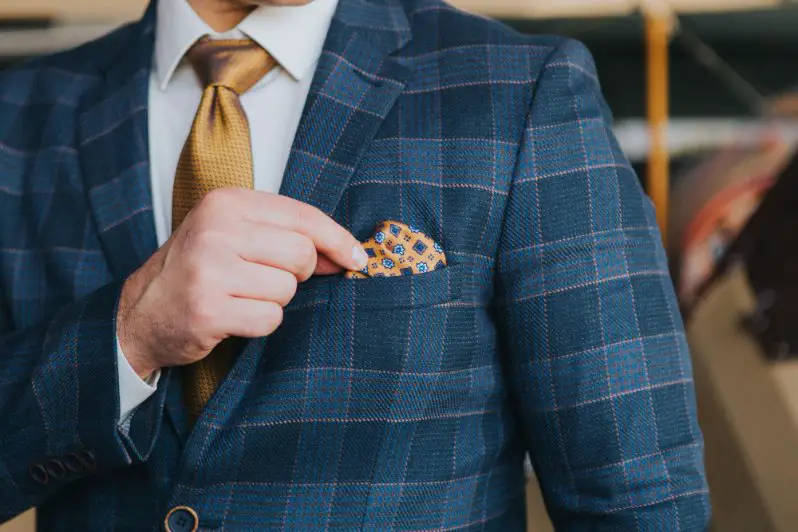
Wool gabardine suits offer timeless style for formal, business, and seasonal wear.
Classic Combinations
Tan Gabardine Trousers
This is the quintessential gabardine look:
- With navy blazer: The classic American menswear combination
- With brown tweed jacket: Perfect for autumn
- With light blue oxford shirt: Business casual staple
- With polo shirts: Smart casual for warmer days
Gabardine Suits
- Navy or grey: Professional business attire
- With white dress shirt: Can’t go wrong
- With light blue or pink shirt: Adds personality while staying professional
- Pocket square and quality shoes: Polish the look
Gabardine Trench Coat
- Works over both suits and casual outfits
- Classic beige/tan is most versatile
- Navy or olive for variation
- Perfect for rainy spring and fall days
Seasonal Styling
Spring
- Lighter weight gabardine (10-11 oz)
- Lighter colors – tan, stone, light grey
- Pair with cotton shirts and lightweight knits
- Perfect for unpredictable spring weather
Fall
- Medium to heavyweight (12-14 oz)
- Richer colors – brown, olive, charcoal
- Layer with wool sweaters and oxford shirts
- Gabardine trench coat is ideal outerwear
Winter (with caveats)
- Heavyweight only (14+ oz)
- Needs proper layering – thermal underwear, warm shirt
- Works better in moderate winter climates
- Wind-blocking properties are a plus
Dress Codes
- Formal: Wool gabardine suits work well
- Business professional: Perfect choice
- Business casual: Gabardine trousers with blazer or sweater
- Smart casual: Can work but might feel too formal
- Casual: Too formal – choose cotton or more relaxed fabrics
Frequently Asked Questions
Conclusion
After exploring everything from Thomas Burberry’s 1879 invention to modern care techniques, let’s recap what makes wool gabardine special and help you decide if it belongs in your wardrobe or sewing room.
The Bottom Line
Wool gabardine is a specialized fabric that excels in specific roles. It’s not the right choice for every situation, but when you need its particular combination of durability, weather resistance, and professional appearance, nothing else quite matches it.
Think of gabardine as an investment fabric. You pay more upfront, but you’re buying something that will serve you for decades. A $40-50 per yard fabric that makes trousers you wear for 20 years costs far less per wear than cheap alternatives you replace every few years.
Wool Gabardine is Your Best Choice If You:
- Need professional, polished clothing for work or formal events
- Live in a climate with distinct spring and fall seasons
- Value quality and longevity over fast fashion
- Appreciate natural fibers and traditional fabrics
- Want clothing that resists wrinkles during travel or long days
- Need weather protection without bulky outerwear
- Are building a capsule wardrobe of classic, lasting pieces
Consider Alternatives If You:
- Live in very hot, humid climates (try tropical wool or cotton gabardine)
- Need extremely cold-weather clothing (try heavy flannel or wool tweed)
- Want wash-and-wear convenience (try cotton or synthetic blends)
- Prefer soft, cozy textures (try flannel or cashmere)
- Are a beginning sewer (start with easier fabrics, come back to gabardine when you have more experience)
- Need very casual clothing (cotton or linen will be more comfortable)
Key Takeaways
Remember These Critical Points:
- Quality matters: The difference between cheap and quality gabardine is substantial – invest in good fabric
- Color choice affects longevity: Light colors (tan, stone, light grey) show wear and shine far less than navy or black
- Pressing technique is make-or-break: Always use a pressing cloth, low heat, and light pressure
- It’s a seasonal specialist: Perfect for spring and fall, challenging in summer, needs layering in winter
- Dry cleaning preserves your investment: Hand washing is possible but risky – professional cleaning is worth it
- Pre-shrink before sewing: Non-negotiable step that saves you from ruined garments
- The tight weave is both benefit and challenge: Provides weather protection and durability but frays easily and can shine
Final Recommendations
For Your First Gabardine Purchase:
- Start with tan or stone-colored trousers in 11-12 oz weight
- Buy from a reputable supplier and ask questions about the fabric
- Factor in alteration or tailoring costs if buying ready-made
- Learn or find a good dry cleaner before you need one
- Buy a quality pressing cloth and wooden clapper if sewing
For Sewers:
- Don’t make gabardine your first project – build skills first
- Read the wool care guide thoroughly before starting
- Budget for preshrinking at a dry cleaner
- Test pressing and interfacing on scraps before touching your garment
- Choose a pattern with minimal pieces and simple construction for first gabardine project
For Wardrobe Building:
- A pair of tan gabardine trousers is more versatile than a full suit
- If buying one suit, choose charcoal or mid-grey over navy (shows shine less)
- A gabardine trench coat is a worthy investment that serves for decades
- Rotate pieces – don’t wear the same gabardine item daily
- Store properly and clean only when needed to maximize lifespan
Looking Forward
While wool gabardine isn’t as common as it was in its 1930s-1950s heyday, it’s experiencing renewed interest from people tired of disposable fashion. Deadstock suppliers are making vintage high-quality gabardine available again. Some traditional mills are still producing exceptional cloth. And a new generation is discovering what their grandparents knew – that well-made clothing from quality materials simply performs better and lasts longer.
Wool gabardine represents a different approach to clothing: buy better, buy less, take care of what you own, and enjoy wearing the same excellent pieces for years or decades. In a world of fast fashion and planned obsolescence, that’s increasingly appealing.
Whether you’re a tailor crafting bespoke suits, a home sewer tackling a challenging project, or someone building a professional wardrobe, understanding wool gabardine helps you make informed choices. This fabric has survived and thrived for nearly 150 years because it does certain jobs exceptionally well. If those jobs align with your needs, gabardine won’t disappoint.
Now you know what wool gabardine is, where it comes from, how to care for it, and whether it fits your needs. The question is: will you give this remarkable fabric a place in your life?