
Everything you need to know about fabric types, weight, care, skin sensitivity, and sustainability, before you buy, sew, or wear it.
Think about the last thing you put on this morning. A soft t-shirt. Your favorite jeans. A cozy sweater on a cold day. You picked them because they felt right or looked right. But did you stop to think about what they’re actually made from?
Fabric is behind every single one of those choices. It decides whether you feel cool in summer or sweaty within the hour. It’s the reason a silk blouse drapes beautifully while a stiff canvas bag holds its shape.
It also affects how long your clothes last, how easy they are to wash, and whether they irritate your skin or feel like a second skin.
Once you understand fabric, you stop making guesses at the store. You know exactly what you’re getting. You buy smarter, wash better, and make your clothes last longer. Whether you sew your own pieces, shop for your family, decorate your home, or just want to know what that garment tag actually means, this guide covers it all.
- Fabrics fall into three main categories: woven (like denim), knitted (like t-shirts), and non-woven (like felt)
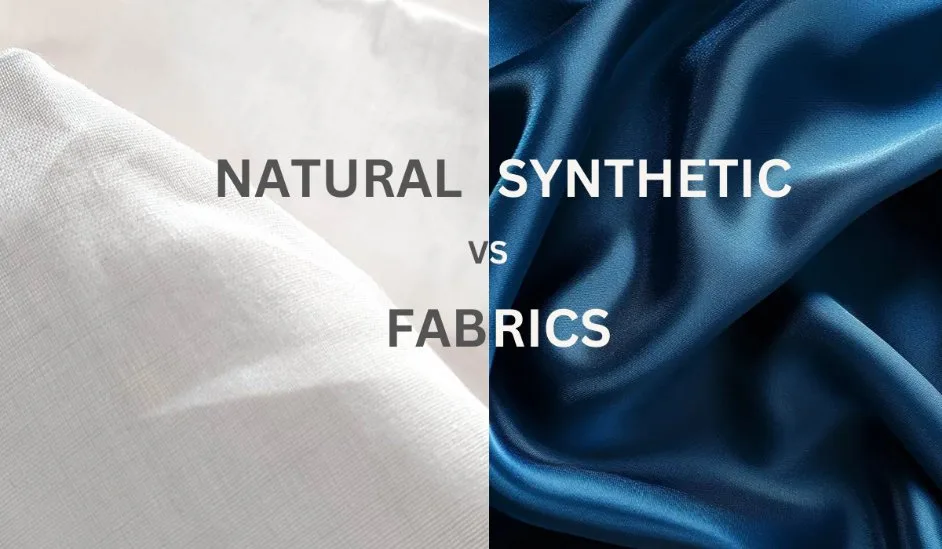
- Natural fibers come from plants and animals; synthetic fibers are made through chemical processes
- Fabric weight is measured in GSM, which tells you how heavy, dense, or sheer a material will be
- Modern fabric production combines traditional weaving with advanced technology for better performance and sustainability
- Understanding fabric properties helps you choose the right material for specific uses, climates, and care routines
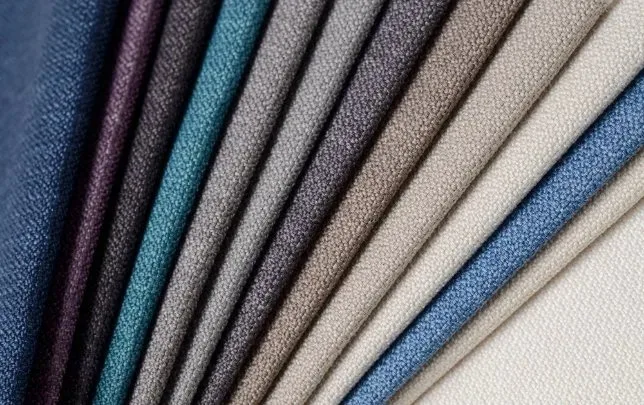
What is fabric? Fabric is a flexible material made by weaving, knitting, or bonding fibers together. Those fibers can come from plants (like cotton and linen), animals (like wool and silk), or be made in a lab (like polyester and nylon).
Fabric is what almost everything you wear, sleep on, and sit on is made from.
What Is Fabric?
At its most basic, fabric is a material made from fibers. Those fibers are spun into threads or yarns, and the yarns are then woven, knitted, or pressed together to create the flat, flexible material you can cut and sew into almost anything.
You’ll often hear “fabric” and “textile” used interchangeably, but there’s a small difference. Textiles covers any material made from fibers, including rope, thread, and industrial materials. Fabric is more specific: it refers to textiles that can be made into clothing, home goods, or flexible finished items.
All fabrics are textiles, but not all textiles are fabrics.
The process usually starts with individual fibers, which are twisted together into yarn. The yarn is then formed into fabric through one of three methods: weaving, knitting, or bonding.
Each method creates fabrics with very different properties: how they stretch, how they drape, and how they wear. Understanding those differences is where your fabric knowledge really starts to pay off.
How Fabric Is Made: From Fiber to Finished Material
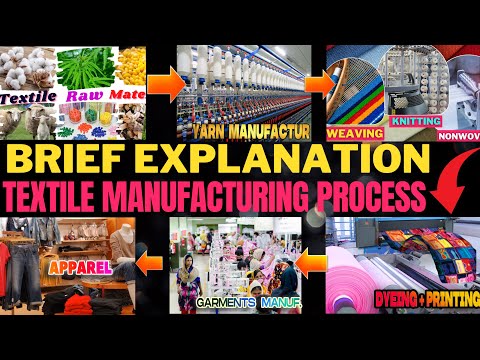
Complete Process of Textile Manufacturing: Fiber to Finished Garment
Understanding how fabric gets made helps you understand why different fabrics behave so differently. Here’s the basic journey from raw fiber to the material on the bolt at your fabric store.
Step 1: Starting with Fiber
Every fabric starts with fiber. Natural fibers are harvested from plants or animals. Cotton fibers from cotton plants, linen fibers from the flax plant, wool sheared from sheep, silk unraveled from silkworm cocoons.
Synthetic fibers work differently. Polyester and nylon start as petroleum-based chemicals that are melted down and pushed through tiny holes to form long, continuous filaments. The resulting fibers are then processed in ways that mimic the behavior of natural ones.
Step 2: Spinning into Yarn
Loose fibers are cleaned, carded (combed into alignment), and then spun into yarn. How tightly the yarn is twisted affects the final fabric. Tightly twisted yarn creates smoother, stronger fabric. Loosely twisted yarn gives a softer, more relaxed result.
Longer individual fibers, known as long-staple fibers, generally produce smoother, stronger, less pill-prone yarn. That’s why Pima cotton and Egyptian cotton feel noticeably better than standard cotton.
There are three main spinning methods used today, each producing a slightly different result:
- Ring spinning: Creates the smoothest, strongest yarns. Cotton and wool often use this method. The resulting fabric feels refined and holds up well over time.
- Open-end spinning: Produces yarn quickly at lower cost but with a slightly rougher texture. Good for casual clothing and bulk production.
- Air-jet spinning: Makes very uniform yarns with minimal waste. Often used for synthetic blends and performance fabrics.
Step 3: Forming the Fabric
Yarn is turned into fabric through weaving, knitting, or bonding (covered in the next section). After the basic structure is formed, it goes through finishing treatments.
It might be scoured (cleaned), bleached, dyed, printed, or treated with coatings that add water resistance or wrinkle resistance. These finishing steps are why two fabrics made from the same fiber can look, feel, and perform very differently.
Step 4: Dyeing and Finishing
After the fabric structure is formed, it goes through coloring and finishing processes that dramatically change how it looks and performs:
- Digital printing: Computer-controlled systems can create detailed, complex patterns with less water waste than traditional printing methods. It’s how many fast-fashion prints are made today.
- Natural dyes: Plant-based colors are making a comeback for eco-conscious consumers and artisan producers. They may not be as colorfast as synthetic dyes, but they’re biodegradable and gentler to produce.
- Solution dyeing: Adding color during fiber production rather than after weaving creates more permanent, fade-resistant colors. This method is common in high-quality outdoor fabrics and activewear.
- Performance finishes: Treatments applied after weaving add specific properties such as water repellency, wrinkle resistance, or UV protection. These finishes can wear off over time with washing.
A Brief History of Fabric
ASMR: History of Textiles, Fabrics and Clothing
Fabric has been woven into human life for a very long time. The story of textiles is also, in many ways, the story of civilization itself. Trade routes, wars, and entire economies have been built around cloth.
- 30,000 BCE: The Beginning Archaeological evidence suggests humans were twisting plant fibers into cordage and simple textiles tens of thousands of years ago. Flax fibers found in a cave in the Republic of Georgia date back roughly 30,000 years.
- 5,000 BCE: Cotton and Linen Cotton cultivation began in the Indus Valley region of modern-day India and Pakistan. Ancient Egypt was producing fine linen at the same time, using it for clothing, burial wrappings, and trade. Egyptian linen was so valuable it was used as a form of currency.
- 2700 BCE: The Silk Secret China developed silk production, a process so guarded that smuggling silkworm eggs out of China was punishable by death. China held a near-monopoly on silk for thousands of years, making it one of the most traded luxury goods in the ancient world along the Silk Road.
- Medieval Period: Wool Dominates Europe Wool became the backbone of European economies. The Flemish and Italian city-states built their wealth on weaving. England’s wool trade was so important that the Lord Chancellor of the United Kingdom still sits on the “Woolsack” in Parliament today.
- 1764-1785: The Industrial Revolution James Hargreaves invented the spinning jenny in 1764. Edmund Cartwright patented the power loom in 1785. These machines transformed fabric from a handmade luxury into an affordable industrial product, changing everything from fashion to labor to global trade.
- 1938: The Age of Synthetics DuPont introduced nylon, the world’s first fully synthetic fiber, in 1938. Polyester followed in the 1940s. By the mid-20th century, synthetics had become the dominant fiber type globally. Clothing became cheaper and more accessible than ever before.
- Today: Sustainability and Performance The textile industry is a $295+ billion global market. The focus has shifted toward performance textiles, responsible manufacturing, and sustainable fibers. Natural fabrics are having a renaissance as consumers move away from fast fashion toward longer-lasting, better-made clothing. See our latest fabric trends guide for what’s happening right now.
The 3 Main Types of Fabric
Every fabric you’ll ever encounter falls into one of three construction categories. This is the single most useful framework for understanding how a fabric will behave before you buy it or sew with it.
Woven Fabrics
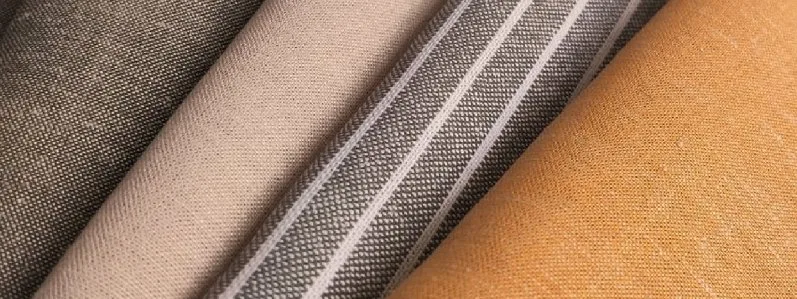
Made by interlacing two sets of yarns at right angles. The lengthwise yarns are called the warp. The crosswise yarns are the weft. Woven fabrics are generally stable, don’t stretch much, and hold their shape well.
Knitted Fabrics
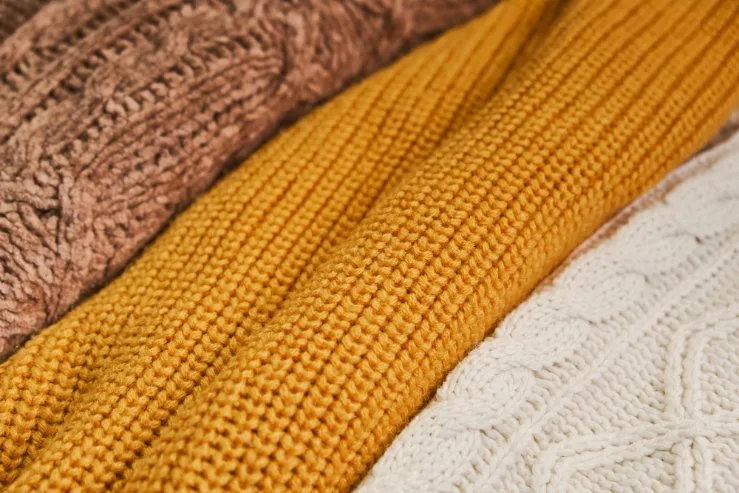
Made from a single continuous yarn looped through itself, much like hand knitting but done by machine. Knitted fabrics are naturally stretchy and comfortable, and they recover their shape after being stretched.
- Jersey (t-shirt fabric)
- Ribbing
- Fleece
- Athletic wear knits
- Socks and underwear fabrics
Non-Woven Fabrics
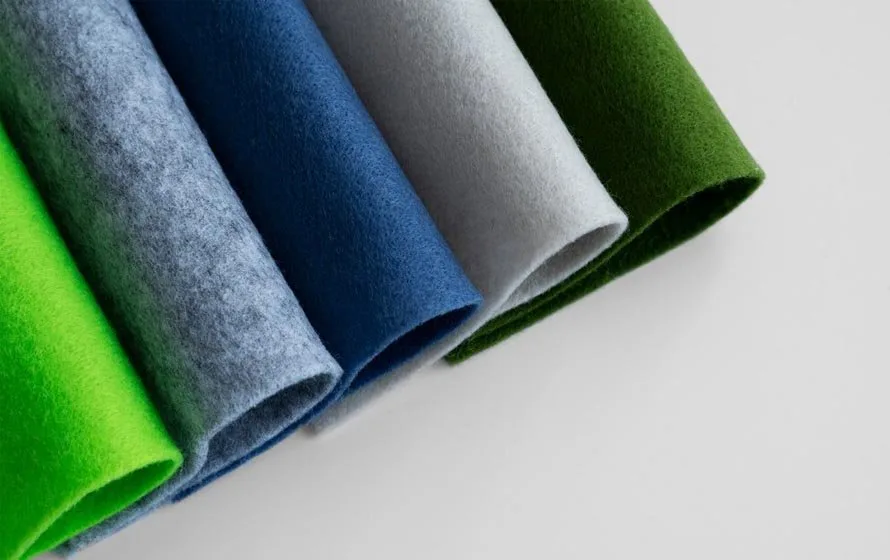
Made by pressing, bonding, or fusing fibers together without any weaving or knitting. They don’t ravel at the edges, which makes them useful for crafts and industrial use. Often used for specialty or disposable items.
- Felt
- Interfacing (for sewing)
- Medical gowns
- Coffee filters
- Cleaning wipes
Fabric Construction at a Glance
| Type | How It’s Made | Stretch | Durability | Best For |
|---|---|---|---|---|
| Woven | Interlaced yarns at 90 degrees | Low (bias stretch only) | High | Structured garments, upholstery, bags |
| Knitted | Interlocked loops of yarn | High | Moderate | Casual wear, sportswear, undergarments |
| Non-Woven | Bonded or pressed fibers | Variable | Low to Moderate | Crafts, medical, disposable items |
For a deeper look at specific fabric types and what they’re used for, see our guide to common fabric types and their uses.
Fabric Weight and GSM Explained
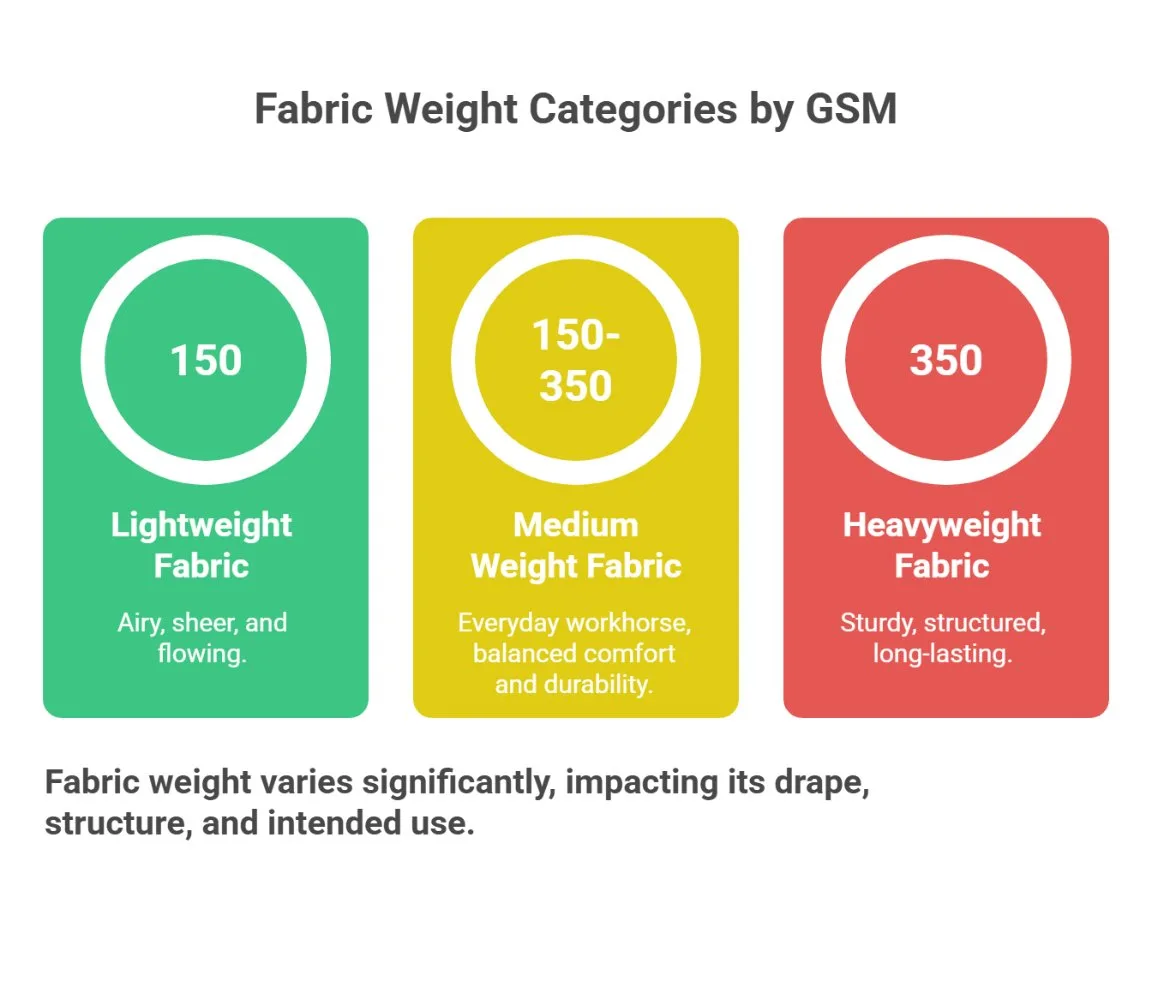
You’ll see “GSM” on fabric listings all the time. It stands for grams per square meter, and it’s the standard way to measure how heavy or light a fabric is. The higher the GSM, the heavier and denser the fabric. Lower GSM means lighter and more open.
In the United States, fabric weight is also listed in ounces per square yard (oz/yd²), especially for denim and canvas. You can convert between the two: 1 oz/yd² is roughly equal to 34 GSM.
Working with both metric and imperial fabric weights? Use our free converter to switch between GSM and oz/yd² instantly.
Use the ConverterFabric Weight Categories
For more on how to pick the right weight for your project, see our guide to lightweight vs. heavyweight fabrics.
Key Fabric Properties: What They Mean and Why They Matter
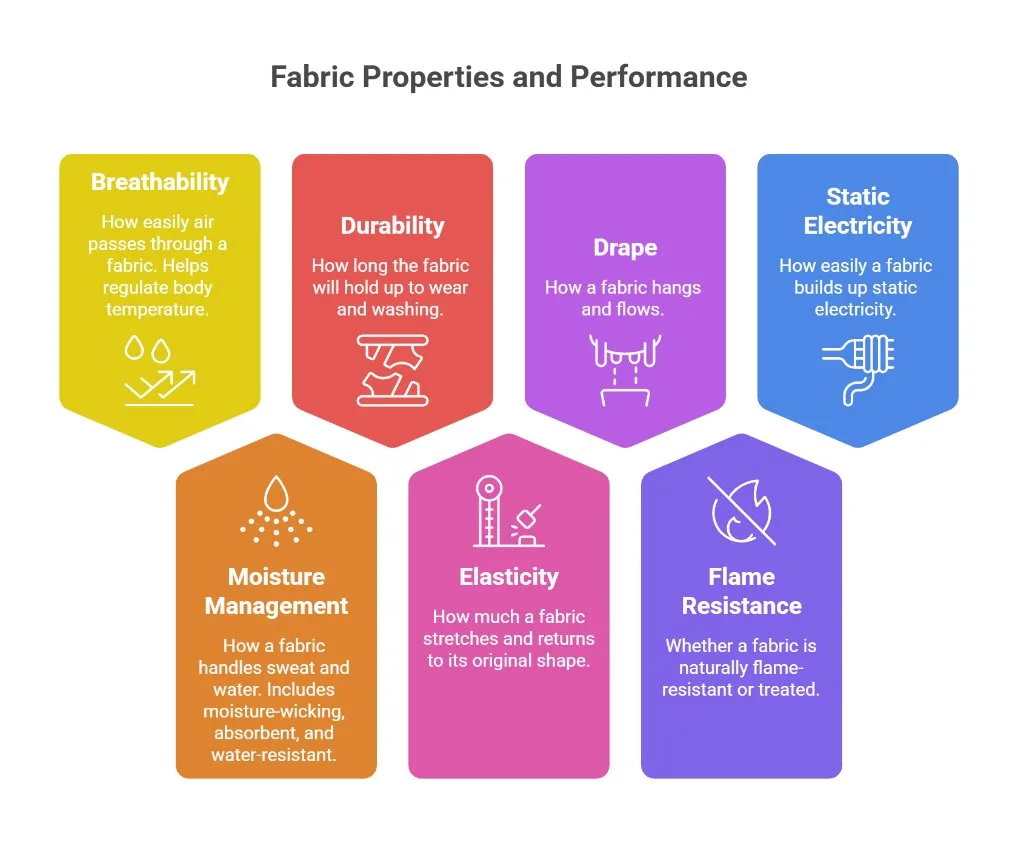
Different fabrics perform very differently in real life. Here are the properties you’ll want to think about when choosing any fabric.
Breathability
Breathability measures how easily air passes through a fabric. High breathability helps your body regulate temperature, which is why breathable fabrics feel cooler on warm days. Natural fibers tend to lead here.
Moisture Management
This is about how a fabric handles sweat and water. There are two different things to understand here:
- Moisture-wicking fabrics pull sweat away from your skin and spread it across the surface to evaporate. Great for workouts. Think polyester blends, merino wool, and bamboo.
- Absorbent fabrics soak up moisture. Cotton and linen are very absorbent, but they can feel damp against skin and take longer to dry.
- Water-resistant fabrics repel moisture at the surface. These are usually treated with a DWR (durable water repellent) coating. Learn more about water repellent fabric technology.
Durability
How long will the fabric hold up? Here’s a rough ranking from most to least durable under everyday wear and washing:
| Fabric | Durability Level | Notes |
|---|---|---|
| Canvas and heavy cotton | 5/5 Excellent | Made for hard use, bags, workwear |
| Denim | 5/5 Excellent | Gets better with wear, iconic longevity |
| Nylon | 4/5 Very Good | Tear-resistant, great for outerwear |
| Wool | 4/5 Very Good | Natural resilience, resists wrinkles |
| Polyester blends | 4/5 Very Good | Holds color well, resists shrinkage |
| Cotton (mid-weight) | 3/5 Good | Wears well with proper care |
| Linen | 3/5 Good | Softens over time, can crease easily |
| Silk | 2/5 Moderate | Strong fiber but needs careful handling |
| Delicate knits | 1/5 Low | Prone to snagging, stretching out |
Other Properties Worth Knowing
- Elasticity: How much a fabric stretches and how well it returns to its original shape. Spandex and elastane blends offer the highest elasticity. Natural fibers like cotton have low elasticity on their own.
- Drape: How a fabric hangs and flows. Silk, rayon, and lightweight knits drape beautifully. Canvas and stiff wovens hold their shape independently.
- Flame resistance: Some fabrics are naturally flame-resistant (wool self-extinguishes), while others are highly flammable (cotton and synthetic knits). For children’s sleepwear, look for flame-resistant treated fabrics. See our guide to fire-resistant fabrics for more.
- Static electricity: Synthetic fibers, especially polyester and nylon, build up static electricity easily. Natural fibers and fabrics blended with natural fibers are far less prone to static cling.
For a deeper breakdown of which fabrics hold up best over time, see our guide to the most durable fabrics for everyday wear.
How to Choose the Right Fabric: A Step-by-Step Decision Guide
Choosing fabric doesn’t have to be guesswork. Work through these six questions in order and you’ll land on the right material almost every time.
A structured blazer needs a different fabric than a flowing summer dress or a canvas tote bag. Start with the end use.
Hot and humid calls for breathable, lightweight fabrics. Cold climates need insulating, windproof options. Know where it will be worn.
Consider skin sensitivity, age, and activity level. A baby’s skin needs different fabric than a marathon runner’s kit.
If you won’t hand-wash, don’t buy silk. Match the fabric’s care needs to your actual lifestyle.
Natural fibers cost more but often last longer. Synthetics are affordable and easy to care for. Neither is wrong. It depends on the project.
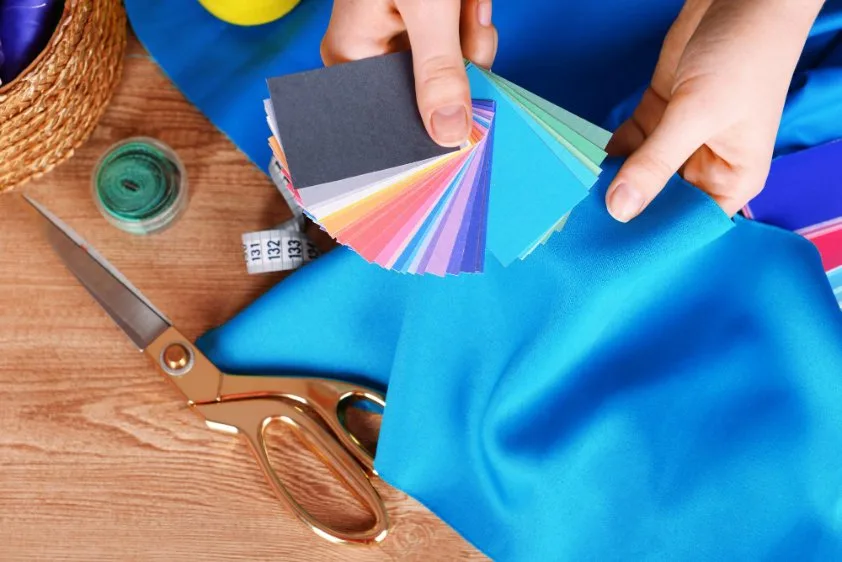
Order swatches when possible. Touch it, stretch it, hold it up to light. Never commit to many yards of something you haven’t felt first.
Answer a few quick questions about your project and our interactive tool will give you a personalized fabric recommendation.
Try the Fabric Selector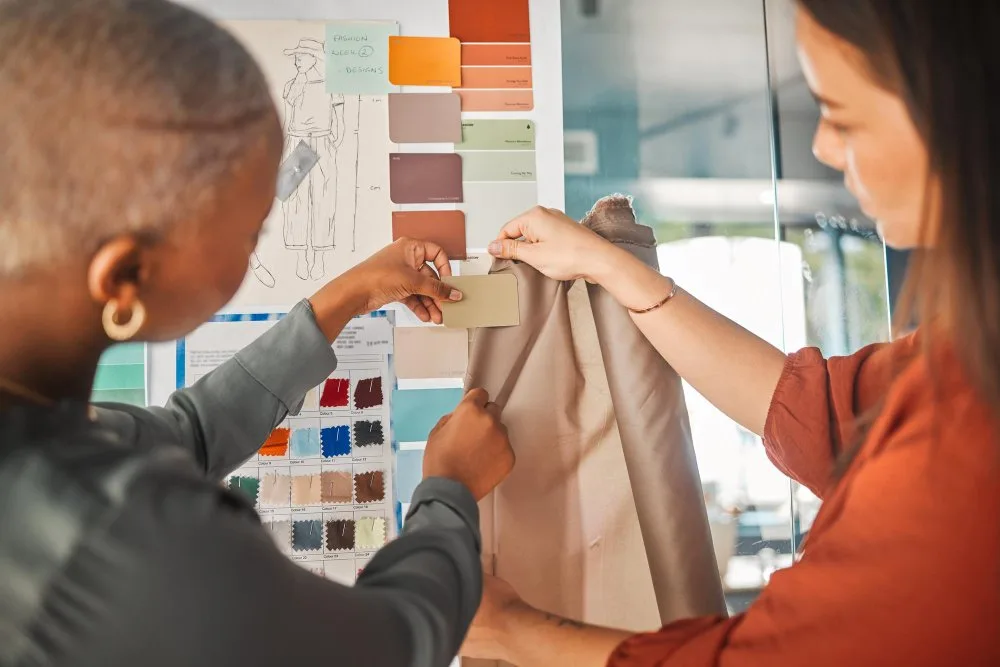
Quick Match-Up: Project vs. Fabric Type
| You’re Making… | Look For… | Avoid… |
|---|---|---|
| A summer dress or top | Linen, cotton voile, rayon, lightweight chiffon | Heavy polyester, denim, wool |
| Workwear or a blazer | Wool suiting, gabardine, ponte knit | Sheer or delicate knits |
| Baby or kids clothing | Organic cotton, bamboo jersey, soft interlock | Synthetic-heavy blends, scratchy wool |
| A bag or tote | Canvas, duck cloth, waxed cotton | Delicate or stretch fabrics |
| Activewear | Polyester-spandex blends, merino wool | Stiff woven fabrics, linen |
| Curtains or upholstery | Medium-heavy woven cotton, linen, velvet | Lightweight jersey or chiffon |
| A winter coat | Wool coating, melton, boiled wool | Lightweight or sheer fabrics |
Step through a visual decision tree to find the best fabric type for your specific project, no guessing required.
Open the FlowchartBest Fabric for Every Occasion and Use
Context is everything when it comes to fabric. The same fiber that’s perfect for a beach cover-up would be a disaster in a winter jacket. Here’s a practical breakdown by use case.
- Cotton jersey and poplin
- Linen for warm weather
- Soft knit blends
- Chambray (lightweight denim)
- Wool suiting
- Ponte knit (structured yet comfortable)
- Wool or cotton gabardine
- Silk or silk-like blouses
- Polyester-spandex blends
- Nylon for durability
- Merino wool for trail wear
- Microfiber blends
- Linen (most breathable)
- Cotton voile and lawn
- Seersucker
- Lightweight rayon
- Heavy cotton or linen blends
- Velvet and boucle for soft furnishings
- Canvas for curtains and slipcovers
- Microfiber for easy cleaning
- Cotton quilting fabric
- Cotton jersey (stretchy but forgiving)
- Broadcloth for practice
- Muslin for toiles and mock-ups
Common Fabrics at a Glance
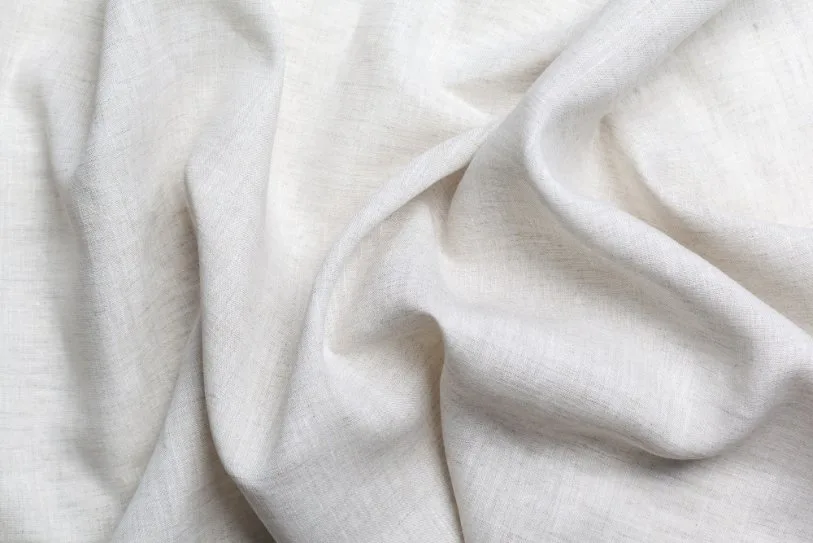 Cotton
 Wool
Wool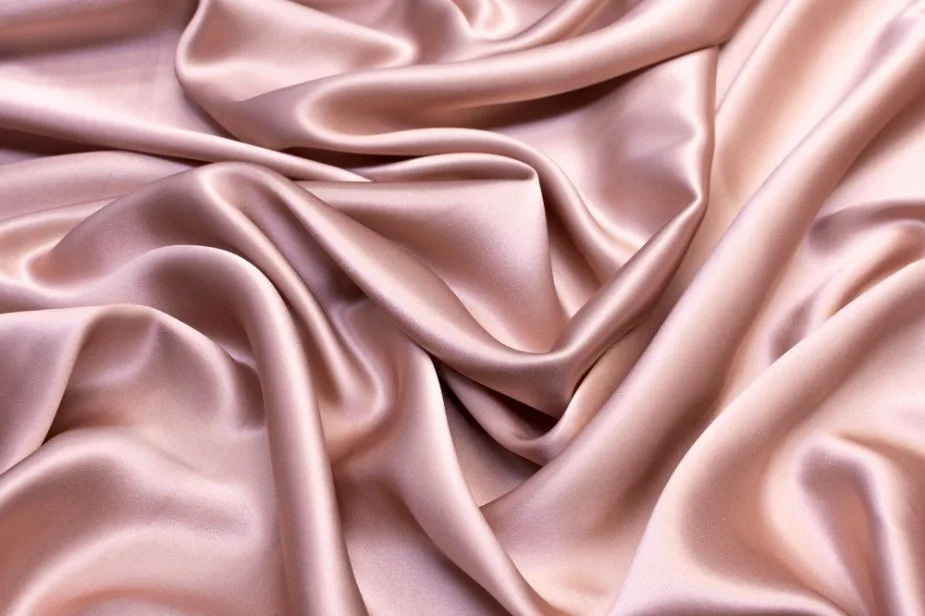 Silk
Silk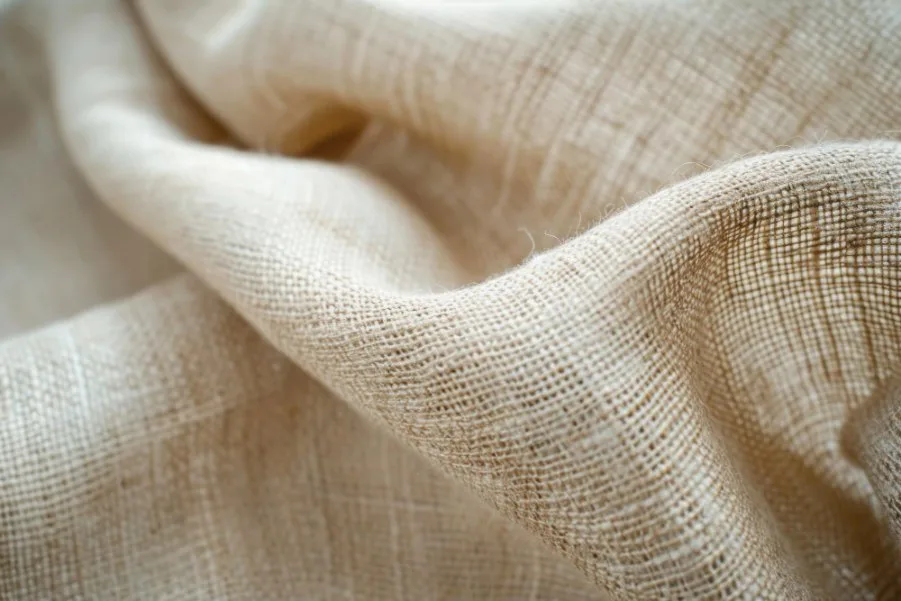 Linen
Linen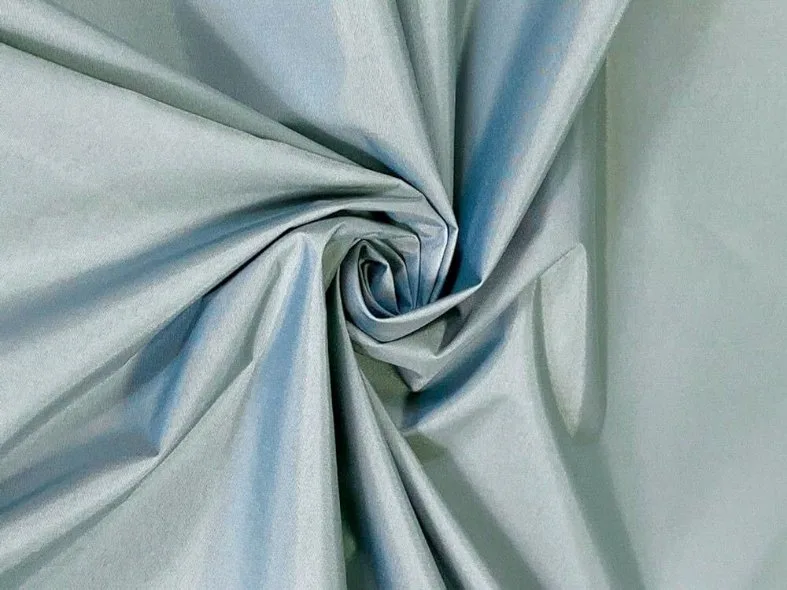 Nylon
Nylon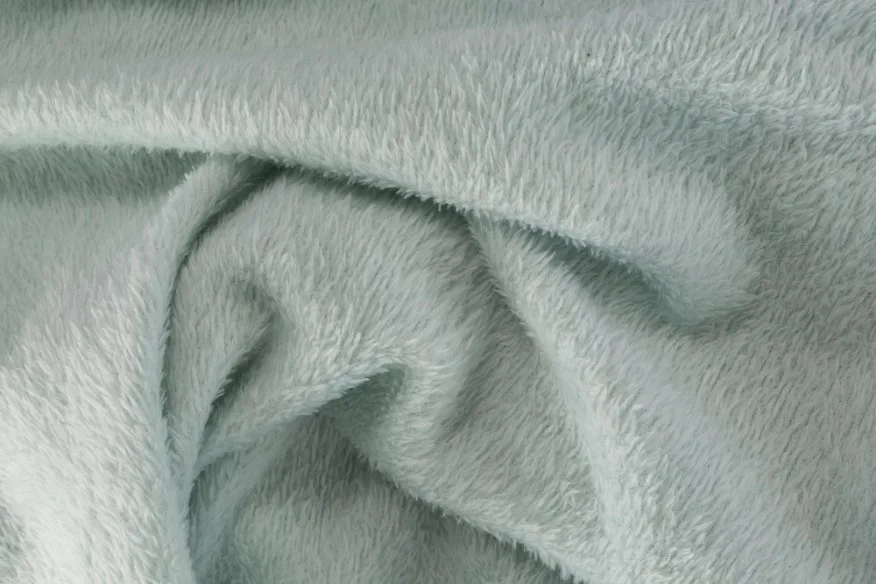 Fleece
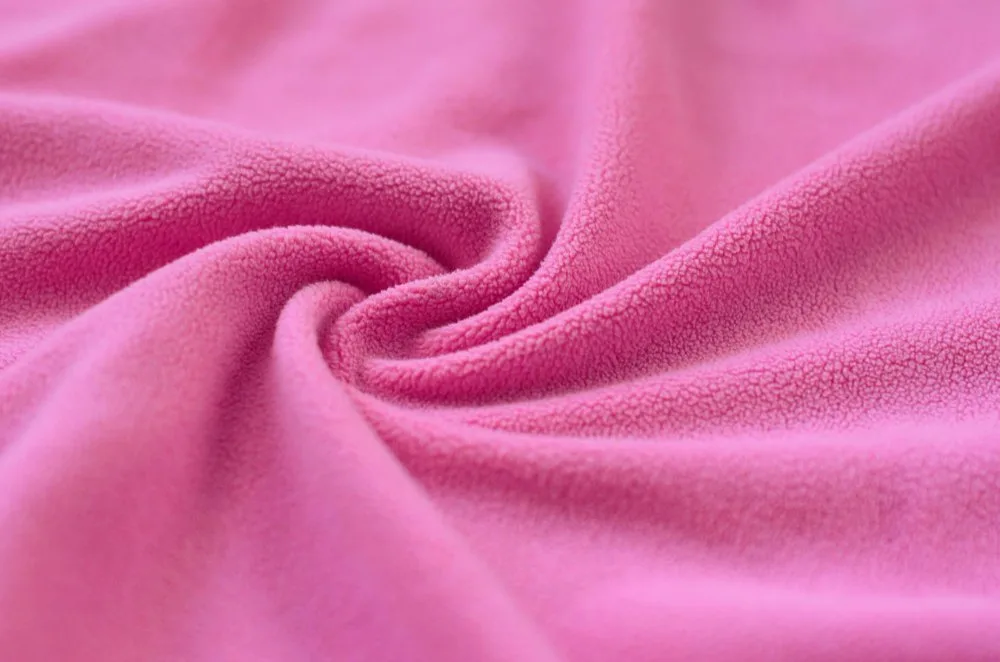 Microfiber
 Cotton Jersey
For seasonal specifics, check out our guides to summer fabrics and winter fabrics.
Find out which fabrics work best for your specific climate and season.
Take the QuizFabric and Sensitive Skin: What to Wear and What to Skip
If you or someone in your family deals with eczema, psoriasis, allergies, or just skin that doesn’t get along well with certain fabrics, this section is for you. The clothes you wear touch your skin all day long. Getting the fabric right makes a real difference.
Why Some Fabrics Irritate Skin
Fabric can cause skin irritation in a few different ways. Coarse or scratchy fibers create physical friction against the skin. Chemical residues from dyes or finishing treatments can trigger reactions in sensitive individuals.
Synthetic fabrics that trap heat and moisture create a warm, damp environment that can worsen conditions like eczema. And some people have specific fiber sensitivities, most commonly to wool proteins (lanolin).
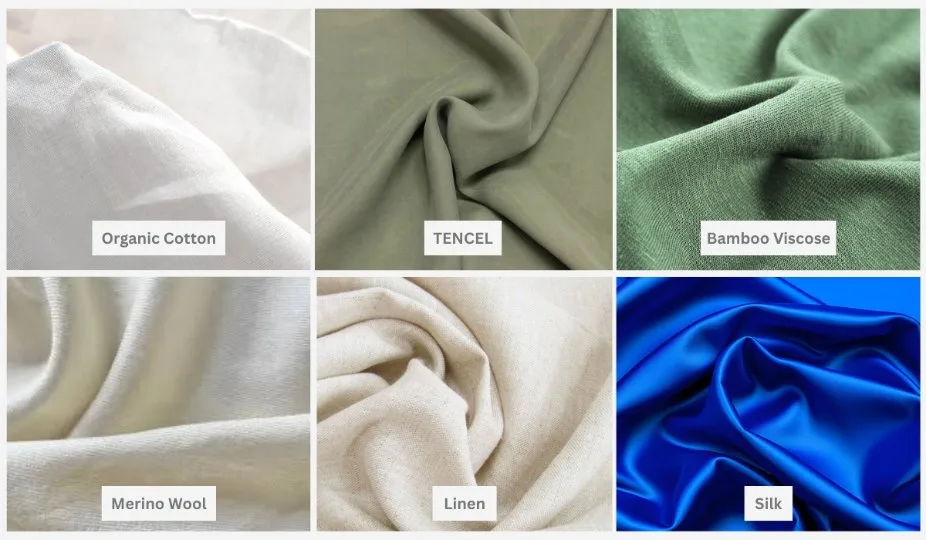
The Safest Fabrics for Sensitive Skin
Fabrics That Frequently Cause Problems
- Rough wool (non-merino): Even if you aren’t allergic, coarse fibers can scratch and irritate. Always choose fine merino over standard wool for direct skin contact.
- Standard polyester: Doesn’t breathe, traps heat and sweat against the skin. Fine for outerwear but uncomfortable next to skin for long periods.
- Heavily dyed fabrics: Dark or brightly dyed fabrics sometimes contain azo dyes that can irritate sensitive skin. Look for OEKO-TEX Standard 100 certified fabrics, which are tested for over 100 potentially harmful substances.
- Stiff or scratchy blends: Low-quality cotton blends or fabrics with a lot of surface texture can cause friction on sensitive areas.
Tips for Testing Before You Commit
- Order swatches first. Hold them against the inside of your wrist for a few minutes before buying large quantities.
- Pre-wash before wearing. New fabric often contains sizing (a starch-like finish applied during manufacturing) that can irritate skin until it’s washed out.
- Choose OEKO-TEX certified fabrics when shopping for babies or anyone with chemical sensitivities. This certification means the fabric has been tested for over 100 potentially harmful substances. Look for the label at oeko-tex.com.
- When in doubt, go organic. Organic cotton and bamboo are grown and processed with fewer chemicals than conventional versions.
For a full breakdown of the best options, see our guide to softest fabrics for sensitive skin. If you’re dressing a baby, see our guide to the best fabrics for newborn clothing.
How to Read a Fabric Label
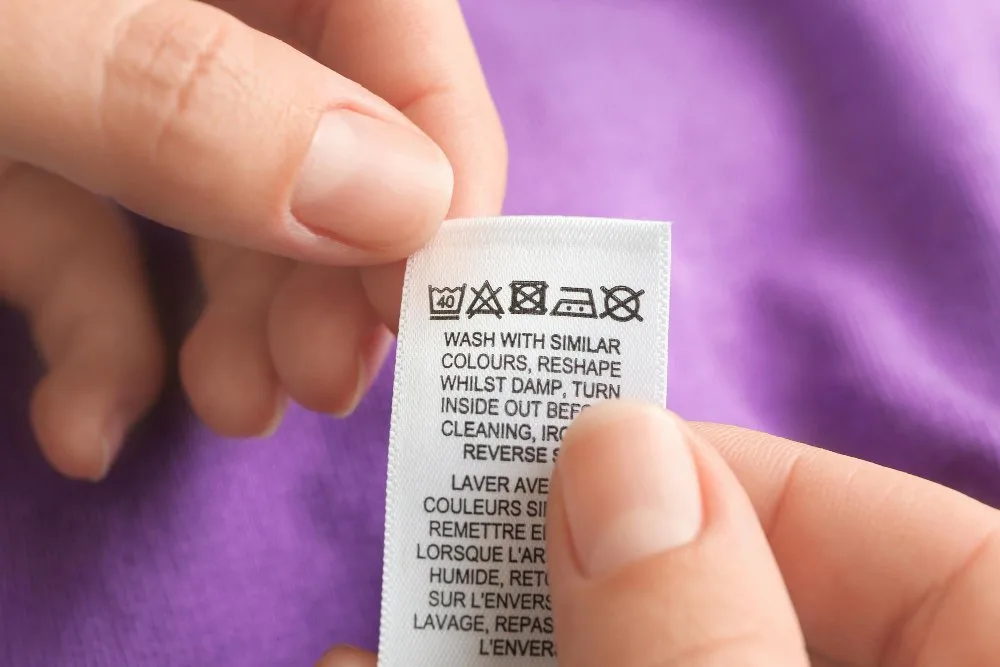
That small tag sewn into your clothing contains a lot of useful information. Once you know how to read it, you’ll never ignore it again.
In the United States, federal law requires three pieces of information on every clothing and textile label:
1. Fiber Content (by percentage, in order of weight)
The label must list every fiber that makes up 5% or more of the fabric, by its generic name, from the most to the least. For example: 60% Cotton, 35% Polyester, 5% Spandex.
This is regulated by the FTC under the Textile Fiber Products Identification Act. Read more at ftc.gov.
2. Country of Origin
Where the garment was made. “Made in USA” and “Made in USA of imported fabric” are two different disclosures.
The first means the entire garment was made domestically. The second means it was assembled in the USA using imported materials, a meaningful difference if origin matters to you.
3. Manufacturer or Marketer Identity
Either the brand’s full name or an FTC-registered identification number (RN number). This tells you who is responsible for the product.
4. Care Instructions (separate requirement)
Care labels are required by a separate FTC rule. They must include instructions for washing (or dry cleaning), drying, ironing, and bleaching. These are usually shown as internationally recognized symbols.
What Those Care Symbols Mean
| Symbol | Meaning | Typical Fabrics |
|---|---|---|
| Tub with water | Machine washable (temperature indicated by dots or numbers) | Cotton, polyester, most everyday fabrics |
| Tub with hand | Hand wash only | Delicate knits, some wool, lace |
| Circle | Dry clean only | Silk, structured wool, some rayons |
| Square with circle | Tumble dry (dots indicate heat level) | Most cotton and polyester |
| Iron with dots | Safe to iron (1 dot = low, 2 = medium, 3 = high heat) | Cotton and linen need higher heat; synthetics need low |
| Triangle | Bleaching (plain = safe, X = do not bleach) | White cotton can usually be bleached; synthetics often cannot |
Not sure what that washing symbol means? Look up any laundry care symbol with our interactive decoder tool.
Decode a SymbolFabric Care Guide: How to Wash and Care for Different Fabrics
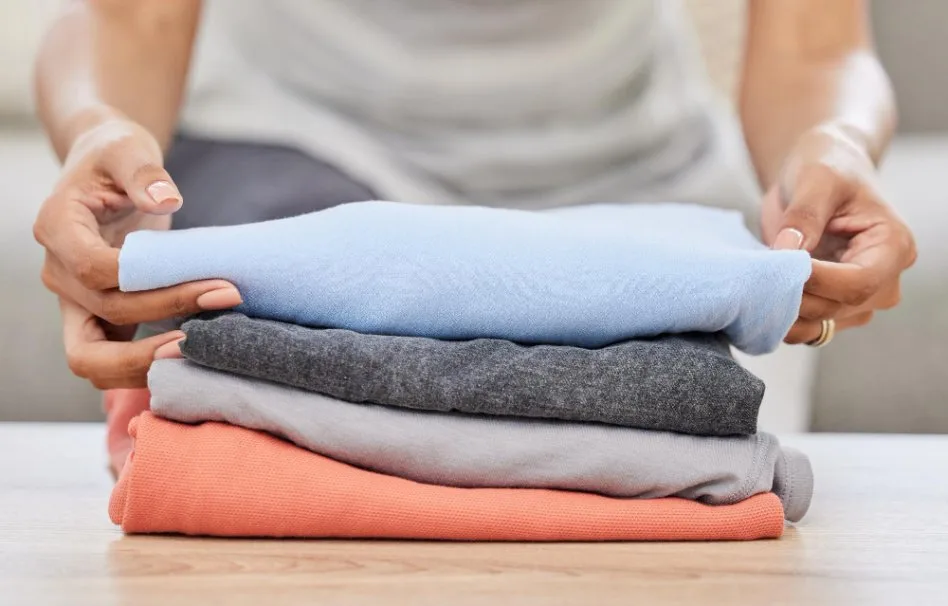
The right care routine can double the life of your clothes. Here’s a quick reference for the most common fabric types. For full in-depth guides on each, use the links in the table.
| Fabric | Wash | Dry | Iron | Notes |
|---|---|---|---|---|
| Cotton | Machine wash warm | Tumble dry medium | Medium to high heat | Iron while slightly damp for best results |
| Wool | Hand wash cool or wool cycle | Lay flat to dry | Low heat with steam, press cloth | Never wring or twist; store with cedar |
| Silk | Hand wash cool, gentle detergent | Roll in towel, air dry in shade | Low heat, inside out | No wringing; keep away from sunlight |
| Linen | Machine wash warm | Air dry or low heat dryer | High heat while damp | Softens with each wash; expect some wrinkling |
| Polyester | Machine wash warm | Low heat dryer | Low heat or no iron needed | Use fabric softener to reduce static |
| Nylon | Machine wash cool | Air dry preferred | Low heat | Avoid fabric softener; can snag easily |
| Cashmere | Hand wash cool, baby shampoo works well | Lay flat to dry | Steam iron only, press cloth | Store folded, never hanging; de-pill gently |
Get personalized care instructions based on your specific fabric type and garment. Takes 30 seconds.
Get My Care GuideFor a full overview of caring for all fabric types in one place, see our guide on how to wash and care for different fabrics.
How to Judge Fabric Quality Before You Buy
You don’t need a lab to know if a fabric is well-made. Here’s what to look for with your eyes and hands.
The Visual Check
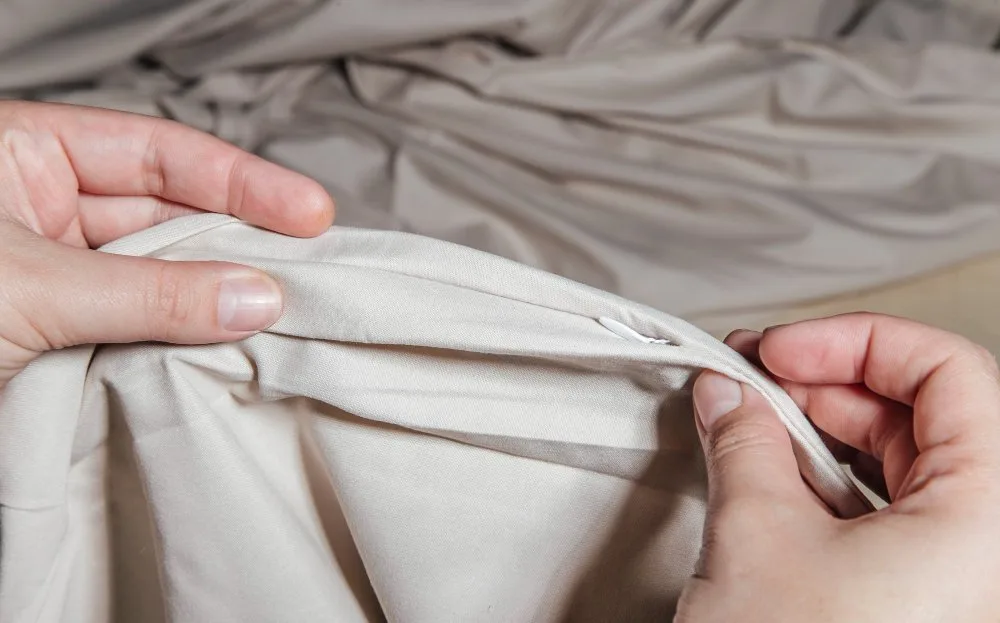
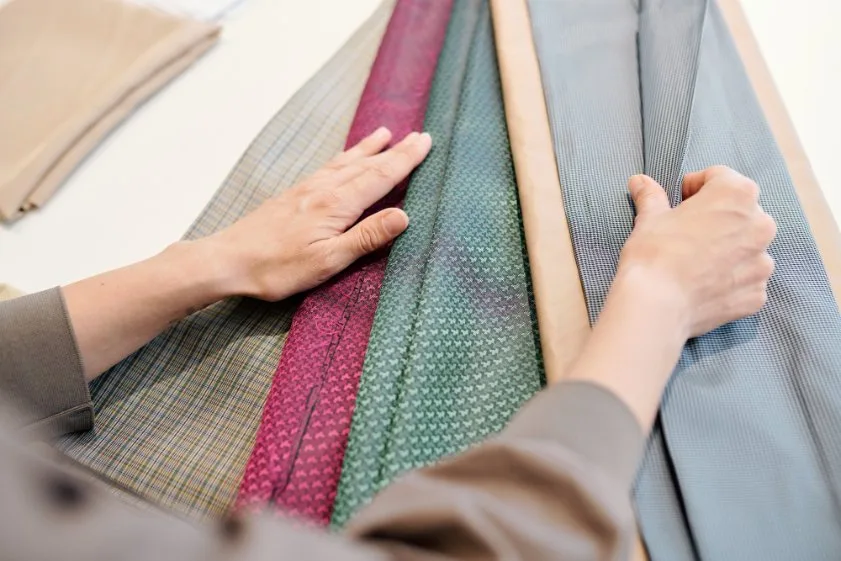
- Weave tightness: Hold the fabric up to light. A tight, even weave means better durability. A loose, uneven weave lets in light and wears faster.
- Color consistency: Look for even, uniform coloring across the whole piece. Streaks, light patches, or uneven tone suggest poor dyeing.
- Surface quality: No loose threads, pulls, or inconsistencies on the surface.
- Pattern matching: On patterned fabric, check that stripes or plaids align. Mismatched patterns at the edges suggest low-quality cutting or printing.
The Touch Test
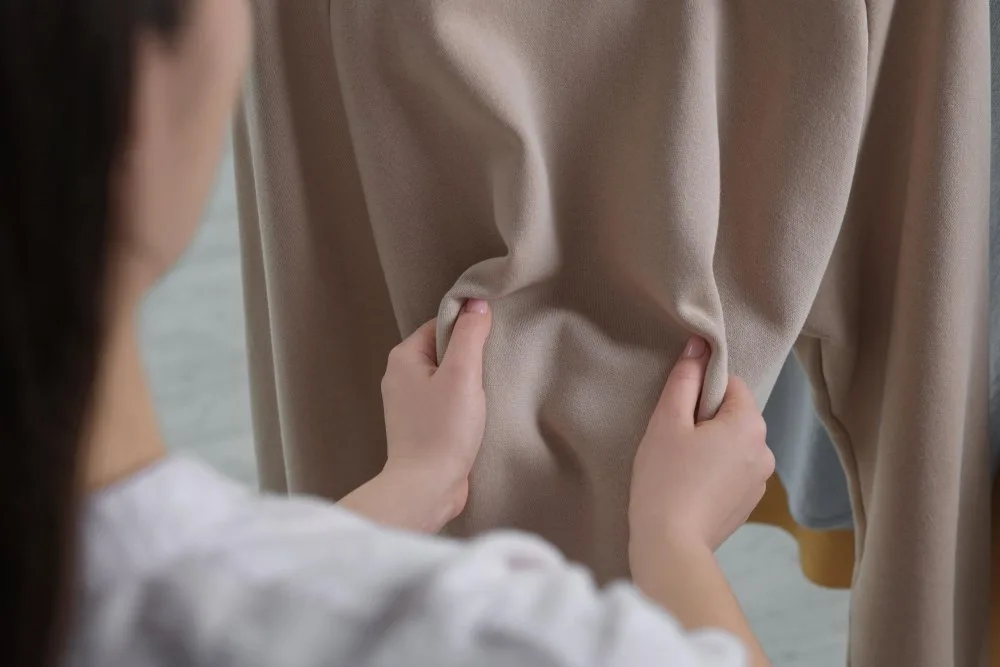
- Hand feel: Quality fabric feels substantial without being stiff or board-like. It should have a body and weight that feels deliberate.
- Drape test: Scrunch a piece in your hand, then release. Quality fabric springs back. A fabric that stays creased is a lower quality option.
- Pill resistance: Rub two pieces of the same fabric together for 30 seconds. If tiny balls of fiber appear quickly, the fabric pills easily and won’t look good for long.
- Stretch and recovery: For knit fabrics, stretch it gently and let go. It should snap back to its original shape without going slack or wavy.
What Thread Count Actually Means
Thread count (threads per square inch) matters for sheets and some woven fabrics, but it’s not the whole story. A 400-thread count fabric made from cheap short-staple cotton can feel worse than a well-made 200-count sheet in long-staple Egyptian cotton. Fiber quality matters more than thread count alone.
How Much Does Fabric Cost? A Realistic Pricing Guide
Fabric prices vary enormously. Here’s what drives the cost and what you can expect to pay.
Most Expensive Fabrics
| Fabric | Approx. Price Range (per yard) | Why So Expensive |
|---|---|---|
| Vicuna wool | $3,000 to $5,000+ | Rarest animal fiber on earth; can only be sheared every 2 to 3 years |
| High-grade mulberry silk | $100 to $300 | Labor-intensive production; silkworms must be raised by hand |
| Pure cashmere | $50 to $200 | Each cashmere goat produces only a small amount of usable fiber per year |
| Fine merino wool | $30 to $100 | Superfine fibers require careful breeding and processing |
| Organic cotton | $15 to $50 | No pesticides, smaller yield, certified supply chain |
Budget-Friendly Options
- Cotton blends: $5 to $15 per yard. The most accessible choice for everyday clothing and sewing projects.
- Basic polyester: $3 to $10 per yard. Low cost, easy care, holds color well.
- Cotton canvas: $8 to $20 per yard. Durable and affordable for bags and structured projects.
- Linen blends: $10 to $25 per yard. Lighter on the wallet than pure linen, with a similar look and feel.
What Drives the Price?
In order of impact: fiber rarity and quality, construction complexity (hand-woven vs. machine-made), finishing treatments, brand positioning, and production scale.
A hand-woven silk from a small artisan producer will always cost more than the same weight of machine-made polyester. That doesn’t mean the cheaper fabric is wrong for your project. It just means different things.
Compare the total cost of different fabric options for your project, factoring in price per yard, shrinkage, and durability.
Compare CostsRegional Fabric Specialties
Some of the world’s most recognized fabrics are tied to specific places. The local climate, the quality of native fibers, and generations of craft knowledge produce something that genuinely can’t be replicated anywhere else.
Here’s a look at some of the most important regional fabrics and why they’ve earned their reputations.
Egyptian Cotton
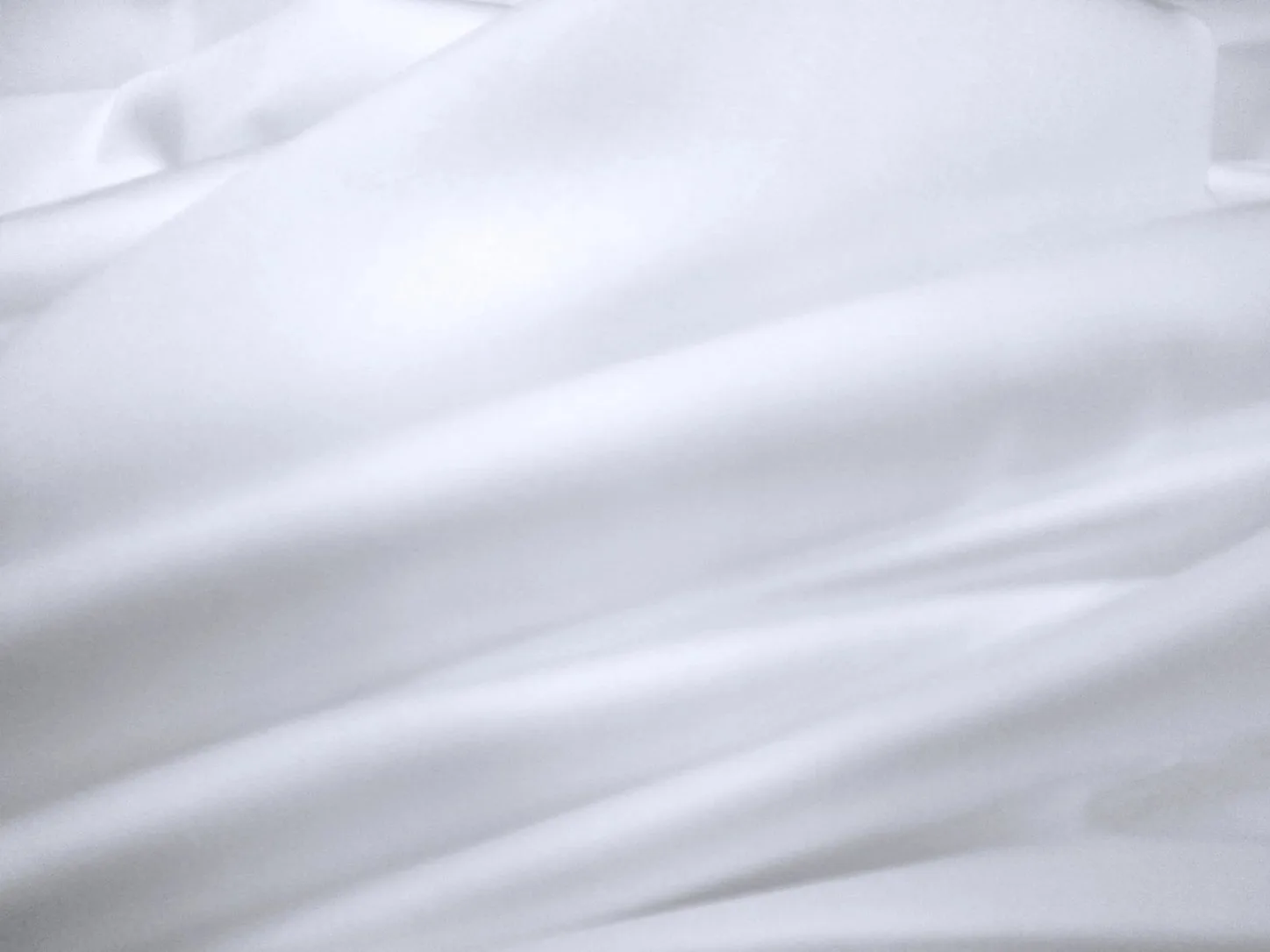
The Nile Delta’s long growing season produces cotton with exceptionally long fibers, creating a fabric that is unusually smooth and strong. Look for genuine Giza cotton certification rather than blends marketed as “Egyptian cotton.” See our guide to Egyptian cotton for what to look for.
Indian Cotton
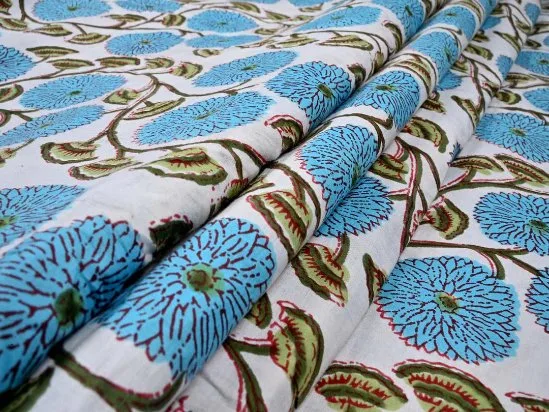
India is the world’s largest cotton producer with thousands of years of weaving tradition. Indian cotton fabrics range from the ultra-fine muslins of Dhaka to the boldly printed cottons of Rajasthan.
Indian cotton is renowned for its lightweight breathability, making it a natural choice for warm-climate garments.
Thai Silk
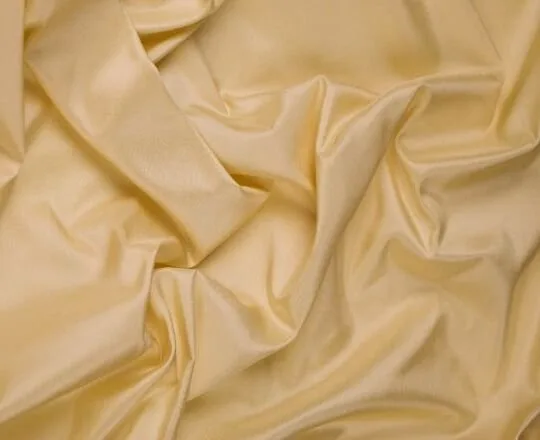
Thai silk is woven by hand on traditional looms, giving it a distinctive irregular texture and vibrant colors. The color tends to shift depending on the angle of light, a characteristic called “shot” or “iridescent” silk.
It’s considered one of the finest handmade silks in the world.
Cashmere from Kashmir and Mongolia
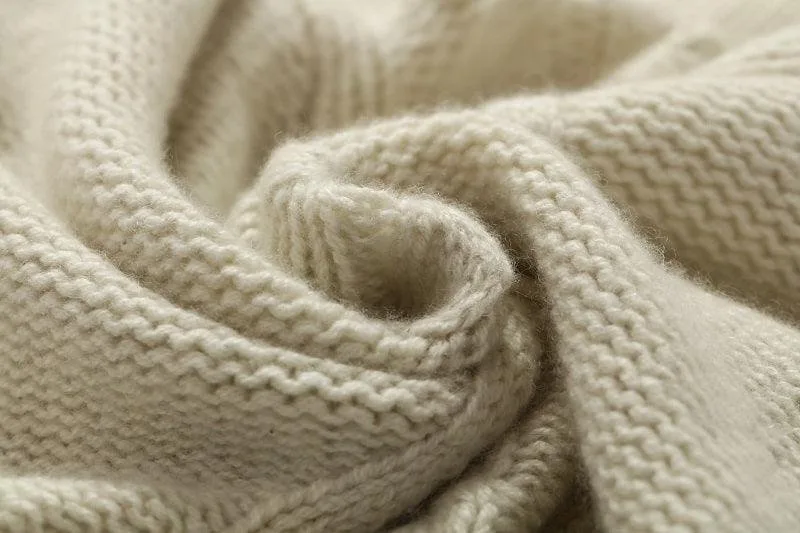
Cashmere goats from high-altitude regions of Asia produce the finest undercoat fibers in the world. True Kashmiri and Mongolian cashmere has a softness and warmth that no synthetic can replicate. Our full cashmere guide covers how to spot the real thing.
Irish and Belgian Linen
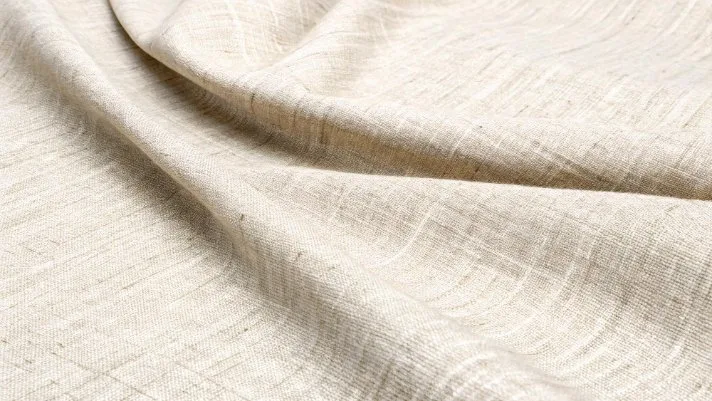
The cool, damp climates of Ireland and Belgium are ideal for flax cultivation and water-retting, the process that gives European linen its exceptional softness and subtle luster.
Irish linen and Belgian linen are widely considered the finest in the world.
Scottish Tweeds and Wool
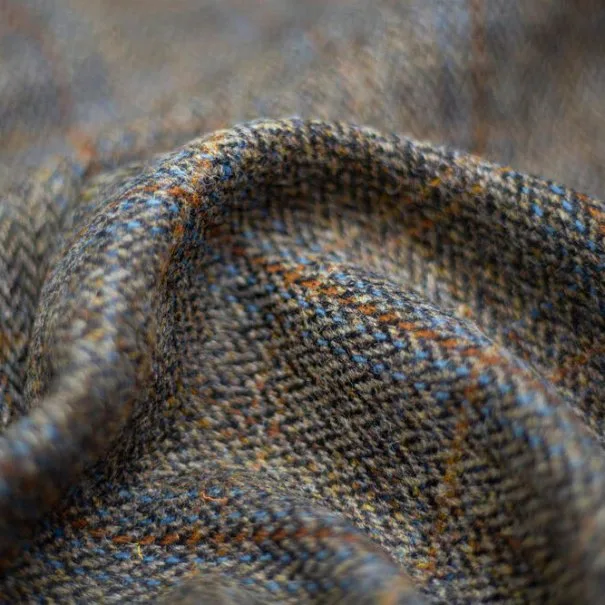
The Scottish Highlands have produced distinctive tweed and wool knit fabrics for centuries. Harris Tweed is hand-woven by islanders in the Outer Hebrides and carries protected geographical status.
Scottish knitwear, from Fair Isle patterns to chunky Aran-style knits, remains among the most recognized traditional textiles in the world.
French Silk and Luxury Weaving
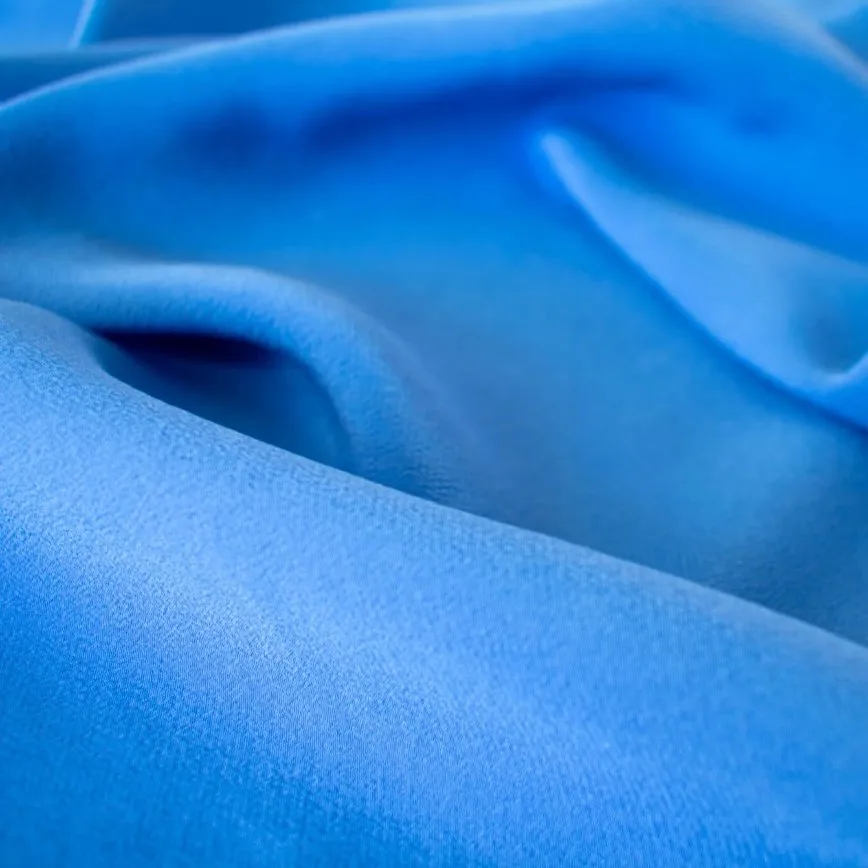
Lyon, France has been the silk-weaving capital of Europe since the 15th century. French silk is known for its fine hand and the complexity of its jacquard and brocade patterns.
Many of the world’s most prestigious fashion houses source their silk fabrics from Lyon’s historic mills.
Australian and New Zealand Merino
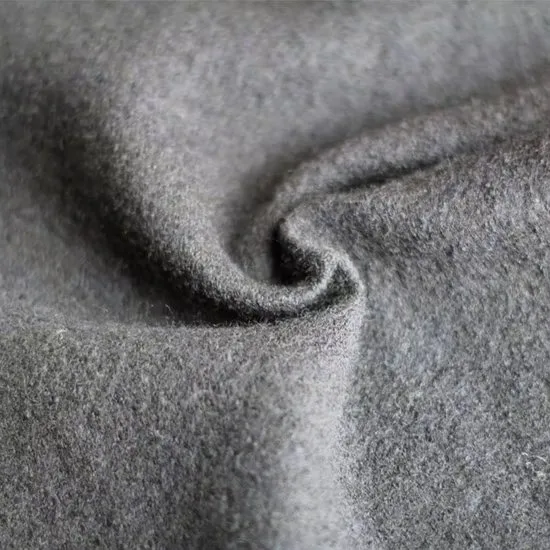
These countries produce the world’s most consistent supply of superfine merino wool. Specific breeding programs and grazing conditions produce a fiber fine enough to wear directly against bare skin. See our merino wool guide for more.
Japanese Selvedge Denim
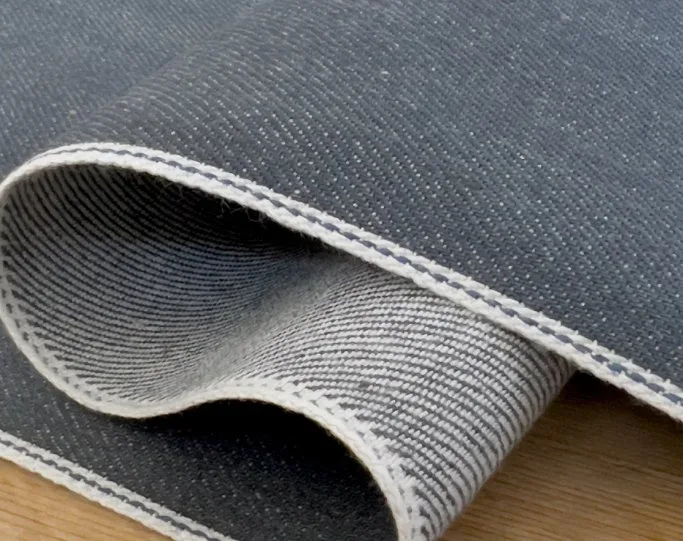
Japan’s denim mills, particularly in Okayama and Hiroshima, use vintage shuttle looms to produce narrow, tightly woven denim that ages and fades in a way that modern wide-loom denim cannot match.
Japanese selvedge denim is considered among the finest in the world for longevity and character.
Italian Wool Suiting
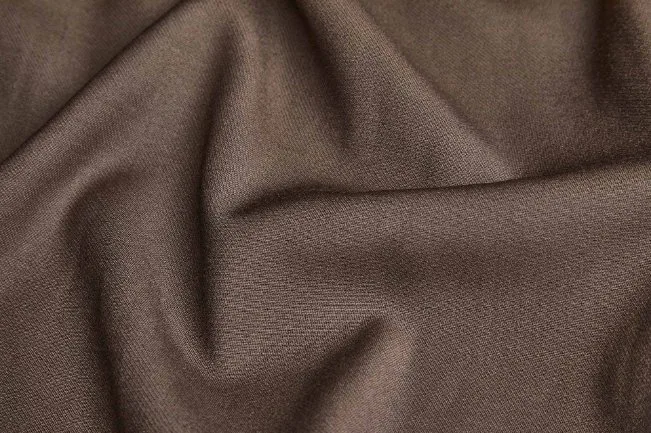
The mills around Biella in northern Italy have been producing fine suiting wool for centuries. Fabrics from this region are known globally for their drape, their depth of color, and their durability. If you see “Made in Biella” on a fabric selvedge, it’s a strong quality signal.
American Innovations
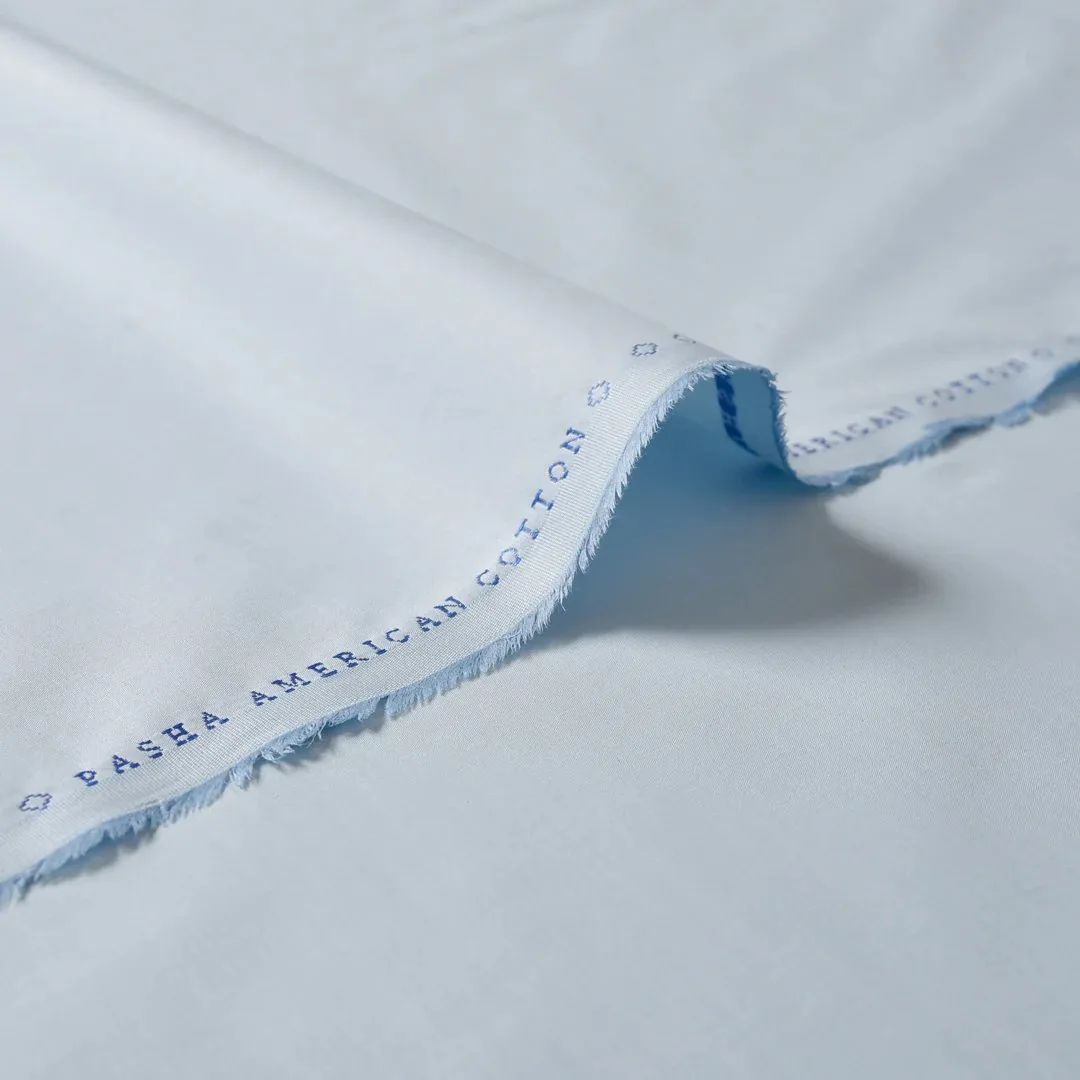
The United States has contributed significantly to modern textile development. Denim as we know it was developed in the American West during the 19th century, and American mills pioneered large-scale consistent cotton farming.
Technical and performance fabrics for outdoor gear, military use, and activewear have largely been driven by American innovation, including Gore-Tex, Polartec, and Cordura.
Eco-Friendly and Sustainable Fabrics
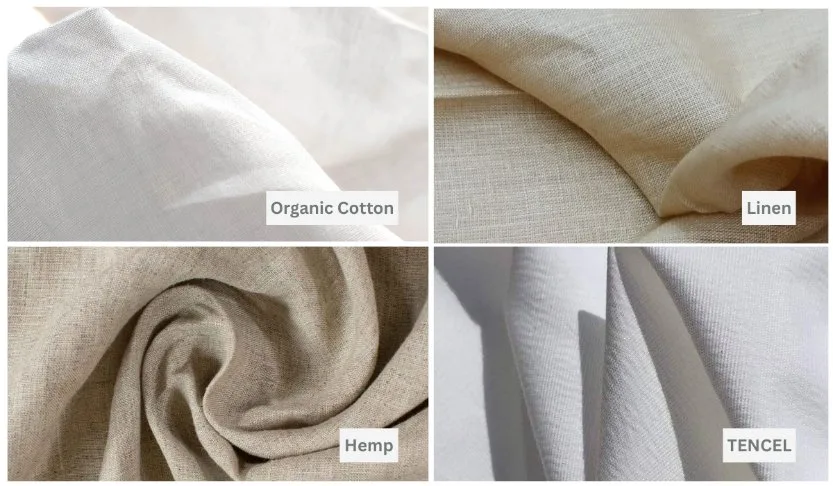
The fashion industry is one of the largest sources of pollution in the world. Growing awareness of that fact is pushing a real shift in how fabrics are made and what consumers expect. Here’s what you need to know if you want to make more planet-friendly choices.
Source: Textile Exchange Materials Market Report
Recycled Fabrics
These are made by breaking down used materials and reforming them into new fiber. The most widely available option is recycled polyester (rPET), made from plastic bottles and textile waste.
ECONYL is a regenerated nylon made from fishing nets and industrial plastic. Recycled cotton and recycled wool are also available in quality goods from a growing number of brands.
Organic and Natural Options
Organic fabrics are grown without synthetic pesticides or fertilizers. Organic cotton is the most widely available option.
Organic hemp is naturally pest-resistant and needs minimal water. Organic linen comes from organically grown flax. “Peace silk” is harvested without killing the silkworm.
Bio-Based Innovations
Scientists are developing fabric from some unexpected sources. Mushroom leather (made from mycelium root networks) is already being used by some brands. Pineapple leather comes from pineapple leaf waste. Orange fiber uses citrus industry byproducts.
These materials are still largely in premium or limited production, but they represent where the industry is heading over the next decade.
What to Look for When Shopping
- GOTS certified (Global Organic Textile Standard): The gold standard for organic fabric claims, covering the entire supply chain from fiber to finished product.
- OEKO-TEX Standard 100: Fabric tested for over 100 potentially harmful substances, regardless of whether it’s organic or conventional.
- Bluesign certified: Focuses on responsible manufacturing and reduced environmental impact during production.
- Recycled Content claims: Look for specific percentages. “Made with recycled materials” on its own could mean anything.
For a broader perspective on sustainable buying habits, see our article on fast fashion vs. slow fashion.
Smart Fabrics and What’s Coming Next in Textiles
Today’s most advanced fabrics do far more than just cover and protect. The textile industry is moving faster than most people realize.
Performance Fabric Treatments
Many modern fabrics are treated after weaving or knitting to add specific properties. UV-blocking finishes reduce the amount of harmful sun radiation passing through fabric. Antimicrobial treatments prevent odor-causing bacteria from growing, which is why some activewear can go longer between washes.
Wrinkle-resistant treatments reduce ironing needs. These finishes can wear off over time with repeated washing, so follow care instructions carefully to extend their life.
Truly Smart Textile Technology
The next generation of textiles goes much further. Fabrics are being developed that can monitor heart rate and body temperature in real time. Some change color based on heat or UV exposure. Others can generate small amounts of electricity from body movement.
E-textiles embed conductive threads that connect to apps and health monitoring systems. These aren’t science fiction. They’re already in sports labs and medical devices, and they’re beginning to reach consumer products.
Nanotechnology Applications
Microscopic particles added to fabrics during production can create some remarkable properties that weren’t possible even 20 years ago:
- Self-cleaning fabrics that break down stains and bacteria when exposed to light, using titanium dioxide nanoparticles
- Antimicrobial fabrics that can neutralize bacteria and viruses on contact, used in medical settings and activewear
- Phase-change materials that absorb and release heat to regulate body temperature automatically
- Self-healing materials that can close small tears or abrasions without any intervention
These aren’t purely theoretical. Phase-change and antimicrobial technologies are already in commercial products, and self-cleaning fabrics are in active development by several major textile manufacturers.
2026 Fabric Trends Worth Knowing
The biggest trends in textiles right now are sustainability, texture, and performance. Boucle continues its run as one of the most popular textured fabrics in both fashion and home decor.
Natural fabrics like cotton, linen, and wool are leading the charge as consumers push back against synthetic-heavy fast fashion. Technical performance fabrics are becoming mainstream in everyday clothing, not just sportswear.
Bio-based fibers from lab-grown and agricultural waste sources are making their way into commercial products faster than expected. For the full picture, see our guide to fabric trends.
Common Fabric Problems and How to Fix Them
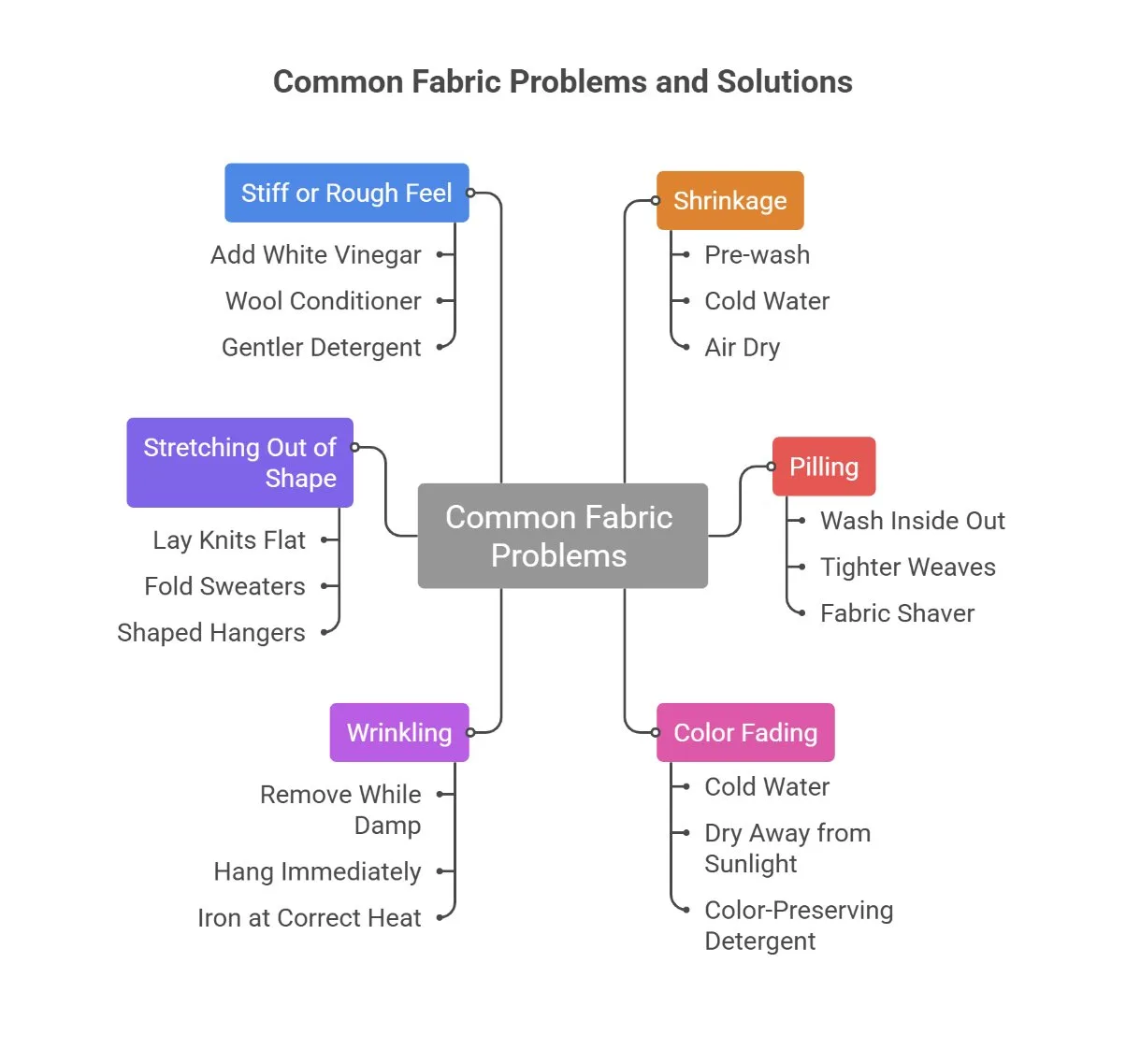
| Problem | Why It Happens | How to Prevent or Fix It |
|---|---|---|
| Shrinkage | Heat and agitation cause natural fibers to tighten. Cotton and wool are the most prone. | Pre-wash fabric before sewing. Use cold water for first washes. Air dry when possible. |
| Pilling | Short fibers break free and tangle. Common in cheaper blends and loosely spun yarns. | Wash inside out. Choose tighter weaves. Use a fabric shaver to remove pills once they appear. |
| Color fading | UV exposure, hot water, and harsh detergents break down dye. | Wash in cold water, inside out. Dry away from direct sunlight. Use color-preserving detergent. |
| Wrinkling | Linen and cotton wrinkle most. Synthetics resist wrinkles better. | Remove from dryer while slightly damp. Hang immediately. Iron at correct heat for the fiber. |
| Stretching out of shape | Hanging knit garments causes them to elongate. Improper washing distorts woven items. | Lay knits flat to dry, never hang. Fold sweaters. Store structured garments on shaped hangers. |
| Stiff or rough feel after washing | Mineral buildup from hard water, or stripped natural oils in wool and cotton. | Add white vinegar to the rinse. Use a conditioner for wool. Switch to a gentler detergent. |
Fabric Glossary: Key Terms Explained Simply
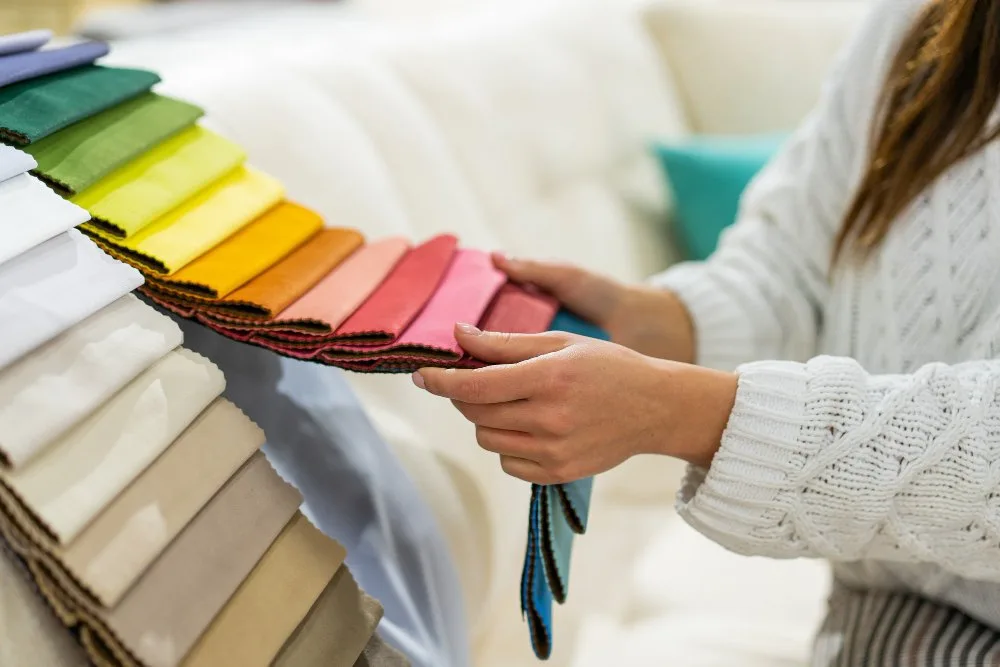
Fabric comes with its own vocabulary. Here are the most useful terms to know, explained without the jargon.
Have a mystery fabric and not sure what it is? Answer 5 questions and our tool will identify it for you.
Identify My FabricFrequently Asked Questions
Textile is the broader term. It covers any material made from fibers, including thread, rope, and industrial materials. Fabric refers specifically to textiles made into flexible sheets that can be used for clothing, home goods, or similar finished items. All fabrics are textiles, but rope and thread are textiles that aren’t fabrics.
Linen is widely considered the most breathable fabric. Its open, loose weave structure allows maximum airflow. Cotton and hemp are close behind. For summer clothing in hot, humid climates, linen is the top pick. For more options, see our full guide to summer fabrics.
For natural fibers, cashmere and fine merino wool are the softest options you’ll find. For those who prefer plant-based or synthetic fabrics, modal and micro-fleece rank very high. For everyday wear, quality bamboo fabric and long-staple organic cotton are excellent soft choices that are also practical to wash and care for.
Organic cotton, bamboo, fine merino wool, silk, and modal are the best choices for sensitive skin. They’re smooth, breathable, and processed with fewer chemicals.
Avoid rough wool, synthetic-heavy blends, and heavily dyed fabrics if you have skin sensitivities. Always look for OEKO-TEX certification when skin reactions are a concern.
Woven fabric is made by interlacing two sets of yarns at right angles. It’s stable, doesn’t stretch much, and holds its shape well. Denim is woven.
Knitted fabric is made from a single yarn looped through itself. It stretches in multiple directions and is more comfortable for fitted garments and activewear. A t-shirt is knitted.
GSM stands for grams per square meter. It’s how fabric weight is measured. Lower GSM means lighter, more sheer fabric. Higher GSM means heavier, denser fabric.
Most everyday t-shirts are around 150 to 180 GSM. Heavyweight denim can be 400 GSM or more. Use our GSM to oz converter if you’re working with American measurements.
Canvas and heavy denim are the most durable for hard use. For everyday clothing, nylon and polyester blends hold up very well with easy care. Wool is also remarkably durable with the right care routine. For a full ranking, see our guide to the most durable fabrics for everyday wear.
Polyester, nylon, and polyester blends resist wrinkles best. Wool is also naturally wrinkle-resistant due to its crimped fiber structure.
Among natural fibers, cotton can be treated with wrinkle-resistant finishes, but linen wrinkles the most of commonly worn fabrics. If wrinkling is a real problem, look for fabrics labeled “easy care” or “wrinkle-resistant.”
Natural fabrics come from plants or animals: cotton, linen, wool, and silk. They tend to be breathable and biodegradable, but often need more careful care.
Synthetic fabrics are made from chemicals, usually petroleum-based: polyester, nylon, and acrylic. They’re typically cheaper, easy to care for, and wrinkle-resistant, but don’t breathe as well and aren’t biodegradable.
For a full comparison, see our guide to natural vs. synthetic fabrics.
Cotton quilting fabric or cotton broadcloth are the standard starting points. Cotton doesn’t stretch while you sew it, holds creases well, and forgives small mistakes.
Avoid slippery fabrics like satin or silk, stretchy knits, and sheers until you’ve built some experience. Our guide to beginner sewing has more on choosing starter fabrics.
Always order swatches before buying large amounts online. Check the GSM (weight) listed in the product description, and read customer reviews that specifically mention feel and quality.
Reputable fabric retailers will clearly list fiber content percentage, weight, width, and care instructions. If that information is missing, proceed with caution.
Organic cotton, linen, hemp, and recycled polyester (rPET) are the most widely accessible sustainable options.
For certifications to look for: GOTS for organic content, OEKO-TEX Standard 100 for chemical safety, and Bluesign for responsible manufacturing. Textile Exchange publishes annual reports with verified industry data on sustainable fiber production.
A fabric with a simple, unpatterned surface is generally called a “solid” or “plain” fabric. In terms of weave structure, the most basic weave is called a plain weave (over one, under one).
Common plain fabrics include muslin, poplin, broadcloth, and cotton jersey. These tend to be the best choices for beginners because they’re easy to cut and sew.
Polyester crepe, ponte knit, and polyester-rayon blends are the best bets for dresses that travel well. For something that looks more natural, wool crepe or fine merino knit both resist wrinkles while draping beautifully.
For warmer months, rayon-linen blends are more breathable than pure polyester while still avoiding the heavy wrinkling of pure linen.
Cotton lawn is very fine and smooth with a slight sheen. Cotton voile is sheer and lightweight, great for layering. Batiste is very fine and soft, often used for heirloom sewing and baby garments.
Muslin is an inexpensive, plain-woven lightweight cotton used for mock-ups in dressmaking. Cheesecloth is an extremely open, gauzy weave used in cooking and crafts.
Polyester is now the most widely used textile fiber in the world, accounting for over 54% of global fiber production. It overtook cotton as the most common fiber in the early 2000s.
For natural fibers alone, cotton remains the most common, followed by wool and linen.
The softest fabrics include cashmere (the softest natural fiber), fine merino wool, silk, modal, bamboo, velvet, and micro-fleece.
Among cotton varieties, long-staple options like Pima cotton and Egyptian cotton are noticeably softer than standard cotton. For next-to-skin wear, cashmere and modal are generally considered the top tier.
Several names describe heavy cotton fabrics depending on construction. Canvas is a plain-woven heavy cotton for bags and outerwear. Duck cloth is similar but slightly softer. Denim is a twill-woven heavy cotton for jeans and jackets.
Drill is a strong twill used for workwear. Corduroy is a ridged heavy cotton. Weight is measured in oz/yd². Anything over 10 oz is generally considered heavy.
There’s no single agreed-upon number. Fabrics can be categorized by construction (woven, knitted, non-woven), by fiber content (dozens of types), or by end use.
When you combine construction methods, fiber types, weave patterns, and finishes, you’re looking at hundreds of varieties in common commercial use, and thousands if you include historical and regional specialty textiles.
Fabrics are most commonly categorized three ways: by construction method (woven, knitted, or non-woven), by fiber origin (natural, synthetic, or semi-synthetic), and by weight (lightweight under 150 GSM, medium 150 to 350 GSM, or heavyweight over 350 GSM).
Most useful descriptions combine all three. For example, “a lightweight woven cotton” or “a heavyweight knit polyester blend.”
Chino (khaki) is a lightweight cotton twill and the most common denim alternative. Gabardine is a tightly woven twill in wool or polyester, used for dress trousers. Corduroy is a ribbed cotton for casual wear.
Flannel is a brushed wool or cotton. Linen is ideal for summer trousers. Ponte knit gives a structured look with a comfortable pull-on fit. Tweed is a rough-textured wool for classic country-style trousers.
A “plain” fabric means either a solid-color (unpatterned) fabric, or one made with a plain weave structure (over one thread, under one thread). Common plain-weave fabrics include muslin, poplin, broadcloth, canvas, taffeta, and chambray.
Any woven or knit fabric sold in a single color without a pattern is described as “solid” or “plain.”
Fabric Industry Statistics and Trends
The global textile industry is one of the largest manufacturing sectors in the world. Understanding where it’s heading helps you make smarter choices as a consumer, buyer, or sewer.
Market Size
| Metric | Figure | Source Context |
|---|---|---|
| Global textile market value | $295+ billion | Current total market across all fiber and fabric types |
| Sustainable fabrics market by 2035 | $119 billion | Projected value of eco-certified and recycled textiles |
| Polyester share of global fiber use | Over 54% | Polyester is now the most widely used fiber globally |
| Cotton share of global fiber use | Approx. 22% | Second most common, declining slightly vs. synthetics |
Sustainability Trends
- 73% of fashion executives have stated plans to increase sustainability investment, according to Textile Exchange.
- Recycled polyester use grew by 60% between 2020 and 2023, making it the fastest-growing sustainable fiber.
- Organic cotton uses up to 91% less water than conventionally grown cotton, while also eliminating synthetic pesticide use.
- The number of brands committing to Science Based Targets for reducing emissions in their supply chains has grown significantly year on year since 2020.
Innovation Areas
- Bio-fabrication: Lab-grown silk, mycelium leather, and algae-based fibers are moving from prototypes to limited commercial production.
- Waterless dyeing: Technologies like supercritical CO2 dyeing are eliminating the water-intensive dyeing process entirely.
- Textile recycling at scale: Chemical recycling processes that can break down blended fabrics (which mechanical recycling struggles with) are reaching commercial viability.
- Digital fiber identification: Invisible digital watermarks and QR-code-embedded yarns are making garment recycling and fiber traceability much easier.
Industry data: Textile Exchange Materials Market Report
Conclusion
Fabric isn’t complicated once you break it down. It’s just fibers made into material.
But the choices you make about those fibers, the construction method, the weight, the care routine, the regional origin, and the sustainability of the supply chain all add up to real differences in how your clothes look, feel, and last.
Here are the most important things to take away from this guide:
- Start with the end use. Every good fabric choice starts with knowing exactly what you’re making and who will wear it. Don’t pick a fabric and then figure out what to do with it.
- Learn the three construction types. Woven, knitted, and non-woven fabrics behave completely differently. Knowing which you’re working with tells you most of what you need to know about stretch, structure, and care.
- GSM is your friend. Once you understand fabric weight, so much else makes sense. That 120 GSM chiffon wants to float. That 450 GSM canvas wants to stand firm. Match the weight to the job.
- Read the label before you wash anything. Most fabric damage happens in the laundry. A quick check of the fiber content and care symbols takes five seconds and can save a garment you love.
- Invest in quality where it counts. You don’t need to spend top dollar on every fabric. But for the things you wear every day, near your skin, or plan to keep for years, better fabric pays for itself in comfort and longevity.
- Regional origin matters for premium fabrics. True Egyptian cotton, genuine Kashmiri cashmere, and Belgian linen earn their reputations. When you’re investing in quality, learn what to look for to make sure you’re getting what you pay for.
- Sustainable choices are getting easier. Organic, recycled, and certified fabrics are now available at most price points. Look for GOTS and OEKO-TEX certifications to back up any claims you read on a label.
- Test before you commit. Order swatches. Rub fabrics together to check for pilling. Stretch knits and watch how they recover. The few minutes you spend testing will save you from costly mistakes.
Fabric knowledge builds over time. The more you handle different materials, the faster you’ll recognize quality, performance, and the right fit for any project. Use the tools and guides linked throughout this article to go deeper on any topic that matters most to you.
Have a fabric question this guide didn’t answer? Use the fabric identification quiz or the fabric selector tool for personalized help, or explore our full library of fabric guides.
References and Further Reading
- Textile Exchange: Annual Materials Market Report covering organic, recycled, and responsible fiber production with verified industry statistics. Primary source for sustainability data cited in this article.
- U.S. Federal Trade Commission: Threading Your Way Through Textile and Wool Labeling Requirements: The official FTC guide to what information must appear on clothing and textile labels sold in the United States.
- OEKO-TEX Standard 100: The official certification body for textiles tested for harmful substances. Referenced in the sensitive skin and sustainable fabrics sections.
- Global Organic Textile Standard (GOTS): The world’s leading textile processing standard for organic fibers. Referenced in the sustainable fabrics section.
- Wikipedia: Textile: A well-maintained overview of textile history, production methods, and classification systems with cited academic and industry sources.
- Fabulous Bargains Galore: Fabric 101 Guide to Textiles and Materials: A companion guide covering fabric fundamentals from a consumer perspective.
- Fashion Trendy Shop: Essential Guide to Textile Types and Care: A practical guide to fabric types and care from a fashion retail perspective.
References to certifications, industry statistics, and regulations are accurate to the best of our knowledge at the time of writing and last review. For the most current regulatory requirements, consult the relevant authority in your country (such as the FTC in the United States).
Clothing Digest is not responsible for any damage to clothing or textiles resulting from following general care guidance without checking the specific product’s care label. Some links in this article are internal links to related content on Clothing Digest.