
Everything you need to know about properties, uses, care, and sustainability of slipper satin
Table of Contents
- What is Slipper Satin Fabric?
- History and Origin
- Properties and Characteristics
- Types of Satin: How Slipper Satin Compares
- What is Slipper Satin Used For?
- Fiber Content and Quality Variations
- Sustainability and Eco-Friendly Options
- Care Instructions and Maintenance
- Sewing and Working with Slipper Satin
- Buying Guide
- Frequently Asked Questions
What is Slipper Satin Fabric?
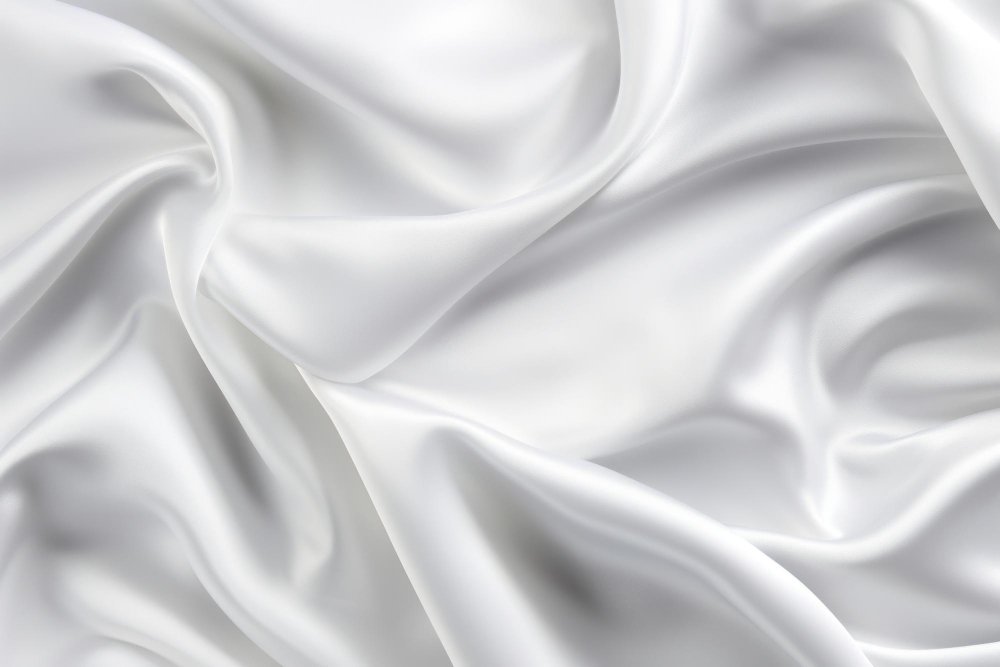
Slipper satin is a distinctive type of satin fabric that stands out for its unique characteristics and versatile applications. Unlike lighter, flowing satins, slipper satin is a medium to heavy-weight fabric known for its stiff, tightly woven structure and high luster finish. The fabric gets its name from one of its original primary uses: creating elegant footwear, particularly women’s dress shoes that could be dyed to match formal gowns.
What makes slipper satin different from other silk fabrics and satins is its body and weight. While most satins are prized for their soft drape and fluid movement, slipper satin offers more structure and stability. This makes it perfect for projects that need the beauty of satin but require a fabric that can hold its shape.
The fabric is created using the traditional satin weave technique, where multiple warp threads float over a single weft thread (or vice versa). This weaving method creates the characteristic smooth, glossy surface on one side and a duller finish on the reverse. In slipper satin, this weave is executed with a tighter thread count and more tension, resulting in a firmer hand feel compared to standard satin.
Key Features of Slipper Satin
- Weight: Medium to heavy-weight fabric
- Structure: Stiff and tightly woven
- Finish: High luster on face side, matte on reverse
- Drape: Less fluid than charmeuse, more structured
- Durability: Strong and resistant to wear
History and Origin

The story of slipper satin is part of the larger history of satin weaving, which dates back to medieval China. Satin weaving originated in the Chinese port city of Quanzhou, known as Zaitun in medieval Arabic. This is where the name “satin” comes from. During the Middle Ages, all satin was made exclusively from silk, making it an expensive luxury reserved for royalty and the wealthy.
As satin-making techniques traveled along the Silk Road, they reached the Middle East and eventually Europe. Italy became the first Western country to produce satin in the twelfth century, and by the fourteenth century, satin had become popular across Europe. The Palace of Versailles famously featured satin upholstery throughout its grand halls.
Slipper satin specifically developed as manufacturers recognized the need for a sturdier satin for practical applications. Traditional lightweight satins were beautiful but too delicate for items like shoes, accessories, and structured garments. By the late 19th and early 20th centuries, companies like William Skinner and Sons in Massachusetts were producing specialized slipper satin with a silk face and cotton back, designed specifically for women’s formal footwear that could be custom-dyed to match evening gowns.
The introduction of synthetic fibers like polyester and nylon in the 20th century revolutionized slipper satin production. These materials made the fabric more affordable, more durable, and easier to care for, opening up new applications beyond traditional footwear.
Properties and Characteristics
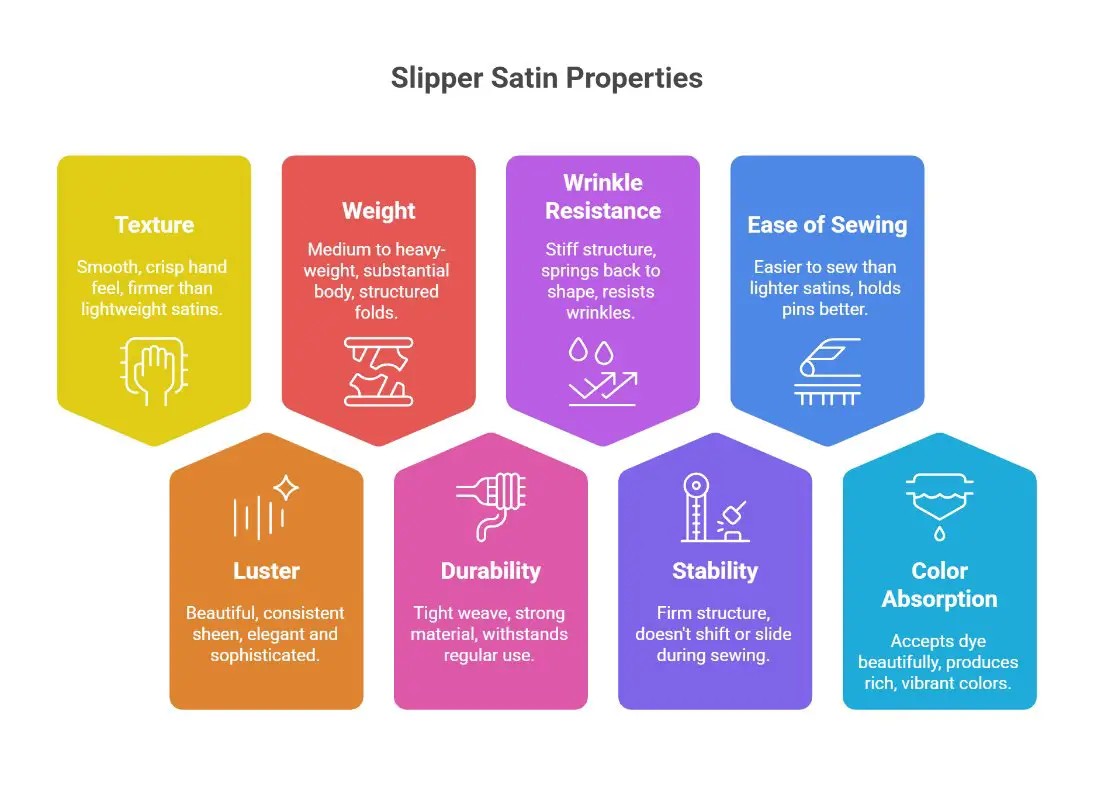
Understanding the unique properties of slipper satin helps you choose the right fabric for your project and care for it properly. Here’s what sets this fabric apart:
Physical Characteristics
Texture and Hand Feel: Slipper satin has a smooth, crisp hand feel. When you touch it, you’ll notice it’s substantially firmer than charmeuse satin or other lightweight satins. The fabric doesn’t slip through your fingers as easily, which makes it more manageable to work with for many sewers.
Luster and Sheen: The surface has a beautiful, consistent sheen that catches light elegantly. While not quite as brilliant as some lightweight satins, the luster is still striking and sophisticated. The tighter weave creates a slightly more subdued, refined glow rather than a high-gloss shine.
Weight and Drape: As a medium to heavy-weight fabric, slipper satin has substantial body. It drapes differently than lighter satins, creating beautiful structured folds rather than soft, flowing gathers. This quality makes it excellent for garments and items that need to maintain their shape.
Structural Properties
Durability: Thanks to its tight weave and substantial weight, slipper satin is one of the more durable satin varieties. The long filament fibers woven tightly together create a strong material that can withstand regular use without showing visible wear. This makes it suitable for items like event tablecloths, decorative accessories, and formal shoes that need to last.
Wrinkle Resistance: One of the practical advantages of slipper satin is its resistance to wrinkles. The fabric’s stiffness and structure help it spring back to shape rather than holding creases. This is especially true when compared to lighter-weight satins that crease easily. However, sharp folds can still create lasting creases, so proper storage is important.
Stability: The firm structure of slipper satin means it doesn’t shift or slide as much as slippery charmeuse or duchess satin during sewing and construction. This stability makes it easier to work with for tailors and designers, particularly when adding embellishments like beading or embroidery.
Working Properties
Ease of Sewing: While still a delicate fabric that requires care, slipper satin is generally easier to sew than its lighter counterparts. It doesn’t slip under the sewing machine needle as readily, and it holds pins better without excessive shifting. That said, it can still fray at cut edges and may snag if you’re not careful.
Color Absorption: Slipper satin accepts dye beautifully, producing rich, vibrant colors. This property made it particularly valuable in its original application as shoe fabric that could be custom-dyed to match any gown color. Today, you’ll find slipper satin in everything from deep jewel tones to soft pastels.
Types of Satin: How Slipper Satin Compares
The satin family includes many different varieties, each with distinct characteristics and best uses. Understanding how slipper satin compares to other common fabric types helps you make informed decisions for your projects.
| Satin Type | Weight | Drape | Luster | Best Uses |
|---|---|---|---|---|
| Slipper Satin | Medium-Heavy | Structured | High | Shoes, accessories, table linens, structured evening wear |
| Duchess Satin | Heavy | Structured | Medium-High | Wedding gowns, formal dresses, structured garments |
| Charmeuse | Lightweight | Fluid | Very High | Blouses, lingerie, flowing dresses, linings |
| Crepe Back Satin | Medium | Moderate | High (one side) | Reversible garments, evening wear, blouses |
| Messaline | Very Light | Very Fluid | Very High | Linings, delicate blouses, lingerie |
Slipper Satin vs. Duchess Satin
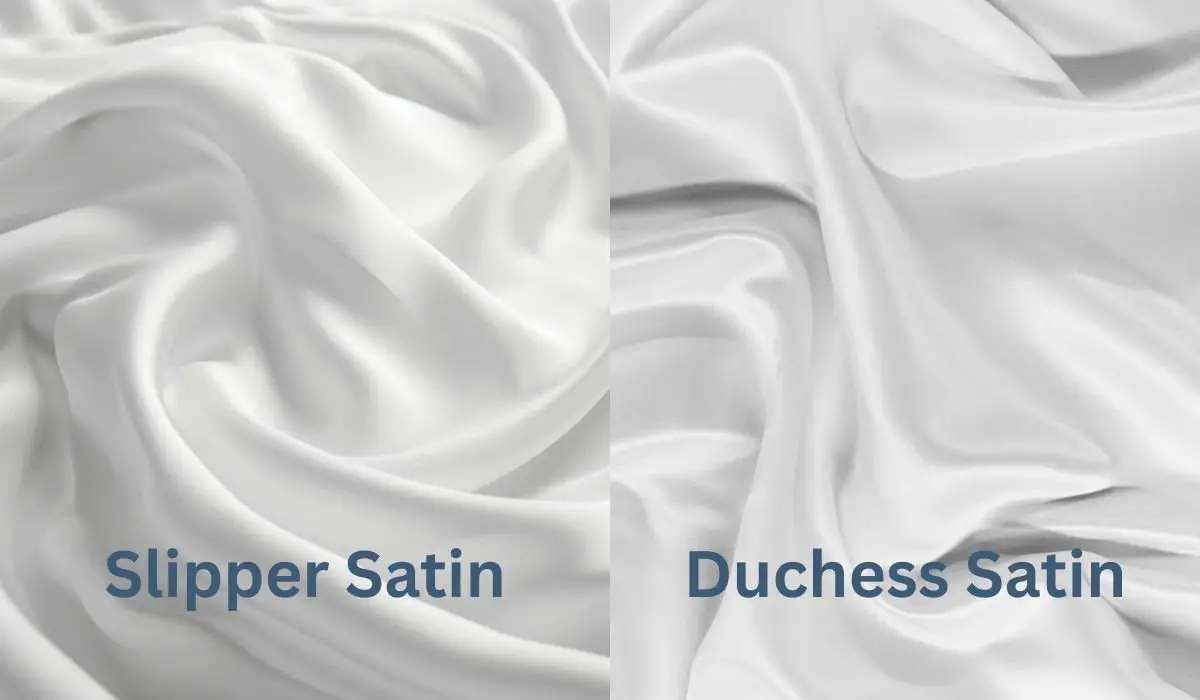
Both slipper satin and duchess satin are heavier, more structured members of the satin family, but they have important differences. Duchess satin is typically the heavier of the two, with an even higher thread count and denser weave. This gives duchess satin a more luxurious weight and a slightly more matte finish compared to slipper satin’s higher sheen.
Duchess satin excels in bridal wear and formal gowns where structure and drape need to be perfectly balanced. The extra weight creates beautiful, flowing lines that still hold their shape. Slipper satin, being slightly lighter and with more sheen, works better for accessories, decorative applications, and items where you want that glossy satin look with good durability.
From a sewing perspective, duchess satin is actually easier to work with than many satins because its weight prevents it from slipping excessively. Slipper satin falls somewhere in the middle: easier than lightweight satins but requiring more care than duchess satin.
Slipper Satin vs. Charmeuse
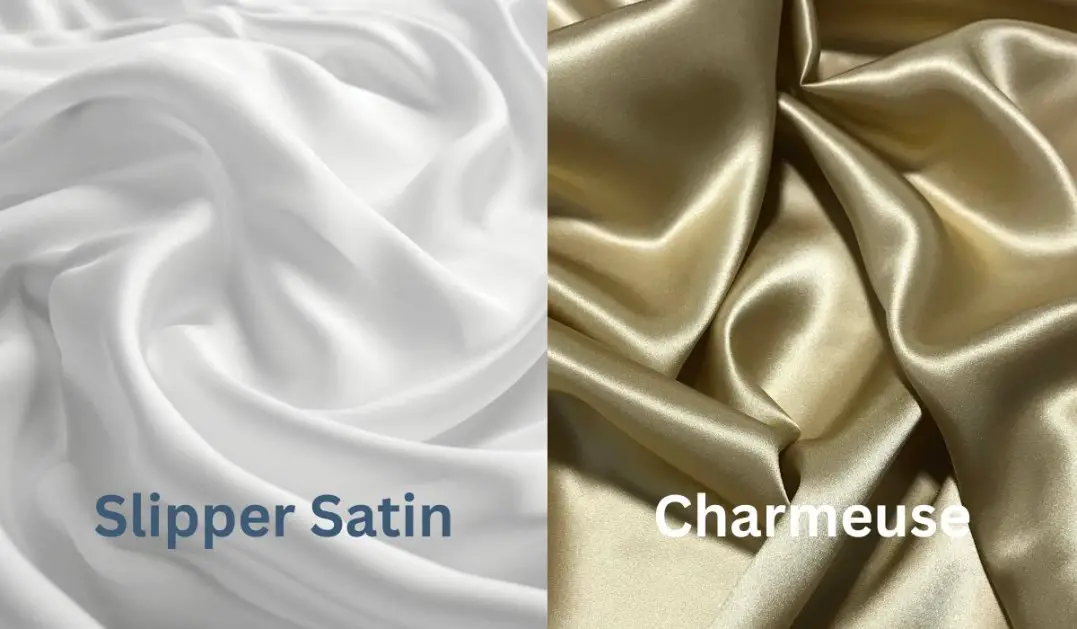
The difference between slipper satin and charmeuse is dramatic. Charmeuse, which means “charmer” in French, is an extremely lightweight satin with a beautiful drape and luxurious feel. It flows like water and creates soft, romantic gathers and folds.
Charmeuse is perfect for items where movement and drape are essential, like flowing evening gowns, delicate blouses, and lingerie. However, its lightweight nature makes it challenging to work with and less suitable for structured applications. Slipper satin, in contrast, offers the beauty of satin with much more body and structure. It’s the choice when you need satin’s elegance but require the fabric to hold its shape or withstand more wear.
Slipper Satin vs. Crepe Back Satin
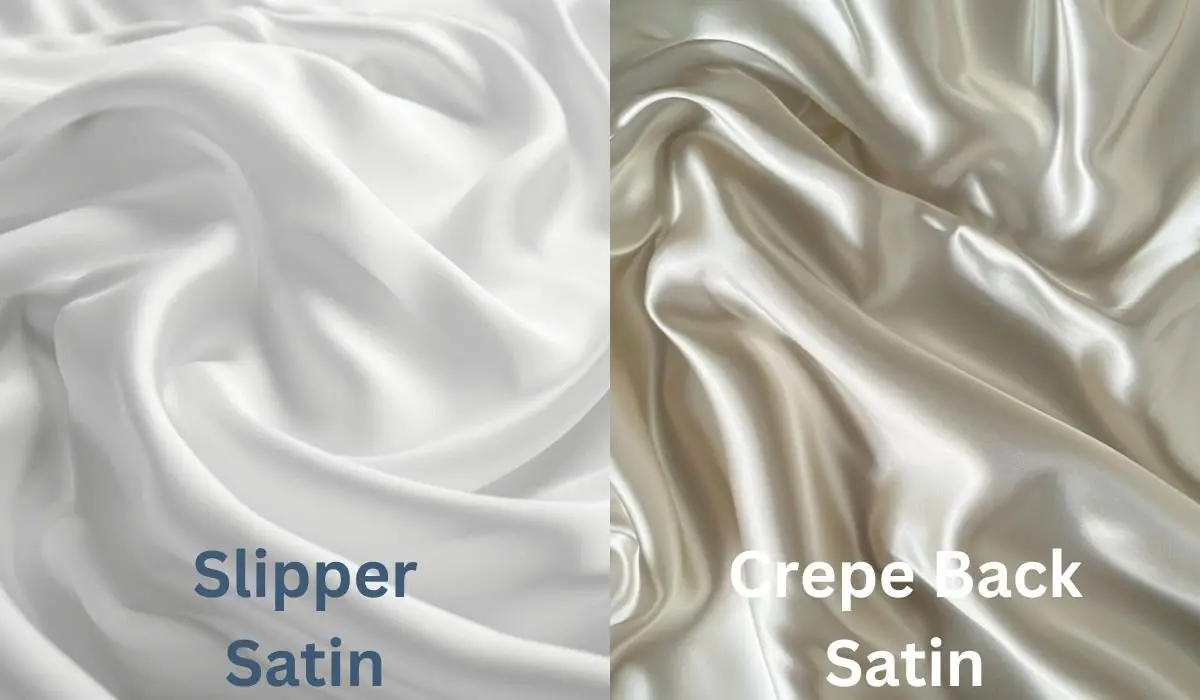
Crepe back satin offers a unique advantage: it’s reversible. One side has the smooth satin finish, while the other features a textured crepe surface. This versatility makes it popular for garments where you might want contrasting textures or the option to reverse the piece.
Slipper satin has a distinct front and back, with the back being noticeably duller. It’s not designed to be reversible. Where crepe back satin typically falls in the medium-weight category with moderate drape, slipper satin tends to be firmer and more structured. Choose slipper satin when you want maximum structure and sheen; choose crepe back satin when versatility and reversibility matter more.
What is Slipper Satin Used For?
Slipper satin’s unique combination of beauty, structure, and durability makes it suitable for a wide range of applications. Here’s a detailed look at where this fabric shines:
Footwear and Accessories
Formal Footwear: True to its name, slipper satin remains popular for women’s formal shoes. Ballet flats, evening pumps, and bridal shoes often feature slipper satin because it can be dyed to match any outfit and holds its shape beautifully. The fabric’s durability is important for footwear, as shoes face constant friction and pressure.
Evening Bags and Clutches: Slipper satin’s structured nature makes it perfect for handbags and clutches that need to maintain their shape. The high luster adds elegance to evening accessories, while the fabric’s strength ensures the bag won’t lose its structure with use.
Hair Accessories: From headbands to hair bows, slipper satin’s ability to hold a shape while looking polished makes it a favorite for accessories. The fabric accepts embellishments well, so you’ll often see slipper satin accessories decorated with beads, crystals, or embroidery.
Formal and Evening Wear
Evening Gowns and Cocktail Dresses: While lighter satins dominate in flowing gowns, slipper satin works beautifully for structured evening wear. Fitted bodices, peplum details, and architectural design elements benefit from slipper satin’s ability to hold a shape while still providing that luxurious satin finish.
Bridal Wear: Some bridal gowns feature slipper satin, particularly in styles that call for structure and definition. It’s especially popular for bridesmaid dresses where you want the elegance of satin without excessive fluidity. The fabric photographs beautifully and creates clean, defined lines.
Formal Separates: Structured jackets, pencil skirts, and formal blouses can be made from slipper satin for special occasions. The fabric provides enough body to create tailored silhouettes while maintaining satin’s dressed-up appearance.
Event and Decorative Applications
Table Linens: Slipper satin is a popular choice for special event tablecloths, runners, and napkins. The fabric’s resistance to wrinkles and its beautiful drape make tables look elegant throughout an event. Many event rental companies stock slipper satin table linens because they’re easier to maintain than lighter satins.
Chair Covers and Sashes: For weddings, galas, and formal events, slipper satin chair covers and decorative sashes add elegance. The fabric ties well and holds its shape, creating beautiful bows and knots that don’t slip or sag during events.
Wall and Ceiling Draping: When venues need dramatic fabric decoration, slipper satin’s structure makes it an excellent choice. It can be draped and gathered to create elegant backdrops and ceiling treatments without sagging over time.
Home Décor
Decorative Pillows: Slipper satin makes stunning accent pillows that add luxury to any room. The fabric holds its shape well, which is important for pillows that need to maintain structure. It’s especially popular for formal living rooms and master bedrooms.
Window Treatments: Curtains and valances made from slipper satin create an upscale look. The fabric’s weight helps curtains hang properly, and the luster adds visual interest when light hits the folds.
Bedding Accents: While full bed linens might use lighter sateen or satin, slipper satin works well for decorative elements like bed runners, shams, and duvet covers where structure matters more than drape.
Special Considerations
Flame Retardant Options: Many event venues require flame-retardant fabrics for safety. Slipper satin is available in flame-retardant versions, making it suitable for commercial event spaces, theaters, and other venues with strict fire codes. This is particularly important for wall draping and large decorative installations.
📊 Not sure if slipper satin is right for your project? Try our Interactive Fabric Selector Tool to find your perfect fabric match!
Fiber Content and Quality Variations
Slipper satin can be made from various fibers, each bringing different properties, price points, and care requirements. Understanding these options helps you choose the right version for your needs.
Silk Slipper Satin
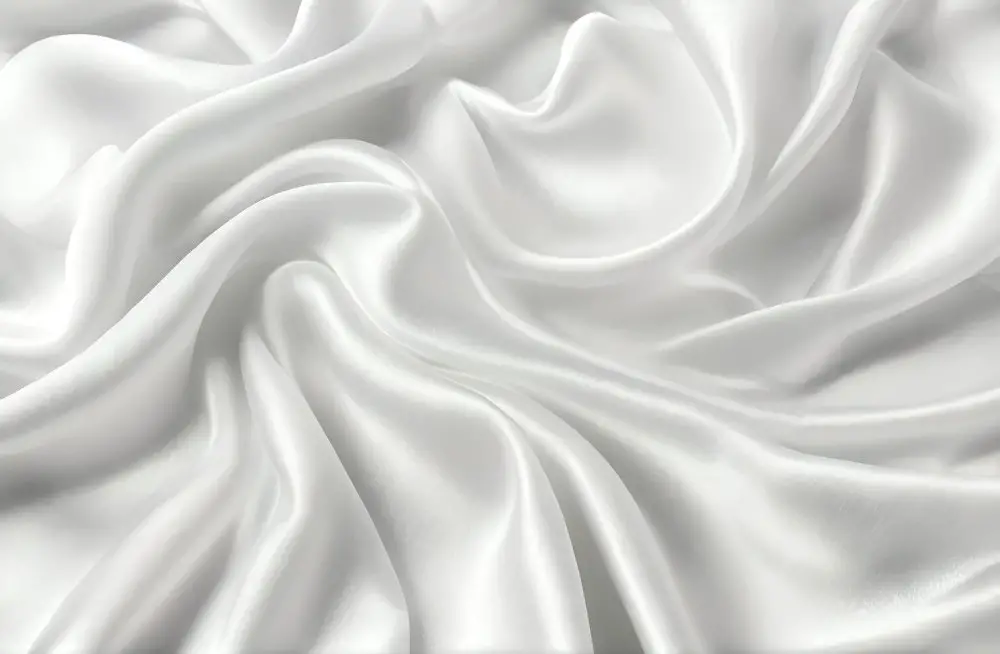
The original and most luxurious form of slipper satin uses silk fibers. Silk slipper satin offers unmatched softness and a natural luster that synthetic versions can’t quite replicate. The fabric breathes beautifully, making it comfortable to wear, and it has natural temperature-regulating properties.
However, silk slipper satin comes with a high price tag and requires careful maintenance. It’s typically dry clean only and can be damaged by water spots, excessive heat, and rough handling. Historical versions often featured a silk face with a cotton back, which provided beauty where it showed while reducing cost and adding stability.
Best for: High-end bridal wear, luxury accessories, heirloom items where investment in quality matters.
Polyester Slipper Satin
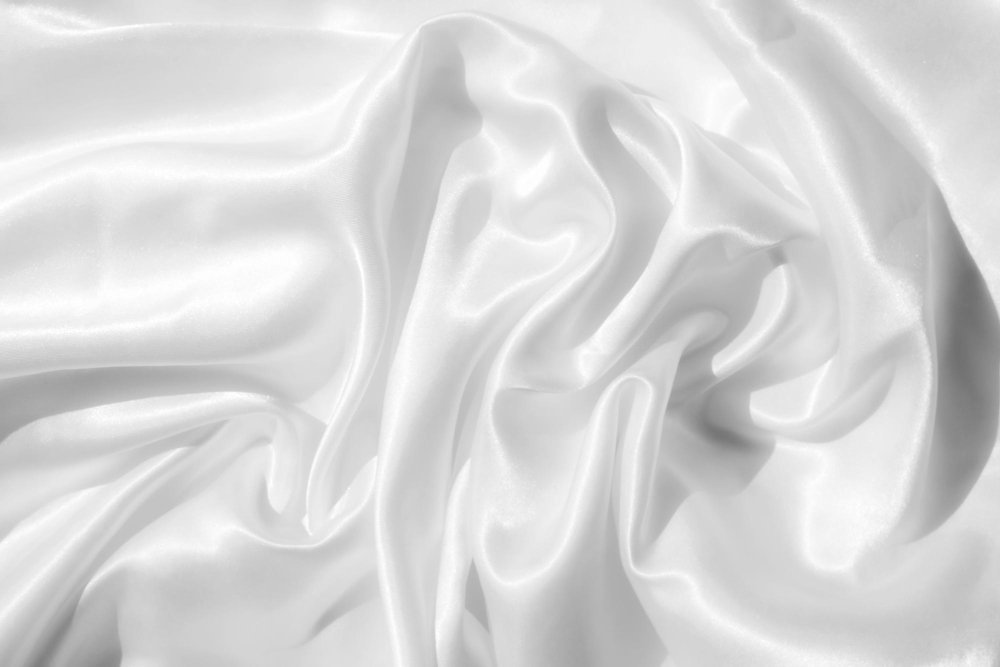
Modern polyester slipper satin, often called “polysatin,” is by far the most common version available today. Advances in polyester manufacturing have created fabrics that closely mimic silk’s appearance while offering practical advantages.
Polyester slipper satin is durable, wrinkle-resistant, and usually machine washable. It’s significantly less expensive than silk, making it accessible for large-scale event decorating, everyday fashion, and projects where cost matters. The color fastness is excellent, and the fabric holds up well to repeated use and washing.
The trade-offs include less breathability than natural fibers and a slightly different hand feel. While polyester satin has come a long way, experienced textile professionals can usually tell the difference from silk. That said, for most applications, polyester slipper satin provides excellent value.
Best for: Event linens, everyday accessories, budget-conscious projects, items requiring easy care.
Nylon Slipper Satin
Nylon slipper satin offers another synthetic option with its own characteristics. Nylon is strong and elastic, giving the fabric good stretch recovery. It tends to have a slightly higher sheen than polyester and excellent durability.
The main considerations with nylon are heat sensitivity and less breathability than other options. Nylon can melt at high ironing temperatures, so care must be taken during pressing. It also tends to generate static electricity more readily than other fibers.
Best for: Items requiring stretch, durable accessories, projects where extra strength matters.
Blended Slipper Satin
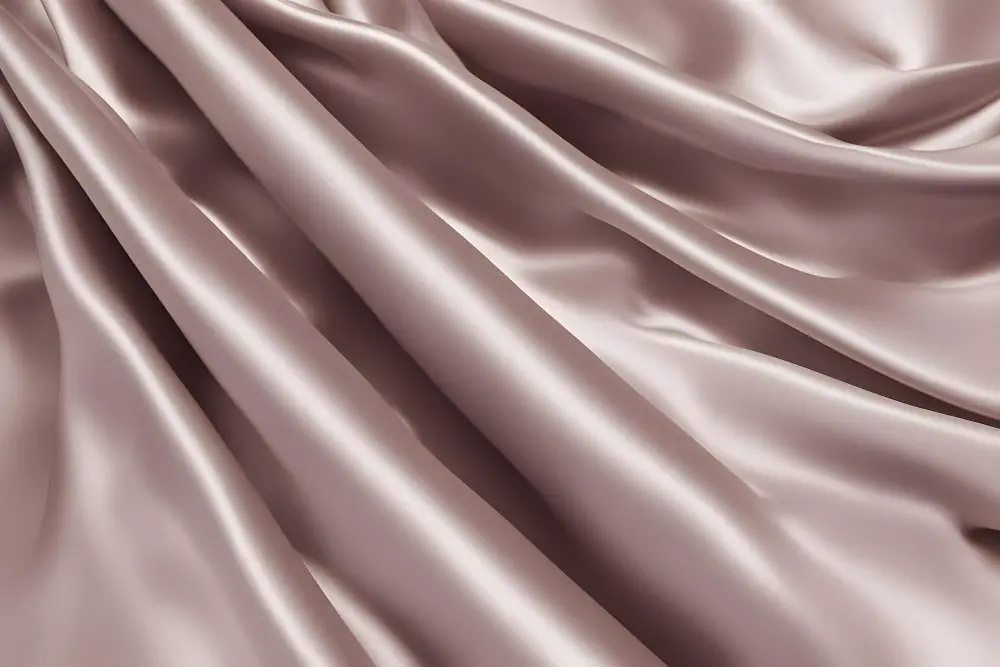
Some manufacturers create blended slipper satin, combining fibers to balance properties and costs. Common blends include:
- Silk-Polyester Blends: These offer some of silk’s luxury with polyester’s practicality, creating a middle ground in both properties and price.
- Silk-Acetate Blends: Acetate adds drape and luster while reducing cost. However, acetate is less durable and requires dry cleaning.
- Cotton-Backed Versions: Some slipper satins feature a satin-weave face with a plain-weave cotton back. This provides beauty on the visible side with stability and reduced cost.
Sustainability and Eco-Friendly Options
As awareness of fashion’s environmental impact grows, many people want to know about sustainable options for satin fabrics. Here’s what you need to consider when choosing eco-friendly slipper satin.
Natural Fiber Options
Organic Silk: The most sustainable slipper satin starts with organic silk. GOTS (Global Organic Textile Standard) certified silk comes from farms that avoid synthetic pesticides, herbicides, and GMOs. The certification covers the entire production chain, ensuring ethical labor practices and environmental responsibility.
To qualify for GOTS certification, a product must contain at least 70% certified organic fibers, though products labeled “organic” must contain at least 95%. Some European manufacturers now offer slipper satin made from GOTS-certified organic silk blended with EcoVero viscose, providing luxury with reduced environmental impact.
Peace Silk (Ahimsa Silk): Traditional silk production involves boiling silkworm cocoons with the pupae still inside. Peace silk allows the moths to emerge before harvesting the cocoons. While this results in shorter fibers and a slightly different texture, it’s a more ethical option for those concerned about animal welfare.
Recycled Synthetic Options
Recycled Polyester: Recycled polyester (rPET) made from post-consumer plastic bottles or textile waste offers a more sustainable synthetic option. The recycling process requires less energy than creating virgin polyester and diverts plastic from landfills and oceans.
Some manufacturers now produce slipper satin from recycled polyester that matches the quality of virgin fiber versions. Look for fabrics certified by the Global Recycled Standard (GRS), which verifies recycled content and tracks materials through the supply chain.
Production Considerations
Water Usage: Fabric production and dyeing require significant water. Sustainable manufacturers implement water recycling systems and use eco-friendly dyes that minimize water pollution. Some companies recycle up to 90% of the water used in production.
Energy Sources: Forward-thinking textile manufacturers use renewable energy sources like solar and wind power for fabric production. This significantly reduces the carbon footprint of the finished fabric.
Carbon Offset Programs: Some suppliers partner with environmental organizations to calculate and offset their carbon emissions. Rather than planting trees in distant locations, the best programs support local urban forestry, making the compensation tangible and traceable.
Care and Longevity
One of the most sustainable choices you can make is selecting durable fabrics and caring for them properly to extend their life. Slipper satin’s natural durability makes it more sustainable than delicate fabrics that wear out quickly. Following proper care instructions for satin clothing ensures your items last for years, reducing the need for replacement.
Sustainable Slipper Satin Checklist
- Look for GOTS-certified organic silk options
- Consider recycled polyester (GRS-certified) versions
- Choose manufacturers using renewable energy
- Prioritize durability over fast fashion
- Care for items properly to extend their lifespan
- Support companies with transparent supply chains
Care Instructions and Maintenance
Proper care keeps slipper satin looking beautiful for years. While specific care requirements vary by fiber content, these guidelines will help you maintain your slipper satin items.
Reading Care Labels
Always check the care label before cleaning any slipper satin item. The label tells you the fiber content and manufacturer’s recommended care method. If it says “dry clean only,” follow this instruction, especially for silk or blended fabrics. For more detailed guidance, refer to our comprehensive fabric care guide.
Washing Slipper Satin
Hand Washing: This is the safest cleaning method for most slipper satin items. Fill a basin with lukewarm water (not exceeding 77°F/25°C) and add a mild detergent designed for delicate fabrics. For silk satin, use a specialized silk detergent.
Submerge the item and let it soak for 3-5 minutes. Gently agitate the fabric with your hands, avoiding rubbing or twisting. Don’t wring or twist the fabric, as this can damage the fibers and create permanent creases. Rinse thoroughly under cold water until all soap is removed.
Machine Washing: Some polyester slipper satin items can be machine washed, but only if the care label permits it. Always turn the garment inside out to protect the shiny surface. Place the item in a mesh laundry bag for extra protection.
Use cold water and the delicate/gentle cycle with the shortest spin duration. Add a small amount of mild detergent formulated for delicate fabrics. Never use bleach or fabric softener, as these can damage the fibers and dull the luster.
⚠️ Important Washing Don’ts
- Never use hot water (causes shrinkage and fiber damage)
- Avoid harsh detergents and bleach
- Don’t overload the washing machine
- Never wring or twist wet satin
- Don’t wash with rough fabrics that could snag the surface
Drying Slipper Satin
Air Drying: This is the only recommended drying method for slipper satin. After washing, gently press out excess water by laying the item flat on a clean, dry towel. Roll the towel with the garment inside, applying light pressure to absorb moisture.
Unroll and transfer the item to a second dry towel or a drying rack. Lay it flat in a cool, shaded area away from direct sunlight and heat sources. Direct sunlight can cause fading and yellowing, while heat can damage the fibers.
For items that can be hung, use padded hangers to prevent shoulder marks. Never use clothespins or clips on satin, as they leave permanent marks.
Tumble Drying: Avoid using a tumble dryer for slipper satin. The heat can cause shrinkage, fiber damage, and loss of luster. If you absolutely must use a dryer (which is not recommended), use the lowest heat setting or air-dry cycle, and remove items while still slightly damp.
Removing Stains
Quick action is critical when dealing with stains on slipper satin. The faster you treat a stain, the better your chances of complete removal.
General Approach: Blot (never rub) the stain immediately with a clean, white cloth to absorb excess liquid. Test any cleaning method on an inconspicuous area first.
Oil-Based Stains: Sprinkle talcum powder or cornstarch on the stain to absorb the oil. Let it sit for 15-30 minutes, then gently brush away. Apply a small amount of gentle dish soap mixed with lukewarm water, working from the outside of the stain toward the center.
Water-Based Stains: Use cold water and mild detergent. Gently dab the stain with a solution-dampened cloth. Rinse by dabbing with clean water and blot dry.
Protein Stains (food, sweat): Use an enzyme-based stain remover designed for delicate fabrics. Follow product instructions carefully and always rinse thoroughly.
Never use bleach on satin, as it causes discoloration and weakens fibers. Avoid harsh stain removers that aren’t specifically designed for delicate fabrics.
Ironing and Pressing
Slipper satin’s relatively firm structure means it’s less prone to wrinkling than lighter satins, but creases can still occur.
Iron Settings: Set your iron to the lowest heat setting suitable for the fiber content (typically the silk or synthetic setting). Always iron satin inside out to protect the glossy surface.
Protection: Use a pressing cloth (a clean piece of cotton fabric) between the iron and the satin. This prevents shine marks and protects the fabric from direct heat.
Technique: Move the iron gently and continuously across the fabric. Don’t press down hard or leave the iron in one spot. Use the steam function if available, as moisture helps release wrinkles.
Steaming Alternative: A garment steamer is an excellent alternative to ironing. Hold the steamer a few inches away from the fabric and let the steam relax the fibers. This method is gentler and reduces the risk of heat damage.
Storage
Proper storage prevents damage and keeps slipper satin items looking fresh.
- Hanging: Use padded or wide hangers for garments to prevent shoulder marks. Cover with breathable garment bags (not plastic) to protect from dust while allowing air circulation.
- Folding: For items that must be folded, place acid-free tissue paper between layers to prevent creases and color transfer. Avoid creating sharp folds.
- Environment: Store in a cool, dry place away from direct sunlight. Avoid areas with high humidity, which can promote mildew growth.
- Event Linens: For tablecloths and decorative items, roll them on tubes rather than folding to prevent permanent creases.
🧺 Need help with fabric care? Try our Fabric Care Calculator for personalized washing instructions!
Sewing and Working with Slipper Satin
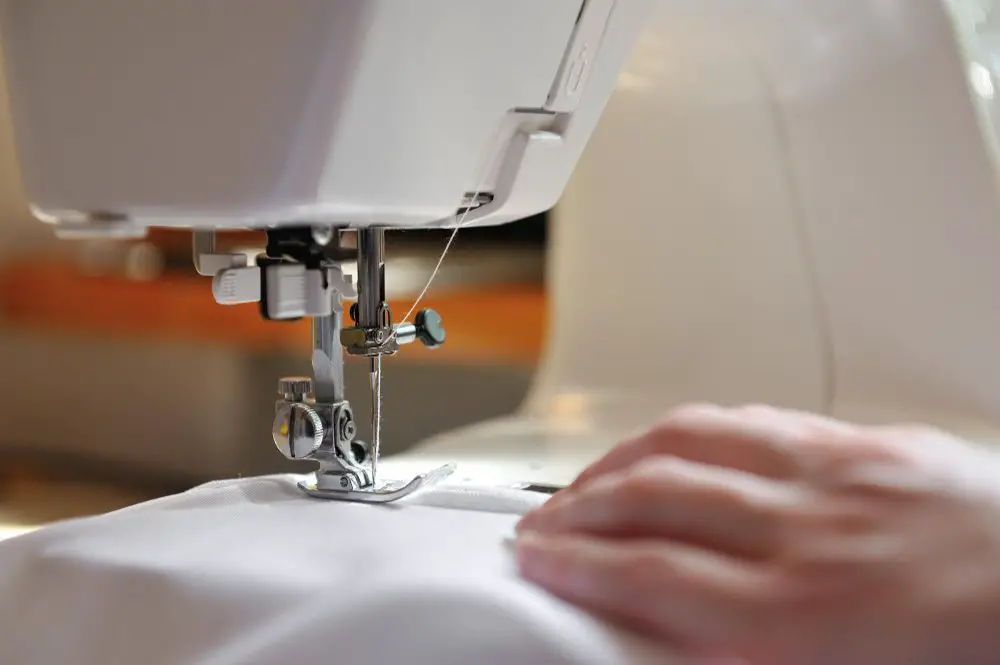
Slipper satin is more manageable than many other satins, but it still requires careful handling and the right techniques for professional results.
Pre-Sewing Preparation
Pre-Washing: If your slipper satin is washable (check the care information), pre-wash it before cutting and sewing. This prevents shrinkage in the finished garment. Follow the same washing instructions you’ll use for the completed item.
Cutting: Always cut satin in a single layer to ensure accuracy. The fabric can shift when cutting multiple layers, resulting in mismatched pieces. Use sharp scissors or a rotary cutter for clean edges that won’t fray as easily.
Pin only within seam allowances, as pins leave visible holes in satin. Use fine, sharp pins and remove them as soon as possible. Some sewers prefer pattern weights or basting instead of pins.
Sewing Techniques
Needles and Thread: Use fine needles (size 70/10 or 80/12 sharp or microtex needles) to create small, nearly invisible holes. Choose fine polyester or silk thread that matches the fabric’s sheen.
Machine Settings: Reduce presser foot pressure if possible to prevent the fabric from being pushed around. Use a shorter stitch length (1.5-2mm) for more control and to prevent puckering.
Seam Allowances: Use wider seam allowances (5/8″ or more) than you might for other fabrics. This gives you room to work if edges fray and allows for easier finishing. Learn more about proper seam allowances for different projects.
Preventing Slipping: While slipper satin is less slippery than charmeuse, it can still shift. Use a walking foot or even-feed foot on your sewing machine to feed both fabric layers evenly. Some sewers place tissue paper under the fabric while sewing, then tear it away afterward.
Seam Finishing
Satin frays easily, so seam finishing is important:
- French Seams: These enclose raw edges for a clean finish. They work well for straight seams on lightweight to medium-weight slipper satin. Check our French seam tutorial for step-by-step instructions.
- Flat Fell Seams: Good for items that will be washed frequently. See our flat fell seam guide.
- Serging/Overlocking: Use a serger if available, with appropriate settings for delicate fabrics.
- Zigzag Finish: A simple zigzag stitch along raw edges prevents fraying if you don’t have a serger.
Special Considerations
Marking: Use tailor’s chalk or disappearing fabric markers on the wrong side of the fabric only. Test markers on scraps first to ensure they disappear completely. Avoid using pins to mark, as they leave permanent holes.
Pressing as You Sew: Press seams after sewing them, but always with a pressing cloth and low heat. Pressing helps seams lie flat and improves the final appearance.
Embellishments: Slipper satin’s structure makes it excellent for beading and embroidery. The fabric holds its shape under the weight of embellishments better than lighter satins. Use a stabilizer on the wrong side when adding heavy beadwork or embroidery to prevent distortion.
Buying Guide
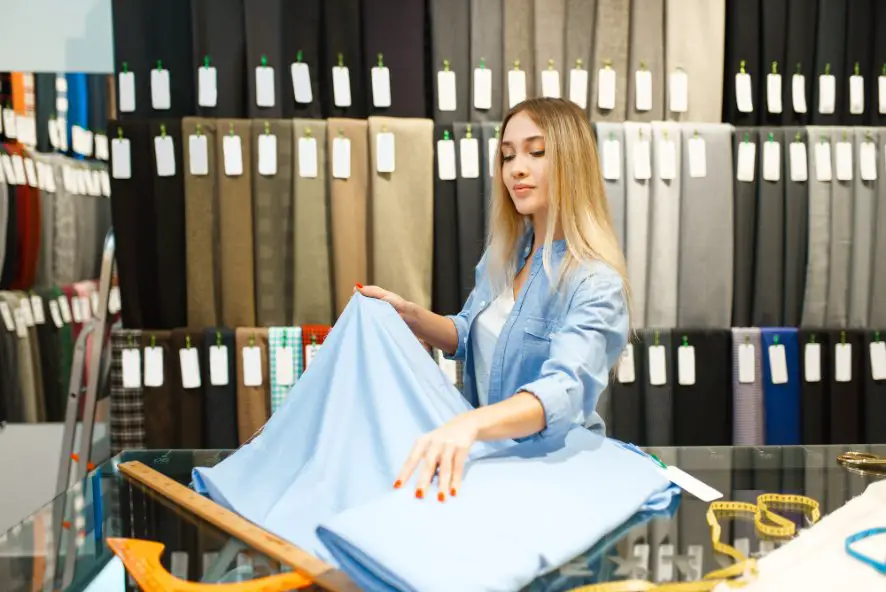
Choosing quality slipper satin and finding reliable suppliers ensures your project’s success. Here’s what you need to know.
Quality Indicators
Visual Inspection: Quality slipper satin has consistent luster across the entire surface without dull patches or variations in sheen. Check for even weaving with no slubs, thick threads, or visible flaws.
Hand Feel: The fabric should feel smooth and crisp without being harsh or papery. When you scrunch it in your hand and release, it should spring back to shape with minimal wrinkling.
Drape Test: Hold the fabric up and observe how it falls. Quality slipper satin creates structured folds with body, not limp drooping or excessive stiffness.
Edge Inspection: Look at the cut edge. Excessive fraying indicates lower quality or poor weaving. Some fraying is normal for satin, but quality fabric has tighter weaving that resists fraying better.
Fiber Content Considerations
Decide on fiber content based on your project requirements:
- Choose Silk If: You want the most luxurious option, breathability matters, it’s for an heirloom or high-end project, and budget isn’t a primary concern.
- Choose Polyester If: Easy care is important, you need cost-effective fabric for large projects, machine washability is required, and color consistency matters (polyester dyes very evenly).
- Choose Blends If: You want a balance of properties and price, or you need specific characteristics (like silk’s feel with polyester’s durability).
Yardage Calculations
Always buy extra fabric when working with satin. Add 10-15% to your calculated needs for pattern matching, mistakes, and testing. Slipper satin typically comes in 44-60″ widths. Wider fabric may reduce yardage needs but costs more per yard.
📏 Calculate exactly how much fabric you need with our Fabric Yardage Calculator!
Where to Buy
Fabric Stores: Local fabric stores let you see and feel the fabric before buying. Staff can often provide advice on quality and care. However, selection may be limited and prices tend to be higher.
Online Retailers: Online shopping offers wider selection and often better prices. Request swatches before buying large quantities. Read reviews carefully and check return policies.
Wholesale Suppliers: For event professionals or large projects, wholesale suppliers offer significant savings. Most require minimum orders (often 20+ yards) but prices can be 40-60% lower than retail.
Bridal and Event Suppliers: These specialists stock high-quality slipper satin in a wide color range. Prices are higher, but quality is generally excellent and color matching is easier.
Price Ranges
Expect to pay:
- Polyester Slipper Satin: $3-$8 per yard (retail), $1.50-$4 per yard (wholesale)
- Silk-Blend Slipper Satin: $15-$35 per yard
- Pure Silk Slipper Satin: $30-$80+ per yard
- Flame-Retardant Polyester: $5-$10 per yard
Remember that price often reflects quality. Very cheap satin may have poor luster, uneven weaving, or rapid deterioration with washing.
Color Selection
Slipper satin is available in virtually any color. When choosing:
- Order Swatches: Colors can look different in person than online. Order swatches, especially for color-critical projects like weddings.
- Dye Lots: Like all dyed fabrics, slipper satin can vary between dye lots. Buy all fabric for a project from the same dye lot to ensure perfect color matching.
- Lighting: Satin’s sheen means color can appear different under various lighting conditions. View samples in the lighting where the finished item will be seen.
Frequently Asked Questions
Is slipper satin the same as regular satin?
No, slipper satin is a specific type of satin that’s heavier and more structured than most other satins. While all satins share the characteristic smooth, lustrous weave, slipper satin is tightly woven and has more body. This makes it less fluid than charmeuse but more structured and durable. Think of it as the difference between silk charmeuse (very lightweight and flowing) and duchess satin (heavy and structured), with slipper satin falling in the medium-heavy range.
Can you wash slipper satin?
It depends on the fiber content. Polyester slipper satin can usually be hand washed or machine washed on a delicate cycle with cold water. Silk slipper satin typically requires dry cleaning. Always check the care label first. When washing at home, use mild detergent, avoid hot water, and air dry the fabric flat away from direct sunlight. Never put slipper satin in the dryer, as heat can damage the fibers and dull the luster.
What’s the difference between slipper satin and duchess satin?
Both are structured satins, but duchess satin is typically heavier with a higher thread count and denser weave. Duchess satin has a slightly more matte finish and creates a more luxurious drape, making it ideal for formal bridal gowns. Slipper satin is moderately lighter with higher sheen and is better suited for accessories, decorative applications, and items where you want a glossier appearance with good durability. Duchess satin is also generally easier to sew due to its weight and reduced slipperiness.
Why is it called slipper satin?
The name comes from one of its original primary uses: making women’s formal shoes. In the late 19th and early 20th centuries, manufacturers like William Skinner and Sons produced this fabric specifically for elegant footwear that could be dyed to match formal gowns. The fabric’s structure and durability made it perfect for shoes that needed to withstand wear while maintaining beauty. While the fabric is now used for many other applications, the name stuck.
Is slipper satin suitable for wedding dresses?
Yes, but it depends on the dress style. Slipper satin works well for structured wedding dresses, fitted bodices, and design elements that need to hold their shape. However, for gowns requiring soft draping and flowing movement, lighter satins like charmeuse or heavier duchess satin might be better choices. Slipper satin is particularly popular for bridesmaid dresses where you want the elegance of satin without excessive fluidity.
Does slipper satin wrinkle easily?
Slipper satin is more wrinkle-resistant than lighter satins due to its firmer structure and heavier weight. The fabric tends to spring back to shape rather than holding creases, especially polyester versions. However, sharp folds can still create lasting wrinkles, so proper storage is important. If wrinkles do occur, they can usually be removed with low-heat ironing (using a pressing cloth) or steaming.
Is slipper satin good for tablecloths?
Absolutely! Slipper satin is one of the most popular choices for special event tablecloths. Its structured drape creates beautiful table coverage without excessive puddling on the floor. The fabric’s wrinkle resistance means tables look elegant throughout events, and its durability stands up to repeated use and laundering. Many event rental companies prefer slipper satin for these reasons. Flame-retardant versions are available for venues requiring fire safety compliance.
Can you iron slipper satin?
Yes, but carefully. Use the lowest heat setting appropriate for the fiber content (silk or synthetic setting), always iron on the wrong side, and use a pressing cloth between the iron and fabric. Move the iron continuously without pressing down too hard or leaving it in one spot. Never iron damp satin. Steaming is a safer alternative that reduces the risk of heat damage while effectively removing wrinkles.
What’s better for beginners: slipper satin or charmeuse?
Slipper satin is generally easier for beginners to work with. Its firmer structure means less slipping during cutting and sewing, and it holds pins better than slippery charmeuse. The fabric is more forgiving of tension issues and doesn’t shift as much under the sewing machine presser foot. That said, all satins require care and attention, so beginners should start with a practice project using inexpensive fabric before working with expensive material. Consider checking our easy sewing projects for beginners to build your skills.
Is there an eco-friendly version of slipper satin?
Yes! Several sustainable options exist. GOTS-certified organic silk slipper satin is available from specialty suppliers, though at a premium price. Recycled polyester versions made from post-consumer plastic bottles offer an eco-friendly synthetic option. Some manufacturers blend organic silk with EcoVero viscose (a sustainable rayon) to balance luxury with environmental responsibility. Look for certifications like GOTS, GRS (Global Recycled Standard), and manufacturers that use renewable energy and water recycling in production.
Conclusion
Slipper satin stands out in the satin family as a uniquely practical yet elegant fabric. Its medium to heavy weight and structured character make it the perfect choice when you need the beauty of satin combined with durability and shape retention. From its historical origins as the fabric of choice for dyeable formal footwear to its modern applications in everything from wedding accessories to event décor, slipper satin has proven its versatility and staying power.
Understanding the differences between slipper satin and its relatives like duchess satin, charmeuse, and crepe back satin helps you make informed choices for your projects. Each satin type has its place, and slipper satin excels when structure, durability, and a high-luster finish matter most.
The fabric’s adaptability extends to fiber options as well. While silk slipper satin offers unmatched luxury and natural properties, modern polyester versions provide excellent performance at accessible price points. For those concerned about environmental impact, sustainable options including organic silk and recycled polyester make it possible to choose beautiful fabric while supporting better practices.
Key Takeaways
- Structure Matters: Slipper satin’s medium-heavy weight and tight weave give it body that lighter satins lack, making it ideal for applications requiring shape retention.
- Care Carefully: While polyester versions offer easy maintenance, all slipper satin benefits from gentle handling, cool water washing, and air drying to maintain its lustrous appearance.
- Choose Wisely: Match fiber content to your needs. Silk for luxury and breathability, polyester for durability and ease of care, or blends for balanced properties.
- Sew Smart: Use appropriate needles, reduce presser foot pressure, and employ seam finishing techniques to prevent fraying. While more manageable than lightweight satins, slipper satin still requires careful handling.
- Think Sustainable: When possible, choose certified organic silk or recycled polyester versions, and care for items properly to extend their life.
- Application Specific: Slipper satin excels in footwear, structured evening wear, accessories, event décor, and home accents where durability and luster are both important.
Final Recommendations
For fashion projects, consider slipper satin when creating structured garments, fitted bodices, or accessories that need to maintain their shape. It’s an excellent choice for bridesmaid dresses, evening clutches, and hair accessories.
Event planners and decorators will find slipper satin indispensable for tablecloths, chair covers, and decorative draping. The flame-retardant versions make it suitable for virtually any venue, while the wrinkle resistance ensures professional appearance throughout events.
Home decorators can use slipper satin to add touches of elegance through throw pillows, window treatments, and bedding accents. The fabric’s durability means these decorative elements will look beautiful for years with proper care.
For sewers and crafters, slipper satin offers a more forgiving working experience than many other satins while still delivering stunning results. Start with polyester versions for practice, then advance to silk when you’re confident in your techniques.
Most importantly, invest time in understanding proper fabric care techniques. The difference between a slipper satin item that lasts a few uses and one that remains beautiful for years often comes down to correct washing, drying, and storage practices.
Whether you’re creating a show-stopping evening gown, decorating for a once-in-a-lifetime event, or simply adding elegance to your home, slipper satin delivers the perfect combination of practical performance and luxurious appearance. With the knowledge from this guide, you’re now equipped to select, work with, and care for this wonderful fabric successfully.
Ready to start your project? Check out our complete fabric guides and sewing tutorials for step-by-step instructions!