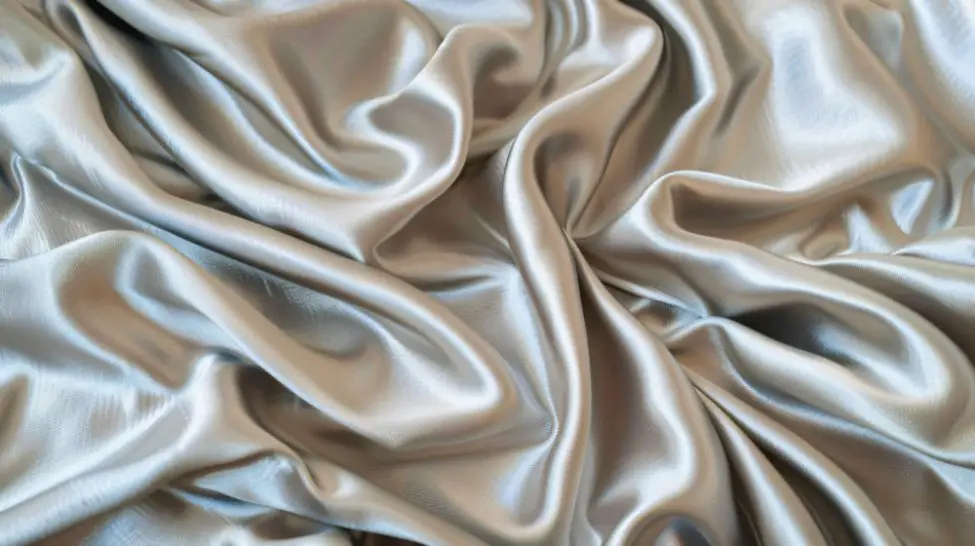

Everything you need to know about this affordable luxury fabric for fashion, home decor, and conscious sewing projects
Table of Contents
- What is Rayon Satin?
- History of Rayon and Satin
- Properties and Characteristics
- Rayon Satin vs Other Fabrics
- The Sustainability Question
- Benefits for Hair and Skin
- Uses and Applications
- How to Sew with Rayon Satin
- Care Instructions
- Buying Guide
- Project Ideas
- Troubleshooting Common Issues
- Frequently Asked Questions
What is Rayon Satin?

Rayon satin combines two distinct textile concepts that work together to create a beautiful, affordable fabric. Understanding what makes rayon satin special starts with knowing the difference between a fiber and a weave.
Rayon is a semi-synthetic fiber made from regenerated cellulose, typically sourced from wood pulp, bamboo, or cotton. It’s not a natural fiber like cotton or wool, but it’s not fully synthetic like polyester either. Think of it as plant material that’s been chemically transformed into a workable fiber.
Satin, on the other hand, is not a fiber at all. It’s a weaving technique that creates a glossy, smooth surface on one side of the fabric and a duller finish on the other. The satin weave floats threads over several others before tucking under one, which gives the fabric its signature shine and drape.
When you combine rayon fibers with a satin weave, you get rayon satin: a fabric that looks and feels like silk satin but comes at a fraction of the cost. It has that beautiful flowing drape, the soft hand feel, and the lustrous sheen that makes it popular for everything from evening gowns to pillowcases.
Is Rayon Satin the Same as Rayon Fabric?
Not exactly. Rayon is the fiber type, and it can be woven into many different fabric structures. You can find rayon in plain weaves (like rayon challis), twill weaves, knit constructions (rayon jersey), and yes, satin weaves. So rayon satin is one specific type of rayon fabric, but not all rayon fabrics are satin.
Other common rayon fabrics include:
- Rayon Challis: A lightweight plain weave, soft and drapey, perfect for flowing dresses
- Rayon Crepe: A textured surface with a slightly crinkled appearance
- Rayon Jersey: A knit fabric with stretch, commonly used for t-shirts
- Rayon Twill: A diagonal weave pattern that’s a bit more structured
The satin weave is what gives rayon satin its distinctive glossy appearance and silky feel. If you’re looking for similar fabrics, you might also want to explore charmeuse satin or crepe back satin.
Types of Rayon
Not all rayon is created equal. The term “rayon” actually covers several types of regenerated cellulose fibers, each made through slightly different processes:

| Rayon Type | Production Method | Characteristics | Sustainability |
|---|---|---|---|
| Viscose Rayon | Carbon disulfide process | Soft, drapey, most common type | Lower (chemical intensive) |
| Modal | Modified viscose from beech trees | Stronger, more durable than viscose | Better (especially Lenzing Modal) |
| Lyocell (Tencel) | Closed-loop solvent process | Smooth, strong, eco-friendly | High (99% solvent recovery) |
| Cupro (Bemberg) | Copper and ammonia process | Silk-like, breathable | Lower (discontinued in US) |
When shopping for rayon satin, you’ll most commonly find viscose rayon. However, if you’re concerned about environmental impact, look for Modal or Lyocell versions, which use more sustainable production methods.
History of Rayon and Satin

The story of rayon begins with a crisis in the French silk industry during the 1860s. A disease was devastating silkworm populations, threatening to wipe out one of France’s most prized textile industries. Enter Louis Pasteur and Count Hilaire de Chardonnet, who were brought in to find a solution.
While they couldn’t save the silkworms, Chardonnet had a different idea. If natural silk was becoming scarce, why not create an artificial version? By 1885, he had patented the first successful method of making fiber from cellulose. This “artificial silk” was born out of necessity and ingenuity.
The fabric didn’t become commercially viable until 1905, when the UK company Courtaulds Fibres began producing viscose rayon. By 1910, production had spread to the United States. But it wasn’t until 1924 that the fabric got its modern name. The term “rayon” comes from the French word for “ray of sunlight,” chosen because the fabric’s ability to take vivid dyes made it shimmer like light.
The 1920s marked rayon’s golden age. As the culture of opulence and excess took hold, rayon offered an affordable way for more people to enjoy the look of silk. It became the third most commonly used textile fiber in the world, a position it still holds today.
Satin weaving, meanwhile, has much older roots. The technique originated in medieval China, where it was first used with silk. The word “satin” itself comes from Zaytun (now Quanzhou), a Chinese port city that was a major center of silk production and trade. The fabric traveled along the Silk Road, gaining popularity in the Middle East and eventually Europe, where it became synonymous with luxury and sophistication.
Today, combining rayon fibers with satin weaving gives us the best of both worlds: the ancient elegance of satin’s drape and shine, with the modern affordability of manufactured fibers.
Properties and Characteristics

Rayon satin has a unique set of properties that make it both appealing and sometimes challenging to work with. Let’s break down what you can expect from this fabric.
Texture and Feel
The first thing you’ll notice when you touch rayon satin is how incredibly smooth and soft it feels. The combination of the satin weave and rayon fibers creates a fabric that glides across your skin. It’s cool to the touch, which makes it comfortable to wear, especially in moderate temperatures. The surface has a beautiful luster that catches light without being overly shiny or artificial looking.
Drape and Weight
Rayon satin is known for its exceptional drape. The fabric flows and moves beautifully, which is why it’s such a popular choice for evening wear and flowing garments. It’s typically lightweight to medium weight, usually ranging from 100 to 150 GSM (grams per square meter). This makes it perfect for garments that need to have fluid movement without being too heavy.
Is Rayon Satin Breathable?
Yes, rayon satin is breathable, which is one of its biggest advantages over fully synthetic satins like polyester satin. Because rayon is made from plant cellulose, it retains many properties of natural fibers. The fabric allows air to circulate and can absorb moisture, which helps regulate body temperature.
However, there’s a catch. The satin weave itself is quite dense, with threads packed closely together. This means that while rayon satin is more breathable than polyester satin, it’s not as breathable as a plain weave rayon or cotton fabric would be. Think of it as moderately breathable: better than synthetics, but not quite as airy as a loose weave natural fiber.
For hot summer days, you might want to consider lighter, more open weaves. But for evening wear, indoor events, or moderate climates, rayon satin’s breathability is perfectly adequate and much better than you’d get from synthetic alternatives.
Durability and Strength
Here’s where rayon satin shows some limitations. The fabric is not particularly durable, especially when compared to natural fibers or synthetics. Rayon fibers lose up to 50% of their strength when wet, which means you need to handle the fabric carefully during washing and wearing.
The fabric also has a tendency to:
- Wrinkle easily
- Snag on rough surfaces or jewelry
- Develop water spots if exposed to moisture
- Fray at cut edges
- Shrink if not properly cared for
That said, with proper care and handling, rayon satin garments can last for years. The key is treating the fabric gently and following care instructions carefully.
Color Retention
One of rayon satin’s standout features is its ability to hold color beautifully. Rayon is one of the most colorfast fibers available. It takes dyes exceptionally well, producing rich, vibrant colors that stay true wash after wash. This is part of why it was named “rayon” (ray of sunlight) in the first place. The colors truly seem to glow.
This makes rayon satin an excellent choice when you want bold, saturated colors or when color matching is important for your project.
Rayon Satin vs Other Fabrics
Understanding how rayon satin compares to other similar fabrics can help you make the right choice for your project. Let’s look at the key differences.
Rayon Satin vs Silk Satin
This is the comparison most people want to know about, since rayon was originally created as a silk substitute.

| Feature | Rayon Satin | Silk Satin |
|---|---|---|
| Origin | Semi-synthetic (plant cellulose) | Natural protein fiber (silkworms) |
| Price | $10-20 per yard | $40-200+ per yard |
| Durability | Moderate, weakens when wet | Very strong, maintains strength when wet |
| Breathability | Good | Excellent |
| Temperature Regulation | Moderate | Excellent (keeps cool in summer, warm in winter) |
| Care | Delicate, often machine washable on gentle | Dry clean or hand wash only |
| Allergies | Generally hypoallergenic | Naturally hypoallergenic |
| Best For | Everyday luxury, practice projects, budget-friendly fashion | Special occasions, heirloom pieces, investment items |
The bottom line: Silk is superior in almost every technical aspect, but rayon satin offers 70-80% of the look and feel at about 20% of the cost. For many projects, especially if you’re learning to sew with slippery fabrics or creating everyday wear, rayon satin is the smarter choice.
Rayon Satin vs Polyester Satin
This comparison is interesting because both are manufactured fibers, but they behave quite differently.

| Feature | Rayon Satin | Polyester Satin |
|---|---|---|
| Breathability | Good (cellulose-based) | Poor (plastic-based) |
| Moisture Absorption | Absorbs well | Doesn’t absorb, can feel clammy |
| Durability | Moderate | Very high |
| Wrinkle Resistance | Wrinkles easily | Wrinkle resistant |
| Environmental Impact | Better (biodegradable) | Worse (petroleum-based, non-biodegradable) |
| Static Electricity | Minimal | High (clingy) |
| Price | $10-20 per yard | $5-15 per yard |
Choose rayon satin when comfort and breathability matter. Choose polyester satin when you need durability and easy care for items like stage costumes or frequently washed linens.
Rayon Satin vs Cotton Sateen

Cotton sateen uses a similar weave structure to satin but with cotton fibers. Here’s how they compare:
- Luster: Rayon satin has more shine; cotton sateen has a softer, more subtle sheen
- Durability: Cotton sateen wins, especially for items that need frequent washing
- Drape: Rayon satin flows more; cotton sateen has more body and structure
- Care: Cotton sateen is much easier to care for and more forgiving
- Temperature: Cotton sateen is better for bedding in all seasons
For bedding and home textiles, many people prefer cotton sateen because it’s more practical for frequent washing. For fashion and evening wear, rayon satin’s drape and shine make it the better choice.
The Sustainability Question
This is where things get complicated. Rayon satin is often marketed as eco-friendly because it comes from plants, but the reality is much more nuanced.
The Environmental Concerns
Traditional rayon production has some serious environmental issues that you should be aware of:
Deforestation
About 200 million trees are cut down each year for fabric production, and a significant portion goes to rayon manufacturing. According to environmental groups, around one-third of the wood pulp used for viscose rayon comes from ancient and endangered forests in regions like the Amazon, Indonesia, and Canada. These old-growth forests are important for climate regulation, biodiversity, and Indigenous communities.
Chemical Pollution
The traditional viscose process uses several toxic chemicals, with carbon disulfide being the most concerning. This chemical is highly flammable and neurotoxic. Studies from the 1930s showed that 30% of American rayon workers experienced serious health problems from carbon disulfide exposure.
The production process also uses:
- Sulfuric acid
- Sodium hydroxide (caustic soda)
- Other harsh chemicals
When factories don’t properly treat wastewater, these chemicals pollute rivers, lakes, and groundwater. This affects not just workers but entire communities living near production facilities. The National Center for Biotechnology Information has documented cases of water contamination affecting local populations’ health, including cognitive development in children.
Worker Safety
Most rayon production has moved to developing countries where environmental regulations are less strict. Workers in these factories face higher risks of:
- Heart disease
- Stroke
- Nerve damage
- Reproductive health issues
As of 2016, many factories don’t provide transparent environmental or worker safety data, making it hard to know the true impact of production.
The Better Alternatives
Not all rayon is created equal. Several companies and production methods offer much more sustainable options:
Lenzing Modal and Tencel
Austrian company Lenzing produces some of the most sustainable rayon on the market. Their trademarked fabrics (Tencel Lyocell and Modal) use:
- FSC-certified wood: From sustainably managed forests
- Closed-loop systems: Over 99% of water and solvents are recovered and reused
- Non-toxic solvents: Lyocell uses N-Methylmorpholine N-oxide instead of carbon disulfide
- Energy recovery: Production waste is converted to energy
Tencel Lyocell, in particular, uses only one-third of the water needed for conventional rayon production and creates minimal waste.
ECOVERO
ECOVERO is another sustainable viscose by Lenzing. While it still uses the viscose process, it sources wood from certified sustainable forests and uses cleaner production methods, resulting in 50% lower emissions and water impact compared to conventional viscose.
Bamboo Lyocell
When bamboo is processed using the lyocell method (not the viscose method), it can be relatively sustainable. Bamboo grows quickly without pesticides and requires little water. However, most “bamboo rayon” or “bamboo viscose” uses the traditional chemical-intensive viscose process, which negates bamboo’s natural sustainability benefits.
Making Sustainable Choices
If you want to use rayon satin more sustainably, here’s what to look for:
- Look for Lenzing Modal or Tencel labels
- Check for ECOVERO certification
- Ask retailers about FSC certification for wood sources
- Look for OEKO-TEX Standard 100 certification (ensures no harmful chemicals)
- Choose closed-loop production when possible
- Support brands that are transparent about their supply chain
- Consider buying second-hand rayon satin items
- Buy quality over quantity so items last longer
The truth is that conventional rayon satin has environmental problems, but sustainable alternatives exist. Voting with your wallet and supporting better production methods can help shift the industry toward cleaner practices. For more information on sustainable fabric choices, check out this comprehensive guide on viscose and rayon sustainability from Good On You.
Benefits for Hair and Skin

One of rayon satin’s most popular uses is for pillowcases, and for good reason. The smooth, slippery surface of rayon satin provides real benefits for your hair and skin while you sleep.
Hair Benefits
The science is simple: friction causes damage. When you sleep on a rough cotton pillowcase, your hair rubs against the fabric all night, causing:
- Frizz: The rough texture lifts the hair cuticle, creating that frizzy, undefined look
- Tangles: Hair catches and knots as you move during sleep
- Breakage: Constant tugging and pulling weakens hair strands
- Dryness: Cotton absorbs your hair’s natural oils
Rayon satin pillowcases reduce friction by up to 43% compared to cotton. This means your hair can glide across the surface instead of catching and pulling. The result is:
- Less frizz, especially for curly or wavy hair
- Fewer tangles in the morning
- Reduced breakage and split ends
- Better moisture retention
- Longer-lasting hairstyles (your blowout stays smooth longer)
This is particularly helpful for people with fine hair, curly hair, chemically treated hair, or anyone experiencing hair loss.
Skin Benefits
Your skin can benefit from rayon satin too:
Reduced Sleep Lines and Wrinkles
The smooth surface of rayon satin creates less friction against your face. This means fewer sleep creases and lines when you wake up. Over time, this can help prevent permanent wrinkle formation, especially for side and stomach sleepers.
Better Hydration
Cotton pillowcases absorb moisture from your skin, including any expensive night creams or serums you’ve applied. Rayon satin doesn’t absorb moisture the same way, so your skincare products stay on your face where they belong. Your skin maintains its natural oil balance better, leading to less dryness and irritation.
Hypoallergenic Properties
Rayon satin naturally resists dust mites, mold, and mildew better than cotton. This makes it a good choice for people with allergies or sensitive skin. The smooth surface also means less bacterial buildup, which can help reduce acne breakouts.
Temperature Regulation
Rayon satin stays cool to the touch and doesn’t trap heat like polyester satin can. This helps prevent excessive sweating and the oil production that can lead to breakouts.
If you’re interested in trying rayon satin for its hair and skin benefits, start with a pillowcase. It’s a low-investment way to test whether you notice a difference. Many people find the improvement in their hair texture and skin hydration worth the switch.
Uses and Applications

Rayon satin’s combination of beauty, drape, and affordability makes it suitable for a wide range of projects. Here are the most popular ways to use this fabric.
Fashion and Apparel
Evening Wear and Special Occasions
This is where rayon satin truly shines. The fabric’s natural luster and elegant drape make it perfect for:
- Evening gowns and cocktail dresses
- Formal blouses and dressy tops
- Bridesmaid dresses
- Prom and homecoming dresses
- Mother-of-the-bride outfits
The fabric photographs beautifully and moves gracefully, making it ideal for events where you want to look polished without spending silk-level money.
Everyday Luxury
Don’t save rayon satin just for special occasions. It works well for:
- Bias-cut slip dresses
- Flowing maxi skirts
- Dressy camisoles and tank tops
- Wide-leg palazzo pants
- Button-up blouses
The key is choosing styles that work with the fabric’s natural drape rather than fighting against it.
Lingerie and Sleepwear
Rayon satin is comfortable and affordable for intimate apparel:
- Robes and kimonos
- Pajama sets
- Nightgowns and chemises
- Sleep shorts
- Bralettes and slips
The smooth, cool feel against skin makes it comfortable for sleeping, and it’s much more affordable than silk alternatives.
Linings
The smooth texture and moderate price point make rayon satin an excellent choice for garment linings. It helps clothes slide on and off easily and adds a touch of luxury to the inside of jackets, coats, and skirts.
Home Textiles
Bedding
Beyond pillowcases, you can use rayon satin for:
- Duvet covers
- Sheet sets
- Throw pillow covers
- Bed skirts
Just keep in mind that rayon satin bedding requires more careful washing than cotton, so it works best if you’re willing to follow special care instructions. Learn more about caring for satin clothing and textiles to keep your items looking their best.
Window Treatments
The fabric’s drape and shine work beautifully for:
- Curtain panels
- Valances
- Swags and cascades
The way rayon satin catches and reflects light can add elegance to any room.
Decorative Accents
- Table runners and overlays
- Decorative throw blankets
- Chair sashes for events
- Wall hangings
Accessories
Rayon satin works well for small accent pieces:
- Scarves and shawls
- Hair scrunchies
- Sleep bonnets and hair wraps
- Headbands
- Evening bags and clutches
- Bow ties and neckties
What NOT to Use Rayon Satin For
While rayon satin is versatile, it’s not appropriate for everything. Avoid using it for:
- Structured garments: The fabric is too soft and drapey for tailored jackets or pants that need to hold a shape
- High-stress areas: Avoid using it where seams will be under constant tension
- Children’s everyday wear: Too delicate for rough play and frequent washing
- Heavy-duty upholstery: Not durable enough for furniture that gets daily use
- Outdoor items: The fabric doesn’t handle sun exposure or weather well
- Activewear: Not appropriate for sports or exercise clothing
Understanding what rayon satin does well (and what it doesn’t) will help you choose the right fabric for each project.
How to Sew with Rayon Satin

Sewing with rayon satin can be challenging if you’re not prepared. The fabric is slippery, prone to shifting, and can be damaged by improper handling. But with the right approach and tools, you can create beautiful professional-looking projects. Here’s everything you need to know.
Essential Tools for Success
Before you start cutting and sewing, make sure you have these supplies on hand:
- Sharp fabric shears or rotary cutter: Dull blades will snag the fabric
- Fine, sharp pins (size 20): Larger pins leave visible holes
- New sewing machine needles (size 70/10 or 65/9): Sharp or microtex needles work best
- Fine polyester or silk thread: Heavier thread can pucker seams
- Pattern weights: Better than pins for holding patterns in place
- Cutting mat and ruler: Essential if using a rotary cutter
- Walking foot or Teflon foot: Helps prevent fabric from shifting
- Seam ripper: Mistakes happen, be prepared
- Lightweight fusible interfacing: For stabilizing areas like collars and buttonholes
- Press cloth: Protects fabric from iron damage
Pre-Washing: The Critical First Step
Rayon satin shrinks. A lot. Sometimes up to 5-10%. Pre-washing is not optional unless you want your finished garment to shrink the first time you wash it.
- Wash the fabric alone using cold water on the gentle cycle. Washing alone prevents grain distortion from other fabrics tangling with it.
- Remove from washer immediately when the cycle ends. Don’t let it sit wet.
- Machine dry on low heat but take it out while still slightly damp.
- Press dry with an iron on low to medium heat using a press cloth. This prevents water spots and sets the fabric grain properly.
- Let the fabric rest for 24 hours before cutting. This allows any remaining moisture to evaporate and the fabric to relax into its final shape.
Cutting with Precision
Rayon satin is slippery and can shift while cutting. Here’s how to cut it accurately:
- Use a single layer when cutting. While it takes more time, cutting one layer at a time ensures accuracy and prevents shifting. Pin or weight your pattern pieces carefully.
- Don’t let fabric hang off the table. The weight of overhanging fabric will pull and distort the grain. Fold excess fabric and support it on a chair next to your cutting surface.
- Use pattern weights instead of pins when possible. Pins can leave permanent holes in the fabric. If you must use pins, place them within the seam allowance only.
- Cut with sharp tools. A sharp rotary cutter or fabric shears will give you clean edges without snagging or pulling threads.
- Mark carefully. Use tailor’s chalk or an air-soluble marking pen. Never use regular pens or markers that might bleed.
- Cut notches outward instead of inward to avoid weakening seam allowances.
For more detailed guidance on fabric cutting techniques, check out our complete guide to fabric cutting.
Sewing Techniques
Machine Setup
- Needle: Use size 70/10 or 65/9 sharp or microtex needles. Replace with a fresh needle for each project.
- Stitch length: Use 2.0-2.5mm. Shorter stitches help prevent fraying and look more professional on lightweight fabrics.
- Tension: You may need to lower your tension slightly. Test on scraps first.
- Presser foot pressure: Reduce pressure if your machine allows it to prevent the fabric from stretching.
- Throat plate: Use a straight stitch plate (0mm hole) if available to prevent fabric from being pulled down into the machine.
Stabilization is Key
Rayon satin needs help staying stable during sewing:
- Stay-stitch all curved edges immediately after cutting (necklines, armholes, curved seams)
- Use lightweight fusible interfacing on collars, cuffs, button bands, and anywhere you need structure
- Add interfacing strips to seam allowances where you’ll insert zippers to prevent stretching and rippling
- Consider spray starch for very slippery fabric. Spray, let dry, and press. It washes out but temporarily adds body.
Sewing Seams
- Pin generously. Use lots of pins placed perpendicular to the seam line within the seam allowance. Pin every 2-3 inches.
- Pin on a flat surface to prevent fabric from stretching. Don’t hold pieces up in the air while pinning.
- Never sew over pins. Remove each pin just before it reaches the needle. Hitting pins can damage your needle, machine, and fabric.
- Don’t push or pull the fabric through the machine. Let the feed dogs do the work. Pulling causes stretching and wavy seams.
- Use French seams or bound seams for a professional finish that completely encloses raw edges. This prevents fraying and looks beautiful.
- Test seams on scraps first to check tension, stitch length, and needle choice before sewing your actual garment.
Pressing Tips
Proper pressing makes all the difference with rayon satin:
- Use low to medium heat on your iron (usually the synthetic or silk setting)
- Always use a press cloth to protect the fabric from shine marks and scorching
- Never use steam directly on the fabric as it can cause water spots and puckering
- Lift and press rather than sliding the iron back and forth, which can stretch the fabric
- Press as you sew after each seam for professional results
- Let fabric cool completely before moving it after pressing
Special Considerations
Hemming
Hems on rayon satin require extra attention:
- Let garments hang for 24 hours before hemming to allow the fabric to settle and any bias-cut areas to stretch naturally
- Use a narrow rolled hem or a double-fold hem
- For very lightweight rayon satin, consider a horsehair braid or bias binding finish
- Press the hem carefully using the lift-and-press method to avoid wavy edges
For more hemming techniques, visit our guide on sewing perfect hems.
Zippers
Installing zippers in rayon satin requires special care:
- Always interface the seam allowance where the zipper will go with strips of lightweight interfacing
- Hand-baste the zipper in place before machine stitching
- Use a zipper foot on your machine
- Consider an invisible or lapped zipper for the most professional look
Pockets
Adding pockets to rayon satin garments:
- Hand-baste patch pockets in place rather than using pins
- Press edges carefully using a stitching line as a guide
- Use interfacing in pocket areas to add stability
- Stitch slowly and carefully to prevent fabric shifting
Common Mistakes to Avoid
- Using old or dull needles that cause snags and holes
- Sewing too fast (slow and steady wins with slippery fabrics)
- Skipping the pre-washing step
- Using too heavy of thread that causes puckering
- Pressing with too much heat or steam
- Not testing settings on scraps before starting your project
- Rushing the cutting process
- Forgetting to stay-stitch curved edges
If you’re new to sewing with slippery fabrics, rayon satin is actually a great practice fabric. It’s affordable enough that mistakes won’t break the bank, and the skills you learn will transfer to working with silk and other delicate materials.
For beginners who want to build their sewing skills, check out our beginner’s guide to sewing and explore easy sewing projects for beginners.
Care Instructions: How to Wash and Maintain Rayon Satin

Proper care is what keeps your rayon satin looking beautiful for years instead of months. The fabric requires more attention than cotton or polyester, but it’s not as delicate as silk. Here’s exactly how to care for your rayon satin items.
How to Wash Rayon Satin
The good news is that most rayon satin can be machine washed, unlike silk which typically requires dry cleaning. However, you need to follow specific guidelines.
Machine Washing (Recommended Method)
- Check the care label first. Some rayon satin items may be labeled dry clean only. If the label says machine washable, proceed with these steps.
- Turn garments inside out to protect the outer surface from abrasion and snagging.
- Use cold water only. Hot water will cause shrinkage and can damage fibers. Cold water is gentle and prevents color fading.
- Select the delicate or gentle cycle. High agitation can stretch and damage the fabric.
- Use a mild detergent. Harsh detergents can break down rayon fibers over time. Avoid bleach entirely as it will damage the fabric.
- Wash similar items together. Keep rayon satin with other delicates. Avoid washing with heavy items like jeans or towels that can cause abrasion.
- Consider using a mesh laundry bag for extra protection, especially for smaller items or anything with embellishments.
- Remove immediately when cycle finishes. Don’t let wet rayon satin sit in the washer where it can develop wrinkles or mildew.
Hand Washing (Safest Method)
For your most delicate or special rayon satin items, hand washing is the safest option:
- Fill a basin with cool water and add a small amount of mild detergent.
- Submerge the garment and gently agitate the water with your hands.
- Let soak for 5-10 minutes. Don’t let it soak longer as rayon weakens when wet.
- Gently squeeze the fabric rather than wringing or twisting, which can damage fibers.
- Rinse thoroughly in cool water until all detergent is removed.
- Remove excess water by gently pressing the garment between clean towels. Never wring or twist.
Drying Rayon Satin
This is where many people make mistakes. How you dry rayon satin matters almost as much as how you wash it.
Air Drying (Best Method)
- Lay garments flat on a clean, dry towel
- Reshape the garment gently while still damp
- Avoid hanging wet rayon satin as the weight of water can stretch it
- Keep out of direct sunlight which can fade colors
- Allow to dry completely in a well-ventilated area
Machine Drying (Use with Caution)
Some rayon satin can tolerate low-heat machine drying, but proceed carefully:
- Use the lowest heat setting (air fluff or delicate)
- Remove garments while still slightly damp
- Never use high heat, which causes shrinkage
- Remove promptly to prevent wrinkles from setting
- Lay flat or hang immediately
Ironing and Pressing

Rayon satin wrinkles easily, but it also presses out nicely with proper technique:
- Use low to medium heat (silk or synthetic setting on your iron)
- Always use a press cloth or turn garments inside out to prevent shine marks
- Never use steam directly on rayon satin as it can cause water spots
- Iron while slightly damp for easier wrinkle removal
- Hang immediately after ironing while fabric is still warm to set the shape
- For stubborn wrinkles, try hanging the garment in a steamy bathroom rather than applying steam directly
Stain Removal
Act quickly when stains happen on rayon satin:
General Stain Treatment
- Blot immediately with a clean, white cloth. Never rub as this spreads the stain and damages fibers.
- Test your cleaning solution on an inconspicuous area first (inside seam allowance).
- Use cold water for most stains. Hot water can set protein-based stains.
- Work from the outside in to prevent spreading the stain.
- Rinse thoroughly to remove all cleaning solution.
- Air dry and check before applying heat, which can set remaining stains.
Specific Stains
- Oil-based stains: Gently apply a small amount of mild dish soap diluted in cold water
- Water-based stains: Blot with cold water and mild detergent
- Makeup: Use makeup remover wipes designed for sensitive skin, test first
- Wine or juice: Blot immediately with cold water, then wash as soon as possible
- Sweat stains: Soak in cold water with a small amount of white vinegar before washing
Storage Tips
Proper storage prevents damage when items aren’t being worn:
- Clean before storing as stains can set over time and attract pests
- Hang structured items like dresses and blouses on padded hangers to maintain shape
- Fold knit or heavy items to prevent stretching on hangers
- Use breathable garment bags to protect from dust while allowing air circulation
- Avoid plastic bags which can trap moisture and cause mildew
- Store in a cool, dry place away from direct sunlight
- Consider cedar blocks or lavender sachets to deter moths (avoid direct contact with fabric)
When to Dry Clean
Professional dry cleaning is recommended for:
- Structured garments with interfacing or special construction
- Items with beading, sequins, or other embellishments
- Garments labeled “dry clean only”
- Valuable or heirloom pieces
- Items with set-in stains you can’t remove at home
When taking rayon satin to the dry cleaner, point out any stains and mention what caused them so the cleaner can treat them appropriately.
Extending the Life of Your Rayon Satin
These simple habits will help your rayon satin items last longer:
- Rotate items in your wardrobe rather than wearing the same piece repeatedly
- Air out garments between wears instead of washing after every use
- Remove jewelry before putting on or taking off rayon satin to prevent snags
- Use dress shields or underarm pads to protect from sweat and deodorant stains
- Keep fingernails smooth to avoid creating snags
- Avoid wearing rayon satin in situations where it might get snagged (rough upholstery, velcro, etc.)
With proper care, rayon satin items can remain beautiful and wearable for many years. The extra attention required is part of owning luxury-look fabrics, and the payoff is garments that continue to look special long after purchase.
Buying Guide: Choosing Quality Rayon Satin

Not all rayon satin is created equal. Knowing what to look for when shopping will help you get the best quality for your money.
Quality Indicators
Weight and Feel
Quality rayon satin should feel substantial without being heavy. Look for:
- Weight: 100-150 GSM is ideal for most projects. Lighter weights (80-100 GSM) work for linings and lightweight blouses. Heavier weights (150-180 GSM) are better for structured garments.
- Hand feel: The fabric should feel smooth and cool, not rough or papery
- Drape: High-quality rayon satin flows beautifully. Hold up a corner and watch how it falls
- Density: The weave should be tight and even with no visible gaps between threads
Visual Quality
- Luster: The shine should be even across the fabric, not patchy or dull
- Color: Colors should be rich and saturated, not faded or uneven
- Surface: Check for snags, pulls, or imperfections
- Print quality: If printed, patterns should be crisp and well-aligned on the grain
Construction
- Edges: The selvedge (finished edge) should be neat and even
- Grain: Crosswise and lengthwise threads should be perpendicular
- Consistency: The fabric should have uniform thickness throughout
Price Ranges and What to Expect
Rayon satin typically costs between $8-25 per yard, depending on quality and sourcing:
| Price Range | Quality Level | Best For |
|---|---|---|
| $8-12/yard | Budget/Practice grade | Learning to sew with slippery fabrics, test garments, Halloween costumes |
| $12-18/yard | Mid-range/Good quality | Most sewing projects, everyday wear, home decor |
| $18-25/yard | Premium quality | Special occasion garments, heirloom projects, luxury items |
| $25+/yard | Designer or specialty | Lenzing Modal/Tencel, designer prints, special weaves |
Where to Buy Rayon Satin
Online Retailers
Online shopping offers the widest selection and often better prices. Reputable sources include:
- Mood Fabrics: Wide selection, good quality, detailed descriptions
- Fabric.com: Good variety and competitive pricing
- Etsy: Unique prints and small-batch fabrics, read seller reviews carefully
- Fashion Fabrics Club: Budget-friendly options
Local Fabric Stores
Shopping in person lets you see, touch, and drape the fabric before buying:
- Independent fabric stores often have knowledgeable staff who can help with selection
- Chain stores like Joann or Hobby Lobby carry basic rayon satin options
- Garment district shops in major cities have great selection and prices
Sustainable Sources
If you’re prioritizing sustainability, look for:
- Lenzing-certified fabrics: Available through select retailers
- Deadstock fabric: Unused designer overstock, reduces waste
- Second-hand shops: Vintage rayon can be excellent quality
- Sustainable fabric specialists: Online retailers focusing on eco-friendly options
Width Considerations
Rayon satin typically comes in two standard widths:
- 44-45 inches: Most common, good for garments and smaller projects
- 58-60 inches: Better for larger projects like dresses or home decor, may cost more per yard but you need less yardage
Calculate your needs carefully. Sometimes wider fabric is more economical even though the per-yard price is higher.
What to Ask Retailers
Get the information you need to make good decisions:
- Is this viscose rayon, modal, or lyocell?
- What is the fabric weight (GSM)?
- Where is it manufactured?
- Does it have any certifications (OEKO-TEX, FSC, etc.)?
- What is the fiber content (100% rayon or a blend)?
- How much shrinkage should I expect?
- Can it be machine washed?
- Is there a return policy if the fabric doesn’t meet expectations?
How Much to Buy
Calculate yardage carefully for rayon satin:
- Buy 10-15% extra to account for shrinkage during pre-washing
- Add extra for pattern matching if using prints
- Consider buying extra for practice seams and testing
- Factor in the fabric width when calculating needs
- Remember that napped or directional fabrics require more yardage
Most patterns list yardage requirements for different fabric widths. If your fabric width differs from the pattern specifications, you may need to recalculate.
Red Flags to Avoid
Walk away if you notice:
- Chemical smell (indicates recent or excessive chemical treatment)
- Uneven color or patchy dyeing
- Fabric feels scratchy or stiff
- No fiber content information available
- Price seems too good to be true (likely poor quality)
- Seller can’t or won’t answer basic questions about the fabric
- Obvious flaws, snags, or damage
Buying quality rayon satin the first time saves money in the long run. You’ll have fewer sewing problems, better results, and garments that last longer.
Project Ideas by Skill Level

Ready to start sewing with rayon satin? Here are project ideas organized by difficulty level, perfect for building your skills progressively.
Beginner Projects
Simple Pillowcase
BeginnerWhy it’s great for beginners: Straight seams, forgiving construction, immediately useful. Perfect first project with rayon satin.
Skills you’ll learn: Basic seam construction, hemming, working with slippery fabric
Fabric needed: 1 yard for standard pillowcase
Bias-Cut Skirt
BeginnerWhy it’s great for beginners: Simple construction, elastic waist, shows off rayon satin’s beautiful drape
Skills you’ll learn: Cutting on the bias, working with elastic, basic hem finishing
Fabric needed: 1.5-2 yards depending on length
Sleep Shorts or Pajama Pants
BeginnerWhy it’s great for beginners: Comfortable to sew and wear, good for practicing with rayon satin’s drape
Skills you’ll learn: Sewing curved seams, adding elastic waistband, basic finishing
Fabric needed: 1.5-2 yards
Simple Scarf or Wrap
BeginnerWhy it’s great for beginners: Minimal sewing required, great for practicing narrow hems
Skills you’ll learn: Narrow hem techniques, handling delicate fabric edges
Fabric needed: 0.5-1 yard
Intermediate Projects
Slip Dress or Cami Dress
IntermediateWhy it’s perfect for this level: Introduces bias cutting, thin straps, and proper fit. Beautiful showcase for rayon satin.
Skills you’ll learn: Bias cutting and construction, strap making, achieving proper fit in flowing garments
Fabric needed: 2-3 yards depending on length
Button-Front Blouse
IntermediateWhy it’s perfect for this level: Introduces buttonholes, collar construction, set-in sleeves
Skills you’ll learn: Buttonhole making, interfacing application, collar and cuff construction
Fabric needed: 2-2.5 yards
Kimono-Style Robe
IntermediateWhy it’s perfect for this level: More complex construction than pajamas, but still manageable. Looks luxurious in rayon satin.
Skills you’ll learn: Wide collar/shawl collar construction, tie belt making, French seams
Fabric needed: 3-4 yards depending on length
Wide-Leg Pants
IntermediateWhy it’s perfect for this level: Good practice with pockets, zippers, and achieving proper fit. Rayon satin drapes beautifully for this style.
Skills you’ll learn: Zipper insertion, pocket construction, pant fitting
Fabric needed: 2.5-3.5 yards
Advanced Projects
Evening Gown
AdvancedWhy it’s advanced: Complex construction, precise fitting required, possibly includes boning or inner structure
Skills you’ll learn: Advanced fitting, structural support, formal wear construction techniques
Fabric needed: 3-6 yards depending on design
Lined Jacket or Blazer
AdvancedWhy it’s advanced: Multiple layers, precise construction, proper interfacing crucial. Rayon satin makes beautiful jacket lining.
Skills you’ll learn: Tailoring techniques, full lining construction, structural sewing
Fabric needed: 2-3 yards for lining
Wedding or Bridesmaid Dress
AdvancedWhy it’s advanced: Must be perfect, often includes complex details, fitting is critical
Skills you’ll learn: Formal wear construction, working under pressure, perfect finishing
Fabric needed: 4-8 yards depending on design
Fully Lined Curtain Panels
AdvancedWhy it’s advanced: Large yardage to handle, must hang perfectly straight, professional finishing required
Skills you’ll learn: Working with large fabric pieces, weight distribution, home dec sewing
Fabric needed: Varies by window size, calculate carefully
Quick Project Ideas
Perfect for using up scraps or quick gifts:
- Hair scrunchies: Use strips 3-4 inches wide and 20 inches long
- Sleep masks: Small piece, makes great gifts
- Headbands: Simple construction, stylish accessory
- Pocket squares: Perfect for menswear accents
- Small pouches or makeup bags: Good practice with zippers
Start with simpler projects to get comfortable with rayon satin’s unique properties. As you build confidence, move to more complex designs. Each project teaches you something new about working with this beautiful fabric. For more inspiration and step-by-step guidance, check out our complete guide on how to sew a dress.
Troubleshooting Common Issues

Even experienced sewers encounter challenges with rayon satin. Here are solutions to the most common problems.
Problem: Fabric Keeps Slipping While Cutting or Sewing
Solution:
- Use pattern weights instead of pins when cutting
- Cut single layers rather than doubled fabric
- Place a thin piece of tissue paper under the fabric when sewing
- Try a walking foot or Teflon foot on your machine
- Pin every 2-3 inches perpendicular to seam lines
- Place fabric on a surface with slight texture (like a cutting mat) rather than a super-smooth table
Problem: Seams Are Puckering
Possible causes and solutions:
- Thread too heavy: Switch to finer thread (use fine polyester or silk thread)
- Tension too tight: Lower your upper tension slightly and test on scraps
- Stitch length too short: Increase to 2.0-2.5mm
- Needle too large: Use size 70/10 or smaller
- Pulling fabric through machine: Let feed dogs do the work, don’t push or pull
- Need stabilizer: Try a layer of tissue paper underneath that tears away after sewing
Problem: Visible Needle Holes
Solution:
- Use smaller, sharper needles (size 70/10 or 65/9)
- Replace your needle with a fresh one
- Pin only within seam allowances
- Use pattern weights when possible instead of pins
- Be very gentle when removing pins and basting stitches
Problem: Fabric Snagged or Developed Pulls
Prevention and repair:
- Prevention: Keep nails smooth, remove rings and bracelets while sewing, use new needles
- Small snags: Gently pull the snagged thread to the wrong side with a needle
- Larger damage: May require reweaving or patching, which is difficult with satin
- Check your machine’s throat plate and needle for rough spots that might catch
Problem: Water Spots After Pressing
Solution:
- Prevention: Never use steam directly on rayon satin
- If spots appear: Try pressing the entire section with a dry iron through a press cloth
- Sometimes rewashing the entire garment and pressing properly can remove spots
- Hang in a steamy bathroom rather than using direct steam
Problem: Fabric Stretched Out of Shape
Solution:
- During sewing: Don’t pull fabric through the machine, let feed dogs advance it naturally
- During pressing: Use lift-and-press motion, never drag the iron
- If already stretched: Try steam blocking (hang in steamy bathroom) and let gravity help
- For bias-cut garments, hang for 24 hours and re-hem if needed
Problem: Colors Bled or Fabric Shrank After First Wash
Prevention:
- Always pre-wash fabric before cutting
- Test for colorfastness on a small corner before washing entire yardage
- Wash dark colors separately first time
- Use cold water and gentle cycle
- If shrinkage is severe, you may need to pre-wash twice
Problem: Seams Are Showing Through to the Right Side
Solution:
- Use French seams that completely enclose raw edges
- Trim seam allowances to reduce bulk
- Press seams open rather than to one side when appropriate
- Choose colors carefully (use lighter colors to avoid show-through)
- Consider lining the garment
Problem: Zipper Area Looks Rippled or Wavy
Solution:
- Add strips of interfacing to seam allowances before installing zipper
- Hand-baste zipper in place before machine stitching
- Use a zipper foot and sew slowly
- Consider using an invisible zipper which is less likely to ripple
Problem: Hems Look Wavy or Uneven
Solution:
- Let garment hang for 24 hours before hemming, especially on bias
- Press hem with lift-and-press motion, don’t slide iron back and forth
- Use stitch line as pressing guide rather than just folding randomly
- Consider a narrow rolled hem or horsehair braid for very flowing garments
Problem: Thread Breaking During Sewing
Solution:
- Check that you’re using appropriate thread weight (not too fine)
- Verify needle is correct size and type
- Lower machine tension if too tight
- Check thread path for snags or rough spots
- Make sure thread quality is good (old thread becomes brittle)
Most problems with rayon satin come from treating it like a sturdier fabric. Remember that it needs gentle handling at every step. When in doubt, test on scraps first, slow down, and be patient. The extra care results in beautiful finished projects that look professionally made.
Frequently Asked Questions
Is rayon satin good for beginners?
Rayon satin can be challenging for complete beginners due to its slippery nature. However, it’s an excellent “next step” fabric once you’re comfortable with basic sewing skills. Start with a simple project like a pillowcase before moving to garments. The affordable price makes it good for practice, and the skills you learn will transfer to more expensive fabrics like silk.
Can rayon satin be machine washed?
Yes, most rayon satin can be machine washed on a gentle cycle with cold water. Always check the care label first. Turn garments inside out, use mild detergent, and avoid bleach. Remove immediately after washing and either air dry flat or use low heat in the dryer, removing while still slightly damp. However, hand washing is always the safest option for delicate or special pieces.
Does rayon satin shrink?
Yes, rayon satin can shrink significantly, sometimes up to 5-10%. This is why pre-washing before cutting is absolutely essential. Wash the fabric the same way you plan to wash the finished garment. Some sewers pre-wash twice to ensure all shrinkage occurs before cutting. Never skip this step or your finished garment may shrink to an unwearable size.
What’s the difference between rayon satin and silk satin?
The main differences are in the fiber source and properties. Silk satin is made from natural protein fibers (from silkworms) and is stronger, more durable, more breathable, and better at temperature regulation. Rayon satin is made from semi-synthetic cellulose fibers (from plants) and is more affordable, easier to care for, but less durable. Rayon satin offers about 70-80% of silk’s look and feel at 20% of the cost.
Is rayon satin environmentally friendly?
Traditional viscose rayon satin has significant environmental concerns including deforestation and chemical pollution. However, sustainable alternatives exist. Look for Lenzing Modal or Tencel (lyocell), ECOVERO viscose, or FSC-certified rayon satin. These use closed-loop production systems, sustainable forestry, and less toxic chemicals. The production method matters more than the fiber itself.
Can I use rayon satin for upholstery?
Rayon satin is not recommended for heavy-duty upholstery on furniture that gets daily use. It’s not durable enough to withstand the constant friction and stress. However, it works well for decorative pillows, light-use accent chairs, or headboards that don’t receive much abrasion. For practical upholstery, choose more durable fabrics.
How do I prevent rayon satin from wrinkling?
Rayon satin wrinkles easily, but you can minimize it. Hang garments immediately after washing or wearing. Use proper pressing techniques with a press cloth and low heat. Store on padded hangers or folded carefully. Some people use a light spray starch when pressing to add temporary crispness. For travel, roll garments rather than folding them, or use tissue paper between folds.
What needle should I use for sewing rayon satin?
Use a new, sharp needle in size 70/10 or 65/9. Sharp or microtex needles work best. Universal needles can work but may leave slightly larger holes. Always start each project with a fresh needle because even slightly dull needles can snag or create runs in rayon satin. Replace your needle if you notice any skipped stitches or pulling.
Can I dye rayon satin?
Yes, rayon takes dye exceptionally well. Use fiber reactive dyes (like Procion MX) designed for cellulose fibers. Follow the dye manufacturer’s instructions carefully. Pre-wash the fabric first to remove any finishes. Keep in mind that satin-weave fabrics may dye slightly less evenly than plain weaves due to the different thread densities on each side.
Is rayon satin suitable for summer clothing?
Yes, rayon satin is a good choice for summer in moderate climates. It’s more breathable than polyester satin and has a cooling feel against the skin. However, it’s not as breathable as cotton or linen. The satin weave is denser than plain weaves, so while it’s fine for evening wear or air-conditioned environments, it may not be the best choice for extremely hot, humid weather or outdoor summer activities.
How long do rayon satin garments typically last?
With proper care, rayon satin garments can last 3-5 years or longer. The lifespan depends on how often the item is worn, how well it’s cared for, and the quality of the fabric. Special occasion pieces worn infrequently and dry cleaned may last even longer. Items worn weekly and machine washed will show wear sooner. The fabric is less durable than natural fibers like cotton or synthetic fibers like polyester.
Can rayon satin be ironed?
Yes, but with caution. Use the lowest heat setting (silk or synthetic) and always use a press cloth or iron on the wrong side. Never use steam directly on the fabric as it can cause water spots. Iron while the fabric is slightly damp for best results. Use a lift-and-press motion rather than sliding the iron, which can stretch the fabric.
Conclusion
Rayon satin occupies a sweet spot in the world of fabrics. It delivers the luxury look and feel of silk without the luxury price tag, making beautiful garments and home textiles accessible to more people. While it requires more careful handling than everyday cotton or durable polyester, the extra attention pays off in garments that look special and feel wonderful to wear.
Key Takeaways
Understanding the Fabric: Remember that rayon satin combines two concepts: rayon (the semi-synthetic fiber made from plant cellulose) and satin (the weaving technique that creates the glossy surface). This combination gives you the best of both worlds, but also means you need to respect both the fiber’s limitations and the weave’s delicate structure.
Sustainability Matters: Traditional rayon production has real environmental impacts, from deforestation to chemical pollution. But you have better options. Look for Lenzing Modal, Tencel (lyocell), or ECOVERO certifications. Choose brands that are transparent about their supply chains and support sustainable forestry. Your purchasing decisions can help push the industry toward cleaner practices.
Care is Non-Negotiable: Rayon satin needs proper care to maintain its beauty. Always pre-wash before sewing. Wash finished items in cold water on gentle cycles. Air dry when possible or use low heat. Press carefully with a press cloth and low heat. Store properly to prevent damage. These steps aren’t optional if you want your items to last.
Success in Sewing: Working with rayon satin successfully requires the right approach. Use sharp tools, new needles, and appropriate thread. Take your time with each step. Pin generously. Test settings on scraps. Let gravity work in your favor by hanging garments between steps. French seams give professional results. The extra effort during construction prevents problems later.
Choose Projects Wisely: Rayon satin works best for projects that showcase its natural drape. Think flowing dresses, elegant blouses, comfortable sleepwear, and luxury pillowcases. Avoid structured garments or high-stress applications. Match the fabric to designs that let it shine.
Practice Builds Confidence: If you’re new to slippery fabrics, start simple. A pillowcase or sleep shorts will teach you the basics without overwhelming you. As you get comfortable, move to more complex projects. Each project teaches you something new about managing this beautiful but temperamental fabric.
Final Recommendations
For sewers, rayon satin is worth learning to work with. The skills you develop, from handling slippery fabrics to achieving professional seam finishes, will serve you well with other delicate materials. Start with affordable fabric while learning, then move to premium options for special projects.
For conscious consumers, do your research before buying. Ask retailers about their fabric sources. Support brands using sustainable rayon production methods. Consider the full lifecycle of garments, from production through disposal. Sometimes paying more upfront for sustainable options costs less in the long run.
For anyone choosing rayon satin for its hair and skin benefits, it’s an excellent budget-friendly alternative to silk pillowcases. You’ll get most of the benefits at a fraction of the cost. Just make sure you’re buying actual rayon satin and not polyester satin marketed misleadingly.
Whether you’re sewing your first rayon satin garment, shopping for the perfect evening dress fabric, or simply looking for better bedding, understanding this fabric’s unique properties helps you make informed decisions. Rayon satin isn’t perfect, it has limitations and requires care, but when used appropriately and treated properly, it creates beautiful results that bring a touch of affordable luxury to everyday life.
The key is respecting what the fabric can and cannot do. Work with its natural properties rather than fighting against them. Choose sustainable options when possible. Handle it gently. Care for it properly. When you do, rayon satin rewards you with garments and home textiles that look elegant, feel comfortable, and bring joy to your wardrobe and living spaces.
Remember: every expert was once a beginner who kept practicing. If your first rayon satin project doesn’t turn out perfectly, learn from it and try again. The combination of beauty, affordability, and versatility makes rayon satin worth the learning curve. With the knowledge and techniques in this guide, you’re well-equipped to create stunning projects that showcase this lovely fabric at its best.