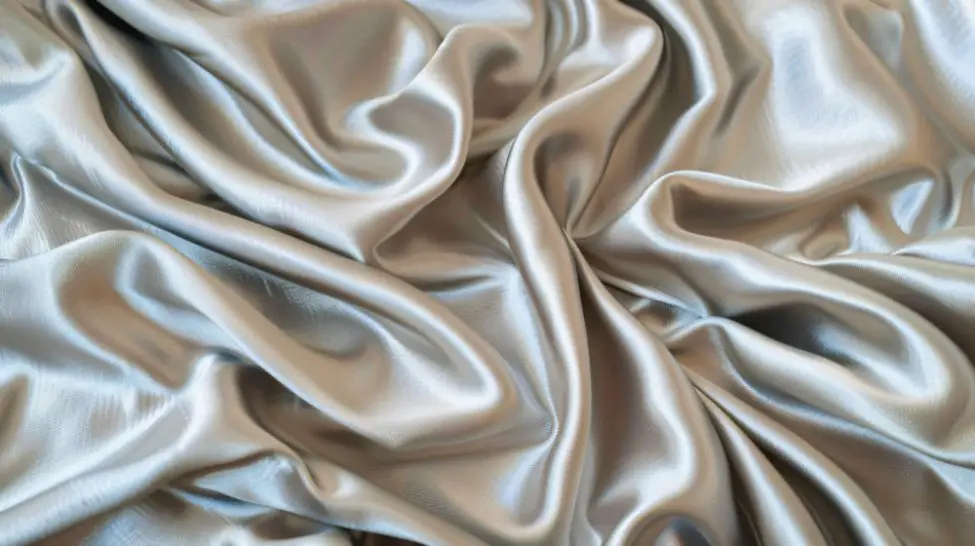

Everything you need to know about Monroe satin, from its unique properties to printing capabilities, care instructions, and practical applications
Table of Contents
- What is Monroe Satin?
- Technical Specifications & Construction
- Brief History of Satin Fabric
- Monroe Satin vs Other Satin Types
- Key Properties & Characteristics
- Uses & Applications
- Printing on Monroe Satin
- Sustainability & Environmental Impact
- Complete Care Instructions
- Buying Guide & What to Look For
- Troubleshooting & Sewing Tips
- Frequently Asked Questions
- Conclusion
What is Monroe Satin?
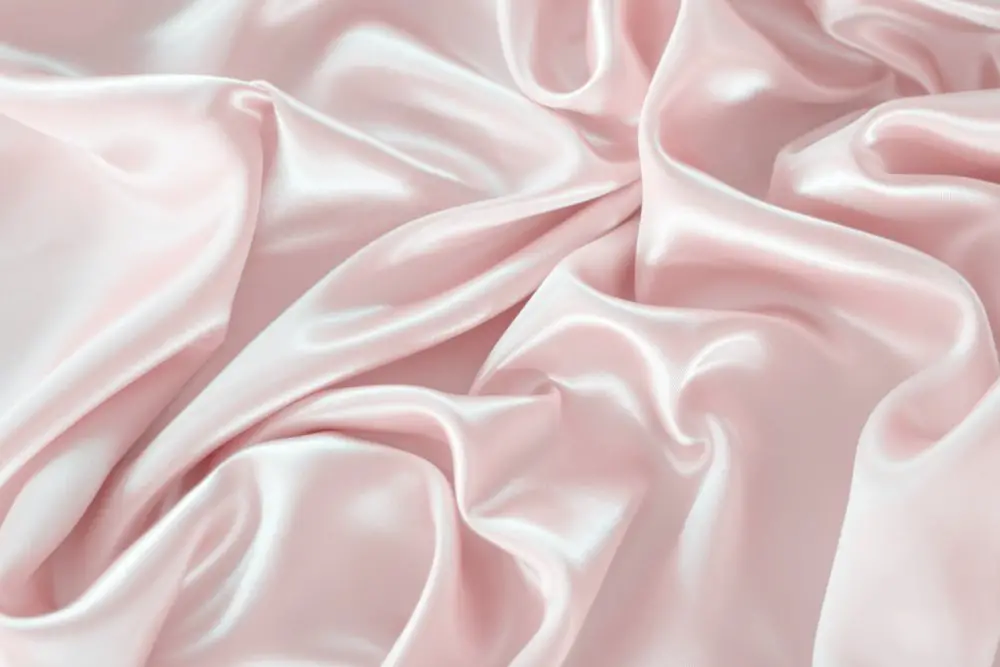
A detailed look at Monroe satin fabric highlighting its smooth texture and gentle sheen
Monroe satin is a medium-weight poly-blend fabric that strikes the perfect balance between luxury and practicality. Unlike many satin fabrics that lean either too light or too heavy, Monroe satin sits comfortably in the middle at 4.7 ounces per square yard.
Think of it as the “Goldilocks” of satins. It’s structured enough for bags and accessories but still flows beautifully for clothing. The fabric features a sateen-faced twill construction, which means one side has that classic satin shine while the back remains matte.
Quick Definition: Monroe satin is a 100% polyester fabric woven in a sateen-faced twill pattern, weighing 4.7oz, with a white base that’s perfect for custom printing and a wide range of projects from fashion to home decor.
What makes Monroe satin stand out is its practical design. The fabric starts with a stark white base and a natural sheen, making it an excellent canvas for custom printing. Many fabric enthusiasts choose Monroe satin when they want professional-looking printed designs without the high cost of silk satin.
Technical Specifications & Construction
Understanding the technical side of Monroe satin helps you make better decisions for your projects. Let’s break down what makes this fabric tick.
Fabric Construction
Monroe satin uses a specific weaving technique called sateen-faced twill. In this method, spun yarns are woven so that the warp threads (running lengthwise) float over multiple weft threads (running crosswise). This creates the smooth, shiny surface on one side.
- Composition: 100% polyester
- Weight: 4.7 oz per square yard (approximately 160 GSM)
- Width: Typically 60-63 inches wide
- Weave Type: Sateen-faced twill
- Base Color: White with sheen
- Thread Count: Medium-high for durability
- Opacity: Opaque with slight show-through when backlit
How the Weave Works
The sateen weave pattern is what gives Monroe satin its characteristic look. Picture this: the fabric has long “floats” where threads run across the surface without interlacing. These floating threads catch and reflect light, creating that signature satin shimmer.
The tight weave structure also gives Monroe satin some practical benefits. It holds warmth better than looser weaves, making it comfortable for garments. The fabric feels firm and taut when you handle it, which helps it keep its shape in bags and structured pieces.
Brief History of Satin Fabric
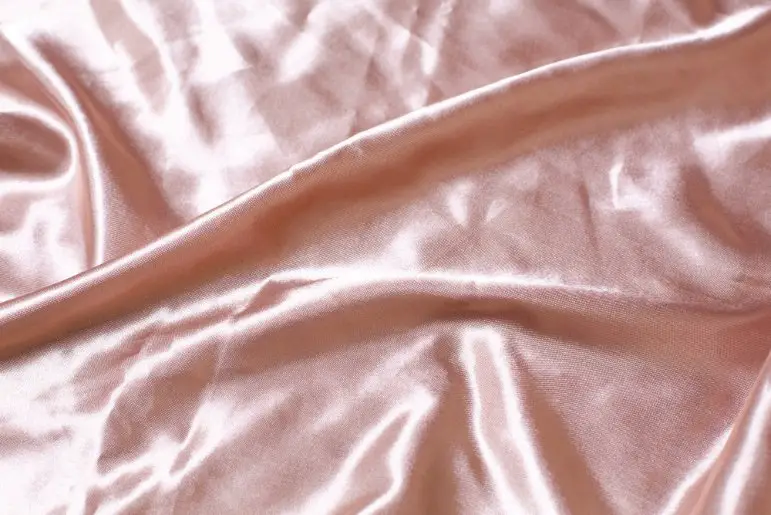
Classic satin fabric illustrating the elegant surface that made satin historically popular
While Monroe satin is a modern innovation, it’s part of a textile tradition that goes back over 2,000 years. The original satin weave was developed in medieval China, specifically in the port city of Quanzhou (called Zaitun by Arab traders). That’s actually where the name “satin” comes from.
Back then, satin was made exclusively from silk and was incredibly expensive. Only wealthy families and royalty could afford it. The fabric traveled along the Silk Road and eventually reached Europe in the 12th century.
Fast forward to today, and we have fabrics like Monroe satin that use modern polyester fibers to create that same luxurious look at a fraction of the cost. The weaving technique remains similar, but synthetic materials make it accessible to everyone.
Fun Fact: King Louis XIV of France was so obsessed with satin that he used it to upholster furniture throughout the Palace of Versailles. That’s some serious fabric love!
Monroe Satin vs Other Satin Types
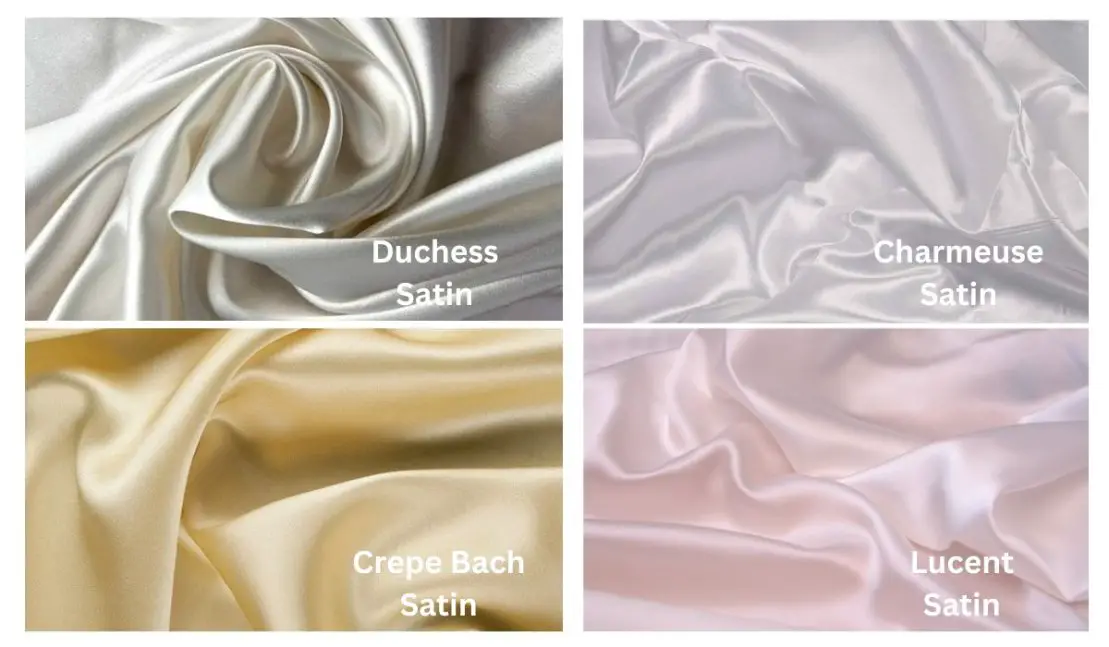
Comparing Monroe satin with other popular satin fabrics by texture and drape
Not all satins are created equal. Here’s how Monroe satin stacks up against other popular types you might encounter.
Quick Comparison Table
| Fabric Type | Weight | Shine Level | Best For | Price Range |
|---|---|---|---|---|
| Monroe Satin | 4.7 oz (Medium) | Moderate shine | Bags, garments, printing | $$ |
| Duchess Satin | Heavy | High shine | Wedding gowns, formal wear | $$$$ |
| Charmeuse | Light | Very high shine | Lingerie, flowing dresses | $$$ |
| Lucent Satin | 3.5 oz (Light) | Very high shine | Scarves, linings | $$ |
| Crepe-Back Satin | Medium | One side shiny | Reversible garments | $$$ |
Detailed Comparisons
Monroe vs Duchess Satin
Duchess satin is much heavier and stiffer. It’s the go-to choice for bridal gowns because it holds structured shapes beautifully. Monroe satin is lighter and more flexible, making it better for everyday projects and items that need some drape.
Choose Monroe when: You want durability without the weight and stiffness of duchess satin.
Monroe vs Charmeuse
Charmeuse is super lightweight and clingy, with an extremely shiny front. It drapes like water but can be tricky to work with. Monroe satin has more body and is easier to sew, though it won’t flow quite as dramatically.
Choose Monroe when: You need a fabric that’s easier to handle and more forgiving for beginners.
Monroe vs Lucent Satin
Lucent satin is lighter (3.5 oz vs Monroe’s 4.7 oz) and shinier. Both are polyester blends, but Monroe is slightly stiffer and more durable. Lucent works better for delicate, flowy projects, while Monroe handles structured items better.
Choose Monroe when: You need extra durability for bags, accessories, or items that will get regular use.
Monroe vs Silk Satin
Real silk satin costs significantly more and requires dry cleaning. Monroe satin is machine washable and much more budget-friendly. Silk has a softer hand feel and better temperature regulation, but Monroe wins on practicality and ease of care.
Choose Monroe when: You want the satin look without silk’s high maintenance and cost.
Key Properties & Characteristics
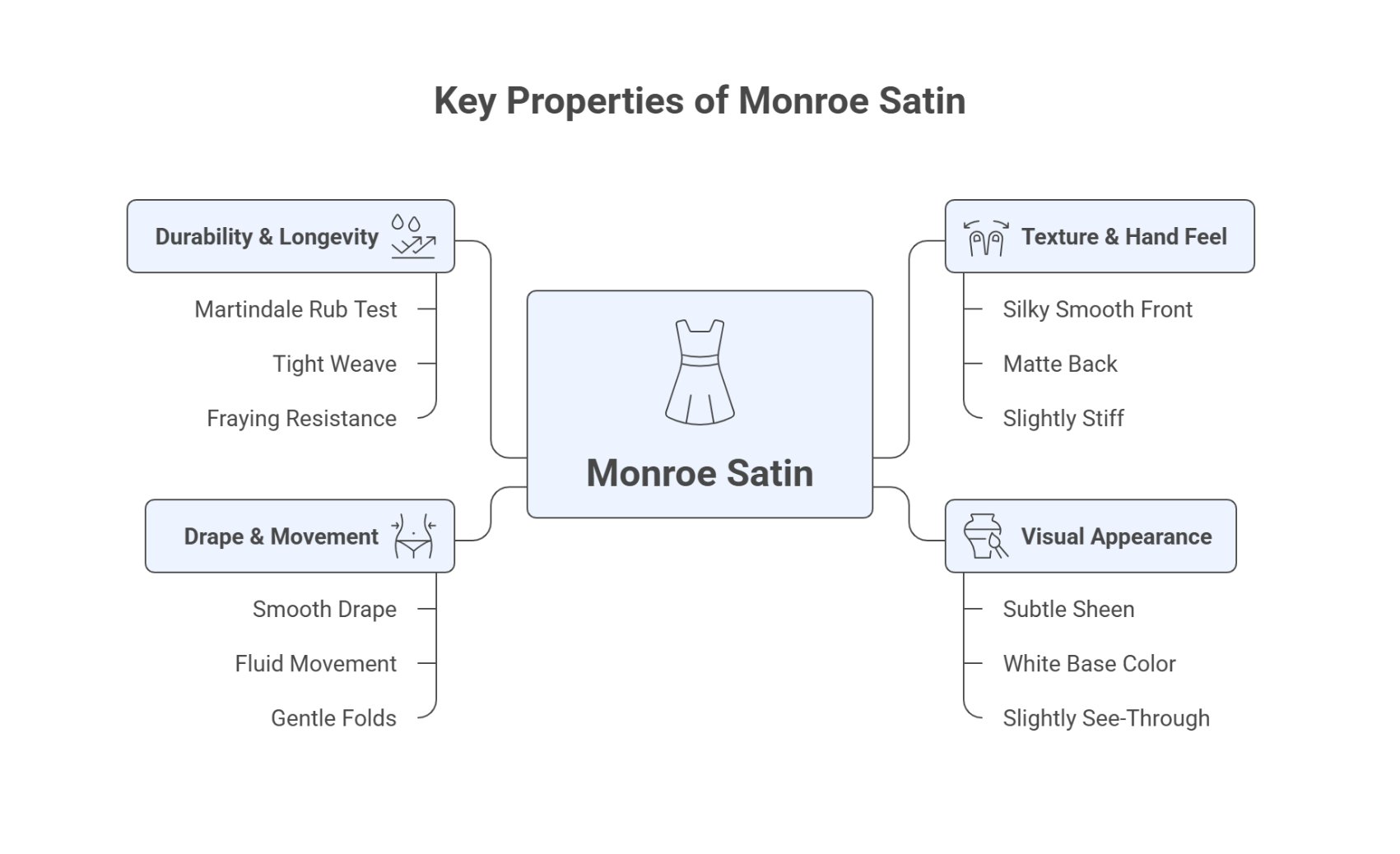
A visual overview of Monroe satin properties including smooth drape and subtle sheen
Let’s talk about what Monroe satin feels like, looks like, and how it behaves in real-world use.
Texture & Hand Feel
The front of Monroe satin feels silky smooth to the touch. It has that classic satin slipperiness that slides across your skin. The back side has a more matte, slightly grainy texture. This two-sided nature is common in satin fabrics and actually comes in handy for certain projects.
When you handle the fabric, it feels slightly stiff but still soft. It’s not as rigid as duchess satin but has more body than lightweight satins. The fabric holds its shape well without being difficult to work with.
Visual Appearance
Monroe satin has a subtle sheen rather than a high-gloss finish. When light hits it, you get a gentle shimmer instead of a mirror-like reflection. This makes it versatile because it looks nice without being overly formal or flashy.
The white base color is intentionally chosen because it provides excellent color reproduction for printing. If you hold the fabric up to light, you can see through it slightly, but it’s opaque enough for most garments without needing a lining.
Drape & Movement
The fabric drapes smoothly and fluidly. It’s not as clingy as charmeuse but still falls nicely over the body or other surfaces. The medium weight gives it enough substance to create gentle folds and gathers without looking stiff.
Strengths
- Medium weight perfect for multiple uses
- Durable tight weave
- Excellent for custom printing
- Machine washable
- Budget-friendly
- Holds warmth well
- Resists wrinkles better than lighter satins
- White base shows colors accurately
Limitations
- Can occasionally fray at edges
- Slippery to cut and sew
- Less shine than high-gloss satins
- Not as breathable as natural fibers
- Can snag if caught on rough surfaces
- Less luxurious feel than silk
- May develop static in dry weather
Durability & Longevity
Monroe satin performs well in durability tests. The fabric has passed the Martindale rub test to 20,000 revolutions, which puts it in the medium-wear category. This means it can handle regular use in bags, cushions, and garments without showing signs of wear too quickly.
The tight weave helps the fabric resist tearing and holds up well to washing. If you finish the edges properly (with serging or hemming), the occasional fraying issue becomes minimal.
Uses & Applications

A stylish example of Monroe satin used in a modern blouse with elegant drape and soft shine
Monroe satin’s versatility shines through in how many different ways you can use it. The medium weight and balanced properties make it suitable for projects that would be too heavy for lightweight satins or too casual for heavy duchess satin.
Fashion & Garments
Monroe satin works beautifully for a range of clothing items:
- Blouses & Shirts: The fabric drapes nicely for button-up styles and has enough body to hold its shape
- Dresses: Great for cocktail dresses, party wear, and semi-formal occasions
- Skirts: Creates nice movement without being too clingy
- Jacket Linings: The smooth surface makes it perfect for coat linings
- Evening Wear: Suitable for less formal evening events
- Costume Design: Popular in theater and cosplay for its affordability and printability
Accessories
This is where Monroe satin really excels. The medium weight and durability make it perfect for:
- Bags & Purses: Tote bags, evening clutches, cosmetic bags
- Hair Accessories: Scrunchies, headbands, hair bows
- Scarves: Square scarves and neckerchiefs
- Decorative Accessories: Sashes, ribbons for gifts, fabric flowers
Home Decor

Monroe satin curtains adding softness and elegance to a modern interior space
Monroe satin brings a touch of elegance to interior projects:
- Cushion Covers: Adds a soft sheen to throw pillows
- Table Runners: Perfect for special occasions
- Curtains & Drapes: Works well for decorative panels (may need lining for full window coverage)
- Bedding Accents: Decorative pillowcases and duvet borders
- Wall Hangings: Especially popular for custom-printed designs
Special Events & Weddings
The fabric is a budget-friendly option for event decor:
- Table linens and napkin rings
- Chair sashes and bows
- Backdrop draping
- Favor bags and gift wrapping
- Bridesmaid accessories (though not typically for full dresses)
Pro Tip: Monroe satin’s print-friendly surface makes it perfect for personalized wedding or event decor. You can print photos, monograms, or custom patterns directly onto the fabric.
Printing on Monroe Satin

Monroe satin showcasing clear and vibrant printed designs (Credit: Bags of Love)
One of Monroe satin’s standout features is how well it accepts custom printing. If you’re interested in creating one-of-a-kind designs, this section is for you.
Why Monroe Satin is Great for Printing
The white base with sheen provides an ideal canvas. The tight weave means prints come out with crisp lines and accurate colors. The fabric’s surface smoothness allows for detailed imagery without bleeding or fuzzing.
Most Monroe satin printing uses dye sublimation, which embeds the color deep into the fabric fibers. This creates permanent, vibrant prints that won’t crack or peel like surface prints might.
Print Quality Details
- Resolution: Typically printed at 200 DPI (good balance of quality and file size)
- Color Reproduction: Highly accurate with vibrant results
- Detail Level: Can capture fine lines and detailed patterns
- Finish: The fabric’s natural sheen gives prints a glossy appearance
- Show-Through: Designs are visible on the reverse side but appear lighter and duller
Best Practices for Custom Printing
If you’re planning to print on Monroe satin, keep these tips in mind:
- File Preparation: Use high-resolution images (at least 150-300 DPI) for the best results
- Color Mode: Work in RGB color mode rather than CMYK, as dye sublimation uses RGB
- White Space: Remember the base is white, so white areas in your design will show as the fabric’s natural color
- Sample First: Order a test print before committing to large yardage
- Consider Lighting: The fabric’s sheen means prints will look different under various lighting conditions
Popular Printing Applications: Custom photo gifts, branded merchandise, personalized wedding decor, unique fashion pieces, small business packaging, art prints, and custom home textiles.
Care for Printed Monroe Satin
Printed Monroe satin typically uses Oeko-Tex Standard 100 certified inks, which are safe and colorfast. You can wash printed pieces following the same care instructions as unprinted fabric. The prints hold up well to repeated washing without significant fading.
Sustainability & Environmental Impact
Let’s be honest about where Monroe satin stands environmentally. As a polyester fabric, it’s made from petroleum-based materials, which isn’t the most eco-friendly starting point. However, the full picture is more nuanced.
Environmental Considerations
Polyester satin has both drawbacks and some surprising benefits when it comes to sustainability:
| Environmental Aspect | Impact | Details |
|---|---|---|
| Raw Materials | Negative | Derived from petroleum (non-renewable resource) |
| Energy Use | Negative | Energy-intensive manufacturing process |
| Water Usage | Positive | Requires significantly less water than natural fiber production |
| Durability | Positive | Long-lasting reduces need for replacement |
| Biodegradability | Negative | Does not break down naturally in landfills |
| Microplastics | Negative | Sheds microfibers during washing |
| Care Requirements | Positive | Washes at low temperatures, air dries quickly |
Making More Sustainable Choices
If you choose Monroe satin, here are ways to minimize environmental impact:
- Buy Recycled Options: Some suppliers now offer recycled polyester versions made from plastic bottles
- Use a Microfiber Filter: Install a washing machine filter to catch shed microplastics
- Extend Product Life: Proper care and repairs help you use items longer
- Repurpose & Upcycle: Turn old pieces into new items rather than discarding
- Wash Less Frequently: Spot clean when possible and only wash when needed
- Use Cold Water: Reduces energy consumption during laundering
- Air Dry: Skip the dryer to save energy and extend fabric life
Certifications to Look For
Quality Monroe satin products often carry environmental and safety certifications:
- Oeko-Tex Standard 100: Ensures the fabric and inks are free from harmful chemicals
- REACH Compliance: Meets European chemical safety standards
- EN71-3: Certified safe for children’s products
Better Alternative: If sustainability is your top priority, consider natural fiber satins made from organic cotton or silk from ethical sources. However, these typically cost more and require more careful maintenance.
The Bigger Picture
Monroe satin represents a trade-off: it’s not the most environmentally friendly fabric, but it’s durable, practical, and accessible. For many sewers and crafters, it offers a way to create beautiful items without the high cost and maintenance of natural fiber satins.
The key is being informed about your choice and taking steps to minimize harm. Use what you buy, care for it well, and dispose of it responsibly when its useful life is truly over.
Complete Care Instructions
Using a gentle wash cycle as part of proper Monroe satin care
Taking good care of your Monroe satin items will keep them looking great for years. The good news? This fabric is relatively easy to maintain compared to natural fiber satins.
Washing Instructions
Monroe satin can be machine washed, which is a huge advantage over silk satin. Follow these guidelines for best results:
- Temperature: Wash in cool to warm water (86°F/30°C maximum)
- Cycle: Use delicate or gentle cycle to reduce agitation
- Detergent: Use mild, liquid detergent (avoid harsh chemicals or bleach)
- Load Size: Don’t overfill the machine to prevent excessive wrinkling
- Turn Inside Out: Protects the shiny surface from abrasion
- Use a Mesh Bag: Especially for smaller items to prevent snagging
Hand Washing Option: For extra care, hand wash in lukewarm water with gentle detergent. Swish the fabric gently without twisting or wringing.
Drying Methods
How you dry Monroe satin matters. Here’s the safest approach:
- Best Method: Lay flat on a clean towel or hang to drip dry
- Tumble Dry: Use low heat only if necessary, remove while slightly damp
- Never: Wring out the fabric or use high heat in the dryer
- Tip: Reshape garments while damp to minimize ironing needs
The fabric returns to its regular shape when laid flat, so it’s fairly forgiving. You don’t need to worry too much about it losing form if you handle it gently.
Ironing & Steaming
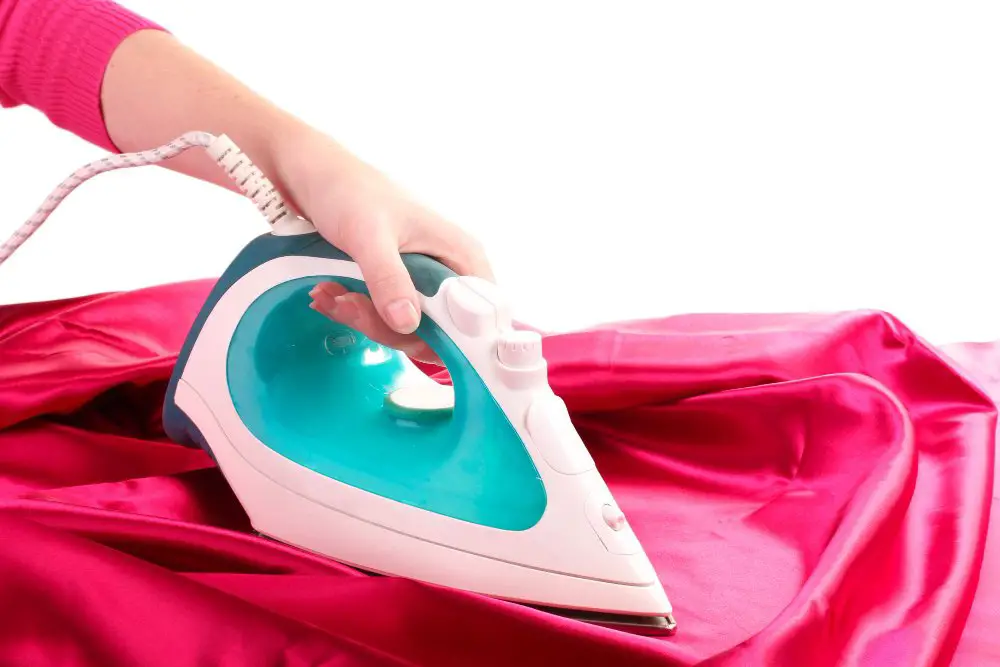
Carefully pressing Monroe satin at low temperature to maintain its smooth finish
Monroe satin resists wrinkles better than many fabrics, but you may still need to press it occasionally:
| Method | Settings | Tips |
|---|---|---|
| Iron | Low heat (1 dot setting) | Always iron on the wrong (matte) side |
| Press Cloth | Use with any heat | Protects the shiny surface from damage |
| Steam | Medium setting | Hang garment and steam from a distance |
| Water Spray | Avoid | Can leave spots on satin surface |
If you’re working with satin clothing care, steaming often works better than direct ironing, especially for items with details or embellishments.
Storage Tips
Proper storage keeps your Monroe satin items in top condition:
- Hanging: Use padded or wide hangers to prevent shoulder dimples
- Folding: If you must fold, place tissue paper between layers
- Avoid: Wire hangers (cause creases) and direct sunlight (may fade prints)
- Protection: Store in breathable garment bags, not plastic
- Environment: Keep in a cool, dry place away from moisture
Stain Removal
Act quickly when spills happen on satin:
- Blot Immediately: Don’t rub, as this pushes stains deeper
- Test First: Try cleaning solution on hidden area
- Use Gentle Products: Mild soap or specialized fabric cleaner
- Dab from Outside In: Prevents stain from spreading
- Rinse Thoroughly: Remove all soap residue
- Air Dry: Check if stain is gone before heat drying
Common Stain Solutions:
- Oil-based stains: Apply cornstarch or talc, let sit, then brush off before washing
- Wine or juice: Blot with cold water mixed with a tiny amount of dish soap
- Makeup: Use gentle makeup remover on a cotton pad, test first
- Ink: Rubbing alcohol on a cotton swab (test in hidden spot first)
What to Avoid
These practices can damage Monroe satin:
- Bleach or harsh chemicals
- High heat (washing or drying)
- Aggressive scrubbing or twisting
- Dry cleaning solvents (usually unnecessary for polyester)
- Direct sunlight for extended periods
- Rough surfaces that might snag the fabric
Buying Guide & What to Look For

Examining Monroe satin clothing by checking fabric drape, color, and finish
Ready to purchase Monroe satin? Here’s how to make smart buying decisions and get the best value for your projects.
Quality Indicators
Not all Monroe satin is created equal. Look for these signs of good quality:
- Even Weave: Hold fabric up to light to check for consistent thread spacing
- Color Consistency: White base should be uniform without yellowing
- Clean Edges: Cut edges should be neat without excessive fraying
- Smooth Surface: No slubs, pulls, or imperfections in the weave
- Consistent Weight: Fabric should feel uniform throughout
- Correct Width: Verify the width matches what you’re paying for
Price Expectations
Monroe satin typically falls in the moderate price range for fabrics. Here’s what affects cost:
| Factor | Impact on Price |
|---|---|
| Plain vs Printed | Printed versions cost more due to customization |
| Quantity | Bulk orders often get wholesale discounts |
| Certifications | Oeko-Tex certified may cost slightly more |
| Supplier Location | Domestic may cost more but ships faster |
| Minimum Orders | No-minimum suppliers may have higher per-yard costs |
How Much to Buy
Planning your yardage prevents costly mistakes. Use our fabric yardage calculator for precise measurements, or follow these general guidelines:
- Simple Skirt: 1.5-2 yards
- Blouse: 2-2.5 yards
- Dress: 3-5 yards depending on style
- Tote Bag: 1 yard (includes lining)
- Cushion Covers (set of 4): 2 yards
- Table Runner: Length needed plus 1 foot
Smart Shopping Tip: Always buy an extra 10-20% for mistakes, pattern matching, or future repairs. Fabric dye lots can vary, so it’s hard to match later.
Sample Before Buying
Most quality suppliers offer sample swatches. Take advantage of this:
- Order samples to check color accuracy in person
- Test how the fabric responds to your sewing machine
- See how prints look in different lighting
- Confirm the hand feel meets your expectations
- Wash a sample to check for shrinkage
Questions to Ask Suppliers
Before placing a large order, verify these details:
- What’s the exact weight in oz/sq yard or GSM?
- Does the price include shipping, or is it additional?
- What’s the turnaround time from order to delivery?
- Do you offer Oeko-Tex certified options?
- What’s your return or exchange policy?
- Is there a minimum order quantity?
- Can I see photos of actual recent orders?
- What’s the maximum width available?
Where to Buy
Monroe satin is available from various sources:
- Custom Print Services: Best for personalized designs, often no minimums
- Online Fabric Stores: Wide selection, competitive pricing
- Local Fabric Shops: Can see and feel before buying
- Wholesale Suppliers: Best prices for large quantities
Troubleshooting & Sewing Tips
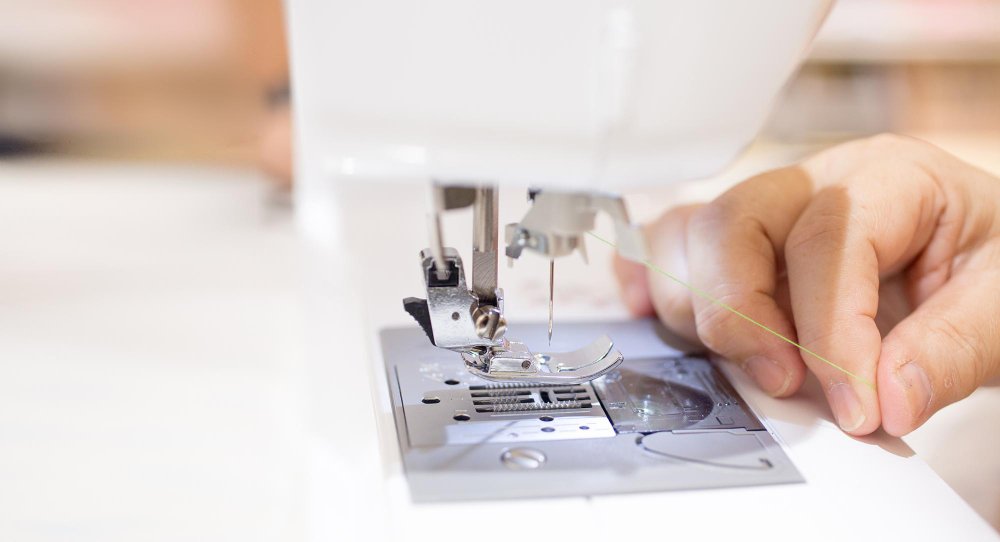
Precision sewing techniques used when working with Monroe satin fabric
Monroe satin can be a bit slippery to work with, but these tips will help you achieve professional results.
Cutting Challenges
Satin’s smooth surface makes it slide around during cutting. Here’s how to handle it:
- Use Pattern Weights: Don’t pin if possible, as pins leave holes
- Single Layer Cutting: Cut one layer at a time for accuracy
- Sharp Tools: Use a rotary cutter or sharp fabric scissors
- Cutting Mat: A self-healing mat prevents fabric from slipping
- Spray Starch: Light starch before cutting adds stability
- Trace First: Mark cutting lines with fabric chalk before cutting
For more detailed cutting advice, check out our guide on fabric cutting techniques.
Sewing Machine Setup
The right machine settings prevent puckering and skipped stitches:
| Setting | Recommendation | Why It Matters |
|---|---|---|
| Needle | Size 70/10 or 75/11 universal or microtex | Fine needles prevent visible holes |
| Thread | Polyester or silk thread | Matches fabric stretch and strength |
| Stitch Length | 2.5-3.0 mm | Prevents puckering while securing seams |
| Tension | Slightly reduced | Prevents fabric from pulling |
| Presser Foot | Walking foot or Teflon foot | Helps fabric feed evenly |
| Speed | Moderate to slow | Gives better control |
Preventing Fraying
Monroe satin can fray, especially at cut edges. Protect your work:
- Serge Edges: Overlock stitching is the most secure method
- French Seams: Enclose raw edges for a clean finish
- Fray Check: Apply liquid seam sealant to cut edges
- Bias Binding: Wrap edges with bias tape
- Hong Kong Finish: Bind edges with lightweight fabric strips
Common Sewing Problems & Solutions
Problem: Fabric Slipping While Sewing
Solutions: Use a walking foot, hold fabric taut (but don’t pull) behind and in front of needle, place tissue paper under the fabric while sewing then tear away after.
Problem: Puckered Seams
Solutions: Reduce tension slightly, use a finer needle, shorten stitch length, ensure fabric isn’t stretching as you sew, press seams carefully with low heat.
Problem: Needle Holes Showing
Solutions: Switch to a finer needle (size 60/8 or 70/10), use a ballpoint needle for less visible holes, avoid ripping out stitches when possible as holes may remain.
Problem: Fabric Snagging on Feed Dogs
Solutions: Start sewing on scrap fabric then move to your project, hold thread tails when starting, use a single-hole throat plate if available, ensure feed dogs are clean and smooth.
Finishing Techniques
Professional finishes make all the difference:
- Hems: Use a narrow rolled hem or hand-sewn blind hem for invisible finish
- Seam Finishing: French seams work beautifully with Monroe satin
- Pressing: Press as you go, always on the wrong side with low heat
- Topstitching: Use a slightly longer stitch (3.0-3.5mm) for decorative stitching
- Buttonholes: Interface buttonhole area for stability
Practice First: Before starting your main project, sew a few practice seams on scraps. This helps you dial in the perfect machine settings for your specific fabric.
Frequently Asked Questions
Can Monroe satin be used for wedding dresses?
Monroe satin works better for wedding accessories or bridesmaid dresses rather than full bridal gowns. For traditional wedding gowns, duchess satin or silk satin are better choices because they have more body and a more luxurious drape. However, Monroe satin is perfect for bridal accessories like ring bearer pillows, favor bags, or decorative sashes.
Does Monroe satin wrinkle easily?
Monroe satin is more wrinkle-resistant than many other fabrics, especially natural fiber satins. The polyester composition helps it bounce back from creasing. If wrinkles do occur, they’re usually easy to remove with low-heat steaming or ironing on the reverse side. Hanging garments properly after wearing helps prevent wrinkles from forming.
Is Monroe satin see-through?
Monroe satin is opaque for most uses, but it does have slight translucency when held up to bright light. For garments, you may want to line light-colored pieces, especially if they’ll be worn in bright sunlight. The printed versions tend to be less see-through than plain white fabric because the dye adds opacity.
How does Monroe satin compare to silk in price?
Monroe satin costs significantly less than silk satin. You might pay $5-12 per yard for Monroe satin, while silk satin typically runs $20-60+ per yard depending on quality. This makes Monroe satin an accessible option for budget-conscious projects or when you need larger yardage.
Can you wash Monroe satin in hot water?
No, stick to cool or warm water (maximum 86°F/30°C). Hot water can damage the fabric’s structure, cause shrinkage, and potentially affect printed designs. The good news is that Monroe satin gets clean in cool water, so you’re not sacrificing cleanliness by using lower temperatures.
What’s the difference between Monroe satin and sateen?
The main difference is fiber type. Monroe satin uses long filament polyester fibers, while sateen uses short-staple cotton fibers. Both use similar weaving techniques, but sateen is typically more breathable and natural-feeling, while Monroe satin is shinier and more durable. Monroe satin also has better wrinkle resistance.
How do you prevent Monroe satin from fraying when cutting?
Cut with very sharp scissors or a rotary cutter to create clean edges. Immediately after cutting, you can seal edges with fray check liquid, serge them, or plan your construction to enclose raw edges in seams. Some sewers also use pinking shears for a quick anti-fray solution, though this isn’t as permanent as other methods.
Is Monroe satin breathable?
Monroe satin has moderate breathability, but not as much as natural fiber fabrics like cotton or silk. The tight weave and polyester composition mean it doesn’t allow as much air circulation. This makes it less ideal for hot summer garments worn next to the skin, but fine for accessories, linings, or cooler weather clothing.
Can you dye Monroe satin?
Standard fabric dyes don’t work well on polyester. You would need special polyester dye or disperse dye, which requires high temperatures and can be tricky to work with. Since Monroe satin is available in white and takes printing beautifully, custom printing is usually a better option than trying to dye it yourself.
What thread should I use with Monroe satin?
Polyester thread works best because it has similar properties to the fabric. You can also use cotton-wrapped polyester thread or silk thread for a luxury finish. Avoid thick, heavy threads that might create visible holes or puckering. Match the thread weight to a 70/10 or 75/11 needle for best results.
Conclusion
Monroe satin occupies a sweet spot in the fabric world. It’s affordable without looking cheap, durable without being stiff, and versatile enough for projects ranging from fashion to home decor. While it’s not perfect for every application, understanding its strengths and limitations helps you make smart decisions about when to use it.
When Monroe Satin is the Right Choice
Choose Monroe satin when you need:
- A fabric with satin’s beautiful drape and shine at a reasonable price
- Custom printed designs with sharp detail and vibrant colors
- Medium-weight fabric that works for both garments and accessories
- Easy-care, machine-washable material
- Durability for items that will see regular use
- A budget-friendly alternative to silk satin
When to Consider Alternatives
Look at other options if you need:
- Very formal bridal or evening wear (try duchess satin or silk)
- Ultra-lightweight, flowing fabrics (consider charmeuse)
- Maximum breathability for hot weather (look at natural fibers)
- The most eco-friendly option (choose organic cotton or silk)
- Heavy upholstery use (need more durable furniture-grade fabrics)
Essential Tips for Success
Remember these key points when working with Monroe satin:
- Preparation is Everything: Pre-wash if shrinkage is a concern, test your sewing machine settings, and order samples before committing to large quantities.
- Handle with Care: Use appropriate tools (fine needles, sharp scissors, walking foot) to prevent damage to the fabric.
- Finish Properly: Take time to finish seams and edges correctly to prevent fraying and ensure longevity.
- Care Thoughtfully: Follow washing instructions, avoid high heat, and store properly to keep items looking their best.
- Think Long-Term: The environmental impact of polyester means we should use these fabrics wisely and make items that last.
Final Thoughts
Monroe satin proves that you don’t need to spend a fortune to create beautiful, professional-looking projects. Its medium weight and versatile nature make it a reliable choice for sewers and crafters at all skill levels. Whether you’re making custom-printed bags for your small business, creating special occasion accessories, or designing home decor that adds a touch of elegance, Monroe satin delivers quality results without breaking your budget.
The fabric’s print-friendly surface opens up creative possibilities that aren’t available with many other satins. You can turn personal photos into cushions, create branded merchandise, or design one-of-a-kind fashion pieces that truly reflect your style.
While Monroe satin isn’t the most sustainable choice in the fabric world, being mindful about how you use and care for it helps reduce environmental impact. Buy quality, use what you purchase, maintain your items well, and when their useful life ends, consider upcycling or repurposing rather than discarding.
With the information in this guide, you’re now equipped to make informed decisions about Monroe satin. You understand what makes it unique, how to work with it successfully, and when it’s the right choice for your projects. Whether you’re a complete beginner or an experienced sewer, Monroe satin offers reliable performance and beautiful results that make your creative vision come to life.
Ready to Start Your Project? Take your time choosing the right yardage, order samples if you’re unsure, and don’t rush the planning phase. The best projects start with good preparation and end with pieces you’re proud to use or give as gifts. Happy creating!