
From royal monopoly to outdoor essential: everything you need to know about merino wool’s properties, care, sustainability, and whether it’s worth the investment
Table of Contents
- 1. What Is Merino Wool?
- 2. Why Merino Wool Works: The Science of Superior Performance
- 3. Merino Wool vs. Everything Else
- 4. Sustainability and Ethics: The Full Truth
- 5. How to Buy Merino Wool: The Smart Shopper’s Guide
- 6. Uses and Applications
- 7. Care Instructions: Make It Last
- 8. Sewing with Merino Wool
- 9. Frequently Asked Questions
- 10. Final Verdict
What Is Merino Wool?
Merino wool is a natural fiber that comes from merino sheep. Unlike the scratchy sweaters your grandmother knit, merino wool is soft, lightweight, and feels good against your skin. Think of it as wool’s luxury cousin – the one who went to finishing school and learned some manners.
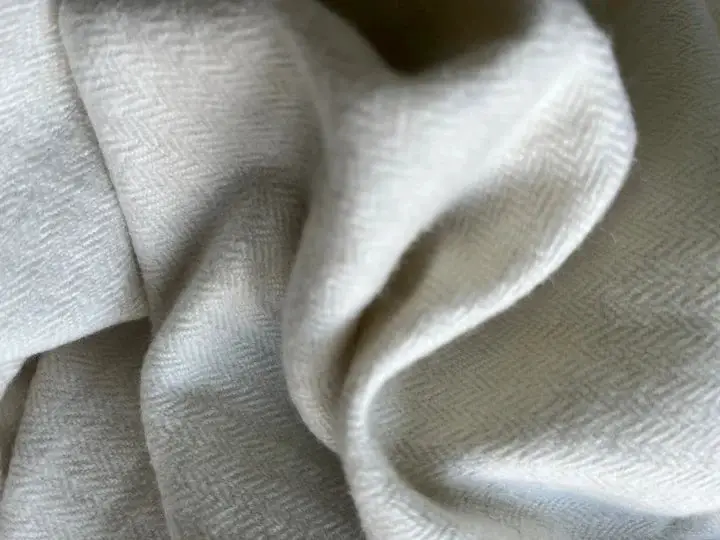
But what makes merino different from regular sheep wool? It all comes down to the thickness of the fibers. Merino fibers measure less than 22 microns in diameter. To put that in perspective, a human hair is 50 to 100 microns thick. These ultra-fine fibers are so thin they bend when they touch your skin instead of poking you. That’s why merino doesn’t itch.
What animal is merino wool from?
Merino wool comes from merino sheep, not goats. These sheep are a specific breed known for producing the finest, softest wool. Cashmere, by contrast, comes from goats. While both are luxury fibers, they come from completely different animals with different fiber structures.
The History: From Death Penalty to Global Dominance
Here’s a fun fact that might surprise you: in 12th century Spain, exporting merino sheep was punishable by death. The Spanish royal family controlled merino flocks and used their wool as a mark of wealth and power. Soldiers wore merino uniforms, and only the wealthy could afford merino clothing.
Things started changing in 1765 when King Carlos III of Spain gifted select sheep to the German Elector of Saxony. This kicked off the spread of merino around the world. By 1802, merino sheep arrived in Vermont with 21 ewes and 70 rams. The U.S. embargo on British wool imports before the War of 1812 created a “Merino Craze” that saw Vermont’s flock grow to over 1 million sheep by 1835.
Today, Australia produces about 350 million kilograms of merino wool annually, making it the world’s largest producer. New Zealand, Argentina, Chile, Uruguay, and South Africa also raise significant merino flocks. The United States still produces merino wool, particularly in Montana, where temperature extremes help sheep develop especially versatile fleece.
The Science Behind Merino
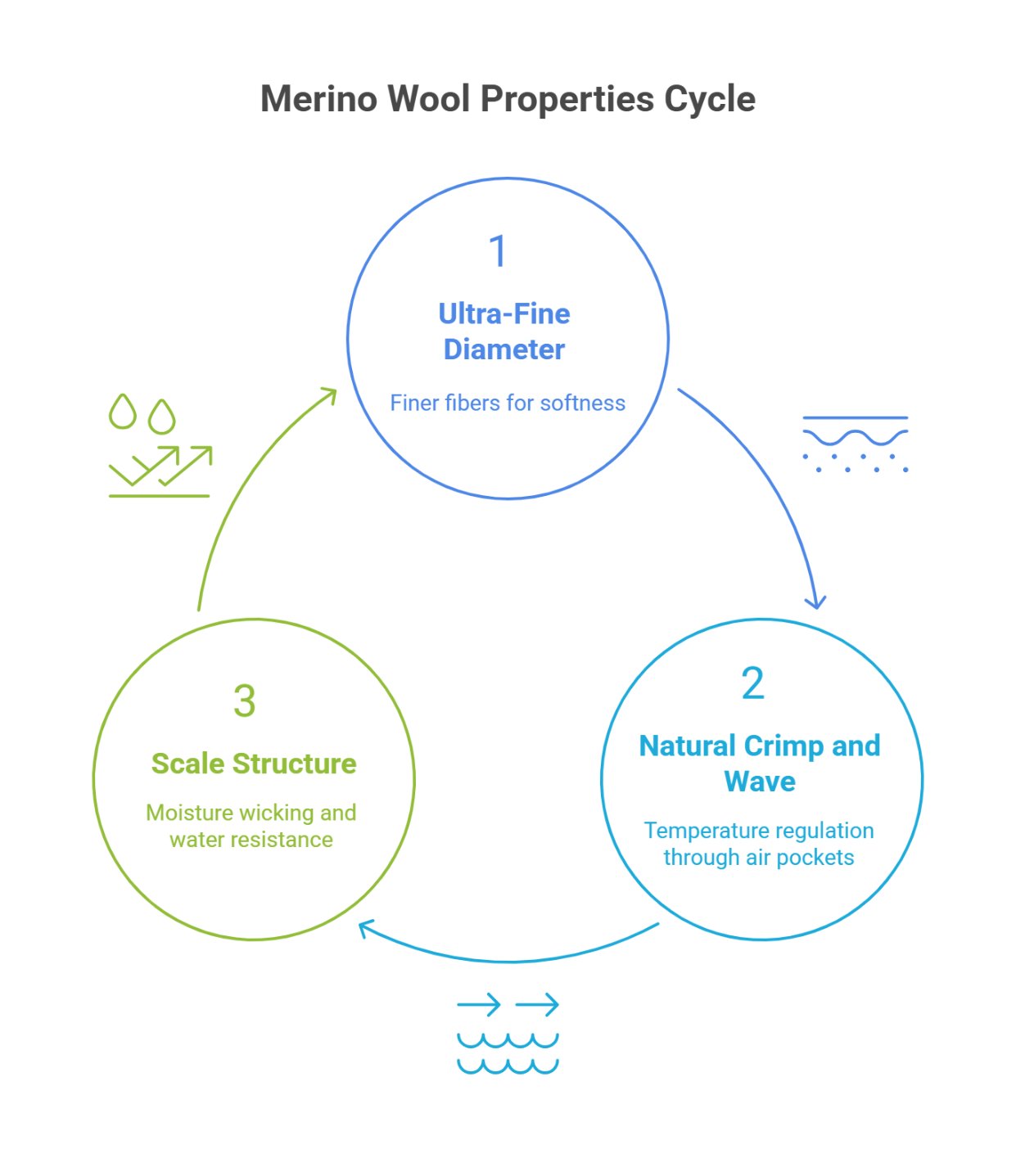
Merino wool has a complex structure that gives it special properties no synthetic fiber can match. According to The Woolmark Company, a leading authority on wool research and certification, each fiber has three main features:
1. Ultra-Fine Diameter
Merino fibers are measured in microns (one millionth of a meter). The finer the fiber, the softer it feels:
| Grade | Micron Count | Feel | Best Use |
|---|---|---|---|
| Ultrafine | 15-17 microns | Exceptionally soft, luxury feel | Next-to-skin base layers, luxury garments |
| Superfine | 17-19 microns | Very soft, premium quality | Performance clothing, dress shirts |
| Fine | 19-22 microns | Soft, comfortable | Everyday wear, socks, outdoor gear |
| Medium | 22-25 microns | Slightly coarser but durable | Outerwear, blankets |
2. Natural Crimp and Wave
If you look at merino under a microscope, each fiber has a natural wave or crimp. This crimp creates tiny air pockets that trap heat when you’re cold but allow airflow when you’re hot. It’s nature’s built-in temperature control system.
3. Scale Structure
Merino fibers have up to 3,000 microscopic overlapping scales per inch. These scales create a natural water-resistant surface and give merino its ability to wick moisture. When moisture hits these scales, it gets absorbed into the fiber core and then evaporated into the air.
How Merino Wool Is Made
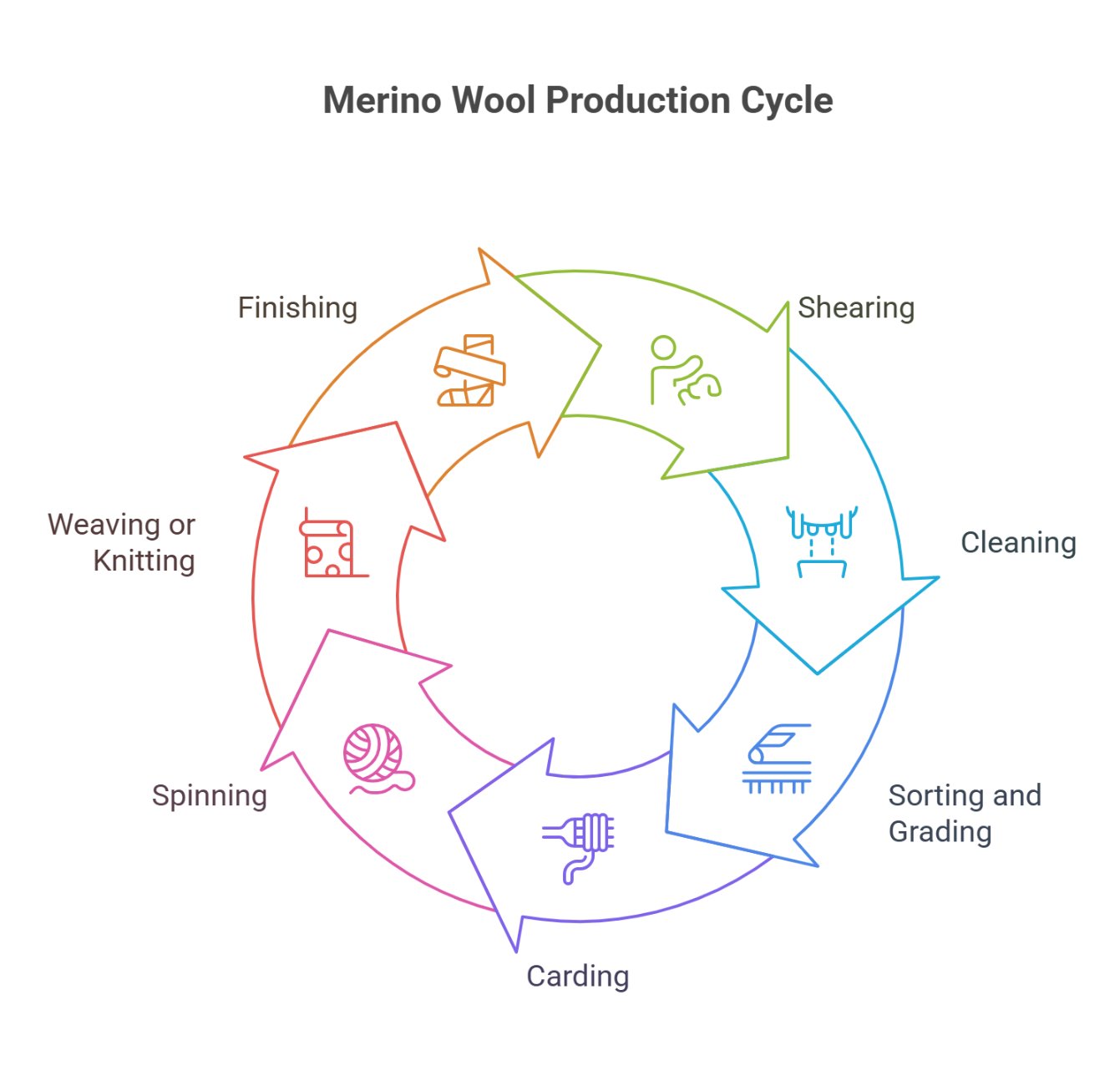
The journey from sheep to sweater involves several steps:
- Shearing: Merino sheep are sheared once or twice yearly, depending on the breed and climate. A skilled shearer can shear a sheep in about 2-3 minutes. The sheep isn’t harmed – think of it like getting a haircut. One sheep produces about 4.5 kilograms of wool per year.
- Cleaning: Freshly shorn wool, called “greasy wool,” contains lanolin (sheep skin oil), dirt, and debris. The wool is washed in hot water to remove these impurities.
- Sorting and Grading: Cleaned wool is sorted by quality, color, and fiber diameter. Not all wool from one sheep is the same grade – belly wool is usually coarser than wool from the shoulders.
- Carding: The wool fibers are combed and aligned into long, thin strands called roving.
- Spinning: Roving is twisted and spun into yarn. The tightness of the spin affects the final fabric’s properties.
- Weaving or Knitting: Yarn is woven on looms or knit into fabric. Most merino fabrics use plain weave or twill weave patterns.
- Finishing: Some merino undergoes treatments to prevent shrinking (called “Superwash” treatment) or enhance water resistance. However, many brands skip chemical treatments to keep merino as natural as possible.
Why Merino Wool Works: The Science of Superior Performance
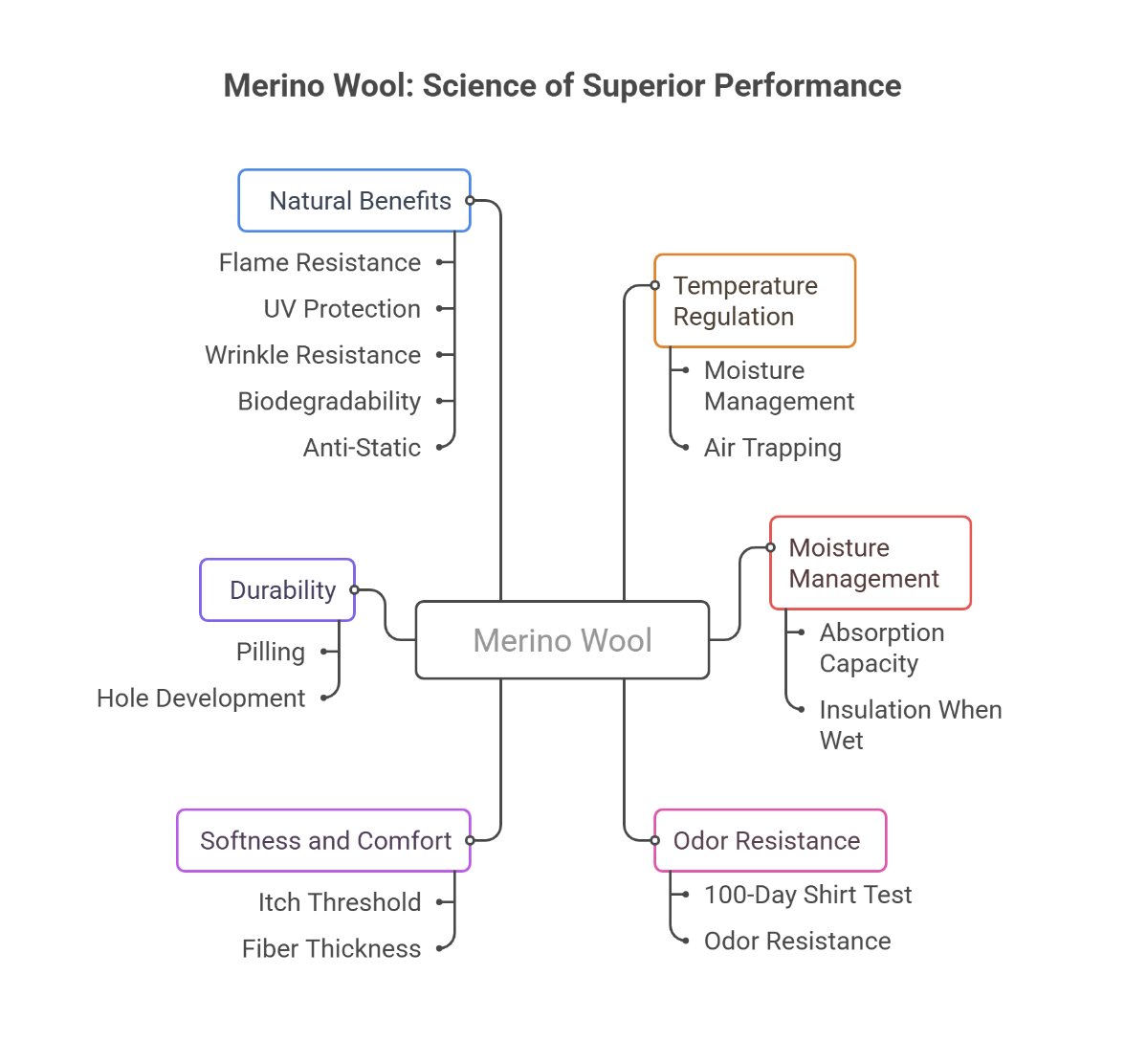
Merino wool has earned its reputation as a performance fabric for good reason. Let’s break down what makes it special.
Temperature Regulation: Warm in Winter, Cool in Summer
This sounds impossible, right? How can one fabric keep you warm AND cool? The secret lies in how merino manages moisture and traps air.
When it’s cold, the crimped fibers trap air in thousands of tiny pockets. Air is a terrible conductor of heat, so these pockets act like insulation, keeping your body heat close to your skin. Merino can be worn comfortably in temperatures as low as 5°F.
When it’s hot, merino pulls sweat away from your skin as vapor (not liquid) and releases it into the air. This evaporation cools you down without leaving you feeling wet and clammy. The same sheep that stay warm through New Zealand winters can also handle summers that reach 95°F.
Synthetic fabrics like polyester wick liquid sweat after it forms on your skin, requiring your body to heat it up before it evaporates. Merino skips this step, transporting moisture while it’s still vapor. This keeps you more comfortable in a wider range of temperatures.
Moisture Management: The 30% Rule
Merino can absorb up to 30% of its weight in water before it feels wet to the touch. That’s about seven times more than polyester. But here’s where it gets interesting: even when wet, merino still insulates.
When water molecules enter merino fibers, they trigger a chemical reaction called “isosteric heat of sorption.” This releases heat that you can actually feel. Merino generates four times more heat than nylon and double that of polyester when wet. This is why experienced hikers say “cotton kills” but trust wet merino to keep them warm.
Merino is also hydrophobic on the surface, meaning water beads up on the outer scales before being absorbed. This gives you time to brush off rain or spills before they soak in.
Odor Resistance: The 100-Day Shirt Test
One person wore the same merino dress shirt for 100 consecutive days without washing it. When asked, people couldn’t tell. This isn’t fiction – merino genuinely resists odors in ways synthetics never can.
Body odor comes from bacteria breaking down sweat on your skin and clothes. Polyester’s smooth, non-porous surface allows bacteria to grow on the fabric. Merino’s structure works differently. According to REI’s expert outdoor advice, the fiber absorbs odor molecules and traps them inside until you wash the garment. Plus, merino is naturally antimicrobial, creating an environment where odor-causing bacteria struggle to multiply.
For travelers, hikers, or anyone who wants to pack light, this is a game-changer. You can wear merino multiple days in a row without smelling. Just air it out overnight.
Softness and Comfort
Is merino wool itchy or scratchy? No, not if you buy quality merino. The “itch threshold” for most people is around 22-25 microns. Fibers thicker than this feel prickly because they’re stiff enough to push against your skin without bending. Merino fibers below 22 microns bend easily, so they feel soft.
That said, not everyone has the same sensitivity. Some people find even 19-micron merino slightly itchy compared to cotton or modal. Merino blends with nylon or polyester tend to feel even softer because the synthetic fibers are typically smoother than wool.
Should merino wool be worn next to skin? Absolutely. Fine-grade merino (under 19 microns) is specifically designed for base layers, underwear, and next-to-skin wear. That’s its sweet spot. Coarser merino works better for outer layers like sweaters and jackets.
The Durability Question (Let’s Be Honest)
Here’s where we need to be real: merino is not the most durable fabric. It pills. It can develop holes, especially at elbows or anywhere that gets repeated friction. Lightweight merino (under 150 gsm) is particularly fragile.
A pure cotton t-shirt or a polyester athletic shirt will likely outlast a merino equivalent. However, merino is more durable than cashmere and holds up better than you might expect if you care for it properly.
Many manufacturers now make merino blends with nylon using “core-spun” technology. This wraps merino around a nylon core, giving you merino’s benefits with synthetic’s durability. These blends (typically 85% merino, 15% nylon) resist pilling and last much longer.
Natural Benefits
Flame Resistance: Merino won’t melt to your skin like synthetics. It requires 570-600°C to ignite, compared to 255°C for cotton and 252-292°C for polyester. If merino does catch fire, it self-extinguishes because it needs more oxygen than the atmosphere normally provides.
UV Protection: Merino provides UPF 20-50 sun protection naturally. The keratin structure absorbs UV radiation, making it great for outdoor activities.
Wrinkle Resistance: The crimped fibers remember their natural shape and resist wrinkles. A little steam or hanging overnight usually removes any creases.
Biodegradable: When you’re done with merino clothing, it will decompose in soil in about 12 months, releasing nutrients back into the earth. Compare that to polyester, which can take 200+ years to break down.
Anti-Static: Merino absorbs moisture from the air, preventing static electricity buildup. Your merino clothes won’t cling or shock you in dry weather.
Merino Wool vs. Everything Else
Let’s see how merino stacks up against other fabrics. This isn’t about declaring one fabric “best” – it’s about understanding when to choose what.
Merino vs. Regular Wool
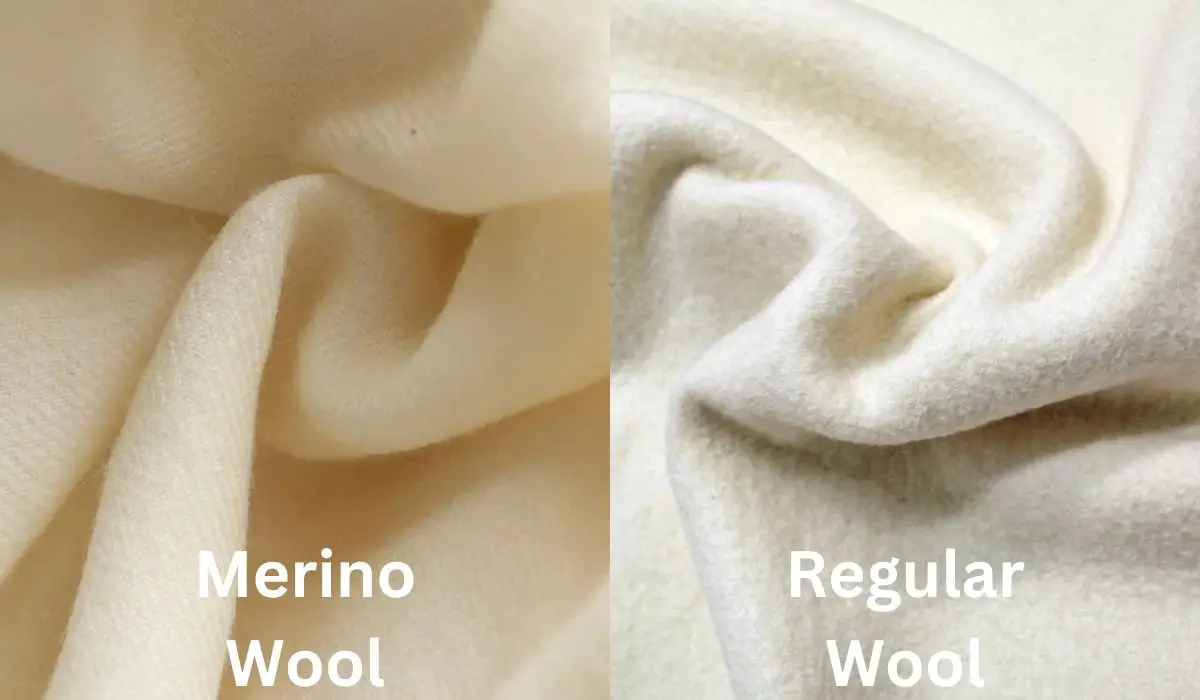
| Factor | Merino Wool | Regular/Traditional Wool |
|---|---|---|
| Fiber Diameter | 15-22 microns | 25-40+ microns |
| Softness | Very soft, non-itchy | Coarser, can be scratchy |
| Weight | Lightweight for warmth | Heavier, bulkier |
| Moisture Wicking | Excellent vapor transport | Good but slower |
| Durability | Moderate (pills, can tear) | More durable, harder wearing |
| Best Use | Base layers, socks, next-to-skin | Outerwear, rugs, heavy blankets |
| Price | More expensive | Less expensive |
Which is better, wool or merino wool? Neither is objectively better. Merino wins for comfort and next-to-skin wear. Regular wool wins for durability and cost-effectiveness in outerwear or items that take abuse. Use merino for what touches your skin, use regular wool for what faces the weather.
Merino vs. Cashmere
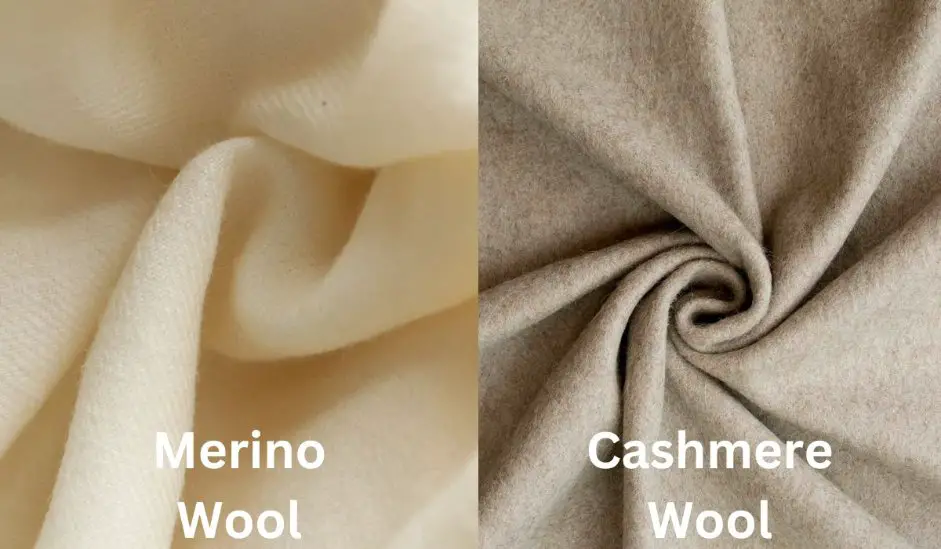
Both are luxury fibers, but they’re quite different.
Merino Advantages
- More durable and resilient
- Better moisture management
- Machine washable (usually)
- More versatile for active wear
- Better value for money
- More sustainable (easier to produce)
Cashmere Advantages
- 7-8 times warmer than merino
- Even softer feel (14-16 microns)
- Lighter weight for warmth
- More luxurious appearance
- Better drape in formal wear
Is cashmere or merino better? It depends on your needs. Choose cashmere for elegant, occasion wear where maximum warmth and softness matter. Choose merino for active wear, travel, or anything you’ll wash frequently. Cashmere is delicate – you wouldn’t go hiking in it. Merino can handle real use. Learn more about wool and cashmere differences for luxury fabric choices.
Merino vs. Alpaca
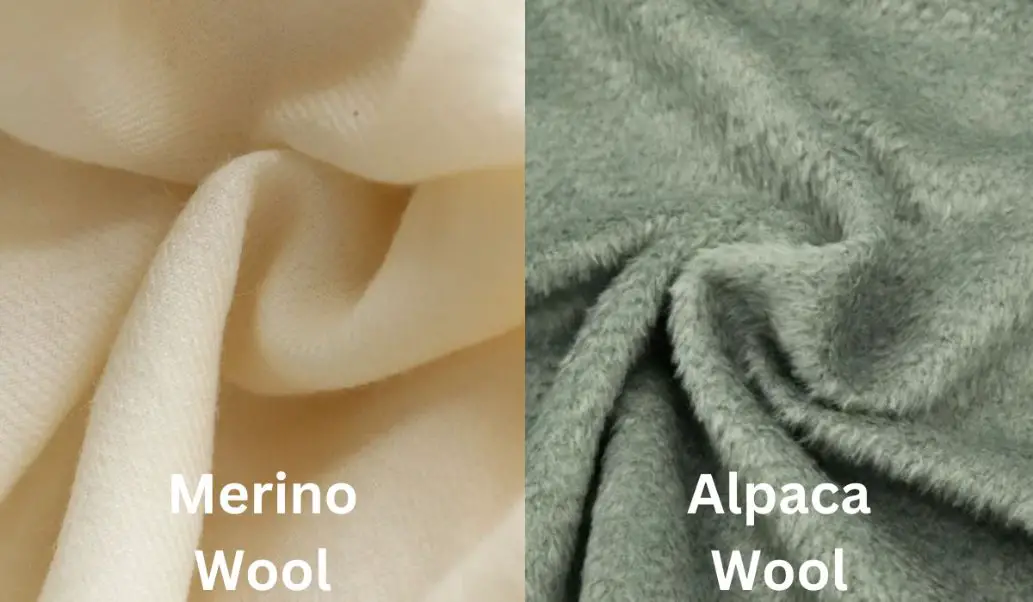
Alpaca has been gaining popularity as an alternative to merino. Here’s how they compare:
| Property | Merino Wool | Alpaca Wool |
|---|---|---|
| Warmth | Excellent | Warmer (hollow fibers) |
| Softness | Very soft (15-22 microns) | Very soft (18-25 microns) |
| Moisture Wicking | Excellent vapor transport | Good but less than merino |
| Durability | Moderate | More durable than merino |
| Hypoallergenic | Generally yes | More hypoallergenic (no lanolin) |
| Environmental Impact | Moderate | Lower (alpacas are gentle grazers) |
| Price | High | Similar to slightly higher |
| Availability | Widely available | Less common |
Alpaca is partially medullated (has hollow spaces in fibers), making it warmer but potentially less soft depending on processing. Merino is non-medullated and often feels softer, especially in clothing. For outdoor gear in extreme cold, alpaca might edge ahead. For versatile performance wear, merino still leads.
Merino vs. Synthetic (Polyester/Nylon)
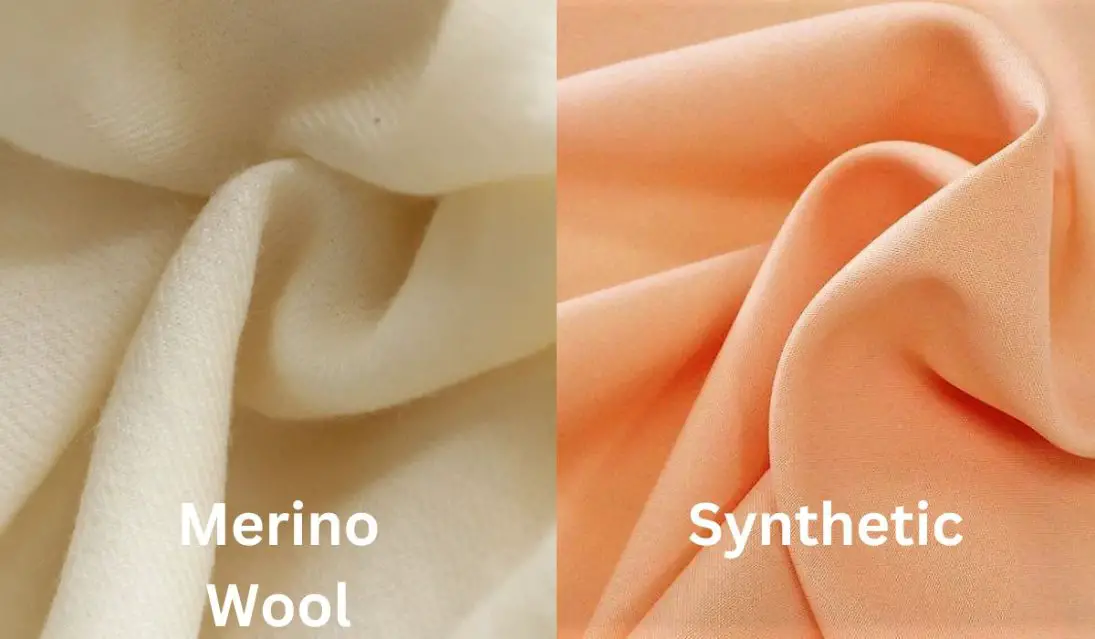
This is the big debate among outdoor enthusiasts. Let’s break it down honestly:
Moisture Management
Winner: Tie (different approaches)
Synthetics wick liquid sweat faster and dry quicker. Merino manages vapor before sweat forms and feels better when wet. Choose based on your activity – high-output activities where you’re soaked? Synthetic wins. Moderate activity where comfort matters? Merino wins.
Odor Control
Winner: Merino (no contest)
Synthetics smell bad after a few hours of hard use, even with antimicrobial treatments that eventually wash out. Merino can go days or even weeks without smelling. For multi-day trips or travel, merino is the clear choice.
Durability
Winner: Synthetic
Polyester and nylon resist pilling, tearing, and abrasion much better than merino. If you’re hard on your gear or need it to last years of heavy use, synthetics are tougher. Merino needs more care and will wear out faster.
Warmth When Wet
Winner: Merino
A wet merino base layer still insulates. A wet synthetic base layer loses most insulation and feels cold and clammy. In wet, cold conditions, merino is safer.
Environmental Impact
Winner: Merino
Merino is renewable, biodegradable, and natural. Synthetics are petroleum-based plastics that shed microfibers into waterways and take centuries to decompose. However, some recycled polyester options are improving the synthetic side.
Cost
Winner: Synthetic
Synthetics are significantly cheaper to produce and buy. A merino base layer might cost $80-120, while a comparable synthetic costs $40-60.
What’s better, cotton or merino wool? For performance and active wear, merino is far superior. Cotton absorbs water, stays wet, loses all insulation when damp, and takes forever to dry. There’s a reason hikers say “cotton kills.” However, for casual, everyday wear in normal conditions, cotton is fine and much cheaper. Merino’s benefits shine during physical activity or temperature extremes.
When to Choose Synthetic Over Merino
Despite merino’s strengths, synthetics are better for:
- High-intensity activities where you’ll be drenched in sweat (running, cycling hard)
- Wet environments where fast drying is critical
- Situations where you need maximum durability
- Budget-conscious purchases
- People with wool allergies
Many experienced outdoor enthusiasts keep both in rotation, choosing based on the specific trip and conditions.
Sustainability and Ethics: The Full Truth
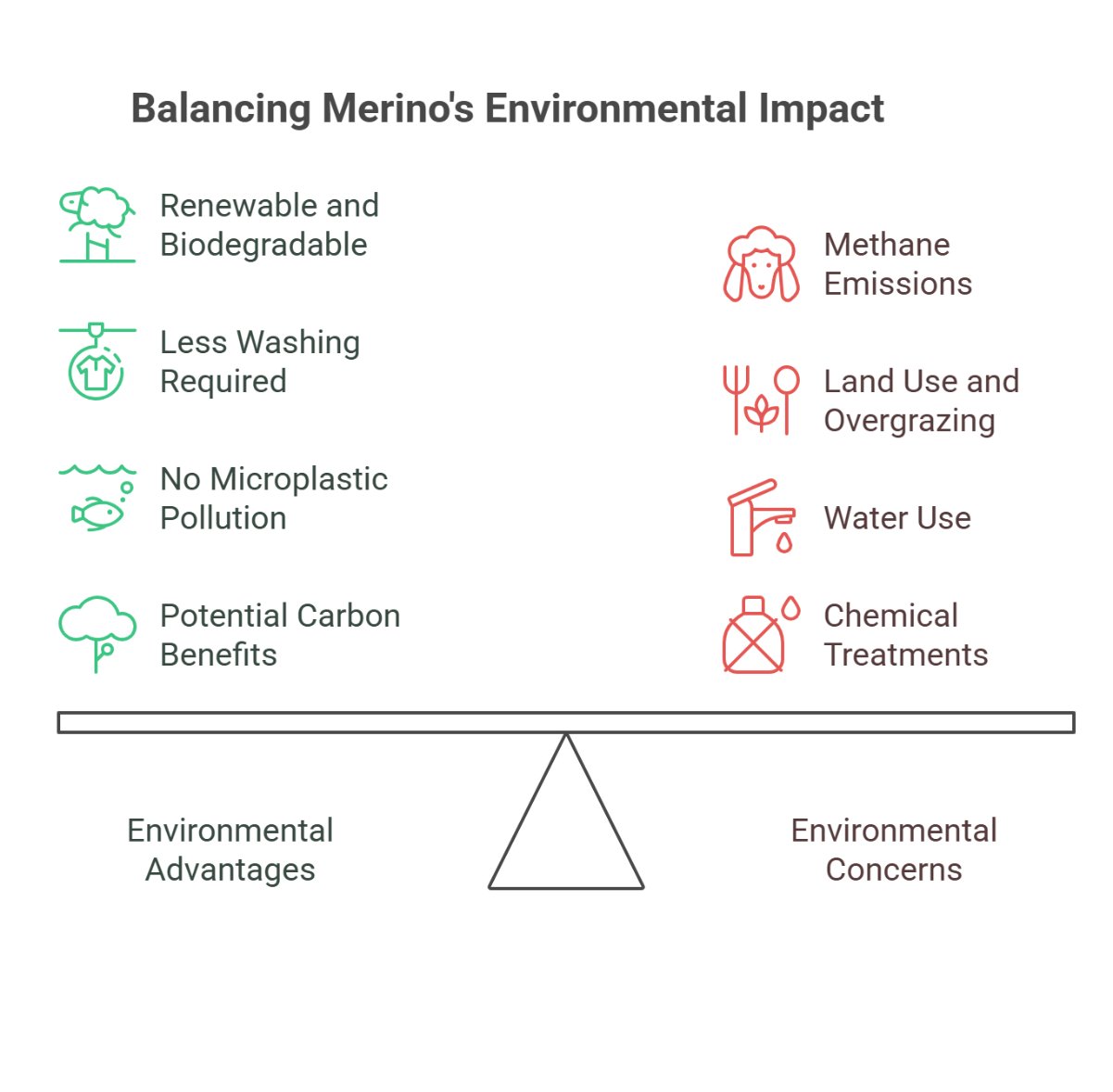
Marketing loves to call merino “sustainable” and “natural.” While there’s truth to this, the full picture is more complicated. Let’s be honest about both sides.
Environmental Advantages
Renewable and Biodegradable
Sheep regrow their fleece every year. One sheep can produce 4-5 pounds of wool annually for 10+ years. When a merino garment reaches the end of its life, it breaks down in soil in about 12 months, releasing nutrients. Compare this to polyester, which can persist for 200+ years.
Less Washing Required
Merino’s natural odor resistance means you wash it less often. Less washing equals less water use, less energy, and less microfiber pollution. A merino shirt might need washing after 4-5 wears, while a synthetic shirt needs it after every wear.
No Microplastic Pollution
When you wash synthetic clothing, tiny plastic fibers shed into waterways. These microplastics accumulate in fish, water supplies, and eventually in us. Merino sheds natural fibers that break down harmlessly.
Potential Carbon Benefits
Some studies suggest properly managed sheep grazing can sequester carbon in soil through improved grassland health. However, this depends heavily on farming practices and is still being researched.
Environmental Concerns
Methane Emissions
Sheep, like all ruminants, produce methane during digestion. Methane is a greenhouse gas significantly more potent than CO2. Large-scale sheep farming contributes to climate change.
Land Use and Overgrazing
Australia alone has about 70 million sheep. That requires massive amounts of grazing land. In Argentina, 93% of land showed signs of degradation from overgrazing. In Mongolia, cashmere goats (not merino sheep, but similar issues) have contributed to 70% of grasslands becoming deserts.
Overgrazing removes vegetation faster than it can regrow, leading to soil erosion, reduced biodiversity, and land degradation that can take decades to reverse.
Water Use
Sheep need water to drink, and wool processing requires significant water for washing and dyeing. While less water-intensive than cotton farming, it’s still a factor.
Chemical Treatments
Some merino undergoes chemical processing to prevent shrinking (Superwash treatment) or enhance water resistance. These chemicals can be harmful if not properly managed. Many brands now skip these treatments, but it’s worth checking.
Animal Welfare: The Mulesing Problem
This is where things get uncomfortable, but it’s important to understand.
What Is Mulesing?
Mulesing involves surgically removing strips of skin from around a lamb’s buttocks, typically without anesthetic. This creates scar tissue where wool won’t grow. Why would anyone do this?
Australian merino sheep were bred to have extra wrinkly skin for more wool production. In warm climates, these wrinkles trap moisture and feces, creating perfect conditions for flies to lay eggs. When these eggs hatch, maggots literally eat the sheep alive from the inside out. This disease, called flystrike, is deadly.
Mulesing prevents these skin folds from developing, reducing flystrike risk. However, research shows the pain from mulesing is similar to castration and can last up to 48 hours. It’s a painful procedure done to prevent a painful disease – both caused by breeding sheep for maximum wool production.
Where Does This Happen?
Mulesing is illegal in New Zealand and Europe but still practiced on about 70% of Australian merino sheep. Since Australia produces over half the world’s merino, this is a significant issue.
What Are the Alternatives?
Several alternatives exist but cost more money and time:
- Breeding sheep with fewer wrinkles (reduces wool yield initially)
- Regular crutching (trimming wool around the rear, labor-intensive)
- Fly traps and insect-repellent treatments
- Genetic selection for flystrike resistance
These methods work but require more investment. This is why mulesing-free merino often costs more.
Ethical Certifications: What They Mean
Understanding wool certifications helps you make informed choices. Textile Exchange, the organization behind the Responsible Wool Standard, provides independent verification of ethical practices. Here’s what different certifications actually guarantee:
| Certification | What It Guarantees | What It Doesn’t Guarantee |
|---|---|---|
| Responsible Wool Standard (RWS) | No mulesing, better animal welfare, land management requirements | Sheep still go to slaughter, tail docking allowed, pain relief not mandatory in all cases |
| ZQ Merino | No mulesing, New Zealand origin, environmental standards | Same limitations as RWS (ZQ-certified operations also get RWS) |
| GOTS (Global Organic Textile Standard) | Organic farming, no mulesing, strict chemical restrictions | Higher cost, animal welfare standards vary |
| OEKO-TEX Standard 100 | No harmful chemicals in final product | Doesn’t address farming practices or mulesing |
| Nativa | Regenerative farming, carbon neutral, full traceability, animal welfare | Limited availability, premium pricing |
Important: Even “ethical” certifications allow practices some people find problematic, including tail docking and eventual slaughter. These standards represent improvements over conventional farming but may not align with everyone’s values. Read the actual certification requirements rather than relying on marketing claims.
How to Buy Ethical Merino
- Look for certification labels: RWS, ZQ, or GOTS certification ensures no mulesing
- Check the country of origin: New Zealand wool is mulesing-free by law
- Ask brands directly: Reputable companies will clearly state their mulesing policy
- Research brand commitments: Companies like Icebreaker, Smartwool, and Patagonia have strict no-mulesing policies and full traceability
- Be willing to pay more: Ethical farming costs more. If merino seems unusually cheap, question the sourcing
- Consider recycled merino: Some brands now use recycled wool, reducing environmental impact
The Honest Take
Merino has real environmental advantages over synthetics: it’s renewable, biodegradable, and doesn’t shed microplastics. However, it’s not problem-free. Large-scale animal farming has impacts, and the mulesing issue is real.
If you choose merino, buy certified mulesing-free products from transparent brands. If these issues concern you deeply, consider recycled merino or alternative fibers like organic cotton (for casual wear) or plant-based options.
How to Buy Merino Wool: The Smart Shopper’s Guide
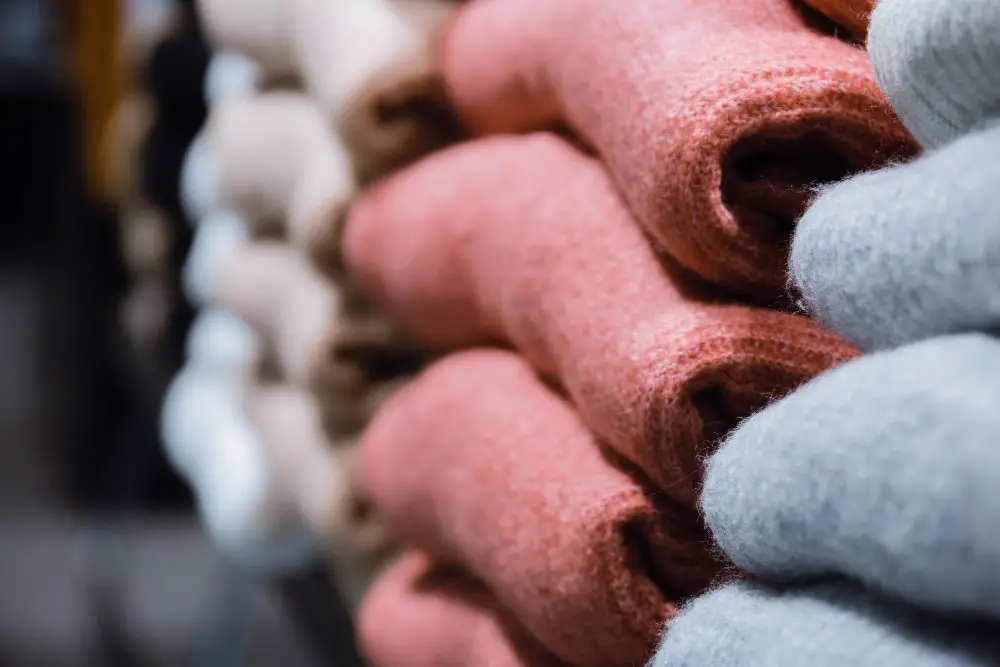
Not all merino is created equal. Here’s what to look for and what to skip.
Understanding Quality Indicators
Micron Count: The Most Important Number
How to tell if merino wool is good quality? Check the micron count first. Quality brands list this on their labels or websites.
- 15-17 microns (Ultrafine): Luxury grade, incredibly soft, used by premium brands, most expensive, very delicate
- 17-19 microns (Superfine): Premium quality, soft enough for base layers, good balance of softness and durability
- 19-22 microns (Fine): Standard merino, comfortable for most people, versatile, best value
- 22-25 microns (Medium): Budget merino, may feel slightly itchy to sensitive skin, more durable, good for outerwear
For next-to-skin base layers, stick with 19 microns or below. For socks, 23 microns and under works well since feet are less sensitive.
Fabric Weight (GSM)
GSM means grams per square meter. It tells you how thick the fabric is:
| Weight Category | GSM Range | Best Season | Best Use |
|---|---|---|---|
| Lightweight | 140-170 gsm | Summer, hot weather | Active wear, running, summer base layers |
| Midweight | 170-250 gsm | Spring, fall, mild winter | Everyday wear, hiking, three-season use |
| Heavyweight | 250-300+ gsm | Winter, cold weather | Winter base layers, casual wear, extreme cold |
Lightweight merino is more delicate and prone to tears. Heavyweight is more durable but can be too warm for active use.
Understanding Blends
Pure 100% merino isn’t always best. Blends can improve performance:
- Merino/Nylon (usually 85/15): More durable, resists pilling, slightly smoother feel, dries faster. Great for base layers and socks.
- Merino/Polyester: Faster drying, more affordable, good moisture wicking. Loses some odor resistance.
- Merino/Spandex (Elastane): Adds stretch for better fit, helps garments keep shape, common in activewear.
- Merino/Silk: Luxury blend, even softer, beautiful drape, very delicate, expensive.
Core-spun blends wrap merino around a nylon or polyester core, giving you merino next to skin with synthetic strength inside. These often perform better than pure merino for active use.
What to Pay: Price Guide
Why is merino so expensive? Several factors drive the price:
- Limited supply compared to synthetic materials
- Selective breeding and farming costs
- Fine fibers are harder to produce and process
- Ethical certifications add costs
- Labor-intensive production
- Premium market positioning
Expect to pay:
- Base layer tops: $60-150
- Merino t-shirts: $50-120
- Socks: $15-30 per pair
- Sweaters: $80-300
- Underwear: $25-50
Is merino wool a luxury fabric? Yes and no. It’s premium compared to cotton or synthetics, but it’s more accessible than cashmere or silk. Think of it as “affordable luxury” – expensive enough to feel special but practical enough for regular use.
By Use Case: What to Buy
For Base Layers
- Micron count: 17-19 microns
- Weight: Match to season (150 gsm for three-season, 200-250 for winter)
- Blend: 85% merino/15% nylon for durability
- Fit: Close but not tight
For Socks
- Micron count: 19-23 microns (feet are tougher)
- Blend: Merino/nylon for durability at heel and toe
- Cushioning: Medium for hiking, light for everyday
- Height: Crew for hiking boots, ankle for sneakers
For Travel and Minimalist Packing
- Midweight (190 gsm) works for most climates
- Dark colors hide stains better
- Pack 2-3 shirts for week-long trips
- Look for flat-lock seams to prevent chafing
For Everyday Casual Wear
- You can go with slightly higher micron counts (19-22) to save money
- Heavyweight feels more substantial
- Look for relaxed fits rather than athletic cuts
Red Flags: What to Avoid
- No micron count listed: If a brand won’t tell you the micron count, it’s probably coarser, cheaper merino
- Extremely low prices: $20 merino shirts are either low quality or made with questionable practices
- “Merino blend” without percentages: Could be 10% merino, 90% polyester
- No sourcing information: Reputable brands tell you where their wool comes from
- Generic “wool” labels: If it just says “wool” not “merino wool,” it’s probably regular wool
Uses and Applications
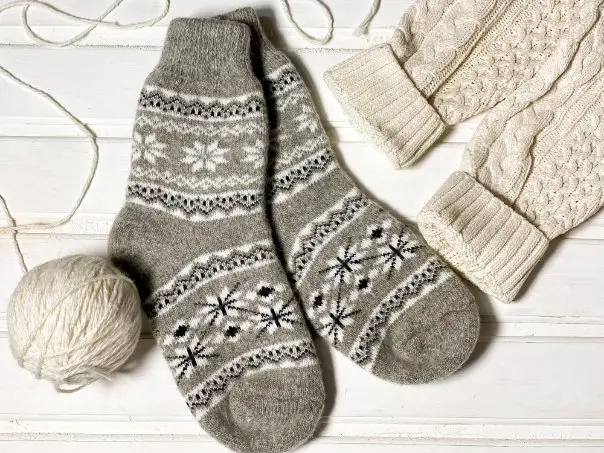
Merino wool appears in more products than you might expect. Here’s where it shines.
Base Layers and Underwear
This is merino’s killer app. The combination of warmth, moisture management, and odor resistance makes it perfect for layers worn directly on skin. Merino base layers work for skiing, hiking, winter running, and even just staying warm during cold commutes.
Does 100% merino wool keep you warm? Absolutely. Merino base layers can keep you comfortable in temperatures well below freezing. However, you’ll still need insulating mid-layers (fleece, down) and a shell in very cold weather. Merino is your foundation, not your only layer.
Socks
If you only buy one merino item, make it socks. Merino socks changed the game for hikers, runners, and anyone on their feet all day. They keep feet dry, prevent blisters, resist odor, and cushion without overheating. Brands like Darn Tough offer lifetime warranties because quality merino socks last years.
Outdoor and Athletic Gear
Merino dominates outdoor performance wear: hiking clothes, running shirts, cycling jerseys, ski layers, mountaineering apparel. The temperature regulation works whether you’re working hard or resting. The odor resistance matters on multi-day trips where you can’t wash clothes.
How warm is 100% merino wool? A heavyweight merino base layer (250+ gsm) provides similar insulation to a synthetic fleece. Merino’s warmth-to-weight ratio is excellent – you get serious insulation without bulk. The crimped fibers trap more air than smooth synthetics, creating better insulation.
Travel Clothing
Minimalist travelers love merino. You can pack 2-3 merino shirts for a week-long trip, wearing them multiple days between washes. They don’t smell, they don’t wrinkle much, and they work across temperature ranges. This means less luggage and fewer decisions.
Business and Everyday Wear
Merino dress shirts, sweaters, and casual wear bring performance benefits to office life. A merino dress shirt keeps you comfortable during commutes, regulates temperature in inconsistent office climates, and can be worn 2-3 times before washing.
Baby and Children’s Clothing
Merino’s softness and natural temperature regulation make it popular for baby clothes. It keeps babies warm without overheating and doesn’t irritate sensitive skin. However, the delicate nature and high cost mean it’s usually reserved for special items or sleep sacks.
Is it healthy to wear merino wool? Generally yes. Merino is hypoallergenic for most people (though some have wool allergies). It’s naturally antimicrobial, doesn’t harbor bacteria like synthetics, and provides UV protection. The natural fibers breathe better than synthetics, reducing skin irritation.
Bedding and Home Textiles
Merino blankets and sheets provide temperature regulation for sleep. They’re warm in winter but don’t overheat in summer. However, the cost is high, and cotton or linen often make more sense for bedding unless you’re specifically sensitive to temperature.
Suits and Formal Wear
Fine merino wool makes excellent suiting fabric. Italian and British mills have been using merino for high-end suits for centuries. The fabric drapes well, resists wrinkles, and breathes better than polyester blends. However, this is usually higher-micron merino (21-23) blended with other wools for structure.
Care Instructions: Make It Last
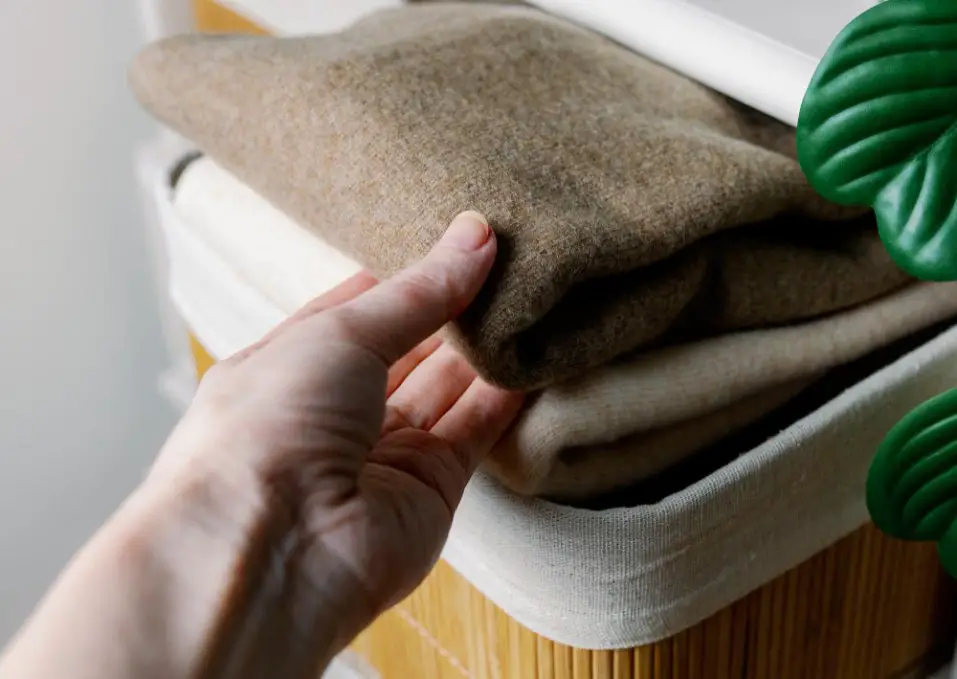
Proper care dramatically extends merino’s life. Here’s how to keep your investment looking good.
Washing Merino Wool
Can You Machine Wash 100% Merino Wool?
Can you machine wash 100% merino wool? Yes, usually. Most modern merino is machine washable, but always check the care label first. Some ultrafine merino or specialty items require hand washing.
Can I wash 100% merino wool in the washing machine? Yes, but follow these rules:
- Use the wool or delicate cycle: This reduces agitation that can cause felting
- Cold water only: 30°C (86°F) maximum. Hot water will shrink merino
- Wool-specific detergent: Regular detergent is fine if it’s gentle, but wool wash is better
- Turn inside out: Protects the outer surface from friction
- Use a mesh laundry bag: Extra protection during the wash cycle
- Small loads: Don’t stuff the machine. Merino needs room to move gently
Can I wash merino wool with regular detergent? You can, but avoid detergents with enzymes (biological detergents). Enzymes break down protein, and wool is protein. Look for “enzyme-free” or use wool-specific wash like Woolite or Eucalan.
Should you wash merino wool in warm or cold water? Always cold water. Warm or hot water causes shrinking. The care label might say “cool” which means around 30°C (86°F), but cold is safer.
Is Dawn dish soap ok for wool? In emergencies, yes. Dawn is gentle enough for handwashing merino. Use just a few drops in cold water. However, dedicated wool wash is better for regular cleaning.
How Often Should Merino Wool Be Washed?
This is where merino saves you work: you don’t need to wash it often.
- Base layers (active use): Every 3-5 wears
- T-shirts (casual wear): Every 4-7 wears
- Sweaters: Every 5-10 wears or only when actually dirty
- Socks: Every 2-3 wears (feet sweat more)
Between wears, just air out your merino. Hang it outside or in a well-ventilated area overnight. The odor resistance is real – you don’t need to wash after every wear like you would with synthetics.
Hand Washing
For delicate or ultrafine merino:
- Fill a basin with cold water
- Add wool wash (follow package directions)
- Submerge garment and gently squeeze (don’t wring or twist)
- Let soak 10-15 minutes
- Drain and rinse with cold water until soap is gone
- Gently squeeze out excess water (don’t wring)
- Roll in a towel to remove more water
- Lay flat to dry
Drying Merino Wool
Will Merino Wool Shrink in the Dryer?
Yes. Heat and agitation cause wool fibers to felt and shrink. Never put merino in a hot dryer unless you want a garment three sizes smaller.
Why can’t you tumble dry merino wool? Heat causes the scale structure of wool fibers to lock together, felting the fabric. This makes it thicker, harder, and much smaller. The agitation of tumbling speeds up this process.
However, some merino has been treated (Superwash) to resist shrinking. These items might tolerate low heat or air-dry tumble settings. Always check the label.
Best Drying Method
- Lay flat on a towel: This is the gold standard. Reshape the garment to its original size and let it air dry
- Use a drying rack: Lay items flat, don’t hang them (wet wool stretches under its own weight)
- Hang only if necessary: If you must hang, use padded hangers and only for sweaters or shirts (not base layers)
- Dry away from direct heat: No radiators, heaters, or direct sunlight
Merino takes 12-24 hours to air dry, depending on thickness and humidity.
Storing Merino Wool
- Fold, don’t hang: Hanging stretches merino over time. Fold it and store in drawers
- Give it room to breathe: Don’t compress merino tightly in storage
- Prevent moths: Clean items before long-term storage. Use cedar blocks or lavender sachets (not mothballs). Moths eat dirty wool, not clean wool
- Store away from sunlight: UV degrades fibers over time and can fade colors
Dealing with Problems
Does Merino Wool Shrink?
Yes, if exposed to heat or agitation in water. The combination of heat, moisture, and movement causes wool fibers to lock together. However, proper washing (cold water, gentle cycle) prevents this.
If you do shrink merino, you might be able to gently stretch it back while damp, but this doesn’t always work. Prevention is key.
Pilling
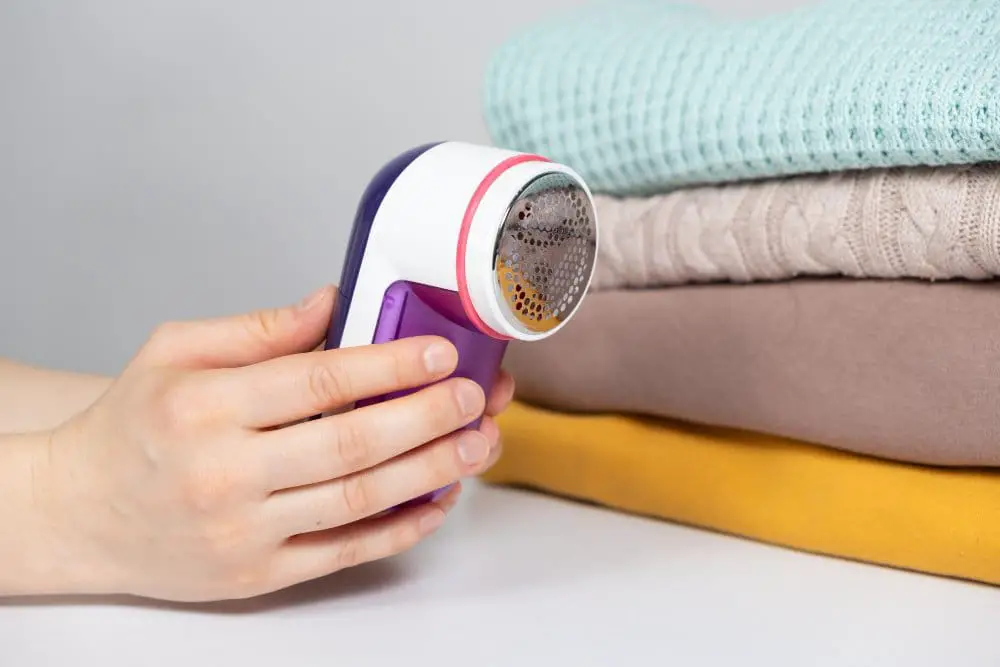
Merino can pill where it rubs (armpits, thighs, under backpack straps). This is normal wear. Use a fabric shaver or sweater stone to remove pills. Pills don’t damage the garment – they’re just surface fibers bunching up.
Should You Use Fabric Softener on Merino Wool?
No. Fabric softener coats fibers with chemicals that can reduce merino’s natural wicking and breathability. Wool is already soft – you don’t need softener. If you want extra softness, use a wool-specific conditioner or a tiny amount of hair conditioner in the rinse.
Holes and Repairs
Lightweight merino is prone to small holes, especially at stress points. You can darn these with matching thread or use iron-on patches on the inside. Some outdoor retailers offer repair services.
Quick Care Reference
| Do | Don’t |
|---|---|
| Machine wash on wool/delicate cycle | Use hot water |
| Use cold water (max 30°C/86°F) | Put in dryer on heat |
| Use wool wash or gentle detergent | Use biological/enzyme detergents |
| Lay flat to dry | Hang wet merino |
| Air out between wears | Use fabric softener |
| Fold for storage | Dry-clean unnecessarily |
| Check labels first | Wring or twist wet merino |
Sewing with Merino Wool
Want to make your own merino garments? It’s doable but requires some knowledge.
Can I Sew Merino Wool?
Yes. Merino can be sewn on a regular sewing machine, though it requires some adjustments and care compared to cotton or linen.
Can You Stitch Merino Wool?
Absolutely. Merino is commonly used in knitting (hand and machine) and can be woven and sewn. However, its stretchy, delicate nature means you need to use the right techniques.
What’s the Hardest Fabric to Sew?
Merino isn’t the hardest (that honor goes to slippery fabrics like charmeuse or very stretchy knits), but it’s definitely in the “intermediate” category. The main challenges are:
- It stretches while you’re working with it
- Fine merino can shift or slip during cutting
- It can pill from friction during sewing
- Seams need to stretch with the fabric
How to Prepare Wool Fabric for Sewing
- Pre-wash if needed: If you’ll be washing the finished garment, pre-wash the fabric first to prevent shrinking later. Hand wash in cold water, lay flat to dry
- Let it rest: After washing or if fabric was rolled/folded, let it rest flat for 24 hours to relax
- Check for stretch direction: Merino knits usually stretch more in one direction. Mark this on your fabric so you can position pattern pieces correctly
- Use pattern weights, not pins: Pins can leave permanent holes in fine merino. Use weights to hold patterns
Do You Need a Special Needle to Sew Wool?
Not necessarily, but using the right needle helps:
- For woven merino: Universal needle or sharp needle, size 70/10 to 90/14 depending on fabric weight
- For merino knits: Ballpoint or stretch needle, size 75/11 to 90/14
- For very fine merino: Go smaller (70/10) to prevent holes
The ballpoint needle is rounder and pushes between fibers instead of piercing them, preventing runs in knit fabric.
What Is the Best Stitch Length for Wool?
Use a slightly longer stitch than for cotton:
- For wovens: 2.5-3mm stitch length
- For knits: 3-3.5mm or use a stretch stitch
Longer stitches prevent the fabric from puckering and allow some give in seams.
Does Wool Fray When Cut?
Woven merino does fray, though not as much as cotton. Finish seams with:
- Serging/overlocking
- Zigzag stitch
- French seams (if fabric is fine enough)
Merino knits don’t fray because they’re knitted, not woven. The cut edge will curl slightly but won’t unravel.
Best Practices for Sewing Merino
- Use a walking foot: Helps feed layers evenly and prevents stretching
- Don’t pull or stretch: Let the fabric feed naturally under the presser foot
- Test on scraps first: Dial in your tension and stitch length on scrap fabric
- Use quality thread: Polyester thread works well because it has some give
- Press carefully: Use low heat with steam and a pressing cloth. Never dry iron directly on merino
Why Is Wool No Longer Used (As Much)?
This question assumes wool declined in use, which is partly true. In the mid-20th century, synthetics became popular because they were:
- Much cheaper to produce
- Easier to care for (machine wash and dry)
- More durable
- Widely available
However, wool – especially merino – has made a comeback in the outdoor and performance wear markets since the 1990s as people discovered synthetics’ limitations (odor, lack of temperature regulation, microplastic pollution). Merino found its niche as a premium, performance-focused material.
Frequently Asked Questions
Is 100% Merino Wool Itchy?
Not usually. Fine-grade merino (under 19 microns) feels soft and non-itchy to most people. However, sensitivity varies by person. Some people find even fine merino slightly less smooth than cotton or modal. If you’re very sensitive to texture, try merino blends (with nylon) which often feel even softer. Anything over 22 microns is more likely to feel itchy.
What Happens If Merino Wool Gets Wet?
Merino performs well when wet, unlike cotton which becomes heavy and loses all insulation. Wet merino still keeps you warm because the fiber structure continues to trap air. It absorbs moisture into the fiber core (not on the surface), so it doesn’t feel soaking wet. However, wet merino is heavy and can stretch, so don’t hang it to dry. Lay it flat.
What Is a Disadvantage of Using Merino Wool?
The main disadvantages are cost (expensive compared to cotton or synthetics), durability (pills and can tear, especially lightweight versions), and care requirements (no hot water, no dryer, needs more attention than throw-it-in-the-wash synthetics). It also dries slower than polyester.
Is Merino Wool Really Worth It?
It depends on your use case. For outdoor activities, multi-day trips, travel, or situations where odor control and temperature regulation matter, yes – merino is absolutely worth it. For casual everyday wear in normal conditions, cotton or quality synthetics often make more sense at a fraction of the cost. Think of merino as specialized performance gear, not an everyday fabric replacement.
How Long Does Merino Wool Last?
With proper care, quality merino can last 5-10 years. Heavyweight merino lasts longer than lightweight. Blends with nylon last longer than pure merino. However, items that see hard use (hiking socks, base layers under backpacks) wear out faster – expect 2-5 years. The key is gentle washing, no dryer heat, and proper storage.
What Is Another Name for Merino Wool?
Merino is sometimes called “fine wool” or “superfine wool,” but these aren’t exact synonyms (other sheep breeds also produce fine wool). In trade, you might see “Australian Merino” or “New Zealand Merino” indicating origin. There’s no common alternate name – merino is merino.
Which Country Is Famous for Merino Wool?
Australia is the world leader, producing over 350 million kilograms annually (about 80% of the world’s superfine merino). New Zealand is second and famous for high ethical standards. Other major producers include South Africa, Argentina, Uruguay, and Chile. The USA produces merino (particularly Montana), though on a much smaller scale.
Is Merino Wool 100% Natural?
Yes, merino wool is a completely natural fiber made from sheep fleece. However, some merino undergoes chemical treatments (Superwash to prevent shrinking, or dye treatments). Look for certifications like GOTS if you want merino processed with minimal chemicals. Merino blends (with nylon or polyester) are only partially natural.
What Is So Special About Merino Wool?
Merino’s unique combination of properties sets it apart: it regulates temperature (keeps you warm in cold, cool in heat), manages moisture better than almost any fabric, resists odor naturally, feels soft despite being wool, provides UV protection, is flame resistant, and biodegrades naturally. No synthetic can match all these properties together.
Final Verdict
After covering everything from royal Spanish sheep to modern ethical certifications, let’s answer the big question: should you invest in merino wool?
When Merino Is Absolutely Worth It
Buy merino without hesitation if you:
- Travel light: Merino’s odor resistance and versatility mean you can pack less and wash less
- Do outdoor activities: Hiking, camping, skiing, mountaineering – merino excels in these environments
- Take multi-day trips: The ability to wear items multiple days without washing is unbeatable
- Need temperature regulation: Work in varying climates or have temperature sensitivity
- Value sustainability: Prefer renewable, biodegradable materials over petroleum-based synthetics
- Want quality basics: A few high-quality merino pieces outlast many cheap alternatives
When to Skip Merino
Save your money and choose alternatives if you:
- Need maximum durability: Construction work, rock climbing, or heavy abrasion – go synthetic
- Want wash-and-wear convenience: If throwing everything in the dryer is non-negotiable, merino will frustrate you
- Have a tight budget: Quality cotton or synthetic performance wear gives you 80% of the benefits at 40% of the cost
- Only do short, intense workouts: Gym sessions under an hour? Synthetics dry faster and cost less
- Have genuine wool allergies: Some people are allergic to lanolin or wool proteins
The Smart Approach: Start Small
Don’t overhaul your entire wardrobe to merino. Instead, try one high-quality piece in an area that matters to you:
- Hikers: Start with merino socks. This single change will convince you.
- Travelers: One merino t-shirt proves the odor-resistance claims
- Cold-weather commuters: A merino base layer top makes winter much more comfortable
- Athletes: A lightweight merino running shirt shows you the temperature regulation
If you love it, gradually build a collection. If not, you’ve only invested in one item.
Key Takeaways
- Micron count matters more than anything. Under 19 microns for base layers, under 23 for socks. If brands don’t list it, be suspicious.
- Pure merino isn’t always best. Blends with nylon (85/15) give you better durability with nearly identical performance.
- The odor resistance is real. This isn’t marketing hype. You genuinely can wear merino multiple days without it smelling.
- Buy certified mulesing-free. Look for RWS, ZQ, or GOTS certification. New Zealand wool is mulesing-free by law.
- Take care of it properly. Cold water, gentle cycle, lay flat to dry. This extends life dramatically.
- Accept the limitations. Merino pills, tears more easily than synthetics, costs more, and needs more care. Know what you’re getting.
- Weight matches season. Lightweight (140-170 gsm) for summer/active use, midweight (170-250 gsm) for three seasons, heavyweight (250+ gsm) for winter.
- Cost per wear, not upfront cost. A $100 merino shirt worn 200 times costs $0.50 per wear. A $20 synthetic shirt worn 40 times before it’s too smelly costs $0.50 per wear too. Factor in quality and lifespan.
The Bottom Line
Merino wool is not a magic fabric that solves all clothing problems. It’s expensive, somewhat delicate, and requires care. The marketing around it can be overblown.
However, for specific uses – outdoor activities, travel, base layers, and situations where you need real performance – merino delivers in ways no other fabric can match. The combination of temperature regulation, moisture management, and odor resistance is unique. When you’re three days into a backpacking trip wearing the same shirt comfortably, or staying warm in a wet base layer when synthetics would have you shivering, you understand why people swear by merino.
Start with quality socks or one base layer. Buy from reputable brands. Check for ethical certifications. Take care of it properly. If it works for you, great. If not, at least you’ll know from experience rather than marketing claims.
For most people, a strategic collection of merino pieces – a few base layers, some good socks, maybe a travel shirt or two – combined with other fabrics for different situations, makes more sense than going all-in on merino for everything.
Is merino wool worth it? For the right applications and if you can afford it, absolutely. Just be smart about what you buy and when you use it. Learn more about different natural and synthetic fabric types to make informed choices for your complete wardrobe.