
Everything You Need to Know About This Timeless, Durable, and Sustainable Material
Table of Contents
- What is Wool Tweed Fabric?
- The Rich History of Tweed
- Types of Tweed Fabric
- How Tweed Fabric is Made
- Tweed Patterns and Weaves
- Advantages and Disadvantages of Tweed
- How to Identify Quality Tweed
- Tweed vs Other Fabrics
- Sustainability and Environmental Impact
- The Chanel Tweed Story
- Complete Tweed Care Guide
- Modern Uses and Applications
- Buying Guide and Pricing
- Common Tweed Myths Debunked
- Frequently Asked Questions
- Conclusion
What is Wool Tweed Fabric?
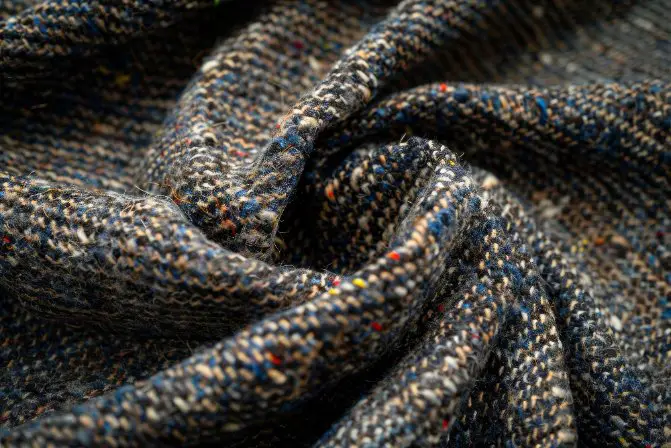
Wool tweed fabric is a rough-textured, woven wool fabric known for its durability, warmth, and distinctive multi-colored appearance. Unlike smooth worsted wools, tweed has a coarse, nubby surface created by weaving together yarns that have been dyed different colors before spinning.
What makes tweed unique is not just its material or weave pattern, but how it’s made. The wool fibers are dyed in various shades first, then blended and spun into yarn. This fiber-dyeing technique creates the characteristic flecked, heathered look that gives tweed its rich depth and visual interest.
Quick Facts About Tweed
- Origin: Scotland and Ireland
- Main Material: Usually 100% wool, though blends exist
- Weight Range: 8-20+ oz per square yard
- Primary Use: Jackets, coats, suits, and accessories
- Key Characteristic: Water-resistant, warm, and extremely durable
The name “tweed” itself has an interesting backstory. Originally called “tweel” (the Scottish word for twill), the fabric got its current name around 1831 when a London merchant misread the handwriting on an order from a Scottish mill. He thought “tweel” referred to the River Tweed that flows through Scotland’s textile-producing region, and the name stuck.
Today, tweed represents much more than just a fabric. It’s a symbol of quality craftsmanship, heritage, and timeless style that has been worn by everyone from Scottish shepherds to fashion icons like Coco Chanel.
The Rich History of Tweed

Tweed fabric reflects centuries of textile heritage.
Tweed’s story begins in the rugged Scottish Highlands and Irish countryside during the 18th century. Scottish farmers and shepherds needed a fabric tough enough to withstand harsh weather, wind, and rain. They created tweed as a practical solution, weaving thick sheep wool into a tightly-woven fabric that kept them warm and dry during long days outdoors.
The fabric was originally plain and uncolored, but as production techniques improved, weavers began adding patterns and multiple colors. Each region developed its own distinctive style. Scottish estates started commissioning custom tweeds with specific patterns and colors to identify their properties, creating what became known as “estate tweeds.”
In the early 1800s, tweed caught the attention of the English aristocracy. When Prince Albert purchased Balmoral Castle in Scotland in 1848, he designed the unique Balmoral tweed pattern. This royal endorsement transformed tweed from workwear into a status symbol. British nobles began ordering matching tweed outfits for their entire staff for hunting expeditions and outdoor activities.
The Industrial Revolution made wool production cheaper and more accessible, bringing tweed to the middle classes. By the late 1800s and early 1900s, tweed jackets became standard attire for academics, country gentlemen, and anyone wanting to project an air of refined, understated elegance.
Throughout the 20th century, tweed continued to evolve. It became associated with the British “country look,” worn by everyone from professors to poets. In the 1950s, Coco Chanel revolutionized women’s fashion by adapting Scottish tweed into elegant women’s suits, forever changing how tweed was perceived in high fashion.
Types of Tweed Fabric
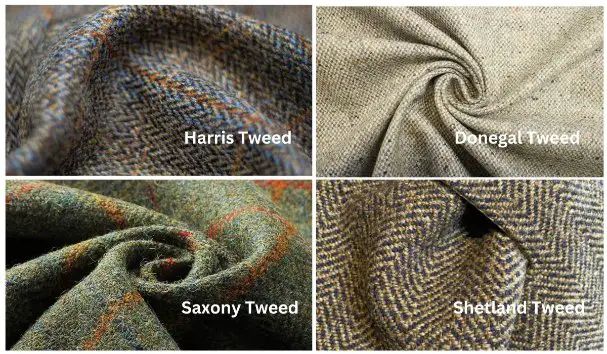
Popular types of tweed fabric and regional styles.
Not all tweed is created equal. Different regions, sheep breeds, and production methods create distinct varieties, each with unique characteristics. Here are the most important types you should know about.
Harris Tweed
Harris Tweed is the most famous and legally protected type of tweed in the world. According to the Harris Tweed Act of 1993, authentic Harris Tweed must be “handwoven by the islanders at their homes in the Outer Hebrides, finished in the Outer Hebrides, and made from pure virgin wool dyed and spun in the Outer Hebrides.”
This legal protection means that only fabric meeting these strict criteria can bear the famous Harris Tweed Orb trademark. The fabric is known for its medium weight, characteristic flecked appearance, and exceptional durability. Harris Tweed typically costs more than other tweeds due to its authentic handwoven production and protected status.
Donegal Tweed
Originating from County Donegal in Ireland, this tweed is instantly recognizable by its colorful “neps” or slubs – small knots of contrasting colored yarn scattered throughout the fabric. These rainbow-colored flecks give Donegal tweed a lively, textured appearance that’s less formal than Harris Tweed but equally charming.
Donegal tweed has been produced for centuries using wool from locally-bred sheep and dyes made from indigenous plants like blackberries, gorse, and moss. Today, it remains one of the most popular tweeds worldwide, perfect for casual jackets and accessories.
Saxony Tweed
Made from fine merino wool, Saxony tweed originated in Saxony, Germany. This is the softest variety of tweed, with a smoother texture and shorter pile on the face side. The high-quality merino fibers make it more comfortable against the skin than traditional rough tweeds, though it’s less durable for heavy outdoor use.
Saxony tweed works well for suits and tailored garments where you want tweed’s visual appeal without the rough texture. It’s often more expensive than standard tweeds due to the premium merino wool.
Other Popular Types
Shetland Tweed: Made from wool of Shetland sheep from Scotland’s Shetland Islands, this tweed is lighter weight and more casual. It has wonderful color retention and a rougher, more traditional finish.
Cheviot Tweed: Named after Cheviot sheep from the Scottish borders, this is one of the roughest and heaviest types of tweed. It’s extremely durable and weather-resistant, ideal for serious outdoor use.
Border Tweed: Spun in the Scottish Borders from finest merino fibers, it provides a smooth, sophisticated finish that works equally well in town or country settings.
Estate Tweed: Custom patterns historically commissioned by Scottish highland estates to identify their properties. Each estate developed unique color combinations and patterns.
Lambswool Tweed: Made from the first shearing of young sheep, lambswool tweed is softer and more comfortable with better drape, though it loses some of the traditional tweed texture and depth.
How Tweed Fabric is Made
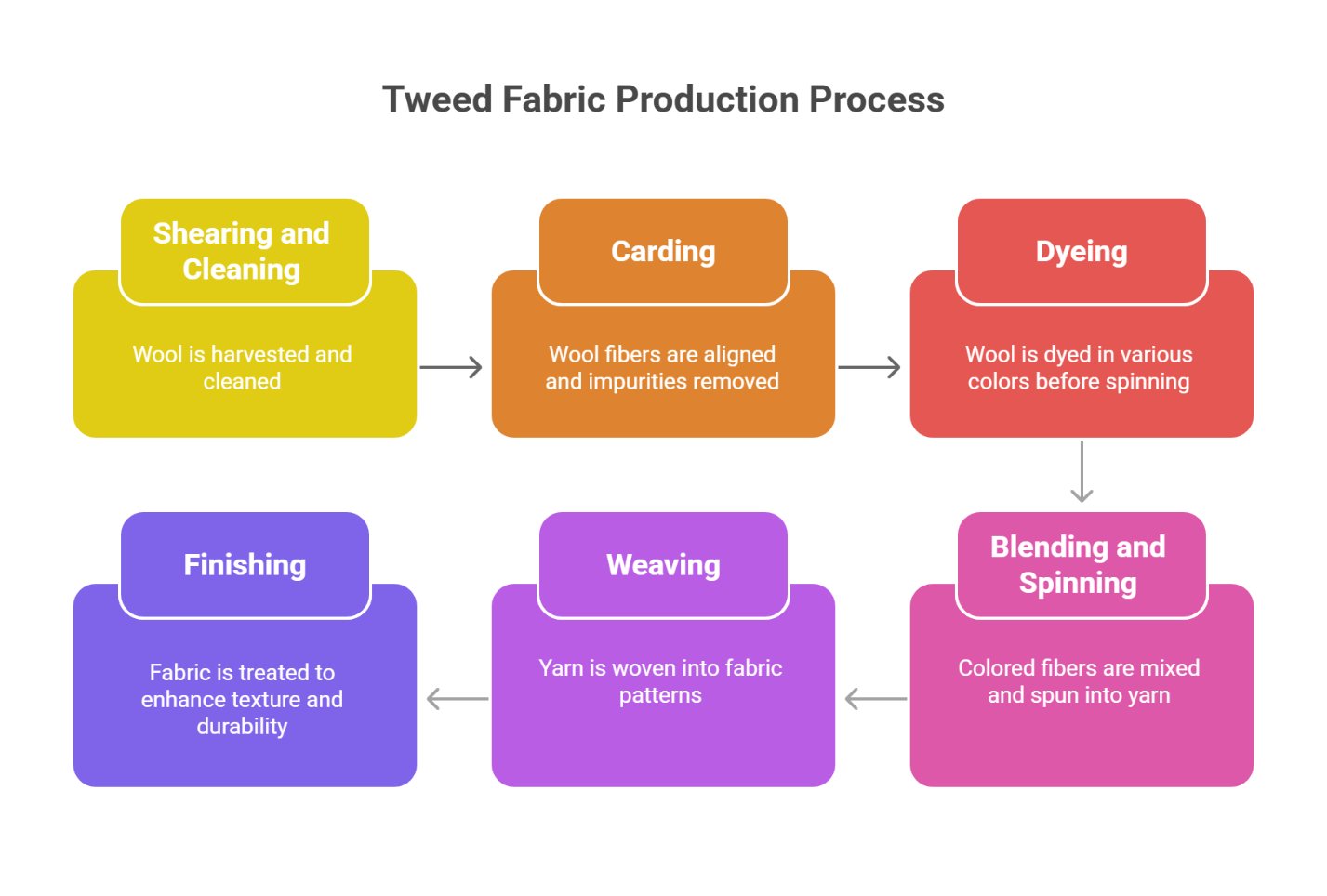
Step by step tweed fabric production process.
Understanding how tweed is produced helps explain why it’s such a special fabric. The process involves several steps that set it apart from regular wool fabrics.
Step 1: Shearing and Cleaning
The process begins with shearing sheep, typically once or twice yearly. The raw wool is then scoured to remove dirt, grease, and excess lanolin (though some lanolin is kept for water resistance).
Step 2: Carding
The cleaned wool is carded, which means combing the fibers to align them and remove any remaining impurities. This creates long, smooth strands ready for dyeing.
Step 3: Dyeing
Here’s where tweed becomes special. Instead of dyeing finished fabric, tweed wool is dyed in the fleece stage, before spinning. Multiple batches are dyed in different colors based on traditional recipes.
Step 4: Blending and Spinning
Different colored fibers are carefully blended together in specific proportions to create the desired overall tone. This fiber-level mixing creates tweed’s characteristic depth and heathered appearance. The blended fibers are then spun into yarn.
Step 5: Weaving
The yarn is loaded onto looms and woven, typically in a twill, herringbone, or plain weave pattern. Traditional Harris Tweed is still handwoven on pedal looms in weavers’ homes, while other tweeds may be machine-woven. The weaving technique significantly impacts the final fabric’s durability and appearance. To learn more about textile weaving techniques, the Textile Exchange provides excellent resources on sustainable textile production methods.
Step 6: Finishing
After weaving, the fabric undergoes finishing processes that may include washing, brushing, or steaming to enhance texture and appearance. Some tweeds are fulled (soaked and agitated) to tighten the weave and increase durability.
Tweed Patterns and Weaves
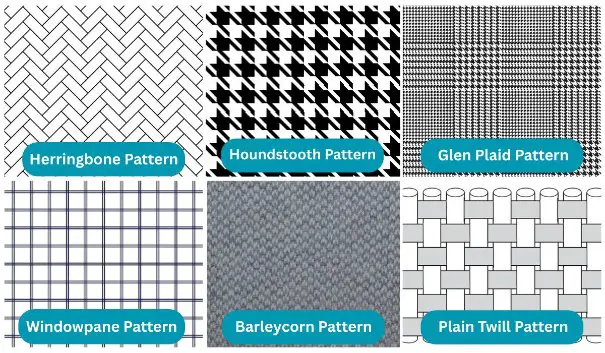
Popular tweed patterns and weave styles.
Tweed comes in various classic patterns, each created through different weaving techniques. Here are the most common ones you’ll encounter:
Herringbone
A broken twill weave creating a distinctive V-shaped zigzag pattern. This is one of the most popular tweed patterns, offering visual interest while remaining versatile.
Houndstooth
Broken checks creating a jagged, tooth-like appearance. Associated with 1960s fashion and classic menswear, it makes a bolder statement than herringbone.
Glen Plaid
Also called Glenurquhart check or Prince of Wales check, this features a distinctive pattern of small and large checks. Popular for overcoats and sportcoats.
Windowpane
Large checks resembling window panes, created by weaving contrasting colored threads. Popular in the late 19th century and again in the 1970s.
Barleycorn
Small, textured pattern resembling scattered grain, creating a slightly bumpy surface with a dynamic visual effect.
Plain Twill
A more straightforward pattern with subtle diagonal ribbing. Less prominent than herringbone but still textured, offering versatility for various uses.
Advantages and Disadvantages of Tweed
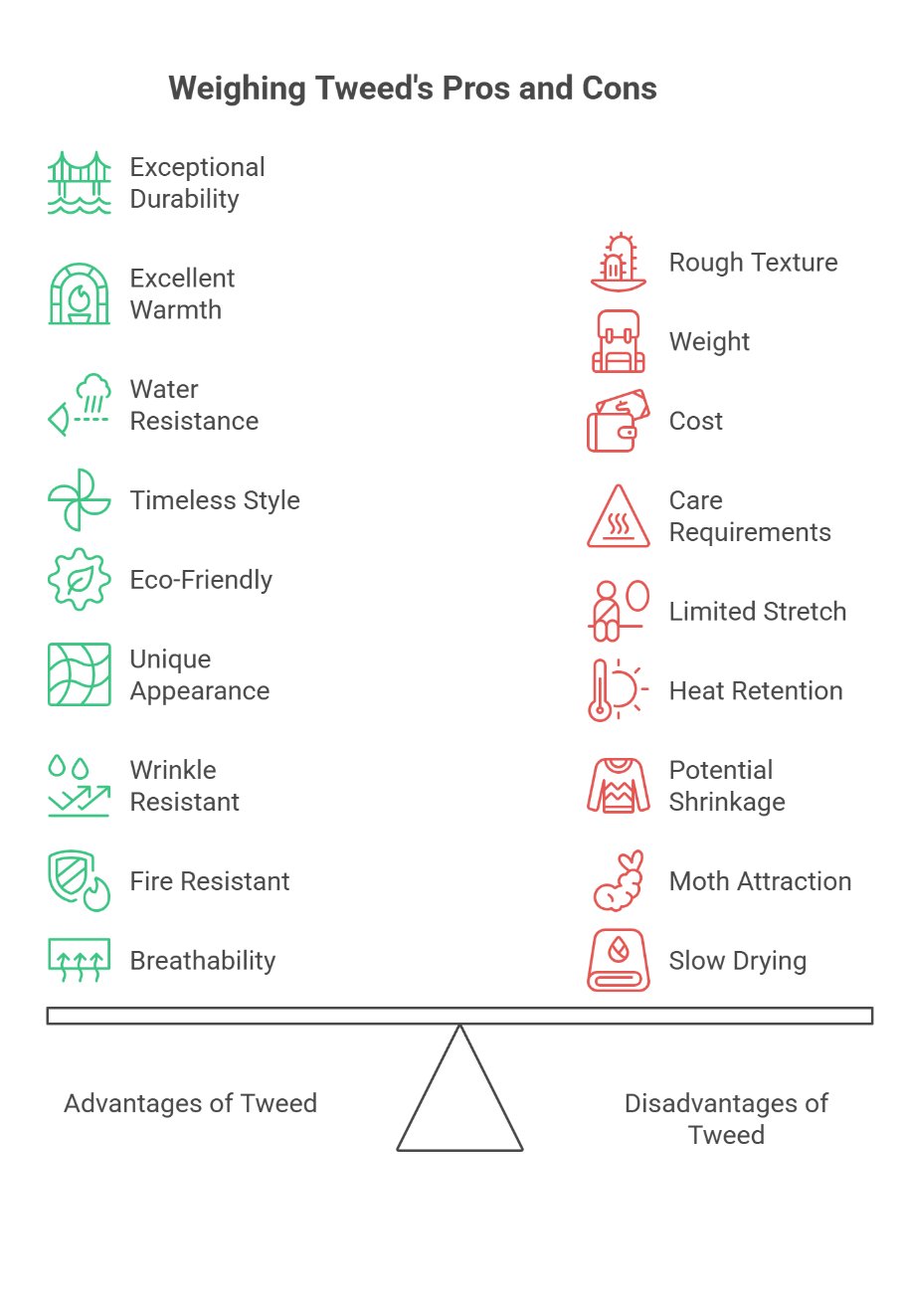
Visual comparison of tweed fabric advantages and disadvantages.
Like any fabric, tweed has both strengths and limitations. Understanding these helps you decide if it’s right for your needs.
Advantages of Tweed Fabric
- Exceptional Durability: Tweed’s tight weave and robust wool fibers make it one of the most durable fabrics available. Quality tweed garments can last 20-30 years or more with proper care.
- Excellent Warmth: The thick wool fibers and tight weave trap air, providing outstanding insulation. Perfect for cold weather without being heavy.
- Water Resistance: Natural lanolin in the wool, combined with the tight weave, makes tweed naturally water-repellent. It sheds light rain and snow effectively.
- Wind Resistance: The dense weave blocks wind better than looser fabrics, making it ideal for outdoor activities.
- Breathability: Despite its density, wool fibers naturally breathe, preventing overheating and managing moisture.
- Timeless Style: Tweed never goes out of fashion. It’s been a wardrobe staple for over 200 years and shows no signs of declining.
- Eco-Friendly: Made from natural, renewable wool, tweed is biodegradable and sustainable compared to synthetic fabrics.
- Unique Appearance: The rich, multi-tonal coloring and texture create a sophisticated look that synthetic fabrics can’t replicate.
- Wrinkle Resistant: Tweed naturally resists wrinkles and maintains its structure, making it low-maintenance for travel.
- Fire Resistant: Wool doesn’t easily catch fire and won’t melt or stick to skin like synthetics if it does ignite.
Disadvantages of Tweed Fabric
- Rough Texture: Traditional tweed can feel scratchy against bare skin, making it uncomfortable for some people, especially those with sensitive skin.
- Weight: Heavier tweeds can feel bulky, and lighter-weight options may sacrifice some durability.
- Cost: Quality tweed, especially handwoven varieties like Harris Tweed, can be expensive. Prices range from $50-$300+ per yard.
- Care Requirements: Most structured tweed garments need dry cleaning. Hand washing is possible for some pieces but requires care.
- Limited Stretch: Unlike modern stretch fabrics, tweed doesn’t give much, which can feel restrictive in fitted garments.
- Heat Retention: While great for cold weather, tweed can be too warm for mild or hot climates.
- Potential Shrinkage: If improperly washed, tweed can shrink significantly, potentially ruining garments.
- Moth Attraction: Being natural wool, tweed can attract moths if not stored properly with cedar or lavender.
- Slow Drying: When wet, tweed takes longer to dry than synthetic fabrics.
How to Identify Quality Tweed

Key indicators of high quality tweed fabric.
Not all tweed is created equal. Whether you’re shopping for fabric by the yard or a finished garment, these tests help you identify quality tweed that will last.
The Hand Feel Test
Quality tweed should feel substantial but not stiff. Run your hand across the surface. High-quality tweed has a consistent texture without thin spots or areas that feel flimsy. The fabric should have a natural springiness – when you gently crush it in your hand, it should spring back to shape.
Weight-to-Warmth Ratio
Better tweed provides more warmth without excessive weight. Quality pieces feel lighter than you’d expect for their warmth. This comes from superior wool processing and tight, even weaving.
Weave Tightness Check
Hold the fabric up to light. You should see very little light coming through. A tight weave means better durability and weather resistance. Loosely woven tweed will wear out faster and provide less protection from wind and rain.
Color Depth Assessment
Look closely at the color. Quality tweed has rich, complex coloring with visible variation at the fiber level. You should see multiple shades blending together, creating depth. Flat, uniform color often indicates lower-quality production or synthetic blends.
Check the Weave Pattern
The pattern (herringbone, houndstooth, etc.) should be clear and consistent across the entire fabric. Irregularities suggest poor weaving or quality control issues.
Quality Tweed Checklist
- Substantial weight appropriate to the tweed type
- Consistent texture throughout with no thin spots
- Rich, complex coloring with visible fiber-level variation
- Tight weave with minimal light showing through
- Clear, consistent pattern across the fabric
- Natural springiness when crushed
- Appropriate certificates (Orb mark for Harris Tweed, etc.)
- 100% wool content for traditional tweeds
- Look for Woolmark certification for quality assurance
- Clean, professional finish with no loose threads
- Appropriate price point (too cheap is suspicious)
Tweed Weight Guide
Understanding fabric weight helps you choose the right tweed for your project. Tweed is measured in ounces per square yard (oz/sq yd).
| Weight Category | Weight Range | Best Uses | Season |
|---|---|---|---|
| Lightweight | 8-12 oz | Summer jackets, vests, skirts | Spring/Summer/Fall |
| Medium Weight | 12-16 oz | Sport coats, blazers, trousers | Fall/Winter/Spring |
| Heavyweight | 16-20+ oz | Overcoats, hunting jackets, outdoor wear | Winter |
Tweed vs Other Fabrics
How does tweed stack up against other popular fabrics? Here’s a detailed comparison to help you understand when to choose tweed over alternatives.
Tweed vs Worsted Wool
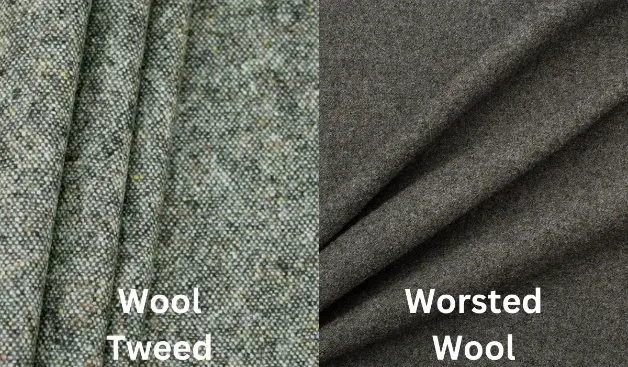
Comparing tweed fabric and worsted wool.
This is probably the most common comparison since both are wool fabrics. Worsted wool is made from long-staple wool that’s combed so all fibers lie parallel, creating a smooth, fine fabric. Tweed uses shorter fibers with a rougher texture.
| Feature | Tweed | Worsted Wool |
|---|---|---|
| Texture | Rough, nubby, textured | Smooth, fine, flat |
| Appearance | Casual, rustic, country | Formal, refined, business |
| Warmth | Very warm | Moderate warmth |
| Weather Resistance | Excellent water/wind resistance | Moderate protection |
| Durability | Extremely durable | Good durability |
| Drape | Structured, holds shape | Flows, hangs well |
| Best For | Outdoor wear, casual jackets | Business suits, dress pants |
| Price Range | $50-$300+ per yard | $30-$200+ per yard |
Tweed vs Regular Wool
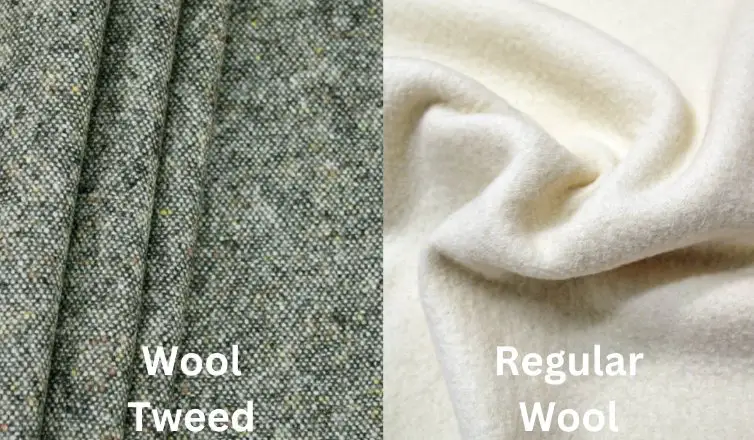
Wool tweed compared with regular wool fabric.
People often ask, “Which is better, wool or tweed?” This question reflects some confusion. Tweed IS wool – it’s a specific type of woolen fabric. The difference is in how it’s made. Regular wool refers to the fiber itself or smooth wool fabrics, while tweed is wool that’s been fiber-dyed and woven with specific techniques.
Think of it this way: all tweed is wool, but not all wool is tweed. Regular wool fabrics include everything from fine cashmere to smooth merino jersey. Tweed is specifically the rough, woven, multi-colored variety.
Tweed vs Cotton
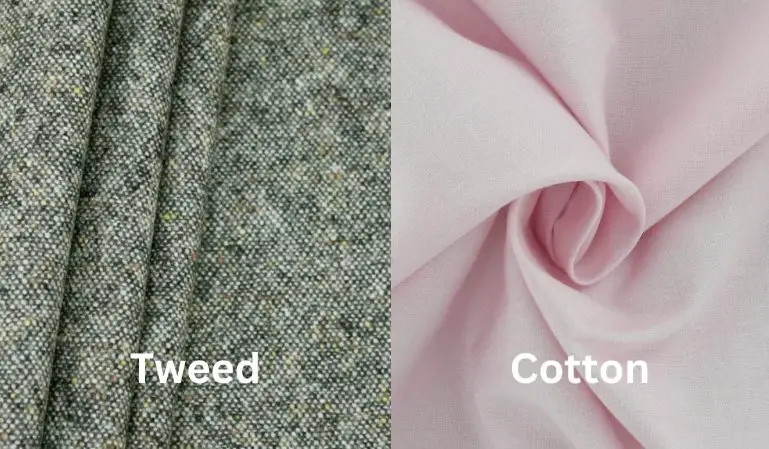
Tweed compared with cotton fabric for warmth and durability.
Cotton and tweed serve different purposes. Cotton is lighter, more breathable, and better for warm weather. Tweed provides superior warmth, water resistance, and durability for cold weather. Cotton is easier to care for but won’t last as long as quality tweed.
Tweed vs Flannel
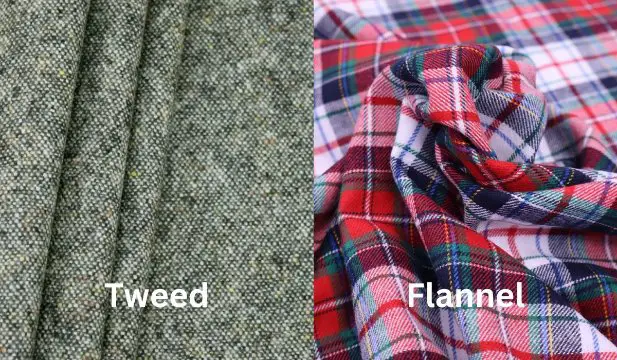
Comparing tweed and flannel for comfort and insulation.
Flannel is softer and more comfortable against skin than tweed, with a brushed surface. However, tweed is more durable, water-resistant, and structured. Flannel works better for shirts and pajamas, while tweed excels in outerwear and structured garments.
Tweed vs Synthetic Fabrics
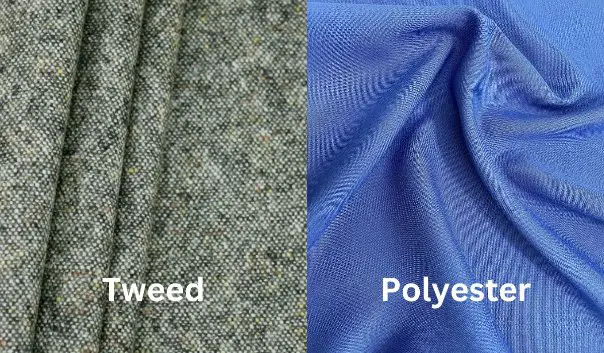
Tweed versus polyester fabric comparison.
Modern synthetics like polyester or nylon can be cheaper and easier to care for than tweed. However, they lack tweed’s natural breathability, unique appearance, and environmental benefits. Synthetics may also feel less comfortable and won’t develop the beautiful patina that tweed gains over time.
Sustainability and Environmental Impact

Why tweed is considered a sustainable fabric choice.
In an era of fast fashion and environmental concerns, tweed stands out as one of the most sustainable fabric choices available. Here’s why.
Natural and Renewable
Tweed is made from wool, which is completely natural and renewable. Sheep grow new fleece every year, making wool production sustainable indefinitely. Unlike petroleum-based synthetics that require oil extraction, wool is a renewable resource that has been harvested for thousands of years.
Biodegradable
When tweed finally reaches the end of its long life, it biodegrades naturally. Wool breaks down in soil or water within 1-5 years, with microorganisms consuming the natural fibers. Compare this to polyester, which takes 200+ years to decompose and releases microplastics as it breaks down.
A study by the Harris Tweed Authority shows that wool biodegrades readily both on land and in water, sustaining a continuous biological life cycle.
Low Environmental Impact Production
Traditional tweed production, especially handwoven varieties like Harris Tweed, has minimal environmental impact. The process uses significantly fewer chemicals than synthetic fabric production. Many mills now use natural dyes and eco-friendly processes.
Harris Tweed production is particularly sustainable, with a low-impact VOC (volatile organic compound) absorbent production process. The fabric is non-allergenic and fully biodegradable.
Longevity Reduces Waste
The most sustainable garment is one you don’t have to replace. Quality tweed garments can last 20-30 years or longer with proper care. This longevity means fewer resources used over time and less waste going to landfills.
Many tweed items become family heirlooms, passed down through generations. This dramatically reduces the per-year environmental cost compared to fast fashion items that might last only a season or two.
Supports Rural Communities
Tweed production, particularly in Scotland and Ireland, provides sustainable employment for rural communities. Harris Tweed production alone sustains specialist weaving skills throughout the remote Outer Hebrides, generating year-round employment through generations of islanders.
Carbon Footprint Considerations
While sheep farming does produce methane emissions, the overall carbon footprint of wool production is lower than synthetic fabrics when you factor in longevity and end-of-life disposal. Wool also sequesters carbon during the sheep’s lifetime.
Sustainable Fashion Choice
Choosing quality tweed over fast fashion alternatives is one of the most effective ways to reduce your fashion footprint. One quality tweed jacket that lasts 25 years has far less environmental impact than buying 10-15 cheaper synthetic jackets over the same period.
The Chanel Tweed Story
No discussion of tweed is complete without talking about Coco Chanel’s revolutionary contribution to tweed fashion. Her work transformed tweed from a masculine outdoor fabric into a symbol of feminine elegance.
The 1954 Revolution
In 1954, Coco Chanel introduced her first couture tweed jacket, forever changing women’s fashion. She took traditionally masculine Scottish tweed and reimagined it as a soft, elegant women’s suit jacket. This was revolutionary – women’s jackets at the time were typically stiff and uncomfortable.
Chanel’s innovation wasn’t just about using tweed; it was about how she used it. She worked with Scottish mills to create softer, more flexible tweeds specifically for women’s wear. She also developed the iconic Chanel bouclé tweed, which has a distinctive nubby texture different from traditional tweed.
The Linton Tweeds Partnership
Chanel partnered with Linton Tweeds, a Scottish mill, to develop her signature fabrics. This partnership continues today, with Linton supplying fabrics to Chanel and other luxury fashion houses. The collaboration resulted in tweeds that maintained the characteristic texture and durability while being softer and more suitable for tailored women’s garments.
Design Innovations
Chanel’s tweed jackets featured several innovations:
- Chain Weighting: A chain sewn into the hem helped the jacket hang properly and maintain its shape.
- Boxy Cut: The relaxed, boxy silhouette allowed freedom of movement while maintaining elegance.
- Braid Trim: Contrasting braid or ribbon trim finished edges and added visual interest.
- Four Pockets: Functional pockets were both practical and part of the design aesthetic.
- Collarless Design: Many Chanel tweed jackets feature a collarless neckline that’s become iconic.
Modern Chanel Tweed
Today, the Chanel tweed jacket remains one of fashion’s most coveted items. Each year, the house reimagines the classic design with new textures, colors, and details. Modern Chanel tweeds may incorporate sequins, ribbons, or even unconventional materials while maintaining the essential Chanel silhouette.
The influence extends beyond Chanel itself. Many designers create tweed pieces inspired by Chanel’s innovations, making elegant tweed jackets accessible at various price points.
Complete Tweed Care Guide
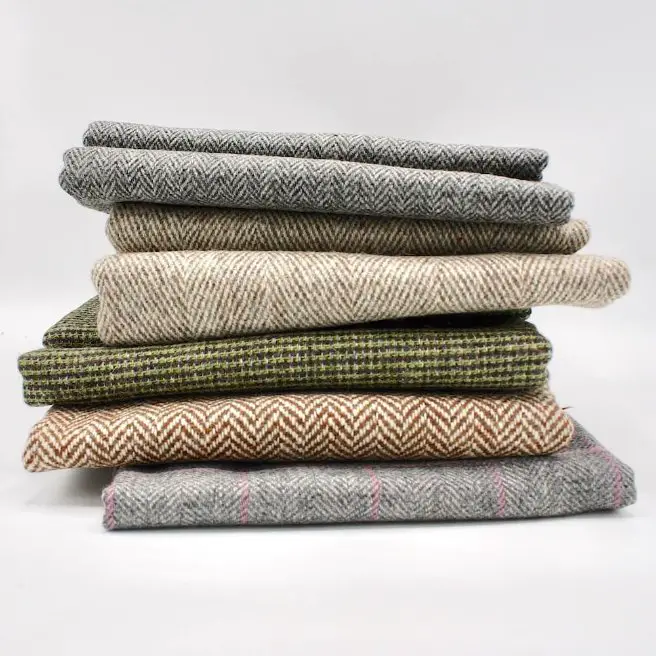
Tweed fabrics require proper care to maintain texture and durability.
Proper care ensures your tweed garments last for decades. Here’s everything you need to know about washing, storing, and maintaining tweed.
Can You Wash Tweed?
The answer depends on the garment’s construction. The tweed fabric itself is washable, but many tweed garments are NOT because of how they’re made.
Tweed Washing Decision Flowchart
(Jackets with interfacing, shoulder pads, or complex lining)
Why Structured Garments Can’t Be Washed
Men’s tweed jackets and tailored women’s jackets typically have interfacing, pad-stitched lapels, shoulder pads, and structured lining. When these get wet, they react differently than the outer tweed fabric. Even tiny differences in shrinkage between the tweed and lining cause puckering and distortion. Soggy wadding will never create flat, flattering lapels or sculpted shoulders.
Hand Washing Unstructured Tweed
For simple tweed items like skirts, scarves, or unlined throws, hand washing is possible. Here’s how:
- Check the Label: Always check the care label first. Some tweeds have specific instructions.
- Prepare Cool Water: Fill a basin with cool water (30°C/86°F maximum). Hot water causes shrinkage.
- Add Gentle Detergent: Use wool-safe liquid detergent or baby shampoo. Never use powder detergent or harsh chemicals. About 1 tablespoon per gallon of water is sufficient.
- Submerge and Soak: Gently submerge the item and let it soak for up to 30 minutes.
- Gentle Swishing: Lightly swish the garment through the water. Don’t wring, rub, or stretch the fabric.
- Rinse Thoroughly: Drain and refill with clean cool water. Rinse until all detergent is removed (may take 2-3 rinses).
- Remove Excess Water: Press water out gently. Roll in a clean towel to absorb moisture. Never wring or twist.
- Shape and Dry: Lay flat on a dry towel, reshape to original dimensions, and air dry away from direct heat or sunlight. Heavy tweed should always be dried flat. Lighter jackets can hang on sturdy hangers.
Does Tweed Shrink When Washed?
Yes, tweed can shrink significantly if washed incorrectly. Hot water and agitation cause the most shrinkage. Always use cool water and minimal agitation. Proper hand washing as described above minimizes shrinkage risk. However, some shrinkage is possible even with careful washing, which is why dry cleaning is often recommended.
Dry Cleaning Tweed
For structured garments, dry cleaning is the safest option. Professional dry cleaners use gentle solvents that lift dirt without soaking the fibers. When dry cleaning tweed:
- Choose a reputable dry cleaner experienced with wool
- Point out any stains so they can be pre-treated
- Don’t dry clean too frequently – it’s harsh on fabric over time
- Air garments after dry cleaning to release chemical odors
Steaming Tweed at Home
If your tweed jacket is wrinkled or just needs freshening but isn’t dirty, steaming is your best option. Steaming doesn’t clean the fabric but it lifts yarn, removes creases, kills bacteria, and eliminates odors.
Use a handheld steamer or hold the garment near (not touching) a steam iron. Steam lightly while the jacket hangs on a sturdy wooden hanger. After steaming, let it hang for 15-20 minutes, then lay flat and gently smooth with your hands to reshape.
Spot Cleaning Stains
For small stains, spot cleaning saves you a trip to the dry cleaner:
- Place a dry cloth or paper towel under the stained area to catch moisture
- Dab (don’t rub) the stain with a damp cloth and mild wool detergent
- Blot with a clean, damp cloth to rinse
- Press dry with a towel
- Air dry completely
For stubborn stains or delicate garments, take them to a professional cleaner.
Storing Tweed
Proper storage protects your investment:
- Clean Before Storage: Always clean items before long-term storage. Fresh stains oxidize and become permanent.
- Brush First: Use a clothes brush to remove dust and particles. Brush against the nap of the fabric with wide strokes.
- Climate Control: Store in a climate-controlled environment with 40-50% relative humidity. Too dry causes brittleness; too humid encourages mildew.
- Airtight Bags: Use breathable garment bags or airtight containers to prevent dust and moth exposure.
- Moth Protection: Add cedar blocks or lavender sachets. Moths love wool.
- Proper Hanging: Use sturdy wooden or padded hangers to prevent creasing and shoulder dimples. Never use wire hangers.
- Fold Heavy Items: Very heavy coats can stretch on hangers. Fold these and store flat if possible.
What Happens if Tweed Gets Wet?
Tweed is naturally water-resistant thanks to lanolin in the wool and its tight weave. Light rain will bead up and roll off. However, if tweed gets soaked:
- Remove immediately and hang in a well-ventilated area
- Gently press out excess water with a towel (don’t wring)
- Shape the garment properly and let it air dry away from direct heat
- Never put wet tweed in a dryer or near a radiator
- Once dry, brush to restore texture
While tweed can handle getting wet, repeated soaking isn’t good for it. The water-resistance comes from lanolin, which gradually washes out over time.
Ironing Tweed
Avoid ironing tweed if possible. The heat can flatten the texture. If you must iron:
- Use the lowest heat setting (wool setting)
- Always use a pressing cloth between the iron and fabric
- Press lightly; don’t slide the iron
- Iron the reverse side when possible
- Never iron directly on the face of the fabric
Care Tips Summary
- Structured garments: Dry clean or steam only
- Simple items: Hand wash in cool water if needed
- Use wool-safe detergent, never harsh chemicals
- Air dry flat, away from heat
- Store with moth protection in climate-controlled space
- Steam instead of iron when possible
- Brush regularly to maintain appearance
Want more detailed guidance? Check out our complete wool care guide for additional tips on caring for all types of wool fabrics.
Modern Uses and Applications
Tweed has evolved far beyond its origins as Scottish shepherd wear. Today, you’ll find it in everything from high fashion to home decor.
Fashion and Clothing
Jackets and Blazers: This remains tweed’s most iconic use. Sport coats, blazers, and hunting jackets showcase tweed’s texture and durability. The classic tweed jacket works for both casual and semi-formal occasions.

How to style a tweed jacket for the modern wardrobe.
Suits: Full tweed suits offer a distinguished alternative to standard wool suits. Perfect for autumn weddings, country events, or anyone wanting to make a statement. More casual than worsted wool suits but still sophisticated.
Outerwear: Overcoats, car coats, and pea coats in heavier tweeds provide excellent protection from cold and wind. The natural water resistance makes tweed outerwear practical for unpredictable weather.
Trousers and Skirts: Tweed trousers offer texture and visual interest compared to standard dress pants. Skirts in lighter-weight tweeds work for both professional and casual settings.
Vests and Waistcoats: A tweed vest adds depth to outfits and provides an extra layer of warmth. Popular in both traditional menswear and modern women’s fashion.
Accessories: Caps and flat caps (traditional Irish and British styles), scarves and ties, bags and purses, gloves, and even shoes incorporate tweed for texture and style.
Who Wears Tweed?
Tweed appeals to a surprisingly diverse group. Traditionally associated with academics, country gentlemen, and British aristocracy, today’s tweed wearers include:
- Fashion enthusiasts who appreciate quality and heritage
- Outdoor enthusiasts for hunting, shooting, and fishing
- Professionals seeking alternative business casual attire
- Sustainability-focused consumers choosing natural, long-lasting fabrics
- Young people drawn to vintage and heritage fashion
- Anyone living in cold climates who needs warm, durable outerwear
Interior Design and Home Decor
Tweed’s durability makes it excellent for home use:
- Upholstery: Chairs, sofas, and ottomans covered in tweed are both stylish and practical. The fabric stands up well to daily use.
- Cushions and Throws: Accent pillows and throws in tweed add texture and warmth to living spaces.
- Curtains: Heavy tweed curtains provide insulation and create a cozy, traditional atmosphere.
- Wall Panels: Some designers use tweed as wall covering for texture and sound absorption.
Seasonal Considerations
Is Tweed Only for Winter? Not at all! While tweed excels in cold weather, lighter-weight tweeds (8-10 oz) work well for spring and fall. Some people even wear lightweight tweed in summer for evening events or air-conditioned spaces.
How Warm is Wool Tweed? Very warm. The combination of wool’s natural insulation and tweed’s tight weave traps air effectively. A medium-weight tweed jacket provides warmth comparable to a heavy sweater but with better wind protection.
Buying Guide and Pricing
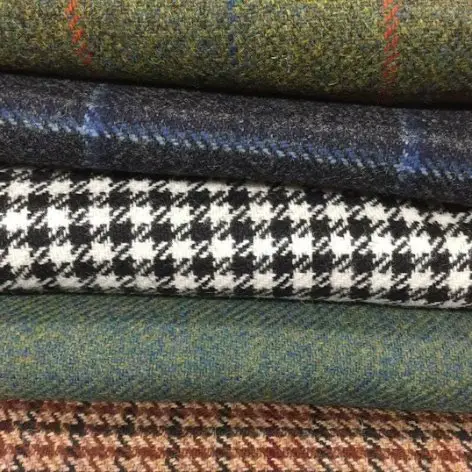
Understanding tweed quality, patterns, and pricing.
Is Tweed an Expensive Fabric?
Tweed ranges from moderate to expensive, depending on type and quality. Here’s what you can expect to pay:
| Tweed Type | Price Range (per yard) | Jacket Price Range |
|---|---|---|
| Machine-woven standard tweed | $30-$80 | $200-$500 |
| Quality mill-woven tweed | $80-$150 | $500-$1,200 |
| Harris Tweed (authentic handwoven) | $150-$250 | $800-$2,000+ |
| Designer tweeds (Linton, Chanel-style) | $200-$400+ | $1,500-$5,000+ |
Why is Tweed So Expensive?
Several factors contribute to tweed’s price:
- Natural Fibers: Quality wool costs more than synthetic materials. Natural fibers require careful farming, processing, and handling.
- Labor-Intensive Production: The fiber-dyeing and weaving process takes time and skill. Handwoven tweeds like Harris require significant manual labor.
- Limited Production: Many high-quality tweeds are produced in small batches by specialized mills, not mass-produced.
- Heritage and Branding: Protected designations like Harris Tweed and partnerships with luxury brands add value.
- Durability: You’re paying for a fabric that will last 20-30 years, not just a season.
Is Tweed More Expensive Than Regular Wool?
Generally, yes. The specialized production process for tweed makes it pricier than smooth wool fabrics of similar quality. However, tweed’s durability and unique characteristics often make it worth the investment.
Value for Money
Consider cost-per-wear when evaluating tweed’s price. A $1,200 tweed jacket worn 50 times per year for 20 years costs just $1.20 per wear. Compare this to a $200 synthetic jacket that lasts 3 years (50 wears per year): that’s $1.33 per wear, plus the environmental cost of replacement.
Where to Buy Quality Tweed
For fabric by the yard:
- Scottish mills (many sell directly online)
- Specialty fabric stores
- Online fabric retailers
- Look for quality wool and cashmere fabrics from reputable suppliers
For finished garments:
- Heritage menswear brands
- British and Irish retailers specializing in country wear
- Vintage and consignment shops (often great deals on quality tweed)
- Custom tailors (for perfect fit)
Red Flags When Shopping
- Prices far below market rate (likely low quality or synthetic blend)
- Vague descriptions like “tweed-style” or “tweed-inspired”
- No fiber content information
- Very thin, flimsy fabric labeled as tweed
- Uniform, flat coloring with no depth
Common Tweed Myths Debunked
Let’s clear up some widespread misconceptions about tweed.
Myth: Tweed is Only for Old People
Reality: This outdated stereotype ignores tweed’s current popularity across all age groups. Fashion brands regularly feature tweed in youth-oriented collections. Gen Z and millennials embrace tweed as part of the vintage and sustainable fashion movements. The key is choosing modern cuts and styling.
Myth: Tweed is Too Warm for Spring/Summer
Reality: Lightweight tweeds (8-10 oz) work perfectly for cooler spring and fall days. Some people wear them for summer evening events. Wool’s breathability actually helps regulate temperature better than many synthetics.
Myth: All Tweed is Itchy
Reality: Quality tweed made from fine wool (like Saxony tweed from merino) can be quite comfortable. The itchiness comes from coarse fibers in lower-quality tweeds. You can also wear tweed over shirts or sweaters if texture is a concern.
Myth: All Tweed is the Same
Reality: Huge differences exist between tweed types. Harris Tweed differs significantly from Donegal, which differs from Saxony. Weight, weave, pattern, and wool quality all vary. Each has unique characteristics and best uses.
Myth: Tweed Can’t Get Wet
Reality: Tweed is naturally water-resistant and handles light rain well. It won’t be damaged by getting wet, though it takes time to dry. Just avoid submerging structured garments and always air dry properly.
Myth: Tweed Looks Too Formal
Reality: Tweed is actually less formal than smooth worsted wool. It’s considered country casual rather than business formal. A tweed jacket pairs perfectly with jeans, corduroys, or casual chinos.
Is Wool Tweed Good?
Yes, absolutely. Wool tweed is one of the best fabric choices when you need durability, warmth, and weather resistance. Its natural properties, sustainability, and timeless style make it an excellent investment. The only considerations are whether you need its specific properties and whether you’re willing to invest in quality.
Is Tweed Still Fashionable Today?
Very much so. Tweed appears regularly in fashion shows, celebrity wardrobes, and street style. The sustainable fashion movement has renewed interest in durable, natural fabrics like tweed. Modern designers reinterpret tweed in fresh ways while respecting its heritage. It’s not a trend piece – it’s a classic that never truly goes out of style.
Frequently Asked Questions
Conclusion
Wool tweed fabric represents something increasingly rare in today’s fashion world: a material that combines beauty, durability, and sustainability without compromise. From its origins in the Scottish Highlands to modern fashion runways, tweed has proven its timeless appeal and practical value.
What makes tweed special isn’t just one quality but the combination of many. Its unique fiber-dyed appearance creates depth that synthetic fabrics can’t match. Its durability means one quality piece can last decades, reducing both your spending and environmental impact. Its natural water resistance and warmth make it genuinely functional, not just stylish.
Key Takeaways
For Fashion Enthusiasts: Tweed offers timeless style with modern versatility. Don’t let outdated stereotypes prevent you from exploring this fabric. Modern tweeds come in various weights and styles suitable for any age and fashion preference.
For DIY Sewers: Understanding fabric weight and type helps you choose the right tweed for your project. Lightweight tweeds (8-12 oz) work for summer jackets and skirts, while heavyweight options (16-20+ oz) excel in outerwear. Always check if your tweed is suitable for your skill level and intended use.
For Sustainable Fashion Advocates: Tweed is one of the most eco-friendly fabric choices available. It’s renewable, biodegradable, supports traditional crafts, and lasts long enough to truly be sustainable. One quality tweed jacket replacing multiple fast-fashion pieces is a real environmental win.
For Value Shoppers: While tweed costs more upfront, the cost-per-wear over decades makes it economically smart. A $1,000 Harris Tweed jacket worn 1,000 times over 20 years costs just $1 per wear – better value than cheaper alternatives that need frequent replacement.
Making Your Purchase Decision
When shopping for tweed:
- Consider your primary use case (fashion, outdoor wear, professional)
- Match weight to season and purpose
- Feel the fabric – quality tweed has substance and springiness
- Check for authenticity marks (Orb for Harris Tweed)
- Buy the best quality you can afford – it pays off long-term
- Consider vintage options for great quality at lower prices
Care and Maintenance Reminder
Protect your investment with proper care:
- Dry clean structured garments; hand wash simple items if needed
- Steam instead of iron when possible
- Store with moth protection in climate-controlled space
- Brush regularly to maintain appearance
- Address stains promptly with spot cleaning
The Bottom Line
Wool tweed fabric isn’t perfect for every situation. It’s not suitable for hot summer days, athletic activities, or when you need stretch fabrics. Some people find its texture uncomfortable against bare skin.
But for what it does well – providing durable, warm, weather-resistant, stylish clothing that lasts for decades – tweed has few equals. It’s a fabric that rewards investment, both financially and in terms of learning to appreciate quality craftsmanship.
Whether you’re buying your first tweed jacket, sewing a tweed skirt, or simply exploring fabric options, understanding this remarkable material helps you make informed choices. In a world of fast fashion and disposable clothing, tweed stands as proof that some things really are worth doing right.
The next time you see a vintage tweed jacket at a thrift store or consider splurging on Harris Tweed, remember: you’re not just buying fabric. You’re investing in a piece of textile history, supporting traditional crafts, making a sustainable choice, and acquiring something that could last the rest of your life.
That’s the magic of wool tweed fabric.
Ready to Work with Tweed?
Check out our Wool Type Selector Quiz to find the perfect wool fabric for your needs, or use our Fabric Yardage Calculator to plan your next tweed project.