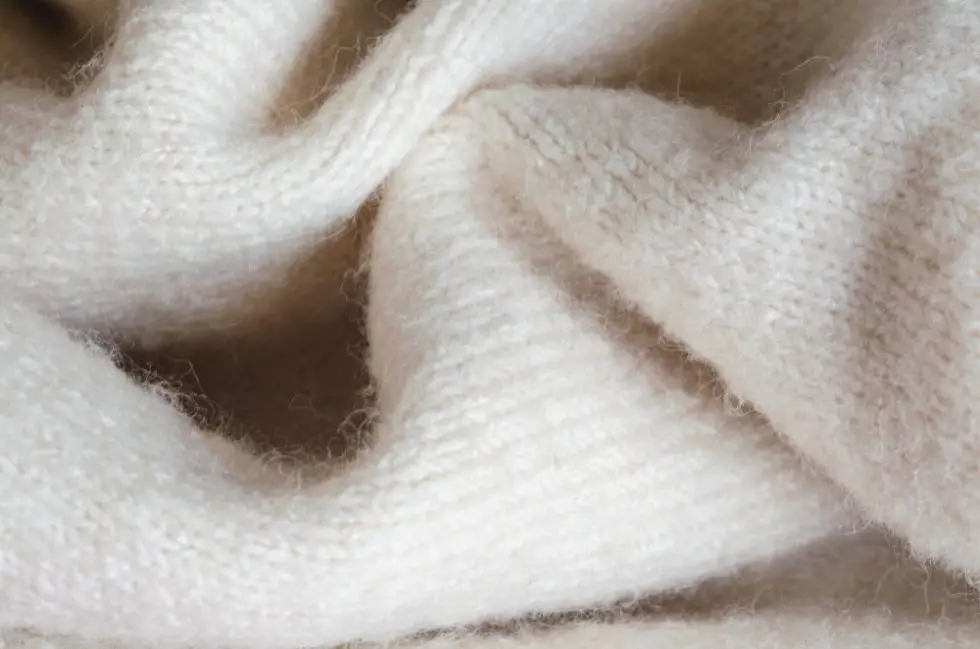

Discover the lightweight luxury of wool’s best-kept secret for year-round wear
When you think of wool fabric, your mind probably jumps to thick winter sweaters and heavy coats. But what if I told you there’s a type of wool so light and airy that you can wear it in summer? Meet wool gauze, the fabric that’s turning everything you thought you knew about wool upside down.
Wool gauze is one of those rare materials that seems to break all the rules. It’s warm but breathable. It’s delicate but surprisingly strong. It drapes beautifully yet holds its shape. For home sewers, fashion designers, and fiber artists alike, this fabric opens up possibilities that most people never knew existed.
What is Wool Gauze?
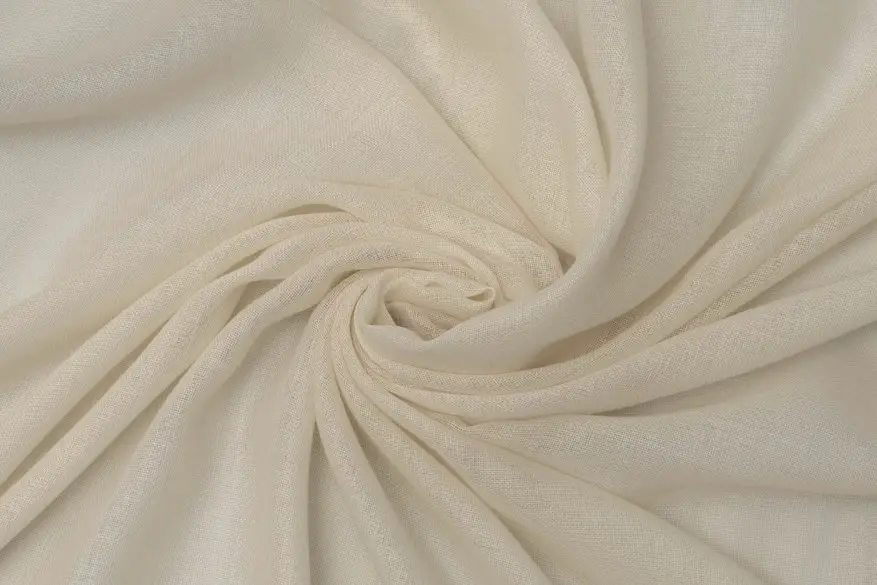
Wool gauze is a lightweight, open-weave fabric made from wool fibers. Unlike typical sheep wool fabrics that feel heavy and dense, wool gauze uses a special weaving technique that creates an airy, semi-sheer material with unique properties.
The Technical Definition
In technical terms, gauze refers to a specific weave structure where the weft yarns (the horizontal threads) are arranged in pairs and crossed before and after each warp yarn (the vertical threads). This crossing action keeps the threads firmly in place while maintaining an open, breathable weave.
Think of it like a safety net. The threads are spaced apart, but the way they interlock makes the whole fabric surprisingly stable. This weave structure was originally developed to add stability to fine, delicate yarns that would otherwise be too weak on their own.
Wool gauze typically uses worsted wool, which means the fibers are combed and spun into smooth, fine yarns. This is different from woolen yarn, which is fuzzier and bulkier. The result is a fabric that’s thin enough to see through but still retains wool’s natural warmth and comfort.
What Does Gauze Fabric Feel Like?
The first time you touch quality wool gauze, it might surprise you. Instead of the scratchy feeling many people associate with wool, it feels soft and smooth against your skin. The texture is light and slightly crisp, with a subtle spring to it. It’s not slippery like silk or stiff like linen fabric, but somewhere in between.
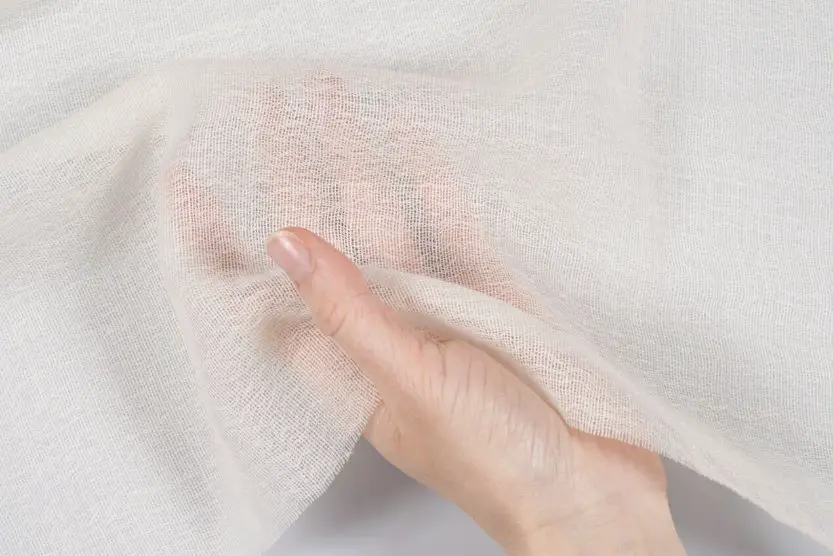
When you hold wool gauze up to the light, you can see through it, but it’s not completely transparent. The open weave creates an interesting visual texture, and the fabric has a gentle drape that makes it flow beautifully when you move.
Quick Fact: High-quality wool gauze made from fine merino or cashmere blends can feel as soft as a cloud. If the wool gauze you’re looking at feels scratchy, it’s either lower quality or needs proper washing to soften up.
The Fascinating History of Gauze
Ancient Origins in Gaza
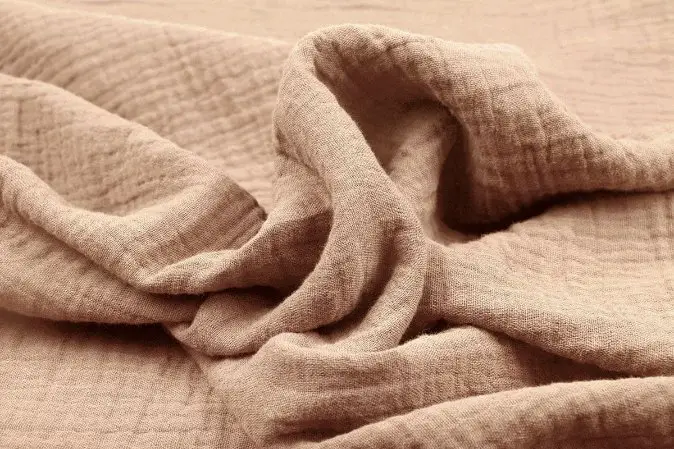
The word “gauze” itself has a rich history that connects us to ancient textile traditions. Most scholars believe the term comes from Gaza, the Palestinian city that was famous for producing fine fabrics as early as the 13th century. The Arabic word “qazz” means silk, and Gaza was a major center for weaving both silk and wool and cashmere blends.
In medieval times, a special fabric called “gazzatum” was exported from Gaza to Europe. This fabric was a mix of silk and wool, woven into a thin, almost transparent material. It was used for clothing, veils, and even medical dressings. Despite religious prohibitions against trading with non-Christians, this beautiful fabric found its way into European markets, where it became known as “gaze” in French and eventually “gauze” in English.
From Luxury to Practical Use
Originally, gauze fabrics were luxury items. They were expensive to produce and mainly worn by wealthy individuals. Over time, as weaving techniques improved and became more widespread, gauze found practical applications in medicine, where its breathable, absorbent qualities made it perfect for wound care.
Wool gauze specifically had an important place in historical fashion. In the 18th and 19th centuries, when silk was expensive and synthetic fabrics hadn’t been invented yet, wool gauze provided a lightweight alternative for dressmaking. Women used it for summer dresses, veils, shawls, and other garments that needed to be both elegant and comfortable in warm weather.
According to Encyclopedia Britannica, gauze has been used throughout history for both practical and decorative purposes, demonstrating its lasting value across cultures and centuries.
Modern Revival
Today, wool gauze is experiencing a comeback in luxury fashion. Designers like Chloé have featured Italian wool gauze in their collections, showing how this traditional fabric can look contemporary and sophisticated. The fabric’s ability to work across seasons makes it appealing for modern wardrobes focused on versatility and sustainability.
Why Wool Gauze is Special: Unique Properties
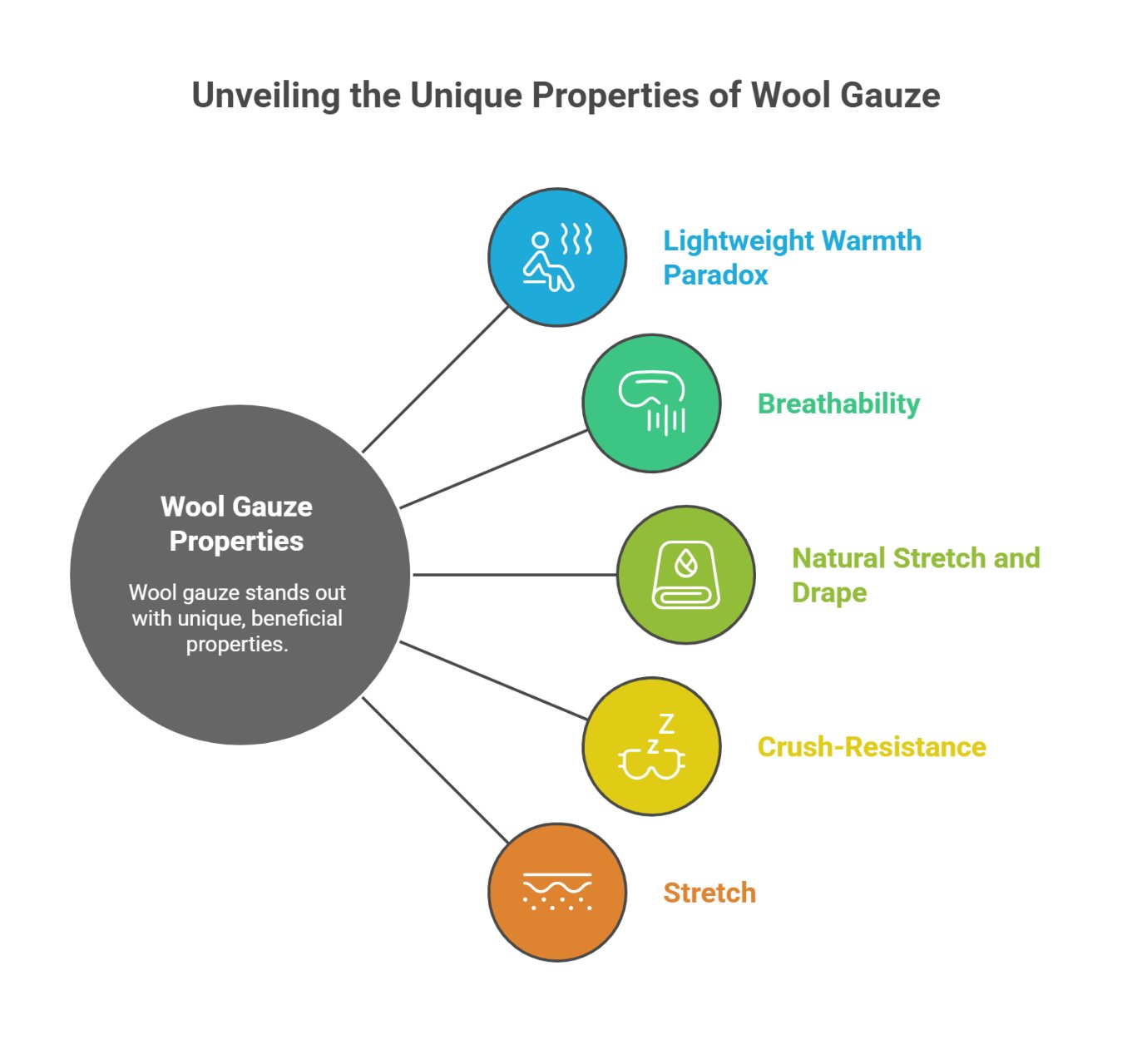
Wool gauze has some qualities that make it stand out from other fabrics, even other types of wool. These properties explain why it’s worth seeking out for specific projects.
The Lightweight Warmth Paradox
This is the quality that surprises people most. How can something so thin and see-through keep you warm? The answer lies in wool’s natural structure. Wool fibers have tiny air pockets that trap heat close to your body. Even in a lightweight gauze weave, these properties remain active.
Unlike synthetic fabrics that can feel clammy when you’re active, wool gauze breathes. It wicks moisture away from your skin and regulates temperature naturally. This means you stay comfortable whether you’re sitting still or moving around.
Is Gauze Fabric Warm?
Yes, but in a different way than you might expect. Wool gauze won’t keep you as warm as a thick merino wool sweater, but it provides more warmth than you’d think for such a lightweight fabric. It’s perfect for layering, spring and fall wear, or even cool summer evenings. The warmth comes without weight, which is the real magic.
Breathability Despite Being Wool
The open weave structure allows air to circulate freely through the fabric. This breathability is what makes wool gauze wearable in warmer weather. You get the benefits of wool’s moisture management and temperature regulation without feeling hot or stuffy.
Natural Stretch and Drape
Wool fibers have natural elasticity. When woven into gauze, this creates a fabric with gentle give and recovery. It’s not stretchy like jersey knit, but it has enough flexibility to move comfortably with your body. The drape is soft and flowing without being limp or clingy.
Crush-Resistance
Here’s a practical benefit that travelers love: wool gauze resists wrinkles naturally. You can pack a wool gauze garment in a suitcase, and it will come out looking fresh with minimal creasing. A quick steam or even just hanging it up for a few hours will smooth out any wrinkles that do form.
Does Gauze Fabric Stretch?
Yes, but not dramatically. Wool gauze has what’s called “mechanical stretch” from its weave structure, plus the natural give of wool fibers. It will stretch slightly when pulled but returns to its original shape. This is different from fabrics with added spandex, which have much more stretch.
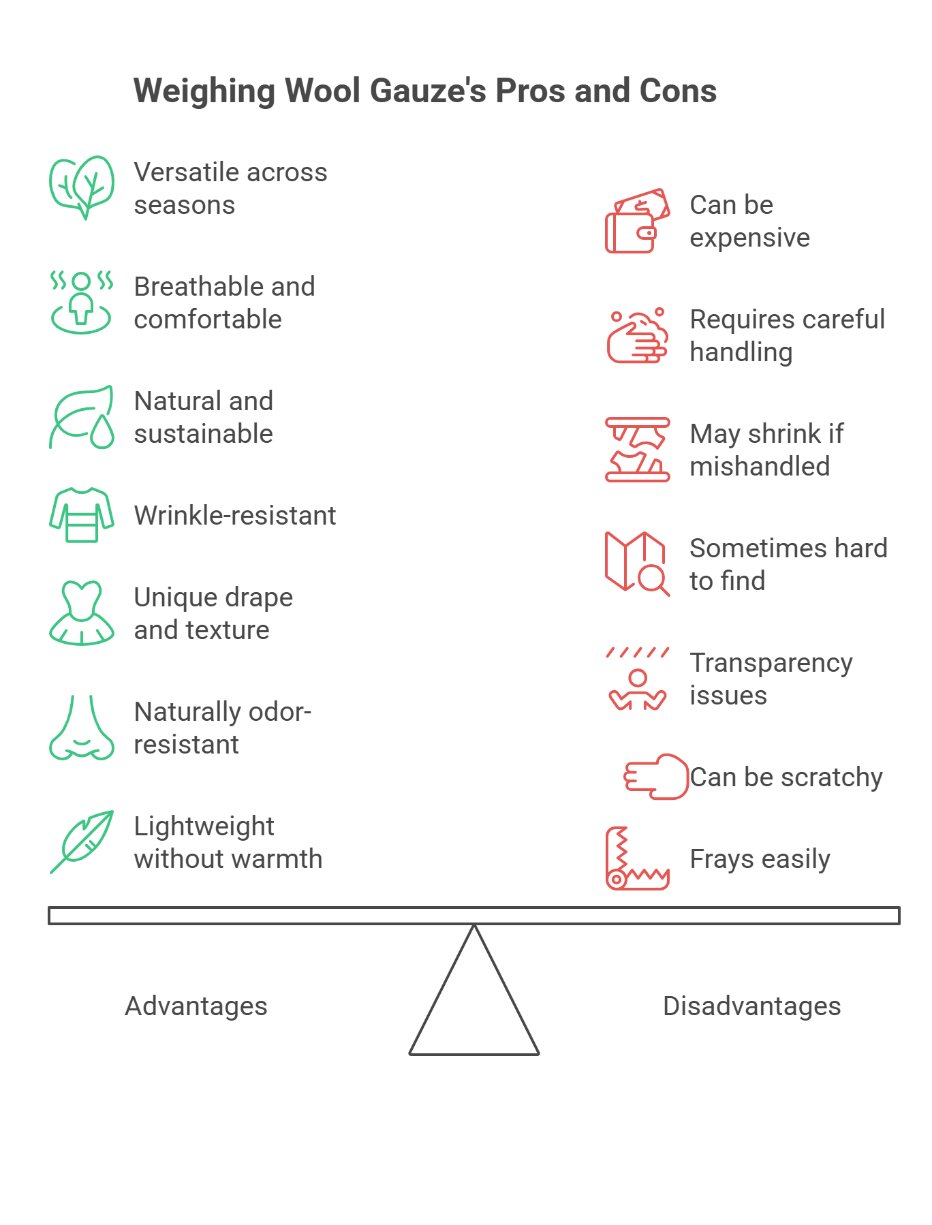
Advantages and Disadvantages of Wool Gauze
Like any fabric, wool gauze has its strengths and limitations. Understanding both will help you decide if it’s right for your project.
Advantages
- Versatile across seasons: Can be worn spring through fall, and even layered in winter
- Breathable and comfortable: Doesn’t trap heat or moisture like synthetic fabrics
- Natural and sustainable: Biodegradable, renewable resource
- Wrinkle-resistant: Great for travel and busy lifestyles
- Unique drape and texture: Creates interesting, elegant garments
- Naturally odor-resistant: Wool resists bacteria that cause smells
- Dyes beautifully: Takes color well for vibrant results
- Lightweight without sacrificing warmth: Perfect for layering
Disadvantages
- Can be expensive: Quality wool gauze costs more than cotton alternatives
- Requires careful handling: Hand washing or dry cleaning often needed
- May shrink if mishandled: Improper washing can felt the fabric
- Sometimes hard to find: Not as widely available as other fabrics
- Transparency issues: Often requires lining for opacity
- Can be scratchy: Lower quality versions may irritate sensitive skin
- Frays easily: The open weave means edges need finishing
- Not suitable for all projects: Too delicate for heavy-duty wear
What Are the Disadvantages of Wool Fabric in General?
Beyond wool gauze specifically, wool as a material has some general drawbacks to consider. It can be more expensive than cotton fabric or synthetics. Some people are allergic to wool or find it irritating. Wool requires more careful care than many other fabrics and can shrink dramatically if washed incorrectly. It’s also vulnerable to moth damage if not stored properly.
However, many of these disadvantages are offset by wool’s benefits: durability, natural temperature regulation, moisture-wicking properties, and environmental sustainability.
Wool Gauze vs Other Fabrics
Understanding how wool gauze compares to similar fabrics helps you make the right choice for your project.
Wool Gauze vs Cotton Gauze
This is probably the comparison people ask about most. Both are lightweight, open-weave fabrics, but they feel and perform differently.
| Feature | Wool Gauze | Cotton Gauze |
|---|---|---|
| Warmth | Warmer despite being lightweight | Cool, no warmth retention |
| Drape | Flowing with body and structure | Very soft, can be limp |
| Wrinkling | Wrinkle-resistant | Wrinkles easily |
| Price | More expensive ($20-50/yard) | Affordable ($8-15/yard) |
| Care | Hand wash or dry clean | Machine washable |
| Season | Three-season wear | Summer only |
| Absorbency | Moisture-wicking | Highly absorbent |
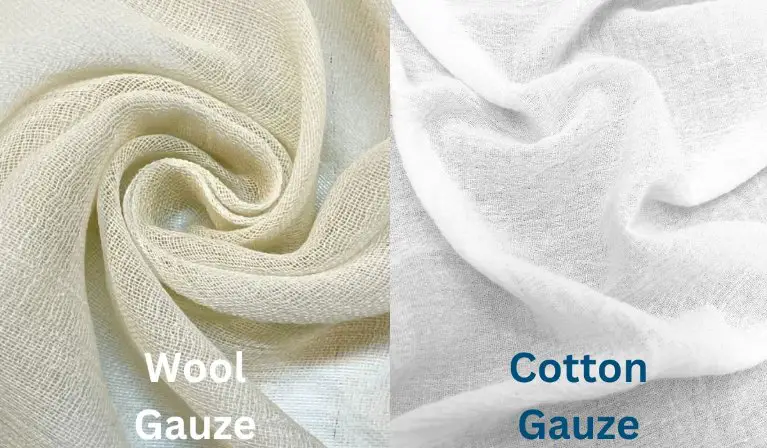
If you’re deciding between the two, consider the season and purpose. Cotton voile or cotton gauze is perfect for hot summer clothing when you want maximum coolness. Wool gauze is better for transitional seasons, layering pieces, and garments that need to work across different temperatures.
Is Gauze Better Than Cotton?
Neither is objectively “better.” They serve different purposes. Cotton gauze is better for very hot weather, medical applications (due to absorbency), and situations where machine washability matters. Wool gauze is better for year-round wear, travel clothing, and when you want the benefits of natural temperature regulation.
What is the Difference Between Gauze and Muslin Fabric?
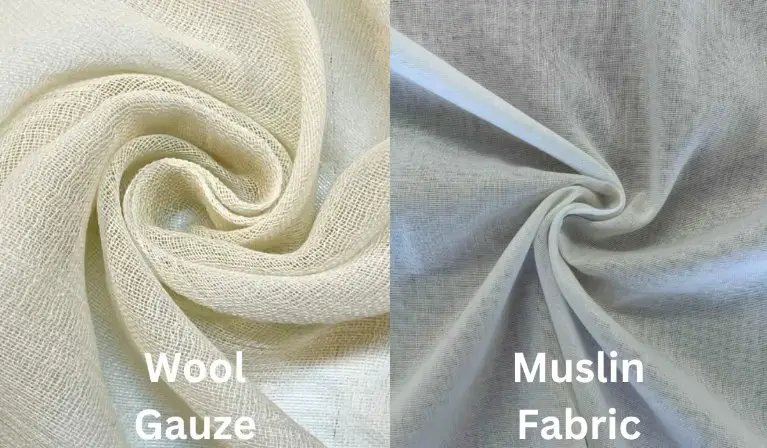
This question comes up a lot because these terms are sometimes used interchangeably, which can be confusing. Technically, they’re different:
Gauze refers to a specific weave structure where threads are crossed to create stability in an open weave. The fabric can be made from wool, cotton, silk, or other fibers.
Muslin traditionally refers to a plain-weave cotton fabric that’s finely woven. In wool, “wool muslin” usually means a very fine, plain-weave wool that’s lightweight and may look similar to gauze.
The confusion happens because some wool gauze is marketed as “wool muslin,” and in some regions, the terms are used interchangeably for lightweight, fine fabrics. True wool gauze has the characteristic crossed-thread weave, while wool muslin has a standard plain weave.
Wool Gauze vs Wool Voile
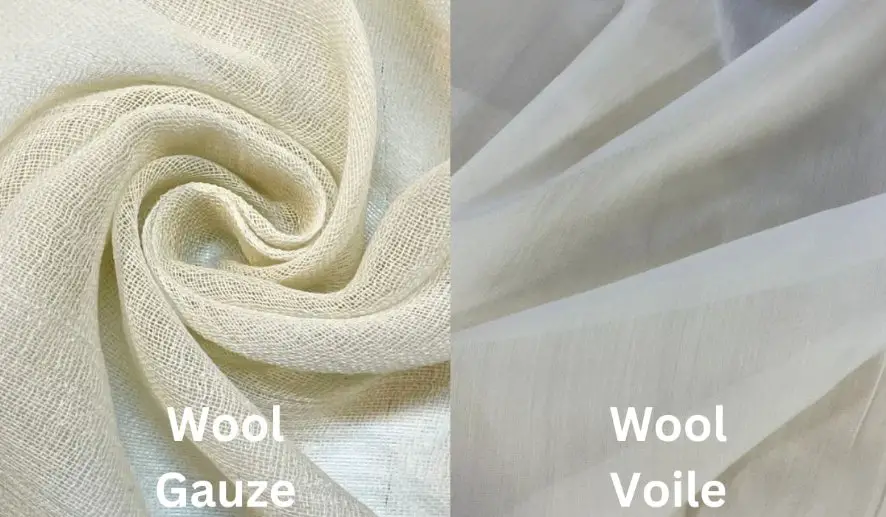
Wool voile is another lightweight wool fabric that’s often confused with gauze. Here’s how they differ:
- Weave: Voile uses a plain weave with tightly twisted yarns, while gauze uses the crossed-thread gauze weave
- Texture: Voile is smoother and more uniform; gauze has more visible texture
- Stability: Gauze tends to be more stable and less prone to distortion
- Opacity: Voile can be more sheer; gauze varies depending on how tightly it’s woven
Both are excellent for similar projects, and the choice often comes down to personal preference and availability.
What is the Difference Between Linen and Gauze Fabric?
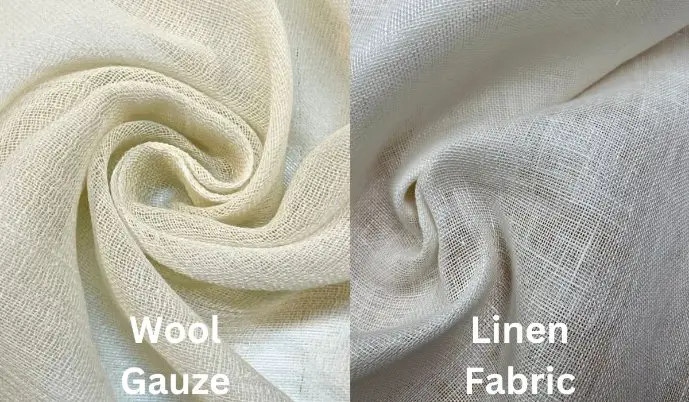
Linen and gauze are quite different, though both can be lightweight and breathable:
- Fiber source: Linen comes from flax plants; wool gauze comes from sheep
- Texture: Linen is crisp and textured with natural slubs; wool gauze is softer and smoother
- Warmth: Linen is cooling; wool gauze provides insulation
- Wrinkling: Linen wrinkles very easily; wool gauze resists wrinkles
- Drape: Linen holds its shape and can be structured; wool gauze drapes more fluidly
For summer wear in very hot climates, linen wins. For versatility across seasons, wool gauze is the better choice.
Is Gauze Similar to Linen?
Not really. While both can be used for lightweight clothing and home goods, they’re fundamentally different materials with different properties. The main similarity is that both are natural fibers that breathe well.
Pro Tip: Use our Wool Type Selector Quiz to help determine if wool gauze is the right fabric for your specific project needs.
Double Gauze Explained
You might come across “double gauze” in your search. This is two layers of gauze fabric woven together with tiny, almost invisible connecting threads. Double gauze is:
- More opaque than single gauze
- Softer and more substantial to touch
- Still breathable but with more structure
- Popular for baby clothing and quilts
Double gauze is most commonly made from cotton, but wool double gauze does exist. It’s harder to find and more expensive but offers unique qualities.
Does Double Gauze Fabric Shrink?
Yes, especially if it’s made from natural fibers like cotton or wool. Double gauze should always be pre-washed before sewing to account for shrinkage, which can be 5-10% in both length and width.
How to Spot Quality Wool Gauze

Not all wool gauze is created equal. Here’s how to tell if you’re looking at high-quality fabric or something that will disappoint you.
Quality Indicators
- Fiber length: Quality wool gauze uses long-staple fibers (like merino) that create smooth, strong yarns
- Softness: Should feel soft to touch, not scratchy or coarse
- Even weave: Look for consistent spacing and no thin spots
- Thread count: Higher thread count within the gauze structure means better quality
- Color consistency: Should have even color with no blotches or variations
- Selvage edges: Clean, finished selvages indicate proper manufacturing
- Weight: Should feel substantial despite being lightweight, not flimsy
- Recovery: When you gently stretch it, it should spring back to shape
Price as a Quality Indicator
You generally get what you pay for with wool gauze. Here’s a rough price guide:
- Basic quality: $15-25 per yard. Suitable for practice projects or items that won’t get heavy wear
- Mid-range: $25-40 per yard. Good quality for garments, decent drape and feel
- Premium: $40-60+ per yard. Italian wool gauze, designer deadstock, or specialty blends with cashmere
The most expensive isn’t always necessary for your project, but anything under $15 per yard is likely to be disappointing in terms of quality.
Italian vs. Other Origins
Italian wool gauze has a reputation for being the best, and there’s some truth to this. Italian textile mills have centuries of experience and often use higher-quality wool and more refined weaving techniques. However, excellent wool gauze also comes from Japan, India (especially Himalayan regions), and even some US manufacturers.
What matters more than origin is the specific mill and their standards. A well-made wool gauze from a reputable mill in any country will outperform a cheap Italian version.
Sustainability and Ethics
If you care about the environmental and social impact of your fabric choices, wool gauze has several points in its favor.
Environmental Benefits
Wool is a renewable resource. Sheep grow new fleece every year, making wool production sustainable when managed properly. Unlike synthetic fabrics derived from petroleum, wool is completely biodegradable. When a wool garment reaches the end of its life, it will break down naturally without leaving microplastics in the environment.
Wool also requires less frequent washing than many other fabrics because of its natural odor resistance. This saves water and energy over the garment’s lifetime. The durability of quality wool gauze means items last longer, reducing the need for replacement.
Ethical Considerations
The main ethical concern with wool is animal welfare. Look for certifications that indicate higher welfare standards:
- ZQ Merino: Ensures high animal welfare, environmental, and social standards
- Responsible Wool Standard (RWS): Addresses animal welfare and land management
- Non-mulesed wool: Avoids the controversial practice of mulesing
- Organic wool: Sheep raised without synthetic pesticides or hormones
Some wool gauze comes from small, traditional producers who maintain sheep using sustainable, traditional methods. Himalayan wool gauze, for example, often comes from family farms with long histories of ethical animal husbandry.
Carbon Footprint
According to research highlighted by ScienceDirect, natural fibers like wool generally have a lower carbon footprint over their lifetime compared to synthetic alternatives, especially when you factor in the garment’s entire lifecycle including washing and disposal.
Supporting Traditional Crafts
Buying wool gauze, especially from traditional producers, supports textile heritage and skilled artisans. Many regions that produce wool gauze have woven these fabrics for generations, and purchasing from them helps keep these skills alive.
What to Make with Wool Gauze
Wool gauze’s unique properties make it suitable for a range of projects. Here are some ideas organized by skill level.
What is Wool Gauze Used For?
Wool gauze works beautifully for clothing that needs to be both elegant and comfortable. It’s popular for lightweight cardigans, flowing scarves, draped blouses, and transitional dresses. The fabric also has applications in fiber arts, particularly nuno felting, where its open weave allows fibers to integrate easily.
Beginner Projects
Scarves and Wraps: The perfect first project. Simple rectangle shape, no fitting required. A basic scarf requires 1-2 yards.
Simple Shawls: Triangular or rectangular shawls show off the drape without complex construction.
Table Runners: Practice working with the fabric for home decor before trying garments.
Intermediate Projects
Layering Cardigans: Loose-fitting, unstructured cardigans work beautifully in wool gauze.
Simple Tunics: Flowing tops with minimal fitting show off the fabric’s movement.
Full Skirts: Gathered or A-line skirts with elastic waists are forgiving to sew.
Pants: Wide-leg, loose-fitting pants in wool gauze are comfortable and chic.
Advanced Projects
Tailored Blouses: Require careful handling but result in elegant, professional garments.
Dresses with Structure: Bias-cut dresses, gathered bodices, or pleated styles.
Nuno Felted Art: Use as a base for creating felted textiles with beautiful texture.
Mixed-Media Garments: Combine wool gauze sleeves or panels with other fabrics.
What is Gauze Fabric Good For?
Beyond fashion, gauze fabric (including wool gauze) has several uses:
- Lightweight baby blankets and swaddles
- Curtains and window treatments for soft, filtered light
- Theatrical and photography backdrops
- Art projects and textile crafts
- Home decor accent pieces
Is Gauze Fabric Good for Summer?
Cotton or linen gauze is excellent for summer. Wool gauze is better for late spring, early fall, or cool summer evenings. In hot, humid climates, summer fabrics like cotton gauze or linen are more comfortable choices.
Can You Wear Gauze in Winter?
Absolutely! Wool gauze makes an excellent layering piece in winter. Wear it under sweaters or jackets to add warmth without bulk. It also works well for indoor winter wear when you need something warm but not heavy.
Design Tip: Wool gauze looks amazing with contrast details. Try threading ribbon through the open weave, adding embroidery, or using it with other textures like leather or wool tweed.
Sewing with Wool Gauze: A Complete Guide
Working with wool gauze requires some specific techniques to get professional results. Here’s everything you need to know.

Watch this helpful tutorial on sewing with gauze fabrics for professional results.
Pre-Washing and Preparation
Always pre-shrink wool gauze before cutting. Wool can shrink significantly, and you want this to happen before you make your garment, not after. You have two options:
- Steam Method: Press the entire fabric with a steam iron on wool setting. Press lightly, focusing on heating and steaming it through rather than applying pressure. This preserves the texture better.
- Washing Method: Place the fabric in lukewarm water (no detergent) and let it soak for 30 minutes. Gently press out water without wringing. Lay flat to dry completely.
Typical shrinkage is about 7% in length and 4% in width, though this varies by specific fabric.
Tools and Notions
Having the right supplies makes a big difference:
- Needles: Stretch needles, size 11 or 14 depending on fabric weight
- Thread: Cotton, cotton-covered polyester, or all-polyester thread. Match the weight to your fabric
- Pins: Fine silk pins won’t leave holes in the delicate fabric
- Scissors: Sharp fabric scissors for clean cuts that won’t fray excessively
- Stay tape: Rayon seam tape (like Hug Snug) for stabilizing seams
Cutting and Marking
The open weave of wool gauze can make it tricky to cut accurately. Here are some tips:
- Use pattern weights instead of pins when possible to avoid distorting the fabric
- Cut with sharp scissors in smooth, confident strokes
- Mark with tailor’s chalk or washable fabric markers on the wrong side
- Consider cutting slightly larger seam allowances for more finishing options
Sewing Techniques
Use a standard stitch length of 2.0-2.5 for most seams. The fabric doesn’t require tiny stitches, and slightly longer stitches will be easier to remove if you need to make adjustments.
Stabilizing Seams: Because of the open weave, seams can stretch out of shape easily. Use stay tape along seam lines as you sew, catching it under the needle. This is especially important for shoulder seams, necklines, and any bias-cut edges.
Seam Finishing: The edges will fray, so you need to finish your seams. Options include:
- French seams for a clean, enclosed finish
- Binding with silk organza or nylon seam binding
- Hong Kong finish with lightweight lining fabric
- Zigzag or serger finish (though this can add bulk)
Does Gauze Fabric Fray?
Yes, gauze frays readily because of its loose weave. This is one of the main challenges when sewing with it. Always finish your seams and handle cut edges carefully. Some sewers find it helpful to finish edges immediately after cutting to prevent excessive fraying during construction.
Pressing
Use a wool setting on your iron with steam. Press lightly; you don’t want to flatten the texture of the fabric. A pressing cloth can help protect the surface and prevent shine.
Can Gauze Fabric Be Ironed?
Yes, but carefully. Use low to medium heat with steam. Test on a scrap first to find the right temperature. Over-ironing can flatten the gauze texture, so use a light touch.
Do You Iron Double Gauze?
Double gauze can be ironed on a slightly higher heat than single gauze since it’s more substantial. Still use steam and a pressing cloth to protect the fabric.
Lining and Underlining
Wool gauze is often semi-sheer, so you may need to line your garments. Good lining choices include:
- Silk: The best option for breathability and drape
- Rayon: More affordable than silk, still drapes well
- Cupro: Silky feel, good drape, and breathability
- Acetate: Budget-friendly option though less breathable
Match the lining weight to the gauze weight. You don’t want something heavier than the fashion fabric.
For stabilizing without adding opacity, use silk organza as an underlining in strategic areas like necklines, plackets, or waistbands.
Care and Maintenance
Proper care will keep your wool gauze garments looking beautiful for years. The good news is that wool’s natural properties mean it needs less frequent washing than many other fabrics.
Washing Options
You have three main options for cleaning wool gauze:
1. Hand Washing (Best for Most Items)
- Fill a basin with cool to lukewarm water (30°C/86°F maximum)
- Add a small amount of wool-specific detergent or baby shampoo
- Gently submerge the garment and let it soak for 10-15 minutes
- Swish gently; don’t scrub, twist, or wring
- Drain and refill with clean water to rinse
- Press out excess water gently (never wring)
- Roll in a towel to remove more water
- Lay flat on a clean towel to dry, reshaping as needed
2. Machine Washing (For Sturdy Items)
Some wool gauze can be machine washed if the garment construction allows:
- Use the wool or delicate cycle
- Cold water only
- Wool-specific detergent
- Turn garment inside out
- Use a mesh laundry bag
- No spin cycle or very gentle spin
- Remove promptly and lay flat to dry
Important: Never put wool gauze in the dryer. The heat and agitation will cause it to shrink and felt. Always air dry flat.
3. Dry Cleaning (For Delicate or Structured Garments)
Dry cleaning is the safest option for:
- Tailored garments with interfacing
- Items with complex construction
- Garments you’re unsure about
- Pieces that have been professionally steamed and shaped
Choose a dry cleaner experienced with delicate wool fabrics. Not all dry cleaners handle fine wools well.
Spot Cleaning
For small stains, spot cleaning is often enough:
- Blot (don’t rub) fresh stains immediately
- Use a damp cloth with a tiny amount of wool detergent
- Work from the outside of the stain inward
- Rinse the area with a clean, damp cloth
- Let air dry
Storage
Proper storage prevents damage and extends the life of your wool gauze items:
- Clean before storing: Never store dirty items; stains set over time and attract pests
- Fold, don’t hang: Hanging can stretch out the fabric. Fold items with acid-free tissue paper
- Moth prevention: Use cedar, lavender, or moth-repellent sachets. Avoid mothballs which can leave odors
- Breathable storage: Use cotton storage bags, not plastic which can trap moisture
- Cool, dry location: Avoid damp basements or hot attics
Dealing with Pilling
Wool can develop small pills (balls of fiber) with wear. This is normal and not a sign of poor quality. Remove pills with:
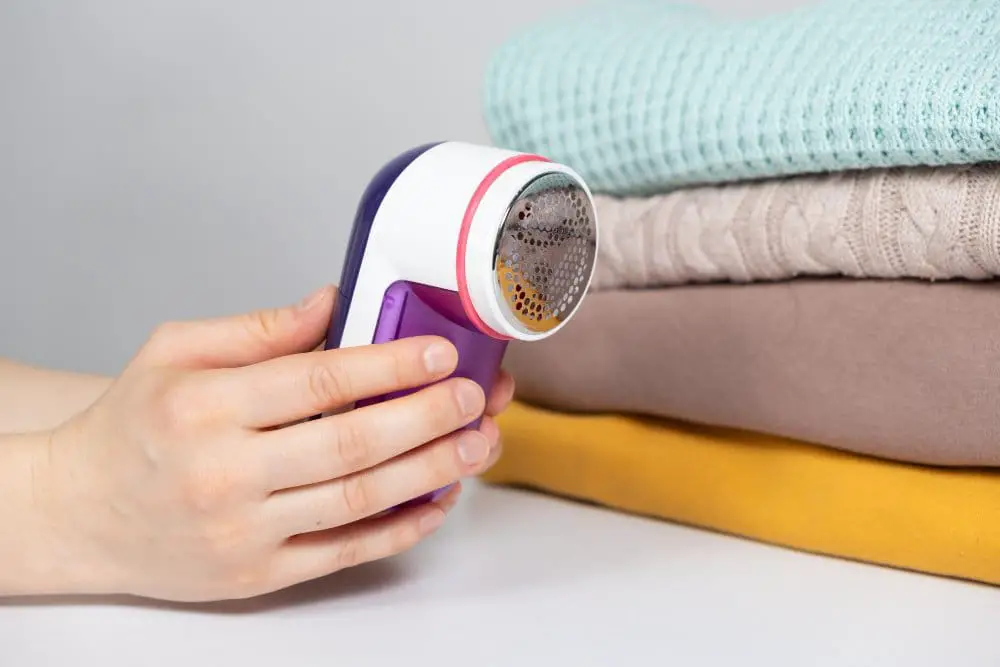
- A fabric shaver or de-pilling comb
- Gentle sweater stone
- Careful scissor trimming (be very careful not to cut the fabric)
Care Calculator: Not sure how to care for your specific wool gauze item? Try our Wool Care Calculator for personalized washing instructions based on your garment type and construction.
Wearing Wool Gauze Year-Round
One of wool gauze’s best features is its versatility across seasons. Here’s how to make the most of it throughout the year.
Spring and Fall
These transitional seasons are where wool gauze really shines. The temperature fluctuates throughout the day, and wool gauze adapts beautifully:
- Wear a wool gauze cardigan over a t-shirt for cool mornings
- Layer a wool gauze top under a jacket for extra warmth
- Use wool gauze scarves as your go-to accessory
- Try wide-leg wool gauze pants with boots
Summer
While not ideal for hot, humid climates, wool gauze works for:
- Air-conditioned indoor environments
- Cool summer evenings
- Temperate climates where summers aren’t extreme
- Layering pieces when the AC is too cold
For very hot weather, stick with cotton or linen gauze instead. Save your wool gauze for when temperatures drop below 75°F (24°C).
Winter
Use wool gauze as a layering piece:
- Under sweaters for extra warmth without bulk
- As a base layer under jackets
- For indoor winter wear when you need warmth but heavy wool is too much
- Scarves wrapped multiple times for added insulation
Travel Wardrobe
Wool gauze makes an excellent travel fabric:
- Wrinkle-resistant (packs well)
- Lightweight (doesn’t add much weight to luggage)
- Versatile (works across temperature ranges)
- Odor-resistant (needs less frequent washing)
- Fast-drying if you need to wash while traveling
A wool gauze scarf, cardigan, or top can be the piece that makes your entire travel wardrobe more versatile.
Where to Buy Wool Gauze
Finding quality wool gauze can take some effort since it’s not as common as other fabrics. Here are your best options:
Online Specialty Retailers
- Mood Fabrics: Carries wool gauze periodically, known for designer quality
- Dharma Trading Co.: Good selection for fiber artists and crafters
- Stonemountain & Daughter: High-end selection, excellent quality
- Fabric Mart: More affordable options, varying quality
- Etsy: Search for independent sellers, especially for handwoven options
International Sources
- Italian Fabric Suppliers: Excellent quality but higher prices
- Japanese Fabric Stores: Beautiful quality, often in smaller pieces
- Indian Suppliers: Handwoven options, support traditional crafts
What to Look for When Buying
Before purchasing, ask the seller:
- What type of wool is it? (Merino, regular wool, blends?)
- What’s the weight/GSM?
- How much does it shrink?
- What are the care requirements?
- Is it suitable for garments or better for crafts?
If possible, order swatches before committing to yardage for a large project. The hand feel and drape are hard to judge from photos alone.
Buying Tips
- Watch for sales after fashion weeks when designers clear deadstock
- Join fabric buying groups for group discounts
- Check remnant bins for smaller projects
- Consider slightly lower quality for practice projects before investing in premium fabric
Common Problems and Solutions
Even with careful handling, you might encounter some challenges with wool gauze. Here’s how to address them.
Problem: The Fabric Feels Scratchy
Solutions:
- Wash with hair conditioner to soften fibers
- Line the garment with silk fabric or another soft material
- Accept that this particular piece of fabric is lower quality and save it for a project where scratchiness matters less
- Try wearing it over other layers rather than next to skin
Problem: Excessive Fraying
Solutions:
- Finish edges immediately after cutting
- Use pinking shears to cut edges
- Apply fray check to problem areas (test first)
- Increase seam allowances to give more room for fraying
- Choose seam finishes that enclose raw edges
Problem: Too Sheer/Transparent
Solutions:
- Line the garment fully
- Underline with silk organza for opacity without changing drape
- Wear coordinating camisoles or slips underneath
- Double the fabric (use two layers)
- Embrace the sheerness and layer intentionally for design effect
Problem: Fabric Shrank After Washing
Prevention is key:
- Always pre-shrink before cutting
- Follow care instructions carefully
- Use cool water and gentle handling
- Never use hot water or machine drying
If it already happened:
- Soak in cool water with hair conditioner
- Gently stretch back to size while wet
- Pin to measurements on blocking board and let dry
- Accept the new size and adjust fit if possible
Problem: Lost Shape or Stretched Out
Solutions:
- Wash and block back to original dimensions
- Add elastic or stay tape to areas that stretched
- Take in seams if overall stretching occurred
- Store folded rather than hanging to prevent further stretching
Frequently Asked Questions
Gauze goes by several names depending on the region and specific type. It’s sometimes called muslin (especially in European contexts), though technically these are different weave structures. You might also see it called “mull” in historical or bookbinding contexts, or “scrim” when used in theater. In some markets, very fine wool gauze is called “wool voile” even though voile technically has a different weave structure. When shopping, you might need to search under multiple names to find what you’re looking for.
No, gauze is not the same as cotton. Cotton is a fiber (the material), while gauze is a weave structure (how the fabric is constructed). You can have cotton gauze (gauze weave made from cotton fibers), wool gauze (gauze weave made from wool), silk gauze, or gauze made from other fibers. The confusion arises because “gauze” is often used as shorthand for “cotton gauze,” which is the most common type.
The word “gauze” likely comes from Gaza, the Palestinian city that was famous for producing fine woven fabrics. The Arabic word “qazz” means silk, and Gaza exported a silk and wool blend fabric called “gazzatum” to Europe starting in the 13th century. Over time, “gaze” in French became “gauze” in English, and the name stuck for any lightweight, open-weave fabric regardless of where it was made.
No, cotton wool and gauze are completely different products. Cotton wool (also called cotton batting or absorbent cotton) is fluffy, unspun cotton fibers used for cosmetic applications or wound packing. Gauze is a woven fabric with an organized structure. In medical settings, both might be used, but they serve different purposes and are not interchangeable.
Gauze can be made from polyester, but traditional gauze is made from natural fibers like cotton, wool, silk, or linen. Polyester gauze exists (especially in medical supplies) because it’s durable and lint-free. However, for clothing and craft applications, natural fiber gauze is more common and generally preferred for its breathability and comfort. When shopping, always check the fiber content to know what you’re getting.
Double gauze for dressmaking is two layers of gauze woven together with tiny connecting threads at intervals. This creates a fabric that’s more substantial and opaque than single gauze while still being soft and breathable. It’s popular for children’s clothing, summer blouses, and lightweight dresses. Double gauze has a beautiful texture, drapes well, and becomes softer with each wash. It’s easier to work with than single gauze because it’s less transparent and more stable.
Yes, gauze is an excellent fabric for the right applications. It’s breathable, comfortable, has beautiful drape, and works well for warm weather or layering pieces. However, it’s not the right choice for every project. Gauze isn’t suitable for structured garments, items that need opacity, or anything requiring durability and strength. For flowing, comfortable clothing in natural fibers, gauze is hard to beat.
No, linen and gauze are not the same. Linen is a fiber (made from flax plants), while gauze is a weave structure. You could have linen gauze, which would be gauze weave made from linen fibers, but most linen fabric uses different weave structures. Regular linen is typically more crisp and structured than gauze, with a tighter weave and more body.
A gauze blanket is a lightweight blanket made from gauze fabric, typically multiple layers. They’re popular for babies because they’re breathable and reduce overheating risk. The open weave allows air circulation while still providing warmth. Gauze blankets become softer with washing and are usually made from cotton, though wool gauze blankets exist for cooler climates. They’re perfect for swaddling, as nursing covers, or for layering in cribs.
Gauze fabric has many uses beyond medical applications. In fashion, it’s used for summer dresses, blouses, scarves, curtains, and layering pieces. In crafts, it’s perfect for nuno felting, textile art, and decorative projects. For home decor, gauze makes beautiful curtains, table runners, and bed linens. The specific uses depend on the fiber content. Cotton gauze is great for baby items and summer wear, while wool gauze excels in transitional season clothing and accessories.
Conclusion
Wool gauze represents something special in the world of fabrics. It challenges our assumptions about what wool can be and opens up new possibilities for creating garments that are both practical and beautiful. This isn’t the heavy, scratchy wool of childhood sweaters. It’s a refined, sophisticated material that deserves a place in any maker’s fabric collection.
What makes wool gauze particularly appealing in today’s world is its versatility. We’re moving away from single-season wardrobes toward clothing that works across multiple contexts and climates. Wool gauze fits perfectly into this philosophy. A wool gauze cardigan isn’t just for fall, it layers under winter coats, works over summer dresses on cool evenings, and travels well throughout the year.
From a sustainability perspective, wool gauze makes sense. It’s a natural, renewable fiber that biodegrades at the end of its life. It doesn’t shed microplastics into waterways with each wash. It lasts for years when cared for properly, making it a better investment than fast fashion alternatives. The fabric’s natural properties mean it needs less frequent washing, saving water and energy.
For sewers and crafters, working with wool gauze presents both challenges and rewards. Yes, it frays. Yes, it requires careful handling. But the finished results, those flowing scarves and elegant cardigans with movement and life, make the extra effort worthwhile. The learning curve isn’t steep, just different from working with common fabrics like cotton or synthetic blends.
Key Takeaways
- Wool gauze is a lightweight, open-weave fabric that provides warmth without weight, making it perfect for transitional seasons and layering
- Quality matters significantly with wool gauze. Invest in good fabric from reputable sources for the best results
- Pre-shrink before cutting is non-negotiable. Wool gauze will shrink, and you want this to happen before you make your garment
- The fabric works across multiple seasons when used appropriately, making it a smart choice for a versatile wardrobe
- Proper care extends the life of your garments significantly. Hand washing and flat drying protect your investment
- Seam finishing is required because the open weave frays easily. Plan for this in your construction time
- Wool gauze isn’t suitable for every project, but when it’s the right choice, nothing else quite compares
- The fabric has rich history and cultural significance connecting us to centuries of textile tradition
- For beginners, start with simple projects like scarves before tackling more complex garments
- Sustainable and natural, wool gauze aligns with slow fashion principles and environmental consciousness
Whether you’re a fiber artist looking for the perfect base for nuno felting, a home sewer wanting to expand your fabric knowledge, or someone interested in building a more sustainable wardrobe, wool gauze offers something unique. It bridges the gap between functionality and beauty, proving that practical clothing doesn’t have to sacrifice elegance.
The next time you’re planning a project, consider giving wool gauze a try. Start small with a scarf or simple wrap to get a feel for the fabric. Once you experience how it drapes, how it feels against your skin, and how it moves, you’ll understand why this ancient fabric continues to captivate makers and wearers alike. Wool gauze isn’t just another fabric option, it’s a doorway to creating clothing with more depth, versatility, and connection to textile heritage.
Ready to start working with wool gauze? Remember to pre-wash, use sharp scissors, finish those seams, and enjoy the process of creating something truly special. The fabric will reward your careful attention with garments that last and bring joy every time you wear them.