
Everything You Need to Know About Choosing, Sewing, and Caring for This Luxury Outerwear Material
Table of Contents
- What is Wool Coating Fabric?
- Types of Wool Coating Fabric
- Wool Fiber Sources Compared
- Properties and Characteristics
- Complete Sewing Guide
- Care and Maintenance
- Sustainability Considerations
- Quality Assessment Guide
- Fabric Comparisons
- Uses and Applications
- Historical Context
- Where to Buy
- Frequently Asked Questions
- Conclusion
What is Wool Coating Fabric?
Wool coating fabric is a heavyweight wool fabric specifically designed for making outerwear like coats, jackets, and capes. Unlike lighter wool suiting fabric or dress-weight wools, coating fabrics are thick, dense, and built to handle cold weather while maintaining their structure and appearance over many years.
Think of wool coating as the workhorse of winter fabrics. It’s typically woven or felted to create a tight, sturdy material that ranges from 18 to 20 ounces per square yard (though you’ll find lighter and heavier options too). This weight gives it the body needed to create clean, tailored silhouettes in coats without needing lots of extra structure or interfacing.
What makes wool coating different from regular sheep wool fabric is the manufacturing process. Most coating fabrics go through a “fulling” or felting process where the woven fabric is washed, agitated, and sometimes pressed with heat. This shrinks the fibers together, creating that dense, weather-resistant surface that makes wool coats so practical.
Quick Tip: The term “coating” simply means the fabric is thick enough for outerwear. If you see “coating weight” in a fabric store, you’re looking at material sturdy enough to make a proper coat that will stand up to winter weather and frequent wear.
Types of Wool Coating Fabric
Wool coating comes in several distinct varieties, each with its own texture, appearance, and best uses. Understanding these differences helps you pick the right fabric for your project.
Melton Wool
Melton wool is probably the most recognized coating fabric. It’s tightly woven in a twill pattern, then heavily fulled and brushed to create a smooth, felt-like surface where you can barely see the weave. The result is a thick, windproof fabric that’s perfect for peacoats and other structured outerwear.
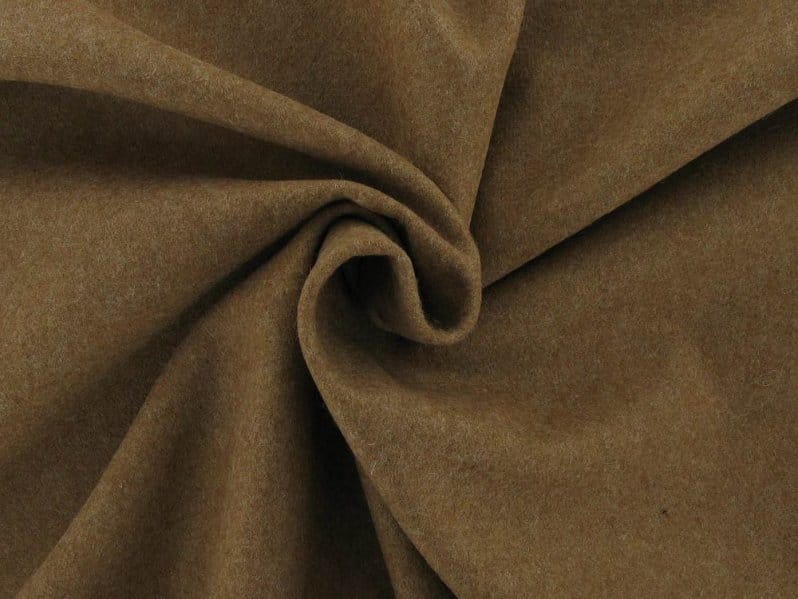
This fabric has a military heritage and was traditionally used for British naval officers’ coats. Today, it’s available in weights ranging from medium (good for fall jackets) to heavy (perfect for harsh winters). Quality melton has a soft hand despite its thickness, and the best versions are made from 100% merino wool, though blends with polyester or nylon are common and more affordable.
Boiled Wool
Boiled wool starts as a knit fabric that’s then “boiled” (actually washed in hot water) and agitated until it shrinks and felts. This creates a very dense, water-resistant material with some natural stretch. Unlike melton, boiled wool begins as knit rather than woven, giving it a different feel and slightly more flexibility.
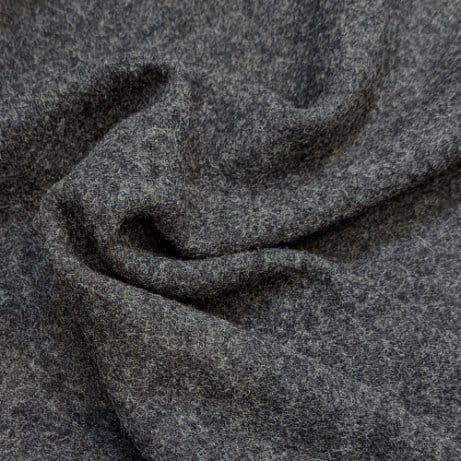
The texture tends to be slightly fuzzy or nubby, and it doesn’t fray when cut, making it easier to work with for beginners. It’s particularly good for jackets, cardigans, and relaxed coat styles where you want warmth without stiffness. Some people find it easier to sew than other coating fabrics because of that no-fray quality.
Felt
True wool felt is made by matting, condensing, and pressing wool fibers together without weaving or knitting. This creates a dense fabric that can be quite thick and looks the same on both sides. Industrial felt can be almost stiff, but fashion-weight felt softens beautifully with steam and handling.
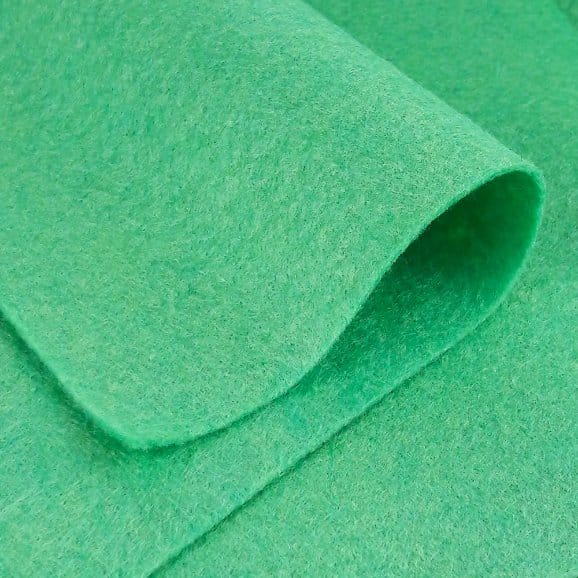
Felt is excellent for structured coats and works particularly well for designs with clean, geometric lines. Since it doesn’t unravel, you can leave edges raw for a modern look. The thickness might seem intimidating at first, but it’s surprisingly easy to shape and sew.
Tweed
While not always in the heavy coating weight, wool tweed fabric comes in both lightweight and coating weights. Tweed is woven with colored yarns creating patterns like herringbone, houndstooth, or checks. It has a rougher, more textured surface than melton.
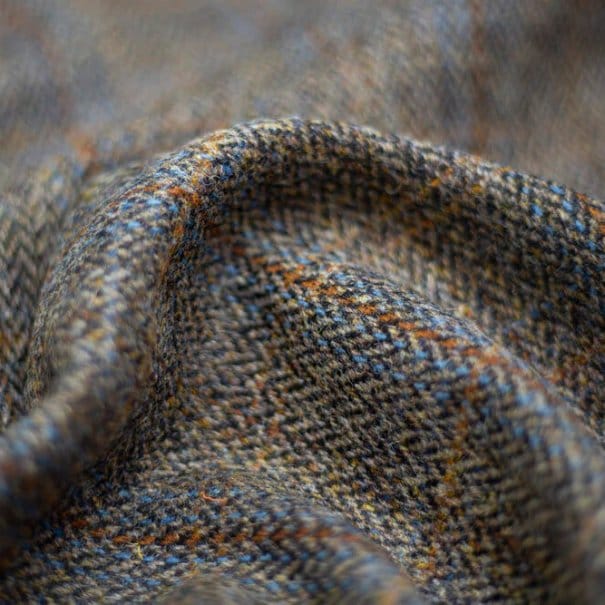
Coating-weight tweed is perfect for country-style coats and blazers. It’s durable, warm, and has timeless style. Harris Tweed, made in Scotland, is particularly prized for its quality and authenticity. Just note that tweed can be scratchy against skin, so plan to line your garments.
Double-Faced Wool
This is technically two layers of wool fabric that are woven or felted together, creating one thick piece with different colors or textures on each side. The beauty of double-faced wool is versatility – you can create reversible garments or use the contrast for design details like cuffs and collars.
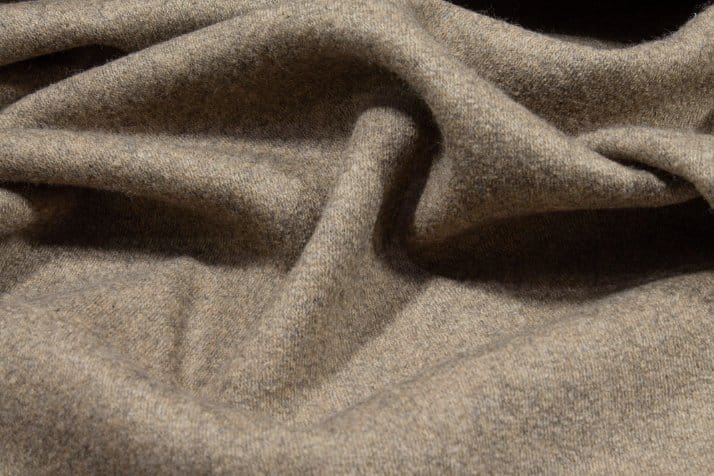
It’s usually quite expensive because of the extra material and manufacturing complexity, but the results are stunning. Italian mills are particularly known for beautiful double-faced coating fabrics. Luxury wool and cashmere blends often come in double-faced versions for high-end outerwear.
Boucle
Boucle coating is woven with looped or curled yarns that create a bumpy, nubby texture. The name comes from the French word for “curled.” This fabric has a distinctive, luxurious look and is often used for designer-style jackets and coats.
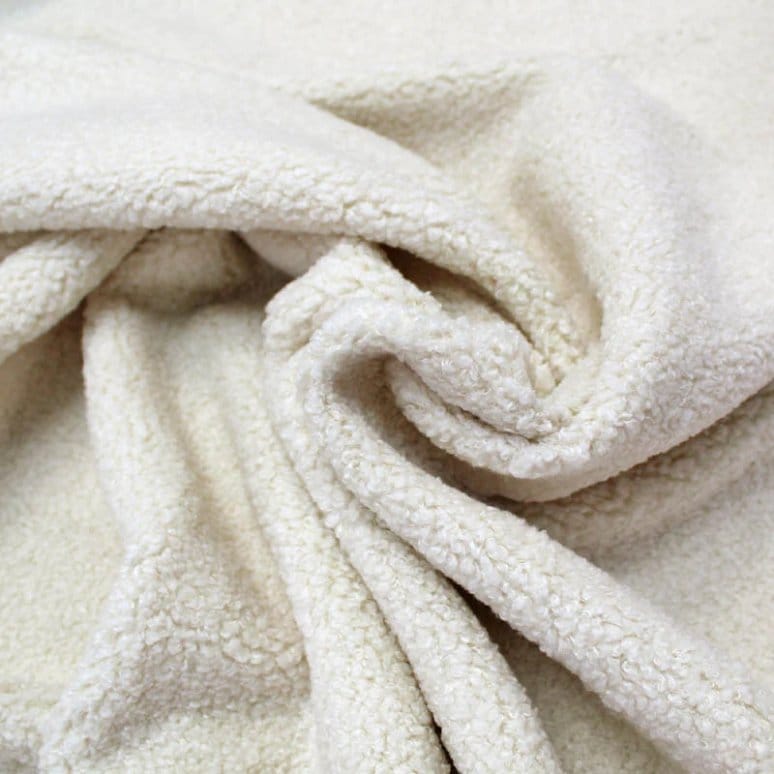
Keep in mind that boucle needs to be lined and will fray when cut, so seam finishes matter. The loops can also catch in your sewing machine, so use a walking foot and test your stitches first. Despite these quirks, the visual impact of a boucle coat makes the extra effort worthwhile.
Quick Comparison of Wool Coating Types
| Type | Texture | Weight Range | Best For | Difficulty |
|---|---|---|---|---|
| Melton | Smooth, felted | Medium to Heavy | Peacoats, structured coats | Easy |
| Boiled Wool | Slightly fuzzy | Medium | Jackets, cardigans | Easy |
| Felt | Dense, uniform | Heavy | Structured coats, capes | Easy |
| Tweed | Rough, textured | Light to Heavy | Country coats, blazers | Medium |
| Double-Faced | Smooth, two-sided | Heavy | Luxury reversible coats | Advanced |
| Boucle | Loopy, nubby | Medium | Designer jackets | Medium to Advanced |
Wool Fiber Sources Compared
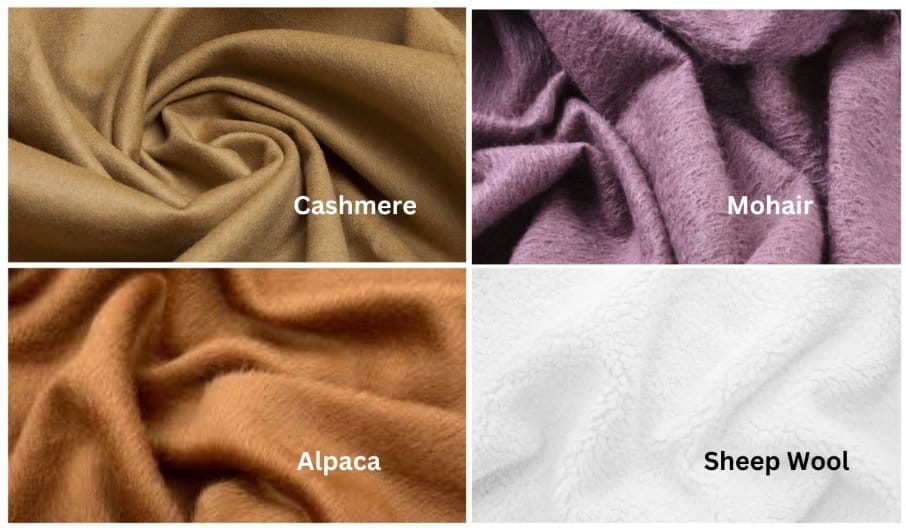
Not all wool comes from sheep. Several animals produce fibers that can be made into coating fabrics, each with different properties and price points.
Sheep Wool
Standard sheep’s wool is the most common and affordable option. Within sheep wool, merino wool stands out for its fine fibers and softness. Merino coating fabrics are less itchy and have a nicer hand (how the fabric feels) than regular sheep wool.
Sheep wool naturally repels water thanks to lanolin, the waxy coating on the fibers. It also has excellent temperature regulation properties – it keeps you warm when it’s cold but breathes when temperatures rise. This makes it perfect for coats worn in varying conditions.
Cashmere
Made from the soft undercoat of cashmere goats, this is one of the most luxurious coating options. Pure cashmere coating is incredibly soft, lightweight for its warmth, and drapes beautifully. It’s also expensive – expect to pay $50-$150+ per yard.
Cashmere coatings are often blended with regular wool to make them more affordable while still getting that soft, luxurious feel. An 80/20 or 70/30 wool-cashmere blend gives you much of the softness at a more reasonable price point.
Mohair
Mohair wool comes from Angora goats and has a distinctive fuzzy, slightly shiny appearance. It’s extremely durable – actually one of the most durable natural fibers – and takes dye beautifully, resulting in rich, saturated colors.
Mohair coating is warm and lightweight, making it good for coats that need to be both protective and easy to move in. It’s often blended with sheep wool for structure. The fuzzy texture can be polarizing, so it’s a good idea to touch a sample before buying.
Alpaca
Alpaca wool is softer than sheep wool and warmer than most other fibers because the hollow core of each fiber traps heat. It’s also naturally water-resistant and doesn’t contain lanolin, making it good for people with wool sensitivities.
Alpaca coating tends to have more drape than sheep wool melton, so it’s better for fluid, unstructured coat styles. Pure alpaca can be pricey, but it’s wonderfully warm even in lightweight fabrics.
Camel
Camel wool (actually hair, not wool) comes in natural tan to brown shades and is prized for its softness and warmth-to-weight ratio. It’s luxurious but more affordable than cashmere, making it a good middle-ground option.
Camel hair coatings often come in classic camel-colored tones that are perfect for traditional overcoats. The fiber is naturally water-repellent and very resilient.
| Fiber Type | Warmth Level | Softness | Durability | Price Range/Yard |
|---|---|---|---|---|
| Sheep Wool | High | Medium | Very High | $20-$60 |
| Cashmere | Very High | Very High | Medium | $80-$200+ |
| Mohair | High | Medium-High | Extremely High | $40-$80 |
| Alpaca | Very High | High | High | $50-$100 |
| Camel | High | High | Very High | $45-$90 |
Not sure which wool type is right for your project? Try our Wool Type Selector Quiz to get personalized recommendations based on your needs, budget, and climate.
Properties and Characteristics
Understanding what makes wool coating special helps you appreciate why it’s been the go-to material for quality outerwear for centuries.
Weight and Structure
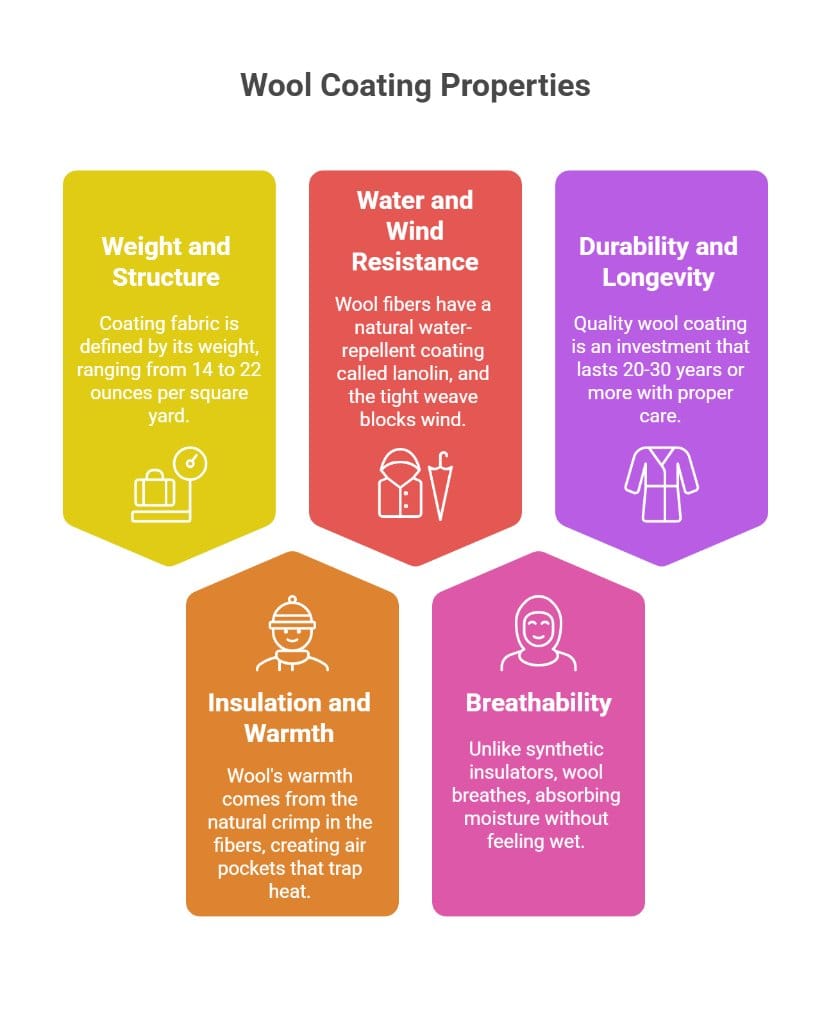
Coating fabric is defined by its weight. Most true coating fabrics range from 14 to 22 ounces per square yard. For reference:
Good for: Fall jackets, spring coats, layering pieces, milder climates
Good for: Three-season coats, moderate winters, most general outerwear
Good for: Winter coats, harsh climates, maximum warmth and wind protection
Good for: Extreme cold, military-style coats, maximum durability
The weight affects more than warmth – heavier fabrics hold their shape better and create crisp, structured silhouettes. Lighter weights have more drape and work better for fluid, relaxed styles.
Insulation and Warmth
Wool’s warmth comes from the natural crimp in the fibers, which creates tiny air pockets throughout the fabric. These pockets trap body heat while still allowing moisture to escape. This is why wool coats keep you warm even when slightly damp, unlike many synthetic materials.
The crimped structure also makes wool naturally elastic and resistant to wrinkles. A quality wool coat will maintain its shape through years of wear and can be steamed back to perfect condition even after being crushed in storage.
Water and Wind Resistance
Wool fibers have a natural water-repellent coating called lanolin. This means light rain or snow will bead up and roll off rather than soaking in immediately. Coating fabrics, especially melton and boiled wool, have been processed to maximize this natural water resistance.
The tight weave or felted surface also blocks wind effectively. This combination of water and wind resistance makes wool coating practical for real winter weather, not just indoor-outdoor transitions.
Breathability
Unlike synthetic insulators, wool breathes. The fibers can absorb up to 30% of their weight in moisture without feeling wet. This means a wool coat won’t leave you feeling clammy if you’re active or if temperatures fluctuate.
This breathability is one reason why wool fabric has remained popular despite advances in synthetic materials. Natural temperature regulation is hard to replicate artificially.
Durability and Longevity
Quality wool coating is an investment because it lasts. With proper care, a well-made wool coat can easily last 20-30 years or more. The fibers are naturally strong and elastic, resisting tearing and abrasion.
Wool also resists odors better than most fabrics. The fibers have natural antimicrobial properties, so wool coats need cleaning far less often than comparable garments in other materials.
Complete Sewing Guide
Working with wool coating is actually easier than many people think. Here’s everything you need to know to sew a professional-looking coat.

Pre-Treatment
Before cutting into your expensive fabric, you need to pre-shrink it. Some wool coating will shrink when exposed to steam during the sewing and pressing process, so it’s better to deal with this before construction.
The easiest method is to hover a steam iron above the fabric (not touching it) and let the steam penetrate the fibers. Move slowly across the entire yardage. Alternatively, you can have the fabric professionally “sponged” at a dry cleaner, or hang it in a steamy bathroom for a few hours.
For a comprehensive guide on fabric preparation, check out our guide to fabric cutting which covers layout and pre-treatment for various fabric types.
Tools and Supplies
You’ll need:
- Sharp rotary cutter or shears – Dull blades will drag and distort thick fabric
- Heavy-duty needles – Size 16/100 or 18/110 for universal needles, or special leather needles for very heavy coating
- Walking foot – This helps feed thick layers evenly through your machine
- Quality thread – Use polyester all-purpose thread or special topstitching thread for thick fabrics
- Pressing cloth – Always use one to protect the wool’s surface
- Interfacing – Even thick coating needs interfacing in key areas
If you’re new to sewing, our essential sewing supplies for beginners guide covers the basics you’ll need to get started.
Interfacing Strategy
Even though coating fabric has body, you still need interfacing in areas that will get stress or need to hold their shape. Focus on:
- Front facings and button bands
- Collar and collar stand
- Shoulder seams (extending into the armhole area)
- Pocket openings
- Hem if you want a crisp edge
Use a quality woven fusible interfacing rather than nonwoven. Test it on a scrap first to make sure it bonds well and doesn’t change the drape of your fabric.
Cutting Tips
Lay your fabric completely flat – thick coating won’t behave if you try to fold it. Use pattern weights instead of pins if possible, as pins can leave permanent marks in dense fabrics.
Pay attention to nap direction. Even if your fabric doesn’t have obvious texture, many coating fabrics have a subtle nap that affects how light reflects off the surface. Cut all pieces in the same direction.
Seam Techniques
The bulk of wool coating means you need to think about seam finishes differently:
- Grade your seams – Trim each layer to a different width (outer layer widest, inner layer narrowest) to reduce bulk
- Press as you go – Use a pressing cloth and lots of steam. Press seams open whenever possible
- Consider bound seams – Hong Kong seams or bias binding look professional and handle bulk well
- Try flat-felled seams – These work well on unlined coats and are very durable
For detailed seam finishing techniques, see our guide on bound seam finishing and flat-fell seams.
Topstitching
Because the fabric is thick, topstitching stitches tend to sink in and become less visible. This is actually good news if your stitching isn’t perfectly straight! If you want more visible topstitching, use a longer stitch length (3.5-4mm) and consider using topstitching thread.
Buttonholes
Buttonholes in thick fabric can be challenging. Use a buttonhole cutter rather than scissors, and interface the area well. Test your machine’s buttonhole stitch on scrap fabric first. For very thick coating, consider bound buttonholes – they look professional and work better than machine stitches.
Lining Selection
Choose a quality lining that will last as long as the coat itself. Good options include:
- Silk crepe de chine or Bemberg (rayon) – Luxurious and breathable
- Silk or rayon charmeuse – Smooth and elegant
- Kasha lining – Flannel-backed satin that adds extra warmth
Avoid cheap acetate linings – they shred quickly and make your beautiful coat feel cheap. The lining is what touches your clothes most often, so it’s worth spending a bit more here.
Care and Maintenance
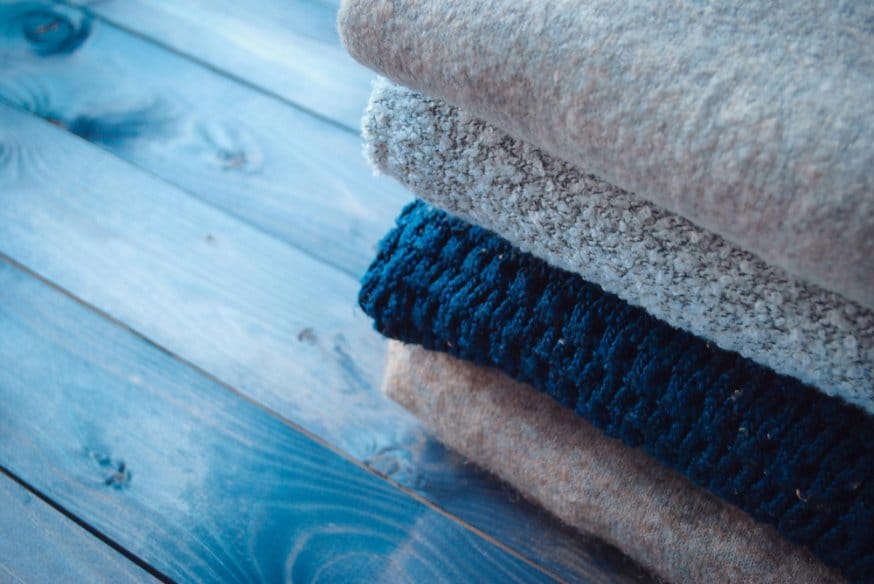
Proper care will keep your wool coating looking great for decades. The good news is that wool doesn’t need frequent cleaning.
Regular Maintenance
After wearing your wool coat:
- Brush it – Use a garment brush to remove surface dirt and lint. This also helps restore the nap
- Air it out – Hang the coat in fresh air for a few hours. Wool naturally releases odors
- Spot clean – Deal with small stains immediately using a damp cloth
- Hang properly – Use a sturdy, shaped hanger that supports the shoulders
Cleaning Methods
Most wool coating should be dry cleaned. The professional process preserves the fabric’s structure and prevents shrinking. Plan to dry clean your coat once or twice per season, or whenever it looks dingy.
If you want to try home cleaning (and your fabric’s care label allows it):
- Use cold water only
- Choose a detergent specifically made for wool (regular detergent can damage the fibers)
- Hand wash gently – don’t agitate or wring the fabric
- Roll in towels to remove excess water
- Lay flat to dry, reshaping the garment as it dries
- Never hang wet wool – the weight will distort the shape
For detailed instructions on caring for wool garments, see our wool care guide.
Want personalized care instructions for your specific wool type? Use our Wool Care Calculator to get customized washing and maintenance recommendations.
Storage
Store wool coats properly during warm months:
- Clean first – Never store dirty wool. Moths and carpet beetles are attracted to food stains and body oils
- Use cedar – Cedar chests or blocks help repel moths naturally
- Consider garment bags – Breathable cotton bags protect from dust while allowing air circulation
- Avoid plastic – Plastic traps moisture and can cause mildew
- Add moth deterrents – Cedar, lavender, or commercial moth repellents in storage areas
Dealing with Common Issues
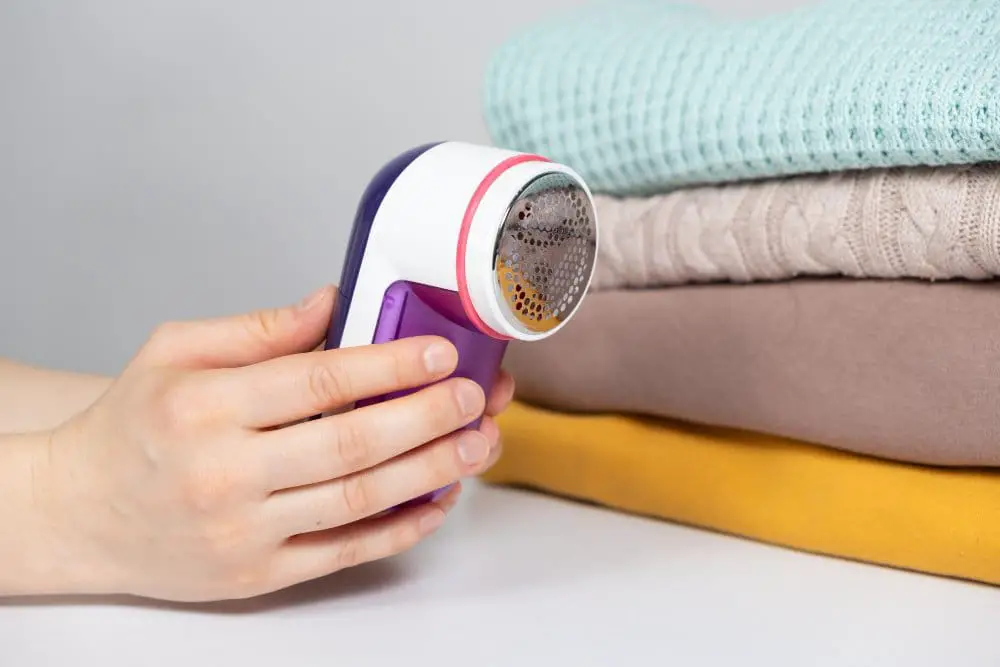
Pills: Remove them with a sweater shaver or sharp scissors. Pills are caused by friction and are normal on areas like underarms.
Wrinkles: Hang in a steamy bathroom or use a steamer. Never let a hot iron touch wool directly – always use a pressing cloth.
Moth holes: Small holes can be invisibly mended by a skilled tailor. Prevent future damage with proper storage.
Shiny spots: These come from pressing too hard or without a press cloth. Steam them out by holding a steamer or iron above (not touching) the fabric.
Sustainability Considerations
Wool coating’s environmental impact is complex. There are both benefits and concerns to consider.
Environmental Benefits
Wool is a renewable resource. Sheep regrow their fleece annually, making it a sustainable fiber in that sense. The fiber is also biodegradable – unlike synthetic materials, wool will break down naturally at the end of its life instead of persisting in landfills for centuries.
Wool doesn’t contribute to microplastic pollution. When synthetic fabrics are washed, they shed tiny plastic fibers that end up in waterways and eventually the ocean. Wool may shed some fibers, but these break down naturally and don’t harm ecosystems. According to research from The Woolmark Company, wool biodegrades in both land and marine environments.
Quality wool coats last for decades, making them a “buy less, buy better” option that aligns with slow fashion principles. The durability means less frequent replacement, reducing overall consumption.
Environmental Concerns
Wool production does have environmental costs. According to studies, sheep farming contributes to greenhouse gas emissions, particularly methane from the animals’ digestive processes. Research cited by Carbonfact indicates that the animal fiber industry produces around 35 million tonnes of CO2e annually, with sheep wool contributing nearly 98% of this total.
Land use is another concern. Large flocks require significant grazing land, which can lead to overgrazing and soil degradation if not properly managed. Water pollution from wool processing is also an issue – the scouring (cleaning) process and dyeing both require chemicals and large amounts of water.
Ethical Considerations
Animal welfare is a major concern in wool production. Practices like mulesing (removing strips of skin to prevent flystrike) are painful for sheep and widely criticized by animal welfare organizations. Some regions have banned mulesing, but it remains common in major wool-producing countries like Australia.
Shearing itself can be stressful for sheep, especially when done rapidly for productivity. Undercover investigations have documented rough handling and injuries during shearing at some facilities.
Making Better Choices
If sustainability matters to you, look for:
- Certified organic wool – Better animal welfare standards and no chemical treatments
- Recycled wool – Made from pre-consumer or post-consumer wool waste
- ZQ or Responsible Wool Standard certifications – Third-party verified ethical and environmental practices
- Local or regional wool – Reduces transportation impact
- Deadstock fabrics – Leftover designer or mill ends prevent waste
Buying quality coating fabric and making coats that last is itself a sustainable choice. A coat that lasts 20+ years has far less environmental impact per wear than fast fashion alternatives that last a few seasons.
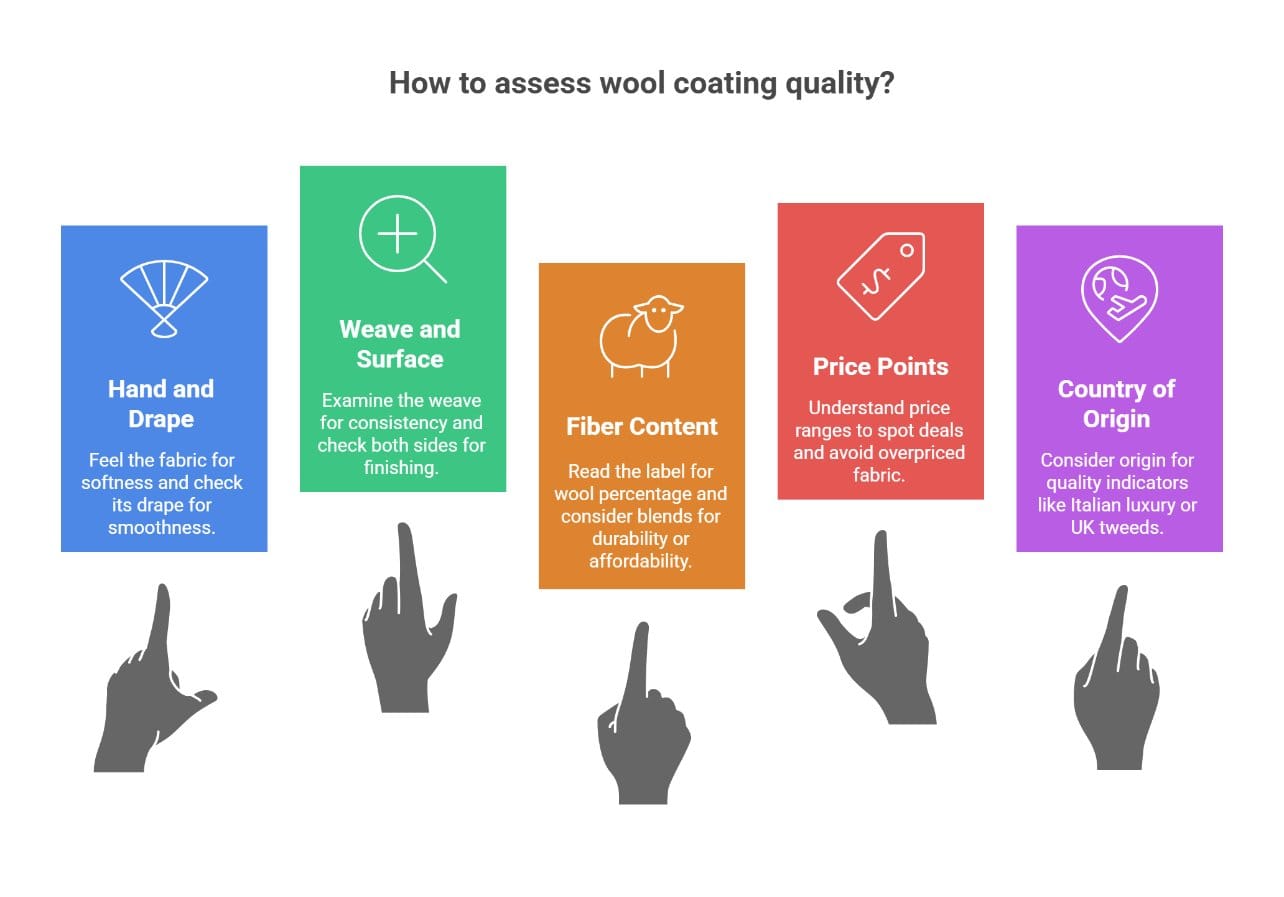
Quality Assessment Guide
Knowing how to spot quality wool coating helps you make smart purchases and avoid wasting money on subpar fabric.
Hand and Drape
Pick up the fabric and feel it. Quality coating should feel substantial but not stiff. It should have a pleasant hand – soft enough to be comfortable but firm enough to hold shape. Cheaper coatings often feel harsh or papery.
Check the drape by letting a length of fabric fall. It should hang smoothly without excessive stiffness. Very stiff fabric may be heavily sized (treated with chemicals), which will wash out and leave you with a different fabric than what you bought.
Weave and Surface
Examine the surface closely. For melton and felt, the weave should be barely visible or completely hidden. For tweed, the weave should be even and tight. Gaps or inconsistencies in the weave suggest lower quality that won’t hold up as well.
Check both sides of the fabric. Quality coating is carefully finished on both faces, even if one side is prettier. The back shouldn’t be fuzzy or poorly processed.
Fiber Content
Read the label carefully. While 100% wool is generally best, good quality wool blends exist:
- 80% wool / 20% nylon – Adds strength and durability, good for hard-wearing coats
- 70% wool / 30% polyester – More affordable, more wrinkle-resistant, slightly less breathable
- 90% wool / 10% cashmere – Adds softness while keeping the price reasonable
Be wary of fabrics that are more synthetic than wool (like 60% polyester / 40% wool). These won’t have wool’s natural properties and are often trying to cut costs rather than improve performance.
Price Points
Understanding typical price ranges helps you spot deals and avoid overpriced mediocre fabric:
Need help evaluating fabric quality before you buy? Our Wool Quality Assessment Checklist guides you through exactly what to look for when shopping.
- Budget ($15-$30/yard): Usually blends, may be thinner or lower quality wool. Can still make nice coats for less critical uses
- Mid-range ($30-$60/yard): Good quality pure wool or quality blends. This is the sweet spot for most home sewers
- High-end ($60-$100/yard): Premium wools like Italian melton, luxury blends with cashmere, designer deadstock
- Luxury ($100+/yard): Rare fibers like vicuña, highest-end Italian mills, exceptional double-faced fabrics
Country of Origin
Where fabric is made often indicates quality:
- Italy: Known for beautiful colors, excellent finishing, luxury blends. Often the most expensive but worth it for special projects
- United Kingdom: Traditional coatings, especially tweeds. Harris Tweed is always from Scotland and meets strict standards
- United States: Pendleton and other mills make quality coating, often at good price points
Fabric Comparisons
Understanding how wool coating compares to other options helps you make informed choices for your projects.
Wool Coating vs. Wool Suiting
Wool suiting fabric is lighter (usually 8-12 oz) and meant for tailored clothing worn indoors or in mild weather. It has more drape and less body than coating. While you could technically make a coat from suiting weight wool, it would be better for spring/fall jackets rather than true winter outerwear.
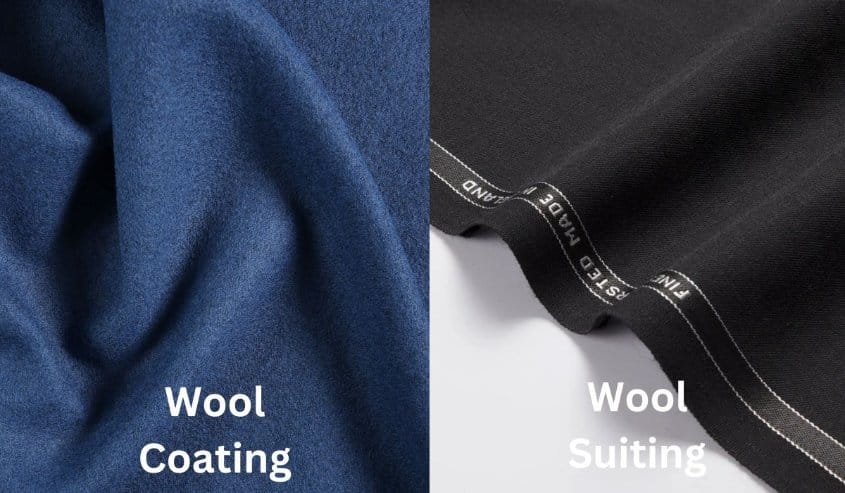
Coating fabric stands up on its own and holds sculptural shapes. Suiting needs more interfacing and structure to achieve the same effect. For cold-weather protection and long-lasting coats, coating is the better choice.
Wool Coating vs. Wool Flannel
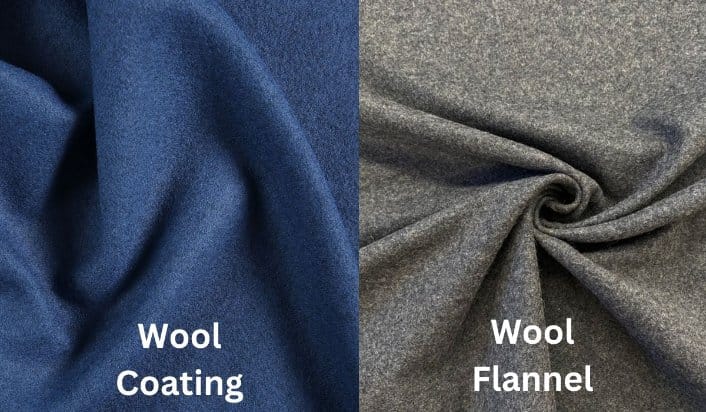
Wool flannel is much softer and lighter than coating. It’s brushed to create a napped surface that’s cozy but doesn’t have the density or wind-blocking properties of coating fabric. Flannel is better for shirts, casual skirts, and lightweight jackets.
Wool vs. Synthetic Coating
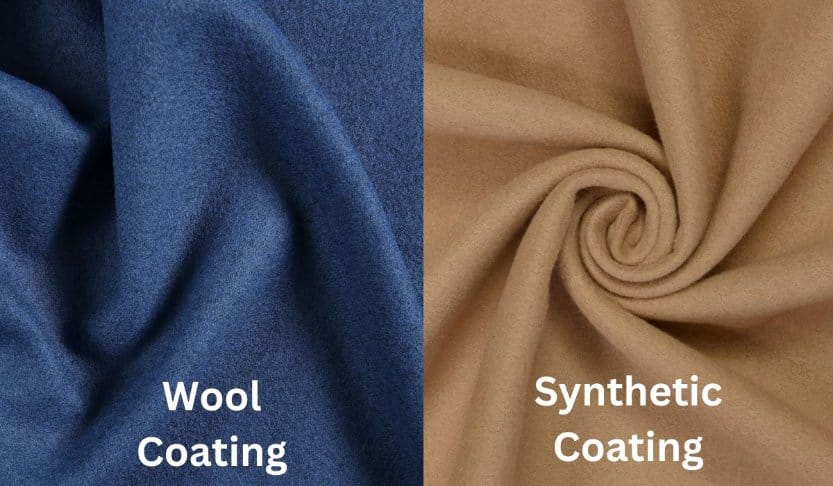
Polyester coating fabrics exist and are much cheaper than wool. They can look similar at first glance but lack wool’s natural properties:
| Property | Wool Coating | Synthetic Coating |
|---|---|---|
| Breathability | Excellent | Poor |
| Temperature regulation | Natural, adaptive | None |
| Moisture management | Wicks and releases | Traps or repels |
| Odor resistance | Naturally antimicrobial | Holds odors |
| Environmental impact | Biodegradable, renewable | Plastic-based, persistent |
| Durability | Excellent with care | Good but ages poorly |
| Cost | Higher upfront | Lower upfront |
For more on this comparison, see our guide on natural vs synthetic fabrics.
Different Wool Types Compared
If you’re trying to decide between different luxury wool fibers for a special coat, here’s how they stack up:
| Consideration | Merino | Cashmere | Alpaca | Mohair |
|---|---|---|---|---|
| Warmth-to-weight | Very good | Excellent | Best | Very good |
| Softness | Good | Excellent | Very good | Medium |
| Durability | Excellent | Good | Very good | Excellent |
| Structure | Good | Drapey | Drapey | Good |
| Maintenance | Easy | Requires care | Easy | Easy |
| Best for | All-purpose coats | Special occasion | Lightweight warmth | Statement pieces |
Uses and Applications
Wool coating’s versatility makes it suitable for many garment types beyond the classic peacoat.
Classic Coat Styles
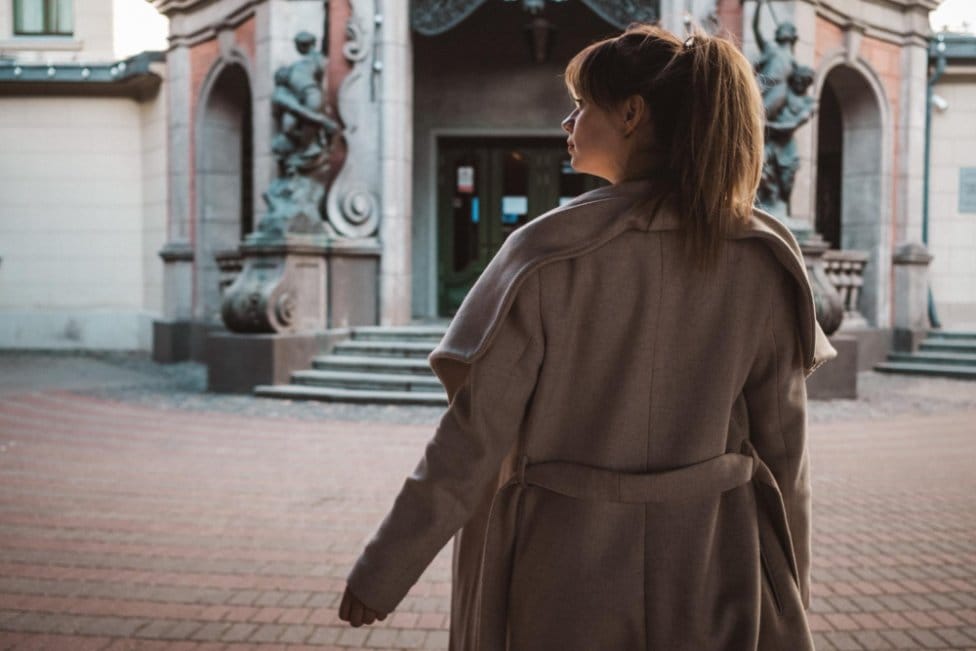
Peacoat: The traditional double-breasted navy coat, originally worn by sailors. Heavy melton wool is the authentic choice, creating that iconic structured look.
Duffle Coat: A casual, hooded coat with toggle closures. Works well with medium-weight melton or boiled wool. The hood makes it practical for wet weather.
Trench Coat: While traditionally made from gabardine cotton, wool coating trench coats are warmer and perfect for cold, damp climates. Use lighter-weight coating for the classic silhouette.
Car Coat: Hip-length with a boxy cut, originally designed for driving. Medium to heavy coating works well. The shorter length means you don’t need as much yardage.
Modern Interpretations
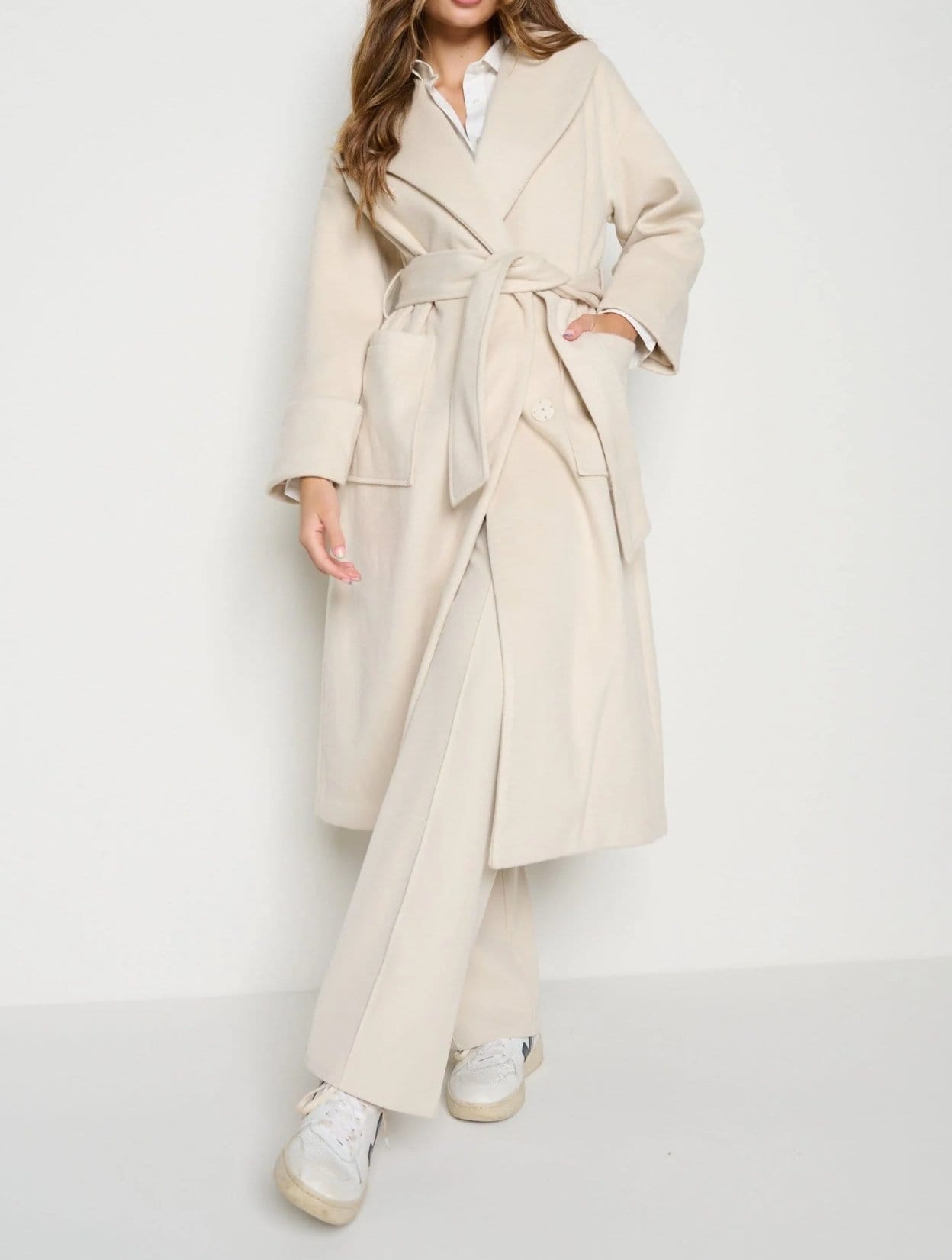
Wrap Coats: Unstructured, tied coats that show off coating’s drape. Boiled wool or lighter melton works beautifully. These are good beginner projects since there’s no complicated tailoring.
Cocoon Coats: Oversized, rounded silhouettes that envelop you. These need fabric with both body and drape. Try medium-weight coating or double-faced wool.
Capes and Ponchos: Wool coating is perfect for these because it holds shape while providing warmth. Felt especially works well since edges don’t need finishing.
Collarless Coats: Modern, minimalist designs that let quality fabric shine. Double-faced wool is particularly nice here since you see both sides at the lapel-less neckline.
Other Applications
Coating isn’t just for coats:
- Structured jackets: Blazers and bomber jackets in lighter-weight coating
- Vests: Layering pieces that add warmth without bulk
- Bags: Wool coating makes sturdy, attractive totes and messenger bags
- Home decor: Pillows, throws, even upholstery for accent pieces
- Craft projects: Felt coating is great for making slippers, toys, and ornaments
Historical Context
Understanding wool coating’s history helps explain why it remains valued today.
Military Origins
Melton wool was developed in Melton Mowbray, England, and became famous as the material for British military uniforms. The dense fabric protected soldiers from harsh weather while being durable enough for active duty. According to historical records, melton was used for naval officers’ uniforms and the iconic scarlet hunting coats of the upper class.
The peacoat, now a fashion staple, started as standard issue for sailors in the late 1800s. The double-breasted design could be worn either way depending on wind direction, and the heavy wool protected against North Atlantic weather.
Working Class Heritage
Melton cloth wasn’t just for the military and wealthy. In black, it was used for donkey jackets worn by laborers. The same properties that made it good for officers made it practical for dockworkers and construction workers.
This dual heritage – both luxury and workwear – continues today. You’ll find coating in high-end designer collections and practical workwear brands alike.
Evolution in Fashion
In the mid-20th century, wool coating became accessible to home sewers as sewing machines became common in households. Coat patterns from companies like Butterick and Simplicity democratized coat-making, and fabric stores began stocking quality coating for home use.
Today’s coating fabrics benefit from modern milling technology while maintaining traditional quality standards. Italian mills in particular have perfected the art of creating coating with beautiful colors and finishes while keeping the classic properties that make wool coating special.
Where to Buy Wool Coating Fabric
Finding quality coating takes some research, but good sources exist both online and in brick-and-mortar stores.
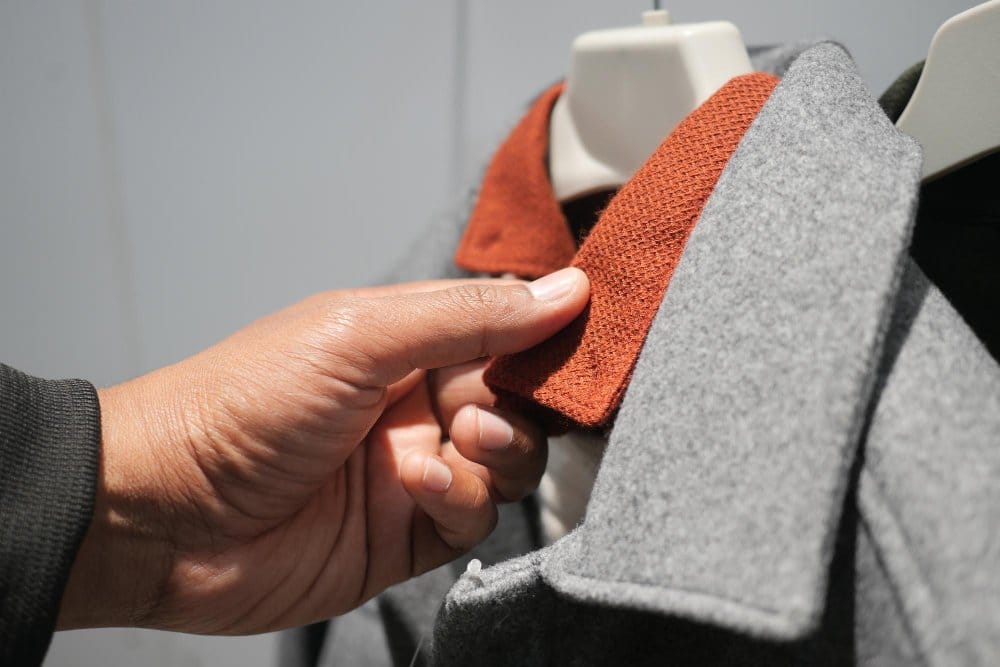
Online Retailers
Fabric Mart: Large selection of coating fabrics at reasonable prices, often designer overstock. They provide good descriptions and fabric content information.
Mood Fabrics: High-end selection with many Italian imports. More expensive but excellent quality. They ship swatches so you can feel fabric before buying.
B&J Fabrics: Well-curated selection of quality coating. Good for finding classic coating fabrics in standard colors.
Fabric.com: Wide range of price points and styles. Good for seeing what’s available, though quality varies.
EmmaOneSock (Etsy): Specializes in deadstock and vintage fabrics, including unique coating finds you won’t see elsewhere.
Physical Fabric Stores
If you’re lucky enough to have a good fabric store nearby:
- You can touch and see colors in person
- Staff can help with questions and recommendations
- You can buy exactly what you need without worrying about shipping costs
Look for stores that specialize in fashion fabrics rather than quilting stores, which rarely stock coating weight wools.
Buying Tips
- Order swatches first for expensive fabrics. Colors can look different on screens, and you need to feel the weight and drape
- Buy extra yardage – at least 1/4 yard more than your pattern requires. Coating can be hard to match later if you run short
- Check sales and deadstock – High-end coating often goes on sale at the end of coat season (late winter/early spring)
- Ask about minimum cuts – Some retailers have minimum purchase requirements for coating fabrics
- Look for mills and factory stores – If you’re near wool-producing regions, mill stores offer great prices on first-quality fabrics
How Much to Buy
Most coat patterns require 2.5 to 4 yards depending on the style, your size, and fabric width. Check your pattern’s yardage chart, then add a bit extra for insurance. It’s much easier to use leftover fabric for a matching scarf or bag than to scramble for more mid-project.
Calculate exactly how much fabric you need: Use our Fabric Yardage Calculator to determine the right amount for your specific project and avoid buying too much or too little.
For lining, you’ll typically need the same yardage as your main fabric or slightly less. Don’t forget interfacing – plan for 1-2 yards depending on your coat design.
Frequently Asked Questions
Can you wash wool coating fabric at home?
Most wool coating should be dry cleaned to preserve its structure and prevent shrinking. However, if the care label permits and you’re willing to take the risk, you can hand wash coating in cold water with wool-specific detergent. Never use hot water, don’t agitate the fabric, and lay flat to dry. For finished coats, dry cleaning is safer and will help them maintain their shape for decades.
What weight wool coating is best for a winter coat?
For true winter coats worn in cold climates, look for 18-22 ounce coating. This provides maximum warmth and wind protection. If you’re in a milder climate or want a three-season coat, 15-18 ounce coating works well. Lighter weights (12-14 oz) are better suited for fall jackets rather than winter outerwear.
Is wool coating fabric warm enough without a lining?
Wool coating is warm on its own and can technically be worn unlined. However, lining adds comfort (preventing the slightly scratchy wool from touching your clothes), helps the coat slide on and off easily, and hides all the interior seams and construction for a professional finish. For maximum warmth in very cold climates, add a flannel-backed lining called kasha.
What’s the difference between melton and boiled wool?
Melton starts as woven fabric that’s heavily fulled and brushed to create a smooth, dense surface. Boiled wool starts as knit fabric that’s washed and agitated until it felts. Melton is typically denser and more structured, while boiled wool has some stretch and a slightly fuzzy texture. Both are warm and water-resistant, but melton is better for tailored, structured coats while boiled wool works for more relaxed styles.
Why is wool coating so expensive?
Quality wool coating is expensive due to several factors: the raw wool itself (especially from fine breeds like merino or luxury fibers like cashmere), the complex manufacturing process involving multiple stages of processing and finishing, and the fact that it’s made in relatively small quantities compared to mass-market fabrics. Italian and British mills with centuries of expertise command premium prices for their craftsmanship. However, a coat made from quality coating can last 20-30+ years, making the cost-per-wear quite reasonable.
Can beginners sew with wool coating?
Yes! Wool coating is actually easier to sew than many people think. The fabric’s thickness means it doesn’t shift around as you work with it, and stitches sink into the surface so minor imperfections are less visible. Start with melton or felt rather than more challenging fabrics like boucle, choose a simple pattern design, and follow basic techniques like grading seams and pressing as you go. Many beginners find coating more forgiving than slippery fabrics or lightweight materials.
Does wool coating stretch or shrink?
Wool coating can shrink if exposed to heat and moisture, which is why pre-treating fabric before cutting is important. It won’t shrink in a finished, properly-cared-for garment if you follow care instructions. Wool has natural elasticity and will stretch slightly at stress points (shoulders, elbows) but should recover when hung to rest. This is why interfacing is important in areas that bear weight or stress.
Is wool coating itchy?
This depends on the wool type and your sensitivity. Fine wools like merino are softer and less likely to itch. Coarser wools can be scratchy against bare skin. However, since coating is used for outerwear worn over other clothes, itchiness is less of an issue than it would be for sweaters or base layers. Lining your coat eliminates this concern entirely. If you’re sensitive to wool, test a fabric sample against your neck before buying yards of it.
Can you iron wool coating?
Yes, but with care. Always use a pressing cloth between the iron and the wool to prevent shine or scorch marks. Use the wool setting on your iron with steam. Press rather than sliding the iron back and forth, which can stretch the fabric. If you do get shine spots from overpressing, hold a steamer or steam iron above (not touching) the fabric to help them disappear.
What’s the best interfacing for wool coating?
Use a woven fusible interfacing rather than nonwoven, as it moves with the fabric better. Choose interfacing that’s lighter than your coating – you want to add structure without making areas stiff or boardy. Pro-weft or similar quality interfacings work well. Always test on a scrap piece first to make sure the interfacing bonds properly and doesn’t change the fabric’s drape or surface appearance.
How long does a wool coating coat last?
With proper care, a well-made wool coating coat can easily last 20-30 years or more. Many vintage wool coats are still wearable after 50+ years. The natural durability of wool fibers, combined with the fabric’s density, means coating wears slowly and resists damage. Regular brushing, proper storage, and occasional dry cleaning will keep your coat looking great for decades. This longevity is why wool coating is worth the investment despite higher upfront costs.
Can you use wool coating for pants or skirts?
While coating is technically thick enough for pants or skirts, it’s usually too heavy for these uses. The stiffness that makes it perfect for coats would make pants uncomfortable to sit in. If you want wool bottoms, look for lighter-weight wool gabardine or suiting fabric instead. However, coating can work for structured skirts if you like a full, sculptural silhouette.
Conclusion
Wool coating fabric represents one of the best investments you can make in your wardrobe or sewing projects. Its combination of warmth, durability, and timeless style has kept it relevant for centuries, from military uniforms to modern designer collections. While the upfront cost may be higher than synthetic alternatives, the long-term value is undeniable when a quality wool coat lasts 20-30 years or more.
Whether you’re making your first coat or adding to an existing collection, understanding the different types of coating fabric, proper sewing techniques, and care requirements will help you succeed. From structured melton peacoats to relaxed boiled wool jackets, there’s a coating fabric perfect for every style and climate.
Key Takeaways
Choose the right type for your project: Melton for structured coats, boiled wool for relaxed styles, felt for modern designs, and tweed for classic country looks. Each has distinct properties that work better for different coat designs.
Don’t skip pre-treatment: Steam or professionally sponge your fabric before cutting to prevent shrinkage issues later. This extra step saves you from disappointing results after all your work.
Invest in quality: Mid-range to high-end coating ($30-$100/yard) provides the best balance of quality and value. The difference in how fabric looks, feels, and wears over time is noticeable. Check fiber content and feel samples when possible.
Master basic techniques: Proper seam grading, pressing, and interfacing make the difference between homemade-looking and professional-looking coats. These skills are more important than expensive fabric.
Care matters: Proper storage, occasional brushing, and professional cleaning when needed will keep your wool coat beautiful for decades. The minimal maintenance required is part of what makes wool so practical.
Consider sustainability holistically: While wool production has environmental impacts, a coat that lasts 30 years has far less impact per wear than fast fashion alternatives. Look for certified or recycled options if environmental concerns are a priority.
Final Recommendations
If you’re new to working with wool coating, start with a simple pattern like a wrap coat or basic jacket in melton or boiled wool. These fabrics are forgiving and the styles don’t require complex tailoring. As your confidence grows, try more structured patterns or luxury fabrics.
For your first purchase, aim for the $40-$60 per yard range. This gets you quality fabric without the pressure of working with $100+ per yard material while you’re still learning. Save the luxury Italian double-faced wool for when you’ve made a few coats and know what you’re doing.
Consider buying coordinating fabrics for accessories. If you’re making a coat, pick up an extra half-yard for a matching scarf, hat, or bag. This maximizes your investment and creates a pulled-together look.
Finally, remember that the skills you develop working with wool coating apply to many other sewing projects. The patience, precision, and attention to detail required for a quality coat will improve all your sewing. There’s something deeply satisfying about wearing a coat you made yourself from beautiful fabric, knowing it will keep you warm and stylish for years to come.
Whether you’re drawn to wool coating for its practical properties, its sustainability compared to synthetics, its history and tradition, or simply because you love working with quality materials, you’re joining a long tradition of people who appreciate real craftsmanship. Take your time, choose quality materials, follow good techniques, and you’ll create outerwear that’s worth keeping and wearing for decades.