
Everything You Need to Know About This Low-Maintenance Luxury Textile
If you’ve ever wished for a fabric that looks elegant but doesn’t need constant ironing, crinkle chiffon might be your new best friend. This beautiful textile brings together the flowing grace of regular chiffon with a textured, wrinkled surface that actually makes your life easier. Whether you’re a home sewer planning your next project, someone looking for the perfect modest fashion fabric, or simply curious about different textiles, this guide will walk you through everything about crinkle chiffon.
Table of Contents
- What is Crinkle Chiffon Fabric?
- The History of Crinkle Chiffon
- How Crinkle Chiffon is Made
- Crinkle Chiffon vs Regular Chiffon
- Types of Crinkle Chiffon
- Is Crinkle Chiffon Stretchy?
- How to Spot Quality Crinkle Chiffon
- Sustainability and Environmental Impact
- Uses and Applications
- Complete Care Instructions
- Sewing with Crinkle Chiffon
- Styling Ideas
- Where to Buy and What to Look For
- Common Problems and Solutions
- Frequently Asked Questions
- Conclusion
What is Crinkle Chiffon Fabric?
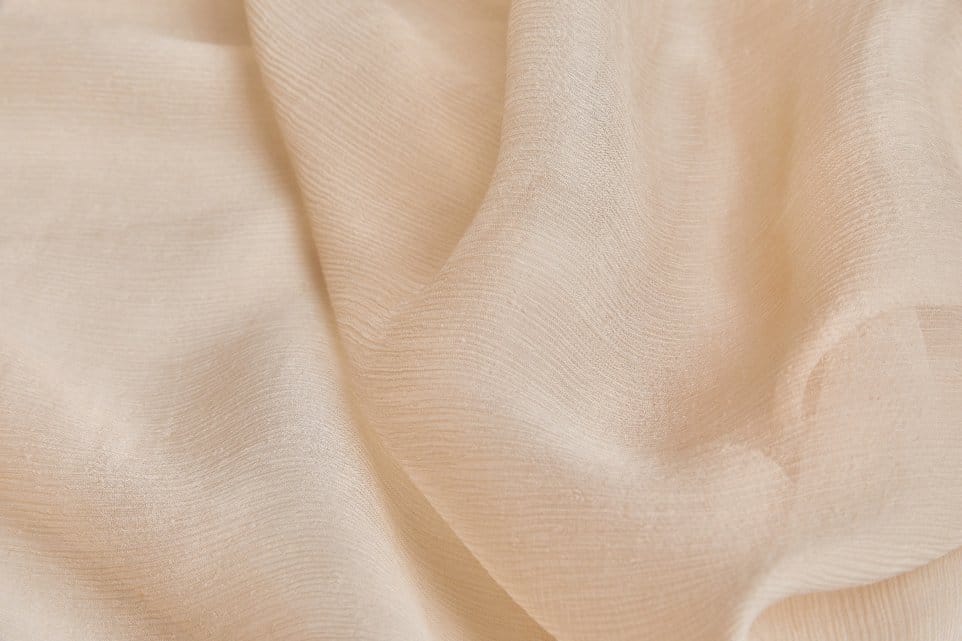
Crinkle chiffon is defined by its lightweight feel and pleated look.
Crinkle chiffon is a lightweight, sheer fabric with a distinctive puckered or wrinkled texture that runs through the material. Unlike smooth chiffon fabric, crinkle chiffon has an intentionally irregular, crinkled surface that gives it extra character and makes it more forgiving in everyday wear.
The fabric gets its name from two sources: “chiffon” comes from the French word “chiffe,” meaning cloth or rag, while “crinkle” describes the permanent textured effect created during manufacturing. You might also hear it called yoryu chiffon or wrinkled chiffon.
Key Characteristics
- Texture: Permanent crinkled surface with small, irregular puckers
- Weight: Very lightweight, typically 30-40 GSM (grams per square meter)
- Transparency: Semi-sheer, but slightly less transparent than smooth chiffon due to the texture
- Drape: Flows beautifully with soft, romantic movement
- Feel: Slightly rough texture from the crinkles, softer in silk versions
- Breathability: Excellent air circulation makes it perfect for warm weather
Why People Love Crinkle Chiffon: The built-in texture means you don’t have to worry about wrinkles. When your garment gets a little crumpled, it just blends into the intentional crinkles. This makes it perfect for travel, busy lifestyles, and anyone who wants to look polished without spending time ironing.
The History of Crinkle Chiffon
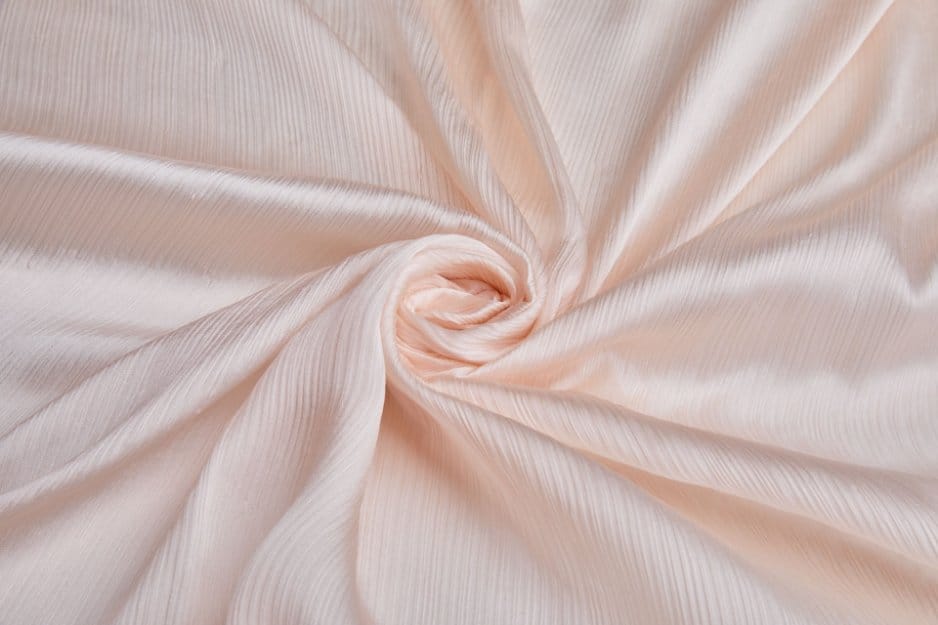
Crinkle chiffon has evolved into a favorite for airy fashion.
The story of crinkle chiffon begins thousands of years ago in ancient China. During the Han Dynasty (206 BC to 220 AD), Chinese weavers created some of the earliest versions of sheer silk fabrics. They developed techniques for reeling silk threads and weaving them into gossamer-thin textiles that draped beautifully on the body.
These early silks were reserved for nobility and represented wealth and status. The Chinese kept their silk-making methods secret for centuries, which made the fabric even more prized along trade routes.
The Journey to Europe
Chiffon-like fabrics traveled westward through the Middle East around the 13th century via the Silk Road. Traders and merchants brought these lightweight textiles to Europe, where they fascinated wealthy buyers. By the 1700s, French silk weavers had perfected their own methods for creating ultra-fine, sheer fabrics. They called it “chiffon,” and it quickly became a symbol of luxury in European fashion.
Throughout the 1800s, chiffon remained expensive and exclusive. The fabric appeared in high-end fashion, particularly for evening wear and special occasions. People even used the phrase “chiffon worship” to describe the obsession with this delicate material.
The Modern Era
Everything changed in 1938 when scientists invented nylon. For the first time, manufacturers could create chiffon-like fabrics without using expensive silk. This made the fabric more accessible, though it still couldn’t match silk’s softness and drape.
The real breakthrough came in 1958 with polyester. This synthetic fiber allowed factories to produce durable, affordable chiffon at scale. The development of crinkle chiffon specifically came later as manufacturers experimented with different finishing techniques. By using heat-setting processes and special treatments, they could create permanent crinkles in the fabric.
Today, crinkle chiffon appears in fashion worldwide, from everyday scarves to wedding gowns. The textile has become particularly popular in modest fashion communities and among people who want low-maintenance, elegant clothing.
How Crinkle Chiffon is Made
Creating crinkle chiffon involves several steps that transform smooth fibers into the textured fabric we love. The process differs slightly depending on whether you’re making silk or synthetic crinkle chiffon.
The Weaving Process
All chiffon starts with the same basic weaving technique called the S-twist and Z-twist method. Picture twisting yarn clockwise (S-twist) and counterclockwise (Z-twist). Weavers alternate these twisted yarns in both directions as they create the fabric. This alternating pattern creates small puckers in the material and gives chiffon its slightly rough texture and natural stretch.
Creating the Crinkles
After weaving the basic chiffon, manufacturers add the permanent crinkled texture through one of several methods:
Heat-Setting Method
This is the most common technique for synthetic crinkle chiffon. Manufacturers twist or pleat the fabric tightly, then apply heat. The heat “sets” the crinkles permanently into the material. When you wash it, the crinkles remain because the synthetic fibers have memory.
Chemical Treatment
Some producers use chemical solutions that cause the fibers to shrink unevenly, creating the crinkled effect. This method works well for both natural and synthetic fibers. The chemicals cause permanent changes in the fiber structure.
Mechanical Crimping
Machines can physically compress the fabric to create crinkles. The material passes through rollers or is twisted and compressed, then treated to maintain the texture. This creates more uniform crinkles compared to other methods.
The Manufacturing Journey
The entire process requires careful attention. If manufacturers rush any step, the crinkles might not hold properly or the fabric could become too stiff. High-quality crinkle chiffon maintains a soft hand feel despite the textured surface.
Crinkle Chiffon vs Regular Chiffon: What’s the Difference?
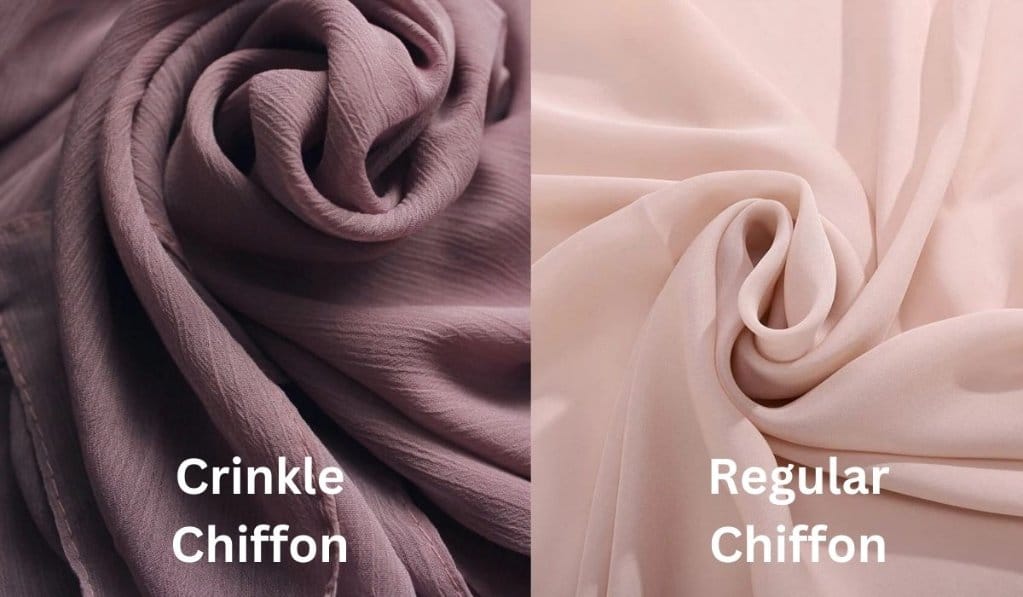
Crinkle chiffon shows natural texture while regular chiffon appears smooth.
While both fabrics belong to the same family, crinkle chiffon and regular silk chiffon have distinct differences that affect how they look, feel, and perform in garments.
| Feature | Crinkle Chiffon | Regular Chiffon |
|---|---|---|
| Surface Texture | Permanent crinkled, puckered surface with irregular wrinkles | Smooth, flat surface with subtle sheen |
| Transparency | Semi-sheer; slightly more opaque due to texture | Very sheer and transparent |
| Wrinkle Resistance | Excellent – wrinkles blend into the texture | Poor – shows every wrinkle and crease |
| Care Requirements | Low maintenance, rarely needs ironing | High maintenance, requires careful pressing |
| Sewing Difficulty | Easier – texture provides grip, hides small mistakes | More challenging – slippery and shows imperfections |
| Drape | Soft, flowing with more body | Very fluid, ultra-lightweight drape |
| Visual Effect | Casual, relaxed, textured look | Formal, polished, elegant appearance |
| Feel | Slightly rough, textured | Smooth, silky (especially silk versions) |
| Best Uses | Everyday wear, travel clothing, casual blouses, modest fashion | Evening wear, formal gowns, overlays, luxury garments |
| Price Point | Similar to regular chiffon; silk versions more expensive | Varies widely; polyester affordable, silk very expensive |
Which Should You Choose?
Your choice depends on your needs. Pick crinkle chiffon if you want a fabric that travels well, doesn’t need constant care, and has a relaxed, modern look. Choose regular chiffon when you need maximum elegance, a smooth finish, or are creating formal evening wear.
Many people who mix both fabrics in their wardrobes find they reach for crinkle chiffon more often for daily wear because it’s simply easier to manage. However, regular chiffon remains unbeatable for special occasions when you want that ultra-polished look.
Types of Crinkle Chiffon
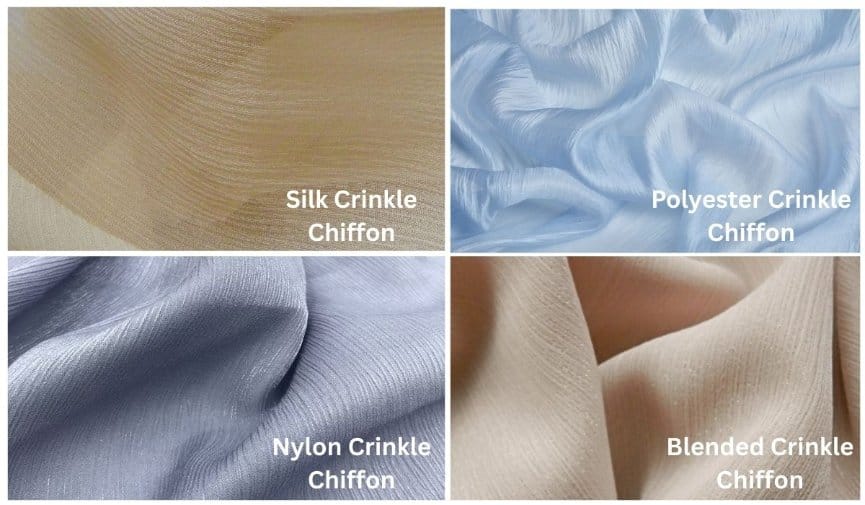
Different fiber bases create unique versions of crinkle chiffon.
Crinkle chiffon comes in several varieties based on the fiber content, which affects everything from how it feels to how much it costs.
Silk Crinkle Chiffon
This is the premium option. Made from natural silk fibers, typically mulberry silk, it offers the softest hand feel and the most beautiful drape. The fabric breathes exceptionally well and regulates temperature naturally. Silk crinkle chiffon absorbs dye beautifully, giving you rich, deep colors.
Pros: Biodegradable, luxurious feel, excellent temperature regulation, takes dye wonderfully
Cons: Expensive, requires dry cleaning or very careful hand washing, can be damaged by water spots
Best for: Special occasion wear, high-end fashion, bridal items
Price range: $20-35 per yard
Polyester Crinkle Chiffon
The most common and practical choice. Polyester versions offer good durability at an affordable price. Modern polyester crinkle chiffon closely mimics silk’s appearance while being much easier to care for. You can often machine wash it on gentle cycles.
Pros: Affordable, durable, easy to wash, wrinkle-resistant, widely available
Cons: Less breathable than silk, can feel slightly synthetic, not biodegradable
Best for: Everyday clothing, practice projects, budget-friendly options
Price range: $5-15 per yard
Nylon Crinkle Chiffon
Similar to polyester but slightly different in properties. Nylon crinkle chiffon has good strength and elasticity. It’s popular for scarves and accessories because it handles wear well.
Pros: Strong, elastic, good color retention, lightweight
Cons: Can pill over time, less breathable, petroleum-based
Best for: Scarves, accessories, activewear overlays
Price range: $6-18 per yard
Rayon Crinkle Chiffon
A semi-synthetic option made from wood pulp. Rayon crinkle chiffon falls between natural and synthetic fibers in properties. It drapes beautifully and feels soft, though not quite as luxurious as silk.
Pros: Soft drape, more affordable than silk, takes dye well, somewhat breathable
Cons: Less durable when wet, requires gentle washing, can lose shape
Best for: Mid-range fashion, flowing dresses, budget-conscious buyers
Price range: $8-20 per yard
Blended Crinkle Chiffon
Some manufacturers blend fibers to get the best of both worlds. Common blends include polyester-silk or polyester-spandex. The polyester adds durability and reduces cost, while other fibers contribute specific properties.
Special Variations
Beyond fiber content, you’ll find these style variations:
- Printed Crinkle Chiffon: Features patterns, florals, or geometric designs
- Solid/Dyed: Single colors from pastels to deep jewel tones
- Embroidered: Hand or machine embroidery adds texture on texture
- Metallic: Subtle shimmer woven through or printed on the surface
- Stretch Crinkle Chiffon: Includes small amounts of spandex for form-fitting garments
Is Crinkle Chiffon Stretchy?
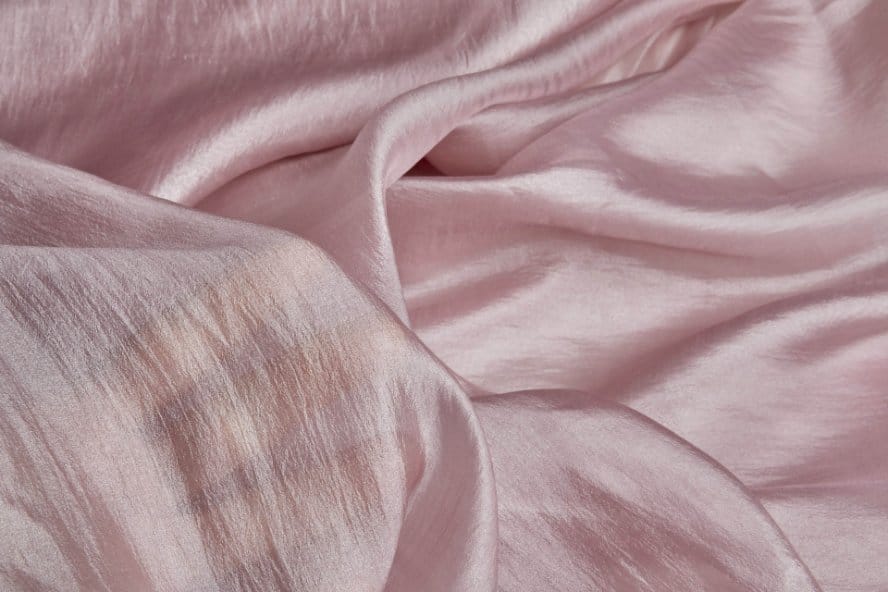
Crinkle chiffon offers give in the weave but is not truly elastic.
This is one of the most common questions people ask, and the answer is: it depends on what you mean by “stretchy.”
Natural Give
All crinkle chiffon has some natural stretch built into its structure. Remember that S-twist and Z-twist weaving pattern? Those opposing twists create space for the fibers to move. This gives the fabric a slight give in both directions, especially across the width. You’ll notice this when you gently tug on the fabric – it stretches a little and then bounces back.
This natural stretch is mechanical, not elastic. The fabric moves because of how it’s woven, not because the fibers themselves stretch. Think of it like a coiled spring – it can extend and contract without the spring material itself being stretchy.
How Much Stretch?
Regular crinkle chiffon (without added spandex) typically has about 5-10% stretch. This is enough to make the fabric comfortable and forgiving when you move, but not enough to create a form-fitting garment. Your clothing won’t cling to your body or stretch over curves the way spandex fabrics do.
The Crinkle Factor: The permanent crinkles actually add to the stretch. The puckered texture gives the fabric more surface area and more room to move. This makes crinkle chiffon slightly stretchier than smooth chiffon of the same fiber content.
Stretch Crinkle Chiffon
If you need more stretch, look for crinkle chiffon blended with spandex or elastane (usually 2-5% of the fiber content). This creates true elastic stretch of 15-30% or more. These fabrics work well for fitted blouses, dresses with some shaping, or dance wear.
When shopping, check the fiber content label. If it lists spandex, elastane, or Lycra, you’re getting a fabric with elastic stretch. If it only lists chiffon fibers (silk, polyester, nylon, or rayon), you’ll get only the natural mechanical stretch.
What This Means for Your Projects
The moderate stretch of standard crinkle chiffon makes it perfect for:
- Loose, flowing garments where stretch isn’t needed
- Scarves and wraps that drape over the body
- Skirts and dresses with elastic waistbands (the fabric doesn’t need to stretch)
- Overlays and layers
- Kimono-style garments
It’s not ideal for:
- Fitted garments without closures
- Activewear or athletic clothing
- Anything that needs to stretch over body parts
How to Spot Quality Crinkle Chiffon
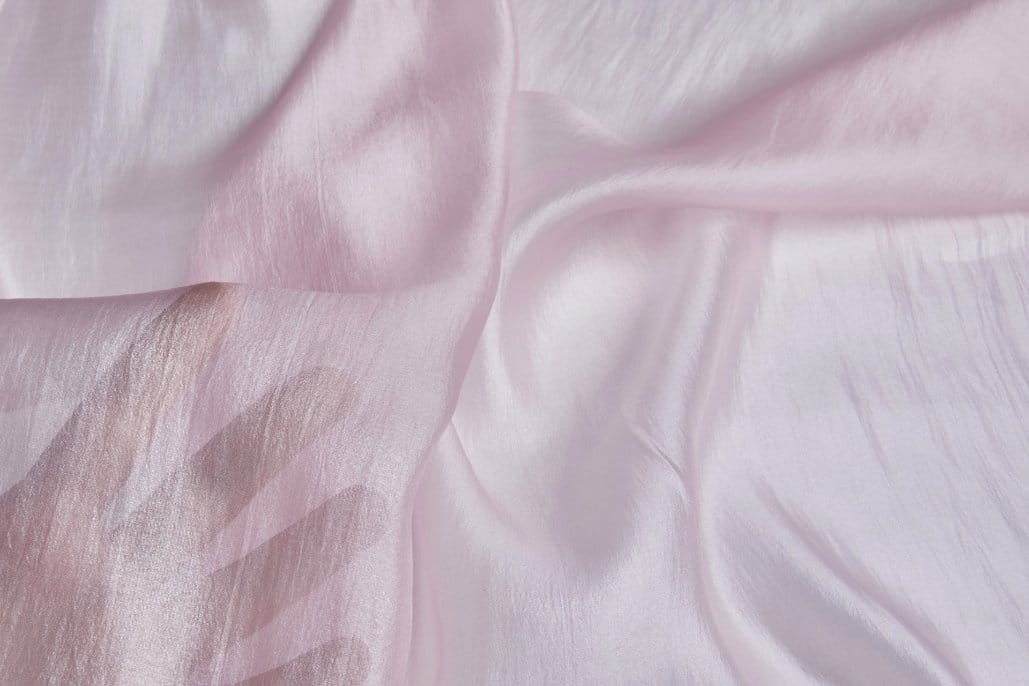
High quality crinkle chiffon has consistent pleats and a soft hand feel.
Not all crinkle chiffon is created equal. Here’s what to look for when shopping to make sure you’re getting good quality fabric.
Check the Fiber Content
The label tells you a lot. 100% silk will be the highest quality and most expensive. Good polyester crinkle chiffon should list “100% polyester” or a specific blend percentage. Be wary of vague labels that just say “synthetic” without specifying which one.
Examine the Crinkle Texture
High-quality crinkle chiffon has uniform, consistent crinkles across the entire fabric. Hold it up to the light and look for:
- Even distribution of the puckered texture
- Crinkles that run consistently in one direction (usually lengthwise)
- No flat, uncreased patches or overly crushed areas
- Texture that feels permanent, not loose or temporary
Give the fabric a gentle tug. Quality crinkles should stretch slightly and then return to their original shape. If the crinkles smooth out completely when you stretch the fabric, the texture isn’t set properly.
Feel the Hand
Even though crinkle chiffon has texture, it should still feel relatively soft. Silk will feel the softest, while good polyester should feel smooth despite the crinkles. Watch out for:
- Overly scratchy or rough texture (indicates low quality or poor processing)
- Stiff, papery feel (too much chemical treatment or low-grade fiber)
- Slimy or waxy coating (cheap synthetic or excessive finishing treatments)
Test the Drape
Hold up a length of fabric and let it hang naturally. Quality crinkle chiffon should flow softly and create gentle folds. It shouldn’t stick out stiffly or fall completely limp. The crinkle texture should add body without making the fabric stiff.
Check the Color
Good dye work means colors look rich and even throughout the fabric. Hold the fabric up to bright light and check for:
- Consistent color with no streaks or patches
- Vibrant hue that doesn’t look faded or washed out
- Color that goes all the way through the fabric (both sides should match)
Width and Weight Matter
Standard crinkle chiffon typically comes in widths of 42-58 inches. Anything much narrower might indicate lower quality or specialty fabric. For weight, quality crinkle chiffon usually falls in the 30-40 GSM range (grams per square meter). This keeps it lightweight while still having enough body.
Price as an Indicator
While price isn’t everything, it can signal quality. If you see polyester crinkle chiffon for $2 per yard, it’s probably low quality. Expect to pay:
- Silk crinkle chiffon: $20-35 per yard
- Good polyester crinkle chiffon: $8-15 per yard
- Mid-range synthetics: $6-12 per yard
Look for Certifications
Quality manufacturers often get their fabrics certified. Look for:
- OEKO-TEX Standard 100: Means the fabric is tested for harmful substances
- GOTS (Global Organic Textile Standard): For organic silk options
- GRS (Global Recycle Standard): For recycled polyester versions
Pro Tip: Always order swatches before buying yards of fabric. Photos can be deceiving, and you need to feel the texture, see the true color, and test the drape before committing to a project.
Sustainability and Environmental Impact
As more people care about the environmental footprint of their clothing, understanding the sustainability of crinkle chiffon becomes important. The impact varies significantly depending on which type you choose.
Silk Crinkle Chiffon: The Natural Option
Silk offers the most eco-friendly choice when produced responsibly. Here’s why:
The Good: Silk is a natural, renewable fiber that biodegrades completely. Silkworms feed on mulberry leaves, which are sustainable to grow. The production process uses no synthetic chemicals if done traditionally. When you dispose of silk fabric, it breaks down naturally without leaving microplastics in the environment.
The Concerns: Not all silk production is equal. Some operations use pesticides on mulberry trees. The dying process can involve harsh chemicals. Production can be water-intensive. Also, traditional silk production kills the silkworm pupae, which raises ethical questions for some people (though “peace silk” or “ahimsa silk” allows the moths to emerge before harvesting).
Carbon Footprint: Lower than synthetic options, especially when produced locally or regionally
Synthetic Crinkle Chiffon: The Complex Picture
Polyester and nylon crinkle chiffon come from petroleum, which raises environmental concerns.
The Concerns: Synthetic fibers come from non-renewable fossil fuels. Production releases greenhouse gases. When washed, synthetic fabrics shed microplastics that end up in waterways and oceans. The fabric won’t biodegrade – it can take hundreds of years to break down in landfills.
The Silver Linings: Modern synthetic production has become more efficient. The fabrics last longer than natural fibers, meaning you replace them less often. They require less water in manufacturing than cotton or other natural fibers. Washing them uses less water and energy because you don’t need dry cleaning.
Recycled Polyester: A Better Synthetic
More manufacturers now offer crinkle chiffon made from recycled polyester (often called rPET). This fabric comes from recycled plastic bottles and post-consumer textile waste.
The Benefits: Diverts plastic waste from landfills and oceans. Uses less energy and resources than producing virgin polyester. Reduces demand for new petroleum. Performs just as well as regular polyester chiffon.
The Trade-offs: Still sheds microplastics when washed. Won’t biodegrade. Recycling process does use energy. Look for GRS (Global Recycled Standard) certification to ensure the fabric truly comes from recycled materials.
Making Sustainable Choices
Here’s how to minimize your environmental impact:
- Choose organic silk when you can afford it – look for GOTS certification
- Pick recycled polyester over virgin polyester for synthetic options
- Buy quality over quantity – one well-made garment beats three cheap ones
- Care for your clothes properly to make them last longer
- Wash synthetic fabrics in guppybags to catch microplastics before they enter waterways
- Support brands with transparent supply chains and ethical production
- Consider the full lifecycle – how long will you use it? Can you repair it? Can it be recycled?
The Water Question
Water use varies by fiber type. Silk production uses moderate amounts of water, mainly for mulberry cultivation and processing. Synthetic production uses less water in manufacturing but more in the fossil fuel extraction phase. Regardless of fiber type, crinkle chiffon’s low-maintenance nature means less water used in laundering over its lifetime.
Bottom Line: If sustainability is your priority, choose organic silk crinkle chiffon or GRS-certified recycled polyester. Take care of whatever you buy so it lasts for years. The most sustainable fabric is the one you already own and continue using.
Uses and Applications
Crinkle chiffon’s unique properties make it perfect for specific applications. Its low-maintenance nature and beautiful drape open up possibilities that regular chiffon can’t match.
Fashion and Apparel
Modest Fashion
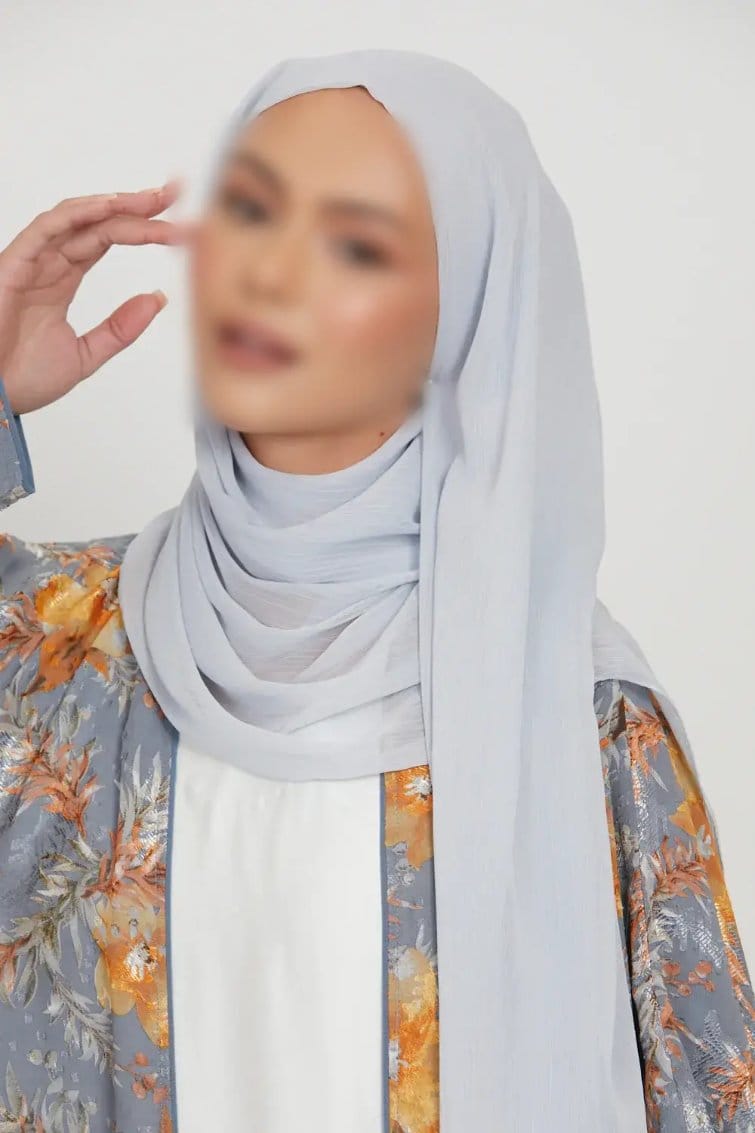
Soft, breathable crinkle chiffon is a popular choice for comfortable hijabs.
This is where crinkle chiffon truly shines. The fabric has become a staple in modest fashion communities worldwide.
- Hijabs and Headscarves: The texture keeps scarves from sliding, and the low-maintenance aspect means you can wear them daily without fuss. The slight opacity (compared to regular chiffon) provides better coverage.
- Abayas and Long Dresses: Flows beautifully without clinging to the body. The lightweight nature keeps you comfortable even in warm weather.
- Dupattas and Stoles: Traditional South Asian garments benefit from the elegant drape and easy care.
- Turbans: The texture adds volume and interest while staying secure.
Everyday Wear
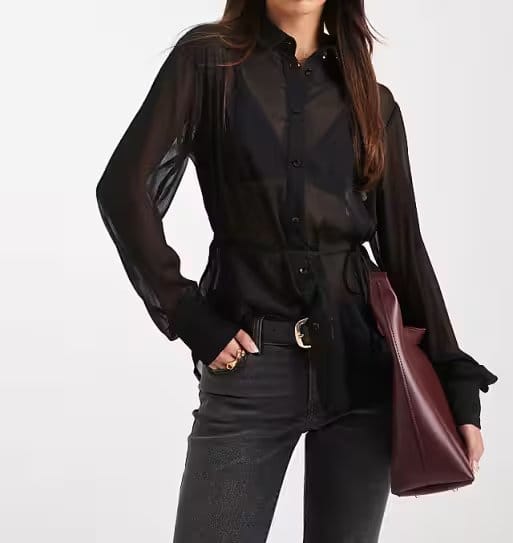
A crinkle chiffon blouse brings texture and elegance to modern wardrobes.
Beyond modest fashion, crinkle chiffon works wonderfully for regular clothing:
- Blouses and Tops: The texture hides any figure concerns while looking polished. Perfect for work or casual wear. Layer over camisoles for more coverage.
- Maxi Dresses: The flowing length looks romantic and moves beautifully. Great for summer events or beach cover-ups.
- Skirts: From mini to maxi length, the fabric creates flattering movement without requiring a slip in most cases.
- Palazzo Pants: The wide-leg style pairs perfectly with the fabric’s flow.
- Kimonos and Cardigans: Easy to throw on as a light layer that adds style.
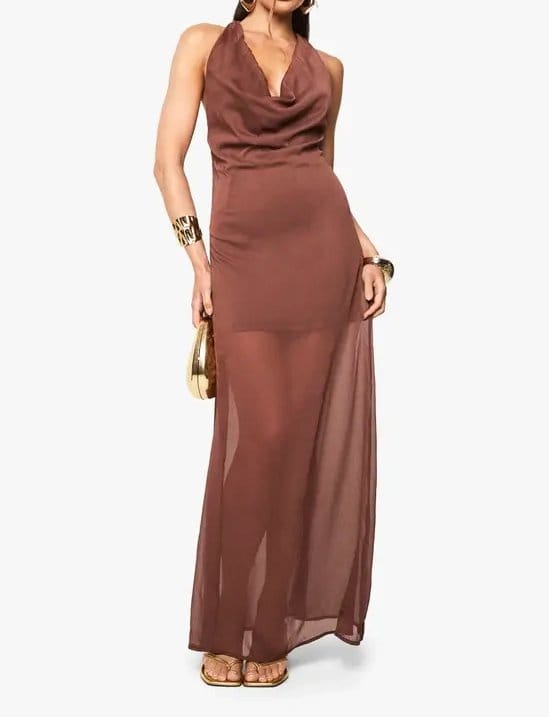
Flowing crinkle chiffon creates graceful lines in maxi dresses.
Special Occasions
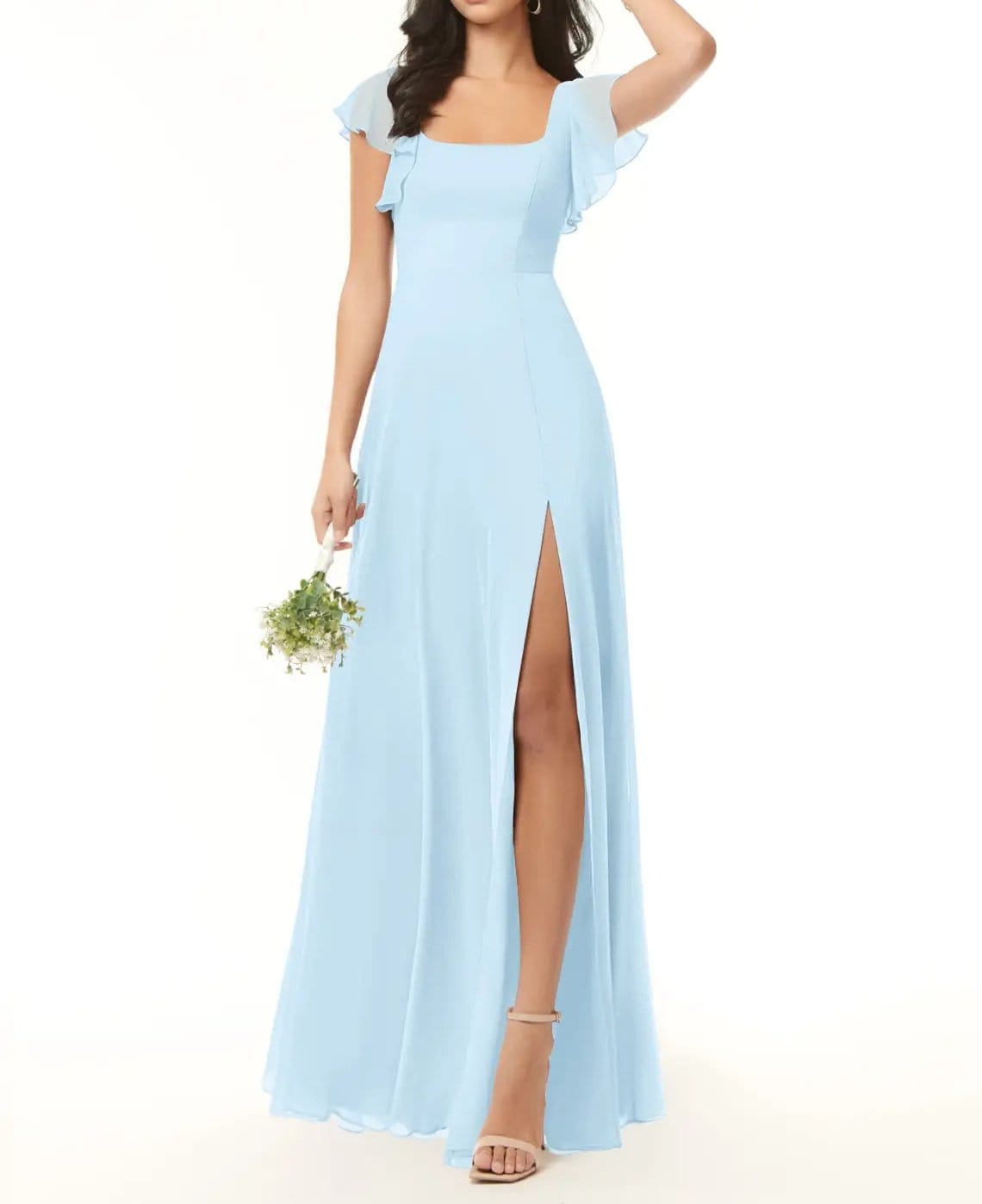
Crinkle chiffon offers elegance and comfort for formal celebrations.
While less formal than smooth chiffon, crinkle chiffon still works for special events:
- Bridesmaid Dresses: Some brides mix crinkle chiffon with regular chiffon for their bridal party. The textures blend well enough that most people don’t notice the difference.
- Overlays and Layers: Add a crinkle chiffon overlay to a simple dress for instant elegance.
- Evening Wraps: Sophisticated cover-up for formal events.
- Mother-of-the-Bride Outfits: Comfortable and age-appropriate with the right styling.
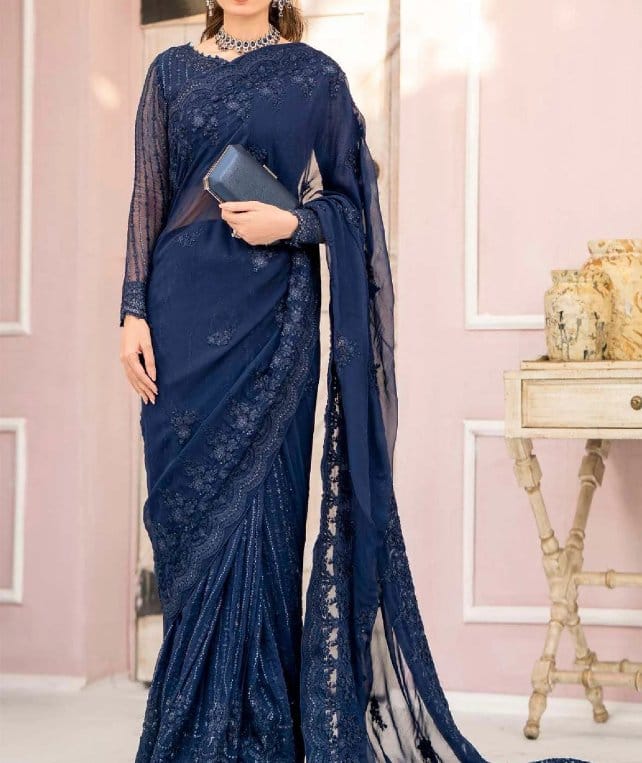
Crinkle chiffon adds graceful drape and elegance to traditional attire.
Travel and Resort Wear

Crinkle chiffon layers add breezy style to relaxed summer outfits.
The practical benefits make crinkle chiffon ideal for travelers:
- Packs light and small
- Doesn’t wrinkle (or wrinkles blend in)
- Dries quickly after washing
- Breathes well in hot weather
- Looks put-together with zero effort
Accessories
The fabric works beautifully for items beyond clothing:
- Scarves: Both decorative and functional, from lightweight summer scarves to larger wraps
- Hair Accessories: Scrunchies, headbands, and ties with interesting texture
- Belts and Sashes: Add a pop of color and texture to outfits
Home Decor
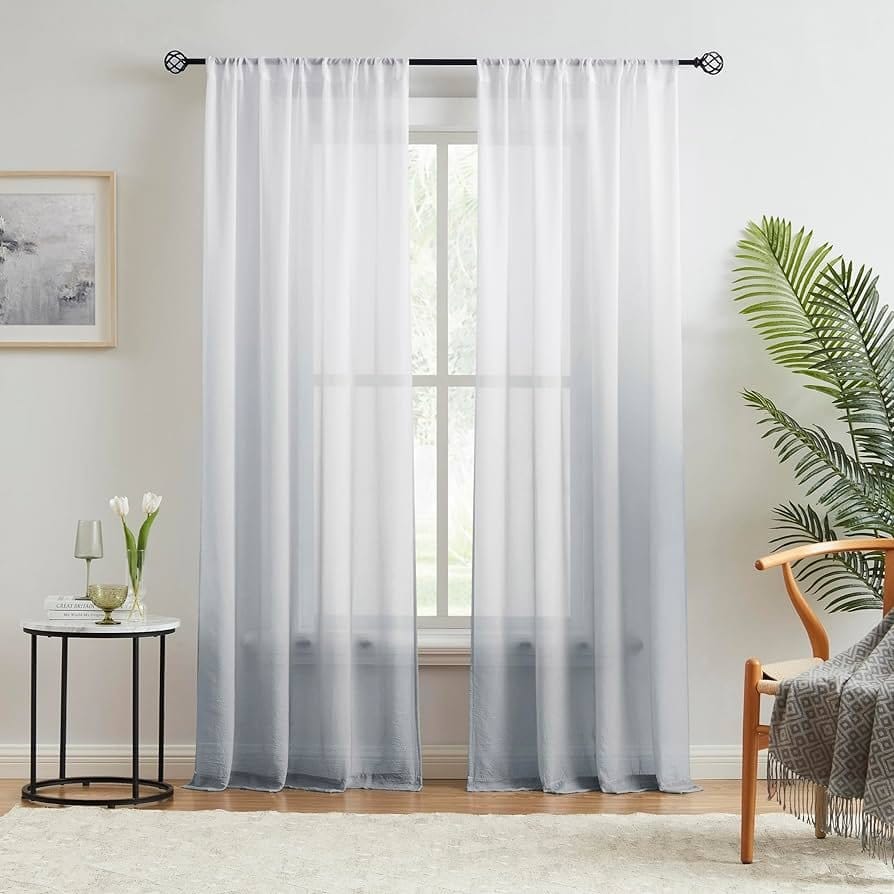
Crinkle chiffon panels soften sunlight while keeping spaces light.
While less common than in fashion, crinkle chiffon appears in home applications:
- Window Treatments: Sheer curtains that filter light beautifully. The crinkle texture adds visual interest compared to flat sheers.
- Event Decoration: Draping for weddings, parties, and special events. The fabric creates romantic atmosphere.
- Table Runners: Adds texture to table settings for special occasions.
Cultural and Traditional Garments
Different cultures have adopted crinkle chiffon for traditional dress:
- Sarees: Indian fashion embraces crinkle chiffon sarees for their ease of draping and modern look
- Kaftans: Middle Eastern and North African styles use the flowing fabric
- Jellabiya: Traditional Egyptian garments in lightweight crinkle chiffon for warm weather
Complete Care Instructions
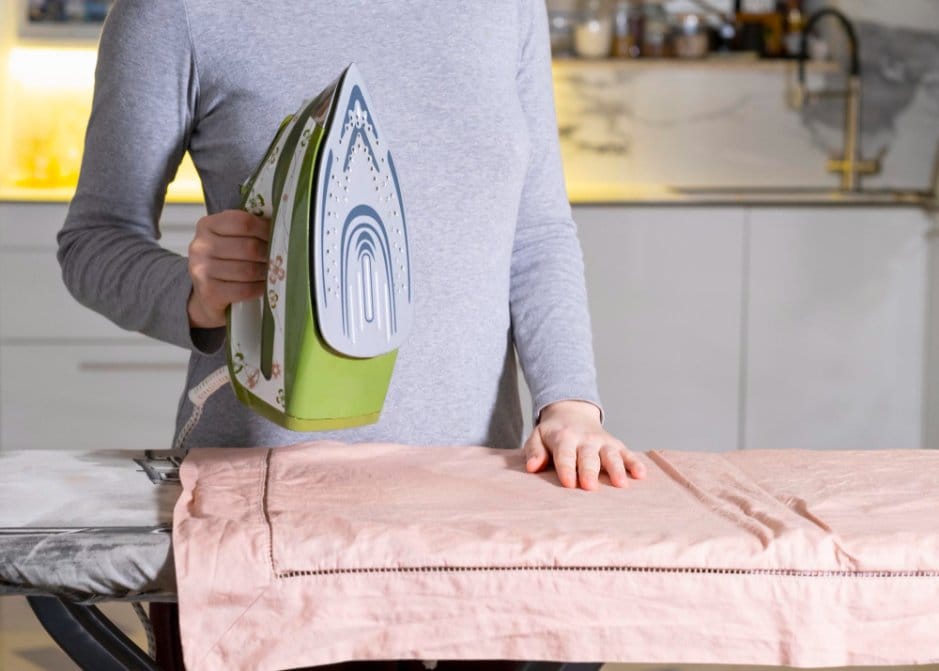
Proper pressing and gentle heat help maintain the texture of crinkle chiffon.
Taking care of crinkle chiffon properly keeps it looking great for years. The good news? It’s much easier to maintain than regular chiffon, but there are still some rules to follow.
Washing
- Water Temperature: Always use cold to lukewarm water (never hot)
- Detergent: Mild, pH-neutral liquid detergent only
- Hand Wash Method: Fill basin, add detergent, gently swish for 3-5 minutes
- Machine Wash: Use mesh bag on delicate cycle (polyester/nylon only)
- Never: Wring, twist, or scrub the fabric
Drying
- Air Dry Only: Never use a tumble dryer
- Remove Excess Water: Gently press between towels
- Hang or Lay Flat: Use padded hangers or flat surface
- Avoid Direct Sunlight: Can fade colors
- Keep Shape: Don’t hang while dripping wet
Ironing
- Usually Not Needed: The crinkles hide wrinkles
- If You Must Iron: Use lowest heat setting
- Protection: Place pressing cloth between iron and fabric
- Better Option: Use steamer on low heat
- Warning: Too much heat removes the crinkles
Storage
- Hanging: Use padded or wide hangers
- Folding: Store loosely, don’t compress tightly
- Moth Protection: Cedar or lavender for silk versions
- Climate: Cool, dry place away from humidity
- Avoid: Direct sunlight on stored garments
Fiber-Specific Care
Silk Crinkle Chiffon
Requires the most delicate care:
- Professional dry cleaning preferred for expensive pieces
- Hand wash only if you wash at home – never machine wash
- Use silk-specific detergent or very mild baby shampoo
- Avoid water spots by submerging completely (not spot cleaning)
- Test for colorfastness before first wash
- Store with moth deterrents as silk attracts moths
Polyester and Nylon Crinkle Chiffon
Much more forgiving:
- Machine washable on delicate cycle in mesh bag
- Regular mild detergent works fine
- Can tolerate slightly warmer water (but still avoid hot)
- Dries faster than natural fibers
- More durable with regular washing
Rayon Crinkle Chiffon
Falls in between silk and polyester:
- Hand wash preferred as it weakens when wet
- Handle gently when wet to avoid stretching
- May shrink if washed in hot water
- Dry flat to maintain shape
Stain Removal Guide
Act fast when stains happen:
Oil-Based Stains (makeup, food oil, grease)
- Blot (don’t rub) immediately with clean cloth
- Sprinkle cornstarch, talc, or baking soda on the spot
- Let sit for 20-30 minutes to absorb oil
- Gently brush off powder
- Wash as normal
Water-Based Stains (juice, coffee, wine)
- Blot excess liquid immediately
- Mix mild detergent with cool water
- Dab solution on stain with clean cloth
- Rinse with cool water
- Repeat if needed, then wash garment
Protein Stains (blood, sweat)
- Always use cold water (hot sets protein stains)
- Soak in cold water with enzymatic detergent
- Gently work detergent into stain
- Rinse thoroughly
- Repeat until stain lifts
Quick Care Reference
Pro Tip: The crinkles in your fabric are heat-set. Too much heat (from dryers, hot water, or aggressive ironing) can permanently remove them. Once the crinkles are gone, you can’t get them back.
Maintaining the Crinkle Texture
To keep those crinkles looking good:
- After washing, gently scrunch the fabric while damp to reinforce the texture
- Don’t stretch the fabric taut when drying
- Avoid heavy pressing or ironing
- Store without heavy items on top that could flatten the texture
Sewing with Crinkle Chiffon
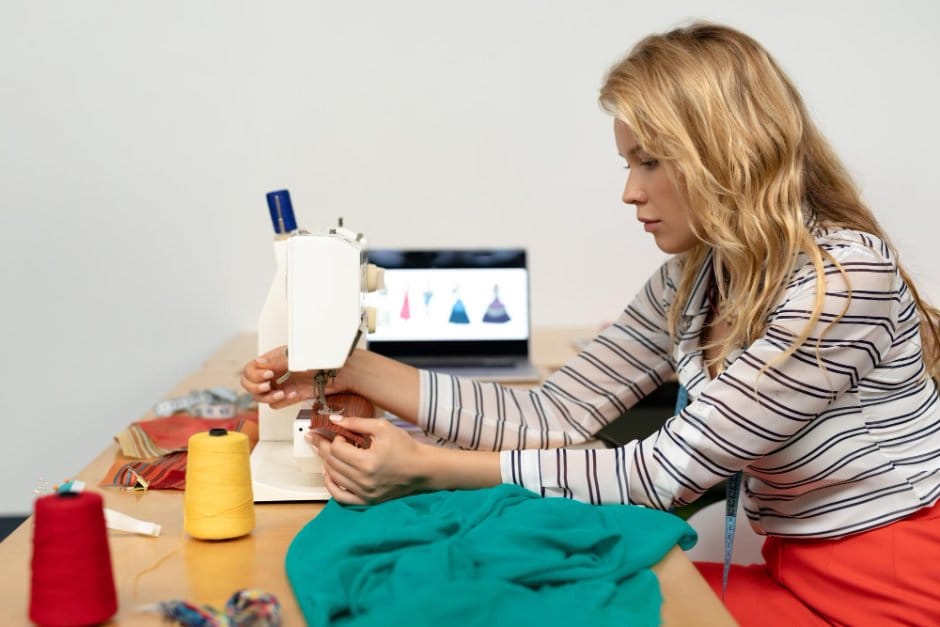
Careful handling keeps delicate crinkle chiffon from shifting.
Good news for sewers – crinkle chiffon is much easier to work with than regular chiffon. The texture gives you something to grip, and it hides small imperfections. However, you still need some special techniques.
Why Sewers Love Crinkle Chiffon
- Less Slippery: The crinkled texture provides grip compared to smooth chiffon
- Forgiving: The textured surface camouflages slightly uneven seams
- Easier Cutting: Stays in place better on your cutting surface
- Handles Well: Feeds through your machine more smoothly
- Professional Results: Looks polished even with basic techniques
Before You Start
Choose Your Pattern Wisely
Crinkle chiffon works best with:
- Loose, flowing designs
- Gathered or elasticized waists
- Kimono sleeves or raglan sleeves
- Simple shapes without complicated construction
- Designs with minimal darts (the texture makes darts less necessary)
Avoid patterns that require:
- Crisp, structured shapes
- Topstitching details (the texture makes them hard to see)
- Precise matching of prints or stripes
- Heavy interfacing or structuring
Pre-Wash Your Fabric
Always pre-wash crinkle chiffon before cutting, even though synthetics don’t shrink much. This removes any finishing chemicals and lets you see if the color bleeds. For polyester, a quick gentle machine wash works. For silk, dry clean or hand wash.
Essential Tools and Supplies
- Needles: Universal or microtex needles in size 60/8 or 70/10. Sharp points prevent snags.
- Thread: Fine polyester thread (50-60 weight). Match color closely as stitches show through the sheer fabric.
- Pins: Fine silk pins or use wonder clips to avoid leaving holes
- Rotary Cutter: Gives cleaner cuts than scissors
- Weights: Pattern weights instead of pins when possible
- Walking Foot: Helpful but not essential – feeds layers evenly
Cutting Techniques
- Lay fabric flat on cutting surface – don’t let it hang off the edge
- Use pattern weights to hold pattern pieces without puncturing fabric
- Cut with rotary cutter for smoothest edges
- Cut one layer at a time for most accuracy
- Pay attention to grain – crinkles usually run lengthwise
- Add extra seam allowance if you’re new to sewing chiffon (5/8″ instead of 3/8″)
Sewing Techniques
Machine Settings
- Stitch Length: 2-2.5mm (slightly smaller than normal)
- Tension: Slightly reduced (test on scraps first)
- Speed: Sew slowly and steadily
- Presser Foot Pressure: Lighten if possible
Seam Finishes
French seams work beautifully with crinkle chiffon. They enclose raw edges and look professional on sheer fabric:
- Sew pieces wrong sides together with 1/4″ seam allowance
- Trim seam allowance to scant 1/8″
- Press seam to one side
- Fold fabric so right sides are together, enclosing raw edge
- Sew again with 1/4″ seam allowance
- Press flat – you now have a clean, enclosed seam
Other good options:
- Narrow hem: Roll hem by hand or use rolled hem foot
- Baby hem: Turn edge twice with very narrow turns
- Bias binding: Use silk or matching chiffon cut on bias
Special Techniques
Basting: Always baste important seams (shoulder seams, side seams) before final stitching. Pin, baste by hand or with large machine stitches, check fit and alignment, then sew permanently.
Gathering: Crinkle chiffon gathers beautifully. Use two rows of basting stitches for even gathers. The crinkle texture adds extra fullness and movement.
Pressing: Use lowest heat setting with pressing cloth. Better yet, hang garment in steamy bathroom or use garment steamer. Remember – too much heat removes the crinkles permanently.
Common Sewing Problems and Solutions
| Problem | Solution |
|---|---|
| Fabric slipping while sewing | Use tissue paper under fabric, or try a walking foot |
| Skipped stitches | Change to new, sharp needle in smaller size |
| Puckered seams | Reduce tension, use finer thread, support fabric weight |
| Fabric pulled into machine | Use straight stitch throat plate, hold threads when starting |
| Wavy edges | Don’t stretch fabric as you sew, let machine feed naturally |
Practice First: Before cutting into your good fabric, make a test garment or practice on scraps. Get comfortable with how crinkle chiffon behaves under your machine. The texture is forgiving, but sheer fabrics always require a gentle touch.
Styling Ideas
Crinkle chiffon’s versatile nature means you can style it many different ways. Here are ideas for different occasions and seasons.
Casual Everyday Looks
Summer Outfit
- Crinkle chiffon kimono over white tank and denim shorts
- Maxi skirt with fitted t-shirt and sandals
- Loose blouse tucked into high-waisted jeans with sneakers
- Beach cover-up over swimsuit
Work Appropriate
- Blouse in solid color with tailored pants and blazer
- Midi dress with structured belt and pumps
- Layer under cardigan for conservative offices
- Pair with pencil skirt and low heels
Special Occasions
Wedding Guest
- Maxi dress in jewel tones with metallic accessories
- Cocktail-length dress with statement jewelry
- Printed crinkle chiffon dress with neutral shoes
- Overlay dress with slip underneath
Evening Events
- Black crinkle chiffon palazzo pants with silk camisole
- Long flowing dress with elegant shawl
- Layered look with different lengths of chiffon
Seasonal Styling
Spring
- Pastel colors in floral prints
- Layer over long sleeves for transitional weather
- Pair with light cardigans
Summer
- Bright, vibrant colors
- Maximum airflow with loose styles
- Light layers for sun protection
Fall
- Rich jewel tones and earth tones
- Layer under sweaters or jackets
- Pair with boots and tights
Winter
- Deep colors like burgundy, navy, forest green
- Layer under coat as elegant base
- Use as scarf or wrap for added warmth
Modest Fashion Styling
- Hijab with matching or coordinating outfit
- Long tunic over pants or leggings
- Maxi dress with long sleeves
- Overlay on simpler dress for added coverage
- Multiple scarves in different colors for variety
Accessorizing Tips
- Jewelry: Keep simple with delicate pieces, or go bold with statement jewelry
- Belts: Define waist on loose styles with thin or wide belts
- Shoes: Anything from sneakers to heels works depending on the occasion
- Bags: Structured bags provide nice contrast to the flowy fabric
Where to Buy and What to Look For
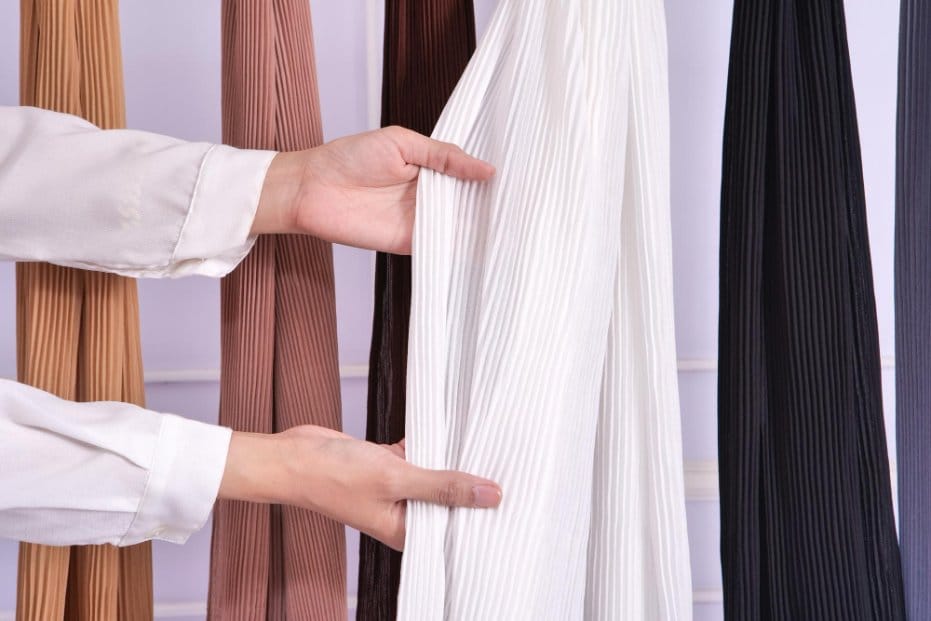
Compare color, texture, and quality when selecting crinkle chiffon.
Finding quality crinkle chiffon takes some knowledge of where to shop and what questions to ask.
Online Retailers
Fabric Specialty Stores
- Denver Fabrics – Good selection of printed crinkle chiffon
- Fashion Fabrics Club – Offers both solid and patterned options
- Fabric Depot – Wide color range
- NY Designer Fabrics – Higher-end silk options
General Online Marketplaces
- Etsy – Individual sellers, good for small quantities and unique prints
- Amazon – Convenient but quality varies widely
- eBay – Can find deals but inspect seller ratings carefully
Physical Stores
- Local fabric stores – Let you feel texture before buying
- Garment district shops – In major cities, often better prices
- Chain craft stores – Limited selection but convenient
Shopping Checklist
Before purchasing, verify:
- Fiber content (100% silk, polyester, or blend?)
- Fabric width (typically 44-58 inches)
- GSM or weight (should be 30-40 GSM)
- Color accuracy (order swatches when possible)
- Return policy (important for online orders)
- Minimum order requirements
- Price per yard or meter
Price Expectations
| Type | Price Range (per yard) | Best For |
|---|---|---|
| Silk Crinkle Chiffon | $20-35 | Special occasions, luxury items, heirloom pieces |
| High-Quality Polyester | $10-18 | Everyday wear, practice projects, value option |
| Standard Polyester | $5-12 | Learning, testing patterns, budget projects |
| Nylon Crinkle Chiffon | $8-15 | Scarves, activewear overlays, accessories |
| Rayon Crinkle Chiffon | $10-20 | Mid-range projects, flowing garments |
Red Flags to Watch For
- Prices too good to be true (sub-$3 per yard usually means poor quality)
- No fiber content listed
- Vague descriptions (“chiffon-like” instead of actual chiffon)
- No return policy
- Photos that look computer-generated or heavily edited
- Sellers with many negative reviews
Calculating How Much You Need
General guidelines for yardage:
- Scarf: 1-2 yards depending on size
- Blouse: 2-3 yards
- Simple dress: 3-5 yards
- Maxi dress: 4-6 yards
- Palazzo pants: 2-3 yards
- Kimono/cardigan: 2-4 yards
Always buy extra (10-15% more than pattern calls for) to account for mistakes, shrinkage, and future repairs.
Common Problems and Solutions
Even with proper care, you might encounter issues with crinkle chiffon. Here’s how to fix common problems.
Loss of Crinkle Texture
Problem: Fabric has gone flat or smooth in spots
Causes: Too much heat (ironing, dryer, hot water), excessive stretching, poor quality fabric
Solution: Unfortunately, if the crinkles are permanently lost, you can’t restore them at home. This is why heat protection is so important. For slightly flattened areas, try gently scrunching while damp.
Prevention: Always use cold water, air dry, avoid high heat ironing
Snags and Pulls
Problem: Thread pulled creating a loop or run in fabric
Causes: Jewelry, zippers, velcro, rough surfaces
Solution: For small snags, gently work the pulled thread back through to the wrong side using a fine needle. Don’t cut the thread. For larger pulls, you may need to carefully trim and reinforce with a tiny drop of fray check.
Prevention: Remove jewelry before dressing, keep away from rough surfaces, wash in mesh bags
Color Bleeding or Fading
Problem: Color runs when washing or fades over time
Causes: Poor dye quality, washing in hot water, exposure to sunlight
Solution: For bleeding colors, wash separately in cold water with vinegar (1/4 cup) to help set dye. For faded items, professional re-dyeing might work for solid colors.
Prevention: Test colorfastness before first wash, always use cold water, dry away from direct sunlight
Excessive Sheerness
Problem: Fabric is more transparent than expected
Solution: Wear with appropriate undergarments or slips. Layer garments. Choose darker colors which show through less. Add a lining (though this requires sewing skills).
Prevention: Order swatches to check transparency before making full garment
Fraying Edges
Problem: Raw edges are coming apart quickly
Solution: Treat edges with fray check liquid. Finish seams properly with French seams or overlocking. For existing fraying, trim clean and refinish edge.
Prevention: Finish seams immediately after cutting, don’t leave raw edges exposed
Static Cling
Problem: Fabric sticks to legs or other clothes
Solution: Lightly spray inside of garment with anti-static spray. Run dryer sheet over garment. Use fabric softener in wash (for synthetics only, not silk).
Prevention: More common in dry winter weather – humidify your home, use moisturizer on skin
Stubborn Wrinkles (Not Crinkles)
Problem: Deep creases from folding that look different from the intentional crinkles
Solution: Hang in steamy bathroom. Use garment steamer on low heat. Very gently press with cool iron through pressing cloth.
Prevention: Store hanging rather than folded when possible, don’t pack too tightly when traveling
Frequently Asked Questions
No, they’re different fabrics. Georgette is heavier and more opaque than crinkle chiffon, with a slightly rough, crepe-like texture throughout. Crinkle chiffon is lighter and sheerer with irregular, permanent wrinkles. Georgette comes from tightly twisted yarns that create texture, while crinkle chiffon gets its texture from post-weaving treatments. Both are beautiful, but georgette has more body and structure.
You can iron it, but you generally shouldn’t. The crinkled texture is the whole point of this fabric. If you iron it with too much heat, you’ll permanently flatten the crinkles. If you must press wrinkles (not the intentional crinkles), use the lowest heat setting and place a pressing cloth between the iron and fabric. A garment steamer on low heat is a much safer option.
No, properly manufactured crinkle chiffon has permanent crinkles that won’t wash out with normal care. The texture is heat-set or chemically treated to be permanent. However, exposure to high heat (from dryers, very hot water, or aggressive ironing) can damage or remove the crinkles. As long as you follow care instructions and use cool water and air drying, your crinkles will stay intact.
Crinkle chiffon is semi-sheer, meaning you can see through it but not as clearly as with regular smooth chiffon. The crinkled texture makes it slightly more opaque. The level of transparency depends on the color (dark colors show through less) and fiber content (silk is more opaque than polyester). Most people wear slips or layering pieces under crinkle chiffon garments, or choose darker colors for more coverage.
Prices vary by fiber content. Expect to pay $20-35 per yard for silk crinkle chiffon, $10-18 per yard for high-quality polyester, and $5-12 per yard for standard polyester. Nylon and rayon fall in the $8-20 range. If you see prices much lower than these ranges, the quality is likely poor. For finished garments, a simple crinkle chiffon scarf might cost $15-40, while a dress could range from $50-200 depending on the brand and fiber content.
Yes, crinkle chiffon is actually one of the more beginner-friendly delicate fabrics. The texture makes it less slippery than regular chiffon, and it hides small sewing mistakes. That said, it’s still a sheer, lightweight fabric that requires some patience. If you’re a complete beginner, practice with a small project like a scarf first before attempting a full garment. Choose simple patterns with minimal construction details.
It depends on the fiber content. Silk and rayon crinkle chiffon can be dyed with natural fiber dyes. Polyester and nylon require special polyester dyes and high heat, which risks removing the crinkles. If you want to change the color, it’s safer to buy the fabric in your desired color. If you do attempt dyeing polyester crinkle chiffon, use disperse dyes and keep the temperature as low as the dye allows.
For hijabs, polyester crinkle chiffon is usually the best choice. It’s affordable, durable for daily wear, easy to care for, and the texture keeps the scarf from slipping. The slight opacity provides better coverage than regular chiffon. Look for medium-weight options (around 35-40 GSM) that have enough body to drape nicely but aren’t too heavy. Many women in the modest fashion community prefer crinkle chiffon specifically because it doesn’t require pins as much as smooth chiffon.
This is the beauty of crinkle chiffon – the answer is basically no. The fabric is already wrinkled by design, so when it gets additional wrinkles, they just blend into the existing texture. You might get a few deep creases from folding, but these usually fall out when you hang the garment. This makes crinkle chiffon perfect for travel and busy lifestyles where you don’t have time for ironing.
Absolutely yes. Crinkle chiffon is one of the best travel fabrics available. It packs small and light, doesn’t wrinkle (or wrinkles blend in), dries quickly if you need to wash it, and breathes well in warm destinations. Many travelers love crinkle chiffon scarves and clothing pieces for these exact reasons. Just remember to hand wash or use gentle machine cycles while traveling, and hang to dry.
Conclusion
Crinkle chiffon offers a unique combination of elegance and practicality that few other fabrics can match. Its permanently textured surface means you get the flowing, romantic look of chiffon without the high-maintenance care requirements. Whether you’re drawn to it for modest fashion needs, sewing projects, or simply want beautiful clothes that don’t require constant ironing, crinkle chiffon delivers.
The fabric’s journey from ancient Chinese silk production to modern synthetic manufacturing shows how textile innovation makes luxury more accessible. Today, you can choose from silk versions for special occasions or affordable polyester for everyday wear. Each type has its place, and understanding the differences helps you pick the right one for your needs.
Key Takeaways
- Low Maintenance Luxury: Crinkle chiffon looks elegant but doesn’t need constant ironing. The built-in texture hides wrinkles and makes your life easier.
- Choose the Right Type: Silk for luxury and sustainability, polyester for everyday durability, recycled polyester for eco-conscious choices. Each serves different purposes and budgets.
- Care Is Simple: Cold water washing, air drying, and minimal ironing keep your crinkle chiffon looking great. The texture is permanent as long as you avoid high heat.
- Perfect for Specific Uses: Modest fashion, travel clothing, summer wear, and easy-sew projects all benefit from crinkle chiffon’s properties.
- More Forgiving Than Regular Chiffon: The texture makes it easier to sew, hides imperfections, and provides better coverage while maintaining that beautiful drape.
- Investment in Quality Pays Off: Better fabric costs more upfront but lasts longer, looks better, and feels nicer. Order swatches to verify quality before buying yards.
As you work with crinkle chiffon, remember that this fabric rewards gentle handling and patience. Take time to practice your sewing techniques on scraps. Follow care instructions carefully to preserve that beautiful texture. And most importantly, enjoy the way this fabric moves and flows. The soft drape and forgiving nature make crinkle chiffon a joy to wear and work with.
Whether you’re making your first scarf, designing a full wardrobe of modest fashion pieces, or simply appreciating the textile from an educational standpoint, crinkle chiffon offers something special. Its combination of beauty, practicality, and cultural significance makes it more than just another fabric – it’s a textile that connects ancient traditions with modern needs.
Ready to start working with crinkle chiffon? Begin with a simple project like a scarf or easy blouse. Feel how the fabric behaves. Notice how it drapes. Appreciate how those intentional wrinkles save you time. Once you experience the benefits firsthand, you’ll understand why crinkle chiffon has become such a beloved choice for people around the world.