
Everything You Need to Know About the Gold of the Andes
Imagine a fabric so rare and precious that ancient Inca emperors reserved it exclusively for royalty. A material so soft it feels like touching a cloud, so warm it can keep you comfortable in freezing mountain temperatures despite being lighter than cashmere. This isn’t a fantasy – it’s vicuña wool, the most expensive legal fabric in the world.
With suits starting at $32,000 and scarves costing up to $3,000, vicuña fabric represents the absolute peak of luxury textiles. But what makes this material worth more than gold per ounce? Why does it cost 10 times more than cashmere, and is it actually worth the investment?
This complete guide will take you inside the fascinating world of vicuña wool, from the windswept Andes Mountains where wild vicuñas roam, to the Italian mills where master craftsmen transform this exceptional fiber into the world’s most sought-after garments.
What Is Vicuña Wool?
Vicuña wool comes from the vicuña (Vicugna vicugna), a small, elegant wild camelid that lives in the high-altitude plains of the Andes Mountains in South America. Standing about 3 feet tall at the shoulder and weighing just 75-140 pounds, these graceful creatures are the smallest members of the camel family, closely related to llamas, alpacas, and guanacos.
Where Do Vicuñas Live?
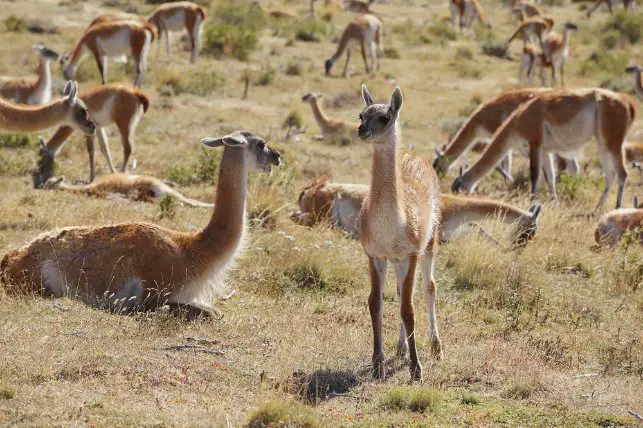
Vicuñas in their native Andean environment
Vicuñas inhabit some of the harshest environments on Earth – the Andean altiplano at elevations between 12,000 and 16,000 feet (3,600-4,800 meters) above sea level. Most of the world’s vicuña population lives in Peru, which claims the animal as its national symbol. Smaller populations exist in Bolivia, Chile, Argentina, and Ecuador.
At these extreme altitudes, temperatures can swing dramatically from scorching daytime heat to below-freezing nights. This extreme climate is exactly what makes vicuña wool so special – the animals developed the finest, most insulating coat in nature to survive these conditions.
The Vicuña’s Unique Coat
Vicuñas have a double-layered coat system. The outer layer consists of coarse guard hairs that protect against wind and sun. Underneath lies the prized undercoat – an incredibly fine down composed of hollow, air-filled fibers covered in tiny interlocking scales.
This unique structure allows the fibers to trap air and create exceptional insulation while remaining remarkably lightweight. The result? Fabric that provides superior warmth without bulk, perfect for both extreme cold and temperature regulation.
Quick Facts About Vicuñas
- Scientific Name: Vicugna vicugna
- Height: 2.5-3 feet at shoulder
- Weight: 75-140 pounds
- Lifespan: 15-20 years in the wild
- Fiber Diameter: 11-13.5 microns (some under 10 microns)
- Natural Colors: Cinnamon brown, beige, white (belly)
- Current Population: Approximately 200,000-350,000
The Rich History of Vicuña
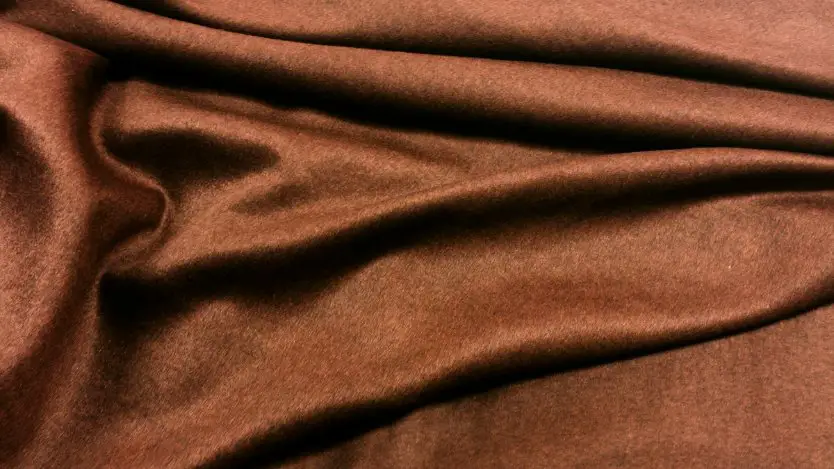
Vicuña wool reflecting centuries of Andean textile tradition
The Inca Era: Fabric of the Gods
For the Incas, vicuña wool was sacred. According to legend, the vicuña was a beautiful maiden who received a coat of pure gold after agreeing to marry an old king. The Incas called vicuña fiber “the cloth of gold” and restricted its use exclusively to royalty and high nobles. Anyone else caught wearing vicuña – or killing the animal – faced the death penalty.
During their reign from the 13th to 16th centuries, the Incas practiced sustainable harvesting through ceremonial roundups called “chaccu.” Thousands of people would form human chains to herd wild vicuñas into stone corrals, where they were carefully shorn and then released. This happened only once every four years, allowing the animals’ coats to fully regenerate.
At this time, an estimated 1-3 million vicuñas roamed freely across the Andes highlands.
The Spanish Conquest: Near Extinction
When Spanish conquistadors arrived in South America in the early 1500s, they immediately recognized vicuña’s value. They called it “the silk of the New World” and used it to line King Philip II’s furniture. However, instead of maintaining the Incas’ careful shearing practices, the Spanish introduced firearms and began hunting vicuñas for their pelts.
This pattern of commercial hunting continued for centuries. By the 1960s, the vicuña population had crashed to just 6,000-8,000 animals. The species teetered on the brink of extinction.
Conservation and Recovery
In 1969, the vicuña was listed as an endangered species, and an international trade ban was imposed under CITES (Convention on International Trade in Endangered Species). Peru established nature reserves and outlawed all hunting.
The turning point came in the 1980s and 90s when the Loro Piana family, owners of the Italian luxury textile company, began working with the Peruvian government on conservation efforts. In 1994, CITES downlisted vicuñas from Appendix I (most endangered) to Appendix II (threatened but sustainable harvest permitted), and Peru granted exclusive harvesting rights to three companies: Loro Piana, Agnona, and Incalpaca TPX.
Today, thanks to these conservation efforts, the vicuña population has recovered to over 200,000 animals. It stands as one of the most successful wildlife conservation stories in history.
Why Is Vicuña Wool So Expensive?
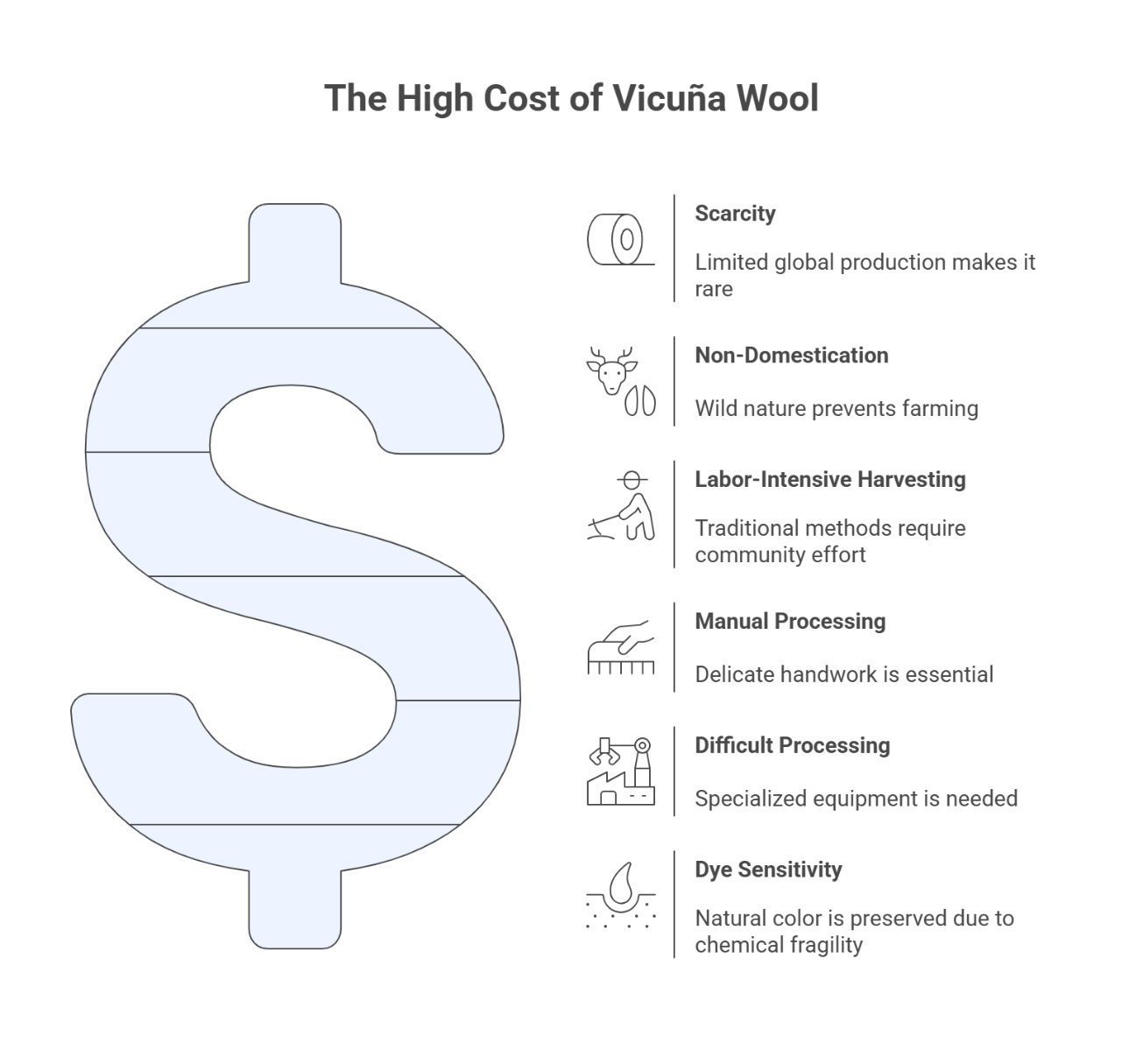
Key reasons behind the high cost of vicuña wool
The extraordinary price of vicuña wool isn’t marketing hype – it reflects genuine scarcity and unique qualities. Here’s exactly why this fabric commands such premium prices.
1. Extreme Scarcity of Raw Material
Only about 12 tonnes (26,400 pounds) of vicuña fiber are produced worldwide each year. To put this in perspective, that’s compared to 25,000 tonnes of cashmere annually – making vicuña over 2,000 times rarer.
Each individual vicuña produces only 200-450 grams (7-16 ounces) of usable fiber every two to three years after the coarse guard hairs are removed. This means it takes the fleece from 25-35 vicuñas to make a single coat.
2. Cannot Be Domesticated
Unlike sheep, goats, or even alpacas, vicuñas cannot be domesticated or farmed. They’re extremely shy, easily stressed animals that will stop eating if kept in captivity. This means every single vicuña must be caught from the wild, shorn, and immediately released – a labor-intensive process that severely limits production.
3. Labor-Intensive Harvesting
The traditional chaccu ceremony still used today requires entire communities to participate. Hundreds of people form human chains to gently herd vicuñas into temporary corrals. Each animal is carefully restrained, quickly shorn (leaving enough wool for protection), and released back to the wild within minutes.
This can only happen once every 2-3 years per animal, and strict government regulations limit how many vicuñas can be captured annually.
4. Painstaking Manual Processing
After shearing, the real work begins. The fiber must be manually dehaired to separate the fine undercoat from the coarse guard hairs. This delicate process is done entirely by hand.
A skilled worker processing 30 grams per day would need an entire month working 8 hours daily to process just 1 kilogram of fiber. This doesn’t even include cleaning, sorting, spinning, or weaving.
5. Extremely Difficult to Process
Only a handful of textile mills worldwide have the expertise and specialized equipment to work with vicuña fiber without damaging it. The fiber is so delicate that regular wool processing speeds would destroy it.
Standard wool can be woven at 400 picks per minute. Vicuña cannot exceed 260 picks per minute without breaking. This slower processing speed increases production costs significantly.
6. Cannot Be Dyed Easily
Vicuña fiber is extremely sensitive to chemicals. The harsh acids and dyes used in standard textile processing would damage the fiber’s structure and destroy its softness. As a result, most vicuña products are left in their natural golden-brown color, limiting versatility but preserving quality.
While some manufacturers like Loro Piana have developed techniques to dye vicuña dark colors (black, navy, deep brown), this is exceptionally difficult and expensive, adding to the cost.
The Numbers Don’t Lie
Raw vicuña fiber: $399-600 per kilogram
Compared to cashmere: $75-85 per kilogram
Compared to regular wool: $5-6 per kilogram
Ready-to-weave yarn: $2,000 per kilogram
Spun yarn: $300 per ounce
Technical Properties & Characteristics
What Makes Vicuña Wool the Finest in the World?
When textile experts call vicuña “the finest wool,” they’re referring to specific, measurable qualities that set it apart from every other natural fiber.
Fiber Diameter: The Softness Factor
The primary measure of any wool’s quality is its fiber diameter, measured in microns (one micron = one thousandth of a millimeter). Finer fibers feel softer to human touch.
| Fiber Type | Average Diameter (Microns) | Softness Level |
|---|---|---|
| Vicuña | 11-13.5 (some under 10) | Extraordinary |
| Shahtoosh (illegal) | 8-13 | Extraordinary |
| Qiviut | 12-13 | Exceptional |
| Cashmere | 15-16 | Very soft |
| Baby Alpaca | 18-22 | Soft |
| Merino Wool | 18-24 | Soft |
| Regular Wool | 25-35 | Moderate |
| Human Hair | 50-70 | Not soft |
Vicuña’s exceptionally fine diameter – with many fibers measuring under 10 microns – makes it the softest legal natural fiber available. Only shahtoosh (from Tibetan antelopes) is comparable, but that’s illegal to buy or sell due to the endangered status of the source animal.
Physical Structure
- Staple Length: 2-4 cm (0.8-2 inches) – Much shorter than alpaca (3-6 inches)
- Scale Structure: 7-14 scale rings per 100 microns – These tiny scales interlock to trap air
- Fiber Core: Hollow and air-filled – Provides insulation while staying lightweight
- Cell Arrangement: Bilateral (organized) – Unlike llama and alpaca which have disordered cells
Performance Characteristics
Is Vicuña Warm?
Yes, vicuña is exceptionally warm relative to its weight. The hollow, air-filled fibers with interlocking scales create tiny pockets of trapped air that provide superior insulation. This is why vicuñas can survive in temperatures that regularly drop below freezing at high altitudes.
For wearers, this means you can stay warm in a thinner garment – a vicuña coat provides the same warmth as a much heavier wool or cashmere coat.
Is Vicuña Warmer Than Cashmere?
Yes. While both fibers are excellent insulators, vicuña’s finer diameter and unique hollow structure give it superior warmth-to-weight ratio. It provides more warmth while being 10% lighter than cashmere.
Weight & Feel
- Lightweight: 10% lighter than cashmere
- Texture: Incredibly soft, often described as “like touching a cloud”
- Drape: Excellent drape and flow due to fine fibers
- Handle: Silk-like smoothness without any scratchiness
Is Vicuña Itchy?
No. Vicuña is not itchy at all. In fact, it’s the least likely natural fiber to cause skin irritation. Wool becomes itchy when fibers exceed about 25 microns in diameter – vicuña’s 11-13.5 micron fibers are far below this threshold.
Is Vicuña Breathable?
Yes, vicuña is highly breathable. The fiber’s natural structure allows air circulation while maintaining insulation. This thermoregulating property means vicuña can be comfortable in various temperatures, not just extreme cold.
Is Vicuña Hypoallergenic?
Yes, vicuña wool is hypoallergenic and excellent for people with sensitive skin. The superfine fibers don’t irritate skin, and because the fabric is usually processed without harsh chemicals, it contains fewer allergens than many other textiles.
Natural Colors
Vicuñas have different colored wool depending on which part of their body it comes from:
- Back & Sides (Northern populations): Rich cinnamon or golden-brown color
- Back & Sides (Southern populations): Lighter beige or tan
- Belly & Chest: Pale white or cream (only 20-30% of total fleece)
- Legs: Darker, coarser fibers (not typically used for luxury textiles)
The white belly wool commands the highest prices due to its scarcity and the versatility it offers for dyeing, though most vicuña is sold in its natural caramel color.
What Color Is Vicuña?
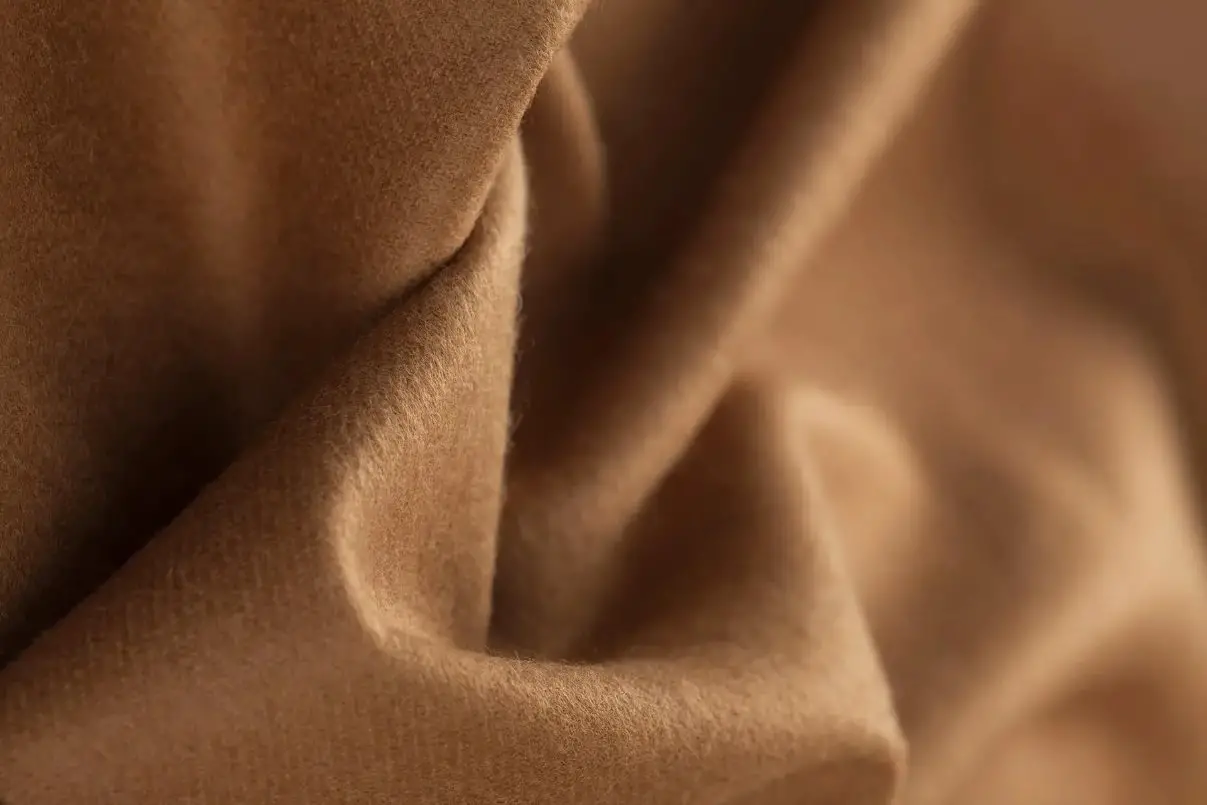
The signature vicuña color is a warm, golden-brown or cinnamon shade – so distinctive that this color is often called “vicuña” even when referring to fabrics made from other materials. This natural hue is part of the fiber’s appeal and is rarely altered.
Vicuña vs Other Luxury Fabrics: Complete Comparison
How does vicuña actually compare to other luxury fibers? Here’s the truth about how this exceptional material stacks up against its closest competitors.
Vicuña vs Cashmere
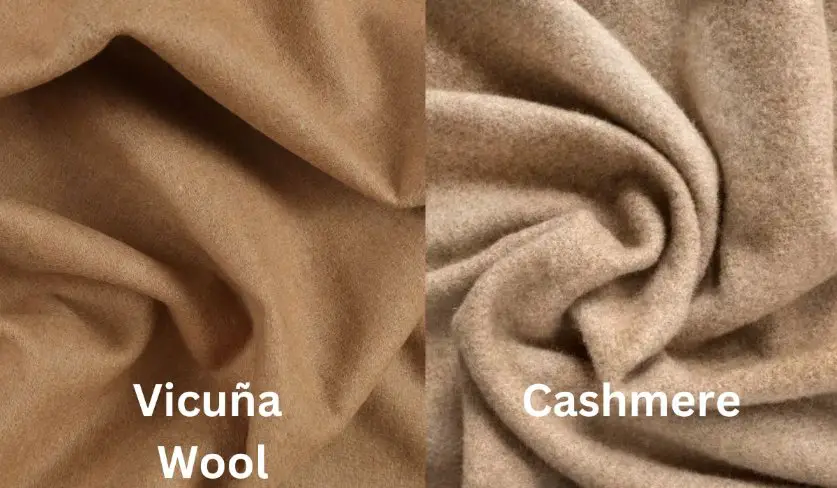
Vicuña compared with cashmere for luxury fabric selection
This is the comparison everyone wants to know. After all, cashmere has long been considered the gold standard of luxury fabrics. So how does vicuña measure up?
| Feature | Vicuña | Cashmere |
|---|---|---|
| Fiber Diameter | 11-13.5 microns | 15-16 microns |
| Softness | Superior | Very soft |
| Warmth | Warmer | Very warm |
| Weight | 10% lighter | Lightweight |
| Annual Production | 12 tonnes | 25,000 tonnes |
| Price per kg | $399-600 | $75-85 |
| Durability | Good with care | Prone to pilling |
| Color Options | Limited (natural brown) | Wide variety |
| Availability | Extremely rare | Readily available |
The Verdict: Vicuña is objectively superior to cashmere in softness, warmth-to-weight ratio, and rarity. The question is whether these improvements justify the 10x price difference – which we’ll address in the investment section.
Is Vicuña Better Than Alpaca?
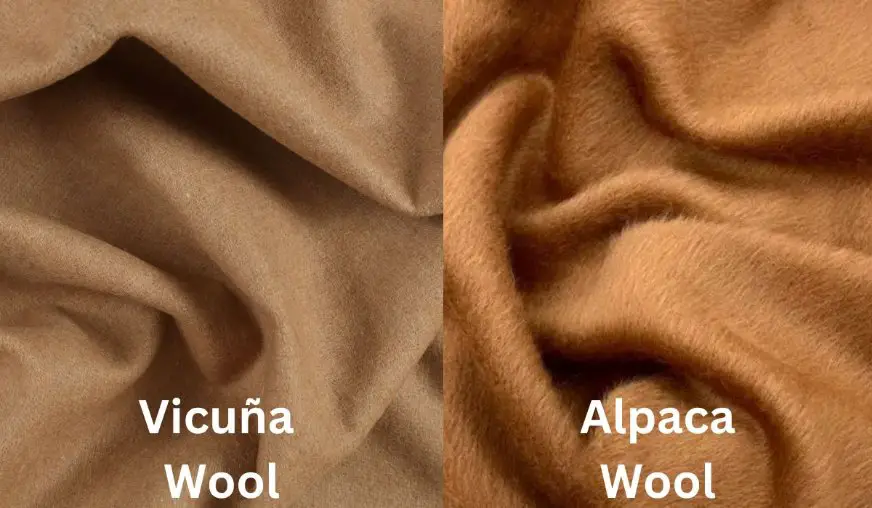
Comparing vicuña wool and alpaca wool for softness and luxury
Yes, vicuña is significantly finer and softer than even baby alpaca, though alpaca offers excellent quality at a fraction of the price.
| Feature | Vicuña | Baby Alpaca | Regular Alpaca |
|---|---|---|---|
| Fiber Diameter | 11-13.5 microns | 18-22 microns | 23-30 microns |
| Softness | Extraordinary | Soft | Moderate to soft |
| Staple Length | 2-4 cm | 8-10 cm | 8-15 cm |
| Price per kg | $399-600 | $30-50 | $15-25 |
| Source | Wild, cannot farm | Farmed domesticated | Farmed domesticated |
| Sustainability | Highly regulated | Good | Good |
Interestingly, vicuñas are believed to be the wild ancestors of domesticated alpacas, making them genetic relatives. The vicuña’s finer fiber is a result of living wild in extreme conditions.
Vicuña vs Other Luxury Wools
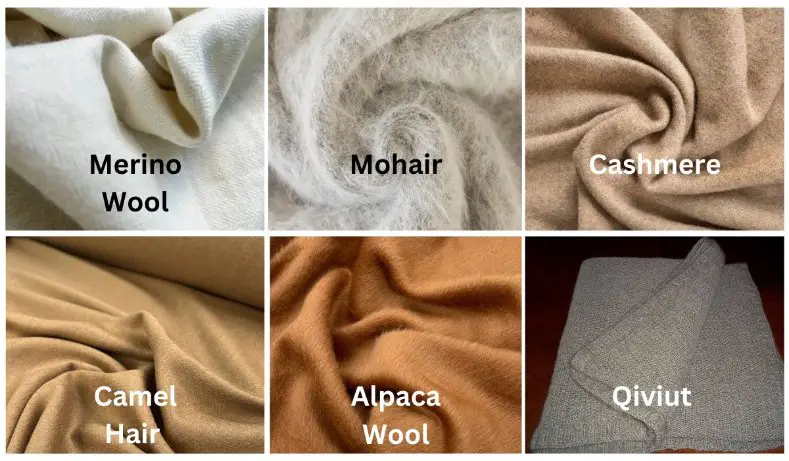
How vicuña compares to other luxury wool fibers
| Fiber | Microns | Key Characteristics | Price Range |
|---|---|---|---|
| Vicuña | 11-13.5 | Softest legal fiber, warmest, lightest | $$$$$ |
| Qiviut | 12-13 | From muskox, 8x warmer than sheep wool | $$$$$ |
| Cashmere | 15-16 | Soft, warm, widely available | $$$ |
| Baby Alpaca | 18-22 | Soft, hypoallergenic, good value | $$ |
| Merino Wool | 18-24 | Versatile, durable, affordable | $$ |
| Camel Hair | 16-20 | Warm, lightweight, natural color | $$ |
| Mohair | 25-40 | Lustrous, durable, great dye uptake | $$ |
What Is the Most Luxurious Wool in the World?
Vicuña is widely considered the most luxurious legal wool in the world based on its combination of fineness, rarity, and price. The only fiber that competes is shahtoosh (from Tibetan antelopes), but this is illegal to buy, sell, or possess in most countries because the animals must be killed to obtain the fiber, and they’re critically endangered.
What Is the Most Expensive Fabric in the World?
Vicuña is the most expensive natural fiber commercially available. At $399-600 per kilogram for raw fiber and up to $2,000 per kilogram for ready-to-weave yarn, it far exceeds any other animal fiber. Only some specialty silk varieties (like lotus silk or sea silk) can approach vicuña’s prices, but these are produced in such tiny quantities they’re barely commercial.
Sustainability & Ethical Sourcing
Is Vicuña Fabric Ethical?
Yes, when properly sourced, vicuña fabric is one of the most ethical luxury materials available. Here’s why:
No Animals Are Harmed
Modern vicuña harvesting is strictly regulated. Animals are captured briefly during the chaccu ceremony, quickly shorn by hand (leaving enough wool for protection), and immediately released back to the wild, completely unharmed. The entire process takes just a few minutes per animal.
This is in stark contrast to the historical practice of killing vicuñas for their pelts – a practice that’s now illegal worldwide.
Conservation Success Story
The controlled commercial harvesting of vicuña wool has been directly responsible for saving the species from extinction. When local Andean communities can earn income from living vicuñas, they have a strong economic incentive to protect the animals from poachers.
The numbers speak for themselves: from fewer than 10,000 vicuñas in the 1960s to over 200,000 today. This is considered one of the most successful wildlife conservation programs in history.
Community Benefits
Vicuña harvesting provides important income to some of the poorest communities in South America. The traditional chaccu ceremonies involve entire villages and distribute proceeds among community members. Many programs ensure that local people, not just corporations, benefit from vicuña commerce.
How Many Vicuñas Are Left in the World?
Current estimates put the global vicuña population at approximately 200,000-350,000 animals, with the vast majority (about 200,000) living in Peru. Smaller populations exist in:
- Bolivia: 60,000-80,000
- Argentina: 60,000-80,000
- Chile: 30,000-40,000
- Ecuador: Small reintroduced population (few thousand)
While these numbers are healthy compared to the crisis of the 1960s, vicuñas are still considered a conservation-dependent species requiring ongoing protection and management.
Why Can’t Vicuña Be Farmed?
Many people wonder why farmers can’t simply raise vicuñas like sheep or alpacas. The answer lies in the animal’s biology and behavior:
- Extreme Stress Sensitivity: Vicuñas become severely stressed in captivity and will literally starve themselves rather than eat in confinement
- Cannot Be Domesticated: Despite centuries of attempts, vicuñas have never been successfully domesticated. They remain wild animals
- Specialized Habitat Needs: They require very specific altitude and climate conditions found only in high Andes plateaus
- Social Structure: Vicuñas have complex territorial behaviors that don’t translate well to farming situations
- Poor Reproduction in Captivity: Breeding success rates in captive vicuñas are very low
This inability to farm vicuñas is the primary reason the fiber remains so rare and expensive. Every gram must come from wild animals that are temporarily captured and released.
CITES Regulations
All commercial vicuña products must comply with CITES (Convention on International Trade in Endangered Species) regulations. This means:
- Vicuñas can only be harvested from healthy wild populations (CITES Appendix II)
- Each batch of fiber requires CITES export certificates
- Full chain of custody documentation from shearing to final product
- Products must be marked with official tags showing legal origin
- Regular population monitoring to ensure sustainability
These strict regulations protect vicuñas while allowing sustainable commercial use that benefits conservation efforts.
How to Identify Real Vicuña
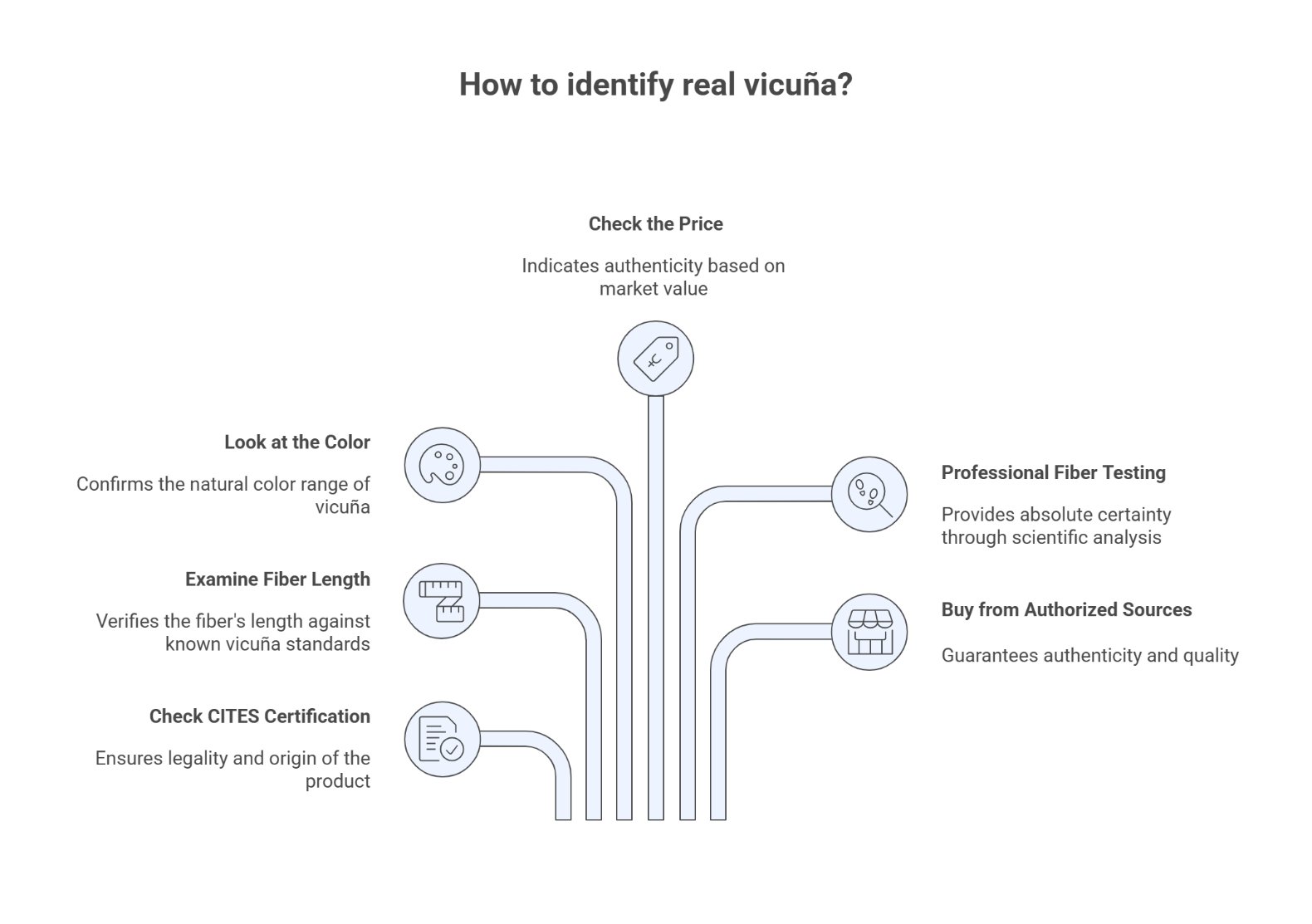
Key methods to identify authentic vicuña wool
Given vicuña’s extreme value, fraud is unfortunately common. Unscrupulous sellers may try to pass off dyed alpaca or baby camel hair as vicuña. Here’s how to protect yourself.
How to Tell Real Vicuña
1. Check for CITES Certification
This is the most important verification. Every legitimate vicuña product should come with CITES documentation showing:
- Country of origin (usually Peru, Bolivia, Argentina, or Chile)
- Export certificate number
- Importing company name and address
- Product description and quantity
If a seller cannot provide CITES documentation, the product is likely fake. Real vicuña cannot enter international commerce without this paperwork – customs will seize it.
2. Examine the Fiber Length
Vicuña has a very short staple length – almost no fibers are longer than 1.5 inches (4 cm). In contrast:
- Alpaca fibers: 3-6 inches
- Regular wool: 2-6 inches
- Cashmere: 1.5-3 inches
If you can pull out or see individual fibers (in fringe or by teasing apart yarn), and they’re longer than about 1.5 inches, it’s not vicuña.
3. Look at the Color
Genuine vicuña comes in limited natural colors:
- Golden-brown or cinnamon (most common)
- Light beige or tan
- Pale white or cream (belly wool)
- Some dark colors (black, navy, deep brown) if dyed by specialized mills
If you see bright colors, vibrant reds, purples, greens, or other unusual shades, be extremely suspicious. Vicuña is very difficult to dye and is rarely sold in bright colors.
4. Check the Price
If the price seems too good to be true, it definitely is. No one is selling real vicuña cheaply. Minimum prices for genuine products:
- Small scarves: $1,000+
- Large shawls: $3,500-10,000
- Sweaters: $4,000-8,000
- Sport coats: $20,000-40,000
- Suits: $32,000-70,000
5. Professional Fiber Testing
For absolute certainty, send a fiber sample to a professional testing laboratory. Services like Alpaca Consulting USA can perform OFDA (Optical Fiber Diameter Analyzer) testing that measures fiber diameter and confirms vicuña’s characteristic 11-13.5 micron range.
6. Buy from Authorized Sources
The safest approach is to buy only from well-established luxury retailers and brands known for vicuña:
- Loro Piana (largest vicuña supplier)
- Brunello Cucinelli
- Ermenegildo Zegna
- Kiton
- Brioni
- Scabal
- High-end department stores (Harrods, Bergdorf Goodman, Neiman Marcus)
Red Flags for Fake Vicuña
- No CITES certification available
- Price under $500 for any garment
- Bright or unusual colors
- Sold by unknown online sellers
- Fibers longer than 1.5 inches
- Seller claims “no paperwork needed”
- Too-good-to-be-true sales or discounts
From Fiber to Fabric: The Manufacturing Process
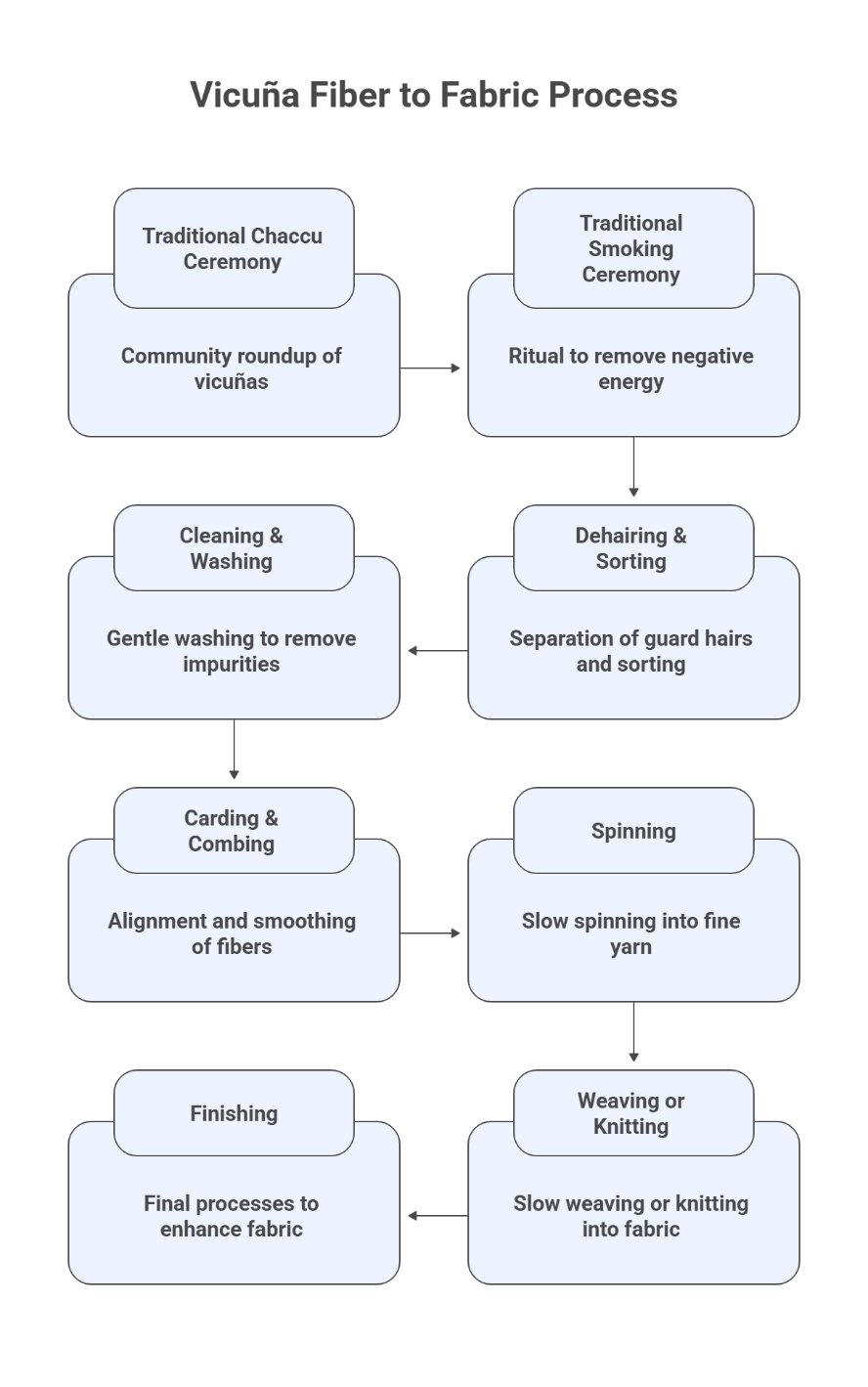
Step by step process of turning vicuña fiber into luxury fabric
Understanding how vicuña fiber becomes fabric helps explain both its exceptional quality and its extraordinary price. This is one of the most labor-intensive textile production processes in the world.
Step 1: The Traditional Chaccu Ceremony
Harvesting begins with the ancient chaccu – a community roundup that has been performed for over 500 years.
- Community Gathering: Entire villages participate, forming human chains that can stretch for miles across the altiplano.
- Herding: People slowly guide wild vicuña herds toward temporary corrals made of ropes and nets. This can take hours and requires patience and coordination.
- Capture: Once in the corral, each vicuña is gently restrained for shearing. Handlers are trained to minimize stress.
- Shearing: Skilled shearers quickly hand-shear the animal, leaving enough fleece (at least 2.5 cm) for protection. The belly wool (finest) is separated from body wool.
- Marking: Animals are tagged or marked to track when they were last shorn.
- Release: Each vicuña is immediately released back to the wild, completely unharmed. The entire capture-to-release process takes 5-10 minutes per animal.
Each vicuña yields 200-450 grams of raw fleece every 2-3 years. After removing guard hairs, only 150-250 grams of usable down fiber remains.
Step 2: Traditional Smoking Ceremony
In many Andean communities, the raw fiber undergoes a traditional smoking ceremony using k’oa (Parastrephia sp.), a resinous aromatic plant. Artisans believe this removes negative energy from the wild-caught fiber and protects those who handle it. This ancient ritual connects modern production to centuries of tradition.
Step 3: Dehairing & Sorting
This is the most time-consuming step. The raw fleece contains two fiber types that must be separated:
- Guard hairs: Coarse outer fibers (not suitable for luxury textiles)
- Down undercoat: The prized ultra-fine fibers
This separation is done entirely by hand. A skilled worker processes about 30 grams per 8-hour day – meaning one person needs a full month to process 1 kilogram.
After dehairing, the down fibers are sorted by:
- Fineness (finest fibers command highest prices)
- Length
- Color (white belly wool vs. brown body wool)
- Quality (removing any damaged or contaminated fibers)
Step 4: Cleaning & Washing
The sorted fiber is carefully washed to remove dirt, oils, and impurities. This must be done gently to avoid felting or damaging the delicate fibers. Most processors use:
- Tepid water (not hot)
- Very mild detergents
- Gentle agitation only
- Thorough rinsing
- Careful drying
Step 5: Carding & Combing
The clean fibers are carded (aligned) and combed to remove any remaining short or irregular fibers. This creates a smooth, aligned “top” ready for spinning. Due to vicuña’s short staple length and fineness, this step requires specialized equipment and expertise.
Step 6: Spinning
The prepared top is spun into yarn. Vicuña’s delicate nature means spinning must be done:
- Very slowly
- With minimal tension
- Using specialized spinning equipment
- By highly skilled operators
The resulting yarn is incredibly fine – typically between 2/20 and 2/30 count (technical yarn measurements).
Step 7: Weaving or Knitting
Only a handful of mills worldwide can successfully weave or knit vicuña. The fabric production must occur at reduced speeds:
- Regular wool: 400 picks per minute
- Vicuña: Maximum 260 picks per minute
Moving faster risks breaking the delicate fibers. This slower production significantly increases costs.
For suiting fabrics, vicuña is sometimes blended with silk (usually 3%) to add strength, or with cashmere for more affordable options.
Step 8: Finishing
Woven vicuña fabric undergoes finishing processes:
- Raising: The surface is gently brushed with raising cards to lift fibers, creating even softer feel and better thermal insulation
- Pressing: Careful pressing to set the fabric
- Quality inspection: Every meter is examined for defects
- Dyeing (if applicable): Only specialist mills can dye vicuña without damage
Leading Manufacturers
Only select companies have the expertise to process vicuña:
- Loro Piana (Italy): The largest vicuña supplier, with exclusive Peruvian partnerships since 1994
- Scabal (England): Created the first 100% worsted spun vicuña suiting fabric in 2008
- Agnona (Italy/Zegna Group): One of three companies licensed in Peru in 1994
- Incalpaca TPX (Peru): Peruvian company with original 1994 harvesting license
- Piacenza (Italy): Historic Italian mill specializing in luxury fibers
Uses & Applications
What Can Vicuña Wool Be Used For?
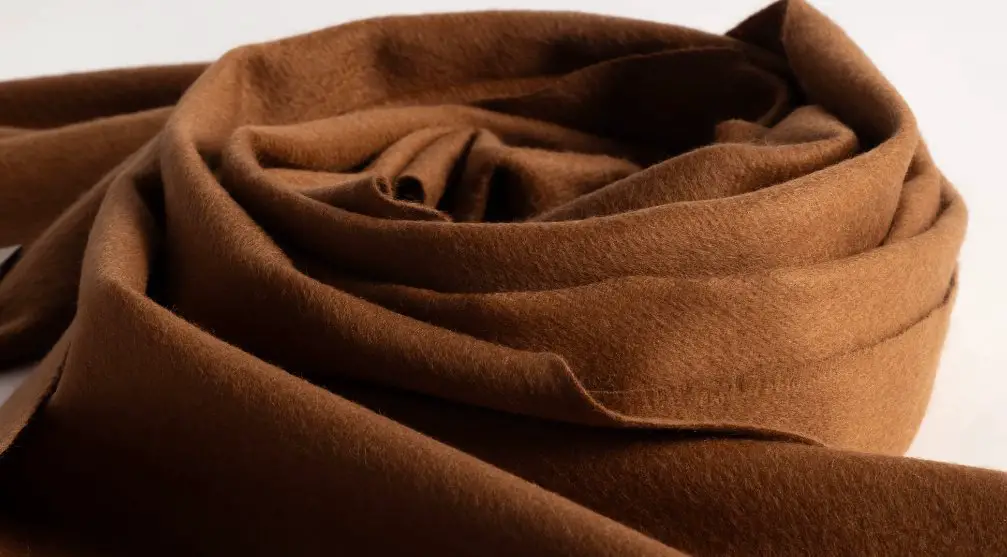
Vicuña scarves offer unmatched softness and warmth
Vicuña’s exceptional properties make it suitable for specific applications where ultimate luxury, warmth, and softness matter more than cost. Learn more about vicuña’s properties.
Traditional Applications
Scarves & Shawls: The most common vicuña products. The fiber’s drape and softness are perfect for accessories worn close to the skin. Scarves range from $1,000-3,000, while large shawls can cost $3,500-10,000.
Knitwear: Sweaters, cardigans, and other knit garments showcase vicuña’s softness. These typically cost $4,000-8,000 depending on style and size.
Accessories: Gloves, hats, and socks for the ultimate in winter luxury. These are relatively rare due to the amount of fiber required versus the final product value.
Modern Innovations
Suiting & Sport Coats: This was traditionally impossible because vicuña’s short fibers couldn’t be woven into suiting-weight fabric. In 2008, Scabal became the first mill to successfully create 100% worsted spun vicuña suiting cloth – a technical breakthrough.
Sport coats cost $20,000-40,000, while full bespoke suits start at $32,000 and can exceed $70,000.
Overcoats: Vicuña overcoats provide incredible warmth with minimal weight – perfect for formal winter wear. These are among the most expensive garments, often starting at $30,000.
Home Textiles: High-end blankets, throws, and pillows for those who want luxury in their living spaces. A vicuña throw blanket can cost $8,000-15,000.
Blended Fabrics
To make vicuña more accessible and versatile, manufacturers create blends:
- 97% Vicuña / 3% Silk: The silk adds strength, making the fabric suitable for tailored trousers
- Vicuña-Cashmere Blends: More affordable luxury, often 30-50% vicuña with cashmere
- 5% Vicuña in Super 150s Wool: Adds a touch of ultimate luxury to high-end wool suiting
- Vicuña-Silk Scarves: Combines two luxury fibers for unique properties
What Vicuña Is Best For
- Special occasion formal wear
- Winter accessories for extreme cold
- Investment pieces meant to last generations
- Gifts for milestone occasions
- Those seeking the absolute pinnacle of luxury textiles
- Collectors of rare and exceptional fabrics
What Vicuña Is NOT Ideal For
- Everyday wear (too delicate and expensive)
- Active sports or outdoor activities
- Summer clothing (too warm)
- Items requiring frequent washing
- Areas with high friction (like vest under jacket)
- Children’s clothing (outgrown too quickly)
Complete Care Instructions
Vicuña garments can last for generations with proper care. Given the investment involved, it’s worth understanding exactly how to maintain these exceptional pieces.
How Should Vicuña Fabric Be Cleaned?
Professional Dry Cleaning (Recommended)
This is the safest method for vicuña garments:
- Use only reputable dry cleaners experienced with luxury fabrics
- Specify that the garment is vicuña (NOT regular wool)
- Request solvent-only cleaning (no water)
- Clean infrequently – only when truly necessary
- Never use cleaners that employ harsh chemicals, bleach, or enzyme treatments
Good dry cleaners understand that vicuña requires gentle handling and specialized techniques.
Hand Washing (For Accessories Only)
Small items like scarves can be hand washed if you’re careful:
- Use Tepid Water: Fill a clean basin with lukewarm water (never hot – around 30°C/86°F maximum).
- Add Mild Detergent: Use only wool-specific detergent designed for delicate fabrics. Use less than recommended – vicuña needs minimal cleaning agents.
- Submerge Gently: Place the garment in water and press gently to saturate. Never agitate, wring, or rub.
- Soak Briefly: Let sit for 3-5 minutes maximum. No longer.
- Rinse Thoroughly: Drain and refill with clean tepid water. Gently press to remove soap. Repeat until water runs clear (usually 2-3 rinses).
- Remove Water: Never wring or twist. Instead, gently press between your hands to remove excess water, then lay flat on a clean towel.
- Roll in Towel: Roll the towel (with garment inside) from one end to absorb water. Do not squeeze the roll.
- Dry Flat: Unroll and lay the garment flat on a fresh, dry towel. Reshape to original dimensions. Dry away from heat and direct sunlight.
What to NEVER Do
- ❌ Machine wash (even on delicate cycle)
- ❌ Use hot water
- ❌ Use bleach or harsh detergents
- ❌ Use products with enzymes (they break down protein fibers)
- ❌ Wring or twist
- ❌ Tumble dry
- ❌ Hang to dry (stretches the fabric)
- ❌ Dry on radiators or in direct sun
- ❌ Iron unless absolutely necessary
Storage
Proper storage protects your investment:
- Location: Cool, dry place away from direct sunlight and heat sources
- Containers: Breathable garment bags (never plastic, which traps moisture)
- Moth Protection: Cedar blocks, lavender sachets, or specialized moth repellents (never mothballs)
- For Knitwear: Fold and store flat – never hang, as the weight will stretch the fabric
- For Suits & Coats: Padded hangers that support the shoulders properly
- Before Storage: Brush with a soft bristle brush to remove surface dust and lint
Stain Treatment
Act fast but gentle:
- Immediate Action: Blot (never rub) spills immediately with a clean, dry cloth
- Liquids: Absorb as much as possible, then take to professional cleaner
- Solids: Let dry, then gently brush off before professional cleaning
- Do Not: Use stain removers, spot cleaners, or home remedies on vicuña
For any significant stain, take the garment to a professional cleaner experienced with luxury fibers. Don’t attempt home treatment.
Removing Wrinkles
Steam Method (Best):
- Hang garment in bathroom while running hot shower
- Steam will gently release wrinkles
- Never let fabric touch wet surfaces
- Allow to air dry completely before wearing
Ironing (If Necessary):
- Use lowest heat setting
- Always iron on reverse side
- Place cotton cloth between iron and fabric
- Press gently – never slide iron back and forth
- Keep iron moving; don’t let it sit in one spot
Frequency of Wear & Cleaning
- Scarves & Shawls: Wear 5-10 times before cleaning
- Sweaters: Wear 3-5 times before cleaning
- Suits & Coats: Spot clean as needed; full cleaning 1-2 times per season
- Between Wears: Air garments for several hours in a well-ventilated area away from direct sunlight
Lifespan with Proper Care
With appropriate care, vicuña garments can last for generations. Many families pass down vicuña pieces as heirlooms. The fiber is surprisingly durable despite its fineness, and properly maintained vicuña actually improves with age, developing a beautiful patina.
Investment Value & Where to Buy
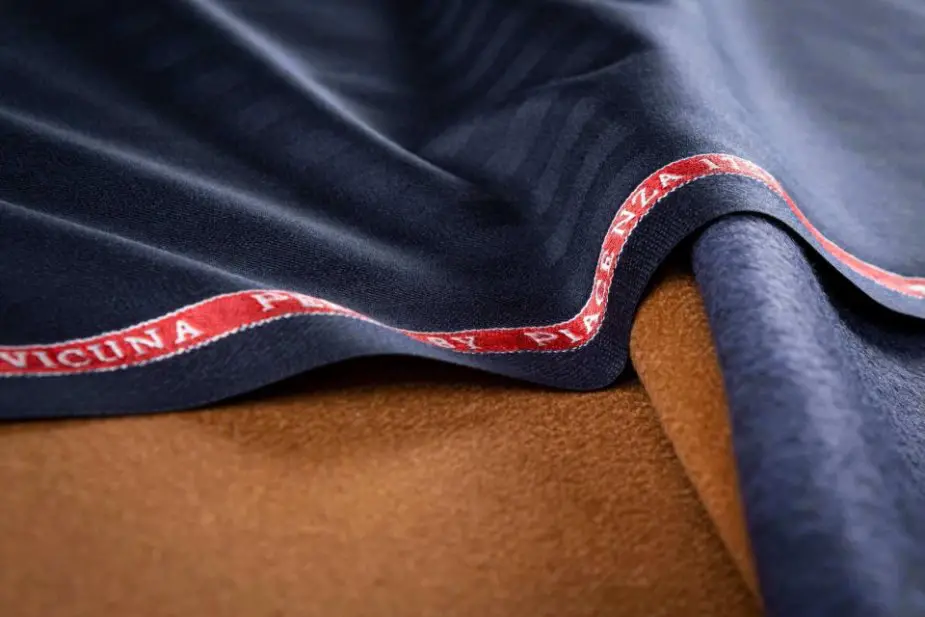
Authentic vicuña fabric representing luxury investment value. Credit: Piacenza 1733
Is Vicuña Expensive?
Yes, vicuña is extremely expensive. It’s the most expensive wool and one of the most expensive fabrics in the world.
Current Market Prices
Raw Materials
- Raw vicuña fiber: $399-600 per kilogram
- Ready-to-weave yarn: $2,000 per kilogram
- Spun yarn: $300 per ounce
- Finished fabric: $1,800+ per yard
Finished Products
- Small scarves: $1,000-3,000
- Large shawls: $3,500-10,000
- Sweaters: $4,000-8,000
- Sport coats: $20,000-40,000
- Bespoke suits: $32,000-70,000
- Overcoats: $30,000-50,000
- Blankets/throws: $8,000-15,000
How Much Does a Vicuña Coat Cost?
A vicuña sport coat typically costs $20,000-40,000, while a full overcoat can range from $30,000-50,000 or more depending on styling, length, and whether it’s 100% vicuña or blended with other luxury fibers.
Is Vicuna Wool Worth It?
This depends entirely on your personal circumstances and what you value. Let’s break down the pros and cons objectively.
Arguments FOR the Investment
- Unmatched Quality: Nothing feels softer or provides better warmth-to-weight ratio
- Extreme Rarity: You’re owning one of the rarest fabrics on Earth
- Heirloom Potential: With care, lasts for generations and can be passed down
- Conservation Support: Purchase supports species conservation and Andean communities
- Status Symbol: Ultimate luxury that very few can afford
- Cost Per Wear (Long Term): If worn regularly over decades, cost per wear decreases significantly
Arguments AGAINST the Investment
- Extreme Cost: The price is genuinely astronomical for most people
- Limited Versatility: Natural color limits styling options
- High Maintenance: Requires careful handling and expensive professional cleaning
- Delicate: Not suitable for everyday wear or active use
- Diminishing Returns: The improvement over cashmere, while real, may not justify 10x cost
- Climate Specific: Too warm for most climates most of the year
Who Should Consider Vicuña?
Vicuña makes sense for:
- High net worth individuals for whom price isn’t a constraint
- Serious textile collectors and enthusiasts
- Those celebrating major life milestones (retirement, significant anniversary)
- People who live in very cold climates and will wear it regularly
- Those who already own and appreciate other luxury fibers and want “the best”
- Buyers seeking an heirloom piece to pass down through generations
Who Should Probably Choose Alternatives?
- Most people – high-quality cashmere, baby alpaca, or merino wool offer exceptional quality at a fraction of the cost
- Those on a budget or with other financial priorities
- People who wear accessories/outerwear infrequently
- Anyone in warm/moderate climates
- Those who prefer low-maintenance clothing
Where to Buy Vicuña
Given the prevalence of fakes, buy only from reputable sources:
Direct from Luxury Brands
- Loro Piana: Boutiques worldwide, largest selection
- Brunello Cucinelli: Limited vicuña offerings, excellent quality
- Ermenegildo Zegna: Occasional vicuña collections
- Kiton: Vicuña suits and accessories
- Brioni: High-end vicuña tailoring
High-End Department Stores
- Harrods (London)
- Bergdorf Goodman (New York)
- Neiman Marcus (select locations)
- Saks Fifth Avenue (select locations)
Bespoke Tailors
- Oxxford Clothes: One of few American sources for custom vicuña suits
- Norton Ditto (Houston): Hosts annual vicuña custom shows
- Select Savile Row tailors: Some offer vicuña by special order
What to Avoid
- Unknown online sellers
- Sellers without CITES certification
- Prices significantly below market rates
- Anyone who resists providing documentation
Frequently Asked Questions
Conclusion
Vicuña wool stands alone at the absolute peak of natural fibers. With its record-breaking fineness of 11-13.5 microns, exceptional warmth-to-weight ratio, and extraordinary rarity, it genuinely earns its reputation as the most luxurious fabric in the world.
What makes vicuña truly special isn’t just its superlative qualities – though being softer than cashmere, warmer than any other legal wool, and lighter than comparable insulating fibers is certainly impressive. It’s the complete story behind each piece: wild vicuñas roaming at 16,000 feet in the Andes, ancient chaccu ceremonies connecting modern conservation to Inca traditions, Andean communities earning sustainable income from living animals, and master Italian craftsmen spending months transforming rare fiber into garments that can last for generations.
Key Takeaways
- Vicuña is objectively the finest legal wool with fibers measuring 11-13.5 microns, finer than cashmere (15-16 microns) and far finer than any other commercially available animal fiber
- The extreme price reflects genuine scarcity with only 12 tonnes produced annually worldwide versus 25,000 tonnes of cashmere. Each vicuña yields just 200-450 grams every 2-3 years and cannot be farmed
- Sustainability is built into the system as modern vicuña harvesting has brought the species back from near extinction (6,000 in the 1960s to over 200,000 today), making it a conservation success story
- Authentication is critical so always verify CITES certification, check fiber length, and buy only from established luxury retailers to avoid the prevalent fake vicuña market
- Proper care is essential with professional dry cleaning recommended, gentle hand washing only for small accessories, and proper storage to protect your investment for generations
- The investment makes sense for specific buyers including serious textile collectors, those celebrating major milestones, people in very cold climates who will wear it regularly, and anyone seeking the absolute pinnacle of luxury who can comfortably afford it
- Excellent alternatives exist as high-quality cashmere, baby alpaca, or premium merino offer exceptional quality at a fraction of vicuña’s price for most people
Final Recommendation
If you’re considering vicuña, approach it as an investment in something truly extraordinary rather than simply “nice clothing.” At $32,000+ for a suit or $3,000+ for a scarf, this isn’t an impulse purchase – it’s acquiring a piece of textile history, supporting wildlife conservation, and owning one of the rarest materials on Earth.
For most people, the smart choice is starting with exceptional cashmere or baby alpaca, which offer outstanding quality at accessible prices. But if you’ve already experienced luxury fibers and want to understand what the absolute peak feels like, if you live where winters are truly brutal, or if you’re celebrating a once-in-a-lifetime occasion, vicuña delivers an experience no other fabric can match.
The softness genuinely feels like touching a cloud. The warmth is remarkable without any bulk. The knowledge that you’re wearing something rarer than gold, created through centuries-old traditions and supporting both wildlife and indigenous communities, adds depth beyond simple material luxury.
Is it worth 10 times the cost of cashmere? That’s personal. But if you’re asking whether vicuña lives up to its reputation as the world’s finest wool – absolutely, without question.
Whether you choose to invest in vicuña or opt for more accessible luxury fibers, understanding what makes this material special helps you appreciate the full spectrum of natural textiles and the craftsmanship behind truly exceptional fabrics.