
Everything you need to know about this luxurious, eco-friendly natural fiber
Table of Contents
- What is Camel Wool Fabric?
- The Rich History of Camel Wool
- Properties and Characteristics
- Sustainability and Ethics
- Camel Wool vs. Other Luxury Fibers
- How Camel Wool is Made
- Uses and Applications
- Care and Maintenance Guide
- Pricing and Value
- How to Identify Quality Camel Wool
- Where to Buy Camel Wool
- Frequently Asked Questions
- Conclusion
If you’re looking for a fabric that combines luxury, sustainability, and real performance, camel wool deserves your attention. This natural fiber has been keeping people warm for over 5,000 years, and it’s making a comeback among people who care about both quality and the environment.
Unlike trendy synthetic materials that come and go, camel wool offers something special: hollow fibers that trap air for amazing insulation, natural temperature control that works in both heat and cold, and a softness that rivals cashmere. Best of all, it comes from camels who naturally shed their coats each spring, making it one of the most ethical animal fibers available.
This guide covers everything from the science behind camel wool’s warmth to practical care instructions, pricing information, and how it stacks up against other luxury fibers like merino wool, alpaca, and cashmere.
What is Camel Wool Fabric?
Camel wool, also called camel hair, comes from the coats of camels, mainly the Bactrian camel found across Central Asia. These two-humped camels live in places like Mongolia, China, and the Siberian steppes, where they face extreme temperatures ranging from 40°C in summer to -40°C in winter. According to textile research, camel hair has been utilized for over 5,000 years in various applications.
Quick Facts About Camel Wool
- Source: Bactrian camels (primarily) and Dromedary camels
- Main regions: Mongolia, China, Afghanistan, Iran, Tibet
- Annual yield: 5 pounds (2.25 kg) per camel
- Market value: Approximately $340 million globally
- Fiber diameter: 18-30 microns (high-grade undercoat)
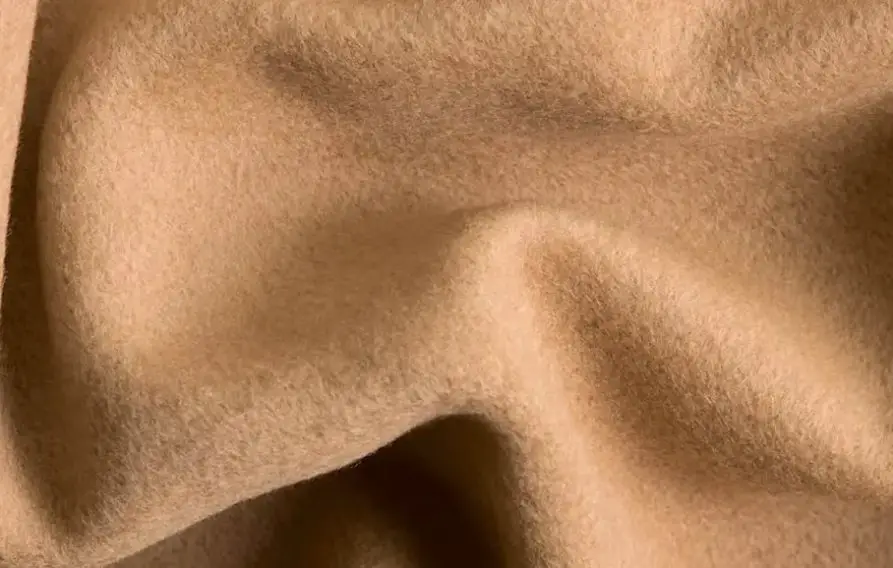
- Natural colors: Cream, beige, light brown, golden tan
The Two Layers of Camel Hair
A camel’s coat has two distinct parts, and understanding this matters when you’re shopping for camel wool products:
The Guard Hair: This outer layer is coarse and thick. It protects camels from harsh winters and gives them that fuzzy appearance in cold weather. Guard hair is too rough for clothing but works well for rugs, carpets, and industrial uses.
The Undercoat: This soft, fine layer provides insulation. It’s what most camel wool fabric comes from. The undercoat fibers are thin, fluffy, and easy to spin into yarn. When people talk about luxury camel wool, they mean this layer.
Understanding Camel Wool Grades
Not all camel wool is created equal. The industry separates it into three grades:
High-Grade: Made from the finest undercoat fibers. This grade has a light tan color and incredibly soft texture. Most clothing and high-end textiles use high-grade camel wool.
Medium-Grade: Also from the undercoat but with longer, slightly coarser fibers. Still suitable for clothing but with a rougher feel than high-grade.
Low-Grade: Comes from guard hair. Too coarse for garments but perfect for carpets, rugs, and other heavy-duty textiles.
What is Baby Camel Wool?
Baby camel wool deserves special mention. This premium fiber comes from young camels (around two years old) during their first molting season. The fibers measure just 15.4-16.1 microns in diameter, putting them in the same quality range as cashmere. Baby camel wool feels incredibly soft and commands higher prices, often $50-100 per yard compared to $20-40 for standard camel wool.
The Rich History and Cultural Significance of Camel Wool
Camel wool’s story stretches back thousands of years, long before it became a fashion statement.
Ancient Origins
Archaeological evidence shows people have been using camel hair for textiles since the Bronze Age, around 3000 BC. Nomadic tribes in Central Asia, including the Bactrians and Sogdians, were among the first to discover how useful camel hair could be. They used it for tents, carpets, clothing, and blankets – anything that needed to withstand extreme desert conditions.
The Bible even mentions camel hair clothing. In Matthew 3:4, John the Baptist wore garments made from camel hair, showing how common and practical this material was in ancient Middle Eastern cultures.
The Silk Road Connection
As trade routes developed, camel wool traveled along the Silk Road from Asia to Europe. Traders and travelers valued it not just as a product but as proof of the connection between different civilizations. The fiber itself was being carried by the very animals that made those long desert journeys possible.
The British Empire and Polo Coats
Camel wool hit peak popularity in the West during the late 1800s and early 1900s. The story of how it got there is pretty interesting.
In England, polo players started wearing casual camel hair coats between matches. The coats were warm, comfortable, and had a distinctive tan color that became fashionable almost overnight. By the 1920s and 1930s, these polo coats had crossed the Atlantic to America, where they became a status symbol among the upper class.
The British manufacturer Jaeger played a huge role in making camel hair fashionable. They specialized in fine woolen fabrics and introduced camel hair coats and suits to mainstream European fashion. The trend lasted from about 1880 to 1930, when camel wool enjoyed its golden age.
Mongolian Textile Tradition
While Western fashion was having its moment with camel wool, the fiber never stopped being important in Mongolia. Mongolian herders have been working with what they call the “5 Fiber Jewels” for thousands of years – sheep, yak, camel, goat, and horse hair.
The tradition of felt-making using these fibers, including camel wool, is so culturally important that UNESCO recognizes it as Intangible Cultural Heritage. This 3,000-year-old practice continues today, with artisans creating everything from traditional tents to contemporary art pieces.
Modern Renaissance
Interest in camel wool dropped off after the 1930s as synthetic fabrics took over. But it’s making a comeback now, driven by people who want sustainable, ethical, and high-quality materials. Fashion designers are rediscovering camel wool’s unique properties, and consumers appreciate that it doesn’t require shearing or intensive farming practices.
Properties and Characteristics: What Makes Camel Wool Special?
Camel wool isn’t just another luxury fiber. It has specific properties that make it stand out, and understanding these can help you decide if it’s right for you.
The Science Behind the Warmth
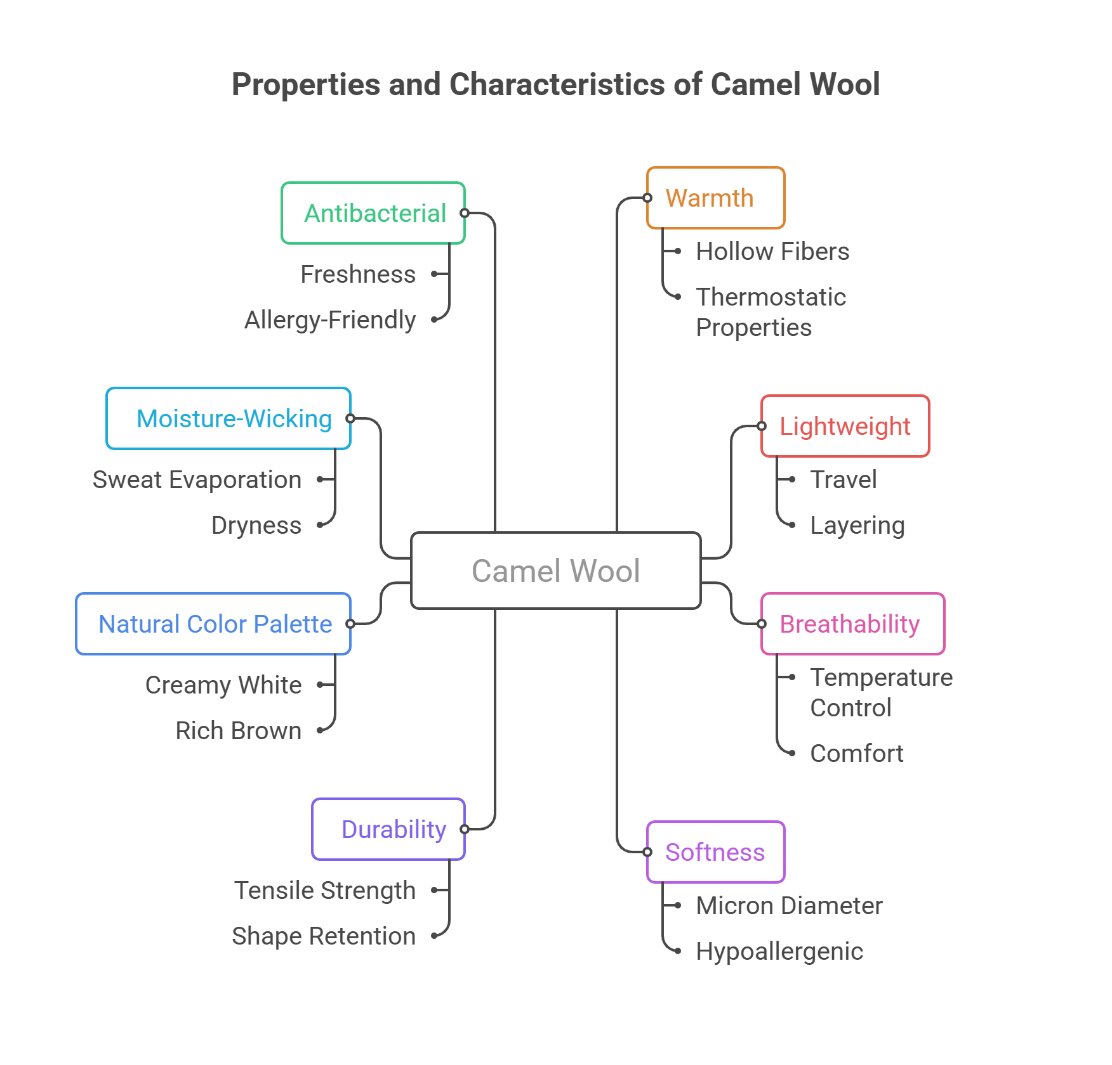
Here’s what makes camel wool so warm: the fibers are hollow. Think of them like tiny tubes that trap air inside. Air is an excellent insulator, so these hollow fibers create natural insulation without adding weight or bulk. This unique adaptation, developed over thousands of years in harsh desert environments, makes Bactrian camels remarkably well-suited to extreme temperatures.
This structure gives camel wool what scientists call thermostatic properties. In cold weather, the trapped air retains body heat. In warmer conditions, the same structure allows heat to escape while still providing some insulation. It’s the same reason camels can survive in deserts where daytime temperatures hit 40°C and nighttime temperatures drop below freezing.
Surprisingly Lightweight
Despite being warmer than regular wool, camel wool weighs less. A camel wool coat provides the same warmth as a heavier sheep’s wool coat because those hollow fibers do more work with less material. This makes camel wool perfect for travel or layering without feeling weighed down.
Breathability That Works
One problem with really warm fabrics is overheating when you move from cold outdoors to heated indoors. Camel wool solves this through natural breathability. The fibers allow moisture vapor to escape while maintaining temperature control. You stay warm without getting sweaty or uncomfortable.
Softness Without the Scratch
High-grade camel wool measures 18-30 microns in diameter. For context, that’s slightly coarser than cashmere (14-18 microns) but much finer than regular sheep’s wool. The result is a fabric that feels soft and smooth against skin without the itchiness some people get from wool.
The softness also comes from low lanolin content. Lanolin is the natural oil in wool that can irritate sensitive skin. Camel wool has very little of it, making the fabric naturally hypoallergenic.
Built to Last
Camel wool fibers are thicker and stronger than cashmere, giving them better tensile strength. This means camel wool clothing resists wear and tear better than many luxury fibers. It doesn’t pill easily, keeps its shape over time, and with proper care, can last for decades.
Natural Color Palette
Camel wool comes in beautiful natural shades ranging from creamy white to rich brown and golden tan. These colors are so attractive that camel wool is rarely dyed. This saves on processing and means you’re getting a truly natural product. The earthy tones also work well with almost any wardrobe.
Moisture-Wicking Properties
Like other natural fibers, camel wool can absorb up to 30% of its weight in moisture without feeling wet. It wicks sweat away from your skin and allows it to evaporate. This keeps you dry and prevents the clammy feeling you get with synthetic fabrics.
Naturally Antibacterial
Camel wool resists bacteria and dust mites naturally. This means it stays fresher longer between washings and doesn’t develop the odor problems common with synthetic fabrics. For people with allergies, this makes camel wool a smart choice for bedding and clothing.
A Natural Sheen
High-quality camel wool has a subtle natural shine that gives garments and textiles a luxurious appearance. This isn’t added through processing – it’s just how the fibers reflect light. The sheen adds to camel wool’s sophisticated look without being showy.
Sustainability and Environmental Impact: Is Camel Wool Ethical?
In a world where fashion’s environmental impact gets more attention every year, camel wool stands out as one of the most sustainable animal fibers you can buy.

The Natural Molting Process
Here’s the big difference between camel wool and most other animal fibers: Bactrian camels naturally shed their winter coats every spring. This means harvesting camel wool doesn’t require shearing or any restraint of the animals. Herders simply collect the hair as it falls off or gently comb it out during the six-to-eight-week molting season.
This natural process makes camel wool collection truly cruelty-free. There’s no stress on the animals, no risk of injury from shearing accidents, and no need for intensive handling. If people weren’t collecting it, this hair would just end up scattered across the Mongolian steppes.
Low-Impact Production
Camel wool processing uses minimal chemicals compared to other textiles. The fiber rarely needs dyeing because its natural colors are so attractive. When cleaning and processing do happen, producers typically use gentle, natural methods to preserve the wool’s softness and quality.
The main production regions, like Mongolia, don’t have large-scale industrial textile manufacturing. Most camel wool is still processed using traditional methods by small cooperatives and family businesses. This means lower carbon emissions and less environmental damage compared to factory-based textile production.
Water Efficiency
Camels are remarkably efficient animals. They can go weeks without water and thrive in arid environments where other livestock would struggle. This means camel wool production doesn’t strain water resources the way sheep or cashmere goat farming can.
For comparison, sheep need regular access to water and green pasture. Cashmere goats, especially when overgrazed, have caused serious environmental problems in some regions. Camels, adapted to deserts, have a much lighter environmental footprint.
Biodegradable and Long-Lasting
Camel wool is 100% biodegradable. When a camel wool item eventually wears out (which takes a long time), it will break down naturally without leaving microplastics or synthetic residues in the environment.
The durability factor matters too. A well-made camel wool coat can last 20-30 years or more. This “buy once, use forever” approach is the opposite of fast fashion and means fewer resources used over time.
Supporting Traditional Livelihoods
Buying camel wool supports nomadic herding communities in Mongolia and Central Asia. These are people who have worked with camels for generations, and the income from camel wool helps them maintain traditional lifestyles in challenging environments. Many camel wool cooperatives follow fair trade practices and sustainable grazing standards.
The Sustainable Cashmere Alliance
Some camel wool producers are members of organizations like the Sustainable Fibre Alliance, which sets standards for sustainable grazing and ethical animal treatment. These certifications help prevent overgrazing and desertification while supporting herder communities.
Camel Wool vs. Other Luxury Fibers
How does camel wool actually compare to other high-end natural fibers? Let’s break it down.
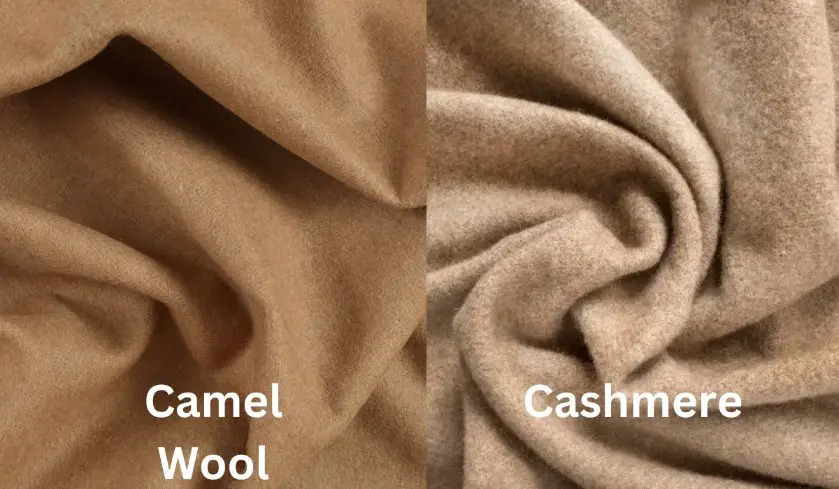
Camel Wool vs. Cashmere
This comparison comes up a lot, and for good reason – both are luxury fibers with similar qualities.
| Feature | Camel Wool | Cashmere |
|---|---|---|
| Fiber Diameter | 18-30 microns | 14-18 microns |
| Softness | Very soft | Extremely soft (softer) |
| Warmth | Excellent with thermostatic properties | Excellent (very warm) |
| Durability | High – better tensile strength | Moderate – pills more easily |
| Weight | Lightweight | Very lightweight (lighter) |
| Price Range | $20-40 per yard (standard) $50-100 (baby camel) | $50-150+ per yard |
| Harvesting Method | Natural molting (no shearing) | Combing during molting |
| Environmental Impact | Very low – camels need minimal water | Higher – overgrazing concerns |
| Best For | Coats, blankets, durable outerwear | Sweaters, scarves, lightweight layers |
The Verdict: Cashmere wins on pure softness and lightweight feel. Camel wool wins on durability, price, and environmental impact. For a luxury coat that will last decades, camel wool is the smarter choice. For an ultra-soft sweater, cashmere has the edge. Learn more about wool and cashmere comparisons.
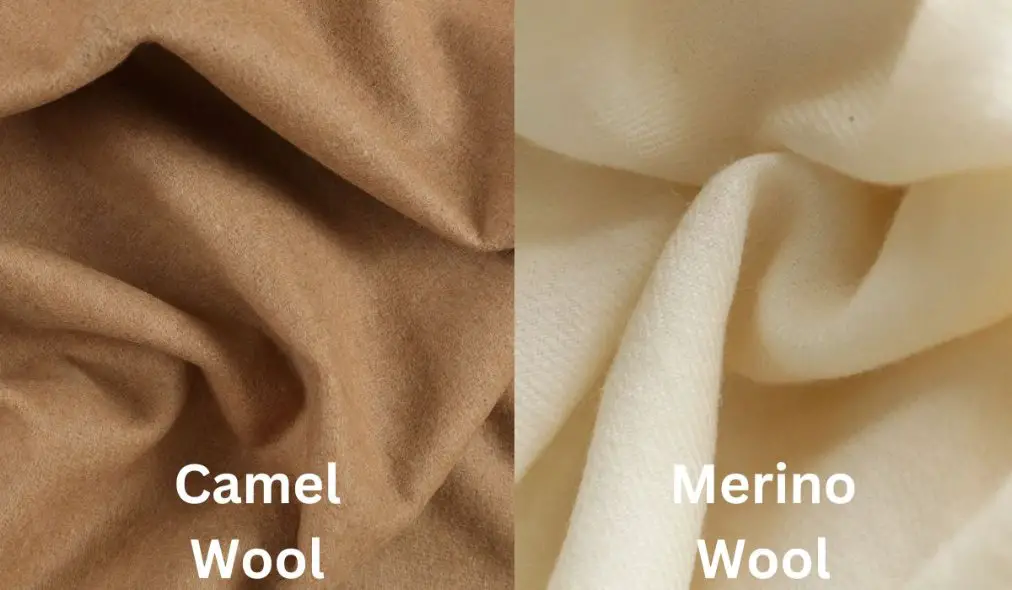
Camel Wool vs. Merino Wool
| Feature | Camel Wool | Merino Wool |
|---|---|---|
| Warmth-to-Weight | Excellent (hollow fibers) | Very good |
| Softness | Very soft (comparable to cashmere) | Soft (but not as soft) |
| Moisture Wicking | Excellent | Excellent |
| Odor Resistance | Very good | Excellent |
| Availability | Limited | Widely available |
| Price | Moderate to high | Moderate |
| Best For | Luxury winter wear, investment pieces | Base layers, activewear, everyday clothing |
The Verdict: Merino is more versatile and easier to find. Camel wool offers superior warmth and a softer feel but costs more and has limited availability.
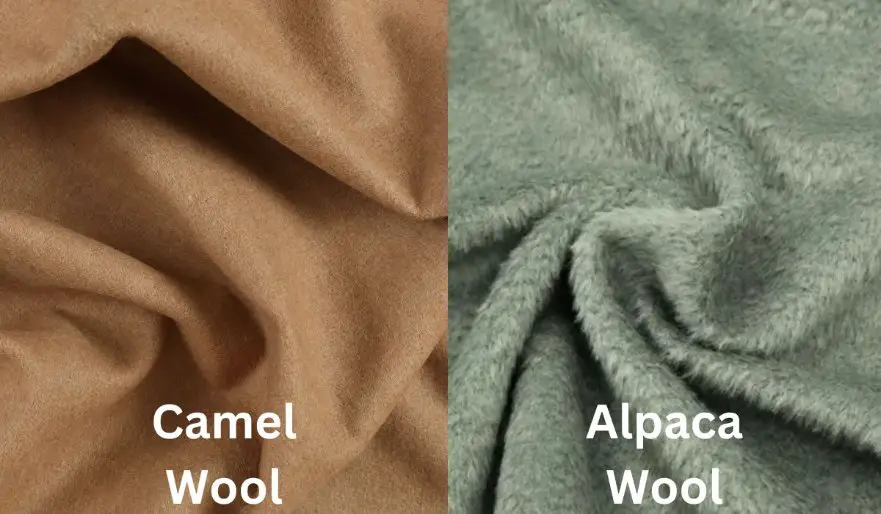
Camel Wool vs. Alpaca Wool
Both are luxury fibers from camelids (members of the camel family), so they share some properties.
| Feature | Camel Wool | Alpaca Wool |
|---|---|---|
| Fiber Structure | Hollow (better insulation) | Not hollow |
| Warmth | Very warm | Very warm (7x warmer than sheep wool) |
| Hypoallergenic | Yes (low lanolin) | Yes (no lanolin) |
| Water Resistance | Naturally water-resistant | Naturally water-resistant |
| Natural Colors | Beige, tan, brown (limited range) | 22+ natural colors |
| Durability | Very durable | Very durable |
The Verdict: Both are excellent choices. Alpaca offers more color variety and is more widely available. Camel wool has the hollow fiber advantage for temperature regulation.
Camel Wool vs. Yak Wool
Yak wool is another specialty fiber from Central Asia that’s gaining attention.
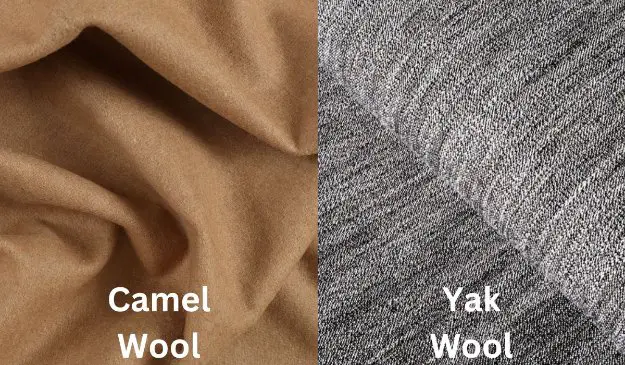
Yak wool becomes incredibly soft and fluffy after washing, comparable to cashmere. It’s extremely durable and doesn’t pill. Yak wool is also lighter than merino despite providing exceptional warmth. However, it’s even rarer than camel wool and can be harder to source.
Camel wool is generally easier to find and has been used in Western fashion for longer, making it the more accessible option of the two.
How Camel Wool is Made: From Desert to Fabric
Understanding how camel wool goes from camel to clothing helps you appreciate the craftsmanship involved.
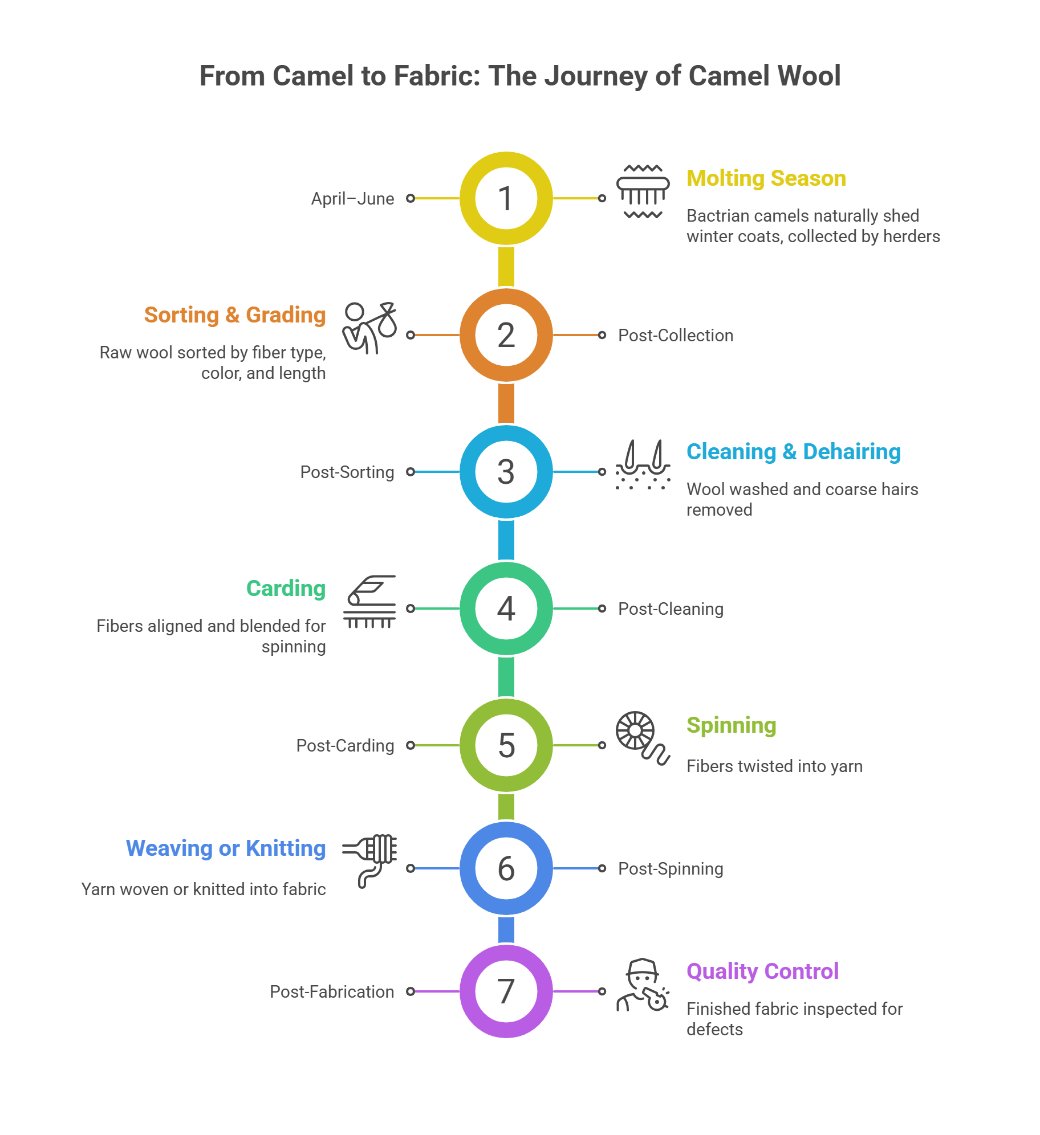
Collection During Molting Season
The process starts in late spring (typically April to June) when Bactrian camels naturally shed their winter coats. Herders use several collection methods:
Hand Gathering: The traditional method where herders simply collect hair that has fallen off naturally. This takes time but produces the cleanest, finest fibers.
Gentle Combing: Herders use wide-toothed combs to help remove loosening hair. This is still gentle and follows the camel’s natural molting cycle. Modern cooperatives have found that combing reduces coarse hair content from 6% to about 1%, significantly improving quality.
Limited Shearing: Sometimes used but not common. Full-body shearing of a camel is difficult and not economically sensible given their size.
Sorting and Grading
Once collected, the raw camel hair goes through careful sorting. This is skilled work that requires trained eyes to separate:
- Fine undercoat fibers (for clothing)
- Coarse guard hairs (for carpets and industrial use)
- Different color shades
- Different fiber lengths
Only the finest undercoat fibers make it to the next stage for apparel production. This sorting process is one reason why high-quality camel wool costs more – so much of what’s collected doesn’t make the grade for clothing.
Cleaning and Dehairing
The sorted wool gets washed to remove dirt, dust, grease, and any remaining coarse hairs. Producers prefer gentle, natural cleaning methods to preserve the fiber’s softness and natural oils. This might include:
- Mild, pH-neutral detergents
- Cool to lukewarm water (never hot)
- Multiple rinse cycles
- Natural drying methods
After cleaning, any remaining coarse hairs are mechanically removed through a dehairing process.
Carding
Clean, dehaired fibers go through carding machines that align all the fibers in the same direction. Think of it like combing your hair – the fibers get organized and untangled, preparing them for spinning. Carding also blends fibers of slightly different lengths for a more consistent yarn.
Spinning
The carded fibers are spun into yarn. This can happen on traditional spinning wheels or modern machinery, depending on the producer. The spinning process twists the fibers together, creating strong, even yarn that can be woven or knitted into fabric.
The thickness of the yarn depends on its intended use – finer yarns for clothing, thicker yarns for blankets or rugs.
Weaving or Knitting
Finally, the yarn becomes fabric through weaving or knitting. Different techniques create different textures and properties:
- Twill weave: Common for coats and outerwear, creates a diagonal pattern
- Plain weave: Simple and sturdy, good for blankets
- Knitting: Used for sweaters and flexible garments
Some camel wool is blended with other fibers at this stage, like mixing 60% camel wool with 40% sheep wool for a more affordable fabric that still has camel wool’s properties.
Quality Control
Reputable producers inspect the finished fabric for consistency, softness, and any defects. High-end camel wool fabric goes through multiple quality checks before reaching consumers.
Uses and Applications: What Can You Make With Camel Wool?
Camel wool’s unique properties make it perfect for specific applications. Here’s where you’ll typically find it.
Fashion and Apparel
Coats and Jackets: This is camel wool’s most famous use. The classic camel coat has been a fashion staple since the 1920s. Camel wool’s durability, warmth, and natural color make it perfect for investment outerwear that lasts decades.
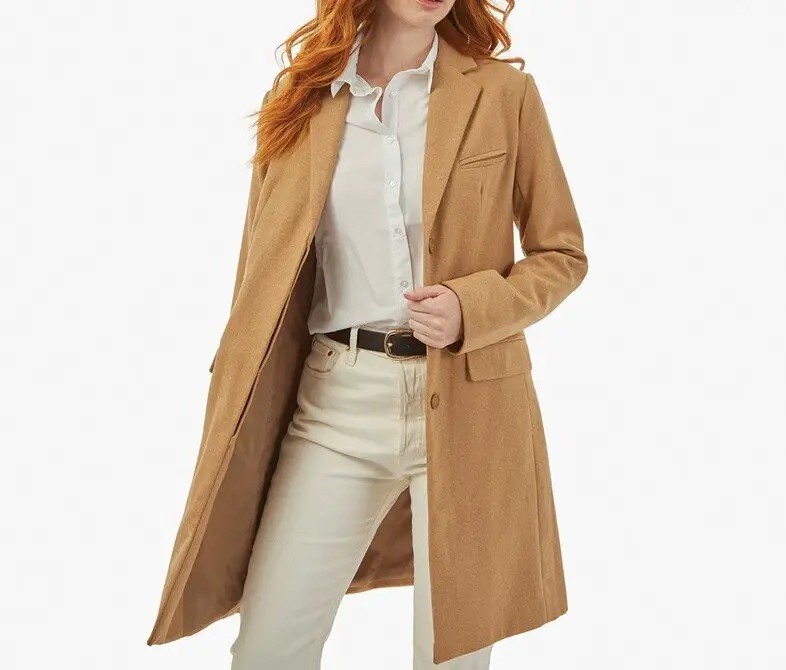
Suits and Blazers: High-quality camel wool suits offer warmth without bulk. The natural sheen gives them a sophisticated appearance appropriate for business or formal occasions.
Sweaters and Cardigans: Soft baby camel wool works beautifully for knitwear. These pieces provide warmth without weight and layer easily under other clothing.
Scarves and Shawls: Camel wool accessories add luxury to any outfit. They’re warm, lightweight, and the natural colors complement almost anything.
Base Layers and Underwear: The hypoallergenic, breathable nature of camel wool makes it suitable for clothing worn against skin. It provides warmth without irritation.
Hats and Gloves: Small accessories benefit from camel wool’s warmth and softness. These make practical gifts that people actually use.
Home Textiles
Blankets and Throws: Camel wool blankets are both beautiful and functional. They’re naturally temperature-regulating, making them comfortable year-round. The antibacterial properties keep them fresh between washings.
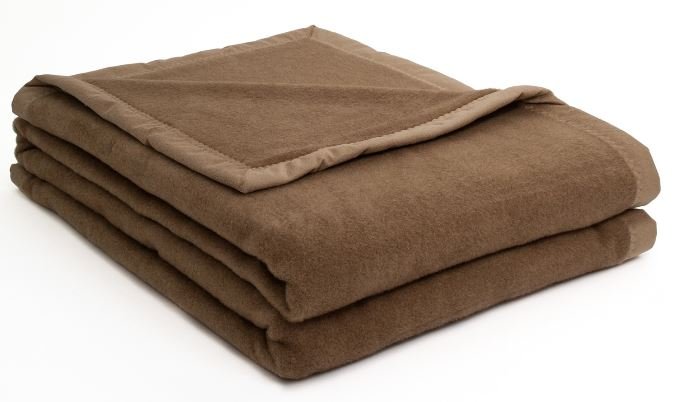
Comforters and Duvets: Luxury bedding made from camel wool provides warmth without weight. It wicks moisture away, preventing the clammy feeling some people get with synthetic bedding.
Rugs and Carpets: Coarser camel wool makes durable floor coverings. Traditional Persian and Central Asian rugs often incorporate camel wool for its natural sheen and durability.
Upholstery: High-end furniture sometimes features camel wool upholstery. It’s durable, resists wear, and adds a touch of luxury to interior spaces.
Specialty Applications
Artist Paintbrushes: Camel hair (usually from the tail) makes excellent paintbrushes. The soft, flexible nature holds paint well and produces smooth, even strokes. Many watercolor artists prefer camel hair brushes.
Traditional Tents: Nomadic peoples have used camel wool for tent-making for thousands of years. It provides insulation, water resistance, and durability needed for life on the steppes.
Are Camel Coats Still in Style?
Absolutely. The camel coat is considered a timeless wardrobe staple, not a trend. Fashion changes, but certain pieces stay relevant because they work. A well-made camel wool coat fits into that category. It’s versatile enough for business or casual wear, sophisticated without being showy, and the neutral color goes with everything.
Designers like Burberry, Max Mara, and Chloé continue to feature camel coats in their collections every year, updating the cut and styling while keeping the essential character of the garment.
Care and Maintenance Guide: How to Wash Camel Wool
Camel wool lasts for years with proper care. Here’s how to keep your camel wool items in great condition. For more detailed fabric care guidance, check out our wool care guide.
Daily Care
Air It Out: After wearing camel wool, hang it in a well-ventilated area for a few hours. This lets moisture evaporate and freshness return. You’ll be surprised how rarely camel wool actually needs washing.
Brush After Each Wear: Use a soft, natural-bristle garment brush to remove dust, dirt, and any pet hair. Brushing also restores the nap (the soft surface texture) and prevents the fabric from becoming matted. Always brush in the direction of the fibers.
Spot Clean Immediately: If you spill something, blot (don’t rub) the area with a clean, dry cloth. For stubborn stains, use a tiny amount of wool-safe cleaner and a damp cloth. The key is acting fast before stains set.
How to Wash Camel Wool: Hand Washing Method
Hand washing is the safest method for camel wool. It takes more time but protects your investment.
- Fill a basin with cold or lukewarm water: Never use hot water – it can cause shrinkage and damage the fibers. Water temperature should be 30°C (86°F) or below.
- Add mild detergent: Use a wool-specific detergent or gentle baby shampoo. Avoid regular laundry detergent, bleach, or fabric softener. You need very little – about a capful for a basin of water.
- Submerge and soak: Gently place the item in the water and press it down to saturate. Let it soak for 10-15 minutes. Don’t agitate, wring, or rub – these actions can felt the wool and ruin it.
- Rinse thoroughly: Drain the soapy water and refill with clean, cold water. Gently press the garment to help rinse out soap. Repeat 3-4 times until the water runs clear and no soap remains.
- Remove excess water: Never wring or twist camel wool. Instead, gently press the water out with your hands, or roll the item in a clean, dry towel to absorb moisture.
- Dry flat: Lay the item flat on a dry towel or drying rack, away from direct sunlight and heat sources. Reshape it to its original dimensions. Allow it to air dry completely, which may take 24-48 hours.
Machine Washing (When Absolutely Necessary)
Some modern washing machines have delicate wool cycles that might work for camel wool items, but hand washing is always safer. If you must use a machine:
- Use only the most delicate cycle available (“hand wash” or “wool” setting)
- Use cold water only
- Choose the shortest cycle possible
- Use wool-specific detergent
- Place the item in a mesh laundry bag for protection
- Turn off the spin cycle or use the lowest spin speed (maximum 400 rpm)
- Remove immediately when the cycle ends
Never put camel wool in a top-loading machine with an agitator – the aggressive motion will damage the fibers.
Does Camel Wool Shrink?
Yes, camel wool can shrink if exposed to hot water, agitation, or high heat from a dryer. The fibers felt together when subjected to heat, moisture, and friction simultaneously, causing permanent shrinkage. This is why cold water, gentle handling, and flat drying are so important.
Drying Camel Wool
Never use a dryer. Hanging wet camel wool is also bad – it stretches the garment out of shape. Always dry flat on a towel or mesh drying rack.
Keep the item away from:
- Direct sunlight (can fade colors)
- Heat sources like radiators or fireplaces
- High humidity areas that slow drying and risk mildew
Turn the item occasionally during drying to ensure even air circulation on both sides.
Removing Wrinkles
Never iron camel wool directly. The heat can damage fibers and flatten the natural texture. Instead:
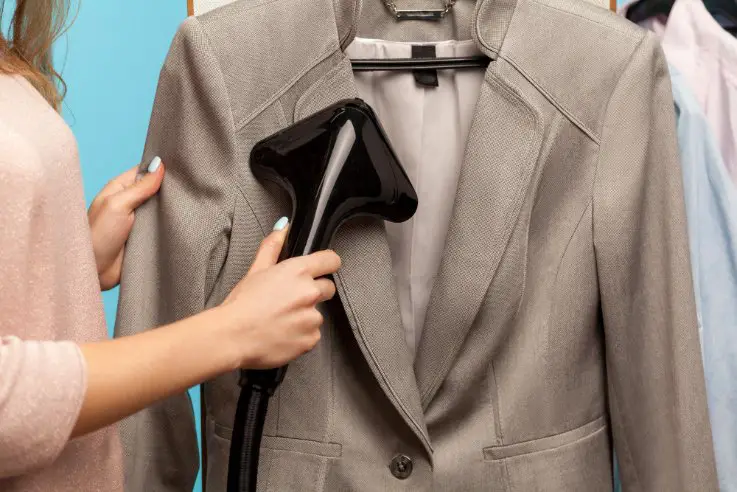
- Use a garment steamer, holding it a few inches away from the fabric
- Hang the item in your bathroom during a hot shower (steam method)
- If you must use an iron, use the lowest setting, place a pressing cloth between the iron and garment, and never let the iron sit in one spot
Can You Dry Clean Camel Wool?
Yes, professional dry cleaning is perfectly safe for camel wool and often recommended for coats, suits, and other structured garments. A good dry cleaner knows how to handle delicate natural fibers. However, dry cleaning every time isn’t necessary – use it for heavy soiling or once per season for outerwear.
Storage Tips
Use padded hangers: Store coats and jackets on wide, padded hangers to maintain their shape. Avoid wire hangers that create shoulder bumps.
Fold knitwear: Never hang sweaters, cardigans, or other knit items – they’ll stretch. Fold them and store flat.
Breathable storage: Use canvas or cotton garment bags, not plastic. Camel wool needs air circulation. Sealed plastic bags trap moisture and can lead to mildew.
Moth prevention: Add cedar blocks or lavender sachets to storage areas. Clean items thoroughly before storing – moths are attracted to body oils and stains.
Seasonal storage: Before putting away for the season, clean the item, let it air dry completely, and store in a cool, dry place.
Can Camel Wool Get Wet?
Yes, camel wool can get wet, and it’s naturally water-resistant to some degree. However, you shouldn’t deliberately soak it or wear it in heavy rain without protection. If camel wool does get wet:
- Blot excess water with a clean towel
- Reshape the garment if needed
- Lay flat to dry (never use heat)
- Allow complete drying before wearing or storing
Dealing With Pilling
Camel wool pills less than cashmere but may develop some small fiber balls with wear. Remove them with:
- A sweater comb or wool comb
- A fabric shaver (use gently)
- Scissors to carefully snip off pills (time-consuming but safe)
Pricing and Value: Why is Camel Wool So Expensive?
Camel wool sits in an interesting price range – more expensive than regular wool but generally less than cashmere. Understanding why helps you make smart buying decisions.
What Camel Wool Costs
Fabric by the yard:
- Standard camel wool: $20-40 per yard
- High-grade undercoat: $30-50 per yard
- Baby camel wool: $50-100+ per yard
- Blended fabrics (camel/wool): $15-30 per yard
Finished garments:
- Camel wool coat: $300-2,000+ (depending on quality and brand)
- Camel wool sweater: $150-500
- Camel wool scarf: $50-200
- Camel wool blanket: $200-800
Factors That Drive Up Price
Limited Supply: Each camel produces only about 5 pounds of hair per year, and only a portion of that is high-grade undercoat suitable for clothing. Compare this to sheep, which produce much more wool more reliably. The rarity drives up prices.
Seasonal Harvesting: Camel hair can only be collected during the natural molting season, a brief window each spring. This limits how much can be gathered annually and makes it impossible to simply “produce more” when demand increases.
Labor-Intensive Processing: Sorting and grading camel wool requires skilled workers who can distinguish fine undercoat from coarse guard hair. Much of this work is still done by hand, adding to costs.
Geographic Concentration: Most camel wool comes from specific regions in Mongolia and China. Transportation costs and import duties add to the final price.
Small-Scale Production: Unlike sheep wool, which has massive industrial infrastructure, camel wool is usually produced by cooperatives and small businesses. They don’t have the economies of scale that reduce costs.
Quality Standards: High-grade camel wool goes through multiple quality checks. Producers discard anything that doesn’t meet standards, further limiting supply.
Is Camel Wool Worth the Price?
That depends on what you value. Here’s the case for and against:
Good value if you want:
- A garment that lasts 20+ years
- Superior warmth without weight
- Ethical, sustainable production
- A timeless style that never goes out of fashion
- Natural, hypoallergenic materials
Maybe not worth it if you:
- Need something for short-term use
- Want the absolute softest fabric (cashmere is softer)
- Have a very tight budget
- Live in a warm climate where you won’t use it much
Cost-Per-Wear Analysis
Here’s a practical way to think about the cost: A $1,000 camel wool coat sounds expensive. But if you wear it 50 times per year for 20 years, that’s 1,000 wears. The cost per wear is just $1. Compare that to a $300 synthetic coat that lasts 3 years and needs replacing – the camel wool comes out ahead.
Quality camel wool is an investment. The upfront cost is higher, but the long-term value is better than cheaper alternatives.
How to Identify Quality Camel Wool
Not all camel wool is created equal, and unfortunately, some products labeled as “camel hair” contain mostly other fibers. Here’s how to spot the real deal.

What Does Camel Wool Look Like?
Authentic camel wool has distinctive characteristics:
Color: Natural camel wool ranges from creamy white to light tan, medium brown, and golden brown. High-grade camel wool is typically a light, warm tan color. If you see bright white or very dark brown “camel wool,” be skeptical – these colors require heavy dyeing.
Texture: High-quality camel wool should feel soft and slightly springy. It shouldn’t feel rough, scratchy, or overly slick (which might indicate synthetic fibers).
Natural Sheen: Real camel wool has a subtle, natural shine. It’s not dull and flat like some wools, but it’s also not super shiny like polyester.
What Does Camel Wool Feel Like?
When you touch quality camel wool, it should feel:
- Soft and smooth, not scratchy
- Slightly silky
- Warm to the touch (even before wearing)
- Lightweight relative to its thickness
- A bit fluffy or lofty (not flat and compressed)
Baby camel wool feels even softer, comparable to high-quality cashmere. If it feels rough or stiff, it’s probably lower-grade or heavily blended.
Check the Label
Fiber content labels are required in most countries. Look for:
“100% Camel Hair” or “100% Camel Wool”: This is what you want for pure camel wool products.
Percentage blends: Many products blend camel wool with other fibers. Common mixes include:
- 80% camel wool, 20% sheep wool
- 60% camel wool, 40% sheep wool
- 70% camel wool, 30% cashmere
Warning signs:
- “Camel-colored” (means it’s just the color, not the fiber)
- “Camel-style” (marketing term, not real camel wool)
- No fiber content listed at all (red flag)
The Burn Test
If you can safely do this (with a tiny clipping from an inside seam), natural camel wool burns differently than synthetic fibers:
- Natural fibers (including camel wool) burn slowly and smell like burning hair
- They turn to ash that crumbles easily
- Synthetic fibers melt into hard beads and smell like chemicals
This isn’t a perfect test (many fabrics are blends), but it can help confirm natural fiber content.
Price Reality Check
If something seems too cheap to be real camel wool, it probably is. A $50 “camel wool” coat is almost certainly not 100% camel wool or uses very low-grade fiber. Quality camel wool garments cost more because the fiber costs more.
Check the Construction
Quality camel wool deserves quality construction:
- Even, tight stitching
- Well-finished seams
- Quality buttons, zippers, or closures
- A good lining (for coats)
- No loose threads or pilling right off the rack
Country of Origin
Most authentic camel wool comes from Mongolia, China, Iran, Afghanistan, or Tibet. Products claiming to be camel wool from other regions should be verified carefully.
Is Camel Wool Itchy?
High-quality camel wool should not be itchy. Thanks to its low lanolin content and relatively fine fibers (18-30 microns for high-grade), most people find it comfortable against skin. If camel wool feels itchy, it’s likely either low-grade (with coarse fibers mixed in), poorly processed, or your skin is particularly sensitive.
Baby camel wool is the least itchy option, as its ultra-fine fibers (15-16 microns) make it as soft as cashmere.
Where to Buy Camel Wool
Finding quality camel wool takes some effort since it’s not as widely available as other fabrics.
Specialty Fabric Stores
High-end fabric stores in major cities sometimes carry camel wool fabric by the yard. These are your best bet for pure, quality fiber if you want to have something custom-made or sew your own garments.
Luxury Retailers
Department stores like Nordstrom, Bloomingdale’s, and Harrods carry camel wool coats and garments from established fashion brands. The advantage here is consistent quality and return policies, though you’ll pay full retail prices.
Designer Brands
Several brands are known for quality camel wool:
- Burberry (iconic for camel coats)
- Max Mara (excellent camel wool coats)
- Loro Piana (luxury camel fiber products)
- Jaeger (historically significant in camel wool)
Online Retailers
Websites like Etsy have vendors selling camel wool products, especially blankets, scarves, and yarn. Be careful to verify seller reputation and check reviews.
Direct from Mongolia
Some Mongolian cooperatives sell direct to consumers online. This can offer better prices and ensures money goes to herder communities. Look for sellers with certifications from organizations like the Sustainable Fiber Alliance.
What to Look for When Buying
- Clear fiber content information
- Origin details (where it’s from)
- Grade specifications (if mentioned)
- Return policies
- Care instructions
- Seller reputation and reviews
Frequently Asked Questions
Conclusion
After exploring everything from camel wool’s 5,000-year history to the science behind its hollow fibers, we can draw some clear conclusions about this remarkable natural fabric.
Camel wool stands out in the world of luxury textiles because it delivers on multiple fronts. It’s soft enough to compete with cashmere, warm enough for the coldest winters, durable enough to last decades, and ethical enough to satisfy the most conscious consumers. The fact that it comes from naturally molting camels, requires minimal processing, and supports traditional herding communities makes it one of the most sustainable animal fibers available.
Key Takeaways
Performance: The hollow fiber structure isn’t just interesting science – it translates to real benefits. You get exceptional warmth without weight, natural temperature regulation, and breathability that synthetic insulation can’t match. If you live in a cold climate or want versatile layers, camel wool delivers.
Value proposition: Yes, camel wool costs more upfront than regular wool. But when you calculate cost-per-wear over 20+ years, it becomes economical. A quality camel wool coat is an investment piece that never goes out of style.
Sustainability matters: For anyone trying to build a more ethical wardrobe, camel wool checks all the boxes. Natural molting, minimal processing, biodegradable fibers, and support for traditional communities – these aren’t marketing claims, they’re how camel wool production actually works.
Care requirements: Camel wool isn’t high-maintenance, but it does require proper care. Hand washing or dry cleaning, flat drying, and proper storage will keep your items looking great for years. Skip the shortcuts and your camel wool will reward you with longevity.
Versatility: From iconic coats to cozy blankets, camel wool works in multiple applications. The natural colors mean it coordinates with everything in your wardrobe or home.
Who Should Choose Camel Wool?
Camel wool makes sense for you if you:
- Want investment pieces that last decades
- Live in cold climates or need serious warmth
- Have sensitive skin and need hypoallergenic materials
- Care about sustainable and ethical production
- Appreciate natural materials and craftsmanship
- Value quality over following fast fashion trends
- Are building a capsule wardrobe of timeless pieces
When to Look Elsewhere
Camel wool might not be your best choice if you:
- Live in a hot climate where you won’t use warm fabrics
- Need something for short-term or single-season use
- Can’t accommodate hand-washing or dry cleaning
- Are looking for the absolute softest fabric (choose cashmere)
- Have a very tight budget and need affordable options
Making Your First Camel Wool Purchase
If you’re ready to try camel wool, start with a piece you’ll use often. A classic camel coat is the traditional choice for good reason – it’s versatile, timeless, and showcases everything camel wool does well. A quality scarf or throw blanket makes a good introduction at a lower price point.
When shopping, remember the quality indicators: check the fiber content label, verify the natural tan coloring, test the softness, and don’t expect bargain prices. Real camel wool from reputable sources costs what it costs for legitimate reasons.
The Bigger Picture
Choosing camel wool is part of a larger shift in how we think about clothing and textiles. Instead of buying cheap items that last one season, more people are investing in quality pieces that last years. Instead of supporting industrial production that damages the environment, we’re looking for materials that work with natural cycles.
Camel wool represents what’s possible when we value quality, sustainability, and craftsmanship. The Mongolian herders who collect this fiber have been doing it sustainably for thousands of years. The camels live their natural lives on the steppes, shedding their coats when spring arrives. The resulting fiber keeps people warm, looks beautiful, and returns to the earth when its long life finally ends.
That’s the kind of product worth paying for and caring about properly. In a world of disposable fashion and synthetic everything, camel wool offers something different – something real, sustainable, and genuinely special.
Whether you choose a camel wool coat, a blanket, or a simple scarf, you’re not just buying fabric. You’re connecting to a tradition that spans millennia, supporting sustainable practices, and investing in something that will serve you well for decades. That’s what makes camel wool more than just another luxury fiber – it’s a smart choice for the long term.
For more information on natural fibers and how to care for them, explore our guides on wool fabric, mohair, and other premium textiles. And don’t forget to use our Wool Care Calculator to get personalized care instructions for your camel wool items.