
Everything you need to know about crepe back satin, from its unique dual-texture construction to care instructions, sustainability, and creative uses
Table of Contents
- What is Crepe Back Satin?
- A Brief History of Satin and Crepe
- Key Characteristics and Properties
- Types and Variations
- Comparing Crepe Back Satin to Other Fabrics
- Creative Uses and Applications
- Advantages and Disadvantages
- Sustainability and Eco-Friendly Alternatives
- How to Choose Quality Crepe Back Satin
- Sewing with Crepe Back Satin
- Care Instructions and Maintenance
- Frequently Asked Questions
- Conclusion
What is Crepe Back Satin?
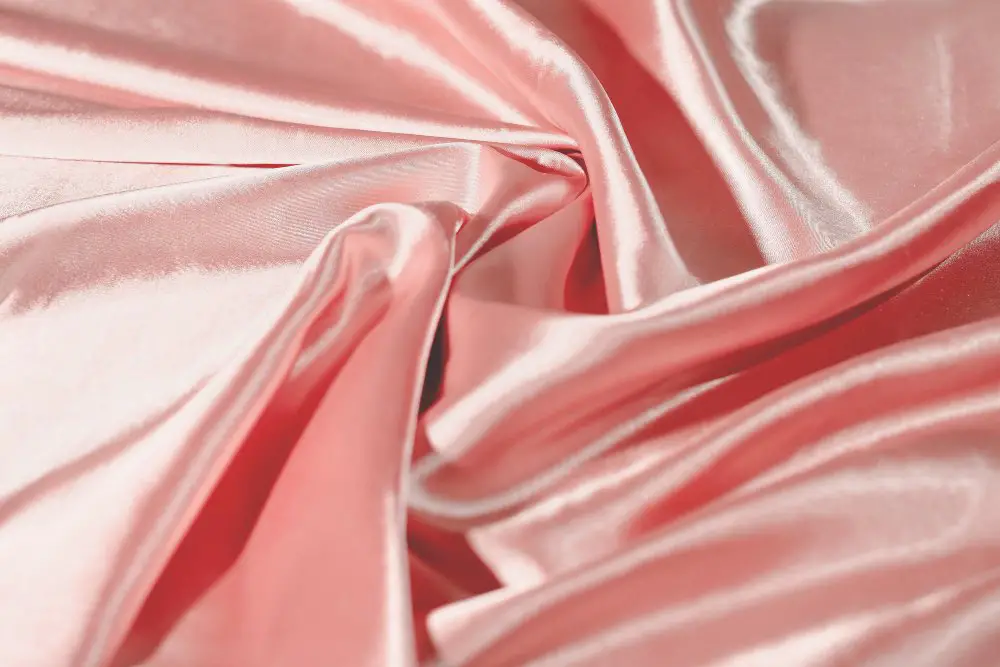
Crepe back satin is a reversible fabric that combines two different textures on each side. One side features a smooth, glossy satin finish with a beautiful sheen, while the other side has a textured, slightly pebbled crepe surface with a matte appearance. This dual-sided nature makes it one of the most flexible fabrics in the textile world.
The fabric is woven using a satin weave technique where warp threads float over multiple weft threads to create the lustrous satin side. The reverse side uses a crepe weave structure, where the weft threads float over multiple warp threads, creating the distinctive textured surface. This special weaving process gives the fabric its unique character and makes it stand apart from single-texture fabrics.
What makes crepe back satin special is its ability to offer two completely different looks in one fabric. Designers can use the shiny satin side for areas where they want glamour and light reflection, then flip to the matte crepe side for contrast or a more subtle effect. This makes it perfect for creating interesting visual effects in clothing and home decor.
The fabric can be made from various fibers, including silk, polyester, acetate, or blends. Silk crepe back satin is the most expensive and prized for its natural softness and sheen. Polyester versions are more affordable, easier to care for, and resist wrinkles better, making them popular for everyday use.
A Brief History of Satin and Crepe

To understand crepe back satin, we need to look at the history of both satin and crepe fabrics separately before they came together.
The Story of Satin
Satin weaving originated in medieval China, where it was made exclusively with silk. The weave technique was developed in the Chinese port city of Quanzhou, which was called “Zaitun” in medieval Arabic. This is where the name “satin” comes from. The fabric and its weaving techniques traveled along the famous Silk Road, reaching the Middle East and eventually Europe. MasterClass notes that satin’s unique properties come from its distinctive weaving pattern.
Italy became the first Western country to produce satin in the twelfth century. By the fourteenth century, satin had spread across Europe and became associated with wealth and royalty. The Palace of Versailles in France famously used satin upholstery for much of its furniture, cementing the fabric’s reputation as a luxury material.
Crepe’s Journey
Crepe fabric also has ancient roots, with variations appearing in different cultures throughout history. The name comes from the French word “crêpe,” which means crimped or frizzed. Traditional crepe fabrics were made using highly twisted yarns that created the characteristic pebbled texture.
Crepe de Chine, one of the most famous crepe fabrics, was developed during China’s Han Dynasty (206 BCE – 220 CE). This lightweight silk fabric became prized for its soft drape and subtle texture.
The Marriage of Two Fabrics
While the exact date when crepe and satin were combined into one reversible fabric is hard to pinpoint, this innovation likely happened as textile manufacturers experimented with different weaving techniques. By combining the best qualities of both fabrics, they created something that offered more options and flexibility to designers and sewers.
The result was a fabric that could serve multiple purposes and create different effects in a single garment. This versatility made crepe back satin particularly popular for bridal wear, evening gowns, and special occasion clothing where designers wanted both drama and sophistication.
Key Characteristics and Properties
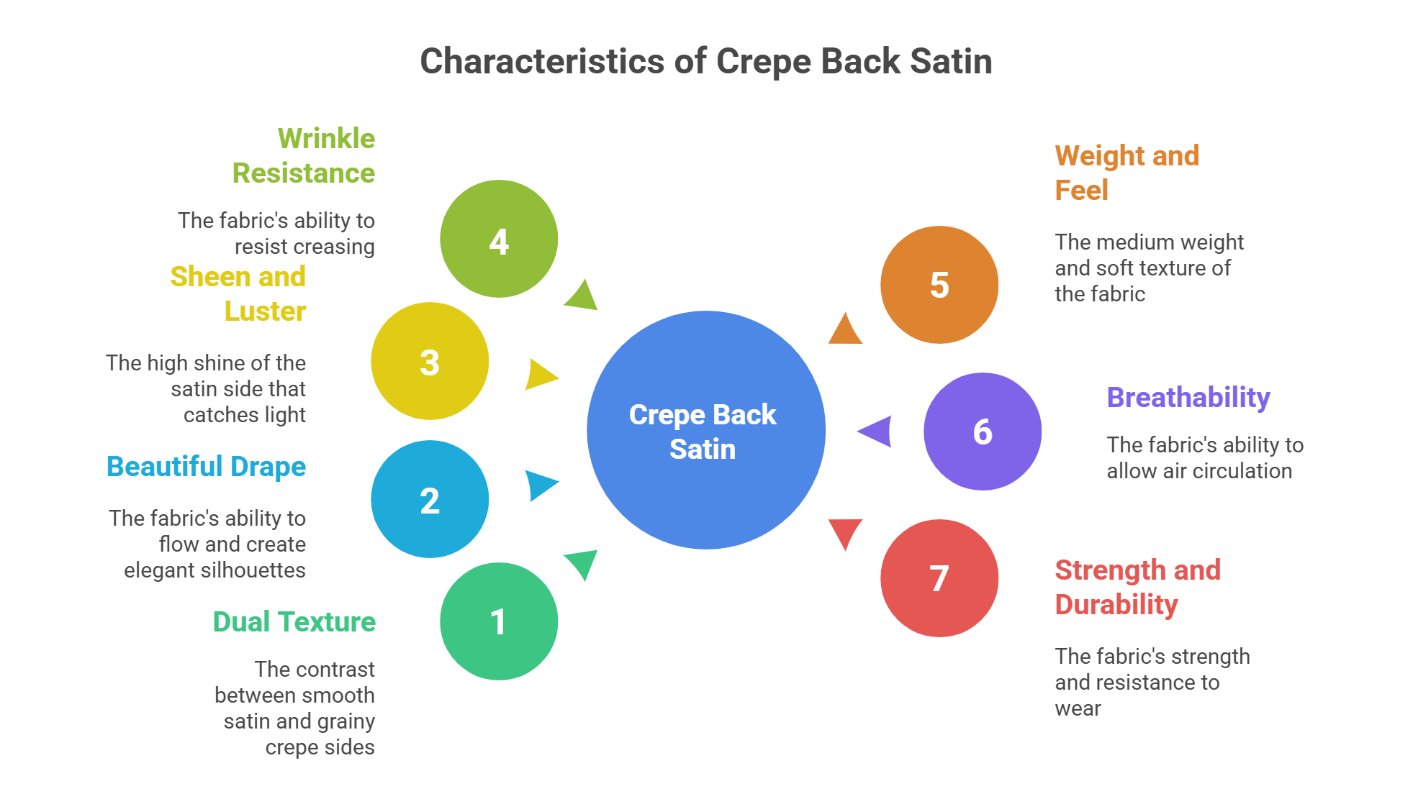
Crepe back satin has several distinctive features that set it apart from other fabrics:
Dual Texture
The most obvious characteristic is the contrast between the two sides. The satin side is smooth, slippery, and reflects light beautifully. The crepe side has a subtle grainy texture that absorbs light and provides a more subdued appearance. This combination allows for creative design possibilities that single-texture fabrics can’t match.
Beautiful Drape
One of the reasons crepe back satin is so popular for formal wear is its exceptional draping ability. The fabric flows like water, creating elegant movements and beautiful silhouettes. This fluid drape makes it perfect for garments that need to follow body curves or create flowing effects.
Sheen and Luster
The satin side has a high shine that catches light and creates a luxurious look. This sheen is what gives evening gowns and bridal dresses their glamorous appearance. The level of shine can vary depending on the fiber content and quality of the fabric.
Wrinkle Resistance
Does crepe back satin wrinkle easily? This depends on the fiber content. Polyester crepe back satin is quite wrinkle-resistant, which makes it practical for travel and everyday wear. Silk versions wrinkle more easily but still resist creasing better than many other fabrics due to the satin weave structure.
Weight and Feel
Crepe back satin is generally a medium-weight fabric, though this can vary. It’s heavier than chiffon or georgette but lighter than duchess satin. The fabric feels soft and smooth to the touch, with the satin side being silkier and the crepe side having more grip.
Breathability
Is crepe satin breathable? The answer depends on fiber content. Silk crepe back satin is naturally breathable and temperature-regulating, making it comfortable in various weather conditions. Polyester versions are less breathable but still more comfortable than many synthetic fabrics because of the weave structure that allows some air circulation.
Strength and Durability
The satin weave creates a strong fabric because the long filament fibers are woven tightly. However, this same structure makes the fabric prone to snagging. The floating yarns can catch on jewelry, rough surfaces, or sharp objects, creating pulls in the fabric.
Types and Variations
Crepe back satin comes in several varieties based on fiber content and specific weave variations:
Silk Crepe Back Satin
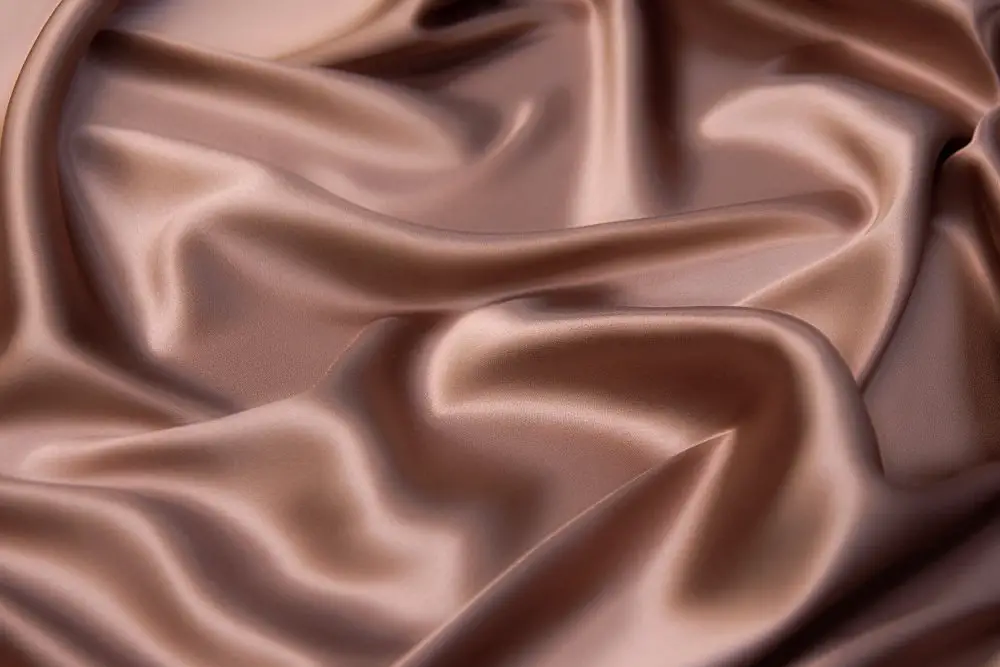
This is the highest quality and most expensive version. Made from pure silk fibers, it offers unmatched softness, natural sheen, and temperature regulation. Silk crepe back satin is measured in momme (mm), a unit that indicates the weight of silk. Common weights range from 12mm to 30mm, with heavier weights being more substantial and opaque.
Polyester Crepe Back Satin
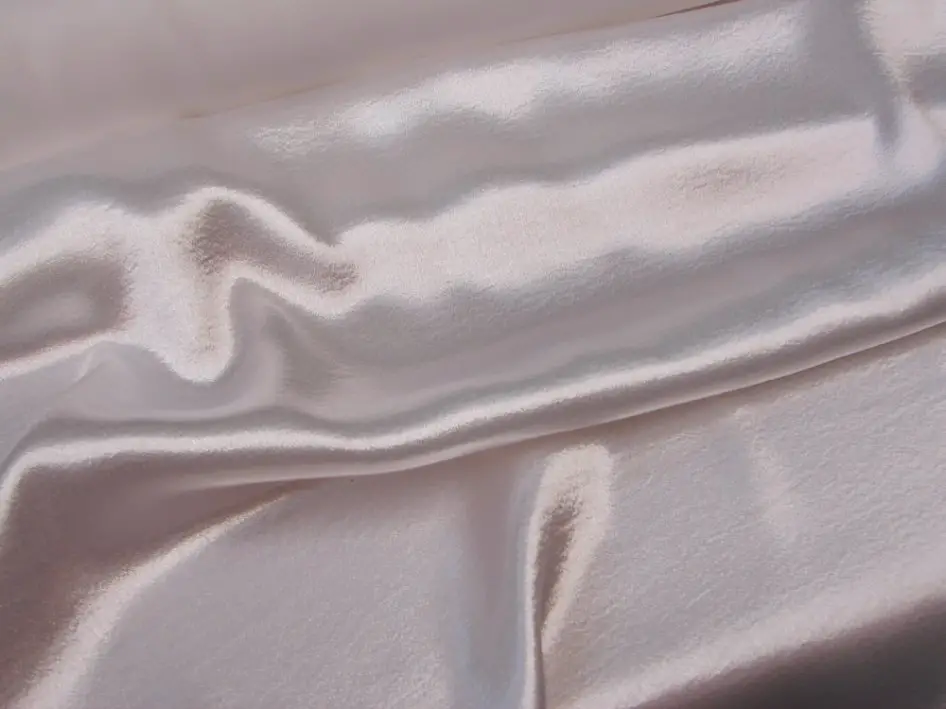
The most common and affordable type, polyester versions offer many of the same visual qualities as silk at a fraction of the cost. They’re also easier to care for, more wrinkle-resistant, and more durable. This makes them popular for choir robes, bridesmaid dresses, and home decor projects.
Japanese Crepe Back Satin
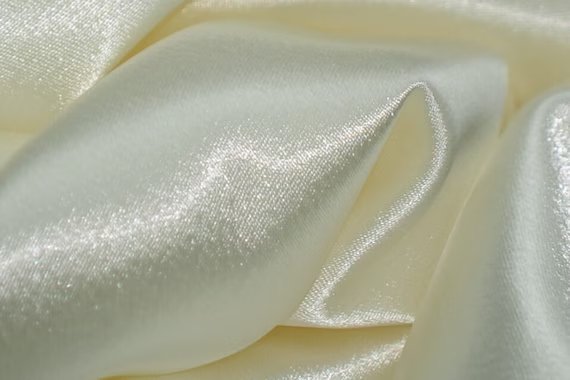
Japanese manufacturers are known for producing exceptionally high-quality crepe back satin. These fabrics typically have very few blemishes, consistent weaving, and excellent drape. Japanese crepe satin often features a more subtle texture on the crepe side and a more refined finish overall.
Silk-Polyester Blends

These combine the best of both worlds, offering some of silk’s luxurious feel and breathability while adding polyester’s durability and easy-care properties. Blends are often more affordable than pure silk while providing better performance than 100% polyester.
Acetate Crepe Back Satin
Made from acetate fibers, this type has a silk-like appearance and drapes well. It’s less expensive than silk but more lustrous than polyester. However, acetate requires careful handling and is sensitive to heat and certain chemicals.
Comparing Crepe Back Satin to Other Fabrics
Understanding how crepe back satin compares to similar fabrics helps you make informed choices for your projects.
Crepe Back Satin vs. Charmeuse

What is the difference between charmeuse satin and crepe back satin? While both fabrics have a shiny satin face and a duller back, there are key differences:
| Feature | Crepe Back Satin | Charmeuse |
|---|---|---|
| Back Side Texture | Textured crepe finish | Smooth, slightly dull finish |
| Weight | Medium weight | Lightweight |
| Reversible Design Use | Yes, both sides distinctly different | Limited, back is less attractive |
| Drape | Moderate drape | Very fluid, liquid-like drape |
| Best For | Structured gowns, reversible designs | Flowing dresses, lingerie |
Charmeuse is lighter and drapes more fluidly, making it better for flowing designs. Crepe back satin has more body and structure, plus the advantage of a truly usable reverse side.
Crepe Back Satin vs. Duchess Satin
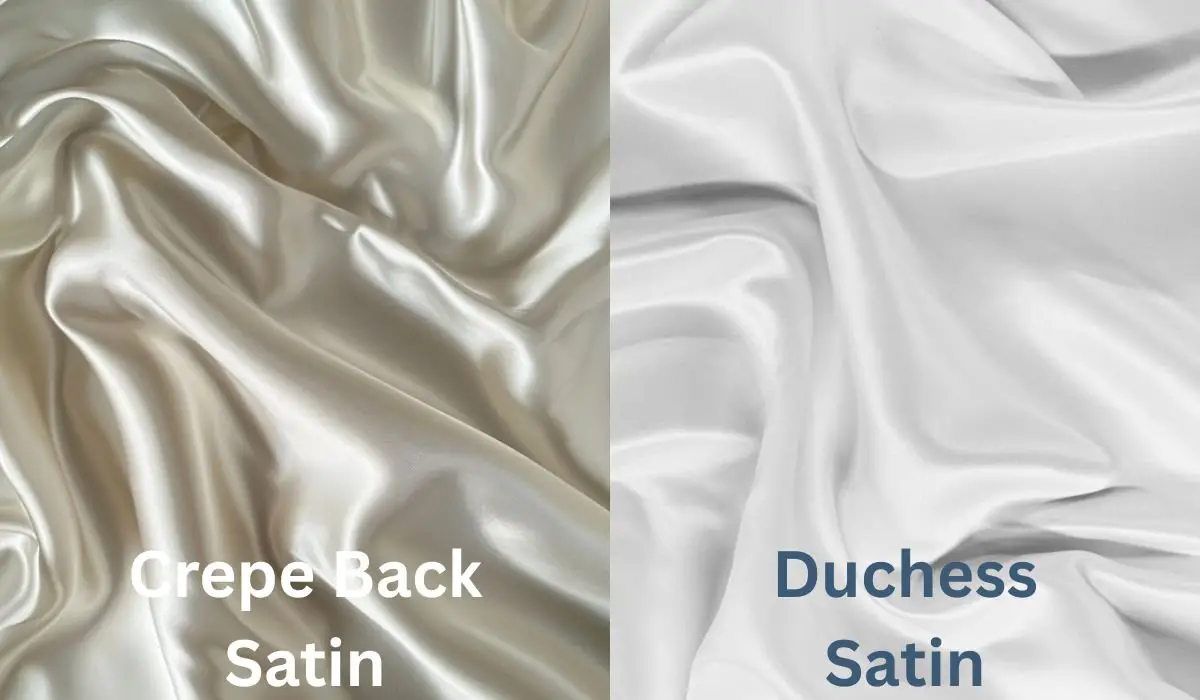
What is the difference between crepe back satin and duchess satin? Duchess satin is a completely different type of fabric:
- Structure: Duchess satin is heavier and stiffer, making it hold its shape better. Crepe back satin is more fluid.
- Sheen: Duchess satin has less luster than the satin side of crepe back satin.
- Back Side: Duchess satin has a dull back but no crepe texture.
- Use: Duchess satin is ideal for ball gowns and structured designs. Crepe back satin works better for garments needing more drape.
- Weight: Duchess satin is noticeably heavier and more substantial.
Crepe Back Satin vs. Sateen
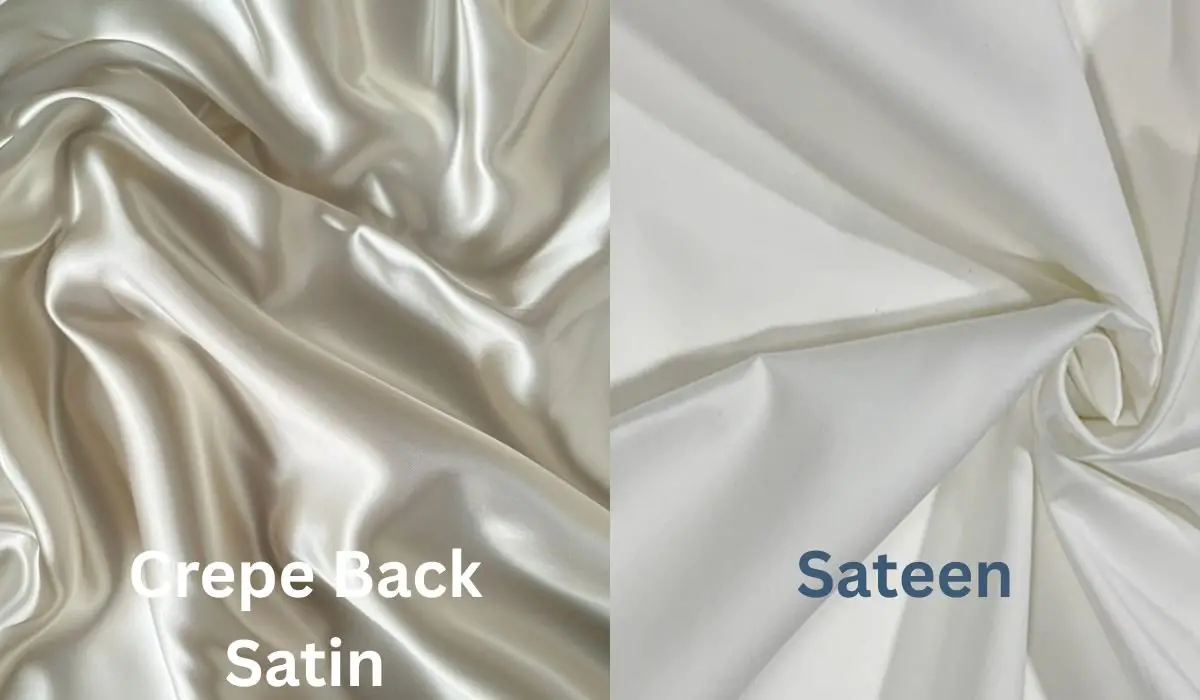
Many people confuse satin with sateen, but they’re different:
- Fiber: Sateen is made from short-staple fibers (usually cotton). Satin uses long filament fibers (silk, polyester).
- Sheen: Satin has higher gloss. Sateen has a subtle, softer luster.
- Durability: Sateen is more durable and resistant to wear.
- Feel: Sateen is softer and more comfortable for bedding. Satin is silkier and more slippery.
- Care: Sateen (especially cotton) is easier to wash and maintain.
Crepe Back Satin vs. Regular Crepe

Is crepe the same as silk? No, crepe refers to the weave pattern, not the fiber. Regular crepe fabrics have texture on both sides, while crepe back satin only has crepe texture on one side. Regular crepe also lacks the high sheen of the satin side.
Comparison Chart: Crepe Back Satin vs. Similar Fabrics
| Fabric | Weight | Sheen | Drape | Price Range | Best Use |
|---|---|---|---|---|---|
| Crepe Back Satin | Medium | High (one side) | Fluid | $$ – $$$ | Evening wear, bridal, reversible designs |
| Charmeuse | Light | High (one side) | Very fluid | $$ – $$$$ | Lingerie, flowing dresses |
| Duchess Satin | Heavy | Medium | Structured | $$$ – $$$$ | Ball gowns, structured bridal |
| Sateen | Medium | Low-medium | Moderate | $ – $$ | Bedding, casual wear |
| Crepe de Chine | Light | Low | Fluid | $$ – $$$$ | Blouses, dresses, scarves |
Creative Uses and Applications
What to make with crepe back satin? This flexible fabric works beautifully for many different projects:
Bridal and Formal Wear
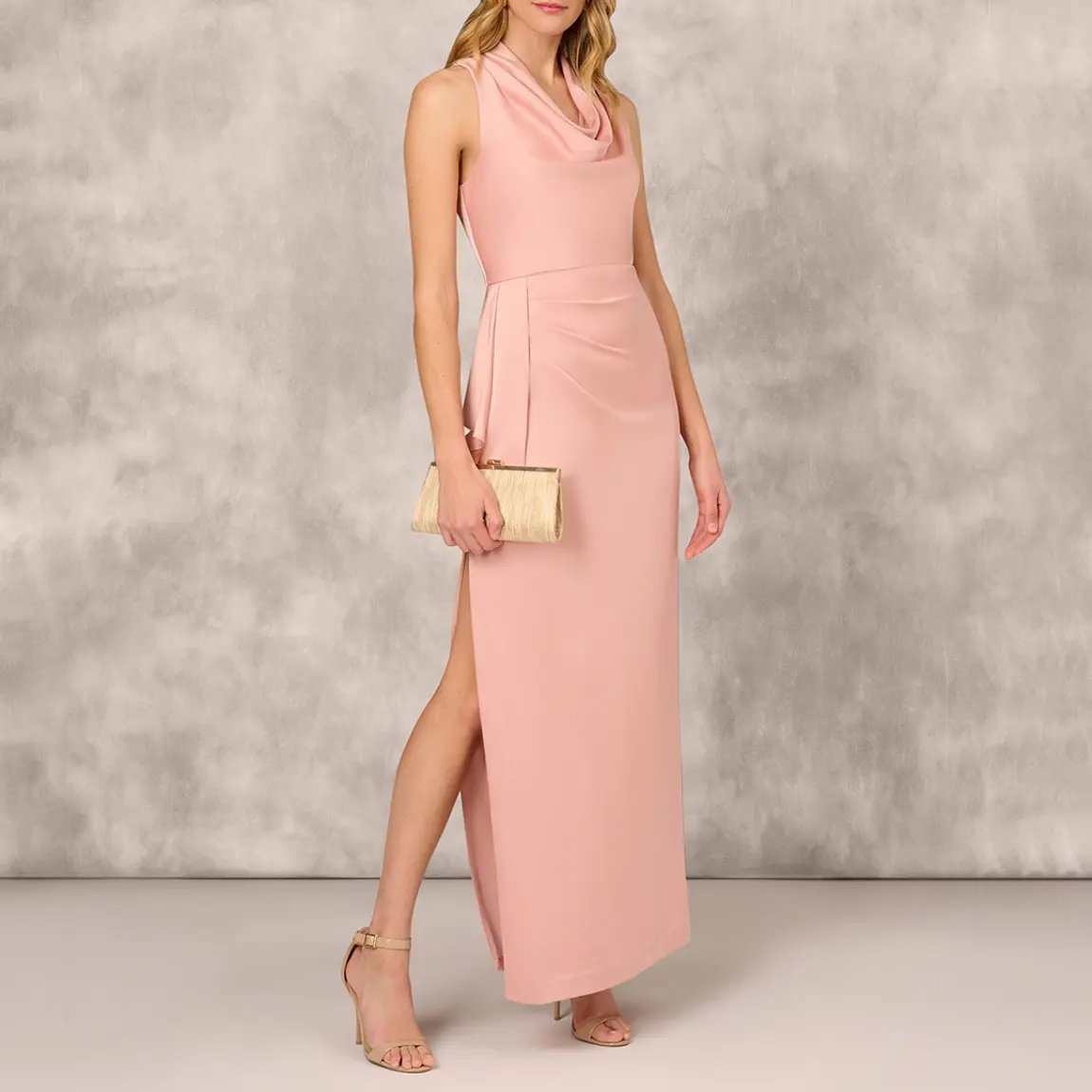
Crepe back satin is a top choice for wedding dresses and bridesmaid gowns. The fabric’s ability to drape beautifully while maintaining structure makes it perfect for creating elegant silhouettes. Designers often use the satin side for the main body of the dress and the crepe side for details, creating visual interest and texture contrast.
Evening gowns also benefit from this fabric’s glamorous sheen and fluid movement. The fabric catches light beautifully under formal lighting, making it perfect for red carpet events and special occasions.
Fashion and Apparel
Beyond formal wear, crepe back satin works well for:
- Blouses and tops: The drape creates flattering fits, and you can use either side for different looks.
- Skirts: The fluid movement makes beautiful A-line or bias-cut skirts.
- Dresses: Perfect for cocktail dresses and semi-formal wear.
- Lingerie: The soft, smooth texture feels luxurious against skin.
- Jackets and wraps: Use the reversible nature to create two-in-one designs.
- Pants: The fabric’s drape creates elegant, flowing trousers.
Home Decor Applications
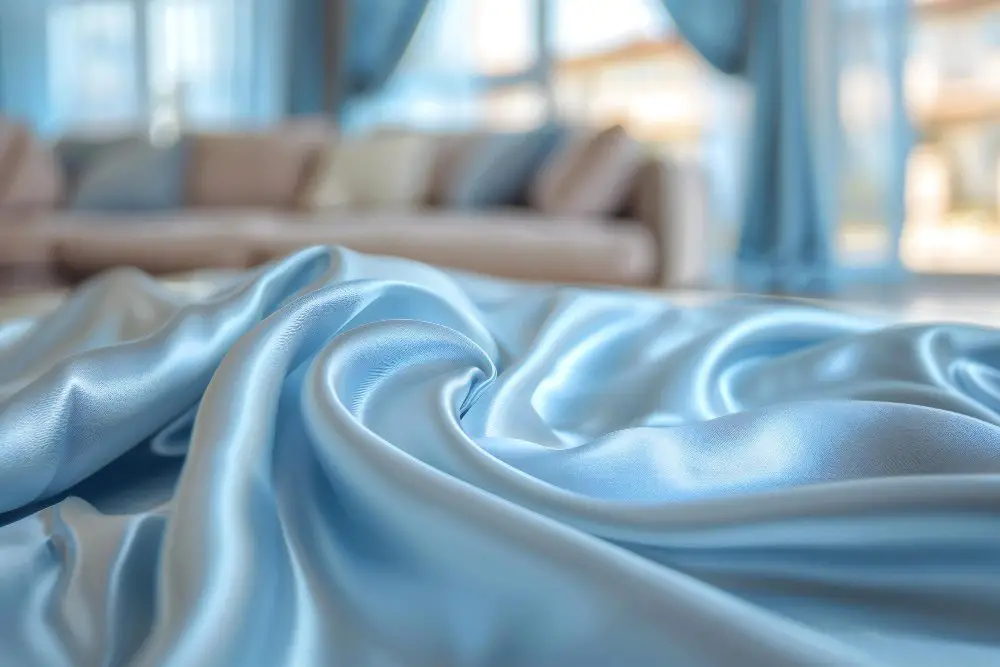
What is crepe back satin used for in home decorating? The fabric adds luxury to:
- Curtains and drapes: The fabric drapes beautifully and adds elegance to any room.
- Pillow covers: Both sides work well depending on the look you want.
- Table runners and cloths: Perfect for formal dining settings.
- Bedding: Some people use it for decorative bed accessories, though it’s less common for sheets.
- Upholstery accents: Works well for decorative cushions and accent pieces.
Special Projects and Crafts
The fabric also works wonderfully for:
- Wedding decorations and favors
- Fabric flowers and accessories
- Hair scrunchies and hair accessories
- Evening bags and clutches
- Scarves and shawls
- Sashes and ribbons
- Gift wrapping for special occasions
Costume and Period Clothing
Crepe back satin is popular for costume design because it can create both historical and contemporary looks. The fabric works well for period costumes from various eras and is often used in theater and film productions.
Advantages and Disadvantages
Like any fabric, crepe back satin has both strengths and limitations. Understanding these helps you decide if it’s right for your project.
Advantages
- Versatile Design Options: The reversible nature means two looks in one fabric, perfect for creative designs.
- Beautiful Drape: Creates elegant, flowing silhouettes that flatter most body types.
- Luxurious Appearance: The high sheen on the satin side looks expensive and glamorous.
- Comfortable to Wear: Especially silk versions, which are soft and breathable.
- Wrinkle Resistant: Particularly polyester versions, making them practical for travel.
- Good Color Retention: The fabric takes dye well and maintains vibrant colors.
- Available in Many Varieties: Multiple fiber options at different price points.
- Classic and Timeless: Never goes out of style for formal wear.
Disadvantages
- Snags Easily: The satin weave makes it prone to pulls and snags from jewelry or rough surfaces.
- Shows Water Spots: Especially on the satin side, water can leave marks.
- Slippery to Sew: The smooth texture makes it challenging for beginners to work with.
- Unforgiving of Mistakes: Needle holes are permanent, so sewing errors are hard to fix.
- Expensive (Silk Versions): High-quality silk crepe back satin can be costly.
- Requires Careful Care: Especially silk versions need gentle handling and often dry cleaning.
- Not Very Breathable (Polyester): Synthetic versions can be less comfortable in hot weather.
- Fading Over Time: Exposure to sunlight can cause colors to fade.
What are the disadvantages of crepe fabric?
Since crepe back satin includes a crepe side, it shares some challenges with pure crepe fabrics:
- The textured surface can show wear more than smooth fabrics
- Some people find the pebbled texture less comfortable than smooth fabrics
- The crepe side may be harder to press completely smooth if needed
- Lower quality versions may have an uneven crepe texture
Is crepe a forgiving fabric?
No, crepe back satin is not considered a forgiving fabric. The smooth satin side shows every sewing mistake, and the weave structure means needle holes are permanent. This makes it better suited for experienced sewers rather than absolute beginners. However, with patience and the right techniques, intermediate sewers can successfully work with this fabric.
Sustainability and Eco-Friendly Alternatives
As consumers become more environmentally aware, it’s important to consider the sustainability of crepe back satin and explore eco-friendly options.
Environmental Impact of Traditional Crepe Back Satin
Silk Versions: Silk production has a relatively low environmental impact compared to synthetic fibers. Silk is biodegradable, renewable, and requires less water than cotton. However, the sericulture process (raising silkworms) does involve ethical considerations, as traditional silk production kills the silkworms.
Polyester Versions: Conventional polyester is made from petroleum, a non-renewable resource. Production creates greenhouse gas emissions and microplastic pollution. When washed, polyester fabrics shed microfibers that enter waterways and harm marine life. However, polyester is durable and long-lasting, which can offset some environmental impact through extended use.
Sustainable Alternatives and Options
If you’re looking for more eco-friendly options, consider these alternatives:
According to Textile Exchange’s 2024 Materials Market Report, the fashion industry continues to face challenges in transitioning to more sustainable materials.Recycled Polyester Crepe Back Satin
Made from recycled plastic bottles and post-consumer waste, recycled polyester reduces landfill waste and petroleum use. The fabric performs identically to virgin polyester but with a smaller environmental footprint.
Peace Silk Crepe Back Satin
Also called Ahimsa silk, this allows the silkworm moth to emerge from the cocoon before harvesting the silk. While more expensive and less lustrous than traditional silk, it addresses ethical concerns about silkworm harvesting.
TENCEL™ Lyocell Satin
Made from sustainably sourced wood pulp, TENCEL™ uses a closed-loop production process that recycles 99% of solvents. Good On You identifies TENCEL Lyocell as one of the most promising lower-impact materials available today. The fabric is biodegradable, soft, and has a subtle sheen similar to satin, though the crepe texture would need to be added through finishing processes.
Cupro Satin
Made from cotton linter (the fuzz around cotton seeds), cupro is a sustainable option that uses agricultural waste. It has a silk-like feel and smooth drape, making it a good alternative for those wanting a satin-like fabric with better sustainability credentials.
Making Sustainable Choices
To reduce the environmental impact of your crepe back satin purchases:
- Choose quality over quantity: Buy fewer, higher-quality pieces that last longer.
- Care properly: Following proper care instructions for satin clothing extends fabric life and reduces waste.
- Look for certifications: OEKO-TEX, GOTS, or FSC certifications indicate more sustainable production.
- Consider secondhand: Vintage or pre-owned crepe back satin reduces demand for new production.
- Repurpose and upcycle: Transform old garments into new projects instead of discarding them.
- Support transparent brands: Choose manufacturers who disclose their sustainability practices.
How to Choose Quality Crepe Back Satin
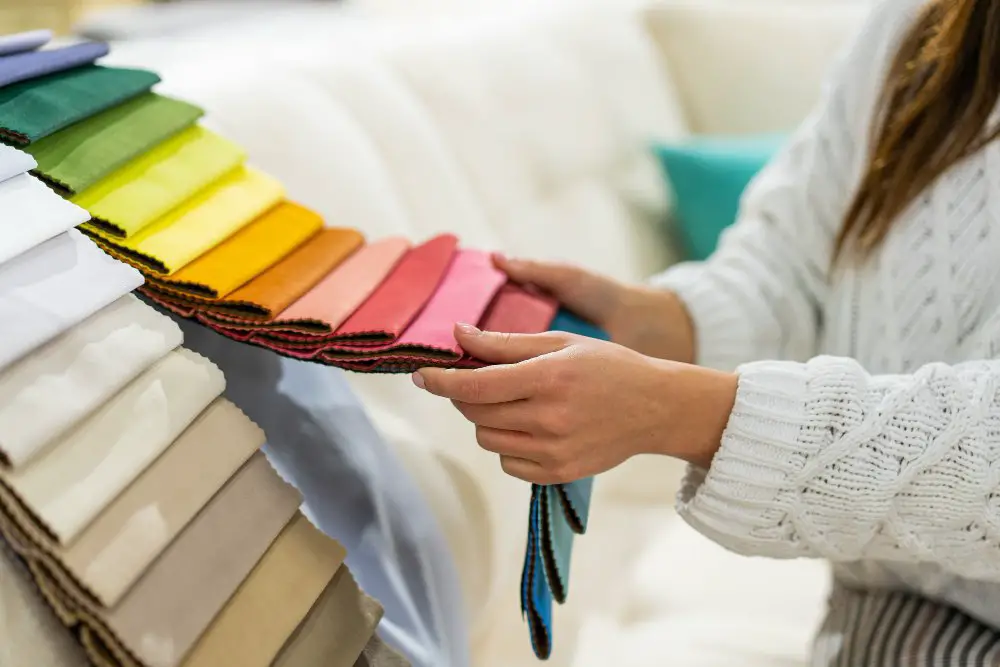
Is crepe a good quality fabric? The quality of crepe back satin varies widely depending on fiber content, manufacturing, and construction. Here’s how to identify high-quality fabric:
Visual Inspection
- Even sheen: The satin side should have consistent luster without dull patches.
- Uniform texture: The crepe side should have even pebbling throughout.
- No slubs or irregularities: High-quality fabric has smooth, consistent weaving.
- Clean edges: The selvage should be neat and finished properly.
- Rich color: Quality fabric holds deep, vibrant colors.
Touch and Feel
- Smooth hand: The fabric should feel soft and pleasant, not rough or scratchy.
- Substantial weight: Too lightweight might indicate poor quality or thin fabric.
- Good drape: Hold up a corner and see how it falls naturally.
- Firmness: Quality fabric has body without being stiff.
Technical Specifications
For silk versions, check the momme weight. Quality silk crepe back satin typically ranges from 16mm to 30mm:
- 12-16mm: Lightweight, more transparent, good for linings
- 19-22mm: Medium weight, most versatile for clothing
- 25-30mm: Heavy weight, excellent for structured garments
For polyester, look for fabric weight measured in GSM (grams per square meter). Quality crepe back satin is usually 150-200 GSM.
Price Indicators
While price doesn’t always guarantee quality, extremely cheap crepe back satin often indicates:
- Thin, low-quality fibers
- Poor dyeing that may fade or bleed
- Uneven weaving
- Shorter lifespan
Expect to pay $10-30 per yard for quality polyester crepe back satin, and $30-100+ per yard for silk versions.
Brand Reputation
Established fabric suppliers known for quality include Japanese manufacturers, which produce some of the finest crepe back satin. These fabrics typically have minimal blemishes and superior weaving consistency.
Sewing with Crepe Back Satin
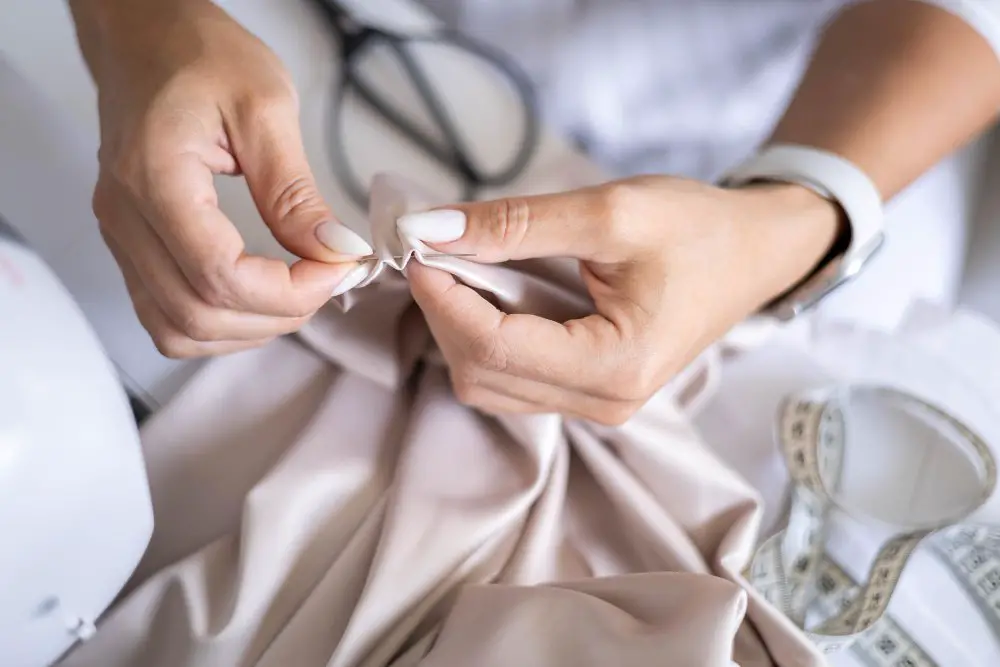
Working with crepe back satin requires specific techniques and preparation. While it’s challenging, the results are worth the extra effort.
Pre-Sewing Preparation
Before You Start
- Pre-wash if necessary: Polyester versions can be machine washed on gentle cycle before cutting. Silk should be dry cleaned first if you plan to dry clean the finished garment.
- Let fabric rest: Allow the fabric to hang for 24 hours before cutting to let it relax and drape naturally.
- Check grain: Ensure the fabric grain is straight before cutting.
- Decide which side to use: Choose whether the satin or crepe side will be the “right” side of your project.
Essential Tools and Supplies
- Sharp scissors or rotary cutter: Dull blades will snag the fabric
- Fine pins (size 17) or silk pins: Regular pins leave visible holes
- Universal or microtex needles (70/10 or 80/12): Fine needles prevent snagging
- Polyester or silk thread: Match thread fiber to fabric when possible
- Weights or pattern weights: Better than pins for holding fabric in place
- Tissue paper: Place between fabric layers to prevent slipping
- Walking foot (optional): Helps feed slippery fabric evenly
Cutting Techniques
- Use a single layer: Cut one layer at a time for accuracy
- Secure with weights: Use pattern weights instead of pins when possible
- Cut with sharp tools: Make clean, decisive cuts
- Mark carefully: Use tailor’s chalk or disappearing ink on the crepe side
- Mind the direction: Pay attention to grain line and nap direction (crepe has subtle directional texture)
Sewing Tips
- Test first: Always sew test seams on scraps before working on your project
- Use small stitch length: 2.0-2.5mm prevents puckering
- Reduce presser foot pressure: Prevents fabric stretching
- Pin within seam allowance only: Needle holes outside this area will show
- Use tissue paper method: Place tissue paper between fabric and feed dogs to prevent slipping
- Hand baste when possible: This gives more control than machine basting
- Avoid ripping seams: Needle holes are permanent, so get it right the first time
Seam Finishes
Choose appropriate seam finishes for professional results:
- French seams: Perfect for sheer or lightweight crepe back satin
- Flat-felled seams: Good for reversible garments
- Serged seams: Quick and clean for polyester versions
- Hong Kong finish: Professional edge treatment for unlined garments
Common Sewing Challenges and Solutions
| Problem | Solution |
|---|---|
| Fabric slipping | Use tissue paper between layers; reduce presser foot pressure |
| Puckered seams | Reduce stitch length; use lighter thread tension |
| Skipped stitches | Use new needle; try different needle type |
| Fabric stretching | Support fabric weight; don’t pull while sewing |
| Visible needle holes | Use finer needle; only pin in seam allowance |
Pressing and Finishing
Proper pressing is critical for professional results:
- Use low heat: High heat can damage fibers, especially silk and acetate
- Press on wrong side: Usually the crepe side to avoid flattening texture
- Use pressing cloth: Protects fabric from direct iron contact
- Avoid steam on silk: Water spots can form; use dry iron
- Press as you sew: Press each seam before crossing with another
- Don’t slide iron: Lift and place to avoid stretching fabric
Care Instructions and Maintenance
Proper care extends the life of your crepe back satin items and keeps them looking beautiful.
Is Crepe Back Satin Washable?
Can you wash crepe back satin? The answer depends on fiber content:
Polyester crepe back satin: Yes, it’s washable! Most polyester versions can be machine washed on a gentle cycle.
Silk crepe back satin: It’s washable but requires careful handling. Hand washing is safest, though some high-quality silk can be machine washed on delicate cycle.
Acetate crepe back satin: Usually requires dry cleaning. Water can damage acetate fibers.
How to Wash Crepe Back Satin
Washing Process Flowchart
Detailed Washing Instructions
Hand Washing (Best for Silk)
- Fill a basin with cool or lukewarm water (never hot)
- Add a small amount of gentle detergent made for delicate fabrics
- Submerge the garment and gently agitate the water
- Let soak for 3-5 minutes (no longer)
- Gently squeeze the fabric to clean it (never scrub or twist)
- Drain and rinse thoroughly with cool water until all detergent is gone
- Gently press water out (don’t wring)
- Roll in a clean towel to absorb excess moisture
- Air dry flat or hang on padded hanger
Machine Washing (Polyester Only)
- Turn garment inside out (crepe side out)
- Place in mesh laundry bag
- Select delicate/gentle cycle
- Use cold water
- Use mild detergent
- Remove immediately when cycle finishes
- Hang or lay flat to dry
How to Clean Crepe Satin – Stain Removal
For spot cleaning:
- Act quickly: Fresh stains are easier to remove
- Blot, don’t rub: Rubbing can damage fibers and spread stains
- Test first: Try cleaning method on hidden area first
- Use gentle cleaners: Harsh chemicals can damage fabric
- For tough stains: Take to professional dry cleaner
Drying
Never use a dryer for crepe back satin. High heat can:
- Melt or damage synthetic fibers
- Cause shrinkage
- Flatten the crepe texture
- Dull the satin sheen
Best drying methods:
- Lay flat on clean towel, reshaping garment
- Hang on padded hanger (not wire, which can create marks)
- Air dry away from direct sunlight (UV rays fade colors)
- Ensure good air circulation
Ironing and Pressing
- Set iron to low or medium-low heat
- Never use high heat
- Turn garment inside out (iron on crepe side)
- Use pressing cloth for extra protection
- For silk, avoid steam (use dry iron)
- For polyester, light steam is okay
- Don’t leave iron in one spot too long
- Lift and place iron rather than sliding
Storage
Proper storage prevents damage:
- Hang garments: Use padded or wide hangers to prevent creasing
- Cover with breathable garment bag: Protects from dust but allows air circulation
- Never use plastic bags: They trap moisture and can cause yellowing
- Store in cool, dark place: Away from direct sunlight and heat
- For long-term storage: Clean first, as stains set over time
- Use acid-free tissue: For storing special items like wedding dresses
Special Care Considerations
Is crepe satin good for hair? While not as popular as pure silk, the satin side of crepe back satin can be beneficial for hair. The smooth surface reduces friction, which can minimize breakage and frizz. Many people use satin pillowcases or hair wraps made from this fabric for hair protection while sleeping.
Frequently Asked Questions
Satin refers to a weave pattern that creates a glossy surface, while crepe satin (or crepe back satin) is a specific fabric that combines a satin weave on one side with a crepe texture on the other. Regular satin fabrics typically have a shiny front and dull back, but both sides are smooth. Crepe satin is reversible with distinctly different textures on each side.
Crepe back satin wrinkles less than many other fabrics, but the degree depends on fiber content. Polyester versions are highly wrinkle-resistant and excellent for travel. Silk crepe back satin wrinkles more easily but still resists creasing better than plain weave fabrics. The satin weave structure naturally resists wrinkling, and the wrinkles that do form usually hang out quickly.
Yes! This is one of the fabric’s main features. You can use either the smooth satin side or the textured crepe side as the “right” side of your project. Some designers create garments that show both sides, using the reversible nature for visual interest. When the crepe side is used as the main face, the fabric is sometimes called “satin back crepe.”
It depends on the fiber content. Silk crepe back satin is naturally breathable and temperature-regulating, making it comfortable even in warm weather. The fabric wicks moisture and allows air circulation. Polyester versions are less breathable and can feel warm in hot weather, though the flowing drape helps with comfort. For summer wear, choose silk or silk-blend versions for the best comfort.
This depends on your needs. Cotton is more breathable, easier to care for, and more durable for everyday wear. It’s better for casual clothing, bedding, and items that need frequent washing. Crepe (including crepe back satin) offers more drape, elegance, and visual interest. It’s better for formal wear, special occasions, and when you want a luxurious appearance. For summer clothing, cotton might be more comfortable. For evening wear, crepe back satin is superior.
Crepe fabrics can work year-round, but they’re particularly good for transitional seasons (spring and fall). The weight and drape make them comfortable in moderate temperatures. Lightweight silk crepe back satin works well in summer because of its breathability. Heavier versions can work in winter when layered appropriately. The fabric’s versatility across seasons is one reason it’s so popular for special occasion wear.
Yes! Crepe back satin is known for being flattering on different body types. The fluid drape skims over the body without clinging too tightly, creating elegant silhouettes. The fabric has enough weight to drape smoothly but isn’t so heavy that it adds bulk. The satin side can create a slimming effect due to how it reflects light, while the crepe side offers a more forgiving surface. This makes it an excellent choice for formal wear and special occasions.
Crepe back satin is generally considered a luxury or semi-luxury fabric, especially when made from silk. The combination of beautiful drape, reversible design, and elegant appearance gives it an upscale reputation. However, the “luxury” level varies by fiber content. Silk versions are definitely luxury fabrics with prices to match. High-quality polyester versions offer a luxury look at more accessible prices. The fabric is associated with formal wear, bridal gowns, and special occasions, which adds to its luxury status.
The satin side of crepe back satin is definitely shiny, with a high-gloss finish that reflects light beautifully. This is one of its defining characteristics. However, the crepe side has a matte finish with no shine at all. This combination allows you to choose the level of sheen you want for your project. If you want maximum shine, use the satin side facing out. For a more subtle, sophisticated look, use the crepe side.
Prices vary widely based on fiber content and quality. Polyester crepe back satin typically costs $8-25 per yard, making it accessible for most projects. Silk versions range from $25-100+ per yard depending on quality, with Japanese silk crepe satin being among the most expensive. Mid-range silk-blend options usually cost $20-40 per yard. For special occasion sewing, expect to budget $50-150 for enough fabric for a dress, depending on the style and fabric choice.
Conclusion
Crepe back satin stands out as one of the most versatile and interesting fabrics in the textile world. Its unique dual-texture design offers creative possibilities that single-texture fabrics simply can’t match. Whether you’re drawn to the glossy elegance of the satin side or the subtle sophistication of the crepe surface, this fabric delivers beauty and function in equal measure.
Throughout this guide, we’ve explored the rich history of this reversible fabric, from its roots in medieval Chinese satin weaving to its modern applications in fashion and home decor. We’ve looked at the technical aspects of how it’s made, the different types available, and how it compares to similar fabrics like charmeuse, duchess satin, and sateen.
Key Takeaways
Understanding the Fabric: Crepe back satin is a reversible textile with a smooth, shiny satin face and a textured, matte crepe back. This dual nature makes it perfect for creating interesting design elements and allows designers to use both sides effectively.
Quality Matters: Not all crepe back satin is created equal. Silk versions offer superior drape, breathability, and luxury feel but require more care and investment. Polyester options provide excellent value, durability, and easy maintenance, making them practical for many projects. Japanese-made fabrics typically represent the highest quality regardless of fiber content.
Versatile Applications: From wedding dresses and evening gowns to home decor and craft projects, crepe back satin adapts to countless uses. Its flattering drape makes it particularly good for formal wear, while the reversible nature opens up creative possibilities for reversible garments and accessories.
Special Handling Required: This fabric isn’t the easiest to work with. It requires patience, the right tools, and proper techniques. The slippery texture and tendency to snag mean mistakes are hard to fix. However, the professional results are worth the extra effort, especially when you follow proper sewing techniques.
Care and Longevity: With proper care, crepe back satin garments and items can last for years. Hand washing silk versions, machine washing polyester on gentle cycles, and always air drying will preserve the fabric’s beauty. Proper storage away from sunlight prevents fading and damage.
Sustainability Considerations: As with any fabric choice, consider the environmental impact. Silk is more eco-friendly than conventional polyester, but recycled polyester offers a good middle ground. Looking for certifications and choosing quality over quantity helps reduce overall environmental impact.
Final Recommendations
For Beginners: If you’re new to sewing with crepe back satin, start with a small project like a pillowcase or simple top before tackling a complex garment. Use polyester versions for practice since they’re more forgiving and affordable. Take your time, use proper tools, and don’t skip the preparation steps.
For Special Occasions: When choosing fabric for a wedding dress, formal gown, or important event, consider silk crepe back satin. The investment in quality fabric pays off in how the garment looks and feels. Work with an experienced seamstress if you’re not confident in your sewing skills.
For Everyday Projects: Polyester crepe back satin works beautifully for craft projects, home decor, and everyday clothing. It offers the luxurious look without the high-maintenance care requirements of silk.
For Sustainable Fashion: Look for recycled polyester versions or Peace silk options. Buy quality fabrics that will last rather than cheap versions that need replacement. Consider repurposing or upcycling existing crepe back satin items instead of buying new.
Moving Forward
Whether you’re a fashion designer, home sewer, craft enthusiast, or someone interested in textiles, crepe back satin offers something special. Its combination of beauty, versatility, and interesting texture makes it a fabric worth exploring. While it requires respect and proper handling, the results speak for themselves in the elegant drape, professional appearance, and timeless appeal of finished projects.
Remember that working with crepe back satin is a skill that improves with practice. Don’t be discouraged if your first project isn’t perfect. Each piece you make will teach you more about how the fabric behaves, what techniques work best, and how to achieve the results you envision.
The world of textiles is rich and varied, and crepe back satin represents one of the most interesting options available. Its dual nature, beautiful drape, and classic elegance ensure it will remain a favorite for formal wear and special projects for years to come. Whether you choose silk for ultimate luxury or polyester for practical elegance, you’re working with a fabric that has centuries of history and continues to inspire creativity today.